

In this Artist Exploration, Elizabeth and Charlie discuss building your own MT degree, making the switch from Classical Voice to MT, the value of Regional Theatre, and how training is not done at 22 year old. You can follow Elizabeth on Instagram @el.stans... Read More
From the show: Mapping The College Audition: An MTCA Podcast
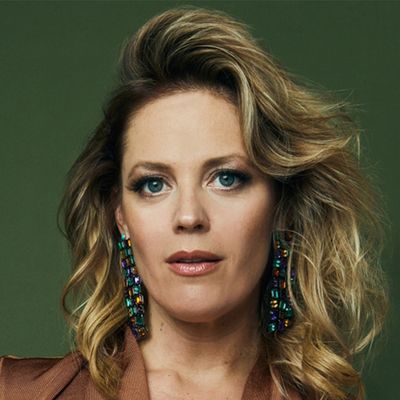
Guests
Featured Shows
About
In this Artist Exploration, Elizabeth and Charlie discuss building your own MT degree, making the switch from Classical Voice to MT, the value of Regional Theatre, and how training is not done at 22 year old.
You can follow Elizabeth on Instagram @el.stans. If you would like to learn more about her summer concerts visit the following links:
- Forestburgh Playhouse: A Benefit Concert Starring Elizabeth Stanley
- Barrington Stage Company: Elizabeth Stanley in Concert
- Hamptons: Broadway Out East
If you have any questions about the college audition process, feel free to reach out at mailbag@mappingthecollegeaudition.com. If you’re interested in working with MTCA for help with your individualized preparation for your College Audition journey, please check us out at mtcollegeauditions.com, or on Instagram or Facebook.
About MTCA:
Musical Theater College Auditions (MTCA) is the leader in coaching acting and musical theater students through the college audition process and beyond with superlative results. MTCA has assembled a roster of expert artist-educators who can guide students artistically, organizationally, strategically, and psychologically through the competitive college audition process. MTCA provides the tools, resources, and expertise along with a vast and strong support system. They train the unique individual, empowering the artist to bring their true, authentic self to their work. MTCA believes that by helping students reveal their potential it allows each school to connect with those who are truly right for their programs, which in turn guides each student toward their best college fit.
About Charlie Murphy:
Charlie is a proud graduate of Carnegie Mellon University’s BFA program. As an Actor he has performed with theaters such as: NY Public Theatre’s “Shakespeare in the Park”, The Pearl Theatre Company, Hudson Valley Shakespeare Festival, Chautauqua Theatre Company, Kinetic Theatre Company, and the Shakespeare Theatre of DC.
With MTCA [Musical Theater College Auditions -- mtca.nyc], he has been helping prospective theatre students through the college process for over 15 years. As a Teacher and Director, he is able to do a few of his favorite things in life: help students to find their authentic selves as artists, and then help them find their best fit for their collegiate journey. Through this podcast, he hopes to continue that work as well as help demystify this intricate process.
This episode was produced by Meghan Cordier and Charlie Murphy. Episode theme music is created by Will Reynolds.
Transcript
This transcript was automatically generated and might contain errors.
[0:10] Charlie Murphy: Hello, hello, and welcome to Mapping the College Audition, a podcast where we explore the landscape of the college theater world and try to demystify this daunting audition process.
[0:20] Charlie Murphy: I'm your host, Charlie Murphy, director of MTCA, Musical Theater College Auditions. And today we have a super special show lined up for you.
[0:29] Charlie Murphy: Elizabeth Stanley is coming on the show. Elizabeth is my roommate and my baby mama, and my almost was pandemic robbed someday, maybe bride. She is brilliant and funny and beautiful. And I can't imagine you won't enjoy listening to her speak.
[0:47] Charlie Murphy: This is another one of our artist exploration series, where we're gonna look at the college process and then what carried forward into the career of some of our successful artists today. Today with Elizabeth, we talked about building your own musical theater degree, the switch from classical voice to musical theater. We played a newlywed game to great effect, which Elizabeth roasted me at. We talked about the value of regional theater, what you can learn, especially early in your career, and the idea that your training is not done at 22 when you graduate college.
[1:18] Charlie Murphy: Next week we're gonna have Kevin Covert from Shenandoah in a really great interview. I think you guys will enjoy in another one of our college deep dives. But for now, let's get to Elizabeth.
[1:35] Charlie Murphy: Well, I am so excited to bring on a very special guest today, Elizabeth Stanley. Elizabeth went to Indiana University as a voice major and then switched majors and ended up with a Bachelor of Science, which we'll talk about on the show. On Broadway, she's played in Stephen Sondheim's Company, in the show Crybaby, Million Dollar Quartet, On the Town, for which she was nominated for a Drama Desk Award. And most recently, she played Mary Jane Healy in Jagged Little Pill, which she won a Grammy for, was nominated for a Drama Desk Award, and is still pending on a 2020 Tony Nom for Best Actress. We will keep our fingers crossed.
[2:14] Charlie Murphy: She's also been in the national tours of Xanadu and Bridges of Madison County and played lots of roles on TV, including most recently in Blue Bloods and on New Amsterdam last night, which aired to great applause in our living room as we were recording this now. Elizabeth, how'd we do and how are you doing?
[2:33] Elizabeth Stanley: I'm doing well. Are you leaving the bio the personal part of my bio out, which was that we're having a child together?
[2:42] Charlie Murphy: What?
[2:43] Elizabeth Stanley: What? No, you can't be talking about that in public, Elizabeth. That is private news.
[2:48] Charlie Murphy: I always said this, Megan, we're not gonna break tea on this pod, but apparently we are. It's coming out.
[2:52] Elizabeth Stanley: Yes, that is a personal part of our bio. But I'll do probably do a little bit of a sweet hello to you at the beginning of the episode, too.
[2:59] Charlie Murphy: I see, I see. It's for private, it's only for public consumption.
[3:02] Elizabeth Stanley: Well, you get to listen to it with everyone else. Um, well, Elizabeth, I'd love to kind of take you back a little bit to 16, 17 year old Elizabeth, which for some might think many years ago, but it's undetermined in this household. I'd love to think like if you had been precocious enough to kind of have a mission statement, like what you were looking for in an educational experience, could be a college experience, but just like as an artist, what did you think you wanted out of a school? How would you have described that school?
[3:34] Elizabeth Stanley: Um, I think I was really looking for opportunities because I'm from a really small town. I went to a really tiny high school that like my high school didn't do a big musical every year. We didn't have a big theater department, we didn't have an orchestra, you know, we had a band that was like doing okay, and we had a drama club that would sometimes do like a variety show or maybe a play. And so any opportunity that I had was because my parents, bless them, were willing to drive me somewhere else to kind of do something at a community theater. And so I kind of felt like I want to go to a school where there are tons of like tons of stuff to do, you know, it's tons of stuff to audition for or be a part of. And then, you know, if I'm not good enough, if I don't, if I try out and I don't make it, like I'll find that out at school. But I just felt like I was dying to know like what else is there out there and how do I fit into it?
[4:36] Charlie Murphy: And do you remember the kind of audition tour of what you did back then in terms of how many schools you auditioned for, how it worked for you?
[4:42] Elizabeth Stanley: Yeah, I think I auditioned for four schools. So it was I was, you know, going to study classical voice. So I auditioned at University of Illinois because I grew up in Illinois and my parents were like, you definitely have to audition for a state school. Millican, which my voice teacher at the time was on faculty there. And Oberlin and then Indiana University, which is where I ultimately ended up. And they were all, you know, all of those schools are pretty different from each other in what they had to offer. Um, so I was grateful to be able to go visit and kind of get a feel for it. And I actually had sung for someone at Northwestern, like the year prior. It wasn't really part of my formal audition process, but I had kind of a bad experience, so maybe not want to audition there.
[5:32] Charlie Murphy: And certainly it's changed a little bit in that you started out in the classical voice world, and we'll talk about how it might have changed in the musical theater world. But I love given what you said that you started up that you ended up at such a big school, a big university. It seems like you got a lot of opportunities, both theatrical and life, you know, going to a big school as you did.
[5:50] Elizabeth Stanley: Yeah. My first choice actually after I did all of the audition circuits was Oberlin. And I got in, but I didn't get a big enough scholarship for my parents to say, like, yes, go there. Um, they were really not pro me in inheriting a huge amount of debt when I graduated as an artist. Which I spent a lot of months being like so angry about. Um, I don't know, months, maybe weeks, but I have no regrets about where I went. And in hindsight, I'm actually really grateful, especially because I did kind of alter my course a little bit, and I'm really grateful that I didn't graduate with like tremendous debt.
[6:31] Charlie Murphy: I just would love to highlight that a bit for some of our students, maybe who did have to make the kind of fiscally responsible decision, and if they got into a couple schools, went to the school that made more sense to see someone who is still so successful, especially in her love life.
[6:45] Elizabeth Stanley: Send help.
[6:47] Charlie Murphy: Okay. Um, I'd love to jump forward into the college years a little bit. And we're gonna talk specifically a bit about the transfer that you made, but maybe just kind of starting with Indiana as a whole. What was the scholastic experience like for you?
[6:58] Elizabeth Stanley: So, in a couple words, what was it like to you to be an Indiana student? Awesome and cool in a couple words. I mean, it was it was great. I absolutely loved it. Um, you know, the school itself is gigantic, like huge, a big town university. Um, so like anything that you were interested in or curious about was there. I mean, I look back now and I'm like, I can't believe I didn't even know that existed. Why didn't I do that while I was there? Like, there's just so much to explore. But the music school is also like this really world-renowned conservatory. So, within that giant university, I was in a really intense like conservatory program, which was wonderful. I mean, it just like, so to be honest, like I didn't explore nearly as much of the outside university as I could have, because there was just so much happening in that conservatory world.
[8:01] Elizabeth Stanley: Um, so I would say I became pretty like just entrenched in, you know, all of my new theater friends and all my music friends, and you know, I was taking classes with like I had music theory every single day I was there, I think. Um, it's a really intense music theory program, which has been so useful to me in my career as I've moved on. Um, but I wasn't just in that class with like other theater performers, like I was in that class with instrumentalists and with composers and with anyone who was a music major of any sort. So it still felt like diversified, I think, within the music school because you weren't just there with other people who were artists in the same way that you were.
[8:49] Charlie Murphy: Absolutely, and I think that word entrenched is a pretty good one for a lot of people in a conservatory experience. I think that's not uncommon that even if no matter what's going on in the school, if you're in that competitive conservatory environment, you get a little bit entrenched in that building. You know, you might maybe that's where you're spending most of your time, where most of your energy and focus is going for sure. Um, I'd love to hear a little bit about what the experience of switching majors was. So you started off as a classical voice major, and then at some point you're gonna graduate and having taken more musical theater classes. Tell me a little bit about that.
[9:19] Elizabeth Stanley: Yeah, so originally I would have graduated with the lovely initials of BM, a bachelor of music. Um I I kind of, I think around the middle of my sophomore year, I had become friends with enough people who were in the theater department, um, who had more their sights set on a Broadway, you know, career or hopes of one. And I just got a lot more curious about that and a lot more excited about that repertoire, and um classical music started to feel really black and white to me, like there was there was a correct way to do it and an incorrect way to do it. And you know, a lot of classical art forms are like that. And at the time I was like, I wanted a little more freedom to explore and and express myself artistically in different ways, and it felt like theater allowed for more of that.
So at the time now, Indiana does now have a music theater program, but so at the time, what it meant was that I had to apply to change my major to become a bachelor of science with an outside field, which is like such a weird title to have. It's really, I feel like a bachelor of arts is what I created. But so it just meant that instead of taking opera workshop and Italian and French diction, I was able to substitute in taking a dance class from the ballet department and taking a theater class from the theater school. So, you know, I sort of made my own music theater degree, I guess, in a way, while I was there.
[10:59] Charlie Murphy: And this is still before Indiana had a BFA program, right?
[11:02] Elizabeth Stanley: Yes, quite a while before. I mean, I graduated in 2000. Somewhere between 1980 and 2015, I think is the answer. I played that I graduated between this range.
[11:14] Charlie Murphy: Um, no, that's right. Sometimes people do get a little obsessed with what the letters are. Did I get a BA or a BFA or a BM? Most people do not have a BS in musical theater or in music theater or theater in general. But just what a great example of how the letters themselves don't matter. It is all a little bit of BS in terms of nobody has ever in your career asked you, yeah. What are the letters on your degree?
[11:34] Elizabeth Stanley: Yeah, not never. I've never ever had someone ask me about that.
[11:38] Charlie Murphy: Do you have an MTCA?
[11:40] Elizabeth Stanley: Yes.
[11:40] Charlie Murphy: Do you have an MTCA?
[11:41] Elizabeth Stanley: I got an MTCA.
[11:42] Charlie Murphy: That's what I have. Thank you. Put it on a bumper sticker.
[11:45] Charlie Murphy: Um, okay. Do you feel like you're ready to play one of two games that we're gonna play today, Elizabeth?
[11:50] Elizabeth Stanley: Oh, definitely.
[11:51] Charlie Murphy: Okay, so this is our college flashback round. We're gonna ask you.
[11:54] Elizabeth Stanley: Oh dear.
[11:55] Charlie Murphy: Okay. Um it is a numerical game. You have 60 seconds on the clock to answer as many questions as possible. If you can get more than 12 in a minute, you will be our new belt-holding champion of the college class.
[12:07] Elizabeth Stanley: Okay.
[12:08] Charlie Murphy: Are you ready? Are you psychologically prepared?
[12:10] Elizabeth Stanley: Um, I'm scared, but I'm game.
[12:12] Charlie Murphy: Yes and well, that that's yes and exactly right.
[12:15] Elizabeth Stanley: Okay.
[12:16] Charlie Murphy: Did you kiss anyone in your class?
[12:18] Elizabeth Stanley: Yes.
[12:19] Charlie Murphy: Snack that got you through college.
[12:21] Elizabeth Stanley: Snack?
[12:22] Elizabeth Stanley: Peanut butter Captain Crunch.
[12:23] Charlie Murphy: Something on the dorm room wall that you remember.
[12:25] Elizabeth Stanley: Georgia O'Keefe.
[12:27] Charlie Murphy: Worst college fashion choice.
[12:29] Elizabeth Stanley: Butterfly hair clips.
[12:31] Charlie Murphy: Ever possess a fake ID?
[12:33] Elizabeth Stanley: Yes.
[12:33] Charlie Murphy: Oh, no.
[12:34] Elizabeth Stanley: Just someone else's.
[12:37] Charlie Murphy: Do you ever cheat on a test?
[12:38] Elizabeth Stanley: No.
[12:39] Charlie Murphy: Uh, most embarrassing costume you wore.
[12:41] Elizabeth Stanley: Oh god.
[12:43] Elizabeth Stanley: Um, Carmen.
[12:45] Charlie Murphy: School alumni you wanted to be when you grew up.
[12:48] Elizabeth Stanley: Oh, Kevin Klein?
[12:51] Charlie Murphy: Craziest college ritual that you participated in.
[12:53] Elizabeth Stanley: Ice Cream Social.
[12:55] Charlie Murphy: Ever attend a frat or sorority party?
[12:58] Elizabeth Stanley: Yes.
[12:58] Charlie Murphy: Ever have a crush on a professor?
[13:00] Elizabeth Stanley: Oh, we'll never know.
[13:02] Charlie Murphy: We'll never know.
[13:03] Charlie Murphy: But did you? I'm now asking you this as your partner. Did you ever have a crush on a professor?
[13:05] Elizabeth Stanley: Yeah.
[13:07] Charlie Murphy: How many did we get, Megan?
[13:09] Elizabeth Stanley: How do we do?
[13:10] Charlie Murphy: We got 10.
[13:11] Elizabeth Stanley: 10.
[13:11] Charlie Murphy: 12 is gonna be hard to beat.
[13:13] Elizabeth Stanley: You gotta fly to get 12, you know.
[13:15] Charlie Murphy: And now what is this legal quibble you're trying to do with did you possess a fake ID versus it was someone else's fake?
[13:21] Elizabeth Stanley: Well, obviously everyone is someone else's fake.
[13:23] Charlie Murphy: Well, it wasn't f it was someone else's real ID.
[13:25] Elizabeth Stanley: Because you can get a fake ID that has like your face on it with the wrong information.
[13:29] Charlie Murphy: Okay, officer. What I'm saying is that if you have when I use my brother's ID, that's a fake ID.
[13:34] Elizabeth Stanley: It's his ID, but it's fake for me, you know.
[13:36] Charlie Murphy: I just want it to be clear.
[13:38] Elizabeth Stanley: And it clearly cost me losing the game.
[13:40] Charlie Murphy: Exactly. Clarity is important, but speed is of the utmost importance.
[13:45] Elizabeth Stanley: Um, let's take a little bit of a slower back look at college. Um, in terms of is there anything like really um significant, uh, whether it's actually personally or professionally, that you feel like you take away from those years?
[13:57] Elizabeth Stanley: Like what are you really grateful that you did in college now as a professional?
[14:01] Elizabeth Stanley: I mean, so many things, but I am probably the most grateful for the friendships that I made.
[14:08] Elizabeth Stanley: I was in a choir called the Singing Hoosier's that um was open to anyone in the university.
[14:15] Elizabeth Stanley: So most of the choirs at Indiana were through the music school and were only available to people who are in music majors.
[14:23] Elizabeth Stanley: But the Singing Hoosier's was through the music school, so it was open to music majors. You could take it as you know, your choral elective, but it was also open to anyone else in the university.
[14:33] Elizabeth Stanley: And I'm really grateful for that because I just met such a wide variety of people in that.
[14:40] Elizabeth Stanley: You know, it was something that like I was kind of a little bit outside the box.
[14:44] Elizabeth Stanley: Like within the music school, it was sort of like that's the worst choir.
[14:47] Elizabeth Stanley: You know, it had that reputation, but it was the most fun to be in.
[14:51] Elizabeth Stanley: And I made the most wonderful friends, like to this day, that are so a part of the fabric of my life.
[14:56] Elizabeth Stanley: And I think I would sometimes meet people after I graduated who went to different programs that felt like they were, I don't know, kind of involved in like a toxic love hate with their classmates, where because it was just like the competitiveness was kind of bred into their program, or um it was just the nature of the way their class was.
[15:22] Elizabeth Stanley: But so I I just didn't feel that, and I'm so grateful that to this day, I just feel like we really celebrate each other and um have been able to take our own paths and and just support each other through that.
[15:36] Charlie Murphy: And I that's kind of invaluable.
[15:38] Charlie Murphy: I can really echo that as someone who sees it from the outside in your life.
[15:41] Charlie Murphy: Like, I think it's a unique friendship that you have to with such a large group of friends, all of whom support each other so much, and now for whatever we're saying, 15 to 40 years it's been since you graduated from college.
[15:53] Charlie Murphy: Um, you know, for that long of a period of time to have sustained it.
[15:57] Charlie Murphy: It's you know, I I have some really close friendships from college, but I don't have just the numbers.
[16:02] Charlie Murphy: I mean, you guys have to the fact that you've you've maintained so strongly and so well throughout the years, I think maybe especially coming from the Midwest and then coming to a New York City to have that support system of people that you know and trust and can live with at times and can lean on, um, I think was really seemed like it was really special.
[16:21] Elizabeth Stanley: Yeah.
[16:22] Charlie Murphy: Um, is there anything as you look back at your collegiate experience that you wish you had done differently in school?
[16:27] Elizabeth Stanley: Um, so anything that you go, oh, if I could go back and take that class again, or I wish I'd paid a little more attention here.
[16:33] Elizabeth Stanley: Um, yeah, what do you think?
[16:34] Charlie Murphy: Yeah, I mean, it it's hard because I think like some of the things that I'm like, oh, I wish I could change that.
[16:40] Elizabeth Stanley: If I'm really practical about it, I'm like, I don't know how you would change that.
[16:44] Elizabeth Stanley: But um I was really dedicated, really focused, really prepared.
[16:50] Elizabeth Stanley: And I think I missed out on fun sometimes.
[16:54] Elizabeth Stanley: So I I feel like hardly anyone gives this advice.
[16:58] Elizabeth Stanley: Like, but for me, it would have been like to kind of trust and test my limits of like, well, how you know, maybe you don't have to practice that thing as many times, like could you do it half as many times and still have the same result?
[17:12] Elizabeth Stanley: Like, I just wasn't willing to test those waters yet.
[17:15] Elizabeth Stanley: I was like so wanting to be prepared and on top of everything, but it also was like necessary and I think has served me well in later in my career.
[17:27] Elizabeth Stanley: So I don't know that I would change it, but I am sometimes envious of people who had like a little bit more of like a wild time in college.
[17:36] Charlie Murphy: Um, do you feel like that preparation almost can become a shield for you?
[17:40] Charlie Murphy: Like, do you feel like you use uh you know an an obsessive amount of practice and preparation actually as a way of sort of protecting yourself, or or maybe actually maybe in college it was almost holding off social relationships or holding off um other things like that?
[17:54] Elizabeth Stanley: Um yeah, I think it definitely can be a protective shield.
[18:00] Elizabeth Stanley: I mean, I think for me it is one way of calming my nerves.
[18:05] Elizabeth Stanley: I know a certain level that I need to get to for my comfort to feel like I'm really prepared for this.
[18:11] Elizabeth Stanley: And so, yes, it is a kind of protection, but I think that that's kind of good.
[18:17] Elizabeth Stanley: I don't know that it's it's um been detrimental.
[18:20] Elizabeth Stanley: I think it's it's actually served me well.
[18:23] Elizabeth Stanley: Um, you know, obviously I was still able to make friendships and have relationships.
[18:28] Elizabeth Stanley: So no, I don't think it was like keeping me from that.
[18:30] Charlie Murphy: Well, clearly, and I think a lot of artists like uh deep preparation actually allows them to be looser in the room or looser, you know, it's for an audition, for instance.
[18:38] Charlie Murphy: Like, I certainly am that way.
[18:39] Charlie Murphy: I'm like, if I'm unprepared, I'm gonna be tight because I'm gonna be a nervous, I'm gonna mess something up, and then but if actually I'm super prepared, I'm actually gonna be much freer to play than I am because I go, I I know I've done it well a number of different ways.
[18:51] Charlie Murphy: This is gonna work.
[18:52] Charlie Murphy: I'm not, I don't, I don't have to, you know, hold on to it quite so tight.
[18:55] Charlie Murphy: Um, let's take a super quick break.
[18:57] Charlie Murphy: And on the back end of this break, we are gonna play a brand new one time only game with Elizabeth Stanley where we may get to embarrass our host and our guest at the same time.
[19:08] Elizabeth Stanley: Oh.
[19:09] Charlie Murphy: So we'll see you in a sec.
[19:11] Charlie Murphy: Okay, we're back with Elizabeth Stanley, and here it's time to play the newlywed game.
[19:17] Charlie Murphy: Now, the newlywed game, as Charlie Murphy has defined it in this version of the podcast, is not really a traditional newlywed game.
[19:25] Charlie Murphy: It's basically you have two things. You have to either get a question right, whether it's a trivia question sometimes, or you have to guess what I would say, which is a little bit closer to a newlywed game.
[19:36] Charlie Murphy: I think this game is really gonna test our compatibility, you know, to really see like do we belong together or not, based on the number of correct answers that you get?
[19:44] Elizabeth Stanley: It's good to find that out in a podcast.
[19:46] Charlie Murphy: Well, yeah, right before we have a child, I know.
[19:48] Charlie Murphy: But because I love you, I'm willing for each correct answer you get.
[19:51] Charlie Murphy: I would cook you a gourmet meal and I will clean our entire apartment.
[19:56] Charlie Murphy: This is for each correct answer you get.
[19:58] Charlie Murphy: There are five questions.
[19:59] Charlie Murphy: So this could be five meals and five apartment cleanings, if you can get some of these questions right.
[20:04] Elizabeth Stanley: That is truly high stakes.
[20:06] Charlie Murphy: Are you ready to play?
[20:07] Elizabeth Stanley: I'm ready to play.
[20:08] Charlie Murphy: If Charlie could play any part in one musical or play, regardless of age or type, what part would he choose?
[20:18] Elizabeth Stanley: Mimi in Rent, because he was singing it just the other day.
[20:22] Charlie Murphy: I told you it would embarrass the most.
[20:25] Elizabeth Stanley: That is incorrect. It's Hamlet is the right answer.
[20:28] Charlie Murphy: But I was seeing a little snippet of Out Tonight for no good reason.
[20:33] Charlie Murphy: Uh absolutely no good reason.
[20:35] Charlie Murphy: Um, it's just 100% true.
[20:36] Elizabeth Stanley: Okay, so that was embarrassing for me.
[20:37] Charlie Murphy: You lost, but somehow I feel like I lost that question.
[20:39] Elizabeth Stanley: But worth it.
[20:41] Charlie Murphy: Question two is trivia time.
[20:43] Charlie Murphy: Trivia time here.
[20:44] Charlie Murphy: During quarantine, I made you sit down and watch four seasons of The West Wing.
[20:51] Charlie Murphy: The West Wing, my favorite television show.
[20:54] Charlie Murphy: What is Leo's daughter's name on the show?
[20:59] Elizabeth Stanley: That is Leo's daughter's name.
[21:03] Elizabeth Stanley: You can do this.
[21:07] Elizabeth Stanley: I have no idea.
[21:08] Elizabeth Stanley: Julia.
[21:09] Charlie Murphy: Come on.
[21:11] Charlie Murphy: We're looking for Mallory.
[21:12] Charlie Murphy: Mallory was the correct answer.
[21:14] Charlie Murphy: Would you have known if I'd said what is Leo's last name?
[21:16] Elizabeth Stanley: I almost asked you that, and I was worried you're gonna get it.
[21:19] Elizabeth Stanley: No.
[21:19] Elizabeth Stanley: Absolutely not.
[21:20] Charlie Murphy: Okay, great.
[21:21] Charlie Murphy: So we watched a total of, I think 120 episodes together.
[21:24] Charlie Murphy: So that's terrible.
[21:25] Elizabeth Stanley: It's going great, everyone.
[21:26] Charlie Murphy: It's going great.
[21:27] Charlie Murphy: Going great.
[21:27] Charlie Murphy: Question three.
[21:28] Charlie Murphy: She's 0 for 2 so far.
[21:29] Charlie Murphy: Our marriage is hanging by a thread.
[21:33] Charlie Murphy: If Charlie and you were to sing one karaoke duet of a song that you have never sang together, what would the perfect duet be, according to Charlie?
[21:43] Elizabeth Stanley: Um My Life by Casey and Jojo.
[21:46] Charlie Murphy: Oh, that's a better answer than what we put down.
[21:48] Charlie Murphy: Um that would have been great.
[21:50] Charlie Murphy: Would have been great if we had sung that together.
[21:51] Charlie Murphy: I would love to emotionally give you points.
[21:53] Charlie Murphy: But wrong.
[21:54] Charlie Murphy: Megan came up with a very funny answer, which was love story by Taylor Swift that we would turn into a duet.
[22:00] Charlie Murphy: Okay.
[22:01] Charlie Murphy: Question four.
[22:02] Charlie Murphy: You have two more questions left.
[22:03] Charlie Murphy: This we're going back to trivia time.
[22:05] Charlie Murphy: Okay.
[22:05] Charlie Murphy: Charlie's favorite basketball team is the Golden State Warriors.
[22:10] Charlie Murphy: Other than Steph Curry, name two members of the Golden State Warriors 2021 team.
[22:17] Elizabeth Stanley: Two?
[22:17] Elizabeth Stanley: Oh, come on, give her just one.
[22:19] Charlie Murphy: I'll give her half of one.
[22:21] Elizabeth Stanley: Zion Williamson.
[22:25] Charlie Murphy: Incorrect, though great try.
[22:27] Charlie Murphy: Um, what is Steph Curry's first name?
[22:30] Elizabeth Stanley: Stephen.
[22:32] Charlie Murphy: Wardell is the correct answer.
[22:34] Charlie Murphy: Okay, great.
[22:35] Charlie Murphy: So we gave you some bonus opportunities.
[22:36] Charlie Murphy: You're still O for four.
[22:37] Charlie Murphy: You're something like O for seven.
[22:39] Charlie Murphy: Um, but this one you have a really good chance at.
[22:41] Charlie Murphy: This is the one that's gonna do it.
[22:43] Charlie Murphy: Okay.
[22:43] Charlie Murphy: Do a little mind reading.
[22:44] Charlie Murphy: This is a newlywed mind reading game.
[22:46] Charlie Murphy: Okay, ready?
[22:48] Charlie Murphy: What is the number that I'm thinking of between one and 13 million?
[22:54] Elizabeth Stanley: Come on, if we if love is true, you will guess it.
[22:57] Elizabeth Stanley: Oh my.
[22:58] Elizabeth Stanley: Um 13.
[23:01] Charlie Murphy: Oh, no, it was 2,563,421 was the number I was thinking of.
[23:06] Charlie Murphy: But that was a really good try, Elizabeth.
[23:08] Charlie Murphy: Oh for five.
[23:09] Charlie Murphy: Oh, God, you missed out on gourmet meals.
[23:12] Charlie Murphy: You missed out on an apartment cleaning.
[23:14] Charlie Murphy: But you know, I feel like America won in that uh game as much as possible.
[23:20] Elizabeth Stanley: Unclear.
[23:21] Charlie Murphy: Very unclear.
[23:22] Charlie Murphy: Um, let's jump forward a little bit back to your professional life.
[23:25] Charlie Murphy: Um, so I'd love to talk about you've now graduated school.
[23:29] Charlie Murphy: You're 22.
[23:30] Charlie Murphy: I'd love to hear a little bit of how about about how you navigated that time, both kind of professionally, but then I think specifically with you because I really love the path that you took educationally.
[23:39] Charlie Murphy: And sometimes I'll talk to our students about like look at the different way you can sort of um pile things together.
[23:44] Charlie Murphy: I'd love to hear about like what were the steps you took educationally to maybe complete your training, continue training, uh accentuate areas that you felt like you were weaker in.
[23:54] Charlie Murphy: Um so tell me a little bit about that like 22 to you know 26 or 27 or whatever time period you want to talk about there.
[24:00] Elizabeth Stanley: Well, I first I did a summer job after I graduated, then I moved home with my parents to save money.
[24:06] Elizabeth Stanley: Um, which was you know, it was hard.
[24:09] Elizabeth Stanley: It's hard to move back in with your parents, as many people have probably discovered during this past year.
[24:14] Elizabeth Stanley: Um, but I was really grateful that I had that privilege um so that I could move to New York with more than zero dollars in my bank account, you know. Um so I always had a side hustle. Um I had did various various things for many years. Um my first was being a cater waiter, and I probably did that one the longest. I also worked as a temp in an office for you know many years on and off. Um I did some nannying, and then I did a lot of regional theater during the first several years that I lived in New York, which for me was so good because you know I wasn't someone who was like die hard music theater, like I knew all the songs, I knew every musical, I knew every composer, I had taken ton, you know, decades of dance.
Like I just that wasn't me. Um and so it was kind of great to get a ton of experience under my belt without like the New York Times reviewing it. Um and I learned a lot. I learned so much from like older actors in the business that I was constantly going out of town and doing shows with. Um and I gained a real appreciation, I think, for just what it is to be an artist and what that looks like, and you know, financially what that looks like, what it looks like to have a family and try and do it. Um, because I was just constantly observing other people who had been doing it longer than me. Um so in between, when I would kind of, you know, be able to like save a little bit of money. I I then started realizing like I want to take class, like I miss a, I miss having like a performance outlet when I'm not working on a show, but also I want to get better.
And I was still really lucky, like I was still getting cast as leads regionally um pretty often, but it just it feels like there's never you can never stop learning and growing and like challenging yourself is how I still feel that way. Um, and so I got into Craig Cornelia's music theater class, which I took for many years, like on and off. Um, and it was you know, it was a financial sacrifice for me. I remember like once I started taking that class, I was like, oh, I feel like now my budget is so much tighter. Um, but it was worth it. It was just good. It was good to see what other people were doing and good to learn from watching, um, and good to have a different teacher than all the teachers I'd had in school.
For me, Craig's class was really about like becoming an actor. Um, I had spent so much time, you know, coming at this from um as a musician and um as a as a vocalist that it I there was like a little bit of undoing of like, oh, I could try these different things with my voice, or I could just not even think about my voice because I've already spent so many years studying that and just let the voice do what it's gonna do and really just focus on what does it feel like to act this song. And that became so exciting to me, and I loved it. Um, you know, and so I took that class for many years, and then in 2010, I was doing my third Broadway show, which was Million Dollar Quartet, and I felt that show was not really challenging me.
I mean, it was like at a great, you know, it's always great to be in a Broadway show, but um as I think many people will say, like, just because it's Broadway does not mean it's gonna be like your best most creative, awesome experience. Like I've had regional gigs that I loved way more than than other Broadway moments, you know. So it's just it's everything is it's it's just part of the the journey in in quotes, but it is. Um, and so at that time I decided like I want to take it just an acting class, like no singing, like just acting, which felt kind of scary to me at the time. Um, but it was like a great way to be scared. Um, and so I started studying with this woman who I'd taken who I'd coached with a little bit in the past, named Joan Rosenfels.
And um, and she's become a great mentor of mine. And I've I've studied with her a lot continually throughout the years. And you know, and I'm sure I will continue to, and I'm sure I'll continue to find other teachers. Um, and and likewise I've taken a couple like on-camera classes, because that was I didn't have anything about that in my training. And it wasn't something I was super like interested in or even thinking about when I was in school. But now I love that, and I I continue to be fascinated by like, oh, what is that? Wow, it's so different. The process of being on a set is like a completely different way of using these same set of skills, but there's a lot to learn there. So um, yeah, I don't know.
[29:15] Elizabeth Stanley: It's something I kind of love about this business, is that it's just like endlessly pushing me to try new things. I think that is so helpful for our students to hear, especially maybe students, you know, who a couple months ago were in that place of going, or you know, three weeks ago now as we're recording this, um, in that place of deciding between options, and they say, Oh, this one I think will give me better training here, but this one I feel like will really prepare me here, just to take that longer term view and go, well, you're not done at 22. It's not like you're cooked and then there's nothing else to to bake in you or whatever. Um, that there is so much that you go, I can continue to develop this.
And using the skills that I have here, how do I then accentuate this skill? Um I think particularly for you, you know. I think, you know, I'm gonna be a little bit biased here, but I think you were such a phenomenal actor of song. But it seems from the outside, I have no idea if this is true, but it seems from the outside that your incredible musicianship allows you to do that in a way that I think some singing actors are still at some level thinking about their singing more than you are. Like you it seems like you are so solid in what you're doing musically, what you're doing vocally, that you're able to really just treat a song like a scene. And it's why I think that your acting is so naturalistic and so um beautiful. But I think some of that has to come from that training that you have. Some of that comes from that real foundation of musical training that you have that allows you to flourish as an actress.
[30:37] Elizabeth Stanley: Yeah, I think that's I mean, thank you. But it's mostly as a compliment. I think that I think that that is true. I think um I do feel and it's not to say I never think about my voice, you know. I I often think about my voice and practice things. I think about it all the time, yeah. I think I'm sure you do. Um, but it's it is a muscle that I know inside and out. I know really well. And so I do feel like I can relax into that and and it can kind of go on autopilot. I can trust it, I know what it's gonna do most of the time. Um, and so yeah, I can think about other things, which is super freeing when you're doing musicals, which ask you to do so many things at once. I it's so cool to watch from the outside as someone who doesn't have that expertise vocally, but who like likes to sing.
Like I'll hear you say things like, Oh, I think my voice is feeling a little weaker, it's feeling a little, I'm like, you sound perfect. Like, I would know my voice is tired once it's horse. Like, like once I couldn't sing anymore. I'd be like, Oh, I guess I sang too loud. Like, but you'll be like, I probably have a little bit more in me. Like, I need to like you just have such a fine-tuned understanding of what your instrument is, it's really cool to watch from the outside.
[31:46] Elizabeth Stanley: Thanks. So we don't do a lot of like career reflection moments for our guest artists, many of whom have very exciting careers, and really we focus a little bit more on the early years in the college and stuff like that. But I do think our listeners would probably love to hear a little bit about the craziness of that March 12th moment and what it was like for you, right? So your your career is like cresting. You already had this really successful career, but now at a new high, as the lead of this hit Broadway musical, you're engaged to the most wonderful man on earth. Everything about your life is going so well. And then all of a sudden, a pandemic. So like I just would love to hear a little bit about how did you navigate that kind of most unexpected of curve balls?
[32:28] Elizabeth Stanley: Um, and and what that was like for you, you know, to have such a high followed by such a crazy low that we've all experienced. Yeah, it I mean, it was hard. I think there's no real way to frame it. Um it was so shocking, I think, to be to have it be such a um a first time kind of high in my career, and then to really just have like the bottom drop out. So I think I spent the first several months kind of just coming to terms with like what is that? What does that mean? Like trying to grasp, as I think many of us were like, what is really lost? Like I can't even name what what's lost, and that is like a uncomfortable place to sit in. Because you know, there are many times as an actor when I've been unemployed or not known what's next, or you know, it's a it is a lifestyle of uncertainty.
So I think I kept being like, This is fine, I know how to do this, but as it went on, I was like, no, I don't, because this is different. And things are changing, and and you know, change even when it's good is uncomfortable for most of us anyway. And so I think it just has it's it continues to be something that is a challenge to kind of say, okay, now that things are coming back, like, well, what is what does that mean? That's also another change because now we've gotten settled into a little bit of a way of existing, and um so it just it's been a real like wave to ride, I think.
[34:12] Elizabeth Stanley: And for me, wasn't an incredibly productive creative time, um, which is also unusual for me. Um I think most people that know me would say, like, I'm someone who generates a lot of just creative energy, you know, I'm all always kind of making something with my hands or trying a new recipe, or um traveling and exploring, or you know, um I always kind of find a place to to channel my creative mood. And that was really hard this past year. There were a lot of handicaps around that. Um, and I found that kind of painful.
[34:56] Elizabeth Stanley: So I, you know, I and then I had to have had to deal with like my comparison, which is never a great idea, um, and usually something that I feel pretty in check with, but I think this past year is has been a demon that has really like reared its ugly head of like, but so-and-so like did all of these things during the pandemic, and what have I done? Um, which I mean, even saying that out loud, I'm like, that is like a hideous thing to be worried about.
[35:21] Elizabeth Stanley: Like, oh my God, like let's compare our pandemics. Like, um, we're alive, and that's great. Let's compare our pandemics. It's such a fascinating discussion with you, especially because I know you didn't write the next great American novel, but I do think from the outside, a lot of people would look and think, she had such a productive pandemic. Think about the concerts she did. She started a tie-dye business, she was doing all this, you know. So, from looking from the outside, people are like, you did a ton, and you traveled and you've seen all these things, you're creating a new life inside your belly, like all these amazing, literally producing, you know, in this pandemic. And I do think you are someone who someone else could have watched and gone, oh, I should have done the pandemic like Elizabeth.
And yet I think you still feel like I wish I should have done this pandemic like someone else, right? I just think I think it's helpful for artists to hear that basically wherever you are in the food chain or on the ladder of productivity in this case, but in the success in other cases, that everybody has that feeling of looking up, and everybody has that feeling of, shouldn't I have done more?
[36:21] Elizabeth Stanley: What should I have done differently, et cetera.
[36:24] Charlie Murphy: So true.
[36:25] Elizabeth Stanley: Um, so just in kind of wrap up contemplation, um, you know, as someone who's kind of connected to this industry or very connected to this industry in some of the ways it may be changing in the crazy year of 2021 that we're living in.
[36:38] Charlie Murphy: Um, I just love to hear a little bit about where you think we're going, um, how you are kind of planning to navigate that, how you see the industry changing in the next 10 years, et cetera.
[36:50] Elizabeth Stanley: That's such a big question.
[36:52] Charlie Murphy: Um, you have three minutes.
[36:57] Elizabeth Stanley: I think it's awesome um that we're we're talking, right? That we're having these conversations out loud, that people are feeling empowered to share their feelings and you know, come together to to work through some of the the change that is that is needed and that is overdue.
[37:20] Charlie Murphy: And I'm personally hoping that there is a lot more transparency in our industry.
[37:24] Elizabeth Stanley: I think when things are revealed, when the truth is there, like when you say, like, oh, I know how much so-and-so is making, or I know how much my producers are making off of this production, or I understand like how this nonprofit is funded.
[37:41] Charlie Murphy: Um it's just empowering to all of us, right?
[37:45] Elizabeth Stanley: Like we all feel more seen, safer, more understood. We can make educated choices for ourselves about what feels right, what feels good to us, about where we where we want to work, um, what kind of jobs we're willing to take, um, you know, allows us to feel hopefully respected and seen.
[38:05] Charlie Murphy: Um, so I think some of those conversations are good and really important to have, even though, you know, it can feel uncomfortable getting there.
[38:13] Elizabeth Stanley: Um, and I think, you know, what I'm witnessing right now is that there are a ton of really caring people who are after a common goal, who have different ways of getting there, right?
[38:28] Charlie Murphy: Different ways of working working towards that.
[38:32] Elizabeth Stanley: Um, and I think that's good too. I mean, again, it can sometimes be uncomfortable because it feels like discord.
[38:42] Charlie Murphy: Um, it feels like there's a rub.
[38:46] Elizabeth Stanley: But you know, if you look historically at history, there's often a rub when there's a good change that is happening.
[38:52] Charlie Murphy: And so I'm excited.
[38:53] Elizabeth Stanley: You know, I'm excited to come back.
[38:55] Charlie Murphy: And I hope that the big changes I think really need to happen at the top.
[39:01] Elizabeth Stanley: In general, I feel like as the artist, we're we're really at the bottom, right? Of like this big food chain in terms of the way that theater is produced.
[39:13] Charlie Murphy: And I mean that at every level, like, you know, even at a small nonprofit in your hometown, there's still people that fund it, and there are still people that manage it and people that run it and people that make decisions, and ultimately, like you are a final choice that they make in casting you, right?
[39:31] Elizabeth Stanley: Um, and so I think it's it's great that we're calling upon the people that are you know, holding the strings, so to speak, um to ask to just I don't know, inspect themselves to say, how can you be the most conscious, best person you can be, and and run this business, which also requires you know, being business savvy, like you know, and I think it's good.
[40:00] Charlie Murphy: It's it's educating us as artists about like oh, what does it really take to run a show?
[40:05] Elizabeth Stanley: Um, because I think a lot, like I know I there's so much that I didn't really ever consider when I was a young artist.
[40:12] Charlie Murphy: Like, well, what does it take to produce theater?
[40:15] Elizabeth Stanley: What you know, how much money does is necessary, and what about press and what about awards and what about you know, all of this the stuff that I just like I was so focused on the craft, right?
[40:27] Charlie Murphy: Um, and so I think it's good for artists to take a look at the big picture, and then I think it's it's it's good for people more on the producing side to look at the humanity of everyone that they're employing.
[40:40] Elizabeth Stanley: So I'm hoping I'm hoping we can meet it meet in the middle somewhere, you know.
[40:43] Charlie Murphy: It's well said.
[40:44] Elizabeth Stanley: Um, I'm only gonna ask you one more question.
[40:47] Charlie Murphy: Uh, I'd love to just hear if you think about um a young artist today, whether they're you know, an 18-year-old about to start college or a 22-year-old about to graduate and go out into the world.
[40:57] Elizabeth Stanley: What advice would you give that young person?
[41:00] I'm gonna give some advice that I think was given to me, and then I wish I would have heeded more, um, which is to listen.
[41:12] Charlie Murphy: I think um it's awesome to feel empowered and to use your voice also.
[41:20] Elizabeth Stanley: So definitely do that. I don't mean silence yourself and only listen, but I mean make sure that you're listening, which is useful on stage within the craft in terms of like being present, being truly present with your scene partner and being truly present with like the people in the rehearsal room, but also like as we are navigating this, all these changes happening, there are people that have come before you that have wisdom.
[41:52] Charlie Murphy: You know, there's plenty that's come before you that is stuck and needs to change, and we need the young people to use their voices and their their fresh set of eyes to say, wait a minute, that's crazy.
[42:04] Elizabeth Stanley: Why is that like that? We need to change it.
[42:06] Um, but I just would encourage also like look for the look for the people who are carrying the wisdom because they're also there and um I think that's also useful.
[42:19] Charlie Murphy: And it sounds like advice that you did follow in terms of at least as you were early in your career learning from you talked about learning from those mentors that you were kind of apprenticing to um in those early regional jobs.
[42:30] Elizabeth Stanley: It seems like that also taught you a lot artistic it yeah it definitely did but I always feel like I'm like I should have listened to that more you know so that's why I say like oh I could have I could have literally listened to it more.
[42:40] Charlie Murphy: For sure always um if people loved hearing you as much as I like listening to you today um let's give them some atts and tags to follow you.
[42:48] Elizabeth Stanley: How could someone check you out a little bit more?
[42:50] Some atts and tags well really the only place you can find me is on Instagram which is EL dot stands so L dotstands on Instagram.
[43:00] Charlie Murphy: That's the only social media I can handle.
[43:02] Elizabeth Stanley: Oh and but you handle it very well is there anything you need to plug things you need to know for our audience that need to know about that's coming up for you I am in the midst of putting together a summer concert which I'm doing at a few different places this summer which I will definitely be advertising on my Instagram.
[43:18] Charlie Murphy: But the first one is at Forestburgh Playhouse and the next one is at Barrington Stage Company and the last one is out in the Hamptons.
[43:24] Elizabeth Stanley: So if you want to come see me sing live and pregnant and very pregnant in all my glory um it's gonna be uh I think a lot of like fun pop tunes that we all know and love and just like a feel good show.
[43:36] Charlie Murphy: So I would love to see real live faces there and they're all outdoors and we'll have you know safety protocols in place.
[43:44] Elizabeth Stanley: So it'd be so nice to kind of commune in person with anyone who wants to.
[43:48] Charlie Murphy: And that may be the debut of the love story duet.
[43:51] Elizabeth Stanley: That could be where it comes is in your concert.
[43:53] Charlie Murphy: Oh gosh.
[43:54] Elizabeth Stanley: We'll talk about it.
[43:54] Charlie Murphy: We'll discuss it a little bit.
[43:55] Elizabeth Stanley: Maybe I'll be talking about it.
[43:56] Charlie Murphy: TBD.
[43:57] Elizabeth Stanley: TBT um thank you so much for the time, Elizabeth.
[44:00] Charlie Murphy: I really appreciate it.
[44:01] Elizabeth Stanley: And I'm sure our listeners got a lot out of this today.
[44:04] Charlie Murphy: Thanks for having me.
[44:05] Elizabeth Stanley: It's so nice to chat so formally with you.
[44:14] Charlie Murphy: All right.
[44:14] Elizabeth Stanley: Well, I hope you enjoyed listening to Elizabeth as much as I did.
[44:20] Charlie Murphy: I just want to take a little second and dive a bit deeper into something we were talking about, that idea of kind of continuing your training.
[44:28] Elizabeth Stanley: I think Elizabeth gave such a great answer and is kind of such a great model for continuing growth and continuing artistic development even beyond the college years.
[44:39] Charlie Murphy: I think that is a real goal, especially maybe for some of our alumni students or some of our students who are either in college or have just graduated or early in their careers, to keep investigating what are the ways I continue to grow artistically.
[44:52] Elizabeth Stanley: That can mean specifically in artistic skill sets like taking classes.
[44:56] Charlie Murphy: Maybe you want to improve as an actor, a singer, a dancer, wherever you feel in the business you want to specifically improve your skills from teachers like Joan and Craig, who are both fantastic teachers.
[45:06] Elizabeth Stanley: I've taken from Joan myself on Elizabeth's recommendation, and I found her to be just a wonderful acting teacher.
[45:12] Charlie Murphy: But I also think it goes beyond just classes and to an attitude that Elizabeth brings to her life that I think is really helpful to us as artists.
[45:20] Elizabeth Stanley: And it's a really tricky attitude to maintain in this business.
[45:24] Charlie Murphy: It's how can you stay curious and learn in whatever moments of life you are, whether it's in a show, in this moment of your career as a business, or in your personal life.
[45:34] Elizabeth Stanley: I think that openness is really hard to maintain in an industry that is often asking you to present a finished product.
[45:41] Charlie Murphy: So you'll feel a pressure coming out of a BFA program and doing a showcase to feel like you're done cooking at 22, that that's it.
[45:48] Elizabeth Stanley: I am a finished adult full product.
[45:51] Charlie Murphy: And there's another kind of journey that happens after that where you go, I gotta actually find the softness and open this up and refine the curiousness I might have had at 16 to be able to go, where can I keep developing, right?
[46:03] Elizabeth Stanley: But the tricky balance of that is that you are ready to start working and you want to go hit the stages and you want to be out there, as DeVere would say, doing the thing.
[46:12] Charlie Murphy: Um, but just because you've begun your professional work doesn't mean that your artistic growth should be stopping, right?
[46:17] Elizabeth Stanley: We all know this from being in a show.
[46:19] Charlie Murphy: As soon as you sort of set something artistically, it can start to feel a little stuck or stale.
[46:23] Elizabeth Stanley: If you're like, I'm giving that same line reading every night, I'm gonna stand in this spot and play this emotional moment.
[46:28] Charlie Murphy: You're like, well, now it feels like I'm playing a result, and it starts feeling fake and it starts feeling like you're not finding the inspiration behind it.
[46:35] Elizabeth Stanley: I think that's the trick of what we want to try to find in our careers as well.
[46:38] Charlie Murphy: How do we keep hitting that refresh button so that we can go, let me take in new information without necessarily washing away all the good things that we've learned and all the sort of progress that we've made in our careers?
[46:48] Elizabeth Stanley: I think it's a really difficult balance to strike, but it is really worth investigating from both ends of you know, what am I presenting to the world?
[46:55] Charlie Murphy: Is it too messy and too open and too curious and there's not enough sort of professionalism it?
[47:00] Elizabeth Stanley: Or is it too stuck and professional and perfect, and I'm not actually allowing myself to stay open to new ideas and to keep learning and growing and become a different artist than I was 10 years ago?
[47:10] Charlie Murphy: What where are the places I can still continue to grow and expand?
[47:14] Elizabeth Stanley: Well, if you've enjoyed this episode and you want to hear more of me and Elizabeth talking, just come over to our apartment anytime.
[47:21] Charlie Murphy: This is basically what we do all day, every day.
[47:23] Elizabeth Stanley: But if you want to hear more podcast episodes, I'd hit that subscribe button whenever you get a chance.
[47:28] Charlie Murphy: Um, we'd also love it if you were to rate and review us wherever you found us.
[47:32] Elizabeth Stanley: Um, Megan suggests five stars if you loved us and want your friends to know about it, and then like a fake five stars if you hated us and want to throw your enemies off the trail.
[47:42] Charlie Murphy: That's what Megan thinks.
[47:43] Elizabeth Stanley: Um, you can also reach out to us with questions for the pod at mailbag at mappingthecollegeaudition.com, and we will try to answer a few of those questions once we begin our mailbag segments.
[47:54] Charlie Murphy: If you are interested in working with MTCA for help with your individual preparation for your college audition journey, please check us out at mtcollegeauditions.com.
[48:03] Elizabeth Stanley: To my young artists out there mapping their journeys, my best advice to you marry up.
[48:09] Charlie Murphy: See you next week.
[48:18] Elizabeth Stanley: Mapping the college audition.
© Broadway Podcast Network, All Rights Reserved