

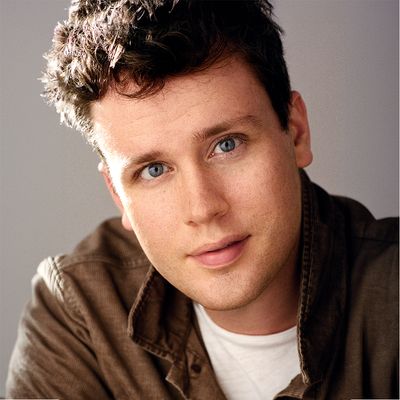
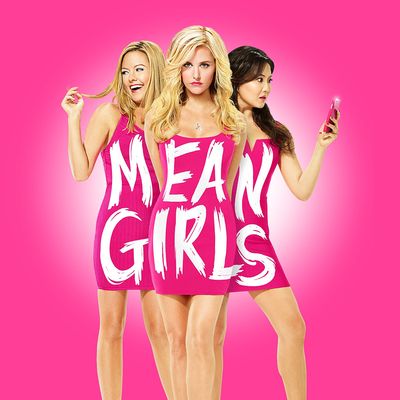
In this Artist Exploration, Grey Henson from Mean Girls and MTCA Director Charlie Murphy discuss: Experience you gain in pre-college programs. Freedom within a framework. How Type applies within a “machine” of a show. The work of Comedy. Join MTCA at our events!.. Read More
From the show: Mapping The College Audition: An MTCA Podcast
Guests
Featured Shows


About
In this Artist Exploration, Grey Henson from Mean Girls and MTCA Director Charlie Murphy discuss:
- Experience you gain in pre-college programs
- Freedom within a framework
- How Type applies within a “machine” of a show
- The work of Comedy
Join MTCA at our events!
If you have any questions about the college audition process, feel free to reach out at mailbag@mappingthecollegeaudition.com. If you’re interested in working with MTCA for help with your individualized preparation for your College Audition journey, please check us out at mtcollegeauditions.com, or on Instagram or Facebook.
Follow Us!
Instagram: @mappingthecollegeaudition
YouTube: @MTCA (Musical Theater College Auditions)
TikTok: @mtcollegeauditions
Charlie Murphy:@charmur7
Meghan Cordier:@meghanmarie2014
About MTCA:
Musical Theater College Auditions (MTCA) is the leader in coaching acting and musical theater students through the college audition process and beyond with superlative results. MTCA has assembled a roster of expert artist-educators who can guide students artistically, organizationally, strategically, and psychologically through the competitive college audition process. MTCA provides the tools, resources, and expertise along with a vast and strong support system. They train the unique individual, empowering the artist to bring their true, authentic self to their work. MTCA believes that by helping students reveal their potential it allows each school to connect with those who are truly right for their programs, which in turn guides each student toward their best college fit.
About Charlie Murphy:
Charlie is a proud graduate of Carnegie Mellon University’s BFA program. As an Actor he has performed with theaters such as: NY Public Theatre’s “Shakespeare in the Park”, The Pearl Theatre Company, Hudson Valley Shakespeare Festival, Chautauqua Theatre Company, Kinetic Theatre Company, and the Shakespeare Theatre of DC.
With MTCA [Musical Theater College Auditions -- mtca.nyc], he has been helping prospective theatre students through the college process for over 15 years. As a Teacher and Director, he is able to do a few of his favorite things in life: help students to find their authentic selves as artists, and then help them find their best fit for their collegiate journey. Through this podcast, he hopes to continue that work as well as help demystify this intricate process.
This episode was produced by Meghan Cordier and Charlie Murphy. Episode theme music is created by Will Reynolds.
Transcript
This transcript was automatically generated and might contain errors.
[0:10] Charlie Murphy: Hello and welcome to Mapping the College Audition, a podcast where we explore the landscape of the college theater world and try to demystify this daunting audition process.
[0:19] Charlie Murphy: I am your host, Charlie Murphy, director of MTCA, that's Musical Theatre College Auditions. Find us at MTCA.com. And we've got Grey Henson on the show.
[0:30] Charlie Murphy: A dear sweet human, and I know one of what is now officially too many Carnegie Mellon alum.
[0:36] Grey Henson: I know, I agree.
[0:37] Charlie Murphy: We do have a few schools overrepresented on the show based on our original dreams of really balanced representations with both the schools and the artists. I'll just say it's something I'm actually trying to let go of in all the many things I'm juggling to make this podcast what I want it to be.
[0:52] Charlie Murphy: I wanna keep having interesting people on, showing you different paths, different conversations, but I'm just not gonna overly stress about having too many ticks in the Carnegie Mellon or the Michigan box instead of having enough in the UNCSA box or whatever the case may be.
[1:04] Charlie Murphy: Honestly, it's just too much to balance with like the people that come across our plate and all the different other things we're considering. It's just dropping on the list for us, especially now that we've had a number of different schools and different paths on.
[1:15] Charlie Murphy: We're gonna keep trying to have diversity of all kinds in every way on the show, including scholastic, of course. But I do think there's a lot to be garnered by having great people from all schools and all the different people who come from the same school and seeing how they can all be different, right?
[1:28] Charlie Murphy: Even when we just happen to get a bunch of beats. It's not something I'm gonna try to do actively of having more repeats per se. Um, it's just not something that I'm gonna overly concern myself with.
[1:38] Charlie Murphy: Um, and especially I'll just say being an alum of Carnegie Mellon myself, it is certainly a place where I have some easy connections to guests. And of course, I do say that because we are going to record another exciting CMU Broadway name in a couple weeks, which I guess will be released maybe a month from now or a little over than that.
[1:54] Charlie Murphy: Um, but so just to say that's on its way. I'm not gonna spoil who that is, but just, you know, there's been a lot, I know, and there's more coming. And I'm aware of that.
[2:02] Charlie Murphy: And I'm I'm Mia Culpa, you know. Speaking of, can I settle a debate here? A lot of people ask, is it Carnegie or Carnegie?
[2:10] Charlie Murphy: And people feel very confident being right whenever they tell you it's one way or the other. You're gonna hear Grey confidently pronounce his Carnegie a few times in the show. For those curious, Pittsburghers do say Carnegie, but of course, I think most people in the world say Carnegie.
[2:25] Charlie Murphy: Like Carnegie Hall is the same Andrew Carnegie that Pittsburghers would say Andrew Carnegie. I'd even say most people at the school at CMU do say Carnegie Mellon, um, because that's what the locals call it.
[2:38] Charlie Murphy: And so most, and there's enough people in Pittsburgh. I guess that's keeping that going. You know, even they may not call us call it Carnegie Mellon, the way that a Pittsburgh will say Carnegie, but they may say Carnegie Mellon, right?
[2:47] Charlie Murphy: Um, but most of the drama majors I know do say Carnegie. That's what our Edith Skinner-based speech teachers called it, and we all obediently followed suit. So there you go. The debate is settled.
[2:58] Charlie Murphy: I don't know. I am a native Pittsburgher myself. I am a BFA alum, and I say Carnegie. So just settle down in the comment section, is all I have to say on that.
[3:10] Charlie Murphy: You're gonna get some aggressive comments anytime you say Carnegie, but people who say real Pittsburghers say Carnegie.
[3:15] Grey Henson: Well, I don't know. I guess maybe I'm not a real Pittsburgher then.
[3:19] Charlie Murphy: On that ornery note, should we read a few reviews of this very podcast? You can, of course, feel free to leave your own review mocking my pronunciations, and I may read it in a future episode.
[3:29] Charlie Murphy: But here we have Jennifer who says, "This podcast is so helpful for providing insight into the auditioning process and what it's like to work in the musical theater." Thank you.
[3:37] Charlie Murphy: And Empty Mom Heart Emoji says, "These podcasts are full of genuine advice from knowledgeable people who really care about the next generations of artists. Listen to all of them and share them with your friends."
[3:54] Charlie Murphy: A big star's eye emoji to you as well, Empty Mom Heart, and a big thank you to you, Jennifer. If you do leave us a review, we may read it on the show as we've just done. So thank you to those who have done so.
[4:06] Charlie Murphy: I really appreciate it. It's a big help to the show as we keep growing our audience. Um, we are sending a lot of love to our seniors as they continue receiving their news.
[4:17] Charlie Murphy: This last week was another big one with a lot of schools releasing more acceptances, some releasing wait lists, still more results to come, of course. Some schools have released no results already.
[4:25] Charlie Murphy: Um, and I'll just say for those seniors out there, you're almost there, families. Hold on. We do have two webinars coming for you at the top of April. That's coming in very soon, really next week.
[4:34] Charlie Murphy: Both diving deep into where you are in the process. We're gonna dive into helping you make a final decision, which is a place some of you guys are leaning toward, and then a whole other separate webinar on waiting on a wait list for those of you who are really in that boat.
[4:49] Charlie Murphy: I know that's many of you are in both of those boats, and many of you are still waiting, waiting, waiting for some of those big results that are gonna be coming for you. For you junior listeners tomorrow night, come hang out with us as we talk all things standardized tests.
[5:03] Charlie Murphy: I know that's your favorite subject for all of you. And don't forget to sign up for our spring faculty masterclasses. You'll see that in your inboxes, there are only a very few spots left in those classes, and they will fill up across the board.
[5:14] Charlie Murphy: Some really excellent faculty, many of which you'll have heard on this very podcast, and at least a couple more of which you're gonna be hearing coming up on this podcast. Spoiler alert. Sending so much love to all of you out there.
[5:26] Charlie Murphy: I hope you're all having wonderful springs. And I really hope you enjoyed this interview with the great Grey Henson.
[5:38] Charlie Murphy: Well, we are so titillated to have on the wonderful Grey Henson. Grey has a BFA from Carnegie Mellon.
[5:46] Charlie Murphy: He's been on Broadway in the Book of Mormon, also did the tour, Mean Girls and Shucked, also just wrapped tick-tick boom at the Kennedy Center.
[5:54] Charlie Murphy: Um, he's also been on your television screens in shows like Suburgatory and Girls5eva. These are both like trying to test my ability to read bios.
[6:03] Charlie Murphy: Suburgatory and Girls5eva. I nailed them both. Grey, how are you doing? Welcome on the show.
[6:08] Grey Henson: Thank you for having me. I'm doing really well. How are you?
[6:10] Charlie Murphy: I'm doing well. You started this day off already giving me compliments, and then I had to give myself some more compliments.
[6:15] Charlie Murphy: So this isn't gonna be a good feeling pod. I really do think that's oh yeah. Let's just truly lift each other up. I think that's a good one.
[6:20] Charlie Murphy: That's pretty. Um, okay. I want to start you off with our first question that we ask everyone, which is if you can take me back, 16, 17-year-old Grey. What were you thinking about in terms of like your approach to looking at college?
[6:32] Charlie Murphy: So eventually we'll end up at Carnegie Mellon, but what were you thinking about as you first started thinking I might want to go to college for this? What were you looking for in a school? Where were you in the world? Bring me back to that.
[6:41] Grey Henson: Okay. Um, well, I'm from Macon, Georgia, which is a small town in central Georgia that is just like an hour and a half below Atlanta. And so I didn't go to a performing arts high school.
[6:53] Grey Henson: I didn't do Pebble Brook, like I know so many of the Georgian actors did. Um and mostly at that to at that point, I mean, 16, 17, I was more transitioning into theater, but I started as a dancer.
[6:57] Grey Henson: I started as a ballet dancer when I was four years old. And that was sort of my gig. That was the thing that I did, and I was really good at it up until I hit puberty and realized I was like a linebacker in size, which I know you can relate.
[7:21] Charlie Murphy: Okay, we're so compliments.
[7:24] Grey Henson: No, I think it's a great thing.
[7:26] Grey Henson: No, I'm kidding. Of course, of course, yes. No, but you're not typically ballerina kind of I was not, I didn't have the body for the ballerina world for the ballet world.
[7:35] Grey Henson: And um, but I did theater a lot growing up, um, alongside dance, and I sort of found my voice and my presence on stage as an actor at the end of middle school into high school, and that's when I sort of decided I wanted to pursue theater over dance.
[7:55] Grey Henson: I studied at North Carolina School of the Arts one summer, like I did their ballet summer intensive. I think when I was maybe 14, 15.
[8:04] Charlie Murphy: Yep.
[8:05] Grey Henson: And that was the summer that I really decided I'm not gonna pursue dance professionally. I want to do theater because I was miserable that whole summer.
[8:10] Grey Henson: The program was amazing, the training was like insanely intense, but I was so jealous of the theater kids that whole summer.
[8:19] Charlie Murphy: And you interacted with them? Did you get a little taste of oh god, this is what it would be like if I was doing this instead?
[8:24] Grey Henson: Yes, yeah, yeah. Like looked at them from afar and you know, and I still had that in my blood. And so that summer, um, I decided no, I'm gonna do theater, acting, musical theater is my thing.
[8:36] Grey Henson: And so when I was looking for schools, the next summer was the summer after my junior year, and that's when I did the Carnegie Mellon Pre-College program for musical theater.
[8:45] Grey Henson: I know. Right. And so we're all very familiar. And um, my mom was the one that actually told me about Carnegie Mellon.
[8:51] Grey Henson: Cause this was, you know, this was 20, this was 2006, right? And so this was pre-like, you know, social media, anything.
[9:00] Grey Henson: Like, you just had to sort of know about these programs, and you could do research online, but I was really unaware. I knew about NYU, right?
[9:08] Grey Henson: And I knew about Juilliard, and I knew about these big schools in my mind that like New York was the place to study. But my mom said Carnegie Mellon's a great school for musical theater.
[9:19] Grey Henson: And so I applied for the pre-college program and got in, and I fell in love with the school, and that's when I really knew that that's where I wanted to go ultimately.
[9:28] Grey Henson: Um, I loved that it was a conservatory style school within a university.
[9:33] Charlie Murphy: And you found that out after going to the summer though. You didn't think to yourself, I know I want a conservatory style school at 15.
[9:39] Grey Henson: I didn't, I didn't know anything at that age. I mean, I think a lot of kids are were way more ambitious than I was. Theater and acting was just what I did.
[9:47] Grey Henson: It was just like it was my thing. It wasn't like something I was necessarily hungry for. It's just like, oh, well, this is the this is what I'll do.
[9:58] Grey Henson: Yeah, you know, and it's like you have this a skill in something and you just keep following that path. And so I ultimately, you know, Carnegie Mellon's fell in my path, and the pre-college program went really well, and they do this mock audition at the end of the summer, as you know.
[10:14] Charlie Murphy: Did you do pre-college as well?
[10:15] Grey Henson: I did do pre-college as well.
[10:16] Charlie Murphy: Yeah, yeah. Great. I have a feeling you're about to tell me that you live in the same world as I live in. Were you accepted from that mock audition at all?
[10:22] Grey Henson: Well, so almost. So Don Wadsworth that summer called back two actors. One was Lucia Roderick, yeah, who ultimately was in my class, and the other was me.
[10:33] Grey Henson: And Don was like, Greg, come bring me another dramatic monologue. And at that point, we were in pre-college doing a million things.
[10:40] Grey Henson: It was summer camp. I didn't have another great dramatic monologue ready to go. I've been sitting on this in my back pocket, Don. Let me not tell you.
[10:50] Grey Henson: And I was like, uh, okay. And there was another that I had been given in class, but I didn't work on it. I barely knew it.
[10:55] Grey Henson: I threw it together in one afternoon. And I came back in for this callback, which you know, they're so sneaky about there.
[11:03] Grey Henson: Obviously, like if they're gonna find people from the pre-college program, like great, but they're like, maybe this is a real audition, you know. All of a sudden it's like the pressure of like you're auditioning for colleges, maybe, and you're so not ready.
[11:17] Grey Henson: Um, but I came back in and did another monologue, and Don just said he wanted me to cook a little bit longer, I guess.
[11:24] Grey Henson: And so I was not accepted directly from the program. And so I didn't get that green light right away.
[11:30] Grey Henson: Yep. And but I sort of knew I had established a relationship. I loved the teachers, I loved the program. I could sense that they liked me, and um, you know, like I said, like theater for me was a community theater high school thing.
[11:45] Grey Henson: It wasn't like I was a I really didn't have the tool belt that you learn and get when you're in school. And so um I was just a little underbaked, like I said, and so but I really knew I really knew that if I would just get some new material and throw it together, I would think I would get in.
[12:01] Grey Henson: But of course, then I had to cast a wide net. So you did do the full process, you did do the UNC.
[12:06] Grey Henson: Full audition process, yeah.
[12:08] Grey Henson: Yeah, I did the Chicago Unifieds. I went to a few schools that I really loved, and yeah, I forget how many I auditioned for, but it was a lot, which I know is this is the norm, right?
[12:19] Charlie Murphy: It's the norm, though. I would say your a lot is probably still less than a lot of the kids now, and they're in there a lot, yeah.
[12:24] Grey Henson: What's the norm now?
[12:26] Charlie Murphy: It's probably closer to 20. Most people do.
[12:27] Grey Henson: Right. So, you know, I think back in our day was maybe you did 12, 14, 15, and it's a good idea.
[12:32] Grey Henson: That was, I think, my number. And the unified's really like, I went in for schools that I didn't even think I was would apply for.
[12:38] Grey Henson: You know, the Unified's is amazing. You're walking down this hotel room hallway, and then you're like, well, I guess I'll go in for Autobot.
[12:43] Charlie Murphy: Totally.
[12:44] Grey Henson: Yeah. Totally cool. Um, yes, no, I do think I was one of those kids who did get in through the pre-college program.
[12:49] Grey Henson: Well, and I do think it was basically like I think it was me that broke it. Like, I think they were like, let's not do that anymore.
[12:52] Grey Henson: We've learned we should let them bake a if I could have known him a little better, that wouldn't have been because I do think it ended like basically right after that.
[13:01] Charlie Murphy: I mean, it wasn't too much.
[13:02] Grey Henson: Well, yeah, Lucia got in. Lucia got in right away. So a couple years after us that they stopped, you know, advertising.
[13:08] Grey Henson: They don't do it anymore at all.
[13:09] Charlie Murphy: Well, I won't say they don't do it at all, but I think they don't they don't advertise it certainly as something that happens.
[13:13] Grey Henson: They say that.
[13:14] Grey Henson: Yeah, and they I mean they didn't even advertise it then. And I think it's just it's just a way to like get ahead of the game, you know what I mean?
[13:20] Grey Henson: Um relationship business. But I I think I benefited from not being accepted right away.
[13:22] Grey Henson: I think I benefited from having to really fight for my place in the school. Because that was the first.
[13:31] Grey Henson: Yeah, but that was the first time I really felt, oh, this is a business that I have to be hungry for.
[13:37] Grey Henson: Um, because I was just like the kid that was good at dancing, singing, and acting acting, and I loved it.
[13:41] Grey Henson: Yeah, and that was the first time I was like, oh no, I want this. I'm gonna have to compete. So it was good. It really lit a fire under me, I think.
[13:48] Charlie Murphy: I definitely was jealous of like, I mean, I was so happy to of course be in, but I was like, I kind of want to do the process now, I want to see how it goes.
[13:54] Charlie Murphy: Like, you know, that's I mean I would love to go back and now do it all. Maybe next year I'll go back and do it all just to be able to do it.
[13:59] Grey Henson: Give it a try and see how you do.
[14:01] Charlie Murphy: Um, talk to me about you say mom, of course, did some research and found out about Carnegie Mellon. Maybe she already knew about it.
[14:05] Charlie Murphy: What was your relationship with your parents at the time? Were they supportive of the idea? It seems like relatively supportive of the arts if they're have you in ballet class at four years old.
[14:12] Grey Henson: But um, how was the journey with them?
[14:15] Grey Henson: They were wildly supportive.
[14:18] Grey Henson: Um, my mom really was the one, she is an artist in her own way, never professionally, but like acted, did community theater, um, is just so well-rounded herself. And uh, you know, coming from a smaller town in middle Georgia, um, I grew up in the 90s, raised in the 2000s, like I dodged a lot of bullets that I think many people have to deal with. And I'm sure now it's different. I hope now that it's very different. But you know, I was a closeted kid from Georgia who did ballet, and so I um, I was never really bullied in the way that I know a lot of people would have been doing what I did. And you know, I ultimately went to a private school because they had a better theater program, and it was a school that everyone had gone from K through 12 together, and I came in my 10th grade year, and I was like the kid that did theater, and ultimately won them all over.
But um, my parents always instilled in me that like, you know, um, you can do what you want to do, and they really let me. My mom said I was dancing all over the house. That's why she put me in dance class. And honestly, the first studio she took me to turned me away because they were like, he's too young and he's a boy, he can't come. And she was like, Well, that's wild, you know, in 1994. You would assume they'd be a little bit more open-minded. But then I found the studio I went to. But yeah, they were very, very supportive and always have been. But like I said, it was for me, and this is what I tell students that I talk to. It's like you have to just know that it is your water, it is your life.
Like for me, it was just the thing that I did, yeah. You know, and it's such a competitive industry that it has to be your everything. I know that's very cliché, but um, the old saying of if there's anything else you can picture yourself doing, you should do that, right? For me, it was just there was never a question, and so for them, there was never a question. There was never a question of like maybe Grey, you're not good enough and you should go pursue something else or get a degree in communications or something. Like they always were like, No, this is what Grey does. We're gonna make sure he goes to the right school, he got into the right school, we're gonna make sure he can get there no matter what, even though we really couldn't afford Carnegie Mellon, which was wildly expensive. Yep. Um, but yeah, very, very lucky to have supportive parents in Georgia.
[16:39] Charlie Murphy: That's awesome to hear. Um, give me, we've had a number of Carnegie Mellon grads, so we don't need to go super deep on the program, but just give me your experience of college. What was college like for you? What did you sort of um suck out of that wonderful place?
[16:51] Grey Henson: Yeah, well said. Um, I think that for me, it like with any school. I mean, I only know my experience at Carnegie, but I think you come into any program with a set of skills that you just have innately, right? I think it is mostly instinct-based, and then you just give it a name. You basically, I think, take your wild skills that just exist inside of you, and you hone them and you focus them, and then you like highlight the good ones and get rid of bad habits. But ultimately, I think I walked out the pro of the program the same actor I walked in. I just felt more confident in my abilities, and I could just name them. I truly just was like, Oh, this thing that I know I'm doing correctly, I just did. Now I could like I have the reason behind why I'm doing it. Does that make sense?
[17:43] Charlie Murphy: It makes total sense. Um, we often talk about this kind of educational philosophy of like, are we supposed to tear you down? You know, to the studs, are we just adding on top? And to me, I'm like, Carnegie felt like it fit a little bit in between. It's like we did start at the beginning, you know, you so you learn from the ground up, but I never felt like I was anything was being torn away from me that I wasn't consciously saying, Hey, I want to let that go. That's a habit I think I can let that go now that I understand. Like, I felt like I'm gonna use um my best friend's fancy word autodidact. I felt like it was an autodidact.
[18:11] Grey Henson: I mean, I was teaching myself, like they were teaching me to teach myself, basically.
[18:14] Charlie Murphy: 100%, that's so useful for your life because you're gonna keep learning, you're gonna keep teaching. That's, but that is acting training, I think. I think that ultimately, like you're going to figure out and put those pieces together on your own. Like teachers will guide you in the right direction, but no one's gonna sit down and give you the formula for how to be a good actor. It is like a nebulous thing.
[18:34] Grey Henson: Yes.
[18:34] Charlie Murphy: And so, acting school to me, I was grateful to pay for the name Carnegie Mellon, which has opened many doors for me, and the teachers were phenomenal, phenomenal, and the people I met were amazing. Yeah, um, but I had those skills going in, and then I just sort of nurtured the good ones.
[18:53] Grey Henson: It's so true. I mean, yeah, we talk all the time about like what are you paying for? Yeah, you paid for the certification, you pay for the name, and of course the professors are great, but I will say, now knowing all these programs, the professors are great almost everywhere. I mean, with a couple exceptions, maybe you go, I don't know, but I mean, in general, you're like, these schools have great professors. What you're paying for some of is like everybody else who's awesome wants to go to this other school that is known to be awesome. And so then you're gonna get classmates who push you and pod you and you learn from at a different level. That third level of who you're with, I feel like is so key.
[19:22] Grey Henson: Yeah, the alumni do a lot for schools, right? And I think that um ultimately, like you're looking at uh what people do after they graduate from that school, and yeah, and less about the people that are in the program at the time. And I think that uh yeah, there is no one correct school for anyone to go to. I think that you make the most of the program you're in. You should find a school that you want to be at, yeah, and that has a, you know, hopefully has a showcase. That's a huge deal. Yeah, but the teachers are phenomenal in so many places, and it is, it's truly what you make of it.
[19:55] Charlie Murphy: Absolutely. So I was grateful to go to Carnegie and I did learn so much. I mean, Barbara McKenzie Wood, who I know isn't there anymore, just uh taught me, I think um most about acting, and I still think of the things that she says. I mean, the thing that I bring up, like, you know, whenever I'm working, whenever I'm talking about acting, is about having a freedom within a framework. And the concept of like learning your lines, doing your homework, and then letting it go. That to me is the essence of what we do. Like you prepare, you show up, you know your lines, you know your blocking, you are a good and easy uh technical partner, and then you just like act and then you just exist and have fun, and that is like the essence of acting, and she's the one that like made that click for me.
[20:43] Grey Henson: It's so cool because it's yeah, almost always something is out of the alignment with one of those. It's like, did I not prepare enough or am I not free enough? And for me, often because I'm such a preparer that I'm like, when I'm not free, it's because I didn't prepare enough. Like it's like when I'm not free, it's because I don't have confidence, I'm still holding on to some of my framework and thinking about it, and so I'm not able to be free.
[21:01] Charlie Murphy: It's so true. But it doesn't work, I'm like, woohoo.
[21:03] Grey Henson: I completely agree. It's like doing a self-tape for me. For me, some people like don't learn their lines from self-tape. I'm like, if I don't know my lines, I'm unable to act.
[21:11] Charlie Murphy: Then you're thinking about the lines the whole time.
[21:12] Grey Henson: Yeah. I'm stressed about.
[21:15] Charlie Murphy: Yes.
[21:16] Grey Henson: Yeah.
[21:16] Charlie Murphy: But always my notes for Elizabeth. I'm always like, you just need to learn these lines better. I'm like, you're doing such phenomenal fake acting right now as you think about it.
[21:23] Grey Henson: I know that's what it is, though. It is fake acting. Joey Tribiani, smell the fart acting. And I'm just like, you are so much better than that. You just gotta learn these lines.
[21:31] Charlie Murphy: Yeah.
[21:31] Grey Henson: And then you get out of your own way, and then you let the performance just happen, which is ultimately what we're doing.
[21:37] Charlie Murphy: So true. Well, that transition is beautiful. You mentioned showcase and sort of launching into the business. But now, according to Wikipedia.com, you ended up booking Mormon while still in school. Is that true?
[21:46] Grey Henson: That was during your junior year of school.
[21:48] Charlie Murphy: Uh, senior year, but yeah.
[21:50] Grey Henson: Well, it's his junior year on Wikipedia. You gotta fix it.
[21:52] Charlie Murphy: Okay, well, let's log on and change it.
[21:54] Grey Henson: Okay, great. Let's give it a change, Wiki.
[21:56] Charlie Murphy: It's so funny. But so you booked this was like midway through senior year. How did that work for you timing with graduation and with having a really yeah?
[22:02] Grey Henson: This is a really wild story. So I owe it to Don Wadsworth, who, but uh, Book of Mormon had opened my junior year the year before 2011, and um won a million Tony Awards, and everyone was talking about it. It was the show to, you know, this is pre-Hamilton, right? So it's just like the Hamilton of its time. And the next year, obviously, they were thinking of taking it on the road, and they were thinking of Broadway replacements. And so Don Wadsworth was doing our showcase that year, and I was a senior, and he was like, you know, you're so much like Rory O'Malley, who originated the role of Elder McKinley in the Book of Mormon. He was a Carnegie Mellon grad. He was like, You're so much like him.
I think this is a perfect part for you. And Ingrid Sonicson had said it too. But Don was like, I'm gonna email Rory. And this was first semester senior year. He emails Rory and he's like, Hey, Rory, we've got this senior, he's perfect for your role. Do you know that they're casting anything? And he says, Well, give me his headshot resume, I'll send it through to Carrie Gardner, the casting director. And because of that Carnegie Mellon connection, I get a cold call from New York City. And they're just like, hey, we've got this appointment for you. I know you don't have an agent or anything, but um, will you would you come down to New York? Here's the material for Elder McKinley. Yeah, here's a monologue. You gotta learn a dramatic monologue. You have a little bit of time. Go get in the room, make it happen.
[23:21] Grey Henson: Exactly. Um, and so I was rehearsing for Lady Han, our main stage first play, this Brecht play with this German director. And I told the director, I was like, Hey, I got this call from Broadway. Can I go to New York on this? Like you're like making it's New York City called. Broadway called. I'm sure it was a human being. But you're like Broadway's calling. Oh, cool. I don't need two or two and number. I used to go, oh, it's Broadway, it's Broadway. Broadway. Broadway. Yeah, full panic. Um, and so he was like, Yeah, of course, go. And um, uh funny story though, Noah Plomgren, who was a classmate of mine, we drove up to New York a month before, like maybe before classes started that senior year, and went to the first ever open call for Mormon. But since we were non-equity, we weren't even seen.
[24:10] Charlie Murphy: You weren't seen.
[24:10] Grey Henson: And so we drove up to be like, let's go. This is a perfect show for us, weren't seen, drove back to Pittsburgh where like driving back again. I know, I know, yeah. And so, well, I flew that time because I had an appointment, and so I felt like I like called my dad and I was like, please buy me a flight. Um and I anyway, yeah. So I was in full college mode, flew to New York, had you know, what they had sent me was turn it off, the audition cut, turn it off. And I walked in and I um sang, they asked for my own song, and I forgot what I forgot what I sang. Because they didn't want you to be funny for Mormon. They were like, we just want to see you be young and youthful. So I think I said I sang a Forest for the Trees from Spitfire Grill.
[24:50] Charlie Murphy: Yes, I'm just a fool who couldn't see I thought we get a little bit of a couple of well, you I was trying to cue you, so you give me a little bit, you know.
[24:56] Grey Henson: No, I'm recovering from a virus. This is not the time to record.
[25:00] Charlie Murphy: No, no.
[25:01] Grey Henson: Um, and then uh and so anyway, I sang my song, and she's like, Okay, great, let's hear the scenes. And this, and I was, you know, super eager, young, whatever. I was like, Oh, you didn't send me any scenes. And I didn't have an agent, so I was in this wasn't a conversation. They had truly, this casting director's assistant sent me this material, and I was like, You just sent me the turn it off song. She goes, Oh, well, since you know it, let's hear it. It was this happy accident. And so I was like fully prepared to give this like opening night performance of Turn It Off. Uh-huh. Because, you know, I was not a jaded New York City performer, I was a college senior ready for my first job. And so I, because they accidentally sent me the sent me the song, I got to sing Turn It Off in this edition. Um, and then she's like, Great, can you take this scene and go learn it in the hall? I'm gonna see somebody else.
[25:45] Charlie Murphy: Not the cold.
[25:45] Grey Henson: I know. And she was like, learn the scene, then come back and we'll do it. But since I was in college mode, yeah, which you know, play playground mode. You're like learning new things every day, and I'm learning a poem every morning. Like, literally, I took the scene, memorized it like I could never do now. Yes, I think. And I went in and went in and like really nailed it because I was in college mode. And then they were like, That's great, we're gonna keep in touch with you. Went back, finished this Lady Han Brecht play, and then we were getting close to the winter break, and I got a call asking to come to the final callbacks for the tour, the first national tour to play Elder McKinley. And it was on my Christmas break.
So I finished class, went back to New York, and I was auditioning. Um, I walked in, it was like they were they were casting all of the Mormon boys and the Elder McKinley, right? And so I walk in, and the first person I see is this um this guy who I knew from like a Disney Channel show. And this was the first time that I saw like a celebrity who was like obviously vying for my role, and I was like this kid from Georgia. And I was like, oh, I'm never gonna get this. And it was clear to me it was just the two of us for this role for McKinley, and then a bunch of Mormon boys. And um we all sang, we danced together, and then after all of that, they were like, okay, just Grey, we're gonna have you stay, and all these Mormon boys, and they had me stand up with them, and I was like, I think I got this.
And I um was home in Georgia, about to go back for my final semester, and I got the call like right after New Year's asking me to play the role of Elder McKinley on the first national tour of Mormon. And so the timing was wild, and rehearsals would start in July after graduation. And um, I so I got to finish the graduate without having to leave early. Yeah, and then a month I got to spend in Georgia, and then I flew to New York and started rehearsals, and it was the timing was unbelievable. I realized how lucky I am to have booked that job and the timing. I mean, that's that's what it's about, right? It's about being the right person for the right thing at the right time and having the skills and then you know, being lucky enough to preparation all up.
[27:55] Charlie Murphy: But let's talk about so I mean, obviously, that that is an atypical um experience of graduating, especially to go right into a Broadway tour and then which eventually becomes the Broadway show. It seems like basically, again, according to the Wikipeds, that these two things go kind of into each other. So the tour, and then pretty quickly you're in the on the Broadway company, and then pretty quickly into Mean Girls, right? There's not a big gap for you in any of those. So what was that experience? Maybe like post Mean Girls, and I want to get a little into Mean Girls too. But what was the experience of like you didn't get to come to New York City and like struggle? And I say get to because like that's both a hard thing, but also kind of a wonderful, you know, it's like me saying I didn't get to do my normal audition tour.
[28:33] Grey Henson: Like you didn't get to be here, pound on the pavement, waiting tables, figuring it all out, being an idiot, going to non-Equity calls. Like you didn't do any of that, right? You were equity, you're here, you're on Broadway, you're doing all these things. Now, as you're hitting New York City and your first time of not having a job after Mean Girls, what was that experience like for you then? You know, this is 20, I don't know, whatever time. Yeah, um, it was sobering for many reasons because it was also when the pandemic began. So I yeah, my Mormon tour led into two years of Mormon on Broadway without any break. And then after four years of Book of Mormon, I chose to walk away from my contract without Mean Girls lined up.
And that was the first time I sort of struggled a bit, but I had just worked for four years right out of school, and I was ready to be like young and stupid in New York. And so I didn't feel like I needed to hustle. And then on the heels of that was Mean Girls, because Casey Nicholaw directed and choreographed Book of Mormon, did Mean Girls. He actually called me to read for the reading of it, but they said they were gonna hire real teenagers, and I thought, oh, maybe that'll still come through. And that audition happened maybe six months after I left Mormon. So yeah, you're right. And then Mean Girls started and we did a huge lab. We did an out of town in DC, we did a run on Broadway that lasted for two years, and then I left March 8th, 2020. Wow. My replacement did three performances before the whole show shut down.
[29:53] Charlie Murphy: Replacement.
[29:54] Grey Henson: Yeah. I pour and the four of us left. I think four principals were new, uh huh, and they all did four shows or something like that. It's somebody was it Abby Mueller who was like had like opening night or that was six, you know, they're like in the dressing rooms on opening night when it shuts down. I get to do their actual opening night.
[30:10] Charlie Murphy: Yeah.
[30:10] Grey Henson: I mean, that's right. Not better. It's all terrible. It's all whatever. Yeah, no, all really horrible timing. But it was a weird thing, Charlie, because like you said, it was the first time I was really stepping out as an adult. I was 28 at that point. No, I was 29. And I was like, I had gone through Mean Girls and Mormon. I did both of those things for a long time. You know, I got to, I was lucky enough to be nominated for a Tony. I feel like I did things in my career, but for the first time, I was looking down the barrel of complete unemployment, no possibilities in mind. And then the pandemic. And so in a weird way, the pandemic was sort of like a cushiony landing spot for me because I was with the rest of the world.
You could rest, but it wasn't your personal. Oh god, here's my exactly. But I think if I were alone fighting through that, it would have been a lot more difficult. And funny enough, like now the place I'm in right now today, I feel the most lost that I have ever felt since college.
[31:12] Charlie Murphy: You had those six months, but other than those six months, it sounds like you have never had a normal, you know, what we call the void in the acting world. You've never had that, like don't know what comes next. Now, is that true now? Do you have a void approaching you?
[31:22] Grey Henson: Yeah, I do. I mean, granted, the pandemic was void, but it was muddy because of the pandemic. And I did a few TV film things. Yep. Um, and then Shucked fell in my lap, which was like perfect timing, and then Shucked was a year, and then tick tick boom fell in my lap, and that was truly just four weeks a month. And then now that that is over, and there truly is nothing that I have lined up. It does feel it feels like I would have benefited from having that post-graduation struggle. Because that's where you build the character, you build like the stamina, the resilience to be able to fight what is inevitable in our industry, which is this, which is the in-between, which is what most actors spend the majority of their career doing.
And it's it is the big, it is the biggest challenge, but I think it is like it is so necessary to make good performers good people, you know what I mean? Um, and so as scary as it is, I'm really grateful for the time and for this because uh I don't know. I learned a lot by doing Mormon right away for four. I did 1600 performances of that show. Yeah, and it was my first show I'd never done, I never did Summerstock, right? The most I had done a show was two weekends.
[32:45] Charlie Murphy: Yeah, exactly.
[32:46] Grey Henson: Yeah, and then I went from that to eight shows a week for four years straight, playing one role. Yeah, and I by the end of it, I was really miserable, and I love that show so much. The role was so fun.
[32:55] Charlie Murphy: No, that's everyone Mormon, though.
[32:58] Grey Henson: It was a lot of Mormon. And by the end, I was so in my head, and I fought a lot of demons that I still sort of carry with me because I was too young to do that, and so it's weird. I've had such an amazing career, and I'm grateful for that. I realize how lucky I am to have gone from long-running show to long-running show to long-running show. But I see my friends who had to jump from thing to thing, had to struggle, had to wait tables, and their resilience is just that's not something I have built up. Yeah, and so um it's good to have the awareness of that, you know. Um, but it's still something that I have to fight with every day. And I'm currently going through at 33 now. And I, you know, you graduate from college at 21. We started rehearsals for Mormon on my 22nd birthday, and now I'm 33. And for the first time, I feel like I'm breathing in a weird way because I have this space in my career.
[33:48] Charlie Murphy: So well said. Well, and you know, it's atypical to book this Mormon right out of school, but it's also particularly atypical. I think often what I you know see, and I saw in some of my classmates who some of whom did book Broadway shows right out of school, but then maybe would have a four or five year void. Because what's really hard is you do one Broadway show and you're like, well, I don't want to take some crappy regional theater job next. But Broadway's not necessarily calling next. You're not necessarily walking into another show. What do you feel like made you have that connective tissue? I guess first from the tour to Broadway, but then obviously Casey liked you enough to say, Hey, I want to bring you into Mean Girls. What was it about like you know what you think you did well that enabled you to go from A to B to C and not to have this big void?
[34:28] Grey Henson: Yeah, I think the thing that I've been told this a lot, but also I know it. I have always always tried to lean on authenticity and really carve like a very unique path that has not yet been carved by like creating a new sort of type of type, you know what I mean? Um I think the thing that I have figured out how to do on stage is to bring myself to the role, right? Ultimately, that is the trick with everything. Because you know, you're gonna transform, you become different characters, you do weird things, but at the end of the day, you're trying to bring your essence into everything you do. So I have played these roles that are really not that far off from who I am, and so I've been lucky that I get to do it pretty seamlessly.
But they are all an extension of me. So I get to sort of be Grey on stage in a way. Um, more with Damien and with Storyteller 2 and Shucked, I've sort of just been able to tap into something that is just unique. It's like the weirdness and uniqueness we tell students constantly that you have to mine, you have to really find the thing that makes you completely different from everyone else and exploit it because that's the thing. People, when they when you walk in the room, they'll be like, Oh, I've never seen it. Yeah, you've never seen it because I haven't walked in this room before. And so in my performances, I think I've been lucky that I've gotten to show that, and that is what has led me to the next job.
Also, you have to be good to work with, you have to be an easy company member, and um, you have to be nice and everyone loves you. Anytime your name comes up, oh my god, you know, Grey Henson. Like, you I'll just say that is certainly in, and I think that's not just like, oh, you're such a good person. It's like that is a you successfully being a good business person that everyone feels that way about you. Like that is because that is a prerequisite to you talk about that is table stakes if you're gonna keep working in this love.
[36:34] Charlie Murphy: I don't even think of it as a business move. I think of it as just like how I know you're cold, calculating. I know deep inside you.
[36:42] Grey Henson: Yeah, no, no, no, no, I am. I am I'm super catty, whatever, but it's genuine. Like, like you have to be genuine. People can really spot phonies. I think in this business, you're dealing with just human beings, right? Ultimately, like we're just like talking about life, and we're not like making deals and writing emails. We are it's like human-to-human contact. And so, like, if you are fake or putting something on, or you know, uh acting a fool, people will pick up on it. And so I I've always tried to just be genuine on and off stage. And I think that like audiences respond to that. Like, I know when I see a show and I can watch someone on stage that is obviously acting and working hard, but you can tell they put their essence into it.
I'm drawn to that, you know. And I think something else I've been thinking about a lot recently, because I think some people see me in some shows and they're like, oh, that's just Grey being himself. Like, that's great. Like, I think that is work. I think it is hard work to sort of take yourself and bring it to the stage with still was while still having this sort of veil of like I'm an actor performing and I'm separate from this thing. But yeah, it it is it is a skill that like I am lucky to have because it's just something my mom always did. Yeah, she was just always genuine and had really great friendships and was really great at communicating, and that's what I've always tried to bring to these roles. And like I said, I've played these parts that are truly extensions of myself.
[38:07] Charlie Murphy: Yeah, no, but it's it's incredibly hard skill to walk in there without the defense mechanisms that our bodies naturally want to do, which is don't reveal myself, don't show my actual person. Those are not for a whole stage of people to see or a whole audience of people to see. That's very hard to walk in the out there and be like, Yeah, yeah, but actually me.
[38:27] Grey Henson: Totally, but we as audience members are so drawn to it when people are like very vulnerable in themselves. I mean, I you you can just smell it from a mile away when somebody is so true. People talk about vulnerability, like they think it means, oh, I have to cry or be emotional. It's like that can be nice because of course you're that is a vulnerable moment potentially, but what we really respond to is going, that was like actually you. Like there's a couple moments Elizabeth had in Jagged where I'm like, I've heard that exact voice before. Like you were bringing that, that is stuff that we have done. And I have been that person. I've been yelled at in that way or whatever. And you're like, oh, yeah.
Totally, but I would expect that. And it's not cheap. It's not like you're using a part of yourself that's not that's still hard work to tap into that. Um, and then to make it seem like a different character. I don't know. It is and the question is, how do you how do you tell someone to do that? How do you recreate that or tell someone to tap into that part of themselves? And I just letting walls down, I guess, right?
[39:21] Charlie Murphy: You just have to like strip yourself of any affected sort of nature that we have built up as protection, yeah, you know, from the world. Um, you feel like you have to be a certain type. I need to be a leading man, so I'm gonna act like this straight leading man. And that just changes who you are. And it's like the moment you get rid of that and you just exist in the way that you exist with your friends, like the real you shows up, and then you fit into other parts. Like, I just got to play this role in tick tick boom, which no one would have thought of me for. Yeah. Um, because they're like, oh, Grey's the gay, funny clown narrator, jolly everybody says about you, gay, funny clown. Youthful gay, funny clown, which I'm awesome.
I love doing, but like, you know, I got to play this role that is, you know, uh had a few dramatic scenes and sang a song that was weird and strange and sad and intense. And it's funny, some people reacted, and this was I'm like, this happened a month ago, so it's really fresh. But some people are like, wow, Grey, like you're really getting to act finally. And I was like, What did you think I was doing for so long? Like, that was so much. This is so much easier than making thousands of people laugh every night. Um and humor so often is is overlooked as not being difficult. But like it's like think about the Oscars. Like, when is it a uh comedic performance awarded at the Oscars? But you know, people do these big dramatic roles and they're like, you know, the best actors. But to me, when you see a good comedian being funny, that is like that to me is the hardest thing an actor can do. I'm going off on like a million tangents.
[40:58] Charlie Murphy: No, it's a great tangent.
[40:59] Grey Henson: It's a it's a great tangent. And you know, I think we talk about all the time, of course, working with young people, whether they're 17 looking to college in college, young actors. It's like, you know, that just take down walls advice. I do feel like it also takes, and this is where I'm like, I wish I could bottle up and give it to you, but it takes a confidence to be able to do that. It's like a trust in yourself that you're like, if I don't show it with a shellac on top of it, if I don't show it what they think they're supposed to see, and I let you hear my actual voice and let you hear see my actual this is what my body looks like right now without sucking in and squeezing and you know, it's like and the sort of metaphorical versions of that, it takes a real confidence that you go, you'll still love me and you'll still think you know I'm okay, even if it's really raw and vulnerable and messy, and you know, I think it's hard hard to believe that until you've experienced that as an actor.
Especially when you're young, especially when you're young, especially when you grow up with a phone in your hand, yes, and you see what you look like at every turn, right? That's why I really sometimes self-taping is hard for me because I don't want to see it. I am way more free when I don't see the final product, and then I can just be my most like raw, honest self because I'm not then watching it back and judging it, right? And so I think a lot of it comes from a generation now of kids that are so curated online because that's just the way we communicate now. And I'm guilty of it too. But like there has to be an essence of letting go of the final product and then let the audience judge you because they will.
It's all subjective, right? Like people are gonna judge the way you look and the way that you act and whatever you might not be for everybody, but you have to let it go without trying to curate it terribly. Yep. Um, and it you're right, it takes a lot of confidence, it takes a lot of confidence to just be yourself, and it shouldn't be that hard.
[42:48] Grey Henson: But um, when you see somebody do it, it's inspiring. And so that's what I've always tried to do.
[42:54] Charlie Murphy: Yep. All right. Well, you're completely stealing from our second half of the show. We're gonna we have more questions about type and brand and all different kinds of things. But before we do that, we'll take a little break and get to that in a second. I just wanted to do a little takeaways from some of these iconic franchises that you uh got to be in. So, what do we take away from Mormon? What do we take away from Mean Girls, right? Like, what was what were those experiences? You know, especially with the and Chuck too, right? Like with these shows that especially this first you have pre-existing IP and audience members coming with an expectation of what it's gonna be, and you know, some people coming 10-15 times or whatever because they got to see it again. Like, what was that experience from a uh acting perspective?
[43:29] Grey Henson: Yeah, good question. Um, Mormon was uh this thing that already was successful. This thing that everybody when I stepped into it, we all knew was a hit. So there were we didn't have to work in that way that you have to, yeah, you don't have to work in that way when you're doing something new or you're like, who knows what they'll think. It's like, no, they love it. So, so like, you're good. Um, we were also can't blame it on the writers for this one.
[43:55] Charlie Murphy: No, yeah, and so that was special, and also I know uh it's common, maybe not anymore. Uh, it's common when a tour goes out of a show, they sort of plug and play these actors that are going on the road, and they want you to do what they did on Broadway, right? You have to just sort of fit the costume and stand on the spot. We, when we opened Mormon, we got the full creative team. Matt Stone, Trey Parker were in the room with us creating this tour version, which was very different. And obviously, it was the same script, it was successful, but they really allowed us to make these characters our own.
[44:29] Grey Henson: And so I felt like I was creating something new, even though it was already this hit. And I was working alongside Gavin Creel, who is now still one of my best friends and was like a true, you know, idol of mine. Um, but I learned a lot. I learned a lot on that show. The thing that I my biggest takeaway from Mormon was learning how to do something eight times a week, which you can't learn until you do it, right? You cannot learn how to do that until you're doing it. There's no class you can take on how to do eight shows a week. You have to just throw yourself into it and learn on the job.
[44:59] Charlie Murphy: And it was I learned a lot about preservation. I learned a lot about trying to keep things fresh because when you're saying the same lines for this thousandth time. What do you do? What do you do to keep things fresh?
[45:11] Grey Henson: You just listen and respond. I mean, it's so cliche. It's just you have to truly go in with fresh ears. That's what I had to do. And I I talked to a friend of mine who played Christine on Bradley for like a decade. Um, she was married to one of the guys in our show, and I was struggling. It was like maybe a year in, and I was like, I don't know. I have really hard shows where I just really get in my head, I think I'm gonna forget my lines, and I'm just unhappy. And she said, I dealt with it all the time. And I would go on stage and listen to a new instrument in the orchestra. I would focus on you know, a new character in the ensemble that I connected with and just kind of tracked them the whole time.
[45:53] Grey Henson: She was like, I had to create newness for myself where there was none. And so I started doing that and playing around with that, and then also allowing myself to go on the ride of the show. And that's something like the freedom within the framework we were talking about earlier from Carnegie. I knew the lines, I knew the blocking, I knew it all like the back of my hand. So just like let it go and then see where it takes you today. See how your heart today informs the role.
[46:18] Charlie Murphy: And so um it wasn't easy, and I don't think I'd ever want to do anything for it for four years straight again. Um, some people are made for it and can do it, but I really think I max out at two, even two years is hard.
[46:31] Grey Henson: Uh-huh. Um, and I know that I'm lucky to say that I've done that. And that that's if you find a job that you can do and can stick with and get that steady paycheck, that's amazing, do it. Um, but it is it's not for the faint of heart for sure. Um, so that was my big takeaway from Mormon.
[46:44] Charlie Murphy: Um, and yeah, Mean Girls coming in was scary because it was this very well-known movie that we all knew so well, and these characters are like ingrained in people's heads. And at that point, had there been many movies that were flops already?
[46:58] Grey Henson: I feel like there were over the past decades, there's been a lot of movie musicals that then we were like flops, yeah.
[47:06] Charlie Murphy: Exactly.
[47:06] Grey Henson: Yeah, I mean, that's really common. I mean, well, Hairspray was a movie that was like a cult movie that wasn't as like well known, and so a lot of people didn't even know it was a movie, and that was a very successful show. But sure, when you take a very successful movie and try to make it into a musical, that's a big challenge because I know I did. I I knew every line of the movie, I knew every frame, you know, and so like you have major expectations going in, which are often disappointing.
[47:35] Charlie Murphy: Um but we had Tina attached, and she was very attached, and her husband wrote the music. And so I think we were all really confident with them at the helm that like it would be good because they wouldn't let it be bad.
[47:49] Grey Henson: Um, and also, like I said with the Mormon tour, they were like day one, she was like, I'm writing these parts for you now. Like you should not try to be Daniel Franzese who played Damien in the movie. You cannot recreate Rachel McAdams' performance.
[48:02] Charlie Murphy: Like that is a broader lesson, too.
[48:05] Grey Henson: Like when you're watching a performance you love of someone you idolize, you can never recreate that. So you can let it inspire you, but like trying to redo, it's just gonna look like a second hand version of that thing. So you have to make it your own.
[48:20] Charlie Murphy: And so on a broader scale, that's what we were doing with Mean Girls of the Musical, even though we were terrified. But the first audience we had in DC for our out of town, we all breathed a sigh of relief because they were so excited to see it.
[48:34] Grey Henson: And I think because it was a musical, um, we were forgiven because it's all of a sudden you have these characters that you know, but they're singing and dancing. So of course they're gonna be different. That's why musical theater is so fascinating because like you have to dive deeper into these people's psyches because all of a sudden they're singing, and singing is like I I the words aren't enough anymore. I've gotta sing, and so it becomes a deeper character.
[48:59] Charlie Murphy: Yeah, um, and for Damien specifically, like he was a song and dance man who loved musical theater, so it just worked.
[49:05] Grey Henson: But I got to do a tap number, and I I got to be this brassy sort of dame, yeah. Um, and that didn't exist in the movie. So the pressure of that sort of fell away quickly. And then it was just um a kind of a fun, wild ride.
[49:19] Charlie Murphy: And a Tony Num.
[49:20] Grey Henson: I mean, you know, young person in the world going to the Tonies. What was that like?
[49:24] Grey Henson: 28, 28. I was really, it was and it honestly was really unexpected. I I like had a few people in my ear telling me, like, oh, you know, people are talking about your performance in this, and and you know, you like to believe that could happen, and you try not to give it that much weight because you don't want to care if it doesn't happen, right?
[49:42] Charlie Murphy: Yep.
[49:43] Grey Henson: Um, but uh yeah, it was it was it was incredible and um really hard. Like uh the thing that I thought was most fascinating about being nominated for Tony was watching how I sort of crumbled after the nomination came out, trying to prove that I deserved it.
[50:03] Charlie Murphy: Uh-huh.
[50:04] Grey Henson: Um, because before the nomination, I was just having fun.
[50:07] Charlie Murphy: Yeah.
[50:07] Grey Henson: And I think that's where it came from. The nomination came from people being like, oh my God, this guy is just being himself. And like I see him, I feel like I know him. That is Damien, that is Gray. And the lines were blurred. And then the moment I felt like I was to a Tony nominated actor, I was like, well, then you better deliver.
[50:23] Charlie Murphy: And I was like, no, just do the same thing you did.
[50:27] Grey Henson: That's what I mean. And so the pr the the pressure was unbelievable. And you know, I yeah, I was young. It was a big deal for all of our careers at the time. So there was a lot of pressure.
[50:35] Charlie Murphy: And I wish I didn't let it affect my mental health as much as I it did.
[50:41] Grey Henson: Just I was scared. I was scared. I all of a sudden I f it felt like a competition.
[50:46] Charlie Murphy: Yeah.
[50:46] Grey Henson: All of a sudden, like the business felt like a race.
[50:49] Charlie Murphy: Yeah.
[50:50] Grey Henson: And it was just me doing play practice that I had been doing since I was, you know, four or five, six years old. And it it's a weird thing that you, you know, obviously are excited by and will be on my resume and I'll talk about till I die. But it's also you don't want to give it too much power because it becomes something else.
[51:08] Charlie Murphy: It becomes gross, you know.
[51:11] Grey Henson: It sure does. Um, but but yeah, I was I was it was unexpected and exciting and performing at the Tony Awards. I've done it twice now. It is nothing is scarier, nothing will ever be scarier.
[51:21] Charlie Murphy: Because of what, you feel artist judgment?
[51:23] Grey Henson: Because like now, my fellow artists are all in the the room.
[51:25] Charlie Murphy: Well, maybe, yeah, that partly, but it's just live, and it's the grandest stage for theater.
[51:31] Grey Henson: Uh-huh.
[51:32] Charlie Murphy: And it just live gray, is it not always live?
[51:37] Grey Henson: Uh yeah, I'm just saying, but that's why it's so scary. I mean, I'm saying each night it's live.
[51:41] Charlie Murphy: Oh, each night, yeah.
[51:42] Grey Henson: But the moment passes.
[51:44] Charlie Murphy: Yeah, that's not AI generated gray.
[51:46] Grey Henson: Sure, somebody's like, but it's being filmed, and then these will be watched in like gay bars forever, you know, on musical Mondays. Like it it's just this scary sort of um, it feels final, you know.
[52:00] Charlie Murphy: It's like even recording the album feels final, but then you get a million takes.
[52:03] Grey Henson: Like this is like, well, if they do a live capture, it's a whole different situation where it's live, right?
[52:08] Charlie Murphy: You know, you can do it again.
[52:09] Grey Henson: Yeah, right. And that's what's so cool about performing doing theater is that obviously you get the rush of feeling like it's live, but then if you mess up, the moment passes and it's gone.
[52:17] Charlie Murphy: And sure, people capture all these like, well, what do they call slime tutorials, which are like the bootlegs?
[52:24] Grey Henson: Um, but you know, who cares about those? I uh the Tony's was so so scary and exciting, but scary, scary, scary.
[52:32] Charlie Murphy: And then Shucked, yeah, Shucked came out of the pandemic after not working on stage for a while and doing uh some TV film stuff, which I really want to do more of, but it's feels like a different industry altogether.
[52:43] Grey Henson: It feels like a completely different art form trying to act in front of a camera and capture a good performance versus just letting it fly on stage. And then Shucked fell in my lap, and I really didn't know what to expect. That was a show that like had nothing behind, like it was based on nothing.
[52:59] Charlie Murphy: It it wasn't already wildly successful, and it was about corn.
[53:03] Grey Henson: Yeah. And so, and my character's name was Storyteller Number Two. Like that is was the in that was my name. You know, I created a name ultimately myself, but I was like, what is this show? And I had even passed on an audition for it a year before when they were doing like a workshop or of it or something, and I was busy or out of town, and I was like, no, no, it's okay.
[53:27] Grey Henson: And then it came back around and it was going to Broadway, and the guy that played my role in the out-of-town tryout was moving on to do something else. And so it just made sense. And then it ended up being such a special project because it was unexpected, because nobody saw it coming, because expectations were so low that like it was such a pleasant surprise.
[53:48] Charlie Murphy: Like it was just this really beautiful chestnut of uh musical.
[53:54] Grey Henson: And I thought that, like being a part of something like that after doing these shows that were so like such big entities. Yeah, it was really cool and fun. And um, you know, and from each show too, what the biggest takeaway is like the people, you know, you walk away.
[54:08] Charlie Murphy: Like I officiated Eric and Kyle's wedding.
[54:10] Grey Henson: Unbelievable. I I sh went to college with Kyle. He was a few years below me, and then we did Mormon together briefly on Broadway, and then we did Mean Girls, we shared a dressing room, and I met Erica, and then they fell in love, and I officiated their wedding. Like those are the big takeaways from these jobs, you know.
[54:27] Charlie Murphy: For sure.
[54:27] Grey Henson: For sure. Okay, um, we got to take a break, and I want to talk a little bit more. We we've previewed a conversation about type that I'd love to chat about a little bit more in the second half. So back in a flash.
[54:37] Charlie Murphy: Okay, we are back with the wonderful Grey Henson. And Grey couldn't help but spoil the beginning of our second half, which I really just want to talk to you about kind of your relationship with the word type. And I think you anticipated some of the exact uh questions and ways I'd want to think about and talk about it, you know. And and I don't care about specifically that word, if you want to talk about brand or whatever, but you know, I just would love to kind of hear your relationship with how you've thought about your physical body, your voice, and how they're perceived by the industry, insofar as that affects roles that you can play. Like, you know, you've said already today stuff like, well, I'm I kind of have the body of a linebacker, or you've said, Hey, Don told me I'm so much like Rory O'Malley, I should be playing Rory O'Malley's parts, right? So it's like, how how has that affected? How have you navigated that thought?
[55:21] Grey Henson: Well, of course, I think the heart of what they teach us in school, and I think what we believe certainly in MTCA and and in general is like you need to be your own authentic human being or whatever. But but how have you thought about that in sort of the the way that it relates to the industry?
[55:33] Grey Henson: Yeah, I struggled a lot with this in college, and I think that's where it starts. You start putting yourself in boxes in school because where do I fit? You have to, right? And so it's a difficult conversation for a young person to have because you're thinking of yourself in a way that you haven't yet, because you're putting yourself, you know, you're like, well, am I the handsome leading man or not?
[55:56] Charlie Murphy: Right, which is can be really um hard and sobering and challenging and damaging.
[56:03] Grey Henson: Yeah. Um, but it is, you know, that is um when you break it down in casting, you do have to float one place or another, right?
[56:15] Charlie Murphy: Um, I struggled a lot at Carnegie because I was one of the only like queer people in my year.
[56:23] Grey Henson: And I was always really unapologetically myself when it came to like being gay, and it was just something that not that I wanted to shake, but it just infused most everything I did, right?
[56:37] Grey Henson: Um, and for a while, up until you know, at Carnegie, we don't act on stage until junior year. For the first couple of years, I think people just sort of saw me as that cliche, as this like gay friend and this sort of jovial, kind person that really couldn't break out of that.
[57:05] Grey Henson: Because for being as tall and broad as I am, I'm like fairly light on my feet. Like I've danced my whole life and stuff, and I sort of float more than I like pierce through space. Oh my god, now we're doing full half warming. That's more catheter, I guess. Yeah, yeah. That's when they're doing full viewpoint movement worth. Yeah, yeah, yeah. But you know, that's how you think of yourself, and then that's how everyone starts thinking of you because you're in school, you know, cooking to then become a professional actor, and it's like you have to go down one assembly line or the other, right? That's what it kind of feels like. And obviously, it's not necessarily all that, but it's hard not to think that way.
Anyway, so they were telling me to own my height, own my space. They were giving me all this material that was dark and heavy and serious and broad, just to stretch me in that way. And at the time I was annoyed, but ultimately I think it was super helpful. My biggest win at school was junior year for our JPP, which was the junior performance project, which is basically your introduction into performing on stage. We did Assassins the musical directed by Barbara McKinsey Wood, and I was cast as the one really non-singing role who had these really dark, serious monologues. His name was Sam Bick, and he wore this Santa suit, and he was this big, gruff, like Italian guy. And, you know, I think I don't know how I got the role.
I think maybe nobody else could play it, and it sort of fell on to me. But it was my biggest win in school because I like to think I took that role and really made it my own. And I really surprised a lot of people because I don't think people saw any of me in that character. And it was the first time that I really got excited to watch people see me transform, right? And so that was the first time I thought, like, okay, well, then screw this type. Screw this idea that I have to be this fun, loving gay person my whole life. Cut to professionally, that's kind of all that.
[59:12] Charlie Murphy: Was that not uncommon, I think in someone who's had quick success is that you in some ways you did remind them of Rory Mally, which is how you book a part and that you fit into go, you know, it's like that box that you go, I don't want to limit myself in that box, but something about the going, hey, you can bring what Rory brought to this part, makes it easier to bring you on board.
[59:32] Grey Henson: Yeah, initially when you're entering the business, you have to walk in the room and be the person, right? There isn't a lot of creativity in casting at first. Nothing against the casting directors, but it's easier for them if you walk in and you are that person living and breathing in front of them, no matter what you do. Yep. And so obviously, like you can come in and do some amazing transformational audition in a part that no one saw you and get that role and become Meryl Streep right away. But for the most part, you're gonna be playing these roles that are majorly an extension of yourself. But in school playing Sam Bick, and then I played the Beetle Bamford in Sweeney Todd, like I got to play these really darker, strange roles that are so not like me, everyday Grey Henson.
And so I'm still kind of chasing that high a little bit. I'm still chasing the joy of getting to transform. I auditioned over the pandemic for Beetlejuice in Beetlejuice, and that was the first time since college that I got to get a little weird and dark and to flex some other muscles that aren't just like song and dance man. And that was exciting, and then doing tick tick boom has been a real great departure too, and like not even while a wild departure, but type for me is complicated because I think it's easy to see an industry that is set up a certain way and pick one box or the other. But for me, the most exciting performances to watch are performances I didn't see coming, right? By people that I was like, I didn't know they were capable of doing that.
[1:01:13] Charlie Murphy: And it's I was gonna say one of the reasons I asked the question so much is that I think it's you know, I think we can be aware of the sort of harmful stereotype of you're a box and you're this, you're either the handsome leading man or you're the gay best friend, or you know, that world. And but I think sometimes the reaction that that we might want to have is go let's not think about it at all let's have you know sort of no awareness of what we bring to the stage and and I'm not sure that's that's not that's not a healthy and good reaction but I I wonder and I think you sort of see some people having that sort of middle ground of like because like great you're very handsome like you are like and so like you walk through the world it's compliments Friday I forgot about that until just now but like you walk through the world bringing handsomeness maybe a handsomeness that is atypical compared to what is traditionally been leading men blah blah blah but that like you know that you can recognize the size that you bring and the confidence you know I remember thinking especially as a young actor I'm like oh god people perceive me like 10 years older than I am and I'm just like being aware of that doesn't mean there's necessarily something I can do about that to like act younger but it was just an awareness of like oh I'm gonna the kind of parts I'm gonna go in for I'm gonna be playing 32 at 24.
Like that's just how people see me and how they you know where that's not true for everybody. Some people try to play 17 as long as they can. Yeah and I think the industry it feels like is trying to have it's actively trying to have more a more broad view of you know not only beautiful people get to be leading people are traditionally European standards of beauty you know get to be leading people but I also think it's like in some ways we're wrestling with questions of identity more than ever you know of who can play what parts and what you know so it's like how do you have that awareness of yourself as an artist of like this is what I bring to a role you know you you just played a part in tick tick boom that's often played by a person of color like it's like you're bring uh how how am I aware if you're aware, maybe you don't need to be at all of like some audience members are going to perceive and they're gonna ding on that. They're gonna go, Wait, oh that's interesting, that's different.
[1:03:16] Grey Henson: You know, it's like that was that was a an obstacle when I first got the call about that show. I was like, Oh, I can't play this role, it has been historically played by a person of color. But I looked at the script. There's nothing in the script that says anything about this person's race, and it was based on Jonathan Larson's best friend who was a white man, right? And more than anything, it is just paramount that the character be a gay person because that he gets a diagnosis of HIV. And that is the struggle of that character. And yeah, historically it has been played one way, but I was really nervous about that at first for sure.
[1:03:54] Charlie Murphy: Very backlash? Did you did people?
[1:03:57] Grey Henson: No, no, no, not at all. Because you know, it's not in the script, it's not something we had to like fix or snagged, you know, to make it okay for me to play, and it's not something that I even really thought about. But and that's you know, almost a slightly divergent conversation of like, you know, what identity parts are appropriate. That's interesting. We've certainly talked about in the show, and I am fascinated by that question of you know, something like religion and how it's different than race, sexuality, how it's different than race. You know, I I think we can talk about the specificities of that, you know, more from a casting in a director's perspective. But I think some of the things that are less binary, like you know, my goofiness or my whatever, that it's like I'm you're not either goofy or you are either white or blue or black in some ways, or whatever, you know, this more more you're gay or you're straight, or you're bi, but there's more categorizations, but I feel like there is with some of these sort of personality qualities that make you who you are, you know, all of it's a spectrum, but it's like there is more of a spectrum of like how do people see me and what do I bring to roles?
You know, as you as you stare down the void and you think, what's the next thing that I'm gonna play? Do you think about that? Of like, okay, I really don't want to play a sassy gay best friend because I want the next thing that's gonna be whatever. Like, do you think about or are you just like, you know what? Whatever comes to me comes to me, and it is what it is.
[1:05:15] Grey Henson: I'm more in that camp. Because like yeah, I think anyone could say, like, oh, Grey only plays gay, and like, God, what an honor. What an honor to get to like play beautiful, gay, queer characters as a gay man. And so for a while I was worried I would just be, you know, pigeonholed that way, and I have really embraced it because, like, great, you know. Yeah, yeah, I there's a lot I want to do, and there's a lot I know I can do. I think we all feel that way, and especially speaking to people in college, like you feel so limitless, and I think specifically this generation is so beautifully fearless in that they feel like they can do anything, and that inspires me to feel like I can as well. There's a lot that I want to do and show, and a lot of new muscles I want to flex, and that's exciting to me. That's like the same rush I said when I played Sam Bick and Assassins.
[1:06:16] Charlie Murphy: Uh huh.
[1:06:17] Grey Henson: Hearing people and teachers come up to me being like, I didn't think you could do that. I was like, oh yeah, yeah, yeah. This is what I do, this is what we do.
[1:06:23] Charlie Murphy: Yeah.
[1:06:23] Grey Henson: Like I've always in my head, and I've never gotten to do this, and probably I'm getting too old though, like, I've always wanted to play a role like Toby in Sweeney Todd in the way that like no one ever thinks of Toby being an oversized boy, but I picture of like Lenny in Of Mice and Men, like this guy that doesn't know his strength and his size, but is simple and the visual, as if I was thinking as a director, the visuals of like this six foot three big guy sitting on the lap of Mrs. Lovett, singing Not While I'm Around, that to me is theater. That's like turning something that you think you understand and flipping it on its head. And I'm like, that's the kind of thing I want to do. I love surprising people, and I love being surprised by a casting choice.
And so as much as we have to know our strengths and where we fit in people's minds, and then knowing how to like take advantage of that for roles, I think it's really also special and important for me to focus on playing parts that people wouldn't necessarily see me do and play. And for me, the tick-tick boom of it all was more about just being seen in a dramatic light. Because like I've been known as the funny guy, and I'm happily, happily, happily a comedian, I think. But also it's like, like I said earlier, comedy is really challenging. And I think that like there's a lot of comedy and drama, and there's a lot of drama and comedy. It's like that idea of paradox. Whenever I coach kids on songs or anything, yeah, I think the coolest thing to explore is opposites and paradox.
Yeah, like if you're singing a dramatic song and you're just like coasting down ballad road, it's boring. Always you find moments of humor and levity, it's like, oh, that's arresting, you know, or if you're singing this really funny song, and then there's a moment of like, but my life is coming to an end, like that to me is great and important. And so in that same vein, I think finding comedians and throwing them into drama or doing the opposite way. I think that's exciting. I want to do a lot, and I think we all do, and I think we should be given those opportunities, but you sort of have to show people that you're capable of doing it.
[1:08:32] Charlie Murphy: It's so well said. And I mean, boy, I love the we gave that exact device before on the podcast of opposites and how all comedy tends to need more drama and all drama needs more comedy, you know, you're at least resting the comedy or you're bringing lightness to the drama. You know, and I think it's really maybe it's more of a mindset or perspective of like how do you have an awareness of I am 6'3 without casting yourself out of the role and going, I'll never play this part, they'll never cast it this way. But it's like, how do I have an awareness of what I bring at 6'3 to this part that is different than a 5'6 actor would bring? Right.
[1:09:05] Grey Henson: Maybe.
[1:09:06] Charlie Murphy: But that's why I say that maybe because I was like, I think I know some actors approach it that way and they go, I'm really gonna think about I know the physical vocal qualities that I bring are gonna sound different, look different. And so I'm doing here's my take, here's my hand, here's my whatever. And some people are like, none of that's for me to think about. That's not my concern. I just I'm Charlie and you get what you get from it or whatever.
[1:09:26] Grey Henson: Well, you have to think about it, I think at some on some level, because theater is a visual medium as much as it is like an audio medium. I think that like when you walk on stage, people pass judgment. Yeah, and so you have to think about how you come across. Like, I think about that just in my daily life about how I exist in the world, and when I walk into a room, it's different from when someone who's smaller walks into a room. When I stand at a concert, I get in people's way, or you know, when it's late at night and I'm walking down the street behind someone, and I feel like they are nervous because they can tell a large presence is walking behind them. Owning your space as Barbara always wanted you to do on those streets.
[1:10:05] Charlie Murphy: Yeah, yeah, you have to.
[1:10:07] Grey Henson: You have to, but I think that's what's cool, is then following up a visual impression with something else and filling out those like empty spaces with like a very interesting performance. And yeah, I mean, obviously, like I said earlier, when you start working professionally, you're gonna be playing yourself ultimately. I think like in the beginning, you will, and then hopefully over time you sort of build a career where people can trust you to do something a little bit off course. I love watching actors do that, you know.
[1:10:40] Charlie Murphy: Totally.
[1:10:40] Grey Henson: Yep. I mean, my version of that is just being low-voiced. It took me forever to realize everyone always thinks I'm more confident than I am in what I'm saying. So I've just started adding in my opinion a lot. Like, I'm just saying, this to be clear, this is an opinion. But it's just like the way my voice comes out. People are like, oh, he's pretty sure of himself. I'm like, I don't know. He's confident. I'm guessing here. This is a guess. I'm just saying it low, and so you think I know.
[1:11:02] Charlie Murphy: That's so funny.
[1:11:03] Grey Henson: Isn't it funny too? I mean, we as actors we you just have to pick apart these things about yourself, which are normal people doing this, like are normal people thinking, like, well, I look a certain way, so I've got to like make sure people know I'm not this, you know. It's it's just we are we are the product of the thing.
[1:11:19] Charlie Murphy: Normal people are, right?
[1:11:20] Grey Henson: If they're empathetic, hopefully, yeah.
[1:11:22] Charlie Murphy: Yeah, I think so.
[1:11:22] Grey Henson: Yeah, yeah, yeah.
[1:11:23] Charlie Murphy: Okay, well, that segues us perfectly because I want to talk a little bit about, you know, sort of what you're selling and what you're marketing, and especially I just really want to talk about like your presence in the Broadway community.
[1:11:35] Grey Henson: Um, because I think aside from like your specific success in these hit shows, you've like always felt to me like someone who's just like in the zeitgeist, you know, not that actually you're amazingly on the social medias.
[1:11:46] Charlie Murphy: I don't see you tons of, but you're always in my feed, whether it's a concert, it's an opening night, it's a teaching gig.
[1:11:50] Grey Henson: Who knows what I'm gonna see.
[1:11:52] Charlie Murphy: But I'm always like just aware of you. Is that something you think about in terms of like keeping yourself relevant or in the public eye?
[1:11:58] Grey Henson: Is that a conversation you've had with management or whatever, thinking about like, hey, it's it'd be a good idea, and you've been in the show for two years. Why don't you do this reading or why don't you do this thing that's gonna get you um seen again? Like, how have you kept yourself in terms of like your presence in the Broadway community?
[1:12:13] Grey Henson: Wow. Um I really I'm really surprised to hear you say that because that's not something I really ever do think about. And maybe my reps are doing that without me really knowing it, and that's why I'm sort of um I don't know. I uh I it's I think I've been really lucky.
[1:12:31] Grey Henson: And I don't say that to diminish any of the work that I've done because I know that I've worked hard, but the timing of my career and the way things have fallen has been like, you know, kismet. It's like the stars have aligned in many ways for me.
[1:12:49] Grey Henson: Um and I think I owe a lot of it to not focusing too hard on it. Like, you know, it's like, oh, this is so stupid, but it's like the devil's snare in Harry Potter. Like if you if you fight it, like you won't fall through, but if you breathe and relax, it just sort of happens.
[1:13:09] Grey Henson: And so I mean, I have been lucky to go from thing to thing, and I have had some dips and I'm currently in one now, but um that's lovely to hear. It's not something I I don't think I'm good at the business of the business.
[1:13:23] Grey Henson: I don't I don't see that I am someone that knows how to market myself and present a product and keep me in people's minds and freshly like I'm not good at social media, like it stresses me out.
[1:13:38] Grey Henson: Yeah, I want to be able to sell myself as a product, but I don't think I'm actually very good at it.
[1:13:44] Charlie Murphy: Well but in some ways the good you talk about you know authenticity is how you can sniff that being good at it in some ways is not doing it not seeming like your marketing because that's what I mean.
[1:13:54] Grey Henson: It's I don't mean like oh gosh there's Gray Off selling me something but it's just like you're always being you know you mentioned you you're there you're doing Erica and Kyle's wedding or whatever.
[1:14:01] Charlie Murphy: Now some of these are also people that I know so they're in my feed too or whatever that's sure sure sure sure there's just that you know being in the orbit of it I do think especially in the Broadway world yeah you know there's a separate like social media um component of like how many followers you have which can have maybe its own kind of power.
[1:14:18] Grey Henson: But like when you think about people who are at a certain level in terms of their like cred, their like credibility in the Broadway world some of that is about the notoriety of the show they've done but I do feel like some of it's also about the relationships and that they're in this world and you go oh that person's at that level and you're like why are they and not this other person who's done who's the exact same resume.
[1:14:39] Charlie Murphy: Yeah you know what I mean?
[1:14:40] Grey Henson: Yeah you're right.
[1:14:40] Grey Henson: Yeah it is that word relationship I think is so important. And I think surrounding yourself with people that um are good and in encourage you to be better and um and not in an artificial manufactured way but I think that's a big part of it.
[1:14:57] Grey Henson: That's the biggest lesson that I was taught going into the professional world was to um was to always be somebody that they would want to work with again you know and not in a fake way of turning on this person that's like great and like I'm always telling jokes and I've got your number, let's go to lunch.
[1:15:16] Grey Henson: Like, it's it's almost the opposite of that.
[1:15:19] Charlie Murphy: Yep.
[1:15:19] Grey Henson: It's kind of sitting back on your heels and letting um letting it happen in a way that is like, I guess, just being easy to work with, being nice and friendly, and uh people will want to call you again, I guess, you know, and then the friends you make and the people in the industry that you connect with, that's very important because all of those connections, it's such a small business, don't you think?
[1:15:43] Charlie Murphy: I mean, it's such a small business.
[1:15:44] Grey Henson: Everybody knows everybody.
[1:15:46] Grey Henson: There, everyone talks about everybody for good, for bad. And so it's just important to keep uh a personal resume like pretty clean.
[1:15:56] Charlie Murphy: Uh-huh.
[1:15:56] Grey Henson: You know, um, and so I'm I try to do that.
[1:16:00] Charlie Murphy: Yeah.
[1:16:00] Grey Henson: Yeah, I try to do that without actually actively thinking about it, you know, and maybe that's why it it ha seems like it's happening so seamlessly.
[1:16:07] Grey Henson: But um, yeah, I want to be around people that you know are good and kind and easy to want to be thought about.
[1:16:16] Charlie Murphy: I mean that you know, Cassio says it in Othello with my reputation, reputation. It it is like the like, you know, when when your word your name, when your name, when your name comes out of someone's mouth, you want them to say positive things.
[1:16:27] Grey Henson: You don't want to be like, oh yeah, great.
[1:16:29] Charlie Murphy: Like, yeah, and I think that is easier said than done that you know, yeah.
[1:16:35] Grey Henson: Sure.
[1:16:35] Grey Henson: Of course you are hungry in every moment to go, what if Casey likes me? Maybe he'll cast me again into something.
[1:16:41] Charlie Murphy: You know, it's like so hard to be like this.
[1:16:45] Grey Henson: Do you think she'll cast me in her next project?
[1:16:47] Charlie Murphy: And you which she did, right?
[1:16:48] Grey Henson: Amazing.
[1:16:49] Grey Henson: You would be silly not to have those thoughts, but you never want them to take over, right?
[1:16:53] Grey Henson: You never want those to become like your everything.
[1:16:55] Grey Henson: And also, I want you to know and everyone to know that like I before I think anyone likes me, I assume they hate me.
[1:17:02] Grey Henson: Like that, those are my demons. Those are that's the anxiety I deal with on a daily basis.
[1:17:07] Grey Henson: I have so many, I'm so deeply sensitive. I have so many insecurities, but like I think that a lot of that raw emotion is sort of what connects me to people.
[1:17:18] Grey Henson: Because ultimately, like I also say this a lot. Um, I we as an audience, as people and as an audience, are drawn to imperfection.
[1:17:28] Grey Henson: I I am so drawn to flawed humans that are honest and vulnerable, right?
[1:17:33] Grey Henson: And so when you see a performance that is guarded and stiff and manipulative and manufactured, it's hard to watch or care about that person to me.
[1:17:43] Grey Henson: When I see someone not sound incredible, or I see somebody just really deeply be connected to the person they're talking to, I'm more drawn to that than I am to perfection.
[1:17:52] Charlie Murphy: You're talking about your rendition of Forest of the Trees right now, which is exactly so imperfect.
[1:17:57] Grey Henson: Raw, vulnerable, so imperfect.
[1:17:59] Grey Henson: And that's that's the thing. Like I I love that I love that in people, in humans, and in actors, seeing a shame a performance that isn't afraid to be a little bit scratchy or you know, just uh rough around the edges, I think.
[1:18:14] Grey Henson: Um that's something I think about all the time because often you go to schools and you try to like like we said, get rid of bad habits and stick to the really good ones, but like never wanting to lose the essence of you.
[1:18:29] Grey Henson: I always think of Holly Hunter from Carnegie Mellon, who like has this voice that is like you cannot mistake Holly Hunter's voice, right?
[1:18:36] Grey Henson: And I'm shocked that she got through school with that voice, but thank God she has it because it is such a beautiful trait and it's like iconic, right?
[1:18:45] Grey Henson: And a part of me is like, why did I get rid of my southern accent? Did I even have a southern accent?
[1:18:50] Grey Henson: But like little things like that, where you're just like, no, like it's important to get rid of bad habits that get in your way, but also the flawed parts of you are those are the things that make you a star.
[1:18:50] Grey Henson: Those are the things that make that make you a name people remember.
[1:19:04] Grey Henson: What you hold on to, yeah, is not perfect neutral man walking through with no flaws in their body and no flaws in their books.
[1:19:09] Charlie Murphy: Nobody's neutral man.
[1:19:10] Grey Henson: That's not real.
[1:19:11] Grey Henson: And if you are that, you're hiding something.
[1:19:14] Grey Henson: And so I think that like it's it's easy to like try to come out of school as a as a product, as like a cookie cutter.
[1:19:20] Grey Henson: Like I'm now the you know, Derek Klenna type. I am the Erica Henningson type.
[1:19:24] Charlie Murphy: It's like that doesn't exist because that person is that person and they're working.
[1:19:29] Grey Henson: So true.
[1:19:31] Charlie Murphy: Yeah.
[1:19:31] Grey Henson: Um I will say this, Gray. You're wrong, everybody does love you.
[1:19:34] Charlie Murphy: So I'm just I just freed you of anxiety on this feel good Friday.
[1:19:38] Grey Henson: That's one anxiety like that.
[1:19:39] Grey Henson: Well, but that's but that's also not true.
[1:19:41] Grey Henson: And I think that's something I do try to tell myself is like sure, a lot of people I think think fondly of me, but ultimately people are not gonna always like you.
[1:19:49] Grey Henson: And that thought is really important for me, and I think for a lot of kids to hear is like you're not gonna be for everybody.
[1:19:56] Charlie Murphy: Yeah, and that's okay.
[1:19:57] Grey Henson: But the the more that you just lean into like, well, this is what I'm doing, the more people admire you, I think.
[1:20:03] Charlie Murphy: Um, but yeah.
[1:20:05] Charlie Murphy: Do you want to do some dirt on the mean girls movie?
[1:20:07] Grey Henson: Did you enjoy it? Did you see it?
[1:20:09] Charlie Murphy: I haven't seen it.
[1:20:09] Grey Henson: I haven't seen it, I know, which is probably the dirtiest thing to say about it.
[1:20:12] Charlie Murphy: Yeah, that's it.
[1:20:13] Grey Henson: I'm but was it personally painful for being vulnerable?
[1:20:16] Grey Henson: Like, like, I mean, it seemed like you know, what were you you're not that old, right?
[1:20:19] Grey Henson: Can you still play a team a high schooler?
[1:20:21] Charlie Murphy: I mean too too old.
[1:20:22] Grey Henson: No, I mean, we are all of the original cast, we're all in our 30s.
[1:20:26] Grey Henson: Like, I'm 33, and they filmed it, you know, a couple years ago.
[1:20:29] Grey Henson: I I don't think, I mean, especially after the backlash that Ben Platt unfortunately faced for playing Evan Hansen.
[1:20:37] Grey Henson: Um, I think Tina was keenly aware of not wanting to put actors who even though I mean when they filmed the original movie, a lot of them were older, but we were all in our 30s.
[1:20:46] Grey Henson: And I just don't think it would have worked.
[1:20:48] Charlie Murphy: Yeah.
[1:20:49] Grey Henson: Um yeah, just you didn't get it or something.
[1:20:51] Charlie Murphy: Like, right, right.
[1:20:52] Grey Henson: And Renee Rap, obviously, she joined our company when she was 19, right?
[1:20:56] Grey Henson: And so she was like a decade younger than us then.
[1:21:00] Grey Henson: And so it makes sense.
[1:21:01] Grey Henson: Um, a lot of people did ask me though, like, were you even considered or why wouldn't, and you know, it's I never for a moment thought I would be able to play Damien in the movie, musical movie.
[1:21:11] Grey Henson: Um it it's a little strange, I think, just because it it doesn't feel like that long ago.
[1:21:17] Grey Henson: And obviously, there's a pandemic between the Broadway run and this movie, but the pandemic did such weird things, so it feels like yesterday, yeah, as much as it feels like how many years ago was it?
[1:21:27] Charlie Murphy: I mean, so many.
[1:21:28] Grey Henson: Um four years ago it happened.
[1:21:30] Charlie Murphy: Four years ago.
[1:21:31] Grey Henson: Yeah, and it's funny, like I would do the stage store at Shocked, and so many, like almost every day, everybody who was there talked about Damien and Mean Girls.
[1:21:38] Grey Henson: And so it was it felt so present to me.
[1:21:41] Grey Henson: And then for the movie to come out, um, I haven't seen it.
[1:21:45] Grey Henson: And I I'm so happy that Jaquel was cast and has played this getting to play this role as a black gay man playing this part.
[1:21:52] Grey Henson: I think because the the biggest impact that Mean Girls made on me was realizing how many different types of Damiens I had affected by playing that role and representing a person on stage who isn't often represented.
[1:22:04] Charlie Murphy: Yeah, and so that was such a big deal for me to to be able to bring that to life.
[1:22:11] Grey Henson: And so for Jaquel on this other level of being black and and being queer, getting to represent this person, I was like, that's so beautiful.
[1:22:21] Grey Henson: And so I'm happy that that has got to happen.
[1:22:24] Grey Henson: Now I haven't seen it.
[1:22:25] Grey Henson: Um, it is I you know, I I've heard that it's it's less a musical, obviously.
[1:22:32] Grey Henson: I mean, it there it's a new medium though.
[1:22:34] Grey Henson: They're not marketing it as a musical, that's a little bit odd, right?
[1:22:37] Charlie Murphy: Like, they just call it a movie.
[1:22:38] Grey Henson: Which is weird.
[1:22:39] Grey Henson: So that was strange, and then even the trailer didn't have like any of the songs for the musical in it.
[1:22:43] Grey Henson: And I was really bummed that Damien's songs were cut.
[1:22:46] Charlie Murphy: Uh-huh.
[1:22:47] Grey Henson: Um, but I understand that it's a different audience, you know, and it's it's a different medium.
[1:22:53] Grey Henson: I mean, acting for the camera is so different from being on stage, and so you do have to make adjustments.
[1:22:57] Grey Henson: Um, I am excited to see it.
[1:22:59] Grey Henson: I'm sure it'll be strange for me to be honest.
[1:23:01] Grey Henson: I mean, we really did create this new version of that script, and obviously Tina and Jeff and Nell Benjamin created it, but we had such a hand in it, and it was really tailor-made for us in such a beautiful way that it's like, oh, this thing that we did that we love so much is now just being done in a bigger way with other people.
[1:23:21] Grey Henson: And so that that would be weird for anybody to experience, but also exciting.
[1:23:25] Grey Henson: I mean, I don't know, it it I'm I'm lucky that people are talking about mean girls in musical because I was involved, and so it's not like it's dying out for our.
[1:23:36] Charlie Murphy: Yeah, now it's going to London.
[1:23:38] Grey Henson: I mean, it's a surprising, never-ending um thing that I was really lucky to be on the front end of that version.
[1:23:45] Charlie Murphy: But yeah, yeah, it's it's strange to have to be old enough now to have something that you did be made into another thing.
[1:23:53] Grey Henson: I know it's it's it I mean, it feels weird just in my lifetime.
[1:23:55] Grey Henson: That how could there possibly be three mean girls in the times that I've been alive?
[1:23:59] Grey Henson: You know, there's been a movie in a media, another movie.
[1:24:00] Charlie Murphy: I'm like, that's really it wasn't that long ago.
[1:24:03] Grey Henson: That's so true.
[1:24:04] Charlie Murphy: Yeah, that's so true.
[1:24:05] Charlie Murphy: Like Tina Faye's still in it the whole time.
[1:24:06] Grey Henson: I mean, she's young enough, then we're young enough.
[1:24:09] Grey Henson: I mean, she she truly liked watching her work, that was a bucketless moment for me because I was a huge 30 Rock fan, still am.
[1:24:16] Grey Henson: I know like every episode of 30 Rock.
[1:24:18] Grey Henson: And working with her was like, it was watching like you know, Amadeus write.
[1:24:23] Grey Henson: I mean, it truly, it's genius.
[1:24:25] Grey Henson: Like she would come up with these jokes and walk up to us and be like, they scribble down on a piece of paper.
[1:24:29] Grey Henson: She's like, which one do you think is funniest?
[1:24:30] Grey Henson: And they would all be equally funny.
[1:24:32] Grey Henson: Uh-huh.
[1:24:32] Grey Henson: And we would just get to pick and try one.
[1:24:34] Grey Henson: And that was so cool to see her work.
[1:24:37] Grey Henson: I mean, she truly is one of a kind.
[1:24:38] Charlie Murphy: That's so cool.
[1:24:39] Charlie Murphy: Um, all right, we're gonna bring this to a close here.
[1:24:41] Charlie Murphy: We're gonna pretend that we played a really genius game.
[1:24:44] Charlie Murphy: Josh gave me the idea of settlers of Catan that you're great at.
[1:24:48] Charlie Murphy: I was like, I'm gonna try to prep a settlers of Catan based game on a podcast.
[1:24:52] Grey Henson: Oh, that's too much work.
[1:24:52] Charlie Murphy: Here's here's my best idea.
[1:24:54] Charlie Murphy: I was gonna do um you as Fran Dresher and me as like Bob Iger, and we're negotiating the strike.
[1:24:59] Grey Henson: That was my best idea, Greg.
[1:25:01] Grey Henson: It's why we're not gonna be doing that.
[1:25:02] Charlie Murphy: Oh my god, terrible.
[1:25:04] Grey Henson: I was like, uh no, we'll just not do a game.
[1:25:06] Charlie Murphy: Um, but when you come back on, we'll do a fun game for you.
[1:25:09] Grey Henson: I hear you're rated game.
[1:25:10] Charlie Murphy: So I'm gonna do that.
[1:25:12] Grey Henson: I'm very competitive.
[1:25:12] Charlie Murphy: We love it.
[1:25:13] Charlie Murphy: You're a linebacker, come on.
[1:25:15] Grey Henson: You got it.
[1:25:15] Charlie Murphy: Yeah.
[1:25:16] Charlie Murphy: Um, if we why don't we wrap up a little bit of advice?
[1:25:18] Charlie Murphy: I mean, you've given given, you've given and given some great pieces of advice already to uh those young artists out there.
[1:25:24] Charlie Murphy: But you know, if there's a young Damien out there that you've not yet reached who feels like, yeah, I kind of want to have a career that's you know, modeled in a world of of a Grey Henson.
[1:25:33] Charlie Murphy: What would your advice to that person, that young person be?
[1:25:35] Grey Henson: I mean, the biggest thing that I have realized that I would impart to someone is that all of the things that I tried to hide for so long have made me who I am, have given me a name, and have brought me success. So all of the things that I was scared were so deeply different and hated and wrong, those are the things that have like given me a career. And I think it's probably like such a I mean, they probably hear this all the time because that is that is truly the best advice is just to be yourself. But it's it's so true. It's so hard to do, and I think that's why it's worth repeating. No, we talk about the time. It's not it's not just be yourself, it is be yourself, but there's no just to it.
It's very hard. It's a very difficult thing to be very hard. Yeah, very hard. But I yeah, it's just to me, it's like every day, every morning I wake up and try to just be authentic and and to lead with authenticity. And um it's easy to compare and contrast yourself to other people with social media, with acting school, you're in these classes with people and you you're right alongside them and you see them doing the same work, but like one person's getting it and someone else isn't. It's so hard not to look left and right, but um I think the biggest thing that I try to tell young people is to just absolutely like uh focus on you and only you and and try to um I don't know, yeah, mine that authenticity.
[1:27:21] Charlie Murphy: Um I love it, it's great advice, Greg. And if people want to follow more, we know we can do at Grey Henson. Gray's got an E in it, so does Henson. Um, and no, you can kind of figure out where those things go. Um, Gray, this was such a pleasure, man. Thanks so much for coming on.
[1:27:40] Grey Henson: Yes, yes, yes.
[1:27:42] Charlie Murphy: I really enjoyed that chat. Gray is the best, isn't he? He just feels like the kind of person you could talk about like deep philosophy with or just totally shoot the breeze and be silly with. When we talk about versatility with young actors, he is such an example of that in real life. He fits in so comfortably in multiple contexts. Yay, Gray. Um, I really love that conversation about freedom within a framework. We've talked about that a little bit before with our Alex Brightman episode, but boy, do I think that is a helpful way to think about a process of working as how do you search for freedom and ease, but giving structure in some of those rules which actually allow you more ease and allow you more freedom to kind of play and break the rules and jump around.
So I think it's a really helpful thing. Freedom within a framework, I love it. Um I do also want to say, let's just be acknowledged, this is a throwaway comment from Gray. Um, but there's a moment where I kind of say, uh-huh, when Gray is talking about if you can do anything else, do it. He kind of quotes that phrase almost as if he's saying he thinks that's true. You know, I know there's really strong opinions on this, and I don't actually think Gray was necessarily saying he believes in it. He was just kind of talking about this was what he was born to do, and that's how he found his journey to it. But I I'm just gonna reiterate, I think I said it before on the show, that personally I am not a believer in that statement.
I was kind of uh-huhing in the sense of like, I know what you mean. Yes, you know, kind of to be polite. But I do think I've said it before that it I think it is a generally unhelpful way of thinking about uh going into this profession. You know, it can kind of become a game of semantics if you really burrow down on the phrase. What do you mean by the word can if you can do anything else? Like if you're talking about if you envision what your heart needs, sure, okay, fine. Then you know if you you're saying I need to do it is the is the can. But I just do think some people hear that and they can kind of jump to the negative parts of the statement as as if to infer that like actors are people who have no other skills.
When so often I think they are some of the most skilled, intelligent, flexible people I know. I mean, someone as smart and charming as Gray could do about a thousand things successfully. And that's how I feel about so many of our students. I think if you were to say, if you could do anything else, do it. Most of our most talented actors would be doing other things. I think the intent behind the phrase of letting people know how hard this business is, that's good. Yeah, I think that's helpful. You want it to be an informed decision of what you're doing and the difficult competitive marketplace you're stepping into. But if you make that decision with your eyes wide open, knowing you could do a million other things, I think it's empowering.
And I also really think it helps destigmatize the step out of the industry that so many people ultimately end up making. Uh I if I've decided right now I'm gonna do one of the many other things I've always known I'm capable of doing, that's a much easier step away, right? I was capable of being a brilliant performer, and now I'm capable of being a brilliant lawyer or a brilliant speech coach or whatever the thing that you decide you want to do, right? You know, personally, when I see our students do that, I never think, oh man, I guess they couldn't hack it in this industry. But I think, oh, they've chosen this other road or this other path toward happiness that I knew was always open for them.
Of course they could have done other done other things. You know, I've always personally felt I can do many other things, and I want to do many things, and one of them is to be an artist and have acting and art as part of my life. I know a lot of friends who are really success successful and feel the same way, which of course is not to shame Gray or anyone else who uses that phrase. Of course, I understand the logic behind the old wisdom, but I I just do think it's it's one I personally don't enjoy using. It's not something I recommend. And I think there's a there are more empowering ways to kind of send our young artists into the world with their eyes wide open and with as many doors open to them as humanly as possible, as opposed to just phrasing it that way.
It just feels like kind of the negative version of saying, What we all know, which is this is a really hard business. I want you to be prepared for what it's gonna be, and I want you to have so many amazing skills that will help you be a better artist. And then if you decide to step away from that, you'll also have those skills as well. Um, that's more than enough on that little tiny phrase that meant nothing to Gray. I'm sure I just it bothered me listening back. I was like, I just want to make sure that I do I didn't uh that and people think that's what I think Charlie thinks about.
[1:31:30] Charlie Murphy: Um the other mini takeaway I wanted to hit a bit was just coming back to this conversation of type. Um boy, we've talked about type a lot in the show. I know it's a lot more than I think I would have thought uh when we launched the pod that I'd ended up talking about it. Um it was really fun listening to Gray talk about type and referencing his friend Gavin. Um, because I was just recently listening to that episode from about two years ago, because we are uh releasing some TikTok videos, a little TikTok of old episodes, God help us all. Um and I really appreciated hearing both of their perspectives on it. And I think both gave actually very similar nuanced perspective um on that word and on the ideas that kind of underlie that word type.
You know, I'm sure many of you are sick of me asking guests about it, and I kind of went away from it a little bit and came back to it, and you know, some of the ways that we're talking about it, because it is something I get a lot of questions about from our students, and I think it's something that people think about. It's uh a word that kind of just doesn't die. And I think it's become one of those words that gets so confusing and kind of twisted for listeners of different generations because different generations use it differently. It's one of those words where almost like it can become itself and the opposite of itself, and people get a little bit um confused in how they use it depending on their context.
Um, I I actually think uh another word like that I I've used before is conservatory, right? When some people hear the word conservatory, they kind of get freaked out and hear, well, does that mean no academics, or it's maybe not even affiliated with a college? Because I think that's kind of an older school use of the word. This is a conservatory meaning not a university, or meaning not a school. And the conservatory can certainly apply to those schools, of course. It can apply to a school like Carnegie Mellon, which is we would call a very conservatory style education, even though it's within a university. Or you'll hear schools like NYU talk about their program as conservatory style or their conservatory education, because it is conservatory style within the studios, meaning conservatory style as opposed to you're just taking a college class, you know, with all these other um random uh people non-majors, right?
So it's much more conservatory-like. But the difference when you talk about the conservatory of NYU or a conservatory that's not even with the university, it's almost, you know, talking about two kind of ends of the spectrum, at least of the BFA world. Um, so that's one of those words, and I think that's certainly true of the word type. In some of the same ways, the old school version of it, when someone says type means one thing, and then some of the ways that you'll talk about it, you're almost talking about the opposite thing now as people are talking about it, right? Um, I think in from an old school sense, often what you're talking about when you hear the word type and you hear people kind of reacting negatively against it, and I certainly have done this myself, you're talking about some of the ways in which the industry has historically limited or stops certain people from playing certain roles.
So you could end up getting typed out because you didn't have a certain look that they were looking for. And you've heard us speaking about this, of course, in the college episodes, and we really go to town on some of the less informed college coaches or some of the high school theater teachers who might talk about the importance of quote unquote knowing your type in the college process and some of the damaging ways we've seen this limit young imaginations and young students when they tell them they're supposed to act a certain way. You know, and I think you heard Gray speaking about this kind of typing and the ways in which he didn't want to limit himself, while also using that same word to describe things like identity that still does very much exist in casting, or really describing the lanes of roles he was going in for, which is a little bit more fluid in the ways in which they are different from each other, right?
That's maybe the a little bit more difficult to define use of the word type, but I think he's not the negative version of the word type that we're talking about earlier, right? You know, and talk about something that is fluid and constantly changing in the industry, as people do try to reimagine these questions on the fly. But of course, it doesn't mean that they're like completely eliminated in the way that we're thinking about them, right? We are we've not completely gotten rid of limiting any categories and roles in the musical theater. You know, if you have a female identifying Bobby and company, super cool, that's against type, but really you're only changing one identity marker, and basically all the other elements are the same, right?
There's nothing else that's radically different about Bobby except that now it's a woman. It's radically different in itself, just making that one change, right? But it's not like, hey, all barriers are gone. There's there's no idea of any kind of box of identity, at least as we think about that with casting. You know, and I also think it's just so interesting how these questions relate to original casting versus tours and replacements, because Gray was talking about tour and replacement when he's talking about replacing Rory, right? I think the industry is definitely trying to adjust and improve across the board in all of the different areas. But it's easier when you're casting an original show and writing toward unique characters to think, hey, how can I really think outside the box, versus if you're making large changes with a replacement or a tour.
Again, not that it couldn't happen, it could can and does happen, but maybe a little bit less so. So, in that case of Gray being so much like Rory, that was potentially really helpful for them in setting a show that Gray is bringing a similar energy, a similar sense of comedy that fits into a world that Rory has already made work. He has that skill set, it means the machine that's already been built can keep moving in generally the same direction. However, and I think this is the pivotal, however, just because in that case there are elements of a box that Gray is fitting into, it doesn't have to and shouldn't limit Gray and what he's bringing in his unique and authentic essence. And that's where I think when we talk to young actors, it gets so dangerous because sometimes when you when you hear, hey, you're like this actor, you think that means I'm supposed to act like that actor, which then can lead to imitation or replication, which is just a kind of performance that is so much less interesting than an artist's own interpretation.
We've talked about that. I know we've dove deep on that absent type just on the idea of replicating or recreating versus uh coming up with your own. We've done that before in the show. Um, but I do think that's a word that can get people into trouble, and a lot of people are rightly uncomfortable talking about it. It's also, I think, why I'm trying to talk about it so much on these artist episodes, because every time I talk about it, someone comes and says, What about this? And I'm like, well, that's true too. I don't want you to hear that and not hear that. Um, so you're gonna you're gonna he continue to hear me talk about it with as much nuance as I humanly can. Maybe also especially because you're also gonna continue to hear me talk very definitively about our belief in not concerning yourself with type at the college level and just thinking about who you are yourself as an artist.
That's certainly what MTCA says from a college perspective. And I think you've heard from this podcast, I think that is echoed by the schools in terms of what they're looking for and how you should approach the college process. How you then choose to consider or not consider it in the professional world in this new world of 2024, I think is something a lot of actors are struggling with and discovering for themselves at this very moment. You know, for instance, if an agent or manager asks you something like, Hey, what kind of roles do you see yours do you see me submitting you for? Or do you see yourself playing, right? There are many acceptable versions of an answer I think that can work for you, and you have to come up with what is your authentic answer that works for you.
But I would not recommend saying, hey man, I don't really put myself in boxes. Don't submit me for any roles, or you know, submit me for absolutely every role on the table. There's nothing's off the table, right? It's a conversation that you're gonna have to be able to have on some level and in some capacity at some point in your career, and and to figure out how you want to talk about it, how you want to think about it, I think is something that a lot of people are thinking about.
[1:38:36] Charlie Murphy: Well, oh my, these podcasts are getting longer and longer. This podcast is a linebacker's body in length, but we're light on our feet in spirit, remember? If you want to be sure not to miss any of these gargantuan episodes, which are produced by Meghan Cordier and Kelly Prennergast, please follow and subscribe wherever you listen to your podcast. And if you leave us a review, we might read it on the show, like we did with Jennifer and MT Mom Heart Emoji. You can follow us on Instagram at Mapping the College Audition, and if you're interested in individualized coaching to help you with all the aspects of this process from material selection to artistic coaching to strategy in the process, organizational help, psychological support throughout, please do check us out at mtca.com. I'm hoping as always that this podcast can be helpful to all who listen, but truly nothing does beat that personalized experience of one-on-one coaching that we do at MTCA for any of who are able to make that happen for themselves.
To all my young artists out there mapping their journeys, do you think I make too many friends references? I never heard it until now, but now I'm hearing nothing else. I am a creature of my generation. See you next week.
© Broadway Podcast Network, All Rights Reserved