

In this Artist Exploration, MTCA Director Charlie Murphy chats with Built for the Stage Founder, Joe Rosko on: Is it possible to be a D1 Athlete and get a BFA in musical theater? Point of obsession and striving for excellence. How to build a business on passions... Read More
From the show: Mapping The College Audition: An MTCA Podcast
Guests
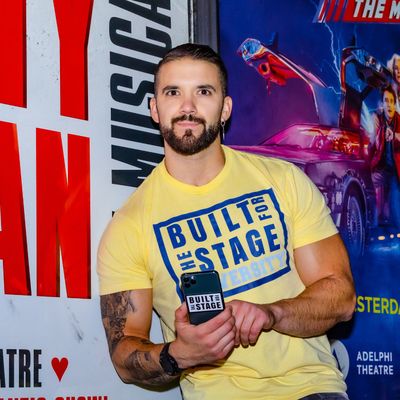
Featured Shows
About
In this Artist Exploration, MTCA Director Charlie Murphy chats with Built for the Stage Founder, Joe Rosko on:
-
Is it possible to be a D1 Athlete and get a BFA in musical theater?
-
Point of obsession and striving for excellence
-
How to build a business on passions
-
When is it time to pursue other passions?
-
How to delegate tasks
If you have any questions about the college audition process, feel free to reach out at mailbag@mappingthecollegeaudition.com. If you’re interested in working with MTCA for help with your individualized preparation for your College Audition journey, please check us out at mtca.com, or on Instagram or Facebook.
Follow Us!
Instagram: @mappingthecollegeaudition
YouTube: @MTCA (Musical Theater College Auditions)
TikTok: @mtcollegeauditions
Charlie Murphy:@charmur7
About MTCA:
Musical Theater College Auditions (MTCA) is the leader in coaching acting and musical theater students through the college audition process and beyond with superlative results. MTCA has assembled a roster of expert artist-educators who can guide students artistically, organizationally, strategically, and psychologically through the competitive college audition process. MTCA provides the tools, resources, and expertise along with a vast and strong support system. They train the unique individual, empowering the artist to bring their true, authentic self to their work. MTCA believes that by helping students reveal their potential it allows each school to connect with those who are truly right for their programs, which in turn guides each student toward their best college fit.
About Charlie Murphy:
Charlie is a proud graduate of Carnegie Mellon University’s BFA program. As an Actor he has performed with theaters such as: NY Public Theatre’s “Shakespeare in the Park”, The Pearl Theatre Company, Hudson Valley Shakespeare Festival, Chautauqua Theatre Company, Kinetic Theatre Company, and the Shakespeare Theatre of DC.
With MTCA [Musical Theater College Auditions -- mtca.nyc], he has been helping prospective theatre students through the college process for over 15 years. As a Teacher and Director, he is able to do a few of his favorite things in life: help students to find their authentic selves as artists, and then help them find their best fit for their collegiate journey. Through this podcast, he hopes to continue that work as well as help demystify this intricate process.
This episode was produced by Meghan Cordier, Kelly Prendergast and Socials by Jordan Rice. Episode theme music is created by Will Reynolds with Additional Vocals from Elizabeth Stanley
Transcript
This transcript was automatically generated and might contain errors.
[0:09] Charlie Murphy: Hello, hello, and welcome to Mapping the College Audition.
[0:12] I'm your host, Charlie Murphy, director of MTCA.
[0:15] That's Musical Theater College Auditions.
[0:17] Check us out at MTCA.com.
[0:19] And today we've got Joe Rosko on the pod.
[0:23] Uh, for our newer listeners in these artist exploration episodes, we aim to explore the paths to success that artists have forged and tease out how their theatrical training has helped them to blaze that trail.
[0:33] Joe is the owner of Built for the Stage, and this leads to what must be our broyest pod to date.
[0:41] Uh, mostly it's the energy I brought to it.
[0:43] Joe is a very sensitive and thoughtful guy, but it was fun to get a little sports in there for me.
[0:48] And you know, basically all I want to do is make sports to art metaphors on this podcast.
[0:52] But I do think generally helpful for our listeners to have that conversation we did about fitness and training for this profession, um, as well as entrepreneurship.
[1:00] We've got some good entrepreneurship stuff in there.
[1:02] Um, I think both these topics are likely to play a role in your life as an artist in some way.
[1:06] And I think helpful for you to think about wherever you are in the process.
[1:09] And I talk about that a little bit more in the takeaways as well.
[1:12] Um, I hope you're all having great May and looking forward to something fun on your Memorial Day.
[1:17] Uh, hopefully a bit of sunshine and relaxation is coming for you in your life.
[1:21] It is a beautiful day right here in New York City.
[1:24] Um, in the MTCA world, we just wrapped our spring faculty masterclasses online and are really looking ahead to our summer faculty masterclass week.
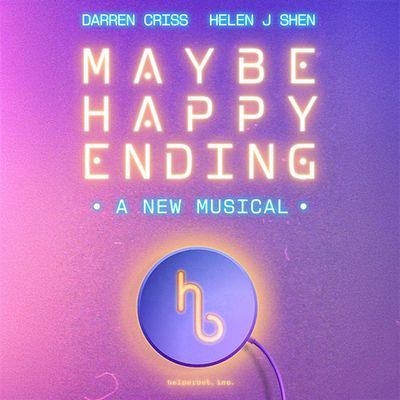
[1:32] Our MTCAs will already have heard this, but we did announce our Broadway show that we're all gonna see that week is a Maybe Happy Ending with a talk back afterward featuring MTCA's own Helen Chen, friend of the pod, of course, for those who heard that episode.
[1:44] And this summer, the week is bigger and better than ever.
[1:46] We have a few added events on top of our already really successful week.
[1:50] We have two added classes, campus tours, lots of great stuff.
[1:53] Um, and I say this now because there are very few slots left.
[1:57] So if you want to participate, you've got there will be um your requisite individual class purchase as well, but there's only very few slots for the whole week.
[2:05] And when they fill up, that's it.
[2:07] So please don't miss out if it's something that you're looking forward to doing at the top of your August.
[2:11] Um, it's a really special event.
[2:13] So I say that to you all.
[2:14] If you're listening to this episode next week, it may be too late already, but if you're listening now and you want to participate in our summer masterclass week, those are going fast.
[2:21] All right, without further ado, let's get to this interview with the great Joe Rosko.
[2:32] Charlie Murphy: Well, we are so excited to welcome Joe Rosko.
[2:36] Uh, Joe has a BA in MT with a concentration in directing from Coastal Carolina University, where he majored in MT while playing Division One football, which can't wait to talk about.
[2:47] Um, the bio says he grew up a three-sport athlete.
[2:50] So we might have to see if one of those sports is baseball and whether we're gonna do some more podcast recruiting to the Broadway Show League.
[2:56] Uh, Joe runs a company called Built for the Stage, which is a fitness company tailored specifically to actors and hosts a podcast of the same name.
[3:03] In the past six years, BFTS has clients represented in over 50 Broadway shows.
[3:08] And if it feels like this is the second part of a home and home podcast where Joe just interviewed me 45 minutes ago, yes, that is true.
[3:15] So if you want to listen to the other half of our episode uh on Joe's pod, we just did that uh a little bit ago and it'll be released as well.
[3:22] Um, so check that out at Built for the Stage Podcast.
[3:25] And you're gonna see some other friends of the pod of people we've had on as well on Built for the Stage.
[3:29] Joe, welcome on the pod.
[3:30] How are you feeling?
[3:31] Joe Rosko: Charlie, thanks so much.
[3:33] I'm feeling great.
[3:34] Always good to be here.
[3:35] I'm excited to kind of continue our conversation.
[3:37] Uh, it was so yours was your podcast was so nice and gentle in the way that we just chatted.
[3:42] And you asked me questions, but you were so gentle.
[3:43] I'm gonna be a lot rougher on you, Joe.
[3:45] I'm going to come in.
[3:45] I realize I have a firmer hand, I guess.
[3:48] Joe Rosko: I love it.
[3:48] I love it.
[3:49] Charlie Murphy: Questions.
[3:50] No, but can we start off?
[3:51] I'd let's start off a little bit with we start where we start all our guests and just kind of check in with where you were as you began your college journey.
[3:58] And we talked about a little on your pod that you actually were ironically an early MTCA student or pre-MTCA student.
[4:05] But I'd love to kind of hear, even before you started like the coaching of it all or the working on your audition material, you know, what was that experience of, you know, people have accused me of being Troy Bolton or whatever that you know trope of like a jock to musical person.
[4:19] But what was that experience for you as someone who's an athlete but was looking at musical theater?
[4:22] What were you looking at as you thought, here's what I think I want in a college experience?
[4:26] Joe Rosko: Uh, what was that?
[4:28] Yeah.
[4:28] Well, even going into the auditions, I don't know if I knew that answer.
[4:33] But um, uh yeah, the short of it is that I was doing, yes, baseball, baseball, basketball, and football.
[4:41] And uh pitch is coming, Joe.
[4:43] It's coming.
[4:44] Go ahead.
[4:44] Yes, I can't wait.
[4:45] So yeah, I uh didn't have theater in mind.
[4:49] Um, I would consider myself like a, you know, a charismatic kid, a kid that didn't shy away from uh speaking or the public eye or whatever, but performing was never something I was thinking about.
[5:02] But my girlfriend in seventh grade was like, I really want to do this play, Much Ado About Nothing.
[5:08] And I'm like, I don't have a car and no way of hanging out with you except for extracurricular activities, so I'll audition too.
[5:16] Um, and she was not cast in the play, and I was.
[5:21] So I'm this little jock boy in Much Ado About Nothing.
[5:24] And I'm like, I don't even know the lines I'm saying.
[5:27] I have no idea what they mean.
[5:28] Charlie Murphy: Do you remember who you were in Much Ado?
[5:30] Joe Rosko: I was uh Balthasar, yeah.
[5:31] Charlie Murphy: Balthasar.
[5:32] Joe Rosko: Balthazar, my God.
[5:33] Okay, great.
[5:33] Yeah.
[5:34] So then uh I'm gonna quit.
[5:36] Like, I'm done with this.
[5:37] And my choir teacher, Kelly Scourge, sat me down during a study hall and was like, We're doing Guys and Dolls in the spring.
[5:44] I really think you should try it just one more time.
[5:47] And I did.
[5:48] I loved it.
[5:49] And then uh I was actually pretty good, and then I got the lead from eighth grade until my senior year of high school.
[5:56] And then I guess it was around junior year, uh, via uh Lisey, um, Jordan Shoot Trump, uh, that I kind of started to hear, like, oh, you know, you can go to school for theater.
[6:10] And that's when it all started.
[6:11] Like, she would uh she would hand me off like burnt CDs of uh Pasek and Paul, like when they were still at Michigan or something, or Jeremy Jordan, like a bootleg version of him uh singing in uh Urinetown uh when he was at Ithaca.
[6:30] Charlie Murphy: Yep.
[6:31] Joe Rosko: So that was like, yeah, my early experience of what the possibility of college theater can be.
[6:37] Charlie Murphy: You're giving me such a specific window, the burnt CDs of people that was such a specific oh, these are songs you could sing.
[6:43] It was a goal to having like 15, these are great audition songs and a burden CD.
[6:47] Joe Rosko: Yeah, so um, well, okay, I love that answer, and I'm sure all of our female identifying listeners are just like so frustrated by the like, oh, you were recruited for the musical.
[6:56] We have to try it out, like begging, and you get a lead for you know six straight years, and like, yeah, it's that sounds about right.
[7:01] Um, what about specifically with the your sports journey?
[7:05] Um, were you looking at the idea of playing college level sports?
[7:08] Was that something you knew you wanted to do while you studied musical theater?
[7:11] Was that like a maybe you would, or like that was non-negotiable as you looked in schools?
[7:14] Joe Rosko: I want to play sports.
[7:15] No, yeah.
[7:17] My uh uh thought, my thought process was that if I went to college for sports, after four years, that experience and that part of my life would be over.
[7:29] But if I chose to go to college for theater, that after those four years, this can continue to be a part of my life forever.
[7:36] Yeah, so I actually said I'm going, I had offers for baseball and football, but I said no, I'm going to just go for theater.
[7:46] And uh yeah, made my choice more so financially.
[7:50] I got into some other schools like Penn State, Baldwin Wallace, uh Otterbein.
[7:55] I'm from Ohio, so these are Ohio and you know, Pennsylvania Midwest schools that were close by.
[8:01] But Coastal, I ended up going to uh again initially it was for financial reasons.
[8:09] They actually are in Myrtle Beach, South Carolina, and I was doing spring baseball trips there for three years straight in high school, and that's how I knew of the college.
[8:18] And we had some friends in Greenville, South Carolina, and yeah, the college was beautiful.
[8:24] Uh a couple of professors, Monica Bell, David Bankson, they really made my whole experience there.
[8:30] Uh so that's yeah, that's and did you know you were gonna go in and play sports, or was that something you discovered?
[8:35] Joe Rosko: Oh, so it's another like funny story is that I went I went to Coastal Carolina.
[8:41] Uh through my college audition to get into the program, I booked uh Frankie in uh Forever Plaid, which was their fall musical.
[8:50] So I was cast as one of the four guys in that before even entering.
[8:55] Um that got me a lot of friends in the program, let me just tell you.
[8:58] The seventh grade is reliving all over again.
[9:00] It's Much Ado All About Me all over.
[9:02] Charlie Murphy: Yeah.
[9:02] Joe Rosko: Yeah, this freshman entering the program with one of the roles before he even yeah, that was that was an experience.
[9:08] But I was I would sit in my dorm room on Saturdays when the football games were going on, and I could hear the PA system like the announcer, and I would just be crying in my dorm room, uh missing it.
[9:21] I know it's like whatever, a sob story, but when you think about it, you're 18, you've been doing sports since four or five years old.
[9:29] That's 14 years of knowing something and being used to something.
[9:33] So that spring I walked on to the football team, and it was like a handful of guys that uh made the team just by walking on.
[9:45] And then really my college experience was just bananas.
[9:48] So I would get up for uh conditioning at five or six in the morning, then go to class, then we'd have weights, then practice, then after practice, I'd go to rehearsal from I don't know, six until ten or eleven, and then I'd wake up and do it all over again.
[10:05] Yep.
[10:05] Um it only lasted my sophomore and junior year, my senior year.
[10:10] My theater professors like begged me and were like, please just stop football.
[10:15] We need to fully invest in you.
[10:18] You can't do this craziness anymore.
[10:21] So yeah, I didn't.
[10:22] And did that adjust your degree?
[10:23] Were you already planning to go in as a BA major, or did the football experience adjust the BA BFA to a BA?
[10:29] Joe Rosko: It was always a BA because at that point Coastal only offered a BA.
[10:34] Uh it wasn't until however many years ago they they also offered a BFA.
[10:39] Charlie Murphy: Meaning you were getting similar to that experience in terms of intensity while doing football.
[10:43] Joe Rosko: Yeah, it was not it was a it was a BFA program to what someone would be.
[10:49] Yeah, yeah.
[10:50] Charlie Murphy: Exactly.
[10:50] Well, yeah it leaves me to the question because I had, if you can believe it, Joe, this exact question from one of our listeners a few months back, and I hope you can give a more detailed answer from your personal experience than I was able to give.
[11:00] Someone literally said, I want to play D1 college sports, I want to study musical theater.
[11:04] Is that realistic or is it possible?
[11:06] And I you know, I talked a little bit about like, you know, Derek Klena had an experience playing D1 baseball, but that was a that was a BA at UCLA, and he stepped back from theater while doing it.
[11:15] He could he didn't really do both at the same time because of the intensity of what they were doing.
[11:19] So uh basically it sounds like it was insane.
[11:22] Do you think for this listener, is it is it possible?
[11:24] Could you pull off playing D1 sports while you're really getting a BFA in musical theater?
[11:28] Joe Rosko: Yeah, it's just my opinion, but I think the the quick answer is no, absolutely not.
[11:32] Um I think you did it.
[11:34] You did it, sort of.
[11:35] Yeah.
[11:36] Well, I I think to my specific um experience, my professors had to be willing to kind of work with me a bit on requirements of what it was to be on the team.
[11:48] Yeah.
[11:49] And at the at a high level, I don't think you're gonna find that willingness for either the coach or the professor to bend.
[11:57] Yeah.
[11:57] Um and also you're not gonna be your best.
[11:59] You're you're not.
[12:00] You can't serve two masters in this case.
[12:02] Um, and I was just working myself thin and kind of just uh spinning the wheels, if you will, because of trying to do both things, and I would highly advise not to do it.
[12:16] Charlie Murphy: All right.
[12:16] That's you make me feel better for that.
[12:17] That is the advice I basically give.
[12:19] I said I was like, I couldn't even I looked at playing club baseball and I couldn't do it at CMU.
[12:22] It was like no s a funny story about this.
[12:26] Um if anyone's versed in the NFL, Josh Norman, who was one of the best cornerbacks um in the league, he was infamous for going up against Odell Beckham Jr.
[12:38] And anyways, he was uh my teammate and and let's let's just say he was just like looking for a major while playing football.
[12:48] So he decided to switch to a uh a theater major um and because he thought it would be quote unquote easy.
[12:55] Right.
[12:55] And I and since he was on my team I remember him being like this is hard as hell like I can't do this and play football.
[13:02] So he ended up quitting being a theater major very quickly because he realized it wasn't just some I don't know uh playtime for five days I'm sure that story was going to like and Josh Norman's Nathan Detroit would be I was ready to be like what was it great?
[13:19] Joe Rosko: Josh Norman never made it to being Nathan Detroit but uh he was he was a cool guy but he he didn't pan out in the theater world he did he did okay in in the the lane he chose um but that makes that makes a lot of sense and I I think that that certainly lines up with you know what what I would think not only in terms of the amount of time but you know we said we just talking about this on the pod um with this week's episode release about uh you know the sort of the credits that you have in school but there's also like the intensity of your emotional and physical investment like I can't even imagine imagine like you're showing up to ballet class and you're like you can't move like I can't imagine doing a two a day or whatever whatever you have to do in the morning and then like having to do ballet.
[14:01] Joe Rosko: I, as I study, I'm very much into theater, yes, and into fitness, yes, but even more so into business. So as I study these entrepreneurs or athletes or performers, there has to be, I think, a bit of obsession to get to a point of like excellence in a way. I do a test and encourage people to be well-rounded, and I like to say don't be a theater person, but be a person who does theater, person being first. But I think you have, like you were saying, you have to prioritize the intensity in which you're gonna give your attention and efforts to. And at the end of the day, you have to make, you have to decide who you're ultimately gonna serve.
[14:47] Charlie Murphy: Yep.
[14:47] Joe Rosko: And yeah, that's that. It makes so much sense in terms of those four years. Though I also wonder, and well, maybe we'll pivot into your kind of your showcase experience and a little your professional career. I wonder how much of the fact that you had successfully juggled two entirely different things allowed you to have some experience now juggling a growing business and an acting career. So tell me a little bit of what was the experience entering in the industry, you know, in terms of getting an agent and figuring out how you're gonna be a professional actor. And then also it seems like pretty similarly, pretty quickly starting this entrepreneurial dream of Built for the Stage, right? So talk to me, what was that experience as a young actor doing both?
[15:23] Joe Rosko: Yeah, so freshman year, like many, I was auditioning for summer stocks right out of the gate. And while recently joining the football team, that's when I got into like the training aspect. My strength and conditioning coach really encouraged me to get my personal training cert. So I got certified for personal training that freshman year at a very young age. So I say that because when I booked my first summer stock, I then went from training my actor friends in college to training my summer stock cast. And then each summer stock, I would be training a new group of actors. So like this whole Built for the Stage thing started before it even started, where I was training actors just exclusively, not a normal nine to five or anything like that. Professionally, I was at that point still able to keep it separate because my fitness training was also serving the purpose of my career.
[16:15] Charlie Murphy: Yeah.
[16:25] Joe Rosko: And I was lucky enough to book some great theaters and work alongside some Broadway actors that were already successful in the business. So they kind of quickly showed me that it wasn't very different than athletics as far as the preparation and commitment that it was going to take. So I learned in college before even getting to New York that hey, the work you have to do off the stage is gonna probably be exponentially more important than what you're ever gonna do on the stage.
[17:01] Charlie Murphy: I love it. Joe, as we continue this, the second half of a two-part conversation, I'm just feel like more and more the experience of looking in a slightly, it's like a slightly more handsome mirror. I'm looking in the mirror and seeing a different version of myself. But really, it's so similar. I mean, that the doing it at 18, you know, basically from the beginning training and some of the days I feel like from the beginning of teaching. I'm gonna so and therefore I had this question pre-locked, even though it's almost exactly what you asked me. But I'm gonna ask you the other version of just talk to me about that pivot now as you really are pivoting into doing Built for the Stage more full time.
What was that decision? And how does that relate to you as a performer? So, what was that experience of you called it the itch on your, when you asked me the question, but it was that experience of going, hey, was there, was there a moment you said, I am now no longer performing, or I'm gonna give it a year, or I'm gonna put my 80% of my energy into this? How did you make that decision to go? Hey, more of my time into now is gonna be into this entrepreneurial version of it versus my own solo performing career?
[18:00] Joe Rosko: Yeah, I think my answer is close to, if not the same.
[18:04] Charlie Murphy: Can't use mine.
[18:05] Joe Rosko: No, no, no, you have to come up with your own answer.
[18:06] Charlie Murphy: Right.
[18:07] Joe Rosko: No, but seriously, I chuckled when you said it because you said that you never actually made the decision, or you never actually made the statement of I'm done. And I did not either. I had a two-year contract from 2012 until the end of 2013. I got back to New York. I was a bit burnt out from it. And I was like, I'm just gonna focus on this training thing for a bit, and then that focus just evolved and rolled into Built for the Stage, and now it's 2025. And there's a bit of a mental or spiritual unrest from that because I have yet to look in the mirror or have that conversation of saying I'm done. I make these jokes with people sometimes when they ask, like, do you ever go to these shows and do you ever miss it or whatever? And I say, I sit there thinking, I'm gonna let all these people have fun, but eventually get burnt out. And then when I'm in my 50s or 60s, I'm gonna come back and clean house because everyone's gonna be gone by then.
[19:14] Charlie Murphy: And you'll still be in great shape.
[19:16] Joe Rosko: And I'll be in great, yeah, I'll be in great shape, and I'm gonna wipe the floor with all the other 60-year-olds.
[19:16] Charlie Murphy: You and me both, kid.
[19:24] Joe Rosko: Yeah, that's where we bring out our Guys and Dolls.
[19:25] Charlie Murphy: All right, let's do it.
[19:25] Joe Rosko: You, let's make that commitment.
[19:28] Charlie Murphy: Let's make it one more.
[19:29] Joe Rosko: But 60, blah, blah, blah. We'll come, we'll make our comeback.
[19:32] Charlie Murphy: There is something, you know, I don't think that's unique to theater people, but it is, you know, because of our relationship with this industry, which is not a singular profession or single job, you know, it's like the pursuit of it is kind of ineffable in what it is. But that there's always a kind of lack of closure. I think, you know, like sometimes with the relationship, you never know when your last kiss was until it's over, and then you go, oh, I guess that was my last kiss or whatever. That like it's not necessarily that experience where you and I think it's true for a lot of people exiting the industry. And then also going discovering it 30 years later. I mean, you know, when one of my friends, David Worszowski, who I did this worked at Chautauqua Theater Company with way back in the day, he had like a 25-year break to be a carpenter, and then he came back and he started doing these huge movies, which was a whole different career he'd never had.
He like had a kind of Broadway career and was a stage actor, and then in his second act, he's like in Lincoln and he's in all these amazing movies, and he's a crazy career. And he's like, it came back to him. He was like, I can't believe I wouldn't have thought that was where it was coming, but I took that step back. So it's, it can happen. It also, so it's both like you want a, you have a desire for closure, but also you're like, I don't know that I want to close that door if the door could be walked through still. Who knows?
[20:44] Joe Rosko: Yeah, yeah. Even with my directing or even playwriting, like I have a handful of plays I'm sitting on that I'm like, I need to just organize a table reading with some buddies in a room and then just maybe self-produce this thing, just even if it's not to actually try to make it happen professionally per se, but just to scratch that itch, like I like to say, or even the directing in 2019. I went to Virginia and directed a production of Mary Poppins while still doing Built for the Stage as like, you know, an owner and that was amazing. So life's a long journey, and like you said with your carpenter friend, you just never know.
[21:25] Charlie Murphy: Yep.
[21:25] Joe Rosko: All right. So I'm gonna, my last question then in the second half, I want to get really into some specifics of Built for the Stage and kind of what you do. Well, do some fitness questions, et cetera. I'm gonna ask you another version of a question that you also asked me. Just I'm interested as you sort of see the ambitions for your company with growth. You know, I was saying the, you know, internet alludes to you going and doing branding stuff in London and all these cool other things that go really, you know, beyond really talk about growth for the company. I guess I'm interested in sort of what those growth opportunities might be, but even more than just what you might do strategically for your company.
I'm kind of interested in how you see that for yourself as an entrepreneur in the, like in the way that we talk about, okay, so me as a performer and then me as a, okay, I'm spending more of my time being a business owner, a business person. There's also this kind of funny thing as a company grows, where like we all saw the social network at some point. I'm like, do I want to be Mark Zuckerberg? Like do I want to be a CEO? That might not be what you necessarily set out to do when you started a company. So, like, I guess how do you see your growth, the company's growth, and then what that means for your day-to-day role as you go. I'm elevated, but do I want to elevate? Am I gonna be elevated to beyond things that I directly enjoy doing?
I know for me when I started doing more being a director and less one-on-one teaching, that was a real adjustment for me. Cause I love teaching. That's why I got into this. I absolutely love teaching students. And as I went from having, I had the most clients at one point individually to having now the fewest, it's a big adjustment to go. Oh, that's really interesting to just the ways that things shift for me as I, but it seemed necessary for the company, but do I want it for myself? So I'm interested sort of what the company growth is and what that means for you as you sort of see that happening.
[23:03] Joe Rosko: Yeah, I think I have a three-part answer. The first part is for your reference or anyone listening that's actually interested in this particular question, the UK brand Gymshark, which is a clothing brand for fitness. This kid was making these shirts and just he loved design, he loved making shirts, he loved fitness, and he sent them to these like big-time bodybuilders and this was like before influencers was actually officially a thing, and the bodybuilders loved it and they posted themselves with this kid's shirt on, and now Gymshark is like, it's like Lululemon, it's like one of the biggest fitness apparel brands in the world. But when he gets interviewed now, he didn't want to be a CEO, he didn't know a ton about business, he just knew he loved to design clothes and he sent them out.
So as the company grew, it quickly outgrew him and started to do very poorly, and he quickly had to realize and take a piece of humble pie that hey, I just love branding, I love design, blah, blah, blah. So they brought in a proper business guy CEO to run the company, and him again taking the humble pie, yeah, he was the founder, but he does not call the shots, and it was a great thing for the company.
[23:06] Joe Rosko: So second part for me, initially, as a small business growing slowly at first, I got great advice, and it's common as far as strategy or methodology. You first pick the things you hate to do, and then you find somebody that can at least do it well and not hate it as much as you. So first, what is sucking the joy out of you as the owner and entrepreneur, and who can you bring on to help you with this? And not just those things that you don't like, then you get into the things that like, oh, I actually like doing this, I think I do it well, but I know that I still need to focus on other parts of the business. Then you have to tell yourself, okay, I have to be okay with hiring someone that can do this job at least 70 to 80 percent of my capabilities, and then I have to let it go, and even if it's not a hundred percent to what I was doing, the time and focus that's gonna free for me is gonna be extremely valuable.
But another thing I've learned is that we think as the owner that we are the only person that could do it, or the only person that could do it as good as us, and what we quickly come to realize is that when we hire somebody, we're like, oh, they're actually doing this better than me. And that's like a whole other thing, too, is like as an owner or the founder or the CEO, you quickly realize like it's not about me being the best, it's about me being the best at formulating a team that is a group of A players that are passionate about the same thing as I am. And then the third part, which is like the future part or the part of like where I'm at right now, is that I even though this is a fitness business, I see myself as I'm A, getting older and B, having to run this as a company.
For me, it's less about the fitness, if that makes sense. We're delivering a service of fitness, but if I'm gonna continue to fulfill this mission, me myself, I have to be a little bit more removed from the sets and reps of everything and really be the facilitator of okay, how can I get these other talented trainers involved? How can I train them under my methodology so that they can spread this service of fitness for performers and allow me to do other things for the business to truly grow and reach as many performers as we can?
[27:15] Charlie Murphy: I have like a six-part answer to your three-part answer because I love so many things on that. Well, not really six parts, but I just want to note for all of our parent listeners, you know, we talk a lot about different degrees that Joe has a BA in musical theater from Costa Carolina. I don't think there's a business degree in there, is there, Joe?
[27:31] Joe Rosko: No, no, so just sort of seeing like when people say like, but wait, she might end up not being an actress. I'm like, that's true. When we talk about people pursuing musical theory, you might not end up doing that ultimately. And but that doesn't necessarily mean you need a degree to represent all of these smart things that Joe is having experience of. And I'm saying that as someone who it's easier to lift it up when Joe does it. But I'm like, I had almost this exact journey, these exact conversations, and the information is out there. And if you're someone who's curious and open to learn, you can do it. You can start a business and do a lot of really successful things, even though you don't have an MBA from Yale or whatever that you can I just talk to the parents too as well to just to tag team with you and support you in that.
[28:08] Joe Rosko: There's this double-edged sword with me where I hate that I went to school for theater because of what I'm doing now, but at the same time, I love it in the sense that I don't think I would be where I'm at today had I not gone to school for theater. It's this weird, like mixed emotion of, oh, what if I went to business school? But then I realized, well, if I hadn't gone to school for theater, this trajectory would have never come about. And parents, there's this thing called YouTube University, and YouTube is one of, as far as like business school or figuring out how to do something else other than sing, dance, or act, it's out there, and yeah, it's there for you. You know, I mean, as we've hired people who've had MBAs, that's been my experience of being like, oh, right.
We did learn all this stuff. We would have done it a little more confidently, probably if we knew it in advance. There are other decisions we would have made knowing what it was and the name for it, as opposed to like, but we're basically doing that principle that you're bringing in for with a business class or those kind of things. Yeah, okay. But that's only part one. That was only part one of my response. I love it. I love it. Let's go. I also just I love that third phase. I just want to name a version of that third phase that you're in, because it's a journey that I take in as well. Is like there's something that happens when you're the CEO or the leader of a company, whatever it is, in terms of you are filling in what the company needs.
So the thing that you talked about strategically of the company needs more of me doing what? What are the things I hate to do? Sure, get those off your plate. What are the things that I could give up that I don't necessarily need to be the one doing that you discovered maybe 70%, maybe 120%, all those things. But as I do all this therapy later in my life, and sort of there's also the conversation of like, but what do you want to do? What is best for you as a human, which might not always be what's best for your company, you know. You know, it's very much like parenthood of like what's best for your child, but what's best for you might be also best for your child in the long run in terms of what's sustainable.
So I especially if it relates to some of our other listeners who might not necessarily start company specifically, but might have these kinds of journeys of like what's strategically best for my career, whether you whether it's a side job, whether it's whatever, also some part of that should also be like, Well, what do you want? What is your what is the human self of Joe actually want to be doing as we're doing this? I'll let you respond to that.
[30:29] Joe Rosko: Yeah, I think that there's no wrong answer. I don't think it has to be an or, I think it could just be an and, where like you said, maybe if it's business related, maybe you doing something you enjoy will not allow the business to grow to what it could have been. Yeah, but it's your decision to make, and that's what's most important to you in your life and your fulfillment. Or on the flip side, if the goal is full efficiency with your business and growth, then yeah, then you make the decision of I like to do this, but it's more important for me to allow the business to flourish in the way that it's most capable of.
[31:16] Charlie Murphy: It's so well said. I mean, it feels like, and I've talked about this before on the pod, it's like sometimes you have to fight the gravitational pull of capitalism because like you will it will pull you in, otherwise to be like, what is the most efficient thing? What's best for the company, what's best for money? And that part of the when we went into being artists, it wasn't necessarily about maximizing our financial output. And so you're allowed to go exactly what you said. That might be absolutely best for the bottom line dollars of the company might be this decision, but that's not what I want for my life. It's not what I want my company to be. I don't necessarily even want us to be the most efficient or the biggest we could possibly be, if that's not my vision or my dream for the company.
But that is your that's antithetical to this country that we live in, which is very, yeah, yeah. A lot of cap it's a lot of build, grow more, more you know, capitalist. My only other thing I was gonna say from what you said is also that Gymshark, what you said, that's exactly the story of MTCA and Ellen. Like Ellen started out, like loved teaching. She did not want to run a business, especially as a growing business. She was not interested in any of the tasks that were like administrative or you know, sort of you know, corporate, we're like not and not we're very not corporate company, but still like those were not what she wanted. And I think it's one of the most mature decisions she made. She said, I'm gonna step out.
She's still part of the company, but I'm gonna step out of that leadership role. I didn't want to grow to be a CEO. That wasn't my dream in life. Yeah, and that's okay, and that's okay. I think, yeah, along with the capitalism, the entrepreneur, I guess the narrative, there it is. The entrepreneur narrative that is being pushed is like everyone should be an entrepreneur, but that's not all that's not the truth either.
[32:59] Joe Rosko: Yep. That some people are amazing support roles. Yeah, some people are amazing workers, give them the task, they're as happy as they can be to complete the task, you know. Like I think. I wonder for kids today, because I feel like for us, there was that idea pushed if everyone should be an entrepreneur. I'll bet it's a little shifted for a 17, 18 year old today, that it's more an influencer. That I do think the way the number of them say, like almost the expectation is to be a social media influencer, that I'll bet they feel more of that pull, which is not that different than an entrepreneur in some ways. You are if you do it well enough as an influencer, then essentially you become the business, and thus you are still running a business.
[33:44] Charlie Murphy: Yeah. Um, or someone else is gonna have to do it for you if you blow up to that magnitude. Yeah. I was just talking to one of my classmates, and then I promise we'll go to a break and talk about fitness. But I was talking to one of my classmates this weekend who was in a show with my wife, and it was closing night, and he kept saying, and I've heard it so many times like, oh, I gotta get on social media, I gotta, I'm not doing my Instagram well enough, and it's really killing me. I'm like, I you really don't have to actually like you you feel you need to, and of course, there's value. Certain people who have really hit social media hard, and that can help them in their performing career. I'm not gonna pretend there's not value there, but like he's had this wonderfully successful career.
He's almost 40 and doing great, been on Broadway without a big social media following. So it's like but but still feels like I'm failing. I'm a failure. I'm getting a bad grade from the world because I'm not more into social media. That's crazy. It's crazy. Because when you when you go into the audition room, it doesn't matter how many followers we have. It remember it matters what you do in the audition room. With the possible exception of if you have 10 million followers, and then it can matter.
[34:41] Joe Rosko: Well, then it matters, yeah, if you're trying to get cast as a lead in Chicago, then exactly. But for most things, no, not really. Um, Joe, all right, we're gonna take a little break and on the back end. I promised it, we're gonna get jacked. We're gonna get in some fitness questioning. Can't wait.
[34:55] Charlie Murphy: Okay. All right. We're back with Joe Rosko. And I just pounded a little protein shake, so then I'm really I'm really ready for this this section. Um, okay. So the big question, how do we get jacked, Joe? I want to look like Hugh Jackman. No, I'm kidding. That's not the question I'm asking you. Um, I want to start off just broad in terms of kind of what built for the stage is. You know, imagining people have heard of the idea of physical fitness generally, you know, whether that's because they were in gym class in high school or they've looked at the internet. But like, what do you feel like makes your approach and like what you guys get up to at built for the stage? How is it different than if I were doing P90X or Barry's Bootcamp or whatever other fitness routine? What makes Built for the Stage built for the stage?
[35:38] Joe Rosko: Yeah, I love this question. So when I was training all of my Broadway actors before actually making the business that's called Built for the Stage, and it was just Joe Rosko training actors, I was looking around the industry and seeing that actors might be working out, but they weren't training. So as performers, when you grow up, typically you're not maybe as interested in athletics or gym class. This is, you know, I know that some of you out there listening that you were, but just talking the broad scope on average, actors weren't as into that. So all of a sudden, when you graduate college and you go to New York City or wherever you're trying to be a professional, you quickly realize that the physical demands of this industry are extremely taxing and that you need to start training like the athlete that you are.
So things like Barry's Bootcamp, P90X, or just cherry picking YouTube videos is working out. It's getting a sweat. Sure, it might be burning some calories, but it's not training. It's not a progression that is leading you somewhere in a very intentional way to improve XYZ, whatever that specific need is for you in your performance career. So that's what how Built for the Stage was formed was like I need to help on a broader scale than just punching in these one hour personal training sessions with these actors. I'm taking this online and I need to teach. Training performers as it was about teaching performers. Like I feel like it's just as much education than it is actually the service of training people.
[37:34] Charlie Murphy: Do you feel like do you have different recommendations for different kind of performers? Like I'm not surprised that I think dancers probably do intuitively think of themselves immediately as athletes, but I think it's people are getting more on board with the idea of actors as athletes. We hear the idea of like the vocal athlete, you know, we're talking about vocal health, but also just in general as a singer, just with the athleticism that that is. Like would I have a different if I was training to be Fierro on Broadway versus if I'm training to be, you know, a dancer in 42nd Street, would I have a different training routine that you'd recommend?
[38:06] Joe Rosko: Yeah, let's see if I can line up some characters, some roles just to like help us lay this thought out. So you said Fierro. I'm gonna go to Fierro because I just I recently saw Wicked on the West End, I don't know how many years ago. But Fierro, it's not an extremely physical role, if at all, except for dancing through life. The blocking has this actor running like a madman across the stage and jumping up onto that like statue set piece, and the particular actor I saw I believe has a good voice, but he couldn't find his voice because he was so out of breath from that running around. And some conditioning is going to help with a cardio issue for him, though he just needed just yeah, you have to this is you have to level up your baseline so that hard is moderate, moderate is easy, and easy is non-existent.
So when something is maybe moderate to hard, if we can up our baseline, now we can return back to a more neutral comfort place of comfort. So you're gonna train that person maybe just more on the conditioning aspect. Going over to a performer I trained that's Pumba in The Lion King. He is on an extremely rake stage. He's a bigger human because that's usually how Pumba's cast. And he's wearing a puppet that is front loaded in front of him that's around, I think he says 35 to 45 pounds. Which is a huge taxing experience on your posterior on your body. Yeah, yeah, yeah. And on an extremely rake stage on top of it. So we're working a lot on his posterior, on his back health, on his glutes, hamstrings, so on and so forth.
But then, yeah, if you're a dancer, then we're gonna be doing a lot of HIIT circuits where your body is moving through space in a quick manner. And for a little less HIIT means high-intensity interval training. That's what we're doing. I eat. Yeah, okay. Yeah, yeah. So you're maybe lifting, you're maybe doing body weight, you're maybe doing some type of cardio movement, but you're mixing it all together, and we're trying to replicate what that's like on the stage, where yeah, your body's in every different direction, and maybe you're doing lifts or jumping and et cetera, et cetera. So the long answer is yeah, because you're an athlete and everyone's playing a different position up there, you have to be training differently, no different than a professional athlete. If you're looking at a football team and you're seeing how the wide receivers train in comparison to the defensive linemen, it's totally different.
[41:08] Charlie Murphy: Yeah.
[41:08] Joe Rosko: Uh, but the plain and simple matter is that they all have to be training.
[41:15] Joe Rosko: And you're saying it would be as specific as the specific puma role, but also potentially just different based on your goals.
[41:21] Joe Rosko: As I really want to, uh, I'm singing, I'm a, I'm a singer versus I'm a dancer that you would have if they weren't in a role specifically, going here, here's what I'm training toward. Here's what my goals are for myself.
[41:31] Joe Rosko: Yeah, that's a great point. Uh, speaking about just relating it to a professional football team and performers being professional athletes.
[41:40] Joe Rosko: There's a way to train as an athlete in season compared to out of season.
[41:46] Joe Rosko: So our in-season and, uh, off season is in a show and out of a show.
[41:51] Joe Rosko: So yeah, when you're out of a show, we have a bigger playground, a lot bigger, broader space that we can play with to, yeah, do some goals that maybe you have personally, or as well as up the intensity where we're not having to kind of maintain or make sure that we're in a functioning state so that we can do our eight shows in that week.
[42:16] Charlie Murphy: Yep.
[42:17] Joe Rosko: That totally makes sense. You know, I this may be kind of an old idea. This is uh stuff that I was thinking about from like college of like there used to be this kind of stigma among actors of like the idea of being muscle bound was like a stand-in for inflexibility. It wasn't even literally not being flexible but just that idea of like if you get too jacked you're not gonna be like a loose and flexible actor. You'll seem stiff or whatever, right? And I feel like maybe especially for young actors there's that like there's almost the psychophysical idea of like a muscled performance that like you know that how that could almost be a negative thing. I have absolutely no idea. Is there any kind of do you think physical connection with like a level of how jacked somebody is or how how in shape somebody is versus sort of like you know you often see a Hamlet who's like a sinewy like unmuscled person in terms of like do you do you get that where people come in they go okay I don't want to be I don't want to change the composition of my body too much. I want to be as fit as I can be but I I'm not looking to add a lot of muscle I'm I guess do you hear those kind of things?
[43:17] Joe Rosko: All the time I I I get I get both sides of the spectrum that they they want to aesthetically change or that they just want to come in and strictly work on fitness and aesthetically they pretty much want to stay the same. But as far as being like muscle bound I hope he doesn't mind me bringing up his name but Raymond Baynard uh long time Broadway vet now. He's been in MJ Hamilton. He's been in uh uh Gatsby. He is uh an aesthetic specimen and has plenty of muscle, but he's one of the most fluid dancers that you'll see on Broadway. So yeah, you could get your training that could add muscle without um balancing your mobility and flexibility out with it. Yeah, you can get to that state where you're not able to move. But if you're working with us at Bill for the stage, that's that's not that's not one of our options. That is a non-negotiable.
[44:25] Joe Rosko: I have a weird, this is my weirdest question I ask you, I promise, which is this is from my old movement teacher who now passed, sadly, but who I think was a bit problematic in the way that she would like tell all the boys to go to the gym. Like she kept telling me, like, you have to fill out your top half because I would like play baseball and I had like very strong legs. And she was like, we need to like even out your body, which I've I now have some questions about. But her big thing was like the way that you work out at the gym is going to this is a movement teacher, was gonna affect the way that you move. So, like specifically, she had us in the gym at one point, like lifting with a placid face, like not like grunting and sweat, like in terms of like, like I'm really lifting.
Like she was like, breathe, and the way that the way that you lift this weight is gonna affect how you move later on. And I I always felt like, is there any science or anything beyond to that? Or is that just her kooky idea that like you could go to the gym and like lift? Obviously, it's like about reps and all those things, but I can't imagine there's science to like if I make a face, then I'm it's gonna affect the way that my muscles grow.
[45:27] Joe Rosko: Yeah, I'm so glad I have two two parts to this answer. I'm so glad that you brought this up. So I don't disagree with like the uh no grunting or or try to lift as though you would be lifting on stage, uh, mostly just because it's going to encourage good vocal health. It's not it's going to take that strain away from our our voice. I had a great um podcast with Mike Ruckles, who like I don't know, he voice coaches every bad way person. Yeah, so we had a great chat on vocal health, but I just want to say to all the professors that might be listening and to the students as well. Your acting professor is not a fitness professional or or a nutritionist.
[46:13] Joe Rosko: I suspected that, yeah. And none of your theater professors should really give you any advice on fitness or nutrition. Um, because most of the time it's wrong or unhealthy mentally and physically, and you should just like you're seeking help from a professional acting, dancing or uh singing professional, you need to uh go to a trusted fitness or nutrition uh specialist. More so like with your college kids and high school kids, like I'm such a advocate and trying to get the the dialogue changed on nutrition or just the education of it. Just like if you're trying to lose weight, I just just to be blunt, like if you're trying to lose weight doesn't mean you should eat less necessarily. Like, there's a healthy way that you should be fueling your body. And if you're listening to this and you don't want to lose weight, cool, like amazing. Like, I don't care. But if we're gonna try to do something, then please let's do it the healthy way. It's 2025. We shouldn't be yeah.
[47:22] Joe Rosko: There's so much about your point of YouTube university. There is so much information out there. Yeah, like I feel so bad for these kids. Like, I I had plenty of friends and have friends in the industry who are going through these uh struggles more so mentally than physically. Um and yeah, I just would plead for everyone to get the instruction from a professional and and know that there's a there's a better, healthier way to go about it.
[47:51] Charlie Murphy: I I love that. Um let's talk a little bit while we're on the younger actor. So let's talk about our our really young listeners. You know, we do have some a lot of them are in late high school and college, but we do have some listeners who are freshmen, sophomores, even some eighth grade um students. How how do you think about fitness as a younger person? I think a lot of times you'll read stuff of like this is uh for above 18 and below 18, but you know, as you're as you're a maybe post pubescent person, but you're starting to think about laying the foundation of your fitness. What do you think about in terms of how what they should be thinking about at 13, 14, 15 as they're 16, even as they're you know, sort of starting to develop what might be some of these training skills for the rest of their life?
[48:32] Joe Rosko: Yeah, I think that if first off, if your focus is uh prof uh as a performer, then you never really have the necessity of pushing yourself to a hundred percent at the gym. Uh because you're risking. Like you're saying you don't need to go zero. Yeah, you you should never reach an a hundred percent uh level of exertion um or testing a personal best or a PR personal record, as they say in fitness, because your risk reward for injury is not worth it as a reformer. Like you back squatting three hundred pounds uh versus only maybe 200 pounds, uh, it doesn't matter on the stage. Like we just need you strong, capable, durable, and healthy. We don't need you breaking records out there. Uh, as a young person just starting out, focus on doing it right, not ego lifting or not running 10 miles when you've never run a mile in your life, you know.
Just be the airplane and not the rocket ship, I like to say. Nice smooth trajectory off the runway, and just enjoy the flight and let yourself climb and climb and climb. Don't be the rocket that goes straight up and then straight down and crashes and explodes. So, as a young person out there, again, seek guidance from someone that you can trust and uh yeah, just enjoy the process.
[50:06] Charlie Murphy: Yep. I I know with like a lot of our young dancers when we meet at eighth grade, ninth grade, tenth grade um person, a lot of our dance coaches will recommend certainly recommend getting into class with like end, beginning a ballet class or that that kind of thing to build up strength. But sometimes they'll even recommend, like, hey, if you have a local Pilates class, it may help you build up some foundational core strength for some of the stuff that you're gonna use in your other dance classes. That's like that may be helpful. Are there general things like that? Maybe not for dancers, just for actors in general, where you go, it is helpful to have X number of weeks of a lifting routine or some cardio plan or like do you feel like there's something if you were just do one thing or two things, what what would those be for a really young student?
[50:42] Joe Rosko: Yeah, two to three times a week of sitting down, pressing something over your head and pushing something out in front of you and and uh picking something up if I haven't already said that. So sitting down meaning squatting, we have to have the ability to sit and stand. We have to have the ability to deadlift, which is picking something off, picking something up safely off the ground. Doesn't have to be a barbell, it just means picking something up and putting it down, pressing overhead, some type of shoulder press could be with dumbbells, could be with bands, um, and then pushing something out in front of you, whether it's a push-up or um some type of bench press where you're pressing. Um these are all gonna help two to three times a week, feel around like a 70% exertion level, and you're good.
[51:34] Joe Rosko: Back to your like uh point before about the taking ballet or Pilates. I've had um plenty of uh performers that work with me that are in therapy, physical therapy, uh during their show or not even in the show, and the therap physical therapist says, Hey, your flexibility is actually um struggling, not because of uh improper or or in immobility or improper flexibility capabilities, it's because you're not strong enough. You actually don't have the strength to get in these positions. Uh-huh. And that's like uh even bigger testament to how important uh physical training is outside of just stretching or running, you know.
[52:18] Charlie Murphy: Totally makes sense. I I kept having you know, when I had my child and you all of a sudden lifting in these different ways, I kept having back, I'd throw my back out once every couple months, and I was working out at the time. And then basically just from the internet, I was like, oh, I need to I need to be doing more low back strengthening exercises at the gym because I wasn't doing you know, Superman's or those those kind of things, completely solved it. Like that just from doing that, getting my back stronger, which seems weird. Like when your back hurts, you wouldn't think I don't know, I don't know. I would think I'm I don't even lifting my back. If anything, I was like, is am I adding too much muscle was my first fear? And then it was like, oh no, actually now strengthening my back, uh knock on wood, it's been a year and a half, I haven't had throw my back out.
[52:53] Joe Rosko: I'm so glad you said that. There are there are cases that whatever you have carpal tunnel or something wrong with your wrists or whatever, but so many performers are like, Oh, I can't do push-ups because it hurts my wrists. And I was like, No, your wrists hurt because you don't do push-ups. It's to kind of go to your point about the the lower back exercises to fix your lower back. Yeah.
[53:15] Charlie Murphy: Is there anything like and on the flip side of that of like some of the older actors, you know, I do think especially with stuff like dance, you know, like other sports, we know there's often a natural lifespan of what the body can handle. I mean, most people aren't professionally dancing into their 50s and 60s. It happens, but it's not, you know, not necessarily the the norm. But if somebody is out there as a dancer and they go, I want to be the LeBron James, I want to be 40 years old and still at my peak performance. Are there things they should be doing to a avoid injury and also just sort of maintain that sustainable career? Is there anything that you you think you hey, this has really been helpful for our Broadway actors in being able to sustain close to eight shows a week over a long period of time?
[53:52] Joe Rosko: Yeah, I mean, uh speaking about LeBron James, like his longevity starts with eating and sleeping, uh, and why he's not injured. He was recently on I think they called it like starting five or something like that on Netflix, a documentary about five NBA players, and he was one of them. He sleeps something crazy like 10 hours a night, but then takes a two-hour nap every day as well.
[54:22] Charlie Murphy: Yeah, that's pretty good.
[54:23] Joe Rosko: So, what people all often they they you know, they uh look over is that you might as well uh think of yourself as like a video game where you know the Mortal Kombat or whatever fighting game and you start at green and then you're down to yellow and you're down to red. And if you're never getting that sleep and you're just at red, you're that fighter that's just like rocking back and forth, but you're expecting yourself to be at your best and to not get injured and etc, etc. Or, you know, let's just call a spade a spade in theater. We we love a drink or we love going out, you know, or going out after the show. So not only are you staying out late, but you're drinking, and then your body is trying to process the alcohol, and then it's not actually um using the food that you've put in it properly, and then this is going to cause uh more likely uh getting injured.
But going on the exercise side of it, it really is about putting your body in the positions that it's in the most, which is putting something over your head, picking something up and squatting something down, and yeah, it's gonna change as you get older. You don't have to use a barbell or you don't have to use as heavy a weights. I love bands because if you get to the point in your life where a certain position just I don't know, it bothers the joint or muscle because of a band, you can alter the position slightly so that works better for your body at that given point. But I'm sorry that that was a ramble, but I really want to go back to the nutrition and sleep.
[55:58] Joe Rosko: Like hello, hello, hello. Whether it's fitness or y'all want to be the best you can be in your audition or on the stage, it starts there. And people just wanna neglect it or be ignorant to it and just ignore the fact of like they're not prioritizing that, and that should be the main priority is your sleep and your nutrition.
[56:20] Charlie Murphy: It's so so well said. Um, okay, we're moving to a round up. Do we have um do you have any strong opinions on like the GLP one drugs? You have a lot of clients on those. Any professional opinions there in terms of you know, for those people who do say, Joe, I want functional fitness, but I am hoping to lose 30 pounds, I've 40 pounds, whatever it is. That you know, do you have clients who are on that? And I guess how do we feel about that?
[56:40] Joe Rosko: Yeah, I'm always gonna be like the natural way is the way, and there's a lot, it's still untested and unproven in my opinion. There's more and more side effects and different results to these things being tested day in and day out, and they're not all cracked out to be what you know they're saying. So to me, anything that's anything that has to be earned, and all of a sudden someone is saying, I can give this to you in a very quick and easy way, your antenna for warning should be beeping like I don't know, at the end of the end of the world, like a bomb's about to go off.
[57:31] Charlie Murphy: Well, and what about to that end? What about the stuff like supplements? For our over 18 listeners, maybe we'll say, do you recommend stuff like creatine or anything else supplement like pre-workout or whatever people take? Like what do you sort of recommend to your clients?
[57:43] Joe Rosko: Yeah, I'm a hard no on pre-workout, just because the supplement industry is not heavily regulated, so a lot of the pre-workouts, they put this stuff in it that gives you those tingles and gives you those shakes. Not even because the pre-workouts are doing something, but they do it so that you feel that sensation and you think that it's working. So me, I just I train in the morning all the time. So I have my coffee and that's my pre-workout. I bring the coffee to the gym. People think I'm weird, but I just bring literally my coffee cup to the gym.
[58:17] Charlie Murphy: Look at you. What are you at your apartment building?
[58:20] Joe Rosko: We have a little gym downstairs. It's like a tiny, sad little hotel style gym, but I'm always there with my little coffee cup.
[58:27] Charlie Murphy: If you like, I don't know, went to an actual gym and brought your uh that would be hardcore idea.
[58:32] Joe Rosko: No, it's normally me and one other person be like, are you drinking coffee? I'm like, yeah, it's my pre-workout.
[58:36] Charlie Murphy: That's great. Um protein powders though, yeah. Like a lot of performers and people in general, they struggle to get in the proper amount of protein, which should be around depending on your goal, 70 to 100% of protein in grams per one pound in weight.
[58:55] Joe Rosko: 70% of your weight in grams.
[58:57] Charlie Murphy: Yeah, yeah. So if you're under if you're 100 pounds, you should be having at least 70 grams of protein. Great. Um, so that's simple math out there. Everyone, just your body weight times 0.7, and then there you go.
[59:09] Joe Rosko: I love it. Um, so yeah, if you want to do protein, there's tons of protein. There's whey protein, there's for like vegetarian vegans, there's pea protein. Um there's casein protein, which is a slow processing protein overnight. Um, I like to make like a protein pudding out of that. You can put little water in a bowl with chocolate casein protein, mix that up, put some fruit on top, stick it in the fridge 20 minutes later. It's like the healthiest pudding that you can have. Tastes as good as ice cream. Creatine's good. Make sure that you're just taking the one scoop like nothing more than that because you could get down a slippery slope where your body's producing more creatine than it should but that's great for muscle recovery and energy levels that's pretty much as far as I go creatine protein and that's it yep some coffee maybe a do you do a multivitamin we believe in things like that I do uh magnesium vitamin C and vitamin D. I definitely invite vitamin D deficient.
[1:00:23] Charlie Murphy: I love it. You've already given so many great ones but any other sort of like workout secrets or just nutritional tips. You sort of mentioned nutrition in terms of like big stuff that people think get wrong or that you'd want to share with the listeners in terms of stuff like workouts or nutrition?
[1:00:36] Joe Rosko: Yeah nutrition people like the easier you make the simpler you make it the easier it is and the more you're able to program your brain to think I eat to survive and perform not to please um the pleasing part should come you know when you want but it shouldn't be all the time like I don't need every meal to be my quote unquote favorite meal or my guilty pleasure because I'm ultimately eating to uh to perform and to survive. So uh vegetables meats nuts fruit uh good starch and limit, limit, limit your sugar and processed foods and alcohols as much as you can, because that's not what the body was was made to be having. And yeah, you'd be amazed like how much volume of food you can eat if it's good food for you in comparison to that slice of pie that has the same amount of calories as this huge plate of good food for you.
[1:01:43] Charlie Murphy: Um my true last question for you is just toward the parents. We often end with parental advice, often sort of how they can support their child on the journey that is this um career in general. But I'd love to maybe especially just talk about the fitness journey in terms of like, you know, how a parent can help their child toward their fitness goals. You know, and maybe talk talk about all the different aspects of that. Sometimes there's sort of the uncomfortable feeling of a parent who's like, I think I want to help my child get in better shape if the child doesn't want that. It's always I'm always like, oh god, that's that's a tricky um relationship specifically. But let's maybe envision we can talk to that, but also envision toward a child who goes, I want this, I want to train like an actor.
How do how do I then as a parent help support my child, keep them motivated? I mean, I know that's something in my own fitness journey. My parents often will be like, Do you want a gym membership for Christmas? Do you want some clothes? And sometimes like, are you telling me something with this?
[1:02:35] Joe Rosko: So what how do you sort of um if you talk to parents in this sort of how do you recommend they support their children?
[1:02:41] Yeah, I think the best way to support them is by supporting yourself so that they can see it. So the first thing that's gonna give you credibility and to have your words or suggestions come from love is seeing that you're doing the same thing. So the nutrition stuff I'm talking about, a lot of my younger clients that say, I'm trying to do better, but I live with my parents, and because of the meals we're having, it's hard for me to do what you're suggesting. So, like, you gotta kind of walk the you have to uh walk the walk and or walk, what is it? Walk the talk talk the talk and walk the walk.
[1:03:17] Charlie Murphy: Exactly. Talk to thank you, talk to the talk and walk the walk. Um, and that's gonna not only like we all uh we're we're tribe-oriented creatures, like your whole family base doing the same thing is so much easier than you saying, okay, honey, let's help you do XYZ while you're over there doing the complete opposite.
[1:03:41] Joe Rosko: And then as far as the working out goes, if you're not a trainer or don't know anything about fitness or working out, you know, fine. But I don't know, maybe hey, do you want to do a class with me? And then maybe the teenager's like, hell no, I don't want to be seen in a class with you.
[1:03:58] Charlie Murphy: Body with my mom, no.
[1:03:59] Joe Rosko: Yeah. So then be like, okay, uh, at our gym, they offer multiple classes. Why don't you take this class and then uh I'll pick you up and I'll do a class at another time. And again, it's showing that example to them of mom and dad aren't just saying, uh, I don't know, go write with this red pen, and they're over there writing with the blue pen. You know, like, yeah, talk the talk, walk the walk.
[1:04:25] Charlie Murphy: It's so well said, and I'll just add from personal experience, uh, children out there. If we can maybe give a little grace to your parents, if they're not always so perfect with these concepts. I remember sort of as I was going on my own, especially like nutritional journey and really discovering like, oh, that's where I get that from. I wasn't the kindest to my parents, and sometimes I was like, why did you make me diet at 14? Or they didn't make me die, but why did you let me do it? I mean, yeah, I was not always the kindest sometimes to my to my parents in sort of some of the ways that uh that I discovered my own my own fitness journey.
[1:04:54] Joe Rosko: So yeah, yeah. I'm gonna craze, I think, for the 70 year olds out there who may not, or 60 year olds out there who may not have all the same information that you have for us all directors. Uh Joe, this was so fun getting to chat with you. Are are you ready to join the Broadway Show League? Do I have to give you a harder pitch? What do I have to do to get you on uh the downtowners?
[1:05:09] Joe Rosko: No, what team?
[1:05:10] Charlie Murphy: Oh, that is that the team name, the downtowners?
[1:05:12] Joe Rosko: That's right. We just destroyed George Clooney last week. No big deal. By the time this comes out, this won't be as uh George. George, I know you listen to MTCA podcasts every week. So if you need to, just slide my DMs because I can help you with your swing.
[1:05:27] Joe Rosko: No, no, no. You're way out in front on your front foot there. You need to stay back, watch him, be patient, and then turn those hips, all right?
[1:05:36] Charlie Murphy: The pitching is up a lot. He's very nice, very nice, but not uh not not not he's 64. He's doing great for 64. I'm only picking I'm only picking on him because he's an icon and he's you know of yeah.
[1:05:47] Joe Rosko: Okay, the downtowners. Well, I'll see you on Thursdays. Uh coming on from now. And people know if they want to check out more on Joe, we can go to built for the stage.com and also check out their podcast as well. Joe, thanks for the time, man. It was really fun to show you.
[1:06:01] Joe Rosko: Yeah, cool. This hour flew by. It was fun. Thanks.
[1:06:09] Charlie Murphy: Yes, yes, yes. What do you think? Did that live up to the billing as our broyest pod to date? You know, there's still some men who are pretty in touch with our emotions for sure, but that was a different conversation than you might hear with Celia Keenan Bulger. Um, my wife accuses me of being a bro sometimes. Can you believe that? Me? The artist that I am.
[1:06:30] Joe Rosko: But of course, we all contain multitudes.
[1:06:32] Charlie Murphy: We all contain multitudes. And I know what you're thinking for this takeaway. Surely, this is the moment that I can't resist going back to the well of sports metaphors. We literally had a D1 athlete on the pod. We talked about Josh Norman. This has got to be it. But yes, I am resisting. I am resisting the urge. I'm currently writing a blog that is one giant sports metaphor. So I'm gonna make you hold out for that one and I'm scratching that itch for myself. Um but the two takeaways I do have today are both pretty meaty ones.
[1:06:59] Joe Rosko: Um the first one is that I just want to try to be as clear as I can in this kind of complicated and murky world, in terms of like the conversation I'm trying to have around bodies and our bodies. Um, you know, when Joe first reached out to about to come into the podcast, one of the reasons I want to have him on was I think there is a place for having a really healthy conversation about both the kind of physical ability that we talked about, but also then like the aesthetic appearance of our human instruments as actors, um, and try to have that be as three-dimensional conversation as possible. You know, I feel like it's kind of treacherous water to wade into, both for me personally with my experiences, but also just like where we are in the business.
[1:07:39] Joe Rosko: Um, but I think it's worth wading into in the best healthy way we can, because I think in the absence of these conversations, they're just like much less healthy messages that are received subliminally. So when I say like have a conversation about bodies, let's imagine that I'm speaking toward the relatively large percentages of like actors and humans who look at their human selves and don't see exactly what they want staring back in the mirror. You know, whether those are like relatively minor nits that they're picking, or if there's a major one, they go, I really don't like this about myself. And whether those frustrations are coming primarily from themselves, from their families, from the culture at large, whatever, or whether those are industry specific expectations that are frustrating them, which I think many actors have experienced.
[1:08:21] Joe Rosko: You know, and again, I do think this conversation has to be caveated, just like I do basically every conversation in the realm of type, in that blessedly, for the college process. So for our high school students who are a dish near colleges, this is not something any of our students directly have to worry about. I mean, truly I mean that. Schools are not looking to fill a costume or conform with commercial expectations in terms of what they're selling with bodies across the board. You know, and that just that's just really true. I promise you that. Um, you know, this may be something that as a human being that you're gonna struggle with, and you you could be affected by it in the idea of like you would feel more confident in a more athletic version of yourself.
And then that confidence is a huge factor in your psychological success in auditioning. But these expectations will not be coming directly from a college admissions person in the vast, vast majority of cases. I would say in the vast, vast majority of cases, because as soon as I say that, I have to mend I I can't speak to every single human being behind the table. There could be some bozos out there, but it is just not the norm or the expectation for the college edition process, both when we talk about typing in general and especially with these kind of physical expectations.
[1:09:26] Charlie Murphy: Okay, but caveat given, that said, just like I think the more nuanced conversation that we try to have around type or brand in the broader industry, I do think that that still exists to a relatively large extent in our commercial industry generally, when we talk about like bodily expectations. I do think it has gotten better, way better, and less toxic than it used to be in terms of like the nature of these conversations. But in some ways, I think the biggest changes are more that it is less explicit and more implicit, right?
[1:09:57] Joe Rosko: Which in some ways actually can be more difficult to deal with. It's like the industry has gotten like passive aggressive instead of being direct and clear with their expectations, which some of that direct clarity was hurtful, right? But in some ways the passive aggression is almost more difficult to deal with, right? And of course, there really are some true changes on Broadway when it comes to seeing a diversity of sizes and abilities across the board. But those changes, I think, like a lot of the way the industry will react to things, can be like a little more surface level as opposed to systemic, right? It's just much easier to give the appearance of diversity than to actually change the way things are approached or the way people think.
And again, I think there's like a large conversation about the industry that may be interesting and that I am probably not the most expert person nor the right person to have on like what the landscape is exactly, how it could change, all those things, right? I've really only had my own experiences of the ways in which I've been frustrated by industry expectations. You know, my example is like my body at its like absolute peak athleticism will look more like Rob Gronkowski or Travis Kelsey, rather than whatever like the actor ideal version of that is. You know, when you read a breakdown for a tight end on a television show, they really want someone who looks a little more like a wide receiver.
That's just like the expectations for what we want in the six-pack on TV. Um, and you know, I go on about this in all the ways that are probably like more therapeutic for me than that they're gonna be helpful to you. But what I do think is really relevant to you is that I think it's helpful to go into college, especially maybe for our graduating seniors who have already made those final decisions, or our older listeners who are in college and beyond, just to be prepared for some version of that conversation of how the industry will see you and try to sell you and what your relationship with that conversation wants to be.
[1:11:40] Joe Rosko: And I don't think there's a single answer. There are people who are gonna go really deep into that conversation and analyze it a lot, and there are people who will touch on it and let it go, and there are people who will like steadfastly ignore it and just say, that's the industry, they're gonna do their thing, I'm worried about me, right? I think any of those approaches can work, but I also want to say that that conversation is lingering somewhere ready to be had. And if you don't have it out loud, you may be having it sublimely. It'll still go on, whether you choose to have that conversation or not, right? There's this like a version of this conversation. I had it last night that almost all actors my age will give you like this knowing smile on, which is anytime you talk about the mania of showcase of that senior year and showcase and what that entering the industry experience was.
You know, and I'll say when I talk to younger actors, whether it's our newer coaches in MTCA or MTCA alumni or whatever it is, I have not heard this phenomena lesson at all in the, you know, now almost 20 years since since I was doing this, right? That's certainly not a conversation that is exclusive to people's looks, right? They're also trying to sort out a lot of other mania of what it is to graduate into the business and what an agent and manager is gonna be like, and whether they're gonna move to this city or that city, and you know, all the other things that come with being 22 in the world. But a big part of that conversation when you've had people give you the knowing smile that happens internally within the group of graduating seniors, is surrounding their look, their brand, all those things.
[1:13:03] Joe Rosko: I mean, there are people losing weight, like what I talk about in this episode, people losing weight, adding muscle, there are people getting their hair done, getting moles removed, changing their appearance in all kinds of ways, right? And again, in most cases, I don't think it's about an explicit conversation of like, hey, someone's telling you to do this, it's time to do this, as much as it's kind of like an implicit expectation and this peer pressure of everything that's happening around you. It seems like everyone else in my class is doing this, so should I be doing this too? I mean, I will say I think at least half of my class had some sort of like semi-radical transition happen to them.
Like, I personally, I lost like 40 pounds, probably I only had about 20 pounds to lose, but I lost 40 pounds. And like I temporarily changed my stage name before deciding I hated it and then changed it back. And I was not at all the most radical version of what my classmates did, uh, some of which involved surgery and various different procedures, mostly minor procedures, but like procedures that that people did, right? And when I talk to young 20-year-olds, it seems like it is relatively similar in what their experiences are today, maybe almost with more pressure again, that kind of less explicit but more implicit pressure.
[1:14:08] Joe Rosko: And listen, that's not to knock any of this. I'm not against people making changes to their appearance to look however they want to look, whether that's getting in better shape or getting hair plugs or new teeth or whatever you want for yourself. But the reason I bring it up for our college age students is just to prepare themselves to think about how they might want to deal with that peer pressure if and when it comes, right? If that is something that I think if you don't make a plan for it, you can just get swept up in a way that I think is unhealthy, right? It's like what they say about the parents are like, talk to your kids about what they'll say if they're offered a drink, right? Um, and I'm not here to moralize on what the right answer is and what people should do in that case or any case, right?
But I do think that being prepared is generally helpful so that you know how you're going to encounter it, right? Um, you know, Joe gave that example of like with fitness of being the airplane and not the rocket. So if you know fitness is something that's important to you, you know, if you know you're gonna be someone who's gonna just care about your aesthetic physical appearance, I think there's a lot of value in starting earlier and going slower and doing it a healthy way, as opposed to crash dieting the summer of your junior year, right? And if you're someone who says, hey, look, I love my body as it is, I want to enter this industry loving myself and how I look, and that's my plan, I say more power to you, and you're a stronger person than I was at 22.
I really respect that, right? But I just want you to go in expecting and understanding that there likely will be some peer pressure and that expectations will be there, and then just having a plan of how you think you want to deal with it when it comes.
[1:15:33] Joe Rosko: And that leads me perfectly into my next takeaway, really similar from the advice perspective here, but it's just relating to that idea that we've touched on before and it came up again in this episode, that as an actor, you are a CEO of your own company. You've probably heard this idea before in general. And I generally agree with the advice that I think in general this is helpful. But I guess my perspective 20 years in, having watched a lot of actors navigate different kinds of careers, and now having run a company myself, is more that like you as an actor are selling as a product, you are selling a product, but you kind of get to decide what kind of company you want to be and what kind of role you want to have in that company.
So for the business savvy actor who is most focused on commercial success, the idea of like you are a CEO is probably really helpful advice. And then, you know, how are you delegating those other responsibilities? And you're still overseeing them, but you might be delegating them, right? If you're not amazing at marketing, you're outsourcing some of that marketing work with people that you know, but you're still ultimately in charge of your marketing decisions. But it and then, of course, also when you're a young actor, especially if you don't have representation, you are almost certainly fulfilling all of those necessary roles of the company yourself, maybe with the support of some family and friends, you know, filling in some of those roles.
But the reason I bring it up is that I think in deciding what kind of company you think you might want to be, you're also kind of helping chart a path for what kind of actor you might want to be and what kind of actor lifestyle you might end up having.
[1:17:00] Joe Rosko: You know, I think it takes a different kind of like corporate experience to work consistently on Broadway, which may be very different from the kind of mom and pop feel of some lifelong regional theater actors in terms of the company that they're creating, right? I don't necessarily think one is better than the other, right? And you're never gonna get to fully decide this question for yourself, right? Just as a company doesn't. You you might want to grow to be a Fortune 500 company. I may say that's my goal for myself, but if the industry doesn't do that for me, then it's not gonna happen for me, right? You can set the mission and vision for yourself, but you still have to interact with how the business is actively interacting with you and then constantly evolve.
This will change throughout your career. But I do think there's such beauty, again, it's the reason that I was struck to do this takeaway. I think there's such beauty in the point Joe made about that guy who just wanted to make t-shirts. And I find that's true of a lot of people who get into this business, at least at the beginning. It's just, man, I just want to act. You know, I just came in it for the art of it all. They don't necessarily want to deal with all the like corporate businessy stuff. That's why they chose to get a BFA or to go to drama school, right? And honestly, that approach can absolutely work. Um, I've brought up before the example of my friend Gabe Ebert, a friend of the pod, one of our first episodes, just got nominated for his second Tony Award, having already won a Tony Award for Matilda, and is totally that kind of actor.
It's not that he doesn't have any business savvy, but it's just like not interesting to him. He wants to let his reps deal with all the rep stuff, all the business stuff. He just wants to focus on the art of it all. And I think that's like a super cool approach. I'm not recommending that as the only approach, but I think it can work, right? Now, that approach does come from the real luxury of having gone to a school with a great reputation, gave one to Juilliard, having had really early commercial success. So that is an easier path to chart from that angle than if you're fresh off the bus from coming to New York City with no connections, right? But I think it's always just a conversation of like what you are gaining with that approach and what you're giving up.
[1:18:55] Joe Rosko: Because we all know actors who are amazing marketers, right? In 2025, it's all about like social media people that we'd roll our eyes at. Oh, they're really good at social media. But back in my day, we used to call them great networkers, right? Everyone would be like secretly jealous of those people, but also really hate them. They would just be like really good at like going around every industry room and like shaking one hand while kind of keeping their eye out for the person with bigger connections that they could schmooze. And there's always this like level of insincerity, much like other markety things when you talk about the fakeness of social media today, right? Of course, there are also people who do social media really well, and there are people who are actually great schmoozers who don't feel insincere, and they are actually great networkers.
Maybe those would not be the quote unquote great networkers, those would be the actual great networkers. But the point is, marketing can work. Most of the people who I would identify as great networkers went on to have pretty successful careers. It's not that they weren't necessarily talented, but in those cases, I'm just saying their marketing outstripped their product quality, right? But we see that in all kinds of business, right? It's not necessary that the best product always wins. Sometimes it is the best marketing approach that wins.
[1:20:02] Joe Rosko: But of course, not always. There's a strategy to go all in on marketing and really win that way. But there's also a strategy to just worry about having a really great product and then doing enough to get it out there for people to see. You can't do no getting it out there, but you don't have to necessarily have that be your focus. And then there's everything in between. There can be a little bit of this, a little bit of that. There's all the different ways you can kind of approach your strategy. But I will tell you that latter strategy, that was MTCA strategy. We didn't start marketing until the pandemic, over 15 years in as a company. And still, our level of marketing, it isn't representative of the level of our quality of output.
We're very proud of our marketing team, of course, and we're they're doing a great job, but it's it's not at the level of our quality of output 20 years into this business. That's a conscious choice. We wanted to focus on the excellent product, right? We trusted that this was going to resonate with people given the nature of our industry. And that's a totally valid strategy as an actor. It can really work just to be really awesome at your craft, be the kind of person that people want to work with, and the rest can handle itself potentially, right? But especially since many of you are listening are still in training in some form or early in your careers. If there's something in that CEO package that you want to work on, now's a great time to do it, right?
Do you need a little more expertise in marketing, at least understanding what it is? Go for it, right? Do you, as I think many of you do, maybe need a little help with the operations department of your company? Maybe it's some organizing and planning and strategic planning priorities. You know, it's what the kids used to call adulting, hashtag adulting. Or are you mostly focused on training your instrument itself? That's a multifaceted approach just to train the instrument itself. And this idea of having this really amazing product that you can bring to market and you worry about the other stuff later. That's also fine, right? You can also think about how do you envision your team of people and how will you fit with them, right?
Of course, eventually, for hopefully many of you, this will be agents and managers and eventually publicists and all those exciting things as part of your team. But right now, if you're 19 years old, 20 years old, 23 years old, do you want to start with a little board of trusted advisors? Could it be parents and family and friends? Sure, right? Though in general, when we talk about friends, I think it's helpful to have some people who aren't necessarily your peers in this business on that board. Right? You're gonna want to learn from your peers who are directly doing this and get their input as well, but it's nice to have somebody who's fully on team you, who is not in the exact same marketplace as a peer.
Doesn't mean they couldn't necessarily be an actor. They could be a mentor figure or someone farther along in their career if you're lucky enough to have one of those. Could just be a favorite teacher who used to be in the in the business, but maybe he's not as active anymore. But just think about how you think you might want to form and how you think you might want to run your company and how you see yourself playing a role within it. The idea that like you're in charge, you're the CEO, you're in charge, yes. But you also get to pick how you want to be in charge and what you want to be in charge of.
[1:22:54] Charlie Murphy: All right, that's it. Another episode of Mapping the College Audition is in the books, produced by Meghan Cordier and Kelly Prinergrass, with social work by Jordan Rice. Don't forget to check me out on Joe's podcast as well. That's built for the stage, though I'm not sure exactly when that's releasing. It may already be released as you're listening to this, or maybe a little bit away. But you can follow me at Charmer7, and I'll certainly post about it when it does release, as well as following us at Mapping the College Audition on Instagram and liking, subscribing, rating, and reviewing us wherever you listen and watch. We also know everybody can head to MTCA.com for information about the ways MTCA can help you on your individual college preparation journey. To my young artists out there mapping their journeys, please trust that you're enough exactly as you are.
© Broadway Podcast Network, All Rights Reserved