

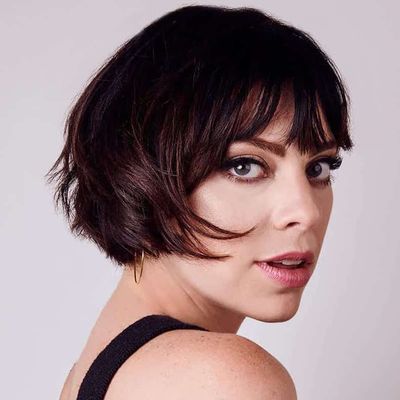
In this Artist Exploration, Charlie and Krysta discuss. The power of “No” in your career. Pilot season auditions in LA. Smash audition experience. Her resilience in fighting breast cancer. Playing Liza Minnelli in Halston. Expanding your dreams into other artistic pursuits... Read More
From the show: Mapping The College Audition: An MTCA Podcast
Guests
Featured Shows
About
In this Artist Exploration, Charlie and Krysta discuss
- The power of “No” in your career
- Pilot season auditions in LA
- Smash audition experience
- Her resilience in fighting breast cancer
- Playing Liza Minnelli in Halston
- Expanding your dreams into other artistic pursuits
If you would like to hear more from Krysta be sure to check her out at
- Broadway Revival of Into The Woods
- Her Blog: ChemoCouture.com
- @krysta_rod on Instagram
- Curated her a full service design business dedicated to spaces for any style and budget.
Did Charlie’s game “I’m a Survivor” peak your interest in the show? Be sue to check out Charlie’s other podcast: Come on in Survivors
If you have any questions about the college audition process, feel free to reach out at mailbag@mappingthecollegeaudition.com. If you’re interested in working with MTCA for help with your individualized preparation for your College Audition journey, please check us out at mtcollegeauditions.com, or on Instagram or Facebook.
Follow Us!
Instagram: @musicaltheatercollegeauditions
YouTube: @MTCA (Musical Theater College Auditions)
TikTok: @mtcollegeauditions
Charlie Murphy:@charmur7
Meghan Cordier:@meghanmarie2014
About MTCA:
Musical Theater College Auditions (MTCA) is the leader in coaching acting and musical theater students through the college audition process and beyond with superlative results. MTCA has assembled a roster of expert artist-educators who can guide students artistically, organizationally, strategically, and psychologically through the competitive college audition process. MTCA provides the tools, resources, and expertise along with a vast and strong support system. They train the unique individual, empowering the artist to bring their true, authentic self to their work. MTCA believes that by helping students reveal their potential it allows each school to connect with those who are truly right for their programs, which in turn guides each student toward their best college fit.
About Charlie Murphy:
Charlie is a proud graduate of Carnegie Mellon University’s BFA program. As an Actor he has performed with theaters such as: NY Public Theatre’s “Shakespeare in the Park”, The Pearl Theatre Company, Hudson Valley Shakespeare Festival, Chautauqua Theatre Company, Kinetic Theatre Company, and the Shakespeare Theatre of DC.
With MTCA [Musical Theater College Auditions -- mtca.nyc], he has been helping prospective theatre students through the college process for over 15 years. As a Teacher and Director, he is able to do a few of his favorite things in life: help students to find their authentic selves as artists, and then help them find their best fit for their collegiate journey. Through this podcast, he hopes to continue that work as well as help demystify this intricate process.
This episode was produced by Meghan Cordier and Charlie Murphy. Episode theme music is created by Will Reynolds.
Transcript
This transcript was automatically generated and might contain errors.
[0:09] Charlie Murphy: Hello, hello, and welcome to Mapping the College Audition, a podcast where we explore the landscape of the college theater world and try to demystify this daunting audition process.
[0:19] Charlie Murphy: I'm your host, Charlie Murphy, director of MTCA. That's Musical Theater College Auditions. And today we've got a Wednesday Adams of a show lined up for you because we do shows on Wednesdays and because of The Addams Family. Krysta Rodriguez, who I know from teaching at the Performing Arts Project, is on the show, and she is just a ray of sunshine with her students and a blast to hang out with as a faculty. I hope you will find the same. Uh today on the show we talked about the power of no in your career. We talked about pilot season auditions and how they work in LA, or at least how they worked back then. We talked about her Smash audition experience and some of the hidden fortuitousness of a connection.
You might never know who's in the room. We talk about her resilience in fighting breast cancer and how that served as almost a rebranding experience for her. It's sort of like her grad school. Uh, we talk about playing Liza Minnelli in Halston, which she is fantastic in. If you get a chance to see, you can just, you know, Google Liza with a Z, not Liza with an S, whatever. Um, and we talk a little bit about expanding your dreams into other artistic pursuits. Uh but before we get to that, I'm just gonna keep a really short intro today because I am playing a bit hurt today. These daycare diseases are eating me alive. So let's just jump right to the episode and a pre-recorded time with Krista when I was feeling much better.
Um, no, we did talk on the episode, it was right after we stopped recording. Um, but a huge congrats to Krista. She was telling us about some of those irons in the fire, and it was her replacing um a Cinderella in this Into The Woods. That's sort of star-studded Into The Woods that's happening on Broadway right now, alongside Friend of the Pod, Gavin Creel. So a huge congrats to her. I just hear she's amazing in the show, um, and I cannot wait to see it. Okay, let's get to this episode with Krysta Rodriguez.
[2:01] Charlie Murphy: Well, we are honored to have Krysta Rodriguez on the pod today. Uh Krista is an OSHA student in Orange County School of the Arts. Um, she also attended NYU, but did not graduate. Too much work for her to graduate. We'll talk about that for sure on the pod. Um, she's been on Broadway in shows like The Addams Family, Spring Awakening, First Date, A Chorus Line, In the Heights, Good Vibrations, also lots of other cool theater stuff she's done. She's been on your TV screens in shows like Smash, Quantico, Daybreak, and most recently in Halston as Liza Minnelli, which Elizabeth and I very much enjoyed watching. Um, she also started Curated, which is a design business that redesigned spaces. We'll talk about some of that.
Um, Krista's also a breast cancer survivor and vocal advocate for that. And most importantly, she's going to be a groundbreaking member of the two-timer club of Charlie Murphy podcasts, as we're gonna do a home and home of both this and my survivor pod, and we may do a little survivor stuff on the pod today. Krista, welcome. How are you doing?
[2:59] Krysta Rodriguez: Hi, I'm great. How are you doing?
[3:03] Charlie Murphy: I am so excited. We're combining two of my true loves in theater.
[3:05] Krysta Rodriguez: No, I can't believe it. I also realized as you were talking, I only do TV shows that have one word in them on the time.
[3:13] Charlie Murphy: Well, at least those are the ones that I gave for the bio.
[3:15] Krysta Rodriguez: I was like, I skipped through it. Yes, Smash corner. I just really like to drive it home with one word.
[3:21] Charlie Murphy: Yeah, for sure, for sure. Um, to Smash at home if we do.
[3:25] Krysta Rodriguez: Hey, there you go. Um, why don't we go back a little bit? So I'd love to kind of talk. We mentioned OSHA, you know, it's a performing arts high school. Um, but talking about some of those early days, especially as you started looking at colleges, or maybe even just looked at like doing this professionally. Like, do you remember if you placed yourself in that 16, 17-year-old self or whenever it was for you, like what were you looking for in a college experience? Do you know that NYU was right for you, or what were you thinking about?
[3:46] Krysta Rodriguez: Gosh, I think about this all the time, that stressful position of being that age and feeling like your whole life is dependent on this decision. And I yeah, I remember it very clearly. So I my path was that I had gone to OSHA. I'd always wanted to be on Broadway and live in New York. That ever since I was six years old and I visited New York the first time. So that was like definitely the goal. And then uh my life took a strange turn when Francis Ford Coppola came to OSHA to direct a musical there, and he cast me as the lead in his um musical Gidget. And it so Francis Coppola's there, Dermot Mulroney's there, Sophia Coppola is there, like all of these very famous people are hanging around Orange County putting on a musical with high school kids.
And um, so there was all of this media frenzy that came around. And from then somebody came to that and was like, you know, you'd be perfect on this TV show. All of a sudden I had an agent, I had a manager, I was going up to LA, I was trying to be the next at the time, Lindsay Lohan, which is who everybody wanted to be. And um, so my priority shifted to television, and so when it was time to consider colleges, I applied to UCLA, um thinking, and at the time I think you know, it was important to go to college, but it wasn't that kind of, you know, dire thing that it is now where kids are applying to 25 different schools or whatever. So I was like, I'll get I'll apply to UCLA and I'll apply it at NYU and we'll see which one I get in.
And if not, I'll go to Santa Monica City College and I'll move up to LA and I'll you know get uh I'll take acting classes and just do the acting thing. And then um I ended up getting into UCLA first. And think my parents, you know, I walked into the room, everything's decorated in blue and yellow, and it was like for sure. They took us up to dinner. Congratulations, you're going to UCLA. I was a Bruin. And then I got this letter in the mail from NYU that was like, hey, we'd love to have you at the new student orientation. And I was like, what does this mean? And I called them and they were like, oh, you got that, but you didn't get your let. I would um can't say for sure, but like you should probably be looking out in the mail.
This is your parents hiding the acceptance letter because I saw my use cost. They're like, no, no, I'm not spending that. No, no. Exactly. Not really. They weren't hiding it, and it wasn't that. But what but when I finally got the acceptance letter, it was like, well, well, you're you're gonna stay in California. You're you you're gonna go to UCLA and um you're gonna decorate the room. And like, what do you and and why you so expensive? And and um, and then I got the next letter that was like, Congratulations, your scholarship came in from NYU. Ooh. And so it kind of made it comparably, yeah, priced. And so I was like, Well, now what? Well, what do we do? And I I just we we went on vacation, we sat in a hotel room for days, like going over the pros and the cons, and do I even want to go to college and all of these things.
And I just remember where I was, I was sitting in um in physics class, and it just hit me. And I was like, I gotta go to New York. I've always wanted to go to New York. This the time is now, it's not gonna be later. I've gotta do this now. And I I sort of made the declaration, this is what we're gonna do.
[7:10] Charlie Murphy: Obviously, you do experience this this moment of we kind of odd success, or 1617 or whatever this is that you know at OSHA. But were you like consistently working already as an actor? Was it like, hey, I'm gonna kinda go to school like while I'm working, or were you like did you envision going for four years and then graduating?
[7:26] Krysta Rodriguez: Yeah, I mean, as soon as sort of things started picking up, you know, I even went and got my um my what they called efficiency diploma, I think at the time. My GED essentially in high school, just in case I ever had to leave, but I did end up staying. Uh and in that way you could work as an adult at the time. So I was working and I was doing commercial work and I was doing, you know, some other TV stuff here and there. Um, but it wasn't um I didn't it it was much harder. I was breaking into a new field, and I don't know that I loved it in that way that I loved theater. And for a minute it felt like, oh, this is where it's gonna go. But when I really had to think about where my heart was, it was in theater at that time, especially.
And so um that's what kind of made that decision for me. But yeah, I mean, it was I was always sort of hedging my bets, like I just want to be free to do whatever I need to do. So even in college, what I loved about being at NYU was that I was in the city and that I could go on open calls and I could, you know, fail a bunch of times and figure out how to how to do it, you know, with the safety of a meal plan and the dorms and all that, I wasn't like showing up to New York with 30 bucks in my pocket, which I admire the people that can do that. I I you know, I'm sure I could have figured it out, but I'm glad I didn't have to.
[8:46] Charlie Murphy: Totally. And it sounds like your parents were like super supportive during this time. Was there any, you know, as you're doing the pros and cons, was there any pressure from them of like, hey, I really would love an academic degree, or you know, or don't worry about going to college, it's whatever you want for your life. Like, you know, a lot of our parents will talk about like, I'm I'm supporting the BFA path, but maybe I do want a college degree, or I want to make sure there's some it were they anywhere in that, or were they just like whatever you need for your your life?
[9:10] Krysta Rodriguez: I mean, both of my parents, they neither of them have college degrees, so it didn't feel like something that was imperative for the family lineage or anything. They had gotten gone along just fine without one. And um, but of course they weren't vocational. Um my mom had her own business and you know, my dad um worked in the mortgage company. So it was like very consistent work for them. They didn't have to, you know, so that they understood uh and they were very supportive of my acting. My mom used to joke around when people be like, How's Krista doing? Oh good, just try not to finish school. Like that was always the kind of the joke. So it didn't bother them. I don't think they worried about it. They had a lot of faith that I could do it. Um they're looking at his practically of like, hey, hey, she's working, so it's only about you know what's gonna keep furthering that work.
[9:56] Charlie Murphy: Exactly. It's a kind of a matter of time, it's a return on investment. What happened to me was when I was deciding whether or not to go to college myself, I ended up that year looking at all of like my favorite actors that had won Emmys and had won Oscars that year and all that. And by and large, the large majority of them had not only college education in theater, but also um graduate degrees in theater as well. And so I was like, you know what? If those people are committing, because to me, because at the time, especially in LA, you're like you're wasting your youth. You're going off to school and you're gonna whip it. LA will encourage you, yeah, do not go immediately to us. Do not go anywhere, don't pass go, do not touch the screen.
[10:37] Krysta Rodriguez: Exactly, exactly. And so to see that the successful actors were still ones that took the time to do the training, I thought that was a good sign.
[10:44] Charlie Murphy: I love it. And then so at NYU, of course, a big part of it sounds like it was NYC or you know, LA and NYC were the two places we were looking. Were you also interested in like, you know, you picked a very academic BFA of the BFAs, it's a obviously a rigorous academic school. Was that interesting to you? Or was it with like, whoops, I didn't realize I was gonna have so much?
[11:02] Krysta Rodriguez: Uh it's always interesting to me. I was always a good student. I always had, you know, straight A's and stuff, and I enjoyed school and I liked the idea of having other um other disciplines. But I think at the time it was just that the school, the training itself at that school at that time was good enough that the that it was worth it. Because I I also applied to Boston Conservatory. I you know, I went to places where academics weren't necessarily um, you know, uh a forefront, and um and it just happened to be that it was gonna be a great degree, of course, you know, didn't end up. So it could be maybe we'll see. Hope hope I'm I'm with your mom, hoping you never have to finish.
[11:39] Charlie Murphy: Yeah, exactly. Um well, so then tell me a little bit about so you you show up your ad NYU. Now you're auditioning. What made you eventually now leave and go, I'm off to go do this amazing work?
[11:49] Krysta Rodriguez: Uh well, I got my the end of my sophomore year, I was cast in Bye Bye Birdie at OnCourse, which um which offered me my equity card, which was a huge decision to make at 19 years old. Am I gonna, you know, go all in on only professional work? And you know, it just became clear to me, at least in New York, because I had grown up in California and LA where theater, the non-equity theater was um prevalent, it was much more prevalent in LA, uh to just not have your equity card. But when I was in New York, it was becoming clear to me you weren't gonna get seen at equity calls, you were gonna maybe not get seen at the big open calls unless you had that card. So I I went all in and did that. Um and I had to miss my last two weeks of my sophomore year in school, but they were very supportive, they worked around me, they let me do my finals early, blah blah blah.
Then that summer I auditioned for Good Vibrations, which was happening at Baster in New York State and Film, and was ultimately going to go to Broadway, but at the time I didn't even really know what that meant. So I just spent summer doing the show. Came back to New York to NYU for my third year, and six weeks into that, got Good Vibrations on Broadway.
[12:56] Krysta Rodriguez: Six weeks, not the full tuition paid.
[12:58] Charlie Murphy: Exactly. Six weeks. Ooh, don't do it. You knew that, didn't you?
[13:01] Krysta Rodriguez: Two days after you could get it back.
[13:05] Krysta Rodriguez: So I uh went to my my my counselor called me and was like, Hey, you know, you're gonna have to pay for this whole semester. Are you sure you want to leave? And I was like, I'm gonna be on Broadway. Broadway. This is why I'm here. I'm like, I'm gonna have so much money, I'll just be able to pay it back. Cut to it's good vibrations, you know, one of the notorious flops. And I I sort of knew that, but I didn't really know how anything worked. So how can you know that's cool? I know this is gonna be not worth it versus this worth it. I mean, and who knows about worth it if you had to discuss career. And it was worth it. I I never I know I don't regret that decision at all. I got my foot in the door on Broadway.
It it I taught me a lot. Uh I was a swing, so I learned so much. And um, and so then after that was over, I tried to go back to school, got another job, I got a tour, tried to go back to school, and then got spring awakening. And by the third time I walked into the counselor's office, she was like, Well, you just leave already. Just leave. Just you're done. You can reapply, you'll get back in. Maybe you want come back when you maybe want to get a minor or get a different major or something. So that's where we ended up. I love and so yeah, did you ever strongly consider maybe maybe let's say years later, did was there ever, I guess, kind of a trough in the peaks and valleys of your career where you said, you know what, maybe now would be a good time.
I'm not booking work anyway. You know, if the pandemic had happened, it might have been a moment for you at that point. Okay, well, what else am I gonna do? Yeah, I really actually not even something else, because that kind of came later, but I did consider going to grad school um at uh Yale accepts people in their grad program that don't have undergraduate degrees. I believe that that's true. It was, I think at the time. And so I seriously considered it and was gonna apply because that's when I did feel like I I was around 29, that I felt like, you know, there are gaps in my training that I didn't get. And I would like to go back and now that I'm more mature and I can respect what I was learning a little bit more.
Um, and then uh what we'll talk about, I'm sure soon, is I ended up getting cancer, which was the same as graduate school. Basically the same as graduate school. In a lot of ways, it did do kind of the same thing that I was looking to do, which is refocus me, ground me in a different way, help me understand life in a more global way, and um, and that's sort of changed my career as well. Totally.
[15:24] Charlie Murphy: And w the idea the incentive to go to grad school for you, skill wise, was it about I really want to focus on acting more than the other two disciplines? Was it like, hey, I already feel pretty good as a singer and a dancer, and I'm I'm working in that world, but maybe I want more TV and film. I want more, I don't know if it's you want to do Shakespeare, if you want to was there something where you go, I want to go to Yale, which you know, it's I guess MFA and acting would have been what you're looking for.
[15:44] Krysta Rodriguez: Yeah. Is it because of that skill set wanted to be highlighted more, or just, hey, I I want to be serious to start.
[15:49] Krysta Rodriguez: Yeah, definitely that that I that I wanted to highlight that more. It um what it more was is that I had made my career up until that point. I you know, I was a swing and I was an understudy, I was in the ensemble, I had done a couple lead parts, but I was starting to feel my career go in a direction that I that I felt like it was unconscious and I wanted to be more conscious and deliberate in the things that I wanted to do. And there was something about going to grad school that would not only help me learn the classics and things that I had not really immersed myself in and be more focused on solely acting, but to also rebrand myself in the business as a as an actor, as not a musical comedy sort of sidekick sort of slapstick.
I wanted to be taken a little more seriously, and that's why I say that sort of the the cancer became sort of that same rebranding, was that people started to see that I could handle larger things in my life and and the way that I could handle the gravitas of characters and started trusting me more without me having to kind of say, listen, believe me, I can do this. Um I'm not just a chorus girl.
[17:01] Charlie Murphy: I love it. And we'll get into a little bit more of brand and type later as well. So great, fantastic. Um, just before we do that though, I'd love just as chat a little bit, because I think a lot of our young listeners, you know, a lot of our listeners may be 19, 21, 23, listening to some of this stuff. Um, you know, they see Krysta Rodriguez and go, oh my God, I want to be her and have that career and all those things. I I guess I'd love maybe pre-cancer, if cancer is a big moment of that that trough of of self-doubt and whatever. Um we'll talk about that experience. Could we talk about some of the peaks and valleys of so you you leave school because of work, but then I imagine it wasn't like work, work, work without any gaps.
Like, were there some humbling moments of survival jobs and you're going, What the hell am I doing? And and when the when am I ever gonna book the next show? When will I ever not be seen as an ensemble member? You know, like can we talk a little bit about that? Because I think sometimes people gloss over that when they look at your career.
[17:50] Krysta Rodriguez: Yeah, sure. Uh it's a little embarrassing to say that it was without gaps for a long time.
[17:55] Charlie Murphy: Oh, how dare you.
[17:56] Krysta Rodriguez: Oh, how dare you. All right, we'll cut that out of the episode. I know, I know, I know. So basically, I I did good vibrations, I did the tour, I came back, and then once I did Spring Awakening, I overlapped with chorus line in the heights and Adam's family. I did all of those job to job, boyfriend to boyfriend, job to jump. No, no skips, just next, next, next. It was it was double duty every time rehearsing during the day, jumping into the show the next day. Uh I think between in the heights and Adam's family, I had like a couple like a month maybe where I like went on vacation, got my life in order. But and you knew you had the next thing anyway, so who cares? That's not a trough. And then when I left Adam's family, I got my first pilot, so I went to LA.
Then it stopped. Then it was breaks, nothing. Um, but I had enough, you know, surplus that I didn't end up needing to do survival jobs. But I've always done things within the business. I taught, or I have done concerts, or I've done, you know, um, things where you can get little stuff here and there.
[18:57] Charlie Murphy: Um, so I didn't mention in our bio, I should have. Sorry, that we we teach together at TPAP where I've seen you teach many times. I've seen she has other places too, but but yes, uh, that you're also an awesome teacher.
[19:06] Krysta Rodriguez: Thank you.
[19:07] Krysta Rodriguez: Um and yeah, so there was that sort of back-to-backness, but what that back to back thing sort of did, and and especially in the beginning of your career, you're sort of you're making career moves, but you're just sort of also making uh just moves at all. You know, you're starting to wade in this industry, and you're starting to be like, and for me, there were incremental. I was a swing, and then I in a flop, then I was a swing and a hit. Then I was a lead in a revival, but a pretty small lead. You know, I did BB in a course line. Then I was in the ensemble of at of in the heights, but I covered all the women. So I was in the show, but an understudy. And it's a hand. Then I was a lead in a you know, big show, but not the the the lead.
And then I was a T you know, so it's it was sort of going incrementally, but I remember even around Adam's family time being like, I'm starting to feel like I'm getting like I'm in a stream instead of wrecking the things that I want to do. And that requires making the hard decisions and saying no. And you can't always say no when you're far first starting. And so it became once you start saying no, you have to be careful, you have to be comfortable with sitting around for a while. And that's sort of what happened.
[20:21] Krysta Rodriguez: And and it happens more and more. I mean, I I picked back up, I did Smash, I did um first date, then I then I ended up doing a couple more things, but then boom, I made a big decision. I chose to not do a big Broadway show that was gonna be kind of that could potentially be huge, because I was like, I want to be doing weirder, darker off-Broadway work. I want to be doing, you know, I want to start getting my footing as being a lead in TV and all of that stuff. And I didn't work for a year, and that was terrifying, you know. So there are definitely those times where that happens, but I know that they're coming because I'm choosing to do a show.
[21:02] Charlie Murphy: So if for you then, maybe in the shape of your career, if they're not troughs, if they're sort of plateaus where you say, okay, cool, I'm not dropping down below this, or I'm not gonna kick this left m place. I think I trust that I'm gonna be able to live at that level. Was there a moment where you felt like I don't know if it was Adam's family, was it Smash? Was it, you know, where was was there a moment when you go, you know what? I think I now have have enough cachet that I can start doing that. That I can say, no, I know I know the next job's gonna come. Therefore something I watch Elizabeth do and I'm so impressed when I'm like, how can you say no to that? Like that's a lead in the Broadway show God, you know but but because it's just confidence to go, I know there's another one coming and that one's not the best one for me.
[21:45] Krysta Rodriguez: And I don't think Yeah I think it comes I think like it's always really great to be wanted and a bird in the hand is better than two in the bush. Always, you know?
[21:54] Charlie Murphy: And so well not always that's the that's the that's the saying.
[21:58] Krysta Rodriguez: And that's what you feel. Right.
[22:00] Krysta Rodriguez: Um but yeah I think it it came around I mean Adam's family I actually turned down the first time but not for Wednesday. I turned down the ensemble because they I had audition for Wednesday and then they they didn't choose me and they offered me the ensemble for a reading and I said no because I was like this is when I might have to start saying no. I'm now I've done this before I want to make the third show under studying I'm done. And and it was funny because one of the reasons they didn't cast me in Adam's family the first time was because I hadn't led a show before. And so I'm like well then I need to lead a show. So I do I lead a show if you won't let me cast me to lead a show if I can't ever do it.
[22:33] Charlie Murphy: Yeah.
[22:34] Krysta Rodriguez: Yeah. And so I had said no but then my agents were sort of like you know what this is a four day workshop. You know, it's not that long. It's um BB newer than lane they're in the room. You'll get to know everyone. Why don't you just go? So I decided to do it, and I think it was a great move for me. But that's you know, I I wouldn't advise one way or another. If I would have said no to that, they might have still come back, you know, who knows. But they did say that one of the things that they um respected about me and why I got the part later was because they saw what a team player I was and how invented I was in in being a part of the show. So that's a digression a little bit. But the point, so that was the first time I had really said no, and then um from that point on, it really was once I felt like again when I felt like I was starting to go when I was just saying yes to things because they were coming, I would um sort of take it back.
[23:26] Krysta Rodriguez: But the big no was this big um uh this big show that I do want to reveal it, can you say secret?
[23:33] Krysta Rodriguez: Yes, I was supposed to I was gonna do Mean Girls. I was um casting Mean Girls, and I have never said that publicly breaking tea on this pot, spelling tea. Uh um, and um I wanted to do it, I loved being in that room. I had done the workshop, I was you know, ready to do it, and then there just was something in me that could that panicked. I I really did panic.
[23:56] Charlie Murphy: I would wake up in the middle of the night in a panic.
[24:00] Krysta Rodriguez: Um because of the lane you were gonna feel like you're now trapped in this thing again.
[24:04] Krysta Rodriguez: And it's a long, you know, uh out of town plus a new Broadway show that is a hit is gonna be a year and a half of your life. And at that point, you know, I'm on the older side. I was gonna be 36 when I got out of Mean Girls, and I felt like I didn't want to still be playing a high school student at that point. This was another thing where I was starting to want to do things that were my age that felt that the stakes related to me and my age, and and it had nothing to do with anything about the show. I just was like, I I can't do this, and I have to say no.
[24:39] Charlie Murphy: So it's such an impressive confidence to do that.
[24:42] Krysta Rodriguez: Because I love how you say it's always the bird in the hand that feels better. It's like I feel like it is every factor will do that to us again if we don't let it like, well, now that I'm getting older, I actually don't know how many more parts they're gonna be for an older lady. Or now there's a pandemic, and so it can't possibly, or oh god, there's only so many parts for people who look like me, or whatever it is, it's sort of those voices keep creeping back in, even if you're gonna be able to do that.
[25:01] Krysta Rodriguez: Yeah, and it was like, you know, I worked a lot right after that. I immediately got a bunch of stuff, and I was like, oh my god, thank God I'm I'm free to do this stuff. I got my first off-Broadway play. I was in a Netflix series, I did all this stuff, but then all of that stopped, and then Mean Girls came in.
[25:16] Charlie Murphy: Yeah, you know.
[25:17] Krysta Rodriguez: So now you're watching this thing that you could have had, and it was it was hard. It's still, you know, is a thing that I go, well, there was that lane and there was this lane, and I picked one of them, and I have to be okay with it.
[25:31] Charlie Murphy: So cool. All right, well, that's a great place to take a little break. We'll run a couple ads, and on the back end, we're gonna talk about some of these things we've mentioned, we'll talk about and play a little game as well.
[25:40] Krysta Rodriguez: So we're back in a flash.
[25:44] Charlie Murphy: All right, we are back with Krysta Rodriguez, and I'm our podcast producer who's sadly not here, Megan, is a huge smash head. So I have to ask about the Smash experience.
[25:57] Krysta Rodriguez: Um, I'd love to kind of hear, you know, we've we've heard some fun TV and film audition stories, and I think some of this stuff is pretty unknown to the you know general public where they kind of know how theater audition works, but I think a lot of young actors go, I don't quite get how you book a TV show.
[26:12] Charlie Murphy: So I'd love to talk about maybe the audition experience, and then especially like it seems like from the outside, my guess is that your part is one that you might not have been auditioning for that whole role if you didn't know what it was and it grew a little bit and how that happens often in the ambiguity of TV and films. So tell me a little bit about the Smash experience and if there was a growth thing.
[26:30] Krysta Rodriguez: Um before I get into Smash, because Smash was unusual. I'll go I'll if you want like a typical thing.
[26:37] Charlie Murphy: So give us typical and then give us a yeah.
[26:39] Krysta Rodriguez: Yeah, my first show that I got was a pilot for Fox. Um, and that was you know, you go that that time network pilots, you would go through the pilot season, which still exists but is a lot less now that there are streamers and the kind of TV schedule is all over. So you kind of start at the end end of January, beginning of February, you get cast sometime in March, you shoot it in April, and you decide you find out if it gets picked up in May. That's sort of the like the the thing. So um I had just left Addams Family and I booked this um show. So basically, I went in for an audition in New York, they liked my tape, then um they flew me to California to do a test, which is where you go in for the studio first and then you go in for the network.
And at the time, and it's less and less this way now, a because of the pandemic and b because of technology. Um they you go in a room with 20 people, executives, not like you know, audience members. These are astute people, and you know, a lot of the times you're auditioning, or for me, it was always comedies, not always, but most of the time, this particular one was a comedy, and you're told like they're not gonna laugh, do not expect to laugh. You and you don't go in, you're not there to shoot the shit with the with the people. You are you walk in, you do your scene, and you leave. And a lot of times it's in like a screening room, so there's lights on you and it's dark, and this is where you separate them the the wheat from the chaff as far as the theater actors, because this is where we shine.
And television actors a lot of times can just croak under these situations because you're having to do it live and for the camera, and you're having to like all of a sudden perform for tons of people watching you, and this is where I just shine. So um, so that was like the first time I ever tested for a pilot was earlier that pilot season, and I made it past the studio, but then so you go into the studio and then they narrow it down from there, and then you make it to the network. I did not, and I didn't end not end up going in the network. They had also flown me out to California, so you're flying out to California for a three-minute audition and then flying back to go, you know, do your show or whatever.
So then I did that again for this one. I did get passed on the network, and then I I got the job. We shot the pilot, the pilot didn't get picked up, and then I sat in LA and didn't work for a year. And then the next pilot season, I was like, I'm staying in LA, I'm gonna do this, I'm gonna try to make it work. I auditioned, I tested for four pilots. So I went through that same process of going in for casting, going in for a studio test, going in for a network test, and one thing I'll say just for educational purposes when you go in for a test, you negotiate your contract ahead of time. So you're completely like before you even go in for an audition for people, you have signed your contract for seven years.
You have your salary worked out, what your dressing room looks like, what your raises are, what your your you know, your press schedule is gonna look like. I mean, everything is laid out before you, and then you don't even know a if you're gonna get the job, B, if the pilot gets picked up, C if it gets canceled after a couple episodes. You have no idea. So you're banking on all of this every no power in negotiation, right? They can't be like you're like, they're like, uh this is what I need. They're like, Well, we don't know if we want you. We don't even want to. What do you say?
[29:52] Charlie Murphy: Exactly.
[29:54] Krysta Rodriguez: But so then um, so I tested for four shows the next year, thinking like one of these is gonna hit. Um, and it it didn't. And so I and then I got a call from my co-op board. I don't live there anymore, so we can, you know, spill the tea on that. Call from my co-op board, hey, we heard your subletting your apartment. We're either going to like fine you, sue you, or you have to come back to sue you. So uh I was like, I guess I'm coming back to New York. And I I was literally like on the way to I was like, I had booked the flight, all my bags were packed, and my agents were like, they want you to test on this other show here. And I was like, okay, maybe I'm not going back, you know, and then I don't get it.
And I was like, okay, LA, I was leaving already. You didn't have to do this like quite a bit. One more smack on the way out. So I head back, you know, with my you know, tail between my legs and my bags. I go back to my apartment and I'm I'm there for about two weeks and I get an audition for Smash. And I'm like, Oh yeah, whatever, cool, fine, that'll be fun. And it was a series regular, it was a it was a fractional series regular, which means it's seven out of ten. So they guarantee you seven out of ten episodes. Even if there is 23 episodes, you still could only get seven of them. Um, but then they can add you into more of them as you go. So um, so I went in for the audition, and it was the showrunner, Josh Saffron, who I had never met.
I came in and he was like, Oh, hey! I'm like, hi. He's like, I wrote your episode of Gossip Girl. My very first television show I ever did in 2007, um, was a was a guest star on Gossip Girl. And I was like, Oh, well, thanks for writing that make out scene with Chase Crawford. And he was like, No problem. And he was like, I also know Joe Iconists. I I've I go to Joe Iconis concert and stuff, I've seen you and all these things. So this like little connection that I didn't know about theater and you know this one TV thing. And so I auditioned for him and then didn't hear anything back. And a week and a half later they called with the offer. I didn't have to test. No testing, no. And then I got to negotiate after the offer.
So more leverage. Um so yeah, so that was the whole process in that. And that was a really big deal to just kind of outright be offered that show. But that connection with him and all of that led to that. And they knew your theater goodness as well. And Joe ended up being on the show as a composer, and we ended up singing Broadway Here I Come, which I was the first person to sing Broadway Here I Come for Joe. So it was like all circle.
[32:34] Charlie Murphy: So cool. And did did you know? So it sounds like maybe you did actually know early on kind of what the the scope of your part would be. My experience watching that show that could be completely erroneous as a whatever a viewer of it, was like it seemed like, oh, these people are interesting, let's go in this direction. It seemed like they were going in a bunch of different we don't know where it'll develop.
[32:50] Krysta Rodriguez: Yeah, I wasn't in the third episode. Like I would kind of come and go in the beginning because it was a fractional, but then I ended up, I think becoming after that they've they wrote me an everyone. So I could have been in. Great. Next week I get a script, it's like me flying from the ceiling doing like acrobatic silk number. And I was like, Oh, so like this is amazing. You're giving me this huge part, and also no one else here would have done this. They they negotiated the contracts for no. Ease? I'm good. Let's do B's. Yeah. Let's do it.
[33:31] Charlie Murphy: Um okay, let's get to not to bring it down too far, but I'd love to talk a little bit about the the breast cancer experience. So that happens, is that right after Smash or right before Smash?
[33:40] Krysta Rodriguez: Uh pretty much right after Smash. I was right actually right after uh first date. First date dovetailed from Smash. And then we closed that in January. I got a pilot that year that didn't go. And then I um then got cancer in I turned 30 in July and got cancer in September. And so like yeah, obviously you're going through this personal experience, and I I know you talked on there's a blog which we can post in the show notes about all um some of the you know struggles with questions like fertility. I mean, obviously you're still very young woman when this happens to you and and all that. I I guess I would also be interested in like as a pretty successful actor already at that point. Did you feel a responsibility to be to be a public figure about it?
Or I guess what what made you the decision to say, hey, I'm gonna go through this publicly, as opposed to like, hey, this is a private tragedy and I'm gonna deal with it on my own and it's you know, I'll c I'll re-emerge if I'm healthy or whatever. But it seemed like you you did it not knowing for sure what the end result would be.
[34:36] Krysta Rodriguez: Absolutely. I mean, I was sort of told right at the top that I had a favorable kind. So I I had the confidence of the people around me that you know, this is a um this is a fight we fought before. This is not an unknown battle. So I felt I had that going for me. Of course it's terrifying and anything can happen, anything can still happen, but um it was something where they were looking at me as if I was already going to be healthy, which is a huge thing that I would advocate looking for a doctor that sees you healthy instead of sees you sick. Um, and um, so I I initially did keep it to myself. I I told, you know, a few people uh very strategically, and like I said, I was diagnosed in September and I didn't tell anybody for a long time.
Even even when I had started chemo, I didn't tell a lot of people. Even though at the time um when I was diagnosed, it wasn't certain that I was gonna have to do chemo. And I immediately got a job. I worked immediately through it, didn't tell anybody because I thought, you know, if I don't have to lose my hair, if I don't have to look sick, then I can keep working. And I needed to because I needed health insurance. And are you at least worried that if you say, hey, I have cancer, people like, oh, maybe let's not make you do silks or do whatever the thing. When you're like, no, I'll still work, I still want to do that.
[35:51] Krysta Rodriguez: I didn't want to be a liability. Plus I was doing fertility treatments at the same time. So I was directing a musical at at OSHA when I was diagnosed, and then I was doing fertility treatments. I was going in the coke closet and sh giving myself shots while they were on 10 minute breaks. And then I got this movie um in New York, and I read I like read the first page of the script and I was like, yeah, I'll do it because I needed the health insurance. Um so I did that, and then January rolls around and they tell me I have to do chemo, and I'm like, okay, this is gonna be tougher and to hide this. And then this was really pivotal, actually. I was I was seeing, I think it was newsies. They had done, they'd shot newsies for the movie in LA, and I was there um doing treatments, and I hadn't told anyone, and somebody came up to me and they were talking to me and they they put their hand on my leg and rubbed my leg and looked me deep in the eye, and they were like, Hey, how's your pilot season going?
And I was like, uh, uh like I I didn't even know what to say. I was like, A, I've forgotten it's pilot season. B, I I can't believe how important you think pilot season is with what I'm going through right now. And C, like, I I can't fake that pilot season is the most important thing to me anymore. And it really dawned on me in that moment that that like this whole thing is getting out something from your body. And I wasn't interested in hiding anything anymore. Like keeping something a secret was actually gonna be more detrimental to me than being open about it, whatever the risk of that might be. And so I I told my agents, I said, okay, I'm gonna I'm gonna do chemo, I'm probably not gonna work, so I want I'm gonna start this blog and I'm see what it's like to be a writer for six months.
Um it really came out of it. You do have this instinct to want to be an advocate for something, and yet you're so tired. Uh and you're like working on so many things. I I I believe I imagine I'm not a parent, but I imagine it's very similar to like having a kid. Like there is so much you want to do and instill, and but it's like you're just exhausted, and and you hope that whatever you're doing is is taking, you know. And so you unlike being a parent, you also had the public eye. Like, I mean, I guess technically for sure, you know, but but I even mean just that there are young women who might look up to what you choose to do. Like that's I guess uh the the awesome responsibility or whatever if you're saying, Hey, this is what I'm doing today, you know, there might be some 19 year old who also has cancer who's obsessed with Smash or obsessed with whatever, you know, uh Wednesday, you know, and is saying, I want to be just like Krista.
And you know, that that feels like I mean, if I had a parent like that, of like that's people are gonna parent how I parent, I would be much more yeah I mean I I think like at the time what's funny though is when I was diagnosed I was like no other 30 year old woman has ever had breast cancer and so when I was writing the blog it it mostly was for me because I wanted to feel like fashion was always really important to me and I was starting to see how these things were attacking what I believed to be my femininity and so that was my way of taking control of that and it was a way to sort of update people hey this is why I don't exist for the next six months like this is what's going on.
[39:12] Krysta Rodriguez: I actually didn't even think it would help people. I didn't know it would help people. I didn't think it would be relatable to anyone. I honestly thought I was the only person in the world that was going through this at the time. So the blog coming out and kind of taking off the way it did, the thing that I never estimated was the response coming back. The amount of people that I would find was going through this and the amount of advice I was getting for them and the amount of help that I could be to them and they were to me, that was a complete byproduct that I was not expecting.
[39:50] Charlie Murphy: Well, what if we jump to Halston and this other cool offshoot that you've done? So now you're shooting this really awesome Netflix show as Liza Minnelli, which is awesome. I think it's available now. I'm saying Netflix though, is it Netflix? Is that right?
[40:03] Krysta Rodriguez: Yes.
[40:03] Charlie Murphy: But then you were shooting in the middle of the pandemic. It stopped shooting when the pandemic happened.
[40:07] Krysta Rodriguez: Yeah, we started in February 2020 and then we shut down in March as everyone else did. And then we came back in September of 2020 and finished through December.
[40:17] Charlie Murphy: And is it between those two moments that you said, "Hey, I'm gonna start doing this design thing, I'm gonna start doing this." So tell me a little bit about that. What inspired you to do that? I mean, it seems like you're not doing enough in your life already, my God, I don't know.
[40:27] Krysta Rodriguez: Okay, well, okay, real talk. The Halston was a dream and also so hard for me. I made it very hard on myself. I put so much pressure on myself. I had so much anxiety around it. The people were incredible. My director was a genius. I would follow him to the ends of the earth, and yet I was at home twisting myself into knots, like trying to get everything perfect, knowing, because you know, again, real talk, Smash is like kind of beloved now, but at the time it was the punching bag of both industries, you know, theater and film. And I was one of the few people, you know, a couple of us were the ones that had to return back to theater and be like, "Hey, can I come back here? Are you? We're not sitting on Will and Grace money or whatever."
[41:18] Charlie Murphy: Yeah, exactly.
[41:19] Krysta Rodriguez: You know, I'm not just like gonna now do another movie. I'm gonna come back and do Broadway. And so to tackle Liza Minnelli when you're in the Broadway community, you know, if you're someone who's never gonna do a theater piece again, you don't ever have to hear whether you were a good Liza Minnelli or not. If you're gonna go walk into Glasshouse, you're gonna hear if you were a good Liza Minnelli or not, you know? And so I was so nervous. And so that month leading up to shooting and the month of shooting, I liken it to like you go to the grocery store for the week, but you don't use a cart. You're just holding, you're like holding it off. You know, you got the bread in between your chin. I'm just like carrying everything I know about Liza.
And then all of a sudden it stops and I just go, "What do I do with all of this?" I had to drop it. It just had to like fall to the ground. And I never knew if the show was coming back, I never knew if I would act again, you know, we all of that. So all of this stuff that I had built up. But one thing that I had been so inspired by was the era of which she was in and her clothing and the design of her home and Halston's clothing and his home and all of this stuff. And I thought I had always been interested in design. My mom's a broker, realtor, she owns her own reality company, and she offers staging and stuff, and so I had gone through a breakup during the pandemic, and so I went home to California, and the real estate market, as most of us know, was booming, and so people were wanting to sell their house, wanting to buy houses, wanting to fix up houses, wanting to change their rooms, and I just started kind of doing it with her and realizing, you know, I stay up sometimes all night long imagining the design of a room, and I haven't remembered the last time I did that with a role at that point, besides stressing about it, besides like gripping it so hard and stressing about it.
This felt like a creative outlet that I have done my whole life and never really monetized or formalized. And so I just thought, you know what? I'll do it. And if Halston comes back, it would be a great time to launch a business. It's a great, you know, cross promotion.
[43:24] Charlie Murphy: Yep.
[43:24] Krysta Rodriguez: And then Halston came back, and I had much more ease with it. I had much more perspective of the priority that it took in my life, knowing, and this is something that I will say to the younger people that are listening to this, and you might not get it until later, and I think you understand it, and I'm sure Elizabeth understands it. The dream expands as you get older. And the dream has to expand to become a well-rounded, mentally safe person. And what I realized is like Halston is a dream, but it can also be the precursor to a different dream, which also leads me back to other dreams. The dream of traveling, the dream of owning a home, you know, the dream of designing places, the dream of having a family.
All of those things become the dream. Where it used to be move to New York and be on Broadway. That can't sustain you. And so I had a healthier perspective of Halston when I came back, when I trusted that the work I had done was in me, when I was creatively fulfilled in other ways, and when I knew that it was going to buoy another dream, which would then buoy more dreams. And that was a huge thing for me. And now I design when I want to. I also don't, if I'm not working, it's something that I can do that feels good, but I don't have to work if I want to design, you know. And it's really been symbiotic in a way that's been great.
[44:56] Charlie Murphy: It's so cool. And what a prime example of it. You hear this sometimes with actors who sort of their research that they're doing sort of dovetails into like, and then they research doing a poker player, and now they play poker. Now they do this, they're a professional athletic thing that they research the world. Very cool to see like that. Seems like some of that research actually.
[45:11] Krysta Rodriguez: Yeah, and like I, Susan Egan is a big mentor of mine. She went to OSHA and she has like taken me under her wings so many times. And I remember her telling me one time that the roles that you play, you have to treat them as if they're coming to your life for a reason. And you have to be curious about what that reason is. Maybe it's to make you braver. Maybe it's to make you more financially stable. Maybe it's to make you, you know, unleash a more primal side. Maybe it's to learn how to be more communicative. I mean, there's everything and all of the roles I've played have come into my life when I needed them and have taught me to be who I am.
[45:49] Charlie Murphy: That is such good advice. I love it. And now when we talk about your more primal side, I do think we have to get to our survivor game. You'll know, as a fan and a frequent listener of the pod, we play a unique game with all of our artists. Sometimes they're wacky, sometimes they're simple. They're all kinds of different things. This one is very cheesily named, and I hope with a gentle nod toward your breast cancer, I'm a survivor. Of course we've got to. And so it's gonna be a mix of trivia and fill in the blank and all this kind of stuff. You'll see it's a pretty simple trivia game.
[46:20] Krysta Rodriguez: So nervous.
[46:21] Charlie Murphy: What I'm gonna try to do to kind of keep you inspired is I'm gonna Jeff Probst style kind of coach you as we go. So if there's any pauses, you get some Jeff Probst style coaching. It's one of my favorite things. Krista is nowhere near finishing her puzzle. Don't worry, I'm ready for that.
[46:37] Krysta Rodriguez: Wow, they're really behind.
[46:38] Charlie Murphy: Yeah. Um, and be ready for the twists you'll never see coming. Okay, here we go. We're gonna try this Survivor Trivia game. Krista, for those of you who don't know this, and if you're not Survivor fans, just skip ahead five minutes in this podcast. Those are fans, what are you doing?
[46:53] Krysta Rodriguez: Correct.
[46:54] Charlie Murphy: Go listen to our episode of Come on in Survivors, and you will become a Survivor fan, as I did in the pandemic. But Krista, you're an old school Survivor fan, so you've been watching 20 whole years. We're gonna see what you remember some of these times long, long ago.
[47:06] Krysta Rodriguez: Yeah, okay, okay.
[47:07] Charlie Murphy: You want to know what you're playing for?
[47:11] Krysta Rodriguez: Yes, of course.
[47:12] Charlie Murphy: Yeah, it's for pride and nothing else because that's what we give out on podcasts.
[47:17] Krysta Rodriguez: Okay.
[47:18] Charlie Murphy: I don't have to ask you if that's worth playing for.
[47:20] Krysta Rodriguez: Yeah, was it worth playing for?
[47:21] Charlie Murphy: Yeah, I really want this. One thing I want. I want someone to say no one time, Deb.
[47:24] Krysta Rodriguez: Yeah, it's worth playing for?
[47:25] Charlie Murphy: Not really, Jeff.
[47:26] Krysta Rodriguez: Want immunity.
[47:27] Charlie Murphy: Okay, I'm gonna start you off with a really easy one, just to kind of level set and see how deep down the dark path we're going to go. Okay. There are two players in Survivor history who have won the game twice.
[47:38] Krysta Rodriguez: Oh.
[47:38] Charlie Murphy: Who are those players?
[47:39] Krysta Rodriguez: Tony and Sandra.
[47:40] Charlie Murphy: Tony and Sandra. The quickness of your response gives me a lot of encouragement that we're going to go deeper and you're going to do great. Okay, well, here we go. Survivor trivia. You're doing great. You gotta dig deep. Mike White, runner up on season 37, is a successful actor, writer, showrunner. He was that before Survivor. But after playing, went on to be the eponymous show writer for which HBO show?
[48:02] Krysta Rodriguez: White Lotus.
[48:03] Charlie Murphy: The White Lotus, 100% correct. You're two for two. You're doing great. Mike should have won, by the way.
[48:09] Krysta Rodriguez: Should have won.
[48:09] Charlie Murphy: Oh, we had a big debate about so Ethan and I did season 37. That was our offseason pod. I think Nick was a worthy winner. He agreed. He thinks Mike should have won.
[48:16] Krysta Rodriguez: Mike definitely should have won. Fantastic game he played. All right, another successful Survivor TV writer. Which alum and winner is currently writing on Star Trek Lower Deck after writing for shows like The Millers and Kevin Kinwaite?
[48:30] Krysta Rodriguez: Cochran.
[48:32] Charlie Murphy: You're three for three. Yeah, doing great. Challenge is on. Okay. Number four. Build as Broadway actors on Survivor, Josh Canfield and Reed Kelly played together on Survivor 29. That was Blood versus Water. What were their respective finishes? And I'm going to give you some multiple choice because that's hard on it.
[48:53] Krysta Rodriguez: Okay, yeah, that's one stop.
[48:54] Charlie Murphy: So A, Reed fifth place, Josh 12th place. B, Josh 10th place, Reed seventh place. C, Reed eighth place, Josh 11th place. Or D, Josh 13th place, Reed ninth place.
[49:11] Krysta Rodriguez: I think it's A.
[49:12] Charlie Murphy: It is C. Reed was eighth, Josh was 11th. That was a very tough question.
[49:15] Krysta Rodriguez: That was a tough one. I do remember stick to the plan.
[49:19] Charlie Murphy: That's how Reed got out. I really was rooting for them. I wanted them to win. But beautiful, weird season. Okay, for bonus points. Why is it blood versus water?
[49:30] Krysta Rodriguez: Oh, well, because I mean this is kind of confusing. But I guess weird, right?
[49:32] Charlie Murphy: Well, blood is thicker than water.
[49:36] Krysta Rodriguez: Blood is thicker than water. But what's the water in this example?
[49:38] Charlie Murphy: Blood is like family.
[49:39] Krysta Rodriguez: Yeah. And water is relationships.
[49:46] Charlie Murphy: Your family.
[49:47] Krysta Rodriguez: But wouldn't it be like blood slash water versus money or something? Like, isn't that what's more important? Like, I'm like, is water money in this? But I think they make a lot of choices where you have to choose your tribe or your loved one.
[50:00] Charlie Murphy: Water is tribe, you're saying.
[50:01] Krysta Rodriguez: Yeah, it's like water is tribe, loved one is blood. That's a pretty good explanation. I'd rather there was no right answer there, except that sounds pretty good. Okay, we're gonna keep it going. What contestant has spent the most days on Survivor?
[50:14] Charlie Murphy: Most total days on Survivor.
[50:17] Krysta Rodriguez: Shoot. Um not easy. This isn't easy. And I think it happened recently.
[50:24] Charlie Murphy: Very good.
[50:25] Krysta Rodriguez: I think it was a girl now.
[50:28] Charlie Murphy: No hints, I'm not giving you hints.
[50:30] Krysta Rodriguez: Okay.
[50:31] Charlie Murphy: Shoot. You gotta dig deep, Krista. You gotta dig deep.
[50:35] Krysta Rodriguez: Not Candace.
[50:36] Charlie Murphy: It is Boston Rob.
[50:38] Krysta Rodriguez: Boston Rob.
[50:40] Charlie Murphy: Dang it! I gave you almost a non hint by saying it was hard, because actually it wasn't so hard. It was Boston Rob and then Parvati and then Ozzy.
[50:46] Krysta Rodriguez: Ozzy was just passed.
[50:47] Charlie Murphy: Ozzy was number one. Carvidi was the girl I was thinking of. Okay, great. And then Ozzy. Ozzy was my first thought, then Boston Rob.
[50:53] Krysta Rodriguez: Okay, I had the right ideas. Dang it. Okay, I'm gonna say, Krista, you're still whipping through this challenge. I'm just gonna say that.
[51:00] Charlie Murphy: Okay.
[51:01] Krysta Rodriguez: How many people, it's gonna be multiple choice, have quit the show?
[51:05] Charlie Murphy: How many people have quit the show Survivor?
[51:07] Krysta Rodriguez: Is it A6, B9, C13, or D18?
[51:12] Charlie Murphy: Quit. Not airlifted. Not like that.
[51:17] Krysta Rodriguez: I may say six.
[51:19] Charlie Murphy: I'm battling between six and nine, but I'm gonna say six.
[51:22] Krysta Rodriguez: It is 13. C is 13.
[51:23] Charlie Murphy: Okay, the last question. Your chance for this is your redemption island right here, Krista. This, you got it. This you gotta put it, leave it all on the line today, right now. That's how you do it on this podcast. Let's go. Okay, here we go. There are three players in Survivor history to have played what is called a perfect game, meaning they never received a vote against them and won the final vote unanimously. So no one ever voted for them and they got 100% of the vote. There are three players who have done that. We're calling it a perfect game. Can you name one of them?
[51:57] Krysta Rodriguez: One of the three perfect games. You, you oh Yule.
[52:02] Charlie Murphy: Yule did not win, did not win unanimously.
[52:06] Krysta Rodriguez: No, Ozzy got some votes in that season. The three answers are JT, Cochran, and Denise, who's one of my favorite players I ever.
[52:17] Charlie Murphy: That's a fun thing.
[52:18] Krysta Rodriguez: Wow, I didn't know that. Okay, for bonus redemptive points to win all the points back in the game. What would your survivor audition video be? Have you ever considered auditioning and what would it be if so?
[52:29] Krysta Rodriguez: Yes. In early seasons, my friend John and I, we went to CBS and waited in line to apply. Yes, yes. Um, didn't get in, and then he made a tape where he like did survivor things around his house. Um, nowadays I don't know what I would do. Maybe I would like put do a music video or something. I would like to get like get my singing talents in there, you know, and like create a song or something, but they really look for disparate things in those tapes, you know, it's some things that catch your eye, but also just like, hey, I think I'm gonna, you know, be good at this. So I don't know what would you think?
[53:08] Charlie Murphy: Yeah.
[53:09] Krysta Rodriguez: I have no idea what I would do, but I have to say I was honored that like we've had a number of podcast listeners submit using our theme song. So we've like an edited theme song to our podcast, but basically it's the whatever of ancient voices, but it's got like a cool remix to it. But they've submitted using that as their backtrack. So maybe I will. Maybe you could, you could be the fourth.
[53:27] Charlie Murphy: I would I've I have definitely come to terms with I would not be good on Survivor.
[53:31] Krysta Rodriguez: No, I wouldn't either. I would be good at the game. I would not be good at the eye.
[53:35] Charlie Murphy: I wouldn't be good at the game. I would be too hungry to think about the strategy, I would get cranky, no one would like me. My social game would be crap. Like I said, I don't think I'd look good with the shirt off, like with the, with the, I would have scratches on my skin. All the bugs and the I can't do it. I the diverse temperatures, I can't. I would do Amazing Race though.
[53:55] Krysta Rodriguez: I have I have tried Amazing Race.
[53:57] Charlie Murphy: Okay, let's put this forward. Today we're putting it forward. Amazing Race Producers. I know you listen to this podcast. Let's get Krista on Amazing Race.
[54:04] Krysta Rodriguez: Last but not least, we'll wrap up. We've talked about mentioning type a little bit or brand a bit. We've been doing a runner on it for the past number of episodes. Different kind of artists, you know, we talked with a bunch of different people from different walks of life. And I just love to kind of hear how this consideration has like affected your career in terms of how you're selling yourself or how you're thinking about yourself, whether it's the word type, whether it's the word brand, but have you thought about how you're trying to curate or package yourself for the industry and what has that happened throughout your career?
[54:33] Krysta Rodriguez: Yeah, I think the thing that I ultimately want to do, and this is something that I kind of talked about with expanding the dream is sort of be unpinable. I just want to people always ask me, like the most common question I get, what do you like better? Theater or film, what do you like better? Theater or TV. And I'm like, I don't like anything better. I want the role. I want whatever role, and if that role is in a black box in, you know, Duluth, or if it's a radio play, or if it's um the role of creating the like character of a room, like all of those things are the same to me. So um I and because of that, I like that my brand is sort of disparate. I like that I do a lot of different things and I have my all my little thingies and a lot of different stuff.
So um, but that came from just like staying true to myself and going with the decisions that I, you know, that I liked. So um I feel like that was a that's a that's that move. Um, but I also was told early on just accept who you are fully, like really get to know, like find the people in your group who you trust, your if it's your family or if it's a great friend or if it's a mentor, a teacher, whatever, and listen to them when you start to hone the things that either you're you're really good at or that you're not yet good at, or the things that are not your strongest thing, you know. And there are some things you need to push harder on, and sometimes when you know I'm never gonna sing like Adina Menzel.
So I'm just not gonna try to sing like Adina Menzel, and I'm gonna sing like me. And when what you want is my voice, I'm the only one. Like that you're gonna get me, and I'll get that job. If what you want is Adina Menzel, I was never gonna get that job. So let that go, you know. So that that helps in the branding is to be like, have somebody there to tell you, no, you can belt, you're just afraid, or no, you can do this emotional scene, you're just blocking yourself. Or hey, you're not quite like let's put this foot forward and you know, put these other things back and know these aren't gonna be the thing you lead with.
[56:43] Charlie Murphy: Well, I love that. And I guess in terms of what put foot you put forward. So in service of that brand of this, I'm this unpinable artist who can do everything. I just love to hear like how how much do you feel like you lead with yourself versus your representative?
[56:58] Krysta Rodriguez: Yeah. I feel like during the pandemic, we saw a lot of like, you know, these weird Zoom interviews where like then you had to like get all this hair and makeup on and pretend like you didn't put hair and makeup on to do it. Like, you know, there's some element of falseness always when you're selling yourself in any of these sort of media hits. Um, I just love to want to know like how much of that do you feel like? Are you thinking about a conscious thing, or are we really meeting Krista as you actually are?
[57:19] Krysta Rodriguez: I think you're mostly meeting me as I actually am. I certainly like um, I think what happens when you teach or when you do interviews a lot, you end up sort of feeling like your life is a set of stories rather than things that you've experienced. So, and this was something that I learned with the blog is that sometimes you need a little distance to have perspective to to finish the story. Um, so I think that's the difference between interview me and regular me, is that regular me is on the fly and might not have the perspective and might not react perfectly in every situation and might not have that like, and this was a great idea, and look how it worked out that sort of positive energy that you can have when you're packaging the story of how it all turned out. So I think that's maybe the smallest difference between like interview me and regular me. I'm also terrible.
[58:13] Krysta Rodriguez: If you're doing some authoring, but it's still a truthful narrator of what your story is. And I think like I am terrible at social media. I don't I post very few often. In fact, that's one of the biggest hurdles between me and branding myself at all and my new business, is that I am just I'm phobic of self-promotion and the internet. So I think it's harder when people feel like they have to create a brand first before they get out there. And I didn't have to do that. So I'm sympathetic of needing to like brand yourself first and create that, but I would encourage that brand to stay as close to yourself as possible because you'll just never be able to keep it up. And part of going into an audition room is showing yourself because they're looking for someone they want to spend six, eight, nine, ten months with, you know, six years with.
So the more you can show your personality and if it's a good one, then the better you're gonna be because you're not gonna be able to withhold that brand for 10 years. It's just not possible. If it's a false thing. Well, you you might not get producers of the amazing race coming to you, but you're gonna get some social media interns who are ready to run your social media. You're gonna get some DMs from this. I promise you that it's gonna happen.
[59:24] Charlie Murphy: Um, all right. My last question to you, and then I'll let you go. And thank you for for so much wonderful time. Um, I would just love to hear if we have some young artists out there who want to be Krysta Rodriguez when they grow up, what do they need to do? What advice would you give to a young artist who's like, I just want to be just like Krista? She's amazing.
[59:40] Krysta Rodriguez: Um, I would try to access this is stuff I teach a lot at T Pap. Try to access the thing that makes you uniquely you. Uh and again, kind of like always said before, don't be trying to be I know that that's sounds cliche, but in practicality, you have to start like getting into your depths. You have to stop performing and start listening to what you're trying to say with this art form, whatever art form it is. And you know, I think that it's a big deal when you make that switch between what I call the dance for grandma technique, which is just like doing, you know, shuffle ball changes and being like, here's how I sing, and look at how cute I am. It's like the second you get rid of that, that's the stuff that I wish I would have learned earlier.
And what I think every time I tap into that, I hit a chord with people that resonate with the work that I'm doing, which is to tap into the story you're telling and how you are the unique person to tell that story. And I think that one of the things, you know, if I can kind of sound like I'm tuning my own horn, that I take pride in and that I that separates me from a lot of people is my ability to act in song. And that's what I teach is that like this isn't a song. If you wanted to sing a song, you could be a recording artist. This is a heightened monologue. And how are you using the tools that are already in your body and mostly in the lower half of your body, your diaphragm, you know, the energy, your chakras down there, how you're getting those out is how you're gonna affect change and not how you're smiling and flapp while changing. So um, if any of that made sense, I hope that you can take all of that and become the newer, better Krysta Rodriguez.
[1:01:34] Charlie Murphy: It made perfect sense. It's fantastic advice. Um anything you need to plug? I saw there's a new pilot on the gram.
[1:01:42] Krysta Rodriguez: The pilot happened, it is not going to go further as a series.
[1:01:46] Charlie Murphy: Well, then nobody should care about that pilot.
[1:01:47] Krysta Rodriguez: We'll just don't anybody care about it. Um, there are maybe some things of ruin, so stay tuned. I will put them on social. So stay tuned. Depending on when this comes out, it might already be ruined.
[1:01:59] Charlie Murphy: Okay. If it's brewed since we've talked, and we'll throw it to the show notes if it's like, oh my god, she's on this amazing thing. Um, Krista, thank you so much. It was such a pleasure getting to chat with you.
[1:02:05] Krysta Rodriguez: Thank you.
[1:02:14] Charlie Murphy: Hey now, I hope you enjoyed listening to Krysta Rodriguez. I just find her to be so warm and whip smart and funny. Um, I'm gonna do another short outro because as aforementioned, I am not at 100% health here right now. I've got a little bit of a fever, I'm a little loopy, so don't take too seriously anything I say right now. Um, but I just did want to talk a little bit about the power of no. Um, I think it's such a tricky balance, right? Krista gave a really great example of when you might use no, but I think you've heard other guests kind of really encourage the yes and attitude, right? It's so tough to know as a young artist when to draw that line for yourself. And certainly for some period of your career, the answer should generally be yes, unless it's something that's endangering your safety or is beneath your dignity.
But as you work more and more, if you feel yourself getting boxed in, like Krista, you may find yourself a moment of no. Right? It really comes down to that expanding dream, Krista was talking about which I think is such a great quote. Um, if the dream goes beyond a Broadway ensemble member, which might be where it is right now for a young person, at some point you might have to say no to those jobs to create the space for that amazing yes to happen. Or the dream does maintain as mostly about consistent work. You might choose, a law the great friend of the pod, Cameron Adams, to stay consistent with your ensemble work and build a great reputation on the back of a lot of great paychecks. Um for the college process, I think it's worth thinking a little bit about too for those parents who are who are listening and the students who are listening who are still auditioning for colleges.
You know, just check in of do you find yourself saying yes to every activity because your high school director tells you you feel like you have to and you're burning the candle at both ends. You know, if you're not sleeping, if you're not eating well and making yourself sick, I'm one to talk. The pot calling the kettle black, uh, you're definitely putting yourself at a disadvantage in this process. Um, so you need to have the emotional approach of a yes and attitude when in the rooms, but also try to find the boundaries of being able to say no, where that is for yourself in this process. Because if you say yes to everything, you will overwhelm yourself and run yourself into the ground. If you do the college process well, hopefully there will be a number of schools at the end that you get to say no, thank you too.
So it's a little bit of practice to say, no, I can't do that. I'm doing X, Y, and Z, and I just can't do W. It's just not possible. Um, well, if you enjoyed this episode on a W and want to hear more, please hit that follow button. If you appreciate me playing through pain in my Jordan Flu game today, throw us a five-star rating review. You can also follow me directly at Charmer7, where I feel a post coming any day on Instagram. It's really gonna happen. I believe in it. If you're interested in working with MDCA for help with your individual prep for your college edition journey, please check us out at mtca.nyc and follow us on our social media, which will be available in the show notes. To my young artists out there mapping their journeys, don't believe Krista for a second. She would be deadly on that island. We'll see you next week.
© Broadway Podcast Network, All Rights Reserved