

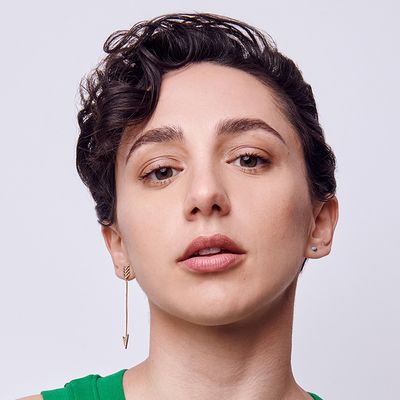
We are BACK for Season Three of Mapping the College Audition! In this Artist Exploration, Tony Award Winner, Lauren Patten and MTCA Director, Charlie Murphy discuss: The balance of instincts and training. Transfering schools. Insecurities in your talent... Read More
From the show: Mapping The College Audition: An MTCA Podcast
Guests
Featured Shows
About
We are BACK for Season Three of Mapping the College Audition! In this Artist Exploration, Tony Award Winner, Lauren Patten and MTCA Director, Charlie Murphy discuss:
- The balance of instincts and training
- Transfering schools
- Insecurities in your talent
- Boundaries with social media during turmoil
- Vocal technique
Charlie and Lauren also play a silly game of “Is that a Musical?” with a bunch of pop stars.
If you have any questions about the college audition process, feel free to reach out at mailbag@mappingthecollegeaudition.com. If you’re interested in working with MTCA for help with your individualized preparation for your College Audition journey, please check us out at mtcollegeauditions.com, or on Instagram or Facebook.
Follow Us!
Instagram: @mappingthecollegeaudition
YouTube: @MTCA (Musical Theater College Auditions)
TikTok: @mtcollegeauditions
Charlie Murphy:@charmur7
Meghan Cordier:@meghanmarie2014
About MTCA:
Musical Theater College Auditions (MTCA) is the leader in coaching acting and musical theater students through the college audition process and beyond with superlative results. MTCA has assembled a roster of expert artist-educators who can guide students artistically, organizationally, strategically, and psychologically through the competitive college audition process. MTCA provides the tools, resources, and expertise along with a vast and strong support system. They train the unique individual, empowering the artist to bring their true, authentic self to their work. MTCA believes that by helping students reveal their potential it allows each school to connect with those who are truly right for their programs, which in turn guides each student toward their best college fit.
About Charlie Murphy:
Charlie is a proud graduate of Carnegie Mellon University’s BFA program. As an Actor he has performed with theaters such as: NY Public Theatre’s “Shakespeare in the Park”, The Pearl Theatre Company, Hudson Valley Shakespeare Festival, Chautauqua Theatre Company, Kinetic Theatre Company, and the Shakespeare Theatre of DC.
With MTCA [Musical Theater College Auditions -- mtca.nyc], he has been helping prospective theatre students through the college process for over 15 years. As a Teacher and Director, he is able to do a few of his favorite things in life: help students to find their authentic selves as artists, and then help them find their best fit for their collegiate journey. Through this podcast, he hopes to continue that work as well as help demystify this intricate process.
This episode was produced by Meghan Cordier and Charlie Murphy. Episode theme music is created by Will Reynolds.
Transcript
This transcript was automatically generated and might contain errors.
[0:10] Charlie Murphy: Hello, hello, hello, and welcome back to season three of Mapping the College Audition, a podcast where we continue to explore new aspects of the college theater world and still strive to demystify this daunting audition process.
[0:27] Charlie Murphy: I'm your host, Charlie Murphy, director of MTCA. That's Musical Theater College Auditions, and today we have a self-congratulatory, pat ourselves on the back kind of show lined up for you.
[0:39] Charlie Murphy: We have Tony Winner, Lauren Patten on the show. I've loved getting to know Lauren through the Jagged process, and I hope you enjoy the wide-ranging conversation that ensues.
[0:50] Charlie Murphy: We talk about her career, some controversy, vocal techniques, musical stylings. We play a silly game of "Is that a Musical?" with a bunch of pop stars. I think you're really gonna enjoy.
[1:01] Charlie Murphy: But before we get into that, we are back, folks. I am rejuvenated from the break and really excited to bring you season three. Um, we've recorded a few episodes over the break to get ahead, so it may be a slower burn with some of the new changes and innovations, but I do have some tweaks and some shifts as we move into season three.
[1:21] Charlie Murphy: Um, I'm gonna keep trying to just twist and turn the knobs of this podcast to keep it moving in the upward direction. We're still gonna have your same general breakdown of half artist episodes, half colleges.
[1:32] Charlie Murphy: The college episodes are gonna be relatively similar with, of course, new schools and some schools returning as they shift and change themselves. But I think you'll see a bit more innovation and creativity in what episodes can mean in the next season.
[1:46] Charlie Murphy: Um, so feel free to hold me to that. Um, and do we need a little personal update? I know for some of you, you live for them, and some of you are gonna bloop doop bloop 15 seconds forward through them to each their own.
[1:57] Charlie Murphy: This will be about 30 to 40 seconds, so two or three bloops for those of you. My July was great. I spent some time in Boston with Elizabeth and Solvi for Boston Pops.
[2:08] Charlie Murphy: They did a July 4th concert. And then I went down to North Carolina, taught at the Performing Arts Project. It was fantastic for a few weeks. Um, before then I headed back to New York City for an awesome summer faculty masterclass week, which just concluded last week.
[2:23] Charlie Murphy: I did sneak a bachelor party in there as well, as we are under a month away from our wedding, which will be this Labor Day. Uh, a full 2023 in the Murphy Stanley household for sure.
[2:35] Charlie Murphy: Um, we're very excited, as some of you know, we had a wedding date planned in September 2020, but the world had other plans, and one daughter later, here we are.
[2:43] Charlie Murphy: Um, before I blast through that summer faculty masterclass week, I just want to give a shout out to all the students and parents who participated and made this such a successful experience.
[2:53] Charlie Murphy: It was a blast watching you all learn and grow. I loved getting to participate in those meetings with you and lead the Funny Girl Q&A, um, but also just soak in the learning that was happening.
[3:04] Charlie Murphy: Um, I'm also going to give you one piece of advice that I have cued up in my holster since that alumni Q&A, which side note by the way, how amazing were those MTCA alumni?
[3:15] Charlie Murphy: It is crazy for me at least to see how much they've grown in a few months. From seeing them all at Unifieds full of nerves and possibility, to them all proudly representing their future schools like sage old hands with all of their knowledge of this process.
[3:29] Charlie Murphy: Uh, they were saying it all so well, I didn't want to try to squeeze in between them. But here is my advice for those interested, and for all of you who just participated in the week and/or are just rising seniors out there currently working your butts off to prepare for those pre-screens, whether you're MTCA students or not.
[3:45] Charlie Murphy: So many of the students who just did the faculty masterclasses, or maybe those out there who did other summer programs with great faculty, are now in a place of being rocked off their feet a little bit.
[3:56] Charlie Murphy: Many of you, for the first time, or maybe just to a greater extent than before, have really seen what the work is that happens in these rooms acting-wise. It is a different process of storytelling than you've likely worked on in your high school musicals or community theater productions.
[4:12] Charlie Murphy: There is a deeper, more organic, more alive, and less polished way of working than you've likely been engaging in. Sometimes this leads students to feel a little bit knocked down or disheartened or overwhelmed with how far they are from quote unquote getting it.
[4:28] Charlie Murphy: My advice is to take a snapshot of that feeling right now, in this moment. This is such a useful place to be in your artistic work. And I want to really encourage you to do what you can to hold on to that feeling, even as you continue to improve in your work artistically, because you are going to feel better as the weeks and months go.
[4:48] Charlie Murphy: If the work starts feeling like it's in really good shape, like it's in a really good place, that's fantastic. But I'm going to encourage you then to return to this place of curiosity, of uncertainty, and of diving deeper again and again and again.
[5:02] Charlie Murphy: That's going to be a cyclical process. I'm writing a blog post on this as we speak. It's going to come out mid-month, so maybe a week from those of you listening to this now, with this idea of process versus product and what it is as an artist to hold on to process as long as we can.
[5:17] Charlie Murphy: It is really hard. When we find something that works well, like many of our students did this week, they found something that worked really well. It was a eureka light bulb moment, to not hold on to what the good result was and instead hold on to what worked about the process that got them there.
[5:33] Charlie Murphy: So what worked and what's replicable in the monologue wasn't the exact line reading you found or the minutia of the timing of that joke that really worked, but rather the approach that allowed you to discover that line reading or to live in the pocket of that comedic timing.
[5:49] Charlie Murphy: This is one of those deep truths that it can take a while to experience and to truly know as an actor, but I promise you it is true. There just aren't shortcuts to art where you can say, all right, right, this line reading, this interpretation, print it, repeat it, it'll work exactly that way for the next eight months.
[6:05] Charlie Murphy: That just leads so quickly to hackery, to robotic feeling work that feels dead and uninspiring, even if that same work is living in the husk of something that was once alive. In order to do good work, we have to keep striving for process, even in the face of all of our nerves begging for product.
[6:24] Charlie Murphy: So if you're someone who is really feeling it in terms of how little certainty you feel here on August 9th, can you take a snapshot and tuck some of that feeling away, knowing how valuable it will be to you later on? Living in that process as you approach the product of pre-screens, which is a literal video product, it has to be, or later on, your body's craving for the certitude and certainty in your live auditions.
[6:51] Charlie Murphy: If you can live in that process, it will be a real gift to yourself throughout the six months of this process. Okay, that's enough moralizing for an intro.
[7:01] Charlie Murphy: It's good to be back. Poor Solvi has had to endure me talking in parables for six weeks because I haven't had anyone else to hear them.
[7:08] Charlie Murphy: One other thing I'm gonna say to you at the top, um, is at some point in this interview, you're gonna hear a reference to Lauren's concert at Sony Hall. When we recorded it, we didn't know if the episode would be up before or after.
[7:20] Charlie Murphy: And sadly, that time has now passed. So you're gonna have to catch the new TV series instead. Um, and with no further ado, I hope you enjoy this conversation with the great Lauren Patten.
[7:37] Charlie Murphy: Well, we are so excited to be joined by the great Lauren Patten. Uh, Lauren has a BA in creative writing from the New School and lots of other training. We're gonna chat about the bipping and bopping around that she did.
[7:50] Charlie Murphy: Uh, she was on Broadway in Fun Home and Jagged Little Pill), where she won the Tony Award, Grammy Award, and Drama Desk for her wonderful performance as Joe. Um, she was in The Wolves off-Broadway, Deaf West's Spring Awakening, and recently the world premiere production of The Lonely Few with MTCA's Lam Helen Chen, no big deal.
[8:08] Charlie Murphy: On your screens as Rachel Whitten on Blue Bloods, which she did for six seasons, The Good Fight, Big Sick, Succession, we've heard of it. Um, and is also a musician playing sold-out shows at Rockwood Music Hall, The Bitter End, and at Sony Hall. Lauren, welcome on the pod.
[8:25] Lauren Patten: Hi, I'm doing great. I'm so happy to be here. How are you?
[8:31] Charlie Murphy: I am doing wonderfully. I'm back on solo daddy duty as of this morning for a couple days while Elizabeth's doing a concert. So it's its own stress. Half of my brain is in this podcast and half is with my child, as as you do.
[8:44] Lauren Patten: As it goes.
[8:45] Charlie Murphy: Absolutely. You're adorable, sweet baby child.
[8:49] Lauren Patten: Adorable sweet.
[8:50] Charlie Murphy: Yeah, we agree with that. Okay.
[8:51] Charlie Murphy: Um, speaking of you as an adorable sweet baby child, I'm gonna start you off with what uh all of our performers get a sort of question of like, how did you think about this as you went to college? But especially with you, you know, you started really young, and then it seemed like by high school you're really already doing professional theater.
[9:06] Charlie Murphy: When you hit that college age, what were you thinking about and looking for in a program and a college experience? Maybe at that first outset, 16, 17.
[9:13] Lauren Patten: Yeah, I was working professionally at that time. I started doing professional theater when I was 12. Um, and really I felt I think I always felt strongly that I wanted to go to college.
[9:29] Lauren Patten: Um, I loved school, I was an academic person. I enjoyed it. So I knew that I wanted to go to college in general. But as I got to that sort of 16, 17 age, um, I really started to notice in working how much I needed training.
[9:50] Lauren Patten: I think I just felt really strongly. I was doing a little bit of musicals, but primarily plays. Um, and I was working, I was often the youngest person in the show, or maybe the only child in the show with older adults.
[10:04] Lauren Patten: And I think I didn't read it, but you did like Anne Frank, right? You were doing like real lead roles as a kid.
[10:10] Lauren Patten: Yeah, I did Diary of Anne Frank, I did Bus Stop, which is a, you know, William Inge classic, and really I think the show that I did that I felt strongest about, and it was coinciding with me auditioning for colleges is I did a production of Doubt, and that was with only three other actors, and they were all really brilliant, and the main actors who I had scenes with were both Yale MFA grads.
[10:36] Lauren Patten: And I just watched them work and I saw I could see that they had technique and a method and something to fall back on when things weren't working. And I just felt like as the run was going on, I could feel that I didn't know how to adjust.
[10:45] Lauren Patten: I could feel that I didn't know what to do when a scene stopped like naturally working. I think I was running on my instincts, which served me, but at a certain point that ran out, and then I didn't know what to do.
[11:07] Lauren Patten: And I think working with really trained, experienced actors professionally at that point, I could just feel the gap between my experience and where my instincts could take me and what that training offered.
[11:19] Lauren Patten: So I think I really felt strongly if I want to do this, I really want what those actors have.
[11:24] Charlie Murphy: Well, and then tell me a little bit about the journey. I mean, I know you hopped around a little bit. Um, you spent some time at NYU, some time at USC, Stella Adler, the New School in different, um, that order may not be right, but talk to me about like what were those experiences and what prompted some of the bopping and pipping.
[11:39] Lauren Patten: Um, well, my first college was NYU, and I got into the Tisch acting program and I studied at Stella Adler there, and my intention was to do my four years there and get my BFA at NYU.
[11:54] Lauren Patten: Um, after my first year, it just became clear that I couldn't financially afford to stay, and I wasn't able to get financial aid from NYU.
[12:02] Lauren Patten: Um, so I had written an appeal and really pushed hard to get that and wasn't able to. So, uh, I really, I didn't leave out of choice. It just didn't financially, it wasn't feasible.
[12:16] Lauren Patten: Um, so I was really disappointed about that when that happened, but now I look back and I really wouldn't have it any other way, and I'm actually really grateful that I didn't end up doing that for four years.
[12:26] Lauren Patten: Um, but me hopping around to different schools came out of that necessity. Um, and I moved to California, I was living in LA and just working again.
[12:39] Lauren Patten: Um, but I knew I wanted to get my college degree and I also wanted to continue to train. So I decided to continue my training with Stella Adler, both in New York and in LA.
[12:50] Lauren Patten: I went back to New York and did summer intensives and I did classes that would have summed up what probably my second year of education at Adler would have been.
[12:59] Lauren Patten: And then I was continuing to pursue academics at schools in Los Angeles.
[13:03] Charlie Murphy: This is at USC, perhaps.
[13:05] Lauren Patten: Yeah, USC. I did community college as well.
[13:09] Lauren Patten: Um, and then USC. I also did summer classes at UCLA, which counted for credit, so I was all over the place there.
[13:16] Lauren Patten: Um, and I was working on an English degree at USC. Um, I found it a little difficult.
[13:22] Lauren Patten: I looked into continuing an acting program, but a lot of colleges, um, I don't know if it's still this way, but this for me now is about 10 years ago. They, if you're a transfer student, often want them want you to start at their year one and don't.
[13:39] Lauren Patten: So I had had my first year of acting training at NYU, and when I looked into transferring to acting programs in California or elsewhere, it was a lot of um, I would have to start at year one of training there, which I wasn't interested in doing, particularly because I had already been working professionally too.
[13:57] Lauren Patten: Um, I wanted to continue my training at a more advanced level where I had left off.
[14:13] Lauren Patten: That you know schools do that because of the nature of 18 to 22. We go to college in America. But that it doesn't necessarily make sense. So it seems like you're able to cobble together the conservatory style training to get the acting training you need. Do you feel like did you miss out on like the social experience of college? Do you feel like you got to do like not that everyone does frat parties or whatever that experience but you know the four years of growth with a quad and like was it difficult with the bopping around that you felt more adult or that you didn't get some of that college experience?
[14:41] Charlie Murphy: I did feel more adult, I think than I did, um not in a way that I'm sad about per se, but just I did miss out on that experience. But I also think in some ways I wouldn't have gotten that experience at NYU because it's not a which was which would have been the school that I would have done all four years at. Um, because there's no real campus like that as a New York City school where you are living in a building in New York, and there's some of that. I mean, I went to parties and I had my college friends and all these things, but um the most sort of traditional college that I went to was USC, and that had a proper campus, and I would be walking to my classes and the marching band for the football team would be practicing on the field, and like it really felt like, oh, this is like a college.
This feels like an actual college. Um, but at that point I was not living in dorms. I was living on my own in an apartment in Los Angeles and I commuted. And I was often a little bit older than my uh my classmates just by a couple of years. Um so I didn't really ever have a very traditional college experience, and I did kind of miss out on that. I mean, not that abnormal for actors. I feel like a yeah, to your point, a lot of NYU kids talk about or Pace kids talk about having that very similar sort of I'm an adult at 19 years old. I'm in college, but it doesn't feel like the I'm sequestered on a campus college.
[16:00] Lauren Patten: No. Um, tell me about the LA stuff. So you're doing Deaf West Spring Awakening with fellow podcast guest Chris Rodriguez, and you ended up moving to New York with Fun Home. How does that I think people are often uh um it feels like for a young person, especially to be like, how does that happen? Or do you have bicoastal representation? Are you submitting was it digitally back then already self-taped? How are you booking Fun Home while living in LA?
[16:24] Lauren Patten: Fun Home was sort of an interesting one because I actually I didn't have bicostal representation and uh went to audition for a workshop of something that was the same casting people as Fun Home. And they were sort of I don't know if it was necessarily covert, but it felt covert. They were sort of looking for people for Fun Home too. So I went in for this audition, which I was not right for at all, and uh, and then they asked me if I would cold read sides from Fun Home, and they taped me for that. And then I flew to New York to audition for the creative team from that. So that wasn't like I didn't pursue auditioning for Fun Home. That wasn't something that I self-taped, it was a weird sort of happenstance that I went in for this, these casting people.
[17:15] Charlie Murphy: Were you planning at the time to be an LA actor? Were you always hoping to move to New York at some point? Or how did that because you decided now to go with it and it seems like stayed in New York?
[17:23] Lauren Patten: No, I always envisioned myself in New York. I'm much more of a New York person. I went after I left NYU, I went to Los Angeles because I knew more people there. I had worked at a theater company outside of Los Angeles a lot as a teenager, and so I had support there. I had talked to my parents about potentially staying in New York, but the only people I knew in New York were my NYU classmates and that was it. And I wouldn't have had as much support and for what it means financially to just live in New York, all these things. So it made more sense for me to go to Los Angeles logistically. But that being said, I did have a lot going on in LA. I had I was going to USC and I uh had gotten a half ride there, so I intended to finish my degree there.
I was in Deaf West Spring Awakening, which I had planned to stay with. I was developing another musical, which had a production in San Francisco that seemed like it was having a life. So I had some theater work happening out there that I was invested in, and uh the fact that I had gotten this scholarship at USC where I could uh feasibly get a degree because that was important to me and I had worked hard going through community college and applying for financial aid and doing a lot to get myself settled at a different school.
[18:41] Charlie Murphy: Yeah. So I was hesitant to go to New York actually at that time in my life.
[18:46] Lauren Patten: And were you thinking of yourself then as because I when I look at your resume, of course I know you best from Jagged, of course, where you entered my life. Um but the you know, uh you really have a great balance of non-musical plays, musicals, and then TV and film. Like what were you thinking at 19? I think a lot of our people or a lot of our students feel like I kind of want to do everything. Some are definitely Broadway only, but like were you thinking I want to do everything? Were you thinking I want to primarily do musicals, primarily do non-musical plays? What were you thinking about um sort of your career? It seems like in LA you were doing more um theater than TV, interestingly. But was what was the dream for Lauren at 20 or whatever this was?
[19:25] Lauren Patten: Yeah, I did not envision myself much in musicals, honestly. I didn't jaws dropping across America. They're always like, how is that Lauren Patten who I idolize this musical theater actor? Yeah. It's funny though, because I think I always sang um from the time that I was a kid, but I think I also didn't really know where my place was at that time in musical theater. Um and I also, you know, I think, and I I know that this might also seem weird to hear, but I also had a lot of hangups around my voice and anxieties and stuff. Like it's um, you know, which I like to tell people because it's not uh that isn't a sign of um skill or ability or talent or whatever. I think singing is very vulnerable, and I had a lot of anxieties around my voice that I still can have um that still come up for me.
So I found musicals very stressful, and uh I didn't feel that I had a much of a place in them all the time. Uh and I really loved acting, and that's what I identified, and I still really identify primarily as just an actor. Um so I wanted to also do television and film. I was struggling to break into that in Los Angeles and was able to do more theater, which is you know, ironic that that's what I was primarily doing in that town. Um, and most of my television work has been in New York. But um that's really how I envisioned myself. I wasn't like gunning for musicals necessarily. Um I just loved theater, and that's what I definitely done my whole life, and I always envisioned myself doing theater, but I also wanted to do TV and film.
[21:09] Charlie Murphy: We'll definitely talk about voice on the second half of the show in general, but I do think your strength as an actor also is one of your big strengths as a musical theater person. That like to be a musical theater to have the wonderful voice that you have but also be like, this person is completely an actor on stage. It is thrilling for an audience as opposed to watching someone just stand and sing or just dance or even to be able to say there's other forms here. What about you're saying sort of trying to break through and and find your place in the musical theater. W was that something that you felt like Fun Home then gave you? What was that experience like now of course your project of you at a very young age what was the the experience of of working with that show?
[21:44] Lauren Patten: I mean Fun Home almost didn't really feel like a musical to me in some ways. It very much is a proper musical but I think my experience with that and my focus on it came so much from it as a play really that I think in some ways um Jagged is more the experience of really feeling like I found what my place as a musical artist is on stage. Because with Fun Home I think um you know I also felt that I very much had a place in in what that world was vocally um because it really was a um a space for character you know and uh I remember when I was even just on auditioning for it they were just asking me to try to sound less pretty like they just didn't want me to sound good even necessarily um which I really appreciated. So I think I would say, as far as me finding what felt like more my place, um, I would say Jagged was really the show that started to help me do that.
[22:57] Charlie Murphy: And what was the you know, were you already the I I know I think it's post-Jagged that you really start the sort of rock star career, and that the more it seems like that's more of the the true rock concerts. Was that something you you already did in high school? Were you were you sort of singing in rock bands, or are you interested in that kind of music? Or is that all post-Jagged?
[23:13] Lauren Patten: I mean, I was interested in that kind of music, but I never thought I would do concerts. I really didn't, um, again, because it all seemed stressful and kind of terrifying to me. The notion of it was it was anxiety inducing for me to sing one song in like a compilation concert, much less do an entire thing. I'm telling you, like I I really appreciate that you're saying this because I if you listen to our students, and you know, I think you are a name that when when you know our song coach will say, Hey, who's someone you want to be, you know, 10 years from now, or someone you emulate. I think the number of them who say you, and the number of those people who would then think, Oh, I'll bet she's really insecure about her voice.
Like, like literally, all these people are like, Oh, if I had a voice like Lauren, I wouldn't think about my voice at all. Um it is, it's funny. I think people really think like you're just not insecure about it or have anxieties about it if you're you know, quote unquote good or talented or whatever. And I I just think singing is like one of the most vulnerable things we can do as a person, and so I just think it's a very vulnerable thing to do for anybody.
[24:13] Charlie Murphy: Um it's like me, like people often say, like, well, you must not be insecure because you're so beautiful, and I'm like, if you can believe it, even me, I sometimes feel insecure.
[24:21] Lauren Patten: Yeah, all the time. We all feel that way, you know.
[24:23] Charlie Murphy: Just like no, but I do want to we're getting this, so I want to fast forward to Jagged. Um, and just you knocking it out of the park as Joe. I mean, uh, you know, every night getting a standing ovation in the middle of the show, at least all the times I saw it. You get the Tony, the Grammy, every other word they can give people. Like now, now this must have been the this is the first role that you originated with this long of a duration, right? This was a I mean, yes, I only saw Elizabeth's journey with it, and it was many years. It started before we met, and here we are with a child. Like that it like I know. What was that experience of of growing this, you know, role from from not nothing? I mean, I guess from a script and from uh um some songs that you knew existed, but growing in and cultivating this character over a long period of time.
[25:04] Lauren Patten: Yeah, I mean it's it's an immense privilege, you know, and it I have been involved in developmental workshops of things before, but uh I've this is the only time that I've ever experienced um taking it from its true first form, um, all the way through to a culmination of a Broadway production. Um I think it's really it is rare to get to do that to a lot of times I've come into a development process and I'm you know, this is a character that's been played by other people before or been read, but whatever, or it's it's farther along, or I start at the beginning and then I move on, or the show, the development of the show moves on without all the that's part of being an actor in New York working on new work. Um so this is really the first time, and I've done long-standing development of characters before, but that's particular trajectory. I it it really is um very lucky to get to do that.
[26:02] Charlie Murphy: And I imagine in some ways vulnerable too, because you are putting parts of yourself like there, you know, it's like doing stand-up or something where you're like, well, if they don't like me, they really don't like me. Those are my words. There's no playwright to say like I mean, there was of course a player with Jagged, but that you're, you know, able to add some of your own spin and your own self into the role.
[26:20] Lauren Patten: A lot of you goes into it when you're in that kind of a development process. Um, you know, w when you're really with it from the beginning through, it your your voice, your thoughts, um, your dramaturgical opinions, all of these things get really your spirit gets put into it. And and I feel that very strongly with with that, you know, it um is very much, even though I am not the character, and it's not like you know, um, autobiographical in some way, it just it in a lot of ways it also is deeply me.
[26:54] Charlie Murphy: Yeah, I mean, I remember seeing like, oh my god, there's parts of Elizabeth's mother. Like after I've met Elizabeth Mom, like, oh, there she is. Okay. And there's some of her, oh, that's her family background there. Like, of course it's not you, but you see little aspects of that.
[27:05] Lauren Patten: Absolutely.
[27:06] Charlie Murphy: Can we talk a little bit about the experience from the backlash perspective too? Um, you know, of course, this being a role that you created and in people seeing themselves in what you created, and then some people feeling as the role grew and changed, maybe it should no longer be played by a cis actor, you know, and then the clarifying the role and some of the protests. You don't necessarily have to give us the full blow by blow. I'm sure people can go down the internet if they want to um hear the whole journey of the controversy. But I guess I'm curious of like, especially now a couple years removed, with the perspective of like what being the center of that maelstrom was like, I guess, I mean, from the outside, knowing it's not actually all about you.
This this experience is not about Lauren Pat necessarily and and her choices, as much as it is a lot of factors out of your control. But I guess what was that experience going through that through a pandemic and Tony's season and all the things that happened?
[27:55] Lauren Patten: Yeah, I mean, it was um I it's honestly really hard to describe, and especially as you mentioned, like during so much of the the height of it was also during this pandemic, and like nothing um nothing felt normal or stabilizing during that time, I think for pretty much anybody. Um, and also trying to get the show back up on its feet and not knowing what theater was even really looking like at that point and and all these aspects of it but you know I think that um while it was obviously a a very difficult time um I think that what I just kind of returned to is I I ultimately think that it was um one conversation among a lot of conversations just about theater in general and how we need to make space for people um to see themselves represented properly in theater and uh be able to be part of it both in seeing themselves and their stories told but also being part of the industry um which I'm in big support of so I feel um that while there were aspects of it that were personally difficult of course um I hope and as you said with with time you know I I hope that the conversation was useful ultimately and helps people who are continuing to develop work think about things with more intention you know um as far as representation for the trans and non-binary community um and all of the you know other marginalized communities that are looking for space in this industry so I I have hope that the conversation and sort of what did become like a maelstrom and very emotionally fraught I just hope um that positive things for the representative representation come from it.
[29:47] Lauren Patten: Well, and I'll say from the outside, just watching you engage with it, I really appreciated that. It felt very easy to like it could have been very easy to disengage from it because it was, you know, it was as you said, a very turbulent time. Um and watching you continue to try to engage with it in integrity and try to learn and try to, you know, participate and listen, it was really exciting. And I hope not only that for the specific conversation, people can take something from it, but maybe also future actors who are going through different situations can sort of watch like how do I kind of show up and try to listen and try to be present and, you know, live in this thing.
[30:23] Charlie Murphy: Yeah, I think I feel strongly that I don't think there wasn't a version of disengaging that I would have felt okay about. You know, I just I don't think that just doesn't sit well with me to just, I understand why people other people maybe don't feel emotionally capable of showing up for it or different things, and I don't think that there is a version of disengaging that would sit right for me.
[30:52] Lauren Patten: Well, how does that relate with like your personal social media use? Because I think so much of that time to me is just like because that was our contact with the world. I mean, other than me and Elizabeth sitting drinking in Maryland or whatever, was like this like our engagement was through online and but it's primarily social media, you know. How does that and obviously that's how you're engaging with a lot of these conversations, engaging with the public and the conversation? How does that sort of do you factor in like your own mental health in sort of going, I want to take care of myself and not, you know, as we saw from Vivek Murphy, that we know social media now is that you know, not that we haven't known this for years, is deleterious to our mental health.
But like yeah, how do you factor that in of like I want to engage with where the fans are, but also for myself personally, I need some boundaries and I need some, you know, safety for your own relationships, your own life.
[31:40] Lauren Patten: Yeah, I think that that's something that I had started to figure out for myself and create boundaries around. Um probably in like I think 2018, early 2019, something like that. You know, I just as social media as it got bigger in my life and how it functioned in my work as well. I just think I realized that there was something that didn't it there was sort of a porousness to the boundaries of when I was at work that didn't feel right to me, you know. Um I realized that I was doing essentially work in the middle of the night in my bed at home and I didn't need to be doing that. You know, it was just it's um it's different than sort of the more traditional ways of engaging with fans. Like I love nothing more than to get a letter at the theater, you know.
But at Jagged I had all the letters that I got taped up on my door and my dressing room door. Um, you know, I love stage door, all of these things. Um, but there's a concreteness to that of I'm showing up to the building and I'm at work, you know. There's a literal boundary of the door that I walk in.
[32:58] Charlie Murphy: Exactly.
[32:59] Lauren Patten: And um, so I do think that I have found ways where boundaries are really important to me now with it for mental health, um, for workload and also having separation that my whole life doesn't get sort of consumed by whatever show I'm working on or that type of thing. Because there's also just stuff that um, you know, and I believe that with certain types of like conversations too that fans are having online, it they're not for me to read. Like it it's not, it really isn't my business, like positive or negative. And um you know I know some actors are like that with reviews and stuff, but it's just um I'm I'm not meant to read and hear all of that. It's and that's really important to me. That that's sort of what I guess what we mean by the maelstrom is that it feels like at some point I'm like this isn't about Lauren anymore because none of these people know Lauren or know her experience but they're talking about a larger conversation which they should be able to talk about but it's not necessarily like you like it is does feel like that's for them to talk about their experiences with the show and with the character that aren't necessarily about your human self or at least for me from your perspective about your character in the sense of I don't mean your character in the show, I mean your character as a human being weren't necessarily what people were talking about. Even though that line is really confusing at times like you'd read stuff and you go, ooh, that feels like it's a personal character attack on Lauren. That person I don't think knows Lauren.
[34:19] Charlie Murphy: Yeah. What if we switch gears and talk a little bit about Blue Bloods? Because this is all happening simultaneously, right? So you're doing six seasons overlapping with this amazing, oh my gosh, you're really hitting the New York theater scene and exploding onto it and you're doing this TV show for six seasons. What was the experience I guess of the different mediums and then also maybe doing them simultaneously? Did you ever feel like one was pulling from another one was informing each other as you're both on screen and on stage at the same time?
[34:50] Lauren Patten: I mean I was so fortunate with Blue Bloods that they really worked so flexibly with my Broadway schedule as well. And um, you know, I that was just a very fortunate thing for me that I didn't feel too pulled either way. Um they were really great about if I needed to be offset to go to the show. Then they made that happen, and um sometimes I was filming while I was also doing the show, and then you know, there were other times where filming was sort of what my main job was when we were waiting for Jagged to get a Broadway theater or um during the pandemic when theater wasn't happening but uh film would come back. Um so the balance tended to work out, which I was really grateful for.
[35:46] Charlie Murphy: Did you ever feel any of the like, oh god, they'd write me a bigger character if I could be more available? Like, was there any of that like pull of like, uh I want it I want to grow in this area, but this is pulling away from this, or maybe vice versa, if I want to give more attention to this theater thing, but I don't want to lose this TV thing.
[36:00] Lauren Patten: Yeah, I think that I didn't think about it too too much in some ways because um, you know, I did ultimately end up, I was I played Vanessa Ray's partner on the show, and I did end up having kind of a written-off thing with that, partially because my schedule was I was getting um too busy with other things that were happening, um, and they needed somebody who could be there more consistently. Um, but I think I just sort of let it go with the flow in that sense and in that um I it helps me a lot with my mental health as an actor if I can just really just try to trust that things work out the way they're gonna work out rather than trying to like finagle, well, how can I hold on to this, but also show up, you know, if you have to make decisions about your priorities, then you have to make those decisions, but also things kind of can fall into place along those things along those lines.
[36:56] Lauren Patten: I mean, I just finished filming or a little while ago last year, finished filming my first series regular for a television show, which is awesome. And with a series regular contract, I just have if that show continues, then I film when they tell me to film and that's it. And there's no if I have other projects going on, it doesn't matter. And that sort of I could get really stressed about that, or I can just say it's gonna just be what it's gonna be. The stress of it would be like I have this amazing series regular. God, what if some better thing comes along? We our main mind goes to that thing of like, what could it be preventing me from, as opposed to like my god, I've got this amazing Broadway show. I'm on this amazing TV show. That's amazing.
[37:37] Charlie Murphy: That's great. That's a great attitude. And I wish that for all of our students and maybe especially our parent listeners who definitely have an element of I want to know how this will work out. I want the control.
[37:50] Lauren Patten: You just can really, really can't. And it and anything that feels like you are controlling it, it's an illusion.
[37:58] Charlie Murphy: Um, all right, we gotta talk while we're talking hit TV shows. We gotta talk a little bit about Succession. So were you a watcher before you booked it? Were you had you already been watching it?
[38:07] Lauren Patten: So I did not know what the show was. Nobody really knew what the show was. Um had no idea what it would become. And I feel like the show really, I mean, obviously it was I mean, um, you know, Emmy contender from the first season, but I feel like culturally it really hit in the second season. I feel like that's when everybody started going, Oh my god, what is the show? Um it felt like it ramped up in the first season. It was the first couple episodes, I was like, uh, I'm I'm not sure. And then it felt like it really found its drive.
[38:37] Charlie Murphy: Maybe as soon as you were done, is when I think it's it was really easy. It was really because I came on as I repeated. That's it.
[38:42] Lauren Patten: You graced it and it goes, now we found our our footing.
[38:46] Lauren Patten: Not at all. I felt like I had no idea what I was doing, and like I was so new to television, I was so intimidated because it was like a fancy prestige HBO show, and I felt so nervous. The idea of being on a TV show, um, I think many actors can I kind of understand and go like, oh, that'd be so cool. I kind of get it. But I think there must be a particular experience of being on a TV show that you're like, I actually want to watch this as a fan. Like, I want to know what happens next. Like that's gotta be such, and then you're like, wait, I'm in it. Like that that would be so freaky to me to be like in the West Wing or in you know, some of the shows you're like, I watched this show.
[39:20] Lauren Patten: I'm honestly so grateful that I was my one episode was in the first season, so that I didn't go in with the like uh as I feel like if it had been any other season than that, I just would have been so scared.
[39:32] Charlie Murphy: Yeah, Kendall. Now I know who you are.
[39:35] Lauren Patten: Oh god, yeah.
[39:36] Charlie Murphy: But now you were just like some actors.
[39:38] Lauren Patten: Yeah, you're yeah, that's that's cool. Um okay, let's do a little break, and then we're gonna deeper dive on the back half into some vocal questions.
[39:47] Charlie Murphy: Exciting.
[39:49] Charlie Murphy: All right, we're back with the great Lauren Patten. We've taken a sip and we're ready to dive into some vocal questions. So uh we try to do like a superpower with each of our artist guests, and I could have chosen a bunch for you. I really feel like I could have chosen like stage presence, but just our last episode was about to come out. We did something very similar with Jesse Mueller, so I want to go in a different direction.
[40:11] Lauren Patten: Oh my god, Jesse, yes.
[40:12] Charlie Murphy: Because the two of you have very similar stage presents, but you're gonna say joke.
[40:16] Lauren Patten: Not that you don't, not that you're not going to be able to do it.
[40:17] Charlie Murphy: You know what? But do you know that I know Jesse from Chicago? We did a production of A Christmas Carol at the Goodman Theater when I was 17 years old before she got her first Broadway show.
[40:26] Lauren Patten: You better talk about a small world.
[40:28] Charlie Murphy: She's one of the best people.
[40:29] Lauren Patten: She really is.
[40:29] Charlie Murphy: She was a great guest. But one of the things that I think I do want to chat about, and it's so funny that you're talking about vulnerability with your voice. I do think one of the things people are amazed by when watching you, and I think it's part of what gets those standing ovations mid-show, aside from of course that you're a brilliant actor, we know that too. But just like your sheer vocal power. And I don't know if that's especially coming from a slight frame, you know, that you're not a giant person, but like the experience of just like the amount of oomph that comes out of you and your voice is like really thrilling as an audience member.
[41:01] Charlie Murphy: So I want to get into maybe some of the granular details of that. But first off, how much do you feel like that was a God-given gift? How much of this is it lots of like training, or are you like hanging on chin-up bars like Michael Jordan trying to lengthen your vocal cords? Like, how are you? How did you achieve this level of vocal power?
[41:17] Lauren Patten: I do think like that that was probably that's an aspect of my voice that is um just it comes with it. You know, I think I had a big voice as a kid. Yeah, and I also and then I think as I grew older and and trained more and started to understand my voice more too. I think I understand how to access it in a healthy way, and um in a way that feels like works for me. Because I also don't view myself necessarily as like a traditional Broadway belter, because though, you know, that is um a kind of singing with you know, like the classic is Ethel Merman, you know, or she just had this enormous belt that was wild, you know. Um but when you say your gift, what you feel like is was God given, what is the thing that you go, hey, this feels like I was lucky, I had a big voice as a child. Is it about the ability to be loud for a long period of time without tiring? Like, what is the thing that you go? This this was kind of given to me. This was already in me.
[42:19] Lauren Patten: I think that um yeah, I I think that it's you know, as far as like the power that you're talking about, that it's just the stuff that I think I haven't had to think about.
[42:33] Lauren Patten: There's a lot of stuff with technique and resonance and whatever that I've had to think about and learn. Um, but adding more gas has never been hard. It's never been hard to be like, oh, I can get a little more there. I think that that's just sort of part of what it is with how I sing and you know, and people ask me a lot too, like, how do you sing rock like that and not hurt yourself? Are you hurting yourself? Kind of, you know, I got a lot of like, are you okay? Um, like a lot of people sing the way you sing, and I go, oh god, I'm worried for them. And I've I just it's what's one of the things really thrilling as an audience member. It's the same thing when you watch like stage combat and you're like, oh, it's so thrilling because I'm not nervous for them.
Like I was never nervous. You're gonna get stabbed, you're gonna trip, you're gonna like right. And I sometimes would feel that with you know, some singers, you go, they're just they're a little fatigued, and I watch what they're doing and it feels like they're pushing. And so then I'm nervous as a, you know, I I'm not a trained vocal technician, but knowing enough that then I'm like, this sounds like it's a little unhealthy, it pulls me out of the show. I never have that experience. No matter if you're screlting those highest high notes, it feels like, oh, she could do this for she could do the whole song again and wouldn't be tired. Now that may not be true, but you've successfully given me that illusion that you're never gonna run out of juice.
I mean, I don't generally think it's a good call to do anything on stage that I couldn't do again. Uh-huh. You know, sure, there's things I wouldn't sing you ought to know more than like three times in a row, full out or something like that, but I, you know, I I'm not gonna sit there and do it over and over and over and over again and I'm magically not tired. But, you know, there's like a phrase about being stronger than your show. And so I don't want to be at the very top of fraying myself, like hoping I can do it in what I'm doing in a show because that's just not sustainable ultimately for eight shows.
[44:17] Charlie Murphy: Totally agree. Um, I mean, we can talk about eight shows, is it sustainable at all? But but that's a different conversation.
[44:22] Lauren Patten: That's a different conversation. Yes. Can we talk a little bit about you mentioned, you know, you to me training? What was your vocal training journey? I mean, you can tell me teachers, you can tell me you die, but maybe even just I may most helpful for the listeners of like what were you working on? If you go, this was already easy for me. What were the things you go oh from 17 to whatever if you started earlier? When were you really thinking I need to improve this part of my head voice? I have to improve this. You said medicine resonance. What were the things you were hoping to improve?
[44:49] Lauren Patten: Yeah, I mean, I did a lot of vocal training as a child for sure. Um, and I think I learned things like breath support and even just understanding voice and different things when I was a kid. Um, but my adult training, I've been really fortunate to have the same vocal teacher the whole time I've lived in New York. It's amazing. Um and I really, you know, even when I was doing Fun Home is when I first started to work with him and I just didn't understand my voice very much. I could do what I could do. But if again, similar to acting training, if something on my instinct wasn't quite working, I had no idea how to do anything different. It was sort of like, well, this is what comes out, and now it doesn't feel good, so I don't know how to navigate that.
Um so I think primarily the biggest things that I have worked on is understanding how to mix. Um, understanding what a mix even is, really, um, and being able to actually consciously place things in different parts of my resonances. Um, be able to change how I've placed it, if I'm not feeling well, if something feels tired, whatever. Um, and it that's still that doesn't feel a hundred percent accessible to me all the time. There's still things that feel um a little mysterious that I'm still working on. Um that I would say is really, really the big, the big thing.
[46:13] Charlie Murphy: So that's something like almost a decade of training with the same vocal teacher. Are you still taking active voice lessons today? Do you do check-ins? Are you saying I'm out you weekly, monthly, what are what is your training look like now?
[46:23] Lauren Patten: I would say that I don't when I'm not in a show, I'm not necessarily in weekly vocal lessons, but I do still um take them regularly. And then when I am in a show, I see my vocal teacher once a week, kind of like vocal physical therapy, and he listens to my voice and he can hear where I'm at, and he helps um me stretch out stuff. So I I think especially when you're singing the same score over and over and over again, you're just hitting the same spots in your voice constantly, and it can get really stuck. So, like with Jagged, for instance, I sang um a lot of soprano stuff with my vocal teacher just to keep my voice flexible, so I wasn't just hitting the same sort of rock scrout thing and never giving my voice a break.
[47:07] Charlie Murphy: So smart. And all right, tell me this. This I'm ready for my jaw to drop again. But how much in Jagged were you mixing? Like, how much were you, I guess maybe even thinking about, like, you mentioned I don't want to give a hundred percent. Were you thinking about, and I don't want to necessarily start a whole conversation about percentages and what do we give on a show, but but you know, were you thinking vocally? Hey, I know what my 100% is, and were you doing a lot of mixing in Jagged?
[47:32] Lauren Patten: My experience as a listener was like, oh, she basically didn't mix. So, like I would listen to Elizabeth mix, but I'd be like, but Lauren was just like belting the entire thing. Was that not true? Were you like, I'm mixing a little in there?
[47:39] Lauren Patten: I think that I I think that the way that my voice works with rock scores is that actually a lot of it's like a mixed belt, I guess. Like it's it's um the way that I actually access power, I don't feel very powerful, like straight belting when it gets high, uh-huh, a certain to a certain range. I don't actually have a lot of power, it's just sort of unwieldy and not really uh harnessed in some sort of way that I have any control over. So I get to a certain part of my range, and with that type of um music with rock, it's actually like it's it is my version of singing in my mask a lot, which doesn't sound necessarily like a Broadway version of singing in your mask. Um, but it's uh so I would say that a fair amount of it is actually a sort of a mix belt of some kind. Um, but it that's because that's where I'm actually able to access the power that I need. And then what is just sort of what would feel like screaming?
[48:48] Charlie Murphy: Yeah, totally. Well, I guess that's what I'm saying, is like what what are what do you do? Are there any flourishes or I mean, obviously, it seems like you're doing a lot of straight tones, right? We can say that you've got a lot of vibrato up there, right? But what are you doing vocally, I guess, to shift it from what you would think of as a musical theater mixed belt to this pop rock sound? I mean, obviously, you know, if anyone hasn't seen Alanis Morissette in this role and this version of it, it was like it was like a rock concert. I mean, in that moment, there was a flight flashing, and we felt like as an audience, we're in a rock concert. What are you adding your changing to vocally to make that different?
[49:21] Lauren Patten: Um, in some ways, I think I I don't think about it super consciously because I find that being really present with just the feel of the music will do it for you, and for at least in my experience, like I'm not able to really sing contemporary musical theater trying to bring in like Alanis stuff. It's not flat. 17% out of a growl here, and uh you're you're that's more of a feel for you. You know, like I've seen it in when I've done more musical theater style concerts, you know. Like I sing a song from Dear Evan Hansen, and it's just it it's just a different feel. And that I can also use my mixed belt in, but it's just like a di I don't know. I just feel that when you're present with the style and the feel of the music, it your voice can shift into different things.
Um, you know, and when I'm doing something that is really rock and gritty, I think um I can that is one thing that I can sort of choose to put in or not, is how much grit I'm doing at a certain period of time.
[50:28] Charlie Murphy: And and what does grit mean to you when you say grit?
[50:30] Lauren Patten: Like I think I think I understand what I mean, but what are you doing vocally to achieve grit? I think that it's that's also the sort of I don't know like what the mechanism is in my body, but it's like if I want to have a growl to something, something that feels like it actually has like uh dirtiness to it rather than like a clean tone. There are some times that that happens with my voice that is not in my control because it's something that just my voice does. But if I want to add extra into it, I can kind of tell myself to do that, or if I want to really try to preserve and make a little bit more clean tone if I'm not feeling as healthy. That's something that if I if I need to preserve some energy, I can take a little bit of that out.
[51:13] Charlie Murphy: Totally makes sense. And then what about when you're actually literally doing one of your rock concerts? I'm always curious of like, especially as a trained actor and someone who comes up in the world of theater and you know musical theater but but theater, like how are you thinking about some of these songs from a performance perspective from an acting perspective if you're singing you know some of these rock songs, which if you see you ought to know it is a deeply active song, right? That is not just a song song you're really, you know, I'm deeply acting that how does it change in terms of your performance style if you're at Rockwood or if you're you know where you're gonna do it Sony Hall?
[51:47] Lauren Patten: Yeah I think that when I'm doing not musical theater concerts um it's just a different way of accessing story with a song. You know um the way that I would sing you ought to know in the musical of Jagged is just different than how I would access that feeling in that storytelling for uh an actual rock concert. Um I think that to me when I'm singing in concerts like that it feels much more about um accessing uh emotion rather than action you know rather than being like I'm trying to affect a change. You're not singing to a scene partner in a in a concert. It's not like the audience becomes your partner and I'm trying to act. Right. Or I'm not doing it like a soliloquy song where I'm trying to work through something or I'm sorting through my feelings in that way.
But it's about accessing sort of the the actual just the emotional truth of what that song is. Um and then there are ways to be playful with lyrics too, as if you are talking to somebody, but it's it's just it it happens differently in a rock concert. Because you'll see great performers who really um some of them do play out lyrics as if they're talking to somebody, depending on the song, but it's a it's definitely different stylistically.
[53:11] Charlie Murphy: It's one of the things that I feel like schools have started getting a little wiser in helping to train. Because I think the first time a musical theater actor does it, it can feel a little uncomfortable if you're like, what do I do I just stand here? Like, what do I do now if I'm in a cabaret or that you know, that kind of experience.
[53:26] Lauren Patten: Right. Well, and I think it also with some of these jukebox musicals, too. It you know, there's there it also requires depending on the type of song that you're singing, some of them it actually does require for you to act more along the lines of a rock concert of how of accessing the emotional truth. Because there are some lyrics that it'll just sound it'll look ridiculous for you to rip repeated pop phrases over and over again, you know, to like really try to like put action on each of them. It looks so different, say them all different, yeah, and then you start to look like a parody of a musical theater person, but it is that is against what we're taught to do with monologues with traditional musical theater songs. So there is something with how now these genres are getting blended, yeah.
[54:13] Charlie Murphy: That depending on what you're doing, there is a different way of acting them. That even in the musical, there may be more of a feel as opposed to in this moment we blend into a concert and then we're back into a uh you know, whatever that experience. I mean, we often tell that to our students who they they have to prepare two musical theater songs for their process, but often they will have a pop song in their back pocket, and when they like fully act the pop song, we often kind of will mock them back of like this is what this looks like. This is not right, you don't want to do that, you know.
[54:40] Lauren Patten: Yeah, I saw God, I I I saw a TikTok years ago of somebody.
[54:46] Charlie Murphy: TikTok couldn't have been that many years ago, Lauren.
[54:47] Lauren Patten: I mean, couldn't have been that many years.
[54:49] Charlie Murphy: So many years ago, no, like two years ago. You know, like 19 years ago when TikTok.
[54:52] Lauren Patten: Yeah, so old.
[54:53] Charlie Murphy: No, you know, but it's been but this is a running joke, right? And it was somebody acting out the Paramour song, The Only Exception as a musical theater person as a joke, and it was like she had a moment before she had a discovery of the word exception in the chorus. It was so hilarious and spot on. Um, and yeah, you don't want to end up looking like that. Not that not that person. Um which just segues us beautifully into our game.
[55:22] Charlie Murphy: Lauren, I've already lowered your expectations here by telling you it's gonna be a low-stakes game. This is not right or wrong answers. Sometimes we do have challenging games, right? Sometimes the name that tune or a spelling bee or difficult trivia. Oh, but today Okay, but I'm just a little baby, so keep getting non-competitive.
[55:39] Lauren Patten: Well, no, it's just that we weren't feeling like we needed we've been competitive recently, we need to mix it up.
[55:43] Charlie Murphy: Um, so here's this the game. This is the game we're gonna play. It's called Is That a Musical?
[55:47] Lauren Patten: Okay.
[55:47] Charlie Murphy: You and I are gonna be fancy Broadway producers, we're gonna sit on our yachts, we've ordered a couple drinks, and we're just gonna try to determine whether some of these existing uh intellectual properties could be turned into a musical. Make sense? No right or wrong answers. We're just gonna explore the musicals.
[56:03] Lauren Patten: Okay.
[56:04] Charlie Murphy: Okay. You ready to play? Is that a musical?
[56:06] Lauren Patten: Yes, I'm ready.
[56:07] Charlie Murphy: The first one, it'll start you off with an easy one. Taylor Swift. Is this a musical?
[56:13] Lauren Patten: Absolutely, that's a musical.
[56:15] Charlie Murphy: Absolute music. What is it? Is it a biopic? Is it an original story? What what is a Taylor Swift musical?
[56:21] Lauren Patten: I think that it is a girl boss feminist coming of age story.
[56:28] Lauren Patten: Original story. About a girl just trying to find love. Well, obviously, money and success. Money and success and just crushing it, and there's no bad characters, it's all just positive. Or the villains of her past relationships or ghosts in the chorus or something. I love it. Unbelievably this hasn't happened yet. Why not? Everything else, why not? She just doesn't want it until she's ready. Well, I can't imagine that it hasn't been asked of her. We're not the first two people who are thinking that Taylor Swift would make money. I'm sure. But honestly, her songs would lend themselves because they're very story-oriented and very lyric-driven. Here's the question: so many different styles. Is that helpful for a musical?
Or is it like it'd be too incoherent because it's like it's country over here, and now it's really pop, and now it's this different. Like, is that positive? Because it's like different characters have different things to do, or would it hold it back? Does it need a Tom Kit to come in and fix it up? I was about to say, I think that's why you have a Tom Kit. Tie the make it. I mean, did you see SpongeBob talk about different musical genres? All those different people writing. I mean, and he made it feel like a coherent score. Just gotta thread the needle. Just need a little needle threading. Tom Kit. Tom, we're gonna have you on, and you're gonna work on Taylor Swift. That's what we'll do this live.
All right, what about Adele? Is Adele a musical? Ooh. I also think very lyric-driven. Very good. Very lyric-driven. But most of the big hits ballads. So I think that would be a lot of people. It's hard. How do you write the other part of the story, right? Right. It just feels like a lot of like someone like you, you're like, you can write a whole musical just about that character, but is there enough different stuff? But there's like, but there's Rollin in the Deep, great, great on tempo. You've got the whole chorus. I mean, when we were young, all of all of the like, ooh, the Goldens are really ballads. Have you listened to the more challenge recent stuff? The uh Elizabeth and I, every time we this because it was right after you had Solva, the Take It Easy on Me, I'm like, Oh.
Oh no, I've uh that song is absolutely gorgeous. Just like full, I'm weeping just like saying the name. I'm like, no, when that song came out, I listened to it on repeat a lot. It was beautiful. Um, and we our Google research, we were trying, I was trying to double check that did this if anything's actually already happened. I mean about it. But there was actually a Broadway musical called Adele, spelled the exact same way, not the pop star, from 1913. Have you ever heard of this play? Absolutely not. I've got a musical theater company, I've never heard of Adele. It's like gay soldier boy and When the Little Birds Are Sleeping from Adele the Musical. Look it up on Work of Players. I really want to see the 2023 version of Gay Soldier Boy, that musical song.
I think it would be very different than what 1913. Oh my god. Okay, so we have two or two for two so far. These are both musicals, we think. Maybe Adele might not get out of workshop, but it's at least we're gonna give it a shot. Adele would take some work, but I think it would be great. Okay, what about Justin Bieber? Is that a musical? Um what's funny about this game is I feel like anybody will make anything a music. If you can make money, we're sitting here on the yachts. So here's the thing is I feel like no, and then I feel that we will see it in two years. You know, it's we're gonna say no. I know. And then there's going to be somebody who's going to be singing baby really seriously on Broadway in four years.
Just acting and discovering every line. Baby. Yeah, for sure. Um, I I I do think no. Justin Bieber for me is a hard no. I just I don't want to be the I don't want to be the person producing the Justin Bieber musical. Sorry. I don't think the catalog is deep enough for it. I don't think so. I don't think. Okay, what about this? Beyonce. Is that a musical? Oh I mean, I feel honestly, what I what I thought was because I think it's like certain things too, like why like with like maybe there's not really a super successful Whitney Houston music. But there's some there's some people where I I'm truly I'm like, Beyonce is I mean, it happens, like you had Adrian Warner Warren fit Tina Turner choose, which is crazy to find somebody who can like actually embody her.
But you think like not while she's alive, like while she's alive, you can't have someone else be Beyonce. I just think it would it would be really really really hard to play Beyonce. You could do the but again the there was no Alanis. So you could do the Beyonce musical music with no character of Beyonce. Yes. I mean, like I'm sure you got asked this all the time, Elizabeth would be like, oh, you're playing Alanis in the musical. No, not really. It's not how it makes a different playing. Yes, we did all the time. Like, so who's Alanis? You're like, well, Alanis is a Lannis. Yeah. Um Beyoncé. I I think I think yes. There's this is gonna be it's gonna be a difficult job. Here's where we don't necessarily need the Tom Kidd of the world, though of course we can always use Tom Kid.
We need a really creative book writer to write us a cool original story that's gonna be worthy of some of these songs, but you have so much to choose from in terms of what you could be tying together. So I'm gonna say yes. A green light. I agree with that. I think it could I could I think it could be great. Um Prince. Is that a musical? Prince? Oh wow. Yes, I think that would be a cool, weird zany musical. Zany a lot of dance. I feel like there could be a few. I think actually the Prince musical would be pretty sick. I feel like with Times Square now, they just do drugs on the streets, so there could just be like drugs as part of the experience of the audience. Like there's like a like a joint under the scene.
There could be a weed truck parked outside of the theater. It's like a psychedelic experience. Like I could be really into that sort of uh yeah, like well, I'm gonna be able to do it. So the roving weed trucks. Yeah, exactly. There we go. Um there and there was a Prince of Broadway. That's what Google so said, but that's a different musical Prince of Broadway. This would be Prince on Broadway. Yes, correct. Okay, now this is where I'm gonna have to rely on you because this is getting out of my era here. Oh, okay. Billy Eilish? Is that a musical? I'm bad. I I am also not the person to ask because I'm like, I know the hits. I know a couple of hits. I don't, I really don't. But I don't know the catalog very well.
So I honestly can't speak to I mean, I feel like I feel like that she is a good storyteller. Yep. I don't know. Like I'm trying to imagine bad guy, like vocal on a Broadway stage. Uh-huh. Here's the other question. Is Billy Elliott too similar to Billy Eilish? Would that confuse people if they're like, I've already seen that musical? I think that would confuse the commuters from New Jersey, for sure. I feel like it would. A lot of the people buy the tickets and be like, I thought I was seeing Billy Elliott. Revival? What's happening? What's that? Isn't that Irish or English or whatever he is? Um, all right, my last one. Madonna. Is that a musical? I is that becoming one? You're like, is that already a musical?
Oh no, there's the biopic film, which Diablo Cody wrote the first draft of Jagged Little Pill). Our Google research was typing in one word to say that it hadn't happened yet. So it doesn't mean that. Literally. I wrote Madonna Broadway musical, Billy Eiley's Broadway musical. Yeah. I feel like the Madonna one. I jury's out for me about whether I think it should be a musical. But you think it will be. I can see it, and I can also, I think it will be. I think that if that's not already in the works, I will be shocked. Again, someone has thought of it. Someone has thought of it. Though I do feel like there's something like what's great about Jagged, and I think, you know, and Michael Jackson, some of these people where they're they're hitting the right age of people who are ticket buyers of like, oh, this was nostalgia.
Like it's one of the weirdest experiences. I don't think it's happened to you yet, Lauren. But I walk into most bars now, and they're like playing music from my youth. It used to be like, oh, that's this is for my dad. There's like old people music. And now it's like, oh god, I'm not a big thing. You're the old people music. You're the old people music. But that's that's the Jagged. I mean, Jagged was my my youth, you know, definitely. I mean, of course, uh, Alanis extends uh many decades, but uh you know, it does feel like Madonna might almost be. Like 90s, early 2000s. That was the most popular, and those people are now adults buying Broadway tickets. Are the Madonna fans, the true deep Madonna fans, too old already?
Or are they gonna come out in their 60s or 50s or whatever they are and represent? I don't know. I I did also find in my little bit of research, Madonna was in a Broadway play. Like as a child, as a child human being. As a child, but she was in David Mammoth's Speed the Plow. It's the play. Non-musical. She wasn't a mammoth play. Let's be honest. I just want to be throwing myself out there. This could be like AI deep fake that I found this thing. But when I typed in Madonna Broadway show, it came up. She was in like at 19 or 20 or something. She was in at the end. I'm going to I'm going to actually Google this right now on this podcast. I'm sure you're about to be like, I'm gonna text Madonna and just double check if she was in it.
Can you imagine? I was like, let me just ask Madonna. You were in Speed the Plow? That's amazing. No, she absolutely was in 1988. 1988. Isn't that amazing? It's a beautiful production photo of her. She's gorgeous. Looks funny. Um look funny. She was in it. A breadth of a career, that Madonna. Um any ones I miss. Now this is the user of choice. Is there any that now uh those were the we got some yeses, we got maybe three or four yeses that we're gonna produce, but anything else that we're like, this would be really good. We gotta have an MM musical or a I don't know. Is there something where you're like, we you really miss this? Honestly, I think a la the sort of Anne Juliet vibe. I think it could actually be very cool to make a musical of like 90s rap.
90s rap, uh-huh. Like 90s rap, meaning like like pretty, like like Hamilton feeling, like, and the hip, the hop, the hip hop, like it's gonna be pretty slow, like so that's still older white audiences can still understand it. What do you mean like 90s? As we get into gangster rap. Maybe this is I mean, I'm talking like like maybe gangster rap, like maybe this isn't for the old white audiences. I don't know, which is but I was just thinking, I was like, you know, because now these musicals are happening with compilations of genre, kind of. Yeah. And I mean You mean genre not artists, so it's not like a Tupac musical, it's like a 90s through 2000. This is uh I mean, I guess I guess that these sort of the An Juliette, I don't know if it's all a Max Martin catalog, who's this big producer.
So I don't know if there's like a binding agent in that way. But I feel like And Juliet's about Shakespeare. That was written by Shakespeare, I think, right? The whole thing was written by yes. I thought the shape of the show. Shakespeare wrote Hit Me Baby One Martine, actually. I don't know if you know that. Yeah. I don't know if you knew. Katie Perry's Roar is actually written originally by a bunch of sonnets and a couple bops. That's what Shakespeare did. I don't know. I don't know. That's why people were like, it can't be one person. It's too much breadth of his work. He because he wrote Bops. Yeah, that's real bops. That's what he did. That's how you actually know. That's how you do it.
That's really good. What if I started teaching that? What if I started teaching it that way? It's like Anne Juliet. We're getting off the rails. I want to change lanes slightly. And just ask this is my other question that didn't fit into the earlier stuff, which was about your sense of personal style. Um I will say I have seen, and of course, is over the course of some years, a real range of styles that you can rock. And I guess I'm wondering like where does that come from? I think especially from a young person who I'm touching myself as if I'm a young person, but I mean my young audience, who who might go, where would I get the boldness to do that? Or who gives you permission to go ahead and like try all those things?
Like I think it seems very foreign if you're an 18-year-old who's just about to go to college to be like, what do you do on a red carpet? And how do you put this on a social media? So how did you find guidance? What inspired you? What gave you this sense of style that you sort of put out into the world? I mean, I think that it's definitely, as you say, like a range. I think things have changed for me a lot over the years. Um, what I feel like wearing, what I feel comfortable in, all of this stuff. And, and you know, I think it's very fun for me now to explore for myself uh what I want to wear to maybe red carpet things or work things that um aren't as femme, which isn't, you know, I I think um not modeled as much, or just like what looks right on my body that isn't femme, that's also dressy, um, is different and and in exploration and new, um, which is really can be intimidating, but it's also really fun.
Um and I also just think that there's ways um, I don't know, I think there's ways of examining what is considered professional, you know, and is considered considered like examining like pushing the boundaries of that of like, hey, this is professional, why not? Yeah, in some way, are sort of there, there's things that are expected. I mean, there's such as even just like expectation that is put on um for women to like wear makeup to a lot of work things. Um, and that's not to say that I don't wear makeup to certain work things, but I've had that question for myself of like, why is it that I feel like I'm being unprofessional if I don't put on a face of makeup for XYZ work event or meeting or whatever.
So I think that as we sort of look at boundaries of things like patriarchy and heteronormativity and all this stuff, it's like there's ways to explore how we want to express ourselves in a professional setting. Um not that there are no boundaries to that, and that there are some things that I think it's like, yeah, that's objectively unprofessional, whatever. But I think that you're we're seeing that there's space for more people and ways of expressing yourself. And so I I think that it to me, stuff like a a red carpet is like that's a place to wear stuff that I would never wear in my life, and just like try something that's fun versus something that maybe feels like, well, that's super safe, you know.
And are you guided by that? I mean, do you have is it in talking to stylists, or is it talking or or are you talking to even representation in terms of like what is my overall brand if you think about it's award season, I'm now gonna wear a course of 20 different outfits over the course of the like is that something you're you're conscious of in a large scale, or is it more hey, I'm just having fun exploring a bunch of different stuff as I as I go through this.
[1:10:49] Lauren Patten: I mean, I think that I'm sort of fortunate in that I don't know, I mean, I don't know if this is fortunate, I guess, but I didn't really have to, I didn't have a traditional like Tony's season, awards season, where I had to really think about like here's the 20 outfits that I have to wear, and are they coherent and whatever? And so I didn't have to ask myself those questions per se, but I did work with an amazing stylist for the Tonies, and I think something that he said to me is like you just know when you put something on if it feels like you, and I think that wearing stuff that feels like you and makes you feel good and good in your body and just good in your spirit, that can be very diverse because people are diverse.
You don't have to just wear similar stuff, but I think that guiding yourself along those lines of like this is stuff that makes me feel awesome, you know. I think that's kind of the guideline that I want to go with is just what do I feel good in? I think that being conscious of things like brand and whatever, it's not that you shouldn't think about that at all because it is good to at least be aware that that is an aspect of our business, but I think it can get very robotic if you let that be your sort of leading principle of like, well, but does this fit my brand? It's like you're ultimately you and your brand should just end up, I suppose, being something that is a way of representing you and not the other way around.
[1:12:22] Charlie Murphy: Yep, totally makes sense. I mean, I know another fun home along. We have Beth Malone on the pod, and she was chatting about her hair and just how different she was seen by the world, short hair, long hair, what she wore on red carpets, you would notice the audition she was getting called into for different so not necessarily that she was consciously cultivating I am this box I want to fit into, but she was just like, I'm aware of the world perceives me very differently. I wonder how much that's changed in the 10 years or maybe even a little over 10 years since then.
[1:12:48] Lauren Patten: I think it has in a little bit of ways and also hasn't. I mean, I think that some people have their perceptions, you know, and I think that it is a business in which the last thing you did is often what you're perceived as like being able to do, sort of. And not everybody it's not easy to get everybody to be very imaginative about your abilities. You know, I think that there's ways everybody has to sort out for themselves the ways that they want to play into that and the ways that they it's not worth perhaps happiness in your life to like stress too too much about that. Because I also, you know, as a queer person, you know, yeah, when I cut my hair, how I dress, different things, it's like it for sure.
I think about how that could affect what I'm asked to audition for. But I also there's a certain aspect of it where I also want to live my life the way that I want to live it too. So you find the balance each person. I think you have to find a balance for yourself with that.
[1:13:54] Charlie Murphy: Totally makes sense. Okay. You survived the gauntlet. We'll just wrap up with any advice. I mean maybe you know I mentioned at the beginning maybe any advice for parents out there in terms of you know your own experience, what worked, what didn't work, you know, what things you would want to be different, what things you really liked. And then also for those kids out there, as many of whom who want to be a Lauren Patten when they grow up. What did you do that you really liked and you hold on to what advice would you give to them and what stuff that you go I would do this a little differently.
[1:14:24] Lauren Patten: I mean I think what we're talking about what we just sort of landing on about thinking about brand and different things. I guess what I'd say to a young person is you have to your life is the most important thing you know and again it's not that being conscious of it and thinking about it is useful and also I think that if your life starts to suffer based on what you think you need to be doing for booking work or your career you're you're you start to dull what makes what is special and unique about you. And I do think that having a full and embodied life is what ultimately makes you a special artist and I think that that always needs to be the priority to me. You know, and I think with parents too, what I'd say I was so so lucky to have the parents that I had who were so supportive of me and really believed in me, and I was never told to have a backup plan.
I was never my, you know, I just I was never made to feel like it was an indulgence what I was doing, and like we'll see, or you better kind of deliver in a certain way, or else it's not, you don't really have our support. I think that I have a lot of my friends from NYU from that training in different things, even the people who didn't go on to continue to act are all using their degree in beautiful ways. I have a friend who's a voice teacher for public speakers, and I have a friend who is a movement educator and a yoga teacher, and you know, there was a lot that they got from their training for their life, regardless of the fact that they aren't acting anymore. And I think that creativity is something to be celebrated and uplifted and how that can enrich your child's life regardless of whether they book work.
You know, it's I think the fear around, you know, will you make a living? People figure out how to make a living, you know, and a lot of people leave this business if they decide it's too hard to make a living in, which it is, it's wildly difficult to make a living in this business. But a lot of kids grow up and realize this actually I want to have stable income. Actually, that's important to me now that I'm an adult and I am gonna find a different way to be creative and also have a stable income. I think my experience of having parents who just didn't instill doubt in me as a kid was invaluable.
[1:17:23] Charlie Murphy: And so well said grateful for it.
[1:17:25] Lauren Patten: Yeah, it's so well said. And you know, we talk about the modern economy of who knows what AI is gonna do and who knows all these new things that are gonna really change what jobs are 15-20 years from now. But I don't think creativity is gonna be less important than it was now. Like if anything, it's gonna be more important, the ability to think creatively and you know, speak on your feet comfortably, and all those things are gonna be I think only more important, not less. There's so many ways to use creativity.
[1:17:48] Lauren Patten: There's so many ways, and I think it's a disservice to look at acting training or just time spent acting as like it's a waste if you don't spend your entire life acting on Broadway by 25 and then winning a Tony by 30. Yeah, then why did we take those classes? I just think that's a reductive way to look at it, and I think it's actually a lot more expansive what the creative life can be.
[1:18:14] Charlie Murphy: Well, and very comfortingly could very comforting to hear that from somebody who did do all the things who has been on Broadway and won a Tony Award and is now in a series regular and all these amazing things. Lauren, I have to say thank you for your time today. Anything we should be looking out for in terms of the plug? When does the series drop? Do we know that?
[1:18:32] Lauren Patten: We don't have a release date yet, but it's called Death and Other Details. It'll be on Hulu, so keep an eye out. Hopefully we'll find all this information at Pat and Lauren if people want to follow you on Instagram, they'll be able to see all the drops and the drips as it comes out.
[1:18:49] Charlie Murphy: Absolutely. Lauren, thanks for the time today. It was such a joy.
[1:18:52] Lauren Patten: Thank you. It's great to talk to you.
[1:18:58] Charlie Murphy: Yes, yes, yes. I hope you enjoyed listening to Lauren. We covered a lot. Boy, that was a wide ranging interview, as they say. I gave you a nice long intro with some thoughts already, so I'll try to keep this outro brief, which is what I always say before a 10 minute takeaway. We'll see what happens. I will give a little head nod toward Lauren talking about the transfer process with her bipping and bopping around as she did in school. But we also talk a great deal about that in an upcoming college episode. So I'm gonna save that takeaway for then. I'm noting for myself out loud for you all to hear that I'm gonna talk about transfers then, since I know a lot of listeners to these episodes are more college bound or out of college students, so you might not need this specific advice.
But I'm gonna talk about that. I think it's an important topic. I'd also just would love to do a 10 minute treatise on acting out pop songs like their monologues. But I feel like we hit that pretty well in the episode. I do think it would be entertaining if I tried to give you like an entire Jesse's Mom Does Have It Going On kind of reading. But you probably got the gist of that point pretty well. Maybe that can be bonus content for Patreon subscribers. If we ever add a Patreon or something, we'll just do a reading of me doing, hey Jude, don't make it bad. Like trying to threaten, you know, really play your tactics on it.
[1:20:15] Charlie Murphy: Okay, but what I actually want to chat a little bit about, especially for people living in a place of uncertainty at the moment, because this podcast is just themed in uncertainty three weeks before my wedding, is what Lauren and I chatted about in terms of uncertainty of her career. What you can plan and what you really truly can't. Now, whether you're living in that uncertainty as my dear listener, because you're a junior or senior in high school and uncertain about your college destination, a college-age student who's wondering what this shifting industry is gonna look like in five years, or a young actor out of college who's trying to navigate the immediate turbulence of a dual writer actor strike.
This is a time of uncertainty, and also for me personally, as you're all hearing about. A looming recession, which might never come, an insane political landscape, a post-pandemic world, we're still trying to figure out. This is true in any career and for all careers, but especially in the arts, you truly cannot control your ultimate path to success. You know, again, it's true for everybody, but if you're gonna be a business person and you go to blah, blah, blah business school, you know, you have a slightly more predictable path, likely, than an artist. Again, nobody's predictable, it's all crazy life, and people major in English literature and then end up doing whatever they end up doing. But specifically in the arts, you have heard so many successful careers on this podcast, and precious few ended up looking how those artists expected they might.
Whether that's the medium within performing that shifts, or larger life shifts that you hear so many successful artists and some of the teachers on the college episodes that they end up taking. Like so many things in this business, it takes a true balancing act. It is necessary to stay open to the changes, but that doesn't mean you should just abandon planning altogether and say, ah, whatever happens, happens. We have to move forward toward what we want at that moment while living in the scaredy reality that our dreams may shift, or as Krista Rodriguez said, our dreams may expand. We often deal with this with our students who have like a binary option, like a really great MT program or a really great acting program, and they're trying to decide which one is right for them because they're trying to decide what their career is gonna be, or maybe it's a great academic BA.
We've had a couple students in the past couple years who have Ivy League awesome BA options, but then also have really great artistic BFA options. How can you know at 18 years old what path is going to be yours when these great 25 or 35 or 65-year-old actors don't even know their paths? The truth, of course, is that you can't. You might insist on great vocal training and then end up doing nothing but TV and film your whole career. Or you might choose an acting program and then your first three shows out of school are all musicals and go, why didn't I get that darn dance training I wanted to get? You might, like one of my very good high school friends, go to an Ivy League school for pre-med and then immediately graduate and do nothing but act, having never used that degree.
Or you might go to an elite BFA program and then immediately go to dental school, which happened to one of my schoolmates. We can't know any of these things. We can try to move forward with integrity and with an optimal strategy for the moment we're in, as well as openness and flexibility to adjust our choice when the winds of changes shift. Is that comforting or terrifying? Yes and yes.
[1:23:35] Charlie Murphy: Well, that's it. We're in the outro. This episode was produced by the amazing Meghan Cordier. Do you want to rate and review the episode? Please do. Your podcast platform of choice, a great place to do that. Do you want to follow us at Mapping the College Audition and engage with us there? Do you want to hear more about MTCA for your individual process? All of this is available in the show notes. You can even reach out to Megan and congratulate her on her new teaching position. Luckily, she is so dedicated to you all that she's going to continue producing this podcast while trying to educate the youth of America on the side. We are very excited for the next chapter of her journey, and we're going to hold on to her at MTCA until the very grip of our hands breaks from her rushing out of it.
To my young artists out there mapping their journeys. Wouldn't it have been great if I could have found that TikTok of the Paramour song that Lauren mentions? If you can find it, tweet it at us, or exit to us, or thread it to us. Whatever you've got, it's a brave new world. We'll see you next week.
© Broadway Podcast Network, All Rights Reserved