

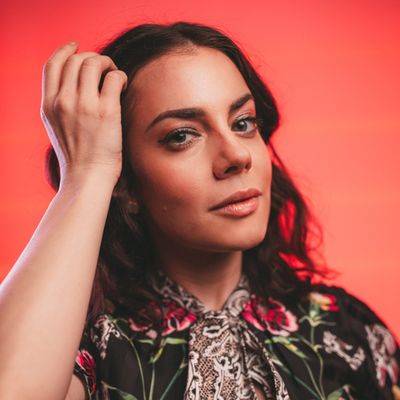
In this Artist Exploration, Meghan and Charlie discuss the transition from Opera to Musical Theatre, being scrappy, taking advantage of opportunities, relating to people who aren't artists, the decision to get a Masters degree and how artists are entrepreneurs... Read More
From the show: Mapping The College Audition: An MTCA Podcast
Guests
Featured Shows
About
In this Artist Exploration, Meghan and Charlie discuss the transition from Opera to Musical Theatre, being scrappy, taking advantage of opportunities, relating to people who aren't artists, the decision to get a Masters degree and how artists are entrepreneurs. Charlie and Meghan play a fun MT vs. Opera category game.
If you would like to hear more from Meghan, you can catch her as Christine in Phantom of the Opera on Broadway or follow her on Instagram @meghanpicerno
If you have any questions about the college audition process, feel free to reach out at mailbag@mappingthecollegeaudition.com. If you’re interested in working with MTCA for help with your individualized preparation for your College Audition journey, please check us out at mtcollegeauditions.com, or on Instagram or Facebook.
About MTCA:
Musical Theater College Auditions (MTCA) is the leader in coaching acting and musical theater students through the college audition process and beyond with superlative results. MTCA has assembled a roster of expert artist-educators who can guide students artistically, organizationally, strategically, and psychologically through the competitive college audition process. MTCA provides the tools, resources, and expertise along with a vast and strong support system. They train the unique individual, empowering the artist to bring their true, authentic self to their work. MTCA believes that by helping students reveal their potential it allows each school to connect with those who are truly right for their programs, which in turn guides each student toward their best college fit.
About Charlie Murphy:
Charlie is a proud graduate of Carnegie Mellon University’s BFA program. As an Actor he has performed with theaters such as: NY Public Theatre’s “Shakespeare in the Park”, The Pearl Theatre Company, Hudson Valley Shakespeare Festival, Chautauqua Theatre Company, Kinetic Theatre Company, and the Shakespeare Theatre of DC.
With MTCA [Musical Theater College Auditions -- mtca.nyc], he has been helping prospective theatre students through the college process for over 15 years. As a Teacher and Director, he is able to do a few of his favorite things in life: help students to find their authentic selves as artists, and then help them find their best fit for their collegiate journey. Through this podcast, he hopes to continue that work as well as help demystify this intricate process.
This episode was produced by Meghan Cordier and Charlie Murphy. Episode theme music is created by Will Reynolds.
Transcript
This transcript was automatically generated and might contain errors.
[0:10] Charlie Murphy: Hello, hello, and welcome to Mapping the College Audition, a podcast where we explore the landscape of the college theater world and try to demystify this daunting audition process.
[0:21] Charlie Murphy: I'm your host, Charlie Murphy. I'm here in the present. There's no future, past anything. Director of MTCA, Musical Theater College Auditions. And today we have a great show lined up for you.
[0:32] Charlie Murphy: If you couldn't tell, that was missing opera. Meghan got two eyebrows raised. Meghan Picerno is a new friend to the pod. She has a fun and different path towards success in musical theater, having studied classical voice, worked in operas, and then made that transition into musical theater.
[0:48] Charlie Murphy: She's also, I think you'll find, a delightful and quirky energy on the pod that was really infectious for both Meghan and me to chat with. You're gonna hear Meghan a lot on this pod because, of course, Meghan, our producer, and then Meghan Picerno, both who spell their names correctly the same way. It's delightful. This is another one of our artist explorations. We're gonna check out the college process and how that carried forward into some successful artists today.
[1:10] Charlie Murphy: We're also gonna have that sort of looser discussion about the musical theater and opera world a little bit. Today we talked about opera and the transition from opera to musical theater. We talked about things falling into your lap and what it is to take advantage of opportunities. Um, we talked about what it is to relate to people who aren't just into music or into the arts, um, the value of undergrad versus master's degrees. Um, we talked about being scrappy. We talked about artists as entrepreneurs.
[1:36] Charlie Murphy: Uh, and we talked about the fact that Meghan had coffee in a beer mug. She says it was coffee this whole time, and we think she was slowly drinking for the entire interview. Um, we don't condone morning drinking. We don't condone it. We really don't. Um, though, if you want to, if you're having an evening sip, sure, have a, you know, if you're over 21, only if you're over 21 obviously.
[1:56] Charlie Murphy: Um, before we get into that, Meghan, I'd just love to hear about how's Chicago, how's grad school? How you feeling?
[2:01] Meghan Picerno: Thanks. It was nice to hear that Meghan Picerno is also from Chicago, so that was something else we shared along with our name. So that was fun. And then we shared our woes with music theory as well.
[2:12] Meghan Picerno: But Chicago's great. Um, I feel like I'm, uh, like how Leo says, like, uh, patting my head and rubbing my belly season, balancing, you know, work and school has been interesting. But I'm in cell this week, so, uh, it only can go up from here.
[2:27] Charlie Murphy: Does it live up to the windy city name? Have you found it very windy?
[2:30] Meghan Picerno: It's quite windy.
[2:31] Charlie Murphy: Okay, great. Yeah. And Charlie, how was the Tonies?
[2:35] Charlie Murphy: Uh, it was super fun, Meghan. Uh, we're, as we record this on a Monday, um, to be released on a Wednesday, which we shouldn't be giving that much sausage out of how it gets made. Um, but we just went to the Tonies, uh, yesterday.
[2:48] Charlie Murphy: Um, and it was crazy. It was the first time I'd ever been. Um, super fun experience. Uh, of course we were disappointed that Elizabeth didn't win. Um, but really did not dampen the night at all, which was just like a fabulous night.
[3:02] Charlie Murphy: I was much more disappointed than she was. She was like super graceful. She's like, of course, yeah. I was like, Well, I'm kind of you robbed. I'm gonna show too, like, how could this happen? You know, as a partner should, you know, you should be fighting for them or that they do their self.
[3:13] Charlie Murphy: But Adrian, uh, a worthy and lovely winner, of course. And she was really speech and fantastic, but you know, come on. Who could be better? Who could be better? Um, it was so fun, you know. You could really feel like everyone was like thrilled to be back in that room, thrilled to have like live theater be coming back.
[3:31] Charlie Murphy: You know, you know. Um, I love that. I don't know. Did you watch that video with the international community where like they all were like saying like, this is why I love theater?
[3:43] Meghan Picerno: No, in all honesty, yeah.
[3:44] Charlie Murphy: So I watched bits and pieces of the Tonies. No, I was in the air and I was trying to, you know, rig the Wi-Fi. I caught when Elizabeth was up on in real lifetime. But I may have missed that segment, but it sounds lovely.
[4:01] Charlie Murphy: We're now looking for a producer on this podcast. If you're like someone who actually cares about theater and watch the damn Tonies.
[4:04] Meghan Picerno: Oh please, I stayed up until 11 to make sure that I saw every bit and piece of it, but I guess I missed this one segment you're talking about.
[4:11] Meghan Picerno: Um, did you see I also love the performance. Some of those performances, I mean, Jennifer Holliday was amazing. Especially being in the room, I was like, oh my God.
[4:18] Charlie Murphy: Um, you know, Leslie Odom and Josh Groban given that Carnegie Mellon pride, we're like, we get it, you went to Carnegie Mellon. But it was very great.
[4:24] Charlie Murphy: I was, you know, every time and then they got ragged on at the end. I thought that was the best part. Much deserved, much deserved.
[4:30] Meghan Picerno: Um, I also like loved Elizabeth was saying this too. She was like, I love that the big performers at the end were all like Broadway people. It wasn't a lot of like, oh, here's let's do some stunt casting with a movie star that's kind of does Broadway.
[4:40] Meghan Picerno: Like those were like names that you were like Broadway lovers would love. And not necessarily movie stars. Um, and they all like had it still.
[4:48] Charlie Murphy: I think I was ready to be like, uh, you're questioning them. Well, like you usually often when you see some of those older performers, you're like, Who's lost a step? Who's what you know, who doesn't?
[4:57] Meghan Picerno: And I was like, You guys all have it, like, like Adam Pascal's not at the exact same as when I was 17. Like, how did you do that?
[5:05] Charlie Murphy: Yeah. Um, it was my first time doing a red carpet. Um, and I had like the most surreal experience because I was like carrying the pump because we were like pumping.
[5:12] Charlie Murphy: So Elizabeth and I had like this weird experience partway through the Tonies where they don't tell you the order, by the way. So we were like, Can we go now? Let's hope we were like running to a bathroom to pump um to make all this work.
[5:21] Charlie Murphy: Um, but I was like carrying the pump bag like it was a clutch, like I was a cool, fashionable person.
[5:26] Meghan Picerno: Oh, great.
[5:27] Charlie Murphy: Um, but it was so weird. Like when I first walked on the red carpet, I had like the most surreal three-minute conversation where Mary Louise Parker was trying to describe what an overture was to me.
[5:37] Charlie Murphy: She was like, Oh, we really don't want to miss the opening credits, you know, where they play music. And I was like, What do you think? Like a preview?
[5:43] Charlie Murphy: She's like, No, you know, like they play music, and then like people applaud. And I was like, You mean an overture? Oh, that's it, an overture. We don't want to miss the overture.
[5:51] Meghan Picerno: It was very, I was like, This is what is my life? What is my life right now?
[5:55] Charlie Murphy: What is your life? And now that it's it, you've gone to your first Tony. What was the one thing that happened that you didn't realize that would happen?
[6:04] Meghan Picerno: Oh, great. Um, I think I would have always thought those um, uh, ovations are staged, and they're really not. Like you like people like jump up in genuine, like it's like it makes sense kind of, but like all the nominees also are like theater fans.
[6:18] Meghan Picerno: So like Chita Rivera is like 64 years ago. Well, you thought there was like a stand-up sign above the proscenium.
[6:26] Meghan Picerno: I think I would have, I just think I thought it was more like plants or something, like a hype man, yeah, like super theater fans, but like they're all like the nominees who are the ones who are like leaping up and being like, ah, Chita, you know, like that was really, it was fun just to like be in the midst of that and really kind of see, you know, it was a very, um, especially that room because it was so it's very packed and very small, it was much smaller than most Tony awards are in terms of so like everybody in that room other than like me were like very well-known theater people, or I guess the dates are very well-known theater people.
[7:01] Charlie Murphy: How fun.
[7:02] Meghan Picerno: Um, well, on to the next year and to the next Tony Award that we'll win, uh, next year, hopefully. Um, but before that, let's get to Meghan Picerno and this fun episode.
[7:18] Charlie Murphy: Okay, we are so excited to welcome Meghan Picerno on the podcast. Meghan has a bachelor's of music from Illinois Wesleyan University and a Masters of Music in Voice from Manhattan School of Music.
[7:33] Charlie Murphy: Um, Meghan began in the opera world where she did a lot of opera, and then in 2017, she did Candide, directed by Hal Prince, which sort of began a crossover into musical theater.
[7:46] Charlie Murphy: She was Christine in the US premiere/slash first national tour of Andrew Lloyd Webber's Love Never Dies, before playing Christine in the second world tour version of Phantom of the Opera and replacing on Broadway, where she was named one of 2019's top Broadway replacements by Broadway Box.
[8:04] Charlie Murphy: Uh, Meghan is also the co-founder of the International Music Theater Academy, which we will talk about today. Meghan, how are you doing? Welcome on the pod.
[8:12] Meghan Picerno: Hello.
[8:14] Meghan Picerno: And this is now a lot of time on this role. I know we're gonna get into um Christine a little bit, but this is how many years of total Christine have you experienced so far?
[8:22] Meghan Picerno: I mean, since Candide, basically. So what is that? Four years going on four. It's, it's yeah, four years, even though I Benjamin buttoned, but like I have a full comprehensive experience of Christine, both mature and young.
[8:35] Meghan Picerno: Uh, yeah, four years. So and so just the longer you play her, the younger you get. That's pretty exciting.
[8:40] Meghan Picerno: Exactly. That's how my life is, too. It's like me. Unbelievable. I mean, we're gonna have to that that we're gonna have to get into some health secrets too as well.
[8:47] Charlie Murphy: Um, but maybe before we dive too deep into your professional career, I'd love to kind of take you back a little bit to when you were starting all of this. So, um, when you're around 16, 17, uh, maybe it was much earlier for you.
[8:58] Charlie Murphy: Um, if you'd been precocious enough to think like, here's what my mission statement is for like college. Here's what I want from a college experience. What did you think? What were you looking at? What kind of schools did you look at? I'd love to hear get into the young Meghan's mind a little bit.
[9:10] Meghan Picerno: Sure. Well, young Meghan, thank goodness I am no longer um 17 in real life. Uh, it's so if you keep playing Christine, you're gonna be soon.
[9:19] Meghan Picerno: Hey, listen, I mean, it's a miracle I'm still alive, honestly, when I look back at my life. But also I'm not, uh, I would say your typical um performer in the sense of I didn't know I wanted to do this my whole life kind of deal.
[9:33] Meghan Picerno: Um, I mean, I was in a musical a year in high school. It was a big scandal. I was a freshman and auditioned for a Music Man, and I was cast as Marian.
[9:43] Meghan Picerno: And I know everyone hated me.
[9:45] Charlie Murphy: No, no, no, no, come on. How can you not like me?
[9:47] Meghan Picerno: No, but someone still hate you. We've we got some feedback when you were coming on the pod. Some of them were like so that oh my god, that happens.
[9:55] Meghan Picerno: When I was a junior, and I deserved that role.
[9:57] Charlie Murphy: That's right. Um, yeah, so I and that was my first musical ever actually was Music Man. And so um, and then, yeah, so I basically, so I went to a college prep school, and I was like, I was definitely like, I'm going to get straight A's and I'm on this and that.
[10:14] Meghan Picerno: So like I actually wasn't focused on music at all. Like I was a cheerleader, but I was on National Honor Society, but I did French club.
[10:20] Meghan Picerno: But I like, like I was just like all over the map, right? And it was a college prep school, so actually I was more science and math based, um, more than anything else.
[10:30] Meghan Picerno: And um, yeah, I don't know. So actually when it came to college, you know, it's just such a strange journey of mine.
[10:37] Meghan Picerno: I again like did not know or think that that was going to be my actual journey. In fact, my junior year of high school, my French class went to see our first ever French opera.
[10:51] Meghan Picerno: Well, not our, my first ever, and it was um Carmen and it was also um Juliet by Gounod. And so that was my first experience ever seeing an opera, and I was like, what is this? This is amazing.
[11:04] Meghan Picerno: And like my whole class was like, and I'm like, no, this is great. And um, so that was like I was like, Whoa, this is really incredible.
[11:13] Meghan Picerno: So I started for fun, taking classical lessons. And also of note, and this might be like an interesting story later, I only saw one musical my whole life growing up, also with my school, and it was Les Mis in Chicago.
[11:27] Meghan Picerno: Like that was it. Like that I my next show was what I saw on Broadway. Like I had never seen anything. So like that was really it when it comes to like live theater.
[11:37] Meghan Picerno: Three shows, two operas and a music theater show. Like that's it. Um, but yeah, so honestly, like I really was interested in science, particularly neuroscience, uh, pre med, um, preon disease runs in my family, which is like Alzheimer's and such.
[11:52] Meghan Picerno: So like that's really like that side of my brain, it's a little dusty now, but like that's what I was um really gonna go for.
[11:59] Meghan Picerno: And then we were in school at Illinois Wesley, and I remember a guy from Ravinia Festival, which is a really famous music festival in Chicago, and I tell the story a lot, but I really wish I could, um, I wish I could know who he was and like shake his hand because he came and he spoke to our freshman class and he was like, Follow your dreams, blah blah blah.
[12:20] Meghan Picerno: And I was like, Oh my god, he's talking to me. And of course it's all about me. Um, no, but uh, so I was like, you know what?
[12:28] Meghan Picerno: I want to audition for opera. So I auditioned into the school music and I got in, and then and then also in true Meghan form. This is why I'm saying it's a miracle I'm alive. Um, so then I was like, Well, if I'm going to study opera, which by the way, my second language is French, because like my parents made us take French, which I love. Um, but we we uh we be. Uh but I was like, well, if I'm going to study opera, I'm gonna go where Mozart lived. And so I studied in Vienna.
[13:01] Charlie Murphy: This is in college you studied in Vienna?
[13:03] Meghan Picerno: Yeah, so like joined a sorority. Oh, this is the other thing too. Like I was totally like, sorority girl, Kappa Kappa Gamma, that's what I am. Uh wait, so I'm going to go sing opera in Vienna. And so I did. I went to Vienna and I studied at the International Eupesia for Studenten and the Vienna Conservatorium, and had no idea what I was doing at all. And I look back in my life and I'm like, Meghan, all those opportunities that you literally didn't even understand. Like, like our teachers were friends with like the music for Ryan, or like I'm holding like manuscripts by Schubert and Mozart and like just all these incredible experiences, and I'm just like a fool that's just singing and crazy, but also like living her best life in Europe.
[13:46] Charlie Murphy: I love it. Wait, we have to go back a little bit. Okay, so first thank you for not including that school in your bio, because I would not have wanted to try to pronounce that. Um, but how did we end up at Wesleyan?
[13:57] Meghan Picerno: So was that you were thinking about science originally or thinking about studying a more stem thing? Yeah, and I got a free ride to Wesleyan. Because actually um Northwestern was on the list too, but I was like, I'm gonna go to school for free. Thank goodness, because Manhattan School of Music was not for free.
[14:10] Charlie Murphy: Okay, great. So freshman year, you start studying music. Now, this is what this is like a junior study abroad, or when does the study abroad happen?
[14:16] Meghan Picerno: Still in college. Um, sophomore year is when I went to sophomore year.
[14:20] Charlie Murphy: Amazing. And then you come back, you finish and then I came back.
[14:24] Meghan Picerno: Uh-huh. I came back, but in the meantime, interesting weird fact, my parents had moved to New Jersey, and that is rather pivotal for me because I had never visited New York before. And so I went to obviously I went home to visit my parents in New Jersey, because my dad used to work for Pfizer, fun fact. And um and then I always remember my mom and I took the train into New York and I was like, put your phone away, we're New Yorkers, and we totally got lost and everything. But it was my first Broadway show that I saw, and also just the pulse of the city. I was like, you know, it's interesting too, like, just to back up a second. Um, my professor, Dr. Sam Safris, who was from Texas, so lovely.
Shout out Sam. Shout out Sam and Maxi Cypress, who was uh his accompanist and his wife, so cute. Um, I had always told him I was like, you know, like I loved my childhood in Chicago. I loved it, I loved Illinois, but I remember telling him before I studied abroad, I was like, you know, I just don't feel like I belong in Illinois, and I don't know why. Which by the way, the only time I had been out of the country was right before I studied abroad to Russia. So like, you know, I didn't understand why I didn't feel like I was like, This just never feels like home, even though like I love everyone, all my family is there, like everything. And then my mom and I went to New York and I was like, Oh, because this is where I'm supposed to be.
[15:47] Charlie Murphy: So um that was really actually, it was pivotal because not only was I addicted to the energy that's here in the city, but also like I um, you know, I was like, I want to go to school here. Like 'cause also in the opera world in America, it's kind of like you're force-fed that you need to go to like a top grad school. No, you don't, by the way. I would just like to say no, you don't. I mean, to each their own, right? But so that's where I was introduced also to, you know, the education scene here in New York. And I was like, Well, this is obviously where I want to go to school, like, you know, nowhere else. I love it. And and what was the timeline in terms of so now you've graduated in your twenties ish, maybe twenty-two. And then is there a gap between Manhattan School of Music and uh uh before you start studying grad school, or is it you know work at all live a little life?
[16:37] Meghan Picerno: Yeah, it was kind of crazy. So I graduated at 21, and then I uh I moved home with my parents for a hot sec, which was a fascinating adjustment. And um the first year of grad school. Yes, yes. And um uh actually then, so also another thing that had happened, which is very common was a lot of my classmates at Wesleyan immediately auditioned for grad school and I was like, uh, hang on a sec. Like also I was like, what did I just do with my life? Like I just went from one area to be like, wait a minute, I said I'm gonna study opera, I don't know what I'm doing. And so also for all aspiring artists, be bold. Uh I'm shameless and bold. So um I got to New York and before I even considered going to grad school, even though I was like, I definitely want to go somewhere here in New York, um, I got a list of coaches from the Metropolitan Opera, Juilliard, Manhattan School of Music, and I was just like, hello, my name is Meghan Picerno.
I have just moved here and I would like to study with you. I was that bold. And here's a crazy thing. Every single person said yes. In fact, my first lesson ever in New York was in the basement of the Met in a rehearsal room with a very legendary coach who has since passed, Nico Castell. I didn't even know who he really was at the time. Again, my ignorance is bliss really has gotten me through a lot, I think, in my career. That's not opportunities. Don't all go and squander all your good opportunities. But what a great theme.
[18:04] Charlie Murphy: Yeah.
[18:05] Meghan Picerno: So and he and then another uh German coach, uh, Mariana Barrett, um, who's the head German coach at the Met, Juilliard and Manhattan School of Music. Juilliard, Manhattan School of Music, Manis, well, which is the new school, they all share a lot of the same faculty, and then they also are the ones that are the ones working with professionals at the Metropolitan Opera. That's usually what's happening. So, anyway, so both uh Mariana and Nico Castell were kind of my champions, and they're like, Okay, so you definitely should go to grad school at one of these top three. So um, I as soon as I walked into Manhattan School of Music though, that's where I wanted to go. Um, I don't know, it just is a feeling, just like anything else.
It's a gut feeling. So I also encourage students or young professionals, always go with your gut. It's always right, every single time. Um, so that, but in the meantime, also as a fluke, things just fall in my lap. It's bizarre. Um, I was like, Well, I need a job because I booked some random off-Broadway show, which I couldn't even tell you what it was called. I don't even know. It was like on theater row, I don't remember, but I was like, Well, I guess I kind of have to live in the city. So I lived with my friend Lauren, who was on the Upper West Side, and I was like, Well, I need to make money. Well, she worked in development and um public relations at the New York Philharmonic, and she's like, Meghan, someone just broke their leg.
They need someone in development. And I was like, I have no idea about anything, but sure, I'll just go to the interview. So I interviewed and they hired me. And so I did special events and development at the New York Philharmonic. Um while I was getting ready to audition for Manhattan School of Music again was my top choice. I I I went, I see, I auditioned at Yale, which to me was a joke. I like went up to Yale and I was like, how pretty. And I was like, there's no one my age here. What's happening? Did not get in. Um got sick for my Juilliard audition, so I actually never could go to it. So I guess it was never meant to be. I'll never know if I got into Juilliard. And uh Manis, I got in, and then Manhattan School of Music, I got in, and that's where I wanted to go. And so then I I left my job at New York Philharmonic, which they were very supportive and happy for me. And then I went to grad school.
[20:11] Charlie Murphy: So cool. And give me a little bit about so now we're at Manhattan School of Music, um, which many of our students uh look at as an undergrad as well. Um, I'd just love to hear a little bit about the experience for you of what was it like? What was the experience of grad school like?
[20:24] Meghan Picerno: I have mixed feelings about grad school. Well, I can tell you one thing. I'm actually very happy that I went to a liberal arts college to begin with, even though yes, I studied abroad, because like even though yes, my life wasn't like big ten tailgating, I mean, yeah, I wasn't a sorority, otherwise I would have met no one outside of the music. Like I think there were like three of us, so like during Rush, they'd always be like, play the piano. But um, you know, it had like somewhat of a I can relate to people that aren't just in music, which is great because actually once you're in the real world, most of the people that you are interacting with at opening nights, fans, etc., they might like music, but they're not actually musicians, a lot of them.
So it is actually really important to have social skills that aren't just like that perfect fifth sounded wonderful when you covered that palette that way. You know what I mean? And so, and God bless, I love my peoples, but it's really important, and they don't teach that at conservatory. And it was really fascinating coming into a top conservatory at the grad school level, because on one hand, I felt very behind, you know, in certain areas like theory, which also sorry, but like do I use theory ever? No, I don't care if it's a German six chord. Sorry.
[21:44] Charlie Murphy: Exactly.
[21:44] Meghan Picerno: I know what you mean. I know what you mean. Megans are gonna be getting too excited about trashing theory.
[21:46] Charlie Murphy: We are pro theory and learning on this podcast just to be quite...
[21:49] Meghan Picerno: We are, we are, but I do know the struggle of music theory being in a music theory class with people who are gonna be composers. So like that's the thing. Like, on one hand though, I do have to say, young Meghan would be very annoyed that older Meghan is saying this, but like basic theory has helped me a lot. In the opera world, like when it comes to recitative, knowing what the chordal structure is, and also in the music theater world, you know, you actually do have a deeper understanding of why a composer probably did that or why did they stray away from it. So I do have to say, yes, in that regard, very, very helpful. My advanced theory though, uh like I will never write music, and like I have such respect.
Also, oral skills, I was a hot mess. They'd be like, okay now, let's site read this, and I would be like, that is that. Like, so there were just certain things that I was like, I'm a mess. Um, but there were other things then, because I didn't come from conservatory, I excelled at, which was like my interpersonal skills and social skills, and also my um my definitely my work ethic, because like Wesleyan was hard. Like legitimately, some of those classes I took were really hard. So at Manhattan School of Music, not to knock it, but like some of the history classes, I was like, please, this is nothing, honey. Like, this is hard for you. Like, you know, so like that was fascinating. Um it was a whole slew of things too, though.
Like going to school in New York, I again, I I don't know how I'm alive. I I almost feel like I kind of wasted my first year in grad school because I was like, well, in New York, and there's clubs and there's boys and there's this and there's that, and I still can sing even if I had a ton of drinks the night before. Not like that anymore, by the way.
[23:31] Charlie Murphy: Um, so she's drinking right now on this podcast.
[23:33] Meghan Picerno: So the first thing I need to work on is her morning beer, guys. So I'm just saying, don't listen to Meghan when she's talking about that.
[23:39] Charlie Murphy: If only I were that cool, it's it's totally coffee, guys.
[23:42] Meghan Picerno: It's totally cool. It's totally Irish coffee.
[23:44] Charlie Murphy: No, it's not exactly it's Irish Paterno coffee.
[23:47] Meghan Picerno: We know again, if only I were that cool. I literally can't do anything when I'm in show mode, which is another thing. But um, anyway, yeah, so my first year I just sort of like I I don't know. I was very I was good and I was a hard worker, so I see here's another weird fact that I don't know if they tell you once you get into a top conservatory, that's not it for you. You have to audition into things once you get there. So it's like you have like this creme de la creme of whatever crop they have, and then you're fighting against that. Also, fun fact, I'm not an international student, so I got this like pittance of a scholarship to go, which is why quite frankly, I would recommend that had I really understood what I would be doing now, I wouldn't have gone to grad school.
I would have taken all that money and I would have gotten a team of people together just for me. And that's exactly what I'm doing now. And to be really honest with you, everyone that has furthered my career, I didn't meet in school. I met after school and not through school in any form or fashion, which is something to consider.
[24:53] Meghan Picerno: So I know that, yes, I mean, going to a top conservatory. I did learn, look, I mean, you know, like history and like there are certain coaches there that are incredible that I learned so much. But in general, what I did find was it's kind of a dream crusher. Like there are only, I think, three of us in my entire class that are singing, which is a shame because they're some of the most talented people I remember ever being with, but true. It's a dream crusher. It also in general, there's like a blinders system that happens where it's like school is the most important thing that you are doing, but not in my opinion, my strong opinion, it's not actually. If you are in the safety net of a school, go audition in real life and you get something, leave.
You can always come back. But I have news for you like it was 50 grand a year for me to go to grad school, which I did three years by the way, grad school, and um I honestly not until I started living in the real world. One, do you know you want to do it? And two, it's baptism by fire. A lot of the things and the lot of the the way that they treat you at school, uh, it's it's school, it's fake, it's not real. And also, like you can get away with a little bit more in school sometimes. People don't care in the real world. So it's also developing that thick skin and responsibility. So uh in that regard, yeah, I don't know. Like, I in general, and when people ask me, I think, you know, make the right decision for you.
But in America, I have noticed that it really is you almost feel forced like you need to. And in Europe, it's not the same. They're like get an apprenticeship at an opera house. That's in my opinion, that's the way to do it. That would be better for you because you are understanding what it's like to work in the real world. So in general, that's my two cents.
[26:34] Meghan Picerno: And it's real it's it's really smart also just for people who have not done the math of like how much you are paying versus what for each class. Like one point I remember doing that for like Carnegie Mellon of like what the we're paying how much for every hour of action class. Oh my god. You know, it there are a lot of things you pay for in the American collegiate experience that are not just the training you're getting, right? You you know, and especially a lot of our students are you know looking at undergrads, so it's like they're getting maybe something out of going to college that is different than just the training itself. But I think it's really smart when you when you're gonna sit there and go, I'm gonna pay 150,000 for what training and is there a way I can piece that together for a third of the cost, you know, totally makes sense.
[27:13] Meghan Picerno: Exactly. And I think you know, something that's interesting, because I do have a lot of young voice students that ask me about college, undergrad. Again, now undergrad to me is a slightly different experience. For me, actually, socially, it was a really interesting experience. Right. Um, I as well as academically, but really like there's such a fascinating growth spurt that happens being in college away from home. Yeah. So I do actually think that part of it is is very much worth going to college. Also getting a degree, let's just face it. I mean, I I truly, like when I was in grad school, I worked a myriad of jobs where that needed a certain and I in quotes needed a certain kind of degree. No, they don't. I would literally interview and they would be like, Well, you don't qualify at all, but you're hired.
Like, so I think just getting a degree is good, but you know, maybe consider looking abroad and this and that. I personally, my mom's a teacher, and I personally think our education system here in America is rather broken, if I say so myself. Like, it shouldn't just be for the very wealthy to go to school. Um, because I also did not grow up in a very wealthy household. So, like, I think that's something too for young, aspiring uh actors, musicians, etc. Is you're gonna have to really want what you want if you were not born into economic privilege because it's going to be hard. It's going to be hard. Uh, but I'm living proof that it's possible, though. Like, I worked my booty off. I worked 60 hours a week going to grad school.
I literally would study at like one or two in the morning. I would be exhausted. This was also after school, too. You know, I mean, like, I literally literally had holes in my shoes. I was serving, I was a personal assistant. I mean, you get scrappy, you get resourceful, which actually is one of my great greatest assets. And two, you know, you work with a lot of people um that are also struggling, and I think there's something to be said then once you start quote making it, you have such an appreciation for all the sacrifice it took for you to get there. So, even for all of those listening, if you don't have a lot of money, or you're like, I know your family, it is possible. It is possible, it is possible, it is possible, and like I almost did it in spite of that.
Because I was like, I'll be damned if I can't do what I was born to do because I was not born into a certain economic bracket. But it's hard, guys. But it is so possible, and also I think you'll be one of the nicer people in the performing world too, because you would have worked the shit jobs where people treated you like crap and this and that. So you understand, you know what I mean? Like, that's why, like, it's it's important to treat everyone with respect, and I think you learn that a lot when you work a lot of jobs and you're trying to do get your career off the ground. So it's possible. Anyway, that's my spiel on that.
[29:47] Charlie Murphy: I love it. Um, Meghan, we're gonna play one of our two games that we're gonna play on the pod today. Okay, this is called our college flashback round. So there's gonna be sixty seconds on the clock. Okay, this is a purely numerical game. You have to answer as many questions as you can in 60 seconds. If you want to be interesting, if you want, you can, but you don't have to, right? Six seconds, answer as many questions as you can. Um, Meghan will let us know. I think the the score to beat is what? 150? How many people? What? 12? No. What with it? 12. 12. 12 is the score to beat. And I think it was our first guest got 12. So yes, Telly was like, I'm so bad at this, I can't do this, and then he's had the reigning, he's the reigning champion.
[30:26] Meghan Picerno: Oh, I'm feeling competitive.
[30:27] Charlie Murphy: All right, let's see what I can do.
[30:28] Meghan Picerno: Oh good. That's what we want.
[30:29] Charlie Murphy: That's what we're hoping. Artistic competitiveness. He's such a chalker, though.
[30:32] Meghan Picerno: Okay, okay, okay. We'll see what happens. This is gonna be about your grad school experience. So, specifically about Manhattan School of Music for you. Okay. Are you ready?
[30:40] Meghan Picerno: Hardest class for you.
[30:41] Meghan Picerno: Theory.
[30:41] Charlie Murphy: Song you liked working on the most?
[30:43] Meghan Picerno: Um something by WCA. I forgot the name of it.
[30:46] Charlie Murphy: Snack that got you through college.
[30:49] Meghan Picerno: Banana.
[30:50] Charlie Murphy: Uh, did you kiss anyone in your grad school?
[30:52] Meghan Picerno: I sure did.
[30:53] Charlie Murphy: Best excuse for skipping class.
[30:56] Meghan Picerno: Um, uh toothache.
[30:58] Charlie Murphy: Uh classmate you learned the most from.
[31:00] Meghan Picerno: Uh, I would say Margaret Newcomb.
[31:03] Charlie Murphy: Uh teacher you want to give a shout out to.
[31:05] Meghan Picerno: Oh, Ken.
[31:06] Charlie Murphy: Um, weirdest exercise you did in school.
[31:09] Meghan Picerno: We had to sit on our backs and do bicycle. Doo doo doo doo doo doo doo doo.
[31:13] Charlie Murphy: Um, ever cheat on a test?
[31:15] Meghan Picerno: No, never.
[31:16] Charlie Murphy: Um, most i i i in ex exorbitant costume worn, most glamorous costume worn.
[31:21] Meghan Picerno: Um, I was in deflator mouse and it was poofy and big, kind of like in Phantom.
[31:25] Charlie Murphy: Um, school alumni you wanted to model yourself after.
[31:28] Meghan Picerno: I don't have one. Maybe don't upshaw.
[31:29] Charlie Murphy: Worst audition hiccups.
[31:31] Meghan Picerno: Worst audition tickoffs.
[31:32] Meghan Picerno: Oh, damn it!
[31:34] Charlie Murphy: And I flubbed you up a little bit there. I so I'm gonna take a little bit of the blame. If the if she was close, we'll take it. But wait, also, Meghan, are we gonna give her credit for saying I don't remember the thing? And that's an answer. She like gave the title of show, but not the like the title of the song.
[31:48] Meghan Picerno: Totally fair.
[31:49] Charlie Murphy: It's like a pres en grève. It's in French in fairness.
[31:52] Meghan Picerno: Oh, if she would so if she would have spoken French, I would have given credit.
[32:01] Charlie Murphy: Um, how many we do, Meghan?
[32:03] Meghan Picerno: Oh well, it had 11.
[32:04] Charlie Murphy: I was so sad.
[32:07] Meghan Picerno: Not a left.
[32:08] Charlie Murphy: We've had a bunch of 11s.
[32:09] Meghan Picerno: Eleven is is seems to be damn it.
[32:12] Charlie Murphy: I'm sorry. I'm very sorry, Meghan. Um, that was really fun, though. I love that you had no model for yourself as an and then you changed your mind. You're like, oh, maybe this person a little bit, but you're like, I am forging my own trail. There's no one.
[32:22] Meghan Picerno: To be honest, it's true, actually, though. Like, I really no one. Yeah, there really wasn't anyone.
[32:27] Charlie Murphy: Matthew McConaughey or whatever is like, my idol is myself in the future. I was like, okay, all right, good for you.
[32:34] Meghan Picerno: Well, I wouldn't go that far.
[32:37] Charlie Murphy: But um, what if we do just a little slower look back at uh at uh Manhattan School of Music in terms of like um if you now could go back to the program and like add a class into the curriculum? You go, I wish that this had been there. What would it be?
[32:50] Meghan Picerno: Or what were the seven classes? That whole bunch of things.
[32:52] Meghan Picerno: I was gonna say, I got a whole bunch. One, it would definitely year would you add to the curriculum?
[32:57] Meghan Picerno: Oh, exactly, exactly. Um, definitely one would be finance. Uh, we actually are all entrepreneurs, truly, and none of us are taught that actually. And it's almost kind of like I I at least felt like it was almost shunned to talk about money, but that is such a terrible idea, in my opinion. I really think we are all business people, and so uh, and then so all that comes with that, you know.
[33:21] Meghan Picerno: Um, taxes. Our taxes are crazy for all of us that are out of school, they're insane, they're so weird. So, like, how to get a good accountant, how to do your taxes if you're doing them on your own, um, how to incorporate yourself. Uh, also then, yeah, we are entrepreneurs, so um, marketing. How do you market yourself? How are you not afraid to ask for things? I think that's the biggest skill I have is I ask for things boldly and unapologetically and without fear. I just ask.
[33:49] Meghan Picerno: Um, and then also um Wait, this would be a class in asking. You'd want to teach a class called How to Ask?
[33:56] Meghan Picerno: Hell yeah, why not? That's a fantastic title of a class. How to ask question class. Right? Because like so many people I have noticed, including a lot of my students, are timid because they either feel like they're bothering people or you know what? If you're they're bothered, they won't answer you, or they'll say no. I mean, and in fact, I don't know about you both, but at least for me, I've had these really bold young kiddos who have podcasts who have uh direct messaged me on Instagram, and honestly, every time I've said yes. Every time. Heck yeah. Cause like shoot your shots. Who are you? Like, I mean, I'm looking I'm no Matthew McConaughey who idolizes himself in the future, but like, damn, that's bold. And yes.
[34:36] Meghan Picerno: So, yeah, how to ask, um, how to manage oh like where to live in New York if you're gonna live in New York, because you know, like I had this rule where I was like, I'm never going above 100th Street, and then you're like, uh, that's dumb. Like, I no. Uh social media, like, I mean, I don't know about you, but it's in my contract that I do social comedia. So that's a new part of our business. So, like, how to do it? Because that really is a part of our business.
[35:04] Meghan Picerno: So I would say all of it, branding, you know, things that you that you think like purists that are artists would be like, oh, it taints it. That's the reality of the situation. And if you want, and like so when I was in grad school, I worked actually for Renee Fleming and as her personal assistant. And I learned so much about the other side of things, um, because she's a businesswoman, actually. She's a hell of an artist, but she's a businesswoman. You know, how do you do interviews? I think also like that should be another class too, like coaching on like how do you how how do you interact with people? Like all of that, you know?
[35:38] Charlie Murphy: Um, and weird little things.
[35:39] Meghan Picerno: Yeah, oh, sorry. No, I was just gonna say I remember thinking that like we spent four years in school, like working on acting, and then we get out, and the thing that's gonna book us an agent is the interview, and like we spent you know, a couple classes on that. I was like, this is that now this is all I need. The acting doesn't matter anymore. I just have to talk to the space.
[35:56] Meghan Picerno: Yes, audition class, like we had one, but it's nothing like really like be brutally honest without like killing people, like dreams, but like audition classes, like just really practical mental health. I mean, I would definitely have someone like how do you deal with all these things, even if you don't want to admit you deal with these things, like there would be there'd be a whole on like those are practical things that I think really actually do prepare you as much, and also I would have it part of the curriculum that you have to go to open calls, go and see what that's like. Go, like, what is it like to actually audition? What is it like when they're eating their lunch and like not really like like looking at you? Like all of that crazy stuff, like that's that's those are things I would add for sure.
[36:44] Charlie Murphy: And then on the flip side, what's like the thing you're maybe most grateful that you did get from school? So sounds like most of it was a waste of time and useless if you hated it. But is there any little kernel that you go, I did I am really glad that I I have this under my belt now as a professional?
[36:57] Meghan Picerno: Yeah, you know, actually, so not on the opera side of things. I mean, I've been living in Broadway world for a while now. Um, but definitely the diction classes were phenomenal. You know, how to not sound like an American when you're singing French, German, English, Italian. Um English is actually one of them, because you know.
[37:20] Meghan Picerno: So I petitioned for it, and I studied with Catherine LaBeouf, who is the best English diction teacher in the world. And I would have so many classes with her every week, and I gotta say that that private study with her really helped me in music theater as well. Like the understanding of vowels, pronunciation, like little tricks of the trade. Like if you're going flat, maybe it's the tongue or this and that. Like also, all of my coaches and all of my art song classes, I just they were phenomenal. And like, you know what? My favorite teachers didn't have an ego. It wasn't about them, it was about the students. And Lord knows there are a lot of people at Manhattan School Music whose egos are they're there for them who are not there for us. Um, we're gonna take a short break, and on the back end of the break, we're gonna play the second of our two games that we're gonna play today. So back in a flash.
[38:18] Charlie Murphy: We are back with Meghan Picerno. This is a game that I each with each artist I try to invent a different game, and this is maybe the game I'm most proud of that I've invented so far. So I'm gonna you're gonna have to honor me to make it, we'll see if it goes well or not. Um, so Meghan, you are someone who's worked in the world of opera, the world in the world of musical theater. We're gonna call you an expert of both of those things.
[38:40] Meghan Picerno: Oh, good God.
[38:41] Charlie Murphy: Okay. I'm gonna have you attempt to categorize certain things. I'm gonna read you a list of things, some of which are literally musical, some of which are operas, some which are much more loose, and you're gonna have to get a little more figurative and metaphorical. And you're gonna tell me, is it opera? Is it musical theater? Is it neither? And if it's both, you could say both, I guess too. But is it opera, musical theater, or third category? Are you ready?
[39:05] Meghan Picerno: Barack Obama.
[39:08] Charlie Murphy: Oh, in between.
[39:10] Meghan Picerno: Because he's a chameleon. He can do anything.
[39:12] Charlie Murphy: Uh-huh. Okay, great. Okay. The French language.
[39:15] Meghan Picerno: Opera.
[39:16] Charlie Murphy: Although, I don't know, like actually in between, because like it can get a little like.
[39:22] Meghan Picerno: Yeah. Oh, okay, great. Oh my last five years.
[39:27] Meghan Picerno: Music theater.
[39:27] Charlie Murphy: Sure. The last 18 months.
[39:30] Meghan Picerno: Fuck, that's an opera.
[39:31] Charlie Murphy: Oh, it's an opera.
[39:32] Meghan Picerno: It's an opera, man. Tragic.
[39:34] Charlie Murphy: The Book of Mormon.
[39:37] Meghan Picerno: That was my first Broadway show I saw. That and The Producers. Definitely musical.
[39:41] Charlie Murphy: Oh god, I love that show. Okay, we're with it. Marriage of Figaro.
[39:45] Meghan Picerno: Opera.
[39:45] Charlie Murphy: Marry Me a Little.
[39:47] Meghan Picerno: Music theater?
[39:48] Charlie Murphy: Merrily We Roll Along.
[39:50] Meghan Picerno: Okay. It is a musical, but I dare say a little bit of both.
[39:53] Charlie Murphy: The concept of marriage.
[39:54] Meghan Picerno: Jesus.
[39:55] Meghan Picerno: I would say opera.
[39:56] Charlie Murphy: Jesus would say that as well. Michael Scott from The Office.
[40:00] Meghan Picerno: Uh opera.
[40:01] Charlie Murphy: Opera. Okay, great.
[40:02] Meghan Picerno: Come on, anyone that knows a tenor knows.
[40:05] Charlie Murphy: Senioritis.
[40:06] Meghan Picerno: Uh senioritis would be a combo.
[40:08] Charlie Murphy: A combo, okay. Spelling bees.
[40:11] Meghan Picerno: Fuck opera.
[40:13] Meghan Picerno: I'm so hate is opera.
[40:16] Charlie Murphy: Like, ah, damn it, opera.
[40:18] Meghan Picerno: Yeah, it's opera. It's like dramatic is opera.
[40:22] Charlie Murphy: Okay. Uh candide.
[40:23] Meghan Picerno: Both.
[40:24] Charlie Murphy: Both, I agree. Candid photos.
[40:26] Meghan Picerno: Music theater.
[40:27] Charlie Murphy: Ah, I agree. Very snapshot.
[40:29] Charlie Murphy: Okay. Um, The Country of Canada.
[40:31] Meghan Picerno: Theater.
[40:32] Meghan Picerno: Music theater, sweet Canada.
[40:34] Charlie Murphy: Okay. This is a good and bad game for you. Um Madame Butterfly.
[40:39] Meghan Picerno: Definitely opera.
[40:40] Charlie Murphy: The butterfly effect.
[40:41] Meghan Picerno: Oh, also opera.
[40:43] Meghan Picerno: Also opera. Love that movie.
[40:44] Charlie Murphy: Aida.
[40:45] Meghan Picerno: Definitely opera, not the music theater show.
[40:49] Charlie Murphy: Wow. She's voting hard for it. Okay, great.
[40:51] Meghan Picerno: Definitely.
[40:51] Charlie Murphy: Dick Cheney.
[40:53] Meghan Picerno: No, he's not worthy of either.
[40:55] Meghan Picerno: He gets nothing blank.
[40:57] Charlie Murphy: You've got the Scantron in blank. I love it.
[40:59] Charlie Murphy: Okay. Ted Lasso.
[41:02] Meghan Picerno: Oh, I love this show. Uh music theater.
[41:05] Charlie Murphy: Music theater. So this is the things you love or musical theater. We're learning this. We just did a Rorschach test on you, and we're learning your heart.
[41:12] Meghan Picerno: That's what we're discovering. Um, crumpets.
[41:16] Meghan Picerno: Opera.
[41:17] Charlie Murphy: Opera, sure. Well, I guess it has to be. La Traviata.
[41:20] Meghan Picerno: Opera.
[41:21] Charlie Murphy: Aol Instant Messenger.
[41:22] Meghan Picerno: Oh, Gen Zers just won't know.
[41:24] Meghan Picerno: Opera, dramatic.
[41:25] Charlie Murphy: Dramatic. I couldn't agree more. That's the one I had a strong opinion about.
[41:29] Meghan Picerno: Yeah, you need it. Gift Wednesday in the pa-pa-pa. They can respond.
[41:33] Charlie Murphy: The timing of the response, yeah. What color was your background? Big deal.
[41:36] Meghan Picerno: Oh, what was your little um, what's it called? Your synopsis? Like, what was the thing that you put in there?
[41:40] Meghan Picerno: Like, I try to be so your way message?
[41:42] Charlie Murphy: Yeah, your away message.
[41:43] Meghan Picerno: Oh, away message. That's right. Wait, I had to tell Charlie what the away message was.
[41:48] Meghan Picerno: I barely even had a that's embarrassing. Yes.
[41:51] Charlie Murphy: Um, okay, Hamilton.
[41:53] Meghan Picerno: Okay, I know it's a musical, but I actually do think it's rather operatic in the I agree.
[41:57] Charlie Murphy: Simone Biles.
[41:59] Meghan Picerno: Oh, operatic.
[41:59] Charlie Murphy: Operatic. The magic flute.
[42:01] Meghan Picerno: Operatic.
[42:02] Charlie Murphy: The magic school bus.
[42:04] Meghan Picerno: Oh my god. Operatic.
[42:05] Meghan Picerno: I always love the one where they're like in the body, Miss Frizzle.
[42:08] Charlie Murphy: Yeah. Magic carpets.
[42:09] Meghan Picerno: Operatic.
[42:10] Charlie Murphy: Magic Johnson.
[42:11] Meghan Picerno: Ahoradic.
[42:14] Meghan Picerno: Well, that voice that has to be.
[42:16] Charlie Murphy: Carmen.
[42:16] Meghan Picerno: Operatic.
[42:17] Charlie Murphy: Carmen San Diego.
[42:18] Meghan Picerno: Music theater. Why not?
[42:20] Charlie Murphy: Audrey McDonald.
[42:21] Meghan Picerno: Both.
[42:22] Charlie Murphy: Both. We got one of our few both is interesting. The Phantom of the Opera.
[42:24] Meghan Picerno: Well, Phantom is like if rock and operetta and music theater had a baby. If rock and operetta, so it's a rock operetta.
[42:30] Charlie Murphy: Rock operetta.
[42:34] Meghan Picerno: And music theater. Oh.
[42:36] Charlie Murphy: Well then, okay, so it's a that's it's like middle name.
[42:39] Meghan Picerno: Exactly. Um Meghan, you have won the game.
[42:42] Meghan Picerno: Fantastic.
[42:43] Charlie Murphy: So let's just talk a little bit. I'd love to get into um just a little bit professionally, because you did make that switch from opera to music theater. So, like, just first tell me a little bit about like what that was like. And I I don't mean to say switch, meaning that you'll never sing opera again, I'm sure you will. But but having now transitioned and really doing professional musical theater, what was surprising? What was different? What it w uh how are MTs different than opera people? I'd love to hear just a little bit about like what that was like in terms of what you discovered.
[43:13] Meghan Picerno: Oh sure. Um I have to say I love the music theater world, and I think a big part of why I love it is the can do attitude. And it's not to say that people don't have that in the opera world in my experience, but just not as much. Like I feel my experience has been that my colleagues that I watch, um literally people will be like, go stand on your head and do this, and they'll be like, I'll give it a try. It's always like I'm gonna try that. And I have found in the opera world that people are a little bit more traditional and reticent about being like, no, I can't do that. Actually, you can. You just have been either taught you can't or um you don't think you can. But uh what I love about the music theater world is people just dive in.
At least my experience from what I've seen, and I really, really love that. Um, and uh they just go for it. I also like the rehearsal process better in a music theater show than opera. It's much more organic in my opinion. And like in opera, you've been studying the role forever, and you better be fully memorized when you get to that door. Now, yes, you better really know the music for music theater. But I remember I was appalled the first rehearsal of Candide. You got like Chip Zine, Greg Edelman, Linda Levin, and they're like, What's that note? Brooks was like, What's this? And I was like, how do they not know the music? But what was cool about that is like everybody's learning and like making mistakes or getting the right things together, and then it really it creates this atmosphere of we're all growing together as opposed to like, well, I know this note, and it's perfect the way it is. And um, there's something more malleable about it that I love. Uh, so I really love that.
[44:49] Meghan Picerno: Um, singing with a mic, I had a complete misconception. Opera snob moment was like singing with a mic. Well, got some news for y'all. Like, e when you start singing six plus shows a week, mic or no mic, I'm singing full out. Like, they just turn you down or up depending on what's going on. You can't under sing. Yes, you can sometimes use the mic to your advantage, but like, good luck, because like in opera, a lot of times you'll get like 48 hours off in between. Yes, you have no mic, but uh it's it's hard, whatever. I mean, like, definitely I would say like music theater is more of like a marathon, um, just that pure stamina. I think that's another thing that is just I have such deep respect.
Uh, now that I've gone through it is just how you keep going, right? Um, you know, in an opera season, usually they'll do like X number of shows within a month and then come back. You might do like three to five, but you know, here we are, like show number 500. How do you keep it fresh? How do you keep it going? Like during an injury, how do you like it's just like brutal, you know? And but there's something amazing about that too, and like coming together.
[45:55] Meghan Picerno: Um I really I think this is why like it's fascinating. My view of opera and music theater. Um, music theater, I absolutely love the fact uh of how like in the moment everything is and it how present, no matter how melodramatic it is, like Phantom, you know, there's always the genuine seed of truth that's happening. The storytelling is so important, and yes, in opera it is, but the voice is number one, which now on the other hand of that. I mean, my goodness, um, like you said, La Traviata or Lucia, my god, the what the human voice can do is incredible. And I also think that music theater, like at least for me, it doesn't use what I can do vocally, but opera sometimes doesn't use what I can do so in so many other places that make things what we do, what I think is so important as an artist, whether you're opera on TV, on stage, is that communication and being a vessel for humanity, basically, like you embody everything that it means to be human.
And what's really cool in music theater is I feel like that's very encouraged, and also um with the mic, you can do things with your voice. Yes, I'm singing full out, but I can color things because I don't have to worry about carrying to 5,000 seats back there. So that's kind of cool. I feel like it makes it more true, and there's more colors to paint with.
[47:16] Meghan Picerno: Um trying to think what else. Uh oh, yeah, rehearsal schedule is madness in the op in uh in the music theater world. I remember the first time in Sip Candide was run as a Broadway show, even though it was at New York City Opera. And I remember my agents were like this can't be right. Like we had like a like an orchestra rehearsal and then like an invited dress and opening night, blah blah blah blah, and it was right. So yeah, I I um I and I love you know what I love, I love music theater fans a lot and also critics. Uh I think they're a little bit more forgiving, and like they like they they'll in my experience will see more of like the whole picture, like okay, so maybe you blew that one note, but it actually doesn't matter because as a whole it was incredible, as opposed to I have found again in general, you know, classical critics will tend to they'll still think that, but they'll be like, Well, the vibrato of that one note was not great. And you're like, oh to me, that's missing the point, actually. Like, as a whole, what that person did was incredible.
[48:20] Meghan Picerno: Like, so I think that's the and I also love that again. This is just my experience because I know everyone's is different. Um the vibe I get, uh it's a little more quirky in the music theater world, and like, look, I can have a dress-up moment, I love a gown moment, I love that, but like I do feel sometimes it's a little stuffy, and especially in America, what I find really sad is opera is this kind of unaccessible art form that's geared only towards the wealthy or the old, which is so not true. And Europe it's different. That's why I like opera in Europe because it's just part of society, like music theater is here. So I wish we kind of embodied that kind of. I wish we embodied that more here.
Um, and that's actually what's cool about Phantom is Phantom might be a little peekaboo way into being like, hey, I wonder what an opera is, because like I don't think it's an opera, but there is some classical-esque singing in it that might interest someone in going to see an opera, a full opera then. So um, that's what's cool about Phantom, you know, same with Candide.
[49:22] Meghan Picerno: So I love it, and I also have to say I'm not surprised that you found yourself into a more quirky medium. I'm gonna say our screen today, but you are not necessarily the stuffed shirt of an operatic person. I think this is uh um we got to see a lot of that beautiful vessel of humanity. Um I'd love just to talk a little bit about that International Music Academy.
[49:42] Meghan Picerno: Um, so you founded this. Um tell me a little bit behind that and what you're doing there over there. Oh my gosh, so so crazy. You know, the pandemic has been pretty terrible and challenging for all of us in many different ways.
[49:55] Charlie Murphy: I know, I know what are you talking about? I had a great time, I flourished.
[49:58] Meghan Picerno: No. Um, but one of the things that I found really interesting looking back is there are some silver linings, and part of it was how creative, especially all of us in the art world, got because let's just call a spade a spade and we were abandoned, our job was made illegal, um, and art the very thing that I personally think everyone needed and needs to get through this was just taken away in most forms, and so I you know we didn't really find help with the government, etc. But we found it with each other, and I thought that was amazing. Artists are incredible, we're such survivalists, and for those of us that had the mental wherewithal to be able to do that, because honestly, valid if some did not, because a lot didn't, and valid, you know, hard times.
Uh, but uh once they announced for like the 30th time that Broadway was gonna be postponed, but this time for another year, I was like, I was like, okay I you know I gotta figure something out here like so amongst other things that we've been doing um my really good friend Dan Mitchike who's the uh music director and conductor of uh Wicked on Broadway and my other friend Abdil Vasquez uh he's a Steinway artist incredible conductor and pianist Grammy nominated like just insane uh randomly we kind of got together and we were like we should do something and at first actually it was well can we find a way to do concerts in any uh countries that would have us impossible actually as we all know like every Americans were like boo you're bad which we are so you know we couldn't go anywhere so then because Abdil has a he has a um orchestra down in Mexico and then we were like he was like well what about like some kind of teaching and I was like you know with all this technology what if we developed an international music theater school and so we just started it uh what was it we started it back in 2020 we had our first session in 2021 in Mexico and it was a massive success because indeed all of a sudden this accessibility to people that no people around the world would never have they had accessibility to so you have coaches we had mouth auditions I mean Steven Schwartz like you know like talked about composing I mean and it was incredible there's always a plethora amount of incredible faculty members and we were very careful and we are very careful because each session we don't always use the same teachers but something in common is we always look for people who are very knowledgeable but very warmhearted because we want to make sure that the students have an atmosphere where they can take risks.
[52:43] Meghan Picerno: They can fall on their face and like make fools of themselves in front of you know perhaps their idols. Um and so that's that we're very particular about who we pick. Uh, you know because there are not some there are some non-friendly people in our business. That's the truth. But so yeah it's amazing. So lots of things to come with that.
[53:01] Charlie Murphy: I love it. Um I'd love to wrap with just the or my last question of just um any advice to a young artist and maybe I'd say it's especially if we could tailor that advice to like maybe young artist who's interested in both opera and musical theater is not totally sure where with how should I study what direction should I go? Um is there anything you kind of want to say to a 17 year old out there who's thinking about either or both?
[53:25] Meghan Picerno: Yeah so a few things. One I can tell you that I was very lucky once I once that switch in my career happened that kind of that whirlwind without my classical training I never would have been able to go from job to job to job to job. I just would not have been able to survive that like go through like monkey fluid food poisoning all around the world and this and that like how like to understand oh yeah it's a story.
[53:47] Meghan Picerno: Um listen you haven't lived until you've worn an adult a adult diaper on stage singing Christine. Um yeah that really deserves a drink. Um so live pride out the window. I don't know if you can tell me in the school this way just knocking back to Kayla Chat so it's interesting. Um no but truly like having that kind of understanding of my instrument I never would have had I think without my classical training but then also making sure that you know you have the right people then in the Broadway world to take care of you. My teacher, Matt is incredible. Anyway, so that's one thing is I actually find my classical training extremely important as a as like a foundation.
[54:31] Meghan Picerno: Um in general, have an open mind. If you would have told me four years ago I would be in point shoes on a Broadway stage, I probably would have been like but you never know. And like, even if you don't feel like you're ready, first of all, I never feel like I'm ready. Just dive in. You'll be surprised. You will swim. It may not be pretty and elegant at first, but you will swim and you'll grow. And I I uh a couple more seeds of wisdom. I used to have a teacher that told me never be comfortable, because when you're comfortable, you don't grow.
[55:04] Meghan Picerno: So I could tell you that I'm uncomfortable a lot of times, but truly, when I look back at these last five years, oh comfortable. Um, I I have grown so much as a performer, exponentially so, because I have just dived in and have fallen on my face, have had no idea what I'm doing, but I've kept trying, and like it's incredible that kind of growth. And then lastly, um, one have the fire, whatever makes you passionate, go for it unapologetically, and speaking of unapologetically, there is literally only one of you in this entire world, or if you believe in past lives, this lifetime.
[55:46] Meghan Picerno: So be unapologetically yourself. There, that's your superpower, is you and the right person. I mean, for me, it was Hal Prince that was like this quirky crazy thing. I need her. Like, if I would have acted like everyone else that was in the auditions in front of me, I never would have gotten cast. And by the way, I was not the type they were looking for. I didn't look like anyone, I didn't sound like anyone, I was my own weird little thing, and that's exactly why I got the role.
[56:13] Meghan Picerno: Um, so be yourself and believe in yourself. You are the captain of your ship, and no one else is gonna drive it as hard or believe in you. And even even if there is days that you don't believe in yourself, that's okay. That's okay, it happens. But then you get up and you keep going and you try and try again. And with that, you you will succeed. I don't give up, but you will succeed at some point. It may not be in the timeline you think, but it will it will happen. Like without a doubt. So that's my advice.
[56:43] Charlie Murphy: That's so beautifully said. Um, we can check you out in Phantom, which is returning Quen.
[56:48] Meghan Picerno: Oh, October 22nd.
[56:50] Charlie Murphy: Cross your fingers.
[56:50] Meghan Picerno: October 22nd, oh, same day as JLP. How about great?
[56:53] Charlie Murphy: Um, and where can we people check you out if they want to listen to you on the Instagrams or the Facebooks or there are you any socials that you should be hitting you with?
[57:01] Meghan Picerno: I think Instagram, Facebook, I don't really, and TikTok, I'm scared.
[57:04] Charlie Murphy: So um you and me both.
[57:06] Meghan Picerno: Yeah, God. Um, but yeah, Instagram is just my name at Meghan Picerno. Find me there.
[57:10] Charlie Murphy: Put an H in there if you want to somewhere.
[57:13] Meghan Picerno: Yeah. That's very important.
[57:15] Charlie Murphy: Very important. Awesome. Well, thank you so much for coming on today. We so appreciate the time, Meghan.
[57:20] Meghan Picerno: Yes, thank you guys so much. It was great to talk to you both.
[57:28] Charlie Murphy: Well, I hope you enjoy that episode with Meghan Picerno. Uh I thought she was so quirky and fun, and Meghan Cordier and I just could not stop talking to her.
[57:37] Charlie Murphy: Um, we literally held her late for her next appointment um just because we had so much fun chit-chatting with her. Um, I just want to do a little bit of a deeper dive on this idea of cost, um, since Meghan brought it up really vulnerably for her and feeling like the costs of grad school specifically were not worth it for her.
[57:53] Charlie Murphy: Um, so we talk about that a bit in that reference to grad school, but when we talk about college, uh, which I know a lot of you are looking at that idea of what college you might pay for, I do think it's worth taking a deep look at what you're paying for when you see those huge tuition fees.
[58:07] Charlie Murphy: Um, I think the idea of college in general and kind of conservatory style training are not necessarily natural allies. Like you could often reconstruct the elements of a conservatory-style training for much less money if you just added up dance, voice, acting, et cetera, which is what Meghan was talking about a bit.
[58:24] Charlie Murphy: But uh a lot of what you're paying for is the college experience and also things like room and board and meal plans and all that. But I think it's worth worth considering what is the value of that degree to you and that experience of growth from 18 to 22, which can be a lot about those ineffable experiences, more than just about the specific technique training that you can get.
[58:44] Charlie Murphy: Right. In college, people make forever friends, they meet their partners, and in college can open up doors that you didn't even necessarily knew existed. So I will just say in general, Meghan Cordier and I on this podcast, we are very pro going to college.
[58:56] Charlie Murphy: Um, that's not to say that you can't actually create yourself a path where you go right to Broadway or Hollywood or maybe you start college a little earlier. That totally can happen. Um, but I will say for a number of people I know who chose that route, uh, choosing not to go to college, they regret it, right?
[59:10] Charlie Murphy: There can be this whole of experience that everyone else in their lives seem to have that they didn't get to have. I mean, you could be just the right person to deal with that difference. You know, maybe that's kind of the unique path you want to forge, but most people are very glad to have gone to school, even if they don't end up in the field that they study.
[59:26] Charlie Murphy: Um, but I do think it's worth noting on Meghan's point about cost, that student loans are a very real and scary thing, um, without getting into the possibility of student loan cancellation or whatever, that's a whole different podcast we could talk about.
[59:40] Charlie Murphy: Um, most people who go into this field are not going to be immediately rich. Even very successful people who have sustained Broadway careers. Um, we heard about it from Telly and now Meghan, are continuing to pay off a lot of money.
[59:53] Charlie Murphy: But Tully, I think he said he just paid off his loan. It was like 20 years after college and he just finally finished paying off his loan.
[59:59] Charlie Murphy: So as you're constructing those lists, especially for our 17, 18-year-olds and maybe our 22, 25-year-olds who are thinking about grad school, and maybe even more so at the end of the process as you're negotiating for money and making those final decisions.
[1:00:13] Charlie Murphy: I do just want to say I think it's a really important thing to consider. Um, you might feel a lot of pressure to go to that school that you got into with the biggest name necessarily, but if that's not the right choice for your family, I am a huge believer that talent will out.
[1:00:26] Charlie Murphy: There are so many great training programs. And if your scrappy path starts with an affordable school as opposed to that slightly bigger name, you can still carve out a really exciting career for yourself.
[1:00:36] Charlie Murphy: Um, you know, we certainly could talk specifically if you're someone who works with MTCA about what those options are and when this name versus this name, this name might actually be worth these, you know, different dollar figures.
[1:00:47] Charlie Murphy: But I think sometimes people get so in their head about some of that minutiae. And if there's a huge financial difference between two schools, it doesn't necessarily mean that the slight imagined reputational difference is gonna be um so impactful to their careers.
[1:01:01] Charlie Murphy: Um I know that's sometimes harder for students to hear, maybe a little easier for parents to hear, um, but I'm certainly a big believer in that.
[1:01:08] Charlie Murphy: Well, if you enjoyed this episode and want to hear more, please hit that follow button.
[1:01:13] Charlie Murphy: On Apple, we've noticed it's a plus button now. So if you're in your app, you can just hit a plus button. That's how you follow it. They keep changing these things.
[1:01:18] Charlie Murphy: Um, we would also appreciate if you rate and review us wherever you find us.
[1:01:23] Charlie Murphy: We love a five stars if you think Phantom is a musical, and an ironic five stars if you think it's an opera, and maybe like leave a comment if you think it's both.
[1:01:32] Charlie Murphy: You can also reach out to us with questions for the pod at mailbag at mappingthecollegeedition.com.
[1:01:36] Charlie Murphy: If you're interested in working with MTCA for help with your individual prep for your college edition journey, please check us out at mtcollegeauditions.com.
[1:01:44] Charlie Murphy: To my young artists out there mapping their journeys, if you think you've lived, you haven't yet until you've played Christine in an adult diaper.
[1:01:52] Charlie Murphy: We'll see you next week.
[1:02:00] Charlie Murphy: Mapping the comedy audition.
© Broadway Podcast Network, All Rights Reserved