

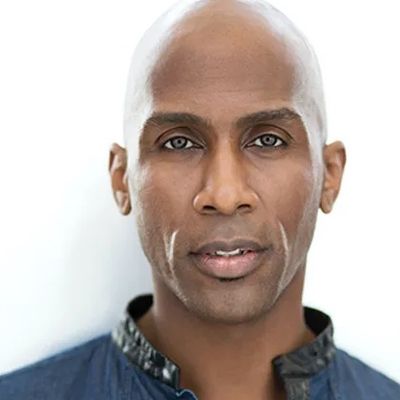
In this Artist Exploration, Ray and Charlie discuss: How he had his first dance class at 17 years old. The Lion King audition experience. Maintaining a dual career as Performer and Choreographer. The experience of being with a show for 20 years... Read More
From the show: Mapping The College Audition: An MTCA Podcast
Guests
Featured Shows

About
In this Artist Exploration, Ray and Charlie discuss:
- How he had his first dance class at 17 years old
- The Lion King audition experience
- Maintaining a dual career as Performer and Choreographer
- The experience of being with a show for 20 years
If you would like to hear more from Ray, check out the following places:
FOLLOW US ON INSTAGRAM! @mappingthecollegeaudition
If you have any questions about the college audition process, feel free to reach out at mailbag@mappingthecollegeaudition.com. If you’re interested in working with MTCA for help with your individualized preparation for your College Audition journey, please check us out at mtcollegeauditions.com, or on Instagram or Facebook.
Follow Us!
Instagram: @musicaltheatercollegeauditions
YouTube: @MTCA (Musical Theater College Auditions)
TikTok: @mtcollegeauditions
Charlie Murphy:@charmur7
Meghan Cordier:@meghanmarie2014
About MTCA:
Musical Theater College Auditions (MTCA) is the leader in coaching acting and musical theater students through the college audition process and beyond with superlative results. MTCA has assembled a roster of expert artist-educators who can guide students artistically, organizationally, strategically, and psychologically through the competitive college audition process. MTCA provides the tools, resources, and expertise along with a vast and strong support system. They train the unique individual, empowering the artist to bring their true, authentic self to their work. MTCA believes that by helping students reveal their potential it allows each school to connect with those who are truly right for their programs, which in turn guides each student toward their best college fit.
About Charlie Murphy:
Charlie is a proud graduate of Carnegie Mellon University’s BFA program. As an Actor he has performed with theaters such as: NY Public Theatre’s “Shakespeare in the Park”, The Pearl Theatre Company, Hudson Valley Shakespeare Festival, Chautauqua Theatre Company, Kinetic Theatre Company, and the Shakespeare Theatre of DC.
With MTCA [Musical Theater College Auditions -- mtca.nyc], he has been helping prospective theatre students through the college process for over 15 years. As a Teacher and Director, he is able to do a few of his favorite things in life: help students to find their authentic selves as artists, and then help them find their best fit for their collegiate journey. Through this podcast, he hopes to continue that work as well as help demystify this intricate process.
This episode was produced by Meghan Cordier and Charlie Murphy. Episode theme music is created by Will Reynolds.
Transcript
This transcript was automatically generated and might contain errors.
[0:10] Charlie Murphy: Hello and welcome to Mapping the College Audition, a podcast where we explore the landscape of the college theater world and try to demystify this daunting audition process.
[0:19] Charlie Murphy: I am, as ever, your host, Charlie Murphy, director of MTCA.
[0:23] Charlie Murphy: That's Musical Theatre College Auditions.
[0:25] Charlie Murphy: And today we've got a show that will move us all and live in you for a long time.
[0:31] Charlie Murphy: I'm telling you, it's gonna metastasize to your organs until you all can feel the love tonight.
[0:37] Charlie Murphy: I'm of course talking about Ray Mercer from The Lion King and 20 years of it.
[0:42] Charlie Murphy: Um, such a fun guy and a really great conversation.
[0:45] Charlie Murphy: Uh, we get into the longevity of his career, and he takes us to some truly, truly fun facts of both his life and the show.
[0:52] Charlie Murphy: Um, and of course, we play a delightful game as you've come to expect.
[0:55] Charlie Murphy: Um, but before that, here we go, your call to action.
[0:59] Charlie Murphy: I want each of you to reach out to us at mailbag at mapping the college audition dot com.
[1:04] Charlie Murphy: That's mailbag at mapping the college audition dot com to be included in our holiday show coming out in a few weeks.
[1:11] Charlie Murphy: We've got some great questions already that are more general to the process, and you are totally welcome to ask more of those.
[1:17] Charlie Murphy: So any questions you have about, you know, how the college process works, any opinions or thoughts you want on it from our perspective, etc.
[1:23] Charlie Murphy: Pl we've lost some of those questions are great.
[1:25] Charlie Murphy: Please feel free to ask more of those.
[1:26] Charlie Murphy: But I also strongly encourage some nonsense, you know, of which we have very little.
[1:30] Charlie Murphy: Most of what we have so far in the mailbag is like serious questions about the process.
[1:33] Charlie Murphy: And again, feel free to uh get those in.
[1:35] Charlie Murphy: But you know, do you want to ask me questions about my life, about fatherhood, about my obsession with the television show Survivor?
[1:43] Charlie Murphy: Do you want some softball war stories from the Broadway’s Show League?
[1:46] Charlie Murphy: All topics are open, including questions for our intrepid Megan.
[1:50] Charlie Murphy: Um, anyone who wants to know what it's like to put up with me all of the time, how the woman tries to keep me on a schedule, she's a hero, and I think needs to be applauded.
[1:59] Charlie Murphy: So, again, that's serious questions.
[2:01] Charlie Murphy: Please feel free to do that.
[2:02] Charlie Murphy: Silly questions, fun comments, suggestions for the pod, guests you love, guests you hated, which guests you want to see more of, let us know.
[2:09] Charlie Murphy: Um, okay, enough of that.
[2:11] Charlie Murphy: I hope all of you are gearing up for some really happy and healthy holidays.
[2:14] Charlie Murphy: I also want to give a little bit of love to those who posted that Spotify wrapped, you know, um, wrapped with a W in terms of like the end of the year stuff.
[2:23] Charlie Murphy: That was so cool to see how many of you had us as your number one podcast.
[2:27] Charlie Murphy: Uh, really touched by that.
[2:29] Charlie Murphy: Um, I think it was almost like a hundred people who we were the number one podcast to listen to more than anything else, which I was like, oh my god.
[2:34] Charlie Murphy: Um, and uh just in general, all of our listenership has really increased over the past year.
[2:39] Charlie Murphy: And I just want to say thank you and what a credit it is to all of you, right?
[2:43] Charlie Murphy: It is your ears and your attention, your ratings and your reviews, which you know you can keep getting those in.
[2:48] Charlie Murphy: I'm nothing wrong with more ratings and reviews.
[2:49] Charlie Murphy: And for those of you who shared it with friends and colleagues, it's such a help to us as we grow our audience.
[2:54] Charlie Murphy: So thank you.
[2:54] Charlie Murphy: Thank you.
[2:55] Charlie Murphy: I'm very grateful for that.
[2:56] Charlie Murphy: Okay, let's get to it.
[2:58] Charlie Murphy: This interview with Ray Mercer.
[3:00] Meghan Cordier: Hello, podcast listeners. This is your producer, Meghan Cordier. I'm not coming to you with another Lion King pun, but an additional call to action, which Charlie Murphy regretfully left out of this episode.
[3:12] Meghan Cordier: So, in the spirit of keeping our host in line, I'm dropping my own line to say we have officially launched our own Instagram feed for exclusive podcast content.
[3:21] Meghan Cordier: Please go follow Mapping the College Audition.
[3:24] Meghan Cordier: That is mapping the college edition.
[3:26] Meghan Cordier: This will be a direct line to Charlie and I in all things podcasts.
[3:29] Meghan Cordier: So feel free to DM us those mailbag questions that you may have and want to include on our New Year's Eve episode.
[3:35] Meghan Cordier: And we have some fun stuff up there already.
[3:38] Meghan Cordier: So please pause this episode and click that follow button.
[3:42] Meghan Cordier: I'm waiting.
[3:43] Meghan Cordier: Alrighty, back to our regularly scheduled programming.
[3:52] Charlie Murphy: Well, we are so excited to have Ray Mercer on the pod. Ray is an actor, dancer, choreographer.
[3:59] Charlie Murphy: Um he started his dance training at the University of New Orleans, where he has a BA in psychology.
[4:03] Charlie Murphy: Uh he spent two years on the National Tour of The Lion King before becoming, wait for it, a 20-year veteran cast member of the Broadway’s production.
[4:13] Charlie Murphy: Um as a choreographer, he's worked with all kinds of dance companies all over the country, including some fun stuff like the Harlem Globetrotters, which is not a dance company, but I think it's cool that he worked for them.
[4:22] Charlie Murphy: Um and he's won awards like the 2012 Joffrey Ballet Choreographers of Color Award.
[4:28] Charlie Murphy: He's a five-time winner of Broadway’s's Gypsy of the Year Award for Best On Stage Performance, and the most celebrated choreographer at BCEFA's annual fundraising events, which is what Elizabeth immediately commented on when I said, "We're gonna have Ray on the pod."
[4:41] Charlie Murphy: She was like, "Oh my god, he's like legendary at the Broadway’s."
[4:45] Charlie Murphy: Oh my god.
[4:45] Charlie Murphy: I'm like, I love, we love it.
[4:47] Charlie Murphy: Um, Ray, welcome on the pod. How are you doing?
[4:49] Ray Mercer: Thank you so much. I'm great. I'm fantastic. Thanks for having me.
[4:53] Charlie Murphy: Oh, it's such a pleasure. Um, I want to take you all the way back, and I don't say all the way back to age you in any way, but let's say you're 16, 17, and you're thinking about this process.
[5:03] Charlie Murphy: And we've dropped some numbers, so they know it's at least 20 years of a Broadway’s career, so they can't.
[5:06] Ray Mercer: Okay.
[5:08] Charlie Murphy: Um, but when you were thinking about this and you're, you know, what you were envisioning of this dream of where you were going, what did that look like to 16, 17-year-old Ray, as you maybe first started thinking about college?
[5:18] Ray Mercer: Okay. Um, first of all, Charlie, the sixteen, seventeen-year-old Ray was all over the place. I was born and raised in Omaha, Nebraska, in the Midwest.
[5:27] Ray Mercer: And I, um, fun fact, I was going to be a gymnast. I was on my way, I was training to be in the Olympics. So I started out as a gymnast in um, in um junior high and high school.
[5:39] Ray Mercer: Um, I eventually, 17 as a matter of fact, bringing up 16, 17, um, a friend of mine took me to a dance class.
[5:48] Ray Mercer: And that one singular dance class, I absolutely fell in love with dance. So um, that's the first dance class of seventeen, you'd never take as a channel.
[5:56] Ray Mercer: No dance class whatsoever. Unbelievable. You know, I would be bop around the house all the time, but um, it was that was my first formal training.
[6:05] Ray Mercer: Um, and it was a small studio too. I was seventeen years old and I was taking classes with, you know, a bunch of nine-year-olds and pink tutus.
[6:15] Charlie Murphy: And you're crushing them. You're like, you nine-year-old, I'm doing much better than you. Come on.
[6:19] Ray Mercer: Yeah, I can know all this stuff. Well, she told me if I continue to come that she would give me free classes.
[6:24] Ray Mercer: So um, 17 years old was my very first formal training and introduction to dance.
[6:30] Ray Mercer: Um, but you know, my parents didn't have very much money, so I had to pay my way through college, you know, through scholarships, and it started off with, you know, I had some gymnastics scholarships, and full disclosure, I did a year at the University of Nebraska.
[6:45] Ray Mercer: And the only way that I could, you know, even fathom paying through college, um, was to be a cheerleader.
[6:53] Ray Mercer: So I was a cheerleader so I could get a scholarship.
[6:56] Charlie Murphy: Heck yes.
[6:57] Ray Mercer: You know, I spent a year there, and then I eventually ended up at the University of New Orleans.
[7:03] Charlie Murphy: So, and where does the beginning of like, I think so, I mean, obviously, gymnast to some extent is a performer already.
[7:09] Charlie Murphy: But as you're going, I have these performance skills and these obviously athletic skills that you still use today.
[7:14] Charlie Murphy: When did it start thinking like, hey, I might be able to use this professionally as a performer?
[7:18] Ray Mercer: Like, you know, whether whatever that looked like it could be Cirque du Soleil or it could do, but when did you start thinking, hey, I think I could get, you know, paid to perform and have people watch me?
[7:26] Ray Mercer: You that is a fantastic question. You know, uh Charlie it happened very it clicked very early on for me.
[7:32] Ray Mercer: Um, because of you know my gymnastic training so dance came very easy to me, you know, the flexibility, the strength, you know, I just had to make sure that I got the formal training and I knew probably my freshman sophomore year in college, I knew that I, although I was pursuing my degree in psychology, I knew for a fact early on that I was going to be a dancer.
[7:59] Ray Mercer: I knew it, you know that it came, you know, I hate to say it like this, but you know my psychology degree was always secondary.
[8:08] Ray Mercer: I would do my homework and then go straight to dance.
[8:11] Charlie Murphy: Totally. I minored in dance when I was at the university in uh New Orleans because they didn't have a dance major so I got my degree in psychology and just pursued my career in dance.
[8:22] Charlie Murphy: And then what about, you know, so many of our students are like thinking about okay I want to be a triple threat.
[8:27] Charlie Murphy: I need to be an incredible actor, incredible singer, incredible dancer where they're kind of trying to work toward all of those disciplines.
[8:32] Charlie Murphy: What about those aspects of performance? Like did you think hey I if I'm gonna be a dancer I also need to take some acting classes.
[8:34] Charlie Murphy: I also need to be able to sing like what elements of that were relevant as you were thinking about hey I might want to be a Broadway’s dancer?
[8:45] Ray Mercer: Yeah, you know what? It's it's so it's it's especially nowadays, you see so many talented young performers who are doing all three very well, but my concentration was dance and it just so happened that um Lion King, when you audition for Lion King, they are specifically looking for trained dancers.
[9:06] Ray Mercer: That's exactly what they're looking for.
[9:09] Ray Mercer: So but my advice to musical theater, you know, the musical theater programs are fantastic nowadays that they make sure that you're getting all the training that you need in dance, um and acting and also the vocal skills.
[9:25] Ray Mercer: I um I spent a whole lot of time in universities and I spent some time in the theater programs and training the young dancers there, they are phenomenal, you know.
[9:37] Ray Mercer: They're making sure that they really are prepared for if they decide to pursue a career in theater, that they're really prepared.
[9:46] Charlie Murphy: And you mentioned your parents uh didn't have a lot of money.
[9:49] Charlie Murphy: What was their experience of as you said, like, hey, I think I might wanna be a performer, I might want to be a dancer, I might want to make this living and uh what were they like get that degree in psychology, we don't know how that's gonna work, or they're like, No, we're totally for it, if you can figure it out.
[10:02] Ray Mercer: How were they sort of supportive, you know?
[10:04] Ray Mercer: Yeah, they you know, I think growing up in Nebraska, they really there wasn't a lot of especially uh people of color that were doing anything like I was doing.
[10:14] Ray Mercer: So it was kind of, you know, it was kinda I guess it was kinda odd to them, but they they read my passion.
[10:21] Ray Mercer: They knew how passionate I was about it and they were they've been supportive of it, you know, from the very beginning.
[10:27] Charlie Murphy: Maybe not understood it, but they they were very, very supportive.
[10:32] Charlie Murphy: And okay, so now you graduate from school, you've got your, you know, well-worn minor in dance, you've got your BA in psychology.
[10:39] Charlie Murphy: So tell me a little bit about so now you're gonna take this journey and and eventually end up in the National Tour and then eventually Broadway’s Company of Lion King.
[10:45] Charlie Murphy: Talk to me about those first couple years out of school as you're figuring it out.
[10:48] Ray Mercer: Okay. Okay, fun fact. Here's another fun fact.
[10:51] Ray Mercer: I um graduated once I graduated from um I was in New Orleans and I had no money and I had student loans, and I said, Oh my god, what am I gonna do?
[11:00] Ray Mercer: And a different kind of cheerleader.
[11:03] Charlie Murphy: Right.
[11:04] Ray Mercer: And then I cheered for uh the New Orleans Saints too, is a professional um cheerleader too.
[11:08] Ray Mercer: But that was that actually true.
[11:09] Ray Mercer: I was totally guessing, right?
[11:10] Ray Mercer: No, no, no, no.
[11:12] Ray Mercer: I did that as soon as I got down there.
[11:14] Ray Mercer: That's the first thing I auditioned for.
[11:16] Ray Mercer: I, you know, I had to pay my way through college.
[11:18] Ray Mercer: And um once I graduated, I I said, Oh my god, what am I gonna do?
[11:23] Ray Mercer: And my very first job that I ever um interviewed for was for a flight attendant.
[11:33] Ray Mercer: And I strategically did that because I had to figure out how I was going to um get to New York, get to all these auditions, right, get to New York, and take class.
[11:46] Ray Mercer: I gotta get there.
[11:47] Ray Mercer: So I became a flight attendant.
[11:49] Ray Mercer: It was one of the best things I ever did because once I got it, I was able to fly anywhere I wanted to for any audition.
[11:58] Ray Mercer: I would I would read backstage, find out that they were having an audition, I would fly to New York and do the audition and then fly back home.
[12:06] Ray Mercer: So it was it was just the best way to get around, do you know, see the world, and also be able to take class and audition.
[12:15] Charlie Murphy: That is truly a fun fact. Normally people tell me fun facts, I'm like, all right, is it that fun? That is fun.
[12:19] Ray Mercer: I really I that's a great uh survival job.
[12:22] Charlie Murphy: Well, did you have to do any other things, or were you mostly flight attendant until now booking this?
[12:26] Ray Mercer: Yeah, I was I was mostly a flight attendant, and then um I was living in Detroit and eventually Chicago at the time, but I was dancing in dance companies.
[12:35] Ray Mercer: I would get off the plane, go to rehearsal.
[12:38] Ray Mercer: You know, I was doing that for a long time, four or five years before um I was in Chicago and we found out that Lion King was coming to, you know, having auditions in Chicago.
[12:50] Ray Mercer: So I auditioned, um, and another fun fact, there was probably a hundred guys there at that audition, and everybody knew about it. It was in every dancer in Chicago knew about it. And um by the end of the day, um, there were five of us left. And I was like, oh my god, this could be really real for me. And at the end of the audition before we left, they asked us, could anybody tumble? And bingo. That was my cheerleader here. We got a cheerleader over here. Come on, let's go. I can tumble. Thank you. So um too fun. Yeah, it was like in 2003 when I landed my audition for Lion King. And they haven't looked back.
[13:36] Charlie Murphy: And tell me about that audition specifically. So was that truly a dancer-only audition? You didn't make you sing at all?
[13:39] Ray Mercer: Didn't it make you read any side? Didn't make you do it was hey, I'm you're just here for the dancing and and then against some of those physicality tricks. Which by the way, Ray is like the giraffe in Lion King. Among many other things, but he's one of the people with the huge 14 foot tall stilts and all those things. So but so is it was it just looking for that or did they make you do anything else as well?
[14:00] Ray Mercer: Yeah, and see, and this is where the training, um, you know, all the musical theater training comes in because they do, they absolutely do ask you to sing. Um, that audition was it was one of the hardest auditions I ever I've ever done because one, I wanted it so bad, and it was just they wanted to make sure that they had the top dancers in the country to do it. So if it was long and rigorous, and then at the end of the physical part of the audition, we um we all had to go sing. And another fun fact, I walked into the audition not prepared as I should have been, and I didn't have you know, they ask you to sing 16 bars of music. I was not prepared. I sang happy birthday.
[14:46] Charlie Murphy: Oh no.
[14:47] Ray Mercer: I did. Right. This is not advice. This is not advice. It's not advice. Even though it works. And going back, that young boy, I would have I would have been way more prepared than I was, but fortunately I got through the dance part.
[15:01] Charlie Murphy: You're not taking voice lessons at that point or anything. Is that something that you eventually then said, hey, I'm gonna take take some voice lessons, or I'm gonna try to expand this a little bit more?
[15:09] Ray Mercer: Absolutely. Once I got into the show, um, I had access to composers and singers, and you know, and I was able to take class while I was while I was doing the show. And it seemed like, unless you'd already been choreographing beforehand, it seemed like also within the run of the show, you got to really expand and and now uh create this choreography career. How does that happen? And and you know, we'll talk a little about the longevity in the second half, but it's just like how does that happen within the context of a long running show? Like you're still performing eight shows a week, so how are you then able to, you know, be this award winning choreographer?
[15:40] Ray Mercer: Absolutely. I um I always pride myself. I I love being the hardest working person on Broadway’s, and and I've been very fortunate where I've been able to have this dual career, you know, being a performer and and a choreographer, and both those things are very, very important to me. Um, one of the advantages that I have is the fact that I have access to anything I want in that theater. Dancers and composers and wardrobes and carpenters and and anything I want, I have access to, and they are some of the best in the world. So I am extremely fortunate.
[16:17] Charlie Murphy: And I knew early on that I had to take advantage of that.
[16:20] Ray Mercer: So I was always getting dancers together. Will you we could you do this project for me? Or you know, finding composers with music, would you mind writing this quick little score for me? So um early on, I took full advantage of all the all the things that I had uh available to me.
[16:39] Charlie Murphy: And is the show giving you time off? Like if you need to go choreograph, I saw something where you like did something for theater aspen or you did. I was like, so then the show's giving you a couple weeks off to go do that.
[16:47] Ray Mercer: Yeah, absolutely. And because I've been there for so long and I've developed a relationship with you know with the company, whenever I ask, they they give me the time off to go choreograph. I use all my personal days, all my vacations, anything I can muster up to make sure that I'm able to do both careers very well.
[17:08] Charlie Murphy: It's so cool. And then within the show, so how does it work in so that's sort of you know growth while you're in the show outside, but within the show, you know, I I imagine you didn't you weren't hired and already were the fight captain, right? So how does some of that stuff happen where you grow within the show itself of going, I'm gonna take on additional responsibilities? Or do you start covering more roles or then maybe eventually fewer roles where you go like, all right, now I'm you know, how does that work in terms of your changing in the 20 years of the show?
[17:32] Ray Mercer: Yeah, I um it's funny. I um probably five years in, I have been there probably about five years, and they just approach me, and the person that was doing that was fight captain was leaving the show and they approached me and they asked me, Ray, is this something that you would be interested in? You know, we think that you'd be great at it. So I did. I've been fight captain probably for about 15 years now. You know, um, and it's it's really good because I I'm responsible for maintaining all the fights in the show, make sure that you know it they're safe and we're keeping up with the integrity of it.
[18:09] Charlie Murphy: So, yeah, it's fun.
[18:10] Ray Mercer: Super cool. I'll give it that I do it. You know, the only time I really have to use it if, you know, if something crazy happens within the show or somebody new is coming in and we have to teach it. But um, they in first thing is.
[18:23] Charlie Murphy: So you don't have to show up to fight call every night?
[18:25] Ray Mercer: They're at this point, you're like, ah, we're uh we're gonna do that. I think they're good.
[18:27] Charlie Murphy: Yeah, they're they're good. If they run into any issues, if they run into the any issues, they'll they'll call me. They'll say, Ray, okay, we're having this issue, and I'll I'll come in and make things in.
[18:38] Ray Mercer: Well, I am dying to get into the longevity side of things. So we're gonna take a short little break. We're gonna run a couple ads, and on the back end, we're gonna talk a little bit more about the longevity of Ray's career.
[18:50] Charlie Murphy: All right, we are back with Ray Mercer, and we're gonna talk about the length of his career. I always want to make a length and like a giraffe joke together, but I'm just trying to avoid doing long draft.
[19:01] Ray Mercer: Uh I want to talk a little. We talked with uh Cameron Adams about, you know, because she's done so many different Broadway’s shows, you know, for such a long period of time of just what it is to maintain your body eight shows a week. Um you know, like uh often we'll talk about you know, LeBron James says he spends a million and a half dollars on his body a year at, you know, he's like thirty six years old, you know, he has to perform three times a week. He doesn't have to do eight shows a week, and what you know, you have to put yourself through. What are you doing on a daily, weekly basis to kind of maintain your physical health and also uh your emotional mental health?
[19:33] Ray Mercer: That is that's one of the subjects I love to talk about because um I am very serious about how I there's no way in the world, no way in the world that I would be able to do this particular show for 20 years if I didn't take care of my body. It's just it's just absolutely no other way. Um before I had this, you know, I came on here, I just ran five miles. I make sure that I'm in the gym five days a week. Um I I take classes still, you know, those things are crucial to um the maintenance of the show, being able the maintenance of your body so that you're able to do the show. But it's it's I it's imperative that I stay in the gym, that I have a proper warm-up before my show, and um cardio is important too. So I I take it very seriously.
[20:28] Ray Mercer: Um every day I'm I'm doing absolutely doing something for my body, PT, massages, those things, so that I'm able to do eight shows a week for 20 years.
[20:40] Charlie Murphy: For 20 years. And what about the mental side of it? I mean, so many athletes talk about that, that it's actually not their body breaking down. It's almost like their will to keep training at that level. They're like, I know what it needs to keep me maintaining at the this level uh, you know, through the summer, through the offseason, always, always, always. And that's sort of mentally, they're like, at some point I can't keep that up. How do you keep the drive and how do you keep the hunger that you ran five miles before doing this podcast and doing a show tonight? And how how do you keep that that motivation up, I guess?
[21:08] Ray Mercer: Yeah, it's so funny. Um you just mentioned off season that you know the dancers, we and the dancers always talking in the dressing room about how you know we're athletes and but we don't get an off-season. We do not. I I wish I had an off-season where we could rest our bodies so and rest our minds. And the mental aspect is is serious. So I have to strategically take whether it's 10 minutes out of the day or an hour out of the day where I'm absolutely doing nothing.
[21:41] Ray Mercer: Nothing physical, no um nothing that pertains to the show, nothing choreographically, whether I also I have a dog and I always the one of the most important parts of my day is to walk my dog in the morning. That hour of day where it's just me and and him, and it it really I just have to be strategic about how I um approach how I approach you know my mental part of it because it it's it's crucial. If you if you don't have the mental stamina to to get up and and sign in and do a three-hour show, which is physically and mentally draining, then you you you won't have the sustainability.
[22:28] Charlie Murphy: Well, and we talk about it with our students a lot, you know, because they're doing so many things. They're going to school while they're training for college, while they're preparing, you know, and just how you avoid that burnout of, you know, you mentioned you're doing obviously if I'm choreographing on your vacation days, I'm like, when are you getting a vacation? Like when you you know, how do you that's really but I mean it's interesting that kind of meditative hour of uh
[22:40] Ray Mercer: Yeah, but that and um and I I haven't had a vacation in years. I can't remember last time I had a vacation, but when I do, I've you mentioned earlier I choreographed in aspen for uh I choreographed Jersey boys and Aspen and it was such a beautiful place and I when I was there I made sure that I had time to myself and you know that even though I'm working I take those little little breaks where I can you know have time for myself.
[23:13] Charlie Murphy: That's what I tell Elizabeth all the time I was like our life is a vacation why do we need a vacation every day with you is a vacation my love.
[23:20] Ray Mercer: Um I want to talk a little bit about how do you keep things fresh and interesting. And obviously interesting might be a high bar for a show for 20 damn years. But how do you continue to challenge yourself? How do you you know I would think many of our high school and college listeners will have never done a show more than 15 to 20 times ever. And I don't know if you've done the math but I did the basic math of like okay if you've been in the show for 20 years you've done like over 8,000 shows. I mean depends on how many you miss but basically 8,000 shows?
[23:47] Ray Mercer: I mean I've never done more than 150 shows in a top like I mean eight thousand is insane.
[23:53] Charlie Murphy: So so what do you do? How do you keep it interesting for yourself or are you just totally on autopilot up there?
[23:58] Ray Mercer: No it's never autopilot for me. Never never autopilot. But um and it's it's close to eight thousand shows that I have done and you know through my career. I I do all the tumbling in the show and they did the math the other day and I've probably done close to 4000 backhand springs in you know in my career in the Lion King.
[24:17] Charlie Murphy: That's crazy.
[24:18] Ray Mercer: Yeah I did some quick math I've done zero of them in my life.
[24:21] Charlie Murphy: So that's just where that's just we're both good at math. That's good.
[24:24] Ray Mercer: It's crazy. 4000 that's amazing.
[24:26] Charlie Murphy: It's it's insane but you know one it's two things for me. The first thing is that I am so fortunate to be part of a show that is a phenom. I mean, there's no other show like Lion King. And to see that out of those eight thousand shows that I've done, every single last one of them are sold out, where you can walk into a sold-out audience for 20 years, and it it just it's just unheard of.
[24:54] Ray Mercer: And that is one of, you know, I've I've never taken that for granted. You know, to see the audience.
[24:58] Charlie Murphy: See, there are we say this all the time, there are always somebody, at least a thousand people in the audience who have never seen the show before.
[25:09] Ray Mercer: You know, they are going to experience this for the very first time, and it's my responsibility to make sure that they you know get what they pay for. I always before I stand up on that giraffe and walk out stage left. I always say to myself, there are thousands of people out there who have never seen the show before, and it's up to me to give them an experience.
[25:31] Ray Mercer: And they paid a lot of money. And two, three things actually is and two, it's my job, you know, it's what just like if I were a lawyer, it's my responsibility, it's what I get paid for, so you know, I have to deliver. And three, it's the people. I work with some great people and who are talented, some of the best in their business, and you know, who gets to go to work every day and play around and jump around and have fun with a bunch of people that you really enjoy. So it that that makes it easier. It the the physical part is.
[26:24] Charlie Murphy: That's crazy.
[26:25] Ray Mercer: I just was like, Oh my gosh, yeah, I guess it's been under 20 years. Yeah, wow. Um, this is a terrible segue, given the seriousness and the beautifulness of everything you just said. But I just want to know in the course of the 20 years, were there ever some shenanigans backstage? Were there ever some little messing around? Any on stage shenanigans of okay, secretly, while we were dancing, the draft was actually, you know, mooning the whatever. Like was any of that kind of stuff, or was it all very kidding me? Heck yes. We have, you know, there's, you know, without sacrifice the integrity of the show, but most of the the fun part is the backstage stuff. You know, the things that we do backstage, we play games.
You know, it's it's um that's one of the things that it's so, you know, I look forward to you when you go to work when you're tired, is that you can guarantee in that dressing room, oh my gosh, forget about it. It's a party. I always feel like any any actor in a freeze on stage is always deadly of like, oh no, something's gonna happen. Is there a freeze on stage somewhere? Someone's playing some kind of game with someone. I got caught once I got called out by a director, and they're like, I don't know what's happening back there, but it needs to stop. Yes. Like, okay, we're we're gonna stop that game. Okay, yeah, that's not gonna happen anymore. And it's usually because you're not advising this out there.
Yeah, not advising it at all. It's usually that we're we're so loud back today, stage management. I'm like, you guys have to be quiet. It's too loud back here, too loud back here. Um there's a beautiful moment happening between Simba and yeah, you're like, uh you want to know another fact, Charlie?
[28:01] Charlie Murphy: You better believe I do, bruh.
[28:03] Ray Mercer: Uh it was my um second year. It was my maybe three years. I had been three years on Barway, and it was my birthday. I'll never forget this. And we were um at the theater at the mince golf, and they have dry ice on the stage, and uh back then, here we go back then, but I guess it is back then, but back then the dry ice was it was wet, you know, and they always said, you know, the dry ice is a little wet, you have to be careful. So I am walking in front of 1700 people. I get halfway across the stage, and my front leg slid. And I was like, oh my god, this is it for me. I'm going down. So I took another step and I went down center stage, slid the whole entire 14-foot giraffe, fell on stage. Here we are, the middle of the circle of life, the biggest number in the show, there is a dead giraffe laying in the middle of the stage.
And and they always told me, I was like, Oh, I'm a gymnast. I, you know, I would that will never happen to me. I have I'm too strong for all of that. I'm laying in the middle of the floor, and because you're strapped in, there's no way you can get out. So a stage hand had to take me by my legs and drag me off the stage in the middle of circle of life, and the last thing you saw was my head sliding off stage right. Happened on my birthday, April 5th. Uh, what are you doing? Are you giving jazz hands? Are you playing actively dead? How are you embracing the situation? It was that audible gas that got me. I mean, I was fine, but when you hear that audible gas when you hit the floor, it was it I I was terrified.
I just love to think there's some audience member thing. That's like a normal part of Lion King. They were like, What about in circle of life on that giraffe die? I mean, was that supposed to happen? Oh, that's really sad. People are like, I don't think that's a part of the show. They're like, I swear I saw it on Broadway’s. They it's a change from Broadway’s production. Draft Down. Giraffe Down. Um, what's next for you? What's the do you have a you know, of course, we still still in the show, but is there a big post-Lion King? If Lion King were just to part here tomorrow, um, is there do you have a dream of what the next big step in your career would be?
[30:07] Ray Mercer: Yeah, I do. But Charlie, you got a job for me? You want to be a podcast host? Let's get on there. Come on. Well, I um, like I mentioned earlier, because I really have been fortunate enough to do this dual career that soon as I'm done with Lion King, and I I don't know when that is. I've never picked a date, and because of that, maybe that's why I've been there for so long. I've never, you know, I just said that I would stay until you know, as long as I was having fun and my body was, you know, good, I I you know, I would stay. But when that day does come, I, you know, I've been a choreographer. You know, I've I've been able to network and establish a name for myself. So, you know, I I just want to continue to pursue my career as a choreographer.
You know, your experience seeing Broadway’s up close as a person of color for the last 20 years. What has been your experience of some of the ways Broadway’s has or hasn't changed in that time? Maybe especially with this uh the increased advocacy in 2020 after the murder of George Floyd. But I just would love to hear about you know what the past 20 years have been and then what the experience of like coming back post-pandemic and how the world has shifted or hasn't shifted as as might be expected.
[31:17] Ray Mercer: Yeah, uh great question, and I'm glad you asked it. You know, I I I could segue with this with a quick story. I um my aunt lived here in New York, and I was coming to visit my cousin for the summer, and she took me to my very first Broadway’s show. It was a tap dance kid. And it changed my life forever because I was able to, for the first time, see people doing things that I wanted to do that look like me. And I think it's so important because I think it probably at that moment was my decision that, oh, I I know I can do this, and if I do it, it will look like that. That was at the Mince Koff Theater. Fast forward many years later, I'm on that same stage in the biggest Broadway’s show in history, at that same Minskkoff Theater.
I can look in the audience. I remember where I sat, I remember what it felt like. And for me to be at that theater where I saw my very first Broadway’s show for 20 years, it really is impactful and it's important. So I think the biggest takeaway is that for, especially for young people of color who are pursuing this their career. I think my responsibility and the responsibility of my cohorts is that they see themselves on stage. You know what I mean? Because that's the first step of knowing that, knowing the possibilities. You know, they as performers and people that are auditioning, they have to see that too. You know, to know that they're they are supported and represented. I think it's it's it's so important. And I think to answer your question, the very first step is to be is to see themselves. You know, we have to see ourselves on stage.
[33:31] Charlie Murphy: Have you seen any growth in the past you know I think uh during the pandemic there was a lot of um statements and people said we're gonna change this is gonna be a big difference you know you had the experience of being there right up until the pandemic and then afterward have you seen a shift in the past year and a half? I mean I know it's hasn't been a ton of times that we've been back but have you felt things moving in the right direction or do you feel like it's like we're pretty much keeping on where we're keeping on.
[33:53] Ray Mercer: Yeah no I I I do see a shift and and I uh and on a personal level I I know now that it you know some of that responsibility is is mine being a choreographer and you know and I think that you know it I try you know the best I can is to lead by example and yeah to answer your question yeah I I do see some shift. There's a lot of work to be done but you know there it's baby steps and I think that we are are trying and I'm gonna continue to try to move in the right direction because representation is crucial.
[34:30] Charlie Murphy: What about during the pandemic in general? You know I had this odd experience of of following alongside Jag a little pill because you know it was all about are the Tonies is is it gonna come back and what does this mean? You know so the cast was certainly staying together but it was a very different experience of a show of like will it come back? You know who knows and you know there's that that whole you must have known Lion King was gonna come back. Like but what was the experience of castmates going do we stick with it or you know how did people did people stay really close to the pandemic? Was it like I'll see you whenever I see you or how did that that work for the Lion King Cast?
[35:00] Ray Mercer: No, we had check check in sessions, you know, even if it was just with the cast members, we would check in probably once a month or once every two months um during the pandemic, and we knew at least you know, through those check-in sections, that everybody would come back. What we didn't know what what was what it would be like, you know, you know, coming back after two a year and a half, two years, what it was going to do us to us mentally, what it would do to us physically, you know, would I be able to do a show after you know a year and a half, two years? You know, there was always that doubt. Um, it wasn't until that first rehearsal when we were in the room and we we did a read-through of the show that I knew that I was and my castmates, we knew that we were in the right place at the right time, and we knew that it was gonna be a rough road ahead, but but it once we got in there, it it was like oh god, riding a bike. I hate to say it, but it was it was like riding a bike and riding a giraffe.
[36:07] Charlie Murphy: And was it any kind of uh restful off season moment? You said I haven't had eighteen for eighteen years, nineteen years at that point, you hadn't had an off season. Was it like, oh my god, I actually get to rest my body and rest my mind?
[36:17] Ray Mercer: Oh yes. Oh my god. It was a horrible time for so many different reasons, but I thoroughly enjoyed it. I was you know, it was I had to maintain some things, you know, physically, but having that time off to reflect and and I think it was it it was good for me. You know, I know some friends who had a it was a rough role for them, but for me, I I thoroughly enjoyed it. It's it's a complicated experience. I mean, obviously it's uh awful from a nationwide perspective, but I'm like, I had a baby during the pandemic. I'm like, it was joyous. Like it was like this weird, you know, it's like, I had a baby, yeah.
[36:50] Charlie Murphy: Can you believe it?
[36:51] Ray Mercer: Wow. You know, it's like like I'm like, I thank God, because I probably wouldn't have if not for the pandemic, because she would have been on the show, and you know, so it's like all this this confluence of the way life works. You know, one bad thing doesn't necessarily lead to bad things for everyone, and yeah, yeah, complicated. Sometimes you have to pivot.
[37:09] Charlie Murphy: Pivot, I agree. Ray, we're gonna pivot to a very special game. I didn't warn you, I often warn our guests.
[37:14] Ray Mercer: Oh my god.
[37:15] Charlie Murphy: All of our guests get a some kind of special game.
[37:18] Ray Mercer: Oh my god.
[37:19] Charlie Murphy: And this is a very simple game. Sometimes I go really cruel that I make up incredibly impossible games. This is a simple Lion King trivia game.
[37:27] Ray Mercer: If I plugged this game after being in the show for 20 years, it's gonna be horrible.
[37:27] Charlie Murphy: It's gonna be horrible. You will not get an offer to be a podcast host in the Charlie Murphy Podcast Network. It won't happen if you don't book this.
[37:38] Charlie Murphy: Okay, Ray. Here we begin. This is not so hard, the first question. The Lion King, as we've mentioned, is by far the highest grossing musical of all time, with approximately 1.7 billion dollars gross. Pretty good, right? You were like, oh, that's the question. You knew that answer. How many other Broadway’s musicals have grosses that begin with a B?
[38:00] Ray Mercer: Oh my god. Okay, how many of you have to name? Oh, my heart is beating, Charlie. My heart is beating. Okay, so listen, we have to think about longevity, right? Who's been there forever? Okay, so it's been there the longest. Okay, so it would have to be.
[38:15] Charlie Murphy: Okay, these are not my answer, but I'm just blushing out some answers. So Chicago's been there for a long time. Chicago's been there. Phantom's been there for a long time. Sure. And Wicked's been there for a long time. For sure. My answer is going to be it has to be Phantom. It's Phantom is one of them. Phantom's one of the two. There's one more. Ding ding ding ding. Okay. Okay, Chicago. And that's a great guess. Those are the two longest running Phantom in Chicago, but it's Phantom and Wicked. You've said it, you said it beautifully, Phantom and Wicked. Because it's a combination of ticket price versus length. That was a really good answer, even though slightly incorrect. Very good. Okay. Okay.
Here's another. This is going to involve some math. We're going to use that BA and work it a little bit. You are already the third longest running show of all time behind Chicago and Phantom. Assuming Chicago shudders right after Phantom does, how many years of performances would it take to catch up? So how many years are you away from Phantom in performances?
[39:05] Ray Mercer: Five.
[39:09] Charlie Murphy: Oh, it's a great guess. Almost 10. We're 9.6 years. It's pretty cool. Okay, okay, okay, okay. How many different Lion King films have there been, including remakes and sequels? How many different this is according to Wikipedia? Different Lion King related films have there been. Okay, so there was, of course, the Lion King. There was a Lion King 2 where Simba did something, right? Um there was also the um the one with where Beyonce was Nala, so that's right. That's Black is King, for sure. Blackest King. Uh that's three. Um, is there one more? I'm gonna say four.
[39:49] Charlie Murphy: Four is such a good guess. You I'm giving you credit for four. It's five is the answer. Because there's a 2019 remake, right? They like redid it in 2019, like half live. And then there's someone called 1.5, which I'm like, I didn't hear of this. Lion King 1.5. What's a 1.5?
[40:03] Ray Mercer: It's a great movie. You know that one? You knew that 1.5? Megan knew it, so then it counts. Megan knew it. She says it was real. Oh my god. It's more geared for her angels. Charlie, they're gonna fire me. I haven't got any of these right.
[40:16] Charlie Murphy: No, they're not. They're not. You're doing great. You're showing a lot of knowledge. I just like that you captioned Lion King 2, where Simba does something. Okay. But the reason I got that answer that was because I looked up this question because I was so interested in this. There is a planned 2024 movie helmed by what Oscar winning director.
[40:34] Ray Mercer: Oscar winning director. This a hint. This is also the director of Moonlight.
[40:39] Charlie Murphy: Oh, what's his name? Um, um Ray's just quickly Googling. I love Moonlight too. Um, what is his name?
[40:46] Ray Mercer: Barry Jenkins' name.
[40:47] Charlie Murphy: Barry Jenkins. What are the chances? But also, like, who would think those two things would come together? Moonlight and the Lion King. I can't wait. Right. Okay. We're gonna we're gonna give you a layup now. We've given some hard ones. The Lion King won how many Tony Awards in the original production?
[40:58] Ray Mercer: How many Tony Awards did Lion King win?
[41:06] Charlie Murphy: Oh my god. I think I I think, I think, I'm thinking. It I always think I always thought it was 11.
[41:14] Ray Mercer: It's not.
[41:15] Charlie Murphy: I think it's six.
[41:16] Ray Mercer: Six is correct.
[41:17] Charlie Murphy: Six is correct. When you said 11, I was worried for you. I was like, we're not gonna get down from 11 to 6, but you did. Six is correct. Weirdly, strikeout for the actors, right? We got choreography, costume design, direction, lighting, scenic design, and best musical. The actors got nothing.
[41:30] Ray Mercer: Which is the actors got nothing. Really uh unfair.
[41:33] Charlie Murphy: Um, okay. My last question for you is for my daughter.
[41:37] Ray Mercer: Okay.
[41:37] Charlie Murphy: Because she has this wonderful book called Giraffes Can't Dance.
[41:40] Ray Mercer: Oh my god. Beautiful book.
[41:42] Charlie Murphy: Who's it? Giraffe, it goes to the thing. It like everyone make all the animals make fun of it because the whatever the gorillas are doing a cha-cha and all the things, and the draft can't dance, and then a cricket tells it how to dance and it learns how it can dance. Anyway, okay. This is the question. What sound does a giraffe make?
[42:00] Ray Mercer: Um, I know that they have very long black tongues. Okay. I d I don't think they make a sound. I really don't think they make a sound. I know that two male giraffes bite with their necks. If you want to tell your daughter that, I'm sure it'd probably a terrifier, but but I know So I'll go like a giraffe goes in twice if an act that's where the giraffe's gonna go.
[42:20] Charlie Murphy: I could just do the Ray story of falling down. The giraffe goes, Geronimo! Boom, and just you know eats it on the stage.
[42:25] Ray Mercer: No, that's I think you're right that from what we looked up, there's like no recorded sound for giraffes to hear.
[42:30] Charlie Murphy: We gotta make one up. It's like what does the fox say? You know what I mean? Like when people were like, yep, yep, yep, yep, we can just make one up.
[42:35] Ray Mercer: We can make up a giraffe sound for ourselves.
[42:37] Charlie Murphy: Um, Ray, you've done fantastically. I sprung this game on you. You've exhibited great knowledge, you've done the Lion King proud. I promise.
[42:44] Ray Mercer: Oh no, um in this. I wish I would have done better.
[42:47] Charlie Murphy: You did very well, truly. Nobody does well in our games. It's really I'm very a cruel taskmaster with with the games.
[42:53] Ray Mercer: I would love to just uh end with a little bit of advice. If you're a young actor listening to this, you're 20, maybe you're still in college, you're just about to graduate, or you're maybe just starting to look at colleges, you're in sort of beginning your career. What advice would you give for that longevity of a long career?
[43:15] Ray Mercer: You know, there's there's no replacing hard work. I mean, there's no I I wish there was some secret formula where you could cheat and get to where you need to be, but there's no replacing hard work. There's absolutely no way that you can have a longevity in anything that if you're not strategic about how you work. And early on, and I wish I could have told my 17, 18, 19-year-old self um to be a little more strategic about how I went about my career. You know, a lot of things fell into my lap, a lot of things that you know I had to work for, but there is uh looking back now, I think that if I was just a little more strategic about how I network and and specific about what I really wanted for my career, that um probably things would have ended up a little differently, but but I I would I would say to them that there's no replacing hard work, that your work ethic will get you everywhere, and and to be very strategic about what you want and how you want to get there.
[44:28] Charlie Murphy: You know, be very clear, you know, with what shows that you think that you might be right for, what you know, what companies you think you might be right for, and and do your networking, do your homework, and um yeah, that would be my advice.
[44:45] Ray Mercer: And what about that same question for you mentioned a little bit of it, but for parents out there, if you're a parent listener of a young artist who's maybe just beginning this journey, or maybe again, maybe someone who's already in college and you're going, oh God, they're gonna graduate soon, how do I help? What what advice would you give? Maybe uh especially if parents like your parents didn't have tons of means where they can go, I'm gonna buy them an apartment in New York City and help them out. How do you think they can best support their child if their dream is the performing art?
[45:10] Ray Mercer: I think the parents are huge, huge part of this formula. And I think one of the biggest things that parents can do that is much more substantial than than the money sometimes is well, the money is, of course, but much more substantial than the money sometimes is just the support. You know what I mean? Had I my parents didn't understand it, you know, they didn't understand my career or my career choices, but the fact that they supported it and and supported my dreams, I think that's probably one of the biggest gifts you can give them. Um I think knowledge too. I I think had I um like I said earlier, had I been a little more strategic about how I, you know, my game plan, you know, being very specific about um what I wanted to do and how I needed to go about getting to where I needed to go.
Um things might have been a little smoother, maybe. And I think that parents too can help facilitate that, you know. You know, but I think number one would be a strong support system because you're gonna need it, especially in this career. It's crazy.
[46:25] Charlie Murphy: Well, if people want to keep following you and your next podcast career with me, um where would they best do that? Um is it do you look do you have an Instagram, a social media? Do you want people on the website? How would you people want to uh follow Ray?
[46:37] Ray Mercer: Absolutely. My Instagram is Ray Mercer5678, go figure. And I also have a website, it's Ray Mercer Creative.
[46:44] Charlie Murphy: Well, Ray, thank you for the time. This was such a joy.
[46:46] Ray Mercer: Charlie, have me back anytime. I'll be I would love to come back.
[46:55] Charlie Murphy: A weam bumbaway. I hope you enjoy listening to Ray. I just found him to be such a delight and a next door neighbor, we discovered. I think right after we uh we closed up the recording and we were like, oh my god, we live like three blocks away. So so cool. Um this is gonna be a short and sweet takeaway, he says before rambling on for 10 more minutes, I'm sure. You're all looking at the phone right now and being like, no, it's not that's short. I see how much longer you're gonna talk. Um, but I just want to echo the sage advice of there's no replacing hard work. Uh I think this is such a glorious profession, and I really love being a part of it. But I have seen nobody succeed without an incredible amount of hard work.
I mean, maybe there are some exceptions in the TV and film world of child actors who hit it big and got pretty lucky, maybe, you know, or if they're just so incredibly good looking and they were able to kind of ride a model-like career. Okay, fine. I'm not saying literally nobody. But in my personal experience, I think even in those cases, there's at some point it evens out. If you're not able to put in the work, you won't build a sustainable career.
[47:56] Charlie Murphy: And to make another sports analogy, which we love to do, and I know you've all been missing, um, this is incredibly true at the highest level of sport. Like, like with acting and musical theater, there's often a huge disparity in the God-given talent and ability that different people have. You know, if you're seven feet tall, it's gonna help you to play basketball. And some people are born with vocal instruments that allow them to sing in ways that no amount of work will allow others to achieve. But it is always, always about the right combination of talent and hard work, both in your areas of weakness and in the work it takes to maximize your strength. You know, the difference between the amount of talent, let's say LeBron James has, you know, is enormous compared to the average person, but it's less big than you might imagine compared to some other professional players who flame out in a few years in the NBA with minimal impact.
I mean, there have been dozens of like the next LeBron James in high school touted since he entered the league, and none of them turned out to be him, right? The same is true with so many successful athletes today in all sports. That's just one example, right? One of their greatest talents, these superstar athletes, in almost all cases, is the ability to work really hard. That is a skill of will. Sometimes people separate skill and will. I like to combine them say that will is itself a skill. And it is one that is so incredibly important to you in your career. I mean, when Ray talks about going to the gym five days a week, still taking classes and going for a five-mile run before our 10 a.m podcast recording, that is absolutely a huge facet of what enables him to have the career he has.
Of course he has God given ability. You know the fact that he was such a good gymnast, some of that is of uh nature of it all, right? But the fact that he's able to work this hard is a huge part of what has made him him so successful. And of course it's important that you work smart and not just hard, right? You've probably heard the phrase intentional practice or some people say perfect practice, right? Is way more valuable than like just going to the gym and putting up shot after shot if you're just kind of shooting with the same bad form again and again. But with all the advice and advantages you can have right even this glorious podcast that you've been listening to and gleaning tons of brilliance from there's just no way in this field to replace working hard.
You gotta work smarter and harder in this business to achieve those lusty dreams. That's it. That's an episode no segue needed. I've decided I'm making fun of myself because I'm like always like speaking of dreams speaking of and I'm just gonna make it the segue and move on from now on. You want to hear more from us you subscribe for it to us right why don't you you you want to rate and review us? I'm not stopping you you give me a nice little stocking stuffer of a kind review. That'd be nice five stars and tell me what you think so great about me after you've met emailed us at Mailbag at mappingcollege dot com of course if you're interested in working with MTCA for help with your individual prep you can always check us out at mtca.nyc or follow us on all of our social media to my young artists out there mapping their journeys what do you think a giraffe should say we'll see you next week.
© Broadway Podcast Network, All Rights Reserved