

In this Artist Exploration, Shakina and Charlie discuss forging a path around your interests and passions, creating your own work, developing your own ethics and how theater is to agitate. Shakina also encourages us to come from a place of compassion and forgiveness when asking for change... Read More
From the show: Mapping The College Audition: An MTCA Podcast
Guests
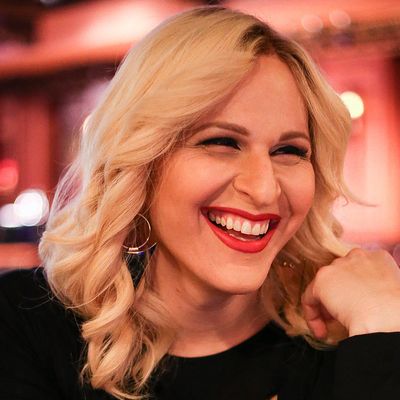
Featured Shows
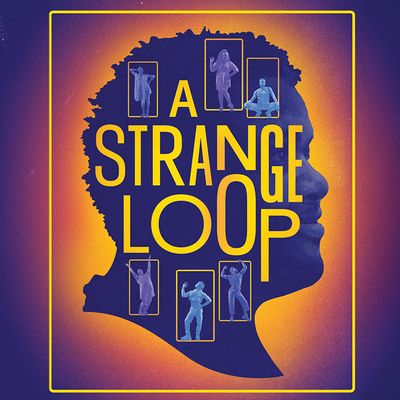
About
In this Artist Exploration, Shakina and Charlie discuss forging a path around your interests and passions, creating your own work, developing your own ethics and how theater is to agitate. Shakina also encourages us to come from a place of compassion and forgiveness when asking for change.
If you would like to hear more from Shakina don't forget to listen to Chonburi International Hotel and Butterfly Club on Audible or follow her at the following places:
- http://www.shakina.nyc
- @Shakeenz on Instagram
- @Shakeenz on Twitter
- Shakina Nayfack on YouTube
If you have any questions about the college audition process, feel free to reach out at mailbag@mappingthecollegeaudition.com. If you’re interested in working with MTCA for help with your individualized preparation for your College Audition journey, please check us out at mtcollegeauditions.com, or on Instagram or Facebook.
About MTCA:
Musical Theater College Auditions (MTCA) is the leader in coaching acting and musical theater students through the college audition process and beyond with superlative results. MTCA has assembled a roster of expert artist-educators who can guide students artistically, organizationally, strategically, and psychologically through the competitive college audition process. MTCA provides the tools, resources, and expertise along with a vast and strong support system. They train the unique individual, empowering the artist to bring their true, authentic self to their work. MTCA believes that by helping students reveal their potential it allows each school to connect with those who are truly right for their programs, which in turn guides each student toward their best college fit.
About Charlie Murphy:
Charlie is a proud graduate of Carnegie Mellon University’s BFA program. As an Actor he has performed with theaters such as: NY Public Theatre’s “Shakespeare in the Park”, The Pearl Theatre Company, Hudson Valley Shakespeare Festival, Chautauqua Theatre Company, Kinetic Theatre Company, and the Shakespeare Theatre of DC.
With MTCA [Musical Theater College Auditions -- mtca.nyc], he has been helping prospective theatre students through the college process for over 15 years. As a Teacher and Director, he is able to do a few of his favorite things in life: help students to find their authentic selves as artists, and then help them find their best fit for their collegiate journey. Through this podcast, he hopes to continue that work as well as help demystify this intricate process.
This episode was produced by Meghan Cordier and Charlie Murphy. Episode theme music is created by Will Reynolds.
Transcript
This transcript was automatically generated and might contain errors.
[0:10] Charlie Murphy: Hello, hello, and welcome to Mapping the College Audition, a podcast where we explore the landscape of the college theater world and try to demystify this daunting audition process.
[0:20] Charlie Murphy: I'm your host, Charlie Murphy, director of MTCA, that's Musical Theater College Auditions to you, Bucko. And today we have a trailblazing show lined up for you.
[0:31] Charlie Murphy: Shakina Nayfack is a longtime friend of my partner and a newer friend and new neighbor of mine. I am just so impressed by her and how she navigates the world with grace and empathy and how much her artistry and intelligence shines through everything she does.
[0:48] Charlie Murphy: Today on the pod, we talk about forging a path around your interests and passions and all the many degrees and educational paths that Shakina took. It's a lot. Viewing herself as more of a director than an actor, especially because of who she was in the world and didn't feel like she saw herself represented there.
[1:05] Charlie Murphy: Um, we talk about the quintessential NYC experience, Shakina creating her own work in a tiny midtown studio of dubious repute. Um, we talk about uh social media advice. Um, and this Shakina gives the phrase digital self-harm, which I thought was really interesting. I haven't heard that before.
[1:23] Charlie Murphy: Um, we talk in some difficult interactions. How do you come from a place of compassion and forgiveness in terms of how do you call someone in? Um, Shakina gives some advice on a writing exercise, story time with Shakina, uh, and some really cool advice of how to find comedy in difficult situations as you're writing about that.
[1:41] Charlie Murphy: We also talk about the idea of theater being to agitate and what it is to develop your own ethic. We also do all of that while I am bouncing a baby on my chest who stayed asleep the entire episode.
[1:53] Charlie Murphy: We're very proud of her. I was sure about halfway through the episode I was gonna have to pop out and move her to our babysitter, but somehow she has made it through the entire episode. So we're all very proud of her. Round of applause. What a star.
[2:05] Charlie Murphy: Um, but before we get too deep into the episode today, Megan, happy Thanksgiving. How are you doing? What are you grateful for this week?
[2:12] Megan: Oh, thanks, Charlie. Happy Thanksgiving to you as well. Um, well, what I'm thankful for this year is everyone getting back together. Um, most of my family is uh, well, all my family is double vaxxed, and most of my family is triple vaxxed, so it's all very exciting and vaccinated celebrations.
[2:32] Megan: It does become a little bit of like a competition, right? I'm you double, I'm triple. Oh, I'm quadruple. I've been cheating, you know. People like to really throw that in there.
[2:40] Charlie Murphy: Of course.
[2:41] Megan: But all my cousins and my siblings have been having lots of children over the years. Yeah, I know that you can relate. So we just got together, and there are nine girls, all under the age of four.
[2:54] Megan: And it's the first time that they have either met each other or had like the actual capability of playing with each other. So that's just happened this past weekend. So that was a lot of fun to see them. And I'm excited for some more Thanksgiving food uh tomorrow, if you're listening on the drop date.
[3:12] Charlie Murphy: Heck yeah, that's where Megan is just doing some time machine work for you. Um we love a gratitude practice. It's like one of the things that like from the sort of frou fru granola world of theater that I just have loved so much.
[3:25] Charlie Murphy: I'm like the idea of spending some time doing a gratitude practice, it like actually makes you a happier, healthier person. So I recommend it to everyone if that's something you want to do. More than just once a year, too. More than just once a year. You don't have to wait to her for till uh Thanksgiving.
[3:40] Charlie Murphy: Megan, I will say I'm very grateful for you. Um it's been really special getting to do this podcast with you, and I'm so grateful to have you as an assistant and a producer of this pod. Um, I'm grateful for our great students who have inspired me this very challenging year, um, for our wonderful listeners of the podcast and their great feedback.
[3:59] Charlie Murphy: Uh, and also for my health and the health of my young family, both newly nuclear and extended, which is like such a weird thing, by the way, Megan. Like now, when I say my nuclear family, I mean these three people, which like all the way through your life, I mean my brothers and my dad and my mom.
[4:15] Charlie Murphy: Like, it's like you mean those people, and then it changes the branches of the tree, and you become a new nuclear pod. It's very weird. Um but also and then I put I'm grateful for this year too. It's like what you said in terms of a little bit of hope coming into the world, some new possibilities and and new aspirations in 2022 that felt very difficult to be possible in the past couple of years.
[4:34] Megan: I know. I'm really looking forward to them. I feel like a little bit of competition in me if we're going back to our sports analogies of this podcast, that you had time to write down a list and I just went off my top of my head.
[4:43] Megan: And I want to get and I want to extend my gratitude back to you and MTCA to do all these wonderful things that I'm able to do this year.
[4:51] Charlie Murphy: You're so sweet. Okay, well, enough lovey dovey. Let's get into this interview with Shakina.
[5:03] Charlie Murphy: Well, we are so honored to have Shakina Nayfack on the pod today. Uh Shakina is an actress, a writer, and an activist. She has a BA from the University of California, Santa Cruz, and an MFA and PhD from the University of California, Riverside.
[5:20] Charlie Murphy: That MFA being in experimental choreography and the PhD in critical dance studies, which I can't wait to talk about on the pod today. Um, alongside being a Broadway actress, she's also been on TV a lot. She recently made television history as the first transgender person to be cast as a series regular on a network sitcom, as Ellis on Connecting.
[5:42] Charlie Murphy: She's also Lola on Difficult People. She was in the Transparent Musicale Finale, which she helped write and produce. She's also the founding artistic director of the Musical Theater Factory in New York City, where she helped develop hundreds of new musicals, including Michael R. Jackson's Pulitzer Prize winning A Strange Loop, and her own autobiographical glam rock Odyssey, Manifest Pussy.
[6:03] Charlie Murphy: Shakina is currently developing a television pilot based on her life story, and she's the director and co-creator of Junk a Rock Opera, which is a new Broadway-bound show written by Swedish rock band Brainpool and developed with Shakina.
[6:16] Charlie Murphy: Shakina, we try to cut the bios down. We try to make them as small as possible. That was that was the cut-down version. I could not do any less than that. How are you doing? Welcome on the pod today.
[6:27] Shakina Nayfack: I'm doing great. Thank you. I'm so happy to be here with you.
[6:30] Charlie Murphy: I'm so excited to dive into this fabulous career of yours, but I'd love if we actually can take a step back a little bit and start with you as a young person. So maybe when that theater dream started for you, I'd love to think, especially educationally, if and when you knew this is what I might want to do for my life. What did that young person think in terms of here's how I want to forge an educational path for myself?
[6:53] Shakina Nayfack: Well, you know, I think my first inkling was like honestly like as early as third grade when I got to be a part of like the school play, and um, and we got to get out of class to go to rehearsal. And I was like, this is the dream. And I also loved, we had this like old British drama teacher named Miss Nichols, um, who made us do these warm-ups, like, I am the king. This is my castle. What a beautiful throne.
[7:06] Shakina Nayfack: And I was like, not only did I want to be an actor, but I thought I wanted to be a drama teacher. Like I loved what she did. And so for a long time, I always, like, then when I got to high school, and high school was kind of a riot for me, literally and figuratively. Um, you know, I always sort of saw myself as both a maker and an educator. And that was a really big part of my young life in terms of my goals.
[7:49] Charlie Murphy: And did you see as you looked at colleges, you saw I'm gonna potentially maybe write, I'm gonna maybe be a drama teacher. Did you think I might be this fabulous professional Broadway actress?
[7:59] Shakina Nayfack: Uh, well, actually, you know, because the times were different then, uh, I, you know, I finished high school in the late 90s, and I actually I dropped out of several high schools because it was just not a safe space for queer youth at the time. And while I was like trying uh riotously, as I said, to make those schools that I was in safer for queer youth, um, it really took a toll on me.
[8:23] Shakina Nayfack: And creatively, I knew that uh at that point that I thought I wanted to be a director because I didn't see a place for myself as a like still at the time closeted trans person, but someone who knew that I just didn't, I didn't fit in my body, and I didn't, I I stopped seeing myself on stage, even though like the last role I had played in in high school was a production of Merry Wives of Windsor, and I played Falstaff, this like big bumbling, you know, machismo dude.
[8:50] Shakina Nayfack: And um, and I was like, yeah, that's just not really for me, you know. And so um, so I thought that I would have more success as a director, which kind of like took my educational impulses in a in a new way. Um, and when I honestly, I didn't think I was gonna be able to go to college. Like I, because of the, you know, the um the hardship that I had in in the high schools that I went to, um, I really got to college by like the skin of my teeth.
[9:18] Shakina Nayfack: And um, I had finished high school from I I had started in like a private Catholic school and then like went to a few independent studies, went to a public school that had a school for the arts housed within it. That didn't work either. Um, it was actually like more homophobic and transphobic than the private school.
[9:35] Shakina Nayfack: And um, so when it was time to apply for colleges, first of all, my mom threw out my NYU application because she just didn't want me going across the country. Expensive? Oh no. Joe, no, she just didn't trust me, you know, because I was such a maniac at the time.
[9:50] Shakina Nayfack: Um and uh and so the only school that I got into, I think, was UC Santa Cruz, which is where I went, which was that year for some reason accepting any student who had a 3.0 GPA or above who applied. And I had like a 3.1 and I got in.
[10:07] Shakina Nayfack: And um, and I I think I had also got into like UC Santa Barbara or something. Um, but anyway, um, I went up to Santa Cruz and like looked at the campus, and it's this beautiful like redwood forest on the coast. It's like what could you not love about it's like going to school in Ewok Village, it's so gorgeous and um but Santa Cruz didn't have musical theater.
[10:30] Shakina Nayfack: Um, they have a theater program and they have a music program. Um, and my like great love was musicals. And so when I got there, I kind of didn't know what I was gonna do. And um, it ended up being, I mean, we could talk about it. I I cobbled together a really unconventional way through that degree program.
[10:50] Charlie Murphy: Well, I love it. And and I have so many questions for you, especially getting the professional career of the ways you've kind of blazed the trail and forced your own path, something we love on this podcast. Um but I'd love to hear so so now as you're piecing it together a little bit um in your undergrad, what then leads you to these very specific and interesting postgrad degrees of the MFA and the PhD?
[11:10] Shakina Nayfack: Yeah, I mean, I'll try and summarize it pretty quickly, which is that um I I felt like I had so much that I needed to um make sense of as an artist and as a young queer person. Um and I was like learning about becoming an activist and because I I was forced into that in my young life.
[11:28] Shakina Nayfack: And um, and I felt like when I was in the theater program, I was like, none of these kids get what I've been through. And at Santa Cruz, there's this program called Community Studies, which is like the history and theory and practice of activism.
[11:41] Shakina Nayfack: And it's an experiential learning program where you actually like have to go out into the world and do the thing you're studying. And they have a track in that program called Cultural Work and Social Change, which in for them cultural work could imply making documentary films, doing theater or music.
[11:56] Shakina Nayfack: And so I realized that what I was gonna do was kind of create a degree for myself around theater and performance as activism. And so I really didn't follow the conventional path. I minored in theater at my school, so I could still like learn and be part of things, but I was um mostly focused on doing actual work with like other queer youth uh across the country using performance.
[12:19] Shakina Nayfack: And that's sort of when I I came out as trans and was like a considered myself a transgender performance artist that was using my platform to create change and dialogue. And I actually went from being like a four-time high school dropout to finishing my BA in three years.
[12:34] Shakina Nayfack: And um, because I had something to prove, you know, I was like hitting it hard. But then high school dropout sometimes.
[12:40] Charlie Murphy: That's a jump.
[12:41] Shakina Nayfack: Yeah. Exactly. Exactly. But so also at Santa Cruz, they had this this what they call the fifth year graduate certificate in theater.
[12:49] Shakina Nayfack: And it was for people who had technically majored in theater but were wanted to stay an extra year and do like a special focus.
[12:56] Shakina Nayfack: So I applied to that fifth year as my fourth year, uh to so I could direct um my own show. And um, and I had this like thesis project that was sort of like I was gonna create something from the ground up. And just then 9-11 happened, and I was like, I have to figure out how to respond to this as an artist and an activist. And um through like a lot of bizarre, you know, fortuitous circumstances, I came in touch with this dance form called Bhutto, which is a uh Ankoko Bhutto, a Japanese dance form known as the Dance of Darkness. It's very avant-garde, started in the 60s, and I was like obsessed with using this dance form as a way to respond to 9-11, and I created this whole theater piece about it, and it was like very aggressive and very like humanist and raw and Artodian.
And then um, and then I applied to all these MFA programs in directing where I was like, I love butto, I want to use Bhutto, and none of them knew what to do with me. So um, so I vowed like, okay, if I if I don't get into any of these MFA programs, I'm just gonna go like study Bhutto on my own. And I I had this dance teacher who I had connected with who's in Mexico who teaches body ritual movement, which was like a fusion of Ankoco Butto in from Japan where he studied and also indigenous Mexican ritual and modern dance. And so I spent a lot of time with him like studying and training in Mexico. And then I was down there and I was like this is so amazing the the cultural fusion, the fact that I'm this like trans Jewish American in Mexico studying Japanese avant-garde ritual dance.
Someone should like write a book about this. And I was like, well no one's gonna write a book about this except for maybe me. Except for that. And so yeah. So then I applied uh first to the PhD program at UC Riverside in Dance just to be like, how do I articulate what's going on here? And when I was in that program, I was like, I'm gonna go crazy if all I can do is read books and not be in the studio making things. So I applied to the master's program in choreography while I was already a PhD student and did both at the same time, which I don't think they'll ever allow students to do again. There was like one other colleague of mine that did it as well. And um yeah so I ended up getting this uh this MFA in experimental choreography which was really about like bringing sort of Bhutto and musical theater together and then writing this dissertation about my journey as a as a pre-transition trans person try using dance to kind of like work through their body and gender while engaging with a community that was having their own experience of redevelopment um after kind of like colonial uh exploitation. So it was sort of like how our whatever. It's very academic, but basically I was interested in how we redevelop ourselves after his experience of of trauma, whether it's community-wide or personally.
[15:53] Charlie Murphy: I love that. And you know, so often our students, um, especially of our students who maybe have been training technically for a while, are looking for that kind of deeper, unique artistic cultivation that an educational experience can give them and that you have found for yourself and cultivated for yourself so beautifully. Are is there anything during those years now that you're doing from a more technical perspective as like a singer, as an actor, to keep up, you know, like I imagine if you're like I still might want to sing in musicals, or maybe not at this point. Is that not a possibility?
[16:21] Shakina Nayfack: Oh no, I mean voice lessons are you doing that kind of thing? I don't take voice lessons regularly. I take voice lessons like when I need a coaching for an audition or a piece of material. Um, but I do still teach and practice this idea of bringing Bhutto to musical theater, which is just like a really embodied way for me of inhabiting a song and a character and performing a song in such a way that I feel like every moment of every breath is kind of choreographed internally and um and I can be really in charge of how I am expressing and and communicating energetically through the performance of a song. So I teach master classes in that kind of song interpretation uh at NYU, at uh at Berkeley, uh New York City, at the Eugene O'Neill Theater Center and the National Musical Theater Institute.
Um, and it and it's something that I put into play, like in every audition that I do in the real world, I still break it down through my sort of like Bhutto beats, you know, the way that I have come to understand my craft.
[17:20] Charlie Murphy: I love it. And and that that inbutto is both a dance and a singing technique, or as you learned it, it was were were you were you sort of creating that for yourself of going, how do I apply this to my singing? How do I apply this to my acting?
[17:31] Shakina Nayfack: Exactly. So cool. Yeah, it's uh it's a dance technique, but it's more than a dance technique, it's more like a philosophy of engaging with like your body and the environment and the beyond. It's very like esoteric and ritual, and um, and so I've sort of found my s for myself a way to kind of create a map through um either monologues or songs or even scenes, using the kind of convention of beat work that we understand from you know our traditional acting training, um, but then kind of layering atop that the philosophical approach of um sort of integrating energies from the environment and from our our personal histories and um bringing emotional embodied memory into that path. And and um, yeah, it results in really uh powerful performances.
[18:20] Charlie Murphy: Okay, we're gonna try to play a silly college flashback game. It sounds like you were very busy in your educational experience, but I'm gonna see. Did you have time for some of this fun stuff that we're gonna try to do?
[18:30] Shakina Nayfack: Probably so.
[18:31] Charlie Murphy: Yeah, we'll see. Um, we're gonna put 60 seconds on the clock, and in 60 seconds, we want to see how many answers you can spit out. Doesn't have to be genius, just have to give give an answer. The total we just had the record set at 14. Someone got 14 answers in 60 seconds. So that's okay. The mark to be.
[18:47] Shakina Nayfack: Okay.
[18:48] Charlie Murphy: All right, Megan. Are we ready? Six seconds on the clock.
[18:50] Megan: Yeah, I'm ready.
[18:51] Charlie Murphy: Six, seven, eight. Hardest class for you in school.
[18:54] Shakina Nayfack: Uh uh in humanistic psychology.
[18:56] Charlie Murphy: Social butterfly or bookworm.
[18:58] Shakina Nayfack: Social butterfly.
[18:59] Charlie Murphy: Did you kiss anyone in your class?
[19:01] Shakina Nayfack: Yes.
[19:02] Charlie Murphy: Messy roommate, clean roommate.
[19:04] Shakina Nayfack: Uh messy made them clean.
[19:06] Charlie Murphy: Classmate you learned the most from.
[19:08] Shakina Nayfack: Uh um, uh this guy named Marcus, who is like a hippie and a genius.
[19:14] Charlie Murphy: Shout out, Marcus.
[19:15] Shakina Nayfack: Worst fashion choice that you made.
[19:17] Shakina Nayfack: Um uh newsboy hats.
[19:19] Charlie Murphy: Uh, the most fun college ritual you took part in.
[19:22] Shakina Nayfack: 420.
[19:24] Charlie Murphy: Do you ever cheat on a test?
[19:26] Shakina Nayfack: No.
[19:27] Charlie Murphy: Uh, most surprising college casting.
[19:29] Shakina Nayfack: Um my first drag performance.
[19:33] Charlie Murphy: Um, ever lose a library book.
[19:36] Shakina Nayfack: Probably.
[19:37] Charlie Murphy: Song that was blasting from your dorm room at school.
[19:40] Shakina Nayfack: Uh anything by Ani DeFranco.
[19:42] Charlie Murphy: And that's time.
[19:43] Shakina Nayfack: Anything by Annie Defranco.
[19:44] Charlie Murphy: How did you make your roommate become clean?
[19:47] Shakina Nayfack: Because Elizabeth would like some tips if that's a possibility. You know how to do that.
[19:51] Shakina Nayfack: Um yeah, so you know, I had a couple different roommates and uh at different times. And for one of them, I remember very clearly our dorm room was like so messy. And then I came back from winter break, like uh two days before them, and they were actually one of my best friends of all time, and we were living together in college, and I just like totally redid the dorm. And when they came home, I was like, everything in its place. And that was like my motto, everything in its place. So like I it was like totally I had like lofted the bed and moved in a couch from one of the lounges and like really like did it up. And then I was like, as long as everything goes back where it started, like we're always gonna be good.
And then the other kind of mantra that um that we had once I moved into a house off campus was like it only takes a minute, and we would just say that like doing the dishes, like cleaning up a spill, it only takes a minute, like just get it done. So yeah.
[20:41] Charlie Murphy: We're just gonna keep the sound bite for Elizabeth to play when Charlie doesn't do the dishes.
[20:45] Shakina Nayfack: It only takes a minute.
[20:47] Charlie Murphy: It only takes a minute, everything in its place.
[20:49] Shakina Nayfack: Hey, let's be honest. I'm most of our cleanup crew at this point.
[20:52] Charlie Murphy: Let's be honest.
[20:53] Shakina Nayfack: You become a dad and you just become a cleanup crew.
[20:55] Charlie Murphy: That's the truth of the.
[20:56] Shakina Nayfack: I think that's probably real.
[20:58] Charlie Murphy: The votes have been tabulated. How did we do, Megan?
[21:01] Megan: Ten.
[21:02] Charlie Murphy: Ten?
[21:03] Megan: A respectable ten.
[21:04] Charlie Murphy: That was the old record for a long time.
[21:05] Megan: Yeah.
[21:06] Charlie Murphy: Before some of these competitive people get in here and just go to jail.
[21:09] Shakina Nayfack: Yeah, no, sure.
[21:10] Charlie Murphy: Um, there was a college ritual at Santa Cruz that I wish I participated in, which is the first rain ritual, um, which I don't know if it still happens, but at Santa Cruz on the first rain, most of like the student body, at least in the college that I was at, there's several colleges on the campus, would get naked and like run around and dance in the rain and like streak across campus. And I, as like a budding trans person was just not like cool enough in my body at the time. But um if I had to do it over again, I would absolutely strip down and run in the rain.
[21:37] Shakina Nayfack: There could be we could there could be an alumni event. We could go back to the 20 years, 25, whatever the thing is.
[21:42] Charlie Murphy: I'm going, I'm going to run in the rain.
[21:45] Shakina Nayfack: Um, what about if you you uh you now teach at not imagining, you do teach at um a number of universities. What are some things that you really feel like you're trying to impart to young people now that you go, okay. I've I've learned this through my experience, and now I really want to, you know, when I'm teaching at NYU, what am what am I trying to give um to young artists that I wish I had?
[22:06] Shakina Nayfack: There's two things that I think are really important, especially for like this younger generation that I've noticed that that there's like a hunger for and a need for. One is like flexing the muscle of imagination that I think like it's my job when I'm doing arts education, is just to like remind young people the freedom that they have to imagine and like what they can do with that capacity. Um I also think that it's important to help students find a personal ethic around the work that they make and engage in. I think there's a lot of sort of like cultural mandates, societal mandates about what is right and what is wrong, what we should be doing and saying and what we shouldn't be doing and saying.
And I think there's actually a lot more gray area, but it's really up to each individual student to kind of determine for themselves, you know, how they want to relate with and engage with, you know, complex, controversial, uh, deeply emotional personal material. And so I think I think just as an art maker, those two things, you know, having a strong imagination muscle and having a strong personal ethic are the things that are really gonna help you when you get out into the real world and you have to make hard decisions about the kind of artist you want to be.
[23:19] Charlie Murphy: I love it. And we're gonna, I've got a whole bunch more questions about that kind of stuff. Cannot wait. But before we leave school, um, just is there anything else that you wish in your educational path, if you could go back and do it differently? Is there anything else you go, oh, I would have seized this opportunity? I wish I'd I'd squeezed a little more juice out of this um lemon that was in front of me.
[23:39] Shakina Nayfack: Yeah, you know, I I think there's a part of me that regrets not being steeped in the canon as problematic as the canon might be. Um I feel like because of the way canon in musical theater and and you know, dramatic plays. Um, that I like, you know, I wish that I had read more plays and musicals in college just to understand the foundation that I was gonna build on later. Because I had to go back and do a lot of that um afterwards. And at the time, I think I was so busy with like my social justice quests that I I couldn't rationalize also like going into the archives of history, but now I understand that those two things, the contemporary quests for social justice and understanding where we came from go hand in hand.
[24:21] Charlie Murphy: Uh so such good advice. That's something I think another guest said that of like finding the if you're gonna be subversive, you have to kind of know what you're being subversive against.
[24:29] Shakina Nayfack: Where are you making the twist away from?
[24:31] Charlie Murphy: Otherwise you'll actually sort of reinventing what's already potentially happened.
[24:35] Shakina Nayfack: Ethan Slater said that.
[24:36] Charlie Murphy: That's in Slater, thank you, Megan, for being on that.
[24:39] Shakina Nayfack: That's right.
[24:40] Charlie Murphy: Um, for our regular listeners who who catch them all. Um, let's take a really short berade. Um, we'll do some ads, make some moolah for this podcast, um, and then we'll jump on into another game and some more deeper conversations.
[24:52] Shakina Nayfack: My God.
[24:53] Charlie Murphy: Sounds good.
[24:54] Shakina Nayfack: Sell it.
[24:57] Charlie Murphy: All right. We are back with Shekinah. We're just talking about I'm this entire time. I've been bouncing a baby on my chest while we've been doing uh the podcast, and there's been a lot of comedy internally for us as we've been doing this. Um, but we have a new game. We make up a new game with each guest, Shakina. And since your career has been so wonderfully trailblazing, we thought we'd play a trailblazer game.
[25:13] Shakina Nayfack: Okay.
[25:23] Charlie Murphy: Oh gosh. So this is a simple trivia game, but all the answers have either the word trail or the word blazer in them, or some version version of blaze.
[25:32] Shakina Nayfack: Oh, makes sense trail or blaze.
[25:34] Charlie Murphy: It's gonna be in the answer.
[25:35] Shakina Nayfack: Trail or blaze.
[25:37] Charlie Murphy: Okay, we can totally do this.
[25:38] Shakina Nayfack: Couple questions.
[25:39] Charlie Murphy: Most of them are easy, some of them are impossible. So good luck.
[25:41] Shakina Nayfack: Okay, all right.
[25:43] Charlie Murphy: Okay. I'm looking for Portland's basketball team, the NBA team that lives in Portland.
[25:49] Shakina Nayfack: They are uh the Blaze.
[25:52] Shakina Nayfack: Very good guest, the Trail Blazers. That was the one. Okay, that was really easy. There is a sports team called the Blaze somewhere. I believe that is true. It might be hockey. I don't know. I'm making that up. Okay, great. Pop your popular millennial computer game during computer lab. Uh, Oregon Trail. A hundred percent right. That's easier for me than anything about sports. Yeah, yeah. The sports one, I knew that would either be easy or hard, depending if you're how much okay. Um, Mel Brooks satirical western from the 70s. Um, blazing saddles. That is a hundred percent correct. We're back on the board, we're doing great. Okay, great. Okay. This word means to lag behind in a sporting competition.
More sports? Uh to trail? To trail is correct. Okay, more sports for you. LeBron James backed pizza chain. This is a pizza chain owned by LeBron Jane. I don't know. No, I don't know. Blaze blazing pizza. That's 100% correct. Is Blaze Pizza is the correct answer? Unbelievably pizza is correct. I started running out after two or three. I didn't have a lot left that I could do. Okay. This this is a word which you were gonna know too well from your college ritual. Another word for the act of smoking cannabis. Yeah, to blaze. To blaze, absolutely true. Okay. A popular snack for hiking that tries to be healthy, but somehow you have M&Ms in there somewhere. Yeah, trail mix, not healthy. That's that's a trail mix.
We 100% agree. Okay. What Hansel and Gretel left behind them, much to their chagrin. A trail of breadcrumbs. That's a trail of breadcrumbs. Okay, here we go. And now the easiest one of them all. Famous, famous 17th century mathematician and philosopher, known for his work on probability and game theory. Um Blaze Trail. Oh, that was so good. So close. Blaze Pascal is the person. Oh, Pascal. I had to Google that. I would not have known that. Let's be clear. But you've won our trail blazing game. Congratulations. Uh thank you. Much fun. Much like that. I'm so I'm so relieved now. I can like breathe again. Games stress me out. I don't know why. Now we do the harder questions. Now the hard questions come.
Um before we get too deep, though, I'd love to hear a little bit. So now you've graduated. I imagine you're still in California, having graduated now just happened. At some point, you're gonna come here and sort of get your career off the ground. How does that happen? How do those first couple steps happen? You graduated with all these degrees, you know. What what how do you do that?
[28:13] Shakina Nayfack: So interesting that you brought up Junker Rock Opera in my introduction. Cause I I'm developed a lot of musicals in my day. I'm still developing a lot of musicals in my day, and Junk has been like the show that's been with me for literally decades. Um, but it's a show that I started working on when I was in grad school. I actually took a year off from grad school to do a workshop and a showcase production in Los Angeles, and it became this like cult hit and um ran for like 16 weeks and extended and was just like, you know, really made the most of like the like LA small theater scene. And then I was like, all right, I've done that. I've hit my glass ceiling. Like I can't actually get any better than that in LA because there's some like major like Lourdes theaters, you know, um, out there, but there's sort of like no in-between between like the 99 seat small theaters and then these like major institutions.
And I was like, well, the only way I'm gonna grow as a theater director is to go to New York City. And so uh I first applied for um an SDC, the Stage Directors and Choreographers Society Observership with Michael Mayer when he was directing on a clear day you can see forever on Broadway. And I had met Michael when he was directing uh American Idiot at Berkeley Rep, because I was working on a rock opera and he was working on a rock opera, and I had a friend in the show, and I emailed him on Facebook and I was like, hey, I'm just like a young rock opera maker. Can we get a coffee? And I like went up to Berkeley and like had a meeting with him. Anyway, did the observership and then I applied to the Drama League Directors Project, uh, which um put me in residence at Barrington Stage Company, where I became the associate producer for uh two seasons after my first fellowship year.
And after that first fellowship year, when you know, when I moved to um Pittsfield, Massachusetts for the summer, um, which is incidentally where I met Elizabeth Stanley. Um I um I just I was like literally Annie, it was like three bucks, two bags, one me. I went from that summer internship and and moved to the city with with um no plan other than to try and make it, you know, and and at that point I didn't conceive myself as an actor at all. I was just a director. Huh did you have any delicious survival jobs? Any like really gems?
[30:21] Shakina Nayfack: Um earlier in my life, yes. Out here, no, I managed to make it work um like because I because I was an associate producer at Barrington Stage Company, I that like helped you know pay my way and there were like jobs I would do throughout the off season, which is like the academic year here, so I would teach and I would, you know, direct readings and do small gigs, um, and then uh go to Barrington. You know, I think the survival job was like creating musical theater factory and like living in the back of a gay porn studio while trying to create Pulitzer Prize winning musicals. And that was sort of the bizarre the quintessential New York experience. The sole survival jobs. Um what about so speaking of our our trailblazing a bit, um as you kind of forged this path and you said I'm not seeing myself as an actress at this point, were there role models that you looked up to?
Were there people that you said I kind of want this person's career or I want to steal from these kind of person's career and make three and put it together? Is there did you have ideas in your head of who you wanted to be?
[31:21] Shakina Nayfack: Well I still didn't see a possibility for myself to be on the Broadway stage or in mainstream media but I knew that like I in my heart that trans narratives like should no longer be relegated to the downtown. And that's like was something I felt really passionate about. And I had long uh adored Kate Bornstein, who was like a phenomenal gender theorist, writer, performance artist, playwright, actor. Um, and she actually came and spoke at UC Santa Cruz when I was 18 and was one of like the people that unlocked for me my identity. And um so, you know, I knew that there were like other people who had made a career for themselves as trans performance artists. Um, but I I was like not interested, like I said, in being fringe.
And I was like, I wanna make space for these narratives in in the Broadway scene and in and in mainstream television. So when I finally decided to transition medically, and I was sort of like like flying by under the radar, even though I knew who I was and I had been out to friends, but I just didn't feel like I could safely transition in the New York theater scene while I was trying to build a reputation as a director. I thought no one would take me seriously because of things that I heard and rehearsal rooms and just like general attitudes around transness that were not cool at the time. And so I thought, like, oh, if I'm gonna transition publicly and like be going through this whole process in front of these people who am I trying to impress and build a relationship with, then let me just figure out like the best way to get them on my team and take control of the narrative.
And so I thought, like, I'm gonna speak to my community in the language my community speaks. I'm gonna do a show about it. And that's when I wrote my first solo show, which was called One Woman Show, and it told the story of my decision to transition, like through my, you know, life before that moment, and incorporated some, you know, songs, some were original, some were covers. And um, and that was my first time on stage as an actor in at least a decade. And uh, and it and I got really great responses to it. And I was like, oh, this is really cool. And as that happened, I sort of acknowledged to myself, like, wow, all those times I had gone to Broadway shows and had been like dissecting them as a director, I was also secretly so jealous of the people on stage and the fun they were having and and like wanted to know what it was like.
And so I thought, like, well, if I can like do a solo show, like maybe I can like play a role. And then I uh was cast in this um show at the New York musical festival where I played the Statue of Liberty and it was sort of iconic and fun. And I was like, Yeah, this is great. I'm kind of enjoying this. And then I booked difficult people, and it was like, all right, this is my job. This is what I do now. You know, I'm an I'm a I'm not only an actress, but I'm like a groundbreaking television star who's like changing the game of comedy, you know, like boom, thrust into it. And so um, yeah, it was cool. So cool. It's just so cool. And now, do you find a lot of younger actors today who may be forging their own unique paths? Are have they reached out to you and put you in that position of of role model? And what has that been like if that's happened to you?
[34:26] Shakina Nayfack: Yeah, I think a lot of folks and the especially like trans artists, you know, look up to me because of the trail that I've blazed. Um, I also think that specifically young trans artists are are forging their own paths in new ways because they there's things that are available to them that were not available to me at their age, and there's also things that they're like claiming for themselves that I didn't even have the wisdom or knowledge or know-how to claim for myself at that age. That everything from you know, demanding representation and training programs, um, demanding access to auditions with songs and different keys and things like that, like um to demanding like fair representation and um and authentic storytelling, which I also, you know, demand and and uh, you know, work to provide for the community.
But um yeah, I think that I'm like a role model in some ways, but also the ways that generation gaps work in um in the trans community, like I'm also looking up to the young ones. I yeah, I think that's not just the trans community. I do think that's the the generationally happening a lot, maybe especially because of social media, which I want to talk a little bit about. Um from your your my limited interaction with social media, which for me, social media is like a an evolving platform. I'm I'm excited, I'm terrified of it, I'm trying to get on it a little bit, but it's ter it's really scary to me. Um, you seem to wear your activist hat very proudly uh on social media. What do you feel like, especially for young people who are trying to figure that out?
What do you see as the responsibility for a young artist like entering the business today to be vocal in public about I love that you said maybe having their ethic, what is their their personal artistic ethic? How public should they be? Is that necessary? Is that optional? How do you feel like for a young artist they should navigate that for themselves?
[36:12] Shakina Nayfack: Well, you know, as I said before, like before I identified as anything, I identified as a performance artist. And what that means to me is that the work that I do is crafted. Um and and that implies um not just things on stage, but like the way I choose to move through life and present myself to the world, which is all social media is. You know, it's an opportunity to to curate a version of yourself for public consumption. So, um, yeah, there are other things that are great about it, connecting and forging community and all that stuff, but ultimately it it's um it's performative and it's you know not three-dimensional, like you know, human interactions are meant to be. So what I would say to folks is like, I mean, first of all, enjoy it if it's good for you, if it's mentally healthy, you know.
I think I just heard the phrase digital self-harm, which I was like, wow, that's so real, and I understand that so deeply. So be aware if you're engaging in social media in a way that is causing harm to yourself or others. Um, but also, you know, think about the person you want to be in the world and manifest that person in the ways that you engage online. And um, you know, that's part of you crafting your performance of self.
[37:35] Shakina Nayfack: Such a good answer. All right, so now I'm gonna challenge you with an even harder question. I asked this very question of my best friend Alejandro, who's an EDIB consultant. He said it was unfairly hard. So I'm gonna try it again and we'll see how we do it. Okay. But what about in that three-dimensional rehearsal room? So if we're talking a little bit about what you put into social media, what about in the rehearsal room? Where I'm curious of like, what do we see, or what do you personally see a young person's responsibility in speaking up for themselves and/or others in a rehearsal room when for instance a microaggression occurs? As especially, I think, you know, a lot of our young listeners are maybe 17 to 25, right?
So as you're in that that place of your career where you're trying to figure out what it is to make art and you're worried about your own career. How what do you see as a responsibility to say this happened for this other person or this happened to me, and I want to correct the system if I'm a young artist activist to sort of speak up? And I can just say personally, I this is something I've always struggled with. There have been times when I wished I had spoken up. There's times when I wished I hadn't when I did, you know. It's like how how how do you see sort of a responsibility of a young artist navigating that world?
[38:40] Shakina Nayfack: Well, I think it's it's definitely layered, you know, because there are power dynamics at play when you're in a rehearsal room where you're obviously like trying to gain and maintain approval.
[38:51] Shakina Nayfack: And so I think there are ways that you can move through the world ethically that help you build those relationships and also hold people accountable. And it probably starts with coming from a place of compassion and forgiveness and just assuming the best of people and that folks are well-intentioned even when they mess up. I think right now we're in such a heated kind of lash-out momentum sociologically that we really just kind of thrive on attacking and calling out and demanding change without trying to understand where people are coming from. Um, so I think I believe if you see something, say something. It's important to advocate for yourself, it's important to advocate for others who might be experiencing some kind of oppression or microaggression.
But the way you do that can be, you know, tactful, can be gentle, can be caring. Um, I would say if it's something that happens to you, um, make sure you document it and then personally take a note of what happened, the time and date and place, and then talk to the right person. Talk to the stage manager or an advocate. Um, if there's no one like you in the show that you're working on, if you are the only trans person or the only person of color, first of all, that's a problem. And, you know, if you have the opportunity to engage in that conversation when you're getting involved with the show, then have that conversation either through your agents or in person to say it's really important to me that there be someone here who shares my identity and who I can go to with concern and find out who that person is.
Um, if it's something you're witnessing happening to another person, you know, I think it's important to check in with that person and see if they need support in advocating for themselves. Um, and also then again find the appropriate time to go to the appropriate person. I just had an experience where I was working with some very powerful people, and I noticed that one of these people who has been a great ally to me and a real supporter of my work, what happened to be kind of consistently interrupting my collaborator on a project who is a black woman. And so I texted him and I said, "Hey, can we chat?" And then he called me, we had a talk, and I was like, I just want to bring this up because I've noticed it a couple times that you have a tendency accidentally or otherwise to interrupt this person when she's speaking.
And I noticed how it disempowers her. And I know you wouldn't want to do that. And so I just wanted to make you aware that it's happening so that you can be more mindful. And he was like, "Wow, thank you. I didn't even understand that. It's so helpful to hear that, and I will, it won't happen again." You know, it wasn't like I didn't blast them on social media, I didn't drag them in front of other people, you know. I just found the right time and place to have a conversation, like they say nowadays, like calling in as opposed to calling out. And I think that's really helpful, especially if you're trying to maintain relationships.
[41:50] Charlie Murphy: Absolutely.
[41:51] Shakina Nayfack: And I can think of so many times in my life where I've had those really helpful situations where I was called in and I went, "Oh my god, I'm able to learn, and that's so wonderful." That's what I think it's really hard. Important to be aware of. Um, what about maybe a little bit lighter if we talk about acting for television? So you did all this training in different experimental, and we've got Bhutto, and we're doing critical dance theory, which I have too many jokes about critical dance theory. I'm like, what's positive dance here? But fine. But you're doing all this different stuff, and then all of a sudden, you really have a career in TV acting. What was that leap like? How did you make that, you know, sort of jump?
[42:26] Shakina Nayfack: I mean, it was an audition that worked, you know. Um, I remember the moment when I was auditioning for Lola, and I came in and I was like doing, you know, and I had like done like I really like if you get the opportunity to do in-person TV auditions, which is like rarer now. I still recommend doing your own self-tape so you can like understand how you're coming off on camera and what choices you're making. So I had done my own like kind of self-tape study of the audition material that I like I said had broken down into my Bhutto beats. I knew my way through the material. I went in and did the audition, and I did it in the TV acting way where I was speaking very quietly, you know, and trying to be controlled.
And then the director, the casting director was like, "I think you can be bigger." And I was like, "Bigger? Great," you know, and then I booked Lola. I just did the scene big, and you know, uh huh. And yeah, it really, you know, it wasn't like all at once, boom, now I'm a TV actress. I was still running a theater company, I still had directing commitments, I was still transitioning, you know. Like I have still been working to become a full-time TV actress. It's really been like, you know, fits and starts and really great moments when it happens. Um, but it has been like a whole new world that I really love and didn't ever I thought I was so like ride or die theater all the time for all time.
And now kind of understanding the accessibility of it, the ways that like people, you know, you can reach such a broader platform with it at times. The fact that it doesn't always have to be perfect because you're shooting it and cutting it and editing it, and you can have multiple takes, which you just don't get that on stage. Um, you know, there's things about it that I really love. I really love honestly being in a makeup trailer and having my hair and makeup done instead of having to do it myself backstage in a little mirror, you know.
[44:15] Charlie Murphy: Um, and other than maybe that initial over-adjustment to whisper everything, are there any adjustments that you do feel like you really have learned or things that you've gone, "Oh, okay, so now that I've been doing this for a little bit, when I do TV, I am gonna approach it differently in this way"? Or is it like, "No, just do your thing and it's their job"?
[44:31] Shakina Nayfack: No, I'm still learning all the time. Um, I'm learning from experience by watching the work that I do and seeing what I would do differently. I also learn from watching the legends that I work with, like getting to act with Judith Light and seeing how she, you know, relates to the camera. And um, yeah, I mean, there's so many things that I've learned about just like sensing the camera as an audience member and understanding that like when you're with your scene partner or partners that that is another scene partner with you in the space, and there's ways that you have to peripherally include them, you know, in your awareness while still being fully present in the scene as the actor. Um, yeah, there's so much, um, you know, the business is so different.
Like when I was doing Lola, I would be like, "I'm gonna in this scene, I'm gonna like grab this plate and put it here and pick up this glass and rinse it there and do it," you know. And if I were an actor in a Broadway show, I would do it the same way every time. And what I realized, like none of these other actors have business. They're just sitting here playing the scene. And then I watched the edit and literally, you can't see anything, you know. You know, I'm doing a whole choreographed behind the counter, everything. There's none of it, you know. Um, so yeah, that's something interesting. And for those maybe who are a little newer to the world, when Shakina says business, she means like her physical vocabulary, like the way that she's moving, what she's doing on stage or what she's doing on the TV world.
[45:54] Charlie Murphy: Yeah.
[45:55] Shakina Nayfack: As opposed to the business of the business. People, you know, some of our young listeners, we need to.
[45:58] Charlie Murphy: No, it's just like stuff you do.
[45:59] Shakina Nayfack: Yeah.
[46:00] Shakina Nayfack: Yeah.
[46:00] Charlie Murphy: What you do, the biz.
[46:02] Shakina Nayfack: Um, what about I'd love to hear a little bit as I mean, you have so many of these hyphens. Um, and we love a multi-hyphen it here. So we have a lot of multi-hyphened artists on the thing. Um, we've had a few actor writers who've sort of given that advice of like, "Go write your own story," which I think is such great advice. As someone who has done that and is currently doing that, do you have any tips on how, like, how do you sort of tell your story on stage? Any difficulties? Anything you kind of want to share about that experience?
[46:28] Shakina Nayfack: You know, I actually just taught a class on autobiography as activism, which was really cool because I think there's like a class right now. Yes, yeah, there's you know, there's something buried in your point of view that no one else in the world sees. And by illuminating your point of view for other people to see the world through your eyes, you can help them, you know, see the world differently. And that's radical, that's revolutionary. Um, in terms of how to tell your own story, I honestly just told my story. Like I literally had events where I invited friends over. Um, I think Elizabeth was part of one of these back in the day. I um I had what I called story time with Shakina, and I would just like put out my phone with the voice memo recorder on and sit folks in a circle and be like, "Hey, I just want to tell you a couple stories about like my coming of age, or I just want to tell you a couple stories about like my relationship to faith, or I just want to tell you a couple of stories about like the way my gender has evolved."
And I would tell these stories and I would record them. And because I was with friends, I would speak very freely, but I would like sort of then afterwards ask, like, "Okay, what parts really stuck out to you, what parts jumped out to you?" And I would listen to them back and then transcribe them and sort of work with them to be like, "How can I craft that into a solo show?" Um, you know, that worked for me, and I've had students do that as well. I think we speak very freely when we're just talking, as opposed to when we're sitting down trying to write, you have a different authorial voice, which is also great, but might not feel as natural. Um, and then also, you know, just think about a bracket in time where you can give yourself a beginning and a middle and an end.
Some experience of transformation where you have been changed or you have helped others to change. And that's a story. You don't need to get the whole thing in one show, you know. Um, and it's important to just realize, I think that there are a lot of pieces in you, you know, it's not all in one.
[48:35] Charlie Murphy: Did you ever find yourself as you were like now retelling stories that you had openly and personally shared saying, "I'm not sure I'm ready to show this to the whole world"? Was there ever stuff that you go, "That's I'm gonna keep that just for me and I'm gonna or I'm gonna change that, or I'm not gonna let that be quite so real to life"?
[48:50] Shakina Nayfack: Yeah, I mean, there are still stories that I've like haven't told, and there's still stories that I'm figuring out how to tell. Yeah, until this podcast, yeah. No, but um, but uh one of the things that for me is so important is that I um I don't like to tell dramatic stories from my life until I can find out how to make them funny. Um, because I don't want to like just put more like trauma porn into the universe. That's not my agenda. And so, you know, I am a survivor of sexual violence, but that did not that was not part of Manifest Pussy until I could figure out how to land a joke in that story, which was very hard. And so I knew in iteration after iteration of that show, like, uh, I'm leaving out this piece that feels so major to understanding who I am, but until I can figure out how to talk about it in a way where it's I'm not making light of it, but it's sort of couched in a comedic framework that allows me to move through it, you know, keeping myself safe, but also like letting the audience off the hook from having to feel the magnitude of what I experienced. And um, yeah, so that's just sort of like a process that I go through, trying to figure out how to find the humor in the heavy.
[50:02] Charlie Murphy: How much of that has worked its way through the music theater factory? Because I as you're saying that, I'm thinking of um watching Strange Loop, and I thought that was so beautiful as it would do that. Like moments that could be really dramatic. I found so poignant, and like I wasn't always sure, should I be laughing? Should I be crying? Is it what what is the right, you know, quote unquote right? But what is the desired response here?
[50:25] Shakina Nayfack: Well, you know, musical theater factory has in its short life gone through itself many transformations and iterations. And when it originally started, it was like me inviting a group of friends to make new musicals in the back of a gay porn studio in Midtown Manhattan. And that was pretty radical. And what it's become now is like a major nonprofit artist sort of service organization that provides resources to um musical theater makers of color and trans musical theater makers to sort of develop work from voices that we're not hearing enough of in the community. And um the sort of like guiding principle is um that liberation can be joyful. And so um I think that you find that as like a through line in the work that we bring in is that you know, these are artists who are discovering their voices, they're discovering what they have to say to the world, they're fighting against systems of oppression. But um even in the, you know, most traumatic stories that we might tell from time to time, there is this streak of liberatory joy, which I think is so essential to healing our world.
[51:44] Shakina Nayfack: So beautifully said. Um, I just can't also I love the name Music Theater Factory because I feel like it's everything colleges are trying not to be called. Like it's always an insult when you're like, oh, that's a music theater factory. They just churn them out. Right. I love it. It's like yeah, get that work into the world.
[51:59] Shakina Nayfack: Well, when I was living in LA, I would drive by, like in downtown LA, there were all these like abandoned Sears buildings and stuff, and like these old factories that were just, and I was like, one day I want a factory that makes nothing but musicals. So that's how Music Theater Factory started.
[52:13] Shakina Nayfack: I love it. Like little elves making their toys, just putting plays together.
[52:17] Charlie Murphy: Um, what about teaching at um NYU or teaching wherever you've taught? I'd love to like what what do you feel? We talked a little bit about sort of how the generations are different, but what do you feel like you have learned from your students? What have you learned from the experience of teaching?
[52:32] Shakina Nayfack: Wow. You know, um, I have learned that the world has changed. I have learned that young people have sensitivities that I did not have growing up, whether it's because of the situation in which I grew up or the situation in which they're growing up. But there are there are awarenesses and um and dynamics of um perception that are so heightened uh today, um, in a way where I felt like I had to be a wrecking ball to be heard and be seen when I was, you know, a uh teenager, and and now I feel like there's just um a lot more awareness, which is really exciting.
[53:16] Shakina Nayfack: Um, and also like I said before about the ethics and the and the imagination, that um I never really understood that those things had to be taught and cultivated because I guess I just came into the world with a lot of both. And I and I got a lot from my family and my like my mom and my aunt and my grandparents were all really strong advocates for, you know, um the rights of others. And so I just I came into the world like charged with this ethical point of view.
[53:52] Shakina Nayfack: But um, but like I said, you know, in the in there's there seems to be like less opportunity for imagination, especially like people coming through public school systems, and certainly less opportunity for exploring ethics, uh, unless you're like fortunate enough to have that as a class or something.
[54:12] Charlie Murphy: Do you find they're just more more risk averse that there's more fear in in that exploration of the of ethic?
[54:18] Shakina Nayfack: Yeah, I think there's like I don't know if it's risk averse or fear, or if it's just like black and white thinking that like you can't do that, you can't say that, you should say this, you can't do that, you know, and um, and I've I've had like you know, pretty um tense conversations with some students around things like that, uh, especially in terms of like representation, what we can and can't put on stage or what what kind of stories we should or should not tell, and um what the role of theater is, which in my opinion has always been to like agitate, you know, in order to like create a more perfect world.
[54:52] Shakina Nayfack: And um, you know, and I get that because when you grow up in a society that's telling you over and over again what you should and shouldn't do to be a good person and to be a good participant in media, um, you know, you internalize those messages and you develop like a strict moral code, but that moral code has been placed on you.
[55:14] Shakina Nayfack: You know, it's not the moral code that you have developed for yourself through rigorous questioning. And so that's why I think developing an ethic is so important, because you really have to consider things for yourself, how you what you what it makes you feel to be engaged in these types of conversations or these types of scenarios, and then determine what is right for you and what is not right for you, and be able to articulate the why behind that.
[55:39] Shakina Nayfack: And it's it's just it's more complex, it's more nuanced.
[55:43] Charlie Murphy: It's so true. And it does seem like uh activism and theater have always had such a um uh they share on the Venn diagram so much of what is agitating the world and what's pushing us in the right direction. Where they don't share is in that black and white thinking versus the nuance and the grays that art always is trying to discover.
[55:59] Charlie Murphy: We're trying to go, all right. We know the black and white. Let's explore that middle place. Where is the place where we're not as totally sure? And that's really hard in a, you know, because that's sort of is antithetical in some ways to some parts of social justice and some parts which are pushing this versus this. It can't be just this versus this in art.
[56:15] Shakina Nayfack: It has to find some of that friction.
[56:18] Shakina Nayfack: Yeah, I recently tweeted about this because I was like, I was getting really frustrated with what I saw as a lot of accusations around causing harm. Um, and and I I wanted to just pose the question like when we say something is causing harm, do we mean it's making us uncomfortable?
[56:36] Shakina Nayfack: And is that harmful, or is that just discomfort? And there are times when it's very clear something is causing harm and you can like see the A to B to C how that happens. There are other times when art is is provocative and disturbing and makes us uncomfortable and triggers us um so that we can look at something differently or feel something differently, or even work through trauma toward a kind of healing.
[57:01] Shakina Nayfack: And if we are too quick to shut that down because it makes us uncomfortable and say that it's causing harm, we're actually robbing ourselves of the experience of going through a process that has been developed by an artist for us to journey, you know, through that discomfort into something else.
[57:17] Charlie Murphy: So beautifully said. Um, as you're thinking about um that young 17-year-old, 18-year-old, maybe uh one of our students, or maybe someone who's right out of school and sort of beginning their journey. Is there like one thing that you go to take this with you? This is a little piece of advice I would love for you to take throughout your career and and into uh whatever path you end up forging.
[57:37] Shakina Nayfack: You know, something that has always been a guiding principle for me is that you don't need permission to make theater. And um, so if this is if this is what you care about, if this is what you want to do with your life, don't wait around for someone to give you permission and opportunity. Go and make it for yourself, create it where you can, how you can. And uh, you know, and learn and grow from there.
[57:59] Charlie Murphy: I love it. Um, anything that you want to plug from today? So I know we talked about a lot of things that are upcoming for you, but anything specific if listeners loved you and they want to see you in things, hear you in things. Is there anything that you kind of want to hit and plug?
[58:11] Shakina Nayfack: Yeah, sure. Um, you know, your listeners can um find this play that I wrote on Audible. It's called Chonburi International Hotel and Butterfly Club. And it was supposed to premiere last summer at Williamstown Theater Festival or two summers ago now. It was canceled because of COVID, obviously, but we had the opportunity to record it for Audible.
[58:27] Shakina Nayfack: And it's like um, it's like stage door, the play, not the manner. Um but and but it's a bunch of trans women recovering from gender confirmation in Thailand. And it's a beautiful hotel comedy with a cast of 13, nine of whom are actors of trans experience. Um, and it's on Audible and it's really precious, and it won the Drama League Award for best audio production.
[58:49] Shakina Nayfack: So please check it out and leave a review if you love it. If you hate it, just shut up.
[58:53] Charlie Murphy: And um, again, it's called Chonburi International Hotel and Butterfly Club. You can leave the negative reviews on our podcast, because we'll take any review at this point.
[59:00] Shakina Nayfack: So just to create the negative reviews. If you love Shakina's thing, put it on a positive if you think it was bad, put it on our thing, but still give us five stars, and we'll love that.
[59:07] Charlie Murphy: Um, that's awesome. And she given, I think we can follow you um at Shakeenz.
[59:12] Shakina Nayfack: This is on Twitter and Instagram.
[59:14] Shakina Nayfack: Twitter and Instagram, yep. I have a TikTok, but I don't use it.
[59:17] Shakina Nayfack: And uh I'm leaving Facebook as soon as humanly possible.
[59:19] Charlie Murphy: Oh, we're all on the same page there.
[59:21] Charlie Murphy: Um, thank you. So we'll put all that in the show notes too, for people to see with the um Audible play and and all the things that are happening in your life and your website and all the things. Um, we just a huge thank you for coming on. It was such a pleasure to get to chat with you today.
[59:31] Shakina Nayfack: For sure, Charlie.
[59:34] Shakina Nayfack: Yeah, so much fun. Thank you for having me.
[59:41] Charlie Murphy: Well, I hope you loved talking to Shakina as much as I did.
[59:45] Charlie Murphy: Or I guess you were more listening to her. I was doing more of the talking. Um, but I just find her to be so wonderful, fun and funny and smart, and just uh a quintessential artist in so much of what she does.
[59:57] Charlie Murphy: Um, for today's deeper dive, I just want to talk a little bit more about that idea of discomfort that Shakina brought up. Uh, I think it's a really interesting conversation to have with yourself in the context we were discussing today, just for your life, um, which was sort of more a little bit about microaggressions and sort of, you know, generally how you want to uh live in the world.
[1:00:17] Charlie Murphy: But I also think it's a really valuable thing to think about specifically as an artist during your art making. Um, some people, maybe not all, but some people believe like one of the central missions of an artist is to provoke or to make the audience uncomfortable, so you can try to make them think.
[1:00:32] Charlie Murphy: Whether or not you believe that as a principal mission, it's certainly the case that in the course of your career, you're likely going to have to be a vessel for some difficult and uncomfortable conversations and situations. Often dramatic work center around these kind of topics and finding your personal comfort level with what you can and can't do, or maybe what you are and are not willing to do is essential.
[1:00:52] Charlie Murphy: Um, I also think a broader point Shakina was hinting at, which I would love to co-sign and expand, is that sometimes it is in that discomfort is where the magic is really gonna happen.
[1:01:03] Charlie Murphy: To force a sports analogy. I know you're all sick of all my sports analogies. I'm gonna do it though.
[1:01:08] Charlie Murphy: In sports, we often talk about the difference between like being hurt and being injured, right? Like if you're hurting versus uh are you injured. If you're injured, you should not play and you should seek medical attention, right? Nobody should play through a bad injury.
[1:01:19] Charlie Murphy: But not every sore muscle or bruise or ding is necessarily something that sends you to the bench, right? In fact, some of the most historic amazing moments in sports involve pushing through some kind of adversity, whether it's fatigue or it's a snow game, or we think you think of Jordan's flu game as a famous example, because we're going to talk about basketball every episode.
[1:01:38] Charlie Murphy: We have to multiple times. Um, in the art world, this is really true as well. Finding that ability to work through discomfort is often where we find people's most interesting work.
[1:01:47] Charlie Murphy: We obviously and assuredly have to find a place where if something is going to reach a place of trauma, we're going to seek safety and absent ourselves from the situation, like we talked about in Ali's episode. But not all discomfort is necessarily unsafe.
[1:02:02] Charlie Murphy: Um, I talked about this a little bit in Tom's episode as we talked about adjustments. So often, when something is going really well, a student will drop out of it because they're scared. Maybe they got scared by their own brilliant choice that they made, or they're just uncomfortable because they're trying something new and it feels uncomfortable.
[1:02:16] Charlie Murphy: It's scary. This is totally normal and totally okay that you're feeling that, but it is something to actively work on as an artist. How do you live in that uncomfortable place?
[1:02:22] Charlie Murphy: Again, we're talking about garden variety fear and not trauma, until you can master it and then do remarkable things. We have defense mechanisms for a reason as a species.
[1:02:34] Charlie Murphy: And if there's something in place that you need to avoid, you can absolutely do that for yourselves. But if you don't need to, then your work is often about actually dismantling those defense mechanisms, mechanisms that are hardwired for survival, but are not necessarily helpful for your art making.
[1:02:51] Charlie Murphy: So something to think about. How do we all live in that place of discomfort a little bit more? Hopefully, you're not discomfortable now, but in fact are comfortable because you've made it through another episode of Mapping the College Audition.
[1:03:02] Charlie Murphy: If you enjoy this episode and want to get more hear more, you better hit that follow button. I'm sure you already have. So if you've hit it before, don't hit it again, because that'll unfollow us. We don't want that.
[1:03:10] Charlie Murphy: Um, but we would appreciate it if you were to rate and review us where you found us. I suggest five stars if you love Shakina's Audible recording and want to give us some love too.
[1:03:19] Charlie Murphy: And maybe that ironic five stars if you want to write a negative review for her, but leave it off our page as suggested, which I think is a very specific and polite and ornery fan.
[1:03:28] Charlie Murphy: And we appreciate that. All are welcome here. You can also reach out to us with questions for the pod at mailbag at mappingthecollegeaudition.com or reach out to Megan and me directly.
[1:03:37] Charlie Murphy: You could grace us with a follow on the Twitters or the Instagrams. I'm at Charmer7 at C H A R M U R 7.
[1:03:44] Charlie Murphy: And Megan Marie is at Megan Marie 2014, M-E-G-H-A-N-M-A-R-I-E. And then 2014 is how you get to 2014.
[1:03:53] Charlie Murphy: If you're interested in working with MTCA for help with your individual prep for your college audition journey, please check us out at mtcollegeauditions.com.
[1:04:00] Charlie Murphy: You can also follow us at Musical Theater College Auditions at Tweet MTCA on Twitter.
[1:04:06] Charlie Murphy: And coming soon to TikTok, it's really happening out there. Just like Shakina, we have a TikTok, but we have not been TikToking as much as we will be in the future. It's a promise.
[1:04:15] Charlie Murphy: To my young artists out there mapping their journeys. It only takes a minute.
[1:04:19] Charlie Murphy: So clean up your damn room. We'll see you next week.
[1:04:30] Charlie Murphy: Mapping the College Audition.
© Broadway Podcast Network, All Rights Reserved