

In the College Deep Dive Episode, Danny George President of The Norwalk Conservatory and Charlie Murphy MTCA Director discuss: What is missing from a four year program university. Immediate collaboration with working professionals in the business... Read More
From the show: Mapping The College Audition: An MTCA Podcast
Featured Shows

About
In the College Deep Dive Episode, Danny George President of The Norwalk Conservatory and Charlie Murphy MTCA Director discuss:
- What is missing from a four year program university
- Immediate collaboration with working professionals in the business
- Urgency of obtaining work for students
- Curriculum focus on TV/Film and Dance
For more information about The Norwalk Conservatory of the Arts visit the following places:
Be sure to check out little Solveig in Waitress!
If you have any questions about the college audition process, feel free to reach out at mailbag@mappingthecollegeaudition.com. If you’re interested in working with MTCA for help with your individualized preparation for your College Audition journey, please check us out at mtcollegeauditions.com, or on Instagram or Facebook.
Follow Us!
Instagram: @mappingthecollegeaudition
YouTube: @MTCA (Musical Theater College Auditions)
TikTok: @mtcollegeauditions
Charlie Murphy:@charmur7
Meghan Cordier:@meghanmarie2014
About MTCA:
Musical Theater College Auditions (MTCA) is the leader in coaching acting and musical theater students through the college audition process and beyond with superlative results. MTCA has assembled a roster of expert artist-educators who can guide students artistically, organizationally, strategically, and psychologically through the competitive college audition process. MTCA provides the tools, resources, and expertise along with a vast and strong support system. They train the unique individual, empowering the artist to bring their true, authentic self to their work. MTCA believes that by helping students reveal their potential it allows each school to connect with those who are truly right for their programs, which in turn guides each student toward their best college fit.
About Charlie Murphy:
Charlie is a proud graduate of Carnegie Mellon University’s BFA program. As an Actor he has performed with theaters such as: NY Public Theatre’s “Shakespeare in the Park”, The Pearl Theatre Company, Hudson Valley Shakespeare Festival, Chautauqua Theatre Company, Kinetic Theatre Company, and the Shakespeare Theatre of DC.
With MTCA [Musical Theater College Auditions -- mtca.nyc], he has been helping prospective theatre students through the college process for over 15 years. As a Teacher and Director, he is able to do a few of his favorite things in life: help students to find their authentic selves as artists, and then help them find their best fit for their collegiate journey. Through this podcast, he hopes to continue that work as well as help demystify this intricate process.
This episode was produced by Meghan Cordier and Charlie Murphy. Episode theme music is created by Will Reynolds.
Transcript
This transcript was automatically generated and might contain errors.
[0:10] Charlie Murphy: Hello, hello, and welcome to Mapping the College Audition, a podcast where we explore the landscape of the college theater world and try to demystify this daunting audition process.
[0:19] Charlie Murphy: I'm your host, Charlie Murphy, Director of MTCA, that's Musical Theatre College Auditions. And today we've got Danny Loftus George from Norwalk Conservatory on the show.
[0:30] Charlie Murphy: Danny has been a really successful innovator in this space. He's the founder of Growing Studio and Link before Norwalk. And I believe this is the first conservatory-style training program that is not a full four-year college experience that we've had on the show.
[0:44] Charlie Murphy: Which I'm just gonna say is a totally legitimate approach to training and preparation for the business. I think the close example we've had so far would be a school like Barcelona, which is a three-year degree granting program. Again, three years being very normal in the European model.
[0:58] Charlie Murphy: I will say I have in some ways been consciously underrepresenting these programs, as the majority of our MTCA students, and let's be honest, the majority of our MTCA parents really are focused on a four-year degree granting program. And I personally am a big fan of a full four-year college education and a full four-year college experience.
[1:18] Charlie Murphy: We like a degree here at MTCA. That said, the reason I'm a fan of this is not because I don't think it's possible to get excellent artistic training packed into less than four years. If I thought that, then I would have to think that some of these great BFA liberal arts programs where you're supplementing your artistic classes with academics were also lacking.
[1:36] Charlie Murphy: As when you compare the time allotted to artistic classwork in a four-year program at some of those schools, it would end up being very similar to the time allotted to artistic classes in a two-year program like Norwalk. And just to say, we'll be having more of these programs on the podcast. It was not my intention to wait this long, particularly to have one on, um, for sure.
[1:55] Charlie Murphy: So, for those of you who know you only want four-year bachelor's programs, these will be episodes you can skip. Go re-listen to some of our wonderful artists' episodes for this week or catch up on your second favorite podcast. Uh but for some of our students, these programs really might be a great fit in that they're both cost-effective and time effective with years being spent in school.
[2:14] Charlie Murphy: Some people really want to get into the business at 20 or get in the business at 21. Um, and given that they are a certain amount of specialization, which might be exactly what some of those students want, perhaps they're not as interested in the academic side of things. So some of those programs um may grant uh an associate's degree, like Norwalk, which we'll chat about, or some only are certificate.
[2:32] Charlie Murphy: Um, there's all these different paths that these may take. So, all of this to say, we know it is for each of our families to map out their own unique paths in this college edition experience. And I know our MTCA students have unique lists that range from the very narrow conservatory only to the very wide spectrum of conservatory, liberal arts, BFA, and non-audition programs.
[2:52] Charlie Murphy: And for some of our families, programs like this will never be an option given a parental or student requirement to have a four-year degree. But I would be naive to the realities of the business if I didn't offer you a smart perspective that someone like Danny brings to his understanding of the business.
[3:08] Charlie Murphy: As you've heard from all of our artist guests, we have some wonderful four-year institutions represented, but we also have artists who never went to school or dropped out after a few semesters. For success in this unique business, a full four-year degree is certainly not a prerequisite, even if in general it can be a good predictor of a positive net expected value in the broader world.
[3:27] Charlie Murphy: Well, there you go. Basically, a takeaway before the episode begins. A prologue, one might say. I hope you enjoyed that. Um, as for me, things are wonderful here. We had a great MTCA weekend last week with our juniors attending junior weekend and our seniors rocking a mock one floor above each other in Pearl Studios.
[3:45] Charlie Murphy: Um, I'm about to head out to San Diego in a few days for our West Coast mock and then fly back to New York City for our private auditions. It is a full December, as it often is at MTCA. And in the midst of all this, in the midst of our holiday cheer, our darling Soul Vi is about to make her big screen debut in Waitress, where she plays Sarah Borellis' baby.
[4:07] Charlie Murphy: If you don't know the musical, first shame on you. Go watch the musical and come back. But uh Soul Vi truly steals the show with her performance, playing a newborn at the ripe old age of five weeks old. I mean, the range it takes to pull this off. That would be like me playing a convincing one year old. If I could really make you think I'm a one-year-old, that's the same as what Soulvi pulls off in this performance, you know, from a percentage of life perspective.
[4:30] Charlie Murphy: Um, but it really is a sweet, sweet musical, a really great production of it, if I do say so myself. Elizabeth and I got to enjoy the premiere a few months back, and we really loved it. So check it out. There'll be a link in the show notes here to Waitress the Musical. You can look up like Show Times near you. I think it only plays for like a week, and then they're trying to do some online version of it, but it'll be in theaters for uh a week for these holidays.
[4:52] Charlie Murphy: So enjoy that if you want to see someone related to me. Oh, and one more thing. As I know you all enjoy interacting with the podcast and love our calls to action when we ask you to rate and review the show, which come on, let's do it, rate and review the show. We're also gonna be doing a holiday mailbag episode at the end of the year.
[5:10] Charlie Murphy: So now is a great time to get any questions you have for the pod at mailbag at mapping the college edition.com. That's mailbag at mapping the college audition.com. If you have any questions you'd like to answer on the show. We'll also do a social media reach out for questions. But if you love an email, and I certainly love an email, hit us up there.
[5:28] Charlie Murphy: Okay, that's it. Let's get to this great episode with Danny Loftus George from Norwalk Conservatory.
[5:39] Charlie Murphy: Well, we are so excited to be joined by Danny Loftus George of the Norwalk Conservatory. Danny has a BFA in musical theater from Boston Conservatory. His New York City and tour credits include Sister Act, Altar Boys, Chicago, and he did the Burn Park Boys and 21 Jump Street on the West End.
[5:56] Charlie Murphy: He's also the founder of The Growing Studio and currently the president at the Norwalk Conservatory. Probably president of. If I say president at it feels a little bit more like your Joe Biden there.
[6:25] Danny Loftus George: No, it's fine.
[6:28] Charlie Murphy: Um, what are the things? So just I gave Red that little uh brief, you know, synopsis there, but what are the things that you would want our listeners to know just about sort of your journey to Norwalk?
[6:37] Danny Loftus George: Of course, we can spend most of the time talking about the school, but in terms of who you are behind the scenes, uh, what would you want us to know about your journey to here?
[6:44] Danny Loftus George: Oh boy. Um, I've been uh in higher ed for quite a while, but not in in your normal fashion. So I've been in curriculum development. Um I've been producing college showcases, uh, you know, bringing in new professors, um, attaching the industry to schools.
[7:02] Danny Loftus George: I tend to I started working with a lot of schools who were having a hard time breaking into New York City with alumni. Um, and I now do that for 47 colleges uh across the states. Um and it led me to NOCO. Uh so that's that's really my brief, very brief history of how I got here.
[7:20] Charlie Murphy: And if we have time at the end, I want to talk a little bit about the growing studio, but just for those who don't know what that is, would you mind just giving us a little um hit brief history of your find founding it?
[7:29] Danny Loftus George: Totally, yeah. So I um I was an actor as we heard with all my amazing credits. Um, I was frustrated. I was in the ensemble, you know, I was a swing and a dance captain, and I wanted to play principal roles. Um, and so I I started the growing studio, god, it's gotta be over 10 years now.
[7:50] Danny Loftus George: Um, so that I could work with some of the most influential artists and I could take classes for free is really how it how it started. It was never intended to be a business. Um but we hit we hit big. Um so we we ended up having 6,000 students in the city.
[8:07] Danny Loftus George: Uh and then we opened in London and Paris and Amsterdam in outreach in Singapore. We kind of just uh exploded, which was really cool. I became a Forbes 30 under 30 finalist in education from it.
[8:21] Danny Loftus George: Um then I started the all in one conference, which was really cool. And uh it's all postgraduate education, essentially. Um it's a way for actors to um to get in with creatives and work with them and learn from them.
[8:34] Danny Loftus George: Um it's really about learning from you know the experts in the field and and then applying that.
[8:39] Charlie Murphy: I love it. And it's something I definitely found it's really tricky. You don't I didn't graduate into New York City and go, okay, I know a great and easy way to continue my education, right? Especially if you've worked at a high level in school to go, I want more of that.
[8:51] Charlie Murphy: Maybe I want to continue, you know, at least be able to check back in at a high level. It I didn't walk into New York City knowing, ah, I see exactly how to do that. So I'm not surprised.
[8:59] Danny Loftus George: And the we found that was the huge issue. And that really would is a huge reason why we led to NoCo. But so many of these schools, you end up going to school in a place that's very far away from New York City, and then going, hold on a second.
[9:12] Danny Loftus George: Uh I I don't know what this casting director is like. Yeah, this casting hates when I move. So you just go in and don't get that feedback. So uh, you know, our our goal was really to to get people trained up to the kids that are going to New York City schools that are that are uh a different understanding of the business.
[9:31] Charlie Murphy: Well, and you've already half answered my first question, which is so you know, what is a Norwalk conservatory student in terms of how many, I guess, of your students are 18, meaning that they're right out of high school diving in. How many are using it as sort of a post-grad? Because I'm I actually didn't write read it here. Is it a certificate officially what they're getting at the end?
[9:48] Danny Loftus George: No, we actually just got it accredited, uh, which is incredibly exciting. So we are now awarding uh associate degrees.
[9:55] Charlie Murphy: I love it.
[9:55] Danny Loftus George: Um, so you get you're the associate of the arts degree. And how many of those those people are coming in either right at 18 or coming in, hey, I've I've done a couple years of college or I've already done a full four years of college and I'm adding on how what is the sort of makeup of uh your classes?
[10:09] Danny Loftus George: Oh god, I'd say 95% are high school grads coming right in from high school. Um, you know, and then maybe we have a couple of transfers.
[10:17] Danny Loftus George: There's a lot of transfer applicants. Um, but uh a couple of transfers here and there, but mostly all um all seniors in high school.
[10:24] Charlie Murphy: And what does it mean to be a Norwalk student? So I guess what what is your ideal? You know, if someone's listening to this and going, I don't know if I'm a kind of conservatory non-four-year program student. What would you describe as like this feels like the right kind of student for us?
[10:36] Danny Loftus George: Yeah, I I would say then we're not for you. We've got been really good at identifying who makes sense. A lot of our kids have already been in Broadway shows. A lot of our kids have already led national tours.
[10:45] Danny Loftus George: Um, you know, we kind of attract those kids that don't want to go halfway across the country because they want to keep auditioning, you know, they they're in the business, they want to stay in the business.
[10:57] Danny Loftus George: Um, we have kids that are doing eight shows a week in New York City and commuting every day. Um, so uh a very different type of student there. We bring out agents for semester, right?
[11:08] Danny Loftus George: Our kids are are the whole goal is for them to get into the business as quickly as possible. This industry is obsessed with youth. Um that's not shifting anytime soon.
[11:16] Danny Loftus George: So if we can get you a Broadway show while you're in school, um, that sounds great.
[11:21] Charlie Murphy: Yep.
[11:21] Danny Loftus George: Uh very different in philosophy there. We're really looking for kids that uh, you know, need two years instead of four. Um, so uh highly, highly, highly skilled students um that are really ready to enter the industry.
[11:35] Danny Loftus George: Um is our goal student.
[11:37] Charlie Murphy: And what does that look like if you're commuting in and out or if you broke a Broadway show and you maybe like, I don't know if I can finish this semester. How does that work with sort of um how you would work with the student in that case?
[11:47] Danny Loftus George: Yeah, totally. So we we have a whole plan built in uh that's really a case by case basis, but you know, we have a um students doing it right now where we work with them virtually, you know, in case they have to miss certain classes.
[11:58] Danny Loftus George: Rehearsal process is always the toughest, you know, thing, but once you're running, you know, besides the Wednesday matinee, you know, you're usually good. Sometimes, you know, Thursday understudy, but um, you know, they they don't really miss very much class, if any at all.
[12:12] Danny Loftus George: Uh, and then we make up those credits. We also have more credits, what's required to earn your degree? Uh-huh. Um, so right now, you know, for associates, it's 60 credits.
[12:20] Danny Loftus George: We actually are at 80, 82 in the curriculum. Which is well nuts. Um but we work with each individual student to make sure they can complete.
[12:28] Danny Loftus George: Well, talk to me through those basics of the two years. So obviously it's got a pretty pretty intense two years. Imagining I'm not missing classes for my broadway shows, what do my days look like and what are the sort of semesters progress to look like in terms of the classes I'm...
[12:50] Danny Loftus George: We share a building with Netflix, which is helpful. So the voiceover studios are pretty amazing. But if I'm doing like a typical day, we start every single morning at 9 a.m. 9:15 with an intense physical warm-up. That's every major, all years, we're all together there. It's a way to help build community. It's intense; it's a very, very physical warm-up. It's a ropes course. We actually have a whole aerial silk rig as well. It's literally a ropes course. Oh yes, like you're climbing 30 feet in the air. Fantastic. Okay. Yeah, there's a whole aerial silk, so like you are learning to do aerial work while you're here as well. You know, pushups, strength training, weights, you name it. And then we go into a vocal warm-up.
That's the first hour of every day. Past that, you might have an— we're very, very TV heavy, very dance heavy. Ballet, jazz, tap, commercial, hip hop, tumbling is required every semester for all majors. Empty dance ensemble. If you're not dancing, you're not booking is our thought. So everybody dances nonstop here.
[14:01] Danny Loftus George: Then you'll have empty audition technique, harmonies, and vocal styles. Then you'll probably rehearse for a show if you're not in one presently. So it's a long day every day.
[14:12] Charlie Murphy: And talk to me about the difference, you sort of hinting at these already, the difference between the majors. I think I actually didn't read the TV and film performance major, but that might be how some other programs call an acting major, right? But you're gonna say it's specifically to TV and film. What are the three: musical theater, musical theater dance, and then the actors, the TV film people? How do those different majors separate out curriculum-wise?
[14:31] Danny Loftus George: Yeah, that's a really great question. TV film is a completely different curriculum. You know, instead of tumbling, they take tumbling that's more based on stunt work. Yeah, also take acting for the camera, and then some at the highest level, they take Meisner, they take acting for commercials, they're taking animation voiceover, audiobook voiceover, commercial voiceover. So a little different there. Everyone's taking business skills. There's a couple of thread eds, but we tend to try to push them towards the art forms or history classes, history of television. And for musical theater, obviously that curriculum is very similar to empty dance, but I would just say empty dance has quite a bit more dance. Uh-huh. And it's much harder in terms of level. So there are assessments at the beginning, but the level of dance is just—we are looking for unbelievable dancers for that major.
[15:23] Charlie Murphy: Yep. Is there stuff you're getting as a musical theater major that you don't get as a musical theater dance, or are you just getting more credits as a musical theater dance major?
[15:30] Danny Loftus George: Um, you as a musical theater dance major, I think you get slightly less acting classes, and you take more dance classes. I would say that's the biggest variable.
[15:40] Charlie Murphy: Totally makes sense. And then how does that work with like shows and stuff? How do the three disciplines overlap or interact? I mean, are you auditioning for whatever you want if you're anything?
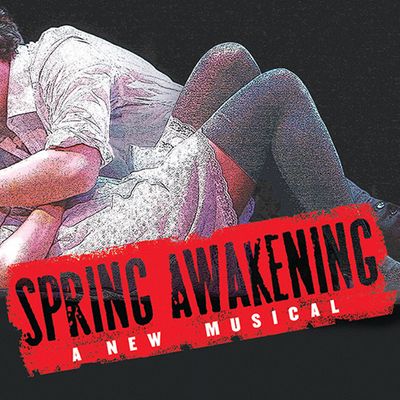
[15:49] Danny Loftus George: A hundred percent. We actually just did Spring Awakening. We had TV film majors and music theater dance majors in the show.
[15:57] Charlie Murphy: Yep. And you mentioned a little bit, so in terms of obviously a conservatory means most of the time and most of the work is gonna be really in the arts of it all. What are the other, you know, gen ed style classes and what does that look like? You know, maybe especially with a parent who's going up trying to support my kid, they say they want this, but are they getting anything that's not musical theater? What does that look like at Norwalk?
[16:18] Danny Loftus George: Yeah, so it was a big goal for us to try to get credits that are transferable to other institutions. So if a student wants to get a bachelor's in the future, they only have to do two years. That was really the goal, and obviously that is up to the institution; it's not our choice. But we did everything in our power to see if we could make that happen. So history of television and film, our science elective, our science course is neuroscience, because it's so much to do with the brain and understanding humans. Humanities course is psychology. So there are a good handful of gen eds within the program, but they really tend to try to be based around the art form or have use an artist. Most of our kids coming in again, know that they want to be on Broadway. That is the goal. And we've done a pretty damn good job in the past, you know, putting kids into Broadway shows.
[17:09] Charlie Murphy: Yep.
[17:09] Danny Loftus George: That's a little bit of the history of the institution. You know, we started as the link program and then we expanded obviously to become a two-year college.
[17:17] Charlie Murphy: Yep. And talking about that, so what is my like college experience? I mean, obviously, again, conservatory tends to mean you're spending a lot of time doing the art of it all, but what, you know, from a campus perspective, from like the community perspective, what am I getting from the college experience of Norwalk?
[17:31] Danny Loftus George: Yeah, it's pretty awesome. And it's, you know, we—it's not something we planned for. You know, we never went, hey, what's the college experience? We really went, hey, how can we get these kids on Broadway? How can we get these kids a television show? I've just been at so many schools where you know there's a lack of opportunity for students, and after you graduate, what do you do? And I think parents send their kids to college to get a great paying job afterwards. So that's always been the focus. But we have a pretty robust campus life here. Surprisingly, I think to us, because it wasn't planned. They're on campus. We're in a huge arts town, so there's a train station on campus, and it takes you 45 minutes to get into Manhattan. So very, very, very, very, very easy. Most kids are doing open mics here, they're participating in some—kids are rowing. You know, Monday night football is huge here, bizarrely. So there's quite a robust campus life here.
[18:31] Charlie Murphy: Very cool. And you've talked a lot about already sort of the ways you launch your students into the business, but let's just talk about what does that literally mean in terms of, you know, at what point are we starting to interact with agents and managers and casting directors and sort of preparing for the post-grad world?
[18:47] Danny Loftus George: Week two, week two, week two of your first semester, isn't it? Yeah, showcase starts when you get here. For us, it's yes, it's helpful to go, hey, let's get you signed and get you in the room, but it's also helpful for, you know, people in the industry that have worked with forever that I trust to go, hey, this person needs to do this, this, and this, and this. So then we go of a more much more tailored approach versus graduating after four years and going, now what do I do? Right? I just—I couldn't get an agent, or I got an agent, but there's no feedback. You just don't know. Instead, we go, let's bring in the people that are making decisions now and helping us to guide the students so that they can find success when they graduate or before.
[19:26] Charlie Murphy: That's really cool. So let me just hear—sort of parrot that back. You're saying the agents and managers themselves may be saying, I love this student. I need them to work on this part of their voice, this part of their acting, this part of their dance, and then that's gonna be a focus of the semester for them to go, all right. Maybe either in order to sign or in order for this manager or agent to be more excited about my student, they're gonna do X, Y, and Z.
[19:46] Danny Loftus George: Very much so. About a third of our kids are already signed with representation. I will say that is unique. I mean, that is certainly not something you hear from a lot of colleges that they're getting that kind of level of interaction with industry representatives. That's very cool. You know, I'm just transparent, and ultimately college is a business. You know, yes, we're not for profit institution like everyone else, well, not everyone else, but many of us. But we're less concerned with tuition dependency and more concerned with getting the kids work. That’s where I'm at.
[20:17] Charlie Murphy: I love it. Well, let's not talk about basically I know you don't may not have every single data point in front of you, but do you have a basic sense of where your students come from? So where in the country and around the world your students come from, and then where they end up in terms of how many end up in New York? Do any go out to LA, Chicago, other places in the country? So where do they come from and where do they end up?
[20:36] Danny Loftus George: Totally. So I have one kid from Connecticut, which is crazy. The rest of our students come from California, Florida, Georgia, Texas, Kentucky, North Carolina, Ohio, pick a state. Which is where our kids end up. At the moment, they're all ending up in New York City. I haven't really heard of anyone going out to LA or Chicago. Very New York focused school.
[21:02] Charlie Murphy: Yeah.
[21:03] Danny Loftus George: This is only year—this is gonna be year six for us. But it's the first year we've offered the associate's degree and then as a two-year program. We started at as the link program, which is a much shorter program and really existed for kids that were at other schools or looking to transfer or leaving school.
[21:20] Charlie Murphy: Yep, totally. And you mentioned already tuition dependency. So let's just talk about cost. Our crack research team has 19.5 per semester. You know, how does that work in terms of, you know, are most of your students paying nearly that? Are most of your students on some sort of scholarship? How do scholarships work? If so, let's just talk about like what the cost of it all adds up to.
[21:40] Danny Loftus George: Totally, it depends on the kid. For us, we don't care what the grades are, right? GPA is not a big deal for us. You have to have a 2.0; that's expected. You need to graduate high school. But otherwise, we could care less what your grades are. For us, scholarships are really based off of what we call merit is talent. So talent, merit-based, as well as need-based scholarships. And it really depends on the student. It ranges, you know, you might be awarded a couple thousand dollars to a full scholarship. We really range depending on the kid. It's always tends to be hard to find.
[22:17] Charlie Murphy: Yeah, so for us, it's very hard to find male dancers that are at the level that we need. So you could typically expect if you're an unbelievable male dancer and sing, you're going to get some type of scholarship offer from the institution.
[22:32] Danny Loftus George: But—and you said they're gonna be talent-based and need-based, but obviously not academic on your end.
[22:36] Charlie Murphy: Yeah.
[22:37] Danny Loftus George: Yep, absolutely. That's—I love to just chat in the section with the, you know, as you're in year six of, you know, peep you saying yes to people and people saying yes to you. Why do you find students either sign on the dotted line and say, Yes, this is why Norwalk's perfect for me, and then why do you find students will sometimes go, you know what, I'm gonna go to this other college? It wasn't quite what I was looking for. Well, why did they say yes and why do they say no?
[22:59] Danny Loftus George: That's a great question. There's two reasons. One is this program started as a nomination-only program. So you couldn't apply to our school. The only way for you to be accepted or even know about the school was for us to find you. And that came from recommendations from casting directors, recommendations from talent agents, associate directors on Broadway, Instagram, TikTok, you name it. But we would have to find you in order for it to happen. Last year that changed, and we opened up applications for the first time. That was wild, but I think because of that, you know, the whole everyone in the industry knows who we are. And they've been recruiting from us directly for forever. But the world doesn't. And I think, you know, that's something we're playing catch-up on there.
I think we kind of preferred that as we weren't going through, you know, the 1800 applications we already have, which is like, oh my god, it's November. After this podcast, it's gonna triple. I'm telling you, Danny, watch out. It's crazy. And it's hard. But I think, you know, that's a huge reason. Notoriety, people don't realize it. And because we're not a bachelor's, we're not listed on any site. I think we have more kids on Broadway than any other institution. And you know, you're not gonna find us on a playbill list, which is because I worked for Playbill, but here we are. So you know, there's a lot of that, and I think the other really big thing is that some kids need a four-year. You know, we a lot of times I see kids that are really talented, but I'm not able to get them a Broadway show in two years, and it's gonna take a lot longer to get them where they need to be.
And that's not us. You know, that's not who we are. That's not what we do best. I'd rather you get your associates and then in 10 years, when you're done dancing on Broadway, go, now I want to sell this. And then once you have that course, complete your two years. That's really the mentality there. But I think those are the two big hurdles. You know, we tend to lose a lot of students to the same schools. But again, I think it's a timing thing and notoriety and whatnot.
[25:22] Charlie Murphy: Totally. No, it makes sense. And it's why I started with that the first question of going, oh, what percentage are you? Because we've had so many students over the years do link. We've had many students who go, you know, and how they used it, because it was always interesting of going, was it a sort of supplement to what their program wasn't giving them? Was it some people maybe who didn't end up at more conservatory style training and wanted a little bit more of that?
[25:42] Danny Loftus George: There's all for all different reasons people would end up using it, but um, that's why we're so curious about um it is a specific kind of college that you're going to, it's a specific path if you're doing the two years.
[25:51] Charlie Murphy: Very specific.
[25:52] Danny Loftus George: We have 65 in Broadway shows in the last five years.
[25:55] Charlie Murphy: Wow.
[25:56] Danny Loftus George: Um, so it's the number is pretty staggering. You know, a tenth of Broadway right now is from this program.
[26:03] Danny Loftus George: Yeah, um, which is really exciting and cool, but it's like a little secret that nobody knows. So we know we're getting there now, and obviously people are starting to hear about the school, which is nice. Um, but I don't know if I prefer it or not. That's just the truth.
[26:18] Charlie Murphy: You won't know until you're on the other side, which you're quickly becoming on the other side here.
[26:23] Danny Loftus George: Yeah, um speaking of, we're gonna be uh taking a short little break on the other side of that break. We're gonna talk a little bit about the auditioning process for Norwalk Conservatory.
[26:32] Charlie Murphy: So back in Flash.
[26:34] Danny Loftus George: All right, we are back with Danny Loftus George. And we're gonna talk a little bit about what makes a great audition for you. So, in seeing all those applications, 1800 that we dropped the number of, um, what are you seeing that makes an audition stand out that makes you go, oh, I want this kid. This is a Norwalk kid.
[26:50] Danny Loftus George: Oh, totally depends on the major um, you know, and what we're looking for. For MT dance, uh, you have to come in with very strong dance. Um, you know, if you're like, I like to dance, that's great, but uh it's gotta be unbelievably strong. Um, we typically say if you're not given three, four pirouettes from the beginning, you shouldn't take a look at MT dance.
[27:15] Danny Loftus George: We have a lot of kids uh from, you know, competition backgrounds, some kids from So You Think You Can Dance, um, you know, they're dancer, dancer, dancer, dancers. Vocally, there, um, we need a strong willingness to grow. Um, we don't need you to be an unbelievable um vocalist yet, but we need you to be able to get there in two years. You know, the goal for MT dance is to be able to do a lot of commercial dance projects, uh dance backup for artists, um, book a target commercial as a dancer, and then be on the ensemble of a Broadway show. Um, but we want you to be strong enough that you can cover. That's really the goal.
[27:51] Danny Loftus George: Um, for MT, I'm looking for weird. Um, you know, I'm looking for stars. Uh I think for us, Broadway is expected. So I don't really just want someone that's gonna book a Broadway show. I want someone that's gonna lead a Broadway show to originate in a Broadway show to win a Tony Award. And I'm looking for someone with those ambitions. Um, you know, I think that if you're unsure and maybe you want to do this, we're not the fit.
[28:16] Charlie Murphy: Yep.
[28:17] Danny Loftus George: Um, you know, there are kids here who already have those credits, right? So um really looking for interesting and different in terms of students.
[28:27] Charlie Murphy: How are you picking up on the weird? So, like, you know, is it what they wear as they walk in the room? Is it their material choice? Is it how they interview with you? Where are you sort of going, oh, you are weird and interesting? What are they doing that makes you go, ah, I want to know more about you? What's that thing that kind of showcases they're weird?
[28:42] Danny Loftus George: Yeah, sure. Um, you know, it really depends. Like a lot, sometimes it's song choice. Like, there was this girl that came in and sang "Try Me" the other day, and I was like, this is very interesting. And why didn't you pick this? And it was more about her mentality behind why she picked it that made so much sense, like made me interested. Um, there's another girl who came in and sang "I Can Cook Too." And honestly, it was just the best version of the song I've ever heard. Um, it was so smart and the choice was so specific, and um, you know, she just made so much sense.
[29:14] Danny Loftus George: Yeah, um, you know, so that that's what I would say. Either you have to fit it so perfectly, right? We'd think about your typical leading ladies, you know, your Danae Bentons or um your Laura Osnes, and they just they make so much sense, it's exactly what you think of. And then you think of Bernadette or Kristen Chenoweth, or people who are totally not what you would think of as leading lady, you know, four foot eleven and sounding a specific way, but Kristen is the leading lady.
[29:42] Danny Loftus George: So um, I think you know, that that's my spiel, I guess. That that's who makes sense. And for everyone out there, it's not now you're not supposed to sing "I Can Cook Too" and "Try Me." You're not all supposed to do that for Danny. Just anytime we've been in a specific song, and just people are like, is that the good song? Like, wait, no, no, that's not what he's like. No, not at all.
[29:59] Danny Loftus George: And I love listen, the overdone song thing too is a load of rubbish. I I come on, give it to me. That's why they're done the most, you know, because they're such good songs.
[30:09] Charlie Murphy: Yep.
[30:09] Danny Loftus George: Um, just sing it better than everybody else. We just our last episode we were talking about with Carrie Butler. She couldn't believe that when I said that. I was like, it is about the fit of you know, like what you're doing with it, much more than it's about the you know, the piece itself. She was like, but which ones shouldn't I do? That's not how it goes, Carrie.
[30:24] Charlie Murphy: I'm sorry.
[30:25] Danny Loftus George: Oh no, not at all. That's totally not it.
[30:28] Danny Loftus George: Um let's talk a little bit about the places people would be auditioning for you, or you will be auditioning um students. So, in terms of you know, on the mix of on-campus auditions, online auditions. I know you're going to various different Unifieds um locations. We ran at each other at Pittsburgh. Where are all the different places you'll be kind of seeing students and they'll be seeing you?
[30:46] Danny Loftus George: Totally. So one big thing for us is that we will not pre-screen. Uh that is a huge requirement for me. I I have a really hard time with pre-screens. I can't really get to know somebody. Um, so all has to be live. Um TV film we do do Zoom, uh a little different there, but otherwise it's live.
[31:02] Charlie Murphy: Um and like me, not online Zoom.
[31:04] Danny Loftus George: You're saying oh live meaning in person.
[31:05] Danny Loftus George: Oh, yes. Yep.
[31:06] Danny Loftus George: Um upcoming, we have we're we're we work with a couple of arts high schools, so we'll be at Lisa, which is Long Island High School of the Arts in December. Um, our next big thing I think we're doing is I guess it's Chicago Unifieds.
[31:20] Danny Loftus George: Um so we'll be at Chicago Unified Auditions, um, which is great. I don't think we're doing New York or LA. Um, you know, we are obviously, you are able to apply and we are still seeking people, but we are finding the majority of our students through recommendations.
[31:38] Danny Loftus George: Um that is still where we're at. Uh, but Chicago Unifieds, we always find some unbelievably talented people. We typically will do PUA, Pittsburgh Unified Auditions, and CAP. We've done for the last two years. But right now, those those are great. And if not there, when you're getting a recommendation, I mean, and then you're coming to campus to do an audition.
[32:01] Charlie Murphy: Oh, yeah, yeah, 100%.
[32:03] Danny Loftus George: Well, it I mean it does, it depends, right? So it it's a student by student basis. Um, but uh most of the time we have to see people live. Uh we're also going to Atlanta and Miami at some point in 2024.
[32:18] Danny Loftus George: Um we we source quite a lot from from Atlanta and Miami. And you mentioned, you know, the academics are obviously not a big factor for you. You said above a 2.0, you've got to graduate. That was very similar to my experience at Carnegie Mellon. They're like, you just have to make sure you don't, you know, get caught selling drugs in the bathroom.
[32:32] Danny Loftus George: It's like, I'll do my best, smack the cop. Um, but let's uh what do you look at in terms of an application? You know, um, are you asked to do any supplemental essays? Or is there anything else about the application that you care about other than the artistic work in the room?
[32:46] Danny Loftus George: Zero percent. I I don't it doesn't. You don't need a letter of recommendation, you don't need any of those.
[32:50] Danny Loftus George: No, I don't care. I I I get them all the time. And it doesn't, you know, we I got Schuler Hensley and all crazy exciting names, but it I don't care. Right. You know, um it that doesn't mean anything. It doesn't mean if you can hack it or not.
[33:03] Danny Loftus George: Um and my goal is is to uh have you succeed right in this art form. Um if I think that it's gonna happen, then usually when we swing we don't miss. Um so regardless of any of that, it's really about what you're doing in the room. I often say that about a letter of rec. Anytime I read a glowing one, I'm like, well, I'll be the judge of that. I'm gonna see their work.
[33:23] Danny Loftus George: I'll say I'll tell you if I think they're the most talented actor I've ever seen. That's exactly it. You know, I I I have a long history of putting so many people in shows. And so I I trust that more than someone's letter, unfortunately.
[33:37] Charlie Murphy: Totally.
[33:38] Danny Loftus George: Um you mentioned already, hey, I have trouble finding male identifying really strong dancers as sort of a specific subset. I just love to hear like, how are you thinking about of the 16 ish that you're putting into a class? How are you thinking about questions like gender balance or racial balance or um other factors that are you know filling out the cohort that you're putting together? How do you how do you think about that? And especially as you're saying yes to certain students and trying to you know fit it up, fit the puzzle pieces together. How does that work in your brain?
[34:05] Danny Loftus George: Um so this year I know for dance, we're only I think we're only taking six women. Um so it's it is gonna be a crazy year. Um it really it really depends on the euro and what makes sense, but you know, we're looking uh to have a wildly diverse class. Um for me, you know, I learned Spanish and English at the same time. Uh I'm from Miami, Florida. You know, my family is Cuban Lebanese.
[34:31] Danny Loftus George: Um, I didn't grow up with means, so I typically uh find a lot of kids with similar backgrounds that I'm rooting for. Obviously, but uh we we have kids from really from all walks of life. Um and we just naturally find that balance. We don't have a quota ever. You know, it's not like I need 17 female Asian students.
[34:54] Danny Loftus George: Like that's just not a thing here. Um, it's really about who's best.
[34:58] Charlie Murphy: Yep.
[34:59] Danny Loftus George: And what about do you think about diversity of skill set in terms of like I want a certain amount of really strong singers, really amazing actors in the musical theater program, or I need certain amount of dancers?
[35:10] Danny Loftus George: No, it's just the individual artists only. Yeah, you you just have to be great because um I could care a lot. Look, the school shows are the school shows and they're great, but I don't really care very much about that. You're not trying to get the quality of school show up. You're trying to get your classes up. Who cares?
[35:25] Danny Loftus George: Who cares? We're Norwalk, you know. I mean I love Norwalk, but like for me, it's uh you we have to get you a great paying job. That's why you go to school. So let's put all of our resources and everything into you finding success.
[35:39] Charlie Murphy: I love it.
[35:40] Danny Loftus George: It's so great. Well, I'd love to take a little step back and just talk about, you know, over the past six years, but really over the past over a decade of you sort of being in this industry and watching the changing nature of Growing Studio, Link, and then now Norwalk, you know, what are you seeing as the absence in some of the more traditional four-year conservatories?
[36:02] Danny Loftus George: So, you know, in terms of the flexibility that you have, um, what are you noticing is as going, well, this is what makes us different, or this is this is how maybe some of the impetus for you starting these these programs and doing what is unconventional compared to you know the hundred year conservatories that have existed for a long time.
[36:20] Danny Loftus George: So uh just love to throw that to you. What are what have you learned in the experience, or what are you what are you sort of putting out there?
[36:25] Danny Loftus George: Uh the faculty here all working in the business. It wasn't 10 years ago, it wasn't five years ago, it wasn't 20 years ago, they're working in it now.
[36:33] Danny Loftus George: Um that's a game changer. You know, I'm finding that a lot of kids will graduate school and have no knowledge of agencies whatsoever. And how could they? Because agents change like the wind.
[36:40] Danny Loftus George: Quickly.
[36:44] Danny Loftus George: So quickly, yep. This agent moves to this office, and now that office no longer has a relationship with this big casting office and can't get you in the room, you know, or they pulled all the clients they wanted to pull, and then suddenly you're locked into a three year contract with an agent who can't get you seen.
[36:59] Danny Loftus George: So it's people don't understand the intricacies of representation and casting and production and what that looks like. And I feel like, you know, it's how could they when you're um halfway across the country and and not presently in in the industry?
[37:15] Danny Loftus George: That's really what sets us apart. Everyone here is working in the business, you know, from the associate choreographer of Funny Girl and Little Shop to you know, the head of a coracle casting. You name it. The faculty are pretty exceptional.
[37:28] Danny Loftus George: And um, we understand uh how much the business shifts and and our our kids really do too. Um it's different when you're going to a New York City based school. I mean, you you're going to auditions.
[37:40] Danny Loftus George: Oh, that's a huge thing that says this apart that I didn't mention. Um, you're not allowed to audition at many institutions. The exact opposite. I expect you to get on that train, go to New York City and go in for an audition.
[37:53] Danny Loftus George: Let's figure out what's going on, right? Like let's let's see what we need to shift, what we need to fix, what we need to grow. And if you book it, great, let's make six figures while in school. That sounds pretty good to me.
[38:04] Charlie Murphy: Yep, I love it.
[38:05] Danny Loftus George: Well, and what do you see in the sort of industry? I mean, you know, it's ever changing. We just got out of a strike as we're recording this. Um, the weird Broadway past couple years of post pandemic, you know, but now it's like it seems like kind of a new phase where now, like, forget what the number is. Someone just told me it's like 17 new Broadway shows are coming next season.
[38:23] Danny Loftus George: I was like, whoa, geez. Um, what do you sort of see? Where do you see this industry going? You know, this the industry that they're graduating into, which I guess anyone listening now would be three years from now.
[38:33] Danny Loftus George: How do you see it being different than it is currently in 2023? I think it's very easy. Um, I think people, you know, make it a whole thing, but ultimately it's about where sales are. This is a business. And uh I think people forget that. So, you know, Broadway tends to go with the times. If the focus is on whatever in the world is right now, that's where Broadway's heading. Um, right. Broadway is always trying to stay relevant and always try to appeal and always try to sell more tickets. That that's this is that business, right? So obviously we see massive shifts happen, you know, on the globe, and then we see them, and especially in America, and then we see them represented on stage within a year or two.
That's typically how it's working out. Um after COVID, we see a lot of uh escapism, right? We see a lot of people wanting happy musicals, um, you know, to enjoy that. That was definitely a big thing. I think there'll be a resurgence of tap, you know, pretty soon. We're already starting to see it. Um, but that's typically how it trends. Uh, and so we're always training based on the future versus right now. Um, but you know, Broadway is Broadway. Um, it's just a street at the end of the day. Uh, but uh it's always trying to sell tickets. So I think if you can get in the mindset of a producer as a performer, you're gonna be wildly successful, right? Like they're they're always looking at which artists are popular.
Let's jukebox this, let's reach this. If you're ever in production, all you hear is demographic, demographic, demographic. And I think the big issue is the demographic, um, you know, the three the big three producers are finding that it's uh it's dying out, right? People are getting to that age where the the audience is literally dying. Um, if you want to attract younger people, you know, you need younger material, you need shows with younger people in them. And so I think what people don't get is that these shows are being commissioned, right? Shows about young people are are the new frontier because it's appealing to a different demographic to sell more tickets. Um and so the industry is just seems to be getting younger. I love it.
[40:36] Danny Loftus George: All right. My last question for you is just um toward the parents in the process. And it maybe say especially, you know, a lot of our listeners who listen to this are also listening to all the four-year colleges. I would say this is too stereotypical, but maybe in general, more of the students are excited by the conservatory elements of some of these BFA programs. And the parents might be saying, Oh, would it be great if you got a double major, if you got a minor, if I got more, you know, um, sort of backup education of it all. I just thought maybe talking to the parents, um, someone is in that situation, uh, you know, where the student goes, I'm gung-ho, I'm ready, and the parent goes, I don't know, is this too risky?
What would you say to those parents who just feel like I just want to make sure she has a backup plan, I just want to make sure she's okay? This is very specific to my institution, but I would say if you're getting in here, you don't need a backup plan. Um it it's not, it doesn't make sense. Um, right? If if you're accepted here, you're going to find work in the business. Now you can't guarantee anything, right? Ever. Right, no, daddy guaranteed it. Okay. Minute number 42 in the podcast, we've got to get it guaranteed. Yeah. Um, yeah, you know, you can never guarantee anything.
[41:39] Danny Loftus George: Yeah. Um, but all you can guarantee is change, my dad used to say. Um, but uh, you know, there's no guarantee there, but if you're getting accepted to, I'd say there are probably two or three institutions, then the backup thing, what's you don't really, it doesn't really make sense. Um, I will say that uh backup plans are backup plans. Nobody wants to go with a backup. We certainly don't in the business. Right. So your kid is gonna be fine. Trust that you did your job as a parent. Right. And that nobody is checking degrees in this business. You know, it's it's it's not a thing. Um so I wouldn't really worry or stress too much there. Um and I know instantly people, you know, shut off and don't want to hear it, but um know that school is not going anywhere. Colleges are not going anywhere. So the opportunity for kids to go back to school to finish their degree, to get a degree in something else, um, is always going to be available to them.
[42:53] Charlie Murphy: Um that's awesome, Danny. Thank you. Uh, is there anything else uh that people any other places I should say where people can check out information on Norwalk?
[43:01] Danny Loftus George: We have the Instagram here at the Norwalk Conservatory. Um, but do we like that social media? Do we like websites? What's the best way if people want to just um follow along and get more info?
[43:11] Danny Loftus George: Yeah, Instagram, Instagram's awesome. Our websites, Norwalk Conservatory.org. It's really helpful. Um, that's that's the easiest way. Um, you know, and we we're uh we're not like most schools, right? We're we're just arts. So, you know, you can always email admissions and say, hey, I'd love information, or hey, I'd love to schedule a call, or whatever. We're pretty open there.
[43:32] Charlie Murphy: I love it. All right. Well, Danny, thank you so much for the time today. This was such a joy.
[43:36] Danny Loftus George: Yeah, it's such a pleasure. Thanks for having me.
[43:42] Charlie Murphy: Hey now, I hope you enjoyed that interview with Danny. I think he's really smart and articulate and fun and offers a really great perspective that's a bit different from some of what we've had on the show before. So I was really happy to have him on. Um, I already talked a lot in the intro about the nature of true conservatories, like non-universities versus BFA conservatories at universities versus BFA liberal arts schools versus BA liberal arts schools, blah, blah, blah. I won't bore you with more of my opinions of bachelor's versus associates degrees, as I don't have any true expertise in what extends beyond the arts world in terms of what is the value of a two-year or four-year degree. You can go listen to a different smart person tell you about what you might do with a BFA if you had to go back to school versus a certificate versus an associates in this case and what that might mean for you individually given where you are in life.
[44:28] Charlie Murphy: But one thing I will talk about, which we touched on a bit in the interview, is this idea of leading from your strengths. Danny gave you his philosophy and Norwalk's philosophy in sort of accentuating your truest strong points of what it is to walk into a dance call as a true dancer or as an unbelievable singer, etc. And I think it's a really important perspective to have. You know, in some of the same ways, I really encourage you all to not get too wrapped up in the idea of quote unquote type in the college process. But then when we're talking to artist guests, I also don't want to pretend that it doesn't exist in the professional world to some extent, some idea of your personal brand or whatever word you want to use there.
I also want to make sure I'm helping square the circle of some MTCA advice you may have heard from us with some of the challenges of the business itself. You've likely heard from us either in an initial consultation or at a webinar. Run toward your weaknesses. And we do really encourage that, especially if there's an area of musical theater that really scares you. You are going to be evaluated in all three aspects, and the more confident showing you can make of yourself as a holistic artist, the better. This doesn't mean you need to be a quote unquote triple threat by any means. We certainly don't like that word. Most people do have one or two of the skills that float above the others, but having a comfort level and a confidence in all of the disciplines of musical theater is really important at the college level, where faculty may be looking at you and going, what will it be like to work with this person for four years?
Even if you're a really green actor, is there a hunger and an interest to learn? Can I see the potential of where you are in your work as opposed to just the discomfort of being forced to do classical text, right? Same thing as a dancer. Even if you have two left feet, like your favorite podcast host, you can show up with an attitude that is excited to execute what you can to the best of your ability, as opposed to being thrown by the speed of the combo and trying to hide in the back, which is another do-it-I say, not what I do kind of situation.
[46:15] Charlie Murphy: So that's the advice that we give to musical theater hopefuls when we meet them, and we really mean it. But the flip side of that is when you start specializing or honing in on a specific aspect of yourself as a performer that you think is your true strength and superpower, it really is individual to each student and is absolutely a conversation that is worth having and to strategically think about. If you are Josh Gad, for instance, Josh Gad is current star of Gutenberg, the musical, formerly of Book of Mormon Broadway fame, and my daughter's favorite part of Frozen, he plays Olaf. If he was spending all of his time in dance class and forcing himself go to go to dance calls because he felt that was his weakest area of the business, he would not be doing himself a service.
Hilarious and incredibly talented as he may be, he is unlikely to book his next Broadway show from a dance call. And I'll bet, though I didn't know Josh at the time, but I'll bet that Josh knew that about himself at 18 when he decided to attend Carnegie Mellon as an acting major, despite knowing he was an excellent singer and could absolutely have success in the musical theater. For him, he was ready to hang up his dancing shoes from a performance expectation perspective.
[47:19] Charlie Murphy: And it's worth noting, of course, we talked about this before, in the broader world, it's not like only musical theater majors can do musicals and only acting majors can can do Shakespeare. In the outside world, all they care about is your skill set for the specific role in that specific production. But my larger point, and I talked about this a bit in our Point Park episode many moons back, for those of you who want to scroll deep into your podcast cues to find the Point Park episode, is that decision of when to specialize in this way and focus more on your strength, and that that is a really tough decision. I believe in that episode I made the reference of like role players versus stars in the NBA.
You know, it can be very useful to a team and ultimately to a producer, if you can say, I know myself, I am truly excellent at this, but I'm not trying to do this other thing. I'm not particularly good at that. So maybe in the basketball world, I'm a great shooter and I'm great at defense. People always need people who are great shooters and good at defense, but I don't dribble or pass. I'm gonna leave that to other people. I'm gonna know my role. That can lead to really long NBA careers and really long Broadway careers if you're dancing in a Broadway show eight times a week. But it can also really cap your upside. If you're never gonna learn how to dribble, you're never gonna be an NBA star.
And similarly, if you don't work on your singing ability, you're unlikely to become a Broadway star. Now, for some, that's perfectly okay. They know they want to work and they know their dance excellence is what's gonna book them a gig. Fantastic. And they may still have the goal on working on their singing and acting to the point that they're confident covering lead roles, but they don't feel like they need to extend beyond that.
[48:43] Charlie Murphy: So for them, specializing on a school based on their strength might make a lot of sense, increasing their chance of working in this way as a dancer first, but still continuing to work somewhat, of course, on singing and acting. Just because you're specializing doesn't mean you're giving up all aspects of those other things. Whereas other students at 18 might continue to take this approach and work on their weaknesses if they think they could turn them into true strengths, right? If they already know they are an excellent dancer, but their true dream is to play Broadway leads, they might focus on an education that's really gonna work on their singing and acting ability at the highest levels, because that's going to maximize their upside as opposed to minimizing their risk of unemployment, which you're doing in the other example.
I don't think there's one answer that works for all students. Some may begin that idea of honing in on their strengths as early as 18 in the choice of an acting major or in choosing a school like Norwalk where they're going to zero in on a dance-heavy curriculum. And some might not make that decision until they're five years out of school. They might see what the business is interested in and what they're responding to them, and then decide, oh, now I'm really going to focus on this aspect, because this is the specific place in the industry where I really think I'm going to work and where maybe I really want to work.
[49:50] Charlie Murphy: You know, it's also worth noting, it's not really a one-time decision of when. You might hone in on a strength for one period, like you're gonna take an intensive dance summer curriculum between your school years, and then expand outward the next year into a new area of growth. Like you take a three-week stage combat course, right? As your dream expands, you might opt for more new areas and also work on yourself as a holistic artist by seeing how one strength can buoy a weakness into a second strength. There isn't a one-size fits all with this question, but I do think having both the tool of shoring up your weaknesses and expanding your skill sets, as well as honing in on your strengths and making them razor sharp, those are both really helpful tools in your actor toolkit.
[50:32] Charlie Murphy: Well, that's it, another episode of Mapping the College Audition, brought to you by the Razor Sharp production team of Meghan Cordier and Kelly Prendergast. Rate us, review us, shout us out at Mapping the College Audition on Instagram, and check us out on our website for more information about MTCA. And as a reminder, for those of you who want to get your questions in to our holiday mailbag episode, begin percolating on those now. The address is mailbag at mappingthecollegeaudition.com. That's mailbag at mappingthecollegeaudition dot com. I won't spell it for you. Good luck. You can do your best and it will be in the show notes.
[51:05] Charlie Murphy: To my young artists out there mapping their journeys nor walk nor run to your nearest theaters to see Waitress. I suggest driving or public transportation. We'll see you next week.
© Broadway Podcast Network, All Rights Reserved