

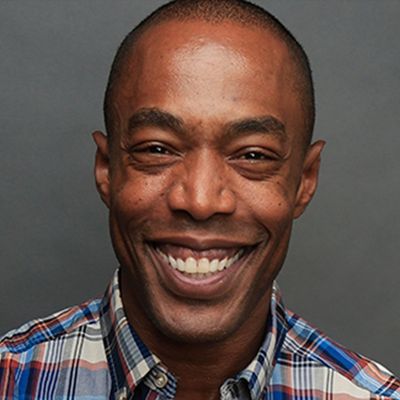
In this College Deep Dive, Michael McElroy from University of Michigan and MTCA Director, Charlie Murphy discuss: Support systems that shaped and aided his early career. New direction and initiatives of University of Michigan... Read More
From the show: Mapping The College Audition: An MTCA Podcast
Guests
Featured Shows
About
In this College Deep Dive, Michael McElroy from University of Michigan and MTCA Director, Charlie Murphy discuss:
- Support systems that shaped and aided his early career
- New direction and initiatives of University of Michigan
- Changes Michigan is implementing to prepare their students for the business
- How Michigan evaluates auditions and prescreens
Michael reminds students that they are auditioning the program just as much as Michigan is auditioning them.
If you have any questions about the college audition process, feel free to reach out at mailbag@mappingthecollegeaudition.com. If you’re interested in working with MTCA for help with your individualized preparation for your College Audition journey, please check us out at mtcollegeauditions.com, or on Instagram or Facebook.
Follow Us!
Instagram: @mappingthecollegeaudition
YouTube: @MTCA (Musical Theater College Auditions)
TikTok: @mtcollegeauditions
Charlie Murphy:@charmur7
Meghan Cordier:@meghanmarie2014
About MTCA:
Musical Theater College Auditions (MTCA) is the leader in coaching acting and musical theater students through the college audition process and beyond with superlative results. MTCA has assembled a roster of expert artist-educators who can guide students artistically, organizationally, strategically, and psychologically through the competitive college audition process. MTCA provides the tools, resources, and expertise along with a vast and strong support system. They train the unique individual, empowering the artist to bring their true, authentic self to their work. MTCA believes that by helping students reveal their potential it allows each school to connect with those who are truly right for their programs, which in turn guides each student toward their best college fit.
About Charlie Murphy:
Charlie is a proud graduate of Carnegie Mellon University’s BFA program. As an Actor he has performed with theaters such as: NY Public Theatre’s “Shakespeare in the Park”, The Pearl Theatre Company, Hudson Valley Shakespeare Festival, Chautauqua Theatre Company, Kinetic Theatre Company, and the Shakespeare Theatre of DC.
With MTCA [Musical Theater College Auditions -- mtca.nyc], he has been helping prospective theatre students through the college process for over 15 years. As a Teacher and Director, he is able to do a few of his favorite things in life: help students to find their authentic selves as artists, and then help them find their best fit for their collegiate journey. Through this podcast, he hopes to continue that work as well as help demystify this intricate process.
This episode was produced by Meghan Cordier and Charlie Murphy. Episode theme music is created by Will Reynolds.
Transcript
This transcript was automatically generated and might contain errors.
[0:00] Charlie Murphy: Hello, my dear listeners. This is your favorite podcast host, Charlie, from June of 2025. If you're hearing one of these episode toppers, it means this episode is no longer totally current in some way. Now, this may be obvious to you if you've like scrolled deep into our episode archive of all these past dates, but just in case it was not, please receive this content warning that what you're about to listen to is not completely current. In an effort to avoid confusion over the general state of the landscape, but still try to maintain some of the transparency of the project that this podcast has been, as well as I think some of that valuable process-based information that's present in all of our episodes, I have decided just to leave like all of our older episodes up, even if the landscape has shifted significantly since the recording occurred.
[0:46] Charlie Murphy: So when we become aware of a big change, I'm just adding a topper to the episode like this to make clear what is current as of now in the middle of 2025. Of course, now as soon as I release these episode toppers into the ether, my information becomes immediately not current. So we appreciate your grace there. And we also can't commit to catching every single small shift in the landscape that may happen when you're talking about over 200 episodes so far. But we're gonna do our best. But just in general, one faculty member does not make an entire program, in our opinion, right? Obviously, there are some program heads and really valued professors that have had those outsized impacts on their programs and have built reputations with their strong hands, but nobody does that alone.
[1:41] Charlie Murphy: And the legacy of that work, that doesn't disappear with a person's leaving, right? So while someone leaving a program that might really shift your opinion on the school, and it's fair to allow it to, it shouldn't completely invalidate that school in your mind, certainly not automatically, right? Both factors, the specific faculty and the institution itself around them, should weigh heavily in your mind. And each situation, it's gonna be unique about how much influence you think a shift might have, right? There are no easy answers, but each situation should be weighed individually based on those variety of factors. So it was my goal with this podcast to give you that intimate look into a given program so that you could pick up the vibes of specific professors, hopefully better than you're able to read data off a website.
[2:22] Charlie Murphy: But hopefully to some extent, you're able to extrapolate that vibe as best as you can to the program at large. Right? Of course, not every professor is gonna be fully representative of every other professor at the program. How could they be? But at least gives you a nice data point and a window in, a vibe data point. And I hope you feel that it's relevant to the program at large, beyond just that specific person. Okay, but let's get to your specific episode. Okay, for this specific episode with Michael McElroy and Michigan, this now becomes an act two in what is now, as of June of 2025, a three-act play, given that we just had Michigan back on with Jessica Bobers Bogart and Sidney Morton. Um this episode was us trying to represent what felt like a sea change in the leadership from the days of Brent Wagner and Mark Badama, um, our act one episode with Mark Badama in Michigan of back then, uh, now to Michael's leadership.
[3:13] Charlie Murphy: So I think for students who are very interested in Michigan, it is actually really helpful to listen to this data point along the way too, to kind of hear all three acts and also just hear Michael, who I think is a great interviewee and has a lot of wisdom to share on this process. But now, you're gonna take this as just one plot point alongside those other two, um, which of course really is what all of these interviews are, right? Truly, it's just a point in time that is hopefully helpful when all the points are viewed, but no singular point in time and no singular person is ever gonna truly define a school for the length of its time. I'm getting a little philosophical here. Um, but when we talk about faculty movement in general, here's just a good representation.
[3:49] Charlie Murphy: Uh, not only because we're gonna have those three acts of Michigan in a few short years, but we're gonna have Michael on the on in his own episode, uh, as Michael's version of Act Two, when he's the head of Howard University in a bit. But now, as of June of 2025, he has moved on from that position as well and is back at NYU, where he previously taught. So, as we often say, you blink and the landscape shifts. Um, but I think you'll still really enjoy this interview, which is that helpful data point for Michigan, and I think just illustrative in terms of one of those data points in the way that these things move for our younger listeners in general. Also, I think it's kind of a nice moment for those um maybe if you're a younger listener and you had a different experience of COVID, just getting a little bit of a sense of what it was like in the immediate aftermath of COVID and what I think uh sort of smart professors were thinking of at that moment in time. I hope you enjoy.
[4:46] Charlie Murphy: Hello, and welcome to Mapping the College Audition, a podcast where we explore the landscape of the college theater world and try to demystify this daunting audition process. I'm your host, Charlie Murphy, director of MTCA. That's Musical Theater College Auditions, and today we have got a blue-purple tartan kind of show lined up for you. Michael McElroy from the University of Michigan is on the show today. Uh, Michael has been kind enough to teach master classes for MTCA for the past few years and is also a real-life friend of Leo, our other director. Uh, Leo and I always remark how odd it is to be the age of some of these faculty members.
[5:26] Charlie Murphy: Um, it truly feels like only yesterday, and certainly when I started doing this, like we were basically the age of our students. We were just like slightly older, cool mentors, and now we're like contemporaries with a lot of these program heads. And that is just crazy how time flies. It's it's like when uh all of our parents tell me, like, oh, you'll blink and Solvi will be 17. I'm like, I don't believe you, and yet I know what you're saying is true. Um, things are good over here. Uh, we just completed a really successful New York City Unified's um at MTCA we run a green room a few blocks away from all the action um near Pearl and Ripley, so we're a couple blocks away.
[6:03] Charlie Murphy: Um, but we got to hang out with a lot of the students and parents between auditions, uh, and it was just so great as it always is to hear all the fantastic stories, you know, try to navigate the ups and downs of the auditions with our students, and there was even a few Soul Vi sightings in the green room, which was super fun. Um, and you know, the big takeaway from the weekend is it really and truly felt like we were back after a crazy year last year of mixed in-person and online unified. You could really feel the excitement of like uninterrupted in-person energy. Uh, and the magic of Unifieds can kind of do its thing then, right? You know, you have those excellent appointments and you have those surprising walk-ins and you can kind of build up momentum.
[6:45] Charlie Murphy: Um, I also got a lot of compliments on the podcast uh from a lot of our students who said they listened to the school they were auditioning for right before they auditioned, which was very touching to me since that was one of the visions for how I thought the podcast could be useful when I was dreaming of it all those many years ago now. It's like six, seven years ago, I really was started thinking about this. Um, and by the way, one of our students asked if it was okay to share the podcast with non-MTCA friends, to which, of course, I say yes. This podcast is intended for all students, whether or not they're privileged enough to be able to have resources to work with a company like MTCA or not, uh, or even if they're foolish enough to use those resources with a different educational company, you are all welcome.
[7:29] Charlie Murphy: Please tell your friends, tell your enemies. We're educating the whole world here. Um, to those of you who are in the middle of your auditions as you listen to this, I'm gonna send you all of my love. Um, and if you want it, a little mantra, a little audition mantra. So if you don't want to hear me get cheesy and inspirational, feel free to hit that like 30 second skip button. You might hit about twice. I'll bet it's about being about a minute mantra. But this, for any of you who maybe are about to walk into an audition, have auditions in the next week, couple weeks, depending uh uh as you're listening to this.
[8:00] Charlie Murphy: Um, here is my wish slash prayer slash mantra for all of you. And feel free to like close your eyes if you're the kind of person who would close your eyes and wish this all for yourself as I'm saying it. I wish that you all vulnerably reveal your best and truest, most authentic selves in all of these auditions. I wish for you to share your joy of this art form with these fellow artists strangers. May you have a unique experience that is new, thrilling, and fun. I wish for you to discover something new in each audition, to challenge yourself to release your control of the experience and let it give way to spontaneity, creativity, and new possibilities.
[8:22] Charlie Murphy: I wish for you all to let down your walls of protection a bit more with each audition, to let yourself be seen exactly as you are, naked with blemishes and all, to be messy and imperfect and open. I wish for you all to be truly present in your auditions, to live moment to moment in your work and in your process, bringing your presentness to bear as an active practice. And lastly, I wish for you all to trust in the work that you did to get to this point. Your work and your play continues, but please trust that you have done what you needed to get yourself where you are here in this moment, and that it was enough. You will be such a great asset to the right program, exactly how you are right now. You are enough.
[9:37] Charlie Murphy: Okay, and please open your eyes if you've been like walking through traffic. Um I hope you survived the experience. Um, and with that, we'll get to the interview with the great Michael McElroy from the University of Michigan. Well, we are honored to be joined today by Michael McElroy of the University of Michigan. Uh Michael has a BFA from Carnegie Mellon University. Uh, he's in bro been on Broadway in tons of shows. I'm just gonna name a few, like The Wild Party, Big River, got a Tony nomination for that, Next to Normal, Sunny in the Park with George, etc.
[10:14] Charlie Murphy: Um, he's also a vocal arranger uh for Broadway Off Broadway shows. He's the founder of Broadway Inspirational Voices. Um, and he also taught at NYU for many years before becoming the chair of musical theater at the University of Michigan, which we will all remember is located in Ann Arbor, Michigan. They take about 20 to 22 musical theater students. They offer BFAs and MT dance acting and a BTA in theater. Michael, welcome on the show. How are you feeling today?
[10:40] Michael McElroy: I'm great. Thank you for having me.
[10:42] Charlie Murphy: We're so excited. Of course, many of our listeners will have listened to our episode with Mark Badama, where we did some of the more kind of granular questions about Michigan. So this is gonna get a chance to be a little bit of an update and hopefully a deeper and more kind of qualitative conversation about Michigan as well. Um before we dive into that, though, I gave that super brief bio of you, but you've had, you know, this fascinating multi-hyphenic career. I'd love to hear a little bit about your journey of how you did find yourself here in Michigan.
[11:08] Michael McElroy: Well, um, you know, uh it really does speak to the fact that uh that uh connections to people last a lifetime. Um the previous chair uh was Vince Cardinal, and Vince uh put me in my first musical when I was 15 years old at Shaker Heights High School in Ohio. Um and I and I always say this, I was very fortunate to come up at a time where arts education was considered a valued and essential part of uh educating young people. Uh and so I went I grew up at a high school where we had a wonderful theater, choral, dance, art department. Uh and uh my very first musical was in 10th grade, and it was Runaways, and Vince was a student teacher, and he directed me in that and really um laid the groundwork, the foundation for how I look at what it means to be an artist, uh, work ethic, um, commitment, uh, accountability, uh, consistency, all these things that became like the foundation for how you create uh and do theater.
[12:14] Michael McElroy: Uh, and also uh inspired and challenged me to do what I was passionate about. So, you know, I was writing musicals in high school because we were encouraged to do so. You want to do it, go do it. Um, and so I had a real love of theater uh and music, but didn't really have an idea about what I wanted to do in college. Uh and uh we used to have these uh college fairs where actual representatives would come from the different universities.
[12:43] Michael McElroy: And I just happened to go to one for Carnegie Mellon that day, and realized it's two and a half hours from where I lived and decided I took it home, I took the pamphlet because back there there was no internet.
[12:55] Michael McElroy: I took the pamphlet home to my mom, and she said, "Well, let's go on one of the visiting days." And I went on one of the visiting days, fell in love with the program, the campus, and then I went into New York City for the very first time the following year and auditioned there and spent my years at Carnegie Mellon and then moved to New York and started working. So that's kind of the short version of how things happened. But it was all because through the formative years of my life, from even elementary school, growing up in a very musical family, but also growing up in a school system that supported the arts that really laid the foundation for my love and respect for what we do as artists. And I'd love to hear a little bit about some of the post-collegiate, you know, how you got into vocal arranging.
How you got, I mean, obviously, you know, the fantastic acting career, I think we can see, but how do you get into some of these other, you know, what we call them the multi-hyphens of the all the different hyphens of that along with actors slash vocal arrangers, slash teacher, slash. How'd you get all those additional slashes?
[13:54] Michael McElroy: Well, I grew up in church. My stepfather was a minister, my grandfather a minister, all my mom, my sister, my brother, my grandmother all play piano, and I played piano as well. So I grew up in this very musical family, but my uncle was also a musical director for musicals, so he would come and stay with us every summer and do local performances, and so he would take me to national touring companies productions downtown. He would take me to rehearsals of shows he worked on. And so I was surrounded by all of these musicians. And then, like I said, in high school, I was encouraged by Vince and our other theater director to write. I was always curious about how being the things that I was hearing, why I felt something from hearing a song or a choral arrangement in a particular way.
And so I was always kind of, you know, as I was training as a piano player, I was also experimenting with, you know, chords and what made you feel something from what you heard it. And so, but I never looked at writing or arranging as something that I wanted to do. And then in college, I played for musical director at the gospel choir at Carnegie Mellon. And then when I got to New York, I arrived during the height of the AIDS epidemic and wanted to do something for our community that centered healing, and I believed in the healing power of gospel music outside of the religious dogma. And so I brought together 11 Broadway performers to do a benefit for Broadway Cares, Equity Fights AIDS, as an evening of gospel music, and it was people like Alice Ripley, Adrian Lennox, Billy Porter.
And it was such a healing space for our community that it became an annual event for Broadway Cares. And through doing that, I had to like, you know, hone my skills in arranging and transcribing and all of those things that I did had no, you know, I didn't think I would make a living from it. It was just something I did for the choir. And then from that came, you know, well, we need to arrange some things. We need to write some things. We need, you know, and so I sort of fell into a skill that I had been already cultivating as a child out of the necessity for the choir. And from that, I started to compose and to arrange and continue to do so today.
[16:30] Michael McElroy: Yeah, so cool. It's so cool that you sort of the seeds of that enfranchisement you sort of lay at the high school, you go and yes, I'm gonna say yes to this, and then that enabled you even later to keep doing that. Um, let's get into Michigan a little bit. So again, you know, they we've heard Mark talk a little bit about Michigan too, but I'd ask you some of the same questions because I'd kind of love to hear your perspective on you know what you think it means to be a University of Michigan student, as you've seen it so far, you know, what qualities differentiate them from maybe some other BFA helpfuls as they're entering school.
[17:00] Michael McElroy: Well, you know, I thought I've had an interesting background because as you said, I went to Carnegie Mellon, and then I was a part of the faculty that started the new studio on Broadway musical theater program, undergraduate drama at NYU, and now I'm at University of Michigan. So I have a pretty good perspective on each of the programs. Your current partner's always the prettiest, right? It's gotta be always. What I recognize here is that there is a real emphasis put on artists who are critical thinkers, who are academically and civically minded, community-driven, who also want a conservatory-style training in musical theater. And that, of course, as you said, includes dance, acting, and singing.
But also have a really robust academic schedule. So coming here, you have to understand that as robust as the training is, your academics have to be at that place as well. And what I always try to communicate to prospective students, but also to our students here is that there is a wealth of opportunities here, University of Michigan as an R1 research facility, our university. So the temptation is wanting to do it all. Uh-huh. And so I'm really trying to communicate to my students that instead of doing the 20 things that you could possibly do, okay? Why don't you focus on doing those five things really, really well? And so that's usually the challenge here is that there's such a wealth of opportunities across our university to do any and everything you could possibly think of, that it's really about honing in on centering the training, taking the courses that you need to take, and kind of experimenting with, oh, that interests me, I'll take that, but not trying to do everything, which is hard coming out of a pandemic where for a year and a half you couldn't do anything.
[19:17] Michael McElroy: Uh-huh. And what do you feel? What about the specific with the acting, singing, dance training? How do you feel like your students over the course of the four years? How are they changed? What are the skills are they gaining? You know, it's maybe as differentiates them from some other programs. What is Michigan if you're focusing on one of the three disciplines? Or you know, where are you maybe training students that it may be different than other programs?
[19:40] Michael McElroy: Well, we have a strong because we came out of the school of music, it was at the time a school of music here, now school of music theater and dance. So there's a real emphasis specifically in the first two years on some of the musicianship skills, right? Making sure that you're having sight reading, music theory, piano, musicianship, all those kinds of skill-based courses that are necessary and will serve you in every aspect of the industry from auditions to being in on in new shows and rehearsals, making sure our students have those skills. There's also a great emphasis put on the history of our art form and courses that you take in that. And then in addition, the acting's vocal performance and dance courses. But really in those first two years, real emphasis is put on skills, having a really strong musical skill set.
[20:43] Michael McElroy: Okay, I'm gonna ask you my first of a couple difficult questions now, which is just talking about changes. So what changes have you made so far? And or are you thinking about planning to make? Are you, you know, if there's I know sometimes this stuff takes time, so are there any little shifts and new directions that the boat is gonna start steering in as you sort of move into 2023? You know, coming out of the pandemic, we saw first on the macro what was happening in our world because we couldn't escape it. It was we were all quarantined. We saw what was happening in our industry, and then on the micro, we were students were looking at what was happening in their communities within the universities across this country.
And so this idea of what it means to step back into artistic practice, understanding for me, understanding the importance of diversity, equity, inclusion, accessibility and belonging and how that integrates as opposed to walking side by side. But how are we integrating those practices, those structures into artistic training? So that's been a passion of mine for a few years. I look at, for example, what our season is, what I really try to do this year and be really intentional about was celebrating the diverse lived experiences within our student body. So in choosing our season, that was a focus, right? So we opened in the fall with Sophisticated Ladies, the music of Duke Ellington. We had Mercedes Ellington, Duke Ellington's granddaughter, come here and talk about the history of the show.
She was in the original cast on Broadway, you know, making sure the students are having access to the people that created these art forms. And then we did Bernardo Alba and Michael John LaChiusa really exploring the Spanish town and flamenco and this all-female identifying cast. And then we are doing The Importance of Being Earnest in February, and then we're closing the season with Rent to really look at, you know, how we're celebrating the population that we have here through the selections we make for performances. So that was one. The other was a couple other things that we did starting last year is I created and helped to develop, was already in place, but really trying to really structure it more, the affinity group for students of color, and then also creating a Students in Solidarity group for our students who are not students of color to be able to engage in conversations, trainings around privilege, fragility, and what it means to stand in allyship, so that we're not putting that work on one population of students, but that all of us are realizing we have work to do, and how can we create a space where that work can be done?
[23:38] Michael McElroy: And so that was another thing that continues and moves forward now. We just finished our first New Works initiative at New Works Festival. You know, is it absolutely essential that artists stepping into the industry know how to work on new material because that's a big bulk of the work that you'll do. And so what we did was we got a great two donors that gave us funds, and we brought five creative teams, we threw them in, we put them in residence for a week, and every student in our department was cast in one of these shows that centered a diverse lived experience and worked with creatives who shared their identity or racial or ethnic identity. At the end of the week, we shared the material.
So the students were getting the opportunity to understand how to connect with creatives, collaborate, what is the actor's responsibility to new work, but also centering it in diverse lived experiences meant that we had to really grapple with a lot of questions around what these rooms would look like. And on that Sunday, which was two weeks ago, it surpassed every hope that I had for our department and for our students and for our community. And another initiative that I started last year that will happen again in March is Community Weekend. And what I do is I bring in six BIPOC artists who are leaders in either on Broadway or in their fields to give masterclasses in things such like West African dance, salsa, Broadway styles, Shakespeare to August Wilson, you know, so that our students are being exposed to and connecting with artists in spaces that may challenge them a bit.
[25:35] Michael McElroy: So once again everything is through the lens of how are we integrating diversity equity inclusion through a lens of artistic training.
[25:45] Michael McElroy: And then on that on top of that the trainings that we have in DEI. We have a very robust DEI office here in the School of Music Theater and Dance. And so there are many trainings offered for faculty for students that happen all year round. And so making sure that we're connected to that office. Also and lastly we um wanted to mirror the industry so we started last year having an intimacy director on any show that had any kind of physical contact and also cultural sensitivity coordinator for material that uh deals with any kind of racial, ethnic, gender, identity, uh, so that we're really mirroring what's happening in our industry and preparing our students to be able to use those tools as they uh move through and matriculate through here, but also into the professional world.
[26:38] Charlie Murphy: Well, if that was a tough question, boy, was that a great answer.
[26:40] Charlie Murphy: So they're only gonna have to get harder. It's become difficult though. I just is taking over a program that is already so prestigious, um, is that does that something that you feel like it's been a challenge? Like I think sometimes with, you know, I talk to a lot of people who are starting new programs or really really starting a new direction of a program that's not as well heard of, and they often have lots of room for creativity and full innovation. And here's a big budget and figure it out, right? Are do you feel any kind of resistance um, you know, from uh the sort of the establishment of this uh university, or just even internally of like, hey, this ship that has been doing really well, and that people, you know, people have heard of Michigan and they certainly uh want to go to the school already. Do you feel any of the sort of like pressure of this as a you know already well-known uh institution?
[27:25] Michael McElroy: Well, um what I've tried to do, and what I, you know, academia is its own special space. Uh so what I've learned both through trial and error and also from mentors and supporters uh who have worked who have been in roles of leadership, is that communication, buy-in are essential, right? Um so making sure that I'm always in conversation with um thought partners here and stakeholders that are you know integral to the department, also with staying in communication with my dean, uh staying in communication with our DEI office, um, and trying to uh offer a space of where we can communicate about things. But the buy-in, whenever you're trying to shift something, uh, especially within you know academia, um it's a hard turn.
And uh and so it has to be done with care and respect for people's contributions, um, but also a shared vision. Uh, you know, I think what's interesting about this moment is there was such a huge shift post-COVID that we had to you know step up. But that's one thing is to step up in a moment of crisis, and the other is to step up and continue that work once things have settled. And I think we see that happening in our industry, this kind of can't we just get back to? But there really isn't a back to, it's only forward. And so, how are we making sure that these shifts that were created during crisis have deep roots and really become centered in our mission and vision of how we train young artists to step out into the industry to be prepared for the industry, but also with the tools to be changemakers for the industry.
So to sort of circumvent your question, um it really is about buy-in for me. It's about communication uh and buy-in and making some mistakes and figuring out how to both receive and extend grace in those moments.
[29:43] Charlie Murphy: Yeah, I mean that board shared vision is so smart. I mean, in terms of it seems like that's some of what your your job as a leader is is to m make the vision shared if it's not fully shared or get on or help people get on board or get on board with other people are trying to you know um I mean it's what we do in the theater so often, right? Do you listen to a director and say, What are we what story we're telling or putting this thing together. Right. I'd love to talk a little bit about just the preparation for the kind of launch into the business, you know, what has been showcased, but especially in the past couple years, you know, as you do more digital preparations and different things of you know, how are you adjusting, especially someone who is so connected to the industry?
How what are you bringing to the university of going, how do I prepare my 22 year olds to actually you know so so they've already been doing well with getting jobs and stuff, but but how am I gonna prepare them for what is the the business of 2023?
[30:28] Michael McElroy: Well that's a great great question. Um I'll talk about it from a couple different perspectives. One is the audition process that we do for our season. We've now made the initial audition part, self-tape. Um so students now for our season have to do their first audition from home. They get the materials, they self-tape, and then those are submitted. So they have to go through that whole process because it is essential that they know how to do that, because I do think that our industry, that's not gonna go away. Right. Um for many reasons. Um it is it's here to stay. So I want our students to be facile in that in that skill. One of the things I've been hearing is you do make three. You know, the first one is the practice, the second one is the one, and the third one is just to play.
But um what I do tell them that when you get to five, six, seven takes, now you're you're you're you're into the space of it, you know, diminishing returns. Uh so that's one thing that we're doing. Uh the other is it's always been important to us as a department uh to continue building bridges to the industry. So we have this thing that uh the chair curates called uh Monday Labs. It's the time when the entire department gets together and we have a guest. That guest is usually someone that can be a casting director, it can be an agent, it can be a manager, it can be a producer, it can be a creative. And so what usually happens is that we fly them in. We have this wonderful organization here called the Friends of Musical Theater, who are very supportive of us.
And so they give us the support we need in order to do these things because they value them as well. And we also have another group called Working in the uh working in the theater lab, which are group of parents support. Uh and so we bring in someone, I choose. So what happens is they get here on a Sunday evening. On Monday morning, students have signed up. Seniors have signed up for 15-minute meetings. So each senior gets a 15-minute meeting with this guest. They come prepared, asking questions, and then at 4 30, uh the guest comes into the lab with all of the students and faculty, and four students from the senior class have been chosen ahead of time to prepare and share material and get feedback.
And so that we're getting our seniors over the course of a semester over a year in front of these professionals that they will be seeing when they get to showcase. And also it allows us to stay connected to the industry. So, like for example, last year we had our Audra McDonald was here. Uh Kristen Chenoweth did a workshop. Um, Andre DeShields did a was here for the Brent Wagner speaker series. Uh we had my uh Christopher Wheeldon here this year uh who did a masterclass. Um, and we have Felicia Rashad coming, we have Wilson Cruz coming next week. And then we also have this thing called New Music Mondays that Professor Lynn Shekel curates, where she gets a composer. And it's usually on Zoom, and some of the students learn the material and there's a conversation.
We had Michael R. Jackson here. And so once again, it's about getting our students connected to the people that they're going to be in standing in rooms in front of. And also making sure that their skills for auditioning, for preparing cuts, for communicating with these industry professionals that they have those skill sets. So we have a real commitment to making sure they're prepared in that way.
[34:10] Charlie Murphy: I love it. Now I'm curious, you mentioned a little bit of this from your personal experience. You know, you've taught at two schools that were like standouts, I think, in the musical theater world in terms of their educational focus, in terms of, you know, while they still have rigorous conservatory style elements, but really an emphasis on the liberal arts at both Michigan and NYU compared to other programs like your own. You went to a very conservatory focused Carnegie Mellon, right? Where do you kind of see the balance and or value of that, you know, for the Michigan students, for your NYU students, and then from your own experience of Carnegie Mellon, where do you see the the sort of balance of how much liberal arts is doable and works for you?
[34:53] Michael McElroy: I I think it brings an ability to think critically. It um brings uh it expands their world, you know, because we are we're a pretty small department um compared to other some other programs compared to NYU. So taking courses outside of the department means their world expands, and as we know, knowing the world in which we live is part of the tool that we need in order to tell the stories we tell. Um our students are very interested and in things outside of the arts. So to have that opportunity uh to um use those, you know, academic, you know, muscles to take things that you're interested in, I think is important. I think today's um it's very different from when I was a student, in that students recognize they need more skill sets.
You talk about multi-hyphenate and all of those things, that they are much more hungry to have and have been socialized to have, you know, be able to access and have access to many different spaces. Once again, it's I feel like it's my my calling to make sure that it's they're getting that, which is absolutely important, but that they're fine-tuning it so that they're not doing too much. Um, but I think being a critical thinker um is essential, essential, being a person who has thinks in an imaginative way, um, that understands the world in which we live and has a hunger to understand the history of the world in which we uh that that from the past, so that we don't continue to make the same mistakes and do the same things over and over again. And those are the kinds of, you know, besides from the stories we tell, that's the kind of experiences that they're getting uh across this campus outside of the department.
[36:54] Charlie Murphy: I love it. Um, we're gonna cue to a short break, run an ad or two, and on the back end, we're gonna talk a little bit about the audition and admission process for Michigan.
[37:03] Charlie Murphy: All right, we are back with Michael McElroy, and we're talking a little bit about how to get into the University of Michigan, which so many of our students um uh will ask. Uh, I just love to talk about maybe you know, you mentioned the different phases um in the uh course of uh auditioning for shows when you're in school. Maybe let's start with the kind of pre-screen process. You know, if a student is submitting a video audition for Michigan, which they're gonna start with a pre-screen, what are you sniffing for as you're narrowing down? So you got to be narrowing down from a lot to not a lot. What are the things that you're really looking for that are that are making that narrowing process happen?
[37:37] Michael McElroy: First, um, I want to say that those videos that they make for the pre-screen are important and that all of them are watched. I read essays. I mean, so every part of that is important. Don't think that it's something that we're not paying attention to because we are. Uh, and it's an opportunity to get to know you, to get to know you as an artist, and also to get to know you as a human being. So when choosing material, uh, make sure you you're choosing material that speaks to you, that speaks to your strengths, that uh allows us to learn about what you're passionate about through the material that you've chosen.
[38:17] Michael McElroy: I think in this time now, lots of opportunities for students to be given material, but it really has to speak to you. And so choosing songs, monologues that really you're passionate about the composer or the writer, and make sure that that's a part of the selection process. So I think that's important. And so because as we're looking through them, we're looking at every video that you've created, and we're really looking to see who you are. Also, we're looking to see is there the talent that you have, but also is there potential, right? And if you're inspired by the material, then we're gonna be inspired by the material that you choose. So that's the first thing. And then from that, we go to the audition in-person process.
And we do, we really go out of our way to really make sure that students feel comfortable, their parents feel comfortable. We have at the beginning of the morning, you know, we have some students who are in the program come and I leave the room for 20 minutes and they can talk to the students. Then our students also serve as monitors, hall monitors, so they can talk to parents, they can talk to students, you know, during the course of the audition. I speak to the parents and students, faculty come in and do a Q&A, you know. So we really want to make sure that they're getting a sense of who we are, what our mission is, our vision is, what we value as an artistic training program within this university.
And then in the room, it's about making sure the students feel comfortable so they can do their best work. And I try to remind them of the joy of sharing what you love to do, and that this should be a joyful experience because you're going, you're actually auditioning for schools where you're going to be doing this for four years. So it should be a joyful thing. And trying to get them relaxed enough to really share so that we can get a good sense of who they are. Sometimes we'll ask for another piece of material. Sometimes we'll have a conversation. Sometimes we'll just say thank you because we've seen everything we wanted to see. But always students should know when they leave our room, no matter how the remaining part after they've done their pieces is gone, we would never let someone leave without having seen everything that we want to see. Right? And then when it comes to forming a cohort, you know, it's looking at everything, you know, across the board.
[41:01] Michael McElroy: And how much do you feel like it's a question I ask a lot of our teachers how much do you feel like fits into that, you know, in the final decision of a yes or no? Is it more likely about the most talented student? Is it, you know, almost as if you're gonna give a numerical value to the most talent you see, versus more of that intangible of like, I really want to work with this student, I really like the human being they are, the artist seen, more of the interview questions, adjustments, you know, the other side of things. How much fits more into the one camp versus the other? It's really a common combination, you know. There has to be talent, but the talent is at different levels. You know, sometimes you'll get a really amazing dancer who has potential as a singer, but that's what they're coming to get that training.
And I've seen young students come in here as dancers first, leave here with real strong vocal technique and skills and acting skills to that now are equal to their dance skills that continue to evolve and to get better. So if you can't do all three things, that's not something we go, oh, we don't want you. It really is looking at where the strengths are, the potential is within each of those disciplines. And from our experience in the room with them, I think it's important that there be people that we're like, okay, that's someone who has potential, and that we think this will be a good place for them based on the information that we have. I think too often students get caught up in the place where they're told they're supposed to go because of whatever the reputation is.
But every program is not for every student. And so in this process to look at where am I gonna thrive? Where am I gonna be challenged? You know, what kind of college experience do I want? Do I want campus life? Or do I want to be in a city? I mean, all of those things should play into as well as is this a large program, smaller program? Am I gonna get more one-on-one attention? Is it a conservatory style program or more of a BA? I mean, all of those things need to be considered as opposed to that's the program that I'm told I'm supposed to be at. And are you? And I always encourage students to think about those questions.
[43:20] Michael McElroy: Totally. And are you consciously looking for a diversity of skill set? Like, are you specifically looking for, I want some amazing dancers who aren't as strong vocally, and I want some amazing singers who maybe aren't? Or is it just about all the interesting artists that you can find and likely that they will shake out that way? Or is there a consciousness to say, I want some who are stronger and some and some are stronger in other? I think it depends on the group of auditioners that year, you know what I mean? It just, but you do want students that are going to challenge each other in the most positive way. Not in a competitive way. But I know that sometimes having someone who's a stronger dancer in the room with me gives me something to work towards, right?
So we want a well-rounded, diverse group, diverse levels of talent and potential, right? Have to be there. And then it's about is this someone that I think I have something to offer to as a teacher, right? All of those things is this a person I'm gonna be excited to teach, and will they do I think I can offer something to them, right? So we try to look at it from all of those different angles.
[44:33] Michael McElroy: I know you mentioned this earlier, but both not only with your you have your own vocal expertise, but that you know, the Michigan, you know, being within the school of music, at least as it was, and has done more to kind of certainly we've seen over the past, has done more to test students musically than some other musical theater schools, right? Maybe exploring their voice more in an audition, maybe interested in more of their musical skill sets. I'd love to know like what are you listening for in a student's like musicality or their musical skill set if there is any kind of test of go what can they do? What knowledge do they have? You know, what are you sort of exploring in that area?
[45:10] Michael McElroy: Well, I mean, there are the obvious things, the pitch, right? Just that that's a technical thing of just you know where are they centered in their pitch? And then I'm looking at for me, because I come from an acting-based musical theater program, I'm looking for can they do they have some kind of glimmer or spark of understanding of how storytelling of musicality on a line or phrasing, right? Are they exploring that this the song, though these are cuts, has a beginning, middle, and end? You know, all of the things that will be explored in the training, are there glimmers of it there? Along with the obvious things of, you know, you gotta be able to sing in tune, you know. But other things that are they already kind of bubbling there, you know, in terms of the kinds of ways in which we're going to be training them once they get here.
And sometimes they'll offer an adjustment, you know. Try it this way, and the adjustment will be something really random and seems really kind of you know off the beaten path. But then I just want to see how does it is this student curious? Is this student open? Or is this or is this the only thing that they know how to do because this is the way they've been coached to do it? And or are they curious enough to be able to go, I can throw that away and just try something really crazy in the moment, right? All those things matter.
[46:39] Michael McElroy: I mean, I'll ask you that probably the only kind of technical or more granular question, just about the pre-screen. You mentioned you read all of the essays. What about you know, those there's a couple like optional, they have the optional ballet section. They also can do these video responses where they have to, you know, answer questions, right? Yes. How does that factor into the admission process?
[46:59] Michael McElroy: Well, it's an opportunity for us to get to know them as a human being, right? The material, the you know, the songs, the monologues, will show us their skill set and their potential and their talent, but when they do their wild card video, for example, and they do something about a service organization they're involved in. Some people do like a cooking thing, you know, we are allowed to see who they are as a human being. And then if they you know, when they answer one of the you know questions, you know, and talk about something they're passionate about that's not theater, that allows us to see them as a whole human being, as opposed to just through the lens of the important lens of the art.
[47:43] Michael McElroy: And would you generally feel like those optional videos are less optional for you? Would you want someone to do it? Or if someone doesn't do it, are you like, oh no, that's fine, they just chose not to do that video? Well, it's all their choice, but whatever they submit, I watch it all. We watch it all.
[47:56] Michael McElroy: You mentioned um, you know, something you work in the EDIB world, and you know the head of diversity initiatives at NYU. Um, I just love to talk a little bit about like how have you seen, you know, you mentioned it sort of coming out of crisis in the sort of COVID George Floyd era. How have you seen that conversation shift? And you know, how have things changed from what you've seen in the collegiate world generally? And then I guess what are the next steps for Michigan and or do you sort of see for the larger collegiate world and industry, what are those next steps to sort of solidify it beyond just a blip in a crisis?
[48:29] Michael McElroy: Um I think I think that we have to continue to deepen the roots of the work that began during the shutdown for our community for the theater industry. Here, it's about continually offering opportunities for students to get comfortable with the discomfort that comes from growth. That in some ways is easier to articulate when it comes to artistic practice, though it's still challenging, but when it comes to conversations around race and identity and gender, those are much more complicated questions for us to navigate, but are essential to building a community where all feel that they can are seen and can thrive. And so constantly having those uncomfortable conversations. I try to message from the time that I got here this idea of grace and how we offer each other grace in those moments as we step into uncomfortable conversations.
And then how can I continue to support our faculty and students, our community, in gaining the tools to really deepen these initiatives that started a couple years ago. And to start to think that way. Think as you step into your pedagogical practice, your curriculum, your repertoire that you use for your classes, the shows that we choose to for our season, the guests that we bring in to direct and choreograph our shows. All of those things can be intentional spaces where we deepen the diversity, equity, and inclusion work, the community weekend that we do, where I bring in BIPOC artists. All of those things are ways through the art that we are able to continue to keep in the forefront this idea of how representation matters, how a diversity of thought, identity, experience matters because it challenges us and it expands our way of thinking.
I think there's this idea in the theater world that because we're in theater, we're all these open-minded, you know, liberal human beings. And that's not always the case. We come from all over the country with all these different value systems and have been socialized in different ways and all over the world, so that we continue to create a baseline of understanding, right? So that we are all on the same page around what these things, these ideas, these initiatives mean to us as a community, so that as we move forward, we know how to expand them.
[51:11] Michael McElroy: We know not only what to do to make sure that they are being implemented, but what do we do when we mess up?
[51:18] Michael McElroy: Having a structure in place for healing, so that we're when there is an issue, grace is offered, and also there's support for a way to move forward and heal the community, and that we don't get stopped or stuck at the point of injury, and that that become the last space that we encounter because then we never move forward.
[51:41] Charlie Murphy: It's just so beautifully said.
[51:42] Michael McElroy: I do feel like comfort in the discomfort is good advice for an artist, kind of in all ways. That like as soon as you become comfortable, boy, the art it's just hard hard to keep making art, right?
[51:52] Michael McElroy: That art is not an object.
[51:53] Charlie Murphy: But you don't grow.
[51:53] Michael McElroy: Yeah, still growth.
[51:55] Michael McElroy: I would love to end on just a little bit of advice for the young artists, and we'll maybe say the parents also of this young artist who's listened to this whole episode. They've heard you say Michigan is not the only school for them, but they don't believe you. They're desperate to go to Michigan. This is their only option. It's the only that they'll never be happy if they don't go to this specific school.
[52:15] Michael McElroy: What advice would you have to them for them? You know, it doesn't have to be just about them not getting, it could be about they could get in, but you know, what advice for that student who's just listening at 16, 17 and goes, I just want I want to go blue, that's what I want.
[52:28] Michael McElroy: How are they gonna make that happen for themselves?
[52:31] Michael McElroy: Well, there are a couple things. One, which I say in my talk every week when I see prospective students when they come into audition. Our industry, the audition time frame that you'll be in for the next couple months, just like in our industry, you're gonna hear no.
[52:52] Michael McElroy: And that we have to get used to hearing the word no and it not being a reflection of our self-worth or our talent as artists, right? Um, and so one of the things I try to message is that no cannot be the scale by which you measure your self-worth.
[53:17] Michael McElroy: Um, because then it you're it you'll always be dependent on someone giving you a job or getting you into their program for you to feel good about yourself. And this industry, as we know, the journey is not straight, it is up and down.
[53:31] Michael McElroy: So getting used to hearing the word no and also knowing that that is not a reflection of your talent and not a reflection of your worth. That's one thing. For the parents, I always ask them to do their due diligence around financial aid.
[53:49] Michael McElroy: When your son or daughter, and I'm speaking in binary terms, and I don't want to make sure that I your child, and it's that's even complicated to say because they're teenagers, okay? So when your teenager is auditioning for a program in a university or a college, know as much about the financial process before they audition.
[54:11] Michael McElroy: So know what the federal supports are, know what the scholarship supports are within that institution, because every institution is different, right? Because once the student comes, once the student auditions and gets accepted, and then the financial aid process starts, and you're surprised, it's pretty hard to say no to your child then.
[54:36] Michael McElroy: So I encourage parents to learn, you can reach out to the financial aid offices, the admissions office of the, you know, to find out what is the process. Here's where we sit financially. What would that look like for my child if they got into this program?
[54:53] Michael McElroy: So that you are doing the work ahead of time to make sure this is something that you can afford for four years and is not meaning that you take a second mortgage out on your home, right? To really be practical and really pay attention to those things ahead of time.
[55:10] Michael McElroy: So that's another thing I talk about. I also say, you know, we're not just auditioning the student, the student should be auditioning us.
[55:18] Michael McElroy: They should be auditioning every program that they go to. How the admissions folks treat you when you come to the audition, how do the monitors treat you? How do the faculty treat you when you come into the room?
[55:31] Michael McElroy: How do you deal with the accomplice? All of those things are giving you clues about what that experience will be like. So flip the thought process from the fact that we're auditioning you and flip it in a way that it's giving us shared responsibility in that, right?
[55:49] Michael McElroy: And lastly, we have a problem to solve. We need to build a cohort for that incoming class. So every student that comes in the room, we are rooting for you to be the solution to our problem.
[56:07] Michael McElroy: So never look at us as the enemy on the other side of the table, but we are always rooting for you to do your best work because then you help us solve the problem that we have. So those are just a couple of the things that I try to articulate to students and prospective students and to faculty to families when they come to our university.
[56:29] Charlie Murphy: Michael, you have been an inspiration. This was such a joy to get to chat with you. I really appreciate the chat. Thank you so much.
[56:41] Michael McElroy: Well, hey now.
[56:42] Charlie Murphy: I hope you enjoyed listening to the inimitable Michael McElroy.
[56:47] Charlie Murphy: I could listen to that Melif Lewis voice for hours, and even better that it is coupled with such wisdom and grace. Um, I will say, for those who didn't catch that Brandon Victor Dixon episode, which is right before this one, um, I talked a lot about grace since Brandon had brought it up in the episode, and also partially because I had just recorded this one.
[57:07] Charlie Murphy: Uh and listening back to Michael, it just struck me as such an appropriate word to celebrate for him, as I think his words and his voice and his essence just ooze grace.
[57:16] Charlie Murphy: Um in Brandon's episode, I talked a bit about the power of grace as an artist and how you move through the world and as well as some of these difficult conversations. So feel free to listen back to that.
[57:26] Charlie Murphy: Um, I think it's a great episode in general, but also we talk a little bit about grace, um, which I put on Michael as a great one of the greatest compliments you can give to someone.
[57:37] Charlie Murphy: Um, I also think that ties in well with the takeaway I want to do for this week, which is something Michael talked about, and he certainly wasn't the first to bring up this concept, in that you are auditioning them as much as they are auditioning you, right?
[57:50] Charlie Murphy: Especially this time of year, you'll notice for those seniors who are auditioning in the midst of their big audition season, you're gonna see kind of be able to tell that a lot of these takeaways will tie into how you can find that quiet confidence, that self-assuredness to walk into the room and be the best artist you can be.
[58:06] Charlie Murphy: Um, everyone kind of finds their way to that differently, but it is such an essential auditioning skill. Um, so I wish it for all of you.
[58:14] Charlie Murphy: Um, you know, it's the reason actors always audition better when they already have a job, or maybe when they aren't that interested in the job they're auditioning for, they go, man, that went really well.
[58:23] Charlie Murphy: Um, you know, it's the reason in this process we often talk about how walk-ins can go so well because the stakes are low and you're able to walk in as an artist and just work on your craft with these strangers, right?
[58:33] Charlie Murphy: And also in a walk-in, we talk about auditioning them. You are literally auditioning them as much, you know, because you don't know that much about them, right?
[58:40] Charlie Murphy: You might have known where the school is or whatever, but you're sitting there to go, hey, so tell me about you. Well, I've never heard of your program.
[58:46] Charlie Murphy: And the onus is really more on the school to pitch you about the program and you know, to work with you, talk with you, et cetera, because they're hoping if they want you to actually apply to the school that you know you'll have a good experience in the audition, right?
[58:58] Charlie Murphy: But if you can bring this same attitude of like, oh, I'm here to see what happens, right? If you can bring the same attitude into your Michigan audition or whatever audition it is that's like the higher stakes for you, it will serve you so much better for those auditions, right?
[59:12] Charlie Murphy: The way that you can have a genuine conversation with that walk-in school, you want to be just as curious and open to what the experience of a Michigan audition might be as well, as opposed to going, I hope I control it and hope it goes exactly this way, right?
[59:24] Charlie Murphy: If you come in with them already on a pedestal, you actually make it very difficult for them to come down and meet you as a collaborator.
[59:32] Charlie Murphy: And by the way, some of that is okay, right? Some of this is their job too, as they know you're teenagers and that the stakes may be high for you.
[59:39] Charlie Murphy: Right? You heard Michael talking about the ways in which they try to lower the stakes and they really try to make sure you feel comfortable.
[59:44] Charlie Murphy: Because of course, they want to meet your best artist self as well. They don't want to meet your representative or your nervous self or you know, the person who's in the way of themselves, they want to meet the best artist, you know, the best version of you as possible.
[59:54] Charlie Murphy: But if you can try with all of your might to be an active participant in that process of stakes lowering, right? To actively meet them at the level of a collaborative artist, even though one of the artists, of course, is a little bit younger than the others, right?
[1:00:08] Charlie Murphy: But if you can participate in that process, you're gonna have such a more rewarding experience.
[1:00:13] Charlie Murphy: We've made the analogy of auditioning and dating a lot, and I think it works well in so many ways.
[1:00:19] Charlie Murphy: Um, you know, one of the pieces you often get when dating is to try to be more interested than interesting, right? It's another way of saying, you know, you're auditioning them too, right?
[1:00:28] Charlie Murphy: This in the dating world, right? We naturally become more attractive in our curiosity and pursuit of a genuine experience than we do if we're trying to show off and just be amazing.
[1:00:38] Charlie Murphy: Like, look at me talking about my job and how amazing I am, right? Of course, that's not to say that you're not gonna strive for excellence in your work, right?
[1:00:46] Charlie Murphy: So in the monologues and the songs, of course you want to do the best job possible. But in that surrounding audition experience, I would just give yourself that little note.
[1:00:54] Charlie Murphy: Can you listen as much as you talk?
[1:00:56] Charlie Murphy: Right? It can be as simple as like, can you notice the way they say how are you? And then try to respond in kind, right?
[1:01:01] Charlie Murphy: They may ask a little question at the top. If they ask you a longer, more complicated question, can you really hear it and think about it and get curious about the question as you respond in kind, as opposed to maybe jumping into your pre rehearsed stick of like, oh, here's a story I always tell, right?
[1:01:17] Charlie Murphy: If they give you an adjustment, and this is really hard, can you try to find the bravery to really try that adjustment and genuinely discover what might happen?
[1:01:27] Charlie Murphy: So be curious about what the result might be, as opposed to just showing off how well you can be adaptable.
[1:01:33] Charlie Murphy: And we talked about adjustments before. Of course, the goal of change is the goal, but there's that even that farther step of going, I'm really gonna genuinely try it and see what happens, as opposed to I know how this will work, and sort of already be, you know, showing off the win of the result of what you expect might happen.
[1:01:50] Charlie Murphy: All of this takes a great deal of confidence, and it is all much easier said than done. But some of those tricks, you know, of kind of focusing on something other than yourself, it can help you take a few steps in that direction, right?
[1:02:03] Charlie Murphy: So you can feel a little more confident, it can lower the stakes a little bit, right? It's not unlike the old public speaking trick of picturing the audience in their underwear, right?
[1:02:12] Charlie Murphy: If you're focusing on their vulnerability of, oh, look, they're just like me. They also have underwear, I guess, in that analogy.
[1:02:18] Charlie Murphy: You know, you're not gonna drown as much in your own nerves if I've got to give this big speech.
[1:02:22] Charlie Murphy: And now, in this analogy, I do not recommend picturing your auditors in their underwear, but finding that genuine curiosity about what's happening behind the table and what those real human beings are like, it will help you not hyper focus so much on your own audition anxiety, right?
[1:02:39] Charlie Murphy: And how am I gonna do and how are my monologues gonna go and how are my songs gonna go? It can just help lower the stakes a bit for those high-stakes auditions.
[1:02:46] Charlie Murphy: Well, that's it. Another sterling episode of Mapping the College Audition.
[1:02:52] Charlie Murphy: Please don't forget to subscribe to us in your podcast platform of choice.
[1:02:56] Charlie Murphy: Follow us on all the socials media, links are in the show notes for there, as well as just scream about this podcast to your friends, safely scream for the sake of your voices, but shout about it to your friends, how much you love the pod, please.
[1:03:08] Charlie Murphy: Please, you can also check us out at mtcollegeauditions.com if you want some individual help for your college audition journey.
[1:03:15] Charlie Murphy: And if you want to give us a rating and review wherever you're listening, that might be good practice for writing those audition thank you notes and that wonderful follow-up correspondence you hear us talk about.
[1:03:24] Charlie Murphy: But of course, it's up to your discretion, of course.
[1:03:28] Charlie Murphy: To my young artists out there mapping their journeys, every time I say the phrase, I'm going to Unifieds, I feel like I'm breaking some unknown rule of brand.
[1:03:37] Charlie Murphy: Does anyone else feel this way? We'll see you next week.
© Broadway Podcast Network, All Rights Reserved