

LAMAR RICHARDSON is an actor and producer born in New Brunswick, New Jersey and raised in Charlotte, North Carolina. He received his B.A. from Columbia University in the City of New York in 2015... Read More
From the show: Mentors on the Mic: Your guide to pursuing a career in the Entertainment industry
Featured Shows

About
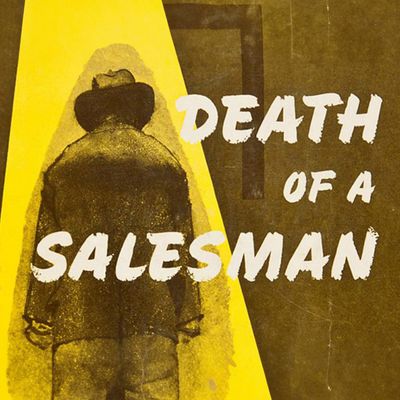
LAMAR RICHARDSON is an actor and producer born in New Brunswick, New Jersey and raised in Charlotte, North Carolina. He received his B.A. from Columbia University in the City of New York in 2015. Shortly after, Lamar made his regional theater debut as 'Sylvester' in Phylicia Rashad's award-winning production of August Wilson's Ma Rainey's Black Bottom at the Mark Taper Forum in Los Angeles in 2016. He made his Broadway debut as a Co-Producer of the 2022-2023 revival of Arthur Miller's Death of a Salesman starring Wendell Pierce, Sharon D. Clarke, and Andre de Shields at the Hudson Theatre. Kander and Ebb’s New York, New York is his next endeavor as a Co-Producer. He is also currently producing Afrika Brown’s new play in development, The Fight. Lamar co-founded Ivy Lion Productions, which is an independent production company that centers underrepresented voices and champions empowering stories. His additional acting credits include: Jordan Peele’s 'Weird City’, Richard Lawson’s ‘Black Terror,’ James Sweeney’s 'Straight Up' on Netflix, and NBC’s 'New Amsterdam.'
- How he got his first representatives with cold outreach
- Hand modeling together for multiple Samsung commercials and getting a parts representation
- The story of booking Ma Rainey’s Black Bottom after a NYC reading with Phylicia Rashad and how he almost got in his own way
- Oprah’s super soul gospel brunch at her house with Reese Witherspoon, Angela Bassett, Kerry Washington, Julia Roberts, and more
- All of his jobs are in service to his work as an actor
- Becoming a Broadway producer for Death of a Salesman and New York, New York: what steps did he take to start and how being an actor prepared him
- Getting the Front Row Fellowship with Columbia University and what that entails
- Producing Afrika Brown’s play The Fight, with a reading at the Apollo theater
- Co-producer of New York, New York with Lin Manuel Miranda
- What he doesn’t have time for anymore as an actor
Guest:
Host:
Instagram: @MentorsontheMic @MichelleSimoneMiller
Twitter: @MentorsontheMic @MichelleSimoneM
Facebook page: https://www.facebook.com/mentorsonthemic
If you like this episode, check out Becoming Casting Director Erica Hart ("THAT DAMN MICHAEL CHE," "GODFATHER OF HARLEM," "THE BOLD TYPE")
Transcript
This transcript was automatically generated and might contain errors.
[0:10] Michelle Simone Miller: Welcome to a brand new episode of Mentors on the Mic Podcast, your resource for all things entertainment industry, a deep dive into people's careers, starting from their first job in the industry all the way to the impressive role they have today.
[0:27] Michelle Simone Miller: And uh I'm excited to share about this one, but before I introduce you to our lovely mentor, if you haven't yet, please subscribe to this podcast on any platform that you're currently listening to at all the platforms, really Spotify, Apple Podcasts, Castbox, etc.
[0:44] Michelle Simone Miller: Um, and if you haven't yet, follow me on Instagram at Michelle Simone Miller and at Mentors on the Mic.
[0:51] Michelle Simone Miller: So, Lamar.
[0:52] Michelle Simone Miller: Our mentor this week is LAMAR RICHARDSON.
[0:56] Michelle Simone Miller: I met Lamar a few years ago in a series of commercials we shot for Samsung.
[1:01] Michelle Simone Miller: We were hand models together, and our group spent multiple weeks on different sets hanging out, working, learning. Just it was such a blast.
[1:09] Michelle Simone Miller: We were at Milk Studios in Meat Packing District for a while, Silver Cup Studios, and honestly, places that I can't even recall, just kind of visually remember them.
[1:18] Michelle Simone Miller: And it was a blast. And it was nice having a gig that was relatively steady that just kept calling us back.
[1:24] Michelle Simone Miller: And it was also awesome to see our hands in like rolling commercials in Times Square. I'll share some of them on my Instagram this week.
[1:31] Michelle Simone Miller: Since then, I have followed Lamar online as he's booked TV shows, his regional theater debut as Sylvester in Felicia Rashad's award-winning production of August Wilson's Ma Rainey's Black Bottom at the Mark Taper Forum in Los Angeles.
[1:47] Michelle Simone Miller: And now as a Broadway producer. Yes, Lamar is an actor and a hand model and many other different really awesome roles.
[1:56] Michelle Simone Miller: And as of last year, a Broadway producer. He was a co-producer of the 2022 to 2023 revival of Arthur Miller's Death of a Salesman, which I saw and absolutely loved.
[2:10] Michelle Simone Miller: He is also now co-producing New York New York on Broadway, loosely based on the 1977 Martin Scorsese film with additional lyrics by Lin Manuel Miranda.
[2:20] Michelle Simone Miller: And in September 22, Lamar was named a front row fellow in collaboration with Columbia University.
[2:27] Michelle Simone Miller: Their goal is for the fellow to be able to take an existing project to the next stage of development in hopes of becoming a future leading commercial producer.
[2:36] Michelle Simone Miller: I was fortunate enough to see a reading of the play he's co-producing, Afrika Brown's play, The Fight at the Apollo Theater shortly after we recorded this interview.
[2:46] Michelle Simone Miller: And I know there are a lot of actors listening, a lot of aspiring producers, and there are a lot of questions as to how to cross that line. How do you become a Broadway producer?
[2:56] Michelle Simone Miller: I asked Lamar all of the questions and really, really enjoyed hearing about his incredible career, as I know his talent and hustle and tenacity will propel him even further in a short amount of time.
[3:09] Michelle Simone Miller: Without further ado, here's LAMAR RICHARDSON.
[3:14] Michelle Simone Miller: Hi Lamar, welcome to Mentors on the Mic.
[3:16] LAMAR RICHARDSON: Hi, Michelle. Thanks for having me.
[3:19] Michelle Simone Miller: Oh, so I'm so excited to have you here. I'm such a huge, huge fan as well as friend, because you know, we've worked together before.
[3:28] Michelle Simone Miller: So it feels different. I feel like I, you know, we'll talk about it a little bit, but we got into a Samsung bug bubble for like a little while there where we were like doing these like, you know, 10 hour, 12 hour days or whatever it was sometimes.
[3:41] Michelle Simone Miller: Um, so you know, you feel like you really get to know someone over a period of time, don't you think?
[3:45] LAMAR RICHARDSON: Yeah.
[3:45] LAMAR RICHARDSON: In a small little way, like in a short period of our lives.
[3:48] Michelle Simone Miller: Um, but let's start. I always start with the same question, so it allows for routine and continuity and it's lovely. But Lamar, what was your first role in the entertainment industry?
[3:59] LAMAR RICHARDSON: I was an extra performer on Boardwalk Empire 10 years ago.
[4:06] Michelle Simone Miller: Well, happy anniversary.
[4:08] LAMAR RICHARDSON: Thank you. Thank you, thank you.
[4:10] LAMAR RICHARDSON: Very exciting. So yeah, I did I did extra work as well. How'd you would you know, did you love extra work? Did you hate it? What was your relationship with it?
[4:18] LAMAR RICHARDSON: I loved it. I mean, I actually became SAG eligible through it, you know.
[4:23] Michelle Simone Miller: Hey.
[4:23] LAMAR RICHARDSON: Yeah. That doesn't happen all the time. I had a good little run for a couple of years in the beginning there.
[4:29] Michelle Simone Miller: Absolutely. And so so what was next? How did you like while you were you know doing extra work? How did you sort of start to navigate the industry as an actor?
[4:37] LAMAR RICHARDSON: Yeah, so I was still in school at the time, so I was dipping into backstage, doing student films, shorts, etc., trying to really get my feet wet and learn about being on set, working with upcoming directors, fellow actors, etc.
[4:52] LAMAR RICHARDSON: So really just throwing things against the wall and just trying to put myself out there as much as possible.
[4:57] Michelle Simone Miller: Completely. And then getting reps, of course, I feel like that's part of that journey. Did you how'd you get your reps? Or at least those first, you know, couple.
[5:06] LAMAR RICHARDSON: So my very first manager was through cold outreach. You know, I used to go to drama bookshop and you know, buy those those books that had the list of managers and a list of agents and send out physical headshots and resumes and emails, and my first manager responded, and that's how we started working together.
[5:25] LAMAR RICHARDSON: And then my first agent, similar, same thing, just a random email, and then they responded, and we had a meeting, and then the rest was history.
[5:35] Michelle Simone Miller: Amazing. And so then you started getting different types of auditions, or is it just an all sort of like all of it, right?
[5:42] LAMAR RICHARDSON: So you have your own submissions that you're submitting yourself for for more like maybe student films, low budget films, et cetera, and then a combination of maybe getting auditions from your reps.
[5:51] LAMAR RICHARDSON: Yeah. In the very beginning, you know, at that time, those investigation discovery reenactment shows were really good.
[5:59] Michelle Simone Miller: Yes, the reenactment shows.
[6:02] LAMAR RICHARDSON: Those are fun. Those are like, yeah, I feel like that's a step. You know what I mean? Like that's a ring on the ladder of just like this feels different. This is this is on TV now.
[6:10] Michelle Simone Miller: Mm-hmm.
[6:13] LAMAR RICHARDSON: I did I did three of those, I think. Yeah, that was a that was a big thing back then.
[6:20] Michelle Simone Miller: Yeah, there was a really big thing back then. Cool. So you did those, and then what was it? What was the first time aside from the reenactment shows that you were like, oh, this is this feels legit. This feels like another ring in the ladder, if you will. This feels very exciting.
[6:35] LAMAR RICHARDSON: Well, that would have been when I when I ended up booking Ma Rainey's Black Bottom.
[6:39] Michelle Simone Miller: Ah, that's fair. That was big, big deal. And but let's okay, then let's let's take take a rewind because that's its own thing that I really want to delve into. But before that was hand modeling with me, so we could talk a little bit about that.
[6:53] Michelle Simone Miller: So, how'd you get into hand modeling, Lamar?
[6:56] LAMAR RICHARDSON: So I was going in for on camera commercials, and I think it I think it might have been a Samsung audition.
[7:06] LAMAR RICHARDSON: Yeah, that's right. For me, that's what I remember.
[7:09] LAMAR RICHARDSON: Yeah. And it was supposed to be on camera, you know, you're you're holding the phone, yada yada yada yada yada, and then we got booked on that everlasting, what was that, three or four month job?
[7:19] LAMAR RICHARDSON: It was like three or four months. It was insane. And and it was funny because you know, you'd be booked sometimes for five days in a row. Sometimes they're like, oh, we just need you for three of the five days.
[7:30] Michelle Simone Miller: Yeah.
[7:30] LAMAR RICHARDSON: But it was the first time for me anyway, that was like an ongoing gig like that for you know, like it was amazing. And and we were all like, it was mostly the same group. Do you talk to any of those actors anymore?
[7:42] LAMAR RICHARDSON: I see everyone on social media. You know, you're always liking and commenting.
[7:47] Michelle Simone Miller: Yeah, exactly. We're always supporting each other and going, Oh, you're in this now. This is so cool. But it was it was a great group of people. And like you said, we saw each other a lot.
[7:56] LAMAR RICHARDSON: Um, but that was my first no, I yeah, I will say that was my first experience hand modeling, I'd say.
[8:02] Michelle Simone Miller: Yeah, same. And then that that just became the the portfolio of pictures and videos, so then you to get a parts agent, and then start going down the the runway with all of that stuff.
[8:12] LAMAR RICHARDSON: Did you did you pursue it and continue with it? Or you or not really?
[8:16] LAMAR RICHARDSON: Honestly didn't, which like I thought about it for a while, and I think I just never did. So I I'm glad that you did. You I mean, I remember you were the only one in that sort of situation that also got um an additional commercial with your face in it.
[8:32] LAMAR RICHARDSON: Like for an Apple Watch thing. And I was like, yes, Lamar. Like I just it was so exciting. That's uh that was just felt like such a big thing.
[8:40] Michelle Simone Miller: And I think I saw you in like um ads for mou in movie theaters, right? Didn't that play in movie theaters?
[8:45] LAMAR RICHARDSON: Yeah, and it played in Times Square and then I think it played in the Super Bowl or something.
[8:52] Michelle Simone Miller: Oh, I didn't know about that. That's super cool. I probably didn't watch that year.
[8:56] LAMAR RICHARDSON: I did I do remember one of our commercials was um in Times Square. Like I remember I was looking at our hands in Times Square, and I was like, that's that's pretty cool. That's like a step right there.
[9:06] Michelle Simone Miller: Yeah, that was a big thing.
[9:07] LAMAR RICHARDSON: Yeah, that was a big thing. And I remember one of the last days of shooting was your birthday. Do you remember this?
[9:13] Michelle Simone Miller: I think it was your birthday.
[9:15] LAMAR RICHARDSON: It might have been the guy who played, like the boy who played your son, I guess, uh as a hand. Um and I think both of you guys got some sort of present. Do you remember what that present was?
[9:26] LAMAR RICHARDSON: They gave me a pair of red Samsung headphones.
[9:29] Michelle Simone Miller: Big deal.
[9:30] LAMAR RICHARDSON: Yeah, I have them somewhere.
[9:32] LAMAR RICHARDSON: In my office. And yeah, that was that was really nice. And then they sang happy birthday and did the whole thing. That was a special time.
[9:39] Michelle Simone Miller: That was a special time. I you know, that was just it just felt really exciting because we all knew each other very well. We had our nail stylists, we had our makeup people.
[9:48] Michelle Simone Miller: It just felt like all of us were and we were there, we were going to different sets all the time. Like I felt like we did the sound stages at some point. We did like this other little like place with just like office rooms, it felt like but we we were just the same group. It was really fun.
[10:02] LAMAR RICHARDSON: And it's really cool to see how everyone's journey has traversed over the years.
[10:08] LAMAR RICHARDSON: Yeah, I think only a couple of you guys like really stayed within hand modeling. There's like a I think there was one other person maybe who's done Taiwo, is that her name?
[10:18] Michelle Simone Miller: Yeah, oh my gosh, I haven't seen her.
[10:20] LAMAR RICHARDSON: Yeah, I think she's also done some hand modeling still, so it's pretty amazing. So that's when I met you, and my impression of you, which has only grown, I guess, for through like supporting you on social media and being your fan, is you're just such a light.
[10:35] Michelle Simone Miller: And I think partially, like I think that might be part of how you want to be perceived in the world, is from what I'm looking at. But that's how I would describe you. I felt like you were such this such a positive person.
[10:46] LAMAR RICHARDSON: Um, just so happy and excited to be there and be with us.
[10:51] Michelle Simone Miller: Um, definitely a strong sense of self. I don't know if you feel that about about yourself, but from the outside, it just feels like you have a very strong sense of who you are, what you want to do.
[11:01] LAMAR RICHARDSON: Um, and obviously it doesn't have always have to be consistent and we're human beings, but I think that's for the most part like how I just initially thought of you, and and that's just grown ever since.
[11:12] Michelle Simone Miller: And I just feel like I can see even 10, 15 years from now, just doing what you're doing now, but a just much higher level and probably more things as well, just because you're gonna expand even more.
[11:25] Michelle Simone Miller: But how what how do you sort of view yourself in the industry and like what what's your sort of um perspective on dealing with the craziness that is our industry? Does that make sense? Does that question make sense?
[11:37] LAMAR RICHARDSON: Yeah, yeah, it does, it does. And you know, it's interesting that you you say that because in the beginning of my career for the longest, you know, I had this um headline on my social media that said that I was an actor on a faith journey to spread light and laughter in the industry.
[11:55] LAMAR RICHARDSON: And you know, I really honed in on that in the very beginning. I would always try to, you know, be this bubbly, friendly, approachable guy on sets to really, you know, even the playing field, because you know, sometimes there's a lot of nerves and sometimes there's intimidation or whatever, all the emotions that we deal with, and I really wanted it to be my mission to say, hey, we can have fun and we can be friends, and you know, what's for you is for you, and what's for me is for me.
[12:21] Michelle Simone Miller: 100%.
[12:22] LAMAR RICHARDSON: And I think I've leaned into that over the years. You know, it's it's a tough business in terms of the rejection and the constant having to motivate yourself to press forward and the constant auditioning and getting a no and getting a pin and then getting a no and then getting a screen test, and getting a no, and then being in the final two and getting a no.
[12:42] LAMAR RICHARDSON: And I I always find myself going inside of myself and really internally just resetting and rebalancing. And you know, this happened to me recently. I was I was on a really strong pin for a new series, and I was just like, oh, when I got the email, this was two days ago that I didn't I was released. I was just like, oh, it never gets any easier.
[13:07] LAMAR RICHARDSON: You know, but I just really try to just latch on to that that feeling of, you know, I'm I'm here, I I belong, I have something that that's meant for me, my path is forging forward, my personality makes room for myself, you know, who I am, and my my genuine spirit finds the people who it's supposed to find, and I really just hold on to that as I navigate this entire thing.
[13:33] Michelle Simone Miller: 100%.
[13:35] Michelle Simone Miller: Yeah, I mean, oh, I just want to echo all of that because I just I want more of that in my life too. Like you want to attract people who have that same mentality because it's so easy to get caught up in the minutiae.
[13:40] Michelle Simone Miller: It's so easy to complain about everything, you know, it's it's hard. It's hard, it's it's so easy. And I just I think at some point, and I don't remember when it happened, it was probably gradual, where I'm just like, it's not that I never complain, or it's not like I ever let other friends of mine complain. It's not that. It's just more, I was like, I just want more of the positive stuff that happens in the industry.
[14:09] LAMAR RICHARDSON: I just want to see more positive stories. I just want to be happy for other people. I just want to see more proof that this is possible because it is. It's just, it's it's just yeah, you know?
[14:24] Michelle Simone Miller: But let's let's go back to Ma Rainey's for a second. So let's let's go, because this is huge. This was big. You're doing your thing. And then how did this come about?
[14:32] LAMAR RICHARDSON: Okay, so this is another thing that's funny. So my birthday again is tied to this. So this was in 2015. I was participating in a screenplay reading that was happening for a group of, you know, producers and investors, and I was basically was a story about a halfway house full of like young teens, and this Harvard grad was coming to do community service, and it was a whole movie about that. So I was supposed to play initially the lead kid in that halfway house, but the role was supposed to be an actor rapper, and I'm not a rapper. So I ended up getting recast in the very like near the very end, and I got another role, and I was devastated because, you know, yeah. I was like the leader. I was the lead of the movie, and you know, Felicia Rashad was cast to play, you know, the dean of the school, and I was like, oh, she'll see my she need acting, and you know, I have all this FaceTime, yada yada yada yada.
So I got recast to a significantly smaller role that basically had two strong scenes, and that was it. It's like a knife in the chest. Right? It's just like a knife. You're like, ah, like I this was it, guys. I was so excited. And how'd you get this one? How'd you get this reading?
[15:57] LAMAR RICHARDSON: So at the time I was working at an acting studio at Susan Batson's studio. I was working as her assistant, and you know, they cast a bunch of us from the studio to be in it. Very cool. So I got to be in it, and then, you know, lo and behold, the reading ended up happening on my birthday that year. And you know, we did the thing, it was great, yada yada yada yada yada. We're putting out there, you have a lucky birthday.
[16:26] Michelle Simone Miller: Yes.
[16:28] LAMAR RICHARDSON: November 13th. You know what's funny? I was born on Friday the 13th. Lucky. In the Jewish religion, I'm Jewish. In the Jewish religion, that's a lucky number. That's a lucky thing. So well, I receive it, I receive it, I receive it.
[16:40] Michelle Simone Miller: Yeah, exactly. All right, so anyway, so you're in this reading.
[16:43] LAMAR RICHARDSON: Yes. So we had the reading. The reading comes and goes the next day, the next day, like literally the next one.
[16:48] Michelle Simone Miller: The 14th.
[16:49] LAMAR RICHARDSON: Yes, I have a conversation with Felicia Rashad.
[16:53] Michelle Simone Miller: How did that no? Wait, how did you just have a conversation with Felicia Rashad on the 14th?
[16:58] LAMAR RICHARDSON: A phone call came in. Wow. And you know, that's why it's her, it's her. I'm like, huh. But basically, she was saying that, you know, she enjoyed working together. She's doing a production of August Wilson's Ma Rainey's Black Bottom next year at the Mark Taper Forum in LA. Had I heard of it, had I read it? I said, I know August Wilson, but I've never read it. Right. So she said, you need to go read it. There's a part in it for you that I want you to consider, you know, as we do the casting process for this role. So I said, Is it Sylvester? It's for Sylvester. So I'm like, you know, reeling as this is happening. And I said, okay, um, I'll read it and then I know I'll get back to you. Conversation ends. Literally, I worked on 43rd and 8th. I bolted out from my lunch break to Drama Book Shop, bought the biggest book. I was like, You're gonna go right away. You're gonna be like, Yes, yes.
[17:52] LAMAR RICHARDSON: Yeah. Bought that, bought the play, came back to work, read it at the desk while I was working that day. By the end of the day, emailed her back. I love it. I'm interested, I want to audition, I want to be considered, yada yada yada. She then said, okay, send your headshot and resume to CTG, Center Theater Group, to address it to, you know, the artistic team at the time. So that was November. So in the back of my mind, I'm like, oh, there's no way I'm gonna get this. Please. Felicia Rashad, she's being nice. This is gonna be a big deal. There's no way they're gonna consider me for this. So flash forward months to maybe March or April, she's now at the Public Theater doing Head of Passes by Terrell Alvin McCraney, and she's starring in that.
So I go to the show, bring flowers just to thank her for the opportunity to even be considered. So then she said, Did you? So you so let me just let me just so you auditioned and you just never heard back like a normal actor, right? Get to get to this, get to this.
[18:51] LAMAR RICHARDSON: So I never sent the headshot resume at first. Oh. I didn't send it at first because I was just like, you know, she's being nice, there's no way. Wow. Months later, I go to see her at the show, you know, just to say thank you. She said, Did you mail your headshot resume? And I was like, no. She's like, Lamar, let's stop for a second. I need to know this. So, so because we all do this to ourselves. This is so so so so normal. But you had the drive to go, like the desire to go get the play, read it in a day, right? But then not send your headshot and resume. What do you think that was about?
[19:29] LAMAR RICHARDSON: It probably was self-sabotage. I don't know what it was. We do it. I mean, that's why I'm curious. No, no, no. That it's just so crazy in retrospect to look back at all these things that we do to ourselves, but this is so normal. Um, so I love that we're identifying that anyway. So so you see her again, which by the way is a huge thing for you to go see her in the show, bring flowers to her, that's a big deal. Okay. So you go bring flowers, she asks you. Have you ever sent it in? Let's go back.
[19:53] LAMAR RICHARDSON: So no. Then she said, Lamar, send the headshot and resume. So I said, okay, okay, okay, I will, I will, I will, I will, I will. I saw, you know, see her, thank her, you know, yada yada, go. I go and I send it. Don't hear anything. So, mind you, Michelle, I didn't audition for this. So two months later, I'm waking up to go to work, and I get an email from CTG. Miss Felicia Rashad would like to offer you the role of Sylvester in August Wilson's Ma Rainey's Black Bottom at the Mark Taper Forum, yada yada yada yada.
[20:28] Michelle Simone Miller: Oh my god.
[20:30] LAMAR RICHARDSON: So at this point, that was uh what November, December, January, February, March, April, May, like a six-month window from when I did that reading, when she saw what she needed to see in me in the character that I ended up playing, that was smaller and not the lead, but a strong supporting, that then plugged her into Sylvester had those same qualities. Ah, this guy is it. Let me give him these crumbs to do these things. Months later I do it. Here comes the offer.
[21:00] Michelle Simone Miller: Amazing. I know, because this just because I'm also, I know you're a big faith person. I'm also a big faith person, so I feel very strongly about that. But also it goes back to like what everyone says, and this is just such a strong example of it. It's not rejection, it's redirection. Like the fact that you didn't get that lead role in that reading, which you thought was such a big deal, and it was, it felt like such a big deal at the time. But you got that other role, which really was the role that needed to showcase you for a part you didn't even need to audition for because of that.
[21:29] LAMAR RICHARDSON: Michelle, and this is what I always tell people like, you know, so much of this stuff always sounds so woo-woo or cliché or whatever, but that is living proof. Do not sh poo-poo or be hard on yourself about oh, that's a co-star, it's a one-liner, I have no lines, I'm just featured, yeah. You never know who is gonna see something in you, who you're gonna meet from that opportunity, what is coming down the line. Like, never would I have ever seen that through line between those two key moments happening and it leading to that. That literally launched my career, and I always credit her for that. Literally.
[22:11] Michelle Simone Miller: And just take a second to go, like, hold on, I was just getting too excited for myself. So, so you get that you were redirected on this other opportunity. I mean, it really could be a redirection. It could be as simple as, you know, they bring you back for something even better that's for you, and that takes off and the other thing doesn't. Or it could be, you know, we just don't know, right? We just don't we just don't know what or or I mean I've heard this too. Like I remember, I mean, we could always bring these stories up, but I prefer these stories to the alternatives. But like Lisa Kudrow from Friends, she booked like a big role on Frasier, and she was fired from it. Like legitimately fired from that show.
And she was devastated. Like she just thought, like, that's it for me. Um, and uh, she then booked a little while later, Friends, and she said, Thank God I got fired from Frasier, or I wouldn't have been able to do Friends, I wouldn't have been able to accept that role because I would have been committed to this like recurring guest star or series regular, whatever it was. So we just we don't know. And we're gonna just say that this is just opening you up to be able to do something that you're even more right for.
[23:19] LAMAR RICHARDSON: I receive that, you know, I receive it. All right, so now you booked this role. You're heading to LA, right? That's that's the next step.
[23:28] Michelle Simone Miller: So you had to LA. How was that move? How is that transition?
[23:31] LAMAR RICHARDSON: So that was supposed to be just, you know, a three to four month gig where you know you go do it and then you come back. When I tell you, so that show at the time, you know, was literally the talk of the town. Everybody and their mother came to see that show, you know. Fellow actor, actress-wise, cast and director-wise, studio executive-wise, uh writers, direct, like literally it was a who's who of entertainment people coming to see it.
[23:57] Michelle Simone Miller: Wow.
[23:58] LAMAR RICHARDSON: So at the time I said, Okay, there's no way I'm going back to New York after this. I need to stay here and capitalize on this immediate window of exposure. So I hit the ground running, you know, sending out emails to invite people to see the show, trying to get representation. Um, so you know, by the end of it, I ended up getting a manager, and then I said, Okay, I'm gonna stay. They were bi-coastal, and I could have came back, but I said, No, I'm gonna stay just to ride that wave. So I stayed. I immediately took a bunch of generals across town with people who came to see the show, you know, introduced myself, did that whole thing, and then just hit the ground running with auditions and doing the thing, getting in the classes, you know, just doing the whole thing all over again, right?
[24:41] Michelle Simone Miller: Yeah. And you know, when does Oprah come in? I need to know.
[24:46] LAMAR RICHARDSON: So Oprah, that goes back to working at Susan's studio. Um, yeah. So um I met Oprah at an event that Susan brought me to. Wow. Also in 2015. That was that was a good year for me. It's a good year.
[25:01] Michelle Simone Miller: And your birthday's March 15th.
[25:03] LAMAR RICHARDSON: I don't know, maybe anything. I mean, it's uh November 15th, right?
[25:06] Michelle Simone Miller: Yeah, yeah, yeah.
[25:06] LAMAR RICHARDSON: So I met her that year. I went to an event. She was having um what was it called? She had a series at the time on her network. I think it was called Believe. And we went to a screening of that, and then I met her, and then that was that was the seed that planted there. And then yeah, so LA, that happened. Um, you know, started doing small things, you know. I um I did, I was still hand modeling, doing all those things, and then I'm I did ah, so Charlie Sanders and Jordan Peele had this series Weird City that was an uh an anthology series that was on YouTube premium at the time, did an episode of that. Jessica Monks, shout out to Jessica Monks, cast and director, who was a fan of me. She cast me in that and then also cast me in James Sweeney's movie Straight Up right after.
So then I did that as well, and then you know, auditioning, yada yada yada yada yada. Fast forward 2019, that's when I decided to come back to New York because I felt like there was more for me to do. I missed theater, all those kinds of things. I wanted to come back to New York. So I spent three years in LA and then I came back.
[26:08] Michelle Simone Miller: But while you were in LA, is that when you went to the Super Soul Brunch for Oprah?
[26:13] LAMAR RICHARDSON: Yes. So I just want to talk about that for a quick second, and then we'll come back to your trip to New York. It's such a big deal, Lamar. I remember seeing pictures of that going, This is the best life ever. So tell me about that invite and tell me about that experience.
[26:28] LAMAR RICHARDSON: So again. You know, I met Oprah in 2015, and then, you know, over the years would, you know, run into her and say hi, keep in touch type of thing. Just, you know, just real, real low-key, not trying to do too much because she's who she is. So this was what? I think was that was that 2017 or 18? One of those. I think it was 2017. I think it was 2017. I think it was 2017. I stalked you recently, so I'm gonna say 2017.
[26:55] Michelle Simone Miller: Okay, it's 2017.
[26:56] LAMAR RICHARDSON: So it's called research, Lamar. It's not stalking. I was at work, you know. I was I was an assistant again at the time for Nancy Banks, another great acting coach. I was her assistant. So I'm at work, you know, doing my thing, and then an email comes in that uh, you know, it's like from a paperless post equivalent type of thing. Um, uh Oprah Oprah Winfrey's Super Soul Gospel Brunch, you are invited, or something like that. So I thought it was so I just read the headline, I was like, oh, this is spam. Yeah, 100% spam. So I said, this is spam. I open it and I'm reading it, and I'm just like what it was an invitation to her house.
[27:39] Michelle Simone Miller: I can't to her house.
[27:44] LAMAR RICHARDSON: And you got a plus one, right?
[27:45] Michelle Simone Miller: Yes, my wife, my girlfriend at the time, but I lit literally immediately go to email her and like, oh my god, thank you so much. And she's like, and then she's so she's so just nice. It'd be the worst prank in the world if it wasn't. No, but you know, these people, she's so nice, and just so just like it's nothing. So she's like, Oh, I thought you would enjoy it. You're right. I would really enjoy it. It would be amazing. Thank you. You're absolutely correct in that assessment. Yes, I'm like, so then, yeah, so then that happens.
[28:16] LAMAR RICHARDSON: So then, so then we go. So, first of all, you know, we pull up to the house. I mean, it's you know, there's the the no, it's the longest driveway in the world to get to the actual property, right? We get there, you know, we get out of the van as soon as we get uh you yeah, because you had to valet your car and then you got a shuttle up to the the house. As soon as we get out there, yeah. The how the shuttle, you know, there's there's Nisi Nash and her mother. So we meet Nisi Nash and her mother, you know, introduce ourselves. Yada yada yada. Then get on another shuttle to go down to the actual, because she has like an amphitheater thing in her backyard. Of course. So, you know, we go in, you know, like everybody you can think of is there.
Literally, I was sitting next to Janet Mock at the time. And you know, it's funny because she looked over, she's like, How'd you get in here? Because you know, everyone says I have a baby face. I got a paperless post invite. Yeah, but you know, everyone says I have a baby face, so I look like a kid, you know. So everyone's like, who is this kid? Just this here, you know, and then sitting next to her, you know, everybody's there. So there's there's Gail, there's there's um there's Reese Witherspoon, there's Kerry Washington, there's Sterling K. Brown, there's Angela Bassett, there's um uh uh Jennifer um, oh wow, well no no no no no no no no Julia Roberts, there's Julia Roberts. I mean Ted Sarandos, everyone you can think of.
And you know, as you're walking around, it's a you know, there's all these stations for food and for you know everything. So you're just bumping into people. You're just bumping into people. You're like, can I have some crab? And oh my god, it's Julia Roberts, you know? Yeah, oh my god, it's Reese Witherspoon, I carry. And they were just like, you know, you have to you have to be chill, you can't, you know, right. You have to pretend that this is like a normal day, right? This is just your everyday. This is your Tuesday, it's a normal Tuesday. Well, so do you I I can't imagine being in a situation like that. I can't imagine because it'll one day happen, but but I mean more like do you want to push yourself to talk to people?
How natural I mean, like I would I would kind of want it to be natural, but at the same time, like how do you do it? What did you do? So, you know, at the time, uh, you know, I was kind of trained as an assistant to know you look, you're gonna constantly be exposed to high profile people. Do not embarrass us. You need you know, you need to really just play it cool. It's nice to meet you, you know, a quick I love your work, that's it. Don't ask for pictures, don't don't do that whole kind of thing. Well, so you're from New York, you're in New York, you know exactly that's exactly the New York way of doing, right? I kind of feel like it's a little that's a very New York thing. You see someone on the street, you're like, love your work, and then keep moving.
Exactly. So, you know, there's so there's me, you know, going around. I at the time I was using Ma Rainey as my my talking point. So I've got to be. So I went up to people who saw it. So you know, I went up to Angela Bassett. I'm like, hi Miss Bassett, I'm LAMAR RICHARDSON. You just saw me in Ma Rainey's Black Bottom. Oh, you were wonderful. Yeah, you know, yada yada yada. That's how I got that picture with her that I love. Love. Yes, and then I did the same thing with with the others, like Kerry Washington, the others who came to see the show, did that and just you know smart. They went back to my table. Yeah, smart. You're like got some networking in. I mean, perfect. That sounds perfect. And then that was that. Oh, God, what a dream.
[31:43] Michelle Simone Miller: Okay, excellent. So I want to tell you guys all about Cave Day, which I've been absolutely loving the last few months. I joined Cave Day after reading Atomic Habits by James Clear. You might have even heard me mention Cave Day during the Atomic Habits five-part miniseries. Cave Day are group focused sessions led on Zoom that focus on monotasks. So have you ever had a task where you constantly feel just distracted by Instagram, your phone, text messages, TikTok? It takes you forever to do something super simple. Cave Day asks you to put your phone somewhere where we can't see it and focus on the one task ahead of you for the period of time you're in the cave. I take it one step further and use one of their weekly planning workshops to decide on my goals for the week, breaking them down into monotasks and planning out my week of caves so I can get it all done.
I've never been so productive. You can do one, you can sign up for one, two, or three hour long sprints, depending on the task in front of you. And it doesn't even have to be work. Let it be that yoga session you keep pushing off, or meditating, or making a fun lunch, but have other people there to be accountable. I work from home and sometimes, especially with this podcast, it often feels like I'm doing everything on my own. So logging into these focus sessions, seeing other people work, using cave day strategies and techniques and routines that help me stay on top of it. I feel like it's just a no-brainer. Join me today. Try the first month for only a dollar, or your first three months for only $40. I get so much work done in the cave without feeling burned out. The link is in my show notes for the discount.
[33:41] LAMAR RICHARDSON: Well, fast forward to you coming back to New York. And tell me about that experience. So I came back to New York in 2019. A couple months in I got a new team. Because I was at the time I was, you know, a reader at Actors Connection and One on One. So I would always do those seminars and those workshops and those classes. Got a new manager out of that, and then hit the ground running with that. And then literally right up to COVID's door, I booked an episode in New Amsterdam. And then we were able to film it before. We were filming at COVID's door, and then our episode was supposed to be the second to last episode of the season. It then became the season finale. Like that was it. As long as you got to fit it in before.
Because that would make me cry if you booked it and then and then COVID. So lucky you. Excellent. But then it they truncated it down, and then when I saw it, I was like, oh wow, that's what I ended up. It had to become a it had to become a seasonal finale. So yes, and that happened, and then I was like, dang it. When COVID happened, I said, dang it, that would have been some momentum to get something else. Yeah. So COVID happens. That's that's the whole two to three year thing. Um, and then we come back to the street. Did you stay busy during COVID, I feel like, right? Or did it most of us happen like two years later? Parts. Parts was the first thing to come back for me. The soonest. Uh, I think my first parts gig right after maybe a year and a half into COVID was a Saint Germain shoot that I did.
And that was the first thing back. It makes sense theoretically because it's way more like, you know, you see these, you like you need brands still need to market, right? Brands still need to, you know, commercials, but they can't have the same, they can't have scenes of actors moving around. But you could have one actor hold, you know, in a safe environment. That that makes sense that it was one of the first things to come back. Yeah. So then did parts, did parts. And at the time, you know, I was back in my new, I was in my new survival job, real estate at the time. So you know, I'm a licensed real estate agent too. I'm with you. I'm with you. Compass. Yeah. I barely do anything with it, to be honest.
But I have oh, okay. Okay, we'll talk about that then. But it and then I just okay, we'll talk about it. So you got your license city habitat. It's crazy. Did that, and then I went into like on-site work, so then I just would replace the buildings and do that. So then I would cut, I cut back significantly on parts work. Um, and I said I would always only take a job if it paid more than my day of work. So that's 21, 22. And then let me ask you, Lamar, and I think this is important for people to know. When you decided to kind of pursue this other thing, this real estate thing, was this in addition in your head, in addition to everything you do, or you did you feel sort of in a way that it was it was making a transition out of all of this, out of all the acting stuff?
No, it was just another thing. And that's and and that's important to note. Because even and we'll say that even with the producing, because there's a big thing about oh, you're not acting anymore, right? It's it's always just all serving the greater vision of being an artist. Uh-huh. Right? And and and these are just all things to do to help financially stay afloat to keep pursuing, you know, all of that. Yeah. It was not a not a pivot per se, it was just the uh adding into the the toolkit. And I think I think it's really important to say because I I know for myself, I don't know if you felt this way, Lamar, but as an a younger actor, someone, you know, graduated college and it was like, okay, I've got this.
I felt like I needed to pursue acting so strongly in order to make it, whatever that means. I needed to put so much time and energy into just that. And obviously I got like jobs to pay for stuff and whatever, but in my head, that was the only main focus. And I felt like I had to learn that that was a disservice to me as an actor, that I needed to find other things that I love and that I'm passionate about and that could make me more of a well-rounded human being, if you will, right? So all this I think is part of our story and part of our journey. And I think it brings us, I think it makes us stronger actors, if you will. Yeah, yeah, same, same. I'm on that same journey. You know, a big part of my LA chapter was leaving myself open just to do this.
So, you know, I was only doing extra work at first. Then I was driving Uber and Lyft to stay over, you know, doing all that kind of stuff. Yeah. You know, to give it all to that, but then I had to learn over time, like, you know, you gotta have a life, dude. You gotta have a life. And you gotta find things that also give you confidence and like a sense of self, as we talked about earlier, and uh and just self worth and identity. You need all of that stuff to to bring it back to your acting as a human, you know what I mean? Exactly. I just feel like if we just, especially with with the way acting is, this emotional roller coaster of the ups and downs, if you don't have other things giving you joy and giving you confidence and giving you respect and and having you, you know, have more not more control over it, but more creativity that can come with all of the other stuff.
It just feeds your acting. It just feeds your opportunities as a whole. So you're doing real estate, you're you're consulting, I think too. I mean, was it consulting or was it um you were hold on, I have it here. Yeah, you were a leasing consultant at Brookfield, probably. Yes, yes, yeah, yeah, yeah. So I was doing that for three years. Again, you know, over time you're just like, you know, having these existential crises, you know, okay, am I getting too comfortable in that world now? What about this this like my passion? You know, what about that? And that's where producing came in, because you know, I wanted to shake it up. Oh, I'm so excited to hear about this, Lamar. How did that come about?
How'd you get into producing? So for years along the stop, people always said, because of you know, my my great organizational skills and all the other features that I have as a person, mixed with my creativity, I'd be I'd be good on the business side as well as a as a producer. And I was always super opposed. I said, no, I'm an actor, that's my thing, that's all I'm gonna do. And you know, years later, into this is this all happened last year, actually. So last year I had a come to Jesus moment. I was just like, okay, Lamar, you're still auditioning, you're still getting close, not getting the job, yada yada yada. You know, this you did that's that's part of the course with that particular journey.
What else can you do to help get the ball rolling, help stay involved, you know, get more into the field? I said, okay, I'm not I don't I don't write, I don't direct. Fine, I'll I'll I'll try this producing thing. So then I did a deep dive into you know, reaching out to a bunch of producers asking for generals. You know, would you be open to a quick conversation to I can hear about your experience, yada yada yada yada yada, you know, and and and was able to to speak to to really um really generous people who were willing to speak to me. So it was this producers that you've met before, or producers you were slightly maybe affiliated through things or through Ma Rainey's, or just people you didn't know, and you just were like, I'm gonna write to them.
No, it was just people who who I so basically, you know, I I dived into like playbill and things like that just to look up who was who was over shows because I knew I would I was more so gonna start probably in theater since I was here in New York. So, you know, I I reached out to to Jane Barron Sherman, and she is just such a generous, wonderful person. Um great uh producer. She just did um Ohio State Murders and she's doing pictures from home right now. We had a great conversation, she was super generous and encouraging, and you know, gave me the permission that I needed from myself to say, okay, I'm gonna explore this. And then at the time I had heard about you know, Death of a Salesman was coming, piano lesson was coming, Top Dog Underdog, etc. And you know, as a black artist, I said, okay, I want to support shows that have people who look like me on stage, but may not have people who look like me behind the scenes.
So I reached out and I reached out to Chris Harper and from Death of a Salesman, who was a lead producer at the at the time. He had just did company, which was a huge success, and just won the Tony and everything. Reached out to him, and this man responded. And not only did he respond, he was really generous to Sale. Like, you know, he appreciates what I'm trying to do, and they also have an opportunity to come on as a producer on that show.
[42:24] LAMAR RICHARDSON: I was interested. Again, that was like another Oprah moment, another Felicia Shaw moment where it was like, huh? What? Really? Uh okay, can I can I think about this and get back to you before I commit? Um because wow. So then that happened. So then I'm not sure what I'm saying. So wait, what so what went in? I'm so thrilled. I'm on this journey with you right now. So this is amazing. So you said so what it what did he want you to do as co-producer? What was what was how did he sort of bring that up to you as to like this is a role that's available?
[43:02] LAMAR RICHARDSON: Yeah, so basically in the Broadway space, a big part of co-producing, it can look various ways, depending on whatever show you you're on, whatever lead producer you're on. But a big component of it, regardless, is raising capital for the show. And you know, for Broadway, uh Broadway shows cost millions of dollars to mount. So you have to raise a significant portion of that budget through investors. So, you know, I I when I knew it was gonna, when I heard what it was gonna entail, I said, okay, that's a lot. But um, let me think about it and then let me get back to you. And I thought about it. I said, let me try it. Let me try it. I've met I I've met all these people through all of these survival jobs over the years. Let me see if I can drum up some capital.
[43:57] LAMAR RICHARDSON: Yeah. So in two to three weeks, I had it. And that was. What can we what can I ask you without it? Because you could definitely, I I could hear you saying I can't talk about some of these stuff, but can you talk? And that's totally fine, I understand. But of course I'm curious. So like who who did you reach out? Can you talk about who you reached out to or how much money you had to raise? Or you could say no. I am totally fine with that too, but I have to ask.
[44:23] LAMAR RICHARDSON: So I'll say this. So for so on Broadway, more times than not, you're at least looking to have to raise at an entry level. Um $250,000. Okay. At least. I mean, when when you're when you're raising millions, when you're the lead producer, you're like, you could do this. It's a little baby job. But for any normal person, that is a a crazy amount of money.
[44:48] LAMAR RICHARDSON: Yeah. So thank you for giving me that. And then that's really good to know, actually. And then, and then you just called up some of your people. You called up some people you knew where you kind of had met over the years.
[45:00] LAMAR RICHARDSON: Yeah, literally to my personal network. I had to do a deep dive. And then there was a lot of, is this a scam? Yeah. Aren't you aren't you an actor? Yeah. No response. No response. Or just flat out no. How do you feel comfortable? What was your like how'd you feel comfortable pitching people for this? I mean, obviously, you know, listen, Death of a Salesman is a big deal. Like I saw the show, what we'll talk about in a second. It's huge. It was amazing. It's a good cause, if you will. It's not like it's some random thing. But so it's not like you're pitching something you don't believe in. However, you know, it's still that's still a that's still an email. Did you email people? Did you write to people? Did you call? Uh did you get their numbers? How did you do that?
[45:44] LAMAR RICHARDSON: So for most people I tried to try to have a face-to-face conversation. So most people I wanted to call or either do a Zoom because I reached out via email to some people. But again, when you it it's it's tough to when that it at that point because no one had any frame of reference for me doing that. Right. So it was very much so like, is this the you know a Ponzi scheme, a pyramid scheme? You know, that that kind of thing. Are you gonna take my money and leave?
[46:13] LAMAR RICHARDSON: Right. So a lot of it was was this. Let's get on a call, let's get on a Zoom, let's let me talk about it, let me explain this to you, you know, layer layer the land type of thing, all of that. Um it was hard. I mean, look, it was hard. We shout to so many people, so many people who did not respond at all. And these are people who know me who did not respond at all, who didn't even who didn't even respond to say no, thank you, or I'm not interested, just did not respond at all. Um then there was people who said no, or there were people who couldn't who didn't have the access to the kind of capital needed to do it, because you know, in the Broadway space, at a minimum, you have to you have to at least invest 25 or 50,000, depending on if it's a musical or a play.
[46:58] LAMAR RICHARDSON: Right. So there was that, it's it's a lot of money. Um and then of uh you know, the the pending recession, all these kind of things that were supposed to be happening. There's COVID, I mean it was still still story coming out of it, you know? Yeah, COVID, Broadway coming back.
[47:14] LAMAR RICHARDSON: Yeah, so then there was all that. So it was like it was a it was a very uphill battle. But to your to your question, at that point, you know, I had been so used to being told no as an actor. I had been so used to doing all these other survival jobs, uh I knew it was either a yes or a no or no response. And all those three things, all those three things happen until I hit my number, and then that was that.
[47:34] LAMAR RICHARDSON: I'm so so I I want to say proud, but that feels like weirdly condescending. But just so impressed, Lamar, because that is a big deal. Yeah, you know, and and it's weird because this whole new chapter, I still haven't really processed it, right? I feel like, you know, it happened, it it opened, it closed. I'm on to New York, New York now, and all these things, and I I just I still feel like I'm on the outside looking in as I watch my life unfold. Because never in a million years would I have ever imagined this journey taking this kind of pivot.
[48:07] LAMAR RICHARDSON: And I I I truly mean that. I'm an actor's actor, I always thought that that'd be my thing. But through being uncomfortable and being pushed into something new that I initially was very intimidated by and almost turned it down because I didn't think I could pull it off, to now be on the other side and be in this space doing this thing with this new way. It's just like it goes into the whole thing that we read about, you know, you can manifest the life that you want for you, you know, all the things that people say and do, it really can and will happen. You just have to be willing to be uncomfortable, willing to be embarrassed, willing to fall on your face, willing to be told no.
[48:45] LAMAR RICHARDSON: And staying in line, you know, it'll happen. It might not be when and how you want it to happen, but whatever is supposed to happen will. And that's what I feel like I'm in the middle of right now.
[48:58] Michelle Simone Miller: I'll encourage you to take a little bit of time and process it as much as you can, only because this is a very stressful time, probably, but it's a very exciting time. And as someone who does a lot of interviews with different people, different parts of their careers, you're gonna look back on this moment as a very exciting time.
[49:21] Michelle Simone Miller: And in a time that you put energy and love and commitment in to building something huge for yourself because that's what you're doing. And I want you to look back and not regret that you didn't enjoy the exciting time, this exciting part of it. And I'm sure you are to an extent enjoying it. I'm not taking away from that. It's more just as much as you can be present to the fact that although it's stressful, although you're still grinding, although you're still kind of going from, you know, you're you're pushing, you're still pushing up, you're still pushing up. This is still a time where in 10 years you're gonna be so grateful that you did that, and you're gonna look back and you're gonna go, I I don't want you to be like, I I I wish I just spent a couple moments, you know, just taking it all in because it's it's a big deal.
[50:10] LAMAR RICHARDSON: And you know, I'll I'll say this because so last night I went to a doll's house that's uh you know, at the end of the day.
[50:15] Michelle Simone Miller: Oh, I have no, I want to go.
[50:17] LAMAR RICHARDSON: I I'm gonna go. That's at the theater that I just came up came out of with Death of the Salesman. And you know, this is this is really like you said, living in the moment. So I I got you know, I go to the stage door, and you know, I say, you know, I'm I'm a producer, I just a death of the salesman, and I would love to introduce I would love to say hello to Jessica and congratulate her on the work.
[50:36] LAMAR RICHARDSON: Security didn't know me from Adam. It was like, okay, let me see you, okay. That's where you are. Let me in, right? So then I go to meet her, right? And then this is this is me having like an out-of-body experience. So, you know, I'm meeting her, talking to her. She's commending how great Death of the Salesman was. I'm commending her on, you know, her performance in a doll's house, her winning the SAG Award for George and Tammy recently, you know, all these kinds of things.
[51:03] LAMAR RICHARDSON: And it's just like the, is this my life right now? Huh? I'm commending her as an actor. I'm telling her that I'm an actor. I'm telling her I also do produce and it's just like this warm, generous, genuine interaction. And I mean, I just saw this, saw her literally a week ago at the SAG Awards, winning this award, and telling actors like, keep going, and I look forward to working with you know all these kinds of actions.
[51:28] LAMAR RICHARDSON: I cried during her I cried during her speech. Same. And then you know, I literally laid it on thick and I said, you know, thank you for that. Thank you for being at your position, taking that platform to reach back to us to encourage and inspire us.
[51:42] LAMAR RICHARDSON: Yeah. And as I left, I said, This is all coming together and working together in a way that I never would have even imagined for myself. But here I am. And I really just had to sit there and just take that in and say, wow. You just have to lean into your journey and and embrace it. And whatever it's looking like at that time and that moment in space, that's where you belong.
[52:11] LAMAR RICHARDSON: And no stop along the way was a mistake or or set you off the path. It all worked its way to put you where you need to be. And I really believe that now. You know, I've always said it and heard it, and but now I'm just like, this is actually happening, Lamar. This is you're you're making this happen.
[52:31] LAMAR RICHARDSON: Like you're you're literally making this happen. Future, future you, Lamar. Future Lamar is gonna be so happy with all the work you're doing right now. Seriously. All the work that you're doing right now, he's gonna be like, thank you, Lamar, because I'm here where I am, because you put in the work and you believed in yourself during this very pivotal year.
[52:49] Michelle Simone Miller: Um so let's let's just keep going in the interest of time. I don't want to waste too much of it. But so so you you so now you're a co-producer of Death of a Salesman, which is huge, insane, so difficult. You did it. What was next?
[53:04] LAMAR RICHARDSON: So now I'm doing New York, New York, which is the new.
[53:06] Michelle Simone Miller: Well, before that is the fellowship. I want to hear about the fellowship first, right?
[53:10] LAMAR RICHARDSON: The fellowship, the fellowship, the fellowship. Ah, a after Death of a Salesman, I said, okay, now I'm in this space. I want to give this space the respect that it deserves, and I need to learn what it means to be a producer. Because raising money is only the tip of the iceberg. There's so much other stuff that goes into producing.
[53:29] LAMAR RICHARDSON: That you would be good at too. Thank you. Right? Still learning to accept that, but thank you. Um, so I had heard about this fellowship, the Front Row Productions Fellowship, um, which was founded by Steven Byrd and Aliyah Jones Harvey, who are prolific Broadway producers, black Broadway producers who paved the way and forged a way forward for producers of color. They started this uh fellowship in tandem with uh Columbia University School of the Arts.
[53:57] LAMAR RICHARDSON: I went to Columbia for undergrad, so there was that. Um so I said, okay, I'm gonna apply for this. There's no way I'm gonna get this. I'm an actor, they're not gonna pick an actor. I have no experience as a producer aside from what I just did for death of the salesman. A huge Broadway show. But again, this is the you know, this isn't gonna happen. Go through that process, extensive process, you're applying, getting letters of recommendation, writing essays, interviews, all of that kind of thing.
[54:26] LAMAR RICHARDSON: Get it, I get picked for it. Another are you kidding me? Moment. Like, what? What that happened? So then that's a year-long fellowship, taking classes at Columbia while also working on a project that you have to produce.
[54:43] LAMAR RICHARDSON: And that comes with uh a stipend, which I we don't need to go in the numbers for that, as well as a budget to cover the cost of developing a show. Exactly. A personal stipend and developmental support for your project. So that happened.
[54:57] LAMAR RICHARDSON: Wow, this is a lot. Wow, now that I'm talking about this. Um that started in September. So it's taking classes, working on on the uh a new play that I'm working on. That I was initially just an actor in and have now worked up to also producing well. Um so there's that, you know, so I'm in classes, learning like literally this program is so great because you're taking classes with all of the theater brass, like literally all the leaders of the industry, you're you're at their feet, learning from them, learning from their experiences, getting the ins and out of of what it means to be a producer or general manager.
[55:33] LAMAR RICHARDSON: So that's happening, and then I say, okay, I'm doing this, but I also want to have the practical experience of keeping Broadway producing going forward. So death of a salesman was done. So I said, okay, what else can I do? I learned of New York, New York through a dear friend. Again, I was like, ooh, that's another raise in this time, and it's raising even more.
[55:54] LAMAR RICHARDSON: Okay, it's like, okay. How much can I ask how much we were raising uh you're asked to raise for New York, New York? So the I'll say this: the minimum for that. Well, can I say that? Say you take a second. I don't think I say. Okay. I don't want to get you in trouble. You say what you can say. The the minimum ask per investor was more than the minimum ask for for salesmen.
[56:17] LAMAR RICHARDSON: So I was like, oof, it was hard enough for that. Let me see if I can do this. But again, hit the hit the ground running, you know, ignoring the no's, ignoring the no responses, finding the few the faithful few, um, and then pulling that off.
[56:31] LAMAR RICHARDSON: So that's and that's currently happening. That starts previews March 24th. Open next month. See it, y'all is of New York for New York, for all of the artists, the dreamers. Go see it. You'll be inspired, support it. That's a good show for that. Um, so then that's happening. Still doing the fellowship, taking classes, working on the new play that I'm doing. Um, you know, part of that, I'm producing a reading of it at the Apollo next week in a in a through their salon series, which is which is great.
[56:59] Michelle Simone Miller: Of New York, New York?
[57:01] LAMAR RICHARDSON: No, for the new play that I'm working on for the fellowships.
[57:05] Michelle Simone Miller: Got it. And yeah. Tell me, can you tell us about that at all?
[57:08] LAMAR RICHARDSON: The play that you're working on developing through the fellowship. Yeah. So it's called The Fight, it's written by Afrika Brown. She's a wonderful playwright who I've worked with as an actor years ago. Um, you know, she approached me with this play. It's it's um, it's basically it's set in 1971. The backdrop is the Ali versus Fraser fight that happened at Madison Square Garden that year, and it was the fight of the century. So that's the backdrop of the play. The foreground is three families, a black family, a Puerto Rican family, and a Jewish family come together for a potluck to listen to the fight. And as that's in the backdrop, drama ensues in the foreground amongst the three families based on secrets, resentments, prejudices, all those kinds of things that you know different cultural groups have against each other.
And I think that it's an important story because it shows that as much as we're all different, we're the same. And it attacks the toxicity of stereotypes, you know, and and what that means and what that looks like and how that festers.
[58:13] Michelle Simone Miller: Lamar, I want to I want to see this. Whenever you can invite an extra person, let me know. I'm there.
[58:18] LAMAR RICHARDSON: Okay. So this sounds a bit more. I'll send you an invite if you can make it. But yes. Yes. So that that's that's what I'm working on now, in addition to New York, New York, and you know, just trying to get that off the ground. That's a whole nother journey to get to where it's gonna get to.
[58:34] Michelle Simone Miller: Yeah.
[58:34] LAMAR RICHARDSON: But yeah, so in the trenches right now with the producing, still actively auditioning.
[58:40] Michelle Simone Miller: Of course. Are you doing more for New York, New York than you did for Death of Salesman?
[58:45] LAMAR RICHARDSON: So if you're like for Death of a Salesman, it was really about raising a certain amount of money for New York, New York, you're raising even more money. Are you doing other things as well for it?
[58:56] LAMAR RICHARDSON: So, you know, a part of it is also, you know, you can do your own personal marketing to help fill the seats, yada yada, yeah, yeah. And then sometimes, you know, there are meetings that you get to go to, or there are pre-events that you get to go to along the way, rehearsals, all those kinds of things. You know, you're not the lead producer of the show, yeah. You know, calling the shots, you're just supporting their journey along the way. If that makes sense.
[59:21] Michelle Simone Miller: Yeah, it does. Do you is part of what you do, or is at all part of it, to invite some of the people you've met in your network to go see New York, New York? Like, are you able to give free tickets to people, be like, hey, you know, I went to an Oprah thing one day, uh, Felicia Rashad is someone who I've worked with before. Can I invite, can I give her two tickets to see New York, New York?
[59:46] LAMAR RICHARDSON: You you get house tickets, which are you know, prime orchestrates. But you still pay for them, and those are still I mean, I know. Yeah, you still give you a discount on those house tickets, but you still pay for them. Broadway is expensive, yeah.
[59:59] Michelle Simone Miller: It is.
[1:00:00] LAMAR RICHARDSON: Yeah, no, I uh I'm doing I'm doing a thing for the university I went to. We do these shows every once in a while. We saw uh a strange loop, we saw uh birthday candles last year, and next week we're seeing Funny Girl. And there's a producer, one of the producers were interviewing her. I'm interviewing her next week for this Brandeis thing. And uh I said to her something about tickets, and she goes, Well, I can offer you the house seats, you just have to let me know, and I'll pay for that. Oh, and then but you have to pay for them. They're this much. And I realized like she doesn't get free tickets.
[1:00:30] LAMAR RICHARDSON: No, producer you know what I mean? Like, people need to know this.
[1:00:33] Michelle Simone Miller: That's what I tell people. People need to know this. It's not, yeah, it's money.
[1:00:36] LAMAR RICHARDSON: So, but let's say, but let's say you did say, listen, Felicia Rashad wants to come to the show, I'd like to give her two tickets. Are you not able to give get her tickets either? Like, are you not able to get well well, you know, for for for people like that, you know, you can reach out to the press department and say, hey, this person wants to come, can they have press tickets? Or or things like that, because them coming to see the show and being in a picture with the cast is gonna be. Seriously. It's gonna only serve the show.
[1:01:04] Michelle Simone Miller: So yeah. But again, so are you are you is that part of your thing? Though like, is that part of your intention is to invite key people, see if they can come?
[1:01:15] LAMAR RICHARDSON: Yeah, you know, always, you know, ultimately you try to get them to come to opening because that's when when all eyes, you know, you'll give your list of people who you would like to be invited to opening, if they can make it, and then if not, you coordinate with the team accordingly. And you know, the lead producer ultimately has a discretion to call the shots.
[1:01:30] Michelle Simone Miller: Of course.
[1:01:31] LAMAR RICHARDSON: So you run everything by them and by the team, and you know, it's a whole hierarchy.
[1:01:35] Michelle Simone Miller: I want to make that.
[1:01:36] LAMAR RICHARDSON: It makes sense.
[1:01:37] Michelle Simone Miller: It makes very sense.
[1:01:38] LAMAR RICHARDSON: It makes sense.
[1:01:39] Michelle Simone Miller: Wonderful. And so, and New York New York is affiliated with Lynn Manuel Miranda, correct?
[1:01:43] LAMAR RICHARDSON: Yeah, so he's he's doing additional new songs with um with candor, so that's gonna be exciting. It's gonna be very exciting.
[1:01:52] Michelle Simone Miller: Very exciting. Come be a part of it.
[1:01:54] LAMAR RICHARDSON: Come before you.
[1:01:55] Michelle Simone Miller: I so excited. So this would be a big year, just like 2022 was for you. Um, is there anything else you want to touch on? Is there any advice you want to give to actors? Or anyone, producers as well, aspiring producers, but but is there any advice you want to give to actors or aspiring producers?
[1:02:11] LAMAR RICHARDSON: Yeah, so I I want to say this. Actors have to really, really lean into what makes them special. If if someone is always commending you on you have a great personality, or you have a great smile, or you just you give the best hugs, you know, whatever. Whatever makes you unique, and you constantly get told the same thing, and you you ignore it and you look the other way, lean into that. Because I feel like if I can go back and do things differently sometimes, there are a lot of things that were told to me that I never believed about myself, like like the the producing thing that I could have started way sooner had I really accepted the gift that people were giving me in terms of what was recognized for in me.
And I think that we get so bogged down in the rejection, that I'm not good enough, I don't belong, all of that, that you literally sometimes lose focus of what makes you unique and what makes you who you are, and what is ultimately gonna open the door in your acting career. What's going to pop up in a role that you only you can do that no one else can. And it might not look like what you think it should look like and what you expected and what you want it to look like, but it will happen for you. You just have to really, really, really have that strong sense of I belong, I am worthy, I am here, I'm planted, I'm not going anywhere, I am special, and really just manifesting and embracing it and attracting that to yourself.
And I say that because it took me years. It took me years, and I'm still struggling with it now because as this all unfolds to me in the moment, you just really see that wow, when I really got out of my way, when I got out of my own way, when I got out of my own way, look at how these producer doors, for example, have flown open, and I've made so much traction in ways that I never did as an actor because I finally leaned into what others were telling me for years. Yeah, you might not believe it, you might you might have your insecurity about it, but lean into it, lean into it, and trust me, doors will open for you. That's the gift that I would tell any actor, any producer, same thing, hand in hand, lean into that and put yourself out there and just know it doesn't matter if it takes a week, a day, a year, 10 years, 12 years, whatever.
As long as you keep doing the work, you keep believing, you keep manifesting, it will happen. It will happen. And you just have to be ready to receive it when it does. Like Michelle, you're not this podcast that you're doing, this all of this in the grand scheme of your journey, ha ha, you'll see. You'll see. Huh. This is you're you're doing important work here. This is is setting some stage up for you that you will see commented upon years to come. And you'll look back and say, Wow, I had this idea. I was terrified in the beginning, but I did it. I ended up interviewing all these great people, and now I'm being recognized in this way because I did that, or I met this person because I did you watch and see. You watch and I receive it. I receive it.
[1:05:29] Michelle Simone Miller: Um let me ask two things quickly. One, what don't you have time for anymore? Now that you're doing all this, you're putting your putting your thought and energy. When don't you have time to sleep for sleep?
[1:05:42] LAMAR RICHARDSON: No, no, I get sleep, but it's it's it's a it's a lot. I'm I'm I'm gonna I am gonna say that it's it's a lot, it's a lot to juggle, survival job, producing, still auditioning, still acting, wanting to take classes, meeting friends and family. Like it's juggling a lot of different plates for sure, but that's just the gig. That's the gig until I don't have to, and I could just focus on what I'm doing, you know?
[1:06:05] Michelle Simone Miller: Yeah, and then self-reflection. I really try to, I used to do this gratitude journal that a fellow actor shared with me, and I I I've lost touch with it because I'm I get so caught up in everything, but I need to get back to that just so I can have benchmarks to say, wow, this was a year ago when that happened, or this was six months ago, because otherwise I'm just barreling through time and and not really processing.
[1:06:28] LAMAR RICHARDSON: I love it.
[1:06:29] Michelle Simone Miller: And and is there anything? I almost feel like because you're you know, you're in this place, you're up leveling, this is such a big year for you of of being up-leveled. I I wanna ask, is there anything almost like negative stuff you don't have time for, like a drama you don't have time like is there anything in your journey that you've realized and maybe maybe this is something you already dealt with long time ago, but like you know, if people have certain stuff that they're throwing at you or like insecurities maybe, or thing you know, like things where you're just like you know what, I don't have time to be insecure about this. Like I have to do this.
[1:07:02] LAMAR RICHARDSON: Yes. Especially in my in my actor. Certain auditions I used to get and immediately say, uh, lol, they're not gonna pick me for that. Why would I even audition for it? I used to be the worst at boxing myself in and and limiting what I think I can pull off. So I would say what, that casting director, they love me, they call me for this. Oh, that's nice, but I'm not gonna read for this because I know they're never picking me. But now when things come in, I don't have time for that. Like I get it, I do it, I throw it out, and I'm and I move on. So whenever I get these emails that, oh you're pinned or oh you're you're on hold or whatever, I'm like, oh, oh really nice, nice, nice. But now I'm not mulling over, obsessing over any of that kind of stuff that I used to anymore.
Half the time I forget what I even auditioned for until I get you know, literally. Excellent. And a year or so ago, that wasn't the case. I was always following up, checking my tracker, uh, checking dates to see when something shoots. You know, now I don't have time. I don't have time. I I so I'm grateful for that because before I used to just be like, it's a big one. And then and again goes back to how much doing all these other things gives back to you as an actor and as a as a human being.
[1:08:19] Michelle Simone Miller: Right.
[1:08:19] LAMAR RICHARDSON: So I I love that. And then you have aspirations to then at some point produce film TV.
[1:08:25] Michelle Simone Miller: Yes.
[1:08:25] LAMAR RICHARDSON: So some things are in the works there, hopefully now.
[1:08:28] Michelle Simone Miller: Yeah.
[1:08:29] LAMAR RICHARDSON: To be able to do that. Follow Lamar Richardson on Instagram and get the updates as time goes on.
[1:08:34] Michelle Simone Miller: Yeah, yeah, yeah.
[1:08:35] LAMAR RICHARDSON: At Lamar underscore Alfonso. That's me.
[1:08:38] Michelle Simone Miller: There we go.
[1:08:39] LAMAR RICHARDSON: There we go.
[1:08:40] Michelle Simone Miller: All right. Lamar, thank you so much. Really, just I it's the biggest smile on my face, the entire interview. I'm just so so thrilled to hear and and get quite get answers to questions I've been dying to ask you for so long because you know it is very exciting following your journey. And we know, and and obviously now hearing this interview, people like we're we know it's so much harder than just obviously the images that you put up. I mean, of course, of course, but it's still very exciting and it's still very impressive, and it's still just a testament to to how great you are and and how much you're giving back to the world because you are. And uh I'm so excited to hear more and more as time goes on. But thank you so much for joining us on this podcast.
[1:09:29] LAMAR RICHARDSON: Thank you. Thank you for having me. And I'm rooting for you, cheering you on, and I'm excited to see what's ahead for both of us.
[1:09:36] Michelle Simone Miller: Same. Thank you so much for listening to Mentors on the Mic. If you enjoyed the episode, please share it with a friend in entertainment you know would love it. Let me know what you've learned or what stayed with you on our Instagram at mentors on the mic. I love reading your messages. Uh, you can also find me at at Michelle Simone Miller on Instagram. On both accounts, I'll be sharing even more information about our mentors. Talk to someone about what you learned today who would really appreciate it and send them the episode. Also, if you love the show, please go ahead and leave us a rating and review on iTunes. It really makes a huge difference in growing this. It makes it easier for people to find our podcast, and I love reading your reviews. So thank you so much, and I'll see you next week.
© Broadway Podcast Network, All Rights Reserved