

Chris Mann is a vocalist, musician, and actor who has performed as the lead in just under 700 shows of “The Phantom of the Opera” during his first major acting debut... Read More
From the show: Mentors on the Mic: Your guide to pursuing a career in the Entertainment industry
Featured Shows
About
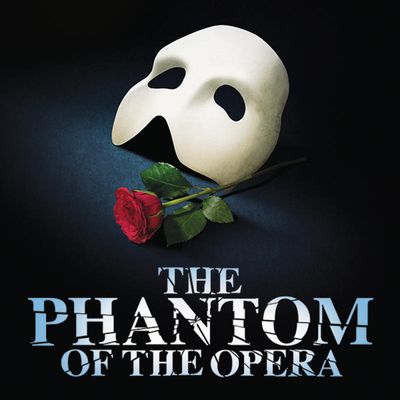
Chris Mann is a vocalist, musician, and actor who has performed as the lead in just under 700 shows of “The Phantom of the Opera” during his first major acting debut. He got fourth place on The Voice in 2012 and has continued to soar through the music industry with Billboard charting releases of his studio albums Roads, Constellation, and his most recent release, Noise. Chris joins the show to share how he has achieved his success despite facing devastating setbacks along the way.
In this episode we talk about:
- Signing his first ever record deal with Sony Music Group
- His first session job on Glee
- His experience on The Voice, what happens behind the scenes, and singing with Christina Aguilera
- Creating his viral parody music video “My Corona” which has tracked over 14 million views and inspired a host of quarantine themed music videos
- Classical church singing and earning his degree in Opera
- The process of recording sessions
- Recording Disney soundtracks and hearing himself in amusement parks and grocery stores
- The point when he contemplated giving up on pursuing a solo career
If you like this episode, check out Episode 2.1 to hear about Emmy nominated Musician and Composer Beau Black (Disney's The Lion Guard, The Mickey Show, etc)
Wikipedia: https://en.wikipedia.org/wiki/Chris_Mann_(singer)
IMDB: https://www.imdb.com/name/nm4985711/?ref_=nv_sr_srsg_3
Website: https://chrismannmusic.com/
Instagram: https://www.instagram.com/officialchrismann/?hl=en
Host:
Instagram: @MentorsontheMic @MichelleSimoneMiller
Twitter: @MentorsontheMic @MichelleSimoneM
Mentors on the Mic Facebook page
Website: www.michellesimonemiller.com
Transcript
This transcript was automatically generated and might contain errors.
[0:00] Chris Mann: I have never been really brave at all with my creation because I have like two albums that I never released that I worked on for years and spent a fortune on, never released them because then it was like, oh, it's not relevant now, or whatever. I'm the king of apologizing, I'm the king of procrastination. But for some reason, this changed like everything, and I now don't think it's hard. I make it, I put it out, I believe in it, I don't question it. All those things that I would never do before. Just put it out. That's like the whole thing. You can't nobody will see it if you don't put it out.
[0:35] Michelle Simone Miller: Hi, welcome back to another episode of Mentors on the Mic Podcast. I'm your host, Michelle Simone Miller, a New York City native actress with credits in TV, film, commercials, and off-Broadway. And every week I bring you an incredible mentor in entertainment, focusing on how they started and how they moved up to where they are today. Thanks for listening and let the episode begin.
[1:06] Michelle Simone Miller: All right, guys. I'm so excited to introduce you to our mentor this week, Chris Mann. Right? This has been so great. He has such a great journey and has done so many things, worn so many hats. So you might know him from the second season of The Voice. You might know his music. He's put out some great albums. He's done some work on some of our favorite movies and television shows, including Glee, Avatar, Letters to Juliet, Tangled, Sex in the City 2. He's toured with Idina Menzel. He has toured for two years as the Phantom in Phantom of the Opera. And in addition to music, in addition to putting out these incredible albums, the last few months during quarantine, what he's done has been great.
Story of a content creator. He started putting out these incredible parodies, right? He changed the lyrics of some of our favorite songs and put out some, you know, very funny videos that have gone viral. So you might have seen, for example, Hello from the Inside, an Adele parody, which has now garnered 14 million and counting views on YouTube. So he really walks us through all these points of his journey, both the highs and the lows. And I'm really excited to introduce you. So without further ado, welcome Chris Mann.
[2:29] Chris Mann: Hi.
[2:30] Michelle Simone Miller: Hey. I'm excited.
[2:31] Chris Mann: Yeah, thank you for being here. This is great. So there's lots to talk about. So I'm just gonna go right into it. So what was your first role in the entertainment industry?
[2:41] Chris Mann: My first professional gig out of college. I was a classical voice major. I moved to New York. I was like, I'm gonna get a record deal. And I was working multiple jobs, I was a bag tiller, I was a waiter, I was a church singer, which was sort of how I sustained myself mostly by doing classical church singing. But eventually I did get lucky enough to get my first record deal with Sony. And that was, you know, life changing. The ship had come in. I quit my job. I was like, fuck you guys. I'm out of here. And then only two scrut. I got dropped. So the label fired everybody. I made this really beautiful record. I had moved from New York to LA. That's what brought me here, and then found out when I was in San Francisco showcasing with Imogen Heap.
Like I love Imogen Heap. Age the Elephant. We were like Sony's big releases of and I stepped off stage showcasing for iTunes and learned that everybody in my label had been fired. I was being dropped, my record wasn't coming out. So life completely crumbled. I had what I call the 72 hours of darkness, where everything and anything happened to speak of this moment. And then I ended up in a tennis match in LA, and my friend at the time said, Hey, he knew what was going on, and he's like, Hey, listen, I'm I just got hired to produce the music for this show. I don't know if you want to why don't you be like come do it? And I was like, okay, and it was Glee, and that Glee hadn't started yet. So my first session job in LA was Glee, and I did the first two years of that show, and then of course the sessions tiny and very connected general. So it plugged me right into that, and I still session work when I was, you know, doing huge things or was totally out, like I was always doing that. So that would be my first.
[4:36] Michelle Simone Miller: How often would you be called in for like a session for something?
[4:40] Chris Mann: So session work is very competitive in LA, and I'm sure other cities, but incredible talent, incredible singers, but it's usually there's like a short list for people, and I think there was a glory day of session singing, which is predates me, but people were working every day and they were making big livings, and this is all union work. But when people started to, you know, companies started taking work overseas or where there aren't unions, like the work there is less work than there was somewhat from what I'm told. So I would get called in. Well, when I was on Glee, I was doing it, you know, a couple times a week, and those were fantastic sessions. Yeah, but my main work that I do is more on the classical side, so that's a different list of singers, and that is choirs for like a Disney movie, for example.
So I sang on Frozen, for example. So those are all you have to be able to read music, and it's a classically trained voice. And so and it's a different person that's hiring, as opposed to Glee, which are like incredible pop singers. And they don't necessarily have to read music. You just have to be able to deliver the part. With film scoring, you have to be able to read. And so an animated film or an action film, you're those are the two choices here. Like when I show up for a session, it's either gonna be animated or it's gonna be like Jurassic World, you know, something huge and Avatar. I did the Avatar, you know, and you can hear it's one of those things that if you know it's happening, you can tell that there's a choir going on because in all that music, there's like aw, you know, like the really dramatic sections, yeah, and that's real people like us, and we're in there, yeah.
And this huge screen behind us, whether it's dry sand scoring stage or whatever, huge screen behind you with a conductor and the composer all in the booth and they're conducting the queue, and you know, so I remember the first movie I did was 2012 and the movie 2012. And I thought it because I had never done one before. I was like, I called, I think I called my mom. I was like, they don't even tell you the title, they just put like a code number for what this movie is. It's like a placeholder, it's a placeholder. They don't, it's so top secret. It's actually just called 2012. So that was the first one, and then I remember seeing I did Avatar, and I remember because the graph there, the movie is never complete when we're doing this.
So I remember being like, these graphics suck. And it was just because they were not even finished. I was like, oh, did they skip out on this budget? Like what they went from Titanic to this. Like, ooh, James Cameron, he's really lost his edge. Flipping. Oh, yeah, he's slipping. So anyway, but I've had some really and now that I have a three-year-old, we're watching like Wreck It Ralph and Tangled and Frozen, like movies that I sang on that. It's kind of fun to be like, Oh, yeah, I remember doing this one.
[7:43] Michelle Simone Miller: And how long did you do that? For you know, because that was over a longer period of time that you were.
[7:47] Chris Mann: I still do it.
[7:49] Michelle Simone Miller: Good.
[7:49] Chris Mann: Yeah, I still do it. Yeah, and I actually had to my problem is that because I was I would leave like for two years to go do Phantom, or I'd be on tour, or I would be on TV. People that hire out would just not call me because they'd think like Chris doesn't live here anymore. They would think Chris is not gonna come in and do the session and all these things, so which is false because I get my insurance through the union. So I'm like, please, no, no, no, y'all call me. Yeah, people don't know you need to make a certain amount of money in the union to be eligible for insurance, so yeah, yeah. So I actually spend at least once a year, I reach out to everybody and remind them that I am here and that I would love to do your sessions.
Which is crazy that like at this point, like you know what I mean, that we still have to like follow up with people in the industry, just be like, hey, still here and still still like to work. Yeah, not too cool, not too rich. Because this is like sessions would be a great thing to do to earn money during all this. So that's been interesting. I have done then. There's like the remote singer who's been set up for years. Who like you send in a file and you send back, and that's like jingle singers, or you know, if you're singing on albums, that kind of thing. And I never really did all that, but now I do. So I because I have through my parodies, I'm recording all my own vocals and stuff. And so my I've actually set up a studio at this point.
So I've actually worked a couple times because I have the remote setup, and then I there like I just recorded a what happens is they'll like I'll get a text. It's like, hey, this is literally what happened two days ago. Can you record a like an imitation pass of that thing you do? The that thing too. And I'm going to the catchiest song ever. Ever. So I'm like, the truth is I want to my eyes roll in the back of my head because there it's an audition. I'm like, I'm looking down. I have like spit up on my shirt. I don't really want to audition for this, but also I need my insurance because I have two kids now. So I go into the room and I cut the vocal and send it back. So sometimes that works, and sometimes it doesn't. Like it's just an audition.
So I've done a Rugrats thing, I've done something else, I don't know. But yeah, times a change, and yeah, because the studio is shut down. There was a brief moment when they're when they let like super strict COVID guidelines with the recording studios on like you had to be an approved studio, and I don't even know if those are open right now. So it's like you better have your mic, you better have your preamp, you better know what you're doing. And there are plenty of people that do because do you ever do Disney animation or recently anyway?
[10:25] Chris Mann: Like any Disney kid shows. I don't know about Disney kids shows. I've done a million Disney parades. I would say that's like the weirdest thing. I have done 20 parades for Tokyo and Paris and America, but oftentimes it's like Tokyo. So that's a always a very interesting session. It's grueling because there are two guys, two girls that are, and it's usually the same group, and we are stacking and doing so many parts that at the end of it it sounds like there are 50 singers doing a million parts, and it's four of us. And it takes it's a long day or two. And the Japanese client flies in from Tokyo and they're there with an interpreter, and we are usually singing. Sometimes it's like Japanese, and sometimes it's very silly, sort of made-up little things.
But in general, the music is insane, incredible. Marco Marinangeli is the writer and producer of those, who I worked with when I was, you know, he produced something on my universal record, and he didn't produce something on Sony. I've worked with them a number of times, but he's the guy for these parades, and they're so elaborate, and they're actually a lot of fun. But so I yeah, that's like a random thing. I'm on whatever the big parade is that like happens every night at Disneyland.
[11:40] Michelle Simone Miller: Oh, yeah, yeah.
[11:40] Chris Mann: And me and Heather Headley are part of the we're both singing, like, oh no world. I don't know. I don't know. I've been doing this for so long, and so many like I've had so many iterations of my career that I'll be like, I'll literally be in the grocery store and I'll be like, Oh, that's me, or I'll be at Disney World, be like, Oh yeah, that's me, Lori. Yeah, hey, that's a fun thing to do in life.
[12:06] Michelle Simone Miller: Yeah, yeah. So you're doing all these sessions. What was after that? Well, what what you know? So you're doing these sessions and then right.
[12:13] Chris Mann: So I was doing sessions trying to recover emotionally from from like a very traumatic thing. I mean, that is very traumatic. It is. I did there was a couple years there where I was doing session work, and then eventually I got picked up by Irving Azoff's management company, which is he's the biggest manager in the world. And so my that was like a really big game changer. Well, I actually one of his, you know, managers in his company. Well, this isn't an I guess this is an interesting thing. It's just about like being nice and keeping your own contacts. And it's like a general business lesson or life lesson. But there was a guy, a mixer, a very prominent mixer named Dave Pensado. He's mixed a Mazillion number one hits and he worked on my Sony record. And the truth is that when I, you know, a couple of years in, I was later, I was probably struggling to figure out how to get back in, or you know, and I read I just emailed him.
[13:10] Chris Mann: I was like, hey Dave, this is what happened. I'm, you know, I fired my management at the time and I'm looking for new management. You know, if and if anybody comes to mind, literally 10 minutes later, he was like, Oh, I know who should manage you. It's this woman at Irving Azov. Like, I'm gonna connect you. Then like two minutes later, I had an email from her saying let's go to lunch. And then I like did it like two days later and I was signed to this enormous company. And I appreciate Dave, and I think that's so cool that he was like, Oh yeah, I got you, or this is who it should be. I also really like how you felt like you were now in a place you could even just write to him because you were able to write to him all that time, right? I mean, what was that moment that you were like, this is the moment I'm gonna write to him and see if he has a suggestion?
[13:56] Chris Mann: Well, I think probably God. I mean, I'm sure that I was sort of, you know, after the Sony thing fell apart, I was probably like not interested in doing anything, and then I got wrapped up in the session world, and I was probably, you know, kicking that around. I don't know. At some point, I was like, okay, I'm ready to get back and I want to be a solo artist again. It was probably came from honestly doing all that session work, and I was singing back, I was singing for and back up for all of those glee people who are great, and I love many of them, but at the same time, I was like, I don't that's not what I want to do. And so when I probably that's what it took like two seasons of me not being front and center, yeah.
Yeah, and then wanting to be front and center, and so I think I was really playing that glee card because I started to be on camera. I was in warblers with Darren Chris, but I was like older than everybody, and even now that was so long ago. I was young, but I'm I was older than everybody. So I and I looked older than everybody. I'm like, I'm why am I in high school right now? They always like put me in the back row on the corner. I was always like, this is how I was always trying to, I could see the camera, and I would always do like you won't cut me on, motherfucker. I'm getting in a spray. It's like you're it's like we just know we know where the camera is. There he is. Oh, yeah. I'm like, I will find that, and yes, you will not cut me out of this episode because I will be getting that check. Thank you.
[15:23] Chris Mann: By the way, that is a parody in another time. I want to see that video. Just you mean like, where's the camera? And hi. I'm gonna do it. I mean, my wife has done a million commercials, and she learned that trick too. Because there had there are times when you book a principal commercial and then you don't end up in the spot, and guess what? You don't get your check. So she has literally done that where she's just sort of like fully it's such an act. I think it's like a reflex at this point now. Like at some point, you're just like, you just you're like, whoa, whoa, how did you know? Yeah, oh, I got paid. Yep. This is natural. This is natural. She got paid principal rate for a corona commercial when she walked out of a refrigerator in the background in a full scuba outfit where you could not see her face. And we were like, Hallelujah. What is how did this happen? She found a way. She found a way.
[16:17] Chris Mann: So I don't have animosity with like the people that I've worked with in the past. And I always have maintained good relationships, and I always like to be hands-on because I always have been hands-on. And I think that that's some that's why I'm comfortable calling Dave and being like, Hey Dave, it's me. You know, can you throw me a bone? Or I didn't even ask, I didn't even expect him to do anything. That's the thing that's cool is that people actually are really down to help. They really are, unless you're a dick, and there's plenty of the dicks. But if you're not, I think like you can call in your favor. And I've called in many, you know, I've many, many, many. I mean, I've been doing this for a long time. So and I like to be able to do that for other people as well, you know. Anyway, so that began my new chapter after Dave hooked me up with Azov, and then through A's off very quickly, I started working with David Foster.
[17:04] Chris Mann: And the David Foster thing was nerve-wracking because he I used to write him letters when I was a kid, like please discover me. And he never did, so whatever. And like he's a tough cookie, from what I've heard, yeah. He's like, he knows he's talented as all else, but I feel like he has a very specific idea of what he wants, and he'll be able to do it. God damn it. Yeah, so so I ended up at his house in Malibu and to audition for him. And the way that that works is literally show up to this beachfront property, and he is very charming. And you he invited us in, and I was in his living room, and he sits down on this grand piano that looks out over the ocean. And on that piano are the whatever 20 Grammys that he has. I don't know. And so you're just like it's and then I'm just standing there, like I'm taking a voice lesson or something. And so we start singing You Raise Me Up or something. I mean, I'm terrifying.
[18:04] Chris Mann: So then I remember this little girl walked down the stairs. She wasn't little, but she was a lot younger than me. And she sat underneath the piano and she was like, Oh, I thought Josh was here, Groben. And so that's a good sign. Yeah. Heard your voice and thought she just assumed it was Josh and it was Gigi Hadid. And uh nobody knew who Gigi was yet, and neither did I. I she was just a little girl that lived in the house. And so David took me, he started having me go out with him on his live stuff. So my I very quickly did an event for him in DC with Catherine McPhee, Foster. What? And that's how I met Kat McPhee. And now all these years later, it's Catherine Foster. So but that's how I met and that that video which has like blown up even more this year since my other videos have is me and Catherine singing the prayer.
That was first time I had ever sung with David Foster live on stage. I was terrified. Sound wasn't working, and I mean it wasn't not working, but like my mic was slow to come on, and so I get I the comments are awful, like people fucking hate me in this video. Like, oh my god, I'm going, you guys have no idea what I was going through in this moment because David is tough. And I remember in Soundcheck, I was marking to save my vote Jake because the voice the prayer is high, and he I've I like went into Falsetto on the I've sung the song a hundred million times, but I can't think of the words. Whatever that is. And he I flipped up into Falsetto and he stopped and he was like, Can you hit the note? And I won't, I was like, Yes. But that I went into the that night with that. That was my setup. It was like, can you hit the note? And so I was terrified.
[19:45] Chris Mann: Did you hear this lean Dion story with uh My Heart Will Go On? No. So she said David gave her a key for My Heart Will Go On. I think it was My Heart Will Go On. Oh and she they agreed on like a like a key change and then she went into the studio and he she was like he's like surprise, I made the key change higher. And she was like, Are you kidding? Like that's a hard note, and still a very hard note. And she's and he said to her, if you can't if you can't do it, I'll find like Whitney, I'll find someone who can. So she was like, I'll do it, I'll do it. And she did, and obviously it became that. But you think to yourself, like, what kind of what you know that is that is a producer right there. Yeah, well, I am thankful and you know, glad to have that opportunity. And you later, I mean, you later sang the prayer with Christina.
[20:35] Chris Mann: I did, I did. Did that feel very redeeming almost if you like you felt better about that? Because that was beautiful. That was a very cool. I like that moment was amazing. So shortly after this, I did a number of things with David, and then obviously liked you. Yeah, like he liked me fine, and like I just I emailed him about his marriage, like not the one that ended, but the new one that began. I was like, Congratulations, and he you know, responded, I'm I like David, he's yeah, yeah, but he's definitely tough. Which is not a bad thing. I mean, he's gotten great results out of people for being tough. That's his style. I ended up auditioning for The Voice, and I what made you decide to do that? Like, out of all the show, I mean, this was only the second season. This is new.
[21:16] Chris Mann: Yeah. Yeah. Yeah. I mean, I had auditioned for Idol before I didn't get anywhere. And I had to addition for season one of The Voice and didn't get anywhere. So I don't know. I'm like I actually found out while I knew the thing that I changed was that my styles, like my love of music is very diverse. That has been a very difficult thing for me in my career until this year when I began singing every style, funny, and everybody loved it. So it it like took seriously, it was my biggest strength and my biggest drawback. And it it has driven me nuts, and I almost quit music because I'm like, I don't know what uh it's hard. It's better to sound like you find it was because like people kept wanting to put you in boxes that they were familiar with, right?
They need to put you in a box, and my voice does a lot of things, and so it's better to sound like Josh Grovin when you have one you got one trick, and that's your trick. And it's that and that's like better than because you you always know what Josh sounds like, you always know what Adele sounds like, you always know what Bob Dylan sounds like. And when you start doing these other things, it's it's harder to pin down the brand, which I totally get it.
[22:22] Chris Mann: How did that make you feel at the time? Like when you were trying to form what that was terrible, yeah. So frustrating, and my my catalog of work is schizophrenic, but I love all of it because but it's totally all over the place, and and I would have big reactions knee-jerk reactions to things that happened to me. You can like tell that something has happened to me, and then the music changes. So, like after Rhodes, which was my very beautiful universal record, which I loved. It was classically based and covers and all this stuff. And then when that period ended, I made Constellation, which is poppier, more singer-songwriter. Not to mention when I was starting to make like years later, starting to make another album, Noise.
And I was, I found myself like starting to go back into the I was like, well, this is sort of the format that everybody expects and my. And I'm going, wait a second. Like, no, why am I why do I need to make another record like that? Like, so I was like, I'm gonna make the record that I never got to make before. I don't give a shit. And so I made Noise, and which is like super pop R and B and totally different. Totally different, by the way. I mean, it's very different vibe, very different sound. And I feel it probably had a lot, I mean, we'll we'll talk about it, but I definitely feel like the influence of like the parodies and stuff went into it. Like almost like it felt more free, I feel like not that I'm in a music expert by any means, but there was like something freeing about it. It just felt very like, I don't know.
[23:46] Chris Mann: That's how I that's that's how I interpret, and I'm just yeah, thanks. I like interpreting other people's music. I mean, like as a classical singer, I did that, I love that. And I I think that's what happened this year. Like, for if people don't know what I did this year, I made parodies that were extremely they got shared all over the place, and I made almost 30 of them, and they're and I'm still making them, but that made me feel the most authentic out of everything I've ever done because I was I rewrote the lyrics and then I was totally putting my personality and then all I wasn't having other people do it. Like that's the thing that you sort of implied, which is my wife knows is my biggest problem.
Cause I'm like, oh, you like me? Oh, you you think I should do that? I I'll do that. You know, it's I I've done that. I've done that so many times. And I think because now I'm at a place in my career where I do not give a shit as much. I'm like, nah, I'm gonna, and so but before I was so desperately wanting to like be in this game that if somebody thought I would I could do this, that, and the other. And the the thing is, which is cool, but is that I could do all of those things. So it you could I could bend it and be JT and I could bend it and be Josh, like and so in everything in between. So it was a problem. Anyway, point being when I went on The Voice, I packaged myself on purpose as Josh Grovin to I sang his songs.
[25:14] Chris Mann: What did you say auditioned for the first one? Just curious for season one. Do you remember? I probably did something that this is what anybody that asked me, and and I haven't done this and thought about this in a minute, but here's what here's what oftentimes happens when people walk into probably all these shows. Who do you whose music do you listen to? Oh well, I love Adele and Pink. And I also love post Malone, but I really love Miranda Lambert. And they're like, thank you, you may leave, you know. And I did I would do that because that's true. Like we love all these things, however, from a casting standpoint, that is not helpful. So I'm sure what I did the first time was like something like that.
And what I did the second time was I went in in a suit, and I remember being in that room of auditioning, I was the only person in a suit. I probably looked like a secretary lawyer. Everyone else is like, oh, I'm so cool. And then I was the only one in a suit. And I sang, You Raise Me Up, and I sang The Prayer. And I said, I want to work with Christina because I want to sing The Prayer in the finale, and that's exactly what happened.
[26:19] Chris Mann: But isn't that ironic in a way that, like, you know, the voice you'd think theoretically, and obviously it's similar, but theoretically, they're not supposed to judge you on your face because the blind audition, that's the whole idea that separates The Voice from other shows, really.
[26:33] Michelle Simone Miller: Yeah, but the camera's not blind, the producers aren't blind.
[26:36] Chris Mann: Exactly.
[26:37] Michelle Simone Miller: America's not blind.
[26:39] Chris Mann: Yeah. Don't get it twisted. You've been pre-approved to be able to do that. You still need to be put into, you still need to have the story. You still need to have the box. You still need to have like how can we place you?
[26:50] Michelle Simone Miller: Yeah, that was the other thing I struggled with big time. Is that I never had, I don't have like some crazy story. And I remember and at the time my mom had cancer, and I asked her, can I literally exploit your cancer? And I regret it, I hated it. And then they talked about it for like one episode and it felt awful. And then luckily this the narrative shifted into like the opera guy, and I was like, Thank God, because this is gross, I don't like this, but I did I did say that in the audition. I was like, Oh, you know, and so but I felt that I had to, I guess.
[27:24] Chris Mann: Yeah, I mean, you know, they want the story, and it's like if you're starting enough, but you know, look, listen, that's a chapter in your life. It's awesome that you went through it. And it was fucking great. Like it was so insane, so much fun. Like, my it really was amazing. So life-changing, completely life-changing. That was at the beginning of the show. So now the show is, I believe, on like an irrelevant pile of dog poop.
[27:46] Michelle Simone Miller: But yeah, I don't I have lots of feelings about them. But it was a really great when it airs, when those blinds the blind auditions air, how how much time has passed from the actual audition? Because that stuff obviously, I mean probably at least like a couple months, I would imagine.
[28:01] Chris Mann: Wow, okay. And so when does the live stuff, all that stuff? Is that within like a month time frame? Or like how like once it starts becoming like America's voting and stuff, how does that translate in terms of time?
[28:13] Michelle Simone Miller: Well, blind auditions are pre-taped, battle rounds are pre-taped. So think about like they might do how many how many weeks of blind auditions? Four to five.
[28:21] Chris Mann: I have no idea. I actually don't watch the show, but at least four weeks are blinds, and then they have those subsequent rounds, those are all pre-taped. So there, let's say there's another four weeks of battle rounds, that's two months. Then maybe I would say at least two plus months before that that I would come back and be live.
[28:43] Michelle Simone Miller: I just realized I mean I've seen the show in terms of like little spurts, but it's hard for me to like so yeah. So I did know that there were battles amongst the show's different, completely different than when I did the show. I only saw the beginning, really. So I probably saw your they changed the rules, like the rules are different, they have different little gimmicks and whatever.
[29:02] Chris Mann: Same same coaches, same coaches, really.
[29:05] Michelle Simone Miller: Yeah, it's true. Okay, so so then the live, so then the last couple weeks probably are the most exciting, right? Because I mean, it's all exciting because when it's being filmed, like your family's still being brought in, everybody's just under like you get to see uh you're singing, like the there is no more exciting place to perform than on that Voice stage. It is electric, it is huge, it is larger than life. The audience, when we used to have audiences, may they rest in peace, are unreal. Like it was unreal, and we were stars, like you're a star, and also you're live on TV, and here's Justin Bieber coming in, or that's what I'm fun.
[29:46] Chris Mann: That's the sort of thing I'm interested in too, is that like you know, so there's the live part, which is so fun as you're saying, but then when it's airing, when people are starting to know you are, yeah.
[29:57] Michelle Simone Miller: So we would go, we're all sequestered. This again, this is past, but it's gotta be similar. But we would be sequestered at a hotel, we're all living together, all of our families are there, so and we're shooting in LA. So, like the rundown of a live show is that all day, all morning, all day, we are doing an actual dress rehearsal of the entire show in full VLAM, full wardrobe and everything, and then we do the show, so it's a full run through.
[30:23] Chris Mann: And I don't know why I don't like the fact that there's a dress rehearsal. I mean, for you guys, that must be great, but there's something about the idea, yeah, because they have to mark everything.
[30:31] Michelle Simone Miller: Oh yeah, the camera blocking, and that is not that we've already done like individual camera blocking, and that's how they they're the day before is becomes very important because the show order is once you are in the show long enough, you're like, if I open or close the show, I've got if you close the show, you're the best number. And so every and they determine that order the day before when they're when everybody's doing their number on stage, and then they set the order. So I always felt like not everybody got that. I'm like, if you you need to go out and fucking crush your dress rehearsal because they're casting that they're putting this in order. So it was always like not great if you're in the middle of the episode.
You're like, ugh, that's not good. If you open it or close it, but I think closing's best. So but we shoot at five, it's it's from five to six because it's west coast. So then we would go home and then it would be airing at eight. So we would all be in the lobby, people would have drinks, we'd have dinner, and we would all be there together watching the episode with our family in the live. It was so fun.
[31:30] Chris Mann: That's fun, figuring each other on, and it was really fun. And then, or people be sad, or I don't know, it was usually a joyous experience. Like that, that's the cool thing about that show is that it was it really was like a happy, it's a happy show.
[31:43] Michelle Simone Miller: So you place fourth, but really get propelled, I feel like, right?
[31:48] Chris Mann: Oh, yeah. So I are I basically won. I think I would have won. There was some real real life shit going down between Christina and Adam and Tony Luca, which everybody, you know, everybody was all in up in arms about this back in the day in 2012 when this was all hot. 2010 drama. And people really hated Christina, and it was very unfair. I what I did see Adam, who I like Adam, but he fully manipulated everybody by poking at her, and they sang songs like I got nine problems with a bitch ain't one, and it was fully directed at her. And when Christina reacted to that, basically turned it on her, and then America was not kind. So it was very unfortunate because she actually was just being honest, and she is not like there are easier people to get along with than her, and the best, you know, in no offense meant, but on the other hand, like she was not, she was really just sort of being real about it.
And unfortunately, on her subsequent seasons, after she got crucified, and I got fourth, because I think I would have won. People were so mad at her that there was like anti don't vote for Chris campaigns because of to get back at her. So her attitude, her character changed on season three. She was like, Oh, I'm so nice, there's nothing bad to say, which you know it sucks. Screw everybody, you know, it's like the those troll the troll lifestyle and stuff. So yeah, she definitely changed after that.
[33:18] Chris Mann: But what happened? I got fourth, and but because I was already working with Irving, he's off. I like went and I was already through him working with Ron Fair, Christina's old producer, he had a deal at Universal. I was very lucky. I already had like a dream team going into the show. So when I got fourth, I got signed to Universal on a different label. I didn't even go. The Voice label is a bunch of. Yeah, I was like a Voice label deal contract. It's terrible. Tell, you know, talk to any no, it's a bunch of. At the end, like it kind of is better that you it was better. Yeah. Yeah, I would have probably gone. No, I guess I would have had to go there, but yeah, it was better. So I ended up getting like a proper deal independently and with better people, and then made three records with them and immediately did two PBS specials, which was a dream come true.
And that set my next number of years up because I and I still I still am. I tour year-round in performing art centers. That's where my career landed me because of the style. So symphonies and whatever. And I loved doing it. And but eventually I got kind of bored. And so I decided I would like to go back on stage a different way. I asked my agents, can you look out for some Broadway stuff? And then I specifically asked for Phantom because I love it. And they were like, Oh, you don't want to be in Phantom, you want to be in like Dear Evan Hansen or Book of Mormon, like something popular. And I'm going, I don't standing, it's the longest running show.
[34:49] Chris Mann: True. And I appreciate that there's like cooler hipper shows, but my voice doesn't do Book of Mormon.
[34:55] Michelle Simone Miller: Well, okay. So I read the story that you you auditioned for Raul, right? And you they immediately were like, Oh, wrong part. We need you.
[35:04] Chris Mann: Yes. When I heard you sing Phantom, and I have a friend who asked me to ask you a question because he saw you and thought you were incredible. So he saw your butt, but you your voice fits Phantom perfectly. Like there's do you feel like there's been many times in your life or like I just felt like you know, you singing that just felt from an audience member like like a glove. Like you're just like, that works so well.
[35:30] Chris Mann: I appreciate it. Yeah. I love the music. It was presented many challenges, but like technically, but it was it is. It's gorgeous music. It did feel really authentic. I felt very authentic. I think that's probably where my voice should be. But I fight it because I want to be cool.
[35:49] Michelle Simone Miller: And well, listen, you could do many things, but there was just something about that that just was like, oh God, that's like it's like you know, it's like with anything, any anything creative, like there's a certain moment where everything kind of just fits it was definitely like an a different it was definitely a different result, you know, having done a thousand showcases for labels or trying to like wear this hat where that hat when you're auditioning. I was very confident going into that audition, but I was also there's a lot of things that worked for my favor. I don't I don't know anybody in the industry who I was sitting across from in Burbank in my audition for Raul. If I had known who they were, I would have been nervous, but I didn't at the time.
So that always helps. It was like a major casting director, a major producer, a major music director, and I was like, Hey, I'm Chris. And then I was very confident to sing all I ask of you. So and it was like one of those rooms that you just sound good in, and that always helps. You're like, ah, I like you could really fuck up and it would be totally fine. And but it it did. It clearly fit fits my voice, and they stopped me and they were they said, No, no, no, no, you're a phantom. Can you sing music at the night? And so I read it over Jim Lau's shoulder the and the US supervisor music supervisor for that and casual. And I did and then I was called back in New York and then I got it and knowing how impossible it is to get cast because those tapes have to be first of all you have to get past this like army of casting people and not to mention all this other incredible talent auditioning.
Andrew Lloyd Webber right those tapes go yes Andrew has to sign off and then Cameron McIntosh whose production of this this tour was he gets sent these tapes and he has to be like yes and then I had to do an in person one in Florida before we opened in Florida before he like finally let us take the roles he had came in and we had to do it for him.
[37:41] Chris Mann: Wow after all that to think like how did I get this like it was it was really lucky. So in the right moment right time.
[37:50] Michelle Simone Miller: So oh so many questions okay well I'll ask my my friend's question because that's my friend David from the Silhouettes Jersey Shore podcast he wanted to know two things and I was like I have to ask because he's such a fan so one when you were doing Phantom what was it like to see yourself with like the full makeup costume prosthetics like anything how was it to see yourself like that?
[38:11] Chris Mann: It was exciting. The longer I did it the more I hated it because they if you have a two show day they would prefer that I not take that off and they would buy me a very expensive meal in between because like it was cheaper for them to like spend a lot of money on my lunch than it would be to replace to do another prosthetic. So, but all of your sweat stays up in there. So because I have bald cap on, I've got the glue, I've got the face. So it I would just be like, I'm gonna rest, and then all of a sudden sweat would just drip out my eye, and I'd be like, God damn it. And then I'd be it was hot. No, if it was Miami or something, and I was like, it's so hot anyway. And then oh, it was so that but from like a character perspective, what I ended up doing more of is looking at this picture of a I guess it's a black panther.
This is before the movie, but there's an animal that it's a black leopard, which I think is a do they call that a black panther? It's a pan, it's a black cougar, and it's just like the fiercest looking animal. And I would all I would keep a picture of that animal because that embodied phantom for me.
[39:23] Chris Mann: And so that that was like an easier that was more of a trigger for me than than seeing my prosthetic.
[39:30] Michelle Simone Miller: That's cool.
[39:31] Chris Mann: But obviously, the prosthetic is incredible, and Rudy Guerrero, who's makeup artist on tour, he becomes a really good friend because you're together all the time.
[39:43] Michelle Simone Miller: And how long does it take to get used to singing in it?
[39:47] Chris Mann: You know, that's I would say that it doesn't really the prosthetic's very easy. It's not stiff, it's super flexible, but the mask can be.
[40:20] Chris Mann: But I always got super excited when I would hear the the phantom organ go. Cause I never got dressed until that I heard that chandelier go.
[40:28] Michelle Simone Miller: That makes sense, actually.
[40:29] Chris Mann: I don't even come on stage for like 25 minutes. So I would be, you know, chilling, and then I'd hear and I'd be like, fuck, I guess I should get ready. And that was always exciting because when that chandelier would go, it's super loud, all that music. And I would hear Jackie Fontaine as Carlotta. She would be doing huge warmups, like getting that getting her high because she comes, she opens the show, the head, and she's like, so she would I would hear her little pop. It was like quintessential show biz. It's like, all right, that's so cool. Show's happening, the audience is freaking out because the chandelier just got revealed. This huge organ's playing, and all the actors, the dancers are they're like, all right, let's we're about to go.
So they're stretching. You hear people doing vocal warm-up. I would maybe if I was in a good mood, I would like leave my dressing room still in like underwear and like wave at everybody would be like, hey, fun. And then the show, and then our show starts. Because up to that point is that long auction scene where you know, and the truth is that the the phantom is a very isolated role. I barely see anyone. And so I would always like long to I would like a crowd. But like, where the cool kids at?
[41:43] Michelle Simone Miller: So we're done with Phantom, and then what? I mean, you've just done so many shows. What is like hundreds of shows?
[41:47] Chris Mann: 700.
[41:47] Michelle Simone Miller: 700. So you're probably a little burned out, I imagine.
[41:50] Chris Mann: Totally burned out. I was studying for the GMAT during my shows because I was like, I'm done. I can't do that anymore.
[41:58] Michelle Simone Miller: Yeah.
[41:59] Chris Mann: I have to finish my contract and I gotta do something else. And I'm gonna go to business school. That was my plan. I have pictures. I applied and I got in. And then then The Voice comes calling back and they say, Hey Chris, can you come open this big show for us in Vegas? And I said, No, because we were pregnant with our first son. I can't I don't want to move to Vegas. Like I just got into business school. I've got a plan. No, really, Chris, can you please can you please come open the show in Vegas? It's only six months, sure. Totally ruined everything because I signed on, the show never happened. I had a non-compete clause. I got taken off the market as a solo act. I didn't, I wasn't booked for like two years. I didn't go to school. I deferred. It fucking ruined my career.
[42:42] Michelle Simone Miller: That's and this is like the second time that something devastating happens.
[42:48] Chris Mann: I'm sure there's other moments, I'm sure in between. I'm not trying to, you know, no, but this was a huge one.
[42:54] Michelle Simone Miller: Arguably the biggest.
[42:55] Chris Mann: Yeah. Well, especially because you know your wife's pregnant, you had just something else.
[43:00] Chris Mann: Yeah, and I was like, I didn't know what I was gonna do. I thought I was done. I thought it I thought I was like done done. So that was bad. And then luck I am very lucky that I have things that come through for me, you know, session work or my concert, my solo concerts never like I always had something, but it was just not what it what it was. But yeah, but then this sort of rolls right into I'm in this place from like I don't really love what I'm doing, it's not as busy as it should be. Is it over? You know, did I have all my little moments? And that was the extent of my career. I kind of had accepted that that was yes.
[43:43] Michelle Simone Miller: So then when the pandemic hit and everything really shut down for some just a little bit more backstory.
[43:52] Chris Mann: What threw I think the jade that formed slowly on the chip of my shoulder over the years of dealing with the shit. I and doing so many concerts. I love doing concerts and small venues and like being sarcastic and really rolling with the audience. And like I had little bits that would form organically that I would repeat because they would land, and then I would also be very improvisational and I with my shows. And what ended up happening over those two years basically when The Voice bent me over backwards was I the comedy of in my shows really started to dominate the show. And I would be really kind of like put off by that because I would be in a meet and greet. I would have sung for 90 minutes really hard. Really, I would be like, I just sang my ass off for 20 for 90 minutes. But everybody would be like, that was so funny. I just would not, I was not sure how I felt about that.
[44:50] Michelle Simone Miller: So well, because they knew you were gonna be good at singing, but it's probably like you as a person.
[44:55] Chris Mann: It was a surprise, yeah. It was a surprise. So, and I'm over all of this and myself and uh everything, and so I'm like, okay. So I did a Valentine's show last year, so one year ago here in LA.
[45:08] Michelle Simone Miller: How how long ago after the Vegas thing was that? Just curious.
[45:12] Chris Mann: Two years.
[45:12] Michelle Simone Miller: Okay.
[45:13] Chris Mann: So I hadn't done an LA show in a long time. So a lot of my friends came, and I have friends that work in the business and whatever. So I did it. It was a fun or whatever. It was a fun crowd. Everybody was like super jazzed, and I had a blast. It was really funny, like, you're funny.
[45:31] Michelle Simone Miller: Yeah.
[45:31] Chris Mann: So I had all these people like, Can I take you to lunch? Can I take you to lunch? I need you to, you should lean into your comedy. You need to lean into your comedy. You need to sing funny songs, you need to lean into comedy. And I was like, Well, I get that, but I don't know how to do that because I've known for being this guy, and I have my audience, and half of them are like, don't even know how to use the internet. And then like, I don't know. I'm like, how am I supposed to be funny now? So that was that seat had been planted. And then all my shows get canceled in March. This is like right after this, pretty much. So I'm going, Cool, thanks, universe. Appreciate it. Um, not nobody thought nobody knew like what we were in for with this pandemic yet. It was very early.
[46:16] Chris Mann: But I had just and just like I'm gone yet. We didn't know. And we thought, you know, toilet paper that whole thing. And we thought, yeah, we've done like a couple weeks, you know, a couple weeks passed. So I went on that big grocery shopping trip when things were officially locking down, everybody was freaking out. You couldn't find a parking spot, you couldn't find anything on the shelves. I wore a mask for the first time. And I came home. I have this two-year-old, and I for some reason I was like, Oh, I'm gonna write a parody about to my Sharona and call it my corona. And I did one passive, I did I did it very quickly, and then I went into the city.
[46:52] Michelle Simone Miller: And I assume you recorded it, you recorded the song first on GarageBand.
[46:56] Chris Mann: Yep, yes, and then I took that into my bathroom and I had a ring light with the phone holder. I was like, all right, I'm just gonna look around. Like, here's some wipes, here's some here's a basketball I talk about, here's URL, here's gloves, here's a mask, and I put them on a chair in front of me, and I just like winged it and I I maybe did it twice and I put it online. Like, I'd never done anything like that. I don't know why I did it. I think I finally probably didn't just didn't give a shit about like my reputation, and I put it up in four days later, it had 20 million views.
[47:29] Chris Mann: What I was like, what is happening? And my honest reaction was mortification.
[47:36] Michelle Simone Miller: Right.
[47:36] Chris Mann: I can't believe that this is going viral. I'm singing into toilet paper rolls. I have a degree in opera. I have been on the Kennedy Center stage. And this is why this is what's going viral.
[47:48] Michelle Simone Miller: What about it?
[47:49] Chris Mann: Was you know, this is I love this because what about it specifically was crazy, or is it multiple things? Is it was it the fact that like you've done so much and this is hitting that enormously? Like 20 million is such a in four days is such a high number in such a short amount of time. I mean, if you look at it's just it's hard to compare that to other things. Was it that was it because that was hitting, or was it because you know, like what was it? Was it the fact that you were like doing something so different than what your brand was?
[48:20] Chris Mann: I did not believe again, chip shoulder jaded. I did not believe that viral things were real. I didn't believe that that wasn't orchestrated. I didn't believe I had done, I have had million dollar budgets from labels where we make viral videos, or I put money behind something, nothing. And then for something I literally spent very no no time on and no money on, and something that was totally off brand, it exploded. And I was like, this is this is viral, and I I just didn't even know that it was possible. And I never would have thought that that would happen to me after all I've done.
[48:58] Michelle Simone Miller: By yourself, like a party of one from from inception for the whole thing that was capable of getting 20 million.
[49:06] Chris Mann: Yeah, and that this is like the big the beginning of the biggest revelation of my whole life is that I can do something, I don't need because I've been around, I've constantly been in the game, I've had access to brilliant people, and I have always leaned on those people to do because I can't, but I can. And it has changed my life because there's I feel like I'm in control of my best self. I'm on operating on full cylinders, as opposed, you know. I never, I don't why did it take me so long to figure this out? Other people know this early. I just didn't. I don't know. A lot of people never figure it out.
[49:44] Michelle Simone Miller: Some people never figure it out. You know, we're all like that stupid lesson of like find your voice and just like do you and do only there's only one you like sure, I guess.
[49:54] Chris Mann: No, we we hear it. I'm still figuring, I mean, like it's just that's a hard thing. I think, and for some people, bless them, they figure it out right away, and it's like you know, they don't know how hard it is for everyone else because it's hard enough to even, I mean, for some, especially for creatives, like you and I, like we knew right away from a very young age what our passion was. That's already something that a lot of people don't have, right? And on top of it to find out what's uniquely you, it's such a broad statement to ask people.
[50:20] Chris Mann: Well, it's really it's just ironic because I know I was literally like guilted and punished for my whole recording industry career for the versatility that I had, and what has happened this year was I exploited my versatility and then I won. And it was like I and it was a total accident. Like I take no credit for it because it was a total flip. Well, I didn't mean for it to happen, I didn't try to um that might have been make a video. You know what I mean? Like when you don't when you don't care, not don't care as much. It's not that, it's more like when you don't have the same expectations on something as other stuff. Sometimes that I think you don't really know that's weird it's a it's like a perfect storm.
Like the entire world was home. Everybody was watching their computer they're freaking out. Like literally the world had stopped. And I released this video. I do credit myself for adding lyrics to that bass line. I don't think it would have been as popular if I hadn't said I need toilet paper toilet paper. If I had just let the intro run, I don't know that this would have been the same thing. I think it was that was the song period. And I did that and I chose to do that and I didn't really think about it but in retrospect I think that's what did it is that one line.
[51:33] Michelle Simone Miller: So how'd you come up with the second video after getting 20 million and four days?
[51:33] Chris Mann: So the reason why I made another one was because I was like I have to I can do better than that. So I was pretty much doing it because I was a little embarrassed about my corona. So I made I did Vogue which the like the editing is a lot more intricate there's a lot more going on and the singing is better. And so that was why I did it.
[51:57] Michelle Simone Miller: Were you editing it yourself on like iMovie or something?
[52:00] Chris Mann: Yep I was on GarageBand and iMovie and now I'm on Logic and Final Cut Pro please please sponsor Chris Mann. Please and I I learned Logic and Final Cut by watching YouTube videos. Like I'm I'm an annoying cliché but I knew I knew how to do I knew how to cut a vocal on GarageBand I knew how to do editing because you know why? Because I've been dropped so many times I had to record a demo for somebody I needed to do an audition I had to make my own sizzle reel. I've I made my own music video like I've done this throughout my career, but I I never have like not to this extent.
[52:36] Chris Mann: I'm not developing it, just like enough to get through. I know how to do the I made my reel, I made my self tapes I made you know, but at some point you're like so. Eventually I did, I was like, I need to grow out of iMovie because I need I'm ready to do more bells and whistles, whatever that might be. But I did Vogue, it was really fun. That one did well. That was Hugo came in at came in on his own at the end of the video. I picked him up, and that was the first time he appeared in one. And then Madonna quickly like imitated her. She did a parody after mine, and I was like, Did Madonna just like try to rip me off? Excuse me. And then which is fine, but yeah. But the question's still there. I did.
Do you know what my third one was? I don't. I didn't write them in order. I just but I know obviously it might have been said hello. I mean it might, I think it was. No, I think it might have been a thank you frontline. Oh, was that great after? Because here's another thing that happened that was really crucial. When my corona blew up, some of my friends, a particular group of friends that are in the business here, all reached out together as that's like one click, and they basically confronted me and said, This is a huge mistake. You're you're gonna be on the wrong side of this. This is gonna ruin your career. And it's the same group that was like pulled me aside after they saw my show and were trying to tell me to be they were like, You should do comedy, and then this happened, and they all told me to pull it, pull it down.
And I was so confused because I was looking. There were a hundred thousand comments on the video that were all positive, like it was unheard of. We're not talking like 75,000 haters to 25,000 like supporters, it was a hundred thousand supporters. People loved it. And then there was like four people here that whose opinion mattered to me that were like, This is a mistake, you need to take it down. And I almost did, and then I was like, Nope, I'm not going to. And thank God. And that was kind of like the la the the nail in the coffin of of letting other people control. Yeah. Like what I do. Hey. So there's a lesson there too. Like if you're if your gut tells you something is right, you need to listen to it.
So I did thank you because I wanted people to not think that I was making fun of this which I never have been. No. So I did I enjoyed that one that was more of like a thank you and where are you comments on that are they amazing. It is amazing. That's when like the community really started to form. I was it was people coming together they were commiserating they were they were you know mourning they were laughing they were it was I was ridiculous. And I it was so special. And so by the time I did my fourth one I had done all these silly ones and I I literally said everybody knows me my whole career has been built around ballads. And so I need to do a ballad what is the ballad I should do something dramatic.
Adele means melodrama and I was like oh hello from the outside what if I did hello from the inside and then I told my sister the idea and she was like oh yeah because we're all like in our fishbowl with our faces pressed up against the glass and I went oh my god there's the video yep and I and then I did it and that like blew it that was like the end it like everywhere. And so you asked what it's like I had been dropped by my agents like three weeks before I did my corona. I had no representation everything you can possibly imagine. I so my personal email was up on my all my socials because I have no reps. Right. I literally could not keep up. It was the Today Show, CNN, NPR, Kelly Collection Show, blah blah blah, someplace in Middle East, someplace in Europe, the BBC.
Can you do this? Fox News, d-da-da. It was crazy. And it was every day, it was so much that I forgot to get back to the Today Show for four days because I was so overwhelmed. And like that good problem for any performer. It's like such a yeah, that was like so hilarious because I would kill to be on the today show. And then the fact that I like didn't even bother to get back to them because I was it was overwhelming. It was overwhelming. And we were just laughing because we couldn't believe it. We I mean my we my wife's been with me from the beginning. And I've been doing this for so long. Like we couldn't even believe it. We're like, are you fucking kidding? I don't have a prep publicist, I don't have a label.
I did this all alone in my bathroom. Like, I can't believe this. And anyway, so it just grew and grew and grew and grew. And I have just had the best time. And then you put out noise in October. And so I put out the record and yeah, I put out noise and it's so good, but I mean you get it from a lot of people, so whatever. But it's really good and the lyrics just really stick with you, you know. Like let's do grown up things. Like I, you know, it's such a simple phrase, but it it's it's just you know, it was a a really fun thing to do. It made me feel good. I love the music, I love the beat. And that that's sort of I think that was the beginning of where this all was coming from. Cause I said, if I'm gonna make another record, I wanted to be have everything in it that made me love music in the first place because I had been so influenced at this point.
So I was like beat driven, RMB, falsetto, India RE was my first tour. I love her, and then she ended up joining me on the record. Horns. Like I literally just like made a list of things. Yeah, we didn't even talk about touring with her in in Indina, right? Adina Memphis. I guess technically Adina was my first tour, and then India was my second. But yeah, so I at this point, musically, I don't even know if I care what I do. Like I I would rather keep I like being a creator more than a solo artist. So I get that. What I I always admired Harry Connick Jr. because he does everything. And that was always my goal. So I'm maybe I'm not Do you want to act like him too? Do you want to like I mean as an actor?
Yeah. Yeah, 100%. I always have. I want to do Broadway, I want to do film, TV, and I'm developing. Of course. Of course. So but I think I have more obviously I have more opportunity. If but knowing my story, these these moments happen, they come and go. So I'm very aware of that. And I'm just trying to make sure that I keep it going. And because I think you are, right? I think I hope so. Yeah. Yeah, I think you are. Okay. So last couple questions, very small. So one, we kind of talked about this actually already. So who are your mentors? Who are people that influenced you? And this could be this is a hard question, but it could be anything that comes to mind. So vocally, who are your mentors, or you know, in your life, who have you felt helped propel you?
I think you said that David guy earlier. Was it not David Foster? The other who's the guy who's the tennis court guy, the one that gave you the sessions. Anyone you think of, who what comes to mind? I mean, obviously, my family's been really very supportive. My mom has like always been incredibly supportive throughout our all my family has been. Yeah. So without and my my friends are all they've all been like such believers. And so no matter what happened, I always had like this pretty massive support system that always believed in me in some fashion. I I don't know how you would do this without that. I mean, because I've seriously been doing this for 20 years and with ups and downs. It's like not possible to do it without that.
So that I think from a personal standpoint, obviously, my wife is she keeps it real, real real, like too real sometimes. I'm like, can you just like fluff a little bit? This much real? Yeah, a little less real. So that's that. And then yeah, that's such a tough question. I think my time at Vanderbilt was incredibly crucial, like so formative. And then, you know, I've had Walter Ofanasiev was the producer that I worked with the most throughout all this time. I actually began with him in 2006 or seven when I was developing with Columbia, and that never happened. And then having someone that like stuck with me when I was in and out. I don't, I'm not working with him now, but through the years that had always been really important.
Cool. Yeah. Yeah. I mean, it influences wise. Like I grew up like listening to Celine Dion as lame as that is, but every single time. She's only the best. So how could it be lame? Yeah. I love Brian McKnight. I love Pavarotti. I loved Backstreet Boys. I know. I loved Backstreet Boys. I loved InSync. Yeah. So that that was truly really was as bizarre and incredible as it as it was when AJ called me out of the blue and says, Hey Chris, it's AJ from the Pack She Boys. I was like, What? Can you please make a parody with me? So yes. No, it was great. It was a great idea. Amazing little moments. And last question. So how and this is the kind of a hard one. I never like to give it in advance because I feel like, but how would you define success?
I think success for me definitively now is like standing by your product with pride and with like true authenticity. Because I've been I've been on big stages before and I but I have sometimes haven't felt like fully authentic, and that's hard to keep up. And so I would say I feel the most successful right now because I have full ownership of what I've done, and I also just believe in it so much, even though it might be silly and funny, but I believe in what it is, and I feel very successful in that in that that's what feels successful to me. And I think that can be in all of aspects of life. Like when we first moved to LA, we were very much, you know, you get really caught up in keeping up with the Joneses, and people are so have a lot of materials here, and we have plenty, and like I've done well enough to be able to provide a life that we're proud of, and it's not as big a life as other people have here, but it's big, and and that was sometimes hard for us to like acknowledge because we were young and wanted more, and I think now we feel more comfortable in our skin, and maybe that's just age.
I think it's age and having had some successes, but I think that it's the same thing. Like we feel really authentic in who we are as people, and that makes us feel successful in in life, is to just be like, I'm good with where we're at. I mean, we always want more, but which is fine. Yeah, that's all part of it too. I don't I think you can enjoy where you are right now and still want more. And have that well it's well said. I mean, that's a great answer. Thank you. And thank you for for doing this. This is fantastic. I think there's so much to learn from your journey. And one of the reasons why I did this was because I just think, especially now, there's so many people that are just looking for resources.
They're not able to work as much. And I feel like, you know, A, this is just such a great story. And just to follow your career and follow what you're doing, but also just how much you've just done in the last year and creating your own work. I just think that's so I mean, I just want all of us to learn from that. Thank you. You know, I'm seeing I think people are I'm not rubbing off on them, but artists are are creating their own stuff. It's it's all over Instagram, it's on TikTok. People are doing their stepping into their own factory, and it's cool. It's like a we are gonna have a renaissance of content because artists have been stuck, but I have never been really brave at all with my creation because I have like two albums that I never released that I worked on for years and spent fortune on, never released them because then it was like, oh, it's not relevant now or whatever.
I have I'm the king of apologizing, I'm the king of procrastination. But for some reason, this changed like everything, and I now don't think as hard. I make it, I put it out, I believe in it, I don't question it and all those all those things that I would never do before. Just put it out. That's like the whole thing. You can't nobody will see it if you don't put it out. So put it up, make something, put it out. I love it. That's a great place to end on. Thank you, Chris. I really appreciate it. And thank you for taking the time. I know it's a lot, it's crazy with two. No, I appreciate it. Thank you so much for listening to mentors on the mic. If you enjoyed the episode, please share it with a friend in entertainment you know would love it.
Let me know what you've learned or what stayed with you on our Instagram at mentors on the mic. I love reading your messages. Uh, you can also find me at Michelle Simone Miller on Instagram. On both accounts, I'll be sharing even more information about our mentors. Talk to someone about what you learned today who would really appreciate it and send them the episode. Also, if you love the show, please go ahead and leave us a rating and review on iTunes. It really makes a huge difference in growing this. It makes it easier for people to find our podcast, and I love reading your reviews. So thank you so much, and I'll see you next week.
© Broadway Podcast Network, All Rights Reserved