

Her novel, The Bachelorette Party was translated into 12 languages. She attended James Madison University, in VA. In this episode, we talk about: • How she and her writing partner started working on their first major film, the screenplay for 10 Things I Hate About You... Read More
From the show: Mentors on the Mic: Your guide to pursuing a career in the Entertainment industry
Featured Shows
About
Her novel, The Bachelorette Party was translated into 12 languages.
She attended James Madison University, in VA.
In this episode, we talk about:
• How she and her writing partner started working on their first major film, the screenplay for 10 Things I Hate About You
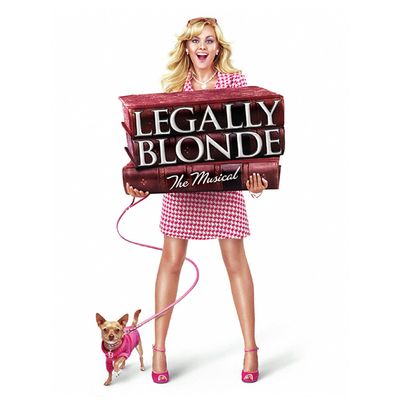
• Being pitched twice in the same day to write Legally Blonde and the changes they made from the original manuscript
• How she taught herself to write screenplays and 3 tips she would give to ANYONE starting right now
• The viral Legally Blonde theory: was Elle and Vivian supposed to get together in the end?
• Helping out on the screenplay for Ella Enchanted
• Pushing for Channing Tatum's casting after watching his self tape before he was famous
• How The House Bunny with Anna Faris came about, starting with a billboard and a coffee date
• Who she is still in touch with on The Ugly Truth and how delighted she was to make the movie Rated R
• What's next for her and how many projects actually get picked up
Book recommendations for new writers:
- Save the Cat books by Blake Snyder
- How to Write a Movie in 21 Days: The Inner Movie Method by Viki King
- Making a Good Writer Great: A Creativity Workbook for Screenwriters by Linda Seger
Resources to read scripts:
Karen: “Read as many scripts as you can!”
Twitter : https://twitter.com/karenmccullah1
Instagram: https://www.instagram.com/karenmccullah
Host:
Instagram: @MentorsontheMic @MichelleSimoneMiller
Twitter: @MentorsontheMic @MichelleSimoneM
Facebook page: https://www.facebook.com/mentorsonthemic
Website: www.michellesimonemiller.com
Transcript
This transcript was automatically generated and might contain errors.
[0:09] Michelle Simone Miller: Welcome to Mentors on the Mic Podcast.
[0:12] Michelle Simone Miller: I'm your host, Michelle Simone Miller, a New York City native actress with credits in film, television, off Broadway, and commercials.
[0:21] Michelle Simone Miller: Every Monday, I'll bring you an incredible mentor in the entertainment industry, focusing on how they started and how they moved up to where they are today.
[0:30] Michelle Simone Miller: My goal is to encourage you to follow your dreams and give you a playbook on how to get there.
[0:36] Michelle Simone Miller: Thanks for listening and let the episode begin.
[0:49] Michelle Simone Miller: Karen is the co-screenwriter of incredible movies such as Ten Things I Hate About You.
[1:06] Michelle Simone Miller: Man, this interview is so special and it makes me so happy to interview the screenwriter, one of the screenwriters, for your favorite movie is just an incredible experience.
[1:18] Michelle Simone Miller: She tells us how she started with 10 Things I Hate About You and walks us through her projects.
[1:25] Michelle Simone Miller: How they started, what were they inspired by, how she started working with her writing partner, Kirsten Smith.
[1:31] Michelle Simone Miller: She also gives tips for new writers on how to start writing right now, including book recommendations, which I've added to the show notes.
[1:39] Michelle Simone Miller: Actually, just take a look at the show notes this week because I've added a ton of resources that she recommends for writing your own project.
[1:47] Michelle Simone Miller: She also talked a bit about their writing process and how it's changed and what it was like being on set for movies like Legally Blonde and The Ugly Truth.
[1:56] Michelle Simone Miller: I also asked her about that viral tweet, which I'm not sure if you guys saw from a few months ago, where she disproved a trending Legally Blonde theory.
[2:05] Michelle Simone Miller: I'm too excited. Let's dive in.
[2:06] Michelle Simone Miller: Without further ado, here's Karen McCullah.
[2:13] Michelle Simone Miller: Welcome, Karen, to Mentors on the Mic. How are you doing?
[2:15] Karen McCullah: Thank you. I'm doing great.
[2:17] Karen McCullah: I'm so, so thrilled for you to be here.
[2:21] Michelle Simone Miller: I always like to start off the podcast with the question, what was your first role in entertainment?
[2:28] Karen McCullah: Screenwriter.
[2:29] Karen McCullah: Yes. Sold a script when I was 30.
[2:33] Karen McCullah: And that was 10 Things I Hate About You.
[2:36] Karen McCullah: That was the first sale.
[2:38] Karen McCullah: Before that, I had a couple little odd writing assignments here and there from no one like really deeply in the industry, kind of on the peripheral people, you know, producers trying to get something going.
[2:52] Karen McCullah: But the sale of 10 Things was like really my first entree into the business.
[2:56] Michelle Simone Miller: So, and you met your writing partner, which I really wanted to ask about because I feel like a lot of people wish they had a writing partner in general that works as well as you and Kirsten seem to. But can you tell me a little bit about meeting your writing partner and how those initial like first maybe few months were like writing 10 Things?
[3:16] Karen McCullah: Sure. I had been, I was living in Denver at the time, and I would travel back and forth to LA, you know, a few times a year to meet with producers, and I had an agent out here, and you know, I was just getting my own meetings, basically.
[3:33] Karen McCullah: I was so green that he never really sent me on anything. But I would, you know, send query letters, I guess is what they're called, to different production companies, and they would read my scripts and if they liked it, they would say, "Oh, next time you're in LA, let's meet." And so I would occasionally have these meetings.
[3:49] Karen McCullah: And Kirsten was working as a reader at one of an independent production company, and she had read one of my scripts and said, "Oh, I love your writing. Send me everything you have."
[4:01] Karen McCullah: And then so the next time I came to LA, I met her for a drink.
[4:05] Michelle Simone Miller: And how many things were you able to send her? I'm always curious with writers, like how many things do you just have in your back pocket just in case someone asks that?
[4:14] Karen McCullah: Oh, I probably had nine scripts at that point.
[4:19] Karen McCullah: Yeah.
[4:20] Michelle Simone Miller: Nice.
[4:20] Karen McCullah: So then we met for drinks, and I told her an idea I had for, you know, the next script I wanted to write, and she loved it and was like came up with all these great ideas for it.
[4:33] Karen McCullah: And she had just quit her job to become a writer. So I was like, "Oh, well, why don't we write this together?"
[4:39] Karen McCullah: And so we started that night on cocktail napkins, writing a script.
[4:43] Karen McCullah: And that was like a big kind of female action drama thing.
[4:47] Karen McCullah: Never, never sold. But then after that, we decided we wanted to write a teen movie because that's what we both really loved.
[4:53] Karen McCullah: Like all the John Hughes movies and Clueless had just come out, and we were like, "This is genius."
[4:58] Karen McCullah: She took like a classic and made it into a contemporary high school story. Let's do that.
[5:03] Karen McCullah: What a great idea.
[5:04] Karen McCullah: And so then we happened upon Taming of the Shrew in our search for what we could contemporarize.
[5:10] Karen McCullah: And that was how Ten Things started.
[5:12] Karen McCullah: And I was still living in Denver at the time.
[5:14] Karen McCullah: So we wrote that separately and would just send each other scenes.
[5:18] Karen McCullah: But we did go to Mexico to outline it for a week.
[5:21] Karen McCullah: I had a timeshare in Puerto Vallarta.
[5:24] Karen McCullah: So we sat on the beach with a notebook and a bucket full of Coronas.
[5:28] Karen McCullah: And we outlined all the characters and what the beats, all the different scenes were gonna be.
[5:33] Karen McCullah: And then we, you know, went back home.
[5:35] Karen McCullah: She was living in Eagle Rock, and we wrote our scenes and put it all together, and then it sold to Touchstone.
[5:46] Michelle Simone Miller: Wow, and you did, is it true you used to mail the drafts to each other?
[5:50] Karen McCullah: Yeah, she didn't even have email for the longest time.
[5:53] Karen McCullah: It was like a total Luddite.
[5:55] Karen McCullah: And I remember one time I like Airborne Express, which is, you know, like FedEx, I don't know if that Airborne is still even around, but I like Airborne her like 40 pages because it was taking so long to like put them through the fax machine.
[6:06] Karen McCullah: I was just like, "I'm just gonna send them to you overnight."
[6:08] Karen McCullah: But yeah, we would go very different.
[6:13] Michelle Simone Miller: And do you have a completely different way of writing with her now, right? Can you talk to me a little bit about what's different now?
[6:25] Karen McCullah: You have to get it.
[6:27] Karen McCullah: But yeah, so well, there's two ways.
[6:30] Karen McCullah: We still when we finally were living in the same place, we would write our scenes separately originally for the first draft and then put them together and kind of rewrite each other's scenes, and then we had our, you know, once we had a draft, we would sit there together and go over it line by line.
[6:48] Karen McCullah: But then at one point we decided, well, let's just do the whole thing sitting in the same room and line by line.
[6:54] Karen McCullah: But you know, now that the pandemic has come upon us, we are doing our scenes separately again and then going over them line by line on the phone.
[7:03] Karen McCullah: So it's different each a little bit each time, but whatever's working at the time due to the circumstances.
[7:09] Michelle Simone Miller: Excellent. And so you wrote Ten Things, and did you know right away that it was like something incredibly special?
[7:16] Karen McCullah: I know people ask that, but I'm always curious. Were you writing it? You're like something's really great about this, or was it like, let's try this out?
[7:25] Karen McCullah: Well, I mean, I hoped it would be, but I had no idea that, you know, 20, god, 20 almost 25 years later, because it came out in 1999.
[7:34] Karen McCullah: Right. So it's 23 years later, people are still talking about that movie and enjoying it and quoting it.
[7:40] Karen McCullah: And I say I'm underwhelmed all the time.
[7:43] Karen McCullah: Or can you ever just be whelmed?
[7:46] Karen McCullah: Yeah, so with Ten Things, let's start with that.
[7:49] Karen McCullah: So obviously this was the first big, big thing.
[7:52] Karen McCullah: I know that the title of it and the concept a little bit came from, I think, was it a high school diary entry of yours?
[8:00] Karen McCullah: Well, just the title? Because when we decided to write a teen movie, I went back and read my high school diaries to put me in that mindset, and that's when I found a list of things that I hated about my boyfriend at the time.
[8:12] Karen McCullah: And so I told Kirsten about that.
[8:14] Karen McCullah: She was like, "Oh my god, that's a great title."
[8:16] Karen McCullah: It is a great title.
[8:17] Karen McCullah: And you came into it wanting to adapt Taming of the Shrew, right?
[8:22] Michelle Simone Miller: So what was that like?
[8:23] Karen McCullah: We wanted to adapt a classic, but then we decided that Taming of the Shrew was like the perfect one to do.
[8:30] Karen McCullah: It's so good.
[8:31] Karen McCullah: It's so great.
[8:31] Karen McCullah: We looked at like Greek myths.
[8:33] Karen McCullah: Well, I mean, we were like all over the place.
[8:35] Michelle Simone Miller: Oh, it's so good.
[8:36] Karen McCullah: And so, oh god, I have such fond memories of watching that movie.
[8:41] Karen McCullah: I mean, when I say like multiple times, really has been multiple times, and it really has withstood.
[8:46] Karen McCullah: I mean, I talked to friends about it still.
[8:49] Michelle Simone Miller: So that first film, how much, you know, after writing it, after getting it to Touchstone, what was your involvement in it?
[8:57] Michelle Simone Miller: Were you able to sort of be on set all the time? Were you able to be part of the casting choices?
[9:02] Michelle Simone Miller: I'm kind of curious as to that first project, how much were you able to have a hand in putting it together and seeing it sort of into fruition?
[9:10] Karen McCullah: We were only on set for about three days because it was shooting up in Tacoma in Seattle, and we were working on a sitcom here in LA at that point after we sold Ten Things.
[9:22] Karen McCullah: I moved out here because we got a development deal for the 20th Century Fox television, and we were working on a sitcom.
[9:30] Karen McCullah: So we couldn't just, you know, say peace out. We're going this out of our movie.
[9:34] Karen McCullah: But they were nice. They let us go for like three days.
[9:36] Karen McCullah: And um, but yeah, like the studio exec Mark Veradian, who is now a producer that we're still working with, we just sold a project to Amazon with him.
[9:49] Karen McCullah: He kept us involved, but you know, the director at the time was like, "Oh, it's my project now."
[9:57] Karen McCullah: And so like we kind of took over.
[9:59] Karen McCullah: But the producer and the studio exec kept us involved.
[10:02] Karen McCullah: They were very nice.
[10:04] Michelle Simone Miller: So that was your first thing. It was a, you know, when it came out and it had such a great reception, what was that like for you guys?
[10:10] Michelle Simone Miller: Was it, you know, did it change things?
[10:12] Michelle Simone Miller: Obviously you have this development deal already in play and you were working on other stuff, but how did that change for you?
[10:19] Karen McCullah: Well, the movie when it came out, it wasn't like a huge hit at the time because we opened against The Matrix, which like prompted us.
[10:26] Karen McCullah: But it did like respectable numbers.
[10:29] Karen McCullah: It was, you know, and you know, none of those kids were the big stars at the time.
[10:33] Karen McCullah: Like Joseph Gordon-Levitt was on Third Rock from the Sun, so he was like the best known face in the cast at the time.
[10:40] Karen McCullah: But um, so it's like, you know, they've all become since then.
[10:50] Karen McCullah: But um, but yeah, so it opened a lot of doors for us after, you know, after the script sold, and then after the movie came out, and then the next one we did was Legally Blonde.
[11:02] Michelle Simone Miller: Right. So let's go into this because this is my love. This is everything is so great.
[11:06] Michelle Simone Miller: Um, how did that start? I'm so curious.
[11:12] Karen McCullah: That was based on an unpublished manuscript at the time, and two different producers called me to pitch it to me because the author's agent had sent it around.
[11:28] Karen McCullah: I was like, "Wait, someone else is pitching me this on the other line."
[11:30] Karen McCullah: Oh, but people, yeah, you know, the producers that were interested in it just immediately thought of Kirsten and I, I guess.
[11:38] Karen McCullah: They thought that we were right for the material.
[11:41] Karen McCullah: So Mark Platt, our producer, got it and MGM bought it, and then we just came up with a take on how we would change the details of the manuscript to make it a movie.
[11:53] Michelle Simone Miller: And what were the main differences? Because I was surprised when I was, you know, researching for this that there was a novel prior to, um, and now I need to go and get it.
[12:02] Michelle Simone Miller: But in general, like what would, what were the main differences?
[12:04] Karen McCullah: Yeah, well, I think she changed the, the novel didn't actually come out until like a year after the movie.
[12:09] Karen McCullah: So she's what it was.
[12:10] Karen McCullah: I think she changed the details to make it more like the movie so that there would be some cohesion.
[12:15] Karen McCullah: But um, the main differences were that the Luke Wilson character didn't exist.
[12:20] Karen McCullah: We invented him, like in the book, she ends up with the teacher, but the teacher was not a creep, like we made him in the movie.
[12:26] Karen McCullah: Great.
[12:26] Karen McCullah: Yeah, we're like, "No, she did not end up with the sexual harassment. He was a nice guy."
[12:30] Karen McCullah: But we were like, "No, we're, we don't want her with the teacher, we're gonna give her a hot guy."
[12:35] Karen McCullah: Yeah, so um, yeah. So we met at him and the whole um the manicurist subplot and their friendship, um, things like that. And I think the trial was about a mortgage, and we turned it into a murder trial to make up more stakes. But um, but yeah, it was like, you know, the basic bones of the story were there for sure. And it was just such a fun idea to have like the beautiful, rich, popular girl be the underdog instead of the villain. So that was fun to work with.
[13:06] Michelle Simone Miller: What do you feel like was the first thing you guys started with? I mean, obviously you have the book, but what was like the main thing that you felt like was important to come through when you were like first sort of because you you said like you said you added the friendship and storyline with Paulette, you added the Luke Wilson character. What was the thing that was like the most important part of writing this and putting this, you know, together? What was like the foundation if you were?
[13:30] Karen McCullah: Well, it's like just really nailing her character and yeah, you know, that she was really kind to everyone, and you know, this kind of oblivious optimism that she had, you know, it never occurred to her that she wouldn't get into Harvard or never occurred to her that she wouldn't get you know warner back. So it's like seeing how she rebounded from disappointments and went on to do better things and just making sure that we really had her attitude and you know, her good heart down for sure.
[13:58] Michelle Simone Miller: I think I think that's one thing that everyone can take from it. I feel like her character's just so rich. Like there's just so much there, and and even if it's not explained, like I feel like sometimes movies and even books sometimes will really go into explaining, like, okay, let me take you through this person's childhood and and really like show you how they've become. It was almost this like really, really like beautiful, full character. And you were just seeing her in action already. Um, you know, seeing her just the the way she spoke to, you know, her friends and people she didn't know, and then also how she interacted when someone was trying to give her, like, you know, uh, you know, there was an issue with the dress, and she was like, This is last year's, etc. I just felt like she already she had a way of talking to people, was always nice. It was just, it was so well done, especially in conjunction with um Reese Witherspoon's incredible acting.
[14:52] Karen McCullah: Um, but I I noticed somewhere I I read that you you had this quote, and I just felt like I wanted to ask you this in the terms of the process of writing. You were like, uh, you said you might not work in fashion merchandising, but you'll write a character's majoring in it. It all shows up in different ways. Your life is an accumulation of things that eventually end up in your writing. And I wanted to ask you about that because A, I found it inspiring, but B, just this idea that sometimes I feel like people feel like they're behind, or that they haven't done enough, or they've spent so many years, you know, getting experience, but for what, etc. And I love this because it's this idea you don't know where you're gonna get this knowledge, you don't know where you're gonna use this one day.
[15:33] Karen McCullah: But yeah, yeah, I mean, you you studied marketing, right? In in school and uh didn't know.
[15:41] Michelle Simone Miller: Oh, interesting.
[15:43] Karen McCullah: I thought, oh, well, this is what El Witch makes. I think in the book she was like a socio-political jewelry major. And I was like, I don't know if that's real. Let's let's make one that's like a little bit more uh something that I know exists, and that I, you know, I took classes at it, so I know how to write that. But yeah, so um I think what I was trying to say by that is you know that that was my minor in school, but it's not a career that I pursued, but that I was able to use you know that experience and that knowledge to give it to this character. And there's you know, I didn't go to a film school, I went to James Madison, which is kind of a party school in Virginia, although they'd be mad at me for saying that.
It was party school at the time. Maybe it's very brainy now, I don't know. But um, you know, I feel like I did not get any um an education in the career I have now at that school, but I was in a sorority at that school and I've written two movies set in a sorority house. So obviously I got something very valuable from my time in college, but it just wasn't how it, you know, how you think it's gonna turn out.
[16:46] Michelle Simone Miller: So yeah. But it and it also opens itself up to the idea that like no matter, you know, where you are in life, like you know, you could be you probably to have taken details from different parts of your life and put them into your movies, and they seem maybe very innocuous or or you know nothing at the time, but then you know, they inform these characters, they inform your scripts.
[17:08] Karen McCullah: Absolutely. I love that. Um, and in terms of teaching yourself a little bit about creating screenplays, I just wanted to kind of go back a little bit into how you started figuring out how to do this. Like you said, you um you majored in in marketing, I believe, and then minored in furniture fashion merchandising, which I didn't know that part, but in general, like, you know, you didn't study this, you didn't train, but you kind of built your own school, I feel like you built your own training program. Can I ask you about that?
[17:40] Karen McCullah: Well, at my graduation, our speaker was a man named Thief Sutton, who was a writer and producer on the show Cheers at the time. And he had gone to JMU. And so when he was up there talking about that, I thought, wait a minute, you can work in like TV and movies after you've gone here. Like it never even occurred to me that that was a job I could have because it was, you know, I was in Virginia. I was, you know, had majored in business. I was just like, whoa, okay, that's interesting. And I just kind of put that in the back of my brain. And then I went on to work in um, you know, marketing and PR and investments. I got my stock worker's license at one point.
[18:17] Michelle Simone Miller: Oh wow.
[18:18] Karen McCullah: But I always wanted in the back of my mind, I was like, I should be a writer. Because I was having to write a lot of stuff for marketing, like, you know, brochures and speeches and stuff for the um, you know, stock workers I was working with. And people would say, Oh, you're a good writer. And then I thought, well, if if I'm any good, I should just write something I want to write instead of all this crap about mutual funds, you know, that wasn't interesting to me. So um then um my ex-husband got transferred to Albuquerque at the time, and there wasn't any jobs comparable to what I had um in Washington, DC. So I decided to um start writing on the side of my freelance PR business. And then I just was, I think I started trying to write a novel and I got a little bored with it.
And then I read a book called How to Write for Film and TV. Right. And I was like, this is what I'm supposed to do. And I had rewatched recently the movie because I it first came out when I was in college, but then I saw it again in my 20s, uh, The Big Chill. And that one just really inspired me because it's just so funny, and it's just such a simple story about a group of friends. And I was like, that that movie makes me want to write movies. And so then I just took a weekly workshop up in Santa Fe with a retired TV writer, and just kept going and read every script I could get my hands on and watched movies and would like time the different act breaks, like write down, you know, I would stop them and write down, okay, it's 20 minutes in, and now this has happened, just to like teach myself the structure. So yeah, I had to like kind of keep myself a whole new career.
[19:49] Michelle Simone Miller: I'm gonna do that because I I feel like as an actor, they always tell you like you should make your own work. You should make it's so hard to just wait for parts, right? You should make your own work. And you know, it's intimidating to be like, Well, I yeah, I'm not a writer, you know. That's like the first thing I'll think of. I'm not a writer, I I don't know what to write for myself. Um, but this feels like an actionable way of starting, at least, you know, obviously taking classes, but but this as well just sitting down, timing movies, writing down what happens at each beat. Um, I really love that.
[20:19] Karen McCullah: And I'll I'll do you recommend the book, How to Write for Film and TV.
[20:23] Karen McCullah: Um, you know what? It was like a it's so dated now. It was like a writer's digest book. Um, there's so many other ones that I've read since, like the Save the Cat books.
[20:32] Michelle Simone Miller: Okay.
[20:33] Karen McCullah: Um, I don't even know if that how to write for film and TV is even in print, but it was basically just like an overview of the of the career. Um, and then like how to make a good writer great, how to write a movie in 21 days. There's a lot of books that I read starting out, but most importantly is just read as many scripts as you can find. Yes, because you're gonna learn more from reading the scripts of movies you like and seeing how they craft it and how it's laid out on the page and the format and you know how much description and you know, little things like that, and getting getting a handle on dialogue is probably most important because when you're new, that's what sounds most unnatural a lot of times is the dialogue. But I feel like now because you know, writers have so much access, you can get scripts on the internet. You can watch any show or any movie you want within you know two seconds of deciding you want to watch it.
[21:24] Michelle Simone Miller: Um so now it's it's much easier for people. I I taught at Syracuse University last year, and I was shocked at how good my students were at screenwriting, like their dialogue and their sense of story structure. I mean, it was I was amazed at how great they were.
[21:40] Karen McCullah: I'll uh I'll include links in the show notes this episode about the books that you said, as well as like links to scripts because they I think that people are curious about this stuff and they just sometimes don't you know actively know where to start looking or where to start reading.
[21:54] Karen McCullah: The writer's guild library has just every script every written, probably.
[21:59] Michelle Simone Miller: Excellent.
[22:00] Karen McCullah: You might have to actually physically go there, but you can buy a lot of them online or yeah, you probably have to buy them. You probably just download most of them. I don't know.
[22:08] Michelle Simone Miller: That's so great. I'll look it up. I mean, I I've done stuff with the with the WGA, but just haven't like explored their website thoroughly.
[22:21] Michelle Simone Miller: If you want to hear lively and engaging discussions with women working in all facets of film, television, and media, then you must subscribe to the Women Crush Wednesdays podcast from New York Women in Film and Television, also known as NYWift.
[22:37] Michelle Simone Miller: Our episodes inform, motivate, and inspire.
[22:41] Michelle Simone Miller: Look for Women Crush Wednesdays from NYWift on Apple Podcasts, Spotify, Google, Anchor, or wherever you listen.
[22:49] Michelle Simone Miller: If you would like to be featured on an episode, reach out to us at communications at NYWift.org.
[22:56] Michelle Simone Miller: That's communications at N-Y-W-IFT.org.
[23:06] Michelle Simone Miller: Um, so anything else about Legally Blonde before we go into our next one? Was there you were you able to be on set for a little bit for that? How was it first seeing it?
[23:15] Karen McCullah: I was there every day for that one because definitely shot that in LA. So that was really fun.
[23:21] Michelle Simone Miller: And how was it like seeing it sort of in action, like seeing your words come to life?
[23:26] Karen McCullah: It was great. Robert Luketic is such an amazing director. Everything looked exactly like how I pictured it. It was just a joy to get to set every day in our production designer. Everything was perfect. I've had other mentors on the sub podcast say, especially writers, that you know, there is a difference often between you know the original screenplay and then actually filming it, and then it's a completely different movie also once you edit it. Do you feel that way?
[23:51] Karen McCullah: Um, there are, yeah, there's been cuts of movies that I've seen where I didn't like the editing as much as the final cut. Yeah. Like especially with comedy editing, you can't live on you can't just linger after the joke. You kind of have to cut out after the joke. Because if you linger too long, it like deflates the humor of the joke.
[24:11] Michelle Simone Miller: Right.
[24:12] Karen McCullah: So that's a a skill that comedy editors really have to have. So I've seen cuts where you're like, oh, I don't know if that's really working. And then a new editor comes in to cut it, and you're like, oh my god, that's hilarious. Like God, you know, so it's that that's editing is a very, very important job.
[24:29] Michelle Simone Miller: Right.
[24:30] Karen McCullah: In comedy. So we did Legally Blonde, and then let's go next to I I believe ELLA ENCHANTED, 2004. So, how did you come across that and that idea and and figuring out how to put that story together?
[24:45] Karen McCullah: That was a book, a children's book that um Miramax wanted us to make into like a live action track kind of thing. But we were working on something else for Miramax at the time. So we only worked on that one for about a month, I think.
[25:00] Michelle Simone Miller: Okay.
[25:00] Karen McCullah: Um with the director Tommy O'Haver. Um, but then I think Bear Max decided they wanted to make it more kid friendly and more rated G. So I think there's probably about 10 writers total on that over the course of two years.
[25:12] Karen McCullah: Um and it shot in Ireland, so we never went.
[25:15] Michelle Simone Miller: Yeah, there we go.
[25:17] Karen McCullah: So what else were you working on at that time? Because I'm sure it's one of those things where as a writer at that point, you're just you're working on many different projects. I'm always curious about that.
[25:27] Karen McCullah: It was a uh female detective maybe based on a series of books from the 50s and 60s, but it never got made.
[25:33] Michelle Simone Miller: How is that? How is it? Because I I'm always curious, like what percentage do you think of the screenplays you write end up being made into a film or project?
[25:42] Karen McCullah: Uh I've never done the math, but there's definitely more that don't get made than do get made. I mean, I've been writing since 1997. So and I've had, I think what is it now? Nine maybe. Yeah, maybe. So definitely way more yeah, way more than well, I I it seems discouraging, but I also think it's it's important and it's encouraging maybe for people who've written so many things and maybe haven't felt like there was enough that was put out there, they haven't been able to develop as many of the projects as they would like that that's completely normal.
[26:16] Karen McCullah: That that's unfortunate. That's part of it. That's part of this whole thing. As long as someone's still paying you for them, you know.
[26:22] Michelle Simone Miller: Yeah, exactly. You're making a living. Is there a difference between um when you know the companies come come to you or ask you to do something? They'll be like, hey, we'll pay you to do this, as opposed to the ones that you maybe find yourself.
[26:38] Karen McCullah: Oh decide to come up with yourself. That's you know, considered an original. Um then you're doing like kind of all of the heavy lifting. If a studio asks for a rewrite, then usually there's something about the plot or a character that they already like. Um then you don't have to do as much heavy lifting. Like a lot of times I'll get asked to do rewrites where it's like, okay, we like the story, just make everybody funny. And I'm like, that's like seven.
[27:02] Karen McCullah: Yeah, thank you. Yeah, that's like the favorite, like my favorite type of rewrite because it's like, oh my gosh, this is a dream. I just get to really that you're make these characters funny without having to redo the whole plot. But I mean, some plot plotting is fun. It's like doing a giant puzzle. And a lot of times while I'm coming up with plots or trying to figure out the answer to a problem in one of my plots, I will literally sit and do a jigsaw puzzle.
[27:30] Michelle Simone Miller: See, oh, an actual jigsaw. That's so interesting.
[27:31] Karen McCullah: Yeah.
[27:33] Michelle Simone Miller: Oh, I love that. So um now I also paint a lot while I'm plotting and planning. Because it just it gets your mind working in a different way, although it's still being creative.
[27:45] Karen McCullah: Yeah. And it's kind of like a massage for the brain, and then all of a sudden it gives your brain time to be like, oh, wait, here's the answer. Like you don't even know you're thinking about it. All of a sudden you're like, holy crap.
[27:54] Michelle Simone Miller: It sounds very meditative, where you're just like almost zoning out, but not because you're still being creative, you're just focusing on something else. And then you can let more inspiration or creativity come to you.
[28:04] Karen McCullah: I love that. Um, so so then we go into She's the man. So can you tell us a little bit about that process? What was that?
[28:11] Karen McCullah: Yeah, that was really fun. They asked us to do that one because um there's a script already written. It was because it was based on Twelfth Night, another Shakespeare play. So that's why they came to us because we'd done 10 things. Right. Um, and the the first writer, Jack Leslie, had set it all in the world of um a play, like a drama club. And the studio that bought it decided that they didn't want it to be a play, they wanted it to be about soccer. So then we moved it to um, you know, she's trying to get on the boys' soccer team, and that's why she's pretending to be her brother. And um we had to learn a lot about soccer, but uh neither of us ever playing. We're like, insert soccer scene here, we'll figure it out later. But um, it was really fun, it was a lot of fun.
[28:57] Michelle Simone Miller: Well, we went on set for I think three or four days. That was up in Vancouver.
[29:03] Karen McCullah: Nice.
[29:03] Michelle Simone Miller: Yeah. Oh, fantastic. And so it's so interesting to think that like they were like, oh, let's make it about this. And oh, you know what, let's change it to soccer because it it worked, it worked, it worked really well, actually. Um and I can't even imagine it not having that context.
[29:19] Karen McCullah: Yeah. I think at the time they were like, soccer's become so popular, like, you know, it'll be a bigger audience than if we just make it like the drama club. And so yeah, I think that was definitely a very good call.
[29:31] Karen McCullah: And it worked really well with the names. Like I remember thinking that when I first realized, you know, when I was younger that this was based on, you know, Shakespeare. I remember thinking, like, oh you know, like like sort of studying all the names and being like, Oh, okay, like we have uh you know there's exactly when it's it's words, it's names that you really wouldn't see in your like average high school, but I think it it made it really it was really nice.
[29:53] Michelle Simone Miller: So the character named Malvolio in the...
[29:53] Karen McCullah: Yeah, exactly. I was thinking Malvolio. I was like, yeah, exactly. We're like, we can't name a person that, but let's name the spider that. Like we just wanted to get the name in there. So it's like that was like the villain spider's name.
[30:09] Karen McCullah: And so and and a lot of I mean Channing Tatum's, that was one of his first movies, I believe.
[30:13] Karen McCullah: Yeah, and I bug the crap out of the studio, the director and the producer, everyone to hire him. And I was just like, He's the one he's the one, he's the one.
[30:24] Michelle Simone Miller: You were right. I mean, he he was magical in that movie. Like I remember we watch, you know, as as a girl, we watched it and we're like, Oh, who's that guy? Like, who's who's he? He just like came off the screen.
[30:34] Karen McCullah: So that's how I felt when I saw the audition tape. I'm like, this guy's perfect, he's funny, he's gorgeous, he can act. Like he's the full package.
[30:44] Karen McCullah: And then of course Amanda Vines just took that character and create. I mean, you really have had some such great actors to, you know, sort of take the hold and and uh and sort of lead these these female like led comedies, if you will.
[30:57] Karen McCullah: Yeah, she's just a comedic genius. Like the timing and the faces she made, and she was just not afraid to go for the silly at all. And it's interesting because the one thing you you know, when you watch the movie, you really have to sort of suspend this idea that like everyone uh everyone thinks she's a guy. Like everyone feels like she's this guy, and she's she's getting away with it really, really well. And so I think, but it but it works because I think she does such a great job and the writing really lends itself and everyone just kind of suspends believe it. Just like you know, you you watch it going, okay, everyone thinks she's a guy right now. We're we're cool with it.
[31:31] Michelle Simone Miller: But it's so funny. Though when I watch it back now, is that in the end when her brother comes back and everyone, you know, doesn't realize that there are switch spots. It's like you guys playing her brother's like at least a foot taller than her. Like no one noticed. And the only way they could know, like they could um sort of distinguish is if obviously if like they they undress, like that's just the solution. We're just gonna keep having them undress on the field and prove what gender they are.
[32:00] Karen McCullah: Oh my god, can you imagine that scene now?
[32:02] Michelle Simone Miller: I know it's a good idea. I think it could never, it would not work.
[32:07] Karen McCullah: It would definitely have to be rewritten for today.
[32:10] Michelle Simone Miller: That's so interesting to think about. Um, that was like the whole gender thing, they'd be like, Well, who cares? Like, you know, it's just a different world.
[32:18] Karen McCullah: Which is crazy to think because this was such, I mean, like you said, it was based in Shakespeare. This was something that's been around forever.
[32:24] Michelle Simone Miller: Yeah, but you're right, it would be very different now. Um, so then only a couple years later was the house bunnies. You had probably been working on that for a bit, even before this was completed.
[32:35] Michelle Simone Miller: So again, another sorority movie, like you said. What was the what was the basis of this? How what was the inspiration for this story?
[32:41] Karen McCullah: Inspiration for that was I was sitting in traffic and I was looking up at the billboard for the movie Just Friends and thinking about how funny Anna Ferris had been in that role. And she was like not even the lead, she just was like a supporting character who was hilarious. And I thought, you know what? She's gonna be like the next female comedic star. We've we've got to meet with her. So I called my agent from the stoplight, and I was like, set up a coffee with Anna Ferris, and so we met her at um, I think it was Solar de Coinga, this coffee shop near my house.
[33:15] Michelle Simone Miller: Nice, and we asked her, you know, just hung out with her and asked her, like, are there any characters in your head that you've been knocking around that you would love to play?
[33:24] Karen McCullah: And she said, Well, I always thought it'd be fun to play like a Playboy bunny who gets kicked out of the mansion because like, where do those girls go?
[33:31] Karen McCullah: And uh she kind of had like a dark idea. Like she goes back to her small southern town and becomes like a drug addict. And I'm like, or we could do it as a comedy. That might be funnier. So then um I was like, let me think about that for a bit. And I had had another idea that was like sitting in my idea file, kind of like a female animal house where like a very uptight uh woman gets, you know, community service or whatever and has to be the house mother at this like wild sorority where the girls were like totally you know, partying and causing trouble. And then after we met with Anna, I was like, well, wait a minute, what if we flip it? What if the sorority is kind of like shy and nerdy and Anna like the Playboy Buddy becomes the house mother? And so we went back and pitched her that and she was like, Yeah, I love it, let's do that.
[34:21] Karen McCullah: And so then we um went around town pitching it, and Anna did lines. We, you know, she came with us and did lines for in character, and uh we finally sold it. So that was Happy Madison was our producer on that. I think originally we sold it to Paramount, but they didn't have spot on their schedule to make it within the next year. So Sandler's like, okay, well, if you guys don't have a space for it in the schedule, I'm just gonna take it to Sony because they'll make it this year. And so that's how it ended up getting made at Sony.
[34:54] Michelle Simone Miller: Interesting. And so different because you know, this one was really something you were able to like to to not only work with, but like have Anna Ferris from the start and create this kind of with her in a way, and and brainstorm and come up with solutions really quickly. Like it just feels like a different type of process to achieve that screenplay.
[35:13] Karen McCullah: Yeah. It was uh yeah, it was like right, you know, from from scratch for sure. And I remember when we did the first table read at Sony, um, and it was like it hadn't been greenlit yet. I think the table read was to get the execs excited to green light it. And so the director Fred had Anna like in full bunny costume, hair and makeup. And when she walked in the door, I I screamed aloud and almost fell off my chair because I just couldn't believe how different she looked. Because you know, the you know, the Anna I know is very natural, and like, you know, we'd be great, like when she was like kind of in character when we were pitching, she was like, you know, wearing a mini skirt and a tank top, like, but now she was like a full buddy regalia, and we were just like, whoa, was it? It works, yeah. We're like, this is a move.
[36:03] Karen McCullah: So yeah, that was so good. And that's workier in LA too.
[36:06] Michelle Simone Miller: Oh, so that worked nicer because you could be there more often.
[36:09] Karen McCullah: Yeah, exactly. Like that whole sorority was down in it was just a regular house in Koreatown. That whole Greek row, they just put Greek signs in front of you know every house on this street and start it.
[36:20] Michelle Simone Miller: Yeah. Um, let me ask you a question. I I I've heard different things from different people, and I'm curious about what do you think? So I've heard a lot that like writers on set aren't really like given a lot of, you know, like it's really like a director's medium. And so sometimes like the writers are very involved as the film is being, you know, written done or or being um filmed. And then other times, you know, the writers aren't really like they kind of did their thing, they did their screenplay, they're on to the next. Do you feel like what would what has been your experience?
[36:56] Karen McCullah: Well, when I'm there, I'm there to just watch and enjoy. But if something's not working, like, you know, if we need an extra line to cover someone crossing the room, like, you know, a lot of times in blocking, you're like, oh, wait, we need something here. I'd rather, you know, be there to offer up the line than have like, you know, the actor have to do it themselves, or there'll be a weird silence. So directors usually like it when I'm on set, or some do like Robert Luketic, you know, for Legally Blonde and The Ugly Truth. Um, I was there every time and Robert's very like, you know, collaborative. He wants me to like if I missed a day to go to the dentist or something, there they'd be like, Where were you yesterday?
I'm like, you guys know I'm not getting paid to be here, right? I'm not gonna be but um it probably said I mean I imagine it's so helpful because you have the source right there. So if something isn't working for something that's you know, not not nothing, just just having it, you know, off the ground, or maybe there's something to do with costumes or something that's added to the scene and and a line doesn't work the same way, or just having the creativity that comes from having the writer on set and just being able to like embody.
[38:00] Karen McCullah: Well, and that's also why the characters, like if an actor's like, I'm not really sure why I'm saying this, then Robert can come to me and I'm like, oh, well, in my mind, she's mad because of this, this, and this. And then he'll go and tell her, and then she can incorporate that subtext into the line, you know, so that she understands it. And then, you know, when Warner was about to dump L in that scene in Legally Blonde, he asked me, like, you know, did I ever really love her or am I just a dick? And I'm like, no, no, you loved her, but you know, your family will never accept her, so you're just trying to get out of this now before it gets any deeper. Like, so it's good for me to be there to answer those questions for sure, because I informed the way he played the scene, you know.
[38:41] Michelle Simone Miller: Absolutely.
[38:42] Karen McCullah: And he comes off as like a nicer version, like I feel like he's obviously in some ways a little like, you know, not loved by the end of the film, but at the same time, like he's this warm character, like you kind of understand her plight to get him back, you know. There's this element of like you like him, he's like he's relatively likable. Point being, I think the point of all this is I'm getting I, you know, they should pay you to be on set, they should have you on set every day. It sounds incredibly informative and helpful to the greater creation. So I'm pulling for that. But it's fun because you know, a lot there's a lot of downtime in making movies, like in between setups, so you get to cast and you know, make lifelong friends, like Selma Blair and I are still very close, and you know, Gerard Butler's always all over around the world, but we text a few times a year, and I run into him, it's always like very happy, you know. It's like it's really fun to get to know these people, and you've made something together.
[39:44] Karen McCullah: It's like you all have this shared project.
[39:48] Michelle Simone Miller: Shared story that you told.
[39:50] Karen McCullah: Yeah. Um, well, speaking of Gerard, let's go into The Ugly Truth. How did that come about?
[39:53] Karen McCullah: That was a rewrite of a script written by Nicole Eastman, and we were brought on to make it rated R. Hmm and just kind of update some of the things I think it had been written like 10 or so years before we came on, so there were some things that had to be kind of updated, but that was really fun because that was our first rated R movie, and my humor tends toward the blue, as they say. So I was like, what? We get to cast in this movie and dick jokes. I was like, I could hear like the angels singing when they told me they were orgasm jokes. Oh my god, I was sorry. Yeah, it was it was definitely a little different. Definitely a little a little more R, if you will.
[40:41] Michelle Simone Miller: That must have been really fun.
[40:42] Karen McCullah: It was really fun. And you said you were on set for a lot of those events.
[40:46] Karen McCullah: Yeah, that also shot in LA. And Robert Le Kedeker, our Legally Blonde director, was the director on that as well.
[40:52] Michelle Simone Miller: Right.
[40:52] Karen McCullah: So excellent. That was super fun. Do you shot literally right down the street from my house? Like I roll out of bed and drive two miles.
[41:00] Michelle Simone Miller: Oh god, it sounds so easy.
[41:03] Karen McCullah: Sounds so lovely. Yeah, now everything shoots in like Louisiana or Atlanta. It's like you have to get on a plane to make a movie these days.
[41:09] Michelle Simone Miller: All the tax breaks, yeah, elsewhere. Um do you have any say on who gets attached to your film in terms now, like in terms of director now, in terms of an actor that you like, you know. Do you have any say in that?
[41:21] Karen McCullah: Once a studio buys something, they have all the say. Yeah. But like we have an independent project that we'll hopefully get shot like the end of this year, knock out what a fall goes well. So we got to so we got to interview all the directors that were interested, and you know, we'll have a say in the cast and all that. So that's always a nice thing. But you know, for like I said, for She's the Man, they did there was a link where I could watch the audition tape.
[41:51] Michelle Simone Miller: Right.
[41:51] Karen McCullah: I was thinking that because you're Channing. I mean, yeah, they didn't have to listen to me, but they would listen to me if I had a strong opinion. Yeah, I remember the director called me up and he's like, Karen, you're gonna be very happy. We just hired you to play it. And I was like, Oh my god, thank God. It's such a good choice.
[42:08] Michelle Simone Miller: Oh, good. I'm glad to hear that. I didn't realize I wasn't sure if they do send you. I know you said for that particular movie, they send you a lot of the casting choices, but or the options, if you will. But it's nice to hear that they do that.
[42:20] Karen McCullah: Um not always, like not always. So yeah.
[42:25] Michelle Simone Miller: Um, okay, so a couple more things. One, so the way I found you initially was a few months ago. I've been following you for a while. Highly recommend following Karen on Twitter specifically. But um, there was this viral tweet I wanted to ask you about. So there was something that came out that was like, Oh, did you know that like Reese Witherspoon's L Woods and Selma Blair were supposed to have gone together in the original script? And all you wrote was this is not true, which would have been enough. But so I think the person wrote back to you and was just like, What's your source? Here's mine, and put up a link to something that had your picture in it, which was amazing, and you were like, I'm that girl, like right there in the middle.
And I wrote it, and so I can that's the source. It's me. And I just I think I sent this to everybody, first of all, but also it was so funny. Just I mean, it makes sense how funny you are, and obviously the writing, but just it was so great. Did you get a lot of attention from that? Did is that something it was so funny?
[43:29] Karen McCullah: What's so funny is I rarely I mean, I go through phases on Twitter. Like I'll tweet a lot for a couple years, and then I just don't. I don't even look at it for like a year. I think when Trump became president, I just stopped looking at Twitter because every day it just made me mad. I was just like, oh, it's just recording some other idiotic thing he's done. I can't bear to look at it. Yeah. So I hadn't been on Twitter in a while, and then when that it was the New York Times oral history that that quote was in because one of the actresses said she remembered that ending, but she remember that ending incorrectly because that and it never existed. And I was thinking, like, did she dream that? Was it a joke someone made on set?
Like, I mean, she's Jessica Copyle is a friend of mine, and you know, she still comes to my birthday party. It's like we're very close. So she I knew she wouldn't say that unless she believed it to be true. It wasn't like she was like trying to cause controversy. She just misremembered. I mean, it was 20 years ago. Yeah. So um then I saw like when that came out, I was just like, oh gosh, like people are gonna be mad if they think that ending's pet. And then I went on Twitter and I saw that some people were mad. I was like, oh no, I don't want people to be mad that they lost something that never existed. This is terrible. So I just started writing like this is not true and the reply to them, but I didn't tweet anything myself about it.
I just replied to people, yeah. And I didn't know that anyone could see replies except for the person who wrote the tweet and their followers. So then I get a call from Entertainment Weekly saying, um, hey, we saw that you're you know refuting this, blah blah blah on Twitter. And I'm like, how did you see that? I didn't tweet about it. He's like, Well, you replied to someone, and I'm like, wait, you can see my reply. And he's like, Yeah, and I was so then I said the whole thing, like I just don't want people to mourn something that didn't exist, and something was taken away from them. So people were really upset. I wanted them not to be upset, and so he wrote an article about it, and then like the advocate, you know, wrote something about it, like saying that I said that.
But in the meantime, this guy back east, Max for your pleasure, or something, he's a drag king. Nice, he had quoted um, I think Collider or some one of the online publications had said, like, oh, there's you know, we were robbed of the lesbian ending and Legally Blonde. And so I, you know, wrote this. It's not true. And so yeah, he was the one that said, like, source, here's mine, and then like literally put the link to the article with my face with your face. It was just it couldn't have been better. Like it's just the fact that the source that he was quoting, he was like, This is mine, and right away is just a picture of you. You're like, okay, so that person right in the middle, that's me.
So already right there, thank you. But it just turned into such a funny thing because he immediately backed up. He was like that. I guess you don't need a source if you wrote the movie. And he's like, I'm so sorry, I feel like it's an idiot. I just wrote like, no worries, you know, yeah. It just was so funny. That that exchange was so funny. And I think especially because you know, he backed off and I wasn't mad about it that we made nice. I think that's why it got you know so widely spread. Like that was retweeted like thousands of times, and I know it was just so funny, and there's memes about it. Like, I can't. And I'm so grateful. Where someone says, like, I am the source, like people like put me in like that chair with my face over like Obi-Wan Kenobi or something. I was like, I have to find that for marketing purposes for sure.
[46:54] Michelle Simone Miller: That's so good. I mean, just well, I'm grateful because that's how I found you.
[46:58] Karen McCullah: Oh, so the last question I have for you, and I asked this to all my mentors at the end. What is your definition of success?
[47:08] Karen McCullah: Oh, being happy with what you're doing every day. And you know, being at peace with if a movie gets made or doesn't get made or turns out the way you liked, or doesn't turn out the way you like, but you're still doing a job you love and making a living at it, and you know, having fun in the meantime, I think that's success. So just smiling every day success at this point in our evolution.
[47:35] Michelle Simone Miller: Yeah. Did that evolve over time? Like did was that something that you feel like you had to come to that conclusion?
[47:42] Karen McCullah: Yeah, because sometimes like if it's a few years go by and like a movie doesn't get made, and you're like, oh, what is happening? And then like something great happens. Like I did the production draft of GIRLS TRIP, and that was so fun, and it got me such a hit, and I had such a blast writing it. And I'm I've got a new project with the director of that that we just sold to Universal, and so that was just like such a fun experience. Um so it's like you know, all of a sudden you'll be like, Oh, nothing's gotten made in a while, and then you get something like that that you get to do and enjoy, and then you know, right now I just I sold that one to Universal, and then Kirson and I just sold um a project to Amazon, a pitch, a rom com.
So I'm excited. There's as long as you keep writing something new, you're always gonna be excited. You know, it's like even if something I always say when I speak to my students or whatever, it's like if something doesn't get made, by the time you find that out, you're already almost done with your next script. So in your mind, you're like, well, this one's gonna get made, so that's fine. And like that, you just always have to keep moving forward and keep writing. Because if you just sit around and stew about stuff that doesn't get made, you're just gonna be a bitter miserable person and not have like you've gotta just let it go and move on.
[48:56] Michelle Simone Miller: Do you feel like it's always easy to do?
[48:58] Karen McCullah: No, I'm thinking that it really isn't. Do you feel like you used to stew and then you just kind of came to a point where you're like, I can't do that anymore, it just doesn't help?
[49:06] Karen McCullah: Yeah, you gotta get out of your funk and just start something new. Forward motion all the time, forward motion all the time.
[49:12] Michelle Simone Miller: Excellent. All right. Well, thank you so much, Karen. I can't explain to you how joyful this was for me to talk about these wonderful movies with you. Um thank you. And I'll put links to like how to f how can people find you, etc. But uh I appreciate you doing this.
[49:28] Karen McCullah: Thank you. Yeah, I'm on Instagram and Twitter. I keep Facebook just to like people I know, but Instagram and Twitter you can find me.
[49:35] Michelle Simone Miller: Excellent. All right. Thanks, Karen.
[49:42] Michelle Simone Miller: I hope you enjoyed that episode. If you haven't yet, do me a favor, drop a five star review, follow on Spotify, subscribe on Apple Podcasts, wherever you listen to podcasts, and find me on Instagram. I'm at at Michelle Simone Miller and at Mentors on the Mic. Share this in your stories. Let me know what you think. Share it with a friend, and I'll see you next time.
© Broadway Podcast Network, All Rights Reserved