

Michael Pitt is a Production Manager with over 70 credits in film and television, including Ocean’s 8, Person of Interest, Nurse Jackie, Sex and the City movies 1 and 2, I am Legend, The Devil wears Prada, 30 Rock, and more... Read More
From the show: Mentors on the Mic: Your guide to pursuing a career in the Entertainment industry
Featured Shows
About
Michael Pitt is a Production Manager with over 70 credits in film and television, including Ocean’s 8, Person of Interest, Nurse Jackie, Sex and the City movies 1 and 2, I am Legend, The Devil wears Prada, 30 Rock, and more. He has had multiple roles on set, including Production Assistant, Second second Assistant Director, Second Assistant Director, First Assistant Director, and Production Manager.
In this episode, we talk about:
- How he went from $500 a week on a Friday to $2,500 a week the following Monday
- How bitterness of a lost job led him to huge life lesson
- Discussions on plans to resume filming with the threat of COVID
- How to network, follow up and meet people in the industry
- A breakdown of various role responsibilities, including PA (Production Assistants), AD (Assistant Director), Second Second AD, Second AD, First AD, and Production Managers.
- Starting as a Production Assistant for $30 a day at 16 years old on the comedy, Disorderlies starring Ralph Bellamy and the rap group, The Fat Boys.
- Process to get into the Director’s Guild of America, including a psychological test.
- Taking the risky and rather unconventional route of becoming a Production Manager through the AD track.
- Difficult learning curve from First AD to Production Manager
Resources:
IMDB: https://m.imdb.com/name/nm0685855/?ref_=m_nmfm_nm
Recommendation: If you like this episode, check out Episode 1.6 with VP of Content Acquisitions and Co-Productions at Cartoon Network and Boomerang (his wife).
Host:
Instagram: @MentorsontheMic @MichelleSimoneMiller
Twitter: @MentorsontheMic @MichelleSimoneM
Website: www.michellesimonemiller.com
Transcript
This transcript was automatically generated and might contain errors.
[0:00] Michael Pitt: I think the most important thing is to know who you are and what you like. I was always taught that it doesn't matter what you do for a living, doesn't matter what your job is. You know, you can make billions of dollars, you can make minimum wage. As long as you enjoy what you do, right? As long as you're happy, as long as you can get up every morning and say, I enjoy going to work. Now it's still work, right? It's not called fun, it's called work. Yeah. Right. But you have to love what you do. And so for me, I was just that person. I was the math person and not the creative person. You know, I was the numbers person and the logistics person and not necessarily the one that came up with all the jokes. So I knew who I was and I knew what I enjoyed.
[0:50] Michelle Simone Miller: Welcome to Mentors on the Mic. I'm your host, Michelle Simone Miller, a New York City native actress with credits in film, television, off-Broadway, and commercials. Every Monday, I'll bring you an incredible mentor in entertainment, focusing on how they started and how they moved up to where they are today. Thanks for listening and let the episode begin.
[1:17] Michelle Simone Miller: My guest this week is Michael Pitt. Michael is a production manager in TV and film with over 70 credits to his name. According to the Director's Guild of America, or DGA, the production manager is the approved title for the top crew position, responsible for the administration of a feature film or television production. He is in charge of the budget, making sure everything runs smoothly during filming, and hiring all of the department heads. Michael, along with a couple of key figures, is responsible for making the ship run. In this episode, we talk about his interesting journey to this role, or what he called his end game. Instead of going the production route, he actually went a somewhat alternate path, building credits in the directing track.
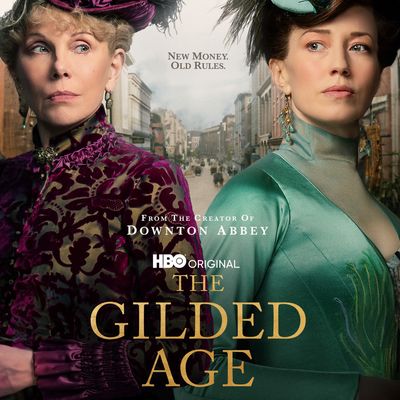
After countless hours as a production assistant, Michael talks about going from $500 a week on a Friday to $2,500 a week that following Monday. He worked as a second, second assistant director or AD, then a second AD, then a first AD before jumping the track to production. He was the first assistant director on Men in Black 3, Sex in the City One and Two, I Am Legend, and so many more, including 30 episodes of the New York City show Person of Interest before moving to their production manager. He was the second AD on The Devil Wears Prada, which he mentions in this episode too. He has spent the last few years as production manager for projects like Ocean's 8, Marvel's The Punisher, and The Upcoming The Gilded Age from Downton Abbey's Julian Fellowes. This episode is really fascinating, and I learned a ton about these roles and what goes into them. Welcome our mentor, Michael Pitt.
[3:07] Michelle Simone Miller: Welcome, Michael. How are you?
[3:10] Michael Pitt: I'm great. I'm great, Michelle. How are you?
[3:12] Michelle Simone Miller: I'm good. Thank you so much for doing this. We've had some technical difficulties, and you've been such a trooper, so thank you so much.
[3:20] Michael Pitt: We got it. We're ready. Here we go.
[3:22] Michelle Simone Miller: Great. So, first question: how did you start in this industry?
[3:28] Michael Pitt: So I started probably the same way most people in this business started. I knew someone. So, uh, my father was in the business. He was an agent at ICM for a long, long time. He represented uh actors and directors and writers. And I turned 16 years old one summer, and my father said, time for a job. So he got me a job on a movie called Disorderlies, which starred the Fat Boys and Ralph Bellamy, if you could remember all of those folks. Yeah. So I was a PA. I was in the office and I was uh on set a little bit. I remember I made $30 a day and I had a great time. I really, really enjoyed it. I loved the process. I loved the people. I love that we were making something that people would go out and see and watch and enjoy.
And I just wanted to do it every summer. So I sort of used that basis and the contacts that I had made on that show and rolled that into a summer job when I was 17 and 18 and 19 and 20. And I sort of did that, you know, through high school and through college. I went to Brandeis University in Boston, which I know you know.
[4:49] Michelle Simone Miller: Yes.
[4:49] Michael Pitt: And when I graduated college, I knew that that was the business that I wanted to go into. I had just enjoyed my time and uh I really wanted to make that a part of my life. And so, uh, my senior year, I flew out to Los Angeles to take a test to apply to get into the Director's Guild. Uh, they have a training program, and they have about 20 to 30 people that um are admitted. And yeah, there's about four or five, six hundred people that apply every year. So it's a pretty it's a competitive, yeah. Very competitive program. So, and it's interesting. It's not really it's interviews and it's sort of a psychological test that they give. It's not really an aptitude test. They want to first learn who you are to see if you're right for the business, which I thought was really, really interesting.
[5:46] Michelle Simone Miller: Yeah. Um, how old did you take this test? Or how old were you?
[5:50] Michael Pitt: Uh, I was 21 at the time.
[5:53] Michelle Simone Miller: 21 at the time.
[5:55] Michael Pitt: So I didn't get into the program, sadly. Yeah. But I was 30 out of 600.
[6:02] Michelle Simone Miller: Exactly.
[6:03] Michael Pitt: Exactly. Um, so I wound up going to film school at USC. Um, I figured that uh instead of going right into the business, I wanted to do some sort of training or some sort of further education just to make sure that I was ready, just to have that good trampoline before I, you know, ventured out into the real world. So I did that. I went to, again, I was very lucky to get into that program. That was the Peter Stark program at USC. And it's a two-year program. The second year uh you do an internship uh during the day, and then you go to classes at night. And my internship happened to be at Columbia Pictures, and it was for a man named Gary Martin, who's very, very big in my in the production world.
And my last day of the internship, I went to them and I said, listen, I love it here. I would love to stay. And this is in Los Angeles, obviously. And they said, Well, we really don't have a spot for you, but we have a movie starting up called Last Action Hero, and we would love for you to be a PA on that show. And I said, Great, that would be terrific. So I was on that movie, I was like the third person hired, you know, after like the director and the producer and the cast. I was like the third person in the office or the fourth person in the office. So I was on that movie for a year. And that shot in New York, it shot in LA and New York. And I stayed with a friend of mine from Brandeis when we shot in New York.
I had a nice place to stay, and I was able to work on the New York portion. And I loved it. I loved New York. I loved everything about it, the energy and just what it was about. And that movie ended, and the producer said, Hey, my next movie I want you to do with me. And that was Die Hard 3. And so I went back to LA. We prepped that movie, which was a great experience. We prepped that movie, and then we went to New York to shoot it. And I just wound up staying in New York. I'm like, this is where I want to be, this is where I want to live. I met some amazing assistant directors, I met some amazing producers. You know, they said, hey, my next job is on a TV show. Come do it with me. And so I sort of packed up my LA apartment and moved to New York, and here I am. Been here ever since. Hopefully, yeah, continuing to work, hopefully.
[8:25] Michelle Simone Miller: So, so okay, one question that came up for me, and then I'll ask another one. Um, so we talked about you deciding to go into this sort of line, this production side. Why not creative? Why not maybe follow in your dad's footsteps in terms of being an agent or being on another role, you know, in the business? Why production?
[8:43] Michael Pitt: I think the most important thing is to know who you are and what you like. I was always taught that it doesn't matter what you do for a living, it doesn't matter what your job is, you know, you can make billions of dollars, you can make minimum wage. As long as you enjoy what you do, right? As long as you're happy, as long as you can get up every morning and say, I enjoy going to work. Now it's still work, right? It's not called fun, it's called work. Yeah. Right. But you have to love what you do. And so for me, I was just that person. I was the math person and not the creative person. You know, I was the numbers person and the logistics person and not necessarily the one that came up with all the jokes.
So I knew who I was and I knew what I enjoyed. And, you know, movies is movies are made up of 20, off the top of my head, 20, 25 departments. And there's a lot, they're very different. But the production department and the logistics department, that was just the one that I was really, really comfortable with. And so that was the one that I pursued.
[9:52] Michelle Simone Miller: I love it. And so for those of you who don't know, PAs are production assistants, correct?
[9:58] Michael Pitt: Production assistants, right? So there's they're all over the place. There's office production assistants, set production assistants, but yes, production assistants.
[10:05] Michelle Simone Miller: So I was a production runner before. Is that the same thing?
[10:09] Michael Pitt: Same type of thing. You know, they call it different different mediums. Maybe it was a commercial or maybe it was a commercial show.
[10:17] Michelle Simone Miller: Yeah.
[10:17] Michael Pitt: So they same same type of thing.
[10:19] Michelle Simone Miller: And so how would you describe just the responsibilities of those first, those initial positions of you just, you know, being a PA on all these projects?
[10:28] Michael Pitt: It's the bottom of the barrel, right? It's the bottom of the totem pole. Um, I was telling somebody the other day that I one of the shows I did when I was 19, I had to clean out a 10-yard dumpster. Like that was my job.
[10:42] Michelle Simone Miller: Oh gosh.
[10:44] Michael Pitt: It's, you know, it's that. It's definitely coffee. Hey, can I have some coffee? Um, it's, you know, copy this. It's, hey, can you pick up so and so from the airport at four in the morning? Um, it's it's you're paying your dues. You know, you're paying your dues. PAs generally make minimum wage. And I remember in order to join the Director's Guild, you need 600 days. It might have changed now, but when I was doing it, you need 600 days as a production assistant. You have to document all of those days, and then you turn in your book and you're approved to join. And I remember I got approved on a Friday and something like that. And then I, a friend of mine had a job in Minnesota. So I literally was making 500 a week on Friday. I flew to Minnesota on Sunday, and I was making 2500 a week.
[11:38] Michelle Simone Miller: That's so different.
[11:39] Michael Pitt: Right. So there's there's an end game, there's an end game, but being a PA is about just yes, yes, I can do it, good attitude, and just I want to be here. I'll do what it takes to put in my dues, and I'm ready to move up the ladder.
[11:57] Michelle Simone Miller: And so just last question about that. Did you ever have what I call like reality show moments? And what I mean by that is I remember once I didn't work for too long as a production runner, but I or PA, but I remember there were a couple moments, just because it was a commercial, it was like, you know, you have to get in everything at you know, at a certain time, and you know, trying to beat the clock. And I remember there was just a couple like tasks I had to do all at the same time where you know it would just be like one on top of the other, just uh, you know, I'm trying to finish this one task, and they're calling me and they're like, get this, get this, you know, come back by come back soon, where are you? And I called it like a reality show moment because I was like, this is insane. Like this is an insane life. Amazing, and it was awesome to be on it. But did you have a lot of those moments?
[12:41] Michael Pitt: It's a very unique business, right? So, you know, time is money, right? You're you're shooting, and everybody uh, you know, you've got to move quickly and efficiently, and you're dealing with egos, right? So somebody tells you to do something, they want it done first. Somebody else tells you to do something, they want it done first. Sometimes those two people don't like each other. Sometimes those two people don't care that you have other things to do, and you are you are constantly being run around in circles, and the day flies, it flies by. I don't know if this happened to you, but like it just flew by. There's just so much to do.
[13:17] Michelle Simone Miller: Yeah, no, for sure.
[13:19] Michael Pitt: And so, okay, so you, you know, you're a PA for all these projects, 600 days at minimum, just you know, and then you get into the DGA, big deal. You're now going to Minnesota. What was the next step? What's the next thing after that?
[13:32] Michael Pitt: I always tell people in the business, so figure out what your end game is, right? What do you what do you want to do with your career? Where what's what do you what would be the pinnacle of your career, right? It could be a director, it could be a writer, it could be a producer, it could be a studio, it could be cameraman, it could be an electrician, it could be a makeup person. What's what what do you love, right? What gets you up in the morning? And then once you've figured that out, there's so many different ways to get there. So figure out what your path is gonna be. So I always knew that I wanted to produce. I always knew that I wanted to be a production manager, um, and I wanted to produce. And again, there's so many different ways to get there. But the path that I chose was being an AD, being an assistant director.
[14:22] Michael Pitt: So I got my days as a PA. I joined the Director's Guild as an assistant director. And the way our structure works in the AD department is there's a first AD, which basically stands next to the director, sort of runs the set, does the schedule. It's that person that sort of leads the crew into making the movie. And then below that is the key second assistant director, obviously the assistant to the first assistant director. And that person does a lot of the planning, just again, a lot of the logistics, the call sheet. Okay, how are we going to shoot the next day? We're going to put these people here, and we're going to move these people over there, then we're going to have these trucks move there, we're going to get the extras ready over there.
I have to call these actors to make sure that they're ready and they have the new pages for tomorrow. So it's very, you know, you're never on set, you're always on the phone just handling logistics. And then below that is the second second assistant director. Um, and that person is on set with generally, generally, on set with the first assistant director, basically helping him, setting the extras, communicating with the crew, that kind of thing. And so that's basically what I did. I spent uh six or seven years as a second second, I spent six or seven years as a key second, I spent six or seven years as a first assistant director. And then by that, what is that, 21 years, 20 years? Yeah. Um, and by that time, I was so exhausted from the hours, from the nights, from night shooting, from the crap that I would take from so many people.
And uh, and I said, gee, you know, my health and my stamina, and I just want to get out of here, and it's it's time. So I wanted to segue into being a production manager, which again was my sort of end goal. And I was very lucky. I was on a television show called Person of Interest, and I was the first AD for a number of years. Great show. Great show. It's so difficult to make, but so rewarding, you know, when you see it on screen. I was on Person of Interest, and I went to the producers, the sh I knew the showrunner. Um, the showrunner is like the the crew the number one creative force behind the show. Right. He's she's the one, she or he is the one who chooses all the actors at the end of the day, especially for TV.
They're part, they're they're mainly in that decision because they have to keep it, you know, consistent throughout a whole season. Right, right. And and and really the head writer, you know, he that person decides sort of what direction the show goes in, and and and so forth. It's a really it's a big role. It's a huge role, but you're I mean, it's it's it's the director, you know, it's the Steven Spielberg, it's the George Lucas, it's the right Barry Levinson of TV. So anyway, so I went to them and I said, Listen, I want to segue into this. And they were like, Look, we we believe in you, you know, we we hear what you're saying, you know, we would rather hire inexperienced good people that we trust rather than sort of fill the that spot with somebody that we don't know.
And I was able to move up, move up back. And you guys know the show. Right. You knew the show. Exactly. I knew the show backwards and forwards. Yeah. And it's interesting because not to get too much into the weeds, but um the production manager's role and the assistant director uh role is very, very, very different. It's it almost could be its own department. Um a lot of people, well, I should say this, most people that become production managers don't start out as ADs. They come from uh a number of different areas. Um but it's something that I really wanted to do. And I I thought that the AD background for me would give me just a ton of production experience, and I can use that, you know, as I as I continue to move up the ladder. It's a very it's a very well-respected um position, a very difficult position.
[18:36] Michelle Simone Miller: So in comparison to your peers or like on other people who you saw becoming production managers, was this is this an uncommon route? Is this a risky route to go the AD track?
[18:48] Michael Pitt: I'd say it's um I would I would say it's risky because it's hard to segue into becoming a production manager or producer from an AD position. It's definitely not as common as a production coordinator who is somebody that works in the office all the time, or uh in New York in particular, location manager. Many location managers become production managers, production coordinators become production managers, and also, I would say, even, you know, there's sort of a non-union route, you know, you can sort of do non-union shows as production managers or producers, sort of and you know, move up the ladder that way.
[19:27] Michelle Simone Miller: Got it. Interesting. Um, that's that, yeah, that's sort of the path that I that I took.
[19:32] Michael Pitt: So you're able to then get on Person of Interest as a production manager.
[19:36] Michelle Simone Miller: Correct, correct.
[19:37] Michael Pitt: And then, and then I met the producer. It's funny, the producer that hired me as an AD on Person of Interest left the show, then came back to the show in season, I think five or six, and was the person that actually again hired me as the production manager. So she really believed in me, and we still talk to this day. I've done maybe 10 or 15 jobs as a UPM, and and I've done two or three with her still, and she's just an amazing person. Her name is Margot Lulic, and she's just one of the smartest people that I've met in the business.
[20:10] Michelle Simone Miller: So that's amazing. Well, and and also just okay. So, well, first of all, actually, I should ask, can you define the role of a unit production manager or UPM in this case?
[20:21] Michael Pitt: So the UPM is essentially in charge of the money, right? So the UPM makes all the deals with the crew, makes all the deals with the vendors, secures all the equipment. Uh, the UPM signs all of the checks and works for the producer and the studio, you know, reports into the producer and the studio. The producer and the studio should be able to turn to the production manager at any point in time and say, where are we? What's our budget? What are we projected to spend? Are we over budget? Are we under budget? You know, how are we doing? It he's the person or she, a lot of female production managers, certainly. But that person is constantly being asked, I need more money, right? The construction department needs more money, the makeup department needs more money, we need more people, we need more supplies.
And you have to balance the yeses, right? You can't say yes to everything, you'll go over budget. A lot of problem-solving skills, a lot of problem-solving skills. And you're also being creative, actually, here. You know, you have to a lot you have to find these creative solutions, probably. You have to find the creative solutions, and you have to be able to look at the show and the producer as well. You have to be able to look at a show and say, okay, here's where I want to spend my money, right? I did I did Devil Wears Prada as an AD. Um, and so great movie. We're all really grateful for that movie. Right. Right. I did Ocean's 8 as a production manager, and we said, okay, right? Where are we gonna put our money?
Are we gonna put our money into the transportation department or are we gonna put our money into the hair and makeup department? You know, in the costume department. So um, so good call. Right? Yeah, so so the Teamster Captain got a no from me way more often than the hair and makeup folks got a no for me. And so that's that's where the you know, that's where the balance is. That's how you have to decide what to do. And and if you do go over budget, you know, it's easy to say yes, you know, yes, sure, sure. But if you do go over budget, you know, you don't work again, you know. You you're you're sort of labeled, or you're said, oh, he, you know, he's good, but he had problems on this on this show, and you have to be very careful, you know, it's a balance.
[22:37] Michelle Simone Miller: Yeah, the thing I was uh in a PA for the production runner thing, um, was for a commercial that went millions over budget. And I remember thinking, like, who's the one that's gonna end up at fault for that? But yeah, that was problematic. So, I mean, has that happened to you, or is it all been?
[22:52] Michael Pitt: I mean, I that's I guess my next question was how was that transition for you of going from you know, being now the first AD to now being a production manager?
[23:02] Michael Pitt: It was very hard. It was very hard. There was a massive learning curve. Um and it's funny, we, you know, my friends, my colleagues are other production managers. So yes, you can sort of call somebody and say, Hey, you know, I need some quick advice. What did you do about this? But a year later, you're gonna be up against that person for a job. So again, you have to sort of figure out who you can trust, who you can't trust. A lot of producers have become production managers, so you can always sort of go to them. But again, that was really I mean, I had never seen a budget until congratulations, you're in charge of the budget. So you have to do a lot of, it's a lot of work. It's a very competitive field that we're in.
You know, there's certainly a lot of people that can do what I do and do it well, and you have to figure out a way to separate yourself. It's a it's a business of relationships and it's a business of who you know and who you can trust, you know, more than anything else. I I I said this earlier on another thing, Michelle, that we did with that we did together, and I I feel like it's so important as it relates to our business, and that is it's not a meritocracy, right? So you could give an amazing performance in a show, and at the end of the show, your reward is thank you very much, you're out of work, good luck finding your next show. Right. Right? So it's really, really difficult. You know, you have to be you have to be ready for that in our in our business.
[24:41] Michelle Simone Miller: So, how do you go from project to project then on that note? I mean, is it just one of those things where like someone's looking for something and you I mean at this point, I assume you just put your name in the running for something. But you know, even just your you're moving up, you know, from second, second A D to second A D to first A D, is that just one of those things where you're hearing that they're looking for that position? You're like, okay, I'm applying for it, or you just work with the same people.
[25:08] Michael Pitt: It's exactly, I mean, it's a combination of everything. So it's all word of mouth. It's just all word of mouth. I will give anybody an opportunity. I I will give anybody a day on one of my shows. Like if somebody says, Oh, I've got a cousin, a friend of this of that who, you know, wants to be in the movie business. Great, done. They can absolutely for me. I did it for you. You did it for me. I was a PA for one day on your movie. And I think you also got me um an invite to the cast party. I was like, Morgan Freeman was there. Oh my god, wow. That was that was a great cast party. That was a great cast party. I wish I knew like what I know networking now that I did like then, because I had the greatest time, but I did not follow up with anyone.
[25:53] Michael Pitt: Right, right, exactly, exactly. Which sort of goes to my points, right? So, you know, you work a day on a show, and what you do with that is all you. Do I do I network on that show? How do I meet people? Can I work another day? Do you need me? Oh, when do you need me next? I'll be there. No questions asked. You know, I met this person, I met that person, and you build up over time these relationships with people. It's like a Rolodex, it's a network.
[26:21] Michelle Simone Miller: Right.
[26:21] Michael Pitt: It's exactly. That's exactly what it is. You know, you see them at parties, or you see them on this show or that show, or you're walking by, or you talk to them on the phone, or you go for a beer, or whatever, and you say, okay, who's shooting this now? What's happening over here? What's shooting at this stage? And you just hear about it word of mouth. That's how we work. And that that's every that really, that's every department. You know, that's the makeup department too. That's the construction department, that's the camera department, the grip department. And you build up people that you enjoy working with, you know, like this guy did a good job for me. I'm gonna hire him again. I've hired many people that I've worked with, and I I have hired people who when I was a PA were my favorite people.
There are a couple people, right? When I was 22 or 23 years old on Die Hard 3 that I remember as department heads, and they they're still doing it. And I just learned so much with them. They were so nice to me. They gave me a rap gift or whatever. And I'm doing a show, and maybe my regular guy's not available. And hey, I'm gonna call Tom. You know, he was so nice to me when I was younger, and it's a three-day job, and and I'd love to give him some work.
[27:32] Michelle Simone Miller: Which is great because I mean it it goes back to that saying you should really just be nice to everybody in general in life, but also like I mean, it's the same thing for actors. Like we're told like don't be an ass to like the assistant or receptionist at an office, because that person's the future this, you know.
[27:51] Michael Pitt: So people remember these things.
[27:53] Michelle Simone Miller: Let's be like, I remember you as the actor who came in, you know, for this project. You were so nice to me. And I remembered that when I became an assistant or I became the next associate, and all of a sudden it's like, you know, just be nice to everybody. It's just a great rule of thumb.
[28:08] Michael Pitt: So true. So true. I it is absolutely true. I mean, we should be nice to everybody in the world in the first place. Right. But but yeah, I remember, I remember one time where I didn't get a job and I really wanted it. And I wrote a note to the AD and I said, I'm sorry, I wrote a note to the producer who put me up for the job with the first AD that I and the first A D didn't want me, so I didn't get the job. And I wrote an email to the producer and I said, Thank you so much for your time.
[28:39] Michael Pitt: So and so didn't hire me. He hired so-and-so. He upgraded a PA instead of me, and this will be his first job. And because I was so I was just very angry and bitter about the whole thing. And I mean, I got 10 phone calls after that. How could you say something like that? That was incredibly rude. You know, we're all trying to work in this business, and you need to you need to learn how to how to act and how to talk. And I always remembered that. It was a stupid thing that I wrote and uh I didn't get the job, and that's the way it goes. And I should have said thank you so much. Please keep me in mind if anything happens, it was a pleasure to meet you, and I'd love to work with you someday. That's the note, you know.
[29:19] Michelle Simone Miller: Yeah, but that's a great lesson, and it's great that you share that because then people can learn from that, you know, for themselves as well. But you know, it's something that you need to learn. It's not like you know, there's a manual about how to like handle all these things all the time.
[29:32] Michael Pitt: Exactly.
[29:33] Michelle Simone Miller: So true. Follow up, follow up on meetings with a note with an email, you know, a handwritten note sometimes, if you really if it really fits. But uh, like I said, there's no meritocracy. You know, you do a good job, you're rewarded with an unemployment check. You know, good luck, you know, good, you know, have to find your next job.
[29:51] Michael Pitt: At this point in time, do you usually have projects lined up? I mean, uh, you know, taking away all this COVID stuff, but you know, do you have projects lined up and stuff, or is it still sometimes there are gaps where you're just like, I don't know, it's time to network again.
[30:06] Michelle Simone Miller: Right.
[30:06] Michael Pitt: So when I started, uh I hate to be that guy, right? When I started so many years ago. That's what you have. I mean, that's what I'm asking. So it makes sense.
[30:15] Michael Pitt: Yeah, it was well, it was a different, I mean, it was it's it was such a different world. You had the three networks. You had ABC, NBC, and CBS. I don't even think Fox was around, you know, in the 80s, right? So then Fox came, then like the the on channel and the Z channel came, and then you know, HBO came, and then Showtime and the Movie Channel and Cinemax came, and then Netflix came. At some point, yeah, then AMC and and TNT and USA. USA and TBS, then those right. Then those channels popped up. And then streaming. And then, right? And then Netflix and then Amazon and now Apple.
[31:00] Michael Pitt: So I would go, oh God, hope my wife's not around. I would go, I would go months. I would go two, three months without a job.
[31:08] Michelle Simone Miller: Yeah.
[31:09] Michael Pitt: When I started out, you know, in the 90s or the 80s. Well, 80s really doesn't count, right? Because I was just doing it for the summer. So in the 90s, I mean I would go months and three, four, five people were interviewing for one job, and you had to know somebody and you had to have a contact and you know, in order to get that job. And, you know, you learn how to save your money, right? I mean, you learned to spend 70% of your income, put 30% away for when you're not working. So now, I mean, and now it's just off the charts, right? Now there's 500 shows that are shooting. So now it's a little easier to get a job, particularly after you've been, you know, established for a number of years. Uh so that's yeah, I mean, yes, is the answer.
So I generally, I mean, knock on wood a thousand times, but you're able to find another job generally around, you know, a little bit before when you finish the first one. You kind of know when you're ending. So you kind of put the feelers out a month or two ahead of time. And knock on wood, it's been it's been good.
[32:10] Michelle Simone Miller: Great. And so I guess the final question really is what's next for you? What's what's the next project? Or how much you can talk about it.
[32:17] Michael Pitt: So I understand that sometimes these things are not stuff we can talk a lot about. So luckily, I'm gonna do a show called The Gilded Age for HBO, which I'm really excited about. It's it's written by Julian Fellows, and it is That's really familiar. Yeah, it's it's in the down to Nabbey world.
[32:36] Michelle Simone Miller: Yes.
[32:37] Michael Pitt: It's been a great show to work on. We were two days away from shooting when when we were completely shut down, and we're using this time now to sort of figure out, you know, what the what the new normal is gonna be like. But it's a it's gonna be a terrific, terrific show. It's just so well written, and it's just gonna be visually incredible. Vanya Cernjul, who is the DP on Crazy Rich Asians, is shooting it, and Michael Engler, who directed the movie, the Downton Abbott movie, is gonna be the primary director.
[33:09] Michelle Simone Miller: Which I loved.
[33:10] Michael Pitt: Yeah, I mean, it's just gonna be an amazing, amazing show. If if we ever get to it.
[33:17] Michelle Simone Miller: You will.
[33:17] Michael Pitt: No, you will.
[33:18] Michelle Simone Miller: No, you will.
[33:19] Michael Pitt: I'm pause I'm I'm I'm gonna be positive about this. But it all it has, doesn't it have like Christine Baranski and like Cynthia Nixon attached?
[33:25] Michael Pitt: That's right. Yeah, great in it so it's gonna be a great, great show, really excited about it and and challenging and challenging you know it's it's um it takes place a hundred and fifty years ago.
[33:26] Michelle Simone Miller: Yeah where's that where's that filming it won't film in in the city so we're really filming the city yeah we're filming um our stages are in Queens right in New York City and we're filming on Long Island a little bit as well makes sense yeah that's what we'll be that's exciting so how much are you able to do now with all that's going on.
[33:26] Michael Pitt: So we're we're really I mean I was telling um I was telling my boss we were having a conversation and there's a lot to get done right now we have to we are phase four in the phases um we are one of the last companies and the last businesses to start up in in everyone's plan our actors obviously cannot wear masks we cannot social distance on the set you know we need to be free to block a scene in the appropriate way and so we've got a lot to figure out we're in the process of figuring out you know our airflow or in the process of figuring out exactly what PPE we need we are in the process of figuring out our sanitation protocols you know our industry is really diving in and and the good news is that everybody wants to help so from the PAs to the directors and the producers everybody is sort of saying all right guys let's all put our heads together and figure out how to start making product again so I mean we're hoping that you know new shows can be back on the air, you know, as early as September, October. You know, we're certainly working towards that goal. Our show won't be, but other shows um are working towards that goal. But that's you know, that's that's the goal.
[35:12] Michelle Simone Miller: It's interesting on my end, because, and and I'm curious your thought on it. So, like as an actor, I'll get an audition, you know, for something that's casting now, and they're not exactly some some of them don't know exactly when we're gonna be able to film it. But like I auditioned for like a Christmas movie not too long, like a week or two ago, and their intention was to film in July. And they said, you know, like part of the email to me from my agent was, you know, it's gonna film in Connecticut, a car is gonna pick you up with a barrier to the driver, and you're gonna get there, and we're gonna minimize contact, and we're gonna do this and that, and there's gonna be PPP, you know, available. Like just there was all these precautions set in the email just for the audition.
[35:54] Michael Pitt: Right.
[35:54] Michelle Simone Miller: And I remember thinking like this is creative, but at the same time, you know, will this be able to be up and running by July? You know, I don't know either. And you know, a bunch of us were talking today, and here's what we hope, right? We hope one studio or one production company says, as soon as it opens, as soon as the governor says go, right? As soon as phase four happens, we're gonna be first.
[36:19] Michael Pitt: We really hope that one show just goes.
[36:24] Michelle Simone Miller: Like sets the precedent.
[36:26] Michael Pitt: Exactly. And that way, I mean, because in our business, I would think in most businesses, but our business in particular, you know, you you learn by doing, you learn by seeing. You know, it's not you can't learn how to make a movie in a book, right? So you really hope that one show goes first, and so we can see, okay, that's what they're doing, that's what they're not doing. You know, the people that are working on that show can say, okay, we really screwed that up, let's do this instead, you know, or we did this really well, you know, whatever it is.
[37:10] Michelle Simone Miller: But yeah, you know, you need an example, and then you can kind of adjust.
[37:15] Michael Pitt: Did you hear that like I mean, Tyler Perry's studios is very specific, but there were rumors or there were you know some articles out that because he has his own studio set up, right? In in Atlanta, that some of his productions were gonna can you know start up again and people are gonna be tested, and then they would have to stay there, like all the cold crew and the cast would stay, you know, on the lot because it's big enough and would be quarantined from everybody else. And I was like, that's an interesting take if that is true.
[37:44] Michelle Simone Miller: I mean, and obviously not everyone has the capabilities of doing something like that, but that's an interesting sort of test.
[37:49] Michael Pitt: Exactly. Exactly. And and as far as I know, that is true. Um, and that is what he's doing. So sort of like what the NBA is what the NBA is doing, right? You put everybody in a bubble, you test them at the beginning, right? And then you just say goodbye to your families and you live on the property. You live 10 minutes from the set, you know, five minute walk from the set, 10 minute walk from the set. Everybody stays together, everybody eats together, but that's not it's not the world, that's not the real world. You know, you can't really you can't really do that. I mean, our show is 500 people, so can't you can't do that for every show. You know, people are gonna want to go home. So it's interesting, it's gonna be interesting to see how everything unfolds.
And like you said, it's gonna be, you know, work in progress. People are gonna try some things and pass it on to others and be like, oh wait, this worked, this didn't work. So I'm curious to see what all this will be like in a few months.
[38:39] Michael Pitt: Yeah, it's it's I mean, film in and of itself is a very collaborative art. Got a you've got everybody sort of working towards a common goal and you know what do you think of this? What do you think of that kind of thing? And and so we'll be sharing all of our ideas, all of our successes, all of our failures with each other, all of our vendors, you know, with each other. And so we'll see. I mean I people people are gonna want their content. You know, it's I was talking to a friend of mine. Um we were interviewing we're gonna have a a medical advisor on our staff, you know, a a sort of a COVID person for sure. He's gonna show us how to do the PPE who's gonna remind people hey six feet apart he's gonna say hey turn the air on we need to air it out it's been too long you know whatever.
She was telling me that you know she worked in the ER at a at a hospital in the ER. I said that must be crazy for you that you know I said thank you. That must be a real intense job obviously I mean you must have gone through a lot and she said to me you know what I'm gonna thank you because when I go home I need my shows I need to watch my shows.
[39:47] Michael Pitt: So beautiful so it's you know people need it and um and we obviously want to go back to work so we want to give it to everybody.
[39:56] Michelle Simone Miller: Well that's a wonderful you know moment to end on a positivity and you know just you're right everyone wants to work and everyone wants to see new content be available. So it's you know we're we're pushing towards that goal now.
[40:10] Michael Pitt: Exactly exactly so we'll see hopefully we'll be back at work soon.
[40:14] Michelle Simone Miller: Hopefully thank you so much for this this. This has been so informative and interesting. I've learned stuff just in in in hearing you talk about your world and I mean as it relates to me, but just in general. And I want to thank you. This has been fantastic.
[40:27] Michael Pitt: No, it's my pleasure. It's it's Michelle, it's great to talk to you. And it's a wonderful business. You know, it really is. It's very rewarding to see your name on screen and to have people come up to you and say, Oh, I love that movie, or I love that show, or feels really good inside. You work really hard, and it's fun to see people appreciate your work.
[40:46] Michelle Simone Miller: Yeah. Completely agreed.
[40:49] Michael Pitt: All right. Well, that's it. But thank you again. Uh, this has been so great. Um, you know, I look forward to hearing about all the updates as time goes on as to how life continues.
[41:01] Michael Pitt: Yep, yep. That sounds great.
[41:03] Michelle Simone Miller: That sounds great. Thanks, Michael.
[41:04] Michael Pitt: Thanks so much.
[41:05] Michelle Simone Miller: Last week, I promised to read a review of the podcast aloud. And I wanted to do just that. Thank you guys so much for sending them in. This one is from Tamira Strives. It's entitled Extraordinaire. Wow, what an amazing interview with Stan Brooks. Excellent job. I loved the story of him having breakfast with his grandfather every week and his best work, his first three sons. So sweet. Can't wait to watch the movie about the German woman based on the true story. And to find out he's friends with one of my favorite authors, Mitch Albom, OMG, Tuesdays with Morrie was everything. Amazing how Stan started in the mailroom. I learned a lot on what readers do with coverage. I enjoyed listening and it was inspiring.
Stan has a long list of accolades, so definitely bring him back for part two. And congrats to you on starting your book before COVID-19. It's going to be interesting to see how the film acting world will be. Thank you so much, Tamira Strives. And please, if you haven't yet, listen to episode one on Stan Brooks, and please review on Apple Podcasts.
[42:04] Michelle Simone Miller: Thank you so much for listening to Mentors on the Mic. If you enjoyed the episode, please share it with a friend you know would love it. Let me know what you learned or what stayed with you on our Instagram at Mentors on the Mic. I will be sharing even more information about our mentors. These are crazy times, and now more than ever, it's so important to connect. Talk to someone about what you learned today who would really appreciate it and send them the episode. Also, if you love the show, please go ahead and leave us a rating on iTunes. I'm choosing a review to read on our next episode. It really makes a huge difference in growing this. Thanks!
© Broadway Podcast Network, All Rights Reserved