

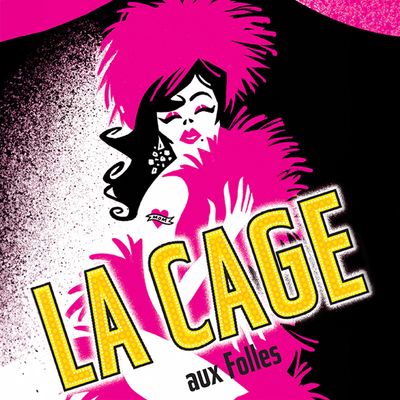
Find some brightness in our 12th episode, where we talk to film/television giant Greg Berlanti about his early days going to Broadway shows with his mom and the impact LA CAGE AUX FOLLES left on him... Read More
From the show: My First Show
Featured Shows
About
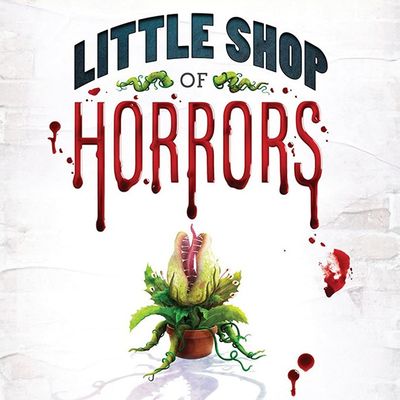
Find some brightness in our 12th episode, where we talk to film/television giant Greg Berlanti about his early days going to Broadway shows with his mom and the impact LA CAGE AUX FOLLES left on him. We also talk to Greg about his love for LITTLE SHOP OF HORRORS, from producing the show in college to directing an upcoming feature film adaption! Tune in for all this, as well as some exclusive info on the movie musical we can’t wait to see.
Part of the Broadway Podcast Network.
Transcript
This transcript was automatically generated and might contain errors.
[0:15] Eva: Hello everyone and welcome to My First Show.
[0:19] Eva: Today's guest is I don't even know what title to give him. He is a writer. He is a director. He is a producer. And I've heard and firsthand experienced the nicest guy in Hollywood, literally my buddy, Greg Berlanti.
[0:39] Greg Berlanti: Well, that that's the that's the best thing someone like you could actually say. So uh I'm I'll I'll take I'll take that, especially these days.
[0:48] Eva: Well, you know, someone could make the joke of look at your competition, it's Hollywood nights, but that's true. The truth of the matter is you are such a thoughtful, sweet person. And I I don't know, I think it's kind of incredible because you started out early in the business of Hollywood. You started out quick in terms of finding your success and making great strides, yet you've remained such an authentic guy. And so I'm gonna ask you the question we ask everyone at the top of the show, and I I know you're gonna answer authentically, which is how are you?
[1:29] Greg Berlanti: Um I'm okay. You know, I mean, I think I think uh, you know, in terms of the world right now, it's a it's an intense and scary and revealing and emotional and um roller coaster, I think for everyone, and everyone's kind of going through their own independent journey. Um I've tried to stay focused on uh the positives in terms of, you know, I have a young family and my husband and I um have a four-year-old and a one-year-old. And so, you know, obviously I've I've learned that I'm I'm not meant to be a preschool teacher. Just confirming confirming some instincts I had earlier in my life. Um and and or a camp counselor. Although I had been a camp counselor when I was much younger, uh, I've just seemed to have lost all the skill sets that you know one needs to be a good camp counselor.
[2:23] Greg Berlanti: Didn't think you'd be revisiting that uh at this point in your career.
[2:27] Eva: Yes.
[2:28] Greg Berlanti: And somehow these two children are more challenging than whatever the 15, seven-year-olds I had at at Camp Shenarock. Um, you know, so you know, I uh but but you know, we're getting to see them every day and spend a ton of time together and uh particularly obviously, you know, when they're at such a young age to to be around. So that that's been something we've been, you know, really focused on and just uh, you know, uh, you know, taking a lot of walks and and then and then the flip side of it is is in the business of television and film really focused on trying to get everybody back to work right now and you know, and and very hyper aware of the suffering that people in this industry have been facing without work and doing what I can, um and doing what um I can I can get my friends to do and others to do, to, you know, donate to things like the Actors Fund and SAG After Foundation to get, you know, to keep people afloat during this time, um, knowing that we we don't really know how much much longer it will all be extended for.
[3:35] Greg Berlanti: It's certainly not gonna be normal anytime soon.
[3:37] Eva: Yeah.
[3:38] Greg Berlanti: Um, and you know, as you know very well, that this business is such a a community experience and such a family wherever you go. And so um I've been sort of just um that's where I've I've probably lost sleep the most, is just knowing the number of people that I you know have interacted with on a daily basis over the last couple of years, and how many of them um are just in pain right now.
[4:05] Eva: Yeah, yeah, yeah.
[4:07] Greg Berlanti: You know, the um the TV film business, I think when this first happened was thought to be able to come back fairly soon or or or certainly sooner than the live theater business. But as the virus has has proven that it is stronger and knows more than the rest of us, it has hampered, gosh, every every way of telling stories, not just the live theater experience.
[4:34] Eva: So I feel for you, I feel for your staffs and and for your teams and and and for your creative family. Um I I'm curious, is there um is there an end in sight in in your eyes that that you're optimistic about?
[4:49] Greg Berlanti: I mean, uh yeah, because I think what I've witnessed also firsthand through the years is just the depth of ingenuity, you know, and um from every every department, you know. And so, and when the desire is there, it's just we are in a business of making the impossible possible, right? And so so many times with storytelling, again, whether it's theatrical or visual or whatever, there's just so many days that you encounter things that you're like, how how the hell are we gonna do that? You know, and uh and this is just the biggest, how the hell are we gonna do that? And you know, and everyone has to obviously safety is you know uh the primary goal. And but it's you know, as we're finding as people talk about schools and people talk about every element of this, um, you know, of COVID, you know, what you know, every every there's a sliding scale of what individuals even independently sometimes deem safe.
[5:47] Greg Berlanti: And so there's a lot of conversation around that, and we're looking for guidance, obviously, the studios are from the guilds, you know, to tell us what is gonna be okay and what we can provide. And we we shoot a number of shows across different cities, um, different countries, um, and everyone has it differently, you know, and everybody's got advantages and disadvantages uh to their either to their community or to their testing capabilities, um, or to what their numbers might be, and those can change on a dime.
[6:18] Greg Berlanti: So I think it's this is real opportunity for this business, um, and and my hope is that this will happen throughout the fall, to work as one big family and say, okay, you know, it's not it's not gonna be okay enough if just one studio gets back up and going, or just a couple of shows from one studio get back up and going or movies, you know, everyone has to be sharing information, you know, about how are you doing this, how can we do this better?
[6:45] Greg Berlanti: Oh gosh, okay, you guys did that that way. And and if everybody sort of embraces that learning curve and really I think uh, you know, is is most people I've ever met in this business, you know, are in it for the right reasons. They want to be a part of storytelling, and and you know, it's not just about all the other accoutrements that I think a lot of people think come along with it, that this is a time where everyone really has to be in this together, and uh, you know, and and there'll be bits and starts, you know, and and so trust is important and patience is important, and um, you know, uh, you know, obviously uh, you know, being uh open is important, and but also being honest about what you don't know or you know uh aren't you know totally aware of or what you can't achieve, you know.
[7:35] Greg Berlanti: And so uh, you know, I the next two months are gonna be really critical. Things are we're we're starting, we've got our first show that we're gonna try and go back with actually in New York, and then that'll be a learning curve, and then and then Canada is supposed to be thereafter, and then and then Los Angeles, and we'll see what happens.
[7:53] Eva: Yeah, yeah. I mean, we we want you back to work because that's a sign that things are moving in the right direction for the country and for the theater industry. But the fans of this podcast want you back to work because you got some musicals up your sleeve.
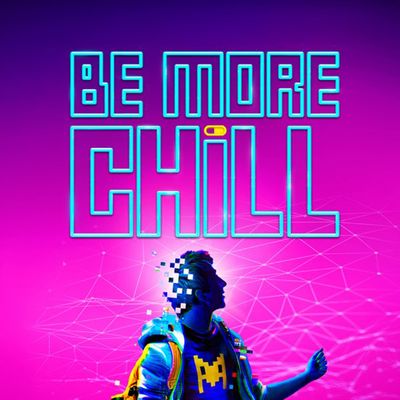
[8:10] Eva: And I'm pretty sure that the sooner we can see a LITTLE SHOP of Horrors movie adaptation or a Be More Chill adaptation, the happier the Broadway community will be. So if you don't mind, maybe just give us a sneak peek on anything there is to share on those two titles.
[8:30] Greg Berlanti: Absolutely. So uh Be More Chill. Um, you know, the the creators of that show are working away on the script, so we haven't seen a the full script yet. Um we originally had purchased that uh or Fox purchased it for us, and then Fox got gobbled up by Disney. So uh, but it is one of the the you know scripts and pieces of material we have over there that Disney seems, you know, I think rightly uh incredibly excited about.
[8:57] Greg Berlanti: And then LITTLE SHOP of Horrors has been a passion of mine for literally decades. I um my first experience with it uh was uh you know, I saw it at the Orpheum when I was a kid with my mom. Um we went to a number of shows together, and and certainly a fan of your podcast, I'm sure that this will come up, but that'll that this was one of the shows that we um attended when I was a kid.
[9:21] Greg Berlanti: And then I produced in college at Northwestern, I think one of the first, if not the first, but definitely one of the first college productions of it. It was the early 90s, you know, it had just been on Broadway. Um, and and it was one of my first productions as a producer. And at the time, you had to to mount a production of it, you had to rent the plant. And there were only like two, two to three plants that went around to regional theaters, and the plant had its own lawyer.
[9:50] Greg Berlanti: And the first lawyer I negotiated with in the business as a producer was Audrey 2's lawyer. And I hope he got a killer deal. I I got an okay deal. Uh uh the uh the other funny experience I had on that show, which was also random, you know, when you're doing these college productions, I had a young uh uh associate producer who was working with me at the time, and and um she said, Well, what are some ways we can arrange money for this? And I said, Well, you know, um we can we go out and we sell ads.
[10:21] Greg Berlanti: So you go out to the town of we were Northwestern's in Evanston, Illinois, and we just go door to door, and I went and she went. And one day she came in with a stack of checks. And it was right when I was pretty certain we weren't gonna be able to pull off the production because we just didn't have enough money for the damn plant. And so, uh, and so she came back and she said, No, no, I think I've got it. And I looked at all the checks, and all the checks had two things in common. They were all from businesses from New Jersey, which is not in Illinois. And the other is they were all signed by her father.
[10:56] Greg Berlanti: And she said, My dad said for you to cash these quickly. So the first production I worked on it was funded by uh, you know, a somewhat circumspect uh a financier. And uh, but the plant got there, we did a production, it was a big hit. Um, and I just always loved the show. I loved everything about the show.
[11:17] Greg Berlanti: And so it's been something I've been even before sort of musicals were, you know. I'm old enough now that there's times in this business where in the film and TV side where they're like in vogue, not in vogue, in vogue. So they're in vogue again. Um, but they were when I started uh out with Warner Brothers on this, it was you know a few years ago, and they were not in vogue at the time. Um, and so um, you know, and and now here we are, COVID delayed us by about a year. We're just negotiating with the actors, so I can't reveal anybody that's you know, may or may not people may or may not see on the internet our are being rumored or whispered to be in it, but um, you know, our hope is to be in production on that next June in Los Angeles.
[11:59] Greg Berlanti: Um we we've that I guess that's one tidbit I'll give away is that that you know we we've moved the location of it back to the um original uh Corman film um you know, in the sense of like it's downtown LA, it's it is in the same era, it's in the you know, it's in the early 60s, and um, you know, and so I hope to be shooting it next year.
[12:20] Eva: Amazing.
[12:21] Eva: Skid Row will be revealed.
[12:24] Eva: Um I hope you kept your tabs on that woman with dad's uh signed checks, and she's working for you still.
[12:33] Greg Berlanti: And if she's that was that was uh she is she is not.
[12:38] Greg Berlanti: Um I have not kept tabs, but I did I did learn about myself that like I was a true producer in that regard. That I was like, I cash those checks right away and the show must go on.
[12:50] Eva: How fast should I cast these checks?
[12:52] Greg Berlanti: Exactly.
[12:55] Eva: I love that.
[12:55] Eva: That's amazing.
[12:57] Eva: Well, though we don't usually ask what was the first college production you were you were uh involved in uh on My First Show. Maybe we'll add it to to future episodes. But but we do ask, as you know, what was the first show you ever saw?
[13:14] Greg Berlanti: Well, okay, so the uh it I have a slight alteration to my answer because I do have one that's feel uh because I again I'm a huge fan of of you doing this, so I I but I anticipated the question somewhat and and but I I think the first one that I remember uh I we saw a bunch of shows. My family would always go to shows as a kid. We lived uh in Ryan, New York about uh we moved there when I was about 10.
[13:39] Greg Berlanti: Um, and we would my mom made it a pretty frequent habit for us to go in. Um, and so we saw a bunch of things like over a few years there from when I was like eight to nine to ten, all the ones that were big at the time. But the one that we saw that changed my viewing pattern and really first affected me, um, and I'll you'll see why in a second, was La Cage aux Folles. So it was, uh, I was around 10, 11 years old, and my family went on one of these trips, and it was my dad, my mom, my sister, me. I was probably just aware that I was different, you know. Um, I was a closeted gay kid and just figuring out like, uh, I don't think I was at a point yet totally where I knew I was gay, but, um, but I knew I had something in common with those men on the stage.
And whatever the, I think it's the end of the first number where they sort of take off their drag outfits. Yeah, and you realize they rip off their wigs. And my father did not know what the show was about. And from that moment on, and if you were doing like a shot, like a camera shot, and you were just panning down my father and seeing his reaction to that, to then my mom, like her watching my dad's reaction, and then my sister reacting to my parents, and then you got to me, and there would just be like a sly smile across my face that like, oh my god, I can't believe my mom has taken us to this. And the whole drive that that was like a permanent smile. It was like through intermission where my father was like wondering if we should leave to, uh, you know, the drive home back to back to Rye.
Um, uh, you know, uh, where my father was just sort of complaining, Barbara, you can't just do that to me. You know, like you have to tell us what these shows are about. I need to vet these things properly before we all go. And again, I can remember that drive back and how horrified my father was. And my mom was like, I think, uh, a little bit like, get over it, was a great show. And me knowing it was like so vivid in my mind because it was, you know, um, they were talking about the thing that was like the beginnings of my secret. The other thing it changed, uh, and altered forever was it was no longer family trips to the theater. My mom would instead take me individually, and so we would go down and one of my favorite things, my mom's no longer with us, but one of my favorite things that she did that was the best was like once every couple of months, like probably every three or four months, she would break me out of school on a Wednesday and take me down to see the matinee shows in part because of cost, exactly.
And but also because it was like our secret, like we were skipping school to go to the theater. And so that's why that show was also pivotal. And we saw so many shows together, and, uh, we would go, we would get the stand online for the tickets, and then we'd go to lunch somewhere, and then we'd go see the show, and, um, you know, it was the mid-80s, um, you know, through the end of the 80s, and those are some of my fondest memories.
[16:49] Eva: God, I love that story. Do you do you think your mom knew and was putting something out there for you by the show?
[16:57] Greg Berlanti: I think she knew by then I had been interested in the arts. You know, I did puppet shows growing up, which is also why I loved obviously LITTLE SHOP. Um, I did, uh, like local theater and local storytelling events, and so, um, you know, I was, uh, into the art form. So she knew that, and she was always, you know, whether or not she knew when I came out to her years later, she did she professed she had no idea and she definitely seemed like she had no idea. Um, you know, but I was her little buddy in that way, you know, and she loved, you know, when we would start when I started doing a lot of theater, she would actually produce the shows and she would, you know, um, or help raise money for all the shows and do all the tickets and make sure every single person she knew in town would come.
And that continued well into my career in that, you know, every time she just passed away three years ago, and every year that we had a new show come out, every single one of her friends would get a card of all the show's dates and the premiere dates and like everything that they had to watch. And, you know, she really was truly she went from just being a fan of storytelling and the event to just being my number one fan forever, and, and, uh, you know, it was she she definitely kept pushing and pushing me in this direction.
[18:12] Eva: Wow. I think I read somewhere that you you called her your first WME agent.
[18:17] Greg Berlanti: She was. She was my first agent, but publicist, uh, you know, and and also critic. You know, she was definitely, she was like if something wasn't as good, or you know, um, you know, and and or if somehow when I was starting to direct as a kid and do things like that, you know, if I was stressed out and and not behaving in any way, she would reprimand me that way too. She was tough and she was awesome, you know. So I'm really it's it's it was definitely, you know, th those mag uh whenever I talk to people about like those individuals that first brought them to theater or brought them to shows, whether it was an aunt or a friend or you know, it's such a magical relationship, you know, it really is um um like it's going on that experience, someone someone seeing that you have an interest in the arts and and you know, uh can connecting you to it and being a part of that event with you and is such a I think it's such a special thing for a child, you know. And so I I hope to be able to that my kids are are into that kind of stuff.
[19:20] Eva: Oh, absolutely. So you're essentially the pioneer of gay storylines on TV, and I'm just curious as you created this lane for yourself with the work that you did on Dawson's Creek and Brothers and Sisters and Dirty Sexy Money, did you refer to that first show experience at La Cage? And did that influence your decision to help create the content that you could identify with?
[19:52] Greg Berlanti: I well I mean it I I've never you know I think I I've been lucky to be a part of a of a lot of those firsts over the last 20 years and and but I never really sort of set out to to do that. Each one as they've individually sort of happened has always been you know show related to that show or or just you know passionate about putting stories out there that reflect you know my own experience and and making sure that that's sort of part of you know of those of those narratives I I think I I would probably say what I was more aware of when we were doing this kind of stuff was you know 19 imagine it being 1983 84 85 86 and being um a kid that age um there was no internet there was no sense of who was gay or not gay in Rock Hudson was the first person you heard about and that was through AIDS.
Right. Then there were you know just as you're discovering your sexuality there's an entire generation of men being decimated by the disease and that was you know obviously um terrifying for a young kid, you know, and was scary for me. But also, again, I I felt a sense of connection because at least people were then talking about being gay. Um, and so so having no lifeline, there were the, you know, and then there were the more quote unquote more effeminate guys on TV, Paul Lynde, you hear a lot about in Center Square and you know, and Jim J. Bullock on uh Too Close for Comfort, you know, and so you were aware of those certain characters, but um it was it wasn't really and then until I got to college and I started seeing some great art house gay cinema and and things like that in in the you know early 90s that I started to even really feel then like okay, wow, this is feels like it's more my experience.
And so I was aware of of how isolating it can be. And you'd like to think that with social media and all these other things, you know, kids are coming out so much younger now. But I think it's still, you know, it is still a very uh isolating experience initially, or you know, it can be for many. Um, and so um, you know, and and there's still a lot of um, you know, and there's still a lot of work to be done uh in all sorts of communities, sometimes major city centers, and sometimes elsewhere, you know, to for young kids, uh all LGBTQIA kids, you know, to feel I think um both represented, uh connected, um, you know, and not alone. I I was very hyper aware of the loneliness I felt during that time.
[22:31] Eva: Yeah. And so um that was it wasn't like an intention where I set out to sort of correct that with the stories I was telling, but it, but that loneliness informed a lot of the stories I was telling.
[22:44] Eva: That's that's really that's really beautiful because on planned or planned, the kids that were watching the shows you created and the stories you brought to us finally didn't feel as lonely either because of what you created in these in these storylines with the first gay kiss or the first same sex marriage or the first transgendered character. I mean, you did that, Greg. So thank you.
[23:14] Greg Berlanti: Oh well, I I thank you and thank uh, you know, obviously thank to all the talent that was a part of those things, both uh the actors and the the writers and and the network executives who sometimes unwittingly and sometimes uh very wittingly uh, you know, uh either tried to uh edit or augment or finally embraced. By the time we got to, you know, when we were doing Dawson's, it was everything was a fight around that character, particularly any and if he was to be sexualized in any way. Um and then by the time I got to Brothers and Sisters, which wasn't all that was me less than eight years later, um, it was the executives were saying, Well, no, no, if two characters if a male if a guy and a girl would straight characters would kiss here, then then the gay characters should kiss here too.
And so it was nice to see that change. You know, I think I think what's what's being recognized now is, you know, and and it and because I'm I've actually been fortunate enough to be in the business now a long time, is to see this new wave that's been cresting for the last couple of years of a desire for even more authenticity and certainly a desire for more representation.
[24:28] Eva: Yeah, you know, and that just the white gay kid, you know, growing up in the 80s, which I was, you know, that just that person's experience is not, you know, in any way, it's it's a it's a representative of fr of a fraction of a fraction of the queer, you know, um experience and and stories that that have still yet to be told and and should be told by fresher voices. And and so I've kind of moved, if anything, at this point, particularly in television where I've just been doing it a while. I've I've gotten to move into more of the uncle or or godfather role to those other storytellers, you know, and that and and I kind of embrace it because it's you know, I want them to have the gumption that I had at that time.
Um, and I am a little bit like, you know, uh uh, I don't know, like Tom Hanks in Saving Private Ryan, where I'm like a little bit like I've seen it, kid, you know, like now and now it's your turn. I'll help you, I'll support you, I'll tell you what I know, and I'll I'll try and play tackle for you, but it really has to be your time. And uh, and that's that's uh it's a new, it's sort of a new uh role for me, and and it's one that I'm excited about.
[25:35] Eva: That's the Papa role, which you've finally grown into.
[25:39] Greg Berlanti: Yes, exactly. I have the gray hairs to that go with it.
[25:43] Eva: All right. What was the first show you were ever in?
[25:50] Greg Berlanti: Um the first show that I was ever in that was somewhat um uh that I would consider like the beginning of my theatrical experience was a show called Starstruck, um, which was our stolen version of A Chorus Line for the Conquered Theatricals does listen to this show. It was the Rye community theater at the time. Um I I had many mentors early on in theater, but two in particular. One named Burton Rouser, who uh taught in in New York City and also taught in Rye in the community theater, and then my uh the man who became my middle and high school uh high school acting teacher and and all-around uh mentor, his name was Neil Mendick, and he was um they were both really so um pivotal in my entire life and what I wanted to be and what I wanted to go do.
But Starstruck was the first one of those sort of, oh wow, this is more than just you know being in a fifth or a sixth grade play, but really, you know, actually I was in seventh grade, I was the smallest kid in my class, which meant that I was right at the center of the chorus line. They don't put the smallest kid in the back of the chorus line. So when you kind of go down in that V-shaped thing, I had to be right at the point at the top of it. Like the all the girls were behind me.
[27:13] Greg Berlanti: I was sort of right in the center. Um, and uh I also um I played the part of Richie, which may or may not have been also the character in the show. Um, you know, uh it was it was Rye, and it was the 80s who was in Westchester County. I was uh Italian and uh uh was was considered ethnic in my community by virtue of its demographics. So I would I would often get like it was like if they could have made me uh you know all the sharks, uh they would have, you know, in West Side Story. Like I would I and so I played Richie, who I think is is played uh if it's the same character, which I I honestly can't remember, uh he was where I sang, give me the ball, give me the ball, give me the ball. Yeah. Um it was played by a black man in, you know, uh in the original show.
Um and that was that was but it was more my introduction to just what I loved about it was how serious um you know everybody took it. And and so it was really my introduction also to wow I I really felt at home in fact I don't think I ever felt as home as I did it sort of in that moment until years later when I walked into a TV office of a uh you know of a TV show and I was there for about a day or two days and I called my my parents and I said wow I think I'm supposed to do this like I I really love this and and I remember feeling that at the time when I was you know 12 or 12 or 13 years old.
[28:42] Eva: When you were playing Richie did you know that you guys were totally ripping off Ed Cleban and Marvin Hamlish's political prize winning?
[28:42] Greg Berlanti: Oh yes I think we kind of kept waiting to get shut down um but it was we couldn't you know uh Rye was not a poor community so it was like it it could have like you know someone should have come and said something. Maybe I'm naive but I'm gonna venture to say that it wasn't that your drama teacher was ripping off Sam French or whoever owned the rights back then. I'm gonna say that they were too embarrassed to get the license for kids.
[29:16] Eva: Right.
[29:23] Greg Berlanti: Exactly yes I I and I yeah and I believe that that was the case um you know in terms of like how the the themes of it were and it was a little bit of a scandal in the community. You know there are always those shows where you're like ooh how are they going to handle that in the town you know um and and it was a uh you know but it it was we were kind of a there was a group of us we ended up all doing many many other shows together over the next five or six years. But that was the first one. And um, and I again I could remember every you know, every bit of the of of the daily sort of ritual. I called it play practice. I don't know, do kids still call it play practice?
[29:58] Eva: I I think rehearsal, but yeah, back then we called it play practice.
[29:58] Greg Berlanti: We called it play practice. So I would go to play practice every day, and it was like wow, you know, like it was like this is what a lot of people must feel when they're like in a sport that they love, or you know, um, or whatever. And and just the, you know, again, the beginning of a sense of that family and that community of everyone. And I was a lot more fearless. Uh I developed stage fright in college, like actual stage fright. And uh, you know, and and wasn't really really realized like, oh, this is not for me. But at the time I was uh undaunted and really loved um just loved every bit of it.
[30:38] Greg Berlanti: The censors were will get us if we present a chorus line, but no one will touch us if we were struck. I can hear it in the meeting.
[30:50] Eva: I love that. That is that is beautiful. Um what was your first professional show?
[31:07] Greg Berlanti: Yes, this is great. It was my first and my last. Please. My first and my last uh as uh as an actor um was in the Chicago production of Tony and Tina's wedding. Ah so uh I was in uh again Italian, so that helped me. But no, they were doing a Chicago production. So for those that don't remember, or I don't know how how it if it plays still places, there was uh an interactive theatrical experience called Tony and Tina's Wedding, where you went to an Italian wedding, and uh, you know, and and so you you know, you ate ravioli, and like the uh the brothers were the groomsman would come over and pull you into a corner and smoke a fake joint, and and I was it was that was that was at the same time that I was doing, I was starting to write plays in college and starting to realize, like I mentioned to you you know previously that I was starting to like be in theatrical, theatrical plays, like on a stage, like with an audience.
I was thinking more about like, well, how did the playwright do this? Or you know, and I wasn't uh I wasn't really in the moment, as they would say, as I would expect an actor to to be, um, or a good actor to be. And then uh, but I was I did get at the last minute a friend of mine said they're auditioning for this show downtown above Second City uh called Tony and Tina's Wedding. I said, Oh, I heard that's a lot of fun in New York. And I went down and they were, you know, they were like, okay, well, we're gonna do an improv. And there were just a group of guys, and and I started to uh just you know, I don't know, act like I had acted around. I had I I it was I was Irish Italian, so I had a but I did have an Italian family that I grew up with, and I had uncles and aunts, and everybody would meet on Sunday and have you know a meal for five hours, and it wasn't it was a very I had a very authentic Italian um, especially in that era, um, childhood.
And so very familiar with like things that they would say and expressions, and you know, I had a great grandmother who lived well into her 90s, who I was very close with, and a grandmother who I lived also well into her 90s that I was very close with, and so um yeah, I got I got the part of Johnny Nunzio, and and and my mom brought all of her friends out to see me. Um they all came out from from you know the east coast um for a big uh and my cousins came and my sister came and everyone it was a big group of ladies who all came. It was also right around when I was really, really realizing I was gay, like I knew it at this point. I was just didn't know how I was gonna, you know, but I was still deeply in the closet.
[33:43] Eva: Wow.
[33:43] Greg Berlanti: Um how does Johnny Nunzio come out to Ma?
[33:48] Eva: Exactly.
[33:48] Greg Berlanti: So you can only imagine. And uh, you know, and and but uh was my first experience also going to you know, afterwards there was a bar nearby, and the actors would go gather in the bar, and and they're just and I started this was the other thing that was happening was I realized I didn't have the fortitude to give up that much control. You know, that I think one has to do um, you know, which is an element of the job uh that there's so many things about being an actor that I just admire so much. And because I had so much proximity to it for so many years, I really know how gifted one has to be to be able to emote in front of other people, to to be able to inhabit a role, to, you know, but also to just live and not know where your next, you know, story that you'll be a part of will come from.
And I really realized like that was not for me. Yeah, that was I was uh and so I when I left that show, by the time I left that show, I had gotten a job uh working at the Royal George Theater in Chicago, and we were working on a couple of national tours that were opening up for the first time. This was 1994 or now, um, and it was Angels in America and Tommy. And so those were the first shows that I worked on as a assistant to the producer, the National Tour of Angels and the the first National Tour of Angels and the and the first national tour of of Tommy.
[35:09] Eva: Wow, and Smokey Joe and what and what became Smokey Joe's Cafe was the other one, which wasn't called that at the time. I forget what it was called.
[35:16] Greg Berlanti: Yeah, that's right. It it it found its name over time.
[35:20] Eva: That's incredible because those those are monumental pivotal shows.
[35:25] Greg Berlanti: Yes.
[35:26] Eva: That began their road life, which of course was a a big first step for the Midwest and you were there. God, that must have taught you a lot.
[35:34] Greg Berlanti: Yeah. And and again, imagine working on Angels in America and being a closeted 21 year old. And so it wasn't until I moved to Los Angeles a few years later that I that I finally you know had the had the courage to come out of the closet. Because and this is a little nice little Broadway shout out my my fraternity brother from college and pledge father was a man named Jason Moore. Ah and it's a talented bradhouse. And so Jason really like at some point after being out here for a year was like you know um and again for I I'm I'm quite certain that most people listening do know who Jason is because he's such a legend but uh director of Avenue Q Avenue Q exactly. Exactly. So uh and so he um brought me to like my first like dinner with a group of gay guys and turned to me right before the dinner and said you know um I think you're gay.
I'm gay and like you're going to this dinner and uh you're gonna have a good time. And so that was uh that was about a year and a half two years after um you know living in Chicago and moving to LA and and then everything sort of unfurled from there. I was working very soon after as a as a TV writer.
[36:48] Eva: Sometimes we just need mentors to tell us who we are.
[36:52] Greg Berlanti: I could still use those. I think that they're they're such a it's it, you know, um, it's such a unique and special relationship and and um I wouldn't, you know, uh have any my life would not look anything like it does without the individuals that you know saw something in me either personally or professionally before I saw it in myself.
[37:11] Eva: Absolutely. So but before we move on to our fourth question, Tony and Tina's like accurate, good, uh, you know, true to Italian life.
[37:23] Greg Berlanti: Oh my god, it was a blast. And I and I loved everyone involved with it. They're still from time to time will write me via Facebook some of them. And some and what was great about the show was there were a lot of people who were just really Italian that weren't performers. And uh, you know, uh yeah, it definitely there was there was it was and and you didn't know what was gonna happen every night. Right. You know, you had you had the sort of beats you had to hit as you went through, but the interaction with the audience, you know, it was right at a time where I was starting to really, as I mentioned, you know, really realize I was I wanted to be a writer, or that that's seemed to be my first love. Yeah. And and I, you know, it was that live interaction with with uh the audience just taught me a lot at that time about audiences.
[38:08] Eva: Yeah.
[38:09] Greg Berlanti: And about, you know, uh what the and which is I'm still so cognizant of about you know the experience that they're that they're having.
[38:16] Eva: Yeah, that's everything, you know. Awards are nice, critical reviews are great, but people need to come and say to their friends, you need to come.
[38:25] Greg Berlanti: That's all that matters.
[38:27] Eva: Correct. And it that and then you you kind of like those great shows, as you're asking here, you know, they're the things we mark our lives by, and the the key to to implanting yourself in someone's sort of psyche and life experience is that that emotional connection that they have to the characters, to the story. Um and that's that that's the that's also the I think for me the most rewarding part of the actual storytelling, which is moving people in in some way.
[38:54] Greg Berlanti: Yeah. I love it when people say how immersive theater is is very new. And I say, nah, Tony and Tina's wedding was actually the first immersive theater experience. And that shit's been around for decades.
[39:09] Eva: Oh yes, decades and decades now.
[39:11] Greg Berlanti: Thank you. Yeah. Yeah. Decades and decades and decades.
[39:17] Eva: Um if you could be in any show anywhere at any time, what would it be?
[39:26] Greg Berlanti: I I I was when I was younger, I was in Guys and Dolls. I I've got a couple, but I uh why don't you help them pick?
[39:34] Eva: Okay.
[39:35] Greg Berlanti: Let's let me have.
[39:37] Eva: Yeah.
[39:37] Greg Berlanti: I think, and again, not not uh uh so guys and dolls, Nathan Detroit guys and dolls. Like if I was still if I could still uh you're too nice. Uh bad casting. Next.
[39:51] Eva: But I I just uh yeah, I mean that was that that show and and and it's just like one of the it's like a perfect show, you know. Um and and so uh but I would say the one that always and it this is tied up in like my love of politics as well, um which would be Arthur and Camelot. And and I and I definitely not uh, you know, I I there's just something about that character that was always been and that version of him. Even down to hearing about Jackie O sitting there late at night listening, you know, watching JFK. She tells that story, that's how it got the name, you know, Camelot, uh, obviously that era. Um, it was also uh the show, I believe it was the last show that Moss Hart was working on as a director when he passed away. And I've always had this bizarre connection and obsession with Moss Hart. I actually, the the play that I wrote that got me to Los Angeles was an adaptation of Act One, his book Act One.
[40:50] Greg Berlanti: Yeah, of course. And uh I was not I also wrote it without the I wrote it as my senior thesis. There were a few stagings of it, but reading stage readings of it, always uh well received. My college professor that worked with me on it was a man named Frank Galati, uh big big director out of Chicago. He had um just to sort of back up, um, I had seen with my mom his production of Grapes of Wrath, and I had kept in my pocket the ticket from that show. I still have it, actually. My and my I used to keep it in my wallet, but I now I keep it in a box somewhere. Um, and because it was the show in high school, I think I was 18 when I saw it, that made me be like, oh, I want to move people the way that this show moved me.
And then I went to Northwestern and found out he was actually a professor there. And he uh I and and I waited till senior year to talk to him. I was too scared to even talk to him. And senior year, I spoke with him and I said, you know, and he's like, let's take a walk. And we were taking a walk around campus or wherever. And I took the ticket out of my wallet and I showed it to him. I was like, this show made me want to be a writer. He said, Well, why don't you work on a, you know, why don't we work on a script together? And and you could do it as a, you know, a senior thesis over a course of you know a few quarters. And and so he said, What's your favorite book about the theater? or of your favorite book?
And I said, Act One. And he said, That's that's uh my favorite book. And so I worked on this and I wrote it. He had me write it one way, and then he read me write it as a as first as like a chamber piece, and then I wrote it as a straight play, and then he made me merge the two of them together. It was like a really rewarding writing experience. And that it got a few stage readings in Chicago, and then someone read it in California and said we want to try and put on a production of it. And that was why I moved to to LA. I think I was probably using that as my excuse. Uh, but I went out here and his family still had the rights, and they ended up not giving the production company the rights. Wow. And so we never mounted it. It was obviously done successfully a few years ago. There was a version of it finally, finally done, but it was not the one that I had written.
[42:57] Eva: Yeah. And did you see that one?
[42:58] Greg Berlanti: I did not. I didn't get to see it. I wanted to see it. I I'm I'm not sure why I couldn't make it back for it at the time, but it obviously was, you know, it is uh it's one of those books where I feel like it it maybe is uh you know starting to get a little bit lost to time, and every young person in the theater should read it.
[43:14] Eva: Yeah.
[43:14] Greg Berlanti: And so I was obsessed with Act One, obsessed with Moss Hart, and and then uh, you know, and then uh came out here and and so that brings us all the way back to to Camelot and to uh uh Richard Burton's performance in it, which I just think is just I don't know, I just think it's it's it's there's there has so many, whether it has a fantasy element and that's sort of important, the dynamic, the love triangle, which so often we we actually use that love triangle very often and on the shows and talk about it, whether obviously you'll see it all over teen dramas when you have uh but on Dawson's Creek, that was the first thing that uh when I took over Dawson's Creek, um, you know, uh the show was sort of dwindling in the ratings, and we were looking for a story engine, and I said, Well, what if Pacey and Joey instead, you know, uh, and it was sort of like Camelot.
[44:04] Eva: Wow, and it sort of went from there.
[44:06] Greg Berlanti: And so um I've always had I again not a perfect show, but I always had an affinity for it and uh and an affinity for that for that character.
[44:13] Eva: I choose Camelot for you.
[44:15] Greg Berlanti: Okay, good. You know, it's funny. I I like to say how there's like five five stories that every story is, right? It's Hamlet, it's uh Romeo and Juliet, it's uh yeah, you know, um King Lear. Um but it's also Camelot.
[44:35] Eva: Yes, yes.
[44:37] Greg Berlanti: You're I mean there it's it's it's one of the original love triangles.
[44:41] Eva: You're absolutely right. Camelot is in so many contemporary stories.
[44:49] Greg Berlanti: Yes.
[44:49] Eva: I love whether or not people know that they're ripping it off, they are.
[44:52] Greg Berlanti: They are completely.
[44:53] Eva: Oh, that's amazing. Um, so you've listened to the show, which thank you makes you my friend. But um so you know that there is a surprise uh closing uh segment that we don't tell our guests about ahead of time.
[45:08] Greg Berlanti: But we're changing up our lightning round to a new lightning round, and you are the first to step her through it.
[45:18] Eva: We're gonna see how it goes. Same same rules apply. We put 30 seconds on the clock. Um, I ask a question, um, you give me um your first guess instinctual answer. Uh, but this time, what I say to you is actually a lyric from a classic musical.
[45:37] Greg Berlanti: Oh gosh.
[45:38] Eva: And you tell me the name of it.
[45:41] Greg Berlanti: Okay.
[45:42] Eva: Um, and if you're wrong, that's fine. Is there just one question per 30 seconds?
[45:48] Greg Berlanti: We're gonna try and get in as many as we can.
[45:51] Eva: Oh god.
[45:52] Greg Berlanti: We're gonna see how you do.
[45:54] Eva: It's okay.
[45:54] Greg Berlanti: It's okay. Listen, first, you're the first. This is this is tragic. We're not even, we're deleting it.
[46:00] Eva: We're editing it out.
[46:03] Greg Berlanti: So no sweat.
[46:06] Eva: All right. We've got 30 seconds on the clock.
[46:09] Greg Berlanti: And go.
[46:11] Eva: A dream that will need all the love you can give every day of your life for as long as you live.
[46:18] Greg Berlanti: Man from La Mancha?
[46:19] Eva: Close. Sound of Music.
[46:21] Greg Berlanti: Ah, okay. Day after day, one life.
[46:25] Eva: Now it begins.
[46:26] Greg Berlanti: Now we start.
[46:28] Eva: One hand, one heart.
[46:30] Greg Berlanti: West Side Story.
[46:31] Eva: Brilliant.
[46:32] Greg Berlanti: Yes.
[46:32] Eva: The more he bleeds, the more he lives.
[46:35] Greg Berlanti: He never forgets and he never forgives.
[46:38] Eva: Bleeds was the key word.
[46:41] Greg Berlanti: Oh, I don't know.
[46:42] Eva: Sandheim?
[46:43] Greg Berlanti: Very close.
[46:45] Eva: Ah, I don't know.
[46:47] Greg Berlanti: Sweeney Talk.
[46:48] Eva: Sweeney Todd.
[46:48] Greg Berlanti: Oh, yeah, that's what I said. So I just meant Suntime, like a Suntime musical.
[46:52] Eva: That's right.
[46:53] Greg Berlanti: The answer to all of life's questions are actually in Sondheim.
[46:56] Eva: They are.
[46:57] Greg Berlanti: They are, that's true.
[46:58] Eva: Literally. Speaking of, anything you do, let it come from you, then it will be my.
[47:18] Greg Berlanti: Exactly.
[47:19] Eva: Exactly. You did great. What are you talking about?
[47:21] Greg Berlanti: I don't know. I guess we had a lot of Sondheim in there, which doesn't hurt.
[47:26] Eva: Yeah, very helpful.
[47:28] Greg Berlanti: I'm going to add Camelot next time.
[47:31] Eva: That's right.
[47:31] Greg Berlanti: That's right. He's the lyricist for Gypsy.
[47:34] Eva: You're right.
[47:34] Greg Berlanti: So those are the three.
[47:35] Eva: That's great.
[47:35] Greg Berlanti: Yeah, yeah. You were great. You you were great. You are great.
[47:40] Eva: I'm I'm so thrilled we had this time together. And you know, it was just really nice to hear about your humble beginnings because am I correct that you had some sort of record amount of shows on television last season?
[47:56] Greg Berlanti: Our company does.
[47:57] Eva: Our company.
[47:59] Greg Berlanti: There's a lot of people who are responsible for that number.
[48:02] Eva: That's fine, but I think that number is 18. Am I right?
[48:04] Greg Berlanti: We we did. It will fluctuate. There'll be years that uh, you know, this is a business of musical chairs, and there's plenty of years where nobody gets you don't get a chair, and and uh we we've had a good last couple of years, but again, uh it's all because of the the showrunners we work with and my partner who you know, Sarah Schechter, who is a force to be reckoned with.
[48:25] Eva: Um, and you know, and so I I I owe a lot of people um you know it a debt of gratitude about all that.
[48:32] Greg Berlanti: I love that.
[48:33] Eva: Well, thank you for that generosity. I know they feel the same about you, and thank you for the stories you've told, the story you told today, and the stories you will continue to tell and inspire me and everyone with. Thanks for being here.
[48:46] Greg Berlanti: Thank you so much, Eva. I loved it.
[48:54] ♪ Musical number: "We Are What We Are" — performed by Greg Berlanti ♪
[49:02] We love how it feels floating on heels, causing confusion.
[49:11] We face life, though we sometimes face it.
[49:14] My First Show is produced by Josh Altman, MEP, Dory Berenstein, and Alan Seals, and is part of the Broadway Podcast Network.
[49:22] This episode was edited by Derek Gunther.
[49:25] Special thanks to Leslie Papa and Whitney Holden Gore at Vivacity Media Group.
[49:30] For more info about the podcast, visit bpn.fm backslash my first show.
[49:35] Follow me on Instagram at Eva R. Price.
[49:49] So just if we please you, that's the way to show us just you'll love us once you get to know us.
[49:57] Look under our glitz, muscles, and tits, proving we are what we are.
[50:49] For your delight, I present the songbird of Avignon, the Nightingale Nice, the thriller from Manila.
[50:56] When she opens her throat, the swallows return to Capistrano in shame.
[51:03] Permit me to present Chantal.
[51:46] And now to turn your attention to a darker hue.
[51:51] Hannah from Hamburg.
[51:59] Men call her Diva.
[52:02] Women call her devil.
[52:06] Police call her daily.
[52:38] Cannot dry loose the secret of her fatal charm.
[52:47] Thank you, Phaedra.
[52:49] And now on with the extravaganza sweet and sometimes bitter taste, life with a little guts and lots of wizard.
[53:58] Under our cross, girdles and jumps, proving we are one we are.
© Broadway Podcast Network, All Rights Reserved