

On this week’s episode of My First Show's mini-season, Eva is joined by the director of SLAVE PLAY, Robert O’Hara, and one of its stars, Ato Blankson-Wood. Both artists are Tony-nominated for their work on Jeremy O... Read More
From the show: My First Show
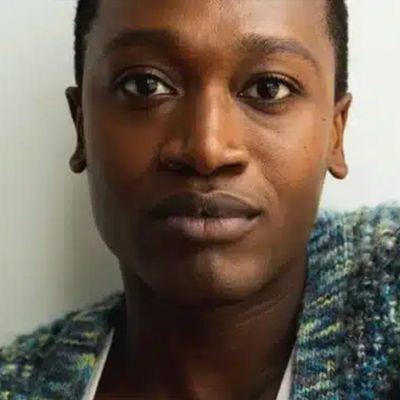
Guests
Featured Shows
About
On this week’s episode of My First Show's mini-season, Eva is joined by the director of SLAVE PLAY, Robert O’Hara, and one of its stars, Ato Blankson-Wood. Both artists are Tony-nominated for their work on Jeremy O. Harris’ staggering play that made its way from New York Theater Workshop to the Golden in 2019. Robert reflects on the first play he ever wrote for his sixth grade class—an adaptation of Snow White and the Seven Dwarfs entitled, Ebony and the Seven Kool Kats. Ato explores his evolution from Second-Grade Soloist to making his Broadway debut in HAIR. They both discuss their hope for a more equitable and diverse Broadway, while inventing an iconic new term for post-Trump trauma. Listen and learn.
Part of the Broadway Podcast Network.
Transcript
This transcript was automatically generated and might contain errors.
[0:15] Eva: Hello everyone and welcome to this very special episode of My First Show celebrating the Tony season. We are here today with two extraordinary artists who made an extraordinary play last season that I was lucky enough to be at the opening night of and became a big fan of, mostly because I couldn't explain it when I would tell people about it. I couldn't properly find the words for the excruciatingly hilarious, painful, serious, of the moment topic that it covered and made me think and feel and change. And that's SLAVE PLAY. That's the play. The play that we don't have words to describe. So we're gonna spend an hour and find those words to describe because it is a really special moment in our theatrical history. And thank you for being here today to talk about SLAVE PLAY, Robert O'Hara and Ato Blankson-Wood. Hi guys.
[1:28] Robert O'Hara: Hi there.
[1:29] Ato Blankson-Wood: Thank you.
[1:31] Eva: Uh well, it's very interesting to think about your play having the moment it had in 2019. I think about how the world has obviously changed and changed so much in 2020 and 2021. So I'd love to start off as I do every episode, asking how you each are, how you're doing. And if you could talk about how you relive and rethink about your play and your experience with that play in these times, I know the audience would love to know more. Robert, let's start with you.
[2:09] Robert O'Hara: I'm doing very well. And you know, you're right that SLAVE PLAY continues to live on in various ways. We have a running thread among me and Jeremy and the cast, and we're always checking in and making sure everyone is well and safe. But it's difficult to talk about plays and difficult to think about plays in this time. And you know, so I’m conflicted in the celebration of it all, and also I'm overjoyed in the celebration of it all. So I want to hold both spaces for the play, which is kind of fitting because the play is about holding spaces for conflicting ideas and different feelings, and so that works, that tracks, Robert. I get that. How about you, Ato?
[3:17] Ato Blankson-Wood: Uh I'm doing well. Um, it has been I moved to Los Angeles March 8th of last year. Um and so it has been a very strange transition to a new place. Um and also this longing I've been having for, you know, New York and the theater and all of that, like Robert is saying, you know, it's difficult to talk about because it feels like a long-distant friend or something that you just you haven't been able to contact in some time. And so there's this longing as well. Um, but I feel really blessed to be out here. Um I'm near family. Um and yeah, I've just been taking this time to sort of get really still and think about, you know, what's important to me not only in my life but also artistically. Um but yeah, with regard to SLAVE PLAY, it's just really kind of amazing how prescient the play is and how it's continued to sort of unfold in my life.
Um just not only the topics of race that are discussed, but specifically to my character, you know, the idea of how one values themselves and how they believe they're valued in the world. Um and you know, not having this artistic outlet that I sort of pinned much of my identity to has really forced me to also look at how I value myself and how I feel I'm valued in the world. So that has sort of been a running theme for me this year.
[5:08] Eva: Yeah. And can we talk about the year a bit?
[5:13] Ato Blankson-Wood: Yeah.
[5:13] Eva: Can what have you been doing? How has it affected you? What how has it changed you? How has it made you look at the American theater and your history in it and your future in it?
[5:27] Ato Blankson-Wood: Yeah, I mean I have been, you know, the film and TV industry is really trying to putter along here. So like they're really trying to do things. So like I have been auditioning quite a bit, and that's kind of keeping me artistically alive. But also I've been looking to my own projects and looking at how I can be a generative artist, which I don't think I would have thought about had we not had this shutdown. I think something that's been confirmed for me is also that I am a theater creature. Like that was my first love. That's how I came to performing, and it's in me. It's really, really in me. I'm not sure what the future of it looks like, but I do know that my love for it is deep and hopefully when it does come back, you know, I would like to engage with it in a different way. You know, I'd like to engage with it as a generative artist, as someone who is not just waiting for a job to show up, but also is involved in shaping my career and the theater itself.
[6:38] Robert O'Hara: It's interesting to think that being black and being queer and making work about that topic, those topics was viewed probably two years ago, three years ago, Robert, when you guys started staging, developing and when you first directed SLAVE PLAY at New York Theater Workshop was scary, scary for artistic directors and producers and audience members. Now it feels like the black queer experience and story is necessary to be heard and told, as people are fighting to hold space to tell those stories and to make sure those stories are seen and heard. What do you think about that? What's your take on that idea?
[7:26] Robert O'Hara: Well, you know, I've always lived in that space. I've always been black and queer. So it's not new for me. I think what we're really talking about is white folks and people in power. And so I think that it's like being in a room all your life around a bunch of people, and then all of a sudden they turn and they say, "Oh, wait a second, you're here? You're still here?" So I find it to be quite fabulous, but you know, no one gets a hero cookie because we've been here and we've been telling these stories, and I've had to find black queer stories outside of the mainstream of theaters to keep myself going as an artist. But also that is not the totality of my experience in life. So, you know, there is that sort of celebration of it, but also as a yes and as they say in the black itself.
[8:26] Eva: Absolutely. I'm excited to talk to you guys about this next topic. One of the many firsts that SLAVE PLAY brought to Broadway was the blackout. For the first time in history, all 804 seats of Broadway's Golden Theater were occupied by black identifying audience members in communion, celebration, and recognition of Broadway's rich, diverse, and fraught history of black work. Ato, what was it like to perform that night?
[8:59] Ato Blankson-Wood: It was deeply affirming. You know, I feel like much of what the play discusses is how you feel a little gaslit when it comes to your experience as a black person, as a queer person. Yes, this experience that Robert's talking about about being in a room and feeling and people turning and being like, "Oh, there you are." There was something really affirming and I felt really seen for the first time in a way that I hadn't felt on stage.
[9:38] Robert O'Hara: Yeah, what I realized was that it's really important to have these affirmations as well. I had just come off of a show where, you know, I've been doing yes theater that is black and queer for quite some time, but the experience of doing it for an audience that understands that experience, yeah, it was just deeply affirming. I remember being in the audience and I went to my seat and immediately I said, "We're not starting on time." We're not even starting anywhere near time because there was a communion happening. People were, it was like, you know, church really, and people were literally in the aisles talking to people who they hadn't seen, people who they've worked with. So there was a almost a revival feeling of it, you know, an anticipation because of course everyone was not there because they were excited to see the play, but there was a lot of justified criticism of what was this thing called SLAVE PLAY on Broadway, so there was a huge sense, I think, of skepticism, but there was grace in the room too, which I found to be really wonderful, and it's something just to be in a room where people are actually following the journey of the BIPOC and black characters and not just simply watching it, but that can actually that are living it with them in a different way than if you have a predominantly white audience.
So those characters began to pop for the audience in a different way. It's just, you know, it's being in a community that sees you and that recognizes your journey as their own is quite thrilling. So that was fun for the blackout.
[11:40] Ato Blankson-Wood: And this revival, this revival that that's like the perfect word, Robert, because also just like being on the stage and having people respond, it felt it really did feel like church, right? People just shouting out and it felt like innocent and hallelujahs. Yes, they stopped the show several times, several times, you know, and there was, you know, and like you were saying, this moment this feeling that like we wouldn't start on time. There was also like, I was like, this play is going to be the longest it has ever been. The stage bed report is like three hours exactly, yeah.
[12:19] Robert O'Hara: Exactly.
[12:20] Ato Blankson-Wood: And it probably was because then I think there was a talk back afterwards, and then, you know, they filled the street. Like, like and but not like after just out in the street talking. You know, so we had sort of taken over not only Broadway Theater, but the Broadway street, you know, in front of them. So it was fascinating and fun.
[12:39] Eva: That's amazing. And what I'm envisioning, what might have also felt so, I mean a million different feelings for the actors on stage, but that final scene when the giant or when the mirrored wall and Clint's set reflects what is being reflected back as an entire black audience versus probably many of those nights to it was a likely white audience. What was that like?
[13:07] Ato Blankson-Wood: Um it was like having your entire, whoa, I'm getting emotional, that's weird. Um it was like having your entire family there, your entire lineage there. It was like hearing the words yes over and over and over again, you know, even through the pain of the play, it was like hearing yes, show us this pain.
[13:38] Robert O'Hara: We understand this pain, you have freedom to show us this pain. It was just it was a big yes, which felt incredible. And that you you deserve to be here. This is your space. Take the space, you own the space, you know, not that we were sort of like you know, somehow sneaking in the space in the back door and hoping that no one notices upon it, but no, to take all the space on Broadway that we wanted and needed. Um, it was that type of grace in the audience, I feel.
[14:10] Eva: Yes. What's your hope for Broadway's future, Robert?
[14:16] Robert O'Hara: Oh, well, I hope that they come back with more interesting and exciting and diverse and uh uh stories. Uh, and I hope that they don't sort of like you know fall into the trap of being uh afraid. Um and and um, you know, the focus because of course Broadway is uh um a commercial venture, you know. Yeah, so uh we knew from the start, a that we were gonna be closing uh at a certain time and that we were gonna be making no money, you know, at a certain uh from the beginning of SLAVE PLAY because we wanted it was about offering the opportunity, you know, the tickets were uh lowered, um, the capacity were free things were handed out, you know, blackout nights. So we actually didn't have that struggle with the commercial sphere of trying to, you know, uh make sure we get as much money as possible this week, you know.
So I hope that there are more journeys like that uh that can populate uh a Broadway. Um because you know, there will always be phantoms and lame's and and all of that, but there also needs to be um other avenues of engagement because we we use Broadway as an example of theater. We tell the world that the best play and the best musical of the year happened to be on these four these little these few blocks of Broadway, which is of course inherently a lie. But if we're going to say that this is where the best theater is, then we should actually have the best theater there.
[15:53] Eva: Yes, yes to that. I agree with that. Well, let's let's dial back to everyone's humble beginnings of early theater and the love for theater and what was maybe at one point seemingly the best theater. And that's the first show that you ever saw. Ato, let's start with you.
[16:14] Ato Blankson-Wood: It would be, it would be my sister's, my oldest sister's high school production of Bye Bye Birdie. Um because I I just remember sitting in the audience, and I I must have been maybe five, five years old, five or six years old. Um just thinking pe people can people can do that with their time and energy, and and and there was like some like click of like that's that's what I'm supposed to be doing. I I just knew it. And yeah, all these years later, I I I I remember just sitting there and feeling that you know, all of this energy that I had, you know, I was a I I I was a pretty shy kid, but in the home when I was comfortable, I I loved to make noise, and like I was quoted as as a kid as saying, like, I love making noise, like that was my my go-to phrase.
Um to understand that I could channel that and put that somewhere, like that was that was the first time I realized that. And I'll never forget my sister was in a full head to toe red leotard. Um she kidding. And I was just what was she? I don't I don't remember. I I have no idea. Um, but um I just remember being like, she looks amazing, and she's under these lights. And I want to do that. I just, yeah. And uh yeah, it was it was Springbrook High School's production of Bye Bye Birdie. Bye Bye Birdie has inspired more theatrical careers than it deserves to, is my agreed.
[18:01] Robert O'Hara: I can I can point to one as well. Robert, how about you?
[18:05] Robert O'Hara: Well, you know, uh my grandmother used to call me the ringleader. Um because I would always get the grandkids, you know, dancing and singing and playing around and in the backyard or whatever, because I was one of the older grandkids. Um so I never really thought of that as something that you know to be aspired to, you know, you shouldn't aspire to be the ringleader. It was always a repper man, like he's the ringleader of all of it. Uh richer than the West, like the ringleaders over there, get up. Um, but so I was always writing and always like creating stuff. But I guess one of the things that is sort of like my first really experience that meant something to me was one that I was directly involved in, and that I had I had decided in the sixth grade to write an adaptation of Snow White and the Seven Dwarfs.
And I named it Ebony and the Seven Cool Cats. Well, because there were literally there was literally one white person in my entire class, uh, I think 500, you know, uh sixth graders. And if that uh and uh so I wrote it, and I I remember one day going to my teacher because there was always the sixth grade production of something, you know, and I said to one of my home teachers, I said, Well, I wrote this play, and I don't know if it's interesting, but I think maybe we could do this. And she read it and she was like, Yes, we can do this. I just remember that experience, and because I don't remember being in it, I remember working on it. And at one point I remember um telling the person playing the evil witch when they the sing uh uh Diana Ross's mirror mirror on the wall, and then another time Ebony saying, I'm coming out.
Um and I was just like, There's something really amazing about this, but then I would look in the audience, and the all the parents were like, There's something really off about this first experience of going, Oh, I see I can affect the audience just by what they say on the stage, which is profound, right? Because usually kids are on stage, and if you're a kid, everyone's like, you know, looking at their kid and like you know, smiling and snapping pictures or whatever, but that you could sort of galvanize a room based on a musical choice or um a costume piece. So that was sort of uh my sixth grade class um with Ebony and the Seven Cool Cats that I didn't have permission to adapt at all. No, no rights were granted in that in that production, but all were used.
[20:42] Eva: Robert, yeah, Robert, I needed I I need a copy of the script ASAP. You know what I mean?
[20:50] Robert O'Hara: But what's kind of amazing is is that production, Robert, has a connective thread to SLAVE PLAY. I mean, you use pop music in all sorts of shocking and exemplifying ways. You you know, you rattled your audience to tell a story that they weren't expecting and to subvert. I mean, have you had you thought about in the past that there is a a thread from that early experience to your latest one?
[21:19] Robert O'Hara: I think there's a thread just because of who I am and how I see the world and how I walk through the world as a queer black man. Uh that you know there are things that you know I think uh queer kids you know latch on to in order to get through whatever they have to get through. And many of those things are people who are you know a little odd like themselves and things that sort of like you know I I was obsessed with Michael Jackson. I mean other people were saying he's odd you know um so I think you know being othered as a kid even without knowing who you are but uh other people othering you attaches you to people who have been othered in uh in the world.
[21:45] Eva: Yeah, and I Robert I have this like uh image of you as a sixth grader saying what you said on our stage that I think that first preview of one uh which was if you've come here expecting comfort you may not have it I will not give it to you like I just imagine you say that as a sixth grader to that audience which was about to be they were about to be like you said unsettled by watching this play.
[22:25] Robert O'Hara: And I had of course no idea I just knew I wasn't gonna have a bunch of uh you know white kids doing Snow White. I mean black kids doing Snow White in the seven dwarfs. I mean we had nothing but black kids so obviously it had to be a black adaptation. I didn't know I was doing something uh you know outrageous to make Snow White into a black woman named Ebony you know but uh in retrospect, it was slightly outrageous to turn the dwarfs into the seven cool cats, you know and give them a particular type of language in life.
[22:54] Eva: Wow, at age eleven you knew who you were. That's impressive. Even if you didn't know you knew.
[22:59] Robert O'Hara: Right.
[23:00] Eva: That's amazing. So first shows you were in Ato.
[23:06] Ato Blankson-Wood: Was that uh amateur? Was that a professional show? What what was the it was it was the second grade play at Cannon Road Elementary School. It was Johnny Appleseed.
[23:15] Ato Blankson-Wood: Oh god. Um and I played Johnny Appleseed. I split the I split the role with my with my best friend at the time, Nathan Young. But and it's interesting, Robert, there's some parallel here in that in that, you know, Johnny Appleseed is this like very American uh like it uh it's like uh America Americana like legend, right? And you had two young black boys playing these roles, you know. And I I I also went back to think about it and I was like, at the time Johnny Appleseed happened, these two boys would have been slaves, you know. So I in retrospect I'm like, wow. I I don't think I I mean I don't think I w as a as an eight-year-old, like I was aware of the audience's um response, but I'm I'm sure that that was picked up by some adults, you know, at least in the audience. And and now in retrospect, I'm like, that's that's really amazing to me that that that happened.
[24:21] Eva: And do you think it was a deliberate thing? Or was there an were there black white people in your class?
[24:26] Ato Blankson-Wood: Oh yes, they were there were a lot there were a lot of white people in the in the in the in our in our class. Um but Nathan Young and I were the best singers in the in the in the class. So like, you know, I don't think it was like yeah i i I I don't know that it was necessarily like a very pointed and like racial choice but I know that we were the we were the best ones.
[24:50] Eva: That's actually quite an interesting thread as well from from your start to to SLAVE PLAY too if you think of it.
[24:59] Ato Blankson-Wood: Yeah.
[25:00] Eva: That's interesting. What what about you Robert was was uh Ebony and the Seven Cool Cats your first or really I was I was an old hat by then I was doing all the shows by then no um I just wasn't writing them um I guess my first my first memory of being on the stage was uh in the first sort of second grade just like Ato um but in a handsome gremlin and I was neither handsome nor gremlin instead I was told to wear something brown so I could be a tree stump.
[25:34] Robert O'Hara: And so I was a tree stump and I remember Gremlin having to sit on me. Now I may be making it but I remember Gremlin having to sit on me and I was like oh no we can't be doing this. I I won't be oh gag and it was a realization wait a second I have no lines and she's gonna sit on me now. But is that when you have like like 900 kids and s everybody has to have a part like there were trees there were rocks and you had to like wear green if you're gonna be the top of a tree like you know so I just remember having to wear brown or dark colors and be a a a tree stump. Uh and I knew so instead of like going oh my god this is what I want to do I was like, oh no, this is I won't be doing this part anymore.
[26:20] Eva: Robert, were you one of very few black kids in yeah in the Were you the only?
[26:26] Robert O'Hara: No, no, no, no. Uh I think that there was a um there was a hefty mix, I guess, because if I'm talking about the first grade, yeah, because I then I went to Catholic school in the third grade. And then I went to a predominantly black school in uh um in the fourth and fifth and sixth grades. Uh but at that point I I you know it was a pretty mixed group of people uh in the first grade.
[26:49] Robert O'Hara: But it was like everyone had to have a part.
[26:52] Ato Blankson-Wood: How many characters are on there, Hansa?
[26:53] Robert O'Hara: I mean there's three like the Hampshire.
[26:54] Ato Blankson-Wood: Three I can think of.
[26:55] Robert O'Hara: And a witch.
[26:56] Ato Blankson-Wood: So and they're walking through a four.
[26:58] Robert O'Hara: So, you know, some uh half the the school has to be a force.
[27:02] Ato Blankson-Wood: You know.
[27:03] Robert O'Hara: It's not like it I just was like a little bit my ego, because I guess I thought I was the prize and that no one should be sitting where I if you look around, nine hundred other students are rocks and tree stumps too.
[27:15] Ato Blankson-Wood: You know, I'm the only tree stump going, wait a second, you guys sit on me.
[27:19] Robert O'Hara: Right, right.
[27:20] Ato Blankson-Wood: Well, your your directorial vision and place was beginning to show and that's that's a good thing.
[27:20] Robert O'Hara: That's a good thing.
[27:28] Ato Blankson-Wood: What about first professional shows?
[27:31] Robert O'Hara: Um Robert, why don't why don't we start with you?
[27:33] Robert O'Hara: The first one you got paid to and whether this is directing or acting in, but but paid, be it through dinner, through money, through w whatever it is, but it was a professional gig.
[27:46] Robert O'Hara: Oh I was never an actor professionally.
[27:49] Robert O'Hara: That was out of my system very early.
[27:51] Robert O'Hara: Um right out of graduate school.
[27:54] Robert O'Hara: I mean right out of college really.
[27:55] Robert O'Hara: It was like, oh no.
[27:57] Robert O'Hara: Um I'm gonna go that direction.
[27:59] Robert O'Hara: Um so my first professional gig.
[28:04] Robert O'Hara: Well, really it was it would be uh the uh you know uh the internship and in graduate school because we were getting paid uh to to assist.
[28:14] Robert O'Hara: Uh because I went to Columbia as a director.
[28:17] Ato Blankson-Wood: Uh who who was that?
[28:18] Robert O'Hara: What what production was that?
[28:20] Robert O'Hara: It was um Taswell Thompson doing I think um Holiday Heart or something.
[28:28] Robert O'Hara: I think it was Cheryl L. West's play at Manhattan Theater Club.
[28:32] Robert O'Hara: All I remember is after the we I was there on the first day, on the second day of rehearsal, Taswell says, Everyone is out, we're not having anybody else in the rehearsal uh for the until tech.
[28:46] Robert O'Hara: And so that was literally because apparently there was some issues with the actors or whatever, and sort of who was in the room with them or whatever.
[28:52] Robert O'Hara: But so I was like, Oh, but does that include me?
[28:55] Robert O'Hara: Because I your assistant.
[28:57] Robert O'Hara: He's like, Yes, you.
[28:58] Robert O'Hara: And so it's like my my first professional gig was not being in the room in the entire uh rehearsal process.
[29:06] Robert O'Hara: And after that, uh my my I guess I really started at the public theater uh in my um internship uh in George Wolf's office.
[29:15] Robert O'Hara: Uh so that was my first gig.
[29:16] Robert O'Hara: And he also um uh had me assist uh Danny Sullivan uh and Adrian Hall for um two productions in Shakespeare in the park.
[29:27] Robert O'Hara: So I guess that was really the first time that I was sort of on a major uh project.
[29:32] Robert O'Hara: Uh not necessarily as a writer or director, but mainly as assistant.
[29:36] Ato Blankson-Wood: And and assisting for George, I mean, was that just one of the dreams coming true to, you know, be a young black guy who's looking to be a director and here's this unbelievable talent.
[29:48] Robert O'Hara: Oh, absolutely.
[29:49] Robert O'Hara: I mean, I eventually did assist him on uh Blade to the Heat in Bringing in the Noise, uh Bringing the Funk.
[29:54] Robert O'Hara: Uh but I had, you know, one of those seminal experiences in the uh American Theater was watching Jelly's Last Jam uh on Broadway and it just blew me through the back of the the the theater.
[30:06] Robert O'Hara: Um and so and also in college I ha you know, had experienced his uh pr uh his play, uh the Color Museum and was in a production of it, uh in the place in in in college.
[30:17] Robert O'Hara: And so uh having being able to be in his presence and not only being his presence but to be mentored by him right out of uh of school, um was really tremendous.
[30:29] Robert O'Hara: And uh in all ways, you know, because you know, i it wasn't easy.
[30:34] Robert O'Hara: Yeah, George George is a taskmaster, so it wasn't like, you know, come here little grasshopper and let sit on my lap and I'll tell you all the things about the world that you should know.
[30:42] Robert O'Hara: No, it was you know, um very uh uh um in your face and very this is w this is what the world is on it's going to give to you.
[30:51] Robert O'Hara: So you better be prepared for it.
[30:52] Robert O'Hara: But it was also genius in the same way.
[30:56] Robert O'Hara: So uh it was tough love for me.
[30:59] Ato Blankson-Wood: Yeah.
[30:59] Robert O'Hara: N not Mr. Miyagi.
[31:01] Ato Blankson-Wood: No, no, no, not at all.
[31:03] Robert O'Hara: Not at all.
[31:04] Robert O'Hara: Um but it was professional to be with someone who was running a major American theater and black and queer and directing at that time, the landmark play of the century, Angels in America.
[31:17] Ato Blankson-Wood: Yeah.
[31:17] Robert O'Hara: Yeah.
[31:18] Ato Blankson-Wood: So that was amazing.
[31:19] Robert O'Hara: Robert, that that really tracks just having worked with you as an actor now that George that you learned it from George C. Wolf.
[31:26] Ato Blankson-Wood: That tracks to me.
[31:29] Ato Blankson-Wood: You 'cause I feel like in a way you are uh you're a little bit of a uh blend of Miyagi and this energy that you're describing in that in that you give us so much space, but there is tough love, you know.
[31:47] Robert O'Hara: Well, I think it's also because I in many ways, all directors sort of know that these people are gonna do whatever the hell they want to do when you leave.
[31:56] Ato Blankson-Wood: Uh like you know we're not supposed to tell the actors that they don't give a damn what you say right now, all of them nodding in front of you.
[32:06] Robert O'Hara: They're gonna go out there and take as many have it as I've been saying to my guest, put in as many bits as they want, take pauses where a pause ain't ever been.
[32:16] Robert O'Hara: You know, sometimes you just have to go, you know, I'm gonna be watching you, and I know what you better do.
[32:22] Ato Blankson-Wood: So that's a little bit of a miyagi and also tough love, because you know you have no control after the curtains open, they are gonna do whatever the hell they want to do.
[32:32] Ato Blankson-Wood: Did you ever come back to a preview of SLAVE PLAY where they didn't know you were there and the next day you were you had to send over a textbook of notes and and that was called Monday, Tuesday, Wednesday, Thursday Friday, Saturday, and Sunday.
[32:50] Robert O'Hara: That was every day.
[32:52] Ato Blankson-Wood: Just have bits upon bits on top of listen, I don't know anything about any bits.
[33:15] Robert O'Hara: Being horrified throughout act one and then staying far away from him during intermission.
[33:20] Ato Blankson-Wood: I've had that experience.
[33:21] Ato Blankson-Wood: No, I remember getting a note saying one of the actors turned to the audience and said, Stop knitting in the middle of the of the play.
[33:32] Robert O'Hara: Now the first the second act is an hour long scene with nothing but talking.
[33:36] Ato Blankson-Wood: And one of the actors broke character, turned to the audience and said, Stop singing.
[33:42] Robert O'Hara: And I won't say which actor it is.
[33:46] Ato Blankson-Wood: That's the type of stuff I was.
[33:48] Ato Blankson-Wood: One of the actors got on stage and was chewing bubblegum, got up, went to the front of the stage, took a tissue and put the bubble gun in it and sat down.
[33:58] Robert O'Hara: And I'm just like, what is going on on this stage?
[34:03] Ato Blankson-Wood: Wait, that that happened in SLAVE PLAY?
[34:06] Robert O'Hara: Yes, both of them happened in slave play.
[34:08] Ato Blankson-Wood: Both of them.
[34:10] Robert O'Hara: Well, I I I I remember the one, the other I do not.
[34:13] Ato Blankson-Wood: Yes.
[34:14] Robert O'Hara: Oh well, a two is not our culprit.
[34:16] Ato Blankson-Wood: That's what we're doing.
[34:19] Robert O'Hara: No.
[34:20] Robert O'Hara: But I think that because you know, what when we when we did that scene, it was really a sort of like orchestrated, right?
[34:26] Robert O'Hara: And that everyone was trying things, and what I would say to them is like there's eight of you on the stage.
[34:31] Robert O'Hara: If we pull focus, the audience is not going to look at what we're supposed to be looking at.
[34:35] Robert O'Hara: So everyone had to be aware when it was their moment and when it wasn't their moment.
[34:39] Ato Blankson-Wood: And so there was a realization that happened.
[34:42] Robert O'Hara: So the audience feels that, oh, this is just happening naturally, but every part of it is orchestrated.
[34:47] Robert O'Hara: Um and I remember the moment in uh um in rehearsal, I think Arthur, when uh uh you were about to do your monologue and you went to the and and you went to the door, didn't go to the door.
[35:00] Ato Blankson-Wood: I don't know how that how do you remember that experience of going to the door and coming back and saying what I uh that line that you come back with?
[35:07] Ato Blankson-Wood: Uh uh, yeah, yeah, yeah.
[35:10] Ato Blankson-Wood: I'm done.
[35:11] Ato Blankson-Wood: Um it's it's like what if when I uh I've I've explained all of this aggression, I'm done.
[35:17] Robert O'Hara: Right, right.
[35:17] Ato Blankson-Wood: Um and then I come back.
[35:19] Ato Blankson-Wood: I don't remember what that was.
[35:22] Robert O'Hara: I think I said, why don't you just leave and go to the door and then come back?
[35:26] Ato Blankson-Wood: Yes.
[35:27] Robert O'Hara: And is that turning around from the door that I think everyone, especially everyone that was black in the audience recognize of that I'm I'm done with this?
[35:37] Ato Blankson-Wood: Well, wait a second, I'm not done with this.
[35:38] Ato Blankson-Wood: I have more to say.
[35:40] Robert O'Hara: Well, exactly.
[35:40] Robert O'Hara: And it was like, and it was such a genius, it was such a genius note because it was like a launching pad, you know.
[35:51] Ato Blankson-Wood: It was really like a I could really say I'm done and mean I'm done.
[35:56] Robert O'Hara: Exactly.
[35:56] Robert O'Hara: You can complete that phrase.
[35:58] Ato Blankson-Wood: Yes.
[35:59] Ato Blankson-Wood: And and really, and really like from my insides, know that I have more, I need to say more.
[36:08] Robert O'Hara: You know, there was there was a real need in that in that note, and I just it was genius.
[36:13] Robert O'Hara: It's like, you know, when your mother or your father goes, you know, go to your room, I don't want to speak to you, and then they show up right at your room as you're there's like and by the or when they say, you know, uh are you are you listening to me?
[36:26] Ato Blankson-Wood: Oh, you answer me, and you and just like don't speak back to me, shut up.
[36:32] Robert O'Hara: That's sort of the moment.
[36:34] Ato Blankson-Wood: It's amazing.
[36:35] Ato Blankson-Wood: So recognizable, yeah.
[36:37] Robert O'Hara: Do you do you think about what it would be like to do the show this coming fall or winter whenever theater is back?
[36:45] Ato Blankson-Wood: Do you have you has that crossed your mind?
[36:47] Ato Blankson-Wood: Like what it would have been like if this was now your time rather than fall of 2019.
[36:55] Ato Blankson-Wood: Yeah, I yeah, I I think about that a lot.
[36:59] Ato Blankson-Wood: I mean, I by the time we were done with SLAVE PLAY, you know, there was an exhaustion that had sort of set in because the play is physically rigorous and but more so it's it's mentally and emotionally rigorous.
[37:12] Ato Blankson-Wood: And you know, I the thing I kept saying to folks was I, you know, I don't get to stop being black and queer and experiencing these things when I leave this theater.
[37:21] Ato Blankson-Wood: It's not something I can take off in any way.
[37:23] Ato Blankson-Wood: And so the play just sat with me eight times a week, but also just in my life.
[37:30] Ato Blankson-Wood: So by the end of it, I was a little like, I need some space from this play.
[37:35] Ato Blankson-Wood: Um, but when I tell you what has happened in the world, I feel galvanized.
[37:40] Ato Blankson-Wood: I feel it's necessary.
[37:42] Ato Blankson-Wood: I feel that I I would tomorrow use any that's I would ring myself dry to do this play because I feel like what's being talked about is so uh that this conversation is deeply necessary.
[37:56] Ato Blankson-Wood: It was when we did it, and it's even more so now.
[37:59] Ato Blankson-Wood: And you know, the interesting thing is that we were scheduled to do um uh a production of it, uh, to do the Broadway production uh of it in uh LA.
[38:11] Ato Blankson-Wood: Um this at this time, actually.
[38:15] Ato Blankson-Wood: Um and so that was cancelled, and so now they're giving up to try and and do it again next season in LA.
[38:23] Ato Blankson-Wood: And uh, you know, my feeling is that you know, it is difficult, right, to go because I'm as Atu says, we can't take off uh the trauma of it.
[38:34] Ato Blankson-Wood: Uh and and so it was even thinking about doing it at this point is uh is is thrilling and at the same time is uh terrifying.
[38:48] Ato Blankson-Wood: Um which is also I think where theater is the best.
[38:54] Ato Blankson-Wood: Where there's an excitement and there's a fear as well, uh and the execution.
[39:01] Robert O'Hara: So yeah, yeah, we'll see.
[39:03] Ato Blankson-Wood: Absolutely, absolutely.
[39:04] Ato Blankson-Wood: Well, I I look forward to it being mounted in Los Angeles and having audiences post, I don't know what we call this, post-COVID, post-racial reckoning, post-trump trauma, exactly.
[39:26] Robert O'Hara: Trumpa.
[39:27] Ato Blankson-Wood: Amen.
[39:28] Robert O'Hara: Post-Trumpa.
[39:29] Ato Blankson-Wood: Trumpa.
[39:32] Robert O'Hara: It's a new term, coin it.
[39:35] Ato Blankson-Wood: Coined here on this podcast with these guests, Trumpa.
[39:39] Robert O'Hara: Oh, I love it.
[39:41] Ato Blankson-Wood: Atu, what was your first professional show?
[39:45] Ato Blankson-Wood: Um I uh in college, I was I did theme park shows at Hershey Park in the summers, but my like proper, proper like uh uh first theater job was uh in 2007, they did the 40-year anniversary concert of Hair, which then turned into a Delacourt run, which then turned to a Broadway show.
[40:09] Ato Blankson-Wood: Um and so like that was a little bit of a dream for me to have my first like real like I got my equity card doing a Broadway show. So like there, you know, I a lot of my friends at the time were, you know, they were doing the EMC points, they were running around here doing regional gigs, doing this, doing that. But, you know, I I uh I I I had the good fortune to uh begin a relationship with the public theater very early on. And uh yeah, and uh that was my first my first gig was hair, um the revival of hair.
[40:47] Eva: And were you just having lots of pinch me moments to be on Broadway and with that base?
[40:55] Ato Blankson-Wood: Too many. I mean, uh and the the um the we still have a group thread, a group text thread that we text each other on. That was a family of people, you know. I think Heidi Griffiths and Jordan Baylor at the time and Diane Paul Liss, they really brought together a group of people who felt like family.
[41:12] Eva: Yeah.
[41:13] Ato Blankson-Wood: And um, and I got a little spoiled thinking that you know that's what that's what doing a show on Broadway was. Like everyone just loves each other and and um it's uh it's uh it's it's kind of a dream. It kind of like seamlessly works. Um, but no, that that that was uh that was a singular and special experience. And uh I'm so I'm so glad that that was my introduction into the into the professional field.
[41:40] Eva: It's dream time, everybody. This is where and Robert, you can choose to direct this dream show, you can choose to star in it, you can choose to rewrite it, whatever piece of your multi-hyphenate talent you want to uh interpret this question with, by all means. If you could be in any show anywhere at any time, what would it be?
[42:07] Robert O'Hara: I I when I was thinking about this, I was like, at any time, I think it is it's a future show. It's something in the future.
[42:15] Ato Blankson-Wood: Yeah.
[42:16] Robert O'Hara: I don't know exactly what it is. I just keep coming up with with these two ideas that it is black as fuck, it is queer as fuck, and it is like it has all of the the resources it needs. Because to me, that would signify that we've moved into a space, like Robert was saying earlier, where it's a commercial venture, but it is supported. Like it needs to be supported, you know.
[42:42] Ato Blankson-Wood: So I don't know what it is, but I I know that it's black and it's queer and it's a huge commercial venture.
[42:50] Eva: Do you want to cast it or give me a theme or um is it musical? Is there dancing?
[42:56] Ato Blankson-Wood: There is I think there's movement, I think there's music, but I I I I have this idea that it's more experimental than we're used to seeing on Broadway, you know. It's I think it's we go further in this direction of breaking form and and and being in space and going into the theatrical and imaginative spaces that we haven't gone before.
[43:20] Robert O'Hara: Amazing.
[43:22] Ato Blankson-Wood: Yeah. I I you know uh I'm lucky enough to be able to imagine and uh and sometimes get the opportunity to do my dream projects uh now. So it's always exciting to get that first instinct. And and one of those were doing classics, uh which was excit is exciting to me to be able to investigate classics.
[43:46] Robert O'Hara: I would love to do I have this. I have these two ideas, which of course will never happen because they can't happen. Actually, it's three. First idea is an all-black chorus line. Uh I would just love to see what a bunch of black people would do with a chorus line, you know, uh where everyone is black is black Puerto Rican, black Italians, black like it doesn't matter what the voice before, this black folks.
[44:11] Ato Blankson-Wood: Because when I see some of these black people on these Broadway stages, it is otherworldly what the chorus is doing. I mean, I think about the choruses of you know Tina, the choruses of uh the temptation musicals, uh the all of those uh wonderful things that is happening uh that was shut down. I just think you know, it's it's amazing.
[44:33] Robert O'Hara: Um I would love to see a bunch of middle-aged people do Annie. Um whereas a bunch of adults playing orphans.
[44:44] Ato Blankson-Wood: Um Annie too, right? Annie is also a whole 45 year old talking about the sun will come out tomorrow.
[44:57] Robert O'Hara: You know, I just and it's living it, you know.
[45:02] Ato Blankson-Wood: Um so that's uh a fun thing for me. And then I also would love to do uh uh an all-male version of Dream Girls. Uh and you know, if you put the right people in the dreams, I think it was just you know, it but those are sort of like you know, places uh they're not old enough, the shows for public domain for you to sort of do that sort of thing, but that's a dream.
[45:28] Ato Blankson-Wood: My nickname right outside of uh right after college, my friends started calling me Laurel. So this is my day is right now. This is my bid right now, Robert.
[45:40] Robert O'Hara: I was gonna ask you who's who's cast in this all-male dream girls, because I believe in reimagine revivals friends so you know play it on me Alex Noel would probably do you know honey and just you know so good pull out the chairs and let him eat the whole stage yeah yeah let them eat the whole stage um I love the idea of you know uh Billy Porter as uh what's it James Thunder uh you know so there's I mean there's all these different people who are just you know singing foes you know and and and that that play is such tomfoolery all over the place you know and I would just love to see what an all black uh and queer you know um all those people that I've named were uh queer um production would be you know yeah oh my god it's genius it's absolutely genius well you know dreams do come true you have now spoken it you have secreted it to the my first show universe and they don't let me touch dream girls or chorus line or Annie they are not letting Robert it 50 you got still a lot of life left you know you know Robert I will I I I see myself sitting in the like I will be in the audience for one of these I don't know which it'll be but or on the stage for the dream girls like I said trustees of estates change over time who know there is a there is actually there was a Motown version of guys and Dolls, which is very exciting.
[47:21] Ato Blankson-Wood: Uh and uh I'm uh terribly interested in that because you know that uh I I have the soundtrack and I was just like I was blown away by it. Um so yeah there's dreams do come sometimes.
[47:33] Robert O'Hara: We've talked about that production here on the show with Wayne Brady and yeah, he he's a big fan of that musical and that Motown production, yeah.
[47:44] Eva: Um so this leads this is a perfect segue actually to our surprise element of the show, which you haven't been told about, and that is our lightning round, where I name a classic American musical that we all know and love, and you name the theme, the emotional theme that you think is within that musical.
[48:10] Ato Blankson-Wood: All right, here we go.
[48:13] Robert O'Hara: Hello dolly, staircase, walking down the strait case and eating all the furniture in front of you.
[48:21] Ato Blankson-Wood: It's like it's like hinge before there was hinge.
[48:25] Robert O'Hara: Sweetie tot.
[48:27] Ato Blankson-Wood: Angela Lansbury and those pies, pies for days, murder, emotional themes, guys.
[48:27] Robert O'Hara: Emotional themes.
[48:36] Ato Blankson-Wood: Okay, Angela Lansbury is not an emotional thing.
[48:40] Robert O'Hara: She she actually is I don't know if pies are, but Angela definitely is Angela, it's a full theme and a pie.
[48:47] Ato Blankson-Wood: Okay, go ahead.
[48:48] Robert O'Hara: Okay, a chorus line.
[48:51] Ato Blankson-Wood: Struggle making it the whiz, home, blackness, pippin', existentialism.
[49:02] Robert O'Hara: Circus, South Pacific.
[49:07] Ato Blankson-Wood: Hate.
[49:09] Robert O'Hara: Yeah.
[49:11] Ato Blankson-Wood: Isolation, la cageful.
[49:15] Robert O'Hara: Authenticity.
[49:17] Ato Blankson-Wood: Um, well, literally, um I am what I am, who I am, being who you are.
[49:24] Robert O'Hara: That's beautiful.
[49:26] Ato Blankson-Wood: That's it, guys. You did great. This was this was a journey of a lightning round, and we ended up beautifully.
[49:34] Robert O'Hara: Yeah, I don't think we got into the like the third question, but you know.
[49:39] Ato Blankson-Wood: Easy way into lightning.
[49:41] Robert O'Hara: I think it was I think it was murder that really needed to give us the leader.
[49:47] Ato Blankson-Wood: Well, I thought it was actors on a stage.
[49:49] Robert O'Hara: And I didn't think but that's your that's what you're drawn to, right? To you, that's the emotional theme.
[49:54] Ato Blankson-Wood: It's what those people mean to you or meant to you. That makes sense to me.
[49:59] Robert O'Hara: That it's it's a totally valid answer. I just wanted to I wanted to bring you over to uh to Sarah.
[50:08] Ato Blankson-Wood: Uh oh God.
[50:09] Robert O'Hara: Um this was a wonderful and really fun way to to talk about your play and to get to know both of you.
[50:17] Eva: I I was thinking a lot about and I was revisiting the New York Times review, which as you recall was incredibly glowing. And I remember this line at the end that really struck me as I read it in 2021, just a couple weeks ago. If slave play can bring them to a bigger audience, even an audience that is shocked or offended, it will be a happy surprise indeed.
[50:42] Ato Blankson-Wood: Shock and offense may be just the ticket now.
[50:45] Eva: And that was what Jesse Green wrote in September, October 2019. And I just think about how true that statement is about the future of American theater. Uh, even more so.
[50:59] Robert O'Hara: And um But not only the American theater, the American politic.
[51:04] Ato Blankson-Wood: I've been shocked.
[51:06] Robert O'Hara: The last four years.
[51:07] Ato Blankson-Wood: Shocked and offended.
[51:08] Robert O'Hara: In every day.
[51:09] Ato Blankson-Wood: Amen.
[51:10] Robert O'Hara: I think that shock and offense is something I feel like especially in 2020. Just I carried on the day to day.
[51:17] Ato Blankson-Wood: Yeah, you know.
[51:18] Robert O'Hara: Yeah.
[51:19] Ato Blankson-Wood: Yeah.
[51:20] Robert O'Hara: And your play was doing that for years beforehand. So congrats to you to Jeremy, to your producers, to the rest of your cast and your team for making this gorgeous, incredible, unforgettable piece of work.
[51:37] Ato Blankson-Wood: Thank you.
[51:38] Robert O'Hara: Thanks.
[51:38] Ato Blankson-Wood: Thanks for being the best man I ever know.
[51:49] Eva: There's no way I can have my first show is produced by Josh Altman, MEP, Dory Berenstein, and Alan Seals, and is part of the Broadway Podcast Network.
[52:03] Ato Blankson-Wood: This episode was edited by Derek Gunner.
[52:06] Eva: Special thanks to Leslie Papa and Whitney Holden Gore at Vivacity Media Group.
[52:11] Ato Blankson-Wood: For more info about the podcast, visit BPN.fm backslash my first show.
[52:16] Eva: Follow me on Instagram at Eva R. Price.
[52:20] Ato Blankson-Wood: And you don't go to love me.
[52:33] Eva: Yes, yeah.
[52:35] Ato Blankson-Wood: Who love me?
[52:40] Eva: Love me.
[52:42] Ato Blankson-Wood: Love me.
[52:55] Eva: You're gonna love thank you.
© Broadway Podcast Network, All Rights Reserved