

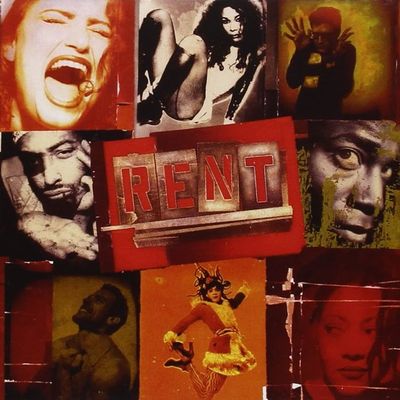
U Guys, original Music Director of RENT, Tim Weil is here! First, we dive into all the latest bway news in the BroadwayWorld Recap, brought to you by BroadwayWorld.com! Then, Tim Weil, a renowned composer and music director, discusses his journey in the world of Broadway, particularly focusing on his upcoming book 'Making Rent'... Read More
From the show: Oh My Pod U Guys
Featured Shows
About
U Guys, original Music Director of RENT, Tim Weil is here!
First, we dive into all the latest bway news in the BroadwayWorld Recap, brought to you by BroadwayWorld.com! Then, Tim Weil, a renowned composer and music director, discusses his journey in the world of Broadway, particularly focusing on his upcoming book 'Making Rent'. He shares insights into the role of an arranger, the impact of Jonathan Larson's legacy, and the artistic journey that led him to work on the iconic musical RENT. We touch on the longevity of the show and its significance in the theater community, and how Jonathan Larson's artistry will influence decades to come. Tim is so wonderful, U don't wanna miss this episode!
Follow the pod on Instagram: @ohmypoduguys
Transcript
This transcript was automatically generated and might contain errors.
[0:00] Jayke Workman: I am aware of the meaning of man's Rea. What I am unaware of is why you are giving me a vocabulary lesson when you should be questioning your witness. Little legally blonde for ya.
[0:16] Jayke Workman: Oh my god, did you hear? Did you hear? Did you hear? Oh my god, guys. Take that hot. Oh my god, should I go to my god! Oh my god, you guys! What's up, everybody? My name is Jayke Workman, and this is Oh My Pod, you guys, a musical theater and pop culture podcast.
[0:39] Jayke Workman: You guys what is up? It's been a weird, wacky doodle month. Um, lots is happening in New York. It's absolutely freezing cold here, um, which does not improve anyone's uh mood or desire to leave the house. But hey, we gotta hustle, we gotta make the money, we gotta do the thing.
[1:02] Jayke Workman: Um, and that includes performing on Broadway, ladies. You guys, I am so excited to introduce you to my guest, Tim Weil. Uh, he is incredible. But before we get into the interview, we of course have to chit chat about the news of the B-way in this week's Broadway World recap, brought to you by my amazing pals at Broadwayworld.com.
[1:23] Jayke Workman: You guys, the time has come. We finally get to announce. We. She gets to announce to the world that Miss Emma Flynn is going to be Broadway's next Glinda in Wicked. You guys! Emma Flynn is one of my nearest and dearest from school.
[1:43] Jayke Workman: We did Summerstock together, and we did all four years of college at the Hart School of Music Dance Theater together. And she is going to be making her Broadway debut as Glinda, starting March 3rd. I already have my ticket. I've already cried multiple times about it, and we've talked about it, and it's just gonna be weird, and she's gonna have to deal with me being obsessed with it and her and all of it.
[2:04] Jayke Workman: Um yeah, so she and Carrie Renee Fuller are gonna be Broadway's new full-time witches. Incredible. My angel Danny Quadrino, friend of the pod, will also still be in the show as Bach. Ellen Harvey is joining as freaking Madame Morable. Are you kidding me? She's gonna be insane.
[2:22] Jayke Workman: Um Jenna Bainbridge is still gonna be there as Nessa Rose. It's gonna be a really, really fierce cast, and the cherry on the top of everything is that I get to see um a true just gem of a human, Miss Emma Flynn, uh, not only make her Broadway debut, but step into the bubble and get to be Miss Glinda Upland of the Upper Uplands. And who knows, perhaps she might just have to come on this very podcast so we can chit-chat all about it. Who knows? Who's to say?
[2:51] Jayke Workman: But um, huge congrats to everybody at the Gershwin um and especially my darling angel, Emma Flynn! Bispolka. Emma Flynn Bispolka. Don't forget that. She's married. Okay, bye. Next, you guys, we have to talk about the kind of craziness going on with Moulin Rouge, because we just got the announcement that after I think almost seven years, Moulin Rouge is going to close on Broadway, which is really disappointing for you know, not only the fans of the show, but also the hundreds of people that it has employed.
[3:23] Jayke Workman: But also, in the same breath, we just saw Bob the Drag Queen go into the show, and they look incredible in it, and I've heard nothing but wonderful reviews. So I'm kind of like, whoa, uh I'm kind of shocked, honestly, that um right now, in this moment, um, they've announced they're closing kind of soon, in uh, I believe July. So um huge shout out to everybody in Moulin Rouge.
[3:48] Jayke Workman: I congratulate you on an incredible uh run and congrats, of course, to Bob the Drag Queen. Bob, come on the pod. Come on the pod, Bob. Um, but yeah, uh also just like major disappointment vibes, because what a crazy run to conclude. But I know those absolutely beautiful bohemians will continue to dance their giant asses off for you all until they close.
[4:16] Jayke Workman: Okay, next you guys, we're just gonna rapid fire some news because it's been a moment and we have a lot to get to. Um, Catherine O'Hara tragically passed away, I believe at the age of 71. Um, Icon of the stage and screen, uh a comedy legend. Rest in peace, Miss O'Hara, you are truly, truly missed and will continue to be.
[4:40] Jayke Workman: Um Buena Vista Social Club won the Grammy for Best Musical Theater Album, and Miss Ariana Grande and Cynthia Erivo won a Grammy Award for Best Pop Duo slash group performance for Defying Gravity, which is hilarious, but I will take it because these women deserve to be awarded. So while I am confusified by best pop duo, hey, take it and run, girl.
[5:07] Jayke Workman: Um, okay, the Wicked Writers, Winnie Holtzman and Stephen Schwartz icons. Um, they have hinted that they're working on a musical adaptation of the Marvelous Land of Oz as like a new spin-off film. Uh that should be interesting. Uh, but not quite as interesting, however, as the heated Rivalry parody musical starring Zachary Noah Piser and Jay Armstrong Johnson, friend of the pod.
[5:35] Jayke Workman: Um, if you've watched Heated Rivalry, you know. I'm just gonna leave it there. Uh, but I better see butts on this stage, or I'm gonna be pissed. All right. We got butts on the show. We need butts on stage. Um, and that's pretty much everything that's going on, you guys. Lots of new people in and out of shows.
[5:56] Jayke Workman: Anika Noni Rose was just announced as the replacement for Renee Elise Goldsberry in The Ballusters on Broadway. Um, I think Renee had just like scheduling issues, which is always annoying, but I mean amazing for Miss Anika Noni Rose to uh step into that show. And with that, you guys, this has been the BroadwayWorld Recap.
[6:21] Jayke Workman: Oh my pod, you guys, I am so excited to welcome my next guest to the show. He is a composer, an arranger, a music director, and the author of the upcoming book, Making Rent: The Story Behind the Music That Changed Broadway. Please welcome into your ears Mr. Tim Weil.
[6:38] Tim Weil: Hi, Tim.
[6:40] Jayke Workman: Hi, Jake. Thanks for having me.
[6:43] Tim Weil: Thank you for being here. I am so excited to chat with you when I saw the opportunity.
[6:48] Tim Weil: Oh my gosh, you are too kind. I, as soon as it came across my desk that there was an opportunity to speak with you, I jumped at it because I, first and foremost, am a theater person, an actor, and a musical lover, but I am a true rent head, I must say.
[7:06] Tim Weil: Oh, you're in the club.
[7:08] Jayke Workman: I'm in the club!
[7:11] Tim Weil: But before we get into all of that craziness, I would love to know where are you calling in from on this fine day? I'm, I don't know if you're in Manhattan or not, but I'm right across the river from uh from Manhattan.
[7:11] Tim Weil: Gorgeous if you if you go up the West Side Highway and look to your left here I am.
[7:11] Jayke Workman: Oh my gosh, I think we might just be uh facing each other right now as we chat.
[7:11] Tim Weil: It's quite possible, yeah.
[7:11] Jayke Workman: That's awesome. Have you uh been in Jersey for a long time?
[7:11] Tim Weil: Um, ten-ish, twelve-ish years. You know, lived in the city for about 35 and then you know, you get older and you start accumulating more stuff and you gotta put it somewhere and uh, you know, you run out of space in New York after a while.
[7:11] Tim Weil: So yes, oh my god, yeah. But my wife Randy and I have been out here and it's great man, it's awesome love it.
[7:11] Jayke Workman: Oh my gosh yay well thank you so much for being here. I of course um can't wait to talk about the book but also just you know in tandem with that just your experience as um an arranger and uh music director and I think I'd love to start by asking you um if you could for those of us who might not know exactly the ins and outs of what being an arranger are could you break that down like where where does your um job come into play in the process of creating a new musical?
[7:11] Tim Weil: Well I think if you don't mind I think the all due respect I think the umbrella of the question I get more often not that I so take for granted is like what does a music director do?
[8:46] Jayke Workman: Sure, yes.
[8:48] Tim Weil: So um and it depends on the composer. If you have someone like the great Jason Robert Brown, he can do everything. So it's like, here it is, play it, teach it. It's done. Yes. We're good.
[9:00] Tim Weil: Yeah. Um, and and because I have come up as a musician and as an arranger and a composer throughout my training, um, and my 35-40-year career in New York. Um, you know, I've I have multiple uh skills in the toolbox, musical skills.
[9:23] Tim Weil: So as it turned out, uh to use a little bit more of an example. The great thing about Rent was I was able to incorporate the arranging, the orchestrating, and also since you're in rehearsal as the music director, and you understand a little about dramaturgy and how music and drama go together, you can make the appropriate adjustments on the fly.
[9:49] Tim Weil: So totally um uh when Jonathan and I started working together, it he sort of slowly began to trust me, and and uh it's just the nature of the relationship, like what can this guy do? How are we doing together? How you know, because we didn't have a lot of time and we had a lot of work to do.
[10:09] Tim Weil: Um so yeah, so slowly uh he started understanding all of the things that I could do and that I brought to the party, and also we had a lot of conversations uh outside of rehearsal, just about music in general, and they're all they're in the book, and I hope people will get to know Jonathan the artist, just like the rest of us, yeah.
[10:31] Tim Weil: Only he happened to write Rent, um, and certainly Tick, Tick... Boom! now, which has gotten a lot of uh recognition. But um and then and then those skills really came into sharp relief, obviously after he passed away.
[10:46] Tim Weil: Because then it was just me without Jonathan. Um and Michael without Jonathan. But we but Michael and I and the cast and all the wonderful people at the New York workshop, we um we forged ahead uh with the family's blessing with uh Jonathan's friends' blessing, um yeah, so so it it and I've been asked to do everything from the Jason Robert Brown, here it is, Tim, just teach it, to everything else.
[11:20] Tim Weil: I have this tiny little seedling of an idea, and now I need it fully fleshed out. Yeah, I think I think I think there's a there's a uh a story that I remember uh you know, Harvey Schmidt and Tom Jones wrote The Fantasticks and all that start. Hav Harvey wrote everything on a marimba, so his melodies would be plink blink plink blink blink, you know.
[11:42] Tim Weil: Um and a friend of mine would go over and transcribe those melodies and they would they would put chords to them. So it and I I'm sure there are other composer stories like that, but with people like Jason Robert Brown and certainly with Janine Tesori, who I worked with, um who I've known for many many years, um, you know, they they bring their own very, very uh full bodied skill set to the proceedings.
[12:09] Tim Weil: But the cool thing is because after uh Rent came out and people sort of understood what I did, that a lot of the stuff I would do after Rent I would get asked to do because I had that skill set, yeah, which is great for me personally because it involves a lot of stuff rather than just teaching music.
[12:29] Jayke Workman: So in talking about the book I'd love to know what what was the or was there one specific impetus or inspiration to put all of these stories and memories and and lessons that you've learned on paper. Did you was there some uh a specific reason that you wanted to share them with the world or was it just you know I've had it I've held on to this stuff for so long you know I'd love to invite someone else into it?
[12:55] Tim Weil: Well I'm gonna give you a little um uh inside baseball and give up a little bit of like what it's like to be in show business yeah please as you know um so I have a very good friend who's featured in the book Lonnie Price he's one of my dearest friends he's a great director and before that was a great actor and as we all know famously for the younger people Neil Kellerman in um in uh you know the movie the famous movie I had the time of my life anyway so so Lonnie's featured prominently in the book and um uh and he had been asking me for a long time uh Tim you ever thought about writing a book and uh and I was always no and also I was working at the time so then you know here comes um uh the pandemic and everything changes and everything slows down and I'm getting older and um and he kept asking me and I'll never forget I was we were going to see a matinee of um of I think it was True West.
[14:01] Tim Weil: And we were having lunch before, and he said again, he said, You sure you don't want to write something?
[14:07] Tim Weil: And I figured it out, and I said to Lonnie, I said, you know what? It's been a difficult career and a successful one that I wouldn't give back for anything. The ups and the downs, the trials and tribulations, the having enough money to live, the being flat broke, the whole coming of age as an artist.
[14:32] Tim Weil: Um and I said, there's a lot I have a lot of bitterness and resentment because I've been underpaid and not paid a lot coming up, and um not every relationship is the perfect relationship, but this is what the workplace offers you if you want to be a part of the theater community. Not everybody's gonna be your best friend, you're not gonna be everybody's best friend.
[14:59] Tim Weil: So out of that came a little bit of that, and then Lonnie said, Okay, I hear that, I totally understand. And then I went home because he just having thought about that, I just something clicked, and I was just sitting at home, you know, here we are on the backside of the pandemic, and I wasn't doing much, and it just hit me like a bolt of lightning. Where's the one place, the one show, and it's so obvious, but it took me forever to find it.
[15:33] Tim Weil: Where is the one place, the one show where none of that ever happened? Uh huh. I never had any bitterness, resentment, if nothing. All I remember it is all I remember about the experience besides the tragedy of Jonathan's death, which should never happen again.
[15:53] Tim Weil: Yes. Any company. Um, but I remember, oh, Rent. And it was just right there in front of me, and it had been there the whole time. Ren. So I just took out legal pads and just started filling them up.
[16:11] Tim Weil: Wow. Yeah. And I had never been a writer before. So the first thing you do is if you'll forgive me, you just kind of vomit up as much as you can, and then over time you get better at it, and you know, I was good with the process, you know, the solitary nature of it because I've studied music for so long and I've studied learning to play instruments for so long.
[16:38] Tim Weil: So that the headspace of that was really easy. You know, the hard part was hmm, never been a writer before. Right. So I had to really spend a lot of time working on that. But again, I sort of felt like writing the book was like learning a new instrument.
[16:52] Tim Weil: Yeah. In terms of you know, grammar and syntax and just all that stuff that the readers could care less about, but it's what makes a good book a good book. And on top of it, well, hopefully this is a good book that everybody will like.
[17:07] Tim Weil: Sorry, qualifier. Oh but also within that you edit and you structure and you do all the things that we do in the theater. It's longer at first, and then you find, you know, addition by subtraction, and you really, really, you know, get it lean and mean and cut the fat off it.
[17:27] Tim Weil: And so it's not unlike creating a new musical. And when those two things really started to meet up, I was like, boy, I'm in a comfortable space now.
[17:37] Jayke Workman: I love that. And I would imagine too, just being able to touch on such personal material would lend itself to you just, you know, pouring things onto a page that you may not have even considered someone would be interested in hearing or knowing.
[17:52] Tim Weil: Yeah, I that's true. I mean, uh the great thing is we've known over the years that we have a fantastic and loyal uh devout, large Rent following, certainly in this but around the world.
[18:07] Tim Weil: Um so that part of it was easy, and even though I was kind of in the eye of the hurricane for most of it, which the book you'll it'll be clear from reading the book, um, um I also know that the story is mighty and majestic.
[18:24] Jayke Workman: Yeah.
[18:24] Tim Weil: All of it, how it came to be, Jonathan's passing, and then Rent, the Rent that everybody knows about that became the Broadway show and that had the national and then the global reach.
[18:38] Jayke Workman: Totally.
[18:38] Tim Weil: So uh yeah, so so yeah, I was I was comfortable with that, but I actually wrote it just to write it. And the fact that it's gotten out into the world now is incredible.
[18:51] Tim Weil: I mean it's there are days when I'm still stunned.
[18:56] Jayke Workman: Well, that's funny to hear, only because I have had the pleasure of reading many, many excerpts from the book, and everything that I've gotten to read so far is so uh aligned with what my perception of creating this show was, but also because I have had the pleasure of being in productions of Rent.
[19:17] Jayke Workman: I know people who have been in the national tours and the international companies and everybody who has been part of uh, you know, a teeny tiny part of this show and and allowed this musical to um enter into their heart and their being, you know, we all have the same shared investment with it, and so it's just um it's really special just to get to speak to you, but also to get such um detailed insight, you know, through your lens, having been there and and worked with Jonathan.
[19:46] Tim Weil: I think there's also, and forgive me, obviously I wasn't there, so I I don't have the firsthand knowledge, but I think the tragedy of um Jonathan's passing that that first you know night, the first preview or or the night before everything.
[19:59] Tim Weil: Yeah, the concert version we did sort of hybrid. I think there's there's there's lore around it in a way that only contributes to how effective this musical is for people and how um I mean I I hate to use the phrase the show must go on, but how how important it was to tell Jonathan's story and and obviously yours, like you know, you having hand in it.
[20:24] Jayke Workman: So I'd love to just know like were there things in that moment, but um moving forward with opening the show and having you know his family's blessing where um you were nervous to tinker with things? Were were there were there moments where you were like, I don't I don't have him here to ask permission to do to change things or to you know put your own stamp on it.
[20:47] Tim Weil: Right, right. Well, let me let me say one thing first, Jake. Um the fact that you've done the show, um it's uh I know it's a word that gets thrown around cheaply in the theater, but everybody who's done it, uh, whether it's community theater, at their high school, at their college, on the regional level, they're all a part of the Rent family.
[21:14] Tim Weil: And this is something that was really expressed to me over and over by Jonathan's father, Al Larson, who I became very close with.
[21:24] Jayke Workman: Yeah.
[21:24] Tim Weil: Um after Jonathan's uh passing. So yeah, LB, you're in. You you are you are family as far as Rent is concerned.
[21:34] Tim Weil: And and it's important that everybody knows that because uh yeah, I can't tell you how many people I talked to, and especially recently with the launch of the book, who have told me about productions they've been in, and yeah, and everyone's in.
[21:48] Tim Weil: It's it's it's we are a vast and varied uh quilt of people from all over the world. I did a I did a uh kind of a QA at the NYU Musical Theater Writers, you know, at the grad program there.
[22:05] Tim Weil: And you know, there were a couple people afterward that came up to me and they went, oh yeah, we were in we did Rent in, I did Rent in um in Rio. I did Rent in Sao Paulo, I did Rent in Afghanistan.
[22:18] Jayke Workman: Right.
[22:19] Tim Weil: I mean, crazy, right?
[22:21] Jayke Workman: Crazy, yeah.
[22:22] Tim Weil: So um, so yeah, it is it is it is so global and so beloved, especially in places like Seoul, Tokyo, which is amazing. They've probably done for the better part of a dozen or 14 big time productions of Rent since our first trip there in 1998, they just love it, and it sells out every time.
[22:50] Tim Weil: It's incredible, it really is incredible.
[22:53] Tim Weil: To get back to the sorry, to get back to the other part of it.
[22:56] Jayke Workman: No, no, and this is this is where it does get a little heavier, which is um we did have the blessing, and I don't want to give too much away because it it's in the book and you've read it, but we were certainly uh it was made very, very clear to us by Jonathan's family um and by Jonathan's friends that this is something he would have wanted.
[23:21] Tim Weil: And also Michael and I knew him well enough at that time. Michael had known him longer than I had, Michael Greif, it's the director.
[23:30] Tim Weil: Um so we were all very clear on this is what Jonathan would have wanted, because even though he was no longer with it with us, we we we knew he wanted to get a show up.
[23:48] Tim Weil: He made it very, very clear to both of us.
[23:50] Jayke Workman: Right.
[23:50] Tim Weil: So um, and we did um we did we met every day at in Jim Nicola's office. Jim was the artistic director of the New York Theater Workshop, and decide what we would work on and what we would go after and how we would cut and trim, what my responsibilities would be musically and and structurally, and and what things I would change if it was necessary.
[24:15] Tim Weil: And then Michael had some bigger cuts in store because there was still quite a bit of fat on the show at the time.
[24:24] Tim Weil: And it's not really about how long the show is in minutes and seconds, um, uh, but it's really are we staying ahead of the audience?
[24:32] Tim Weil: And is it is it fat free? Is it mean is it lean and mean?
[24:36] Jayke Workman: So um, so we were all good with that, but I'll tell you, somebody asked a question, I don't remember when it was, they said.
[24:45] Tim Weil: They said, like, do you recall like did anything like weird and funny or happen, you know, after Jonathan died, and and I went, No, it was not funny at all.
[24:55] Tim Weil: Not funny, not in the least.
[24:57] Tim Weil: Yeah, the cast that that amazing original Broadway cast insane was taking on so much emotionally grief, yeah, all grieving in their own ways and in real time, and now to work back to that Thursday night, you know, all of a sudden their life was imitating art.
[25:19] Jayke Workman: Right.
[25:20] Tim Weil: That their characters were recreating what was going on in the rest of their days, especially after that particular evening, um, where a few amazing things happened where Adam in particular, but everybody in general, all of a sudden reconnected to the material in a much more intense and much more personal and much more uh high stakes kind of way, yeah, because of what had just happened.
[25:56] Tim Weil: And it certainly informed all our work going forward because we still had you know, another you know, five, six days until our first preview, and then we're I'm sorry, another day until our first preview, and then we still had you know more previews to keep working, and even after the show opened, there were still a couple things we still had to do.
[26:17] Tim Weil: But Michael and I had a little bit of a working list of should anything ever happen to the show. I always kept that in mind. Boy, what would I like to bet to do better if there was more time? Right. Um, but but uh um yeah, not having Jonathan there was of course the missing everything.
[26:41] Yeah.
[26:42] Tim Weil: But we found out that that he had left us with everything. And we had to figure out the roadmap, the treasure map, yeah, and all that through Michael's and my and Jim's and even the acting company, right? You know, through everybody's sense of aesthetics. But Michael, you know, I had about a 15,000 foot view. Michael, as the director had the 30,000 foot view.
[27:10] Yeah.
[27:11] Tim Weil: So we kind of and and and the that amazing company was on the ground in real time. Totally. So between uh them, me, and then also include the band in this. Let's never forget the rent band.
[27:24] Oh, absolutely.
[27:25] Tim Weil: I mean, maybe we'll get to it later, but four of the most incredible musicians I've ever known. Hell yeah. How fantastic that they were there. I mean, what's rent without me personally?
[27:37] Yeah.
[27:38] Tim Weil: Sorry. I said, What's rent without them? I mean, there's no show without them.
[27:43] Yeah, and and and they're incredible people and incredible musicians and incredible professionals, and we were all kind of peaking at the same time.
[27:53] That first sort of peak in your in your, you know, you're not 25, you're like 40.
[27:59] Yeah.
[27:59] Tim Weil: But we had a lot of music and a lot of experience under our belt. Wow. Well, and we all kind of were cut from similar cloth in terms of what it means to be a band.
[28:11] Totally.
[28:12] Tim Weil: You know, so so I don't wanna I wanna make sure I don't uh um I get them in on that too because they were very much a part of that process. Totally. But we had all of that stuff covered and and we went at it with um with an intensity and a fastidiousness.
[28:31] Is that a word?
[28:32] Tim Weil: I believe it is.
[28:33] Yes.
[28:34] Tim Weil: One that I will never use again, clearly. He's an author now, ladies and gentlemen.
[28:38] Wow, you keep writing, Tim.
[28:41] Tim Weil: Um but uh yeah, we went through it with an intensity and a perseverance and a and just a sense of purpose and it was it was everything to all of us.
[28:53] Wow.
[28:53] Tim Weil: And I mean I it's it's so meaningful to be a very good thing. And it's so hyper focused. I'm sorry, it we were so hyper focused and hyper vigilant.
[29:02] It was it was it was insane, but also we also just went, this is what we do as professionals.
[29:11] Totally.
[29:12] Tim Weil: This is what you do with the new musical.
[29:14] Yep.
[29:15] Tim Weil: And there are so much just baked into the material, the just the no day but today of it all that like there really is. I mean, how it the the mirror is just too close to to avoid.
[29:29] And the thing is it's important to remember with all the work that we did and it's wonderful that people acknowledge the work that Michael and I um and and Marlise, our choreographer, and all the designers and that incredible cast did.
[29:44] But at the beginning and the end, if there's no Jonathan, there is no rent.
[29:49] So so it's it's absolutely and and and the book on on multi-levels is a love letter to Jonathan.
[30:00] I love it.
[30:01] Tim Weil: I cannot wait for people to get their hands on it. And I can't wait. We have to talk about sort of the legacy and longevity of the show, but before we do, I would love to ask you about um your road to the show before you had become attached to it.
[30:16] Um and sort of you know your your n not necessarily upbringing, but what sort of like shaped you as an artist? Because I would imagine that you know this piece of material comes across your lap, and it's not the most accessible, it's certainly queer, it's certainly eccentric and loud and angsty and dangerous and perhaps not some like anything that you have done before.
[30:41] Like what drew you to this material um in terms of being like you know, informed as an artist.
[30:47] Tim Weil: Well, uh when I came to New York, um I came as a freelance musician. Um and I had discovered uh just prior to my time coming to New York, I had discovered the theater through a dear friend and director and choreographer who is still one of my dearest friends to this day.
[31:08] And she sort of taught me what was what was beautiful about the theater, the cathartic nature of it, and and the collaborative, you know, on on on such a vast level.
[31:22] It's not like playing in a in a trio or a quartet, it's collaborative and s in it's it's in the breadth of the collaboration extends so far and wide.
[31:35] And that's why when you see shows, when it's good, there is nothing better.
[31:40] And when it's bad, there's nothing worse.
[31:43] But but um but it's what's great about it.
[31:47] It's it's it's what's great about it.
[31:49] Tim Weil: So I was sort of living a parallel track. Um playing in Alphabet City a lot, in the East Village a lot, Upper West Side, Upper East Side, you know, back in the day.
[31:59] Um so I was, and then so when this and doing a lot of music directing and making my bones, and I had started subbing on Broadway shows, and you know, obviously done a few shows on my own, and um I even composed uh a musical called Sally Marr and Her Escorts, starring Joan Rivers, uh that uh ran for three or four months, and right after we didn't win anything at the Tonies, we shut it down.
[32:26] Um, it was one of those very typical open in April, you're done by the end of June.
[32:31] Sure.
[32:31] Tim Weil: That happens sadly to so many shows.
[32:34] Yeah.
[32:34] Tim Weil: Um it's kind of where Broadway eats its own, as as uh as I think Ben Brantley once said, and it's true, and and not in a cold-hearted way, it's just the nature of it.
[32:46] Yep.
[32:47] Tim Weil: Um and we were we got eaten.
[32:50] We got eaten and devoured quickly.
[32:52] The best of them always have to have that.
[32:55] Well, sure, no, and it's it's good, it's all part of the process, it's all part of the growth.
[33:00] You know, you don't you you don't hit a home run every time you step up to the plate.
[33:05] I mean, it's just and also the other thing is uh Jonathan and I would have conversations and and and just the you know, the diff I had been through it and he had been through it, and the difficulty of doing theater successfully, especially if you're looking to make some real commercial success, it's really, really, really hard as an art form to master.
[33:31] Yeah.
[33:31] Tim Weil: And Jonathan was the first one that said to me, if it was easy, more people would be doing it.
[33:38] I'll never forget that when he said that to me.
[33:40] And he was right.
[33:42] Tim Weil: Um, and it's interesting. He was, and it's and it's why he was so uh hellbent on doing what he was doing.
[33:53] Right.
[33:54] Tim Weil: Uh the way all of us grind and study as artists, you know, almost single-mindedly at the expense of many other things in our life.
[34:04] Yep.
[34:05] Tim Weil: And uh Jonathan was very much that uh very much that person as well.
[34:10] Um so yeah, I know I probably got off track a little bit, but uh, but uh yeah, so when Rent came along, it was the perfect marriage for me with the music drawing that I had done and my decades, because I started playing professionally when I was a teenager, but then I had two two decades in change of playing rock and RB and gospel and jazz and all that stuff, just as a musician.
[34:40] So for me, uh it was again it was the first of many stars that crossed perfectly, but when they called me down to be the audition pianist for that show, because that's how I began at the workshop, um it was the stars aligning, and I became exactly the right person in the right place at the right time.
[35:04] Wow, and for that I'm forever grateful.
[35:07] Isn't that just always how it happens, though?
[35:09] Like I I've had so many wonderful people on this podcast, not just performers, but you know, designers and and people from all facets of the artist's world.
[35:20] And everyone's story is always the same, which is that it's never the same for anyone.
[35:27] Like the the unifying factor for all of us is that it is non-linear and things can just happen so quickly or take forever, and you just never know.
[35:36] But the stars aligned like that, and you you started as the audition pianist and look where it led now.
[35:44] It's just incredible.
[35:46] Tim Weil: Well, switching gears a little bit, I think in tandem with uh, you know, talking about the book coming out. I would love to first of all uh, you know, ask you to let us know where we can get our hands on this book and also um talk about the sort of longevity and the legacy of this show.
[36:05] Do you ever um revisit the material? Do you see productions of the show? Like how connected do you feel to it um like on the day-to-day now?
[36:15] Tim Weil: Well, I mean, obviously, since I started you know, back with the book, I just sort of reconnected to it after being away from it for about um six six years.
[36:29] Uh no, I started writing it in twenty three.
[36:33] Sorry, processing out loud.
[36:34] No.
[36:35] Tim Weil: This this is quality material right here. Um uh no, so uh and I I had been with it uh up to 2019.
[36:43] So yeah, so I've been away from it for four years.
[36:46] I'd done uh four or five the celebrating the 20th anniversary tour.
[36:51] That's right.
[36:51] Tim Weil: Did so well it actually became the twenty-fifth anniversary tour.
[36:55] Or before COVID shut it down.
[36:57] Sure.
[36:58] Tim Weil: You know, like one day we're out, the next day we're we're not.
[37:03] Um so um uh but up until that time I had been away from it for a long time.
[37:12] Uh I sent a lot of people music um that you know they seemed to know where to find me.
[37:19] Um but uh uh part of what made it a great experience writing the book was that I had tons of perspective and tons of years before I did it in 2015.
[37:36] You know, I did I worked on the off-Broadway production in New York City in 2012, but before that I hadn't done anything with the show for we did the tour that starred Adam and Anthony in 2008.
[37:50] So they were few and far between, and that perspective and that space really gave me a real great headspace and bandwidth in which to write the book in as much detail as I was able to, and then to go back and to revisit through all the interviews I did for the book, because now with some of these people, I hadn't spoken with them in twenty or so years.
[38:18] Right.
[38:18] Tim Weil: So rekindling all that was really fantastic, and I think without that perspective and that time away from it, um uh I I don't think the book would have uh turned out like it did.
[38:32] And I'm and I'm grateful for it.
[38:34] Yeah, I'm also at a place in my life where it's the right time for me to write this book.
[38:39] I couldn't have written it 10 years ago.
[38:41] I don't know that I couldn't have written it five years ago.
[38:44] Again, exactly the right time, exactly the right place.
[38:48] Yeah, it's crazy how that worked out.
[38:51] Tim Weil: Um but you know, in terms of rents, longevity and all that, you know, uh I think you know, and and I certainly have heard enough from enough people that there are versions of rent go out everywhere in the high schools and in the semi-professional world and even in some of the regions, certainly it's getting a lot of play in the colleges.
[39:15] And like I said before, a lot of other countries do productions that I'm not aware of, but they know I know that they're happening.
[39:22] Tim Weil: And and uh I won't give away the end of the book, but um uh I think it's not I don't think I'm going out on a limb by saying it's gonna outlive all of us a lot.
[39:39] Jayke Workman: Yeah.
[39:40] Tim Weil: And it's it's it's it's it's just uh I I have so much gratitude to have known Jonathan and to have been a part of something this far reaching and this broad and thing that's gonna span generations.
[40:02] Jayke Workman: Totally, you know, not including what it's inspired by other contemporary theater writers.
[40:09] Tim Weil: Yes, so so yeah, I am I am what you just said to me. I'm I'm I'm I'm I'm full of gratitude and wonder and and about how this happened, and man, am I grateful that it's yeah.
[40:32] Jayke Workman: And how special too, I mean I would imagine I'm sure this is just a small part of it, but you know, to to go from seeing some of these like young budding artists in that original company go on to become the Adam Pascals and the Anthony Raps and the Daphne Rubin Vegas, like how insane it is to consider that, you know, those people, just you know, I guess from my perspective as a performer, those are people that I look up to for sure. But they at the time probably didn't quite understand um the stamp that they would would be making on the world of of theater and music.
[41:09] Tim Weil: Yeah. Well, we were uh we were so in the moment, um Jake, that that stuff sort of came later. But certainly once we got onto Broadway, all of a sudden these opportunities started coming. Um yeah, whether it was Adina making a record or Jesse going to do Law and Order. Um you know, I mean, you know, these are kind of the first group to leave. Tay, you know, doing um uh Hostella Got her Groove back. I remember that was pretty soon after, you know, within a couple three years. Um so yeah, so um uh but that's not something we knew or we were prepared to know. It was just untold because we had so much to get through in terms of what we were doing with this new musical that we were all game for, but w it was still unimaginable what would happen to the show after Jonathan passed away.
[42:18] Jayke Workman: Totally.
[42:19] Tim Weil: Well, I also would love to ask, because I know you touch on it in the book, um, a little bit about when there was the decision to create the final Broadway cast and uh close the show on Broadway. Um because I have watched that recorded version of the final Broadway cast.
[42:34] Jayke Workman: Um you mean the live one, right?
[42:46] Tim Weil: The live recording, yes. Um fun fun fact for all you musicians out there, uh the person who produced the sound for that and you know, did the recording and all that was the son of George Martin, the famous Beatles producer.
[43:02] Jayke Workman: Oh my gosh.
[43:03] Tim Weil: His son Niles Martin was produced the music on that.
[43:06] Jayke Workman: Oh, well, who better?
[43:07] Tim Weil: I mean Isn't that isn't that a great fun fact?
[43:10] Jayke Workman: That's incredible.
[43:11] Tim Weil: Yes, and I have come to know obviously the original Broadway cast recording, but then in tandem with that final Broadway cast recording, it's just so incredible to see, you know, who who now still, I mean, you know, like Renee Elise Goldsbury as as music. Yeah, like crazy. But was there um was that a moment for you of uh closure or or if I may ask, like how did how did it feel to see Rent that original Broadway cast um or that original Broadway production rather close?
[43:43] Tim Weil: Well you know, look, we went from you know, when we were at the workshop, who knew what was gonna happen to our show? Even when we moved to Broadway, you know, it could have gone one of two ways. It could have gone what in on earth is this? This doesn't belong on Broadway. Because at that time, shows like ours weren't on Broadway. Right. And you gotta remember we're just coming out of the British invasion from the eighties and the early nineties, and and and in a way, this was a little bit of a rediscovery of the American musical in very, very, very contemporary terms.
[44:27] Jayke Workman: Yeah.
[44:27] Tim Weil: You know, even though John Jonathan had uh very traditional MT chops, yeah, and and and and uh and a correspondence and an admiration for and with Steven Sondheim, um, you know, that's why those lyrics are so clever and there's so many great internal rhymes, and and you know, it's a thing that we both brought together, we were both equally uh in admiration of Sondheim and the traditions of musical theater and straight up rock and roll, what's on the radio? Hell yeah. What it how did we grow up as young men who consume music? Um and for me, because I went into it as a professional, I consumed a wide a wide variety of music, um world music and such. Um, but um, but uh I believe since I had such an intense relationship with the show, and even after Jonathan passed, I still had a very intense ongoing relationship with him because I was tending to his show every night.
Whether it was on Broadway or whether it was one of the how many tours did I do, five, six, seven, you know, nationally and internationally, and my attachment to his family. For me, when it ended in 2008, we had I in my mind, we had gone from who knows if we'll last a month to holy moly. Twelve years.
[46:08] Jayke Workman: Yeah.
[46:10] Tim Weil: I was good. Yeah. But on the other hand, uh, yeah, I I think we had our our our fair share of the pie. And um, and I always I'm always the hardest thing about seeing shows close is knowing that people have families to feed. Just the real practical stuff. But like I said, I believe we got our fair share.
[46:38] Jayke Workman: Definitely.
[46:38] Tim Weil: And the great thing is we brought so many people uh into the theater through our rent portal in terms of actors, yeah. Maybe a little off the farm, a little outside the box. It gave them a place and maybe gave them some more confidence and to to go to places that they wouldn't have maybe thought about. Um for me as a musician, it was very, very important having grown up in rhythm sections, and by that I mean bands that were guitars, bass, drums, yeah, maybe percussion, keyboards. Um, it gave all those rhythm sections a portal in which to enter the Broadway community, uh, because the music world was kind of drying up for a lot of us once we got into digital domain and people, you know, you can make a record on your iPhone now.
Right. Um, you know, the technology was changing very, very fast. Um, so it gave people like me and like the original rent band a place to go, and now lo and behold, look what's happened. Yeah look at all these shows from you know uh uh uh you know Green Day, uh American Idiot. Yeah, American Idiot, Spring Awakening, uh uh Waitress. I mean, even just the most contemporary comes her, like yeah, you yeah, exactly. You go all the way through, and of course you land at Hamilton at a certain point, but yeah, just tons of stuff. But the there's so many places for us rhythm section players to make a living in contemporary Broadway. Cool. And that's one thing that I have been most grateful for to get my my brethren, my own kind.
Yes, like and we all had a you are responsible for it. Yeah, well, not me personally, but not just you, but the rent, but the rent band, and everybody now had a place to go, just as a lot of these young actors had a place to go. Maybe they didn't quite fit in that you know, straight ahead MT right in the right in the honey spot version of performing. Right. And and they found it through their time in rent as well. Most notably Adina, Adam, of course, Kay, Jesse. Jesse was only doing plays, he never did musicals. Right. Um, yeah, and the whole lot of them. So Daphne as well. Daphne was, you know, before we met her, she was in a girl group. Uh you know, she's a soccer chick singing in bands. Yeah.
Um, so uh yeah, and now she is she became her own portal through uh so many women of Latin ancestry. Yes. Uh you know, made it onto Broadway. So yeah, a lot of amazing, amazing things happened, and we were just trying to put a show up and then after Jonathan passed away, get through each day, every hour, every beat.
[49:43] Jayke Workman: Yep.
[49:44] Tim Weil: You know, it's it's just fascinating. It's astounding, and it doesn't matter if you look at it backward, forward, from the left, from the right, from in front, or it's astounding from every angle you look at it.
[49:56] Jayke Workman: It really is.
[49:57] Tim Weil: Yeah. Well, Tim, thank you so so much for chatting with me. I've just enjoyed this so much, and I could listen to you speak about it all day long. Would you tell the listeners where uh or where and when they can get their hands on this book? Is it out right now?
[50:13] Tim Weil: By the way, you asked me that before, and I got so distracted.
[50:16] Jayke Workman: Oh no!
[50:16] Tim Weil: No, but it just tells you yeah, I love talking about the show, and I love talking about these people who I love uh doing it with, making it with, all the people that I toured with, uh, you know, all the musicians that that were a part of it. I love them all so much. I have to I have to learn how to do shorter answers to questions.
[50:38] Jayke Workman: Not on this podcast.
[50:40] Tim Weil: It's okay, good, good, good to know. Um, but yeah, it's you uh you know, I I I love everything about it. Uh I yeah, everything. Top to bottom, front to back, left to right. Um, available now through uh my publisher, Apollo Publishers, here in New York. Incredible. Um, of course, you can get it at Barnesand Noble.com, you can get it on Amazon. Um, you can also go to bookshops.org, which I know a lot of people like to do, and they're sending them out to a lot of brick and mortar places. I mean, uh, you know, we have the launch at the Strand here in New York.
[51:18] Jayke Workman: Iconic.
[51:19] Tim Weil: Yes, and then on the West Coast, there is the the version in Portland, Oregon called Powell's, which they call the Strand of the West Coast.
[51:29] Jayke Workman: Yeah, yeah, and it actually kind of looks the same on the outside, same red awning.
[51:34] Tim Weil: It's crazy.
[51:35] Jayke Workman: Oh my gosh, that is crazy.
[51:36] Tim Weil: Yeah, so yeah, so um, and and I would urge everybody if it's not near you, go to your local bookstore and make them order it.
[51:45] Jayke Workman: Hell yeah.
[51:46] Tim Weil: I am all for that.
[51:49] Jayke Workman: Making rent.
[51:50] Tim Weil: Thank you so so much, Tim. This was such a pleasure.
[51:52] Tim Weil: Thank you, Jake. For me as well.
[51:57] Jayke Workman: You guys, there you have it. Another episode of Oh MyPod, you guys in the books. Thank you so so so very much for listening. Please follow the show on Instagram at oh mypod you guys, and uh stay tuned for more fun things coming soon. Talk to you soon. Bye!
[52:16] Tim Weil: Bye bye, bye bye, you guys.
© Broadway Podcast Network, All Rights Reserved