

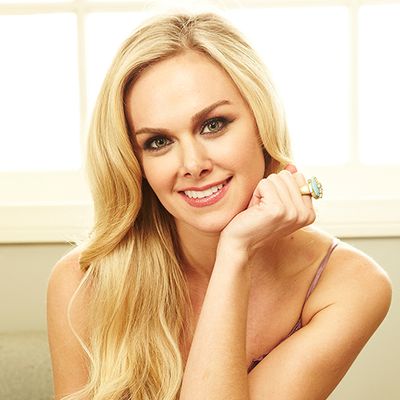
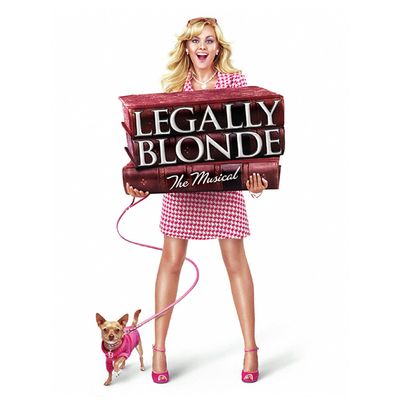
U Guys, this week's BroadwayWorld Recap highlights BWW's 20th Anniversary concert, benefitting Broadway Cares Equity Fights AIDS. Then Jayke is joined by Bway icon, Laura Bell Bundy! Laura shares all about her Tony-nominated time as Elle Woods in the original Broadway cast of Legally Blonde The Musical... Read More
From the show: Oh My Pod U Guys
Guests
Featured Shows

About
U Guys, this week's BroadwayWorld Recap highlights BWW's 20th Anniversary concert, benefitting Broadway Cares Equity Fights AIDS. Then Jayke is joined by Bway icon, Laura Bell Bundy! Laura shares all about her Tony-nominated time as Elle Woods in the original Broadway cast of Legally Blonde The Musical. She talks about her career highlights, and her activism for women's rights through the arts. Laura's podcast, "Women of Tomorrow", is also part of the Broadway Podcast Network, and her latest original album of the same name is available to stream everywhere.
Transcript
This transcript was automatically generated and might contain errors.
[0:00] Jayke Workman: Here's a little poem I wrote. Trans women are women. Trans men are men. If you disagree, I don't like you then. Oh my god, did you hear? Did you hear? Did you hear my god guys? Oh my god! Oh my god, you guys! What's up, everybody? My name is Jayke Workman, and this is Oh My Pod, you guys, a musical theater and pop culture podcast.
[0:35] Jayke Workman: You guys, this week I had the opportunity to see not one but two Broadway shows that I have absolutely been dying to see. I got to see Goodnight Oscar, starring Friend of the Pod, Alex Wise, and I got to see Ben Platt and Michaela Diamond in Parade. You guys, seeing Alex in Goodnight Oscar was obviously special because he's a friend of mine, but this show was absolutely beautiful. I cannot recommend it enough. Sean Hayes' performance as Oscar Levant, I mean, if he doesn't win the Tony, I don't know what will because he was absolutely unbelievable. He's a virtuosic piano player. His acting and physicality is unmatched. I couldn't believe his performance and the performances by all the actors in this show. It was brilliant. Run, run to see this show.
[1:26] Jayke Workman: And also, you guys, it was so special to get to see Parade because I know so many people in this show, and I had the opportunity to see Douglas Lyons make his principal Broadway debut as Jim Conley. It was unbelievable. I've already told him a million times, but Douglas, if you're listening, I'm so freaking proud of you. It makes seeing shows just that much more exciting and heartfelt and special to me when you know you have a personal connection to people on stage. So congrats to everyone in both of these shows. These performances were just beautiful.
[2:01] Jayke Workman: And with that, you guys, we have to dive into this week's Broadway World recap because I got the opportunity to go to Broadway World's 20th anniversary concert benefiting Broadway Cares Equity Fights AIDS. And it was such an amazing event, you guys, hosted by Richie Ridge of Broadway World and the one and only Chita Rivera. This event was wild. It was a stacked cast for the performances. Jessica Bosk, Orfe, Shoshana Bean, Randy Rainbow, Brittany Johnson, and Miles Frost. Just so many incredible, beautiful, hilarious Broadway stars all coming together to raise money for this incredible organization, Broadway Cares Equity Fights AIDS, and celebrating Broadway World's 20th anniversary.
[2:48] Jayke Workman: And speaking of Miles Frost, our first piece of Broadway World news this week is that Miles Frost is going to revive his role as Michael Jackson in MJ the Musical on the West End. And you guys, I cannot even tell you how excited I am for the people in the UK who were not able to catch this performance on Broadway because it is one of the most amazing performances you will ever see. Miles absolutely kills this role. And the show is so fun. The dancers are giving everything. It's quick, it's beautiful, it's flashy. And who better than Miles to reprise this role on the West End?
[3:24] Jayke Workman: Okay, you guys, next we absolutely must talk about the trailer for the new movie musical of The Color Purple starring Fantasia Barrino that just came out. You guys, I am unwell. This trailer. I mean, this trailer could be the movie itself. I honestly don't need any more, but I can't believe that we get another like two hours of this. It is going to be absolutely incredible. Halle Bailey, just off of her star turn as Ariel in The Little Mermaid, is going to be playing Young Nettie. Taraji P. Henson is playing Shug Avery. And you guys, when you have someone like Oprah producing your movie, you know that you are in correct hands. I smell Academy Awards. There, I said it.
[4:11] Jayke Workman: Next, it was just announced that Norm Lewis is going to lead Love Never Dies at London's Theatre Royal Drury Lane this summer. Norm Lewis has already played the Phantom of the Opera on Broadway, but this is a very different take on the character, and the score is very different than the original Phantom. So I'm really looking forward to hearing the way that Norm Lewis sings this score and takes on this production. Who knows? Maybe we need to have Norm on the pod. Should we have Norm Lewis? I'll call him.
[4:40] Jayke Workman: And lastly, you guys, in a bit of sad news, I'm sure you've already heard, but this week we lost an absolute icon, Miss Tina Turner. Tina Turner touched the lives of so, so many people in and out of the music industry, and obviously in the Broadway community. Adrian Warren, who received the Tony Award for Best Leading Actress in her portrayal of Tina Turner, shared a beautiful tribute with videos and photos of her and Tina together on her Instagram. And I just can't imagine how special it must have been to not only get to know such an iconic performer, but to get to really dive into her psyche and her inner self and find her Tina. So sending my love to everyone who knew and loved Tina and Rest in Power Queen, you were the real deal.
[5:31] Jayke Workman: You guys, this has been the BroadwayWorld Recap. Oh my pod, you guys. I am so beyond excited to introduce my next guest on the show. She is a Tony-nominated performer, a musician, a women's rights activist, and she's about to star in a new Broadway play called The Cottage this summer. Please welcome the incredible Laura Bell Bundy.
[5:59] Laura Bell Bundy: Hello.
[6:00] Jayke Workman: How are you?
[6:02] Laura Bell Bundy: Um, doing well.
[6:17] Jayke Workman: Where are you calling from?
[6:18] Laura Bell Bundy: Um, I'm calling from my farm in New Jersey. I live about an hour and five without traffic, um, away from this city, uh, in a little town called Tewkesbury, New Jersey. And we have uh 19 acres and 12 sheep and four goats, and uh my husband dabbles in maple syrup, and we've got a pond and a creek, and so I'm looking out my window at my sheep right now.
[6:47] Jayke Workman: Oh my god! That's incredible. How did you was that always something that you wanted to have in your life?
[6:53] Laura Bell Bundy: I think it was always something at some point I wanted to have. Like when my husband and I, a couple of years ago, we knew we wanted more land. Um, and we were living in LA at the time, and we were thinking more like there was this area called San Inez, which is right outside of Santa Barbara that we were like, oh, we want maybe we'll live in like the San Inez Valley. And it's beautiful, it's mountains, it's all wineries. It's like oh fabulous, yeah.
[7:24] Laura Bell Bundy: Um, but when the pandemic hit, you know, we had a pandemic midlife crisis. As you do. And uh I missed being in New York. I miss being I miss doing theater. And it's you know, it's hard to you have to be present to play, and it was sort of hard to do that every time I would turn around and be working in LA and now I have a small child. How are we really gonna do that? My husband's family lives in New Jersey. My mom lives in Kentucky, or my family does, and so being on the East Coast is being closer to them. And then I was raised in Kentucky, which is like horse country, and this area that we are in now is like New Jersey's horse country. So it's kind of like I have like a little bit of Kentucky an hour away from New York, and it feels right, you know, it feels really right.
[8:16] Laura Bell Bundy: I needed every time I was ever doing in a show, doing a show, I always kept a car in the city and I always left on my day off. I had to get out of the concrete grid.
[8:31] Jayke Workman: Yes.
[8:32] Laura Bell Bundy: And um, and then there's this part of me that has to get out of just the farm life, the 24-7 farm life as well. So it's a nice balance. I like it.
[8:44] Jayke Workman: Yeah, that's amazing. Well, and how special that you grew up in a situation very similar to that, and then now you get to have your family and raise your child in a similar way. What was your upbringing like? Were you in a very artistic household or a musical household, or what was your path to the arts?
[9:07] Laura Bell Bundy: Um, it's a funny one. Um, but I would say so. Yes, I did grow up in a kind of musical household. So my mom, neither one of my parents were really singers or performers, but my mother's father, my grandfather, he um he was a radio DJ in the 40s and 50s in Maysville, Kentucky, and he actually um trained. Do you know who Rosemary Clooney is?
[9:35] Jayke Workman: Oh, of course.
[9:36] Laura Bell Bundy: Yeah, so Rosemary Clooney, the singer, so she's also from Maysville, Kentucky. And my grandmother used to, you know, like they used to sit and watch the trains go by when the guys were coming back from like the Korean War and World War II and wave at the boys coming back on the trains and um and so then you know, Rosemary went on to great fame and becoming a recording artist, and her younger brother Nick, um, my grandfather trained in radio. Nick Clooney is George Clooney's father.
[10:08] Jayke Workman: Wow.
[10:10] Laura Bell Bundy: So my grandfather, and then my grandfather and Nick, they both went to Cincinnati and they worked on the radio together, and then there was this radio strike in Cincinnati, and at that point, my grandfather was asked if he would start the on-air news broadcasting station in Lexington, Kentucky. So he moved his family of two at the time to Lexington, and then they became three. And my grandfather was um an on-air newscaster, sportscaster. He did the little show called the Mr. Worm Show, and he's also a singer. My he kind of sounded like Bing Crosby. Like when I hear, you know, I'm dreaming of a wide Christmas with at during Christmas, and I burst into tears because it sounds just like my grandma.
[10:52] Jayke Workman: Of course.
[10:52] Laura Bell Bundy: Um so then and then my aunt, um, my mother's sister. So there was like June and Louise, you know. And so my aunt was June.
[11:06] Laura Bell Bundy: Um, so my aunt like self-taught herself to play the piano and uh and was a singer, had great pitch, and she ended up being Miss Kentucky in uh and and making it to becoming semifinalist in Miss America. At my mother's urging. My mother was like, you can get a scholarship for college, you need to do this. And so she she gets almost all the way. I mean, she does get all the way, and she's semifinalist. And then I was born a few years later, and I came out of my mother's vagina, and she was like, There she is, my Miss America.
[11:41] Jayke Workman: There she is.
[11:42] Laura Bell Bundy: Yeah. I have like my mother is like Mama Rose meets Dolly Parton, you know, is I give you like ask for a better duo.
[11:54] Jayke Workman: Yeah, all just gay icons that are happening.
[11:56] Laura Bell Bundy: Period. And so um, so when I was a little, when I was so I you know, I grew up in Kentucky, I grew in the grew up in Lexington, Kentucky, which is the really the thoroughbred horse capital of the world, and and so all of my friends were somehow in the horse industry. When my family wasn't, my father was um you know, he owned a uh my parents had a company together, and he had he had a manufacturing company and he was an entrepreneur, and my mother was too uh kind of with him and uh but when I came along and she she kind of had stars in her eyes, of course, and I had that thing that my grandfather and my aunt had, which is the ability to sing, and so of course, you know, she put me in dance.
[12:44] Laura Bell Bundy: I was in dance at like two and a half in Paris, Kentucky, which is uh which is Bourbon County, Kentucky, which is a dry county, by the way.
[12:53] Jayke Workman: Yes, a dry county, bourbon Kentucky, can't find liquor there.
[12:58] Laura Bell Bundy: Um so I at somewhere along the way, she puts me in this pageant, and I have seen all these videos of my Aunt Marcia at Miss America, and I mean I was mimicking her completely. And my mom also ran a local pageant in Kentucky called the Miss Fayette County Pageant, and I used to just watch it, and I have to say, Jayke, I um I'm I'm I've always been a mimic, even as a young kid. So I think I just sort of like absorbed and walked like the pageant girls and did the turns, and you know, uh I'm so you know, I'm da-da-da-da-da-da, sponsored by d-da. You know, I've like I had the it down. Okay, I ended up winning this.
[13:47] Laura Bell Bundy: Um, I ended up winning this national pageant when I was five and winning a new car.
[13:55] Laura Bell Bundy: What every five-year-old's dream, like a new car. I still remember the car was kind of like an ugly piece of shit. It was a new car, but it was ugly. I remember thinking, like, um, I don't want this car. My mom is like, "Well, take the money." Um, so I win this thing, and then a couple months later, the pageant director calls my mother and says, "Um, there's this opportunity to go to New York City, all expenses paid to be on the Phil Donahue show." Um, you know, because they're doing this episode on children's pageants, and my mom was like, "Oh my god, we're gonna go to New York. Let's go to Korean get new clothes." And so, you know, we go to New York, all expenses paid, we stay at the Sheridan Hotel on 7th Avenue, like, you know, across from the stage door of the Winter Garden.
Right. And so we go, and it's very exciting for me. I'm five. And by the way, this is, I'm just, you guys can do the math, 1986 or 7. I think 87. And um, and it's New York in 87 was like gray. Okay, like they're scary spooky. Like when they say in Hairspray, the rats at my feet, whatever, whatever the pants at my feet or whatever, like, um, here I am in that show, and I can't even remember. Um, but that's kind of, I just remember like literally seeing mice and rats and like triple X theaters, and it was all so exciting. Porn shops, these bright lights of problem, yes.
[15:35] Laura Bell Bundy: So we go on the Phil Donahue show. It turns out it's like an expose on children's pageants. The audience turns on us, like, I can't believe you're doing this to your daughter, blah, blah, blah, blah. And so, and there's other pageant girls there. One of my favorite memories from it is I'm backstage before we go in. And I mean, I look, I look like I'm in like full drag. Right. I mean, she's got, I have like full curls, hair and makeup of gown on. And there's these other girls from, I don't know, Louisiana or whatever, and they're using glitter hairspray, okay? And they're spraying their hair. And my mom goes, "No, we don't use glitter hairspray. We're classy." It's just so ironic because I was, I literally have rouge.
I mean, I'm ready for the whorehouse at this point. Anyway, so we, you know, we go out, it turns, it becomes this sort of expose. And um, I even grabbed Phil Donahue's mic to defend my mother at five. And it's funny, there's a video of it somewhere on my Instagram. And um, and we leave, and my mom is like, "Well, I can't believe they had us come all the way up here." And I think she dragged me all the way across town to East 59th Street to Ford Modeling Agency, and she dragged me in a way, you know, like when your mother is pulling you and you're like maybe slightly airborne and flying, you know, like she is not happy, you know.
[17:15] Laura Bell Bundy: And so we get to Ford Modeling Agency, and my mom walks in and goes, "Uh, we're here to meet the children's division." And the guy was like, "Uh, do you have an appointment?" And she's like, "Um, well, um, no, but this is Miss Pee-wee Hemisphere, and we're only here today. So if they're gonna meet her, they're gonna need to meet her now." And they let us up. Word. So we go up. Listen, if you just, everybody needs the cojones of Lorna Bell Bundy. Okay. Lorna Bell Bundy. So we go up like five flights of steps. There's no elevators because I want to keep the models skinny, obviously. And I was just winded at five, and we go into this, and they end up signing me to a five-year contract. Oh my god.
Oh my god, you guys. Oh my god. And then we, and then my mother goes, "Well, we don't live here." No, like she's gotten so far ahead of herself. And uh, and they said, "Um, well, you know, we have this thing called Summer Kids, and you can come um just in the summers, and uh, and a lot of young kids out of school, you know, come out of the school year, and then they come to New York and they model and they go back, and like we'd love to have her come this year because she's quote unquote the perfect size five."
[18:40] Laura Bell Bundy: So, and now, so here's the best part. I think one of the best parts of the story. So we leave, of course. My mom is excited and gloating and calling my father and going, "Don, I know you didn't think I could do it." Um, and so we go all the way back to, you know, the Sheridan and the area of Times Square, and my mom walks into the Palace Theater and she says, "I need your best and cheapest ticket." And um, and I remember her like trying to haggle, right? We end up in a box and we see Starlight Express. And it was my very first Broadway show. And I could still, there was like a bar, I could still smell like the rust of the bar while I was just totally fascinated watching this show. And what is so crazy is that almost 20 years exactly to that day, uh, I opened at the Palace Theater in Legally Blonde.
Wow. So that is, that's the evolution of how I even got into the business. Right. So that summer I came to New York as a summer kid. And after I had seen Starlight Express, well, that was the beginning, it opened Pandora's box. I wanted to see Le Miz, I needed to be Cosette. I of course, you know, all the things. My mom then found the vocal coach that coached all the Cosettes and I was taking with him. And uh, and then she stalked all the teachers at Broadway Dance Center to teach me privates. And so I would come to the city in the summer, and I would have this hyper crazy musical theater training going on, and this modeling stuff, which I thought the modeling was so boring, I was way too precocious.
[20:23] Laura Bell Bundy: Remember, I mimic, you know, so I would just see these things. And so by the time I was, and this was just in the summer, so then I'd go back to Kentucky for my school year and try to be somewhat of a normal kid, went to my dance, you know, school and had a singing teacher there and stuff. But I also was like, my mom was like, she had me in tennis, she had me in like cooking. She's like, she didn't want me to get on drugs at six, you know. She really wanted to keep me busy. Who can blame her? Come on, Lorna Bell. You know, she's like, she says to me now, "Well, you know, I didn't want him putting you on Ritalin. So I just kept you busy." I said, "Mom, is this why you, this is why as like a 40-year-old woman that I feel like I have ADHD and I was never diagnosed, and I leave the house and have to come back 25 times before I can actually get on the road?" Of course. Um yeah, I guess because this, because of this hyperactivity, uh, hyper like activity planning for her that she did for me.
[21:26] Laura Bell Bundy: But so I had this sort of half and half life of being this, um, which is sort of very ironic that my life is very half and half now. Um, living on a farm and then being so close to the city is that I had this, I was raised in Kentucky, but I had this window into this other world, which was New York City musical theater. And then I, I uh, my first show I got was the Radio City Music Hall's Christmas Spectacular. Yes. I was nine, and then that led to because the musical director of that, uh, show was the composer of what became Ruthless, which was uh, which was a show I starred in at 10 and 11 years old at off-Broadway. Yes. Um, and then that led to, you know, because we had, uh, we had a man portraying a woman in the show.
It was this sort of, and it was very campy. It became this sort of cult, well-loved, uh, musical within the gay community. Of course. And that led to me doing my first gay pride parade at 10 years old. So here I am, this little girl from Kentucky who'd got doing her first gay pride parade at 10. And Alliance day one. Honey, you know it.
[22:49] Laura Bell Bundy: Oh my god, that is amazing. Well, I can honestly say that you truly are like, you used the phrase gay icon earlier, but like you are one of those Broadway queens who every gay is like obsessed with. So that absolutely tracks. I cannot see it now. But wait, so then how was your, um, like the shift from being sort of a child actor in the musical theater realm to when you made your Broadway debut as Amber Von Tussle originating the role in Hairspray? What was that like for you to get your first, like your big adult job?
[23:30] Laura Bell Bundy: Yeah, and you know, and it's interesting because when you're a child actor, you still think you're gonna grow up and become a pediatrician. Right. You don't know, you just don't know. And I, and I really didn't necessarily know. And in some ways I still go, what am I gonna be when I grow up? And to this day, you know. So I, um, I ended up going back to Kentucky when I was 14 and I had high school there. And while I was there, I would, you know, pop out, I did a pilot, I did the movie Jumanji, I did some things here and there. Um, and I did like Gypsy at Paper Mill with Betty Buckley, and you know, there were little, by the way, that performance was a masterclass.
[24:16] Laura Bell Bundy: Oh, I can only imagine. I've never seen. I mean, just so raw, so you know, you we can go through this rehearsal process and become so calculated with our work. But Betty Buckley, like, she did the work and she then she threw it all out the window because it was just such this raw, organic, instinctual performance, and you just never knew what was gonna happen. And it was riveting. As an actor to be on stage with her and watch her off stage, it was just riveting.
[24:49] Laura Bell Bundy: Yeah. Um, I learned a lot from her. And I was Dainty June, yeah, and I was 17, so I learned a lot from her. You know, and you have these people that you know you have throughout your career, um, whether they're directors or they're other actors that touch you in a way that change your process. And she was one of those for me. But anyway, back to I applied to go to NYU, right? So in high school, you know, I ran track and in fact I um, I was fourth in the state of Kentucky in the track.
[25:23] Laura Bell Bundy: Oh my God. Um, and um, and and then I, so when I was gonna go to NYU, I was also gonna run. And I wasn't gonna go for, I got accepted, and I wasn't gonna go for musical theater. I didn't audition for Tisch or anything like that. I um, I was just going to do um what, you know, I kind of went in like what am I, I thought it was gonna be entertainment business, but I ended up doing sociology and psychology because that's what's most interesting to me.
[25:52] Laura Bell Bundy: But right before I began, I auditioned for um, a soap opera, Guiding Light. And I, it was for a recurring role, and I ended up getting this right before I'm gonna start college. And as the role progresses, as I continue to do it, they offered me series regular. And so I had to make a choice between am I gonna continue college or am I gonna do this acting thing? And I think that was like a turning point for me. I really want to do this acting thing. Like, you know, like I have this opportunity to go to school to do, you know, I really want to do this acting thing because this is fun.
[26:33] Laura Bell Bundy: And um, and so I do the soap opera, and while I was doing the soap opera, probably about uh, three-fourths of the first year in, so nine months in, I auditioned for the very first reading of the musical Hairspray. Now, so when I was eight, one of the summers we lived in New York City. I, this was the one when we always lived with the rat hole, the rough the roach hole, and the apartment owned by the Russian lady. Of course, you know, we can go into that at the second podcast we do because those stories are crazy pans. Yes.
[27:12] Laura Bell Bundy: And so, um, at the rat hole, I used to watch Hairspray, the movie, the John Waters movie with Ricky Lake every day.
[27:23] Laura Bell Bundy: And my favorite character was Amber Von Tussle.
[27:25] Laura Bell Bundy: I mean, I'd eat my TV dinner and I would watch that, and I was obsessed.
[27:30] Laura Bell Bundy: And my mother, she used to let me watch all the John Waters movies because they had the coolest like covers at the video store.
[27:36] Laura Bell Bundy: She did not realize what she was having, like what I was watching, but I again, like I became an expert in camp at eight, right.
[27:45] Laura Bell Bundy: And so, and so uh when I auditioned at 19, I went in and auditioned for Hairspray the Musical. I went in and I like, you guys, you do not understand. I loved this movie growing up, and my favorite character is Amber Von Tussle. That's the first thing that came out of my mouth. And at the time, Rob Ashford was the director of it. Um, but it was, you know, it was Scott Whitman and and uh and Mark Shaman and Bernie Telsey and everybody. And so I sang, and then um Lori, who this woman Lori, who had been at Bernie's knew I sang this other song, and she had me sing that. And uh then they offered me the first reading. Now we didn't even have a second act, right? We just had the first act, and I know where I've been was written.
And um, but it was so fun, and I just had a feeling. I just had a feeling, and then I continued to stay and do the readings. There was one I couldn't do because of the soap opera, and then I um I ended up you know, that was two years, and I when I opened that show, um I had been developing it for a while, right? So it was like a slow build, but it was also just so magical, and I think everyone in that cast knew. We all knew it was like I I even said at 21, I'm like, it only goes down from here, you know. This is an amazing musical with infectious music with an incredible message that is hilarious, that has a great cast, that has a family of people who love each other. Um there was an energy to this show that has yet to be matched for me.
Um, and we all feel that way. A lot of us feel that way, not everybody, but a lot of us feel that way, and and we consider ourselves uh a family. But I that the one performance that strikes me, there was a few, but obviously when we we opened it out of town in Seattle, and there was an incredible response, and we were all like, oh shit. And uh, and then when we opened, when we did that invited dress before our first preview, and P the audience was just like screaming. Wow. We were like, oh, oh, we have we are this is something special. And that was that was that moment of like, and I'm actually doing my very first Broadway show. Um, and it was exciting, it was really, really exciting.
[30:47] Jayke Workman: Yeah, wow, that is so incredible. And I mean, the show truly went on to become a global phenomenon, and you know, then the film version happened and everything. So how incredible that you get that sense of pride and joy of of creating something that now has become just like truly iconic. I mean, it's one of like the most famous iconic musicals there are in this world.
[31:15] Laura Bell Bundy: I feel very blessed to have been a part of it, and to still have all of these people in my life still.
[31:22] Jayke Workman: Well, obviously, this is not the only Broadway show that you've done. You stood by as Glinda in Wicked, and then obviously we must talk about your star turn, Tony nomination for Elle Woods in Legally Blonde. What was it like to to have this all happen? I mean, where did you begin with this show?
[31:47] Laura Bell Bundy: Um well, uh Hairspray. So um I did um Jerry Mitchell was the choreographer of Hairspray. And when I was and and we had a fine relationship. I mean, I listened to what he said. I mean honey, honey, let me be you. Um so yeah, I mean, we had I mean, you know, we had a good relationship. We weren't super super tight or anything. I'd say I was closer at the time to Mark and Scott. And uh, but when I did Wicked, I went on. I had like a couple weeks where I was on, and I sent um a um a note to friends saying, Hey, I'm going on, if anybody wants tickets, please let me know. I'd love to have you come to the show, whatever. Yeah. And Jerry wrote me back, I want to come see the show. I was so surprised.
And so he came to see the show and he was so sweet. He wanted to get a picture backstage. You know, I was like, wow. It's a little surprised, but very, you know, I just loved that was so nice of him. And then a couple months later, there was this announcement of uh Jerry getting his directorial debut uh with this uh musical version of Legally Blonde. And um I sent a note to him, and I'm like, what this is I just this was like taking a page out of the Lorna Bell Bundy book, okay? I sent him a note and I was I knew he would I it was this was genuine in that when when uh when he was choreographing Hairspray, he and Jack O'Brien were kind of like this sort of codependent unit in that the direction and the choreography were sort of connected and they're they were integrated, and so and just like the Corney Collins show becomes to be.
And you could tell like Jerry had the brain of a director. And so I when I sent him this note, I said, um uh I said, Congratulations on getting your directorial debut. You deserve this, you're gonna be amazing. And I know someone who might be right for Elle Woods wink wink. And he responded to me and was like, Honey, why do you think that I came to see you in Wicked? I wanted to see if you could carry a show. And he goes, When when the when the time comes, we're not there yet, we don't even have a second act, we will bring you, uh I will uh bring you in front of the creative team. And that came in the form of kind of an audition, essentially, about a year later, um, where they were doing their first official reading.
Um the first unofficial reading, Carrie Butler, who was my dressing room mate at Hairspray was Elle Woods. And she always jokes with me, she goes, You took that role for me. But um she doesn't say the bitch part because she's too nice, but I know she's thinking she's doing just fine. Um yeah, and we're such great friends. Um so I I ended up do I, you know, I did I I came in front of the creative team, they they asked me to do the first reading, and as you know, in this business, you're do when you do the first reading, it's just kind of like you've been employed for a week to audition. Yeah. Absolutely. And so I auditioned for that whole week, and then I came back and did another reading and auditioned for that whole week.
And then came back and did a five-week workshop. Um which I started to feel a little bit more comfortable in terms of like, okay, I think this is my might be my role. I had a feeling, you know, you just have a feeling about some roles. And at the time, I left Wicked and I went to LA. And I said, I made this promise to myself. I'm not coming back to New York City until I'm originating a leading role on Broadway. Wow. That is literally what I that was like, my mantra, essentially. Uh the promise that I made to myself. And then when Legally Blonde came by, came around, I was like, oh, this is it. This is it. Even though you manifested it. I I did not have a contract. I I just had this feeling. And then after that five-week workshop, they officially offered me the show because they had a theater.
And it was uh it was uh amazing because I felt so much like I connected with Elle on so many levels, and energetically like I'm uh essentially an optimistic person, a person who sees the possibilities in the world, and so does Elle. And so we matched energetically and um and I've also been underestimated for being a blonde. You know, I've been I've had of all of that, you know. And um so on a sort of character level, she really was uh perfect for me. And I think I I I began working on her as a girl and I left the show as a woman. Wow. And I transformed in so many ways, like as a human and as an actress, and um, and it's a lot to have uh a sh you know, this the weight of this uh on you, you know, opening a show. Um but it's also incredible to have people believe in you.
[37:27] Jayke Workman: Oh and um and I know that Jerry Mitchell believed in me.
[37:35] Laura Bell Bundy: Yeah, that's incredible. I mean, even just believed in me and he changed my life, and he he saw it in you from the moment he first worked with you, which is so incredible, and that's part of what this business is. I think a lot of times we we get you know the ball starts rolling, and then we sort of forget that there are these interpersonal relationships that obviously have to do with your career moves, but also I mean he changed your life for the better. It that's that's just incredible.
[38:04] Laura Bell Bundy: Yeah, and then and it and I and then I don't even think he even realizes how much of my life he changed, right? Because of the people that you bring into someone's life that like I had like three cast members in my wedding party. Yeah, you know, yeah, that's amazing, and and not only is it like a show that you know you get you get the commercial recognition, you got the Tony nomination for leading actress in a musical, and you know, you have all of these things, but you get to do it's such a a marker in your life, I would imagine. Of like, I have this this broader cast recording forever. I have the the recording of the show that they did for MTV forever. There are all these things that you'll be able to share with your kids and and you know have recorded.
[39:01] Jayke Workman: Yeah, oh that was so funny. And hey, you know that jump at the end of So Much Better. That was also a mis uh like an accident because the dog was supposed to run out at the end of So Much Better, and I was supposed so the note was not supposed to be sustained as long, and the dog was supposed to come out kind of at right before the end that I was gonna to grab, yeah.
[39:26] Laura Bell Bundy: But when we were in previews in San Francisco, um he had stage fright, and and uh it was overwhelming. You know, we've been in a rehearsal, and he nailed it in the rehearsal, nailed it, jumped right in my arms and was like, it was magic. But we got there, and the the I there, I'm in the middle of so much better. And the stage manager and the dog trainer Bill Ballarney are trying to like wave me down, going, no, the dog's not coming, he's not coming. Like while I'm in the middle of singing the song, trying to give me the heads up, the dog is not coming. It ain't not gonna happen, girl. Right. The very first preview. And so uh I just finished this the note and jumped in the air, and they and then Bonnie, the stage manager, did blackout, and Jerry Mitchell ran back going like that's it, that's the ending.
That cut the dog. That's the ending. Oh my god, that's a funny. And then it literally became like an integral part of the show. I mean, that that like sustained note at the end of that song was is like one of the most iconic parts of the show.
[39:50] Laura Bell Bundy: Yeah, like look at how skinny mommy was exactly look at the video where my shoe flew off and I made it work, bitch.
[40:39] Laura Bell Bundy: Yeah, and then and you know, and it it you just a lot of this stuff is like happy accidents. Like the universe sort of sometimes things, you know, sometimes things happen and you don't think they're the things that you don't want to be going, you think they're there's something going wrong, but really it's giving you an opportunity, just like the Phil Donahue show was this thing that ended up being potentially really shitty situation, but it led to it was the window to possibility, and um and I I live my life very much like that, you know, like oh wow, a shitstorm has hit. What's in store?
[41:21] Jayke Workman: I love that.
[41:23] Laura Bell Bundy: What could this lead to? Right, you know, what lesson could this lead to, or what or what opportunity, you know.
[41:28] Jayke Workman: 100%.
[41:29] Laura Bell Bundy: Um if we look at life like that, um, and we don't try to just create constant safety for ourselves, it can be an adventure.
[41:41] Laura Bell Bundy: Absolutely.
[41:42] Laura Bell Bundy: And did you guys know that you had something so special, like you said about Hairspray? Like when you opened Legally Blonde, what was the reaction like?
[41:54] Laura Bell Bundy: Well, we believed we had something special. We felt that we had something special. And in San Francisco, we were reviewed in a way that was very positive. When we came to New York City, we were treated just like Elle Woods was treated when she came to Harvard. Right? Like, oh, this must be a dumb musical, a dumb blonde musical. And there were lots of people surprised, pleasantly surprised. Oh, it's smarter than it looks. And it was just the exact same thing as Elle, right?
[42:32] Laura Bell Bundy: Yeah. And so some of our reviews were really spectacular, like, wow, totally surprised, totally surprised. And some were like, well, still trying to commit to the fact that Elle Woods was dumb, right? That this, but you know, when you look at the film, it's just perfectly written, you know, in terms of its arc, and it's used as examples for like classes on screenplays, and the musical takes a very similar trajectory, so it's well crafted, and I think, um, Nell Benjamin's lyrics are brilliant.
[43:06] Laura Bell Bundy: Um, the music is like exactly what it should be, you know. It matched Elle Woods' energy, and um, and I just thought they did a brilliant job. I think now there's a lot of people saying, wow, we never really saw how brilliant it was because it took off in a way it connected with people, yeah. Many years later, it has connected with um generations of theater people and young people that want to have this great example of an underdog, but also a great example of a musical, of a well-crafted musical.
[43:49] Laura Bell Bundy: So I think in some ways, you know, we weren't nominated for a Tony. Our musical wasn't was left out. Um, our actors and Jerry and writers were not left out. Everybody was nominated, but the musical was not. Right. And so that was painful for our producers, really painful. But the most brilliant thing they did was tape that thing for MTV.
[44:13] Laura Bell Bundy: Absolutely. And we were we were the first. You know, now everybody's taping the musicals and doing the NBC musicals and the Fox musicals and the Netflix and um, and we were really the first for MTV. And I'm so grateful that like that exists.
[44:29] Laura Bell Bundy: Yes. I mean I can't tell you how many times I've watched it on my couch. Um, you know they never really, you know, you don't really have original cast recordings. I mean I was so lucky.
[44:39] Laura Bell Bundy: Yes. And I have I have uh like, you know, twelve year olds coming up to me like oh my God I like and I'm like you were not even alive when I did this musical, you know, so that's that's just the craziest thing to but and truly what an indication that like obviously the show speaks for itself. The work is there and the subject matter and like the substance of the musical is there.
[45:05] Laura Bell Bundy: Um, but also it's such an empowering show for women and I know for the queer community it is so embraced because it really is like the story of like fuck you guys, whatever you think I'm I can do what I want to do. And I love that and I think especially for young girls, young women, it's so cool. And so I love that um part of your you know experience in life after this show has been with this podcast and with your your original music, um specifically with your your album entitled um Women of Tomorrow.
[45:44] Laura Bell Bundy: Um, I think it's brilliant. Uh, would you tell me about um what that what that means to you to to empower women and to speak on things so openly like that?
[45:55] Laura Bell Bundy: Well, sometimes I joke. I um I did a performance recently and something happened, like it was for a bunch of young theater people, and the piano never arrived. And so I was like, Well, I've got this track of my from my original album, let's throw that up. And so I made a joke. I was like, Elle Woods grew up to become an activist. And that kind of is what happened, yeah.
[46:23] Laura Bell Bundy: Um, I became really, very passionate about women's rights. Um, it was almost like I was struck by lightning, to be honest with you. Um, I you know, I think a lot of us were sort of impacted at the 2016 election when we thought we were getting a female president for the first time and we didn't, and instead we get someone with no qualifications, and it just showed that how glaring the double standard was, and how you know she was treated versus the man in the election, and that he was bragging about you know, assaulting women.
[47:05] Laura Bell Bundy: It's right. It just it just triggered in so many ways. And I said, Oh my gosh, have I been living under a rock? Um, I feel like I just broke, I just bumped my head against the glass ceiling here, and I'm like, what is going on? And so um, as a lot of women did, um, you know, felt the need to march. My sort of instinct was we can march, but they ain't heard nothing until they hear us sing.
[47:31] Laura Bell Bundy: Period. And I held this concert at the town hall in New York City, um, which was founded by suffragists in uh in the early 1900s, and we did this concert called Double Standards, where um Broadway stars came together to sing uh two female Broadway stars came together to sing a duet on a jazz standard in the name of women's rights and health.
[47:53] Laura Bell Bundy: Yes. And we raised over a hundred thousand dollars for female causes, and um, and it was really an incredible event. And interspersed with all of it, there were we we did facts on women's rights, and facts on rights women had gained or don't have.
[48:10] Laura Bell Bundy: And I mean I was like, oh my god, I am learning things. I had no idea. Like I didn't know it was until 1974 that a woman could take out a credit card or a bank loan without the permission of her husband or father. That's insanity. It wasn't until 1993 that rape was illegal in a marriage in all 50 states.
[48:30] Laura Bell Bundy: It wasn't illegal until 1978 that you could be fired that you could, you know, you could still be fired for getting pregnant in 1978. Disgusting. So there were all these things that I was like, whoa, I have I have taken for granted all the rights that I have as a woman that these women that came before me fought for.
[48:52] Laura Bell Bundy: So I began to investigate it. And I began to to try to understand the history, even the history of reproductive rights. The history, you know, it it was 1965 when the birth control pill became legal as a result of a US Supreme Court case, but only for married women. And then 1973, it became legal for single women, and then you see this shift that happens where women are graduating college in droves in the 70s, and then they're entering the workforce in the and that was also Roe v. Wade, the year of Roe v. Wade was 73.
[49:25] Laura Bell Bundy: So then you then you see women entering the workforce in the 80s in droves and moving up uh to get a seat at the table in the nineties and the aughts, right? So here we are, and it's you know, at that time, t 2016, 2017, and I've lived most of my life seeing women juggling, having a job and having a family, but not having the rights and the support, and we still are fighting for those rights and the support to be able to do it all.
[49:57] Laura Bell Bundy: Absolutely. Um, and we are still tasked with 75% of the unpaid care work that happens in our home and the domestic labor. So now I can rattle this shit off now in my sleep.
[50:11] Laura Bell Bundy: Yeah. But at the time I didn't know it. And I mean, again, like it was like I was struck by lightning. I was like, I ha I gotta learn everything I need to know everything. I need to know everything about women's history. I was never taught in school. I need to know everything about women's rights.
[50:26] Laura Bell Bundy: And so then from that concert, I did two things. I sold a show to Freeform, which was a women's history sketch comedy variety show called uh Girl Time, which ended up uh we wrote the pilot, but we turned it in March of 2020. As you can imagine, a lot changed.
[50:43] Laura Bell Bundy: And there was not a space for it. But um, but I'm remitting that I'm working on the round two of that. And then I and then I wrote Women of Tomorrow album, where every so the songs sound like jazz standards with like a little pop spin, but um they are um they are addressing sort of the modern realities of what it means to be a woman in various different uh categories.
[51:12] Laura Bell Bundy: So where we're talking about equal pay, or we're talking about uh the mental load of motherhood or breaking the glass ceiling or um over apologizing or my favorite is Cat Fight, I must say.
[51:26] Laura Bell Bundy: Yes. So Cat Fight is about right, in fighting between women. And why does that happen? Well, it kind of makes sense. I mean, if you look at our history, a woman women did not have any financial independence unless they were attached to a man, they couldn't vote, so the power was he he the in their their husband, um, and so the idea was not I'm going to get my own power um and I'm gonna be financially independent on my own and I don't need anyone.
[52:05] Laura Bell Bundy: It was I'm completely reliant on having a husband. So that creates competition among women, of course, right? And but yet we have continued to catfight, even though now we've got master's degrees, we have all the we have all these opportunities, we can have financial independence, right?
[52:27] Laura Bell Bundy: But we've kind of become conditioned to be pit against each other when if we were supporting each other and holding the ladder for other women to climb, and when we get a seat at the table bringing another woman in, um I mean it's Legally Blonde.
[52:42] Laura Bell Bundy: We will rise together, yes, exactly. Women supporting each other. Like at the end of the day, Vivian supports Elle.
[52:48] Laura Bell Bundy: Yes. At the end of the day, we realize we are better than the love of a man, that we have all we need within us, and we have that power, and women do it all. We birth the human race.
[52:57] Laura Bell Bundy: Literally. No one would exist without a woman. Correct. Nobody would exist. So why we think this that we're the secondary sex is absolutely poppycock and uh propaganda.
[53:09] Laura Bell Bundy: But we but we have all we need, and now we have to believe that we have it on the inside. So I did the album.
[53:18] Laura Bell Bundy: Then I was like, okay, let's go into the history. Like I just said, the history of the infighting. Let's go into the history of these issues. Let's talk to a guest that's an expert, and let's come up with solutions for how we can move forward.
[53:30] Laura Bell Bundy: And that's what the podcast is. Today I'm actually recording one with a woman who's called the mom attorney, and she is she basically fights all the court cases for moms in the workplace.
[53:42] Laura Bell Bundy: And she, you know, you she will like she has pre-made letters you give to your, you know, your like the your boss. And I mean, she's amazing.
[53:50] Laura Bell Bundy: So I'm interviewing her on the podcast today. Um, and then we started a community and an app for women, also called Women of Tomorrow.
[53:59] Laura Bell Bundy: We started a foundation, and this foundation, uh, this organization and community has about 25 classes a month for women in various areas that women need from personal growth, mental health, uh, meditation, yoga, pilates, um, fitness and uh to negotiation, business tools, leadership skills, um, parenting tools, um, and then activism.
[54:27] Laura Bell Bundy: So we have the female fight club, which meets every Tuesday at three, and uh we have uh that's taught by a doctor of sociology, but we have special guests on too.
[54:39] Laura Bell Bundy: And we did a special training with Broadway Advocacy Coalition on um being an agent for change.
[54:45] Laura Bell Bundy: Yes, and so we help women activate their activism around causes that they care about because when we really give women the tools to say, hey, we're all different, we all have ways that we can make a difference in the world, and they're not the same.
[55:00] Laura Bell Bundy: So for me, I'm an artist, so I write an album, right? So that's that's makes that's how I do activism. I do activism through art. But you might be like a teacher, and you might be really good at breaking down a lesson, or you might be you might have a lot of money, so you can help, you know, raise the money for this.
[55:19] Laura Bell Bundy: You might be very well connected. There are different ways that that people have strengths and activism. So we try to point that out to them. We try to give them all the facts before they fight, and we make we give them so much ammunition for that family dinner at Thanksgiving, you wouldn't so that's my goal.
[55:40] Laura Bell Bundy: It's like this army of goddesses, like trying to create equality, and not just for women, but for all people, because you know, feminism is really about equity for all, you know.
[55:55] Laura Bell Bundy: Um that's one thing that I really really love about your podcast is that there is there is no air of um pretension or or anything like that. You are saying like this is the tea, this is the facts. Here you go. Like take it. Actually, not even take it or leave it. Just take it, bitch. Like there are like what I loved the most recent episode I listened to is when um you sort of like went out into the field and were asking men, what is menopause? And I was just like my mind was blown at how clueless people can be. And it's just I mean, I love all that is to say that I love the work that you're doing. I I so admire it. And I think that obviously this this podcast and and your your art and your music is to empower um and inspire women, but I think it's so important for anybody, not just women, um, or people who identify as women to to get this information and to understand the facts so that we can have, like you said, these these conversations about equality and feminism that are so vital, especially now.
I mean, in this like political climate, it's yes, and you know, it's it's I I'm noticing now, yes, I'm I'm I have this community for women, and I'm giving women the you know the history, the facts and of all these issues and the tools to move forward. But I actually I really need to be educating men.
[57:24] Laura Bell Bundy: Um Well, I don't know if it's your responsibility, but the men are the ones who need the teaching to know um because I I'll have some women say, Well, my I really just wish my husband was like I'm starting to open it up. Like, we have things like uh how to talk to your kids about consent and all parents are involved, how to talk to your kids about anti-racism class, and that's while all parents are involved because obviously parents have to work together, partners have to work together. Um because if only one parent is doing the work, it's like halfway for that kid. Right. Um but you know it's important that men are cognizant of s sort of the reasons why certain responsibilities fall to women and why certain responsibilities are falling to them you know I think we can become entrapped by this these constructs and these ideas of what it means to be a woman or a man and it it can cause an incredible amount of pain.
[58:39] Laura Bell Bundy: Oh yeah um i uh for individuals who don't identify uh uh in it can't don't fit inside that that tiny little box that the that this gender construct is if we we just removed these ideas of what things mean you know like the color pink for example right this has become identified with women and young girls this was actually a like a color for men yeah and now it's become identified but we think of it like my son loves pink it's his favorite color that does that has no meaning for him it doesn't mean he doesn't understand the gender construct he doesn't understand that pink is for girls right he just likes the color it's a damn cute color it's a damn cute color, okay? And maybe he got it from mommy, who knows?
But um listen, I'm even I've um but but you know what I mean? Like, we are the we have these ideas, we want to like keep kids in boxes instead of just removing the the chains that bind us and saying, Hey, authentically, you get to be whoever you want to be in this world, and you get to love whatever you love and do whatever you want to do. If you are a woman and you want to be a CEO or you want to be a scientist or a doctor, you get to do that. If you're a man and you want to be a dancer, you get to do that with all of the support and all of the confidence in the world.
[1:00:12] Laura Bell Bundy: Absolutely. For me, at the end of the day, even though I'm working on this for women, I want this for all people.
[1:00:21] Jayke Workman: Of course.
[1:00:22] Laura Bell Bundy: I think you truly are setting yourself up and your child up for success and and unbelievable opportunity. Because I I mean, I can truly say I my mother is the most important person to me in my life, and I'm so beyond grateful for her and what everything that she's taught me. Um, but sh she was very similar in that way of thinking of like I would go to school in my ruby red slippers and a basketball jersey every day, and I would wear my basketball jersey backwards because I liked the name to be in the front. I was like, Well, I want to see the name. Like, what's the point of it being on my back if I can't see it? And people would ask my mom, like, why are you why are you letting them wear clothes backwards?
And she was like, That's the way that Jake likes to wear it. So why would I be like, that's wrong? And it's just like those tiny, tiny examples throughout your your upbringing that add up to something so i intrinsic and important to your your inner self and your psyche. So I I just I applaud you for being that type of person for your child because he is so lucky to have you.
[1:01:43] Jayke Workman: What you're saying is so true.
[1:01:47] Laura Bell Bundy: I mean, I and I ex I'm experiencing this as a mom in how important it is for my child to when he loves something or he feels proud of himself, even if it's unconventional of what it is that he's loving, that he's supported so that he in his psyche he doesn't think, oh, I can't love what I love. I get shamed for loving what I love. Or and that's terrifying to me, because because that that will have its after-effects. So and it's hard. Listen, it's so hard to be a parent. It's so hard to navigate uh society and those rules and and traditional values and and family. Um but at the end of the day, it's just it's just it's just all about allowing people to be off authentic, allow your children to be authentic and um and not being afraid.
[1:02:50] Jayke Workman: Yeah, right?
[1:02:51] Laura Bell Bundy: Yeah, fear is just the killer of love.
[1:02:53] Jayke Workman: Totally, totally I just I admire you so much. Before I let you go, I know I've I've taken so much of your time. I do have a a musical theater rapid fire questionnaire.
[1:03:06] Laura Bell Bundy: Okay, I'm ready.
[1:03:07] Jayke Workman: That I would love to ask you. Are you ready?
[1:03:10] Laura Bell Bundy: Yes.
[1:03:10] Jayke Workman: I guess some of these questions are not necessarily musical theater, but you you get the gist.
[1:03:13] Laura Bell Bundy: Okay.
[1:03:15] Jayke Workman: Sondheim or Andrew Lloyd Weber.
[1:03:21] Laura Bell Bundy: Oh my god. Starting off strong.
[1:03:26] Laura Bell Bundy: I'm a lyricist, Sondheim.
[1:03:27] Jayke Workman: Work.
[1:03:28] Jayke Workman: Sweatpants or jeans.
[1:03:31] Laura Bell Bundy: Sweatpants.
[1:03:32] Jayke Workman: Do you have a favorite musical?
[1:03:35] Laura Bell Bundy: Gypsy?
[1:03:36] Jayke Workman: Yes.
[1:03:37] Jayke Workman: Do you have a least favorite musical?
[1:03:44] Laura Bell Bundy: No.
[1:03:45] Jayke Workman: Okay. Um, would you ever like to do a Broadway play?
[1:03:51] Laura Bell Bundy: I'm doing one.
[1:03:52] Jayke Workman: Oh my god!
[1:03:53] Laura Bell Bundy: This summer!
[1:03:54] Jayke Workman: Tell me about it!
[1:03:56] Laura Bell Bundy: This summer, um, it's called The Cottage. It's my very first Broadway play.
[1:04:01] Jayke Workman: Oh my god, fantastic.
[1:04:03] Laura Bell Bundy: Oh yes, we should have talked about it.
[1:04:04] Jayke Workman: Oh my god, well, we're talking about it now.
[1:04:06] Laura Bell Bundy: Oh!
[1:04:07] Laura Bell Bundy: Um, yeah, so I'm do I and I have always been wanting like let me tell you. I said like the second I was done with Legally Blonde, I wanted to do a play.
[1:04:15] Laura Bell Bundy: Yeah. Um it just took like 15 years to make it happen. But um yes, so I am I am uh doing this play called The Cottage with Eric McCormick.
[1:04:25] Laura Bell Bundy: Yes. And Lily Cooper and Alex Moffitt, and it's uh it's gonna be it's it's a British romp. Um it's very, very, very silly and fun.
[1:04:39] Jayke Workman: Have you started rehearsals?
[1:04:41] Laura Bell Bundy: I start next week. I start on Monday.
[1:04:44] Jayke Workman: Oh my gosh. Incredible.
[1:04:46] Laura Bell Bundy: Yeah. And I saw this just the last few days I've been trying to uh go through uh I try to I actually try to be off book um before the first day of rehearsal. I know it sounds crazy.
[1:04:58] Jayke Workman: Oh no, I I much prefer that as well.
[1:05:01] Laura Bell Bundy: I'm probably not gonna be off book for act two, but you know, just to get in, so I've just been trying to cram these words. Um so yes, I've been a little tired. In fact, I'm getting off of this and gonna start blurring my lines. But yes, excited. It's called The Cottage. We open for previews July 7th. We open officially July 4th, but we close on October 29th, so that's your window to come.
[1:05:27] Jayke Workman: Fantastic. I can't wait. What is the hardest show you've ever done?
[1:05:33] Laura Bell Bundy: Legally Blonde.
[1:05:35] Jayke Workman: Do you have a favorite role you've ever played?
[1:05:40] Laura Bell Bundy: Either Elle Woods or Charity in Sweet Charity.
[1:05:43] Jayke Workman: Oh, iconic.
[1:05:45] Jayke Workman: Uh have you ever missed an entrance?
[1:05:48] Laura Bell Bundy: Yes.
[1:05:50] Laura Bell Bundy: Um I think I was a child, not as an adult. And I've missed I've missed an entrance for because of a quick change.
[1:05:57] Jayke Workman: Oh, yes, of course.
[1:05:59] Laura Bell Bundy: Yes. Um I'm coming!
[1:06:05] Jayke Workman: Um, are you a morning person or a night owl?
[1:06:09] Laura Bell Bundy: I am uh I'm really uh a night owl uh in my soul.
[1:06:16] Laura Bell Bundy: Uh being but becoming a mother has made me a morning person.
[1:06:19] Jayke Workman: Love it.
[1:06:20] Jayke Workman: And lastly, what is one thing that you would tell younger Laura Bell that um, there's so much.
[1:06:35] Laura Bell Bundy: Um success is marked by balance in one's life.
[1:06:44] Laura Bell Bundy: Hmm. When the scales are too much to one side, then there's not uh there's there's you know there's a sickness there, right? So it's important to be grateful for all of the wisdom gained from the from the many experiences from the from the beautiful relationships, from the downtime, from the times where there wasn't money, and the times when there wasn't a job, and then times when there was, and and knowing that it all creates inside of a human being um character and compassion, and without experience you cannot have compassion, without negative and sad experience, you cannot have compassion and compassion and empathy is so important, especially as an artist and as an artist, just go and live and do not be careful about it because you have to feel everything that you possibly can and understand everything you possibly can to be the artist that you want to be.
[1:07:58] Jayke Workman: Wow, that's incredible.
[1:08:00] Laura Bell Bundy: So just go fuck it up, girl. Don't do anything different.
[1:08:05] Jayke Workman: Well, Laura, thank you so much for coming on the pod. You are just an absolute dream. I have been a fan of yours forever. So I'm so honored to have you on the show. Can you tell the listeners where um they can find you on socials?
[1:08:18] Laura Bell Bundy: Yes, I'm just at Laura Bell Bundy on everything. On um on Twitter, which I'm really never on, Instagram, I'm on, TikTok. Um, and I'm also we're women at tomorrow, where I do a lot of like women's history TikToks.
[1:08:34] Laura Bell Bundy: Yes. Um and we spell women with an X, W O M X N of Tomorrow. And we're on Instagram and TikTok. So, but you can find that if you just follow at Laura Bell Bundy because I have it at the top of my box. And you guys have to listen to Laura's podcast, also on the Broadway Podcast Network. It's phenomenal, and it's it's so important. But Laura, I cannot thank you enough.
[1:08:56] Laura Bell Bundy: Thank you so much.
[1:09:03] Jayke Workman: You guys, that's it for another episode of Oh My Pod, you guys. Don't forget to rate, review, and subscribe anywhere you listen to the pod. And you can follow the show on Instagram at oh mypod, you guys. Also, feel free to send me emails at ompug at gmail.com. Thanks so much for listening. Bye.
[1:09:19] Jayke Workman: Oh my god, oh my god, you guys.
© Broadway Podcast Network, All Rights Reserved