

Award-winning hair and wig designer, Nikiya Mathis, is talking all things Braids on Broadway! U Guys, this week's BroadwayWorld Recap has some amazing casting announcements, brought to you by BroadwayWorld.com!.. Read More
From the show: Oh My Pod U Guys
Guests
Featured Shows



About
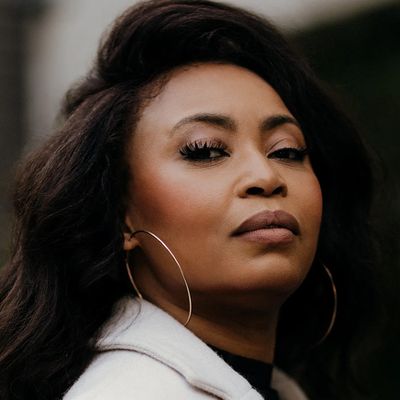
Award-winning hair and wig designer, Nikiya Mathis, is talking all things Braids on Broadway!
U Guys, this week's BroadwayWorld Recap has some amazing casting announcements, brought to you by BroadwayWorld.com! Then I am joined by the incredible, Nikiya Mathis, to talk about her incredible career, not only as a performer, but as a sought-after hair and wig designer for tv, film, and theater! Her work can currently be seen in Jaja's African Hair Braiding on Broadway.
Nikiya is a classically trained actor who holds an MFA from NYU Tisch School of the Arts. After years of hearing complaints from her peers and experiencing her own hair nightmares, Nikiya founded ActTRESSES Design and Consulting Agency, specializing in wig design and styling for actors of color.
Follow Nikiya on Instagram: @nikiyamathis @our_black_tresses
Follow the pod on Instagram: @ohmypoduguys
Transcript
This transcript was automatically generated and might contain errors.
[0:09] Jayke Workman: Well what did you do today?
[0:16] Jayke Workman: Oh my god, did you hear? Did you hear? Did you hear my god guys? Hi, Jayke is What's up, everybody.
[0:32] Jayke Workman: My name is Jayke Workman, and this is Oh My Pod, you guys, a musical theater and pop culture podcast. You guys, this week I had the absolute pleasure of getting to see Friend of the Pod, Jay Rodriguez, in his original one-person show at 54 Below, A Thousand Sweet Kisses, and you guys, it's so good. Jay is so brilliant. I mean, if you listen to his episode, you know how just like charming and lovely he is, but oh my god. The singing, unreal. The monologues, absolutely hilarious. It's so poignant and perfect and raunchy in all the best ways. I cannot recommend this show enough. I hope that they have like a recording of it or something. I know they're doing a live broadcast, but I hope that they record it for posterity so that we can go back and watch it again because it's just so damn good.
[1:18] Jayke Workman: And y'all, with that, we gotta dive right into this week's Broadway World recap. Brought to you by my amazing friends at Broadwayworld.com. First, you guys, in a very exciting casting announcement, we just got word that Chicago the Musical is going to welcome not one but two new gentlemen into the building, both named Max. First is Max Von Essen playing Billy Flynn, and then you guys are so excited that Max Clayton is playing Fred Casey. I have been a secret fan, an admirer from afar of Mr. Clayton for some time, and I cannot wait to see his Fred Casey. And also, I really hope that we get to do the show together because that would be so fun, and he seems like an absolute gem. So I'm very excited for both Max Von Essen and Max Clayton to join Chicago on Broadway.
[2:09] Jayke Workman: Next, you guys, in another bit of casting news, we just got the announcement that The Notebook on Broadway is going to star Joy Woods and Ryan Vasquez in the roles of Allie and Noah. If you listen to the pod, you know that, of course, Queen Joy Woods just left the role of Audrey in Little Shop. And obviously now we get to know why, because she's going to be making this incredible musical come to life on Broadway, opposite the amazing Ryan Vasquez. He is so talented and so hot. You heard it on the pod. And I cannot wait to see the show. It starts previews February 10th. I love this story, and I think the music is just gonna be incredible by freaking Ingrid Michaelson. Come on. So very excited for Joy and Ryan and the rest of the cast.
[2:56] Jayke Workman: Next, you guys, the very highly anticipated Broadway revival of Cabaret transferring from the West End just announced that Eddie Redmayne is going to reprise his role as the MC, and he's gonna do it alongside Gail Rankin. You guys, I'm so excited for this. I was like beyond over the moon when I heard that they were doing this on the West End. And then when I got to see the production photos and like video footage, I was like, oh my god, I wish I could see that. And so now I am so excited to get to see it on Broadway. Eddie Redmayne already has an Oscar and a Tony, but he won the Olivier for this performance as the MC, and I have a sneaking suspicion that he will be up for a Tony for it. So I'm just so thrilled. I love the show so much. And I think Eddie is such an incredible actor, and I cannot wait to see him do this show.
[3:51] Jayke Workman: Next, you guys, we got the very exciting announcement that the newly reimagined production of The Who's Tommy is going to transfer to Broadway in the spring of 2024. I have never actually seen this show, but my wonderful friend Aaliy James was actually in the award-winning run that they did at Chicago's Goodman Theater. And it was actually the highest grossing production in the history of The Goodman. And now it's gonna play on Broadway. Preview performances begin March 8th with an actual opening night set for March 28th, and casting will be announced soon. So you guys have to stay tuned because you know I will have all of the updates as soon as they come out. And you guys, this has been the BroadwayWorld Recap.
[4:34] Jayke Workman: Oh my pod, you guys. I am so excited to welcome my next guest to the show. She is a critically acclaimed performer and also an award-winning hair and wig designer whose current work can be seen on Broadway in Jaja's African Hair Braiding. You guys, I'm so excited to welcome Miss Nikiya Mathis. Welcome to the show.
[4:56] Nikiya Mathis: Thank you. I'm excited to be here. Thank you for having me.
[5:02] Jayke Workman: Oh my god, of course. I cannot tell you how in awe I am of your work. But first, will you tell us where you are calling from?
[5:11] Nikiya Mathis: Sure. I'm calling from my house in New Jersey.
[5:15] Jayke Workman: Ah, Jersey, I know her well.
[5:18] Nikiya Mathis: Yes.
[5:18] Jayke Workman: I have a real housewife of New Jersey right now. Living the life.
[5:25] Nikiya Mathis: Oh, if only I wish I could just be a real housewife.
[5:30] Jayke Workman: Nah, you have more important things to be doing.
[5:33] Nikiya Mathis: Exactly. Exactly.
[5:34] Jayke Workman: So fabulous. So you just you can just pop into the city whenever you need to come in for work and stuff, and then—
[5:37] Nikiya Mathis: Yeah. You know, I used to like, you know, take the bus and the train more often until, you know, COVID. And now I'm driving, and the amount I'm paying, first, the amount I'm paying for parking, and also the amount I'm paying on parking tickets. Girl, it's like that is the ticket.
[6:00] Jayke Workman: Ridiculous.
[6:01] Nikiya Mathis: Because I had a car the first week I lived here. I think I maybe had a car a total of 10 days in New York City. I got three parking tickets.
[6:07] Jayke Workman: Yes.
[6:10] Nikiya Mathis: Ridiculous.
[6:11] Jayke Workman: It's insane. It's the signs are confusing. And I'm like, wait, if I can't park here, why is there a row of cars parked here that have no tickets on it? And I'm the only one who got a ticket. But anyway.
[6:23] Nikiya Mathis: Exactly. It's fine. It's bad.
[6:25] Jayke Workman: Well, once you make it into Manhattan, you're golden. You find your parking spot, and then you have your hand in so many different shows because you are not only a hair and wig designer, a supervisor, but you're a performer. And I think I'm just so excited to hear about sort of the Venn diagram of those things and the overlap because the most recent thing that I got to see your work in is Jaja's African Hair Braiding, which we will of course be talking about. But I also was such a fan of your work in Chicken and Biscuits, a Douglas Lyons, friend of the pod. He's been on the show.
[7:06] Nikiya Mathis: Yeah.
[7:07] Jayke Workman: And he's a gem of a human.
[7:09] Nikiya Mathis: Yes.
[7:10] Jayke Workman: I was so thrilled for Doug, you know, to have his show open on Broadway, but also to be able to see him lift up so many people of color on that platform. And I would just love to hear about how you even got connected with that show.
[7:27] Nikiya Mathis: Yeah, no, that's so crazy. Um yes, I to be honest, I don't even know. All I know is in, you know, 2019, I was working on Jocelyn Bio's show at MCC, Nollywood Dreams. Of course, like when we were about to go into tech the day before tech, they said, yeah, you gotta go home. Right. We're gonna come back. Um then, you know, COVID took its turn, and I remember actually I was working on like an individual client in COVID. And it and I was doing this. I was actually working at Baltimore Center Stage doing one of those like remote shows where they filmed the show in COVID. But there was another client who had asked me to do a wig for her, and there was so much back and forth and miscommunication, and that specific wig went awry, and I felt so bad.
And I actually got into a state of depression from that for some reason, because I she was a person of color. I wanted to make sure she felt good, but the circumstances around it just weren't that great. And I was like, I'm not doing this anymore. Like, maybe I shouldn't be doing this. And I would say, you know, I was just in therapy. I went to LA, like to just get away. And right? Like, uh-uh. I'm go, I'm running away from life right now. Thank you.
[9:01] Nikiya Mathis: Exactly. I don't care about anybody, anything. Um, and then, but of course that wasn't real. It was just the heart talking. Um, and then like I would say maybe a month, maybe a month, maybe two months. It was a short time later. Didi Uhed, uh Tony nominated costume designer reached out to me and said, Hey, this show is going to Broadway. Do you want to design it? I was like, uh Rich? Uh, okay. You know, it was my first Broadway show, and I had just decided that, yeah, this is not for me. Like, I can't I the load that this is, and I realized in that moment that I think that was the first moment I realized that usually when there is a storm, the blessing comes after it. Like, I've realized in so many moments of my life, like, oh, that's just there to test you. That is actually a bit of a distraction to try to break you. If you can overcome it, you're actually gonna be better. And you needed that to learn a thing.
[10:11] Nikiya Mathis: So, yeah, exactly. So then I got on Chicken and Biscuits. I was so excited, you know, to do my first Broadway show and scared. Like, wait a minute, this is Broadway. Right. Now I don't know. I like, you know, I've done I had done shows off Broadway, of course, but it was like, oh, wait a minute, this is the new thing, it's a different thing. Like, like maybe I need a different skill set. Right. Um, and of course, you know, and on a certain level, it is like it's bigger business, right? The budget sometimes is larger, sometimes it's not. Uh, you know, and there are like you cross your T's and dot your I's maybe a bit more, but it was great. Like what I really appreciated is that there were so many Broadway debuts on that show, like it just really created a platform for so many people, and I was grateful.
[11:04] Jayke Workman: Totally, and I loved getting to see it because it, um, I know it meant so much to Douglas to have his work, you know, put on that level, you know, and sort of like level up everything. I have to ask you about Jaja's African Hair Braiding because I mean the writing alone was just superb. The material is so incredible, but to have a show as a hair and wig designer that like it's so integral to the storytelling and to the experience of these black women in this hair braiding salon. Like, what was that like to get the opportunity to just play and like create this world through hair?
[11:56] Nikiya Mathis: Listen, first of all, I heard about this show in 2019. I was working on Jocelyn's show, Nollywood Dreams, and she mentioned that she and Whitney were workshopping it, but that's all she mentioned it and in the back of my mind, I was like, oh, that sounds amazing. And in the back of my mind, I was like, please let me do this show. Please hire me on this show. Because it is like, you know, a wig designer's slash stylist dream. It's set like, first of all. I want to just get up, like, when I see the set, I just want to get up on the stage and play on it and just like pretend at work there in the first place, right? But like the when I actually got the offer, it was like, whoa. It felt really surreal.
Because you know, like when something like when you get the thing that feels like a dream job to do, it's like, wait, did I really just get this? Okay, let me let me brace myself, you know, and you know, the question of can I do this? Like, what is this going to be? You know, I what I envisioned in my mind, interestingly enough, was not at all what it was. I think I was like, okay, yes, we're gonna have fantastic styles on stage. We're gonna try to like make it great. And I don't think I even realized the work that was going to, you know, it's like, oh yes, we're gonna we're gonna do micro braids, you know, we're gonna do this. And it's like, wait, but you actually have to do those micro braids, Nikiya.
Right, you actually have to spend the hours and the labor on doing all of that, and I think that's not I I don't know that I took that into account. Um, but no, but it was great. I mean, I was so impressed by the complete array of styles on stage.
[13:51] Nikiya Mathis: Obviously, you know, there is language that is just inherent to the black experience that I think audience members may not even like white audience members or non-black audience members might not know. I think that's really exciting because it's just a lesson in like just shut up and have a seat for a second and like maybe learn something from this. But like seeing people do like you said, like box braids in real time and like sew-ins and all these things. I mean, they're just I think it's so and not to you know get up on a soapbox as a fucking white person, but like there are so many pieces and elements of black hair that are just not talked about specifically because white people have no frame of reference for it.
[14:39] Nikiya Mathis: And that's right. I just it was so exciting to get to see it so normal on stage. Like this is every person in that show, this is their job, this is their life, this is their lived experience. So can you tell me about maybe what led you as a performer to then create your own brand and foundation for actresses?
[15:04] Nikiya Mathis: The yeah, no, totally. Well, first of all, like just to piggyback on what you were saying about you there are so many elements of black hair that white people don't necessarily know about. I feel like that is exactly what led me to create ActTRESSES Design and Consulting Agency. As a performer, I found myself sitting in, you know, whether it's on set or in theaters, sitting in the chairs of designers or onset stylists that pretty much looked at my hair like it was a problem or wanted me to handle my own hair. And I felt like untaken care of, and I felt like swept to the side, and I knew that my actor friends were feeling the same way. They would reach out to me and say, "Hey Nikiya, I'm in a show, I'm the one black girl in this show, and they haven't figured out my hair.
Can I pass on your information?" Or "Hey Nikiya, I'm the one black girl in the show. They're not taking care of hair. Can I just purchase a wig from you myself? Because I know that if I don't, I'm going to go out on that stage looking a mess and be completely insecure, you know, walking out in front of this crowd." So like those things would happen. Or I would be in a show and be doing my castmates' hair because the theater didn't have anyone who could do, you know, natural hairstyles. So I would do my, like I would be playing double duty and not, and I wasn't getting paid for it or even getting credit for it. But the funny thing is that you know, I think sometimes when you have a natural talent, you take for granted the value of it.
So I was like, no, like come here, let me do your hair, like I can do that for you. Let me help you. And I don't need anything for it. I just I really did just want to help my friends because they seemed to be in such a conundrum and you know, in such a challenging space for something that I did really easily. And I think for me as an actor, because I could do my own hair, when people made me feel a certain way, I would say, okay, I'm gonna handle this myself. Like I had a solution, but the challenge is that when they felt swept to the side, they didn't have a solution. Right, and I really just felt like I wanted to be a help and I wanted to be the solution, so that's ultimately what happened, and I think actors continued to like reach out to me and pass my name to costume designers and theaters.
And it really just snowballed from there. But there was never a time where I said, I'm gonna quit acting and design. It just like kept going. Like I remember in, was it 20, maybe was it 2018 or 2019? I think I was in fabulation at the signature theater, and I remember leaving rehearsal and running to Playwright's Horizons to do an actor's hair for that show. Like exactly like that would be my life. But it also felt like I also felt like I had purpose in that. And I think there was something I think I was also chasing purpose in terms of chasing design. Cause sometimes as an actor, I didn't always feel valuable, or I felt like you could take me or leave me. If I don't do it, you'll plug somebody else in. But I knew that, yeah, in terms of design, there was nobody else really doing it.
[18:49] Jayke Workman: That's just amazing. And I just have to say that I would imagine that for the people that you design for and you know actually do their hair, it must just be such a relief and like a just a reason to like let your shoulders down because you can just trust that you are in the correct hands and like there's like your natural hair is not gonna get damaged, like you have the frame of reference of being a performer, so you know how it feels to go on stage and feel the part and feel like you are beautiful and correct.
[19:22] Nikiya Mathis: So I think that's exactly right. Yeah, that's right, Jayke. Like, I think people don't really always realize the level of like vulnerability an actor has stepping on a stage. And you know, sometimes like there are insecurities, like you just don't know. Sometimes, you know, the rehearsal process may have only been two weeks. You feel underprepared, and then like your hair looks a mess, you know, all of those things. And I like there are times when an actor, there have been multiple times when an actor has run into the hair room crying, and I have literally told them to sit down, and I have just massaged their shoulders or held their hand and prayed for them, like hair and the care for hair actually like just goes so much deeper. I feel like sometimes like I'm there as the wig designer, but I'm really there for like another purpose.
[20:23] Jayke Workman: Yes, and I think that's honestly kind of beautifully reflected in Ja Ja because those women, you know, who come into the salon and are like, I need this, like please help me. I need this, that, and the other thing, and then yeah, but you get to see like a physical transformation of these people, and they get to leave the salon with like their joy. It's just amazing. And I'm, you know, I could talk about all the shows that you've designed for, but this one is just so stunning, and I can't wait to see it again.
[20:49] Nikiya Mathis: Yeah, no, I think I agree. I think Ja Ja is amazing. I think about the character of Chrissy who comes in and wants the Beyonce braids because it's her birthday, you know, and she really, right, she really is completely transformed. Like she comes in, you know, looking one way and then she has braids to the floor. And then even though to the floor, exactly, and even though she doesn't, like, she's just excited, but we don't actually get to hear her say all of the ways that she feels grateful to Indedy who has done her hair. But it really is personal. You know, and I feel like you know, some actors, you know, who I style, they have alopecia. You know, some actors, you know, you just really don't know what's going on in people's scalps, right?
What hair problems they have. So, like, it's really important to me to even just like start with the actor. What is going on with you as a person? What's going on with your hair? What are you actually comfortable with? And then let's go from there, versus like me saying, "Okay, listen, it's my job to put a wig on you. We're gonna put a wig on you," you know, like no, but who are you? What are you going through? Like, let's start from there.
[22:03] Jayke Workman: Wow. Well, I wanna ask a little bit more about that, and maybe just you know, in specifically in reference to this show. I have a little experience. I worked at SNL in the wig room, and so I'm used to ventilating and figuring out.
[22:12] Nikiya Mathis: Really?
[22:19] Jayke Workman: Yes, but I don't I've never, you know, taken on the role of like designer. So like could you share a little bit about like maybe from the ground up for a show like this where it's like the hair is a huge element of the show. So they say, here is basically your budget, and you go for it, or like how do you even begin to be like, "Okay, I need this hair, I need you to order this hair, these wigs that maybe are already made versus custom wigs." Like you're also...
[22:51] Nikiya Mathis: Yeah, there are so many crazy things. I mean, I'm sorry, I'll let you talk, but I'm just like I'm so obsessed with the show because like we're literally watching someone tie in braids or like sew in tracks on stage. And it's like all of a sudden they have to the floor box braids. Like, how do you think about that?
[23:14] Nikiya Mathis: I know you're so right. How did this start? Like it's interesting because I have these artistic conversations with Jocelyn and Whitney about, you know, okay, so how do we even start with determining what the styles are? So Jocelyn, of course, wrote in the script, you know, Vanessa comes in and says, "I want box braids." So we know we have to do box braids. And she specifically says, "I don't want the parts to be too big." Okay, great. So we know we have to do box braids. We know that Jennifer comes in and asks for micro braids. Okay, boom. Now then the question is in terms of the nuance of that. Who are these people? How do we determine? Because we know, oh boom, we have to do box braids and micro braids, but even above that, now it's like I think all I thought, all I initially thought about was, oh yes, box braids, micro braids, Beyonce braids, but these people have to come in with a style. So who are these people who actually come in and what does their natural hair look like too? So everybody at least has two styles, right?
[24:21] Jayke Workman: Right.
[24:22] Nikiya Mathis: So then, okay, then there's that, which I don't think I thought about initially. Of course, when I got into the nuance of actually designing, I did. So, for instance, Vanessa. So then we go with, well, let's go back to like budget. So, you know, what's what was awesome about this is that Whitney from the jump said, "Listen, this play could be done in a black box theater with no set, no nothing, but it cannot be done without the hair." And that was the first time I had ever felt as a wig designer as valued. You know, of course, costume designers value me often, you know, like costume designers, you know, but in terms of a theater saying, "No, we're not starting with set, we're not starting with lights, we're not starting with we are gonna start with the hair, and I want you to give Nikiya the support she needs."
Like that was pretty revolutionary. Because even in like a production meeting, wigs sometimes they won't even, so they'll say, "Hey, we, uh, set designer, what are your thoughts?" You know, lighting designer, what are your thoughts? Then they'll sometimes stop at costumes and not even say anything to wigs, or if they say, if they call wigs, I will be the last on the list. And that really is the case. You yes, I'm sure you know, you know, that would that's also the case in terms of budget. Wigs is the last on the list for whatever reason, and again, I won't even talk about how there's no Tony Award for wig designers, you know. That's another story, right? Like what? It's a bull. You understand?
[26:00] Jayke Workman: Yep, it's some bull.
[26:02] Nikiya Mathis: Exactly. But like, so the things that we talked about was we really started talking about the socioeconomic background of each woman. I think that's how we got into the space of determining, okay, how do these women walk in? So, for instance, you have Vanessa who's played by Lakeisha May, and then you have Sheila who's played by Lakeisha May. So, Vanessa is she right, she's a nurse, and but she potentially maybe lower middle class, and then you have Sheila, who is a working woman, a businesswoman. So she's coming in with a straight bob, which is so different from what Sheila is coming in, right? Sheila's coming in with a natural twist out. Um, and if we had longer, I would talk to you about what a twist out is.
But their hair is definitely a reflection of their socioeconomic status. So that's really where we started, which was a good key into where what the hair would be because you know anybody could have any kind of style. I could have said, "Vanessa, we're just gonna give you long straight hair." Okay, that's fine. You know, we could have that would be valid too, but knowing who she was and where she came from was really important.
[27:17] Nikiya Mathis: Wow, I would say. And then, right? And then, like to go on, like what we had to do. The biggest thing I was trying to figure out is how so you know that Vanessa comes in and asks for box braids, then she falls asleep on stage. Oh my gosh. I really didn't think that Whitney was going to really let this woman stay on stage the whole time.
[27:42] Nikiya Mathis: I was thinking, oh, she's gonna bounce, you know, off the stage. I saw a run through and I was like, um, Whitney, do you are you sure you know she missed her cue, she never left. And of course, you know, Whitney's like, no, she is staying on stage. So when I realized that, I actually was going to do that transformation a different way. So, of course, as you know, she comes in with a twist out and she leaves with box braids down to her back, and she never leaves the stage. So I remember seeing the run through, and I was like, Oh, I'm not gonna be able to do what I thought I was going to do with this woman's hair. How am I going to make this work? And I remember going home, and I just went home over the weekend and I worked on that thing and said, Oh, it's gonna have to be this, but how do I do that?
And I just there was a brainstorming moment. Um, my associate and I talked through it, and I just played, like I took the wig home, played with it, tried to work it out. Then the day that we were going to be on stage working on it, I was so nervous. I was like, please let this work, please let it work. And Whitney was so gracious because the first time it didn't work as smoothly with the actress, and I was like, Oh, it's not gonna work. And Whitney was like, It's okay. Like, she that was the first time we had actually done it, so like it's okay. Um, and now like I really am like in awe that the trick that we, you know, have played with is working every night. It's so yeah, amazing. It really, I mean, like for every style that they have to create, and you know, just like the ways that like if people do leave the stage and then there's like they come back with like just a little bit more done, like throughout like the whatever nine or ten hours of the show of like creating these braids, right? It's just so cool.
[29:46] Nikiya Mathis: So then do you do you say like these are the styles for each track and whatever, and then we have to maintain them, so like you have to sort of disassemble, I would imagine, whatever you have sort of built on the stage, so then it can be reset for the next performance. So whose job is that to um make sure that they stay ready and stay beautiful? Yeah, we have um a wig crew at Jahaz that uh I call the braid gang as these group of black women that well actually the braid gang is even larger than our wig crew. Like we we have a team, you know, some of them helped to braid, some of them helped to build, and then we have three women who are on our crew that are as you say, disassembling wigs, restyling them uh every night, uh blocking them, making sure that they are ready for the next performance.
And they're they're really great. Wow. I feel like you know, there's such great chemistry between the wig crew and the actors. It literally feels like a family, and I think that's how it should be. You know, sometimes in theater it is that, sometimes it's not, and I'm really grateful that on this one from the jump, even in the rehearsal process, um, I had some of my wig crew there working because for me it's it's really helpful to have people starting to work together, like um wig hair crew and actors meeting each other early. It's just it's just helpful for me, I feel like, in terms of establishing a report a rapport because relationship is helpful when somebody is in your hair every night. So, yeah, so those, so I would say uh Tanika, China, and Adenike are our wig crew, and they're really doing an awesome job.
[31:41] Nikiya Mathis: Fierce. Come on, shout out, ladies, because the exact work is no fucking joke. So switching gears a little bit, I would love to know if there is a difference in the way that you approach designing a play versus a musical. You had the opportunity to design Once Upon a One More Time. And I'm sure that that is a very different uh sort of beast to tackle because you're dealing with, you know, I mean, apart from like the subject matter and you know, not just um POC actors, but like they're moving. This involves like dancing. So is there a way that you sort of approach that?
[32:24] Nikiya Mathis: Yeah, I would say so. So uh the it interestingly enough, I I do feel like Jahaz feels somewhat similar to a musical in that there are so many quick changes. And because um there because of the amount of quick changes and wigs going on and off, uh I'm I'm thinking of them similarly to musicals in that I want to make sure that the structure of the wig stays is pretty sturdy. So even like when I think about like the type of lace that I'm using in musicals, I'm often trying to use a sturdier lace to maintain the structure. I think though the thing that I've learned about musicals, particularly when there's a lot of dancing, is that you know you can have a really pretty hairstyle, but that style has to last throughout all of the shenanigans of the dancing, right?
So like that that's the that's the thing that I start to think about in terms of musicals. But with musicals, I still do start with the style. And then I start to think about after that, huh? How do we make this um how do we make how do we solidify this wig to make sure that the style will remain intact throughout the dancing? And depending on what the style of the show is and what the era is, it's easier sometimes, and sometimes it's not as easy. Particularly if you want, like I think about Once Upon a One More Time, one of our actors had uh beach waves. And and beach waves are beach waves, like you or in there was beach waves, and then there was um there were like these Hollywood um old Hollywood vintage waves.
And early on, like the waves would like become disheveled, and we learned, you know, throughout, you know, throughout the time, how to like uh keep them a little bit more intact. And sometimes the style is just the style in that you are are actually um what is the word, you know, fixing it up daily, and then some there are some styles where you can just you can go like a few days and not really have to touch it, but just to to kind of like brush some, you know, stray hairs. So I I do feel like every show is a little bit different, but I definitely for um musicals really trying to make sure that styles are solidified is is really the biggest thing.
[34:55] Nikiya Mathis: Wow, that is so cool. Well, I would love to know, switching gears again, about your upbringing and if that influenced your sort of inherent ability to do hair. You mentioned earlier, you know, how it it just sort of came naturally or maybe more naturally to you than to others. And I'd love to know was that like something that you know was sort of like built up through your your childhood and into adulthood?
[35:25] Nikiya Mathis: Yeah, no, that's so interesting. I don't I don't know. I know when I was a little girl, um, I had little cousins, and my we would all be at my grandma's house, and my grandma would um I have a cousin that's about 10 years younger than me. So I would say I guess I was uh around 10, and my I would see my grandma braiding her hair, and I I really wanted to braid her hair too, you know, she was a babe, you know, so I wanted to like take care of her and like play with her. And I asked my grandmother to teach me how to braid, and my grandmother taught me to braid then, and I just really remember you know, playing with my little cousin's hair and then playing, of course, playing with my Barbie's hair, but I don't remember really wanting to focus or thinking that oh, I'll be a hairstylist.
Like I wasn't thinking along those lines at that time. Really, to be honest, there was just a time when um I think in ninth grade I was bored one summer and I started just doing my own hair and trying different things out, like putting in weaves and you know, sewing in tracks and things like that, or doing like these ponytails with like long hair, and then I would go to school and my friends would say, Can you do my hair like that? And right, and I was like, Oh, okay, you know, like sure, I guess. You know, and then like I started having a love for I think there was just like a love for helping people and seeing them feel good about themselves. But during that time, I was really I had also developed a love for acting as well.
So that was just something I was doing on the side, and I was really, you know, like I was in the drama club and like going to these drama competitions every weekend, like winning awards. So I think in the back of my mind, I thought, oh, if I don't act, I guess my backup would be cosmetology school, maybe, but I didn't really think that I would really do that. It was just like, okay, well, I know that I have something, like just in case. But yeah, it was I was still pursuing acting.
[37:37] Nikiya Mathis: Wow. And then you went to uh NYU Tisch for your acting degree. So then what is the sort of like trajectory for you from like okay, I'm I'm gonna major in this, this is what I'm gonna focus on, to being, you know, a professional working actor? I mean, I think it's just so exciting that you were able to sort of hit the ground running and and work all over the place. You worked at the Guthrie in my home of Minnesota. You've done incredibly like what was what was your sort of um your hope or like your your first goal that you wanted to to achieve as a performer?
[38:20] Nikiya Mathis: You know what? I remember being in when I was at NYU um in the Grad program, all the biggest thing I wanted was for m was to be in a professional production. Like it could have it could be regional, it could be whatever, so that my uh family would say, Oh, you're a real actor. Like my I feel like the hopes were low. I just wanted them to validate and say, Oh, I see you are doing this thing. Because you know, I feel like as an actor, people can like sometimes undermine you. And if you are not on TV, they think you're not really doing anything. Sure. Um, so you know, I just that that was the biggest thing I wanted. And and I have had the pleasure of working at some major regional theaters and also in New York, you know, and originating, you know, um world premiere plays, which was amazing.
You know, not long after um school, I did the brother-sister plays by Terrell McCranie at the public theater. And you know, Tyrrell has gone on to casual. Exactly, like, exactly, like it's just crazy. Like seeing my name and like, you know, these books as like the first person to ever do it is is kind of like awesome. Yeah. And you know, even like fabulation, like when I did it um at the signature, that was like the first um, I think maybe New York revival of that play. So like to work directly with Lynn Nottage was awesome. So, like, yeah, I've done, I feel like I've really developed I really established a foothold in New York as an actor. So then to like pivot and then like, you know, go a slight different way was uh it was not my plan at all.
But I do I will remember at NYU because when I was there, I would also again do my classmates' hair because again, like there was no support, you're not really gonna get much hair support in an uh a university program as an actor at all. So I remember thinking, I remember talking to Maggie Raywood, who was uh in the grad costume design program, and saying, Hey, is this a thing? Like, do people is do people are there hair wig designers? I hadn't learned anything about that. Um, and I just remember asking her about that, and I just remember there being like a little something in my heart that was like that would be awesome if I could do hair for actors too, but I had no idea how to go about it.
So basically I graduated and just pursued like acting, like it was just like a little a little sprinkling of light that like touched inside my belly, and then I just kept doing the thing that I uh got all these student loans to do, you know.
[41:21] Nikiya Mathis: Exactly. Well, I think it's such an amazing um, you know, sort of testament to to staying open to anything that comes your way because you clearly have this, you know, inherent skill and this this passion for hair that otherwise maybe would have just stayed with you as a hobby, and you know, you could have just continued to do your own hair, but you have been able to forge this incredible career, and now you are you know a very sought after hair and wig designer as well as performer.
[41:51] Nikiya Mathis: Do you think that there is a world where you would act in a show that you design as well?
[42:00] Nikiya Mathis: Listen, that is my dream. Like I am, and I think what I I'm I'm a little crazy because I keep doing hard things. Like this, you know, wig design is not easy at all, but there is something that I just won't stop, you know, as challenging as it can get sometimes. Um, but yeah, my dream is to act and design a show. And I don't know how that's gonna happen, but I absolutely believe that it can happen because you know, crazier things have happened, right? Um, but you know, now it's like, okay, well, what is the show? Who's gonna give me the opportunity? Am I gonna have to like create it myself? Do I need to write a play?
[42:45] Jayke Workman: I was gonna say, do you think it's something that's already been written? Or maybe if there is a show that's already been written, what which show would it be?
[42:54] Nikiya Mathis: Oh my gosh. You know, well, to be real, like Jah's would have been an amazing show. But honestly, all of the actors in this show are perfect for those roles. But like if I was if I if I did it, well, I think as an actor, my dream has always been to play a hairstylist. Of course, now that I am a hairstylist, maybe I don't really have to play a hairstylist because I get to do it. But like it it would just be, you know, it just feels like, you know, a kid in a candy shop to play a hairstylist, but that would be more of a fun, like, oh, I got to play a hairstylist and really like do some hair on camera.
[43:35] Nikiya Mathis: Um, right. You know what? That's a great question in terms of what show I would like to be in and wig design. I'm not sure. I can't say for certain if that show has been written yet. I feel like I imagine that it may be a new show. That's like in in my fantasy world, I think that it is. Um, yeah, I think that it is. I'm trying to I'm trying to like go down my mental roller decks of all the shows that have ever been written in life. Um it might come to me, but right now I think it's not it hasn't been written.
[44:15] Jayke Workman: Yes, I love that. Well, I also would just love to ask before I I have a you know a fun little segment of musical theater rapid fire questions that I ask all my guests, but before that, I would love to just ask if there is um a difference for you in approaching a show that um is about the black experience, or if there are shows that you would like to act in and design, and maybe both that have less to do about you know, sort of the the plight and struggle of of the black experience, maybe specifically in America too.
[44:50] Nikiya Mathis: I mean, Ja Ja is obviously set in 2019 in Harlem, which is a very specific and sort of heavy dynamic. Yeah, you know, it's so interesting because I know that Jahja's comments on politics, but I I also this is an interesting thing because sometimes I feel like as a person of color, we don't always have the luxury to not comment on the struggle. Now, I now that's not to say that every day in every conversation, I'm talking about oh my gosh, it's so hard. Like not at all. Right. But but I do feel like in terms of the politics of being black in this country, like even you know, what we're looking at in terms of um, you know, the world and like the wars that are being fought today, there is a comment on there's a comment on culture and race, even in in the world at large. And I think when you're a person of color, it's hard to remove yourself from that.
[46:02] Nikiya Mathis: What I would love though, and I feel like Jahja does it on a certain level because it is a day just in the life of some people and everybody doesn't necessarily comment on everybody doesn't walk in and say I'm a black person and you know it's hard for me. We do talk about the struggles of being an immigrant in the country, but it would be awesome to simply do a play where there are people of color living their lives. And I would say what I what I would not want, and what I tend to shy away from are shows where uh people are trying to quote diversify. So I feel like sometimes they will drop a black actor into a role that was not at all meant for them, and not even address the fact that, well, this is a black actor, and their culture and the story would be different, you know, even in the way that they might move across the stage or the way that they might show up is different.
[46:02] Nikiya Mathis: And I feel like sometimes we try to pretend that we're being progressive in a way that we're not. Um the other thing is that I've learned is that when you put a black body on a stage, it automatically becomes political because our bodies uh unfortunately are there is a politic around like being uh a person of color in this country. Um, but I would say it is it is important for me because I know that we are constantly struggling to be seen. It's important for me to create stories where we see the nuance of people of color. So whether we talk about being of color or not, I want to see the nuance of a person of color being in love.
[47:45] Nikiya Mathis: Yeah. I want to see the nuance of, you know, uh going to college, getting a scholarship. I wanna I do want to see us on a stage without struggle. But the tricky thing is that humanity is always struggling in some type of way. So it's it's tricky, right?
[48:12] Jayke Workman: Totally. Well, I'm I'm just so grateful that um we can continue to have conversations like this, and you know, for for you to be so open and um and candid because I'm I just love to learn and I I love to ask questions, and I know that you know it's all it's just so important for us to continue to talk about this, and I I'm so grateful that you were here.
[48:34] Nikiya Mathis: The time has come for me to ask you a series of musical theater rapid fire questions.
[48:41] Jayke Workman: Oh Lord, okay.
[48:43] Nikiya Mathis: These are not trivia questions, these are these are questions specific to you. Are you ready?
[48:49] Jayke Workman: Okay, okay, okay.
[48:51] Nikiya Mathis: I am ready, and I have not acted in a musical.
[48:54] Jayke Workman: Oh my god.
[48:55] Nikiya Mathis: Well, I don't sing.
[48:57] Jayke Workman: Oh, please.
[48:58] Nikiya Mathis: You can sing.
[48:58] Jayke Workman: I can hear it.
[49:01] Nikiya Mathis: Okay.
[49:03] Jayke Workman: Sondheim or Andrew Lloyd Weber.
[49:07] Nikiya Mathis: Sondheim.
[49:08] Jayke Workman: Sweatpants or jeans.
[49:12] Nikiya Mathis: Oh.
[49:15] Jayke Workman: Do you have a favorite musical?
[49:20] Nikiya Mathis: Hmm. I would say.
[49:24] Nikiya Mathis: I'm I'm really looking forward to the Soul Train musical. I'll say I really like the Temptations musical.
[49:29] Jayke Workman: Yes.
[49:29] Nikiya Mathis: Do you have a least favorite musical?
[49:34] Nikiya Mathis: To be honest. Anything written. I don't want to say that, but I don't sense like uh older musicals. Like I'm I don't know.
[49:46] Nikiya Mathis: Yeah, I don't want to say what I'm saying. What I need to say. Oklahoma.
[49:51] Jayke Workman: Um do you have a favorite play?
[49:58] Nikiya Mathis: Um, you know, I'll say my the favorite my the favorite role I've had was Skeleton Crew um by Dominique Morriso. I really love the character.
[50:08] Jayke Workman: Incredible.
[50:10] Nikiya Mathis: And you you originated that.
[50:13] Nikiya Mathis: Yeah, I did.
[50:14] Nikiya Mathis: I did. I really love that that character.
[50:17] Jayke Workman: Are you a morning person or a night owl?
[50:21] Nikiya Mathis: Oh, the older. So first of all, I used to be a night owl, and now as I'm getting older, somehow I become a morning person. I don't know how that happened.
[50:30] Jayke Workman: Um could you think of the craziest thing a director has ever asked you to do?
[50:36] Nikiya Mathis: Oh my gosh. Um oh uh shoot. What is the craziest thing?
[50:43] Nikiya Mathis: Uh um I don't know. I feel like there's gotta be some crazy.
[50:51] Nikiya Mathis: Oh, I just remember we were doing I was working with Tina Landau and we were doing some I don't we were doing the brother-sister plays and there was this this movement this type of movement that she does and we were just like going across the room within all of these like weird shapes and I I had no idea wait what what is the name of that I can't even think of the name of it but it was just like it was so weird but it ended up being so helpful viewpoints duh see that's how long I've acted um we were doing viewpoints and I was like what is this and but it was so integral it became so integral to the show yeah oh god Queen Tina Landau.
[50:51] Jayke Workman: Um do you have a favorite costume that you have ever worn?
[50:51] Nikiya Mathis: favorite costume yeah I remember being in grad school uh and we were doing Shakespeare and I remember uh I was uh they put me in this like uh cute maids costume but what I remember it was like 19 it was 1950s esque though and I remember I couldn't grasp the role until I put on those put on that costume and those 1950s cat eye glasses and all of a sudden I was the person which just speaks to how much hair costume and hair and wigs are integral to a character's journey.
[50:51] Jayke Workman: Oh yes.
[50:51] Nikiya Mathis: What is the hardest show that you have ever done either as a performer or a designer.
[52:31] Jayke Workman: Oh, ooh.
[52:31] Nikiya Mathis: So when you say hard, do you mean work or like just tumultuous atmosphere?
[52:40] Jayke Workman: I think I think maybe the work.
[52:44] Nikiya Mathis: The work. I would say it's tricky. There have been like some really long. I'm gonna say Jah's was the hardest and most joyful at the same time. I've never been in a space where it was hard work, and I was like, how the heck am I gonna do this? But I felt so held.
[53:08] Jayke Workman: Nice.
[53:08] Nikiya Mathis: So I'll say Jah's.
[53:10] Jayke Workman: Love that.
[53:11] Jayke Workman: Um, coffee or tea.
[53:14] Nikiya Mathis: Tea please.
[53:15] Jayke Workman: Tea.
[53:16] Jayke Workman: Oh, how do you take it?
[53:19] Nikiya Mathis: You know, um, my grandma used to put uh milk in her tea. Um, I think milk and sugar.
[53:28] Jayke Workman: Love.
[53:29] Jayke Workman: Well, Nikiya, my last question for you, which is a question I ask all of my guests, is what is one thing that you would tell baby Nikiya?
[53:41] Nikiya Mathis: Oh my gosh. I would tell baby Nikiya that she is going to be trying to figure it out and figure out the path. And she there's no way that she can know because if she already knew, then she wouldn't need God. Um so I would tell her that it's already, as long as she keeps walking, the light, she will, the path will start to light up for her and she'll find her way.
[54:15] Jayke Workman: I love that.
[54:16] Jayke Workman: Well, Nikiya, thank you so much for being on the pod. You are just such a delight. Can you share um where the listeners can find you on socials to keep up with all your incredible work?
[54:29] Nikiya Mathis: Absolutely. So you can find me my hair pages our underscore black underscore tresses. Um, and then my personal page is at Nikiya Mathis, N-I-K-I-Y-A, M-A-T-H-I-S.
[54:44] Jayke Workman: Yes, and for the listeners, you have got to see Jahja's African Hair Braiding on Broadway.
[54:50] Nikiya Mathis: Yes.
[54:51] Nikiya Mathis: Thank you so much.
[54:52] Nikiya Mathis: Thank you so much. This is so fun.
[54:54] Nikiya Mathis: This was so much fun.
[54:55] Nikiya Mathis: It was so much fun.
[54:57] Jayke Workman: Thank you, Jayke.
[54:59] Jayke Workman: You guys, that's it for another crazy episode of Oh My Pod, you guys.
[55:03] Jayke Workman: Don't forget to rate, review, and subscribe anywhere you listen to the pod.
[55:06] Jayke Workman: And you can follow the show on Instagram at oh my pod, you guys.
[55:10] Jayke Workman: Thanks so much for listening. Talk soon.
[55:11] Jayke Workman: Bye.
[55:14] Jayke Workman: Oh my god.
[55:15] Jayke Workman: Oh my pod, you guys.
© Broadway Podcast Network, All Rights Reserved