

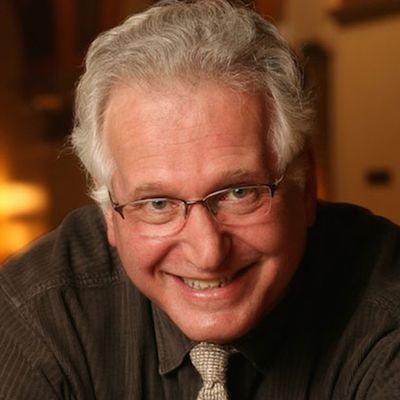
From being a New York Times Best Selling Author to former Artistic Director of Encores! at New York City Center, and former Senior Vice President of Jujamcyn Theaters, Jack Viertel is a true Broadway expert... Read More
From the show: Oh My Pod U Guys
Guests
Featured Shows
About
From being a New York Times Best Selling Author to former Artistic Director of Encores! at New York City Center, and former Senior Vice President of Jujamcyn Theaters, Jack Viertel is a true Broadway expert.
U Guys, this week's BroadwayWorld Recap has some very exciting Bway news, brought to you by BroadwayWorld.com. Then I am joined by a true expert of Broadway knowledge, Jack Viertel! Jack is a producer, professor, and dramaturg whose book, The Secret Life of the American Musical: How Broadway Shows Are Built, made him a New York Times Best Selling Author. We talk about his extensive career in New York City theater, including his hand in co-creating the Encores! series at New York City Center, serving as Artistic Director for twenty years. He shares his experiences in producing new musicals, having also served as Senior Vice President of Jujamcyn Theaters, which owns and operates five Broadway theaters. Jack's latest artistic endeavor is his new novel, Broadway Melody, which hits shelves on April 2nd, 2024. Jack is an absolute wealth of knowledge and such a delight, U don't want to miss this episode!
Follow the pod on Instagram: @ohmypoduguys
Transcript
This transcript was automatically generated and might contain errors.
[0:00] Jayke Workman: Dolly Parton calling Jolene a hussy on Beyonce's new album.
[0:06] Jayke Workman: This is gay, right?
[0:13] Jayke Workman: Oh my god, did you hear?
[0:15] Jayke Workman: Did you hear?
[0:16] Jayke Workman: Did you hear?
[0:16] Jayke Workman: Oh my god, guys.
[0:18] Jayke Workman: Hi, Jake is on.
[0:19] Jayke Workman: Oh my god, that's oh my god.
[0:25] Jayke Workman: Oh my god, you guys!
[0:27] Jayke Workman: What's up, everybody? My name is Jayke Workman, and this is Oh my pod, you guys, a musical theater and pop culture podcast.
[0:35] Jayke Workman: Okay.
[0:36] Jayke Workman: You guys, you guys, we can't, we can't not start this podcast episode without talking about the release of Beyonce's newest album, Cowboy Carter.
[0:48] Jayke Workman: Y'all, and I mean y'all, this album is unlike anything I have ever heard.
[0:56] Jayke Workman: It is flawless.
[0:58] Jayke Workman: The production, the vocals, the artistry, uh, the imagination.
[1:04] Jayke Workman: Beyonce can do no wrong.
[1:06] Jayke Workman: I, and I I know.
[1:08] Jayke Workman: I talk about it all the time, and you know, whatever, like this like Stan culture and like talking about she who must not be named Taylor Swift.
[1:16] Jayke Workman: I get it, but this is the hill that I will die on.
[1:19] Jayke Workman: Beyonce is the best musician and artist of our time.
[1:27] Jayke Workman: Point blank period poo on Oh MyPod.
[1:32] Jayke Workman: Okay, okay, I will move on now because I always run the risk of just speaking entirely about Beyonce on the podcast.
[1:39] Jayke Workman: So moving on, stream Cowboy Carter.
[1:42] Jayke Workman: Okay.
[1:43] Jayke Workman: You guys, this week I got to see the new Broadway musical that is still in previews, Lempica at the Long Acre Theater.
[1:52] Jayke Workman: You guys, this show is whack a doodle do.
[1:57] Jayke Workman: Apart from knowing that it is based on the artist Tamara DeLampica, I pretty much knew nothing going in.
[2:06] Jayke Workman: I hadn't listened to any of the previously recorded singles that they released, and all I really had to go off of was the beautiful photos that they had released through Broadway World.
[2:16] Jayke Workman: But you guys, it is wild.
[2:19] Jayke Workman: It's it's like Evita meets like a secret gay love affair.
[2:27] Jayke Workman: It's so beautiful.
[2:30] Jayke Workman: It's breathtaking.
[2:31] Jayke Workman: I mean, the music is like a wall of sound, and it's a pop score, and you know, these people are wailing.
[2:38] Jayke Workman: Obviously, we can't talk about it without talking about the star of the show, the titular role Lempica, played by Eden Espinoza, who is astounding.
[2:49] Jayke Workman: I mean, she basically sings the entire show, which is wild.
[2:55] Jayke Workman: But you guys, there is a a dark horse.
[2:59] Jayke Workman: There is a sleeper hit, and I think that one Amber Imman is gonna win a Tony for her performance in this musical.
[3:08] Jayke Workman: It is amazing.
[3:10] Jayke Workman: She plays Raphaella, and her voice is like nothing I've ever heard on a Broadway stage.
[3:17] Jayke Workman: It is so pop contemporary, but at the same time has this beautiful, fluttery folk sound, and she has such agility and control.
[3:27] Jayke Workman: I mean, I was floored by her performance.
[3:31] Jayke Workman: So I highly recommend this show.
[3:33] Jayke Workman: It's still in previews, so I'm sure you know a lot could change uh by by the time they freeze it for opening night, but this show is beautiful.
[3:42] Jayke Workman: Definitely recommend.
[3:44] Jayke Workman: And with that, you guys, we of course have to dive right into this week's Broadway World recap, brought to you by my beautiful friends at BroadwayWorld.com.
[3:52] Jayke Workman: First, you guys, spring has truly sprung because we have not one but two Broadway pregnancy announcements.
[4:01] Jayke Workman: You guys, Leah Michelle and Lindsay Mendez have both announced that they are both expecting their second baby.
[4:08] Jayke Workman: Leah Michelle and her husband Zandy have a beautiful baby named Ever, and now Ever will have a little brother or sister.
[4:17] Jayke Workman: We don't know yet, but I'm so thrilled for them.
[4:20] Jayke Workman: They are such a beautiful couple, and it's gonna be so beautiful.
[4:24] Jayke Workman: I mean, Leah released these gorgeous pregnancy photos on her Instagram, and she looks stunning.
[4:29] Jayke Workman: I mean, it's just ridiculous.
[4:30] Jayke Workman: It's basically Leah Michelle with a pregnant belly and no difference.
[4:36] Jayke Workman: But she's so beautiful and and her family is so lovely.
[4:39] Jayke Workman: I am so excited for them.
[4:41] Jayke Workman: Congratulations.
[4:42] Jayke Workman: And Lindsay Mendez and her fiance are going to have their second baby as well.
[4:47] Jayke Workman: Lindsay also has a daughter.
[4:49] Jayke Workman: So this is just so exciting.
[4:52] Jayke Workman: And honestly, I think this is the first of many announcements that we're gonna get.
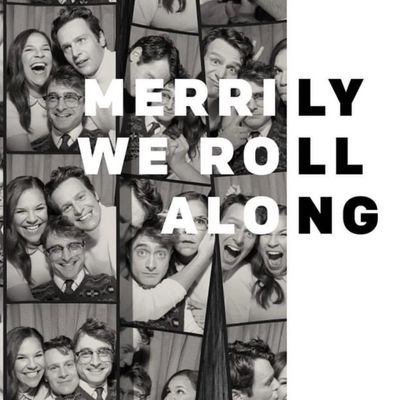
[4:56] Jayke Workman: Um, but the great thing is that the producers of Marily have been wonderful to Miss Lindsay Mendez, and she will be still performing in Merrily We Roll Along on Broadway through July 7th, which is just so exciting.
[5:10] Jayke Workman: So congratulations to both of these beautiful couples on your baby bundles of joy.
[5:16] Jayke Workman: Next, you guys, Broadway World shared all of the latest updates for the upcoming Broadway revival of Sunset Boulevard, starring Nicole Scherzinger.
[5:25] Jayke Workman: You guys, they let us know that they are gonna be opening at the St. James Theater this September.
[5:31] Jayke Workman: Previews are gonna start September 28th with an October 20th opening night.
[5:35] Jayke Workman: You guys, they also released a new trailer for the show, and it is wild.
[5:41] Jayke Workman: I I think that this is gonna be a game changer.
[5:45] Jayke Workman: Obviously, I love Miss Nicole Scherzinger, but this show, the score and this new take on it, looks really, really cool.
[5:53] Jayke Workman: So I'm very excited.
[5:55] Jayke Workman: Its West End run was nominated for 11 Olivier Awards, and I have a sneaking suspicion that it will follow with Tony nominations as well.
[6:04] Jayke Workman: So looking forward to it, and I will keep you updated with all things Sunset Boulevard.
[6:10] Jayke Workman: Next, you guys, we got a very special Broadway World peak at the 10th anniversary celebration of Aladdin on Broadway.
[6:17] Jayke Workman: It's honestly kind of crazy for me to think of Aladdin being open for 10 years because I remember watching the Tony performance like it was yesterday and like watching James Monroe Eichelhart like do his thing as the genie.
[6:31] Jayke Workman: And so, I mean, it's just amazing.
[6:33] Jayke Workman: I'm so so happy for everyone who has gotten to work on that show at the New Amsterdam, but it is wild.
[6:38] Jayke Workman: 10 years.
[6:39] Jayke Workman: It feels like nothing, but also it's number 15 on the list of longest-running Broadway shows.
[6:46] Jayke Workman: The production that has been running at the New Amsterdam has played over 3,500 performances and welcomed nearly six million guests to the New Amsterdam, which is just incredible.
[6:57] Jayke Workman: So, congratulations, Aladdin, on a beautiful 10 years.
[7:00] Jayke Workman: Here's to 10 more.
[7:02] Jayke Workman: Come on.
[7:04] Jayke Workman: And lastly, you guys, we have to talk about the reviews for the new Broadway revival of The Who's Tommy.
[7:13] Jayke Workman: Everyone is gooped and gagged, you guys.
[7:17] Jayke Workman: I am so excited to see the show.
[7:19] Jayke Workman: The reviews are amazing.
[7:21] Jayke Workman: I've heard it's just nothing but music and spectacle, rock and roll.
[7:27] Jayke Workman: I mean, uh, it's The Who's Tommy?
[7:29] Jayke Workman: Come on.
[7:30] Jayke Workman: This is the first time that Tommy has ever been revived.
[7:33] Jayke Workman: And the title role is currently being played by Allie Lewis Borsge.
[7:37] Jayke Workman: I hope that's how you say it.
[7:39] Jayke Workman: Burzki?
[7:40] Jayke Workman: Let me know.
[7:40] Jayke Workman: Um, Alison Lough plays Mrs. Walker, and Adam Jacobs is Captain Walker.
[7:45] Jayke Workman: And this show is so like just weird.
[7:49] Jayke Workman: It's uh uh there's a lot going on here, but I have heard nothing but amazing things about this revival.
[7:55] Jayke Workman: I cannot wait to see it.
[7:56] Jayke Workman: And you guys, you have to check out all of these reviews that Broadway World has put together for you.
[8:02] Jayke Workman: And you guys, this has been the BroadwayWorld Recap.
[8:06] Jayke Workman: Oh my pod, you guys.
[8:08] Jayke Workman: I am so so excited to welcome my next guest to the show.
[8:11] Jayke Workman: He is an author, producer, dramaturg, and former senior vice president of Jujamcyn Theaters, as well as the former artistic director of Encores at New York City Center.
[8:22] Jayke Workman: Please welcome Mr. Jack Viertel.
[8:24] Jayke Workman: Jack, welcome to the podcast.
[8:26] Jack Viertel: Thank you so much, and what a lovely introduction.
[8:30] Jack Viertel: Um, more than I deserve.
[8:33] Jayke Workman: Absolutely not.
[8:34] Jayke Workman: Um, before we dive in, would you tell us where are you calling in from on this fine day?
[8:40] Jack Viertel: I'm calling in from Carytown, New York, which is where my house is.
[8:43] Jack Viertel: I've never had a home in the in the city proper.
[8:46] Jayke Workman: Wow.
[8:46] Jack Viertel: Um, I'm sitting in the guest room in Carytown.
[8:49] Jayke Workman: I love it.
[8:50] Jayke Workman: So so tell me about I mean, you have quite an extensive um uh history with the world of Broadway and and New York City theater.
[8:59] Jayke Workman: Um how did you never live here?
[9:03] Jack Viertel: For a ridiculous reason that turned out to be uh have a good result, which is we moved from Los Angeles with two small children in nineteen eighty seven in September of nineteen eighty seven and in Los Angeles we had a nice house with a backyard and all that stuff and these two little children and and uh my wife and I talked about it and decided well we can't move directly into an apartment because you know these are little kids who are being dragged across the country without having any say about it and so they they're gonna need a backyard and um of course the kids adjusted way faster than we did um because that's the way kids are and they probably would have been fine.
[9:42] Jack Viertel: But we get but we when we got here we liked it so we never changed it.
[9:45] Jayke Workman: That's fantastic.
[9:47] Jayke Workman: Well I mean clearly it hasn't hindered your ability to to get yourself to the city and make your mark there.
[9:53] Jack Viertel: Um I it's a beautiful it's a beautiful ride on the Metro North train right along the Hudson River.
[9:58] Jack Viertel: I mean you can't go wrong you know you get on and 40 minutes later you're in a block from Times Square.
[10:04] Jayke Workman: In the middle of everything.
[10:05] Jack Viertel: That's wild.
[10:06] Jayke Workman: So before we dive in and talk about your upcoming book which I'm so excited to hear about um I would love to hear how you sort of had a h a a very big hand in the creation of Encores and what we now know as, you know, this this amazing celebration of art called Encores at New York City Center.
[10:28] Jack Viertel: Well I was asked this must be nineteen ninety two maybe, by my friend Ted Chapin, who at that time was the president of Rogers and Hammerstein, to come to a meeting at City Center, where I don't think I had been since I was a kid watching, you know, Jan Murray and Guys and Dolls.
[10:46] Jack Viertel: Um, because they were talking about doing a musical theater program.
[10:50] Jack Viertel: And so I I became part of a of this committee uh trying to decide how to bring musical theater back to City Center.
[10:59] Jack Viertel: In the 50s, 40s and 50s, it was a robust program of revivals of very popular shows.
[11:06] Jack Viertel: And what they really were was they were relatively cheap.
[11:09] Jack Viertel: Uh you know, they would rent a set from some tour of My Fair Lady or Guys and Dolls or The Most Happy Fella, and uh show boat, and rehearse for you know ten days and put the show on, and they were like it was basically like Summer Stock in the City.
[11:24] Jack Viertel: Um, but they were pretty fun and pretty great.
[11:26] Jack Viertel: And a woman named Judith Dakin had just taken over um the leadership of City Center, and she came from the theater world uh and had worked for many many years as the managing director of a company called Music Carnival in Cleveland, Ohio.
[11:41] Jack Viertel: But she had come directly from Bam, where she was a general manager, and so we was like, what are we gonna do?
[11:48] Jack Viertel: And it became a practical issue of no one is gonna give us the rights to do the music man because they're gonna wait for a commercial revival of the music man on Broadway, you know, of which there have been several.
[12:01] Jack Viertel: Um so what are we gonna be able to do?
[12:03] Jack Viertel: We're gonna be able to get the rights to shows that no one else wants the rights to.
[12:07] Jack Viertel: Um and if if we were in Dallas or DC, we could get all these rights, but here, right next to Broadway, all of these rights holders are gonna want Broadway.
[12:17] Jack Viertel: They're not gonna want us.
[12:18] Jayke Workman: Right.
[12:18] Jack Viertel: So we so we sort of created this program the idea of this program, which was to celebrate shows that had wonderful scores, but for one reason or another were out of circulation.
[12:28] Jack Viertel: Some of them weren't great shows, some of them were just shows that people had forgotten, etc.
[12:32] Jack Viertel: etc.
[12:33] Jack Viertel: Um, and then we had to decide like, okay, we the board of City Center has given us X amount of money, not a lot.
[12:41] Jack Viertel: How do we use it?
[12:43] Jack Viertel: And so the decision was made by this group of people, one of whom was Rob Fisher, the music director of Encore at that time, uh the original music director, that we would spend it on music and um trying to recreate the sound of what these shows sounded like on their opening nights in whatever year that was.
[13:02] Jayke Workman: Yeah.
[13:03] Jack Viertel: Um, and not spend it on costumes and scenery and other things.
[13:07] Jack Viertel: I mean, it was in a sense an arbitrary decision, but it was no one else was doing this, you know.
[13:12] Jayke Workman: Right, absolutely.
[13:13] Jack Viertel: And and at the same time, orchestras on Broadway were getting smaller and smaller and smaller.
[13:17] Jack Viertel: Shows on Broadway were more and more rock oriented, and we thought, well, great, well, let's let's let them hear what uh you know, South Pacific really sounded like.
[13:26] Jack Viertel: Well, you couldn't get the rights to South Pacific, but we got the rights to Allegro. Um, and so that was the kind of the defining mission of Encores as it began. And that first season we did Fiorello and Allegro and Lady in the Dark. And I was not the artistic director, I was just on this committee with about, I don't know, six or seven other people. Um, and it was very modestly successful, very. And so the board said, "Well, we'll give you one more year, and if you can't turn this thing into something bigger than this, that'll be the end of it." Oh my god. So we went back into a meeting, and I'll never forget this. Jay Binder, who was on the committee, and because he was a casting director, and we needed a casting director because someone had to cast these shows and be able to explain to agents like what the hell Encores was.
Yes. And Jay said, "Well, here, if you want to have a success, you're gonna need a star. It's that simple. And so you're gonna have to pick a show that's a star vehicle. Let's pick the star in the show by going back and forth, and you name shows and I'll name stars and we'll figure it out." And that's how Tyne Daly, who was just coming off of Cagney & Lacey, which was a hugely successful TV series, ended up doing Call Me Madam as the first show of the second season, and that's how Encores became a success. And the third season was Chicago. Yes, it was. After that, there was no stopping it. So the board was happy because they were making money instead of spending money.
[14:54] Jayke Workman: Well, and I have to say, you know, my selfish personal connection is that that became my Broadway debut. The first Broadway show I ever did was Chicago. And so I think that what you guys have created is something so special, not just for, you know, the week-long or like 10 performance run of the shows that you get to do and see at City Center, which are incredible, some of the most lush things I've ever gotten to experience in a theater. But also you've provided this platform, it's kind of like a launching pad now for Broadway revivals, which is kind of like a very unique thing. Nobody ever, I mean, it's like sort of just like out of towns, and that's what goes to Broadway, but this has become a place where, like you said, shows that may not have had the turn that they deserved yet to be re-examined and re-experienced, and then sometimes they transfer to Broadway and run for 27 years.
[15:52] Jack Viertel: So not that often, but you're right. Yes. Um, but I just, I mean, in a way, I just am like, I'm so grateful and thankful that you guys took the time and energy and did focus on things that mattered like the music and the storytelling and supporting artists in this way. It's just phenomenal. I've had the pleasure of seeing multiple shows at Encores, and I'm always just so blown away. Do you have a favorite project that you worked on? I mean, you were artistic director for 20 years, so I would imagine that the spectrum of shows that you've experienced is rather broad. But could you think of your favorite one?
[16:32] Jack Viertel: I did, as by my own count, which is probably not totally accurate, I did 65 of them. Wow, because we did three a year for 20 years, and then there were three summer stars, and then there were a couple of galas, and anyway, we did a lot of shows. So the short answer is no, I don't have a favorite. I have sort of two categories of favorites though. I love the one, I mean, there were some that I wouldn't mind getting back and trying again, but there are the ones that no one had ever heard of or that almost no one had ever heard of that we turned into good fun events, things like Pardon My English and Face the Music and The New Yorkers and Juno. I love that whole class of shows.
[17:17] Yeah.
[17:17] Jack Viertel: On the other hand, I love Follies and The Most Happy Fella, and you know, some of the better-known ones that we did just as much, so or more. Um, I should put Superman on the first list as well. That was really enjoyable. Uh, an enjoyable one. But yeah, no, there were lots. There were lots that were really gratifying and really fun to work on. And I would say in general, the whole purpose of this thing was driven by love. I mean, no one made a lot of money at Encores, including me. Um, it would, and I think when that happens, you know, when something is really driven by the love of doing it, the prospect for success is greater.
[17:56] Jayke Workman: Absolutely. So tell me, where did that love for you come from? Where was your exposure to the world of musical theater from a young age? Or what even led you into this world of art?
[18:09] Jack Viertel: My parents and my grandmother took me to see Peter Pan just before my sixth birthday with Mary Martin at the Winter Garden. Wow. And you know, my life was pretty much ruined after that. I mean, I didn't want to do anything else. It's all over.
[18:22] Jayke Workman: Yeah, I mean, there was nothing else.
[18:25] Jack Viertel: Wow, incredible. But so were you, did you ever, um, like dabble in the performance side of things, or did you always know that you wanted to be able to do that?
[18:32] Jack Viertel: Oh, I was the best actor in my private high school, which had fifty-five students in it. I knew this about four or five thought they were actors, and I was the best of them. Then I got to college and within a month realized that I was really not a very good actor at all because being the best actor in a fifty-five person high school is not the same thing as being an actor. And I got out, I ran in the other direction as fast as I could.
[18:55] Jayke Workman: Well, I mean, clearly it was no mistake because the path that you have created for yourself and for other artists is just immeasurable. I mean, the things that you have helped create are kind of unparalleled.
[19:10] Jack Viertel: So we thank you, Mr. Viertel.
[19:11] Jack Viertel: Oh well, yeah. You're entirely welcome.
[19:15] Jack Viertel: So I've enjoyed it so much that I don't think, you know, I'm thank you for thanking me, but I don't think it's about, it's about the world having let me do what I want to do, much more than it's about anyone owing me a thank you.
[19:29] Jayke Workman: Well, we do anyway. We say thank you anyway. But uh, so this episode is actually gonna come out the day before the release of your brand new book, and I'm so excited about it. You are also just casually a New York Times bestselling author.
[19:47] Jack Viertel: But this book that you've written is a novel called Broadway Melody, and it's something so different, and I'm so intrigued. Tell me, where did you even find the inspiration to do a novel as opposed to sort of a nonfiction look at the world of musical theater?
[20:05] Jack Viertel: Well, novels were always in my life in one way or another. My father wrote four novels in his, I wouldn't say his spare time, but he took time to write them. So, and they, you know, one of them was in fact the New York Times bestseller back in the fifties. And so, you know, the idea of writing was always in my family, as was the idea of theater. My grandfather built two Broadway theaters and owned one briefly in the Depression, sort of entertainingly but catastrophically. Um, and my father had a play on Broadway in 1937 and which ran two weeks, also catastrophically. Um, so the theater was in my blood on the one hand, and writing was in my blood on the other hand, and when I finished my first book, The Secret Life of the American Musical, which is a nonfiction book about musical theater structure and stories, um, I thought, you know, I just don't have anything else to say in a nonfiction context. I mean, I've said everything I want to say about all this.
[21:01] Jayke Workman: Sure.
[21:04] Jack Viertel: But I was interested in continuing to write because I love the process. Um, and I also, because my grandfather was tangentially at least in the theater business, and my parents were, my father was, I had this sense of history of theater history, going back to when Times Square was, you know, in the days of the 30s and 40s, when you could buy discount tickets at the, at uh whatever the name of that drugstore was. You know, and they had the orange drink was called Papina, and it was actually a pineapple orange combination, which turned out to be Orange Julius, you know, four decades later.
[21:41] Jayke Workman: Oh, yes, of course.
[21:43] Jack Viertel: And I just was completely fascinated by this evolving, the evolution of this neighborhood to the point where when I was going as a college student in the 70s, it was sort of a disastrous neighborhood. It had gone from being the most glamorous place where everyone wore a top hat to a hellhole. Um, and then as I was working in it, lucky enough to get a job working in it, it revitalized itself, or it didn't revitalize itself, it was revitalized to some degree by the Disney company and by, you know, the Times Square Redevelopment Corporation. Um, and now it's become something completely different. It's like a tourist attraction. Um, and I thought, well, you know, there's a story in there somewhere, and then I thought, well, what if there's just one story that's the whole story that it's about people who are, you know, courting age in the 40s and are old people in the 21st century.
[22:44] Jack Viertel: Um, and we tell that story somehow. So I latched on to this idea of a, and the other thing I wanted to write about was people who actually make the theater as opposed to actors or even writers. Yes. Who's the guy in the lighting grid with the follow spot? Who's the trumpet player in the pit? You know. And I had gotten to know a lot of these people because of Encores. You know, we had our orchestra rehearsal. And I became very friendly with a guy named Red Press, who was a saxophone flute clarinet player and one of four or five in the Encores Orchestra. And Red was just a great mentor. And I started to talk to him about the early. He didn't start playing Broadway shows until the late 50s. His first Broadway gig was he was in the pit for the original production of Gypsy.
[23:30] Wow.
[23:30] Jack Viertel: Um, but and now here he was in, you know, 2000 and whatever. Yeah. In the Encores Orchestra. Um, and I thought, well, this is a good, this is a potentially good story. So if Red Press fell in love in 1945, but didn't get the girl until 2001, what would it, why not? Well, because the spotlight operator also fell in love with the same girl and married her. I had heard this wonderful story from actually a woman who was in the often in the ensemble at Encores. She went to Germany to play the lead in Phantom of the Opera. And the spotlight operator in Germany shone his light on her around with his light, you know, all night long, and fell in love with her without ever meeting her. I mean, he just flipped head over heels because he had shown this light on her. And they got married.
[24:26] Oh my gosh.
[24:28] Jack Viertel: And so I thought, okay, so that's a really lovely romantic tale, and the rest I have to make up. And then Red gave me an unpublished memoir that he had written, gifted it to me, and said, "Use this however you want," of his early years in the army and playing in big bands. It turns out he had played with Benny Goodman and Tommy Dorsey. So I had this long tale to tell.
[24:50] Jayke Workman: Yeah.
[24:51] Jack Viertel: So I told him. And that's Broadway Melody.
[24:55] Jayke Workman: Wow. I cannot wait to read it. I'm so, so thrilled for you. So then, um, will it just be, is this like a worldwide release? Is, um, April 2nd is when it like hits shelves?
[25:05] Jack Viertel: April 2nd's the pub date. Um, I don't know about worldwide, you know, how that's done, really frankly. But you know, April 2nd, you'll be able to buy it in bookstores, order it on Amazon, you know, whatever you need to do.
[25:19] Jayke Workman: Fantastic. Oh, I'm so excited. Do you think that you would ever want to cross over and write for the stage? Would you want to write a show, either a play or a musical?
[25:32] Jack Viertel: I don't think I could ever write a play. I mean, I've tried without any success at all. Um, and I don't think I have anything particularly to say, and I also think the theater has moved on in a way where plays are, could I have ever written a play, it would have been a, you know, a mid-sixties play or a seventies play. And the theater's just so different now, and it's in the hands of people much more in your generation than mine, and that's exactly as it should be, it seems to me. Um, I have helped with a few musicals, um, as a dramaturg, and going all the way back to Grand Hotel, I guess was the one line of dialogue in Grand Hotel that I wrote. That, you know, and would I, and I did write the book for one not successful musical that never got to Broadway. Um, would I do it again? Yeah, if I had a piece of underlying material that needed to be turned.
[26:31] Jayke Workman: Yeah, that'd be fantastic.
[26:33] Jack Viertel: Nobody was asked.
[26:35] Jayke Workman: I'm asking now. We're asking Oh My Pod U Guys.
[26:41] Jack Viertel: So, uh, switching gears a little bit, um, you've sort of touched on it, um, but I would love to ask about the sort of trajectory and where the world of theater is going.
[26:55] Jack Viertel: In the eyes of someone who has had such experience as being, you know, the senior vice president of Jujamcyn, which runs and operates five Broadway theaters, I would love to pick your brain just about the actual logistics of how a show gets into the right theater. Where does it even, where does that sort of like relationship start? Is it with producers? Is it with the creators of a show?
[27:24] Jack Viertel: Yeah, I mean it varies a lot, and there's a lot of different answers to that question. In many cases, particularly in the sort of golden age period, producers came up with the ideas for shows and then hired writers to do them and then went to the theater owners and booked a theater. I don't think it's as clear now. And in some cases, even back then, probably twenty percent of the time, creators just wrote shows that weren't based on any underlying material.
[27:52] Jack Viertel: Right. And or that were and then went to producers and said, you know, this I'll demonstrate my show to you and you should produce it. But you know, most of the, I think it's fair to say most of the musical shows in that period were either created that weren't created by producers, but were originally the idea originated with a producer who then went out and found the writers. Plays, of course, are just written by playwrights and the playwright tries to find a producer to produce it and the producer deals with all of the creative team stuff, you know, like who's the director, how do we do casting, how do we do designers, and ultimately how do we book a theater, you know, which theater can we book, which theater will we go into and what theaters would we refuse to go into for one reason or another.
[28:02] Jack Viertel: Today, I think it's much more common for not-for-profit theaters to originate shows either because artists come to them or because they have artists who are sort of either formally or not formally in residence there. And then those shows, you know, if a show like Hamilton opens up at the Public and is a huge success, it gains a commercial producer who gets interested in it and or has been interested in it from the beginning and you know, the rest is a matter of booking the theater and figuring out the marketing and the budgets and all of that.
[29:20] Jack Viertel: And then there are a lot of just shows that artists want to make and they make them, I mean, they make them on spec and try to figure out some place to do them. It's usually not on Broadway first. It's usually somewhere else first. And then, you know, if it merits the idea that it could be a commercial success, that is to say that it could sell lots and lots and lots of tickets, it heads to Broadway.
[29:46] Jayke Workman: Sure.
[29:46] Jack Viertel: So then in the position that you were in with Jujamcyn, do you sort of, like when projects are presented to you with the potential to be booked into one of your theaters, is there something apart from the commercial element that you find yourself drawn to? Do you feel like a sense of ownership of the art that you put on in your buildings?
[30:14] Jack Viertel: There very much was when I first got there in 1987. It was a particularly lousy time for theater for commercial theater. Yeah. Lots of theaters were empty, including four of our five. And Rocco Landisman, who hired me and who was the president of Jujamcyn, eventually became the owner of Jujamcyn, said, you know, we're never gonna win a battle to book the next Andrew Lloyd Webber or the next Cameron Mackintosh show or the next Peter Shaffer show or the next Tom Stoppard show.
[30:45] Jack Viertel: But if we are gonna fill our theaters, we're gonna have to fill them ourselves. We're gonna have to invent the things that go into the theaters. And I said to him, well, look, every name you've just mentioned is the name of an Englishman. And there are lots of American artists who are not being well represented on Broadway, but who should be. And I had come from California where I was working for the Mark Taper Forum with two scripts in my suitcase, literally in my suitcase. One was M. Butterfly and one was The Piano Lesson.
[31:20] Jayke Workman: Oh my gosh.
[31:20] Jack Viertel: And so the idea of our doing shows that we love because we love them that we thought might very well not be profitable or not terribly profitable was there right at the beginning. The support for those shows were the musicals and other, you know, popular attractions that wouldn't make enough money so that we could do the others.
[31:42] Jack Viertel: And the owner of the company at that time was a man named Jim Binger, James Binger, who lived in Minneapolis. And Rocco was very forthright with him and said, you know, we're gonna, and he was a very wealthy guy, obviously anyone who owns five Broadway theaters is, said, yeah, we're you know, we're gonna use your money to produce these shows to fill our theaters. And Binger said to him, and this was in the day when a musical cost about four or five million dollars to produce. A play cost about two hundred thousand, two hundred and fifty thousand.
[32:11] Jack Viertel: And Binger said, okay, you can put fifty thousand dollars in any play you want to, and a million dollars in any musical you want to. And of course, the hedge was that even if the show didn't succeed, the theater collected rent every week that it ran. So if a show ran for a year and didn't recoup or barely recouped, the theater owner did quite well. Yes. The other investors did much less well.
[32:34] Jack Viertel: So that it made a certain kind of economic sense for us to simply fill the theaters as opposed to having the theaters empty. We didn't need to have all hits, we needed to have all occupancy. And so we did that for a long time, and then little by little, you know, as Times Square rebuilt itself and Disney moved in in a big way, the theater there began to be a theater shortage instead of a flood of empty theaters.
[32:59] Jack Viertel: And at that point, Jim Binger said, all right, stop spending my money. There are plenty of attractions that want theaters. Let's do it that way. And so we had made certain commitments. I mean, we committed to August that we would produce the rest of his ten play cycle, which we did. And we did, I think, three of David Wong's plays on Broadway. You know, we were committed to Tony Kushner, we did Caroline because we had done Angels in America.
[33:29] Jack Viertel: But we also began to just simply book shows that were, you know, healthy for our business. And that was less a little bit less love and a little bit more economics. Totally. And these days I think it's gotten to be more and more that way, but I'm retired, so I don't have to worry about it. Yes.
[33:51] Jack Viertel: But I do think, I think we're being, the street is being much more dominated by economics and the, I hate to say it, but the merch sales, the, you know, the candy sales, the liquor sales and all of that, and less so by people who are only doing it because they love that play.
[34:13] Jayke Workman: Absolutely.
[34:14] Jack Viertel: And I think it's easy to forget how different the world of the, you know, what we think of as like a commercial success on Broadway is now, comparatively, because we have the social media element to be able to advertise across the universe. You could be advertising a play on Broadway and someone in Singapore is going to see your promo and all the promotional materials and the videos and the interviews and everything.
[34:46] Jack Viertel: It's just, it's a completely different game now. So it's fascinating to hear, you know, about sort of the shift of it all. Do you think, is there like a piece of advice or like one sort of thing that you can predict that would help someone who is going into the world of producing to know about the sort of like changing dynamic of the world?
[35:13] Jack Viertel: I think it's changing so quickly that it's hard to, it's hard to, you know, to give advice. I would, I would far be it for me to give advice to anyone about how to do this. I've never done it in this world. And I don't, you know, I'm done with that part. Yes. But I think it is a moving target that is now moving faster and faster than it ever did before.
[35:36] Jack Viertel: And I guess, you know, acquiring as much knowledge as you can about all of the different ways in which shows are marketed, what the results of those marketing efforts are, all of that is crucial to producing. I still think it's crucial to producing to have some taste and some sense of how things are accomplished artistically and to have relationships with artists that you admire, you know, directors, designers, actors, writers.
[35:51] Jack Viertel: But I also think that understanding the marketing and management side is way more complicated than it used to be. When I started out, well, when I was started out going to the theater regularly, which was in 1962, the way you opened a show was you took a full page ad in the New York Times Sunday Arts and Leisure section, which was then called the theater section. You opened the box office and you hoped for the best.
[36:31] Jack Viertel: You know, you took the show out of town for a tryout and you came in and that was it. I mean, you had, and you had a press agent who tried to plant stories about, you know, feature stories about the actors, whoever was the most famous person in your production. It was pretty simple. By the time I was producing shows, there were, you were dealing with at least a few different agencies, an advertising agency, press agent, like a discount ticket agency, and now there are a million different things that have to be attended to.
[37:03] Jack Viertel: And often they're all under one roof. You hire one, you know, Uber group of people who have different experts in different areas, but still you're dealing with every kind of social media and all the, and you know, no one is taking an ad in the New York Times anymore because everyone reads it online if they read it at all.
[37:21] Jayke Workman: Yes.
[37:22] Jack Viertel: So, you know, it's just a completely different world, and I think much more complex in terms of the marketing and management of a show, also much more complex in terms of what we're putting on stage physically in a musical. I mean, you go to something like Back to the Future, that's very different from having gone to, you know, My Fair Lady in 1956 when they had, you know, some curtains and some chairs and some tables.
[37:47] Jack Viertel: So all of that is both hugely expensive and complicated to understand. I think just the more a producer knows, the better their decision making will be.
[38:00] Jayke Workman: Well, and I would suggest to anyone who wants to have a foot in any capacity in this industry, to read your book, The Secret Life of the American Musical: How Broadway Shows Are Built. I would love to hear about the process of creating that book, just the sheer level of research that must have gone into writing this book, but also, thank God for Google.
[38:27] Jack Viertel: Yes, yes.
[38:29] Jack Viertel: But also there's something to be said for the things that you can't Google and just the fact that you have lived this life in this industry and have the first-hand knowledge about it. How did it, how were you even inspired to write this book?
[38:42] Jack Viertel: Well, I, the first thing I was inspired to do was teach. Margot Lyon, who was a producer now no longer with us, alas, who I first came in contact with right after I got to Jujamcyn, and we were co-producers of a very unsuccessful but nonetheless legendary play called I Hate Hamlet.
[39:02] Jack Viertel: That's the play where Nicol Williamson chased his co-star off the stage with an actual sword and the co-star never came back. And Nicol Williamson, who was, you know, wildly alcoholic and out of control, lasted with the understudy another couple of weeks. But anyway, I Hate Hamlet was a story worth hearing. And the play is now done everywhere. Paul Rudnick wrote it, is now done everywhere, but not by me anymore.
[39:29] Jack Viertel: So Margot had become a teacher and she taught at NYU as a sort of celebrity teacher, if you will, you know, as a person in the industry who did, she didn't like correct papers, she came and talked to the students about how what her life as a producer was like. And so I started to teach at NYU two classes to graduate students, graduate writing graduate students.
[39:55] Jack Viertel: Well, one was a close, a really close look at four musicals, four classic musicals, like how they work, how they function, how they, how you get from A to B to C. And the second class was a song, a class on song plots.
[40:11] Jack Viertel: Now song plots have nothing to do with plots. They're they're they're it's like you could almost say song graphs. They're like, where do you put this number? Where do you put that number? Um, and what are those numbers like and who's written good examples of them that you can learn from? Right. Um, and so I did that for about eight years, and I thought uh I it wasn't my idea really. I I started to get asked to talk to non-students, so I had to like develop a a plan where I could talk to theater fans that wasn't as technical as talking to the potential theater writers. Sure. And I went out to, you know, various colleges and uh, you know, places that had uh lecture programs. And every time I did it in the question and answer period afterwards, someone would ask, When are you gonna write a book about this?
And I thought, Oh, don't be ridiculous, who would read a book about this? But about the fourth time I got asked, I thought, maybe I should write a book about this. And it was really it was really just that I had from having taught for all this time, I had all this information stuffed in my head, which didn't make me a genius, it just made me someone with a lot of information, you know, information that other people didn't have. Um the same way that a you know someone who was an engineer or a physicist would have information that I don't have. Uh so I I wrote a little proposal and I sent it to an agent. I was I was I was advised that there was a agent who would be likely to be responsive to this.
And indeed the agent said, This is a not a good book proposal, but it's a good subject, and here's how to rewrite your book proposal. So I did and sold it and then had to write the book. Um no, now I have to actually write the book. Yeah, I bet why did I even embark on this? But actually, writing it was a lot of fun, and uh and I was I was I ended up with an editor named Sarah Crichton, who was in some way that I can never figure out related to Richard Rogers' wife, I think. Um uh Dorothy and they were like cousins or something. Uh so she was like knee deep in the theater stuff and still is I'm sure she's now the head chief editor in chief at uh Holt. Um and so we had great fun together. She edited the book, she would send me suggestions, she would send me you know, criticisms.
Um and I mean I she didn't write it. I wrote it but she was a fantastic editor to have. Yeah and then it turned out to be sort of perennial. I mean it's it's still in print people still buy it. Yeah go to the drama bookshop every now and then and autograph whatever copies they have there and I and I never see an autographed copy which means all the autograph copies I autograph have been sold. That's right. So you know so I'm looking forward to doing the same thing with Broadway Melody because I think it's a you know it's a it's it's it's a a yarn that's also a sort of inadvertent history lesson totally about Broadway, you know.
[43:10] Jayke Workman: And I think people who populate the drama bookshop want to know about Broadway.
[43:15] Jack Viertel: They like absolutely I mean I and I I think it's such a brilliant example too of how even though we talk about how much things have changed and how quickly things are shifting um at its core the way things that operate and the way that uh musicals are created um to be successes is the same it's there's a there's a reason that the the formula works and so I I just think it's a brilliant um a brilliant resource for people to learn the ins and outs, theater people and non-theater people. I mean, I get that's sort of the reason that I wanted to do this podcast. Not that uh this podcast is anything close to your book, but I wanted this to be sort of a way for people who may not be in the world of musicals to to get a glimpse and to to hear from people and their experiences about about all of it.
It's just I think it's so fascinating. So thank you. So I would love to know. I mean, your experiences uh as a a producer and uh you know, dramaturg and everything. You've you've worked with countless theater artists, directors, musicians, composers, all of it. Have there been people who are sort of like, you know, the considered the titans of musical theater that you have been uh intimidated or nervous to work with?
[44:40] Jack Viertel: Well, I was very intimidated to work with Steve Sondheim, of course, because he was Stephen Sondheim, you know. Yeah. Um but but when I got to Jujamcyn in September of eighty seven, into the woods was just going into rehearsal, the original production into the woods. And I I was really genuinely frightened the way a child is frightened of of approaching him. You know, I like to like he was a big bad lion and I could get my head bitten off. Which I did a couple of times. Uh-huh. Uh but over the years we got to be quite friendly because uh we did a bunch of his shows at Encores. Um I learned that it took it took a lot of time and a certain amount of therapy to learn that there's just no there's no percentage in being frightened of people, you know, you just go up and you're and if they bite your head off, they bite your head off.
Um, you know, I think that the the person who was generally acknowledged to be the scary I never worked with Jerome Robbins, so you can't count that. I met him once. The the scariest person I ever worked with was Arthur Lawrence, who was legendarily scary. Oh yes. You know, and in Mary Rogers' book, she says, you know, art forgives anything except Arthur Lawrence. Um you know, and we did gypsy together. We did the the time the uh um uh Patty Lepone version of Gypsy. Yes. And uh we did it at Encore's. We did it at at something called Encore Summer Stars, which was a short-lived program, three three seasons during which we would actually do a full production of something in the summer at City Center.
And Arthur was, you know, famously easily roused to uh to ire. Uh but you know, I I sat down with him and funnily enough, the person I sat down with him with is another person who people are terrified with. The way this came about was that Scott Rudin wanted to effect a rapprochement between Arthur and um Patty Lapone, who had had a big falling out at some point. And so he brought our and he said so he called me and he said, if I could get Patty Lepone to do Gypsy in the summer at City Center, and I could convince Arthur to work with her, would you do it? And I said, Absolutely, you know, but what what how can you go wrong? Um great show, great star, director who's directed it three or four times, wrote it.
Um and so uh um I got together in an office with Arthur Lawrence and Scott Rudin, two of the most famously abusive people in the world. Yes. And it was a lovely meeting, it's a perfectly nice meeting. And at one point he asked me a question to which the answer was no. And I said, you know, Arthur, there just are gonna be times when my interests and your interests are not gonna align. That's inevitable. Uh and and instead of saying no, that's what I said. And I think it was it was an attempt to be diplomatic. And he said, Yes, you're right about that. But I want what I want. And I said, okay, I understand that. And you know, we had one really bad argument during that whole process. One really, you know, voices raised type argument.
Isn't bad for a whole production. Right. In the grand scheme of things. And other than that, I think everybody I've worked with, I may have had a little fear inside the, you know, in the inner core of my body, but I didn't. I I tried not to let it show. And I don't think I ever really had. I had experiences where people were a director just wasn't going to do what I thought they should do. Uh-huh. Um, and I ended up thinking I was right or I was wrong. But um, I don't think I ever had really scary experiences with people, uh, other than Nicole Williamson.
[48:26] Jayke Workman: Exactly. Oh my god. Well, this you have been such a pleasure to speak to, Jack. Before I let you go, I do have a series of musical theater fire rapid fire questions that I ask every guest. This is not trivia, these are opinions just solely for good. So I don't I so I don't have to have any right answers. Right. I don't have any right answers. Uh all right. Well, this is a silly question to ask you because you worked with the late great Sondheim. But Sondheim or Andrew Lloyd Weber?
[48:59] Jack Viertel: Sondheim.
[49:01] Jayke Workman: Sweatpants or jeans?
[49:03] Jack Viertel: Jeans.
[49:05] Jayke Workman: On me.
[49:07] Jack Viertel: Yes, on you.
[49:09] Jayke Workman: I mean, it depends on who you're talking about here.
[49:10] Jack Viertel: Yeah, I mean, on me, on me, Jack.
[49:12] Jayke Workman: On me, on me, yes.
[49:14] Jack Viertel: I I I own a pair of sweatpants that I only use for exercise.
[49:18] Jayke Workman: Do you have a favorite musical?
[49:21] Jack Viertel: Yes, Follies.
[49:23] Jayke Workman: Do you have a least favorite musical?
[49:27] Jack Viertel: That's a good question. I mean, uh plenty of musicals that just that I saw in my youth that were just terrible. Um, but I wouldn't say they were least favorite because there was something kind of fun about uh uh about seeing there's something fun about watching something that's a shambles. Uh yeah, it really is. And and I and I've done my share. I think Cafe Crown would probably hold the award for the biggest shambles I ever sat through. Uh oh well, no, I saw the last performance ever given of Lolita, my love in Boston. Oh my god. Wow. That was quite something. They they they started striking the set in the middle of Act 2 because another show was coming in that week. You just hear them banging away backstage.
I mean, no one gave a damn. It was really quite something. Um Dr. Arthur Louden was great. Uh wild. Uh you know, I I I uh at the risk of uh skirting the answer, there are some very, very successful musicals that I don't like at all. But I think I probably better not make a name.
[50:29] Jayke Workman: Sure, sure.
[50:30] Jack Viertel: Um are you a morning person or a night owl?
[50:30] Jack Viertel: Night owl.
[50:35] Jayke Workman: Golden age or contemporary?
[50:39] Jack Viertel: Golden age for me, but fascinated by what contemporary is doing.
[50:43] Jayke Workman: I love that answer.
[50:45] Jack Viertel: Uh coffee or tea?
[50:48] Jack Viertel: Tea.
[50:50] Jayke Workman: What is the hardest show that you have ever worked on?
[50:54] Jack Viertel: That's a good question. Well, aside from I Hate Hamlet, which had the you know had a psychotic alcoholic star, uh the hardest one was also maybe the most fun one, which was Grand Hotel. Grand Hotel, I I was I was up in Boston for four weeks with Grand Hotel, during which time the authors got fired, new authors got called in, lawyers were everywhere. Um this was in the days before cell phones, and Tommy Toon, God bless him, insisted that the opening night party be held by renting a boat and and riding around uh uh Boston Harbor because he said to me, the reviews are gonna be bad, and this way no one will be able to read them until we get back. And he was right, the reviews were bad. But getting that show to the point where and I can't take that much responsibility for it, but getting that show to the point where it was uh a respectable show and in fact is now sort of a revered show, that was hard work. Wow.
[52:05] Jayke Workman: Um, who would you say is the silliest actor who has ever worked for you?
[52:05] Jack Viertel: The silliest?
[52:12] Jayke Workman: The silliest.
[52:14] Jack Viertel: Well, maybe Michael Urey, although the silliness is entirely intentional and beautifully controlled, and I think he's a master of what he does.
[52:24] Jayke Workman: But can he do silly on stage?
[52:26] Jack Viertel: Yes.
[52:27] Jayke Workman: Oh yes.
[52:28] Jack Viertel: Uh well, my last question for you, Jack, is a question that I ask every single guest, which is what is one thing that you would tell young Jack?
[52:37] Jack Viertel: Take any job you can get in the business. You never know where things are gonna lead, you know?
[52:44] Jayke Workman: I mean, oh, absolutely. Take the job and see what happens.
[52:48] Jack Viertel: Yes, say yes.
[52:50] Jayke Workman: Well, thank you so, so very much for coming on the podcast. This has been an absolute delight, and I so look forward to reading your new book, Broadway Melody, when it comes out on April 2nd.
[53:02] Jack Viertel: I'm very excited about it.
[53:04] Jayke Workman: Thank you so much for having me. This was great fun.
[53:08] Jayke Workman: You guys, isn't Jack just the absolute sweetest? What a guy. That's it for another episode of Oh My Pod, you guys. Don't forget to rate, review, and subscribe anywhere you listen to the pod, and you can follow the show on Instagram at oh mypod, you guys. Thank you so so much for listening. Talk soon. Bye. Oh my god, oh my god, you guys.
© Broadway Podcast Network, All Rights Reserved