

In this week's episode, Jayke dives into all the latest Bway tea, including a special tribute to Ann Reinking. Then, Douglas Lyons joins the pod to talk all about his experience as a Broadway performer... Read More
From the show: Oh My Pod U Guys
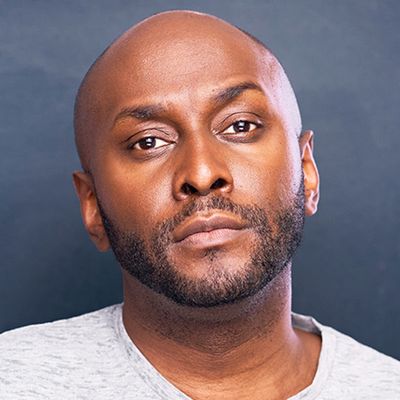
Guests
Featured Shows
About
In this week's episode, Jayke dives into all the latest Bway tea, including a special tribute to Ann Reinking. Then, Douglas Lyons joins the pod to talk all about his experience as a Broadway performer. We chat about Doug's time in shows like The Book of Mormon, and Beautiful: The Carole King Musical, as well as his current Broadway production; Parade. Douglas also talks about his experience as a composer, lyricist, and playwright, and what it was like to see his first original play, "Chicken and Biscuits", produced on Broadway at The Circle in the Square.
Transcript
This transcript was automatically generated and might contain errors.
[0:00] Jayke Workman: So you wrote the play Chicken and Biscuits.
[0:03] Douglas Lyons: What are some other breakfast foods that inspire you?
[0:11] Jayke Workman: Oh my god, did you hear? Did you hear? Did you hear? Oh my god, guys. Take that hot.
[0:22] Jayke Workman: Oh my god! Oh my god, you guys. What's up, everybody? My name is Jayke Workman, and this is Oh My Pod, you guys, a musical theater and pop culture podcast.
[0:33] Jayke Workman: You guys, so much has happened this week. I was so lucky to see not one but two shows on Broadway. I talked about it a few episodes ago, but my friend Sarah Killow just took over for the role of Eva in Leopoldstadt on Broadway, and I got to see her first night as full-time Eva, and she was fabulous.
[0:53] Jayke Workman: If you're not familiar with the show, it chronicles the lineage of one Jewish family living in Vienna through generations. So it takes place over about 55 years in total. It's two hours, no intermission, and it's absolutely stunning. It's heart-wrenching and beautiful, and there are moments of such levity and happiness. It's really quite something.
[1:16] Jayke Workman: I didn't really know what to expect, even just based on the playbill image. But it was gorgeous, and it really speaks to the sort of cyclical nature of anti-Semitism that we unfortunately see coming up again. So if you haven't seen it, I highly recommend it. It is not one to miss.
[1:36] Jayke Workman: The other show that I got to see, which I was so beyond excited about, was Dancin at the Music Box Theater. Essentially just a collection of Bob Fosse's most incredible choreographic works. And let me tell you, these dancers are dancing, mama. It was gorgeous.
[1:56] Jayke Workman: And I have to give a special shout out to one Colton Krause. They are unbelievable. I saw them on Broadway in Cats as Tumble Brutus. And they are currently in Dancin and they do this very specific and special solo called the Trumpet Solo in the number Sing Sing Sing. And I mean the movement is just iconic, but to see it through sort of a gender-flipped non-binary lens was just so thrilling.
[2:24] Jayke Workman: I couldn't believe it, and I was like, bitch, I want to do that. So Colton, you worked it out. Congrats to you. And congrats to everybody in the show. It just is absolutely stunning. I can't wait to see it again.
[2:34] Jayke Workman: And speaking of shows that I cannot wait to see, we gotta start our Broadway world recap, honey. So much happened this week. First and foremost, Parade officially opened on Broadway. And our special guest, this episode, is in the show. Douglas Lyons will be with us soon. And I cannot wait for you guys to hear what he has to say.
[2:54] Jayke Workman: But yes, Parade officially opened on Broadway. I cannot wait to go see it. I have so many friends in the show, and I don't think I've ever heard a Jason Robert Brown score on this level, you know, with this many musicians and singers, so I'm really, really looking forward to seeing it and hearing the show.
[3:13] Jayke Workman: And the show was met with incredible reviews. The New York Times even called it riveting, so I'm really stoked about this one. Next, we have to talk about a special memorial service that's gonna be held for Ann Reinking on Monday, March 20th. So if you're listening on the day that this episode has come out, it's today, and it's gonna be at 1:30 p.m. at the Ambassador Theater, and it's open to the public.
[3:39] Jayke Workman: And I just think it's a really special way to honor such an icon and a theater legend, and I can't wait to go and just, you know, pay my own little respects and give my thanks to such an iconic performer. And how special that it's at the Ambassador Theater where, you know, her legacy just continues to live on in Chicago.
[4:00] Jayke Workman: So yeah, I hope to get to see a bunch of people there. We love you, Annie. We are also honoring another legend of the theater world by posthumously putting up his final work. Stephen Sondheim's final work will receive a world premiere in the fall. It's called Here We Are, and it is slated for an off-Broadway premiere in September at the Shed, which is a performing arts space in Hudson Yards here in New York City.
[4:29] Jayke Workman: And I just think it's incredible that this person who already left such a huge stamp on the world and specifically on this theater community is still gonna be able to give us more without even being here. I think everyone is a teensy bit nervous about, you know, fiddling with someone's work when they're not here to defend it. But I think of all the people whose work we could be posthumously putting up, I think Mr. Sondheim would be excited to hear that we are.
[5:02] Jayke Workman: Next, we have some unfortunate Broadway news. I spoke a little bit about this show in a previous episode, but the new Broadway production of the play Room has been cancelled. Unfortunately, a lead producer pulled out of the show while they were still hard at work in rehearsals. So sadly, Adrian Warren, Ephraim Sykes, and all the incredible people who were working on that show do not get to put it on stage for us.
[5:31] Jayke Workman: And my heart goes out to them. It's sometimes a sad reminder that this is a business, and you can pour your heart and soul into working on something, but it could be taken away so quickly. And I know how that feels having been in a show running while the pandemic first came about, and it, you know, was just ripped out from underneath us. So my heart goes out to all the people who are working on this show, and I really hope that it's just a postponement and not a full cancellation because I think this story is really beautiful, and I think that Adrian Warren would just absolutely knock it out of the park with this.
[6:15] Jayke Workman: So if you're listening and you're a producer who has lots and lots of money, please throw some their way because I think they deserve to put up this show. You guys, next we have to talk about the sneak peek that we got to see on Broadway World of Life of Pi on Broadway. This show looks absolutely breathtaking. The scenic design, the lighting, all of it looks unreal. The puppetry.
[6:41] Jayke Workman: If you don't know this stage adaptation was originally set in London's West End, and it's now jumped across the pond and is in previews on Broadway. And it's a stage adaptation of Jan Martell's novel, which obviously then became a really critically acclaimed film and is now being done on stage, and it looks just unbelievable.
[7:05] Jayke Workman: There's a tiger puppet, and they're in this boat, and the stage looks like water. It just, I cannot wait to see this show in person. Just the tiny little sneak peek that we've gotten looks stunning. And something else that looks stunning is Donna Murphy in Dear World at New York City Center. This show has been met with incredible praise.
[7:31] Jayke Workman: And it's always so unfortunate to me that the New York City Center shows only run for a week. I wish they even ran for like two weeks so it was more accessible and more people got to see them because these shows that they put up are just, I mean, stacked. Donna Murphy, Andrea Burns, my friend Ben Fankhauser, Christopher Fitzgerald, and Harada. I mean, there are so many incredible people in this show.
[7:54] Jayke Workman: So if you can catch it, it runs through this Sunday the 19th. So when this episode comes out, it will already be closed. But I've heard nothing but incredible things about this production, and the production photos look wild. You guys, this has been the Broadway World Recap.
[8:11] Jayke Workman: Oh my pod, you guys, I am so excited to introduce my next guest. He is a Broadway playwright, a composer, a lyricist, and performer, and also a teacher. Please welcome Mr. Douglas Lyons.
[8:25] Douglas Lyons: Hello. How are you doing?
[8:29] Jayke Workman: I'm good. It's Monday. It's a day off-ish, so it's nice.
[8:35] Douglas Lyons: Nice. Where are you calling from?
[8:37] Douglas Lyons: I'm in Astoria, New York.
[8:39] Jayke Workman: Gorgeous.
[8:40] Douglas Lyons: Yeah.
[8:41] Jayke Workman: Living the Broadway fantasy.
[8:44] Douglas Lyons: Yes, and the train hell.
[8:46] Jayke Workman: Because the MTA is a trash bag.
[8:50] Douglas Lyons: Trash bag.
[8:52] Jayke Workman: Yeah.
[8:52] Douglas Lyons: Yes.
[8:54] Jayke Workman: The glamour, the glamour truly, of being at a Broadway revival and living in New York City. And like hoping that your train comes on time so you can make call. And then there's the MTA like website that is like the train is there at 1:50, and you get there at 1:47, and the train has already left. So it's great.
[9:14] Douglas Lyons: It's great. Bastards.
[9:16] Jayke Workman: So tell me where was home for you before you moved to New York City?
[9:21] Douglas Lyons: I'm from New Haven, Connecticut, born and raised.
[9:32] Jayke Workman: Yes, the Hart schools. We have to talk about it.
[9:35] Douglas Lyons: We do.
[9:37] Jayke Workman: That was my path to get to meet you and get to know you. But I must say, shamelessly, that you have been such a role model for all of the people who have come out of Hart after you. And you are sort of like the, you know, the gold standard of the Broadway Hart school graduate. You've just, you've done truly so much. So I am so lucky and honored to get you on the podcast.
[10:08] Douglas Lyons: Thank you, thank you. It's very sweet, yeah.
[10:11] Jayke Workman: So after your experience at Hart, well, let's talk about Hart. What was it like for you?
[10:18] Douglas Lyons: You know, I was shot out of a cannon a bit because I grew up in the church. You know, I sang kind of since I was three years old, but I never had, you know, music theory and ear training and voice lessons. Like Sunday morning was my voice lesson. And so when I got to musical theater camp school, I was a bit shocked, you know.
[10:42] Douglas Lyons: Funny story, first day of classes. I like show up, you know, in high school you would have your like first day of school look. I like had an outfit, and then I show up to the commons for breakfast and all my classmates are in black. That's because we were supposed to be in black because we had acting class, and so I had to go back and change. Like I had blacks, I had packed them, but I didn't read the syllabus. You know what I mean? Like I was, we're not gonna turn a look on the first day.
[11:08] Douglas Lyons: Yeah, I was like, why are we not giving a look? Like what is this about? But no, it was a shock to my system in the best way. Hart has such great, you know, dance and music and acting training. I had never really acted in front of other people because I got into theater so very late, like the last minute of my senior year, like first semester. I applied to four schools, two were virtual auditions, North Carolina School of the Arts and then Hart, and I got into Hart. It was the only program I got into, and so I was so like, oh my goodness, like I don't know what I'm doing. I just like singing and like I had danced and taught a little bit, but acting, like what do you mean? Like what is acting? I have no idea. So I would say it was the perfect program for me.
[11:54] Douglas Lyons: And that's so wild that, um, I mean, just obviously like knowing you now and knowing what you have done, um, so far in your career, it's so interesting to hear that it was late in the game for you.
[12:06] Jayke Workman: Um, what was like the key factor in you making that decision to be like, okay, you know what?
[12:12] Douglas Lyons: I'm gonna apply. So the National Tours of Rent and Cats came through the Schubert Theater.
[12:20] Um, and I would actually join the tour of Rent like three years later.
[12:25] Yes.
[12:26] Douglas Lyons: From the day that I saw it, which is nuts.
[12:28] Um, and I was like, I was just aghast.
[12:33] I was like, oh my goodness, like they're singing and Cats, I was like, they're kittens.
[12:37] I don't know why.
[12:39] Um, strange, but it's cool and like it's theatrical, you know.
[12:43] I was just so enamored with it.
[12:47] Um, and it felt like, you know, I had been teaching tap and, you know, I had taken hip hop and African stuff in middle school, and so I've been dancing for a long time, but not like ballet.
[12:57] Like my first ballet class was with Ralph Perkinson college.
[13:00] Work, um, shout out to Ralph.
[13:02] Yes, hi Ralph.
[13:03] Douglas Lyons: So, but like musical theater felt like a great combination of all the things that I was interested in.
[13:09] And so, yeah, I like it was like September, October.
[13:14] I saw a poster of the Hart School in the band room at my high school career high, and I applied to NYU, Ithaca, North Carolina School of the Arts, and, um, and Hart.
[13:26] And I did a monologue, like a Shakespearean monologue on my like high school auditorium like stage, but I didn't know what beats were.
[13:35] I didn't even know what it was about.
[13:36] I was just like, I memorized this.
[13:38] I was so green.
[13:39] Um, I could not have been greener, but I had this curiosity, and then that manifested in getting into Hart and the rest is history.
[13:46] Jayke Workman: Amazing.
[13:47] And you truly have, you've done so much for, uh, current Hart students and for Hart grads.
[13:53] I feel like you've really, um, just blazed an awesome path, and it's so, I really am so, um, just proud to get to know you.
[14:01] So I wanna hear about you, you obviously went to Hart as a performer, uh, a musical theater major, and you went on to do Rent and you also did, um, the tour of, um, Dreamgirls.
[14:14] Mm-hmm.
[14:15] Jayke Workman: What was there a point either during those shows or maybe during like the end of your time at Hart where you were like, I'm a writer?
[14:25] How did you jump to that?
[14:28] Douglas Lyons: The writing didn't come until, um, so I got back from Dreamgirls in like 2010, December, and then I moved to Astoria and got into the original company of Book of Mormon.
[14:41] I joined them after they had opened on May 2nd, the Tony nominations day, which was insane.
[14:46] Um, and during my Broadway debut, um, I was in a relationship that got very sort of bad for me, and I needed to flee the city, and so I asked to go on the first national, and on that first national, um, my parents had just gifted me a guitar at which I still cannot play.
[15:04] And I met Ethan Packjar, who is the guitarist on the tour, and, um, the heartbreak of that relationship turned into sort of healing myself with music, and then that healing became a collaboration with him.
[15:19] And so I started writing music first with Ethan, and it just sort of organically came about as something we could do in our downtime, between shows, you know, after shows, um, and then we would have like Marissa Wallace, who's now a West End star, Michael Kilgorn, these folks who were in the cast sing our songs.
[15:39] Like, you know, could you come over and have a glass of wine and sing this new song?
[15:43] Uh-huh.
[15:43] Douglas Lyons: Um, and that was the beginning.
[15:44] So it was really just exploration to begin, but I am so grateful for the path.
[15:50] Like I could not have seen it coming.
[15:52] Um, but I don't know what I would be without it.
[15:54] Jayke Workman: Yeah, and I think, um, being on the road sort of lends itself to you being left to your own devices in terms of like I can't do anything else, like I have to create things by myself because I'm on the road, like there's no downtime that you have really other than like the travel and stuff, so like that's a lot.
[16:15] Douglas Lyons: Yeah, and there's something about having something that you can call your own.
[16:21] Like my word for 2023 is own.
[16:24] Um, to like own every part of myself and own the things that I have created and own what I want from the world, and so, you know, I encourage every artist, whether it's painting or photography or poetry, to find what that other thing is, so that when you're not, you know, when you're not employed and the phone is not ringing, that you don't feel useless.
[16:45] And I think at that time, having done Mormon for at that point, by the time I left, it was over two years between Broadway and tour.
[16:52] Writing became my own little thing.
[16:54] It became a way to express myself and, you know, discover music again in a new way.
[16:59] Like I wasn't being handed cheap music, I was creating it, which was really cool.
[17:03] So yeah, I, it's always good, I think, to find a balance of your artistry.
[17:10] You're doing that right now with this podcast.
[17:11] You know what I mean?
[17:12] Jayke Workman: Oh my god, hey.
[17:14] Douglas Lyons: Yeah, exactly.
[17:16] Yeah, it's a good time.
[17:18] Jayke Workman: Well, so, uh, you, I have had the pleasure of seeing multiple, um, productions, uh, that you have created.
[17:25] Um, but one that I really am interested to hear about is Polkadots.
[17:29] You wrote a children's show, and I got to see a production of it in West Hartford while I was at Hart.
[17:36] Um, and I was really taken by it.
[17:38] I had not met you yet in person, and so, um, to have heard, you know, your name talked about as like a Hart grad and then, um, to get to see this show done in a professional setting, I was really excited.
[17:52] Do you want to tell me about, um, where that came from?
[17:56] Douglas Lyons: For sure.
[17:57] I, um, in like 2014, 2015 found this interview on YouTube of Felicia Rashad talking about growing up in the Jim Crow South and being this little black girl, the curiosity for the white-only water fountain.
[18:11] And one day in Houston, Texas, she went and tasted from the white-only water fountain, and she could have gotten in big trouble at that time.
[18:20] And that really, that was so brave and so courageous, and it made me think of how stupid our racist past is, and how we literally had water fountains that would divide races, like that is where America was.
[18:38] Right.
[18:38] Douglas Lyons: And how children are often on the forefront of change, and it felt like a way to deal with water as an analogy, felt like a way to deal with racism without terrifying kids.
[18:51] But educating them so something like the division of water fountains could not happen again.
[18:56] And so thus, you know, became Lily Polkadot, who was the first polka dot of her kind, you know, her skin is completely sort of covered in polka dots, um, very inspired by like Alphaba.
[19:08] Um, and Joe Delude, who actually did the original Alphabet design on Broadway, did the first Lily Polkadot production in Ivrington.
[19:15] He designed that.
[19:16] So it's great.
[19:17] Douglas Lyons: Um, but yeah, Lily Polkadot is moving into this town of all squares, and she has this curiosity for the square sprinkler, but she's been told she can only have the polka dot pump, and so I really lifted that.
[19:30] Yeah.
[19:30] Um, and alongside Melvin Tuncil III and Greg Borofsky, we created this thing kind of in six months that had one reading and then was brought into production.
[19:39] Um, and then a year and a half later landed off Broadway at the Atlantic and won the Off Broadway Alliance for Best Family show.
[19:46] A committee of all children chose the show as the winner, which is cool, and then it's been done all around the world, literally.
[19:54] There's been productions in Guam, and I'm like, okay, cool.
[19:57] Anything possible.
[19:59] Douglas Lyons: Yeah.
[19:59] Let's own it.
[20:00] Um, that's so fucking furious.
[20:01] So, yeah, Polkadots was like the beginning, was like that button being pressed of like possibilities are endless.
[20:09] Yeah.
[20:09] Write your story, be inspired, um, and own it.
[20:13] And so, yeah.
[20:14] Jayke Workman: That's so cool.
[20:15] And did you, did you anticipate writing specifically for kids or for like a family audience, or did that just sort of fall into your lap when you were inspired by that interview?
[20:26] Douglas Lyons: So I have three sort of lanes I live in, which are family, um, Polkadots, Pete Herpan, uh, Queer Stories, Bo, um, and then Black Stories, which Chicken and Biscuits is also queer as well.
[20:40] Um, my new play Invisible, etc.
[20:43] So, no, family to me was always an opportunity that I feel like is so ignored in the theater.
[20:49] It's like we want new generations of theater makers and theater audiences, but we don't pay attention to the kids that are literally growing into the theater.
[20:57] Right.
[20:58] Douglas Lyons: Um, and I wanted to create something that also felt like it had a bit of a bop ability to it, uh-huh.
[21:04] But it wasn't pandering to them being like, Hi little kids, how are you today?
[21:09] But like that's something that's a little bit like sticks and stuff, you know, it has bounce to it and energy, um, so that was the challenge and then, you know, when you connect it again, you know, black work being one of my missions that was another connector like black history with family seemed like the perfect, um, opportunity to tell the story so, yeah.
[21:09] Jayke Workman: Yeah, that's fantastic.
[21:09] And I think, so you mentioned, um, Chicken and Biscuits, which was your Broadway playwriting debut, um, and you were nominated for a GLAAD award for that show, which was so, so cool.
[21:09] I was like over the moon to see such praise, um, for your work.
[21:09] What is it like to switch gears from writing in like the family vein, um, to a more adult, you know, just in terms of like language and themes?
[21:09] Obviously, like the queer and black narratives in that show are really, really prominent.
[21:09] What's it like to switch those gears?
[21:09] Douglas Lyons: Yeah, I think, you know, the cool thing about being a writer in a way that as an actor you're sort of confined to the imagination of the team that's looking at you as a writer, you can always reinvent yourself.
[21:09] And so, you know, Polkadots I think was a reason why I got Fraggle Rock.
[22:31] It was in the writer's room of both seasons of Fraggle Rock.
[22:33] Yeah, and there's, you know, Fraggle is so amazing because it deals with very adult topics but in a kid-friendly manner.
[22:41] That's just the legacy of the show.
[22:43] And so I've learned to run the spectrum of possibilities.
[22:47] And Chicken was very personal, um, inspired from personal things and just personalities in my family.
[22:54] Um, and I am the intersection of queerness and blackness, and so it felt like, you know, a way to talk about things that sometimes my community does not want to talk about.
[23:02] Uh-huh.
[23:03] Douglas Lyons: Um, and so it is an extension of me.
[23:07] So I just have to obviously find the voice and the truth of the story, and then I play in the sand.
[23:13] Um, and what's interesting about Chicken is it was the first play I ever really wrote, and it was one of the last things in sort of my lineup of work, but it was the first thing to go to Broadway.
[23:26] So I, in a way, I'm like I'm excited for the possibilities of the future because I feel like I have grown as an artist, um, and learned from that, but also have been reworking things prior to Chicken that people just have not even seen.
[23:38] Sure.
[23:39] Douglas Lyons: Um, yeah, but Chicken was, uh, I still can't believe it happened.
[23:45] I wish I could lie and say, oh yeah, well, I expect it, I did not expect it.
[23:51] Douglas Lyons: I was in shock, I think the entire time.
[23:53] Jayke Workman: Sure.
[23:54] Douglas Lyons: Yeah.
[23:54] Jayke Workman: I mean, it was so fucking fantastic.
[23:58] Douglas Lyons: I absolutely loved that show. What was the path like to get to Circle in the Square? I mean, that doesn't just happen overnight, you know, or like without a lot of work.
[24:11] Douglas Lyons: Yeah, so the play was written in residence at the director's company in like 2018, um, 2017, 2018, and then we had like four readings, um, one in partnership with the Billy Holiday Theater, the Frank Silvera Workshop, um, one with the Queen's Theater, um, one with Front Porch Reading Series, and then the final reading was with some um producers, Leah Mikelis and E. Clayton Cornelia and Pamela Ross, and that got the attention of Queens to do this sort of world premiere production, which we had just mounted on March 6th, right before the pandemic hit.
[24:52] Jayke Workman: Uh-huh.
[24:53] Douglas Lyons: So there were four readings. We had started Queen's Theater production during the pandemic. We teamed up with E59 to do a virtual production, um, a virtual benefit reading for the next wave initiative, this black scholarship program that I've started. And um right around that time, uh, I had been in conversation with Hunter Arnold, who's a huge Broadway producer. During the pandemic, I slid into his DMs because he followed me on Instagram. Period. And I was like, hey, do you read new works? Like, check out my sort of library of work. I sent him bow and chicken, and he finally got back. I mean, I would check in with him a lot, but he finally got back to me during the pandemic and was like, Hey, I think we should talk. I'd like your work. And um during the spring of 21, because American Buffalo with some of their celebrities were not gonna be able to come back immediately, there became a limited engagement opportunity, and he had done Island there.
[25:53] Jayke Workman: Yep.
[25:53] Douglas Lyons: Um, and so was like, hey, I think, you know, there might be an opening possibility. And I was like, okay, all right. Yeah. Uh huh. Sure. Um, and then it became more and more possible, and then I think he told me on the train, and I couldn't hear him because I didn't get service, and then I was on the toilet, I think. He called back and he was like, It's happening. But they were like stages because it was like the theater's owners, you know, the theater owners say yes, but then IATC had to approve because they had to load stuff. It was a whole thing, and I like I couldn't tell anybody. So I kept running into my friends being like, I think the show is going to Broadway, and they were like, what?
And I was like, I know. That's how I feel. Like, I don't know if I believe it either. Um, but yeah, there we were, like in June casting and I am most proud of it because it brought new audiences in. It has now become the second most produced play around the country this season. And there was a high school that did the show. Not middle school, god, not a middle school. There's a high school that did a show. Um St. Charles High in Maryland, I believe they are. And there have been multiple community theaters and professional theater. It's just like I want the black women working. Yes. And the black women are working. Period. They sure are. Like, regardless to, you know, how it's received on Broadway and if it's not awarded or whatever, it's like the fact that the play is being done around the country is proof that dreams are worth exploring. So I'm yeah, I'm really, I'm really proud of it.
[27:27] Jayke Workman: But what a feeling it must be to quite literally have the hand in providing those jobs and theatrical opportunities for people for now, you know, like you said, like across the country and across the world.
[27:40] Douglas Lyons: Yeah. It's legacy, and I think another attribute of being a writer is it is not selfish. It is not singular. You were creating work because it's gonna end up employing designers and directors and actors, and like there is an actress who's done two productions of chicken and biscuits, one in Jersey, and now she's in Florida. She's getting her equity weeks from the play. Yes, correct. And you would dig that. I let's go. Like, let's go. You know, I and so that really fuels me to write, honestly, is like being an actor, but also understanding how hard it is to be an actor. And so if I can be a conduit to like create work for actors, that too is a gift.
[28:22] Jayke Workman: Yeah, that's amazing. And you get to work with just so many different people, I would imagine, which is so cool.
[28:29] Douglas Lyons: I actually I had like just seen Chicken, and I was on the train and I like looked over, and Norm Lewis was standing there, and he sort of caught eyes that like I was like, Oh, I know who you are. And I was just like, hey, um, I just wanted to say I just saw your show, and like, you know, he was like the loveliest, but I was like, Oh, I um Douglas and whatever, and of course he was like, Oh my god, we all love Douglas, but yeah, how cool that you get to work with, I mean, just people across the board.
[29:02] Douglas Lyons: So you mentioned a little bit um about Fraggle Rock, and you touched on Bo, but I'm wondering, is there um a really big difference for you in writing style when it comes to something that you know is gonna be TV film? Or did you write Bo with that in mind?
[29:23] Douglas Lyons: So Bo is inspired um by a couple events. I was doing Beautiful on Broadway at the time, and I went to Rockwood downtown, and a friend of mine was doing a um set. It was him, his wife, and a pianist, and he was just telling stories and then doing original songs, and he told a story about his grandfather that he had fallen in love with, who he lost, and I fell in love with his grandfather from just the story that he told us in that setting, and then he did this beautiful song. And so I had after seeing once, I was very inspired about creating an actor musician show. I think actor musicians are like quadruple threats, like they deserve it all. Um and so that with seeing my friend in concert once, um, I was like, how do we create something? And I had never written the book or a play yet for anything. Wow. So Bo actually is before Chicken and Biscuits. Chicken and Biscuits came after Bo.
[30:17] Jayke Workman: Okay.
[30:21] Douglas Lyons: I was in residence at the director's company, and I would get people in a room and we would read five pages and ten pages, and then I like had a mini presentation of a table read, and Ethan was there, and he hadn't said yes yet. He had not said yes yet. Um but after he was like, Hey man, I really like the stepfather character, like I I think there's something here, and so that's where Bo began. Um, and we had two presentations in April and August of 2018, and then we bowed at the Adirondack Theater Festival in 2019, and a couple weeks later we were in the studio recording the concept album with Sony Masterworks. Um yeah, and then during the pandemic, we shot like a feature film hybrid capture of Bo, but has now gotten into multiple uh festivals and awards and things, yeah.
[31:16] Jayke Workman: That's what I was seeing. Okay, so so it wasn't necessarily on your radar of of like being recorded on film when you were creating at all, but during the pandemic when everything shut down, it was like we don't know if Broadway's coming back at all, right? And so it felt like Hunter was kind enough to like support these artists at that time with the work of something that he thought had merit. And I must say, I I mean, I watched it a time or two in my living room for like sound feedback and stuff like that. But then when we saw it at Dances with Films and we heard tears in the audience, I was like, oh, we we're on to something here.
[31:56] Douglas Lyons: Yeah.
[31:56] Jayke Workman: So I'm excited for the world to see it eventually.
[31:58] Douglas Lyons: That's so cool. Um, so switching gears a little bit, you are currently in the Broadway revival of Parade, which started at New York City Center. I've spoken a little bit about um the sort of like, you know, drama around what happened during the first preview performance and and whatever, but I'm really um I'm interested to hear how it has been working on such an important show in this climate.
[32:29] Douglas Lyons: Yeah, I I said the other night, I was like, I feel pride when I'm on that stage. This is not just another gig, another contract, another credit. I for the first time in my life, I really contemplated and sat with myself and meditated on even doing it for a multitude of reasons, like getting back into eight shows a week, and did I want to do that with my schedule? Like I like the flexibility of life. Um, and I almost did not. Uh but we found a way to make it work, and I'm just so I'm full. I'm full because I love Hello Dolly. I love Rent. I mean, Rent has a little bit more impact, I would say. But Parade at this moment feels like a mirror to the world to say you will not ignore your injustice.
You will deal with it, and we will remind you eight shows a week. Uh, and that is so rich. It makes you know, um, it feels like the art is a sword. You know, it you can feel so powerless nowadays with the way that politics and Tennessee and these bills and things are happening.
[33:44] Jayke Workman: Yeah.
[33:45] Douglas Lyons: It feels like doing the show is at least saying you will be held accountable for what you have done in some way. America. Yeah. And so I'm like, I could I could do that for six months. Like I could do that. I guess I can do that with my art, you know.
[34:00] Jayke Workman: That's so I'm I'm really I'm I'm happy we open in ten days, which is crazy. Yeah, and it's been very rigorous schedule with like two weeks of rehearsal, one week of tech, other things that will be announced. Like it's been a lot, a lot's been going on.
[34:15] Douglas Lyons: Right. Um, but it's fulfilling, it is so fulfilling because it matters, it really does matter. And so I'm astonished, you know, to be working with I remember driving around at the Hart School in my 1999 Blue Taurus singing the opening to Parade, belting, and asking one of my voice teachers too, could I sing the old Red Hills? And they were like, No, I don't think you should. Such good music, you know what I mean? Like and to be in the room with Jason Robert Brown is just like, oh, dream dreams are possible.
[34:50] Jayke Workman: Yeah, that's pretty wild. And I mean, I can imagine um, as a writer yourself, that must be an added layer of of like the storytelling and getting to work with the person who originally created this material. Um, have you found that having written multiple pieces at this point in your career, has that influenced the way that you approach um taking on a character in performance?
[35:19] Douglas Lyons: Well, yeah, you now I think I now look at things and go, what was the intention of the writer? And then what is the intention of my take on this work? Sure. And are they aligned and can they meet in the middle? Or do I have to completely give over because my take is too wild from the original vision? Or am I shining light anew to the writer by bringing up this thing that I'll you know now I see in the work.
[35:49] Douglas Lyons: Um I think there's a give and take, especially in this room and the room that Michael Arden has created, where you feel seen and heard and understood, and it is not just go here and do this. It is, hey, is there a reason why? Can we talk about why I'm doing that? You know, and there's an answer, you know. Um so the cool part is like I think when the phone would ring as an actor before it was like, I gotta work, like let's go be booked, and now it's like as a writer, let me look through this script. What is the saying? What is the saying? And is it something I want to say eight shows a week? You know? Um, and then there's just also the appreciation for the craft of what they have created. The other night I heard something anew.
There's the usage of the word safe in one of the scenes, and then at the end of Act One, it's sung in a different way. And I was like, Oh my God. Like uh mind blown. I've done the show now, you know, for a while, but I was like, Oh my safe. He's he said he's not safe, and then he sung about where he's safe. Oh my god. You know, so the constantly studying the craft of what you're part of too, I think makes you a better artist because you're not just performing, you're dissecting it. I have to dissect what has made this thing brilliant. So hopefully I can find my own brilliance.
[37:16] Jayke Workman: Yeah, wow. That's so cool to hear. And you started the show um at City Center. You started with that group.
[37:22] Douglas Lyons: I did. Did was there any sort of anticipation? Or um, did you have have like hopes for it to transfer, or was that like a shock to you guys when when that was announced?
[37:35] Douglas Lyons: I hadn't been on stage since March of 2020. I did Five Guys Name Mo at um formerly known as the Westchester Broadway Theater. And that closed, and then the world shut down like two weeks later. And so when I heard about Parade, I actually text Michael Arden. I was like, I played Jim Conley, it was my first lead or second lead, first main stage at heart. And I was like, I've done the part, like, see me. I need to be seen for this. Um, and put it on tape, conversations, and I was like, and also I'm gonna throw this in the ring. I think there's another character, you know, that has a song. My new thing in my career is like just evolution, and like I've done ensemble, but like in Beautiful, I had a feature, and so if I do another show, I just need a feature.
I don't got to be the lead, right? But I do have to be voiced at some point in the play. Yeah. And um, I was like, I'm open to that. And then we had a conversation, you know, after my audition tape, and he was like, Would you do this? And I was like, Yeah, for three weeks, let's hit it, honey. Right. Um and because I just wanted to be in the room and to sing again and to, you know, be a part of that story. And yeah, no, there was no anticipation. There was rumblings and a rollings. I had to do that. I had to do that joke. There were rumblings and a rollins of the possibility of Broadway. But and it was so funny because we were like backstage like girl did you hear I don't know I heard she got a heart contract.
I'm not sure I don't know. I don't know nothing. Like that was like the thing for a couple weeks. Sure. And then there was nothing and then there were some texts like, are you available? Would you even want to do it? And da da da da da da da da da da da and then yeah. And then we figured it out.
[39:20] Jayke Workman: Well and look at you now.
[39:23] Douglas Lyons: And look at us now. Back on the boards baby. Back on those Broadway boards.
[39:30] Jayke Workman: That's amazing. So you touched on it a little bit but um you you were in Book of Mormon in the ensemble.
[39:40] Douglas Lyons: I was so I swung Broadway and then on the first national I was the assistant dance captain and Madala so I was in the ensemble yeah.
[39:47] Jayke Workman: Oh work. Okay so you are now in Parade telling this like really really important story in uh you know obviously like there's like all of these different elements of of the story and like the intersectionality of the marginalization of the people that we're talking about in this play. What I'm interested to hear about is your experience in Book of Mormon sort of like playing into a trope of blackness versus you using your blackness in this show to tell this story. Has there I I just know that Book of Mormon has sometimes been met with scrutiny about the perception of the black people in the show, and I'm interested to s to hear what you think about that.
[40:40] Douglas Lyons: For sure. I always think how people receive blackness from the lip of the stage is on them. I'm more interested in the playing and the integrity within what I choose to do in these black roles. So people will interpret Mormon for what they see, but there's a very specific line in Hasadiga where they say, if you don't like what we say, try living here a couple days, watch all your friends and family die. Hasadiga IboI. And I remember that line being like that is the underbelly of what this play is really about. Uh-huh. We're laughing about a lot of things, but to say, if you don't like this, come help these people. Right. And so that is what I grasp on to. Um also in the play, personally, I think what made it brilliant, you know, things have sort of morphed and things are not as timely.
Because culture changes, and so what's appropriate sort of changes. But uh the black for me, it was like a big pageant where the entire time the black folks were aware of what they were putting on. It was to make a point about religion and culture in general. Um it wasn't to say this is literally how black people think. Right. It's actually it's sort of meta. It's y'all think we are so stupid that we will believe anything you tell us. Uh-huh. Is the layerism that I was looking at through it. Um so it it's again like figuring out as a performer and as an actor how you're gonna get through eight shows a week so that it makes sense to you and your integrity, but I never will be sort of phased by how other people interpret if I know my specific reasoning behind the work has purpose.
I'm good. And then the check on clear, and y'all can figure out how you interpret it. But I know what I'm playing, I know what it means to me. Uh-huh. You know, and so I think I think as artists, the interpretation is in your hands, not in the perception of the people not in the room.
[42:49] Jayke Workman: Wow. Ness that on that.
[42:51] Douglas Lyons: And that's the that on that.
[42:53] Jayke Workman: That's that on that. Amazing. Well, you have I mean, just your hands in so many things, but you did hint at your newest thing that you're working on. Can you tell us anything about um is it called Invisible?
[43:08] Douglas Lyons: Yes. So Invisible is written in response to a highly critically acclaimed play that was on Broadway a couple seasons ago. Okay. Um I'll let you figure out what that play is. Actually, she said it publicly, so uh it's it's Slave Play. Um and I after seeing that play, actually in line with the conversation we just had about sort of intentionality and how things land, how it landed with me, I was like, I get the themes of the play, I get the brilliance, I get the hype, but also how do we allow black women to exist in the American theater without being raped, pillaged, hyperventilating on stage to make a point about American racism? Is there a world where we can have a conversation about racism, black women, sexuality, sexual nature through comedy, and giving black women literal superpowers in the story?
And that is what Invisible is the exploration of well, what if we had a similar conversation, but we turned some of the tropes upside down. We went back in town uh in time because they get high and they go on this sort of hallucination trip and we deal with conversations of race, but through comedy.
[44:23] Jayke Workman: Wow. That's and that's what Invisible is. Cool. So I've been working on it. Uh it was commissioned by the Queen's Theater where Chicken and Biscuits had its world premiere, and it had workshops at um the I Am a Theater in Los Angeles, um, and recently in Boston at Front Porch as well.
[44:45] Jayke Workman: So work. That's so exciting. I cannot wait to get to experience it down the line. Um, do you have any interest in performing in your own works? Or are directing your own works?
[45:00] Douglas Lyons: Directing yes. I would like to direct a production of Chicken and Biscuits at some point. Um, I'm putting it out there. Uh you heard it here. Yeah, you're hearing it first here. Um I don't uh here's the thing. I love the theater tray, but theater, eight shows a week forever, is it's it ain't it. I I'm I've been blessed to be working since I graduated before I graduated college, but there was a span where I did eight shows a week, eight shows a week for ten years. Uh, out of ten years, I did eight shows a week for eight and a half years. Out of those ten. Yeah. And it's incredible. It's a blessing. I never want people to not hear that it's a blessing, but there's a cost and a time that you lose in life when you're performing six yeah, there's a sacrifice when you're performing, you know, six days a week.
And so I don't know. I I think when I'm in my forties, maybe I'll do like a what she went through or how I came about. Um but I'm I'm really I'm interested in being a part of things that matter and then being behind the scenes, creating things that matter is kind of where I sit. I don't necessarily need to be the star. I need to be paid and I need to be happy.
[46:19] Jayke Workman: Gorge. Well put. Well, Douglas, thank you so much for joining me on the pod. This was so fun. Um, can you tell the listeners where they can find you on socials?
[46:34] Douglas Lyons: Yes, I am Douglas Sings on the Twitter and Chocolate Hipster on Instagram. Don't get it. I got that name during Book of Mormon.
[46:44] Jayke Workman: Yeah, chocolate hipster. Amazing. Well, that I'm uh like I said a million times in this pod. I'm just so in awe of you and all of the work that you do. So thank you so much for being here, and I cannot wait to see what you do next.
[46:59] Douglas Lyons: Yay! Thank you for having me. This is beautiful. I love talking to artists.
[47:03] Jayke Workman: Yeah, thank you, thank you, thank you for having me. You guys, that's it for another episode of Oh My Pod, you guys. Don't forget to rate, comment, and subscribe anywhere you listen to the pod. Shoot me an email at oh mypod, you guys at gmail, and follow the show on Instagram at oh my pod you guys. Also, if you enjoyed Douglas's interview and want to hear a special extended edition, there is exclusive access to the show a day early and with special exclusive content only on BroadwayWorld.com. Thanks so much for listening. Talk soon. Bye. Oh my god, oh my god, you guys.
© Broadway Podcast Network, All Rights Reserved