

We catch up with 'Burnt' host Blake Ross to share notes on our two favourite Broadway disasters - Blake's amazing podcast tells the twisted tale of 'Rebecca' which, unlike 'Carrie', didn't even make it to the stage... Read More
From the show: Out for Blood: The Story of Carrie the Musical
Guests
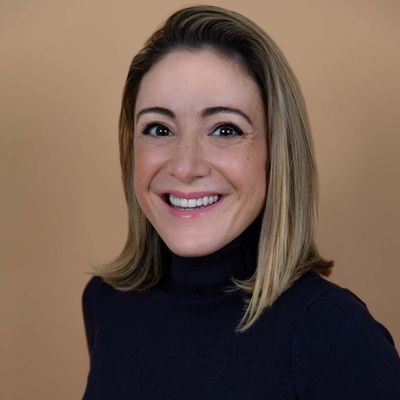
About
We catch up with 'Burnt' host Blake Ross to share notes on our two favourite Broadway disasters - Blake's amazing podcast tells the twisted tale of 'Rebecca' which, unlike 'Carrie', didn't even make it to the stage. Join us as we discuss our favourite flops and some of the intriguing connections between the two shows. Plus, find out which theatre we'll be visiting to try and banish an ancient curse. It's all here in this flop-tastic crossover!
You can download 'Burnt' on your usual podcast app and find out more at https://www.burntbroadway.com/
Join us on our social channels for lots more Carrie content!
Out for Blood is hosted by Holly Morgan and Chris Adams, edited by Tom Moores, with original music by Odinn Orn Hilmarson and artwork by Rebecca Pitt. Special thanks this episode to Rich Hawkins, Alan Seales and all at BPN.
Out for Blood is a proud member of the Broadway Podcast Network.
NEW! Chris's book Out for Blood: a Cultural History of Carrie the Musical is out now! You can order now from the publisher or all good book stores. You can now also order OFB t-shirts, hoodies, totes, stickers, pins and more here!
Transcript
This transcript was automatically generated and might contain errors.
[0:00] Blake Ross: I think Carly Minogue was the voice of the pig.
[0:02] Chris Adams: She was, yeah. There was a number about podiatry in it. It was a very strange piece.
[0:07] Holly Morgan: I must have blocked it out. Yeah. I must have blocked it out.
[0:30] Blake Ross: Welcome, ladies and gentlemen, to a very special crossover episode from two of your favorite Broadway Podcast Network shows. My name is Blake. I'm the host of Burnt, which is a true crime podcast about the crazy musical that never was, Rebecca. And I'm joined by two jolly fellows across the pond. Hello.
[0:53] Chris Adams: Hello there. I'm Chris. Nice to meet you.
[0:56] Holly Morgan: And I'm Holly. Hello.
[0:59] Blake Ross: My two friends from Out for Blood. The history of convening this crossover episode is nearly as convoluted as the history about Carrie the Musical or Rebecca.
[1:11] Holly Morgan: Yes. For anybody who has any dissolutions about the podcasting world, Holly and myself are both in our closet studios.
[1:24] Chris Adams: Big time. Yeah.
[1:25] Blake Ross: And Chris is currently playing the ghost of himself with a white sheet over his head.
[1:34] Chris Adams: And that is his home studio.
[1:36] Blake Ross: I don't know what you're talking about. This is a professional podcasting studio that I have purchased. This is not a duvet draped over some boxes. It's very high quality.
[1:46] Blake Ross: And this podcast has been months in the making because we tried to record it once. And some cheeky little ghosts got in the way. They were like, you will not talk about failed musicals on my watch.
[2:00] Holly Morgan: It was the ghost of musicals past.
[2:03] Blake Ross: It was. Yes. This is take three, I think. This is take three on this podcast. So if you are listening to this, dear God, it's worked. We're here in your feed. It's the collaboration that you never knew you needed in your life.
[2:17] Chris Adams: Exactly. But you do. The match made in heaven.
[2:20] Holly Morgan: Two Broadway disasters together at last in your ears.
[2:24] Blake Ross: Carrie and Rebecca, two very different ladies, but with actually quite a lot in common as we discovered on our first or second time discussing the musical together.
[2:34] Chris Adams: Exactly. They were both. Oh, they both have their wonderful, wonderful points. And they both were utter disasters in the end.
[2:42] Holly Morgan: So let's first for the uninitiated, although I can't imagine somebody winding up on this specific episode not knowing one or the other or knowing both. But just in case people don't have the insider knowledge yet, give us the quick lowdown on what Out for Blood is.
[3:04] Chris Adams: And it's source material, your favorite musical. Go in one minute or less. Shall I start, Holly?
[3:12] Holly Morgan: Yeah. How do we begin?
[3:14] Chris Adams: So Holly and I discovered, we like to think we discovered this dusty VHS tape back in our youth, which is many decades ago now, sadly. And on this dusty VHS tape, we discovered a grainy recording of a musical we just couldn't believe that had been filmed by someone in the audience in the 80s. So presumably quite a difficult job to film a Broadway musical from your seat in the 80s. And this musical was, of course, Carrie the musical. And it turned out that a lot of people had actually discovered this show before we did. We weren't the first people to find it.
[3:47] Holly Morgan: But basically, Carrie is indeed a musical based on the Stephen King novel and the famous movie. So unlikely material to start with to make a musical out of. A girl who discovers she has telekinetic powers when she has her first period in the showers at school and goes on to kill all of her classmates. I mean, what kind of a perfect night out on Broadway?
[4:10] Chris Adams: Yeah, feel good family holiday show. And anyway, some people got together in the early 80s. The award-winning team behind Fame, just a perfect match for such source material, got together with the Royal Shakespeare Company, of course. And they got together to make this show with an all-star cast and a wonderful new star called Lindsay Hateley, who was only 17 at the time. The show premiered here in the UK in Stratford-upon-Avon, where it was just universally panned by critics, but actually loved by audiences, which was amazing, we found. Partly because it was just this bizarre mixture of kind of high school musical, Grease style, high energy dance routines choreographed by Debbie Allen. And this bizarre kind of classical, almost ancient Greek-like aesthetic that had been put together by Terry Hands, the director who was also running the RSC, due to a bit of a misunderstanding after someone told him to make the show look like Grease.
And of course, everyone loves Grease, the musical set in a high school. But he, with his classical theatre training, took that to mean Grease as in ancient Greece. Truly Grease. And it somehow took this musical millions of dollars down the rabbit hole from one pretty much a misunderstanding.
[5:39] Holly Morgan: Yeah. So weird.
[5:41] Chris Adams: Yeah. Bizarre. I mean, Holly, take it from there, because after the Stratford debacle, they decided—
[5:47] Holly Morgan: The Broadway debacle.
[5:49] Chris Adams: Why not just leave it as it is and take it to Broadway?
[5:53] Holly Morgan: Yeah, they basically didn't really change anything. Apart from a key cast member, actually. So much like this crossover episode, it was a pan-Atlantic production.
[6:05] Chris Adams: Yeah.
[6:06] Holly Morgan: Half the cast were American.
[6:07] Chris Adams: Ooh, good tie-in, Holly.
[6:08] Holly Morgan: Thank you. And so, yes, half the cast were American, half the cast were British. And then when they took it to Broadway, the wonderful Barbara Cook was replaced with—well, she didn't want to do it anymore for reasons which we go into in our podcast. And Betty Buckley took over. And then the Broadway shenanigans kick off, which is a whole riot in itself.
[6:35] Chris Adams: Ten episodes worth.
[6:37] Holly Morgan: Ten episodes worth, culminating in a very sudden closure. But we do go into what happened, the life after death, the hand through the grave of Carrie the musical. Because I guess, like Rebecca, it never happened, but Carrie actually made it on stage briefly.
[6:54] Chris Adams: Yeah.
[6:54] Holly Morgan: And then went away for a couple of decades. And then there was this kind of army of fans who almost kind of campaigned to bring it back. And then in the early 2010s, the writers came back together and rewrote the show and kind of contemporized—Is that even a word?
[7:08] Chris Adams: They contemporized it.
[7:10] Holly Morgan: Let's go with it. And they did a new version of the show. And now it's performed all over the world, which is kind of amazing. And it's been on Riverdale, and it's had all these strange kind of returns. And yeah, so Carrie came back. Carrie rose from the dead. And we kind of went back and explored the entire history of it, which was fun. Because Carrie became sort of a cult classic, whereas Rebecca was the show that never was. And the story of it became much larger and, frankly, a bit more interesting than the actual musical ever could have been.
[7:49] Chris Adams: Definitely. And I think I always think that this story is a bit like the Carrie story, but with way more lawsuits and court cases.
[7:57] Holly Morgan: Yes.
[7:58] Chris Adams: So again, for anybody who's an Out for Blood fan but hasn't yet found Burnt, Rebecca the musical is a bit similar in its sort of like dark, mysterious nature, in that it's, you know, thriller, if you will. And it's based on the Daphne du Maurier novel from the 30s that then became an Alfred Hitchcock movie in the 40s. And then about this young woman who doesn't have a name because, you know, in the 40s, women didn't need to have names, whatever. So she's a nameless young bitty who falls in love with this dashing widower named Max. And Max sweeps her up and brings, whisks her back to his beautiful mansion called Manderley. Because back then, homes also had names. You couldn't just say, it's my home.
You had to say, it's called Manderley. So he brought her back to Manderley. And there they encounter the very spooky character of Mrs. Danvers. And she's this older caretaker of Manderley, the mansion. And she also is sort of like the physical embodiment of the ghost of Maxim's first wife, the title character of Rebecca. Anyway, the musical went through a bunch of different successful iterations over in Europe. And what made it interesting was not so much the musical, as I said. It was the crazy court cases that came afterward. Basically, this producer, the podcast is less about the musical and more about the court cases. And this producer who became a man obsessed, his name is Ben Sprecher, and he became obsessed with putting this show on and having this be his big phantom of the opera moment.
And it turned out being his complete downfall. And there's court cases, and there's jails, and there's jail calls, and there's fake deaths. There's sabotage from the inside. There's a lot of rigamarole with this old gal, Rebecca.
[10:11] Holly Morgan: So Rebecca and Carrie, these gals had crazy times on the stage.
[10:18] Chris Adams: They certainly did.
[10:20] Holly Morgan: We absolutely loved the podcast, Blake. It was just a ride.
[10:24] Chris Adams: And it obviously way up our street. How did you kind of like you spoke to some amazing people, which guests did you kind of enjoy speaking to the most making this amazing show?
[10:35] Blake Ross: Well, I will say that. So the part of it centers around the producer, Ben Sprecher. And part of it centers around this man named Mark Hotton, who is this notorious con man from Long Island, which is where I'm from in New York. And he ended up perpetuating this huge myth around who he was, who he knew, the people that he brought into this business, and created this big con that destroyed this musical. And he ends up going to jail. And I found Mark Hotton in jail. And it was my first, as a big true crime lover, it was my first jail call. You know, like, you have a call from a federal prison. And I was like, dying when I got this phone call, because I just, you know, you see it in the movies, or you see it on a dateline.
And there was Mark Hotton. It was so strange to be a part of, to like, experience the whole prison communication system and talk to this guy who was in jail. And he's not in jail anymore. He ended up, it took a wild turn because of COVID, like the whole world took a wild turn. And he ended up getting out of prison, going back to Long Island, and kind of giving me a bit of the runaround. But I found him at this Volkswagen dealership where he now works and presumably has gone on the straight and narrow and taken like a real job and like, stopped conning people, but you never know. So it kind of just got me interested. I've always been interested in this, in the case of bringing Rebecca to the stage because it just kept getting crazier and crazier.
[12:50] Chris Adams: There was this sort of incredible night when we assembled the original, well we didn't assemble, we got in touch with the wonderful Kenny from the original ensemble who put together via his, you know, Facebook, a network of, they're still very close a lot of them, and we sat in Kenny's garden and sort of fangirled at the original cast. Who were just completely baffled by these two weirdos, turned up with microphones and they were like, why do you want to talk to us about this? No, but it sounded like they got it all the time. It sounded like it was because it became a cult classic, it kind of followed them wherever they go, that everybody wanted to talk to them about it.
[13:28] Holly Morgan: Yeah, definitely. I think it's, a lot of them were saying, you know, whatever they auditioned for, as soon as people clocked that they had been in Carrie, that was all they were interested in hearing about. They're just kind of, you know, people are like, no, you weren't, sure, and this just became their lives, you know, they went on to bigger and better things, if there is such a thing as a bigger and better thing than Carrie the musical, but it just kind of followed them around their entire lives and careers, and the stories we heard, the more people we spoke to, really, the more we kind of dug out of the archives. I mean, oh absolutely, that pig, that whole pig chain.
[14:05] Chris Adams: What, wait, what was the pig thing? I mean, I know the pig's blood, but was there, there's a fake pig or something? Remind me.
[14:15] Holly Morgan: Yeah, there is a fake pig. There was like an animatronic pig in the show for a while in Stratford, which got cut because it was too weird, and then like, the orchestrator kind of stole it as they were shipping it off somewhere, and then he just casually dropped into an interview that he had it in his house, and the next thing we know, he sent photos of the pig, and this is this pig that we kind of joked about for 20 years, and there it was.
[14:46] Chris Adams: Oh my god, and he's got it?
[14:46] Holly Morgan: He's got it, I want to go and see it. We tried to name it, we tried to own it, yeah, it exists, the Carrie the musical pig.
[14:53] Chris Adams: What is it with British musical theatre that, there are at least two musicals I can think of that feature an animatronic pig. What's the other one?
[15:03] Holly Morgan: Betty Blue Eyes, did that ever come over to the US?
[15:03] Chris Adams: No, I don't think so. You didn't miss out, I'm gonna be honest, but maybe there's an Animal Farmer musical that I'm not aware of as well.
[15:11] Holly Morgan: Maybe, or Charlotte's Web.
[15:17] Chris Adams: Charlotte's Web, oh that'd be lovely. Well, if they need a pig, we know a guy. I was just gonna say, so Rebecca did not have a pig, but there were a couple of things that were similar between Rebecca and Carrie that I think we should touch upon. One of which I just mentioned to Chris before you got on, Holly, and I'll tell it again. One of which was, apparently, I did not know this, but the great Betty Buckley was somehow, at some point in time, involved in Rebecca, and she's got dirt to spill. Get her on the line. I'm gonna call her up right now. Betty! Yes!
[16:04] Chris Adams: Well, I did, she tweeted at me, I know Betty for a long time, she tweeted at me and said, I have to tell you my story about Rebecca, which I had no idea that she was involved, because if you think about it, she was involved in Carrie, she was involved in Sunset Boulevard, which is another great podcast, The Sunset Project, which also had its own craziness abound about it. And now Rebecca, like Betty Buckley, can't catch a break with these crazy musicals, crazy producers, crazy directors. So, but I never got to the bottom of it. I'm filming, I'll take, I'll tell you next time I'm in New York. So Betty Buckley, if you're listening, get in touch. Lunch on me. Yeah. We need to talk about Rebecca ASAP. Get the tea. She's not only in the Carrie musical, but obviously before that, she was in the movie too. So she's like the, she's long time Carrie aficionado.
[16:59] Holly Morgan: Oh yeah. So that's some strange congruence between the two musicals. There's also, you know, Big Staircase.
[17:15] Chris Adams: Yes. Yes. Big Staircase. Very important. Rebecca's Staircase was to be set ablaze. And one of the things I found out during my research, interestingly enough about Rebecca, which you Londoners might find interesting is, so originally Rebecca was supposed to play the Shaftesbury Theatre in London. And when it did a whole reading at Gerwood Studios with Sierra Boggess, which had its own craziness and was really weird. And they fired some people and brought people in from Germany. It was a very weird reading. And if you haven't listened to Burnt, it's an episode one about like the craziness around that weird reading, but they were supposed to go into the Shaftesbury. They brought this massive, they were doing some work to the ground level of the Shaftesbury to see if they could bring in this massive staircase that they end up having these crazy pyrotechnics around. They excavate part of the Shaftesbury and hit a pipe and the pipe floods the basement.
[18:22] Holly Morgan: Not only now you're like, okay, well it's, you know, we'll do some repairs and keep going. No, no, no. They backed out. What I found is they did not move forward with it because allegedly they found ruins underneath, like Roman ruins underneath the Shaftesbury Theatre. And they were like, well, we don't want to deal with that. Like, you know, like once you deal with ruins under your theatre, you're kind of screwed. So they just were like, nope, next.
[18:56] Chris Adams: That's crazy. And like, do you think they unleashed an ancient curse? Maybe?
[19:05] Holly Morgan: Probably. I don't know what's playing there now.
[19:09] Chris Adams: And Juliet. And it's doing quite well, right?
[19:13] Holly Morgan: Yeah. But actually the Shaftesbury does have a bit of a reputation, until recently, of hosting a lot of flops. It's kind of like, Batboy was there. Like there've been a lot of short-lived things in the Shaftesbury. And I think it's kind of shaken it off a bit recently because, yeah, and Juliet's been around a while and they had a hairspray there for years and stuff. Motown was there for a long time. But I think there was a series of like three or four month runs of big musicals that were just way too big for this, way too small for this big, fat theatre. So I think they probably invoked some kind of Roman curse on the place.
[19:43] Chris Adams: Almost certainly. Well, the next episode of this weird crossover will be me flying to London and the three of us going to the Shaftesbury and saging it and bringing like mediums in to call the ghosts of whoever is haunting that place.
[20:00] Holly Morgan: The ghost of Carrie! That's going to be amazing. So we have, okay, so we have staircases. We have Betty Buckley. We have staircases.
[20:14] Chris Adams: Yes, it does. It ends with a giant staircase descending from the heavens. That's a big kind of expensive metaphor for something.
[20:18] Holly Morgan: Yes. Okay. What's your, what's the third connection?
[20:24] Chris Adams: Runaway producers.
[20:24] Holly Morgan: Yes. Yes. Yeah. Remind me the name of yours. Friedrich, was that his name?
[20:33] Chris Adams: Friedrich Fritz Kerr. Fritz. Yes. Yeah, I think Fritz is a short shortened version of Friedrich maybe. Can any German people confirm? But yeah, so basically he was like a commercial producer who got involved in the Broadway run of Carrie. And when he saw the terrible reviews, he panicked and closed, allegedly panicked and closed the bank accounts and fled back to Germany and was never seen again.
[20:58] Holly Morgan: Really, yeah, really quite, quite poor behavior. Did you find if anyone got paid, did you find if like people got paid or people got stiffed?
[21:06] Chris Adams: That's a good point. I think they got paid, didn't they? Yeah, I think they got paid. You have to put up like the equity bond and stuff like that. So like you have to prove that you have the money. But I wonder like, for sure there must have been people who were screwed.
[21:20] Holly Morgan: Yeah, I mean, it was all a bit cloudy and hard to kind of dig into the exactly what happened. And it was also sudden, you know, it was literally five, you know, five minutes later, it was it was closed within a week or two of opening and everyone just went home. And because it was this kind of half British cast, half of them went back to the UK, half of them spread around the world. And it was just yeah, it was I imagine I think they all got paid for the work they did. But that was it. You know, they're expecting to be there a year or so. And yeah, is he still alive? Fritz? He is, right?
[22:01] Chris Adams: Yeah, but I think now quite old and somewhere in Germany, and we weren't able to track him down. We'd love to have a chat, Fritz, if you're oh my gosh, yeah, Fritz, reach out. Did he ever do any other like shows?
[22:09] Holly Morgan: Yes. So he did. So he went back to work in Germany. Yeah, he famously produced Starlight Express in Germany. And that's been running ever since it's still running in the same purpose built venue. They love it. And he was one of the original producers. I don't know how involved he is now in that. But yeah, it's still going.
[22:32] Chris Adams: Well, that's our fourth connection is Germany, because that's where Rebecca started. It started in Germany. And it became this big hit. It's by Sylvester LeVay and Michael Kunze, who was famously a part of another classic flop on Broadway, Dance of the Vampires. And Rebecca was supposed to be his big redemption story. I mean, talk about the antithesis of that. But it ran in Germany for a long time, was a big hit. That's where Ben Sprecher and Luis Ferlenza, his other producer, the other lead producer for Rebecca, found it and thought that this was like their ticket to the big leagues. And they found it in Germany. It was Rebecca Doss musical. So that's our fourth one. And then I guess number five would be kind of Miss Danvers.
[23:25] Holly Morgan: And yeah, is that a bridge? I was gonna say like Miss Danvers and Carrie's mom, the Margaret White connection of these women sort of possessed with this other worldliness about them. And also like a musical about a woman, or not about, but like having a star that is a woman of a certain age, quote unquote, if you will, that like doesn't really exist so much anymore.
[24:02] Chris Adams: Yeah, I think that's a thematic link at least that we can say is there, definitely. Slightly unhinged, mature lady.
[24:08] Holly Morgan: Slightly unhinged, slightly kind of psychosexual vibes as well.
[24:15] Chris Adams: Oh, yes. Weird. Yes. Well, speaking of psychosexual vibes and speaking of...
[24:21] Holly Morgan: That's us.
[24:21] Chris Adams: Should we take a quick break?
[24:28] Holly Morgan: Yeah. Good idea. What a segue. Who do you think the advertisers are this week? They're gonna be real happy with that break. Use code PSYCHOSEXUAL10 for 10% off the following product or service. We'll be back after this. Okay, we'll take a break.
[24:40] Holly Morgan: Hooray! We're back!
[24:43] Chris Adams: Did you buy a Casper mattress with the code PSYCHOSEXUAL?
[24:48] Holly Morgan: This podcast may or may not be sponsored by Casper mattress. Thank you to our generous advertisers.
[24:56] Holly Morgan: Blake, do you think there's a future for Rebecca anywhere in the world? Are we likely to see a performance of Rebecca anytime soon?
[25:06] Blake Ross: Well, the difference between me and Rebecca and you guys and Carrie is you guys found this musical and loved it.
[25:14] Blake Ross: Whereas I fell in love with the story enough to want to investigate it and then I watched, fair, a bootleg version of the German musical with subtitles.
[25:26] Blake Ross: Now, that's a very difficult way to take in a musical. But I just don't necessarily think it was that great of a show.
[25:36] Blake Ross: It was Euro-poppy to the max. And the theme of it, this young, naive, little, fawn-in-the-wood, unnamed girl who falls in love lickety-split with this dashing, mysterious man and whisks her off to his mansion where this old woman is keeping the flame of his ex-wife alive or dead wife alive.
[26:15] Blake Ross: It doesn't necessarily feel like the most relevant nowadays. I mean, literally an unnamed woman. There's enough there with the fact that that's what Carrie sold on a couple of years ago when they did that off-Broadway version of it.
[26:30] Blake Ross: There was such lore built around it that people just wanted to see it. So I think an enterprising producer could come along and maybe try and find a way to bring it back to life and use the catalyst of the crazy, crazy press that it got before to try and build it into something.
[26:56] Blake Ross: Fundamentally, I don't know that it was such a great show to be completely honest with you.
[27:00] Chris Adams: Right, yeah.
[27:02] Blake Ross: It was basically like a bootleg Phantom. Or the way that it was produced, like there's a masquerade ball in it.
[27:09] Blake Ross: Like the middle, literally the act one beginning is a masquerade ball. I was like, what? You did a not-as-good-as-Phantom masquerade ball?
[27:18] Blake Ross: Or you did like Miss Danvers was kind of like a Phantom without a mask and a woman? There's a lot of like, huh? So I don't know. I don't know.
[27:29] Holly Morgan: And do you think that's what keeps it alive then in people's imaginations? Is this the kind of schadenfreude of it all? Like, I can't believe they did that. Or are there people who still love it?
[27:40] Blake Ross: I mean, there's clearly an audience for it in Germany. Well, there's productions before the pandemic.
[27:47] Blake Ross: It was going back to Asia, doing another Asian tour. It became like the best-selling tour in Seoul, in Korea. It's played a bunch of different.
[27:59] Blake Ross: So it's got a life out there. You know, not everybody needs to come to Broadway to be successful. In fact, most aren't successful and can find life outside of it.
[28:07] Blake Ross: But I do think it's schadenfreude a bit. I think that's, like I said, I think it's a little bit of what made Carrie so appealing years later.
[28:21] Blake Ross: I think it's a little bit of what made it so popular was seeing what Stafford Arima—
[28:23] Holly Morgan: Right, is Stafford Arima?
[28:24] Blake Ross: That's right, yeah. Who redid it, just to see what somebody could do with this notoriously failed musical.
[28:29] Blake Ross: It's like, who's going to do moose murders? Because you know it's coming. Like, everybody loves a great redemption story.
[28:37] Blake Ross: So I never say never, certainly with Rebecca, because you never know. But it won't be Ben Sprecher doing it, that's for sure.
[28:45] Holly Morgan: It's interesting what you say, because we spoke to Stafford a lot in the podcast. And he obviously had that challenge that people did want to come and see a car crash, because they'd heard all about this disastrous show.
[28:56] Holly Morgan: And he was faced with this challenge of reimagining it and getting people to come and see it, just for the sake of it being a great show and a great story.
[29:05] Holly Morgan: And I think they felt like they achieved that. And I think it was a very different show in the end.
[29:09] Holly Morgan: And I always kind of wonder, it was a smaller show. It was much more kind of almost like a chamber version of the show.
[29:15] Holly Morgan: And I kind of wonder if a lot of the problems that these kind of shows face is because they were trying to be too big originally.
[29:23] Holly Morgan: You know, Carrie came about in the late 80s in the wake of stuff like, you know, Phantom and Les Mis and Cats and those big, massive musicals.
[29:36] Holly Morgan: And I think almost the creators were trying to match the scale and the scope of those shows and kind of went a bit over their heads with it, which sounds a bit like what happened with Rebecca.
[29:48] Blake Ross: And you kind of wonder if they'd scaled their ideas down a little bit and started a bit smaller, rather than trying to create the next massive show, maybe it would have gone somewhere.
[29:58] Chris Adams: Yeah, I think tastes change. And when it was to come onto Broadway, it was 2012.
[30:06] Chris Adams: And so it was around that time, you know, with Spider-Man and all that, where people were trying to, you know, people are always trying to find the next, you know, best thing.
[30:19] Chris Adams: Now it's the next Hamilton. It's like, how can we set a new genre that is, you know, like the rents of the world?
[30:26] Chris Adams: And for Rebecca, I think it just, it came at the wrong time. Ben Sprecher, just maybe the art of it got away from him.
[30:40] Chris Adams: And he was trying to make something that maybe 20 years prior would have been a big hit. But in 2012, people just weren't into it.
[30:48] Chris Adams: I don't know. He did sell a million dollars worth of tickets, but it's not that much these days. A million dollars is not that much worth of a presale.
[30:56] Chris Adams: So I don't know how popular it would be. I mean, I would love to see it broken down as a, in like a chamber setting.
[31:03] Chris Adams: Because I think some of those, you know, gothic thriller type shows really play well when you get this, like when you have this really intimate moment.
[31:11] Blake Ross: I really enjoyed Stafford's Carry.
[31:17] Holly Morgan: You guys saw it, right?
[31:18] Chris Adams: We did.
[31:19] Holly Morgan: Yeah, we flew over.
[31:20] Chris Adams: Yeah.
[31:21] Holly Morgan: Of course we did. We were like, book the tickets.
[31:24] Chris Adams: Right.
[31:25] Holly Morgan: Of course. Who am I talking to?
[31:27] Blake Ross: I really enjoyed it. I thought it was great. I mean, Marin Mazzie, my goodness gracious. What a performance.
[31:32] Chris Adams: Yeah, incredible.
[31:33] Holly Morgan: What amazing. One of those performances you just remember forever.
[31:37] Blake Ross: Totally. And I think if you have these, like, I am in love with the divas of the stage who just sing the shit out of a song in your face.
[31:48] Blake Ross: And I think a character like a Mrs. Danvers or a Margaret White or a Norma Desmond or whatever, and they're just like emoting and belting in your face, like to do that in a smaller setting.
[32:02] Blake Ross: Wow. I think it would be amazing. So who in the world knows?
[32:05] Chris Adams: Yeah.
[32:06] Holly Morgan: Yeah. Maybe we should like form a production company that just does tiny, tiny versions of flops.
[32:14] Blake Ross: Wonderland, we're coming for you.
[32:16] Holly Morgan: Let's do it.
[32:18] Blake Ross: What was the pig musical?
[32:19] Holly Morgan: Betty Blue Eyes.
[32:20] Blake Ross: Betty Blue Eyes.
[32:21] Holly Morgan: Yeah.
[32:22] Blake Ross: We're coming for you guys.
[32:23] Holly Morgan: Yeah, they have to have a pig.
[32:25] Blake Ross: Mystifyingly popular.
[32:27] Holly Morgan: Yeah, it did quite well, didn't it?
[32:28] Blake Ross: Yeah, it did, yeah.
[32:29] Holly Morgan: I think Kylie Minogue was the voice of the pig in Betty Blue Eyes.
[32:32] Blake Ross: She was, yeah.
[32:33] Holly Morgan: There was a number about podiatry in it. It was a very strange piece.
[32:35] Blake Ross: I must have blocked it out.
[32:39] Holly Morgan: Yeah.
[32:40] Blake Ross: I must have blocked it out.
[32:43] Holly Morgan: We talked to the wonderful creator of Desperately Seeking Susan in our show.
[32:48] Blake Ross: I don't know if you're familiar with Desperately Seeking Susan, the musical, not the movie.
[32:52] Holly Morgan: Peter Michael Moreno, who wrote this hilarious, well, this great musical based on the movie, which obviously stars Madonna, but he used the songs of Blondie.
[33:04] Holly Morgan: And it was a similar kind of unraveling to Carrie in that they decided to stage it in the UK first, and it was a very British, very American story, and it all went horribly wrong when it closed.
[33:15] Holly Morgan: And he is, if you get the chance, Blake, to speak to Peter, he lives in New York. He just has these hilarious stories about Desperately Seeking Susan and the making of a musical that is just cursed and doomed.
[33:28] Blake Ross: But yeah, I just think maybe there is no pig in it, but we could maybe produce that as part of our new genre.
[33:35] Holly Morgan: Absolutely.
[33:37] Blake Ross: Well, through the course of this, I don't know if this happened to you, but so many people were throwing other crazy stories at me.
[33:40] Holly Morgan: One of the craziest ones that I got, one of which I told on a bonus episode, was about what in the world was his name? Norman Keen, that was his name.
[33:57] Blake Ross: He was a producer of O Calcutta. You know the O Calcutta, the original 70s musical where they all stripped and it was like a big thing in the day because there was like naked and hair and all of that.
[34:11] Holly Morgan: Yeah.
[34:12] Blake Ross: Anyway, he ended up killing his wife and killing himself.
[34:19] Holly Morgan: Oh, my God.
[34:20] Blake Ross: Oh, wow. And his suicide note said, please take care of my show and make sure it's still running.
[34:30] Holly Morgan: Oh, wow.
[34:31] Blake Ross: Oh, no.
[34:32] Holly Morgan: That's intense.
[34:33] Blake Ross: Crazy, right?
[34:34] Holly Morgan: That is super intense.
[34:35] Blake Ross: But people are just, I mean, out of the woodwork, like, I don't know if you remember, there's a new Burt Bacharach musical.
[34:42] Holly Morgan: My crap, I shouldn't be prepared for this.
[34:45] Blake Ross: But the Burt Bacharach, no, I'm sorry, Barry Manilow musical.
[34:50] Holly Morgan: Okay.
[34:51] Blake Ross: Okay. Because there is Kirk Cabana, right?
[34:55] Holly Morgan: Yes, Barry Manilow.
[34:58] Blake Ross: Yes. He was doing, so he's bringing it back now. It's called Harmony, but it was supposed to be produced like 10 or 20, I don't know, 15 years ago.
[35:09] Blake Ross: And basically, the producer ended up doing kind of like a Fritz thing, except it never actually got to the stage.
[35:15] Blake Ross: But it was like, got the musical halfway there. And then it got it into, I think, as close to like an out of town tryout and then just disappeared.
[35:26] Holly Morgan: I was like, actually, I'm not going to do this show anymore. I just left.
[35:29] Blake Ross: So I'm getting so many crazy stories. Have you guys gotten any like hot tips on crazy theatre stories?
[35:35] Chris Adams: Oh, we've had a few. After people listen to the pod.
[35:39] Holly Morgan: I think like you, we just get hit by lists of flops all the time.
[35:42] Chris Adams: Yeah.
[35:43] Holly Morgan: Flops that people want to hear about.
[35:45] Chris Adams: Because people aren't really sure. They're like, oh, you can do another series? And are you going to do this or the other?
[35:49] Holly Morgan: We're like, well, we don't know.
[35:52] Chris Adams: But yeah, it's kind of, yeah, people hit you with what they really like you to get the tea on.
[35:57] Holly Morgan: And we're like, we kind of did the flop.
[36:02] Chris Adams: I know.
[36:03] Holly Morgan: You could do Dance of the Vampires.
[36:06] Blake Ross: Yeah, that would be good.
[36:08] Chris Adams: It's hard to find one, isn't it? That has as much of a story as Carrie behind it.
[36:13] Blake Ross: It's an epic voyage.
[36:15] Holly Morgan: Definitely.
[36:16] Chris Adams: Yeah, absolutely.
[36:17] Holly Morgan: I mean, dare we talk about the D word, the Diana word?
[36:22] Blake Ross: I mean, which as of this recording is still on.
[36:27] Chris Adams: It is the strangest thing.
[36:29] Blake Ross: Now, Diana is very interesting because it came of an age of the pandemic age, right?
[36:37] Chris Adams: And we're going to see in a few years how this whole period of time shakes out for the theater.
[36:44] Blake Ross: But so because it was supposed to come on right before the pandemic and then during the pandemic got this whole Netflix deal, which was people were like, what?
[36:53] Holly Morgan: Yeah.
[36:54] Blake Ross: But there had that streaming Netflix deal.
[38:00] Blake Ross: And it's complicated tea and it's dramatic tea, but it's a small world. It's not like Jennifer Aniston and Brad Pitt and Angelina Jolie where it's like splashed on every magazine cover. It's just like a small little world of gossipy people that mostly keep it to themselves. So I don't know, but it's so fascinating to me, the amount of people who have reached out to me about other little stories, about other producers who didn't do right by their shows, about ongoing things that are happening now that people want to get out there in the world. And I think one of the big takeaways for me is, I'm sure it was for you because I could tell in some of the episodes that you guys put out, was like, sure, the stories behind it are so interesting, but also there's people because of the nature of the work and because you have to put so much time, effort, and your career and your livelihood into the making of a show.
It takes so long to just do a show that you could really get burnt in the end. Like the people from Rebecca put so much time and effort into it and for their careers just to go for like a whole year waiting for other shows to come around because they got completely screwed. Like there's a lot of people holding the bag in these failed disasters, you know. So it's, it is kind of, you know, I always like, it's hard, it must be hard to be a critic, I guess, knowing that you're taking down, because you're so much more connected to it, I guess, than like a movie star, you know, like you take down a Chris Pine movie, it's like he's going to be okay. I think we like found that a bit with, with some of the original cast members of Carrie, didn't we Holly?
It really kind of, it really shook them what happened to them. They were young and they'd never been involved in anything of that scale before, some of them, and it really affected them. I think even until very recently, I think seeing that revival production for a lot of them was a big turning point because they kind of, you know, they got to watch the show and see it almost redeeming itself. And it was kind of like a bit of closure, some of them were kind of suggesting to us.
[39:14] Holly Morgan: Yeah, have you had people that didn't want to talk to because it was like too painful of an, of a thing to go back to?
[39:21] Blake Ross: Yeah, a bit. Yeah. I think we did. We, we, we kind of convinced a few people to take part who weren't originally quite sure because, you know, we, we didn't, I think they were so used to the show being mocked and being laughed at. And we really made a point of, of trying our best to treat it respectfully and kind of talking about it from the perspective of fans and, and theatre fans. We didn't want to kind of, you know, it, it's, it's hard because there are some really silly parts of the show that you kind of can't help but laugh at. And I think, but I think in a loving way, right?
[39:55] Holly Morgan: Oh yeah. We just tried to keep snark out of it, didn't we? We was like, we, we, that's not what we were here for really. Because it's, it, like. The stories themselves, it doesn't need it. The stories themselves are so interesting.
[40:05] Blake Ross: Yeah, exactly. You can come to your own conclusion. I mean, the animatronic pig, you can maybe have a little bit of snark about.
[40:09] Holly Morgan: Yeah. I mean, like, the unitards, like, you, we just relay them. But as you say, Blake, it's the human cost, isn't it? It's the collateral of these artists who've given up their time and their energy to something. And it's cruel to laugh at them and be like, you stupid people, you should have realized that it wasn't.
[40:29] Blake Ross: Totally, totally. I won't say who, but I had a number of people that didn't want to talk to me, but that got back to me and were just like, I can't, it's still too painful. I think also because there was a whole, you know, my part of it then also delved into, you know, Ben Sprecher's whole life imploded after this thing. He ended up getting arrested for child pornography and the whole, like, you know, he, that took such a dark turn that I think people were so like.
[40:56] Holly Morgan: Yeah. Yeah. Like, you know, this man that they worked with and for, who was so deep, they were, you know, the cast and the crew were so deeply on his side because of this craziness that happened. And then to find out that this thing happened at the same time, it was so disturbing to a lot, to a lot of people that were involved that they just were like, I can't get into it, but there's, but so I, and I, of course I deeply respect that. I totally understand. But who knows it's picked up when too, there's an online documentary now about Rebecca and the story, similar to what burnt is, but leaving out the part about Ben Sprecher, which is a little weird, but you know, I mean, look, these stories become mythical and they, they build up steam on their own.
Like, I mean, we're talking, still talking about Carrie, which hasn't had a production. What's the last time it's had like a big production. I know you guys went through, touched on a little bit, but there's nothing coming up for Carrie that you can tell, right?
[43:00] Holly Morgan: Not that we're aware of. Yeah. If someone is planning a big revival, please tell us because we'd like to know. I think the last time we saw the show, what, 2016, I think there was a sort of, in the Southwark, in the Southwark Playhouse here in London. And at the same time, there was a big immersive production over in California, which was really, that must have been so cool. It looks so cool. Yeah. Everyone we talked to was like, oh my God, did you see that production? Cause they completely kind of blew it up and, and tore it to bits and they had people flying through the air and they had, you know, I think they had a dead pig as well. I think they had a pig that you could kind of go take a selfie with.
So yeah, I think that was, they were the last kind of big ones, but there were productions happening all over the world all the time. And I remember Stafford told us he was in Russia for something else, a different project, and he saw this poster on a wall and obviously couldn't read it. It was in Russian, but he recognized it immediately from the imagery that it was a production of Carrie. And he went to see this kind of tiny, intimate, Russian Carrie in a basement somewhere.
[44:00] Blake Ross: Oh my gosh. And just loved it because it was just so kind of pure and, and, and Russian. So yeah, I mean, it's, it's just everywhere now. At one point you could not produce Carrie for love nor money. You know, the rights were just not a thing you could ever get hold of. And now it's like every school, every community said, you know, it's everywhere, which is, which is part of the story we tell and how that happened. It's, it's amazing.
[44:27] Holly Morgan: Yeah. Well, if there's any enterprising producers out there that feel that Rebecca might enjoy the same kind of immersive production, I'm happy to offer my thoughts and opinions on it. You could like climb up the burning staircase to get to your seats.
[44:40] Blake Ross: Oh my gosh. Well, that was another unsubstantiated rumor that I heard about the New York production, but that after all that, that they were going to try, the last ditch effort was that they were going to actually bring Rebecca in, but nix the staircase. Can you imagine? Nix the whole fire and that was it. I'm like, how do you nix the fire? But you know, you never know. Stafford did it without the blood and I thought it was a great production, so you never know.
[45:07] Holly Morgan: You never know. You could have a projected staircase.
[45:11] Blake Ross: Crazy. Well, guys, I think we did it. So tell the people that are Burt fans here, where they can find Out For Blood. If they are the few people who have missed out on Out For Blood, where can they find it?
[45:27] Holly Morgan: You can find it on your favorite podcast app or on BPN.
[45:34] Blake Ross: Yeah. Wherever you get your pods, we'll be there. Definitely. And you can, we posted tons of fun stuff on social while we were doing the show as well. So Out For Blood podcast on Instagram and Out For Blood pod on Twitter. There's loads of photos that cast members gave us and loads of cool little behind the scenes things. So if you start listening, kind of scroll back to the beginning of our social and follow along week by week.
[46:00] Chris Adams: Yeah, your Instagram is very good. I need to get better about that, but your Instagram is very, very good. Anything that's equivalent to Carrie, I'm like, wow, I didn't know that.
[46:13] Blake Ross: If they haven't managed to find Burnt, the good listeners of Out For Blood would like to hear where they can download it, please.
[46:19] Holly Morgan: You can go to burntbroadway.com and you can find all the episodes there, the original series, and then some of my bonus episodes where I talk about all the rest of the crazy stories, like the Norman Keen story that I told. I talked to Sunset Project's Broadway Bob about the craziness surrounding the Sunset Boulevard, the Shia LaBeouf getting arrested at Cabaret, Patti LuPone, and who the real person was, who she yelled at and threw out of the theater.
[46:55] Blake Ross: I love that story. It was just hilarious. Well, isn't it such a good story? But there's so many crazy scandals, but I will put a call out to both you guys and listeners of this podcast, if you've made it this far, if you have a favorite scandal of the stage and I haven't talked about it yet, please Instagram me, Blake Ross NY, or you can find it on burntbroadway.com. I want to know about it because I'm still looking for new stuff to talk about. There's so many crazy stories. I mean, we haven't even gotten to Spider-Man yet, but it will pop.
[47:31] Holly Morgan: Oh, Spider-Man. Send in your flops. Send us your flops.
[47:37] Blake Ross: Send us your flops. Exactly. Send in your flops or never worse.
[47:42] Chris Adams: Well, I think that's about it. We should do the credits and stuff, right? We've got two sets of credits to roll. But I mean, if you want to meet us in person, we'll probably all be hanging out at the Shaftesbury Theatre with some sayings, some Bibles or something.
[47:58] Holly Morgan: A special live edition of this crossover event in the basement of the Shaftesbury Theatre. Trying to revoke the curse.
[48:04] Blake Ross: Well, Blake, it's been amazing to speak to you.
[48:10] Chris Adams: Yes, I'm so glad we made it to the end, you guys. We did it. Looks like we made it.
[48:16] Holly Morgan: Speaking of Barry Manilow.
[48:17] Chris Adams: Well, here we go. Out for Blood is hosted and produced by me, Chris Adams.
[48:24] Holly Morgan: And me, Holly Morgan, with editing by Tom Moores, audio consulting by Paddy Jervis, original music by Odin Orn-Hilmarsen and Rebecca Pitt is responsible for all of our beautiful imagery.
[48:34] Blake Ross: And Burnt is reported and produced by me and edited by the fabulous Alan Seals and our gal pal, Brittany Bigelow. She's my co-producer, Dory Berenstein. And special thanks to the great Philip Farroff. And this special episode, my new friends, Chris and Holly.
[48:59] Blake Ross: So excited to do this from the comfort of my wonderful closet slash studio.
[49:05] Chris Adams: Yeah, I better leave my professional podcast recording studio now.
[49:09] Holly Morgan: Can you breathe?
[49:12] Blake Ross: Exactly.
[49:13] Chris Adams: Thanks, guys.
[49:14] Holly Morgan: Thanks for joining, everybody.
[49:16] Chris Adams: Thank you, everybody.
[49:18] Holly Morgan: Bye.
© Broadway Podcast Network, All Rights Reserved