

Mark McKinney has been a part of some beloved television ensembles, including Saturday Night Live, The Kids in the Hall, and NBC's Superstore; but of course we know him as General Manager Richard Smith-Jones at the New Burbage Festival, as well as being one of the writers of Slings and Arrows... Read More
From the show: Outrageous Fortune: A (Kind of Official) Slings & Arrows Podcast
Featured Shows
About
Mark McKinney has been a part of some beloved television ensembles, including Saturday Night Live, The Kids in the Hall, and NBC's Superstore; but of course we know him as General Manager Richard Smith-Jones at the New Burbage Festival, as well as being one of the writers of Slings and Arrows. We talk to Mark about performing on stage, comedy writing, and collaboration.
Transcript
This transcript was automatically generated and might contain errors.
[0:00] Mark McKinney: This is Mark McKinney, and you're listening to Outrageous Fortune, the kind of official Slings and Arrows podcast.
[0:11] Mark McKinney: Did you ever find a TV show so wondrous yet so odd? Each episode deserves an ode, and so you start up on cast. About they'd perform. It had ghosts, it had betrayal. Once they all got put in jail, it had Hamlet and Old King Lear in the storm. And we talk about it here. Come on, duckies, gather near. For the gossip will be nothing less than Scorchin. We'll fill up countless stages with all men's seven ages. No need to get the Shakespeare. It's only bloody Shakespeare. So welcome to Outrageous Fortune.
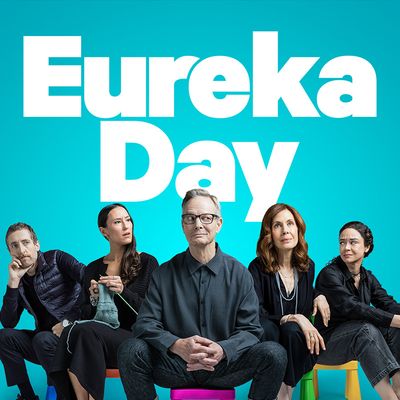
[0:59] Mark McKinney: Welcome to Outrageous Fortune. Mark McKinney is a member of the landmark comedy group, The Kids in the Hall, appearing in their original show, the movie Brain Candy, and the recent revival season on Amazon Prime. He has also been an SNL cast member, played Glen on Superstore, and appeared in movies including Spice World, Superstar, and A Night at the Roxbury. His theater credits include Fuddy Mears at Manhattan Theatre Club and Eureka Day at the Old Vic in London.
[1:42] Mark McKinney: Uh, we're super excited for today's episode of our podcast. Today we have on the pod Mark McKinney, who plays Richard on the show. We're so excited. We have been working on getting this scheduled for a while with his busy schedule. And we're going to talk a little bit about what he's been doing. And, you know, you all know how to reach out to us, so you can reach out to us and say if you've seen him in any of these things that we're about to talk about. So welcome, Mark. We're so happy to have you.
[2:13] Mark McKinney: I am so happy to finally be here. You guys are tenacious. You're like Terriers who pursued me across country, through a city, up a river, and you got me. Good on you. Thank you.
[2:30] Mark McKinney: So I actually uh first jumping off, want to talk about I know you were in the UK recently doing a play, right? And the play that you were doing, I'm actually on the board of the theater company that did the world premiere here in New York called Cult Core.
[2:46] Mark McKinney: Oh, yeah. Yeah, I heard that went really well. I think that's one of the one of the reasons we got to do it was that production.
[2:52] Mark McKinney: Yeah. I love that play. It's so good. It really, it really is. And surprising for the cast, I think.
[3:01] Mark McKinney: Yeah. Yeah. Just to how good it is. How funny it is.
[3:06] Mark McKinney: So funny. Um, and so I I just my first question is how long had it been since you'd been on stage like in a theater? Um, and like was that a big like were you like super excited about coming back to the theater? Was it something where um you were a little, I mean, with COVID and everything, were you a little like, I really miss the theater? I'm gonna come back and do this, but also I'm a little bit nervous. I'm curious like how that all felt to you.
[3:37] Mark McKinney: There was kind of zero nerves. I don't have the wit to be. I mean, having gone through, you know, we shut the last season of Superstore full COVID protocol, then the kids in the hall reboot, same. And it's just kind of like uh I I don't know, do people get weary? I just I just didn't have a thing. We had a couple of scares during rehearsal, but nothing major ones, you know. Cast member got a sniffle. But no, I it was it was oh my god, the call came. Do you want to go do a play in London? And I was thinking London, Ontario. And they went, no, London, England. And then, you know, I I and then I read the play because you're like, oh god, it's gonna be terrible. And then I read it once and then twice because I'm a slow read, I slowly get it.
And then the third time, and there was just never any doubt. And then, you know, the London England, where in then London, England, the old Vic. Bucket list, you know, it was there was zero hesitation, and it was uh a transformative experience, and it had been a long time since I'd been on stage. Uh, especially if you don't count kids in the hall tours, because it's going back to oh, I took fully committed out of New York and did it in Montreal, Toronto, and Vancouver. And before that, it was Footy Mirrors at the Manhattan Theater Club. And yeah, it had been a while. It'd been a while. I've forgotten how much fun it was, how different it is from anything else, and how I know actors always say this, but it's the real craft. You know, it's true, it really is.
[5:10] Mark McKinney: Yeah, okay. So then I'm I'm curious about this because like I said, I've seen a reading of the play, and so it felt it felt even more prescient because of where we are right now with things about vaccination and everything. And so um, I I'm curious, like how you felt about that as you were doing um that show, and also like what responses you got from um you know, friends or family who saw it or like other audience members, given you know where we are now.
[5:46] Mark McKinney: Um, I think it was everyone in my tribe who came and saw it uh loved it. Uh and and there's a a lot to love. And I don't know if you if you it you saw you saw you said you went to a reading of it, but you didn't see the actual production.
[6:01] Mark McKinney: Right. I saw a reading, but my favorite scene, which is the Facebook Live.
[6:06] Mark McKinney: Yeah, they did it, you know, they did it properly, you know.
[6:10] Mark McKinney: Oh, they did it? Okay, all right. So you know, okay, so we had no clue how how explosive that scene was going to be. And uh, and we spent, and it's you know, I we all joke in the cast about it once it opened, just like how much time we spent, you know, carefully constructing the conversation that's happening between us during the Facebook live scene. And you know, for those of you who haven't seen it, basically what's happening is we're trying to have a town hall style meeting. We wanted to have it in person, but because of an outbreak of months, we have to have it on Facebook Live, and it turns into a Twitter shitstorm of epic proportions, and for about 20 minutes, yeah, and only that the author Jonathan had strategically selected moments for the conversation or the online conversation to get a little bit more banal, so we could drop in a couple of key plot points.
No one hears a word we say, and it's great, and it was very, very satisfying, and it ends the first act with like, you know, with an explosion. And then, of course, because of the nature of the laugh and the fact that we sort of become this this you know, belly-aching comedy, it buys this space for the for the playwright to explore a lot of the issues via the personalities involved in a in a kind of uh you know cameramic or yeah, dramedy kind of way.
[7:39] Mark McKinney: Yeah. Um yeah, it gets quite serious, but it without kind of feeling arbitrary. It's it really works.
[7:46] Mark McKinney: It's a it's a magnificent piece.
[7:48] Mark McKinney: Yeah, yeah. I loved it.
[7:49] Mark McKinney: Um, so okay, so now we're gonna kind of pivot into um slings and arrows territory and just talk at first. We want to talk a little bit about um, you know, we want to talk about Richard and the first question.
[8:05] Mark McKinney: I love what Jess always asks everyone this first question, and it's basically um how you define Richard, like what how would you describe him, or how do you think that other people would describe Richard?
[8:21] Mark McKinney: Uh lost. Uh he's fundamentally uh fundamentally a lost person looking for something to kind of cling on to, and he takes referee refuge in being good and uh about his you know his ability to run a theater company and paper over various crises and and and maybe because he he's lost and knows it somewhat, he doesn't have a huge ego. Like that's the interesting thing about him. He's never puffed up, uh, but he is, he is suspicious, he's a little paranoid. Um, it's not as if these, these, the life experiences he goes through in slings and arrows are gonna, you know, deliver him to a place of wisdom. You know, he's just gonna keep on keeping on and try and keep it going. And uh so not a lot of tremendous uh uh not a not a terribly self-reflective person, just a driven one.
And who knows, we could speculate what's driving him to be to dot all the eyes and to make sure the wine gets delivered and to do the guest list and to you know to find a sponsor and to make sure this happens. And you know, he's relentless. I think his fear of failure is huge. He doesn't probably understand that that real failure is educational and and can be inspirational. He just wants to avoid that cliff at any cost. But yeah, failure can be inspirational.
[9:53] Mark McKinney: I love that.
[9:54] Mark McKinney: Yeah, which you know, which Jeffrey knows, which yeah. We talked about failure on this podcast a lot because I'm obsessed with failure generally, and I also feel like I'm in one of my many failure eras. And I was just wondering about like failure, but I kept thinking about like tossing around this idea of like, you know, is failure a part of art. And with Richard, I kept thinking, no, there's something about Richard, but it's more about success. It's not failure, it's a lack of success or something. Like I can quite turn the coin on um how it relates to him, but uh now that you say it, like yeah, I can see very motivated by a fear of failure.
[10:32] Mark McKinney: Hugely motivated, and it's not as if he enjoys success that much. No, I mean, he he has a couple. I, you know, you know, in in in season when he's doing the musical, and he's surrounded by all these musical theater kids who are happy and not neurotic and self-obsessed like so many of the other actors, you know, athletic, fun young people who are dropping ecstasy, you know, he's like, yeah, yeah, it is all in. But I I don't even think that he ever finds uh uh, you know, what is it? Uh what's that great book title? A place of greater safety in success. You know.
[11:05] Mark McKinney: Yeah, there's a thing Anna says to him. I was rewatching season three yesterday, and Anna at the very beginning is like, you you've accomplished so much, like be happy, like buy a nicer car. And it it in those early episodes of season three, it's like he's getting all this wisdom from people like Anna says that, and then Jeffrey says the thing about um like good artist steel, but but there's like a Tony Soprano thing that happens where all the good advice he gets kind of gets perverted or something, and it leads him down some weird path where I don't know, he abandons something or I don't know, gained something.
[11:39] Mark McKinney: I'm not sure how to quant quantify what happens to him in season three. Very he's very briefly, like at the end of uh the first season, you know, it really moves him what he sees out there. And he and I think that's driving his his his desire to preserve it. Like, yeah, yeah, yeah, it's it's all business, and we gotta get we gotta rebrand and all that stuff. But I think he's somewhat motivated. But by the time he's hanging out with the with the musical theater kids, he's completely lost sight of that again. You know, it couldn't, it because he's not an artist, I don't think he could ever understand its true and deepest meaning. But unfortunately, he's interpreted his his I don'm not sure he's aware of how cynical the production of the musical theater production is. But I think he thinks that's equal to what Jeffrey's doing.
[12:35] Mark McKinney: Right. Do you think he's just really not an artist, like not a creative person?
[12:40] Mark McKinney: No, no. I think he's uh he's a harried and terrified bureaucrat. Um and uh but but one who's sort of but he's in this field, I think because um he he he sees that people from that field are ennobled by the work that they do, but the feeling has really kind of escaped him. Now he just knows how to do it, so he's gonna keep doing it.
[13:09] Mark McKinney: And like we find, you know, you find this a lot out there in the real world of people who've become sort of like experts in a not well populated area, and suddenly they're the only person to go to, whether they're liking it or not, you know.
[13:23] Mark McKinney: So I think he might enjoy power a little bit. I think he loves that Jeffrey's successful under his tutelage and wants to be his brother, but that's just like a bridge he can't cross, you know.
[13:37] Mark McKinney: Do you think he loves power or like the idea of what like his idea of power?
[13:44] Mark McKinney: Because he never takes it when he has it, and then when he it's like he's asking permission to have power.
[13:57] Mark McKinney: In a way, he's saying, Am I allowed, uh am I allowed this thing? But I think he just kind of likes the trappings of it and the trappings for him are meaningful.
[14:07] Mark McKinney: Like it for him to suddenly be the popular guy and people are laughing at his jokes, it's just it's kind of overwhelming.
[14:14] Mark McKinney: I mean, at one point he launches himself at Anna, and I think says something very revelatory about his career.
[14:19] Mark McKinney: I think the line is something like, you know, he tries to kiss her, and he goes, What are you doing? And he goes, You were nice to me, it made me horny. You know, like this is he's not much more complicated than that.
[14:30] Mark McKinney: Yeah, there's something I mean, I was watching it, and there's something pure about it in terms of like it gave me the whole show gives me such distinct feelings of the times that I've been on stage, like it really captures something theatrical.
[14:45] Mark McKinney: Uh, I think what you were talking about, like, you know, you just did a play, and like it feels so specific. And I don't know if I've ever seen it captured on film or TV in the same way that like being in theater does, but the show does that so well.
[14:57] Mark McKinney: But there's something about him that it like reminded me of I got caught from my first ever high school play, and then I got into the second one, and I like couldn't believe I was there with all of these amazing people, and I was like, I'm this little worm, and how did I get in here?
[15:13] Mark McKinney: And there's something so pure and beautiful about it, but then in Richard, it kind of it's so close to a darkness too, like it goes to that side of like, oh, and I can do something here, or what can we like?
[15:26] Mark McKinney: There's some darkness that's so close, and it kind of scared me about myself and my own like idolization of theater and theater people.
[15:34] Mark McKinney: Uh well, you're certainly can have the wool put over your eyes.
[15:39] Mark McKinney: I think he has one weird moment of integrity where he has to fire Jeffrey.
[15:45] Mark McKinney: I think it kind of like it breaks him. I have a lot of sympathy at that moment where Jeffrey like kind of deceives him, you know.
[15:52] Mark McKinney: Right. And he's like, I got I gotta fire you, you know.
[15:56] Mark McKinney: You know, it's like he's I think he's genuinely disappointed in that moment.
[16:00] Mark McKinney: He's not he he can't forgive, you know, uh uh uh Jeffrey indulging himself in that maneuvering, I think.
[16:11] Mark McKinney: But I yeah, I know what you mean, like uh from the outside looking in, and then when you you know, when you're on stage, it's a completely different thing.
[16:17] Mark McKinney: It could be so technical at some points, and so you know, yeah, it's uh it's it's an interesting job all the way through.
[16:28] Mark McKinney: I find theater never gets more theatrical than in the rehearsal room, because that's where you're really seeing people try and and stuff, and then like you know, after opening night, um you're hoping to stay connected to that thing that that you got you excited about the part that you're playing.
[16:48] Mark McKinney: Um but you know, uh you know, I'm I couldn't believe I was on stage of the old Vic, and then later on I couldn't believe, you know, a few runs in that I'm on the stage of the old Vic, try to go when can I burp?
[16:58] Mark McKinney: I shouldn't have had Indian food for lunch, god damn it. Can I burp before my line comes? You know, it's that it's and then so and then getting lost in it, you know.
[17:08] Mark McKinney: Um yeah.
[17:10] Mark McKinney: Yeah, I'm like that's that's the reality piece, right?
[17:15] Mark McKinney: Is that the dream comes true, and then you're like, I'm gonna burp, or man, I've heard so many stories of people peeing, and it like going down the rake stage.
[17:26] Mark McKinney: Yeah, like so many people, like famous people, you know, it's so interesting.
[17:34] Mark McKinney: See, that's a whole that's your next podcast.
[17:38] Mark McKinney: The Yellow River tales of misfortune.
[17:43] Mark McKinney: Put us on the stage or something.
[17:45] Mark McKinney: Yeah.
[17:48] Mark McKinney: Well, I had some fabulous ones. I went up a couple of times on the stage of the old Vic.
[17:52] Mark McKinney: And when I did, it was like, well, this is the nightmare.
[17:56] Mark McKinney: And I'm alive. You know, it was fantastic to survive that.
[18:00] Mark McKinney: Yeah.
[18:02] Mark McKinney: We've heard a little bit from Bob, or we've heard a lot about from Bob and Susan about how the three of you all got together, but we love to hear each person's side of the story about how the three of you all got together and started writing this show and what your influences were for some of the characters also.
[18:20] Mark McKinney: Like we're curious if Richard was influenced by anybody, and at what point also did you know that you'd be in it?
[18:28] Mark McKinney: Was it like Susan who sort of thought she was writing a part for herself? Or um were you more like, I'm not, I'm not sure.
[18:37] Mark McKinney: Uh if I if I want to be in it, like, where were you?
[18:42] Mark McKinney: Uh well, where do you want me to start with that?
[18:44] Mark McKinney: Like the Genesis thing or leading up to that?
[18:48] Mark McKinney: Well, the Genesis was simply, you know, uh I have crazy luck.
[18:53] Mark McKinney: I really do. I mean, I hope there's talent there too, but like I know I am lucky.
[18:59] Mark McKinney: And one of the things was, you know, this this friend who, you know, said, Oh, I've got this show about theater, and um, you know, it's it's Susan Coyne, you know, Susan Coyne.
[19:10] Mark McKinney: I'm going, yeah. I mean, Susan Coyne was kind of a big deal for me because she was already a star when I arrived off the bus from Calgary.
[19:16] Mark McKinney: It's just like some improv comic back in the day.
[19:20] Mark McKinney: Um, she was at the Tarragon Theater, you know, being written up in the national newspapers for her for her stuff.
[19:27] Mark McKinney: And um, for her acting.
[19:31] Mark McKinney: And um yeah, so I read it and it was called Over the Top.
[19:36] Mark McKinney: I don't know if she told you that.
[19:38] Mark McKinney: It was a half hour, it was over the top.
[19:40] Mark McKinney: There was Jeffrey was kind of in there already.
[19:42] Mark McKinney: I can't remember what else.
[19:44] Mark McKinney: I'd have to go back. I haven't read the script in years.
[19:46] Mark McKinney: Uh uh, and I was sort of starting to come up with ideas, and then by coincidence, a friend of mine at HBO sent me screeners of the Sopranos, which hadn't aired yet.
[19:58] Mark McKinney: And I watched them, and that changed everything I thought about TV.
[20:04] Mark McKinney: It's like what you can do with an hour.
[20:06] Mark McKinney: I was expecting I was gonna watch a mob show, you know, blah, blah.
[20:09] Mark McKinney: And then the relationship between Tony and his mother just that that was like dropping acid for me.
[20:16] Mark McKinney: It was just it expanded my mind never to contract fully quite again.
[20:21] Mark McKinney: And so Susan and I started talking, and as we got into it, you know, we developed the idea that Hamlet, the returning artistic director, and started to tell stories from our lives, which is a huge part of Slings and Arrows.
[20:31] Mark McKinney: I think Bob's Susan and I were all kind of near or approaching 40 or just past 40.
[20:37] Mark McKinney: I can't remember, but that seems like a reasonable time where you can kind of say, Well, that's 15 years behind me now.
[20:43] Mark McKinney: I can I can see, I can I can guess at the patterns here and and see where I was involved and when outside forces were involved.
[20:50] Mark McKinney: Like you have a legit right to turn around and say this, as opposed to some 17 year old on American Idol going, I've been waiting for this moment my whole life, you know.
[20:59] Mark McKinney: Um so this all came uh, and then Susan had the idea of the ghost, which gave us somewhere really interesting to go with Oliver.
[21:11] Mark McKinney: Um and at a cert somewhere in there, I said, This has got to be an hour.
[21:16] Mark McKinney: I think that was my idea.
[21:17] Mark McKinney: Uh, and so we expanded it, and then um we kind of broke we'd all we'd sort of broken out most of it, but then Bob came in and brought his magic, which is you know, not only just his perspective and his life, but just his incredible ability with dialogue.
[21:33] Mark McKinney: And I mean, he's brilliant. Susan's brilliant. I'm lucky.
[21:37] Mark McKinney: And uh and it just kept come, it just kept coming together.
[21:42] Mark McKinney: Do you know what I mean? You know, you're involved in something good when it just keeps coming.
[21:45] Mark McKinney: Oh, it's good now. Oh, it got better, you know.
[21:47] Mark McKinney: And then um, yeah, just angels kept showing up at the door, and then we had developed it for years with CBC, and at the very last minute, they dropped it, which is like you know, and that was uh, but fortunately our producer Nee Fitchman is one of the most tenacious mofos you'll ever meet, and he was not having it, and he chased down some executives apparently in an elevator and got us on to, you know, and then then we had to cut a lot of the budget because it came way, way down.
[22:21] Mark McKinney: Um but fortunately it was so many of the scenes were legit just exchanges between people about acting or things you could do, like there are no explosions or anything.
[22:32] Mark McKinney: Um it worked.
[22:35] Mark McKinney: Uh and anyway, and so yeah, so Richard Smith Jones, I don't know, I don't remember if I thought that would be me.
[22:40] Mark McKinney: I thought it might be me.
[22:42] Mark McKinney: I had to audition for it.
[22:44] Mark McKinney: Well, because our great director, Peter Wellington, you know, you come onto a project and he'd already put some time in, and then people started telling him who was playing what, you know, well, that's gonna be Paul Gross.
[22:56] Mark McKinney: Well, this is gonna be, you know what I mean?
[22:57] Mark McKinney: Like there were certain people that we had to get, like Paul and Martha, and it was just kind of like, don't I get to I don't want to audition, you know, though.
[23:04] Mark McKinney: So I auditioned um from Winnipeg where I was shooting um a movie with Guy Madden, and I got the part, and uh Hooray.
[23:15] Mark McKinney: And that was kind of fun.
[23:17] Mark McKinney: And I think it was in the end, it was kind of useful uh because it accidentally taught Susan and I and Bob kind of like the lessons, which is you gotta be on set as a showrunner.
[23:26] Mark McKinney: I know showrunners who write the script and occasionally show up on the floor, and I'm like, especially, well, I think, especially where comedy is concerned, like you gotta be married to make sure that they're getting the tone of the the laugh right, but but also with drama about how it all works.
[23:45] Mark McKinney: So anyway, we were always around, and I think that that really helps when the creators are are limited to the production as it rolls out, yeah.
[23:54] Mark McKinney: Um, everyone has who's talked about it, has made this, you know, writer's room of the three of you in in Susan's kitchen, I think, uh sound like amazing.
[24:04] Mark McKinney: Um, and I know you've done so much other collaborative work with kids in the hall and SNL and other things.
[24:09] Mark McKinney: Um, and do you think like there are any things that you really require for a good collaborative room?
[24:14] Mark McKinney: Or is there anything you can do to engender like the magic happening?
[24:19] Mark McKinney: Uh you mean to make it happen?
[24:23] Mark McKinney: Yes, I maybe, or um, you know, what what are the qualities of like a room that works?
[24:28] Mark McKinney: Do you think that's a recipe or anything?
[24:30] Mark McKinney: Well, it's it's it's diversity, not just uh, you know, uh uh uh, you know, the standard versions of that.
[24:38] Mark McKinney: But uh I I got to run a show once, like Susan and Bob and I were very collaborative, it was very co-equal uh amongst us.
[24:46] Mark McKinney: And and I did a show shortly after Slings and Arrows.
[24:50] Mark McKinney: I ran it for fourth season. It was called Less Than Kind, which is one of the favorite things I've ever done.
[24:54] Mark McKinney: And it was because I got to kind of like all the levers, it's fun to have all the levers and to be picking directors and cast and and the people you're going to be in a writer's room with.
[25:03] Mark McKinney: And I I accidentally, by luck, I think got kind of a formula for a good writer's room, which is you don't want people who are all equally gifted in the same area.
[25:14] Mark McKinney: Like a big good writer's room should have one person who sits in the corner and doesn't say anything for three days until you need a tagline for uh your your core scene, and they come up with it because they've been listening all along, you know, like a true kind of like amazing joke writer.
[25:35] Mark McKinney: And then there's the people who are in love with story.
[25:37] Mark McKinney: That's kind of me who you know, someone said once upon a time to them when they were three, and they never forgot, you know, the forward motion of story and kind of have it, you know, within in them a bit.
[25:48] Mark McKinney: And then, you know, people like Bob and Susan who are incredible at reproducing arguments in a way that's distilled and dramatic.
[25:56] Mark McKinney: And so, you know, they're not it's not just like holding out a tape recorder, it's not you know, studs turkle, it's uh boy, that's an old reference.
[26:04] Mark McKinney: Uh, but you know I got it.
[26:05] Mark McKinney: I'm with you.
[26:06] Mark McKinney: Yeah, so do you know what I mean?
[26:17] Mark McKinney: And anyway, it takes, you know, and then you know, on my other show, I had people who were like great at structure. Um, you know, and then you know, originalists are people who are in love with the characters and won't let you, won't let you, you know, if you have a good writing room, there's still some semblance of it being a democracy until the moment where you got to like pick an episode. But up until that point, like someone, anyone can turn to the showrunner and go, they wouldn't do that. What are you doing? You know, that kind of thing. So I've been lucky in that I've seen a few good writers from and the one with Susan Bob and I don't know how it actually started. I think it became Susan's place because she could make lunch while still talking.
So we would be having an argument, and because she's just so practiced, she could throw together really, you know, fruit and sandwiches and sometimes soup or tea, and all the time and never stop. It was like the hands were independent, and then we would get fuel and we would continue on a little bit. And we also it was very confessional to like they know everything about my life at that point, and it was true, everyone has had a version of a tricky time in their life as we've been writing this thing. So there's a trust, I guess, and a willingness to explore and you know, and also a willingness to let someone else gas on for like 20 minutes, like going far away from the problem that we're trying to address. It just all is permitted. So it's sorry, go ahead.
[27:54] No, no, no, I'm just saying, and like when I sent you the hi hello the other day, we had just had another great three, four hour session. Usually we don't grind that long. Like it's four, maybe five hours with a food break and a lot, you know, and some gossip, and then you know, some intense pacing ideas popping, you know, and yeah, kind of kind of a process. It's really fun. It's one of my favorite places in the world to eat.
[28:24] Yeah, yeah, slings and arrows, delicious sandwiches, like craft services.
[28:33] Yeah, it's true. And you know, and it was I don't know, there was just sort of a good balance, you know, Bob and I and Susan and you know, yeah. It worked, it worked. Um, when you talk about, you know, that the thing you love is story. Can you say a little more about that? Like is that you know, the thing that you're always following in a show, or is it like you know, how the ending and the beginning come together? Like, uh, what does that mean for you for like story to be the thing that you're good at and that you are attracted to in a project?
[29:04] For me, it's about you know, you're starting to write a story and imagining the emotional, I'm gonna misuse a word here, valences of characters. Like some characters are carrying stored kinetic emotional energy that can be released for good or evil when certain circumstances bring it out. And what I love about writing dramedy is that you can have tremendously touching and emotional moments that follow the same rules as comedy in that you have to set up a joke, you also have to set up a tear. Do you know what I mean? I mean, that sounds yeah, yeah. But I'm just saying, but I guess for me, yeah, it's storytelling, it's like I uh it doesn't. I sometimes have a hard time like figuring out exactly what the characters could say, not really the same when I'm thinking about what are they doing or where are they going or what's next. Like I've always got a bunch of options, and I often get lost down thing, and I'm often, you know, told by whatever writer's room I'm in that there are now way too many characters and subplots.
[30:17] Do you set up a tear in the same way you set up a joke? Like is kind of anything?
[30:20] I think so.
[30:23] Yeah.
[30:24] I mean, I've described it many, many times that I think you know, drama is comedy interrupted, and comedy is drama interrupted. In other words, nothing is funnier than when things are very tense and people are going at each other, and then you evolve it into the ridiculous, and then it's funny. And the same thing with like you want dramatic stuff to happen with people who are kind of pleasant, life's going on in media rests, as they say, and then wham, something lands or someone is hurt, or yeah.
[30:59] No, that makes sense. Something that I think a lot about is, and I've given this as a note is like in order to make things funnier, we need to make them sadder, and vice versa. Like you can actually up the drama by making something funnier. Um, but the balance of that in Slings is so remarkable. Um it tunes so finely in like every episode and every scene, there's a laugh and something sad happening, it feels like.
[31:23] Yeah, and it's smart stuff. And I I don't want to like pigeonhole Bob and Susan. I probably don't even have a truly like complete picture of how great they are. I just know they're really great, you know.
[31:36] Um, but yeah, it's uh yeah, and the other thing about those things is that uh we were kind of naive, we were Canadian. We had this, you know, one thing about being at the CBC is like we're doing we don't consider commercial, you know, outcomes. This is about the art of it. Sorry to use that voice, but I'm going to keep using that voice because it's a nurturing kind of safe space kind of voice. And of course, we took full advantage of that to throw everything in. There was never kind of I mean, we might use it now, but we never use words like wow, we've really got to end this with rising action or the sort of like template talk that people use all the time. And unfortunately, you know, probably makes you fall out of series that you want to like, because you just start to feel, oh, here's the structure, you know.
[32:27] That I that's so true because I've had several conversations in the last at least three months with my roommates when they'll watch something together, and they like get mad someone's gonna someone has died, and I have seen it coming, and I'm like, y'all, hero's journey.
[32:47] Yeah, yeah.
[32:48] Yeah.
[32:50] Um, I I um I'm curious about when you were talking about, you know, um comedy, and then you know, at the end, you you know, you there's like this depth that you can throw because we've had so much, we've been so um opened. I feel like that's what like the three seasons are because season three, which I've said on every single interview is my favorite.
[33:18] It also feels like um the one that is the most emotional.
[33:25] Um, it is the one that, you know, finally people realize what um most of the characters realize what they've been actually doing.
[33:37] Yes, because they're watching Charles Kingman struggle through dying to still give one more thing.
[33:45] Yeah, yeah, it really does test because it's it I mean, even though Jeffrey is kind of an outsider and a rebel all the way through, he's kind of establishment by the end of two. He's had success, you know what I mean? Like he's earned it, everyone's you know, everyone's making, you know, they've pulled it off. They've pulled off a kind of creative resurrection, but now, you know, they have to throw it on like he has to like that's the thing that I love about that is and maybe I don't know if we state it, he has to see that production come. So I mean, I think about that. Most of us, you know, in the business is kind of like, well, you work on something and then oh, they didn't pick it up. Okay, I don't know. You know, there are things that you have to see happen. One of them, by the way, is this kind of like weird thing that Susan and Bob are still writing. Um I have to see that one day. I don't know how we're gonna do it, but um sorry, I lost track of the conversation.
[34:44] See, that's the sleep department.
[34:46] That's okay.
[34:48] Um yeah, no, but you were talking about like the how Charles Kingman has to see King Lear and come to the and how Jeffrey has to see it.
[34:57] Yeah, like how it becomes essential and about how that sympathy for that, even though if you know Ellen isn't quite on board, she knows that's real.
[35:07] Yeah, she knows that's a real real thing.
[35:09] Um and that it's spiritual and uh, you know, and therefore kind of antisocial in a way to indulge that, but yeah.
[35:19] I we were told in a couple other um interviews that he was actually dying, and he'd only told Paul during um I believe it, yeah.
[35:29] Yeah, yes, we Susan Knight went visit him when he was he was still vertical, but yeah, he was he was kind of faded.
[35:36] He was remarkable, just we were extraordinarily lucky to get him and to preserve what may have been like an amazing performance of King Lear, which for some reason was never really properly committed to film, like we got little pieces of it for the record, yeah.
[35:57] I mean, that what we do see of still crying, like my my one of my roommates just watched the whole show and she was sitting here with the box of tissues, you know, it's still that powerful, even though we didn't get to see the whole thing, yeah.
[36:14] What were you gonna say, Jess?
[36:16] Um, no, I'm gonna go in another direction.
[36:19] Uh just thinking of like um, you know, both Susan and Bob have talked about the Shakespeare of it all um as kind of being something that inspired each season and the connection made.
[36:32] How uh directly did that inspire anything? Like I I feel when you were talking about um not going too hard on like rising action and everything, like the was of Shakespeare are so um nuanced and subtle that sometimes I'm watching and I'm going, like, oh, is that one? Like, is that an allusion to a character or something?
[36:53] Like, but they're so um well crafted, and so just in the room, where was that like a guiding principle, or was that just something in the background for you?
[37:02] Well, it was probably better understood by Susan than it was by me, as I'm not like Susan was in, you know, one of the great young theater casts.
[37:19] Uh what was it called?
[37:20] Uh at Stratford.
[37:21] There's the young company.
[37:22] The young company, which were let go en masse and which then migrated to Toronto to start the Soul Pepper Theater.
[37:29] Um so she is steeped in this, and I think this the you know, the symbolism of what went on in Macbeth. So we were doing I I personally was doing a lot of listening during this and then embellishing and then getting the idea of how these characters and why they were saying what they were saying and historically what it was about. And then it's easy to kind of draw parallels. But Susan was kind of the guide, I think, for this.
[37:54] Um for me though, though, we conceived a three seasons or we had an idea of how they might go and why it might have pointed towards these three plays because there was a there was a trope in uh is it restoration? I'm not sure what period it is.
[38:10] Uh art where they would show three ships at sea in a painting, and in the foreground was a sloop, you know, with fresh, clean white sails, and then in the middle was a big fat merchant man, you know, bringing stuff in, and then far at sea, threatened by a gray cloud, was a ship with tattered sails.
[38:33] And it was, of course, symbolic of the three ages of man.
[38:36] And I I don't know why, but that stuck with me. I might have seen that when I was, I think my sister had it in her bedroom in Paris when we were kids. It was just like some weird thing.
[38:45] But when it got explained to me, I always remembered like a way of looking that the life could be divvied up into seasons.
[38:51] So it goes from being, you know, young hot stars to an actor who's in mid-career, being directed by a director who's in mid-career.
[39:00] And then with Charles Kingman, we get age and and the really deep meaning of it all.
[39:06] Like what does art wind up meaning in that for me?
[39:11] So I don't know if that illustrates it, but yeah.
[39:15] Yeah, definitely.
[39:16] I'm thinking about um, you know, you said kind of at the end, you know, the end, the tattered sails, like the tattered sail of Richard.
[39:24] Mark McKinney: Um you said that you don't think he's kind of been able to take any of this failure on his educational. Do you do you really think he's doomed? Um I know at one point there's a thing, Anna says, you know, you were so close to becoming a real person.
[39:40] Jess: Yeah.
[39:41] Mark McKinney: Uh and did you ever entertain the idea that Richard would become a real person? Or is he always gonna keep doing it?
[39:50] Jess: No, he's he's his brain and his heart is too busy fighting off imagined demons, I think.
[39:59] Mark McKinney: You know, real some of them, but a lot of them imagined and a lot, so planks and the sinews of trust and and human relationships and and that sort of stuff just never get going. I mean, look who he winds up with, you know, a couple of the theater kids, uh, you know, uh the the sociopath, uh, you know, played by Holly, played by Jenner. When like, yeah, he just he sees kind of he's got the he's he's projecting on people what he wants to see, and inevitably they're gonna disappoint and then that disap that successive amount of of disappointments just to you know given him a impenetrable carapace so um no I don't think we ever did that you know I think uh when we were thinking about a possible season four like you know a couple years after this you know uh and we were trying to think well how on earth do we reunite or get people back to New Burbage because they're scattered and Ellen's off and we had you know at that point I think in this imagined season Jeffrey was teaching Shakespeare in jail to you know and uh yeah yeah uh uh but of course Richard's situation is that he was sitting at New Burbage and uh Darren was running fucking amok and he now he wanted to bring you know Jeffrey back to throw at Darren and get him out you know because he was driving him crazy.
[41:24] Jess: But it wasn't like uh we must do this again it was like utility um I'm I'm I'm very curious about like the Sanjay character and Richard and that like very weird relationship um and how like the conversation when when he's in prison um about like this delusional way of following your dreams and like sometimes he feels like this psychotic alter ego of Richard, like if Richard had no scruples to ground him at all, like he could maybe in another life be Sanjay.
[42:09] Mark McKinney: So I'm just curious like your thoughts around that. And you know, well, absolutely, he's captured by Sanjay.
[42:17] Jess: In the same way, he's kind of captured by anything that is moving faster and sparkling brighter than he is.
[42:23] Mark McKinney: So Sanjay takes him for lunch and eats blowfriends in front of him. And he's terrified, you know. And he's like, you kind of want to, you know, when you're you're this is more like a teen thing. And I think in this way, like Richard is really he never got over that thing where if the cool kid, you know, uh, you know, rode their bike into a ditch, you'd follow them, or you'd want to be so cool to have the guts to do that, you know, or to tell the teacher to fuck off, or just pointlessly, you know, and then of course that Sanjay turns out to be a psycho.
[42:54] Jess: It's like, hmm, you know, he's just he's just tremendously disappointed by it. But I think he's he's got a he's got a strong hit of the follower gene and the sparkly glass gene.
[43:08] Mark McKinney: Is that a gene?
[43:09] Jess: Yeah, scientists are working on this right now.
[43:12] Mark McKinney: Um yeah, so yeah, he doesn't he doesn't see it until the till the end because he thinks there might be some method, and also Sanjay has all the trappings of a successful person, he's got a studio and stuff like that, and uh so yeah, I mean, he he is very much of a follower, and I I thought about that too when you were sit talking about him earlier, that he is like the kid from high school who just never got out of that mindset, and so he's just like constantly trying to be part of the cool kids.
[43:44] Jess: Um, but it it strikes me that like if he would just if he would just, I guess, sort of do the thing that he's most afraid of, which is be a real person, he could have the thing he wants.
[43:59] Mark McKinney: Yeah, but like a a lot of people, he does not know that the obvious door is the one to take.
[44:05] Jess: Yeah.
[44:06] Mark McKinney: Yeah.
[44:07] Jess: Mm-hmm.
[44:08] Mark McKinney: It's so tragic.
[44:10] Jess: Yeah.
[44:12] Mark McKinney: Yeah.
[44:12] Jess: It's like it's like it's like scar tissue has grown over that that portal for him.
[44:17] Mark McKinney: He can't he can't f he can't quite find the door.
[44:21] Jess: He smells it.
[44:21] Mark McKinney: I think he's around it.
[44:22] Jess: I think when he like like when he really liked genuinely is moved by Jeffrey's production.
[44:29] Mark McKinney: He's like, you know, I how do I get that?
[44:33] Jess: But he can't he can't understand it on his own.
[44:36] Mark McKinney: He can't lead himself back to being a human being. Sometimes there's people around him, like Anna, like, you know, who can who can show him that stuff, but and he loves it.
[44:49] Jess: It's like, you know what I mean? It's like you're a friend who, you know, you're always the one having to initiate the hug, even though they fucking need it so badly.
[44:57] Mark McKinney: You know, and they never ask for it. You go, do you do you need a hug? And then, you know, you give it to them and they collapse.
[45:06] Jess: But then they forget to ask next time, you know.
[45:09] Mark McKinney: Yeah.
[45:09] Jess: Yeah.
[45:10] Mark McKinney: Oh, that's so tragic.
[45:12] Jess: It's so like he's such a great tragic figure because it's I mean, there's so much to kind of admire and like about Richard in some ways.
[45:19] Mark McKinney: I don't know what I find.
[45:20] Jess: Like, I I don't I'm very uh I I something I find really amazing about the show is that like I feel it treats so many different types of theater with a lot of respect.
[45:29] Mark McKinney: Like the kids you know, they go to a kid's macers and it's great.
[45:31] Jess: They go to an old folks' home dream and it's kind of great.
[45:34] Mark McKinney: And I always think of Richard coming out of Mamma Mia and being on that like high with Holly.
[45:40] Jess: Yeah.
[45:41] Mark McKinney: And um, you know, there's this that there's something like really wonderful about him, and it just gets corrupted again and again.
[45:48] Jess: Yeah, and again, yeah.
[45:50] Mark McKinney: By following these kind of I don't know, false idols.
[45:53] Jess: I was thinking, I was like watching um and thinking, oh, Sanjay's like the witch that seduces Richard.
[45:58] Mark McKinney: Like Richard is like the Macers who gets um who falls into the visions and it leads to destruction, and that happens again and again to him.
[46:06] Jess: Um but I don't know.
[46:08] Mark McKinney: I feel like I can I can I have sympathy for him, and uh that makes him such a wonderful, like tragic character.
[46:16] Jess: No, it's it's kind of like uh kind of the uh this weird image just leapt into my head.
[46:22] Mark McKinney: It's Faye Dunaway at the end of Network.
[46:24] Jess: You know what I mean?
[46:25] Mark McKinney: Okay.
[46:25] Jess: Yeah.
[46:26] Mark McKinney: Uh Richard's kind of like at the end of season three, Richard has a hit musical.
[46:32] Jess: Uh you know, he's got he's now fully in control of the festival, and yet you know he's lost something.
[46:38] Mark McKinney: The human beings have left the building, and that's not gonna be good for him.
[46:44] Jess: Well, and he knows it because right, he is his face is plastered up against the glass, like he knows it.
[46:52] Mark McKinney: Yeah, yeah.
[46:52] Jess: Now he knows it, but once that's gone, he he has no other thing to do but to go back to his old behavior.
[46:59] Mark McKinney: Jess, you had a good question about uh Holly and um the death of May and all of that.
[47:07] Jess: I think you'll ask it better than I will.
[47:10] Mark McKinney: Oh no, I was just kind of like this is related to my Shakespeare, you know, looking through it and thinking, like, where is it Shakespeare?
[47:18] Jess: And I was like, Oh, there's kind of like a betrayal plot happening there, which feels like the Hamlet thing and also Macers, and um I I it's really just more of a comment on like my idea that these Shakespearean themes, like how they pop up in like oblique, not direct ways, is uh really fun.
[47:38] Mark McKinney: And it it feels like a treasure hunt.
[47:40] Jess: Watch, I'm I've seen this show so many times, but I keep kind of seeing new resonances each time.
[47:46] Mark McKinney: Um but I think yeah, they were they were sort of uh oblique.
[47:49] Jess: There wasn't like a hard we must join A to point A, B to point B kind of thing, and and particularly because you know the the great thing about Shakespeare is that it's a repository of feelings and about characters in distress and you know you know Ophelia's being lost, and and yeah, and it it just whatever you can you can yeah, you can apply it, you can apply the general feeling, you know, a feeling is a substance, you can take it from there and put it over here.
[48:22] Mark McKinney: Sorry, that was that just was just verbal poop, but I I was trying to make a point.
[48:29] Jess: No, that's great.
[48:31] Mark McKinney: That's fine.
[48:32] Jess: We can edit it if you really want us to, but it was uh not verbal poop.
[48:38] Mark McKinney: I like verbal poop as a phrase though, yeah.
[48:40] Jess: Um that's really awesome.
[48:42] Mark McKinney: Uh I mean, this is kind of going back to what we uh talked about earlier, but do you feel that um writing and acting like when you're doing both for one character, um, how does that change things for you? Are those very distinct processes for you?
[49:00] Jess: And do they scratch the same itch?
[49:03] Mark McKinney: Uh oh no, no. I mean, I learned this a little bit more uh doing kids in the hall than maybe I did uh uh uh on slings, but uh back when we were doing kids in the hall, we had this sort of season through the year, you know, because I think I think most years our show took nine, 10 months to do.
[49:23] Jess: But anyway, it was sort of broken up into three similarly structured chunks writing, then we'd choose the writing pieces, then we'd prep the film pieces, then we would rehearse the stuff we were doing live in studio, and finally have two weeks of live performances, a break, go back to writing.
[49:41] Mark McKinney: Well, if you put a time-lapse camera in my apartment uh through those periods, when I was writing, you would see the sun come up and me get up shortly after it, go walk to a clean desk, sit down, do my work, notes, cue cards going up at a thing, eating three square meals a day, 11 o'clock, going to bed. Then as we start to transition, the desk gets messier.
[50:07] Jess: Uh plates of not terribly nutritious pasta are being left.
[50:10] Mark McKinney: Suddenly the apartment's full of people, and it's three in the morning, you know, and there's bottles on the floor, and a guy staggering up, and that's the acting part of it. Not that you have to do that, kids. I'm just saying that's how it worked for me back in my 20s.
[50:25] Jess: But do you know what I mean?
[50:26] Mark McKinney: So so it kind of was it was interesting. I was glad that we had the scripts in hand. We could mostly leave it behind. But the great part was uh, and it again sort of goes back to a similar kind of thing because we've all been part of the three of us have been part of like good assembles, uh ensembles.
[50:44] Jess: Bob had Second City.
[50:45] Mark McKinney: You're inventing stuff, continually working on your feet. Susan had a massive amount of time with a lot of great peers, you know, again, so that nothing was ever quite completed.
[50:56] Jess: And I'm the same.
[50:59] Mark McKinney: So if I was in a scene, I could still comment on where I thought the story was going and still have enough reserve to take care of what uh Richard Smith Jones needed to bring uh to the thing, and happily cut some of my scenes if I thought I'd overwritten them or we'd overwritten them and that sort of thing.
[51:17] Jess: So it was our it was organic.
[51:19] Mark McKinney: I like that. Is that answer your question?
[51:22] Jess: I'm sorry. Did I yeah, totally?
[51:25] Mark McKinney: No, I'm always curious about like um yay you.
[51:30] Mark McKinney: This is Mark McKinney, and you're listening to not total poop on Outrageous Fortune, the kind of officials slings an arrows podcast.
[51:40] Jess: No, I feel you dropped a lot of gems.
[51:42] Mark McKinney: I mean, it's so interesting to hear people talk about writing and and comedy and and how the sausage gets made, really, with like just a horrible expression.
[51:52] Jess: But um it's uh all of these interviews have been really full of wisdom, and I don't know if people realize like how wise they're sounding.
[52:00] Mark McKinney: Um hey people, we're pretty wise.
[52:03] Jess: So you turn up the volume over if you're driving and listen.
[52:07] Mark McKinney: No, I I will say one thing is that uh the miracle when the three of us came together is that uh we had avoided uh commercial institutionalization of our thoughts and feelings about the art that we wanted to create, if that makes any sense.
[52:24] Mark McKinney: And others, I still, other than a stint on SNL, um I had really uh only done theater in in uh in the United States up until that point.
[52:35] Mark McKinney: It was SNL and theater, both which are very weird, kind of like do what you want to do kind of places, um, tough, but good. Um, and so had Bob and so had Susan. Do you know what I mean? We didn't know how to make TV or we hadn't been told or instructed how to make TV. So we made what we thought was TV, and our guesses turned out to be pretty good in a lot of cases. Right. And there was no like you didn't have fear doing that. It was just like, well, uh there was no worry about how to make it. No. No, because don't forget, we're in Canada in like the late 90s, early 2000s. It's pre-internet. Um is anyone even gonna watch this was maybe our concern, you know. Uh yeah. I I have a question about that, which was like um from the Eureka Day thing into this, because you know, like we talked about that big Facebook live scene, and I was curious what you thought, you know, um how Slings and Arrows would have fared if we had like the social media that we have now that because in 2003 to 2006, we just weren't in we didn't have Instagram and like uh maybe there was still MySpace a little bit back then.
Friendster, yeah, and Friendster and stuff. So it wasn't there was no Twitter. We were still going, ooh, email, yeah. Um I wonder, yeah, how do you mean in the sense that like shows are shaped by social media, or we would have been forced to cast an Instagram star or well, I mean, things like stuff, yeah, that kind of thing, because like you said, you hadn't it, you you three weren't commercialized, and I think that really leaks into the show, right? And that's why we connect with it so deeply as theater geeks. Like we really we feel very seen by this show. And I think it's because, you know, because you can feel that that it hasn't been commercialized. But what I see happen so often with information about shows that get leaked on social media now.
It's like before something comes out, people are already knowing about it. It's already getting influenced. You're being pushed to have X, Y, and Z person on the show because they're a name, you know. So I'm I'm curious if you think um it would have been different. Um, you know, had had social media. I can't see how social media would have helped. Let's just put it that way.
[55:05] Mark McKinney: Yeah. Maybe a few more people would have seen it, but I think you're right. I think that the damage from over scrutiny, and particularly because usually, you know, there's probably a fair number of feckless executives who put more credit in how social media is reacting than the creative instincts of the people they supposedly hired to do the job. Do you know what I mean? So risk taking, I think, well, within it with a few notable exceptions, is kind of at an all-time low, I think in general television. Um, I don't know, am I wrong? I'm not I don't watch that much. God, I have friends who see everything. Are there five of them? Like, how do they see everything? Um, yeah, I don't think it would have, I don't think it would have helped.
I think, you know, it we we had a few things going for us. The way we made Slings and Arrows is just like imagine like a perfectly fertile patch of land with the wind and the sun. By coincidence, is perfect for this kind of plant to grow. That's and it drifts in on the wind and plants there, there on the north side, so it'll get just the right amount of side. Do you know what I mean? That's it. That's that was that kind of miracle. Lack of scrutiny helped this. It was really because who did I refer to, you know, about whether Slings and Arrows is good? Bob and Susan. And that happened in my comedy troupe too. There's only one jury for whether it's funny. It's the four other guys in Kids in the Hall. And I've had, and the same thing in Leslie, like there's that's all I care. And if you're allowed to choose your own jury and can avoid like uh network interference, then you have a shot, I think.
[56:42] Jess: Yeah.
[56:43] Jess: I I've I feel that way. I sorry, but this is my last piece of this because I I so agree. And I feel that way, like with theater, and it it felt like to me we were seeing like the pre of that, you know, with um Shakespeare Land and like the way that uh Richard was sort of viewing theater. Um, and and so it felt like just like the seedlings of of how it could go how it is. I mean, sometimes I mean I live in New York City, I walk down and I'm like, so we're doing how many movies into musicals.
[57:23] Mark McKinney: I know, I know, and it's like what one of the most hilarious things for me is when Susan and I were writing, I think Bob Bob might have even been there for this, but we were trying to come up with like ridiculous ideas for musicals to show just how crass and commercial, and it's the John and Yoko musical, you know, or the Queen musical. Like they're just gonna think it's and lo and behold, here we are, you know.
[57:49] Jess: Yeah.
[57:49] Mark McKinney: Uh yeah, it it was really, I guess maybe we sensed it was headed that way, but it was high comedy to us that that would be, you know, a thing. It's to me, it's a I'm sorry. I just want to say to me, it's just another piece of why the show hits us so well. Because we are like we're in it now, and it just feels prophetic, and we all were worried about that too. Like all of us other geeks were worried about that too.
[58:21] Jess: So yeah, go by you want to really give yourself a heart attack, go back and watch Network. Have you seen that movie?
[58:26] Mark McKinney: I love Network, yeah.
[58:27] Mark McKinney: I watched it about it a year ago again, and it really smacked me all over.
[58:31] Jess: Yeah, I showed it to my I showed it to my uh uh uh uh son who's like uh early 20s, and he never it was like it is talk about prophecy, yeah, yeah.
[58:42] Mark McKinney: Yeah, that's an amazing movie.
[58:44] Jess: Um so how okay, I know you also just uh Kids in the Hall did a a re a new season um that recently came out. How can you still go back to the place on the north side with the with the sun? Like after you've kind of been introduced into the commercialized world and know what's out there and like we've all seen the internet. It's is the field still there. Can you still go? And how do you think somewhat it was it was a hard time to do edgy comedy.
[59:13] Mark McKinney: I think I don't know when it's gonna be, you know, uh uh say, but somehow I think we captured a lot of it by just keeping the same jury in place as much as we could. You know, we had a hard time getting some pieces approved, and there was a lot of stuff that was left on the floor that we wanted to do, but um uh yeah, I think we managed. And again, it's like who's your who's your creative jury? I mean, start with yourself, of course. Uh, but you know, uh the the little group that you care that you get a laugh from is is super important.
[59:48] Jess: Um I guess you know, as we're wrapping up, I just want to say, is there if you have any particular memories that um stand out from your Slings and Arrows that you hold particularly fondly or anything?
[1:00:00] Mark McKinney: Well, in the general sense, the kitchen, you know, Susan's kitchen table. I I love that it's a safe space. It's it's you know, and I felt it the other day. I was just like, I was driving home, kind of feeling this feeling of fado of just sentimentality of because we hadn't seen each other face to face in God, is it it might even have been pre-COVID? I can't remember the last time we were we were there and Susan had a new dog, you know, because there was a dog, Koo, who uh uh, you know, was there sleeping uh during most, you know, and Susan's kids were little and now they're big and off in the world and stuff. And you know, but there was a new dog, and there was me, Bob and Susan talking and making a really great lunch. Well, you know, while we well, we had basically the same conversation, like any old good relationship. You just pick it up and there it still is because the elements are are fundamentally grounded.
[1:01:01] Jess: Yeah.
[1:01:01] Mark McKinney: So that was it. One of my favorite moments is watching Colin Fior uh set up a shot that was a long shot down a corridor. And of course, I always attacked acting from the point of view, usually because I it's voice for me, or uh, or if not voice, then some other thing. But anyway, he was uh, you know, we were setting up the camera and he kept coming out of the door, coming out of the door, coming out of the door. No one was paying attention to him. And I went, I said, What are you doing? And he said, I'm practicing my body shapes. And I went, Oh. Oh.
[1:01:37] Mark McKinney: And the other piece of that came together when I was on stage just this year at the Old Vic. There's the fifth scene. If you know the play, you've seen it or you've been to the reading. The fifth scene, where uh my character Don basically says, Okay, you guys, go at it. And and uh and uh the the two antagonists, uh, you know, Helen Hunt and Susan Coletti Watson go go at it. And the physicality of their performance, particularly at this moment where Susan Watson is is amping up to her reason. She's been understanding, but now she's gonna make the point. And the way her physicality brought the performance. It was just extraordinary. And I, you know, I'm kind of a nut tight waspass, so I you know, watch me dance.
You'll see you'll understand what I mean. Um that that anyway, that squared the circle for me. It was like, oh, that's that's the full explanation of what that's about. You come out like this, and the voice will come out, the meaning will come out, the feeling will come out. I you know, it's fabulous to be learning stuff like that this late, especially stuff that's that obvious and easy to grasp.
[1:02:54] Mark McKinney: Anyway, that was one of my favorite memories of uh of Slings, and then the other one, I think the first time we won everything at the Canadian Emmys, and there was just a moment where it was kind of in a ballroom round tables, and it was just the three of us sitting around, kind of speechless with our little tin pots in front of us. It was fun.
[1:03:17] Jess: Was there anything alternatively that like you wished that you were able to keep?
[1:03:23] Mark McKinney: You know, when you said there was like um scenes that you had to cut. Was there anyone in particular that you wish you had been able to keep, but you understood that it didn't serve the story?
[1:03:34] Mark McKinney: Yeah. I remember one of the first arguments we said is I wanted a helicopter shot to follow one of the characters from Toronto to Stratford, which you probably would have been able to do with a drone nowadays for lodo. But I was like, Come on, man, really the helicopter shot. I was an idiot. I didn't get that we were doing it for 700,000 Canadian or whatever it was for a season. Um yeah, there's a there's a few scenes, there's a few avenues we didn't go down, but none of them sort of like because it feels what we what remained feels so essential. I think you know, whether I agree with it or not, I think correct decisions were made.
[1:04:13] Jess: Do you um have uh an explanation as to why the show continues to resonate with people for so long? Is there anything for you that you think why it's been so successful?
[1:04:25] Mark McKinney: And I think it starts with people in the theater. I think I think they you know it's hard to get that right, and I don't know how exactly we did it, but I think it's um it's both you don't have to be in the theater to understand this, but boy, if you're in the theater, like I remember getting a sense that this was going to live on when my pal George Went was uh touring with 12 Angry Men, and you know, and I said, Hey, I done the show, do you want to see it? And he went well you know you watched it, and then he said, Uh, the cast needs to see season two. Do you have it on DVD and then the same you know whatever it was he wanted to he wanted to see it all and it you know uh uh I and then yeah like going to sometimes going to the pick up my tickets at at the wheel call in New York and you'll be get a somebody's like you know just gives you gives you a candy or something.
[1:04:58] Jess: Well thank you so much for this time Mark we really appreciate it.
[1:04:56] Mark McKinney: My pleasure and I didn't drift off or anything.
[1:05:00] Jess: Yeah, yeah you're wonderful.
© Broadway Podcast Network, All Rights Reserved