

We are very excited to share this conversation with you! With two shows currently running (one on Broadway, one Off-Broadway), I’m still shocked she had the time to sit down with us!.. Read More
From the show: Page To Stage
Guests

Featured Shows
About
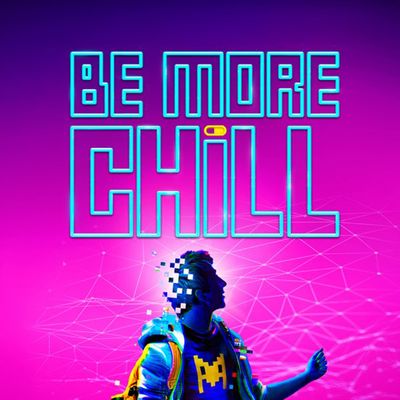
We are very excited to share this conversation with you! With two shows currently running (one on Broadway, one Off-Broadway), I’m still shocked she had the time to sit down with us! We loved hearing all about her working relationship with Joe Iconis, how she defines commercial theatre, and why it’s so important to preserve the history of Broadway, especially now.
We hope you enjoyed our conversation with Jennifer Tepper!
Check out Jen's books, "The Untold Stories of Broadway"!
Follow Jen: Instagram & Twitter & Website
Follow us:
PAGE TO STAGE: Instagram or Facebook
#PageToStagePodcast
Transcript
This transcript was automatically generated and might contain errors.
[0:07] Brian Sedita: Hey everyone and welcome back to Page to Stage. A conversation with theater makers. We're your hosts. That's Brian. That's Mary. To put it simply, we're both theater nerds. So let's pull back the curtain and get a glimpse at the artist's process while creating their art.
[0:28] Mary Dina: Hi Jen.
[0:29] Jennifer Tepper: Hi.
[0:29] Mary Dina: Thanks so much for joining us today.
[0:31] Jennifer Tepper: Thank you for having me.
[0:32] Jennifer Tepper: I'm good. How are you guys?
[0:34] Brian Sedita: We're great.
[0:34] Mary Dina: Yeah, we're very excited.
[0:35] Jennifer Tepper: I'm excited too.
[0:36] Mary Dina: So I guess my first question is I'm very interested in the education and like maybe what you did right after high school and what that path looked like.
[0:45] Jennifer Tepper: So I grew up in South Florida in Boca Raton, where a lot of people visit their grandparents. It's a lovely place to grow up. Uh, and I was lucky enough while I was there to become obsessed with theater from afar through cast albums and through like going to see touring productions and through high school theater in summer camp. Um, but I only ever got to visit New York three times before I moved here, and those were all like the most special trips ever. And I always knew that I was dying to go to school in New York City. Uh, and that translated to going to NYU Tisch. So I was a major in dramatic writing, and that was because I loved theater and I loved writing, even though that department is traditionally for like playwrights and screenwriters and TV writers.
Um, but because I was a little bit off the beaten path from my major, I ended up having a lot of good internships and like creating a lot of projects myself while I was there and just kind of using the city as my campus. So, uh, I actually I'm in the middle of like a huge apartment clean and I was finding a ton of playbills from college where I took notes on changes being made during previews, and I feel like that was as much my education as like NYU class. Uh, and you know, just everything I experienced during those four years, uh, including a couple of like really good internships.
[1:47] Mary Dina: That's awesome. So was there anyone either in the internships or in the real world or at school that really mentored you or really inspired you to kind of take that next step? Because I feel like you are very aggressive, but in like the best way because you are a go-getter. And as a woman in the industry, it's very inspiring to see just how motivated you are. So I'm wondering if there was someone that inspired you to be so motivated.
[2:12] Jennifer Tepper: Thank you. That's really nice. I think it's as much a part of my personality as anything. Um, but I will say, you know, my internships, which were great, were at the York Theater with the Rogers and Hammerstein organization, which is run by Ted Chapin, who was my hero for years before that, because he wrote my favorite musical theater book of all time, Everything Was Possible, The Birth of the Musical Follies, go read it. Uh, and my third internship was with Title of Show. So I interned with the writers of Title of Show, Jeff Bowen and Hunter Bell, when they were trying really hard to get the show to move from off Broadway to Broadway. Um, and they as well as uh the other cast members, Heidi and Susan and Michael Barress, the director, definitely took me under their wing and taught me a lot and just reinforced things that I was already kind of wanting to do.
Uh, and when the show did move to Broadway right after I graduated, I got to be Michael Barress, the director's assistant, uh, which was at the Lyceum where I'm now working again. So that's a full circle moment. And so there were a lot of people, like all of those people and more during those years that definitely like encouraged me. Like I was lucky to have a lot of great um, you know, professors and role models and people at internships, but it was really a lot of knowing that like I wanted to do this and like I did not want to do anything else, and I knew I was going to have to hustle very hard to kind of carve out a path that wasn't a traditional one. You know, I knew from the beginning, like I didn't want to be an actor.
Um, I didn't even want to be, you know, like a commercial producer specifically. I didn't, you know, I wanted to do something that helped new musicals happen, celebrated underappreciated musicals of the past, kind of tapped into like musical theater history and present. So I had a lot of interests and I knew that I had skills, but because it was so um so many different weirdo things, I kind of knew I had to hustle to carve my path.
[3:50] Mary Dina: So you just spoke about um theater history and all that. When did you figure out that you wanted to write your book series until uh series of Broadway?
[3:59] Jennifer Tepper: Yes. Yeah. Um what's so crazy is that I always was like, someday I want to write theater books. And it was during Title of Show at the Lyceum when I got to explore a Broadway theater for the first time and like would go into different rooms and go, oh my god, like what happened in this room and why is this part of the theater here? And how crazy that, you know, this hallway is something that someone, you know, gave notes in in 1970 and we're giving notes here in 2008. Um, that kind of like physical history of the theaters was always fascinating to me. I think also because growing up in Florida, when I would study it from afar, I would be like, Oh, the Imperial, where Dirty Rotten Scoundrels is playing right now, and that's where Pippin was.
And uh the physical history of it kind of allowed me to learn about it and made me feel like I was there. And then when I finally was there in the Lyceum, um I was just so inspired by like learning about other shows that had played the Lyceum. And one day Jeff Bowen and I were kind of exploring before a matinee, and we found this abandoned dressing room that was filled with like box officer seats of the like 70s and 80s. And um, this is now George Salazar's dressing room for Be More Chill, which is really funny because we have more cast members on Be More Chill than we did on Title of Show. Uh, and it really just stuck with me. And then a couple, maybe like two years later, three years later, um, I have a concert series called If It Only Even Runs a Minute that celebrates underappreciated musicals.
And uh Brisa Trincaro, who's an amazing producer and a million others, she wears a lot of hats as well. Um, she came to see one of those, and her and her um a partner of hers, Roberta Pereira, they were starting a publishing company to uh publish like theater related books, and they asked me if I would want to like pitch them a book. And in my brain, I was like, Oh, like someday I thought I would write a book about all the Broadway theaters, or maybe even about like what my job was on Title of Show or something, but like I didn't think that would be three years later, but maybe it is. And so I put together this, you know, crazy pitch, and they, you know, wanted to publish the book, and we got started on writing it from there.
Um, and I thought it was gonna be one book, and now it's ended up, you know, in order to do all eight theaters, I mean, all 41 theaters and eight theaters per book, uh, it's gonna be six books. So it definitely was inspired by I've done three, and actually I was like 60% done with book four when Be More Chill started going crazy last year, and I was like, okay, hold on, one thing at a time, or actually like 10 things at a time. But um, yeah, so it was definitely inspired during that Title of Show time and then rolled forward from there.
[6:08] Mary Dina: So when you actually um are working on a book and you have the eight theaters that you've chosen to work on, what's your first step in doing the research for that um that theater? And I'm sure you go there and look through the history and all that.
[6:23] Jennifer Tepper: What's really been interesting is it's definitely evolved. It's gotta be so time consuming, especially with all the other projects that you work on.
[6:29] Jennifer Tepper: Totally. You know what's interesting is like for the first book, uh, which I wrote at the exact same time as I was uh starting my job at 54 Below as programming director. I mean, the first book was really the craziest because in order to do it, I did about 200 interviews, and at this point, you know, I did about 50 additional interviews for each book. Um, but the way that it stacks up, it's like, you know, so the first interview that I did, um, you know, I it was Ann El Nathan, who's now in Broadway Bounty Hunter, but I divided up her interview by like, oh, she talked about this theater, this theater, this theater, this theater. And so now the ones that I haven't covered yet are in, you know, a file for me to use later.
And so there's all of these, you know, files on my computer with interviews dating back to 2013 that are just for theaters I haven't gotten to yet. But that first book was definitely like the most, you know, crazy and most interviews. Um, and essentially, you know, my goal with each chapter is to go back as far in history as possible. So to interview people that, you know, I have it dating back to like the mid 40s. And what's crazy about it is that there are a lot of older people who I interviewed in order to get stories about the 40s, um, you know, starting in 2013 when I was doing the interviews that have since passed on. So it really has registered more and more all the time that like unless we cash into the time we need to preserve that.
Yeah, they're gone. Um, and you know, each chapter it's like, how do we make sure we have, you know, an usher, and how do we make sure we have a producer? And how do we make sure we have, you know, women that worked in the box office and men who did this and make sure, you know, everyone is represented, races, like genders, you know, all kinds of people from different backgrounds. Um, it's so funny, but it really does get that specific where we're like, oh, we don't have a female musical director for these two chapters. Like it's so much trying to make sure we're like representing all perspectives and also um, you know, telling about a variety of shows. So shows that were hits, shows that were not hits. You know, it's such um so many different kind of things to balance.
[8:12] Brian Sedita: You mentioned that you're the creative uh programming director at Fine Science 54 Below. So when did that come into your life and how has that changed your life in any way?
[8:22] Jennifer Tepper: I, you know, for many years, like I was just as obsessed with musical theater concerts and cabarets as I was with like theater itself. And um, you know, so many of my years at NYU were spent going to Joe's pub and seeing like reunion concerts and seeing new musical theater concerts. That was always something really exciting to me. And so what's crazy is that um, you know, my first full time theater job was working for the producer Ken Davenport, which was um such an education in so many things because he does everything in-house from like producing to marketing to group sales to general management to creative development. So I spent three years there, and the way that I got that job with Ken was that um I was working on a show of Joe Iconis's called Blood Song of Love, which was at Ars Nova doing like creative marketing and audience outreach.
And Ken was like, Hey, yeah, I see what you're doing. Come do that on my shows. I want to hire you, which was so crazy. And I tell this to like all of my interns who, you know, when we're chatting about first jobs and stuff, is that I applied for jobs in that office and never got them. And I applied for a lot of jobs I never got during the two years after college. And the way that I got that job was like doing things with my friends that I believed in, and then someone being like, Hey, come do that in my office. So that was pretty amazing. And um, from there, you know, I worked there for three years and at the same time continued to like do my own stuff and write books and worked with uh Joe Iconis and family.
And the way that I got my job at 54 Below was the first year that it was open. Uh we were looking, so Joe and I and the family, we've done this crazy Christmas show, and this will be our 12th year. Uh and the first three, the first four years of it, we did it at Ars Nova. And the fifth year, Ars Nova had like a main stage production and wasn't available. And we were like, oh, maybe we'll do it at that cool new club that opened. We ended up doing it at 54 Below. And a couple months later, when they were looking for a new programming director, the venue opened with one program director who was great, and he, you know, wanted to move on from that. Um, and the owners of 54 Below were like, oh, get that woman who produced that crazy Christmas thing a couple months ago.
And he was like, Oh, I know her. So both of my full-time jobs in theater I wouldn't have gotten if I hadn't done crazy work with Joe. Um, and it's definitely changed my life. You know, I've been there for about six years now. Um, and it's been such a great way to kind of work with so many artists and so many writers and so many actors, and um just kind of be part of like early development of a lot of things, be part of a lot of people's like first uh, you know, solo concert, or like legends that I've always wanted to work with, being part of something that they do. Um it's just provided a really good foundation for everything else that I had.
[10:41] Mary Dina: Yeah, it's a great way to meet new people, and I'm sure you use it as a place to find new musicals that you could produce.
[10:47] Jennifer Tepper: You know, funnily enough, that's actually not the case. Um what's interesting is that um, you know, so as far as like commercial producing, um, I you know, it took me kind of 12 years to get to the point where I could produce one of Joe's shows. Um, and that was Be More Chill. Um, but as far as like producing, what's really interesting is like producing is a lot of things. It's like, you know, being the captain of the ship and hiring the people and doing all the things. Um, but you know, one of the main things, as we all know, is like raising the money. And it did. It took me like 12 years in this industry networking to produce one show, which was Joe's show. Um, which was Be More Chill. Um, and right now I'm producing Broadway Bounty Hunter, which is his next show.
Um, but what's interesting is that like I don't have a passion for commercial producing in itself. Like it's not I was like, I want to do this if there's only a way to make this show happen if I do it, and I'm like super passionate about it. But I wouldn't say that like commercial producing is the thing that I know I want to keep doing.
[11:42] Brian Sedita: So the show itself has to be the passion for you.
[11:45] Jennifer Tepper: Totally. And I I think that's true of most producers. Um, but I also think that, you know, judging from like what I've learned about it, um, you know, I have like a number of his shows that I really want to be involved with from a producing like standpoint. Um, and like when we work together, you know, we've collaborated for 12 years and the level of like collaboration is as such. I don't think I would ever want to produce something that I wasn't involved with on that level. Um, and like we've built that for 12 years. I can't imagine being interested in like producing something where I wasn't like that involved. Um, and so like, you know, in 12 years, maybe I'll have enough time to build that relationship with someone else if I stop doing Joe's stuff, which I don't intend to do.
So um it's the kind of thing where like for now I think I will only want to produce Joe's work. Um, and we, you know, it's it's a kind of partnership that doesn't really exist that often. Um, a lot of producers in the 70s had those kind of relationships with writers.
[12:37] Jennifer Tepper: But because you know, I fully intend to continue to run 54 Below and like hopefully do theater historian work. I think the only kinds of producing I will end up doing for a while will be his shows.
[12:47] Jennifer Tepper: So you've said commercial theater, and so to me that goes Broadway. Was is that the coaster? I should repeat that again. Um, so commercial theater to me says Broadway. Would you agree with that?
[13:00] Jennifer Tepper: Well, the technical definition of commercial theater is just the opposite of not-for-profit. So there's plenty of not-for-profit theater on Broadway, like from, you know, Roundabout to MTC. Um, and there's plenty of commercial theater off Broadway and elsewhere. You know, we're producing a commercial off Broadway run right now. So yeah, it's funny. Commercial has those two meanings. It's either stuff that is that kind of model that's not the not-for-profit model, or people just mean something that like people almost use commercial to mean something that they feel like is likely to be a hit based on the topic, which is like another amorphous definition.
[13:30] Mary Dina: That's so interesting. Have you ever been involved in a not-for-profit model in the producing avenue?
[13:35] Jennifer Tepper: Yeah. So what's interesting is like um I have had so many random jobs. Like I spent the two years after I graduated NYU um working like a million different jobs. And so like I did things like I company managed a season at NAMP'd, and like I like PA'd a show at Second Stage, and like I did so many different things that I had experiences at a lot of the not-for-profits. Um, but also every single show that Joe did up until Be More Chill, which was off Broadway and Broadway, was at a not-for-profit. So, like every single one of those was at, you know, True River is a not-for-profit. Barrington Stage is a not-for-profit. So I've spent a ton of time at those theaters. Um, and it's just like an interesting model that a lot of commercial shows now like start out at a not-for-profit in order to get a commercial run.
The main difference is just that um, you know, a not-for-profit is like entrenched at a theater. So um a commercial production is like a startup. So if you want to do uh, you know, say you want to produce a show and you can't get a spot at a Second Stage or an Atlantic and you want to do it yourself, that's a commercial production because you're doing it on your own, you're starting from scratch or raising the money. Whereas a not-for-profit theater slots their season in.
[14:39] Mary Dina: Yeah. I mean, there's a lot of differences, obviously. Like they have subscribers, they have all of these things in place, donors. Um, but essentially at the end of the day, you know, you have to raise so much money to get the not-for-profit productions to happen, and you have to please the people that are giving you that money. And it's the same thing with commercial theater. So it does have a lot more in common than it, you know, people think it does. Um, and it's also so much not-for-profit theater now. They can only do certain shows if they get enhancement, which is like a commercial producer giving them money. So the lines um I think have gotten more and more blurred in recent years.
[15:10] Mary Dina: So I have a question about the many hats that you have worn. So for someone who has worn many hats and has interest in a lot of things. Do you think that has helped you in your producing role?
[15:25] Jennifer Tepper: Definitely. Or is there, or is there a need to have like a I guess a need isn't really the right word, but is there a need to have like a like a clear focus? Because I know a lot of people in the industry who have said, I am just this. And I for me personally, I have done several things. Like I have worked in a nonprofit. I'm now working for a commercial entity producing company and just like having the different experiences. Would how do you view that?
[15:49] Jennifer Tepper: Totally. You know, I think it definitely is really helpful in most ways. Um, there's definitely a lot of people I never would have gotten interviews with for my books if I didn't know them through booking them at 54 Below or working on a show with them. And in the same way, you know, there's definitely people that I've gotten to know through my books that then come up later and I'm able to work with them on a production because of that relationship. So, as far as like the theater community and building that, um, you know, and so much of the programming that I do at 54 Below is like um, you know, making sure new writers have a platform, making sure these older musicals get done again. Um, it's such an interesting collision of like knowing theater history and present that also wouldn't be possible without the book. So it does feel all connected in my mind for sure.
[16:30] Mary Dina: So it seems that uh one of your goals is inclusivity. And so uh I'm sure you get young and female a lot in this industry, but does that bother you in any way that people maybe bring that up all the time? Or do you think that the conversation really just needs to be open and a dialogue to keep the inclusivity included in the conversation?
[16:49] Jennifer Tepper: It definitely doesn't bother me. I think that it's like very cool that we're all having all of these conversations. Um, and especially, you know, like on Broadway Bounty Hunter, which we're deep in rehearsals for right now, it's like I have never been in a room with more people of different um ages, gender, race, background, like it's the most diverse and inclusive group ever. And we've been having like these really in-depth conversations, both in the rehearsal process and like during lunch about so many things that I just don't think that we would if it was like a room full of women or a room full of white people, or you know, any number of like bubbles of the way that this happens. And so I love that we're having the conversations and um, you know, mixing in terms of like what is expected of like who's gonna do what.
Um, I do think there's like a tricky thing with producing where it's like to be a producer, you have to have access to a lot of money. And it's like as long as the universe is more tilted towards like a certain kind of like white man who is older who probably has access to that money, like there's almost no way to um, you know, be inclusive with producing to a degree because it's so dependent on that.
[17:52] Mary Dina: That's so true. I didn't even think about that.
[17:54] Jennifer Tepper: Yeah, it's interesting, and it's like even though, like, stereotypically money's usually the first thing people outside of the business think is a responsibility of a producer.
[18:03] Mary Dina: Totally, and it is.
[18:04] Jennifer Tepper: I mean, at the end of the day, it's like I've produced tons and tons of stuff, but I was not a commercial producer until Be More Chill. And it took me so many years to build that network because, like, you know, I don't come from money, like I didn't come from a background where people were doing theater. Um, you know, it's like you have to network in order to meet people that are potential investors. Um, and that's a big part of it. It's not the only part of it, like, producers do all kinds of things, um, you know, in running a show. Um, but in order to build that network, you have to have some kind of connections, and in some cases, it's you know, I know plenty of producers that came up as company managers who didn't come from money or marketing directors or whoever.
Um, but a lot of people do come from that foundation of money, because even if it's not your money, you have to find people to ask and to get to invest. Um, and so you know, in order to obviously produce a Broadway show, you're usually raising you know millions and millions of dollars. So, um, you know, in terms of hiring for other jobs, even in any job in theater, there's like a lot of conversations to be had about inclusivity because you know, what's interesting is so many types of theater jobs require years of internships, and those are unpaid, and so it's like who can do those, and how does that make you know elitism?
[19:09] Mary Dina: Totally, totally. Um, but with producing the conversation is a little different because so much of it is having access to money. So, again, it's like you know, theater should absolutely try to solve the world's problems, but it's acknowledging that that is a problem of the world, you know. You know, if there were different kinds of people that had all that access to money, there would be more different kinds of producers.
[19:26] Mary Dina: What's a surprising responsibility of a producer that you could shed light on to the people that may think that money is the only thing that you have to do?
[19:34] Jennifer Tepper: Um, you're technically everyone's boss, which is really a funny thing when you know I'm 33 years old and I'm the boss right now and Broadway Bounty Hunter of like dozens of my friends and dozens of people who have been in the business longer and who are older, and like it's just an interesting dynamic. You know, you are in charge of every department, and a lot of that is like hiring the right people and delegating, but a ton of it is hands-on, you know, decision making and support of every department and guiding the show, whether that means marketing, whether that means casting, whether that means the lighting design, whether that means the theater operations. Um, so on a day-to-day basis, you're just working with every department to make tons of decisions based on what you feel are right for the show.
Um, and for me, and you know, this is kind of what I was talking about like producing is so much about the show itself and about the material that you know I'm super hands-on, you know. I sit with the writers of any show I'm working on and like throughout the entire process talk about so many things. Um, and how you know it's almost a dramaturgical kind of perspective as a producer. Um, but that's something that you know, that that's pretty unique to like the relationship of the people I'm working with.
[20:38] Jennifer Tepper: Um, there's also, I mean, what's interesting is that on Be More Chill and Broadway Bounty Hunter, there are so many people on the team that because I'm their close friend, they ask me lots of questions that you probably wouldn't ask a producer who you like just got hired by and didn't know that well. So I sit there often with like the Be More Chill band, and they'll be like, Why did we do this instead of this? And I'll be like, Oh yeah, I'm the producer, I can explain this decision. And some of the challenge really of the last year has been figuring out when people should know something and when it's not helpful to them. And um, that's an interesting part of it as well.
[21:08] Mary Dina: So you mentioned the dramaturgical part of the role, and that's something that has always stood out to me. I took a dramaturgy class in grad school and I was it just like opened my whole world. So is that something that you had a background in before? Or was that something that you knew would be a part of the producing process, or was that kind of like a learn as you go?
[21:26] Jennifer Tepper: You know what's so interesting is it's actually the part I probably um you know got an education the most to deal with because since I went to school for technically for playwriting and screenwriting, um, as well as having spent my entire childhood studying musicals, you know, when I sit down right now with like Joe Iconis and Lance Rubin and Jason Sweet Tooth Williams who are writing Broadway Bounty Hunter, and I'm like, hey, you know, we put this scene in, so this character had this established earlier, but when we did the other production, it made more sense how it was here, and you're having those conversations, and I think that I wouldn't be equipped to have that without having studied musical theater and storytelling and you know, all of those things the way that I had. But at the same time, like there is nothing that you learn from more than actually like being on the ground in a musical.
[22:06] Jennifer Tepper: Um because all the shows are individually different, and so the process is so different. 100%. And like with our group of people, it's so collaborative that like sometimes you're like, oh, this isn't gonna work, and then you get in a room with an actor and their perspective on it brings something new to it. It's so much of just like being in the room and responding to what other people are doing. Um, and in that way, like the dramaturgical elements mix with the like other producing elements. It's so much of like, hey, we hired this person to do this because this is happening in the show, or like this is how we're shaping this like social media campaign because of that thing that the scenic designer just did.
And so much of like Be More Chill was crazy because it was really my first time when we were doing it off Broadway of being like, Oh, oh yeah, the other day the stage manager said that this was a problem. So, like next week when I'm talking to the press agent, we'll do this. Um, and so it's so much of like producing is so much of being the connector between a lot of different departments as things um evolve.
[22:59] Mary Dina: So it seems that you're really busy and you have so many different things in your life that you're balancing. So how do you soak in all the enjoyment and keep the passion there?
[23:07] Jennifer Tepper: That's a great question. Cause I will tell you, like, it's never been harder to do that than in this last year. Um, you know, we spent a decade trying to get these musicals to happen. Um, and it took until the internet decided Be More Chill was good to get all of them to start happening. So it was definitely not the dream that they would all happen at the exact same time. Um it's very magical that they are, but it's taken a little bit of like recalibrating. And I even like I said to Joe like a couple months ago, like, I just hope we can really enjoy this because like we are truly working like 20 hours a day and like trying to keep all the balls in the air. Um, so much of the enjoyment part of it is really just like pausing in certain moments um and just kind of like taking in what's around you.
Like I find that um sometimes I only enjoy what has happened in a certain day when I'm like leaving and like walking around and like listening to music and being like, oh yeah, this and this happened, and that was always like a dream of ours. Sometimes it just takes like making sure you're stepping back from it and like breathing and like appreciating the moments.
[24:03] Jennifer Tepper: Um, but I will say that you know, we all talk about the difference between like social media life and the real life and like how so fitting with Be More Chill.
[24:10] Mary Dina: Totally, totally.
[24:12] Jennifer Tepper: Um, and it's been like the most magical year ever, like it really, really has, and it has also been truly the most challenging year ever.
[24:19] Mary Dina: And I'm sure shocking. And the whole digital incarnation of how everything came for this show specifically is so unique and uh unlike other productions.
[24:30] Jennifer Tepper: So it's definitely, you know, you've worked on this one, but I can't imagine your next show is gonna have the same trajectory.
[24:36] Mary Dina: Totally.
[24:37] Jennifer Tepper: Um, I don't think any show ever will. Like it's so crazy. Um, what happened? You know, the show happened in 2015 for a month in New Jersey. It died. Like it got a bad New York Times review. And from there, you know, if you get a bad New York Times review and a not-for-profit, no commercial producer's gonna pick you up. If I at that point had been like, I want to produce this, I never would have been able to raise the money, I never would have been able to get a theater. It's not up to you. You know, you're at the mercy of those kinds of powers that be. And so it was really the first time it's ever happened where a musical has gotten to New York because of a viral cast album.
[25:08] Jennifer Tepper: Yeah, it's gotta be shaking the producing community in a way to to have them rethink what's gonna get a show to Broadway, what's gonna be a commercial success, what does success mean, and how are, you know, people digesting their content.
[25:22] Jennifer Tepper: Well, what's crazy about it though is that was four years ago, and it hasn't happened since. And I'm sure it'll happen again at some point, but there's no way to make that happen. Um, hopefully it's giving people pause about like, hey, this production happened, it didn't get a good review or it's not moving on. Let's record it anyway. I would love it if that was part of our legacy. That would be phenomenal. Um, but I'll say, like, you know, there was nothing we could have done, like we couldn't have done anything else to push it forward. It took, and you know, there were two years after the album came out when we were trying knocking on every door of every producer being like, please someone else do this.
Do it at a small theater in Idaho. Like we couldn't get anyone to do it. Um, and we did a concert of it at 54 Below as part of a new musical series that I put together at 54 Below, which also included Strange Loop, which is running off Broadway right now. Yeah, and it was that concert that got RH to license the show, and then it started getting done in schools and amateur productions, and at the same time the album started taking off on the internet just because people thought it was good and kept, you know, sharing it and listening to it. Um, and it really was unprecedented. Like nothing like that has ever happened. Um, and as these school and amateur productions were, you know, happening and people were flying in from all over the world to see them because they wanted to see Be More Chill, it started finally this groundswell where we were able to find the right people and the money and the theater and bring it to New York.
I think you've touched on something very important, which is the people. It's it was really like it was a love project for the people for all of the theater fans out there, all the theater makers out there. I I've heard a lot of talk about how like the social media drove it, but I really think that it had to it came from the human beings, which is so cool because I feel like social media, especially today's age is very dehumanizing for a lot of people and just in the culture in the society in general, but the fact that people were able to kind of pull it out and be like, hi, this is something that I really love it's just a testament to like the what you guys have done and like the work and the story, honestly.
What's funny is that like Will Roland always says it's just good old fashioned word of mouth. It just happened on the internet. But people can't you know when I started working in theater on Title of Show I was always the youngest person in the room and I remember sitting in a lot of marketing meetings where people were like well social media is never gonna sell a ticket but I guess we'll make the show a Twitter account. Like that's what was happening in 2008. And now it's like the main thing even not on Be More Chill on other shows, the main thing that is selling tickets and getting people to know about a show is social media. Like that is the main tool. We would not have gotten to Broadway if it wasn't for George Salazar's Instagram and he spent years responding to every message and like posting content and encouraging this Be More Chill groundswell of fans as did our whole, you know, original cast and creators and everyone but what's interesting is that uh you know press is so important marketing is so important all of these things are so important but they're now joined with social media and on Be More Chill, we've had um like influencer marketing, which is kind of the next frontier, which is obviously you know ties into social media, but people want to hear from someone that actually saw the show and is giving them an authentic opinion about what they thought about it.
[28:15] Brian Sedita: So Be More Chill recently announced their closing on August 11th. What are the responsibilities that you're gonna have after it's closed?
[28:22] Jennifer Tepper: That's a good question. Um, yeah, so obviously, you know, producing a show is like you're producing we did it off Broadway, we do it on Broadway, and now, you know, there are plans hopefully for a tour, you know, it's gonna get licensed even more, it's gonna have a movie that's been announced. So there's all kinds of things for the future of Be More Chill that we're super excited about. Um, but for me, so much of it is, you know, all of the people that were involved on Be More Chill, um, both in terms of like the investors and co-producers and like that family that we built and the you know, the creators, the cast, everyone backstage, like all of that. It's like, how does that continue? And we've spent all of these years building this like family of artists that now grows and grows.
And it's like, what can we work with that person on next? And how can we make sure that you know, Be More Chill gets done in this school because that group came to see it? And how do we make sure that that you know, it's so much of like taking the seeds that were planted at the Lyceum and continuing with them? Um, and it's funny because I've I've had a few moments in the past couple weeks, not even since we announced closing, but just in general, of being like, oh yeah, that person is really amazing at this. I wonder if they could do this on this other show. Um, and that's happened constantly. You know, our uh original musical director for Broadway Bounty Hunter, Joel Wagner, um, is also an actor.
And when we were doing some Broadway Bounty Hunter development um about a year ago, he was like, You guys, I love our show so much, I'm really gonna focus on acting. And Joe and I immediately turned to each other and we were like, is he the cover for Be More Chill? Could he cover Jason Williams? And now he is covering Jason Williams, and like, you know, it's so many things where we're like, we built this foundation of family. Like, like how do we continue to grow it, but also support the people that are there? So um, yeah, there's like a lot of future cool things for Be More Chill, but also just for people that have built relationships on it.
[29:58] Brian Sedita: So a question about the producer role. So I, from my knowledge, you can correct me if I'm wrong. So there's a lead producer, co-producer, and then they're investors. Are there other roles that I've missed within there? Would you say?
[30:08] Jennifer Tepper: Yeah, you know, there's like always like a you know, as every show is different, there's always like a little bit of variation on that. Um, but essentially, you know, the producer team are the people like in the room who are like making the decisions and attending the meetings and like part of the process in that way. Um, and investors, a lot of investors, especially on these shows, like have been super, you know, involved and present and all of that. Um, but producing is a level above that in terms of involvement.
[30:34] Brian Sedita: So can you guess just like explain like the roles of like the differences?
[30:39] Jennifer Tepper: Totally. Um, so the lead producers are actually the folks like in charge, like the production is theirs, they're the ones who like have the official capacity to hire people to make the decisions to do everything. Co-producers are brought on um by lead producers. Um, and part of that is you know, to be a co-producer, you have to raise a certain amount of money. Um, and that's considered a co-producer on Be More Chill or a lead producer. So, what's interesting about Be More Chill is we do have one of those like weirdo situations. Um, so Jerry Garing and Mike Meetri, who are amazing like lead producers, um, they were the ones who finally, after years of being like no one wants to do Be More Chill, they were like the heroes who came in and did it.
Um, and from the you know, very first time that Joe Iconis and Joe Trace were talking to Jerry, um, they were like, Oh, you should talk to Jennifer Tepper. So when Jerry and I met and he brought me on board as a producer, um, technically we call my title on it not lead producer but producer, and then everyone else is a co-producer. So I've been involved with a lot of things that the co-producers haven't. I'm not involved with certain things that the lead producers are. I'm kind of like a weird level in between. Um, and I know a couple people on other shows on Broadway who actually are in that situation too. It's just amorphous. It's weird on different kinds of shows. But um and then co-producers are people who you know have raised a certain um amount of money.
And so you know half of the co-producers on Be More Chill are people that I brought on half are people that you know Jerry and Mike have brought on. And then underneath them there are lots of investors and also underneath us are lots of individual investors.
[32:06] Brian Sedita: So you guys are in rehearsal right now for Broadway Bounty Hunter. Where is that gonna be?
[32:10] Jennifer Tepper: Broadway Bounty Hunter is going to be at the Greenwich House Theater, which is formerly known as the Barrow Street but is now owned by Arsnova. You might have seen Sweeney Todd there recently or Constitution or Freestyle Love Supreme. And we start previews July 9th and we open July 22nd slash 23rd. We have so many people that we have to have two opening nights what a joy but we actually we start tech tomorrow. Our sits probe is tomorrow morning and then we go right into tech um and the show is amazing. Like I was talking to a couple people um yesterday at Wheels was like I don't think I've ever felt I'm not gonna knock on wood it'll mess up the recording. I've never felt so confident going from the rehearsal room into the theater about where the show's at like the show is just really great. And you know when we did it out of town in 2016 we believed in it so much. So to have this way to bring it to New York now is really exciting.
[32:54] Brian Sedita: Is there any part of the process that is similar to Be More Chill because I know you said that you have been working on it also for about 10 years. Is that?
[33:00] Jennifer Tepper: Yeah, you know, the funny thing is like with uh from the first time like I heard Joe's material when I was a student at NYU I was like this is the person I want to work with this is the bus I want to get on. Like I want to be part of this family of artists. And so what's been interesting is like, you know, with Be More Chill at Two River, I didn't have any official job or title on it. You know, I was like special thanks to Jennifer Tepper. Like so many of our family members like were around for the development of things. Like someone does a reading, someone writes a vocal harmony, someone, you know, helps with a concert. It's so um, you know, just communal and collaborative in that way. And sometimes you end up being part of the show in an official capacity, and sometimes you're part of the next show in an official capacity.
But with all of Joe's shows, you know, I've always been around at uh Broadway Bounty Hunter, you know, from the very beginning of the writers creating it. I, you know, heard the songs. I was there for all of the development. Um, and during the Barrington run, I was definitely there having so many of the like similar conversations to what I have now as an actual commercial producer on the show. Theater is weird. But so we did it in 2016 at Barrington. Um, and then this production is um, you know, brand new for New York.
[34:04] Brian Sedita: What would you say is the most rewarding part of your job as producer? Or honestly, just working in the theater in general.
[34:11] Jennifer Tepper: Yeah, you're all your all your endeavors. Totally. So much of it is about people having the kinds of experiences that like I loved having growing up and also still love having at the theater or at like a performance. Like I, in terms of like 54 Below, I always think about um, you know, Adam Pascal and Anthony Rapp did a run there, which like was years in the making and was so exciting. And you know, as a Jonathan Larson and Rent fan, like so thrilling. Um, and every night, because like I barely missed a performance of that, I would just kind of watch the audience as well as I would watch what was happening on stage. And people who, you know, love Rent but had never seen it live were like, oh my god, I'm seeing this.
People who are like me and were fans of it, you know, people of all ages, again, like all backgrounds, everybody, just like having this communal experience that they would never happen again that would never happen again and enjoying it. And um, whether it's like, you know, a Broadway musical, an off-Broadway musical, a cabaret, it's like having being in the room as people experience that is incredibly rewarding, especially when it's stuff that you know, I have believed in these musicals of Joe's for so long, and for so long, like we just couldn't get anyone to help us put them on a stage or to see them. And so to finally be able to be like, here they are, and now like look at all these people leaving the Lyceum, having like really been changed by Be More Chill. Um, it's it's incredibly rewarding.
[35:25] Brian Sedita: You said at the start of this interview, you had said that you had mentors in various capacities. And so now you said you have interns, and I'm sure there are tons of young artists, young theater makers, either in school, out of school, whatever it may be, who I'm sure look to you now. And so have you had an interaction with someone, or if is there a piece of advice that you were given that you can or have passed on to those younger, younger artists?
[35:48] Jennifer Tepper: Yeah, you know, it's so interesting. But our um producing and social media intern on Bounty Hunter, Bailey Ford, and our stage management PA, Ladies Del Castillo, were both my uh 54 Below interns. And you know, when you have um whenever I've had interns or assistants or anyone that I've been like, that person's amazing, like you try to get them that next job, or if you can hire them yourself, you do. So much of like the theater was people kind of seeing like you have to kind of make yourself indispensable, and then someone will want to hire you again, or either to you know, recommend you to someone else. That was my experience, and that's what I try to do for other people. But as far as advice, um, you know, the best thing is just kind of to get started.
Like, that's the main thing that I learned, and that I try to pass on is that like, yeah, like all of this stuff, like if I'm giving, you know, like we're having a very honest conversation about producing, and I'm very aware if I'm talking to a young person about that, it can be intimidating. And I never want it to seem like, oh my god, these are all the scary things and uh the challenges of it, so don't do it. It's really like so many people do tell young people that want to go into theater. It's so hard, it's so hard. Totally. So there needs to be people that are gonna uplift and get people, encourage people to do it. Totally. And everyone I ever talked to was like, don't write books about the theater, you'll never make money doing that.
Which also like is fine. And it's true. Like, you know, but um, so much of it is like making sure that if you know you have things that you can do as jobs if you want to do it. Start as a passion first. Totally. Um, but as far as you know, advice, just like getting started and being like, it is hard, it's really hard. Um, that doesn't mean that you can't do it, and that doesn't mean that like having a reading for a bunch of people in a basement isn't gonna be like a really good start, and then like you'll do it at the next level and the next level. Um, and also it's like there's no um there's nothing wrong with like the fact that like a lot of people are amazing at doing things um and are passionate about them, and that's not the main thing that is their job. That's also fine too. Um, and that could change at some point and it could not change, but it's like just doing what you love is so important on at every age at every level.
[37:45] Jennifer Tepper: I love that it doesn't necessarily need to be like your main job right now, even because it could change in like a year or six months or six years. Totally, there are also other ways to have like a full-time job that's still in the industry, absolutely, that still supports the art that you want to create.
[38:03] Jennifer Tepper: So that's, and I think that you're a testament to that. I mean, there are plenty of people who work nine to five or ten to six, whatever it is, and then still create work, it's just a balance, I would say, right?
[38:13] Jennifer Tepper: Absolutely, and it's so much about like what you want to do. Like, there's certain kinds of jobs in the theater that are gonna pay you, and certain kinds that are gonna pay you less. And it's like if you're a musical theater writer who wants to write original musicals, you are not likely to make the same kind of money as if you are a musical theater writer who is pitching for the corporate jobs and the musicals that are based on movies that you might or might not get. But it's like there's certain kinds of paths that, depending on what you want to do, could lead certain ways. But if you're true to yourself, that's always gonna be the best possible plan to turn that into your career. You know, there are so many unpredictable things that you just have to, you know, kind of follow your gut.
[38:48] Jennifer Tepper: So while we're on the topic of wages, I'd really love to ask you how you think that wages stand in the industry right now, especially for people on the lower food chain of the business, and how somebody can really support themselves on these lower wages that sometimes I don't think are livable.
[39:08] Jennifer Tepper: That's an interesting question. Yeah, you know, it's so funny to interact with because like I fully had all those jobs. Like I was a PA, and I'm sure that you're so compassionate to that aspect.
[39:21] Mary Dina: Totally.
[39:21] Jennifer Tepper: I mean, but like, you know, I for years, and I still look, I still have all of these jobs, but it's like I was a PA who like SAT tutored and like babysat so that I could like build a foundation in the theater so that I could get a job. Like I always tell my interns this too. It took me two years to get a full-time job in theater, and that was so much from like tons of non-theater-related day jobs and tons of theater-related internships and volunteer opportunities. And that's kind of necessary in our business for a lot of people to get a job, which again, like I appreciate that I had the privilege to do some of that, and like, you know, a lot of people don't, and that's something that like is definitely I think going the right direction in terms of trying to have opportunities that have more support for interns and things like that.
[40:04] Jennifer Tepper: But yeah, in terms of like those things, it's so funny because like right now, you know, we're putting together a show in a 199-seat theater, and you can only sell so many tickets. It's kind of that, but it's kind of also like okay, if we pay this person five dollars more a week, we can't build that prop. So it's like that's my job as the producer to be like, we want to pay this person as much as we can pay them. If we pay them $40 more, we can't do the show. And so much of it is interacting with that, and especially interesting when like, hey, it's your friends, and you're like, I just want to pay everyone all the money, but you're also raising the money. So what you're doing is convincing people to give you money, knowing that one in five shows makes their money back, and that you can't produce the next one, usually unless you've made some money back, and balancing that with the fact that you want to pay everyone fairly and that it's a 199-seat theater. All of those things kind of come into play. But so much of it is like, how can you pay someone as fairly as possible and still make the show happen?
[41:01] Brian Sedita: Right.
[41:01] Jennifer Tepper: You guys have lots of good questions.
[41:04] Mary Dina: We try.
[41:06] Jennifer Tepper: I mean, there's also so much about producing that we don't know, and actually, I wasn't gonna bring this up, but I actually work for Ken.
[41:14] Brian Sedita: Yeah.
[41:15] Jennifer Tepper: Currently, and so I'm like learning about the whole producing side of it. I have thought so much about Ken for so many things, but like, you know, I was there for the people of Godspell, which was when Ken got the special permission to do the raises for Godspell, integrating like smaller investors and like got the SEC rules changed to do that. And now, you know, commercially producing Be More Chill and Broadway Bounty Hunter off Broadway, the minimums are so much lower than they are for Broadway. That has created this pool of like we've been able to bring on smaller investors, and in so many of the conversations I've thought about those years of raising the Godspell money, you know, not that I was doing, but that I was, you know, watching Ken do and being in his office supporting in various ways. It was definitely an education being there.
[41:55] Brian Sedita: Yeah. Do you have any interest in producing for theater, film, live events, stuff like that down the line?
[42:02] Jennifer Tepper: You know, I kind of like it's so funny, but it's similar to the way that like I've done everything so far. It's like if it comes across, yeah, it's that kind of like I never want to write a musical. That sounds like the last thing I would ever want to do. I would probably like, you know, I would rather not work in theater than write a musical. But then I'm like, you know, Shuffle Along definitely changed my life. Like that production was the craziest thing I've ever seen. And you know, when I said that to a friend of like, that's the last thing I would ever want to do, write a musical. They were like, what if at some point there was like a version of Shuffle Along, but that was about A Chorus Line or Oklahoma and you were writing, and I was like, that could be cool.
[42:38] Brian Sedita: That does sound like a perfect project for you.
[42:40] Jennifer Tepper: Right. So it's like the theater, and that's like a random example, but I just mean that like, yeah, like there's no kind of telling, like, I'm so much more guided by the specific things I'm passionate about than from the like, I want to do this, I want to do that. And it's not like commercial producing doesn't excite me in itself. I like worship so many commercial producers, especially a lot of the ones who I interviewed for my books, but that was never what I wanted to do. But when the opportunity came up to like make Be More Chill happen in New York, I wanted to do that, and that meant commercial producing. And at some point, like the opportunity could come up to do like the Jonathan Larson project as a movie, and then I'd be like, I want to produce a movie. So it's so much guided by the projects themselves, I think.
[43:17] Jennifer Tepper: Trying back to your book, which is focused on theater houses and Broadway houses specifically, and there just aren't enough. I mean, there are so many productions now on Broadway that it's a great thing, a great problem to have of where they're just booked for years and years and years now, which means they're running for years and years and years, but that means that new work or revivals or whatever that is, they don't have the opportunity to sneak in there. It's really difficult, I imagine. And so, is there a world in which maybe you would want to work to open a new one? Or I don't know where, I honestly don't know where they would put them, but yeah, no, this is a huge part of my like if I had some create like in the world that we're all like daydream about when we're like having a drink with our friends, it's like, yeah, if I had so much money, I could do anything, I would take one of these last Broadway theaters and turn it back into a Broadway theater, of course, because at the end of the day, like you know, it's not the producers who have the power to decide what happens on Broadway at all, it's the theater owners, all of whom are, you know, in it's incredibly fascinating the way that they each run these individual empires.
But it's like now there's seven shows that want to have this one Broadway theater. They all have the millions and millions of dollars to come to Broadway. The theater owner picks which of those seven shows gets the spot. So it's like it's the theater owner that has that power. I do believe very firmly that like it would be great to have more Broadway theaters, but in actually like breaking that down, it's so interesting because like 20 years ago, half of them were empty, and there will be a point in time in the next 20 years where it's possible that that will happen again. Like these things go in waves that have to do with so many things outside of theater having to do with New York tourism and, you know, the health of the, you know, United States economy.
It's so many things. That said, like we got a new Broadway theater in the last five years, which was, you know, the Hudson, which is owned by ATG. So ATG is making huge steps in terms of new theaters. I think it would be an incredible thing to want work at one of those organizations and be part of like those decisions that get made.
[45:18] Jennifer Tepper: And what was the other part of your question? It was so interesting, but what was the other part of your question?
[45:24] Mary Dina: It was tied to the book.
[45:25] Jennifer Tepper: It was, oh, oh, the types of shows that get in. So this is also like when I was growing up, and I mean, you guys tell me if it's your experience, it's like I love original musicals so much, but there are also tons of musicals I love that are based on movies or books or plays or songbooks. Like there are jukebox musicals I love. There are like all different kinds of musicals that I love. And so I think so much of the industry is pitting people against each other, being like, Well, we're an original musical. Oh, well, people know what we are because we're based on this beloved movie. And it's like, it doesn't have to be about that. Like, there are so many things that can make a good musical. It's about the execution and who's writing it and who's producing it and creating it.
And there's room for all of those things. But what's interesting to me is, you know, for the last five years, the best musical Tony Winner has been a show that started out off Broadway that was about like teen suicide or like, you know, a band in Israel, or you know, there's so many, like, you know, all of these unlikely types of shows are actually the shows that have that kind of acclaim. Not to say there aren't other kinds of musicals that are running that are making money, but it's like there are room for those kinds of musicals, but you kind of have to be like the one that season. Sometimes there's two. And so it's like all of most of the musical theater writers I know, the thing that they're striving to do is to be the one musical that's that musical of the season, which like starts out out of town, goes to off Broadway, transfers to Broadway, gets best musical.
Like that is a path, and that is not the like super commercial thing, but so much of the rest of it that is able to get a theater is like this movie studio is creating a musical based on this movie, and a lot of those are great too, but that is more in the majority, even though the things that are now proving to get the Tony Award winning type of acclaim are the original, like unlikelier shows. So I think that people aren't really talking about that as much, but it is an interesting dichotomy on Broadway right now.
[47:11] Mary Dina: So, speaking of Broadway right now, or any theater in general, we always ask our guests as a final question. What is the last great piece of theater that you saw?
[47:21] Jennifer Tepper: What's interesting is like the last technically great piece of theater I saw, I'm not even ashamed to say it, was our like first rehearsal room run through of Broadway Bounty Hunter, which I'm so proud of and like cannot wait for people to see. Like I am so blown away by everyone on our team, and just like July 9th can't come soon enough. But the last great piece of like produced theater I saw was definitely A Strange Loop of Playwrights Horizons, which continues to like blow my mind, and I just want every single person I've met to go see it.
[47:44] Brian Sedita: What is your guys' current answer? I need to know.
[47:45] Mary Dina: Uh, so yesterday I said um, uh Bo, which is a new musical written by Douglas Lyons and Ethan Pacchar. I always mess up his last name. Um, there it's still like they're still writing it, but they're about to do a sit-down or a production at the Adirondack Theater Festival. So I just last weekend saw a product and a site-specific production slash immersive production of uh unfinished Arthur Miller screenplay that was adapted to be done in Red Hook, Brooklyn, and it was on the pier at the Waterfront Museum. It was with the company uh Brave New World Theater Company, and they did this production, they finished uh the adapter. Uh I met him, he said he got all the um uh uh manuscripts from when Arthur Miller was working on this, and actually a big part of the story, it goes with the story, but they the studios kind of shut him down from finishing the script because it uncovered some dirty business in the unions.
And so um this was a reading workshop on the pier in Brooklyn, Red Hook, and they're gonna do a full production next year. So I thought that that was one of the most fascinating things I've seen in theater in the past couple weeks.
[48:58] Jennifer Tepper: Wow, that's amazing.
[48:59] Mary Dina: Yeah, and I'm amazing. The reason I went is because I'm a huge Arthur Miller buff. Like, I'll see anything, Arthur Miller in any capacity if it's within driving distance.
[49:10] Jennifer Tepper: I love that.
[49:11] Mary Dina: I want to see that.
[49:12] Jennifer Tepper: That's amazing. So um that was called Red Hook with Brave New World Theater Company.
[49:16] Brian Sedita: Cool.
[49:17] Jennifer Tepper: I love site-specific things.
[49:19] Mary Dina: I think because it's the first one I've ever seen.
[49:21] Jennifer Tepper: Oh, really?
[49:22] Mary Dina: Yeah.
[49:22] Jennifer Tepper: Like black boxes. I feel like you can really like mold what the audience experiences and also how to tell the story.
[49:28] Jennifer Tepper: So totally. One of the best things I've seen in the last like five years was Ragtime on Ellis Island. Like that was extraordinary.
[49:34] Brian Sedita: But site-specific theater is the new frontier as well.
[49:37] Jennifer Tepper: Yeah.
[49:38] Mary Dina: Well, thank you so much for coming today.
[49:40] Jennifer Tepper: Thank you.
[49:41] Mary Dina: I just waved, like that was gonna be helpful.
[49:43] Jennifer Tepper: She waved everyone. Goodbye.
[49:46] Brian Sedita: Not a visual media.
[49:47] Jennifer Tepper: No, no, no. It's okay.
[49:49] Mary Dina: But thank you.
[49:50] Jennifer Tepper: See you later.
[49:53] Brian Sedita: Thanks everyone for listening to this episode of Page to Stage.
[49:56] Mary Dina: To keep up with us, you can find us on Instagram and Facebook at Page2 Stage Podcast.
[50:01] Brian Sedita: And if you're enjoying these conversations, we would really appreciate it if you could take a couple minutes to rate and review us wherever you're listening to this podcast.
[50:09] Mary Dina: Until next time. That's Brian.
[50:11] Brian Sedita: That's Mary.
[50:12] Mary Dina: We'll see you later.
[50:13] All: Bye.
© Broadway Podcast Network, All Rights Reserved