

Thank you for listening to this episode. We hope you enjoy it! A note about this week's episode: We sat down with Stevie before the CoronaVirus shut down Broadway and you'll notice that our conversation reflects that... Read More
From the show: Page To Stage
Featured Shows
About
Thank you for listening to this episode. We hope you enjoy it!
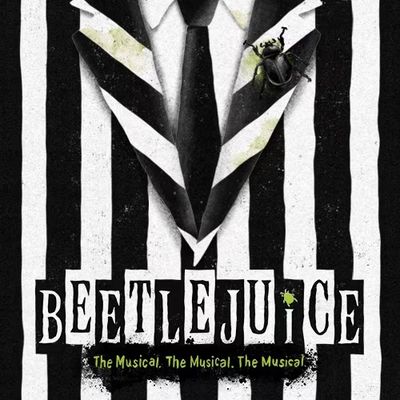
A note about this week's episode: We sat down with Stevie before the CoronaVirus shut down Broadway and you'll notice that our conversation reflects that. We are sad to hear that Broadway has been shut down through April 12, 2020 but we know this decision has been made for the health and wellness of the entire Broadway community, as well as New York City; and for that we are grateful. That being said, we hope that when Broadway does reopen, you'll be able to support these New York shows, like Beetlejuice!
Stevie Coleman is an Account Executive at SpotCo, a leading advertising and marketing agency that specializes in entertainment. In her role, she facilitates internal and external communications for Broadway shows like Beetlejuice, off-Broadway shows like Trevor, and institutions like Lincoln Center Theater and Audible. Favorite projects during her time at SpotCo include the 2019 Tony Campaign for the Ferryman and Beetlejuice’s 31 consecutive days of fan activations during the month of October 2019. Prior to joining the agency, she held positions at Carolina Performing Arts, Derris brand consultancy, and Bronze Magazine.
Outside of the office, Stevie takes in shows for both business and pleasure. In the future, she aspires to produce theater that tells meaningful, inclusive, and original stories that both illuminate and celebrate our differences.
Learn more about Stevie and her projects!
Instagram: @steviecoleman
Get tickets to see Beetlejuice: www.beetlejuicebroadway.com
Check out the Beetlejuice on social media too: @beetlejuicebway
Want more of Page To Stage?!
Follow us on Social! @PageToStage on Instagram and Facebook
MARY DINA: Instagram or Twitter
BRIAN SEDITA: Instagram or Website
BROADWAY PODCAST NETWORK: Website or Instagram
#PageToStagePodcast
Transcript
This transcript was automatically generated and might contain errors.
[0:07] Mary Dina: Hey everyone and welcome back to Page to Stage.
[0:10] BRIAN SEDITA: A conversation with theater makers.
[0:12] Mary Dina: We're your hosts. That's Brian.
[0:13] BRIAN SEDITA: That's Mary.
[0:14] Mary Dina: To put it simply, we're both theater nerds.
[0:17] BRIAN SEDITA: So let's pull back the curtain and get a glimpse at the artist's process while creating their art.
[0:28] Stevie Coleman: Hi, my name is Stevie Coleman. I'm an account executive at SpotCo. Welcome.
[0:33] Mary Dina: It's so great to have you.
[0:34] Stevie Coleman: I'm so excited to be here.
[0:36] BRIAN SEDITA: Can you explain what SpotCo is?
[0:38] Stevie Coleman: Yeah, SpotCo is a full service ad agency. And by that it just means we kind of do it all. Um, everything from traditional advertising, print, outdoor TV, to social to partnerships. We do ticket analysis. It's a whole lot of whatever you want. It's a big machine.
[0:58] Mary Dina: Now they started on Broadway with Rent, right? And I actually have their coffee table book. That's like my little nerd moment. Uh, from Rent to Revolution. And it was they published it after Hamilton came out. And it has all logos. It's such a cool book with logos of all shows and the different types of um logos that they went through to get their final designs. So I nerd out over that kind of stuff.
[1:23] Stevie Coleman: Oh, absolutely. And we're gonna have a really good time.
[1:25] BRIAN SEDITA: Yeah. So okay, so we'll get into what an account executive does, but I'm curious as to what how you started out. So where did you go to school or what did you do right after graduating high school?
[1:35] Stevie Coleman: Yeah, so I after graduating high school, I knew it was going to be college. Um, and I went to the University of North Carolina at Chapel Hill. And it's funny because I went to school to be a psychology major.
[1:47] Mary Dina: Oh my god, me too.
[1:48] Stevie Coleman: Did you really?
[1:49] Mary Dina: Yeah, but I did not actually follow through.
[1:51] Stevie Coleman: Well, that's where that's where the story's going. Um, I was really excited. I was like, I just want to help people, and I thought that was like really an amazing way to do it. And so I started with that, and you know, you start school with your gen eds and all of that, and I got into some of that. I got into some of my psychology, and then I had like a mid-college crisis where I was like, is this really what I want to be doing? Like if I think about myself after college five years from now, like in my day-to-day, am I gonna be happy doing this? Am I gonna be fulfilled? And so I'm again all of these thoughts as a sophomore. Like 10 plus years of schooling.
[2:26] BRIAN SEDITA: Right.
[2:26] Stevie Coleman: I'm like, after this, there's grad school and all these other things you have to do. And I'm like, I don't know, I don't know if this is it. And I always wanted to work in entertainment. I just knew that I couldn't sing or dance or act, but I was like, there's still a way, like there's still other people, right? Um, and I think I probably pulled this from like TV or a movie, but I was like, I'll be a publicist. And so I took my first uh communications-related course. It was intro to ad and PR, and I was like, oh, this PR stuff is pretty cool, but this advertising stuff is also really cool. Um, so then I started looking more into UNC's school of journalism, and I just have the most indecisive nature, so I picked the most like hodgepodge uh major that there is, and that's strategic communications, and that is advertising, public relations, and marketing. I was like, whatever I decide to do later in life, I'll have all the tools that I need. And so that's how I got into advertising.
[3:23] BRIAN SEDITA: What part of your life was theater in before this decision?
[3:27] Stevie Coleman: I will say theater it in a way was a part of my life. I'm from Fayetteville, North Carolina, which is a big military town, and there's not a lot of theater there. Um, but I like to think there are small moments where theater was a part of my life, and that's where I sort of became interested. I think it really started with like Disney movies and just the idea, like the structure of a musical, song as vehicle, like telling these really big, awesome stories and also having music to accompany them. Loved that. Um, when I was a kid, I my mom put me in dance classes, which was really fun. And if you know anything about recitals, they kind of last all day. And so, in between waiting for my next dance, you kind of just sit in the audience.
And I remember I was about nine years old. The props people kind of like rolled out these bars that looked like like from like straight out of like jail or something, and the lights were red, and I was like, what the heck is this? And I looked at my program and it was cell block tango, and I was like, what's going on? And it was all of the dance teachers doing their rendition of cell block tango, and it blew my mind, just it was so dramatic and theatrical. And like when you're in dance, like that the point is to tell stories through movement, but they were doing it in such an amazingly like over-the-top way that I was just so enamored with it. So that's my one big moment. And then another big moment, um, I used to spend a lot of summers with my aunt and my cousins, and I don't know how this came into our lives, where the DVD came from, but we happened upon the DVD version of Rent, and I didn't again not close to Broadway.
I didn't know anything about Rent or its significance to like the Broadway community. I just knew that like my aunt had us harmonizing to Seasons of Love, and we were singing La Vie Bohème, and those like themes were probably not age-appropriate at the time, but it was just so again incredible to me the way that they were telling stories, and you were getting to learn more about these characters through their songs, and it just it really sparked that sort of joy in me about musical theater and a lot of different movie musicals. We had Hairspray, we had uh Dreamgirls and all of their accompanying soundtracks, and so in the South, I think that was like the closest that I could come to it. And I will say, small caveat, that's why I'm so excited for like In the Heights, because knowing that that is gonna be some kids' like first exposure to musical theater in like a movie theater, I think that's absolutely incredible, and it's such a great way to expose people who may never be this close to New York to musical theater.
[6:03] Mary Dina: Do you feel the same way about tours? Like when tours go, I'm not sure if there was any like theater houses down in your city that had probably shows touring, but would you say like a Broadway national tour would be the same thing as far as that first exposure for people?
[6:19] Stevie Coleman: I would say so. I feel like a lot of different people who didn't grow up around here, or at least a lot of my friends who didn't grow up in New York, that was their first thing. It was the tour version of this or whatever. And I think, yeah, I think it fills that same uh that same gap as like your first Broadway show because it's still you getting to experience live theater. And it might not be, you know, in New York City, but it is still like this big theatrical event. And if it makes that impact on you, then I I would say absolutely national tours count.
[6:50] BRIAN SEDITA: So when you moved up here, what did you look for in a job? And how did you find yourself at SpotCo? You started as an intern, right?
[6:56] Stevie Coleman: I did. So it trails back a little bit before I graduated from college. It was the summer between my scene my junior year and my senior year, and I had just been talking to somebody that I worked with about entertainment and communications, and also like wanting to work in theater, and she was like, you know, there's this really cool company called SpotCo. They did the art for Hamilton. Like that might be something that you should look into. And I remember that that day I went on their website and was completely blown away, not just by Hamilton, but by all of the shows that they had worked on, were currently working on. And I knew in that moment, I was like, I have to work here. And I don't know what it's gonna take.
I don't know who I have to talk to, but I need to be here. And so I started looking around and you know, sending the emails, trying to make the phone calls. Um, and it actually what really started everything is I sent a LinkedIn message to a woman who worked at SpotCo, but I could also see was an alum of UNC. And so I was basically like, hey, I would love to just talk to you more about your job, go Heels, like that's what we say in my college, you know, and whoosh into the ether. Um and she it was funny enough, she was on maternity leave at the time. So, like when she didn't get back to me, I thought she just like didn't want to talk to me. Um, and she ended up replying after I had accepted an internship in New York already.
It was a different like PR-related internship, and she was like, Hey, would love it if you could like come by the office, you know. And we did, we talked about she was also a psychology major, so we talked about our backgrounds in psychology and how that links to advertising and just everything related to SpotCo, which I loved, and I was like, if all I get out of this is this conversation, then I feel fulfilled. Um, and she was like, you know, I don't really know what things are looking like right now, but like it was great talking to you. Then a couple days later, I got an email, and she was like, Hey, I would love to bring you on as like an intern. And it was like the most non-traditional thing. We have a wonderful internship program now. Um, but it was like the most non-traditional thing. I kind of just shadowed her for a couple days a week, but it was everything to me.
[9:03] BRIAN SEDITA: And what kind of position was she in to just offer you an internship like this?
[9:06] Stevie Coleman: Right. So she at the time I want to say was like the VP of research or something. Like she was doing a lot of research related things. She's now one of our co-managing directors, so girl power, shout out to her. Um, but yeah, she was just, she kind of like had me at her side, and I was like helping put together decks and just researching, you know, different producers and all of this other stuff. Um, and it was really helpful in terms of getting a lay of what advertising looks like in the Broadway space, because at school they teach you about advertising in general, so you can take these tools and advertise for Broadway, or take these tools and advertise for like toothpaste.
[9:43] BRIAN SEDITA: Is there a difference?
[9:43] Stevie Coleman: Have you found that there's like a difference in like strategy? I mean, if I think about like running a campaign for toothpaste, like the market for toothpaste is gonna get a little nerdy, but like toothpaste, if you walk into an aisle and you see a bunch of toothpaste, you're gonna go with the one that you know. So it's like, how do we get people to commit to our brand because there's such a hard brand loyalty to products like that? And then it's like if you want to get people to switch, it's like, how do we get people to, I don't know, like this new whitening feature, or like this is 40% cheaper than the other brands, or whatever. Um, so it's like I feel like with things like that, it kind of focuses on the nuances, but I think with Broadway, each show is so unique.
And I and in certain ways you're focusing on the nuances of saying, like, hey, we've got this choreographer that you probably know, or we've got this lead actor that you probably like, or we've got this many Tony nominations. But as a whole, I feel like no two campaigns even really look the same because every project is so unique.
[10:37] BRIAN SEDITA: So that's the work that you did when you were an intern, right? And then did you go somewhere in between actually getting a job there?
[10:46] Stevie Coleman: I when I graduated from college, I didn't have a job. So I was doing a lot of looking around. I had reached back out to the woman who I interned under. And it just nothing was really happening. And also it was I graduated in May. And so if you know anything about the Broadway landscape, it's not a good time for emails that are not related to the Tonys. And so I was just like looking around and I was considering different internships. I was like, maybe I'll intern for another summer and then hope for a full-time position after that. And I was in the process of like actually interviewing for two other uh internships, and she was my reference. So she emailed me and she was like, Oh, so you're like looking at other things or whatever.
And not in like a bad way, but just like knowing that I was in a space where like I'm here and I'm ready to work. And she I mean, obviously she gave me the reference and everything, but I remember I was leaving um an internship interview and I got an email from her and she was like, Hey, I have some people that I want you to talk to. Can you come in tomorrow? And I was like, Absolutely, I will come in tomorrow.
[11:51] BRIAN SEDITA: Uh so that's kind of how that happened.
[11:53] Mary Dina: That is so cool. First of all, I just want to like give her some credit and also give you some credit. The fact that like you sent this blind LinkedIn message, and then she just like straight up offered you the internship. And I'm assuming based on what the story you just said that you didn't like really ask for anything after that first conversation, is that right?
[12:11] Stevie Coleman: No, not really. It was just a it was a good conversation. I think that I mean, obviously it was one of those, like, if anything, like if anything is open, then like please just keep me in mind, but not expecting anything. It was like the middle of the summer, so I I wasn't expecting her to take me on the way she did. And her name is Shelby Ladd, so like big ups to Shelby. We love you. Thank you, Shelby.
[12:34] Mary Dina: So I'm curious as to now. So has since when you started full-time with SpotCo, how has your position evolved? Or if it hasn't, that's totally fine. Or like I'm curious as to what you were doing when you first started, and then now, like, what are your responsibilities today?
[12:50] Stevie Coleman: I think when I well, when I first started, it was a lot of onboarding, a lot of getting to know the shows that I was working with.
[12:57] BRIAN SEDITA: How many people are on your team, like in your position?
[13:00] Stevie Coleman: There are three account execs total.
[13:03] BRIAN SEDITA: And do you guys split up all the accounts, all the shows?
[13:06] Stevie Coleman: Yeah, no two account executives work on the same show.
[13:09] BRIAN SEDITA: Okay. And how many shows does SpotCo currently rep? Do you know?
[13:13] Stevie Coleman: Oh my goodness. I don't I don't know that.
[13:16] BRIAN SEDITA: How many are you responsible for?
[13:17] Stevie Coleman: I work on five different accounts, two of which are institutions. So they have their own thing, they have multiple things going on at one time.
[13:24] BRIAN SEDITA: Right.
[13:25] Stevie Coleman: Yeah, I do have a pin in my notes to ask you about that later.
[13:29] BRIAN SEDITA: Okay.
[13:29] Stevie Coleman: So yeah, so can you take us on the process from start to finish of one of your current shows or what show that you've had like a long running relationship with?
[13:39] Stevie Coleman: So one of the shows that I work on at SpotCo is Beetlejuice, which I love. I like to think of my accounts as like my little babies, so you can't have a favorite. Um, but I do love working on this show in particular so much. Uh so when I started at SpotCo, we were already in the works with Beetlejuice, but the process usually starts with a pitch. And so that is just a presentation that the agency puts together and we show it to the producers as a way of saying, like, if you choose to come here, like here's what we can do for you.
[14:10] Stevie Coleman: And it's really fun and very informative, and just gets us all on the same page about like what the agency can provide.
[14:16] BRIAN SEDITA: Do you come in with some artwork and some sample campaigns?
[14:21] Stevie Coleman: Yeah, sometimes there are already some ideas or concepts that our creative team is moving towards.
[14:28] Stevie Coleman: I was like I said, I wasn't exactly involved in this pitch process, but part of my onboarding for this account specifically was getting familiar with the pitch deck and knowing, like, here's what the client is expecting, here are some of the things that we have already told them we're planning on doing.
[14:44] Stevie Coleman: So that way I would sort of walk into the room aligned with here are the goals for the show, which is really helpful.
[14:50] Stevie Coleman: Uh so after the pitch, once we have the show, we get into the key art development process, and it's really, I'll even say even bigger than that. It's like a big branding exercise.
[15:00] Stevie Coleman: Um, so we start to think about what the look of the show is gonna be, but also what like the feel is gonna be, what's the tone, what's the voice, like what does all of that look like.
[15:10] BRIAN SEDITA: And are you communicating with the director, with the producer, with the designer during this process?
[15:16] Stevie Coleman: Sometimes um on different shows that I've been on, we have maybe got on a call with the producers and the creative team for the show, and just talk to them about what it is they expect in a campaign, what they don't want to see in a campaign, what they want the audience to walk away with, because this show, as much as I think about it as like my baby, it's definitely their baby, and so they want for us to fully understand what the show means to them and what they want to see out in the world in terms of representing the show, which I think is really cool.
[15:50] Stevie Coleman: It's like a good step for our creative team to say, okay, we have like our marching orders, and we can go and try to execute what we think makes the most sense.
[16:00] BRIAN SEDITA: Awesome. And are you guys running digital and social media for Beetlejuice as well?
[16:05] Stevie Coleman: Or is it you are?
[16:06] BRIAN SEDITA: That's great. Is there a time where you would just be doing like what I would dub traditional marketing or just advertising and then having because I know that there are a few agencies that are digital marketing based?
[16:19] Stevie Coleman: Right.
[16:22] Stevie Coleman: Yeah, absolutely. So you guys are pretty you you go all in on all aspects.
[16:26] Stevie Coleman: Is that pretty standard on most of your accounts?
[16:29] Stevie Coleman: I would say so. I would think Beetlejuice, we are all in. Uh with Mean Girls, we have traditional advertising and then we collaborate with Situation who does the digital and the social.
[16:39] BRIAN SEDITA: So you guys are working in collaboration and going back and forth with ideas and stuff, or they're really just asking you guys for graphics and artwork?
[16:48] Stevie Coleman: I think it kind of works in tandem. Uh being the creative agency, we are responsible for developing the branding and like the style guide.
[16:57] Stevie Coleman: But from there, I think that we kind of work in tandem to see what works. I maybe a lot of it does come from our end in terms of branding and voice, but I think that especially when you're working with an agency that does social, it's their responsibility to learn the voice and maybe even help grow the voice since they're working with it so closely.
[17:18] Stevie Coleman: So with Beetlejuice, uh I think we should just go all in with Beetlejuice and like really go through the whole process because we could even go through like Tony season and um to you know all the things that have been surrounding it lately in the news.
[17:34] BRIAN SEDITA: Um, how was pre-production for Beetlejuice?
[17:39] Stevie Coleman: Did you did you work on it out of town too?
[17:41] Stevie Coleman: I did. That's what I was gonna say. The interesting layer to my journey with Beetlejuice is that I worked on it before we got to DC.
[17:51] Stevie Coleman: So I remember like it opened in DC. I went down for a weekend to see it.
[17:56] Stevie Coleman: And it was such an interesting time because I think that it really gave all of us the chance to kind of step back and look at what this show is.
[18:05] Stevie Coleman: And our research team was very, very much involved in terms of getting gauging audience response to the show and what it was in DC.
[18:15] Stevie Coleman: And I think that it helped us sort of shift our advertising efforts for Broadway.
[18:20] Stevie Coleman: Um, because a lot of what we were seeing and especially what we were putting out is that like Beetlejuice is rude and raunchy and for adults, and it's like adult humor.
[18:29] Stevie Coleman: And that's what made sense for DC. But after sort of stepping back and looking at what people were saying about the show, it gave us a chance to say, like, okay, maybe there are points where like Beetlejuice is so rude and raunchy that he starts to become unlikable.
[18:45] Stevie Coleman: And maybe if we lean more into Lydia as like this female like hero sort of thing, and we start to look more into like the family aspect of the show, it became um a turning point almost for advertising.
[18:59] Stevie Coleman: And I will say, props to our producers because they also took that research and were able to like relay it to the creative team who made their own decisions about how the show was going to change for Broadway.
[19:10] Stevie Coleman: Um so it we all were making a lot of yeah, it's like we know from like chatting with like writers and producers, that those conversations can be very tough.
[19:19] BRIAN SEDITA: Yeah.
[19:19] Stevie Coleman: But I think everybody, I think everyone really benefited from uh the out-of-town tryout and just really understanding what we had on our hands because I think we all very much believed in the show.
[19:30] Stevie Coleman: It was just a matter of like getting it to a place where we were all happy and we knew we could get people in the door and seeing this thing that we were all so excited about.
[19:39] BRIAN SEDITA: So once you get to Broadway, what's that pre-opening um campaign like?
[19:45] Stevie Coleman: Yeah. And how does that change after opening?
[19:48] Stevie Coleman: The big thing is we're even like building uh all the hype up to like first preview, because that's when people outside of the industry, outside of like people who touch the show, that's the first time you get a real audience in to see the show.
[20:04] Stevie Coleman: Um so first preview is like a huge moment, and you know, a lot of the media plans it from what I've seen are geared towards raising awareness because it's like you may open on Broadway and you start your first preview or whatever, but people have to know that you're there.
[20:19] Stevie Coleman: So it's just raising awareness in the audiences that makes sense, and sometimes it's like the lowest hanging fruit.
[20:25] Stevie Coleman: Um, but you just have to get people in the door because that's how you get people talking about it.
[20:30] Stevie Coleman: Um but once a show opens, I think so.
[20:33] BRIAN SEDITA: Opening night, I'm sure is a crazy time because do you so we all must go on social media the day after a show opens and sees all the new campaigns with all quotes from the reviews and such.
[20:46] Stevie Coleman: What does it look like on your end trying to juggle all those incoming reviews and working on graphics and putting out campaigns that have to do with the response from audiences and the critics?
[20:59] Stevie Coleman: And do you have those reviews in advance? Because I know that like critics will sometimes are usually go and review a show during previews.
[21:07] BRIAN SEDITA: Right.
[21:07] Stevie Coleman: So they're not necessarily doing it opening night, which is when they come out, right?
[21:12] BRIAN SEDITA: Yeah.
[21:12] Stevie Coleman: So you do you have some time with the reviews before they're no, not in my experience.
[21:18] Stevie Coleman: I haven't seen like a review maybe the afternoon that a show is going to open or anything.
[21:22] Stevie Coleman: I they definitely like you said, they will see the shows beforehand and probably write the review.
[21:27] Stevie Coleman: They just wait to release them until the night of.
[21:30] Stevie Coleman: Um but opening nights one of my favorites.
[21:33] Stevie Coleman: Uh it can be really crazy, but I just enjoy every aspect of it.
[21:38] BRIAN SEDITA: Um you get to actually enjoy the party, or are you actually working or are there other another set of people working at the same time as the party?
[21:46] Stevie Coleman: Yeah, so the night starts with work.
[21:48] Stevie Coleman: Um so we leave the show.
[21:50] Stevie Coleman: If we if we get to see the show, then we'll leave the show.
[21:52] Stevie Coleman: And then we usually have what's called the war room, and that's kind of where that's where it all happens.
[21:58] Stevie Coleman: Um we have our writers in there, we have um just the accounts team and just the different people who need to be there helping make um all the important decisions.
[22:09] Stevie Coleman: And part of my job is just kind of helping collect the reviews.
[22:12] Stevie Coleman: I think they use standard is they come out like 10 o'clock.
[22:15] Stevie Coleman: Sometimes if you like turn your phone on as you're walking out of the theater, they're like kind of already pouring in.
[22:21] Stevie Coleman: Um, but we just wait, we wait for them to come in, and my job is sort of making sure that our writer knows where they all are.
[22:28] Stevie Coleman: So it usually looks like you know, she's on her computer, you know, looking at reviews, and I'll be like, okay, the New York Times is out, okay, like Vulture's out, like that kind of thing, and we're making sure that we're in constant communication about what is coming out, and I'll start to skim them and say, okay, this is like a really good one.
[22:44] Stevie Coleman: And it's like obvious it's her job to sort of pull the little golden nugget out of the review.
[22:50] Stevie Coleman: But if I can see just from like the headline or just from reading the first few paragraphs, that maybe this one isn't so great, then we don't have to prioritize that.
[22:58] BRIAN SEDITA: That's right.
[22:58] Stevie Coleman: And your writer is a c is the copywriter.
[23:01] Stevie Coleman: Oh, great.
[23:01] BRIAN SEDITA: Oh, cool.
[23:01] Stevie Coleman: Okay. So it's always good to have uh them on hand in the war room.
[23:05] Stevie Coleman: And then I will say going into opening night, we usually have a s uh a certain number of assets that we're planning on updating, which is why you wake up in the morning and you see digital banners or you see social graphics that are already updated with last night's quotes.
[23:18] Stevie Coleman: Uh those are usually the things we need to get out the door the soonest, just because they're the easiest to switch over.
[23:24] Stevie Coleman: TV commercials, like that's for the next day, print ads are for the next day, usually.
[23:29] Stevie Coleman: Um, but the digital stuff is like the easiest to update.
[23:32] Stevie Coleman: So that's the kind of thing that we would want to uh make sure is done before we get to go enjoy the party.
[23:37] BRIAN SEDITA: Yeah, and probably I'm assuming please tell me if I'm wrong, but digital, you can at least have like the structure of whatever the post is gonna look like and then filter in or you know, just swap in the quote.
[23:48] Stevie Coleman: Absolutely and then make minor changes.
[23:50] Stevie Coleman: Is that why you would yeah?
[23:51] Stevie Coleman: Yeah, that I it when uh my project managers that I work with are very, very good about this, but when we're creating a plan for what opening night is gonna look like and post-opening is gonna look like, we had down to like a single banner in like the character count, you know exactly how much is going to be able to fit into that unit, and so we're already planning.
[24:11] Stevie Coleman: Um, and sometimes you have like sort of fake copy, sometimes it's like a fake quote or like it's like Latin or something, and you just put it in there to kind of hold the space of, and then once we get a quote, we're like, okay, this one's 15 characters, it can go in like this unit, and this one is like 30 characters, so it could fit into this unit.
[24:28] Stevie Coleman: So it's it we try to make it as seamless as possible.
[24:32] BRIAN SEDITA: Right. And how long does that take after the show is after you leave the show?
[24:37] Stevie Coleman: Um, I think it kind of depends on how reviews are going.
[24:42] Stevie Coleman: Sometimes it's really great and you're getting all the good reviews.
[24:45] Stevie Coleman: And so it's easy to find the best ones if you're getting them the best reviews from the best sources.
[24:50] Stevie Coleman: Um, and then it's a matter of, okay, we've got our quotes, let's get the producers in the room.
[24:55] Stevie Coleman: What do you think?
[24:56] Stevie Coleman: And then there are others where it's it's not as great, and so it's kind it sometimes feels like pulling teeth trying to find uh the best quote, and it always works out, but it's just like a matter of digging a little harder for it.
[25:09] BRIAN SEDITA: So do you put you pull the producers in the room like that night?
[25:12] Stevie Coleman: Yeah.
[25:12] Stevie Coleman: Oh, usually it there.
[25:14] Stevie Coleman: I've experienced some producers where they're like, I would rather not like talk about it tonight, and then we just know that we'll talk about it in the morning um during our post-open meeting or the next afternoon.
[25:24] Stevie Coleman: But then there's some producers that are like, Yes, I would love to know.
[25:26] Stevie Coleman: So once we have everything together, I or someone else will go out into the party to like find them, and then we all get into the room and we just have a little chat about what we've got, like what overall is happening in terms of the reviews, and like here are the assets that we're ready to update if you approve of these selections.
[25:45] BRIAN SEDITA: Wow, I did not realize that that was all happening like at opening night.
[25:51] Stevie Coleman: Instantaneous.
[25:52] Stevie Coleman: It was crazy.
[25:54] BRIAN SEDITA: So, how many people are on your team?
[25:56] Stevie Coleman: I guess specifically in the war room.
[26:00] Stevie Coleman: Or I guess is there a difference between how many people you're working with on like on an account, as you say, versus just opening night?
[26:09] Stevie Coleman: Well, I would everyone that works on an account is not their opening night.
[26:13] Stevie Coleman: So, like our designers like aren't there.
[26:16] Stevie Coleman: Um, our like video producers who help us produce like TV commercials and like radio spots and things, like they're not in the room, but they still work on the account.
[26:24] Stevie Coleman: It's usually just like I said, the accounts people, so it's me, my account director, my project manager, my account manager, our copywriter.
[26:32] Stevie Coleman: Um, and then just anyone who the client would like to have in the room.
[26:37] Stevie Coleman: There's some of our more senior folks are in there.
[26:40] Stevie Coleman: Um, I think it's funny having them in there because they always find a way to if it's even it's if it's a good war room or if it's a bad war room, they always find a way to make it feel very fun and amicable no matter what's going on.
[26:52] Stevie Coleman: They keep the mood very light, and I love that about having them in the room.
[26:56] Stevie Coleman: I think that's very important, and because it's like crunch time, so you you feel the pressure, even if it's good, but you still need that like upbeat, like positive.
[27:05] Stevie Coleman: Oh, absolutely.
[27:05] Stevie Coleman: I will say, um, one of our co-founders, Tom Greenwald, is like the king of this.
[27:09] Stevie Coleman: He can make a joke out of anything.
[27:12] Stevie Coleman: He is just so good at like keeping spirits high.
[27:15] Stevie Coleman: I mean, also being like honest and like here's what we've got, but just like keeping spirits high, which is like needed in sometimes some of the more stressful times.
[27:23] BRIAN SEDITA: So after the show opens and you're on your way to the Tony's.
[27:27] Stevie Coleman: Yeah.
[27:27] Stevie Coleman: Which is so I will say is really weird and unique.
[27:30] Stevie Coleman: We were the last show to open for eligibility last year.
[27:34] Stevie Coleman: So we opened on a Thursday, and then the following Tuesday was when they announced nominations.
[27:39] Stevie Coleman: So you're jumping out of like, we just opened the show on Broadway and we have to sell this newly open show.
[27:45] Stevie Coleman: But also, we have to talk about like our eight Tony nominations, including Best Musical.
[27:49] BRIAN SEDITA: It's crazy.
[27:50] Stevie Coleman: I didn't realize it was that that like the turnaround.
[27:53] Stevie Coleman: I knew it was so short, but I didn't realize it was.
[27:56] BRIAN SEDITA: So was this your first Tony season work season working at Spotco or was this your second?
[28:01] Stevie Coleman: This would have been my first.
[28:05] Stevie Coleman: How was Tony season different for maintaining all of your accounts versus just the normal?
[28:11] Stevie Coleman: Oh, versus like the normal Tony Day to day. It's it really it really ramps up because there is the underlying like we have to sell the show, we have to make sure people are seeing the show. But there's the added layer of selling our show on a different level to a very specific group of people, and that's like the Tony voters. And we it's good to be able to use your nominations and your acclaim to sell the show to regular people who are going to see the show because for a certain audience that means something. It means something to have X number of Tony nominations or X Tony nominated actor or whatever. Um, but it's like almost like we're running a very specific campaign for just this wonderful group of people who we hope will vote for our show.
Um so it's like just two big campaigns at the same time, especially for Beetlejuice. It almost felt like two big campaigns at the same time. And I think we worked a lot to say, like, okay, how can we make this work? Like our show just opened and we were nominated for a bunch of Tony. So, like, how can we make this work within one to kind of get our feet on the ground and not stretch ourselves too thin in one way or the other?
[29:23] BRIAN SEDITA: Can you, I don't know if you're able to divulge any of this information, but could you talk about maybe some of the conversations that happened in like a Tony campaign meeting and like how those ideas kind of evolved over the Tony season?
[29:37] Stevie Coleman: Right. I think not not even just for Beetlejuice, but for all shows that are running Tony campaigns, a lot of them from what I know, just kind of start with like brainstorms of okay, what can we do that is like unique and speaks to what our show is, and especially like category, like whatever categories you're nominated for? Sometimes it's like we need to make a play for that. So I remember for the Ferryman, we had um a brainstorm about that, and you know, we decided that one thing that made the most sense because of a particular nomination, and I believe it had to do with the book, um, was a social video, and it was a B-roll of the actors, and then under it was the script, like moving, and it you got to sort of see like how this is how the you know the script was written, but this is also how it's translating on stage, and that gets pushed out obviously to uh the irregular consumer, but also to the Tony voter that's like, oh, look at our big fancy book. Um, that kind of thing.
[30:36] Stevie Coleman: So I think it is a lot of brainstorming what makes sense. Obviously, you can update your digital banners, um, but what makes sense, and also like these Tony voters have probably seen it all, and they might not be interested in like this script that you send them or this little trinket or whatever that you send. So, like, what is gonna get across? What is gonna be cool, what's gonna make them like stop and look at this thing that you're sending them?
[31:04] BRIAN SEDITA: Yeah, there's so many. I didn't realize that shows like send in like trinkets and stuff.
[31:10] Stevie Coleman: I saw that like this past year. It's and that the types of things are so different depending on what the show is. It's insane.
[31:17] BRIAN SEDITA: Is that the responsibility of SpotCo to send out?
[31:20] Stevie Coleman: No, okay. We work with uh like I think we work a little bit with the general management offices, but it's our job to sort of create that thing, whatever the thing is, we have to make it advertise it. Booklets are really popular, so that kind of like it's our responsible to say, like, okay, here are our nominations. Like, like we need to show off this through this production photo or this through the like whatever letter from whatever creative that kind of thing.
[31:48] BRIAN SEDITA: It's interesting because you must have shows that are running against each other in a way. I mean, it's not politics where you're jabbing each other with things. Um, but how do you balance staying true and loyal to fully advertising one show that's up against another show?
[32:09] Stevie Coleman: Right. I is that ever a conversation? I'm sure I I'm sure it is. I haven't experienced that myself. I worked on again, like I said, I worked on Beetlejuice and I worked on The Ferryman, which were up for completely different things and and not really butting heads at all. But I think the agency as a whole, we had a lot of things, like we had Beetlejuice, which I worked on, and then we had Hades Town. So those are both going up against each other for best musical. Um, I think I don't know what the crossover looks like internally on who's working if anyone is working on both of those shows at the same time.
[32:44] BRIAN SEDITA: Yeah, that's interesting. Maybe it's set up that way so that you don't have to.
[32:45] Stevie Coleman: Yeah, so that you don't have to put your hand in both. Right. But I think just the best thing you can do is is try your best for each client and for each show, and you have to look at them. You have to look at what else is going on uh in the landscape, but you kind of have to also have a very siloed view of like, okay, this is this show right now, what can we be doing to best help this show?
[33:10] BRIAN SEDITA: I was just gonna ask how shows or accounts come to you specifically. Are you because I know you said that your your company will pitch the the producers for your company to take on that show as a client, but how does a show fall into your lap as an account executive?
[33:29] Stevie Coleman: I think sometimes it it can come from interest. Like if we get a new show and I say, oh, I'm specifically interested in working on this show, I can communicate that to my supervisor and we can have a conversation about like what it looks like for me to join that team. Um but I think oftentimes it's just like our my supervisor will kind of look at how the work is evenly balanced between, like I said, there's only three of us. Um so we kind of look at who you know who's got what going on, um, and from there we'll decide who will work on the next show. But I think like I said, if I were to communicate a specific show that I was interested in for whatever reason, maybe it's the creative team or maybe it's the producer, uh, then I'm sure I I would get the chance to work on that show, which is really fun.
[34:15] BRIAN SEDITA: Yeah.
[34:15] Stevie Coleman: Yeah, I love that. Cause it it like because if it I don't know how to do it.
[34:21] BRIAN SEDITA: Yeah.
[34:21] Stevie Coleman: And like that way, like you're really you're more not more likely, but you're just more inspired to like really do like the best work because you're so passionate about it. And I mean, even the way you're speaking about Beetlejuice and your body language is I wish the listeners can see how how lit up you are over this show.
[34:39] Stevie Coleman: Such a good show. I I feel like this show is really unique in their branding and advertising. And there's two things in particular that I really was excited to get a chance to ask you about. One of them, I'm a playbill nerd.
[34:52] BRIAN SEDITA: Okay.
[34:53] Stevie Coleman: And you guys have this really interesting, unique uh way to get people to come see the show is by collecting different designs of playbills. So if I'll let you talk about it, but back in October, you guys released a limited edition Beetlejuice playbill um for for like I guess Halloween?
[35:13] Stevie Coleman: It was well, so the month of October, we really tried to own that. And so we had uh 31 31 day's of October. Um, and there was just something going on literally every day for the entire month, and whether that was like a social activation or like a partnership, there was like a brand who would put out like an exclusive item for us, surprise and delights at the theater, costume contests every week, like it was huge. Uh so the playbill cover was just a part of that. It was just like we're owning October, so for one month only, here's this limited edition playbill cover. And from that, it it got such a positive response. The internet, like the fandom Broadway fandom internet blew up over that.
[35:59] BRIAN SEDITA: And are you guys that right?
[36:01] Stevie Coleman: And are you guys um going in to see what people are saying about it? How are you guys going in and seeing what the audience responses are to this buzz that was created from just changing the cover of a playbill, which most shows do every couple months?
[36:19] Stevie Coleman: Right. It we have our social team who is really really really awesome. Um, and they are constantly monitoring what's going on online. So when the playbill cover was revealed, like the Instagram comments and like tweets and all of that, like we see it because it's coming like right at us because we run the social.
[36:38] BRIAN SEDITA: Obviously, there was a lot of buzz from it, and you guys continued to make different limited edition monthly playbill covers. So I I think you guys are on like your fourth fourth third or fourth. And so what what was the decision to to keep that going?
[36:54] Stevie Coleman: I think it part of it was just kind of born out of the response to the first one. Like, like this is huge. People are loving it. And like a very unique portion of our audience just comes from people who want to see the show multiple times. So like how do we continue to incentivize people coming back to enjoy our show, not just because it's good, but like how do we get people to like want to keep coming time and time again? So a new playbill every month. And what's really exciting is right now we're running this playbill contest where fans can submit fan art because that's such a huge part of uh this fandom is just how much people are willing to create based on what they're inspired by from the show.
And so now we have this whole contest where people are submitting their art and we're gonna uh do we get to choose a couple of them and then they're gonna go up to a public vote, and then it's gonna be a playbill cover. And like I don't think a Broadway show has ever done that before. And I think it is so cool.
[37:51] BRIAN SEDITA: Well, I think you guys have really like inspired other it seems like other shows are following this trend. I mean, Moulin Rouge just did February a limited edition cover. Um so I I don't know, it's kind of cool that you guys maybe started a trend with that.
[38:09] Stevie Coleman: Well, um I find it really exciting because I I a playbill is something that's really like sacred to me. I keep everyone that I've seen a show. Um Mary's heard all the all the talk about my playbill collection of just everything that I've seen. It's just really special to me.
[38:25] BRIAN SEDITA: And the same way.
[38:26] Stevie Coleman: I have to be stats. Even go as far as taking your campaign into the into that aspect of a theater going experience is so cool. Um, but the other piece of Beetlejuice that's so interesting is the TikTok.
[38:43] BRIAN SEDITA: Oh, yes.
[38:44] Stevie Coleman: So can I ask one question about the playbill though?
[38:47] BRIAN SEDITA: Yeah, yeah.
[38:47] Stevie Coleman: So the dozen so the different designs, and I don't know if I've seen all of them. I'm pretty sure if there's only four, I think I've seen like three of the four.
[38:55] BRIAN SEDITA: Oh, please.
[38:56] Stevie Coleman: So the the designs and the images that you're that are featured to me seem like they give pretty different um vibes of what the show is about. Because wasn't one of them Lydia?
[39:10] BRIAN SEDITA: One of them was Lydia, one of them was uh the Maitlins, one was the Deets, Deets's, and so it's just really focusing in on on the bigger characters of the show.
[39:23] Stevie Coleman: Yeah, which I think is awesome because I had a conversation with someone I'm not going to name names, where they like had a full-on debate w about Lydia singing the last song of the show, and like that she's really the star of the show, even though it's named Beetlejuice. We don't have to get into it now.
[39:38] BRIAN SEDITA: Wow.
[39:40] Stevie Coleman: But I think it was interesting. As soon as I saw that she was on the cover of the play, bell, I was like, wow, this kind of like fits in with what this person was saying and how how they viewed Lydia as the character or the star of the show over Beetlejuice. So I thought that was very interesting.
[39:54] BRIAN SEDITA: I think that's an absolutely fair argument to make also I'll connect you guys.
[40:00] Stevie Coleman: So the TikTok, can you just explain because I think it's something that we may be seeing a lot more from productions, and I'd like to get your input on that if you feel like that's gonna be the case where a lot of your campaigns will start having TikTok accounts as well, we're already seeing several other Broadway shows like implementing this too, which I think is really cool.
[40:21] Stevie Coleman: Yes. Um, I'm so glad that you asked because there's almost nothing I could go on and on for days about that like TikTok. I love it so much.
[40:30] Stevie Coleman: Um I fell down a rabbit hole last week. Oh my goodness.
[40:36] BRIAN SEDITA: Yeah.
[40:37] Stevie Coleman: It's so easy to do. Please. This is my one ask for you for everyone. I want you to download TikTok, if only for a week. Let yourself kind of roam around. If you don't like it, I give you permission to delete it.
[40:53] BRIAN SEDITA: Yeah, it's better from what I've been told. It's like it reminds me of like Vine and like musically, if you're familiar with that app, it it's a it's a weird sort of hodgepodge of things.
[41:03] Stevie Coleman: But TikTok is interesting because we didn't we didn't start there. Like in terms of Beetlejuice, like we didn't start on TikTok at all.
[41:13] Stevie Coleman: We just kind of there was one uh TikTok in particular that kind of blew up and it ended up on Twitter and on Instagram and was getting like millions of views. And that's when we kind of just like we realized, oh, like our music is on TikTok, and people are using like sounds from our cast album, and they have absolutely no idea this is a real life musical on Broadway that they can go see. They just know that this song is really cool and they want to do like a lip-syncing video to it.
[41:42] BRIAN SEDITA: Yeah, I mean, I was at the library that I work at, and the kids after school were singing dang dang diggity dang dang from Heathers.
[41:50] Stevie Coleman: Yeah, and I'm like, do you guys even know what Heathers is? It's very inappropriate. Please don't listen to the whole recording. Keep listening to that section.
[41:55] Stevie Coleman: Right. It it really took us by surprise. So I think that our uh again, props to our social team, especially Jen Gressley, who's rocking it on our social for Beetlejuice.
[42:10] Stevie Coleman: We had to learn what TikTok is. Like, why are the kids so hype about TikTok? I mean, I know I felt like a super old person, and I'm not even that old, but I was like, why is everyone so obsessed with this? And then you download it, and then you learn. I think the place that Beetlejuice and other Broadway shows like Heather's or Six have in this space is that they have this music that is just so good and so applicable to different scenarios, jokes, and dances. We're worms, and yeah, it just works. Our social team started, I downloaded it. I say that I was being like, you know, moral support, but I really just wanted to know what was going on on TikTok. We all started to learn about what this space looks like.
What are the stats that you use to measure success on TikTok? The biggest, I think to me, the most important thing is like, is your sound being used? Even moving forward with what we do with Beetlejuice on TikTok now that we have an account, feel free to follow. The most important thing is putting sounds out into this space that gives these kids more to create with. It's not about filling their toolbox. It's not like can our stars do the latest dance. That doesn't matter. If they care about this show, they like these songs. If we can pull out the lyrics that are clever, we can pull out the things that are funny, and we put those on TikTok, then they're using our sound to make whatever it is that they want. We don't want to control this conversation; we just want to give you more tools to use to just do what you were already doing. It's very smart. It's just so much fun.
[43:59] BRIAN SEDITA: Do you think that—I'm trying to—I want to have a question about the audience because the audience in DC was very different from the audience it is now, right? Because you said it was very rated R, I guess. The show just was different, and we marketed it that way to say like this is an adult show, it's adult humor, it's funny, and like this is what it is. But shifting the messaging and even the show shifting itself definitely changed who we saw as our audience.
[44:32] Stevie Coleman: Yeah, it's like TikTok. My guess is that it's geared towards the younger generations, right? And so that's like the perfect audience for it. It's just the perfect avenue to them. I know a lot of Broadway shows and even just larger brands are jumping on TikTok because it's like sometimes, I don't know, it just as an advertising nerd, like Gen Z is super hard to get to in some ways because they grew up in a digital space. They don't care about your digital banners; they don't care about sometimes they don't even care about your Instagram story ads. But they spend hours and hours on TikTok. So if you can swipe through and you get an ad that makes sense for you, or if you hear a sound of your favorite TikTok or doing a dance or something to it, then that resonates and you've made a connection that you probably wouldn't have been able to make otherwise.
[45:27] BRIAN SEDITA: That's so interesting. Yeah, I mean it's one of those things that you guys are probably gonna develop and learn from in this case.
[45:35] Stevie Coleman: Absolutely. I think where it makes sense, a lot of shows are gonna start to use TikTok. I mean, it can't be every single show because it's not a good idea. Not every show's gonna have that sort of audience that they're trying to get into. And sometimes just even with the material, maybe it's not the most appropriate for your show to even be on TikTok. But I think that a lot of shows where it makes sense and where your audience is Gen Z, we're gonna start to see a lot of Broadway shows on TikTok.
[46:04] BRIAN SEDITA: I like that with TikTok, you're not just hitting the Broadway community; you're really—it's exposure, like what you said at the beginning of our conversation, how you're exposing people who would have never touched Broadway in a million years.
[46:17] Stevie Coleman: I'm interested. Are you guys handling national tour campaigns as well, or are you strictly Broadway?
[46:25] Stevie Coleman: We do handle national tours. I personally haven't had any experience with them just yet. But we do, and I feel like much like Broadway, the tour market is all about advertising to those specific cities.
[46:40] BRIAN SEDITA: That's what I was really interested in talking about. I don't know if you can give us any insight on the changes that you guys make from city to city, whether that be key art for that show or the types of ads that you run and what kind of message you're trying to get across.
[47:01] Stevie Coleman: I mean, Mary and I spoke with a stage manager over the summer on a different podcast that we hosted for the Broadway Teaching Group. I think this was even off air, so you can't even hear it in an episode. But she talked to us about when she was on tour for Matilda as a stage manager, and she would notice the marketing campaigns were different from city to city based on this is a family-friendly city or this city is more geared towards older people, so you have to kind of lessen the cheesy kiddiness of Matilda.
[47:37] BRIAN SEDITA: Right. So I'm wondering, do you have any insight on that?
[47:41] Stevie Coleman: We partner with tour marketing companies like Allied is one to make sure that they have all the tools that they need because they're more in touch with the people who are marketing in these individual cities. The biggest thing that we can do is provide them those tools. We do a style guide to just say like everything from as simple as here's the font and the colors we use to here's how these things should appear near each other, just giving them kind of a guide to how we have marketed on Broadway, here are all of the assets that you could use. But it's kind of up to the tour marketing people who are in contact with these cities and maybe even the cities themselves to sell it. The thing about that's interesting on Broadway is that we're almost always selling shows as open end, so we're all competing with each other and there's like 41 different theaters.
In that sense, you could go see one show one day and then a month later go see another show. But the big thing for the people who are marketing these tours is you've got a season and this one show is gonna be here for anywhere between one and four weeks. So, how do you get people to buy into that show?
[48:56] BRIAN SEDITA: Yeah, it's also interesting because the country is so—I mean, you even hear of shows that won't go to certain areas because of the content that the show is based around.
[49:10] Stevie Coleman: Right. I find that interesting because even people around the country that aren't able to get to Broadway may never get this show because it's just not suitable for that audience. Mannerisms in the community are just different.
[49:27] BRIAN SEDITA: Yeah, it's interesting. I have specific examples, but I don't want to say them. I have a question about—you said that you also represent or work with Lincoln Center and other institutions, right? And so with Lincoln Center specifically, just because I'm more familiar with that company, they have many shows.
[49:47] Stevie Coleman: Yes.
[49:47] BRIAN SEDITA: They have concerts and they have other types of programming. Are you marketing all of those types of things that are coming underneath Lincoln Center?
[49:57] Stevie Coleman: No, we work specifically on Lincoln Center Theater. So that's shows that happen in the Vivian Beaumont.
[50:03] BRIAN SEDITA: Okay.
[50:03] Stevie Coleman: That's the Mitzi Newhouse, and then we have LCT3, which is kind of like off-off Broadway, really cool stuff. It's in the Claire Tow theater, I believe.
[50:11] BRIAN SEDITA: So is that—I guess they don't—I thought they had a marketing department in-house, but I guess that's you guys.
[50:18] Stevie Coleman: Well, for their theater stuff, so maybe for like the office for the theater.
[50:18] BRIAN SEDITA: Yeah, yeah, yeah.
[50:24] Stevie Coleman: So then are you guys meeting with them pretty frequently or on like a season-by-season basis?
[50:29] Stevie Coleman: We meet with them pretty frequently because the thing about institutions is that something is always happening. There's always a new show opening and closing, and it could be something like our off-Broadway kind of thing where we know the start and end dates, and then it could be something as big as My Fair Lady, which I got the chance to work on for a little bit. There's always shows kind of rotating in and out of those three venues, so it definitely keeps things interesting.
[50:59] BRIAN SEDITA: Yeah, for sure. So I'm curious because I just am in love with how you got into SpotCo. It's so inspiring that you just took the initiative and reached out. So I'm curious if you have any advice for the younger you today, or other people who are looking to come up into this industry now. It could be in the marketing world or it could not.
[51:23] Stevie Coleman: I would say marketing or not, I would just strongly encourage people to take that leap. It can be the most scary thing, and that one LinkedIn message wasn't like the only message that I sent, and then it magically got answered, and then I got the job. There were so many emails that never got answered, and so many people who just never replied, or even people who were like, I'm really sorry, but we don't have any openings or whatever. There's just a lot of what feels like rejection before you maybe get to that one thing that you get to latch on to. I would say to just take that chance; it can be very scary, especially coming out of college when you don't have any work experience, or even before that when I was an intern, I didn't have any theater-related experience really.
I was like, I don't know if I'll even have a place here, but I would just love to learn. If you have a passion for any theater, non-theater, advertising, whatever, I would say just take the leap. If you have an email or a LinkedIn or whatever, don't be afraid to send that message because you don't know what can happen. The worst anyone can ever say is no. By putting yourself out there, you're doing yourself a huge favor.
[52:41] BRIAN SEDITA: We always ask our guests as a final question. What was the last great piece of theater that you saw?
[52:46] Stevie Coleman: Ooh. You know what? I don't know if this is gonna sound cheesy. It was To Kill a Mockingbird.
[52:55] BRIAN SEDITA: Not cheesy.
[52:56] Stevie Coleman: I just saw it this weekend.
[52:58] BRIAN SEDITA: Oh my god.
[52:59] Stevie Coleman: I really loved it a lot. I read the book in like sixth grade. I feel like everyone's probably read it.
[53:06] BRIAN SEDITA: Does SpotCo manage it?
[53:08] Stevie Coleman: We do.
[53:14] Stevie Coleman: I loved the show so much, and I liked the story a lot when I was in middle school. But I think there was something to watching it now in the times that we live in, in this political climate with everything that's going on. I was saying this as an African-American woman, it was a lot. I love theater that makes you think, and I love theater that makes you feel because you could walk away from that experience and be like, oh, this was a great stage adaptation of the book. But for me personally, I see it as like, wow, it's like not only shocking that something like this happened in this time that they're supposed to be representing, but also that these things are still happening. I cried like three times.
I think that really speaks to the story, the storytellers, all that that cast is fantastic. Amazing. It's just an important story to be telling right now. I think that's why it works. Also, all those kids getting to see the show in Madison Square Garden blows my mind. If I like so many people, oh my god. Even going back to young me, not being able to see Broadway, to have that opportunity where you get to sit and just enjoy theater that these kids may or may not ever be able to afford to see or even get the chance to see. Now they've seen this. This is probably a lot of kids' first Broadway show, and I think that's incredible.
[54:39] BRIAN SEDITA: So unique. I didn't even realize that was happening. I hadn't seen anything about it beforehand. Then I saw somebody posted a picture of the playbill with the Madison Square Garden on it. I looked it up. It was just so unique for those people, the experience.
[54:57] BRIAN SEDITA: How can people stay connected with you on social media? And which shows are currently running that they could go support your work?
[55:05] Stevie Coleman: Yeah, so I'm on social media. I'm at Stevie Coleman, no dashes, no periods on Twitter and Instagram. The shows that I work on, you can go see Beetlejuice before we bounce out of the Winter Garden on June sixth. I would recommend that to anyone, to any and all.
[55:25] BRIAN SEDITA: Great, go see the show. We'll put it in the description notes.
[55:28] Stevie Coleman: Great.
[55:29] BRIAN SEDITA: Thanks so much for coming and joining us for an episode.
[55:31] Stevie Coleman: Ugh, I'm glad to be here.
[55:34] BRIAN SEDITA: Bye.
[55:36] Mary Dina: Thanks everyone for listening to this episode of Page to Stage. To keep up with us, you can find us on Instagram and Facebook at Page2Stage Podcast. If you're enjoying these conversations, we would really appreciate it if you could take a couple minutes to rate and review us wherever you're listening to this podcast. Until next time, that's Brian.
[55:52] BRIAN SEDITA: That's Mary.
[55:54] Mary Dina: We'll see you later.
[55:56] Both: Bye.
© Broadway Podcast Network, All Rights Reserved