

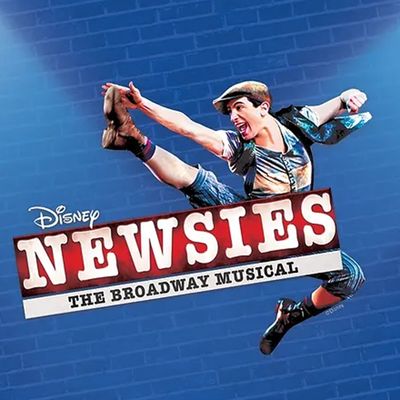
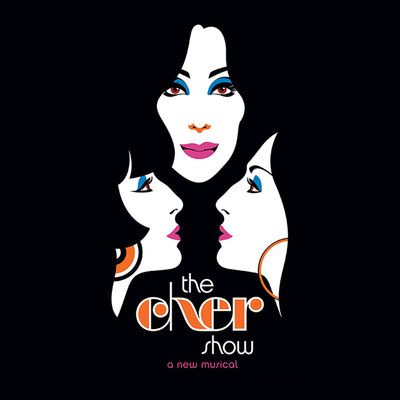
Christopher Gattelli is a Choreographer for the Original Broadway Productions of Newsies, The Cher Show, The King and I, Spongebob Squarepants, My Fair Lady, and several others! Join us as we talk about his journey to becoming a broadway choreographer!!.. Read More
From the show: Real Talk with Mason Bray
Featured Shows
About
Christopher Gattelli is a Choreographer for the Original Broadway Productions of Newsies, The Cher Show, The King and I, Spongebob Squarepants, My Fair Lady, and several others! Join us as we talk about his journey to becoming a broadway choreographer!!
Transcript
This transcript was automatically generated and might contain errors.
[0:00] Mason Bray: So we have Christopher Gattelli, who is a choreographer on Broadway for shows such as Newsies, The Cher Show, Spongebob Squarepants, 13, and several more. He has also acted and directed a few shows on Broadway. Hi, Chris.
[0:14] Christopher Gattelli: Hey Mason, how are you?
[0:16] Mason Bray: Good. How are you?
[0:17] Christopher Gattelli: I'm good. Can you talk about how you got to where you are in the industry?
[0:22] Christopher Gattelli: I started out as a performer and by way of dance studios, by way of Alvin Ailey, by way of David Howard, and a lot of training in different areas. And around the age of 17, after kind of dabbling in a little of each, I tried to put all my focus on musical theater and pursuing that. And I was very fortunate to be cast in the Radio City Christmas show back when I was 17 and got off to a good start there and made some wonderful friends and some wonderful connections that kind of helped me keep that kind of ball rolling with momentum. I was very fortunate to kind of work with a lot of wonderful people. I did the Guys and Dolls Tour after that and the Cats Tour after that, which threw various people connected with each, through casting directors, et cetera, were able to kind of stay performing for a nice part of my career.
And then I was doing Cats on Broadway at the time, and we did a piece for the Broadway Cares Equity Fights AIDS benefit, and someone saw my work, and then next thing I knew I was choreographing for the Rosie O'Donnell show at the time. I had never done anything like that, but jumped in with both feet and loved it. And so the more I started choreographing, the more I kind of felt a pull to that side of the table. So I kind of did double duty for a few years, working on shows in them, but then also choreographing them and even directing a couple, and I just fell in love with it. So I kind of hung up my performing shoes for a bit and went into choreographing and directing full time. Since then, it's been a really great ride and have loved getting to create and collaborate with some really incredible artists on both sides of the table—dancers, performers, actors, singers, as well as directors and other choreographers and designers. So it's been really great.
[2:31] Mason Bray: So what is a deeper description of your job as a choreographer other than just dance?
[2:38] Christopher Gattelli: You know, that's a great question because it comes up in a lot of different ways. Choreographing is, of course, teaching people dances and numbers, but it's also musical staging sometimes as well. So sometimes it's not full group numbers; sometimes it could be a two-person number, sometimes it could be a ballad, sometimes it could be a play with staging that looks coordinated or they want a specific aesthetic to the movement. So it's actually been really exciting over the past few years to kind of really explore all of those different avenues. When I started out, I originally had one kind of idea of what choreography was. I was like, oh, there are big numbers and lots of turns and kicks. And then my first show I did off-Broadway was Bat Boy, and it was a small 10-person musical, and a lot of it was more musical staging.
I learned really quickly how to work with actors and how to explain intention of movement and coordinate and really collaborate with the director so things feel seamless. So choreography can come in very, very different forms. And yeah, it's always evolving, even now with TikTok and everything. It's choreography is an ever-expanding word, I think.
[4:06] Mason Bray: So with Newsies, you tell the whole show basically with dance because most of it is song. So how do you find ways to tell the story and make it come across with dance?
[4:19] Christopher Gattelli: I personally write out my ideas for the dancing as a story. I kind of storyboard it with—I don't draw, but I kind of storyboard it with regards to plot points, what metaphors I can pull out, what kind of take over where the actual writing stops, and what story do I want to tell. And for my process, I write it out as my own story just so I can have something kind of real to work off of and kind of something as a base. And so for something like Newsies, it was not only telling the stories, but it was also the different levels of storytelling throughout the show, because one trick of that show, which I feel like we figured out pretty well, but it was difficult to kind of approach at first was, you know, that it was a very specific look, it was a very specific set.
So how do you take many numbers with just young male dancers and make them feel different? And how does one number feel and tell a story differently than another number? You know, there are a lot of anthems in the show. There are a lot of, you know, like "The World Will Know" and "Seize the Day" and "Once and For All" are very anthemic and on the surface could feel very similar because it's all about them championing for something, you know, them fighting for something. But when you really break it down emotionally, and when you really go in this moment of the show, what have they learned? What have they gained? What do they need from this moment? You know, and really writing that for myself, really writing that out and seeing it on paper and going, ah, this is—they need to work as one. They need to form their brotherhood. So it was really kind of breaking it all apart and then figuring out how best to just then express it through dance from there.
[6:14] Mason Bray: Are you part of the casting decision for these shows?
[6:17] Christopher Gattelli: Yes. Well, I should say most of the time. For example, in that show, absolutely, because if there is a dance element involved, you know, even if they're singers who have to move, we usually dance them just to make sure that people have technique and just to see what their skill set is so that when we get into a room together for the first time, we've seen them at least do something so we know where everyone's kind of level is at, so that we can work with them and get proper expectations out of them and not, you know, push people too hard or, you know, hopefully not have anyone hurt themselves. Sometimes, and then sometimes not. Sometimes if it's specifically, you know, looking for actor-singers with light movement, I'm usually okay just to have the best storytellers for the piece. And then I'm happy to work with whatever skills they bring to the table physically and craft it on them and around them and use their gifts as storytellers to kind of influence my creating.
[7:20] Mason Bray: So this probably doesn't happen much, but if a dancer danced well in the audition but doesn't pick up the numbers as well, how do you handle that?
[7:30] Christopher Gattelli: I don't know if I've experienced that, to be honest. Usually it's the other way around. Usually if I see a dancer at an audition who may not be having a really good day, just because sometimes people don't, but I can tell that there's technique under there. I can tell that they're present in the room. I can tell that they're focused and they're trying things and being in the moment. You know, I usually say to people, I'd rather people really make strong choices at an audition because we have, you know, three weeks to create and clean things, or we have that time to be more specific or change things to support the talent in the room. So usually it's reverse. I don't, I'm not sure if I've ever been in the situation where no one has kind of risen to the occasion.
[8:21] Christopher Gattelli: Um, because usually if they are having trouble with something, I'm I'll be the first person to change it. Like I because steps don't matter as much to me as the intention behind them. So if we give people something to do, well, another example is Newsies. Like, for example, we created that show on the original cast. And then when new cast members were added to the show, if they couldn't do something that the previous performer did, we just would go back in and modify it so that it was on their better leg, or it was their better side to turn with, or it was their better, you know, we were able to modify and um kind of craft it for each person. Because my kind of motto is, you know, especially in live theater, you have to do it eight times a week.
And my goal, aside from hopefully, you know, telling a good story is protecting the cast. So I don't want to put them in a situation where they might not be able to give that same performance to every audience. A really funny example, not to strain, but a really funny example was when we were trying out Newsies in Paper Mill in New Jersey, we were doing King of New York, which was a tap number, and the guys were just the best to collaborate with, and they were so they were up for anything. I mean, literally anything. And two of the gentlemen at the end of that big number wanted to do back tucks as a kind of punctuation at the end. And I was like, guys, you're in tap shoes, and you might be winded, and that might be really hard to do eight times a week.
And they were like, no, no, no, no, no. We could we want to do it. And I was like, okay, but you know, and then like literally after like two performances, they were like, Do you think we could change that? And I was like, absolutely. I said, I kind of saw that coming, but I was happy that you wanted to try. But even like so, to that extent, it's you know, I it's about keeping people safe, and there's always a different step to do, but you know, there's not always the right performers to kind of see your vision through. So it's always, I'm always happy to modify and protect the performers and hopefully tell a good story.
[10:23] Mason Bray: What's the best advice you've gotten?
[10:26] Christopher Gattelli: Oh wow. Um, is that I think is to when all if if I'm ever stuck or if I'm ever like having, you know, a problem kind of like finding my way through something is is always go back to the story. It's always it's because it's in there and and because that's the job. Like that's the the goal is is to whether I'm directing and choreographing or or collaborating with a director, it's you know what where the number starts, it's supposed to continue the story. So you can't really fail if you're trying to do that. You know, it again, steps are steps and and they will hopefully support it, but but it the best advice was always like story first, because if you can touch someone or inspire that moment of the story by by being true to it and have people stay invested in the in what they're seeing, then that's that's the main goal.
[11:21] Mason Bray: Do you think you have benefited more from education or experience?
[11:25] Christopher Gattelli: Experience for sure. I I feel like I feel like education is is crucial because you know, you have to educate yourself to to come with the skills into the room for a project. And that happens on I think a bunch of different levels, for example. Like I think, you know, you can that's taking class, that's that's going to college, that's that, you know, there are different ways to educate yourself. There's book, you know, there's reading up on your history, there's all I mean, there's a lot of different ways. But I think at the end of the day, uh just for myself personally, I found that the experience is it's it's more beneficial because for as much work as you could put into something, the factors that come up that you really don't learn about or don't read about or don't experience are the things that teach you the most.
Like, for example, like when I started, I would go in just absolutely prepared to anything. Like everything would be done, the spacing would be done, the steps would be done. Every like it was just I would go in and do it. And then this was during the Rosie O'Donnell show. And then in that moment, she would say, Oh, well, I'm gonna enter from this side, so that might change this, or I've added a prop that I thought was funny. So can we use this? And in that like flash of a moment, my head would like go, ah, because everything at that point was so done that I had worked myself into a corner with regards to then like with those little changes. I had to restructure everything really quickly. And so it's kind of in those moments of experiencing that you go, ah, okay.
So I have to re-figure out how to create because I can't do this because clearly if when I'm that complete, it doesn't leave any room for for collaboration. So and I think there are just a lot of things along the way of like, you know, being in a rehearsal for a benefit, and you know, you have everyone scheduling and you have you know, this allotted time that you're like, Great, I can get this all done, but then like through the course of it, because it's a benefit especially, and people are doing it for free, it's like, oh, well, I have an audition today and that I can't make rehearsal, or oh, I did this, and so it's like, and then you're rescheduling and reshuffling. And so I think the having the experience of going through the different processes, you always learn something new.
And I think um, I would say that's kind of like the best advice with regards to choreography, especially. Um, but it applies to dancing, of course, too, but is to like, you know, if there's an opportunity to to take it because you're gonna learn something new that you've never done or that you've you may not have thought you needed to know, but you learn. But I think that's the same as with a dancer is is you know, auditioning for something that you may not think you're right for or you may not think you're uh as well skilled as you might need to be but you may get it and then you'll end up learning and working and discover skills you didn't think you had or things you can do. So I I always feel like that experiencing as much as you can about what we do is is just extraordinarily helpful.
[14:37] Mason Bray: What have you been doing during quarantine?
[14:40] Christopher Gattelli: Uh to be honest I've actually still been working um uh I've taught some Zoom classes for different um workshops and conventions and and that's been really fun I've held auditions via Zoom I've um I'm directing a lot more now so I'm actually working on a couple projects where we've been I mean we've been designing sets and costumes and doing you know musical work and um necessity is the mother of invention and being you know kind of separated but having this connection people are still finding creative ways to connect I mean I've we I've even directed a reading over Zoom and all like it's it's uh it's amazing what you're still able to accomplish so as difficult and as uh just you know beyond words what this time has been you know the silver linings have been you know even though theater has stopped and we haven't been able to do what you know we normally do um we've we've found ways to keep pushing forward so hopefully when this is over and we we can be in rooms together um we will have had a lot of a lot of work that has still been created and um can hopefully get back to work soon.
[15:54] Mason Bray: I'm gonna add a question before we go. What's your favorite dance step?
[15:59] Christopher Gattelli: Ah my gosh. Oh my goodness, that's a hard question. Um that's really hard. Uh it totally took me off guard. My gosh uh I don't know. I mean I love the tap, but that's a really great question. I mean I always love doing a fouetté. I don't know why, but I I love to to do fouettés um yeah I'll say that but that's a really good question. I've never thought about it before. It just all feels good. You know, like when you're when you're I don't know it just it all feels good. So it's hard to really have a favorite but that's a good I'll think on that.
[16:37] Mason Bray: Well thank you so much for being here.
[16:39] Christopher Gattelli: Oh thanks for having me. I I appreciate it.
© Broadway Podcast Network, All Rights Reserved