

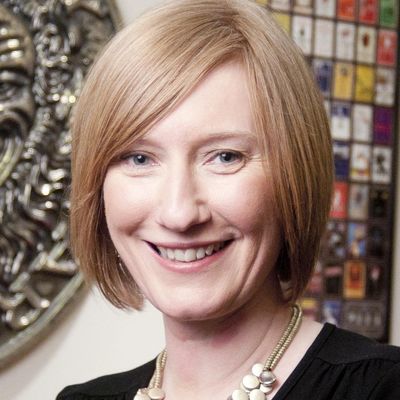
Heather Hitchens is the CEO and President of the American Theatre Wing which hosts the Annual Tony Awards, Obie Awards, and has so many great educational and empowering programs to get people involved with the arts... Read More
From the show: Real Talk with Mason Bray
Guests
Featured Shows
About
Heather Hitchens is the CEO and President of the American Theatre Wing which hosts the Annual Tony Awards, Obie Awards, and has so many great educational and empowering programs to get people involved with the arts. Before becoming the CEO of The Wing, she worked in Arts Management through New York for decades with jobs through the New York State Council on the Arts, Meet the Composer, and several other amazing organizations!
In this episode, we discuss her pathway to the American Theatre Wing, what drives her to keep up these amazing campaigns, The Tony Awards, her daily duties as a CEO/President, and (as always) her views on education or experience. There is so much more on top of all of this, that I am so excited for you to hear!
Connect with the American Theatre Wing!
Instagram - @TheWing
Facebook - American Theatre Wing
Twitter - @TheWing
Website - americantheatrewing.org
This season I want to highlight the people that can and should be the mentors for people of all ages wanting to get into the industry! Join me in connecting to Broadway and figuring our way into the industry!
Instagram - @_RealTalk_Pod
Twitter - @_RealTalk_Pod
TikTok - @RealTalkPodcast
Website - realtalkmasonbray.com
Facebook - Real Talk with Mason Bray
Thank you so much for your support!
Transcript
This transcript was automatically generated and might contain errors.
[0:00] Mason Bray: So we have Heather Hitchens, who is the president and CEO of the American Theatre Wing. She has also been the executive director of the New York State Council on the Arts and the president of the organization Meet the Composer for over a decade. Over the past 30 years, Heather has become a nationally recognized arts leader with her experience in theater administration, policy, and program development. I am so excited to have her here today. Hi Heather.
[0:22] Heather Hitchens: Hi.
[0:23] Mason Bray: How are you?
[0:24] Heather Hitchens: I'm doing well. Theater's coming back. So that's a that makes it a good day.
[0:29] Mason Bray: Absolutely. So, first of all, the Tonys were so magical. Those were just a few weeks ago. And I was actually in my first ever press room for the Tonys, and that was so exciting. So thank you so much for having that and bringing that back.
[0:44] Heather Hitchens: Well, it was really quite exciting. It was an honor and a privilege to be part of it. I really feel like it was such a great celebration, probably the most theater-centric, community-centered Tonys during my time. So I was very proud of that and great to have you in the press room.
[1:04] Mason Bray: It was so fun. Um, it was so awesome to see all those people come through and just have that be in the same Zoom with them. It was amazing. But getting into questions, can you walk me through how you got to where you are as the CEO and president for one of the largest theater companies in the world?
[1:21] Heather Hitchens: Well, I was one of those kids that had art and music as part of my education, and it wasn't an elective, it was something that everyone did. And very early on, you know, and even those of us who were not good at theater would do other things, but very, very early on, I developed a love for music. Particularly, I studied percussion, and I went all the way through high school and college and studied music and got my bachelor's of music, my major being percussion. But I was always interested in, probably because my mom was a teacher and social worker and my father was a corporate executive, that I had this like I want to do good but I understand business thing inside of me. So it was like the artistic side and the business side were both operating within me, and I was interested in the business.
When I graduated college, I ended up working at a local radio station. I was the traffic manager, not like shadow traffic, but more like you know how you schedule commercials and things like that. But there was a woman that did a culture show there, and she kind of pulled me aside and said, you should go work at the American Music Heather Festival in Philadelphia. So, anyways, long story short, I went there, and while I was there, there was another sort of magic person there that pulled me aside and said, you should go up to Drexel University and get your master's in arts administration. So I did that, and then from there ended up, you know, because I had started working in development and fundraising, which I didn't want to do, but learned that it was really just passion and a follow-up and raising money for a good cause.
I went to the Delaware Symphony as their director of development, and then at the age of 24 was appointed CEO of the Delaware Symphony Orchestra through a variety of circumstances. But let's just say it was early, I didn't have the experience, but I had a lot of gut instincts, and that was my first CEO position. From there, I came to New York to work for an organization that I had long admired, which was called Meet the Composer, which is the largest commissioner of new music of all kinds in the country, and had a composer residency program, which placed composers in residence in all kinds of organizations, including theaters. I went there originally as sort of a marketing development person, but then in short order became president of that organization, was there for a little over a decade, and then got the call to run the New York State Council on the Arts, which is a government-appointed position.
I was appointed by Governor Elliott Spitzer to run that fine organization. We know what happened to Governor Spitzer; he did not make it his four years, but I made it my four years. After that, and all through all of this, I loved building institutions, I loved making things better. You know, that's just kind of what I like doing, and I loved working with artists and making things happen. So when I was leaving state government, I was like, what am I gonna do? And then somebody said you should go run the American Theatre Wing. I only knew the Tony Awards, not everything that the American Theatre Wing does. This long pipeline of education and professional development work that we do, and I didn't know the cool history of the American Theatre Wing that we were founded by a suffragist before women of the theater had the right to vote.
It was a war relief organization, and one of the founders was Antoinette Perry, who is Tony. That's who the Tonys were named after. She was an actor-producer, and when she died, the founders wanted to do something in her honor, and that's how the Tony Awards were born. But we really started with these really strong women, activist women, forming an organization before anybody invited them to the table; they made their own table.
[5:48] Mason Bray: Yeah, and that's so amazing to hear your career path. But also, when I started out in theater, I didn't realize the Heather Wing like you did. Um, it's so interesting to see. Like now you had a master class with Natasha Katz last week, and I was watching that on YouTube, and it's just so amazing to see all that the American Theatre Wing does for the theater community.
[6:10] Heather Hitchens: Well, thank you. Those masterclasses are fantastic. We did one with Natasha Katz, as you said, and we did one with Ashley Park. We also did one with Michael R. Jackson working with composers the same way Natasha's working with the lighting designers. So it's that kind of giving people access for free to that kind of content, young people in particular, but people of all ages. I think it works for people of all ages. It's really a pleasure because we have access to these great people and to be able to share them with the world and the sort of some of the secrets of the theater is just really fun; it's a lot of fun.
[6:53] Mason Bray: Yeah. Um, so what are some of your duties as the CEO of the American Theatre Wing? What do you do in your day?
[7:00] Heather Hitchens: Well, basically, it's everything in the kitchen sink. First and foremost, you're responsible for pursuing the mission, so making sure that your programs are running and operating and that they serve the mission of the organization because we're a not-for-profit organization. And that doesn't mean you don't make a profit, but it means mission is over profit, and that the mission has some kind of charitable purpose. So that's first and foremost, making sure you're running the programs and you're delivering the programs that are meeting the mission of the organization. Right up there with that is making sure that the finances work, right? So that in my case, it means budgeting, budget monitoring, forecasting.
It means actually raising money to support the organization. And then just overseeing every single aspect of the organization. There's no day is ever the same. Obviously, my job also includes overseeing the Tony Awards, overseeing the Obie Awards, as well as our other programs. The Tony Awards can feel like a full-time job. Sometimes I feel like I have two jobs, but you know what, you gotta fill the day somehow. It's everything. It's the CEO, and of course I have staff in different areas in program and digital in development, in finance, but my job is really to set the vision, ensure the mission is met, and to oversee the staff to make sure we're meeting our marks. So basically, at the end of the day, it's my fault if something doesn't go well.
[8:43] Mason Bray: That seems like a lot to do.
[8:46] Heather Hitchens: It is.
[8:47] Mason Bray: Um, so what are you looking forward to in the world of the American Theatre Wing, but also theater in general? What can we look forward to and what do you look forward to?
[8:57] Heather Hitchens: Well, I look forward to all of our programs. We just recently awarded some university scholarships, and with those scholarships come mentorships, and I know we're gonna change the lives of those young people, and I know that we're likely going to be welcoming them into the industry. I look forward to continuing to do that meaningful and important work. You know, I think you don't end up in the nonprofit community if you don't need to do something meaningful, and I think so I look forward to being able to do more of that in person to experience more of that in person. I look forward to theater coming back differently. There have been on Broadway, there are seven plays by Black writers that are coming, and I'm so excited to see all those stories.
I want to make sure it's not just this fall and that that continues. I'm looking to continue to push our field forward to tell more stories. I think we all want to be told a story; we all want to be told different stories. The great thing about theater, and it's probably the only thing, it's the only place that's left where we come to the theater from all different places as all different people, and we sit down and we have, and we're quiet, hopefully. There have been some great stories of when people haven't been quiet in cell phones. We should be quiet. Let's put it that way. And we take the same journey together, and we listen to this together, and we walk away with different experiences, but there are not many places where that is still true.
[10:41] Heather Hitchens: Um, and that is why theater not only entertains and uplifts and educates, but it has the power to change the world. And I say that not just to say those words. I believe that, I know that. I look at plays like Angels in America, and I look at where we were in terms of the LGBTQ plus community then and where we are today, and that theater is a place where we can safely talk about these things and we can advance ourselves as a society. So, you know, and I love what we've been doing digitally as a community, and I think we should not, it's not one or the other, it's yes and both, but nothing ever will take away the live experience, and it shouldn't, because not only is it something that we love and we get as I said entertained, but I do think it is how we change the world.
[11:35] Mason Bray: Yeah, there have been several shows where I walk out completely different and moved than I was before. Um, so you've obviously had a huge impact on theater around the country and around the world in your different jobs. What advice would you give to people like me starting to go into the industry and trying to find my way through it?
[11:55] Heather Hitchens: Well, I think one thing is to keep your sense of adventure and to let go of notions of what success looks like, you know, because I think too often people think that there's one path to success. Your path is going to be unique, it's going to be your journey. So to calm, I think your people, I think to young people, they get so anxious because they're like, Well, I'm supposed to do this, and then I'm supposed to do this, and it's like, you know, listen, be open, take my career path was zigs and zags and unexpected things like becoming an executive director when I was 24 and I didn't know what I was doing, but I learned quickly. Um, and that, you know, just be open to where the opportunities take you. Yes, be strategic for sure, but to not to let your path emerge and not compare your path to somebody else's path, because that's somebody else's path.
[12:48] Um, obviously, you know, meet people, network with people, ask people for advice. You know, there are some people that are not very nice, but mostly, mostly if you ask people to sit with them and talk with them and meet with them, they're willing to do that. Just, you know, to do all that, to know people. And if you're on stage, that make sure you know the business side too, because you are the CEO of your own company if you're an actor or designer, and knowing how the business works will only make you better. So those are just three things, but mainly letting go of any notion that there's one path to success or two or three.
[13:32] Mason Bray: Absolutely. That's amazing. Um, so my next question is so you've mentioned multiple times that you do more than just the Tony Awards. You have the Obi Awards, you also have your digital programs. Um, one of them is working in theater, that theater series. Um, I've used that over the past three years when I'm learning about um all the jobs. So I wanted to ask you what is your process of coming up with these different campaigns and different ways to market to the theater community?
[13:59] Heather Hitchens: Well, working in a theater was that's something something that's existed for a very long time. And when I got here, it was on CUNY TV, and it was sort of uh just like a round an old-fashioned round table. Um, but I had the opportunity during my tenure, you know, because as we're looking at if you're gonna do a podcast through a podcast, but if you're gonna actually film something, you need to show something. And so we uh hired a documentary filmmaker back then to help us remake that series to really like show and tell behind the scenes. Um, and you know, I thought it was important because we have access to the greatest theater people in the world, and to you know, to me it's less about because I'm not I'm a service organization, I'm not marketing to fill seats.
My mission is educational, right? So what the way I come up with it is like how can I give access to information and resources that can help interest people and you know, help people discover theater, help people engage with the theater, help people pursue theater, and you know, so that's really the basis through which you know the filter through which these programs happen, and working in the theater is like we can show people, we can inspire people, they can learn things.
[15:18] Um, Natasha Kess did a masterclass, but she also did amazing working in the theater as well. Um, so it's really through that lens of uh education and engagement. And that was a gold mine for me. That's where I learned about Natasha Katz, Howell Binkley, all of the legends in theater, um, that's how I've learned about them is through that series.
[15:40] Heather Hitchens: Well, that makes me very, very happy, and I hope there are you know thousands upon thousands more that are of you discovering working in the theater on all of our programs. So yeah, um, I wrote this down as a general question, but what drives you to continue your hard work in the theater?
[15:58] Heather Hitchens: It goes back to what I was saying, is that I think theater changes the world. I think theater makes the world a better place, and you know, and I think the arts make the world a better place in general. And so this is my this is the way in which I try to impact the world. In particular, obviously, um the Tony Awards and Obi Awards aside, well, no, not aside. There were two things. One is I want to give young people opportunities, and two, um, I want to give artists opportunities and recognize great artistic work. And this job allows me to do both is to give a lot of young people opportunities and to recognize a lot of artist work that um, you know, and that recognition is important. Um, you know, it's it's hard to be an artist, you know, in this society, and that recognition can make a huge difference. Um, and having worked closely and have many friends who are artists, I know how important that is. So those two things drive me.
[16:57] Mason Bray: Yeah, that's amazing. Um, I counted last night when I was going through to make sure I had all my stuff lined up for today, um, and I've asked this 40 plus times, but I wanted to continue asking with you because of all your amazing experience, but also you you have a master's degree in arts administration. Um, so do you think education or experience has been more important and influential in your career?
[17:21] Heather Hitchens: Experience, but um, experience for sure. Look, I think here's what I believe. Um, and and I think there's something before in addition to education experience. I think to be successful, you have to have great instincts and a good gut. And so I succeeded when I was 24 because I think I had a really good gut and pretty good instincts. Now, part of testing that was going to grad school and engaging with colleagues because you know, and doing that and you know, exposing myself to different things and learning different things. The thing that experience gives me now is that the things that I freaked out about as a 24-year-old CEO, I don't freak out about anymore because it's like, oh, I've seen this before, I know how this.
And you're, you know, you so you're born with a certain amount of gut instincts, and then they get reinforced. And by the time you get old like me, they've been reinforced enough that you know that you don't freak out as much because you know, no, this my instincts, I can follow my instincts because the truth be told, any time that I didn't follow my instincts, it it ended up uh not working out. And so, but as a young person, you don't know that because you're like just getting your C legs. So I do think experience is more important than education, although education is is is key, you know. A master's degree, you know, it is not necessary. It can be helpful. I I have one, I teach at Baruch in the in the arts administration and arts management master program, so I believe in it.
I don't think it's necessary, I think it can be helpful, right? The main thing too is just to make sure you continually learn. You continually like just even now it's like I'm looking at well, what can I learn? What can I what new can I learn? You know, because I think that's how you have to stay fresh, and that's that would be true as an artist. And I guess the final thing I would say is that we need more people that have been artists that have actually done experienced what it's like to be an artist to be arts administrators. We need more people that have the soul of the art of an artist running institutions. Um that's my personal belief.
[19:45] Mason Bray: Absolutely. And I think that belief goes far beyond just you. Um but I wanted to ask, I wanted to start rounding out the interview with um a fun question. Have you seen a Broadway show back? What was your first one back in the theater?
[19:57] Heather Hitchens: The first show back was Passover.
[20:02] Mason Bray: And is there any other advice that you want to add before we start to wrap up?
[20:06] Heather Hitchens: Just it I just just pursue your dream of theater, don't have rigid ideas about it and have fun. You know, and I think um that would be my advice to young people entering it, and and also there are so many ways to have a great life in the theater on stage, off stage, you know, and and so if one thing doesn't work out, check out other things. And and as you said, our series working in the theater will show you a lot of the different ways and our master classes that you can have a great life in the theater.
[20:39] Mason Bray: Yeah. Um well, thank you so much for being here today. And I also just wanted to thank you and your team at the wing um for continuing to empower people around the world to make theater and work hard for their craft. I know that the Tonies have been a big part of my life. I've watched it with my friends, my parents, all of my family for years, just trying to connect myself to the theater, and I just want to thank you for doing that and helping me through.
[21:03] Heather Hitchens: Well, I want to thank you, Mason, and I look forward to seeing how you continue to evolve and enter our industry. So let's stay in touch.
[21:13] Mason Bray: We will. Um and hopefully I can be s a rage a way to get to the in-person press from next year.
[21:20] Heather Hitchens: Yes, let's do it.
© Broadway Podcast Network, All Rights Reserved