

Mike Karns sits down with Mason to chat about the trajectory of Broadway's social media and provide insight into careers on Broadway... Read More
From the show: Real Talk with Mason Bray
Featured Shows


About
Mike Karns sits down with Mason to chat about the trajectory of Broadway's social media and provide insight into careers on Broadway
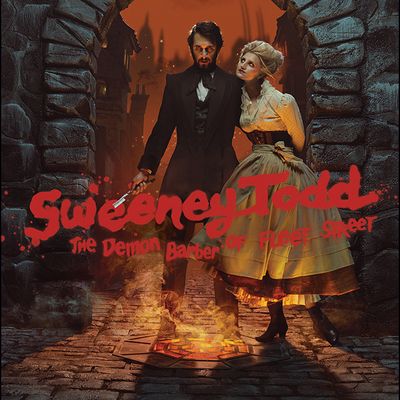
Mike is the Founder and CEO of Marathon Digital – one of Broadway’s most successful social media firms who has created iconic campaigns for Hamilton, Sweeney Todd, Shucked, Parade, Disaster, Diana, Hadestown, Into The Woods, and so many accounts that have changed the future of theatre promotion. From the very beginning of his theatrical career, he continues to find inventive ways to connect to audiences and make productions continually more accessible.
Join the conversation as we discuss:
- His connection with producer Jeffery Sellers and advice given to him at the beginning of his career
- The power of cultivating audiences in new means, social media and otherwise
- Diana’s power of community engagement and the resulting change in the social environment
- Management of marketing and source material as it relates to accessibility in recent history
- Upcoming productions and strategies with Sweeney Todd, Shucked, and Parade
- Ayanna Prescod’s excellent endeavors to expand a digital theatre community
- And much more!!
Learn more about Marathon!
Website: marathondgtl.com
Instagram: @marathondgtl
Twitter: @marathondgtl
See some accounts run by Mike & the Marathon Digital team:
Sweeney Todd
- Instagram: @sweeneytoddbway
- Twitter: @sweeneytoddbway
Shucked
- Instagram: @shuckedmusical
- Twitter: @Shucked_Musical
Diana
- Instagram: @dianaonbroadway
- Twitter: @dianaonbroadway
Into The Woods
- Instagram: @intothewoodsbroadway
- Twitter: @ITWBroadway
Thank you so much for being here and for your support!!
I hope this show continues to be a resource for artists of all interests to find the place they deserve in this wonderful industry…
Join me for future interviews and content below!
Instagram: @_RealTalk_Pod
Twitter: @_RealTalk_Pod
TikTok: @RealTalkPodcast
Facebook: Real Talk with Mason Bray
Transcript
This transcript was automatically generated and might contain errors.
[0:02] Mason Bray: Welcome back to Real Talk with me, Mason Bray. Thank you so much for joining me today. February was such a wonderful month for not only just numbers, but for me to see people caring about my episodes and listening after nine months off. It is so rewarding to see people here. And thank you so much for listening. In March, I am going to New York City to see a bunch of different shows. If you want to follow along with all of those travels, my social media is at underscore real talk underscore pod on Instagram and Twitter, and then Real Talk Podcast on TikTok. Now into the episode.
[0:37] Mason Bray: For today's interview, we have Mike Karns. Mike is the founder and CEO of Marathon Digital, one of Broadway's biggest social media companies that has run the wonderful accounts for so many iconic Broadway shows since its founding in 2013. Some of these include Diana, the fantastic Twitter account, which I got followed by and will carry around as a mark of honor for the rest of my life. Also Hadestown and upcoming campaigns with Sweeney Todd and I think Parade. Yeah, Sweeney Todd, Parade, and Shucked as well. New musical. Yes. I am so excited about all of those, in addition to all the other new media types of things that they're doing with video and social media. So I'm so excited to dive into that with you and your entire career. Hi, Mike.
[1:24] Mike Karns: Hey, how are you?
[1:25] Mason Bray: Good. How are you?
[1:26] Mike Karns: I'm really good. Thanks for having me on.
[1:29] Mason Bray: I appreciate you being here. Diving in, can you give us a little background on you, how you got to where you are, and Marathon?
[1:35] Mike Karns: Yeah, absolutely. So I grew up as a theater kid working in a community theater in Erie, Pennsylvania. I knew that I wanted to stay in the theater, but didn't want to be an actor. And so I thought you either worked on stage or backstage. So I went to school at Penn State University for stage management and lighting design. I didn't really want to do either of those things, but I just thought, okay, well, I want to be around the theater. And so I really started to learn about the different facets of theater as I did internships during school. I worked at a talent agency, a general management office. I interviewed directors as part of a grant that I got from Penn State one summer and realized that there were all these other jobs out there, these incredible opportunities to be able to work in the theater and use the skills that I had that weren't on stage or backstage.
So I got out of school and pretty quickly after got a job working for two guys that were producing a show called Allegiance about the Japanese American internment during World War II. They, as part of that, the show was based on the life of a man named George Takei, who was the original Sulu in Star Trek. And as part of building the show, they had started social media channels for George. I had no marketing background. I had taken one Photoshop class in school because it was late on Fridays and I could sleep in. But I learned sort of on the fly about social media and digital marketing from those guys, and I left there and did a few other odd jobs, and then I had an informational interview with a producer named Jeffery Sellers.
Jeffrey produced Rent and Avenue Q and In the Heights, and I picked his brain about producing and what my path could be. And his biggest piece of advice for me was like, you gotta find something to make some money because you're not gonna make any money producing, which was great advice. And so I mentioned that I had this background in social media and had been doing that, and it happened to be the same day that he had a meeting with his advertising agency to talk about strategy for a show called The Last Ship, that Sting wrote the music for. He didn't like the stuff that they were showing him and wanted to find some young kid he could underpay in order to do this social media job, which in 2012 was very much like a hire a young kid with a cell phone that knows what he's doing and send him off to do that.
So his assistant called me the next day and was like, hey, you know, would you feel comfortable running the social media for a Broadway show? I was 22, 23 at the time. I was just a couple years out of college, and my biggest claim to fame or experience that I had up to that point was this off-Broadway show that was based on 50 Shades. It was called Fifty Shades the Musical, and so I didn't really have any experience. So when the guy called and asked me if I was interested, I was immediately like, yes, I can handle that, of course. And so that was sort of the beginning of the company. And as that show lasted for about four months on Broadway, and as that was winding down, it was about two months before Hamilton premiered downtown at the public theater.
So I started all the accounts for Hamilton and have run those since the beginning, and that was sort of the catalyst for the business. You know, when that show became what it was, social media was also coming into prominence in a new and really exciting way, and so I had this business and was in the right place at the right time.
[4:40] Mason Bray: That's amazing. And with your education at Penn State, do you think that that has helped you in getting more jobs and getting your name out there? Or like what are your thoughts on college as a way into the industry?
[4:56] Mike Karns: Yeah, absolutely. I had a great college experience. When I was in high school, I wasn't super popular, didn't love my high school experience. And so when I got to Penn State, it was like there was this community of people who were into the same things that I was into. And so I was able to find and be part of this community, and it was really exciting for me. So from like a human growth standpoint, it was massively influential in who I am as a person. I did obviously I said I didn't study the thing that I ended up in, but because Penn State wasn't a conservatory program, I was able to take gen ed classes and learn all of these sort of base level skills and tools to be able to be good at whatever job I landed in, which ended up being in this place.
But I learned leadership, I learned time management, I learned organizational management. And all those things are like soft skills that have applied to multiple different sort of facets of pursuits that I've had since graduating. So I'm a big proponent of college, mostly because it's a four years of an opportunity to grow from being a kid into prior to being forced to be an adult. So I'm a fan of it personally, but it really just depends on sort of what it is that you're looking to do.
[6:09] Mason Bray: Yeah. So you mentioned learning the leadership aspect of it and like all those different human skills through college. And that is my big point of like, that's why I would want to go to college. Because we've been having the conversations of like, Mason, what do you want to do with your life? And that's hard to figure out being in high school, living in Indiana and small town Indiana, but I do think that that leadership and all those human skills are a big factor of what I need to consider.
[6:39] Mike Karns: Totally. And two, the very important reminder that you don't have to have it figured out. I still teach classes at Penn State, and the thing I tell them is like when I, if you had asked me when I was graduating from college, so four years after when you were graduated from high school, if someone had said to me, what's your path going to be? I would have been very clear on my answer on what I believe that my journey in life and my career would be. And it has not at all gone that way. And so I talk a lot in my class about unexpected trajectories, and I think that I'm sure that other people have had similar answers to you that like they don't end up in the place that they thought they would or what they went to school for, but they gain all of these useful tools that they're able to use wherever it is that they land.
So yeah, I think young people absolving themselves of the need to know exactly what they're gonna do with their life is probably like the biggest thing that would allow for the biggest increase in happiness possible for young people.
[7:38] Mason Bray: Absolutely. That's beautiful. Getting into Marathon, once you had started working on that show, and were the two producers that you talked about, were those Telly and Joey?
[7:49] Mike Karns: No, Joey actually took the job that I was doing when I left. So he worked there. A guy named Jay Quo and Lorenzo Tione were the two producers that I worked for, and they were both the producers, and Jay actually wrote the music for Allegiance as well.
[8:05] Mason Bray: Wonderful. Yeah. I had thought they both worked on that at some point.
[8:09] Mike Karns: Yeah, Telly also worked on. I mean, he obviously started it, and that was where my friendship with him started, and we ended up doing a number of different projects together and everything. So yeah, I connected with both Joey and Telly through that job.
[8:23] Mason Bray: They are both so wonderful. I interviewed them sometime last year.
[8:27] Mike Karns: Cool, I love that. But once you were getting into that show and growing that, how from there, where did it grow into the next show and then the next show, other than Hamilton and figuring out how to do that and grow a business around it?
[8:40] Mike Karns: Yeah, a lot of people ask me, they're like, Oh, you know, obviously you really were an entrepreneur and you knew that you were gonna build this business, and I'm like, no, I had no freaking clue what I was gonna do with my life. I was just trying to figure out ways that I could make a paycheck while I figured out what it was that I wanted to do most. And then Hamilton happens, and I had this business. I thought, oh, I'll do this for a little bit, and then you know, I'll pivot to the next thing, I'll find a full-time job or whatever. And then when Hamilton hit, it was like, oh, suddenly people recognized the value that social media had in connecting with and cultivating an audience. And so not only was I doing that, but I had the single hottest show the last 10, 20 years on Broadway.
And so I was just super blessed to be in this spot where we didn't have it, and it wasn't like I we did Hamilton, and then I was sitting around saying, Oh, now I'm gonna grow this business and I'm an entrepreneur. I was just like running with Hamilton and having a really good time. And then these people emailed me and they're like, hey, we're working on this show. It's called Disaster, it's coming to Broadway. Do you want to work on it? I'm like, sure, okay, like I can handle that. And then I started to get too busy for doing it myself, and so I found a person that I could hire, and she has ended up becoming my chief operating officer in the business and runs all the operations. So the business just sort of came to be. I sort of feel almost like I don't know. I just feel very fortunate ultimately that I had no intention of doing this thing that I now have built this really, really fortunate career from.
[10:14] Mason Bray: Yeah. And you mentioned on your website on your bio that it's named Marathon because it's more of a marathon and not necessarily just a sprint on Broadway, since you are a runner, I believe.
[10:24] Mike Karns: Yeah.
[10:25] Mason Bray: What does that mean for it to be a marathon to you? Like as the owner of it.
[10:31] Mike Karns: Yeah, absolutely. I mean, to me, it's like our job is to, you know, not all shows are able to run for an extended period of time, but you need to be cultivating that brand and cultivating the community around the brand in a way that will allow for it to have a long life. And that can be in any number of different ways. But I think that we sort of our goal is always to try and see the big picture and then distill that down and say, okay, this is where the direction the show itself is trying to go. How does our very tiny piece of social media aid in that journey? And then we use that as sort of the centering ethos for our work and our strategy and the way that we create content and all the things that sort of go into building that in a meaningful way.
[11:21] Mason Bray: This is so cool to me. I am working with my school. We have a Thesbian troupe, and throughout the past few years, once we got a new director, we started building our social media, and I've been the person to learn that. So it's really wonderful to hear about how you're growing your strategies and how that's working for you.
[11:40] Mike Karns: Yeah, totally. And the thing that I always continue to reinforce in my class and when I have conversations like this too is I'm like old now. I'm 33, you know, I've been doing this for like 11 or 12 years at this point. But I in comparison, I mean, it's like so when we start talking about, you know, obviously TikTok strategy is a massive piece of the conversation in these ad rooms now. And I'm like, I'm on TikTok, I watch videos on TikTok, but like I am not the expert at TikTok in the same way that my intern is.
[12:11] Mike Karns: And so what that allows for at my company specifically is that when we bring interns on, when we have new young employees that are hired, it's like they have something that they bring to the table. That's something that none of the other quote unquote older, everybody in their mid 30s or less, like has. Um, so the thing that's always exciting to me is specifically about my space, is it leans more toward young people being able to say, yes, I am coming here. I'm just out of college, I don't have a ton of experience, but I spent the last two years figuring out how to be an expert at editing TikTok videos. Like if somebody came in and said that to me, I'd be like, dope, like how soon can you start?
Um, and so the ability for young people to have an influence in my space is so much greater, I think, than even any other area of working on a show. And you can specifically see that grow through your account as well as all the other Broadway accounts that are run by other people, that growth of video content because Instagram is starting to push that out more.
[13:06] Mason Bray: Yep.
[13:07] Mike Karns: And it's really wonderful to see Broadway connections through that, which is a different conversation that I have pinned for later as well.
[13:14] Mason Bray: Totally. But what are the beginning conversations of a show to like figure out the strategy, figure out where the audience is?
[13:22] Mike Karns: Yeah, so we start by having a creative conversation with the producing team, understanding what their vision is for the show, who they believe the audience is, um, any sort of past institutional knowledge that they want to pass on as far as the trajectory the show has been on or things about the show that are compelling. Um, and then we take that away. And our first objective always with a new client is that we put together a social tone and voice. And so we start by saying, okay, how do we want to be perceived on social media? How do we, how do we want to portray ourselves and how do we want people to view us? What is the speech pattern that we will use? Do we use slang? Do we use emojis? We try to assign, we actually like create a person.
Like if this was if this show was a person, who would that person be? And so for a show like Caddy's Town it's like, you know, like an indie folk kind of vibe, laid back personality we want to be perceived as this incredible musical that's very um artistic and yet accessible. Uh and so we really start by just defining sort of what is the persona of the brand on social media um and then we take that and we tease that out and we say okay well what's the like centering ethos that we talked about a couple minutes ago um and then we use that to come up with like what are the goals for the next quarter and then from there we take those goals and we distill those down and all of the team comes together and we brainstorm and we put together all these tiny campaign ideas or oh we should tie into this um event that's happening or this moment that's happening in the in the year uh and just find the ways that we can you know take it from the tiny ideas that we come up with at the end and have those be able to carry through and be cognizant of what it is that our macro strategy is at all times.
[15:08] Mason Bray: That's so incredible specifically with I want to dive into like specific case studies I guess but case studies gives me flashbacks to school. Um so with Diana that show had a very specific voice and I'm sure that that was a whole conversation behind the scenes but the shift of right before opening to the end where it got insane what are the approvals behind that and what were the conversations to make that show such a wonderful example of where social media could go?
[15:08] Mike Karns: Great question. Um, I I think that for me a lot of what we found in the response we were getting on social was that the way that we believed the way that the show had shaped its public persona did not align with what fans perceived it as. And so as we got to opening and and specifically after opening, and unfortunately did not get the notices that the show wanted to, obviously, it was largely panned. I spoke up and said, listen, there is a rabid fan base that's on here, but the only way that we can tap into them properly is if we embrace who we are. We're can't be, we're fun. Um, and uh so uh a lot of that, so me pushing that, and then fortunately the producers, I had worked with them on a handful of projects prior to that, so they didn't get it, but trusted me enough that I that I knew what I was talking about and that we would deliver on that, and sort of just said, okay, you can you can kind of just run with this.
Um, and so then it was like my team took hold of that, that freedom that we had and said, okay, like we now know what it is, we know what people think it is, and so how do we go about selling that? Uh and so that was what we focused on in those, you know, in those last weeks of the show leading up to the closing was just like let's embrace the frivolity of this piece and be just as sassy and playful and fun as the show itself. And we, you know, we were just really proud of sort of the way that we were able to make that real connection with people, like it felt real. Like I I genuinely feel like I'm friends with people that have no clue who I am just because I had these long tweet conversations with them, or I would engage with their content from time to time. So um that was a really it was like one of the one of the most special experiences, which is ironic given that it was a you know a commercial, a commercially unsuccessful.
[17:33] Mason Bray: Yeah.
[17:34] Mike Karns: And there was a lot of um conversations on theater Twitter of how Diana impacted what other shows were starting to do after that, because now we've seen more of the uh quote tweets and replies in the comments. So I think that you guys really paved the way on the new audience interaction side of things.
[17:52] Mike Karns: I appreciate you saying that. But we we feel very proud of that and also continue to push that as one of the differentiators for the work that we do. I mean, um, most recently, it's like I feel like we were able to capture some of that uh same energy in with Into the Woods. You know, it's like we have uh a company manager or a community manager who works with us, and it's her responsibility to be the one engaging with people on social and reacting to them and then and doing what we were doing with Diana. Um, and it just so happened that she's like a massive Sondheim fan. And so I said to her, I was like, listen, this needs Diana. This need you need to treat this just like we treated Diana's social.
And she fully embraced that and went off the deep end, and people uh they eat it up. It's great because it feels real, you know. It feels like, oh, this there's a human being behind this, it's not just some agency typing up copy that they would that we feel will be you know effective.
[18:49] Mason Bray: Yeah.
[18:49] Mike Karns: And as we saw with End of the Woods, it was very successful to have that and have that audience connection outside of just the show, which was wonderful.
[18:58] Mason Bray: Yeah, 100%. And I want to apologize, but also thank your community manager because of how many times that I see them like it or reply back to me, and I just like scream internally.
[19:13] Mike Karns: But that's it, right, Mason? Like that that to me is like that to me is cultivating a meaningful relationship with your audience. It's like that tweet, excuse me, that like on that tweet is so small for us, and yet for these people that are are obsessed with the show or feel want to feel connected to the piece in some way, it's massive. And so it's like how how awesome that we can use the tools at our disposal to I I always talk about decreasing distance between the brand and the fans, and like nothing is more nothing is closer, in my opinion, than those one-on-one interactions that we have on on Twitter or on Instagram, anywhere.
[19:49] Mason Bray: Exactly. And Diana on Twitter was on my like the there was the whole thing with the tree of friends or whatever. Um Diana the musical was on mine for the end of 2021.
[20:03] Mike Karns: I love that.
[20:05] Mike Karns: I'm really proud of that, Mason. Genuinely. It was really hard work. I had to tweet constantly.
[20:13] Mason Bray: Yes, hard work on both both sides.
[20:16] Mike Karns: So getting into you were talking about a a commercial flop type for Diana, but recent closures are often being blamed on like the marketing of shows. And there's a guy on TikTok, Brandon Powers, he is wonderful and talks about the restrictions of social media with like COVID guidelines, which are extremely needed, but the ability to not have access to the room and not have access to the actors as much. What are your thoughts on those closures being blamed on marketing or what the future needs to look like to make it more successful?
[20:49] Mike Karns: Jeffery Sellers has said to me on so many occasions that if a show a show will sell or it won't sell. And so I believe that the job of the marketing and advertising teams is to be gasoline on a fire, and the goal is that they can help spread that fire to other people, you know, to to spread it out, make it bigger, uh, and grow that. But at the end of the day, it's like if you don't have a fire from your show, throwing gasoline on grass is not suddenly going to make a huge blaze.
[21:21] Mason Bray: Yes.
[21:22] Mike Karns: So I I I man, I I sent a I sent a bottle of liquor to a very good friend of mine who runs social at one of the agencies when they were sort of going through that because it's it's very easy to blame a social media team or a marketing team. And um, are there things that people could do better when a show flops in order to ha have cultivated fans more meaningfully or approached it in a different way? Absolutely. But when a show's good, it's not like I I have very rarely seen a show that's like, oh my gosh, that show's amazing. And it's like, okay, well, that show's amazing, but it it was thwarted by advertising and it wasn't able to get out there. It's like I don't subscribe to that personally, and it's probably just because I'm like in it, and so that would be sort of um against myself, but like I just I believe again, I believe that I believe that advertising and marketing is is gas to throw on a fire, but they can't make fire themselves.
[22:11] Mason Bray: Yeah, that's wonderful. And I I felt so bad when I saw all those conversations on Twitter because I have interviewed people in social media before, and it's they're working so hard to uh meet approvals, meet deadlines, and also get an audience, and it's not always there, and it's not always their fault that that's happening.
[22:31] Mike Karns: Yeah, for sure. Moving on in the future, which is coming up very soon, Sweeney Todd.
[22:36] Mason Bray: Yeah, I the banner photo that like came out yesterday is so beautiful, and I'm so excited. I think I might be seeing it twice this year.
[22:47] Mike Karns: Nice.
[22:47] Mason Bray: I love that. That's awesome. What are some type of things that you're excited for on Sweeney Todd? If you're allowed to tell us anything about the behind the scenes of like where it's going as far as strategy or anything like that.
[22:58] Mike Karns: Yeah, absolutely. Um so first just to say the the image that came out that duo shot where you first see Sweeney and and love it as their characters. Um that's props full props to RPM. Uh guy named Jacob Cooper and Steven Tardic over there really led that strategy and work with this incredible photographer named Franz, I'm blanking on his last name, but this art photographer to take it out of the theatrical world and really try to bring something fresh and new to that perspective. And they just crush it, absolutely knocked it out of the park.
[23:29] Mike Karns: Yeah, you know it's funny that we're having this this call today because we had um meet and greet uh this morning actually so I was at OpenJar Studios uh earlier today and um, you know we got to got to chat with everybody, got to catch up with Josh a little bit. We worked on the Great Comet um back in 2016. So we knew him from that and and have a relationship with him from that. And uh yeah you know I I think like to answer your question about the strategy and where it's going it's like you're starting to get glimpses of it in the stuff that we've rolled out so far. It's some of the content that I'm most proud of that we're making right now because I think that it so evokes the vibe that the show will deliver.
It's like we get a ton of we've been getting a lot of comments on the posts that we've been making recently to be like, oh I really hope that the show is dark and and and uh you know has that same sort of grittiness that the content does and so much of that is driven out of conversations that I had with Tommy Cale to be like, hey like tell me about the world that you're gonna create here.
[24:25] Mike Karns: Like what is it? Is it going to be fun and playful or is it going to be like super horror movie, dark, like drab, and he's like, No, he's like, it's somewhere in this like thriller camp. And it feels like it wants to be at this you're you um he made this comment to me. He's like, I want everybody that walks out of the theater to wet themselves, either from laughing so hard, because one of the things that he mentioned was this is without question one of Sondheim's funniest shows. Like there's so much inherent humor in this, and a woman like Annally Ashwood is gonna come in and absolutely crush that. Um, and so it's like you're from that or from the scariness and the thrill of the material, you know.
And so I think that our job is to evoke those things that he's going through. And so we knew early on that we weren't gonna have access to music or anything like that. And so we started to create these like soundscapes of the area and the place or the thing that we were focusing on. And so we're you know, we're gonna continue to do that where it's a lot of close-up stuff, a lot of stuff where it's like I'm not sure what I'm looking at, stuff that feels dark and ominous and curious, makes you want to know more. And I think that that like that'll be can the continue to be the direction that we take things in for sure. Wonderful. And I also think that that meet and greet with the cast during the early stages of rehearsal, because I believe that they just started this week, it's so important, and I think it'll be proved to be very successful in the future of the show.
[25:48] Mike Karns: Yeah, best moment of the process, in my opinion. Meet and greet. Because everything, everything is possible, right? It's like nobody knows what that set's gonna look like because nobody's built that set yet, but we looked at little renderings of it today and got to get this idea of like this is what it can and will be. Um, they sang through the opening number, and Mason, when I tell you, it's like you it will melt your face off when they are singing this opening number. It's just it's it is massive and it is imposing, and it's it's just epic. And so I think it's like it's our responsibility to deliver social that lives up to that epicness. I will cry, and I will also pee my pants. So Tommy Cale will be happy. Check and check. So you might have um rules about like not talking about this type of stuff, but at the beginning of the Sweeney Todd campaign, there was the um duplicate account.
[26:39] Mason Bray: Yeah, yeah, man.
[26:41] Mike Karns: I forgot about that. That was so recent. I what was that? I think it was just like a fan or something that had created, you know, they scooped up one of the handles that we weren't using, and um they I think that it was when Ticketmaster put the stuff on sale too soon. We were all everybody was saying, oh, okay, it's gonna go tomorrow at 10 a.m. But then Ticketmaster like released the art by accident. I don't remember exactly what happened, and somebody picked that up and made this account, and then I emailed the team and I was like, guys, like this account's picking up like hundreds of followers every 10 minutes. It's like we gotta we gotta figure something out here. You know, fortunately we were able to get in touch with our reps at Twitter and and Facebook um and get those accounts taken down, but like for a for a little while it was really it was kind of wild just that this person had created this thing and was everybody thought it was legit, you know?
[27:30] Mason Bray: It's wild. Even so many Broadway people that I follow were like, this person retweeted this, and I'm like, is this real?
[27:36] Mike Karns: Yeah, no, it wasn't. Totally wasn't. But like I didn't see like Marathon following them or anything like that. And I was like, maybe it isn't real.
[27:43] Mason Bray: Yeah, and then once we got them taken down, we took a we we tweet, I was like, we gotta play. Everybody knows it happened. So like there's no point in us pretending like, oh, this didn't, you know, this didn't happen. When what do you didn't see anything? Um and so we tweeted something like uh, you know, uh impostors on the menu, I think is something that we said, or something like that.
[28:01] Mike Karns: It seems that imposter's on the menu this evening. Um, but again, just like trying to trying to own the moments when when the moments happen instead of trying to shy away from stuff.
[28:10] Mason Bray: Yeah. And Marathon's like personal twit or personal Instagram is so funny to me. Because you guys have all those like quizzes or like surveys of the entire office, and it's so fun to watch.
[28:22] Mike Karns: I'm glad you like those. I was just talking to Mel in my office about whether people actually like those or not. Um, but yeah, it's like, you know, it's like we spend so much of our time doing like social media content, and so we just want to have fun with that with our own personal channels. And going to Parade, which is on the same trajectory of Sweeney Todd of opening late February with the video that just came out the other day of Ben Platt and Michaela Diamond. What was the process of that like and getting that out there and getting this campaign launched with uh secret?
[28:54] Mike Karns: Yeah, 100%. Um, I'm so freaking stoked about that show, man. I tell you, it's like it's a show that I have loved since I went and saw I'd never heard of it prior, and I went to tour Penn State when I was a senior in high school, and they were that was their spring musical, and so they invited me to stay for the evening, watch the show, and I watched it and I was just bowled over by it. Uh, and ever since it's been like one of my most played soundtracks that I have. So um, I was so stoked when when Greg and the producers reached out to us about getting to work on it. And we did nothing with that video. So I it's it was all um the work of aka, another one of the ad agencies that we have the good fortune to work with.
We really benefit from being able to collaborate with every different ad agency on Broadway. So we get to like see how different teams work and use good things that from one team to like make ourselves better. Um, so that was all the brainchild of aka, and they said, listen, we have to make this a moment when we announce here, and so what better way to make it a moment than to have Ben Platt belting his face off and introduce Michaela Diamond as Lucille in the same breath. And they just knocked it out of the park. They shot this unbelievable video that was high quality, and and um Ben and Michaela sang it live.
[30:08] Mike Karns: Uh so like the the audio felt real in a way that it doesn't sometimes in those pieces of content, and it had millions of views. I mean, they they racked up millions of views across the various channels that that we have access to and made a massive moment for themselves to say, hey, we're coming to Broadway. So um, yeah, again, it was like we posted the post because we run the social channels, but that was all the art, the video, everything was the great work of AKA. Wonderful. And there was a behind the scenes picture that I just saw before we got on of the crew, the entire crew behind that and Ben and Michaela and it was wonderful. I'm so excited to see that show as well.
[30:48] Mason Bray: Yeah, I think I'm seeing that.
[30:50] Mike Karns: Yeah, I can't wait.
[30:51] Mason Bray: Um, so I have a curiosity question.
[30:54] Mike Karns: Okay.
[30:55] Mason Bray: How many Instagram accounts are you logged into right now?
[30:59] Mike Karns: Uh, you know what's funny, Mason. I another conversation that I was just having with Mel in my office a couple days ago is um I don't do social media much anymore, uh, which sounds weird. Um, but like, you know, I have this team, I have 12 full-time people that work for me now. Um, and uh so much of my work is now focused on team management, making sure that A, we're bringing in great people to work with us, and then B, making sure that we're equipping them with the tools that they need in order to be the greatest version of themselves as an artist or um an account manager or whatever it might be. So I uh I don't find myself uh posting in stuff as much anymore. Like I couldn't tell you how to really build an aesthetic Instagram story, it's just not what I do, and I don't post on my own Instagram very much anymore either. I am logged into like 30 Twitter accounts though, because I do like to dabble when I'm bored, sometimes I'll just go on some of our Twitter accounts and respond to people and engage with people.
[31:57] Mike Karns: Um so Twitter is uh which weirdly Twitter is my least favorite platform, but the one I have the most fun on uh as far as like embodying personas. Twitter is so much fun. It's it's fun, it's just um it's the saddest of them all.
[32:11] Mason Bray: Yeah, the most negativity of any of the platforms, I think, which is disappointing.
[32:15] Mike Karns: There is a lot of negativity, but with some of your shows specifically, I see them join um Ayana Prescott's the theater Twitter, that group.
[32:23] Mason Bray: Yeah.
[32:23] Mike Karns: And it's wonderful to see that break down into all the different communities.
[32:28] Mason Bray: Yep.
[32:28] Mike Karns: Yeah, Ayana is a game changer, she's doing incredible stuff for the theater industry. Um, yeah, and we just we want to be part of it, you know. It's like these shows we're we're well our office is a bunch of theater kids. It's like, of course, we like what would we want? That's what I always ask is like what would middle school Mike be looking to looking to experience here with this, and then how do we then deliver that for middle school Mike? So yeah.
[32:51] Mason Bray: Um, and I think middle school Mike would be proud of you of where you've come.
[32:55] Mike Karns: Yeah, I think so.
[32:56] Mason Bray: So on your team management side and setting the standards for your office for someone wanting to get into the industry, well, I gotta figure out where I want to go because there's like five different options right now. But what is something that you want to see for candidates for a job or something like that?
[33:17] Mike Karns: Yeah, um, what I'll say is that we frequently are hiring former interns for the most part. Um, and so we have really built a strong intern network um and we try to cultivate really good interns to come and work for us, and then when we need more people, we usually start by looking at that pool and seeing what we can c uh you know pull from that. So my biggest thing is like come and apply for an internship with us is like for there's no better opportunity. We do remote internships during the year, um, in-person internships in the summer. And so to me, it's like the advice I always give to young people is like the single greatest thing that you can do for yourself is networking with people within the industry because like my I was able to move at a rate that was more accelerated than other people, largely because I had done these internships, and so I had like hung on to these relationships and kept them um after the time that I was there. And so when the time came and I was like, I need a job, I was able to hit these people up and be like, hey, you know, it's this is Mike.
[34:14] Mike Karns: Um we've been talking for the last two years. I'm now coming to New York, I'm entering this thing. Is there any way you can help me? And so the job I got working for those guys that were doing Allegiance was because I had interned at uh I had interned at a talent agency that represented Lea Salonga, who was in that show. So after I applied, after I had my interview for the job, I called up my intern, the guy that used to run the internship for me. And I said, Hey, haven't talked to you in a while. Hope you're doing well. Um, I want to let you know I just applied for this thing that Lea's gonna do. If there's been any way you could put in good word for me, he put in a good word and I got the job as a result of that. So um, so much of my career uh has been uh fortunate to be accelerated in my opinion, because I laid the groundwork of making really good connections while I was young and in school.
[34:57] Mason Bray: Incredible. And I know that's probably at your at the top of the list for advice that you would give to people wanting to get into the industry. But is there anything else before we start to close out the interview?
[35:07] Mike Karns: Um, I don't think so. I mean, I think that like that, what what I said, I think is just like the most important thing for young people is two things. One, uh, not feeling like you have to have it all figured out. It's okay. It's okay to be young. It's also okay to graduate from school and work in a job for two years and be like, I'm miserable in this job. I want to completely change where I'm going. It's like you're still 23 years old. You have so much of your life ahead of you. Um, so absolving yourself of needing to always feel like you have it figured out. And um, the like single best, like the single most useful piece of advice that I give to my class is um making, maintaining, and maximizing relationships.
So making that outreach, staying with those people, staying in touch, finding reasons to stay connected with them when you go to the city or via email. And then when the time comes, maximizing it, saying, Hey, you know, I'm coming to the city, I'm looking for this job. Can you help me? Um, and if you've cultivated relationships in the right way, you'll you'll succeed.
[36:04] Mason Bray: That's fantastic. Well, thank you so much for all of that and being here to do the interview. Um I really, really appreciate it.
[36:10] Mike Karns: Yeah, I'm so happy to get to chat with you. Um, I I love what you're doing and uh excited to see where the episodes continue to go.
© Broadway Podcast Network, All Rights Reserved