

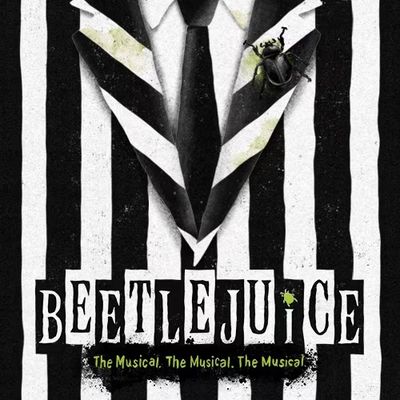
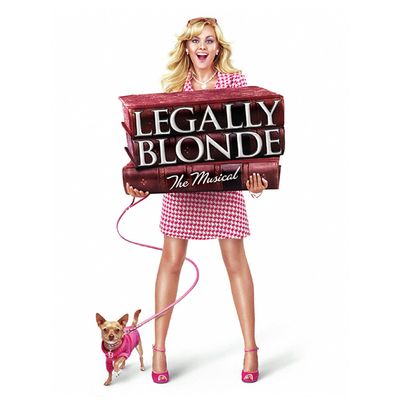
Omigod you guys! This week, Quincy and Kevin are joined by Leslie Rodriguez Kritzer to chat about cut songs from Legally Blonde (you know the one), coming back home to Beetlejuice and the craziest onstage mishap story the boys have ever heard... Read More
From the show: Sentimental Men
Guests

Featured Shows
About
Omigod you guys! This week, Quincy and Kevin are joined by Leslie Rodriguez Kritzer to chat about cut songs from Legally Blonde (you know the one), coming back home to Beetlejuice and the craziest onstage mishap story the boys have ever heard. It’s the new year, besties – let’s get Sentimental.
Transcript
This transcript was automatically generated and might contain errors.
[0:00] Quincy Brown: When I tell you that I did performance art.
[0:04] Kevin Bianchi: Sounds like it was iconic.
[0:05] Quincy Brown: Oh, it was iconic, all right.
[0:11] Quincy Brown: My name's Quincy.
[0:13] Kevin Bianchi: And my name's Kevin.
[0:14] Quincy Brown: And this is Sentimental Men from Broadway Podcast Network.
[0:17] Kevin Bianchi: We are here to talk.
[0:18] Quincy Brown: And maybe scream about our favorite women in musical theater.
[0:27] Kevin Bianchi: Happy New Year!
[0:29] Quincy Brown: Happy New Year indeed.
[0:30] Kevin Bianchi: Kevin, how were your holidays?
[0:32] Quincy Brown: What did you do over the holidays?
[0:33] Kevin Bianchi: I spent the holidays in the Pacific Northwest in the Seattle area with my, like my for all intents and purposes in-laws, which was very, very chilly, but it was really nice.
[0:47] Quincy Brown: Was it?
[0:49] Kevin Bianchi: Was it cold?
[0:50] Quincy Brown: Yeah, it's freezing.
[0:51] Kevin Bianchi: It's like in the 20s.
[0:53] Quincy Brown: What?
[0:54] Kevin Bianchi: In Seattle?
[0:55] Quincy Brown: Right now it is, yeah.
[0:56] Kevin Bianchi: Wow.
[0:57] Quincy Brown: Yeah, it was super cold, but it was nice because it snowed a lot, and because it was chilly, like nobody really wanted to do too much. So it was a lot of like chilling on the couch, just like hanging out, watching movies, drinking. Like it was, you know, it was all good.
[1:13] Kevin Bianchi: Yeah.
[1:13] Quincy Brown: And yeah, and now I'm home. Now I am back on the grind, so to speak.
[1:18] Kevin Bianchi: Although one of my New Year's resolutions is like not to grind.
[1:22] Quincy Brown: Oh, interesting.
[1:23] Kevin Bianchi: That's healthy.
[1:24] Quincy Brown: I gotta care less, you know.
[1:26] Kevin Bianchi: Well, my New Year's resolution is to grind in a healthy way.
[1:29] Quincy Brown: Yeah, that's good for you, because you go hard, which I'm very proud of you for.
[1:34] Kevin Bianchi: But I think, well, something I've been like thinking about a lot is like I feel like I work a lot, and it's like if I let myself get upset about the principle of it, I'll get upset and stressed and feel like, oh my god. But then in actuality, it's like it's not like I'm not an accountant, you know what I mean? Like I do enjoy my job quite a bit. So it doesn't feel like work. I think I just get stuck up on the principle of it all that like I shouldn't have to be, whatever. We don't have to get into it. But I do, I am excited for this new year because I think I have a better outlook on just my life in general and how I want to live my life this year. Last year felt very fast and furious, and I was letting things wash over me. I want to be more present this year, I think is what I'm saying.
[2:06] Kevin Bianchi: Okay.
[2:12] Quincy Brown: We got to my resolution.
[2:14] Kevin Bianchi: Good. I'm glad you could talk that out.
[2:18] Quincy Brown: I spent my holidays in the Pacific Ocean.
[2:21] Kevin Bianchi: That was funny.
[2:23] Quincy Brown: And it was weirdly cold in Hawaii too. I'm curious if Hawaii, with all this climate change stuff, at some point is going to become a state that has a proper winter. Like there was one day where it was hailing, and I was like, wait, wait a second. It's all bad. Hawaii is in no way prepared to be a snow state.
[2:43] Kevin Bianchi: So that will be very disruptive, I think, if this actually does trend in that way.
[2:46] Quincy Brown: But yeah, it was very chilly a lot of the days. Still had like sunny fun beach days and stuff, but surprisingly cold, wearing long sleeves and stuff all the time.
[2:53] Kevin Bianchi: Okay, but I have a question about that because like I know there's like the whole joke that like when it's 70 degrees, people in LA are like they act like it's freezing cold out. So like what is, wait, like when you say it's cold in Hawaii, like what temperature does that mean?
[3:07] Quincy Brown: It's an astute question. Um, like 60s, 60s, like high 60s. Mid 60s.
[3:15] Kevin Bianchi: Well, I'm sorry you're so freezing.
[3:19] Quincy Brown: I think there's something about like the tolerance does change though when you're here. And I think it's the, what I actually think it is is like every time I come home, I had a friend respond to my Instagram story and was like, I can always tell when it's Hawaii content because it's oversized t-shirts and board shorts. And I was like, yeah, yeah, you have a uniform. But there's not like a cold, like to put on jeans is an ordeal kind of a thing. So it's just like no one is in the zone of dressing for cold. So you're still in your t-shirt and board shorts in like chillier weather. And I think that's why everything just feels very like cold.
[3:51] Kevin Bianchi: Sure, sure. Um, but it was really fun. Got to see a lot of friends. It felt surprisingly busy while I was home.
[3:57] Quincy Brown: Yeah, well, you were working for the first chunk that you were there, right?
[4:00] Kevin Bianchi: Yeah.
[4:00] Quincy Brown: Yeah.
[4:01] Kevin Bianchi: Which is actually kind of nice because I was working East Coast hours. So I was working like 4 a.m. to noon every day, and I could still do a full day. For whatever reason, it's so, it's like doable when I'm home because I've been doing it when I come home.
[4:12] Quincy Brown: Yeah.
[4:13] Kevin Bianchi: And it never like affects me. I'm still able to have a full day, and I go to sleep around like 10, 11.
[4:18] Quincy Brown: Oh, that's true.
[4:18] Kevin Bianchi: And I don't know. It's my grandma said it's because everything is more chill here anyway, so it's less stressful. So my days are less taxing. And like remote too. It's like if you're not there at exactly 4 a.m., like nobody's thinking, oh, Quincy's late. You know what I mean? Like you can just kind of get into it at your own pace.
[4:35] Quincy Brown: Yeah, mostly about there was one morning, only one, there was one day where it was really hard because we had like a family party the night before. I went to bed at one, and then I had to wake up for work at four. So I set my alarm really late. I set it for like 3:50. And then I was like, it's a Friday. I don't think I have any like calls today, so it doesn't matter. I can just like kind of slowly rise and like be available. And then at 3:59, I got a notification for a 4 a.m. external call that I had. And I was like, not okay. I was so bad. So I like crawled to my desk and like camera on. I took the meeting camera on, and I looked so horrible.
[5:09] Kevin Bianchi: You're braver than I am.
[5:11] Quincy Brown: Well, I always feel like I never want to meet someone for the first time and have my camera off. That just feels like mean to me.
[5:17] Kevin Bianchi: Anyways, we're here today to talk to Miss Leslie Kritzer in Beetlejuice the Musical, closing this weekend.
[5:25] Quincy Brown: So sad.
[5:25] Kevin Bianchi: I know, but I am so happy that they got this second chance. And it does feel like because it was so abruptly ended pre-pandemic, came to an abrupt halt pre-slash during the pandemic. I'm glad that they got the second run to kind of get whatever closure they needed or whatever, you know.
[5:41] Quincy Brown: Yeah, same, same, same. I agree with that. Uh Kevin, do you want to run us through the resume?
[5:45] Kevin Bianchi: Yeah, I will definitely run you through the resume. And I feel like I always say this, but buckle up because she's long. Ms. Kritzer began her career, well, not began her career, but we're starting our journey with her career in 2003 in the national tour of You're in Town, where she was little Becky Two Shoes slash Mrs. Millennium. So right off the bat, we're starting with comedy and high belting. My two favorite things. My two absolute favorite things.
[6:13] Kevin Bianchi: The following year in 2004, she made her Broadway debut as Shelly in Hairspray, one of the nicest kids in town.
[6:21] Quincy Brown: Wow.
[6:22] Kevin Bianchi: Two episodes in a row. Well, two guest episodes in a row with a nicest kid in town.
[6:26] Quincy Brown: Yes.
[6:27] Kevin Bianchi: Yeah, yeah, yeah. I didn't even think of that.
[6:29] Quincy Brown: Thank God, three years later, in 2007, she was back on Broadway in one of the greatest musicals ever written, Legally Blonde the Musical.
[6:37] Kevin Bianchi: Truly.
[6:38] Quincy Brown: As Serena, the cheerleader, Bend and Snap Legend, pull her hair and call her a whore.
[6:44] Kevin Bianchi: In 2008, she was Janie in A Catered Affair. A couple years later in 2010, she was in Sondheim on Sondheim. In 2012, she was Jovi in ELF, which, uh, we're like staying with the high comedy, high belting here, and also In and Out. She's keeping busy.
[7:04] Kevin Bianchi: She's keeping busy. In 2016, terrific casting. She was a replacement B in Something Rotten. So I saw her in this. That's another YouTube video I go back to is her Broadway in the park.
[7:18] Quincy Brown: Yeah, yeah, yeah.
[7:19] Kevin Bianchi: Uh, right hand man. Something Rotten is such a good show.
[7:22] Quincy Brown: It is a good show. I guess it's not like available for regional theaters yet.
[7:28] Kevin Bianchi: My community theater in Hawaii did it.
[7:29] Quincy Brown: Oh, really?
[7:30] Kevin Bianchi: Because that's like you'd think that that's like a show that like everyone would be doing, and we would be hearing about like alphabet after alphabet going into that role.
[7:38] Quincy Brown: Oh, yeah, because I guess, um, because that's a really fun show. Jackie Burns just did it at the Muni.
[7:44] Kevin Bianchi: Oh, yeah, yeah, yeah.
[7:45] Quincy Brown: Jackie Burns just did it.
[7:46] Kevin Bianchi: I don't think it was the Muni. I think it was like some Sacramento theater.
[7:48] Quincy Brown: Oh, yeah, yeah, yeah. You're right. You're right. I would kill to see Jackie Burns in that role.
[7:52] Kevin Bianchi: Me too.
[7:52] Quincy Brown: In April 2019, she opened Beetlejuice on Broadway at the Winter Garden Theater as Delia, the stepmom. She was in that show through June 2020 when it closed in like mid-pandemic, which was like a tragedy because I love that show. And then happy ending in April 2022. Beetlejuice reopened on Broadway. I guess not technically a revival, but thank God Leslie Kritzer was available to reprise her role because talk about a perfect showcase. Like it is, it's, it just fits her like a glove. So I'm really glad that she was able to come back. And didn't she also did Miss Argentina the first run, but not the second run, right?
[8:38] Kevin Bianchi: The first time.
[8:38] Quincy Brown: Yeah.
[8:38] Kevin Bianchi: And that brings us right up to today, this very day. Off Broadway, she has graced the stage in The Great American Trailer Park Musical. In again, another terrific bootleg Bat Boy in Rooms, uh, in The Robert Bridegroom, regionally. She has been doing it. Did you see The Robert Bridegroom?
[9:00] Quincy Brown: I did.
[9:01] Kevin Bianchi: That felt like an era where you might see it. It was while I was at Roundabout, yeah. Regionally, she has tread the boards in Babes in Arms, in Greece, in Funny Girl, in The Honeymooners. I mean, oh, Funny Girl was probably Honeymooners with Laura Bell Bundy.
[9:15] Quincy Brown: With Laura Bell, yeah, a little reunion.
[9:17] Kevin Bianchi: She's also been in concerts of On the Town, at Encores. She had the Leslie Rodriguez Kritzer is Patti LuPone cabaret show that she did. So in short, Leslie Rodriguez Kritzer is killing it. She has been around. She is currently around, and she is not going anywhere. I'm so excited for you all to hear this interview.
[9:34] Quincy Brown: Can I hit you with the choices, options, and bootleg?
[9:39] Kevin Bianchi: Yes, and I can't wait to hear what you pick since you already told me what you picked.
[9:43] Quincy Brown: Well, you knew exactly what it was gonna be, and Leslie knew exactly what it was gonna be in the interview because she brought it up. You'll hear she was like, I know you guys are gonna ask about this, so let's just talk about it. And it is the bootleg of the cut song from Legally Blonde, Love and War, later replaced on Broadway by the song Positive, equally as good, different vibe in the song in this Love and War song that pull her hair and call her whore, which is still in Positive, has more of a, I would say dramatic moment.
[10:12] Kevin Bianchi: Yeah, and Leslie.
[10:13] Quincy Brown: It is a severe. Should I like recreate it? Like, what is the best way to communicate this? It's just like, well, it's like a different melody entirely.
[10:20] Kevin Bianchi: How would you describe what it is?
[10:21] Quincy Brown: Yeah. It is, um, that you all have heard, I'm sure. Because, okay, so like in it's kind of like a spoken melody in Positive. It's kind of just like because you pull her hair and call her whore, but then, yeah, but then in Love and War, it is like a very impressive pulling, but like good.
[10:42] Kevin Bianchi: That was good though.
[10:45] Quincy Brown: Um, yeah, so it's that in the out of town. Crazy for the creatives to let that moment go. Like if I was on that team, I would have found a way to make that still happen in Positive.
[10:51] Kevin Bianchi: Agreed.
[10:58] Quincy Brown: Anyways, if you haven't listened to Love and War in a bit, go back and give it a listen. Its legacy deserves to live on.
[11:04] Kevin Bianchi: Yeah.
[11:04] Quincy Brown: And that moment from Miss Leslie Kritzer deserves to live on.
[11:07] Kevin Bianchi: And she's aware of that.
[11:09] Quincy Brown: She sure is.
[11:10] Kevin Bianchi: All right, let's get into the interview.
[11:14] Quincy Brown: All right.
[11:17] Kevin Bianchi: All right, Leslie Rodriguez Kritzer. Thank you so much for joining us today on Sentimental Men.
[11:22] Leslie Rodriguez Kritzer: Thank you for having me.
[11:23] Quincy Brown: So we do start every interview with one question.
[11:27] Leslie Rodriguez Kritzer: Okay.
[11:27] Quincy Brown: And that is on this journey of doing this podcast, which started off as a Wicked-only podcast. We have learned that every actress in this city has some sort of a touch point with Wicked the Musical. So now when we have non-Wicked actresses on the podcast, we ask them, what is your Wicked touch point?
[11:45] Leslie Rodriguez Kritzer: Can mean whatever you want it to mean.
[11:46] Leslie Rodriguez Kritzer: I am one of the few belting brunettes in New York City that's never done Elphaba. And, uh, I'm okay with that.
[11:53] Quincy Brown: She's okay with it.
[11:54] Kevin Bianchi: I was gonna say, has that haunted you? Because it does feel like something that would hang over you as a belting brunette in New York.
[12:00] Leslie Rodriguez Kritzer: I had one audition for it, I remember, and I cracked so bad, and I never was called in again. This was in the beginnings, beginnings of it, because I think I did see Idina Menzel in the hallway. I don't, I think maybe I'm making that up, but I'm pretty sure I saw her there.
[12:15] Quincy Brown: I don't know why.
[12:16] Leslie Rodriguez Kritzer: It was either, I think I did see her there, and we're like, oh my god, hi. I was like, this is so, that was terrible. But, um, you know, and a lot of the Elphabas have, a lot of them are my friends. We would be doing a huge disservice to the gay community if we did not ask you about Legally Blonde a little bit.
[12:27] Kevin Bianchi: Oh yes, ask away.
[12:29] Quincy Brown: So I would like to start by asking our friend Ryan, you were on his podcast, Why Are You Like This? and you talked a lot about wanting to build a career where you were known as a funny actress, not just like a crazy beltress. Was the comedy of Legally Blonde like what drew you to it?
[12:27] Leslie Rodriguez Kritzer: So I did a show called Bat Boy off Broadway which closed right around 9/11, so that was, oh my god, 2001. Like it's so weird saying that, it's like so long ago. So anyway, I came in as a swing, so you know, like a couple of weeks before 9/11, and then like we closed and then it, whatever, you get it, and then it closed after 9/11. But anyway, I worked with Larry and Nell who wrote Legally Blonde, and so they knew me from Bat Boy. So when Legally Blonde, fast forward to when Legally Blonde was, you know, first starting to come out, I think I said to Larry, oh, Keefe, Nell Benjamin, Larry O'Keefe and Nell Benjamin, you know, I love Serena in Legally Blonde. I'd love to do a reading, like really please, please think of me. And we did one of the most random like sit down readings of it.
[13:34] Leslie Rodriguez Kritzer: I think it was just like me and a quirky Snelson and then it just kind of started from there, you know, we did another reading and then we did like this semi-workshop and then Laura Bell Bundy came in and it's like all of these people, Annaleigh Ashford, all these, you know, what was your initial reaction in those beginning readings? You know, at that time in my life, I was like, this is the best part ever. I totally want to play a cheerleader, which I never was in high school. I was always a theater nerd in high school, and I sort of had to choose between being like a Jewish cheerleader in my time in my town, you know, wearing tennis bracelets or fake tennis bracelets because I couldn't afford one, or being a theater nerd.
So of course, I chose to be where my tribe was. So yeah, I was like, oh, we got something here, like this is cool. And then everybody that came into it, like you could see as the cast started to develop, you know, Christian Borle and everybody, Cage Schindle. And it's like the more we did these readings, and then we finally did like a stage workshop. I believe we did a stage workshop. You were like, oh, we got something good here, and we're all around the same age. It's kind of like when you see young shows now with like young people that you're like, oh, they're at their prime. You know, young people. I mean, I'm in my 40s, you know. I turned 30, uh, right at the end of my time at Legally Blonde.
And then once every, I mean, you know, everyone was at their peak. The wild abandon of youth because we were, you know, we went out of town, we had the best time ever. Jerry Mitchell just saw in me. By the way, I worked with him for Hairspray, yeah. Yeah, so he already had worked with me. I came off the year in town tour, you know, replaced Shoshana Bean, my college buddy in Hairspray. So all the stars aligned. Once it was coming to fruition, it was like everyone was on board, and I got to play a tan Jewess cheerleader. I got to design my own sneakers because I was like, girl, I'm not wearing flats in this outfit. And those sneakers that had the tilt. So you got the wedding. I said to him, yeah, that was you.
I need some height, I need some height in these sneakers. Yeah, because I don't have that kind of legs, I'm five foot two, you know. The outfit was just awesome. Like, I got to be tan. I mean, Nikki Snelson and I, I will just say this as an aside. This is an old school, right? We would go to this gym that had tanning booths, Mid-City Gym, which was on 49th, right next to the Food Emporium, okay, right across the street. It's like a busted old gym. Okay. And I had a trainer there, don't even get me started. They had stand-up tanning booths. And we used to put Crest White Strips on our teeth, keep our mouths open, and go to that tanning booth. If you go to the opening night of Legally Blonde, those photos, you could just Google them.
I was burnt to a crisp. And then my friend was a makeup artist that did my makeup, Craig, he just tanned me up. I mean, I literally, like I look at those photos. I said, I have never been so tanned in my life. And I was just living my dreams. I was like, it was just amazing. And the cast was incredible. And you're working on the show and you're developing at the song at the time the song in the show was called Love and War, right? And rest in peace. Rest in peace. Rest in peace. We rehearsed that over and over and over in the upper lobby of the Golden Gate. I think it was called the Golden Gate. And it was so cold, redoing that. Like, you know, it was like pull her hair and call her whore, and then put her in a sack and do something else.
And we had all different kinds of things for that. And of course, I optioned up a bit. So when we when that came to be and we did it, I think I was like, oh, Larry, I'm gonna go up there and do that. And then they were like, well, we can't say pull her hair and call her whore. But who would know that that would circulate? That little bootleg would circulate the internet the way it had forever. Forever. Forever. Yeah, it's iconic. It is so iconic. So when it changed over to popular, did you try and hold on to that option up and it just didn't work? When it changed over to positive. Do you know that I don't know where that section is in the song? Like when I think about it, I haven't listened to the album in so long, so I don't know what that is now.
Like, I don't I don't even know what the lyrics are that the what we wound up doing because it's been, uh, what, 10 years since I was. I could still say pull her hair and call her whore, but it's different. It's like color hair and collar whore. Yeah, as you pull our hair and collar whore. Oh, so I could so what we still stay with that. I'm sure they were like, okay, calm down. I'm sure that's probably what happened. Also, like we don't need to do that eight times a week. Yeah. I mean, then it was easy. It was like, whatever. So that begs the question. Wait, before we move on from out of towns, what other cut moments? Because I really do love Love and War as a song. I wish it had survived. What other cut moments were there from Legally Blonde workshops out of town that you miss or that fans might have enjoyed in the final product?
You know, it's been so long, so I really I don't remember. I think so much of what we had in the room wound up staying. I don't remember any cut numbers or anything. I mean, what we had is what we sort of brought. We just tinkered a lot with lyrics and we changed that song. That was a big one. Love and War turning into Keep It Positive. One thing that we did once in rehearsal is that I jumped through the vanity when the three of us appeared, the three girls appeared before Ben and Snap. I literally tried something in rehearsal. I was like, Jerry, let me just try this. And instead of us popping around the vanity, like we would hide behind it and then we would appear. Yeah, I literally jumped through the vanity.
I swung and I jumped. I think Paul Kanan to this day has a photo of that in rehearsal. Everyone fell out laughing. So and they decided they're like, Leslie, someone's gonna break a bone if we do that eight shows a week. So that's just one thing I remember from rehearsal. Instead of us like appearing, it was Dekina Moore, me and Annaleigh Ashford, and we were crouched in a tiny little box, and we'd wait there. And then we'd pop behind. So, you know, that's the only thing that I remember. Everything else, I think basically stayed. But you asked me how that sort of led into the comedy stuff. Yeah. I was working on the Patti LuPone show during, I think I believe during rehearsal. I did the show while I was in rehearsal for out of town.
And I did it downtown because the whole cast came to see it. I had a New York Times review. And I remember we were on the bus or something on our way to visit the set, you know, the poll and the whole house that we were going to visit that we had to do a little field trip. So I had already started developing that with Ben Rimmelauer before, because you know, I was working as a hostess in a restaurant. So we had that whole thing was happening as Legally Blonde was happening, and then I wound up also doing it out of town in San Francisco for one night, I think, or two nights while we were out there on a day off. So it was all coinciding at the same time. Yeah. Did you always want to do the musical comedy thing?
Or was there an era where you thought maybe I'm just gonna do stand-up comedy straight? I kind of had to make a choice. Like when I was in Hairspray, I used to go down to UCB, and that was when like a ton of people that now have all moved to LA were doing sketch and I was taking class and I was doing all that, but I sort of made the choice because you can't do both, you know, you keep sort of working at the time anyway. You keep sort of working, you keep getting jobs, and that's the whole thing, right? To support yourself. And so I made that choice. Like after college, I always wanted to do musical theater, but a part of me just wanted to do comedy, just wanted to do SNL, and I was like, I could move to LA, I could do that.
And I sort of made a choice. And then, you know, I auditioned for SNL, I didn't get very far. And so, like, I kind of just let that, you know, I just followed the trajectory of where life was leading me, and I kept doing theater. I kept getting jobs doing theater, and I was I was happy doing that. So yeah, and I've done stand-up since, and I still do, you know, comedy, and I want to do more now as I'm older, but yeah, I just I fully believe for me it was just meant to go that way. Yeah. Well, I will say that your SNL video on YouTube is something that is quoted at least twice a week in my house. And I say that with no exaggeration or hyperbole. The Michelle Obama song we sing it all the time.
People still bring that up. It's one of the best, it's so good. That is really, I feel like too you were really one of the first like musical theater actors who was also developing this like social media content before that's even how we were thinking of YouTube. Wow, I mean that that's so nice. I wish I had kept it going. I sort of was sort of, I will say this and I hope maybe this helps anybody who's out there and wants to do whatever content they want to do now that it's totally changed. I sort of was heartbroken after the SNL thing didn't work out and I kind of let it go. You know, I was so devastated because it had been a dream and they didn't even I didn't go past a certain point. And you know, I had talked to Ana Gasteyer and Rachel Dratch about it because I knew them both and they said, Leslie, you know what?
Yes, it's been great and it's done a lot for both of us, but at the end of the day, you know, they own you for seven years and you're not necessarily a favorite and if you're not a favorite, you know, it sort of sucks. Then you're just there. You know, however, it's such an honor and it made their careers, of course, but it isn't the end all be all and it was nice to hear them say that. I wish in hindsight and again for anyone who's listening, I wouldn't have given up the way I gave up. You know, but I think now later in life I'm discovering like it's not over. You know, I'm just, I have more things to create that I want to create. And I think part of, and we could talk about Beetlejuice and all that next.
But I would say it's just really important that if the things don't go your way right away, not to give up. I think, you know, to find your own road because you just really don't know. And I think I was just crushed by that, you know. And I kind of just like was like, well, no one cares. And I wish I could, I don't wish I could go back. You know, if you have an idea and no one wants it right away. Well, I'm also sure in that time it felt so much bigger because like at that time, SNL, the exposure you get from SNL, you can't, you couldn't necessarily get by just making your own videos on social media, you know, whereas opposed to now it's a little bit different. And it's like anything in life, I feel like you think something's what it is, and it's actually not everything you think it is.
Like doing Broadway too, like people are like, oh my God, if I can only get on Broadway, if you can only get my Broadway show, and then you get the Broadway show and you realize it's not everything you thought it was. Of course, it's oh God, it's so awesome, and there's nothing like it, but it's not the end all be all of your life, you know, and it doesn't define who you are. And I think that's only something I feel like younger people now can really embrace that more than people my age at that time because we didn't have the self, not that we didn't have the self-awareness, but now there's just so much more information. There's so much more communication about what even just as human beings, uh, post-pandemic, like there's so much has happened that I think more and more people are going, I'm more than just the job.
I definitely did not feel that way back then. I identified myself through my job. And not saying I still don't struggle with that, but it's different now. Yeah, and I think especially too like as a performer, that's like such a unique struggle because it's like I have like a muggle job, and I went through the whole pandemic thing of like, oh, I like M more than my job, but also like there's no public interest in my job. So when it's like you have this like sparkly, very interesting job that everybody wants to know about, and it's like, oh, you're on Broadway, tell us about that. Then it's like, well, then I guess they don't want to know about the rest of it. You know what I mean? So it's I feel like that's especially a hard struggle.
Well, and also we start to think it's like everything's relative. You get the job, then it becomes you go, oh my god, it's so amazing. Then it becomes a job. And then you're like, then you forget that you're in a sparkly thing, and then you're reminded. I'm reminded so much when I go see another show, how cool it is to be in a sparkly thing, which is why I love to see other shows too. Because I go, whoa, what we do is super cool, and it is special, and not everyone cares, you know. It's such a niche thing, what we do, the theater world, the musical theater world. Yeah. But I am constantly reminded, and I'm grateful I'm reminded because you get, I hate saying it, but you do get jaded because it is a lot of work, you know.
It's a lot of, it's just, and then it's like no guarantee in your show, like K-pop closes in two weeks, you know. It's like, and I've been there, so it's brutal, but when it's good, there's nothing like it. There is not, and so Legally Blonde, just to like cap off that, that was probably the most fun I've had in any show. That's, and I believe every show comes at a certain point in your life when you need it the most. And that show came at a point in my life where I was young. I got everything I didn't get in high school, which is like I was popular and hot and tan and desired. Legally Blonde healed your inner child, yeah. And my husband now ground out your 20s with it. Oh, it defined me in a way where I was like, oh, I lived my high school dreams that I never had, the high school fantasy that I never had, even though that didn't take place.
And it's funny because my now husband, who was doing Spelling Bee, he's a musical director of Spelling Bee on Broadway down the street at the time, was trying to like get me to do a reading, and I'm like, I'm busy. Like I thought I was the cast me out. Like I was like, I'm busy. I have a boyfriend in San Francisco. Like, mm-mm. And it's kind of funny, you know, Nikki Snelson and I, my God, like we really can laugh at those times. But that has a special imprint in my soul and my life as being one of those things where, you know, it just was a jumping off point for me.
[26:58] Leslie Rodriguez Kritzer: And I really I'm very grateful to Jerry Mitchell and to Larry and Nell for being so loyal. I mean, that's that's that's the dream when you have a creative team that's like her, her, and only her. And that's what they're doing.
[27:10] Quincy Brown: Yeah.
[27:11] Leslie Rodriguez Kritzer: Fans, fans on the team. Clearly, this was like such a fun experience for you and a special one. Were you in a place where like, did you care if people liked the show? Or were you just like, we're showing up, we're having a blast, the gays are living and we know that much? Because I think the perception of Legally Blonde has drastically changed in culture since it was on Broadway.
[27:29] Leslie Rodriguez Kritzer: Yeah, it's like it's like cult favorite, I would say it. Now people are like demanding a revival.
[27:34] Quincy Brown: Yeah, I actually my husband is now working with Larry Nell on their new musical, and I was like, are they gonna bring this back? It's time. Let's go. Would you go back as Paulette?
[27:43] Leslie Rodriguez Kritzer: I mean, I don't think so. I don't think so. Just because I'm like, if it ain't broke, don't fix it. Like, I'm in the I think it's like it's like me being in the original movie, and then they make a remake. Like, I'm not gonna do the remote. But like, it's just I can't imagine I just can't. It's just like I did it with Orfe. Like, I just it's the queen. It just doesn't seem right to me. And her outfit, I will never and I've got to, that's another thing. I was like the secret understudy, and I got to go on that one time for her, which is another video. Super fun. I was totally, I was like, what is happening? Did I even have rehearsal? I don't remember. But yeah.
[28:24] Quincy Brown: Switching gears to Beetlejuice.
[28:25] Leslie Rodriguez Kritzer: Okay.
[28:26] Quincy Brown: Let's do a little bit of a timeline of the journey of the show. I think it's so fascinating what happened pre-pandemic when the TikTok of it all started because I think Beetlejuice was one of the first Broadway shows to really find an audience on TikTok and then leverage that audience and develop a following.
[28:43] Leslie Rodriguez Kritzer: Oh, I mean, Presley Ryan, hands down, is the reason why we had a TikTok presence. None of us people were like, who she was like, let's do a thing, let's do a thing on the TikTok. And I was like, I can't. Okay. And and I can't understand it. I can't get on the app. I don't understand. I need one button, push, go, put subtitles. Like, she was really the reason. She really was. Yeah. If it wasn't for her, we would not have a presence on TikTok. And really, I credit her to that. She is a super smart girl who now is living her dreams, going to college in California. Totally not doing this right now at all. Like she's just a college girl.
[29:18] Leslie Rodriguez Kritzer: Yeah, it really put us on the map. And I really believe this too with shows. It has to be in the zeitgeist. It's a perfect storm, right? We were the underdog coming in from DC with not great reviews, even though our show was hilarious. Not great reviews. Coming in, we're like, okay, we made it. And then it's like album, TikTok, Tony Awards, Thanksgiving Day Parade, all of a sudden, huge following and cosplay, and all of it all of a sudden it started to be like Wicked in the sense of that fan base just exploding.
[29:49] Quincy Brown: Right.
[29:49] Leslie Rodriguez Kritzer: And all of us, I think we did care for this one. You had asked about Legally Blonde. I think I didn't have the hindsight to even know. Well, of course, we didn’t want it to run and all that. But this, we were like, we want this to succeed because it means so much to us. We worked on the show for I believe five years.
[30:06] Quincy Brown: So you were very much aware of everything that was going on outside.
[30:09] Leslie Rodriguez Kritzer: We were we were looking at our grosses. I mean, this is a whole different thing now. We were like, Gotcha. More people, more people, grosses, this and that, and like, oh, share show close, this show closed. We're still going. Like, we couldn't, Oklahoma close, all these things. We got nominated for Tonies and stuff, but it's not like we won a bunch, you know. And we just couldn't believe we, you know, we the show caught fire, and those lines outside that stage door were down the block. I mean, it was yeah, it was an unexpected hit.
[30:40] Quincy Brown: And then, so what happened?
[30:42] Leslie Rodriguez Kritzer: If you I you're gonna ask me this question, what happened, right? So we're a hit, we're a hit, we're like, let's get into it. Boom, boom. Then we knew Hugh Jackman was gonna come in with Music Man, and it didn't matter because we had plans, we had two things happening. And I can say this now we were gonna move into another theater, we're gonna announce a reclosing and moving into another theater, which theater we had rumors we didn't know. Okay, and at the time the Britney show was supposed to go into the Marquee. So we they were slated, which is why they're going in there now. They were always supposed to go in there, and we were looking at some other theaters we just didn't know. And we were weeks away from recording our capture because I was planning my vacation around April when we were recording that, also going, Oh god, I gotta lose some weight because I mean, having eaten and I'm not gonna be in no HBO for the ages, HBO or Netflix gonna live on capture looking.
No, I gotta when my vacation be, when I'm gonna work out, when what what's going on? And then then it all ended. You know, we did a show on a Tuesday, it was awesome. We had a day off on Wednesday because we were starting a hateful schedule, and then oh, we're gonna be delayed one day, oh and then it was over. It was over, you know. We all thought we were gonna have two weeks off, and then it turned into two years, and it was right, you know. I don't need to tell you guys, you know, it's it's just it it was heartbreaking, it was just heartbreaking.
[32:03] Quincy Brown: So and did you at that time think like this is the end of the Beetlejuice journey?
[32:07] Leslie Rodriguez Kritzer: Well, first of all, I was like, what's going on in our world, right? Like everything, it's not even us, it's it's everybody. So we were just like, Yeah, you know, everybody was closing, every the whole world was shutting down. So we were like, well, Beetlejuice aside, I don't want to die. Like that's where we were at, wiping down groceries, and we're like, what's up? And then because no one was open, right? So we were like, we can't leave our house, like what? And um, glued to the news, everyone's glued to the news, right? So that was our everyday. Once we got that closing notice officially, you know, that we were not going back to that theater, we were not going anywhere else, we didn't know, and there were rumblings, but it was uh over a year till the producers also said, Hey, we're trying to make plans. We heard rumblings of it, we're trying to make plans to go somewhere else.
[32:54] Quincy Brown: Gotcha.
[32:58] Leslie Rodriguez Kritzer: And the Britney show had pieced out for a while, and then we figured out that we were going to the Marquee, and so kind of like a miracle that we got there.
[33:07] Quincy Brown: It feels like such a perfect theater for that show.
[33:09] Leslie Rodriguez Kritzer: I mean, we didn't, you know. I mean, we're closing because it's also a barn, it's a lot, it's really hard to fill, and it's just a bad time on Broadway's.
[33:16] Quincy Brown: Yeah, but you're right, the show fits in there beautifully.
[33:19] Leslie Rodriguez Kritzer: Like, if anyone's seen the show in there versus the Winter Garden, it's very intimate, way more intimate than I thought it would be.
[33:26] Quincy Brown: Yeah, yeah.
[33:27] Leslie Rodriguez Kritzer: So the capture is sad, the capture makes me sad. You know, Diana did it. They wound up figuring it out. Did you not film it at the Marquee? I thought that was a thing.
[33:34] Leslie Rodriguez Kritzer: We were weeks away. Like when I say weeks, we were weeks away. Like full the camera people had come. It was the same people that did Hamilton didups, like figuring it out so it didn't happen. And Alex Timbers, I think did not want to do it without a live audience because our show is so, you know, it's not like Diana where we need laughter, we be. So it's it's just different.
[33:56] Quincy Brown: Yeah, and there's so much improv in the I think Diana needed the audience.
[34:02] Leslie Rodriguez Kritzer: Yeah, so you know, I don't blame him. I think he was I think it was the right call at the time. I really wish we could do it now, but unfortunately, it ain't happening.
[34:09] Quincy Brown: Gotcha. So when it when the rumbling started happening though, was it like a no-brainer for you, like, yes, I want to go back and do this show again, or was there any hesitation?
[34:18] Leslie Rodriguez Kritzer: There was some because I I just I don't know. Uh, you know, you're always you know, I had started doing more television and I really sort of wanted to do that, but also I miss doing the show and I missed doing being with my people. And then of course, you know, there's as we say, Michigas with negotiations. For anyone that doesn't know what that means is like a Jewish term for like bullshit. So, you know, whatever. But it all worked out, like it it wound up working out, and I was okay for it not to work out, you know. I made that clear too. I was like, I'm different now. Like I've done the show, I love the show. If I could go back, it would be a blessing. But if it doesn't work out, that's okay, you know, because it's just okay. Like, I'm not, you know, it's and and it did. It worked out beautifully, and we got all most of us came back and we were all able to be together, and but it'll be nice too to get actually get the closure of closing the show.
[35:15] Quincy Brown: I feel like yes, because that was taken from you all, and so it'll be nice, I would imagine, to have some some closure.
[35:23] Leslie Rodriguez Kritzer: It is, it's bittersweet. It's like when I think about my friend was saw the last performance of K-pop and said, you know, it was so emotional seeing the actors, you know, and there's a whole that's a whole thing. A lot of these actors came from Korea, now they have to go back. It's like a lot of things, they're saying those lines for the last time, and literally I'll say those lines for the last time. And that really resonated with me when he said that. I was like, Oh, I haven't thought about that, that this will be the last time, and we won't we know it's the last time. That's different than before. We were never given closure, like you said. So I do think though, it's like I've done my job, you know.
I've given everything that I have over the past, you know, how many years that I've developed the show since the beginning, since the first table read when Alex Timbers asked me to do it, which was amazing. And like I don't have I don't want to say I don't have much left, but I've I've given everything, and so like there's nothing more to give to it. You know, I explored every nook and cranny of whatever I could do, every ounce, and it's time to let it go, you know. And it and it is sad, but it's kind of like it did so much for me. Did so much for a lot of people, it brought so many so many people joy, and like I have been able to originate so many roles, and this is one that I'm probably the most proud of, and the most the closest to me and what I do the best. So that's like the dream.
[36:36] Quincy Brown: Right. Well, I was gonna say this role feels like it's such a perfect showcase of all of your talents, but is there a Leslie Rodriguez Kritzer hat trick that we feel like an Izzy wish you could show in this role or this role isn't showing and is them.
[36:48] Leslie Rodriguez Kritzer: That it's not showing? Yeah. I mean, maybe my draw like uh like when I'm dry, when I can deliver dry lines, like uh, you know, like a sarcastic, I'm not sarcastic in this, and I'm very good at being sarcastic. That's just sort of another very yeah, she's sort of like she's the side of me that's a little naive and a little confused and gullible and but sweet. Um, I think that more dry sarcastic side that I do, like one liners, this does not show. This shows uh, yeah, more vulnerability and like sort of clueless, but not like a lot of heart. And I think it's like, you know, I'm just super proud. I'm and I haven't been able to really show that in a lot of shows. The last time I did that, I think in a show was um Great American Trailer Park, which was also very long time ago. So it's just sort of fun. Sort of fun.
[37:38] Quincy Brown: Yeah. Okay, so as we come to the end of this Beetlejuice journey, if you could go back to your day one self as she was starting off in these workshops, what advice would you give yourself?
[37:47] Leslie Rodriguez Kritzer: What advice did I give myself? Um what I look like doesn't matter. What I bring to the table versus what I look like on the outside doesn't matter. My talents enough. Being a certain look doesn't make me more talented. My gifts are my gifts, and if the body isn't perfect or the image outside isn't perfect physically, that's okay. People love you anyway. And that's something that I think if I could go back and really own that, that would have made my life a lot better, easier. But that's something I put on myself, not anybody else. I know that's a little sad, but it's true.
[38:23] Quincy Brown: In a show that is so um like slapsticky where you're literally like throwing yourself around and doing all these crazy things, it's like letting go of what you look like has to be so hard because it's like, yeah, I want to be funny, but I want to look good on the front of the theater too.
[38:35] Leslie Rodriguez Kritzer: Oh, yeah. And trust me, like I worked hard to look good to to the point where I was a bit obsessive. But but I think it's like sometimes you go, Oh, I wanna look like yeah, and and and I did, and I do. I think I'm never afraid to be goofy and to look whack job. That's part of my comedy. That's part of why I love comedy. And the people that I admire the most are never afraid to do that. That's a part of what makes me unique. You know, I I feel like that I've always done since I was in elementary school. You know, it's the eyes, the whole thing. I mean, I I it's just it's just like this is who you are.
[39:10] Quincy Brown: Yeah, and I'm I'm not like I'm grateful for that. But when I could when I bring it and I the face is beat, and you know, like I put it together, I could put it together. She turns it out. I turn it out, but man, I could look busted so easily. I mean, my god, I think that's like a talent. Some people just wake up and they're just like so beautiful. And I'm like, I wake up and I feel like, how did my husband marry me? This I am a very lucky woman.
[39:40] Quincy Brown: Okay, final question in this exit interview. After you've had distance from the show, so say in like 10 years, when you look back on your time with this show, what do you think you're gonna miss most?
[39:50] Leslie Rodriguez Kritzer: Wow, that's a really good question. That's a very beautiful question, Quincy. Um, I'm gonna miss the most the people, the friendships that and the oh, I can get uh I just got emotional about this. They become your family, you know? Like every day, even though family makes you mad, pisses you off, annoys you, you love them, you cry together, you laugh together. Every day being in that building with with this group of people, returning and new is such a special bond to be together.
[40:22] Leslie Rodriguez Kritzer: And that is what I'm gonna miss the most. Because no matter what, you know, yes, you can see people outside, but being in that building and sharing every moment together, it's really like leaving a tribe. It's leaving your family. And you go through that with every show. You go through that mourning of that leaving the tribe with every show because you develop a tribe. And some of them are more special than others. I will say this is probably the most special. And where I have made the deepest friendships and bonds with people. And I already miss it. I'm already mourning it. I will not, and I can see this. Like, will I miss doing the show? No, I won't miss doing the show because I've done it.
I've done it in my soul. I'm like, man, I can walk away. If I had to walk away tomorrow, I got fulfilled. I gave everything. But what I'm gonna miss is walking in that stage door and seeing all my family. I mean, that's truly what I'm gonna miss the most. And the money. Money never hurts. Weekly paychecks. Yeah. That is a really big answer. By the way, I just want to say, and this is gonna come out right before we close or after. Right before. Right before. Okay. I just want to tell you what happened to me on Friday, really quick. So if you want to use this, you can. So everyone's battling these chest infections and whatever they're battling right now, these colds that are going around. Like who knew?
Colds are back. Okay. They're back in style and they're back. So I have this chest infection that, you know, keep at bay. You know, necessarily, not necessarily antibiotics are gonna help you. You navigate it, you get around it, you hack it up, you hack it up, you go on stage. So I've been doing that for a week, right? Yeah. Friday, I get to work. Everyone's in my dressing room because everybody comes to my dressing room to hang out all the time. And my door is always open. And I'm talking, I'm hanging out, and I don't get ready for the show. I get ready later because I don't come in till like 25 minutes into the show. So I'm hanging out, talking fine. My voice is fine, right? I start getting dressed.
And I'm like, hmm, I have when I say, like, when I talk like Delia, I talk up here. There was not up there. There's no notes up there. I am Janine Garofalo, low, and I didn't realize it. So I tell my dresser, Jamie, I'm getting dressed and put on the lashes. I go, Jamie, I don't think I have anything. She goes, What? I go, I don't know what's gonna happen. So I go on stage for the opening scene and I do it. I can't do the little scream. I can't do it. I was like, Charles, and I was like, oh my God. We go off stage. I tell stage management, I go, I don't know what's gonna happen when I sing my number. You have to tell Joey that I tell him so he's not thrown because he's conducting, just tell him some.
I may be crazy. And I'm sitting in the hallway with my tea and I'm looking at Jamie. I go, Jamie, girl, I really don't know what's gonna happen. I go out there, I tell Elizabeth Teter, who's playing Lydia in the wings. We're supposed to ready, set, yeah. Woo! We enter, right? I go, I really don't know what's gonna happen. So just I don't know. She goes, it's okay. I said, it's not, but we're gonna go. When I tell you that I did performance art, it was like everything, everything happens for a reason. All right in the world, they're spiritual guys above. Yeah, I mean, it flows. I was on stage, I almost stopped for and she saw the fear in my eyes. She's looking at me, and I'm like, okay, Leslie, you have two choices right now because you could stop the show and you could tell the audience what's happening, and then tell the audience you're gonna finish.
Oof. You could walk off stage right now, or you could do the best performance art piece of your life right now that is YouTube worthy of children in musical theater programs all over the country making fun of at some point. If there's a bootleg, and I almost hope there's a bootleg of this performance on Friday. Yeah. Sentimental as if you're listening. I want to watch it because I couldn't believe what I was doing on. And even if I wanted to maneuver or do alternate notes, they weren't coming. There was no. It was they weren't there. So I was like, okay, Leslie, you're gonna finish this number because you don't have a choice. And Natalie doesn't have time. So I finished the number. It's like, yeah, no reason.
Clap, clap, clap, go off stage. Where the clap? I said to stage management, I said, tell Natalie she'll be on for the second act. I will finish the first act. So she has time to get ready. She has at least 25 minutes to get ready. And I finished the act, did the number. Still like, Charles, that was the most spiritually nourishing Raj. I mean, it was and I did Deo. The reason why I could do Deo is that it's pitch low. So I was like, oh. I mean, I was like, I know I have that. I know I have that. That I could do three Deos and then I'm done singing. And then so I finished that. I came down, I said, guys, that was truly one of the most embarrassing things. You know, in these Q&As, when I go, what's the craziest thing that ever happened to you on the scene?
What is the most embarrassing? And now I have one cemented into perfect. So I went home and I haven't been. Sounds like it was iconic. This is it was oh, it was iconic, all right. It was so actually I this is the first time I'm really talking that much, and I didn't want to cancel today because I really wanted to be with you guys, but I didn't do any of the shows this weekend because my doctor's like, girl, you hacked up so much that your cords are like pieces of meat right now and they can't come together. Yeah, so um I'm happy to be with you guys. They're basically the first people that I fully talk to all weekend.
[46:12] Quincy Brown: How lucky for us.
[46:14] Kevin Bianchi: We're honored.
[46:14] Leslie Rodriguez Kritzer: Thank you for doing this. I said I am not gonna stop the show. And listeners, if there's even so much as an audio, send it our way.
[46:21] Quincy Brown: Yeah, please God. If anyone did it, I should post that. If anyone has a bootleg of the Friday night performance, the first act, please God.
[46:30] Kevin Bianchi: December 9th.
[46:31] Leslie Rodriguez Kritzer: December 9th. Please send it in and we can review it. I swear to God, I would do another episode where we just went through it and really dissected what was happening at the time because it was truly a moment. It was a moment. So anyway, thanks for letting me tell you that story. Use it or not.
[46:51] Quincy Brown: Thank you for sharing it.
[46:54] Kevin Bianchi: No, thank you. Leslie Rodriguez Kritzer, where can people find you online?
[46:58] Leslie Rodriguez Kritzer: On Instagram. I'm on Instagram. I'm not that much on Facebook anymore. I am currently trying to learn TikTok, although I'm very intimidated. But Instagram is where you can find me.
[47:05] Quincy Brown: I was gonna say, you should be doing TikTok.
[47:09] Leslie Rodriguez Kritzer: It's so overwhelming. It like makes me intimidated. So for now I'm on Instagram, but hopefully, 2023, I will be on TikTok if TikTok if anyone still cares about it.
[47:19] Kevin Bianchi: I know.
[47:21] Quincy Brown: So well, thank you so much, Leslie. This was so much fun.
[47:23] Leslie Rodriguez Kritzer: Thank you so much. You both are just wonderful. I'm so glad I'm very happy you invited me.
[47:28] Kevin Bianchi: Thank you for coming.
[47:28] Quincy Brown: Hi guys. Oh Leslie Kritzer, thank you so much for coming on the podcast. That was so much fun.
[47:36] Leslie Rodriguez Kritzer: No, that was really fun. One of my favorite moments from this interview was getting to tell Leslie Rodriguez Kritzer that I still this is again another YouTube video that I go back to is her SNL audition tape.
[47:48] Kevin Bianchi: Oh yeah.
[47:48] Quincy Brown: And I was glad that I got to be honest with her without exaggeration that in my apartment, we quote that video like at least two times a week.
[47:57] Kevin Bianchi: I never seen it until we were prepping for this.
[47:59] Quincy Brown: Yeah. Well, and I also I just like talking to her about her funny side as well. Because it and especially like she was saying, like life kind of took her in the theater direction, but now she's at a point in her career where she is maybe gonna start pursuing the comedy element of her talent a little more.
[48:17] Kevin Bianchi: Well, it was kind of like what we were talking about in the last episode with the Adina Menzel Broadway career, solo singer, songwriter, actress career, where it's that the metaphor that I don't know that rising tides help all float all ships or whatever. Where it's like, yes, she was able to carve out this like really great theatrical career where she's known as the funny Beltress and use that now to help her lean into her more straight comedy passions and desires and weave when it's necessary and split off when it's not.
[48:47] Quincy Brown: Right. Everyone's a multi-hyphenate.
[48:48] Kevin Bianchi: She contains multitudes.
[48:50] Quincy Brown: In this day and age. You gotta be.
[48:54] Kevin Bianchi: Um, no, and it is cool because she is someone who like I could very easily see do the like straight up stand-up sketch comedy route with her life.
[49:02] Quincy Brown: Definitely.
[49:02] Kevin Bianchi: That's what she wanted to do, you know.
[49:04] Quincy Brown: Definitely. But I could also see I'm glad she's singing too, because yeah.
[49:07] Kevin Bianchi: Yeah.
[49:08] Quincy Brown: I could also see her though, like on a sitcom. You know what I mean? Like on a TV show. I think she would be so good at that too.
[49:14] Kevin Bianchi: And I want that money for her.
[49:16] Quincy Brown: I loved talking about the TikTok of it all with the Beetlejuice. Just because like it's such an interesting case study. And I do think they really Beetlejuice really paved the way and as she said Presley Ryan really paved the way. Presley Ryan's impact on theater marketing I think is monumental.
[49:33] Kevin Bianchi: Yeah and we should be giving her her flowers.
[49:35] Quincy Brown: Yeah, because it's influenced the way that now every show has to market themselves.
[49:39] Kevin Bianchi: Yeah.
[49:39] Quincy Brown: And build their audience.
[49:40] Kevin Bianchi: Yeah. I'm glad that we were able to talk with Leslie establish a timeline of record of the Beetlejuice shenanigans, the Music Man, the Winter Garden closing, reopening. Because I feel like that kind of has lived on to this day where when it first happened everyone was like F the Music Man, blah blah blah, which whatever. But it like got to a point where I was like guys are we still talking about this? Are we still like hate commenting on the Music Man and like commenting on Beetlejuice stuff about this? Like Beetlejuice, even at the point when it was like in the marquee people were still like holding that flame.
[50:10] Kevin Bianchi: What was really interesting to me, I don't know if this was public knowledge or not, but that Beetlejuice was already planning on moving theaters. Like I think there was this narrative I don't think that was public knowledge at the time. Yeah, because I think we built this narrative where it was like big bad Music Man came and pushed poor little Beetlejuice out of its theater. But it's like it's interesting that like those gears were already in motion and then like the pandemic threw it all off.
[50:36] Quincy Brown: I used to work in the building that was like on top of the Winter Garden. And do you remember I like texted you because I think you were in Hawaii still. And I like texted you when they swapped out the marquees. And it was like, it was like still cold out 2020. And I remember at that time.
[50:54] Kevin Bianchi: It was like we because we talked about this on the podcast before.
[50:56] Quincy Brown: Yeah, yeah, yeah.
[50:57] Kevin Bianchi: Oh, so maybe it was that it was like it was like a sign that Broadway was coming back or something.
[51:01] Quincy Brown: Well, and I remember at the time we were saying like it feels so far away that that that's even gonna happen. And so now it's just interesting that like we've we're at the point where like it has played out all the way because both shows are reaching their end.
[51:13] Kevin Bianchi: Something fun that I think we realized as we were talking to her is that she kind of has a thing for movie musicals, it seems in her professional career.
[51:19] Quincy Brown: Oh, like musicals based off movies.
[51:21] Kevin Bianchi: Yeah, yeah, yeah. Sorry, yeah, musicals based off movies. Movie musical adaptations.
[51:25] Quincy Brown: I guess that's true. That's funny. I didn't realize that. Because Legally Blonde, Hairspray is right.
[51:31] Kevin Bianchi: Yeah, that's funny.
[51:32] Quincy Brown: Beetlejuice. Maybe she'll do another one.
[51:36] Kevin Bianchi: Maybe she'll do like what movie would you want to see Leslie Rodriguez Kritzer in the stage adaptation of?
[51:41] Quincy Brown: Ooh, I want her to be in Death Becomes.
[51:48] Kevin Bianchi: Yeah, yeah. That's it. That's the answer.
[51:49] Quincy Brown: I wonder. Okay. Let's put that out into the universe. Leslie Rodriguez Kritzer in Death Becomes Her, the musical.
[51:55] Kevin Bianchi: Yeah, that would be terrific.
[51:57] Quincy Brown: This was a really terrific episode. I think it's a great episode to start the year with.
[52:02] Kevin Bianchi: Yeah, I'm super excited to see what this year has in store for our gay little podcast, Quincy.
[52:09] Quincy Brown: Me too. I feel good things coming.
[52:12] Kevin Bianchi: Yeah. You know what would be really helpful in making good things happen on the podcast is if you on whatever platform you're listening on right now, go and rate, review, subscribe, all of that good stuff. Share, telephone. Spread the word, just because all of that helps with like the annoying algorithm stuff.
[52:32] Quincy Brown: Alright. Alright, we will talk to you guys later.
[52:34] Kevin Bianchi: Bye.
[52:35] Leslie Rodriguez Kritzer: Bye.
[52:37] Announcer: You've been listening to Sentimental Men from Theaterly. This episode was produced by Quincy Brown, Kevin Bianchi, and the team at Theaterly. Thanks to Anthony Abbotangelo, the most swankified podcast editor in town. And another thanks to Michaela Reynolds for making us look downright osmopolitan in our new key art. And to Julia DiMarzo for our logo design. If you want to get in touch, send us an email. We love to hear from you all. You can reach us at ScentmenPod at theaterly.com. That's T H E A T R E L Y. You can also connect with us across social media on Instagram, Twitter, and TikTok at Scent Men Pod. Thanks for tuning in. Till next time, I'm Quincy.
[53:19] Kevin Bianchi: And I'm Kevin.
[53:34] Announcer: One might say that is the mission statement of this entire podcast, Kevin.
© Broadway Podcast Network, All Rights Reserved