

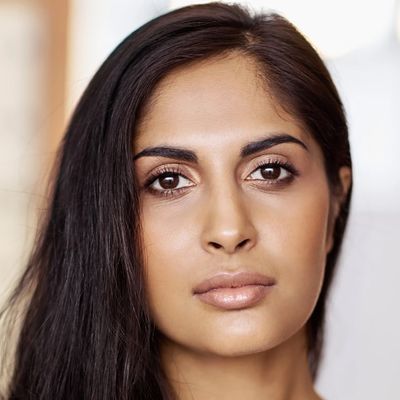
In this weeks episode, Tori and Eliza are joined my podcast alumni Vidya Makan to talk all things 'The Lucky Country' ahead of the world premier at The Hayes later this month!.. Read More
From the show: Stage Door Podcast
Guests
About
In this weeks episode, Tori and Eliza are joined my podcast alumni Vidya Makan to talk all things 'The Lucky Country' ahead of the world premier at The Hayes later this month! Together they discuss the inspiration behind the show, the future of Australian musicals, the process of writing original work, what it means to be 'Aussie', the exciting challenge of stepping away as a writer and stepping in as an actor and so much more!
For more about The Lucky Country and Vidya check out their socials:
@luckycountrymusical on Instagram
The Lucky Country tickets from the 26th of May
@vidyamakan on Instagram or vidyamakan.com
To follow the podcast head to our Instagram @ps.stagedoorpod
Or leave us a rate and review below. Let us know what you’d love to hear in our next episode via instagram or our email at ps.stagedoor.podcast@gmail.com.
Created and Produced by Victoria Bullard & Eliza Vine
Edited by Victoria Bullard
Transcript
This transcript was automatically generated and might contain errors.
[0:02] Tori Bullard: You're listening to Stage Door Podcast, the podcast celebrating theatre and creativity from onstage mishaps to career defining moments, hosted by Thespians, myself, Tori, and co-host Eliza.
[0:15] Eliza Gunther: Fortnightly, we will bring you industry professional guests, deep dives and more.
[0:21] Tori Bullard: Hello everyone and welcome back to Stage Door Podcast.
[0:24] Tori Bullard: Today we are back with one of our favourite guests, Vidya Makan.
[0:28] Tori Bullard: Before we get started, I would like to acknowledge that I am on Gadigal Land.
[0:32] Eliza Gunther: And I am on Turrbal Land, the traditional custodians of the land on which we work, live, and record.
[0:38] Tori Bullard: And we recognize that sovereignty was never ceded.
[0:41] Tori Bullard: Vidya Makan is a composer, lyricist, singer, and actor, and is utterly stoked that her debut original musical, The Lucky Country, is making its world premiere this May at Hayes Theatre.
[0:53] Tori Bullard: Most renowned for her critically acclaimed performance as the original Australian Catherine Parr in Six, she is also a Green Room Award-nominated leading lady.
[1:02] Tori Bullard: Vidya is also going to be making her Melbourne Theatre Company debut later this year, playing Ruby in Tom Gleisner and Katie Weston's original new musical Bloom.
[1:13] Tori Bullard: As a composer and lyricist, Vidya, alongside book writer Thushanth Usain, was the inaugural recipient of the Create New South Wales New Musical Theatre Fellowship in 2021.
[1:23] Tori Bullard: Through the fellowship, the pair were commissioned to write a new musical about South Asian families living in suburban Australia, which is currently being developed.
[1:32] Tori Bullard: In 2020, Vidya wrote, directed, and produced the viral sensation and original song I Need You to See Me, a call to action to the entertainment industry for racial inclusivity.
[1:43] Tori Bullard: The song featured 101 IBPOC and CALD artists, age 18 to 25.
[1:49] Tori Bullard: She is a 2015 graduate of the Griffith University Queensland Conservatorium, Bachelor of Musical Theatre Programme, and is extremely passionate about creating and performing works that champion minority voices to Australian audiences.
[2:03] Tori Bullard: Please welcome to the mic, Vidya.
[2:06] Vidya Makan: Hi.
[2:06] Vidya Makan: It's always so weird like watching or listening to someone read your bio, and you're like, oh god.
[2:13] Vidya Makan: Cool, cool, cool.
[2:14] Vidya Makan: It's kind of like when someone sings happy birthday to you.
[2:16] Eliza Gunther: Yes.
[2:17] Vidya Makan: Yes.
[2:17] Vidya Makan: You're like, oh god.
[2:20] Vidya Makan: Do I smile?
[2:23] Vidya Makan: How do I react to this?
[2:25] Vidya Makan: Yeah, like how do I cool?
[2:27] Vidya Makan: I'm coming at you from gorgeous Gadigal country as well.
[2:31] Vidya Makan: So excited to have you on.
[2:32] Vidya Makan: Well, back on to talk about The Lucky Country.
[2:36] Vidya Makan: It's been so exciting to kind of see little snippets here and there over the past few months of kind of the lead up to it.
[2:42] Vidya Makan: And obviously, when this comes out, you will have already started rehearsals, but at this point in time, rehearsals start tomorrow.
[2:49] Vidya Makan: Tomorrow, which is crazy and so exciting.
[2:53] Eliza Gunther: And so we'll jump straight into it.
[2:55] Eliza Gunther: For those who might not be super familiar, can you tell us a little bit about The Lucky Country?
[3:01] Vidya Makan: For sure. The Lucky Country is a song cycle slash concept musical about what it means to be Australian. But we do it from the voices we don't usually get to see, or we don't often get to see on Australian stages. So that's kind of the concept of it. It's a bit of a tricky one to explain, I think, because the narrative through it is a conceptual one. And so each of the songs in the show are vignettes where you meet a whole range of different characters who are wacky and quirky and super Aussie in their own little ways. But then of course, we're talking about nationhood and country, and so it's really important we have a very strong First Nations through line, which kind of carries us through till the end of the show.
[3:46] Eliza Gunther: Yeah, it's definitely an exciting work. It sounds, it's exactly what we need to be hearing, and the type of work that I personally want to see. Which is so exciting that the Hayes is putting this on because definitely gone through a bit of a process with the musical itself. Is that correct? Like you've done a workshop before?
[4:03] Vidya Makan: Yeah, we've done quite a few workshops. The very, very first version of the show where it had a different name was done with Front and Center, an amazing company in Melbourne, where we got to do a reading and yeah, get it kind of performed in its really initial stages. And it was a really different work back then. And then after that, Sonia kind of came on board, and you know, she's been a mentor and a colleague and a friend of mine for a few years, and someone I really, really look up to. And so I asked her, like, what did you think of this? And she had a lot to say, but her biggest critique of it was she's like, I don't think you realize how big a subject you are exploring. You're literally exploring one of the biggest things that exist, which is nationhood. Like, oh yeah, it's probably weird to have like a tiny little not jukebox musical, little song cycle with four people.
[4:51] Eliza Gunther: Yeah.
[4:52] Vidya Makan: So Sonia and I actually then through 2020, through the lockdown, I was living in Melbourne, and I'd go to her house and we'd sit outside of her house on this little strip with grass, you know, like on in North Git. And we'd work together, we just workshopped more ideas about okay, who are actually what are the characters that we can explore, what are the stories that we can explore, how can we do it in a way that's not just Vidya's view on the nation, but this huge cross-section, you know, of people and voices. So two of the original songs have pretty much remained the same, or maybe three, but the rest of them were completely rewritten. We came up with new characters, and I think a cool thing with Sonia is we talked about the genres of these songs, and when you look at our country, we have so many different cultures and demographics that you know aren't even just culturally specific.
There's we have just so many cross-sections of people here, and that's kind of what makes up a nation. So then we decided that for the show we'd have every single song is a completely different genre, and they almost sound like they're in different musicals. But that to me is kind of the point, and it's been a bit of a nightmare for our incredible orchestrator Heidi Maguire, who's had to orchestrate like with the same band, all of these different styles, like we move from like Aussie rock ballads to an African Australian influence song to like a Kylie Minogue fever rave, like kind of everything.
[6:23] Eliza Gunther: Yes.
[6:24] Vidya Makan: But then after I worked with Sonia in rewriting the piece and finding out actually, you know, what is it what we're saying with this show? Hayes came on board, Hayes Theatre, and they have been so, so supportive. They funded three workshops for us. We've done an initial reading of the new version of The Lucky Country. We've done a cultural collaboration workshop where Sonia and I are both women of Indian descent, so we're both settler narratives on this land as much as we are women of colour. So we got to work with a whole incredible team of First Nations artists who just I feel like expanded everything I even understand about the world, and it was such a blessing and such a gift to experience that generosity from this incredible group of artists.
So that was our cultural collaboration workshop. And then we also got to do an instrumentation workshop. As I said, all of the different songs are completely different styles, so Heidi has had to really work kind of hard. She's looking at me and not to make it work and figure out how do we do this in a way where we can try and make it as authentic as possible, but also achieve that with a four-piece band plus a Yidaki, which is a didgeridoo. We've had I guess four readings/workshops of the show to get to where we are.
[7:43] Eliza Gunther: I was wondering what a Yidaki was because I saw that within the description of the work, and I thought that was really cool how you have so many different instrumentations used within the piece, and that's yes, yeah, it's so cool.
[7:58] Vidya Makan: It's really, really cool. In our workshop, we were even playing with like a Turkish Ud because there's one of the songs is about two grey nomads who crash a Kentiki tour in Morocco, but they're both single parents and they kind of fall in love. And so we have this song that's like set in Morocco. I know it. I love a meet-cute song, but not with like your classic teenagers. Yeah, so that's what we have in the show, which is really I love that song, it's really heartwarming. Actually, it was really interesting because these two characters bond over place in like they come from both from North Queensland, and the woman is from Fitawara country, which is kind of pops up again and again in the show.
And she's a First Nations woman of that land, and it was interesting watching Amy Sol, who is our cultural our our main cultural consultant and cultural collaborator. And there's a lot of incredible, like there's a song that reaches to the trauma of this land, and I won't talk too much about it because we've got to come see her exactly. But Amy actually was not crying at that because they said they've met so many strong black women in their lives. It was the song that explored black joy that they found so moving and touching, and that's what had them in tears.
[9:15] Vidya Makan: So that was a really cool thing to find out. So it's so exciting to not only just see new work, but new work that really shows Australia and the cultural melting pot that is Australian, kind of everything that comes along with that, both the joy and the heartache of it all.
[9:35] Eliza Gunther: It's like totally so exciting. Part of the premise of our show is how do we lean into the hard conversations? Like, how do we acknowledge the last 280 years of colonization, but also bring 60,000 years of history into who we are now?
[9:54] Vidya Makan: Yeah, you know. How do we do that? Because there are a lot of conflicting voices and conflicting ideas, but how do we lean into those conversations and lean into that with the idea of nationhood rather than what we have done, which is cover everything up, not learn about things, only put up the statues of people like Governor Lachlan Macquarie and you know John Batman and Captain Cook. How do we idolize the incredible First Nations people who have been here forever and who have fought to preserve their incredible culture? How do we acknowledge the fact that we've never been white Australia? Like, you know, Chinese immigration have been here. Go to any country town and there's a Chinese restaurant that's been there for like over a hundred years.
[10:39] Eliza Gunther: Yeah.
[10:40] Vidya Makan: In some cases, you know. We have a song about that where we meet a waiter who's the son of a Chinese restaurateur, so he's a waiter, and his life journey is that he will take over the restaurant and he lives in Broome, but he just dreams of being a nudist in Byron Bay. And that's all he wants to do. And so that's the song for making my way to Byron Bay. You know?
[11:02] Eliza Gunther: Yeah, so we have a lot of fun too. I think that's a really important thing about the show is it's I mean, I hope, but very funny and very tongue-in-cheek, and like it's a good time, you know, and we explore these big, big themes, but we also have fun doing it.
[11:20] Tori Bullard: We'll have fun getting there.
[11:21] Eliza Gunther: Absolutely.
[11:22] Tori Bullard: A hundred percent. That sounds amazing. I love that. You've gotta have fun with it too. Like, there's definitely great theatre is enjoyable, you know. Like you want an audience, they've spent their money, they're spending their night with you. You want them to have somewhat of a good time.
[11:35] Vidya Makan: 100%.
[11:38] Vidya Makan: Or ripping their heart apart and putting it back together.
[11:42] Eliza Gunther: And I guess, like, what was your inspiration behind the show? Like, what was the inspiration in creating this piece for you?
[11:50] Vidya Makan: Part of it, I think came out of a frustration, to be honest. A bit of a frustration of seeing commercial shows, and whenever I'd see when I'd often see people of colour, particularly, represented in these big commercial Aussie musicals, they would always be two-dimensional. There would often be racist jokes that were made at their expense. And I remember going to an audience, turning to an audience member who's a friend of mine, and I said, Oh, this is a bit like I don't love it. They're like, Oh, it's just Aussie humour. And I'm like, nah, like, we're funnier than that, you know, we're a funny, we have such gorgeous humour in this country. Let's not sink to that. Let's rise to something that is better and way more articulate and actually will make a lot more people laugh.
[12:33] Eliza Gunther: Yeah.
[12:34] Vidya Makan: So it came out of a frustration in that, and I wanted to write something that expanded, especially minority voices and people of colour, to these three-dimensional characters that, you know, partly didn't have to be earnest all the time, that can just dream of being a nudist in Byron Bay. But also be stick to that Australianist, but then also exploring this idea of Australian identity and Australian voice. So, yeah, back in 2018 was when I started, and that was kind of the seed that lit the fire to okay, no one else is gonna do it. Well, actually, there's been a lot of like incredible First Nations shows that you know happen in Belvoir and stuff, but in the musical theatre sphere which I live in.
[13:19] Vidya Makan: Yes.
[13:20] Vidya Makan: Um, yeah.
[13:22] Vidya Makan: So I thought, no one else is gonna do it, I'm gonna do it. I feel like we can open up our MT crowd. I think we need to give our audiences and our world a lot more credit to complex storytelling.
[13:34] Vidya Makan: Yes. And for us to be aware of that. And because I am of that world. I think it absolutely will, because that's everything that you've described, and I can't wait to be able to actually come and see it. But everything you've described is exactly the kind of theatre that I think not only do, you know, MT and theatre people love, but just general audiences, something that will make you laugh and will make you cry whilst all still having such an important and impactful message and history behind it.
[14:03] Vidya Makan: That's a huge part of the show. It's been interesting, like talking with our marketing team where they're like, who's the demographic? And I'm like, well, the tagline is an all Aussie musical for all Aussies, so everyone. But I think it will speak to people in different ways. For some people, it will make them feel held. For some people, it will just let themselves feel represented, and that would be what they take from it. For some people, it will be educational. Um, the show at no point tries to preach. To me, it's more about questioning.
[14:34] Vidya Makan: Yeah. And hopefully leaves people with wanting to have conversation. But I think it like, yeah, I think it does speak because it's about Australia, it's about the Australian narrative, um, in terms of who we are. And I think anyone living on this country, even if you're a foreigner visiting, um, there's something in it. Like, I truly mean it, and I don't think a lot of shows are like that, but I do whenever I've tried to think who is this show for, I do think it's for everyone, and I think it's for everyone for different reasons.
[15:05] Vidya Makan: Absolutely. Everyone, I think it's, you know, the best kind of theater is everyone gets something from it.
[15:11] Vidya Makan: 100%. Don't often see theatre that is not just kind of one stylized piece, and it's just like not one sound. So I'm so excited to see how that kind of all works together to create a show.
[15:24] Vidya Makan: Totally. There's a part of me that also kind of feels like it's almost like a music festival, almost. Where you know what I mean? Like you can I remember being at Falls one year and like watching Toto and then like the Hilltop Hoods, you know, but you have a great time at New Orleans Jazz Fest once. Like we're watching incredible gospel choirs and blues tents, and then we watched Katy Perry, and then you know, Al Green. It's a bit like that, where it's things that everyone's like, Yeah, I'm gonna have be here and have a good time.
[15:52] Vidya Makan: Absolutely, and it's just I'm so I cannot wait to hear it. And it feels like so The Lucky Country feels like it's coming at a really important time in creating new Australian theatre. What changes, and we've kind of talked about it a little bit, but what changes do you want to see in the stories presented in mainstream theatre?
[16:11] Vidya Makan: I think that in the last few years in particular, firstly, it's been really cool to see a kind of reverence for new Australian musical theatre. Yeah, and there are so many shows now that have funding that are getting made, which is amazing. And you know, with the commercial success of things like Fangirls and The Lovers, which like, oh my god, so so good, both of them. Um, I think it's really cool to have new works that are written by young women.
[16:37] Vidya Makan: Yeah. And having been in Six and getting to meet Lucy and Toby, I remember as a writer, I'd always look to my idols were people like Stephen Sondheim and Lynn Manuel Miranda, even, and I'm like, they seem so far away. But in getting to do a show like Six and getting to meet Lucy, and she's now one of my friends, I'm like, oh, I'm the same as you. You wrote that thing when you were 23 for your friends, and it turned out to be this thing that everybody loved. I can write authentically for my view and let's see how it goes. But you know, it kind of allows it kind of gives you permission, and it definitely gave me the confidence to speak to that.
[17:13] Vidya Makan: So, yeah, the first thing I would say is new Australian musicals, it's so amazing that there's just more funding and space for that in theatre companies, and theatre companies are really interested in providing those works because even people who don't like musical theatre, I think sometimes secretly love musical theatre. Um, and then on the other hand, as well, racially, uh, there's been a big change. Like, we've all seen it in the last few years, and I think something that needs to be acknowledged is that the voices from people of colour being like, yo, we're here. Yeah, that's been there forever. Sonia, my collaborator has been working in this industry for 15 years saying the same things that I've been saying.
[17:52] Vidya Makan: It's just that happens, it just so happens that when I was saying it, which was really, really heard in 2020 in particular, when everyone was in lockdown, Black Lives Matter was happening around the world, there was a big conversation about race in the industry. Um, I think people had this space or I don't know. They just started to listen, and then since then we've seen a real big change. You look at any cast announcement now, it's very, very different. Well, most casts now. Um, very different in terms of um, yeah, what we see. And I just think it's a great thing. Like, let's not miss out on this incredibly talented, amazing sector of people just because you know, they don't look like Julie Andrews. Um, who by the way I love but you know, like, yeah, so I can see it changing.
[18:40] Vidya Makan: Yeah. Yeah, yeah, it's definitely an exciting time to be in theatre. I feel like there's this lovely shift happening, which is exciting to see, and I think it's inspiring, especially as young people coming up in the industry and wanting to be in it. It's like, oh, there is changes, and I'm starting to see that it's starting to look like what I want theatre to look like.
[19:06] Vidya Makan: Absolutely, and I kind of feel like it's good for everyone because what it means is that people start being seen as these cookie-cutter things that fit into a box. When I first graduated, I kept getting to like the ends of audition calls, and then getting told, Well, you're not black enough, or you're not Latinx enough, or you're not this enough. And I'm like, well, how I don't know how to be that, but I also I wasn't white enough to play the roles that I really wanted to play. Whereas now I think even looking at the shows that are coming, it's less about fulfilling a sort of racial stereotype, but actually going, okay, who is this woman that we need to play?
[19:37] Vidya Makan: Like with Catherine Parr. And of course, the colour of my skin and my heritage and being an Indian woman on that stage stopping the show and saying, I don't need your love, that says something, but it says something from a human point of view, in the same way that like you look at the rest of the cast, they weren't looked at as um something that is just the outside of them. It was like I feel like everyone is now getting looked at as what is your spirit? Who are you? What do you bring? What is your energy that you bring to this to the place? And it's like everyone is finally finally starting to be seen for um something that's a lot more interesting.
[20:14] Vidya Makan: Absolutely. And it's so because it tells such a different story, whether it be in new musicals, you know, golden age musicals, things we've heard a hundred times when they make that active choice with casting to look at who a person is as a human being. It completely changes the stories that, you know, even if we've already seen them a hundred times, they become completely new and we get to see them in this new light. Like I recently saw Rocky Horror with Deidre Coo, and I have you know, Janet's. Oh, I can't wait to see that. I have never like been like particularly enamoured with the role of Janet, but seeing Deidre and everything that she brought to it, I was like, This is such an amazing role that I would never have necessarily thought of as this strong female character.
[21:10] Vidya Makan: So it's so exciting to see people really, yeah, taking into consideration people's spirits and who they are just as a human being and what that brings to the role because it changes a role entirely.
[21:24] Vidya Makan: For sure. And it means you can flesh out a role. I think there's sometimes a conversation, and this is getting a bit off topic, but sometimes there's a conversation about like um how we're not acting anymore, but I think we are. It's about who gets the chance to put on the mask and act, yeah, and who gets a chance to bring their humanity to it. Because great acting is from within too, you know, like the whole thing. It's it's lived experiences as well, and what your lived experiences then bring to the role, which usually sometimes you don't have anything in common with a role, and sometimes you do have things in common with a role.
[21:57] Vidya Makan: Totally.
[21:58] Vidya Makan: Yeah. Well, I guess moving into a bit of a game, we're gonna do another game on the podcast. You gotta.
[22:04] Eliza Gunther: Um, and today we're gonna do our game called Swipe Left or Swipe Right.
[22:11] Vidya Makan: Swipe left or right.
[22:15] Eliza Gunther: The first one is fairy bread.
[22:18] Vidya Makan: Oh, super light, super light, for sure. But also hundreds and thousands that you use. We had this debate in Six. Some people use like the ones that are like slightly longer.
[22:30] Eliza Gunther: Oh, like, no, that's not a hundreds and thousands.
[22:33] Vidya Makan: They have to be little balls. They're like, that's the difference between like sprinkles and hundreds and thousands. Hundreds and thousands are like the little your little dots. That's just what they the little, yeah. That's how you make fairy bread.
[22:45] Vidya Makan: Yeah, super light. I didn't even know that people did that. That's just not okay.
[22:49] Eliza Gunther: I think it may be a South Australian thing, but don't hold me to that. People from South Australia like you.
[22:55] Vidya Makan: Alright, the next one is Vegemite.
[22:58] Vidya Makan: Oh, super light. Yes. Yes. And I just don't understand people that don't like it. It just doesn't make sense. People get a bit weirded out about the way I do it, because I like to have the toast cooled up a bit. And then I grab my butter and I kind of mix it with the Vegemite so it makes it like a bit of a paler colour and then spread that. And often people make watch me do that and go, that is gross.
[23:25] Eliza Gunther: Well, I mean that's kind of what happens anyway.
[23:28] Vidya Makan: Exactly. But I don't want it like I don't want the butter to seep into the toast. I want the butter to seep into the Vegemite and then that be on the toast.
[23:35] Eliza Gunther: So wait, it doesn't so what? I I'm like a seep in, I'm like a butter first and then Vegemite after. Like the butter has to be like in the toast, and then I put the Vegemite on top.
[23:46] Vidya Makan: Not my way. Look, I'll still eat it and love it.
[23:48] Eliza Gunther: That's interesting. I'm gonna try that next time.
[23:50] Vidya Makan: Yeah, I've gotta try that.
[23:51] Eliza Gunther: Please do.
[23:52] Vidya Makan: That's crazy. Please do. And I guess if you come from Melbourne or have been to Melbourne, what do you think of coffee?
[23:59] Vidya Makan: Do you know I don't drink coffee? It like it just makes me I'm so all the time. Like every morning as soon as I get up, I'm like, oh, this is a great idea for a show. Blah blah blah blah blah. This, this, this, this, this, this, this. Um, like I'm awful to be around in the morning, so I think with coffee I just go a bit crazy. Maybe off the walls. But I don't actually drink coffee. But I'm not, I'm I I would still say like swipe right, like nothing against it. And Melbourne coffee is for sure the thing. And I love having a sip.
[24:23] Eliza Gunther: Yeah, yeah. No.
[24:24] Vidya Makan: I only have like half strength because if I have a full coffee, I think that's too much for me.
[24:30] Eliza Gunther: Yeah.
[24:31] Vidya Makan: Yeah.
[24:31] Vidya Makan: But I would say like coffee, swipe right, coffee breath. Big word.
[24:36] Eliza Gunther: Yeah, it's a worse.
[24:37] Vidya Makan: But also like chai, up. But it has to be done well. Like syrup chai, absolutely not. Like proper masala chai.
[24:44] Eliza Gunther: Okay, the next one is Bondi Beach.
[24:48] Vidya Makan: I love the beach. And I'm there like every day when I'm in Sydney. But I never ever go, I've never I haven't been to Bondi in like 20 years. But I like around the corner, the little Rocky bit, big big yes. But I think Bondi Beach is a no.
[25:05] Eliza Gunther: Yeah, yeah. That's exactly why I put that question in. Because I was like, I just Bondi Beach feels a little bit not overrated. Like it's still a beautiful location, but it's just it's always so busy.
[25:17] Vidya Makan: And too commercial. Like, give me a small, give me a small little area where I can jump in the water, lie on the rocks, you know, do my absolutely agreed, agreed.
[25:28] Eliza Gunther: And we've actually asked a couple of people this question, but I think it's just fun. Uh, what do you think of Australian Idol?
[25:35] Vidya Makan: Yeah, I think swipe right. I think I like it. Yeah, I mean, I used to watch it as a kid, for sure.
[25:40] Vidya Makan: Yeah, for sure. I think the nostalgia is real.
[25:43] Eliza Gunther: Yeah.
[25:43] Vidya Makan: But yeah, old, old Aussie idol, definite definite definite swipe right. Definitely, definitely.
[25:49] Eliza Gunther: Well, thank you very much for playing our game. That was a bit of swipe left and swipe right.
[25:54] Eliza Gunther: And I guess getting back into a bit of The Lucky Country. This is a hard question. It's like picking a favorite child. But do you have a favorite character or moment in the show?
[26:06] Vidya Makan: That is a really hard question. My favorite lyric in the show, Hardy and Sonia always laugh at me at this because like there's some beautiful, beautiful moments in the show and like gorgeous depth, um, lyrics with depth and complexity, you know, especially when we get to the heart of it.
[26:23] Vidya Makan: Um actually I'd say one of my favourite songs is um the veteran song, which just come and watch it. I think it's beautiful. Carlis is gonna do an incredible job of it. Um, but my favourite lyric in the whole show is from the Byron Bay song where he goes, no more black bean sauce enough. It's time to black bean in the buff. That's my favorite. That's my favourite lyric.
[26:47] Eliza Gunther: That is that's amazing. That is phenomenal. And if you already weren't convinced to see this show, that's I think enough. That's like done.
[26:56] Tori Bullard: Agreed, agreed. I want to get that on a shirt. Like it's time to black bean in the buff.
[27:02] Vidya Makan: Yes, please jump in back for this show. I will bug it. Yeah. Obviously, you've just announced the cast, and the cast is absolutely phenomenal. I mean, I'm personally so excited to see Milo, because I'm obsessed with Milo in just every possible way. But what excit what what challenges are you excited to take on with the show, Juggling Being the Writer, and also being in the cast.
[27:28] Vidya Makan: You know, it's really interesting. I think because we had such a long um and very thorough workshop process. My brain just stopped working. Workshop process. Um, I haven't really had to think as a writer for a little while. Like everyone's like, Whoa, you must be exhausted. I'm like, not really. I've just been high right um helping Hides with you know getting orchestrations up and notes and demos and things, um, rehearsal tracks and whatnot. So I don't know. Part of the reason as to why we have Arva and I both sharing the role is so that in the rehearsal room, especially, I can jump out and watch and then jump back in. And she's absolutely incredible, so I can't wait for her to do some of the songs as well.
[28:11] Vidya Makan: Um, yeah, so I don't know, I think, you know, part part of what I've also had to learn in the ro in the workshop process is letting go of your baby. I definitely had I struggled with that absolutely in the beginning bits, where actually once you get to the room where you're working with actors, your job is kind of done. Even though it's still changing and moving, you have to let your collaborators do their thing to then allow you to do your thing, which happens at home or what happens in your studio. Um, and that's really tricky, I think, as a writer.
[28:46] Vidya Makan: Um, I'm really fortunate to have someone like Sonia who she's just not afraid to ever pull me up on on lyric, and like that's why it's music and lyrics by Videomaking in collaboration with Sonia Suarez, because I write the songs and we literally go through it with a fine comb. Yeah, so so Sonia will often say, Um, you know, I think this lyric doesn't speak to exactly what we're doing, and I'm like, oh my god, no, but I love that lyric because look at the like rhyme setting and look at like the way that it works with this. And more often than not, when I listen to what she said, then a little while later, after I, you know, let my ego get out of the way, I go, Oh, you're a genius. That's what that does, and what it actually does is it opens up it all.
[29:28] Vidya Makan: So, actually, to answer your question about going into the rehearsal room, I'm really excited. I'm actually now excited to just let go of this thing, it's not my baby baby anymore. Heides's orchestration, it's same thing with Heiser's Orchestrations, you know. Um, because I'm a musician as well, and that's where I come at so much of it from. When she'll put different lines, I'm like, oh, I don't know how I feel about that, and then I'll wait a second, and then I'll be like, actually, that's brilliant. And what you've just done to my song is open it up. So yeah, I'm actually I'm excited to kind of just get back in the room as a performer and um sink my teeth into it, yeah, as the characters that I'll be playing.
[30:03] Vidya Makan: And I think it's a bit of an unknown as to how we'll go juggling it, but I guess I can tell you in four weeks' time.
[30:13] Eliza Gunther: Exactly.
[30:15] Vidya Makan: Yeah, I think to sum up, like it is just so exciting when you do let it go and you allow yourself to let it go and you get over that thing that wants to make you stop doing that. It's so hard as a writer, but you just I think if you want to make great work, you have to do that. Um, and then you see what other people bring to it, and it's it's like makes me want to cry. Like, it's just that's how we make magic. I think that's how we, you know, make incredible, incredible things.
[30:42] Eliza Gunther: Yeah, absolutely. It's such a hard thing to be like, okay, this is now like your work. I've let go of the reins and want to see it's because it's crazy how different and how it changes things when you let other people do your work because you're like, I never, you know, you see things that you've never thought of before, and meanings. One of the songs I didn't realize was funny.
[31:08] Vidya Makan: Like, we uh one of the songs that Milo will sing in the workshop. We had um incredible Grace Driscoll, oh my god, watch her career, she's insane. Um, singing that role, and one of the songs in it was like um, it's about a young refugee who's growing a garden and um singing about all the lessons that her mother has taught her through the metaphor of you have to water the things, you have to wait. Sometimes they don't grow, no matter how hard you try, you have to try again. That you wait for the sun. And I always thought it was just like a beautiful, cute, earnest song. And when Grace did it, it became funny, and I went, Oh, this is actually a funny song. I didn't realize.
[31:47] Vidya Makan: So yeah, when you let this even the actors bring what they bring to the space, that is awesome.
[31:52] Eliza Gunther: Yeah, and I guess having three different workshops and now a completely different cast as well. It's so interesting to see what each of them bring to each role that then you can take and develop more or look at that further.
[32:06] Vidya Makan: Absolutely. Absolutely. And like, look at our cast. So good. Just look at them. They're all incredible, like blown away by the tapes, like Milo and Jeffrey and just all of them. Um, yeah, I can't wait. I'm just obsessed with them. I'm obsessed with them. I think I'm gonna lose my cool tomorrow. I'll be like, oh my god. Hi! You're amazing! Nice to meet you.
[32:27] Eliza Gunther: I mean, that must be the fun part of the process when you find the people that you go, oh my god, they're gonna be so great in this role.
[32:33] Vidya Makan: Absolutely.
[32:35] Eliza Gunther: And I guess what do you hope that the audiences are gonna take away from the lucky country?
[32:42] Vidya Makan: I think kind of what I said before. I think it depends on who you are. I think for some people, like I said, it will hold you. Um, for some people you'll feel represented. Some people it's just a fun time out. For some people it will make you question yourself and question what you thought about Australian identity. If anything, I hope you leave feeling something. Even if someone comes and hates the show, that's great. Uh you know, as long as it made you feel something, I think um is important.
[33:11] Vidya Makan: And the big thing about this show, I think, is conversation. That it c starts conversation, no matter what your reaction to it is, when you leave the theatre and you look to the people around you and go, hmm, what do you think about that? Then I think we've done our job. I don't ever wanna I don't ever want to write theatre that prescribes a certain ideology to make people think a certain way that's church that's not theatre I want to make people question things and experience something so that's what my hopes are with this.
[33:39] Eliza Gunther: Absolutely I'm so that's beautiful beyond excited to see this Tori's like I'm booking it right now.
[33:50] Tori Bullard: If I was not in Brisbane oh you're gonna have to tour it that's that's the other thing once it keeps going keep it going because I want I wish that we could see some more work like that up here. And my mum's from like I'm from Brazilian mum keeps going you're gonna bring it to Brisbane I'm like I'm trying mum I'm trying we'll get there we'll get there we've got to do the first thing first like after this one we'll we'll look at it after this one.
[34:12] Eliza Gunther: Absolutely but I guess our final kind of question for the day is in three words why should we see the lucky country to be fair I have been sold since you started speaking this morning but for those listening three words starts the conversation.
[34:12] Vidya Makan: That's perfect snappy and it's funny so exciting just to see fresh Australian music theatre work because yes there has been some phenomenal stuff that has been happening recently but it's only it only feels like in the past I want to say like five six years that we've really started to see work and not only see it but people have started to really appreciated Aussie theatre like with things like the lovers and with fangirls.
[35:02] Eliza Gunther: Yeah.
[35:03] Vidya Makan: I remember back in the day when it was like, oh my god, an Aussie accent on stage. I don't know how to react to that that. That was when we first did six back in 2019. That was a that was a big thing even then. It humanizes us.
[35:14] Vidya Makan: Yeah. Where we don't we don't have to think of ourselves as archetypes, as like Aussie mates, even though we are that. Um, we can be so much more too. And I think that's why it's really important to hear your voice on stage in many different ways, not just in the typical Aussie out-of-town way.
[35:32] Eliza Gunther: Absolutely. Well, we have come to the end of our interview today. So thank you so much again for taking the time to come on and chat to us. We are so excited for the lucky country.
[35:44] Vidya Makan: And obviously, for those listening, if you haven't already by the end of this interview, which I would expect that you have already bought tickets, but if you haven't, you can find out more information at Lucky Country Musical on Instagram. Um, and buy tickets. It opens on the 26th of May, which is so soon when this airs same day as the Little Mermaid movie. Go watch the Little Mermaid in the Day and then go watch Lucky Country at night, and you'll have a melanin explosion.
[36:11] Eliza Gunther: Just like dopamine for days.
[36:13] Vidya Makan: Yeah, exactly. And obviously, follow video as well, which is just literally Videa Making on Instagram because does and is doing so much phenomenal work.
[36:24] Eliza Gunther: I know. More other work to come and all the other shows like Bloom you're in this year. It's very exciting. And follow video's journey because we all are.
[36:35] Vidya Makan: Thanks. I know I haven't even started thinking about that, which is gonna be absolutely amazing. But yeah, today I think this year is the the year of debuts. But before we go, we have a section on our podcast, which you've done before, and we're gonna make you do it again, which is bedtime stories, which is a show mishap or a costume malfunction or just a funny story that you just remember from maybe writing this show from a show you've done previously, just something that just you know gives you the warm fuzzies a little bit.
[37:07] Vidya Makan: I can't think of something from writing this show besides me laughing at myself at stupid stupid lyrics. I guess it's not like a funny thing, but to do with writing this show. Like for the Byron Bass song, I remember I did a um Instagram call out to like what are different ways that people talk about being naked, and that was really interesting. But I reckon, as like the funny stuff, I like we have so many from six that are really hilarious.
[37:30] Vidya Makan: There was one show where in the Sydney Opera House the stage was quite small, and to get into the wings, we didn't really have wings, so you had to run down these little stairs, and for the two seconds that we had off, like put the rough on, get a drink of water, and then come on for House of Holbein. And there was this one um we'd always been told you have to do it really quickly because we have not much time and video, you're the first one off, so you need to go quickly because Phoenix and Lauren behind you um need to have the time.
[37:59] Vidya Makan: So that's what I was thinking. And there was this one show where I went and did that and I was running off, but I I don't know what happened. I like tripped and fell, and then all Lauren and Phoenix could see in slow motion was this big blue plank, like fall and like slide down, slide down the stairs, and Sue, our costume lady, uh, was waiting. And so she just saw these like sparkly boots enter the thing, and then me crawling out, grabbing my thing, grabbing my ruff, standing up, and then running back on stage, and yeah, Lauren Lauren really lost it. It was pretty fun.
[38:35] Vidya Makan: I feel like there is so much room in theatre in general, but also in six for just chaos. And the chaos is what makes it too because it it brings like the reality and the true friendship and the the fun, you know, it keeps it alive.
[38:51] Eliza Gunther: Well, thank you so much for that story. That was great. I love it. And thank you for coming on again. It was so nice to see you again.
[39:01] Vidya Makan: Thank you. Great to see you guys.
[39:02] Eliza Gunther: Yeah, like everything you've achieved from the last time we spoke to you till now. Like the last time was during six, and now you've 2021.
[39:10] Vidya Makan: Yeah, and now you've written this show and and also another one, and you've done so many incredible things since then. So congratulations on the show and best of luck in the rehearsal room.
[39:21] Vidya Makan: Thank you so much. I can't wait. But until next time, guys, stay happy, healthy, and safe, and we'll see you then.
[39:29] Eliza Gunther: Bye.
© Broadway Podcast Network, All Rights Reserved