

On this episode of “Stage Left: The Podcast”, anchor Rob Russo is joined by Jose Solís, freelance theatre critic, writer, and podcaster, and Louis Peitzman, freelance culture writer, for a roundtable conversation about three top shows on Broadway: “Tina: The Tina Turner Musical”, “American Utopia”, and “The Inheritance”... Read More
From the show: Stage Left: The Podcast
Guests

Featured Shows
About
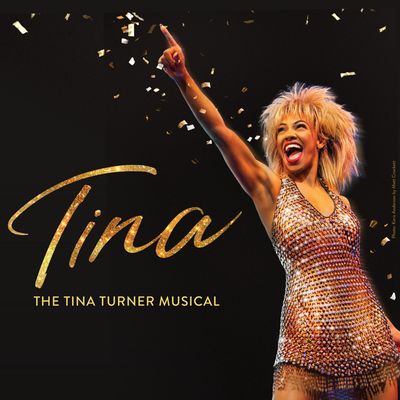
On this episode of “Stage Left: The Podcast”, anchor Rob Russo is joined by Jose Solís, freelance theatre critic, writer, and podcaster, and Louis Peitzman, freelance culture writer, for a roundtable conversation about three top shows on Broadway: “Tina: The Tina Turner Musical”, “American Utopia”, and “The Inheritance”.
Music by Jason Robert Brown, "Wait 'Til You See What's Next".
Rob Russo
Twitter/Instagram: @StageLeft_NYC
www.stageleft.nyc
Transcript
This transcript was automatically generated and might contain errors.
[0:05] Rob Russo: Welcome to Stage Left, a bi-monthly podcast where we talk about the latest shows on Broadway and beyond.
[0:11] Rob Russo: I'm your host, Rob Russo, writer, theater critic, and founder of Stage Left at NYC, and co-host and co-producer of the Fabulous Invalid Podcast, also on the Broadway Podcast Network.
[0:21] Rob Russo: This podcast provides a platform for younger critics and theater journalists with the goal of broadening the cultural conversation to elevate and include as many diverse perspectives as possible.
[0:31] Rob Russo: I'm dying to know what's across the road, what's behind the wall, what's around Connor, and what will it take till I find my way?
[0:43] Rob Russo: Will it be today?
[0:45] Rob Russo: Will it be too late?
[0:48] Rob Russo: Wait till you see what's next.
[0:50] Rob Russo: Joining me this week are Louis Peitzman, a freelance culture writer with bylines in the New York Times, Vulture, Time, and BuzzFeed, in addition to his weekly newsletter, High Drama, which covers housewives, horror, and theater.
[1:02] Louis Peitzman: Thanks for having me.
[1:03] Rob Russo: Yeah.
[1:03] Louis Peitzman: Delighted to have you here.
[1:04] Rob Russo: Uh, you're what Helen Shaw would call a polymath, I believe, with those different things.
[1:09] Louis Peitzman: Whatever Helen says is right.
[1:11] Rob Russo: That's good advice.
[1:12] Rob Russo: And Jose Solís, freelance theater critic and writer with bylines in the New York Times, TDF Stages, Backstage, and the magazine America, which we learned is read by the Pope.
[1:22] Jose Solís: Uh, in addition to co-hosting the podcast and web series Token Friends, and serving on the nominating committee of the Drama Desk.
[1:29] Rob Russo: Welcome.
[1:29] Jose Solís: Thank you for having me.
[1:30] Rob Russo: Yeah, we're delighted to have both of you this week to talk about three really great shows.
[1:34] Rob Russo: We're still catching up with the fall season because not much has opened yet uh in the new year.
[1:39] Rob Russo: So we're gonna dive back in and talk about uh Tina, the Tina Turner musical, David Byrne's American Utopia, and The Inheritance.
[1:47] Rob Russo: So three big shows that opened last fall.
[1:50] Rob Russo: First show we're gonna talk about is uh Tina, the Tina Turner musical.
[1:53] Rob Russo: For those listening at home who don't know what that is, I think the title sort of tells you exactly what it is.
[1:57] Rob Russo: It's pretty straightforward.
[1:59] Rob Russo: It's a biomusical about Tina Turner.
[2:01] Rob Russo: Um, what did we think?
[2:02] Jose Solís: Oh wow.
[2:03] Jose Solís: Um, you know, I went in really uh dubious because I I feel like biomusicals are a trend that needs to probably go away, or uh there needs to be fewer of them.
[2:12] Jose Solís: But um, I mean, for me it was worthwhile just for Adrian Warren.
[2:16] Jose Solís: And I think that that's probably a popular opinion that I could look past a lot of the issues I had with the book, uh, thanks to her performance.
[2:23] Louis Peitzman: Yeah, I I I agree with that 100%, Jose.
[2:25] Louis Peitzman: I realized going into this that I didn't know much of Tina Turner's catalog, to be honest.
[2:31] Jose Solís: Yeah.
[2:31] Louis Peitzman: So I was sitting there and I was like, I don't think I've ever heard a song before, but wow, she's killing it.
[2:35] Jose Solís: Yeah.
[2:36] Louis Peitzman: Yeah, well, you know, that's it's interesting because so many of these musicals are built on like the nostalgia, right, that the audience brings to the show.
[2:43] Louis Peitzman: And for folks of our generation, I feel like we don't know as much about Tina Turner or her catalog unless we sought it out or we've happened to come across it in the course of our own cultural education.
[2:53] Louis Peitzman: Because her last big hurrah was sort of in the early 80s, right?
[2:56] Jose Solís: Right.
[2:57] Louis Peitzman: I mean, so that the show kind of ends well before now.
[3:01] Jose Solís: Right.
[3:02] Louis Peitzman: That's exactly right.
[3:03] Louis Peitzman: Yeah, and you know, Lewis, you touched on something that's exactly right.
[3:06] Louis Peitzman: I I saw it in London uh last year, and I was going sort of mostly to check the box, because it was like, okay, like this is a big show, it's probably gonna come to Broadway.
[3:14] Louis Peitzman: I should see it in London, I'm here.
[3:15] Louis Peitzman: Um, but I had a sense of like weariness about these musicals on the heels of the Cher show and uh Summer, the Donna Summer musical, uh, and Carol King, and there was even a Janis Joplin musical a couple years ago that I saw in DC before it came to Broadway.
[3:31] Louis Peitzman: Um, but I have to say, uh, I actually really enjoyed this show because I thought the structure of it was very like direct, right?
[3:40] Louis Peitzman: Like there was no sort of framing device mapped onto it.
[3:44] Louis Peitzman: It was just her story.
[3:45] Louis Peitzman: And it was in a way, I kind of enjoyed that because the story itself is so compelling.
[3:51] Jose Solís: It it is compelling.
[3:52] Jose Solís: It's also not super different from all the other biomusical stories.
[3:56] Jose Solís: I don't know that it's that I mean, they kind of all follow a similar structure.
[3:59] Louis Peitzman: Yeah.
[4:00] Jose Solís: And so I feel like I I've seen a similar story before.
[4:04] Jose Solís: I don't know that with someone else in that role I would have felt as compelled by it.
[4:09] Louis Peitzman: Well, it's interesting that you bring that up because when I when I saw it in London, um Adrian was out the night I went.
[4:14] Louis Peitzman: And I saw Jenny Fitzpatrick.
[4:17] Louis Peitzman: Um I don't know who Jenny is, but she was terrific.
[4:20] Louis Peitzman: Um and she, you know, the show ends.
[4:22] Louis Peitzman: I don't think this is much of a spoiler because it's all over social media with this, you know, concert, right?
[4:27] Louis Peitzman: Uh where Adrian Warren becomes, I mean, she has been Tina Turner the whole time and she's been you know blowing our minds, but it's like the moment you've been waiting for, right?
[4:35] Louis Peitzman: The whole show.
[4:36] Louis Peitzman: It's been teased the whole way through, and she just goes all out and you're finally like in a concert.
[4:41] Louis Peitzman: Um, I had that exact same experience when I saw it in London with Jenny.
[4:45] Louis Peitzman: So uh, you know, I don't know if maybe if I saw them back to back, I would I'd be able to like pick apart what Adrian does that makes her this incredible star.
[4:55] Louis Peitzman: Um and she actually doesn't even do it eight times a week, right?
[4:57] Jose Solís: Right on Broadway.
[4:58] Louis Peitzman: I don't think anyone could.
[4:59] Jose Solís: Yeah, right.
[5:00] Louis Peitzman: I mean, seriously.
[5:01] Jose Solís: Uh if you haven't, you should Google the the appearance that they did on the late show.
[5:05] Jose Solís: Uh she sings uh River Deep Mountain High and hits notes that I don't think any human has ever hit before on my television.
[5:13] Louis Peitzman: Uh it's pretty remarkable.
[5:14] Louis Peitzman: Um, but Adrian Warren, right?
[5:16] Louis Peitzman: I mean, she is the the headline of this show.
[5:19] Jose Solís: Yeah, I kind of wish that the entire show had just been a concert role.
[5:23] Jose Solís: Well, she her like reenacting a concert and talking about her life rather than like having all the extra cacti.
[5:28] Louis Peitzman: That's what I wanted the Donna Summer musical to be.
[5:30] Jose Solís: Right.
[5:30] Louis Peitzman: Like just give us the concert, especially Donna Summer.
[5:32] Jose Solís: Cause well, well, I agree with you that like structurally it's not too different, Tina from these other musicals.
[5:38] Louis Peitzman: I do think that Tina Turner's story has more peaks and valleys than say Carol King or Donna Summer, which I felt like both of those shows were just all rise.
[5:46] Jose Solís: And then Donna Summer just like the city.
[5:48] Louis Peitzman: Well, they glossed over the homophobia in Donna Summer's later life.
[5:51] Jose Solís: So they could have had more of a valley there, but they decided to kind of you know move past that.
[5:57] Louis Peitzman: That's real.
[5:57] Jose Solís: No, there was that awful like Mia Culpa scene, right?
[6:00] Jose Solís: Where she like this apology from Bob from behind the from beyond the grave.
[6:05] Jose Solís: And it was so awful.
[6:06] Louis Peitzman: I mean, who among us?
[6:07] Jose Solís: But I yeah, no, I I but I kind of felt the way Jose felt about um, you know, being like, I don't really want to see just like a reenactment of a concert on Broadway, and at the same time, the book scenes in Tina were the weakest parts for me.
[6:20] Jose Solís: And the songs work best when they're just being performed as songs when it's right.
[6:24] Jose Solís: I just felt like that was what I wanted to see more of.
[6:27] Louis Peitzman: And so at the end, that's like the you know, the the best part of the entire show is like the last 10 minutes.
[6:32] Jose Solís: Right, right.
[6:33] Louis Peitzman: So I I just uh, you know, I I wouldn't have minded just that.
[6:37] Jose Solís: Totally.
[6:38] Louis Peitzman: I agree with that.
[6:39] Jose Solís: Yeah, although there's also something that I, you know, that struck me, and yeah, it's very similar to all the other uh biomusicals.
[6:45] Jose Solís: But the book had something that I had never seen in a biomusical before.
[6:48] Jose Solís: And it's that it it kind of like teased about exploring Tina's spiritual life.
[6:52] Jose Solís: And we had all those moments where it was hinted at, but it never I'm assuming that they they were like, no, we cannot have like religious stuff or spiritual stuff on Broadway.
[7:00] Jose Solís: And maybe that that kept them from like going all the way with it.
[7:03] Louis Peitzman: But I was like, I wish we could see more about this, because I love moments in which the uh the book scenes like allude to her, you know, spirituality being connected to her relationship with other women and like the legacy of her grandma, for instance, and her mom.
[7:17] Jose Solís: And then I ended up just imagining because we really don't need the Ike scenes anymore.
[7:22] Jose Solís: Like I think we all know he was horrible to her.
[7:24] Louis Peitzman: Yeah.
[7:24] Jose Solís: And I mean, what's love got to do with it does a very good job of showing us that that movie's like great at that.
[7:30] Louis Peitzman: Uh so I kinda wonder what a an all female Tina musical would have been like without all the Ike bullshit and like the the white guy that she falls in love with at the end.
[7:39] Jose Solís: She's like, Oh, you changed my life and all that stuff.
[7:41] Louis Peitzman: It's like we don't need matters.
[7:42] Jose Solís: They're still together though.
[7:44] Louis Peitzman: They are still together.
[7:45] Jose Solís: Uh the German man that Tina Turner met when she was there.
[7:49] Louis Peitzman: There, they're still together.
[7:50] Jose Solís: Um I I do think the spirituality was interesting, and I thought the show opens with sort of the promise of that because she's chanting.
[7:57] Jose Solís: And even though it it is very traditional in a lot of ways, it has this kind of weird, surreal opening, and then it loses that and goes straight into like here's a straightforward biomusical, you know, telling of of her life.
[8:08] Louis Peitzman: Um, I could have used more of that.
[8:10] Louis Peitzman: I mean, I think that that for shows like for biomusicals, I like when they kind of take chances in in weird ways.
[8:16] Louis Peitzman: I thought the Cher show worked for me because it sort of unpacked and subverted the the expectations of of what a biomusical is.
[8:23] Louis Peitzman: And I think that um, you know, for Tina, I would love to see more of that.
[8:26] Jose Solís: I love that like, you know, they just kind of do the Mad Max song, and it's it's about her her mom dying, which feels very, you know, not on point, but somehow works.
[8:35] Louis Peitzman: It's just like it's totally out there and and wild.
[8:38] Jose Solís: Um, so more of that in biomusicals.
[8:40] Louis Peitzman: Yeah, I agree.
[8:41] Louis Peitzman: I mean, I I loved the device in the Cher show of having the three shares.
[8:45] Louis Peitzman: I thought it was really smart, and I feel like a lot of folks sort of made fun of it, or maybe because it came on the heels of the Donna Summer musical where it was so poorly done there.
[8:53] Louis Peitzman: Here, I I to me it really allowed for like a real psychological portrait of Cher to emerge that you wouldn't have gotten that that I did not get from the Donna Summer musical.
[9:03] Jose Solís: Um they were they were literally in conversation with each other.
[9:06] Jose Solís: So they were they were you know and also we got things like that.
[9:08] Jose Solís: We got like to avoid the creepiness of like you know, adult Sonny hitting on teenage Cher by bringing in like some older Cher, and then it's like that it's okay.
[9:15] Louis Peitzman: Yeah, yeah.
[9:16] Jose Solís: It was very smartly done.
[9:17] Louis Peitzman: I feel like a lot of that craft was not fully appreciated last season.
[9:19] Louis Peitzman: But this season we have Tina.
[9:21] Rob Russo: Um I'm I'm interested to see what will happen to this form.
[9:27] Rob Russo: Um because uh based off the box office, I think we're gonna keep seeing these types of these types of shows.
[9:32] Rob Russo: And what's interesting is that all three of the well, there's also Gloria Estefan on your feet.
[9:38] Rob Russo: How can I forget?
[9:39] Rob Russo: Right?
[9:40] Rob Russo: All these women are alive.
[9:41] Rob Russo: I'd be interested to see what will happen when someone makes a biomusical about uh a major, you know, musical act or artist who is no longer with us.
[9:51] Jose Solís: Well, and whether or not that that critical distance will allow for a better show.
[9:55] Jose Solís: I don't know if you've heard about Michael Jackson is is uh having a musical very soon.
[9:59] Rob Russo: You know, I set myself up for that.
[10:00] Jose Solís: Thank you.
[10:01] Rob Russo: Yes.
[10:02] Rob Russo: Well, I'm intrigued by that.
[10:03] Rob Russo: I mean, there's a lot to be horrified by that musical, but I'm I'm intrigued on that point to see what what what you're able to do when the artist himself is no longer alive because Tina Turner is a producer of Tina the Tina Turner musical, right?
[10:17] Rob Russo: Like it's very clearly has her imprint on it, and I'm sure she was involved at every step of the process, and that might be why we didn't get to see more of the spiritual stuff that Katori Hall was maybe picking up on and wanted to, you know, push further on, but maybe Tina edited.
[10:33] Jose Solís: I don't know, that's pure supposition.
[10:34] Jose Solís: Um but I mean, don't you feel like the part of the problem though is that the people who are going to these shows are like diehard fans who don't want to see the kind of messiness of Donna Summer, I mean, is not alive, but but you know good point.
[10:46] Jose Solís: We I think that the problem is people who are going do not want the the dark side of things, the ugly side.
[10:52] Louis Peitzman: The reason that the Cher show, I think, was allowed to kind of go into like her infomercials is because Cher has a sense of humor about herself.
[10:58] Jose Solís: Yes.
[10:59] Louis Peitzman: And so even though she was heavily involved in the production, she was like, let's make fun of this, let's make a joke about Sonny Bono dying, let's like, you know, just have fun with it.
[11:07] Jose Solís: And I think that um that is a rare thing.
[11:10] Jose Solís: And I and I I don't I want to believe that the Michael Jackson musical will really go there.
[11:16] Louis Peitzman: I just don't entirely trust that's gonna happen.
[11:18] Jose Solís: Yeah.
[11:18] Louis Peitzman: Yeah, the only way that could happen if is if we ever got like an unofficial musical, but that would never happen, right?
[11:23] Jose Solís: It would have to be like a parody.
[11:24] Louis Peitzman: They would never uh their catalog.
[11:26] Jose Solís: Well, there was apparently that that that musical, uh, I don't know if it was a real musical, but uh in LA recently that was like the story of Michael Jackson told from the perspective of his glove.
[11:36] Louis Peitzman: Did you read about that?
[11:38] Jose Solís: Yes, it's yes, yes.
[11:39] Jose Solís: I read a blurb and was like, this is so weird.
[11:41] Jose Solís: I just moved on.
[11:42] Louis Peitzman: But the conceit of that show was actually really unsettling, so the less said about it the better.
[11:46] Jose Solís: But we can make it a lot of it.
[11:47] Louis Peitzman: But I but yes, I think that yeah, that's that's the that's the way to go, is just you know, parody.
[11:51] Rob Russo: Okay, well, speaking of someone who is very much alive, David Byrne, uh, and American Utopia.
[11:58] Rob Russo: That was a very jarring transition.
[12:00] Rob Russo: But here we are.
[12:00] Rob Russo: Um, American Utopia is currently playing at the Hudson Theater on Broadway uh through February 16th.
[12:06] Rob Russo: So if you are intrigued um after our conversation, go grab a ticket.
[12:10] Rob Russo: Um for those who don't know, uh American Utopia was the um last album, studio album that David Byrne produced uh in 2018.
[12:19] Rob Russo: And this Broadway run of the show sort of culminates a world tour that he did.
[12:23] Rob Russo: Um, that is the album, but also um other songs from his catalog from back to his days with the Talking Heads.
[12:29] Rob Russo: Um I absolutely loved every damn second of this show.
[12:36] Rob Russo: I I'm a like casual fan of the Talking Heads and David Byrne.
[12:39] Rob Russo: I know who he is, you know, music was you know in my childhood.
[12:43] Rob Russo: Um, but oh my god, I was so blown away by this show.
[12:46] Rob Russo: I don't know how you guys felt.
[12:47] Rob Russo: There's a lot of nodding going on, but I was very sick when I went to see it.
[12:52] Jose Solís: Oh no.
[12:52] Rob Russo: And I could swear that I saw the the light at the end of the tunnel and everything.
[12:55] Rob Russo: I was like, if David Byrne and his band are there waiting for me, this might not be such a bad thing.
[13:00] Rob Russo: Is it a is it a show?
[13:01] Rob Russo: Is it is it theater?
[13:02] Rob Russo: Is it a concert?
[13:03] Rob Russo: I don't know.
[13:04] Rob Russo: And I kind of don't care because I just loved it so much.
[13:08] Rob Russo: Um but I've never been in the theater where I've experienced music coming to life so vividly between the movement and the actual musicians on stage.
[13:22] Jose Solís: And the whole show is staged by Annie B. Parson, who's a visionary choreographer. The musicians are all, you know, free from any chords or entanglements or anything. They move about the stage almost like members of a marching band, but in choreographed movement from start to finish. And I was sitting in like row D, which, if you can afford to sit there, because I experienced the show free of the mix in the house.
[13:49] Louis Peitzman: Like the music was literally just coming off the stage to me unmixed, um, which was an incredible experience because these musicians who he's handpicked, I think there's 11 of them, and they're from around the world, um, are extraordinary performers.
[14:03] Jose Solís: Yeah, I mean, I had the experience that Jose had at Tina really night. There's a lot of David Byrne talking heads music that I do not know.
[14:10] Louis Peitzman: Yeah. Um, but I also really really enjoyed it, and I thought that it kind of, I mean, I don't know if it's a concert or a show either.
[14:17] Jose Solís: Yeah.
[14:18] Louis Peitzman: But I would rather if I'm going to see musicians kind of with these residencies on Broadway, which is like a new trend, right? I want it to be a fully formed show the way that this was. I wanted to have that kind of choreography and not just be with like no shade to Bruce Springsteen, someone you know, sitting down and telling stories and playing songs, because like that to me is not the best use of a Broadway theater where we could have you know full productions.
[14:38] Jose Solís: Yeah, I agree. I mean, this this was, like I said, capping a world tour, and they brought in Alex Timbers um specifically for for the last two engagements in in Boston and in New York. And I wonder if he helped make it less of a of a concert. I'm doing air quotes right now and more of a show, or if it always was, I don't know. I didn't see the earlier iterations.
[14:55] Louis Peitzman: But you actually just brought up something which I made notes on that I wanted to talk about, and you're probably looking at my own.
[15:00] Jose Solís: I'm not peeping, I'm not peeping.
[15:02] Louis Peitzman: No, no, I wasn't saying you were you were cheating. Um, but how do we feel about you know these these types of acts or artists coming to Broadway and using Broadway theaters to do, you know, something that like like what Bruce Springsteen did or what David Byrne is doing with American Utopia?
[15:19] Jose Solís: I mean, I think there's a there's a difference. I mean there's definitely a distinction. Um I I just feel like you know, there's a limited number of Broadway theaters, 41, and there's you know, there's so many, and there's some that are some shows that are never going to close. Um Chicago. So we we like we I don't, you know, I'm very like nervous about how that space gets used.
[15:37] Louis Peitzman: Yeah, and I because we also have so many biomusicals, it's like how many theaters do we need to devote to just hearing these songs people already know? I mean, is that really what we want to do? And obviously they bring in audiences and and make a ton of money. Um, but yeah, I'm I I I don't know how I feel about it. I do feel like with American Utopia at least, like I felt like I saw a show.
[15:59] Jose Solís: Yes.
[16:02] Louis Peitzman: And it it is very life-affirming and a bit of a spiritual experience.
[16:07] Jose Solís: Yeah, so totally. I was walking on air when I walked out of that theater. I was like, I wanted to dance a.
[16:12] Rob Russo: Uh did it cure your sickness?
[16:14] Jose Solís: I mean, I felt much better. And I thought I felt like I had dying and gone to heaven, so that's why also like it's something that it reminded me of a lot because of the form and how you know how challenging. I was like, was this a show or a concert or all that? It was like it made me think a lot about an inconvenient truth, which remember it was just like a documentary, but it was basically just like this guy just talking with a PowerPoint presentation. I'm like, how is this? That's so basic and so I don't know, uh, simple, making you know, having such an emotional impact and uh effect on me. And I was sitting there just thinking to say that I was like, this is uh I was like, I wanna think that I'm more cynical than to really let this wash over me and make me feel happy. But I mean David Byrne won.
[17:00] Jose Solís: So I do so it's so it's not totally dissimilar, and he's doing that. I mean, it makes me think of like what the constitution means to me in terms of like what you know how do we define a play, and and that was very much a play, but it was also something that people hadn't seen a lot of, which is someone standing on a stage and talking to you for you know an hour and a half, and I think that um I'm I'm all for you know expanding the form and and our definition of of what theater is. I think that it just could also be easy to bring a bunch of major rock stars onto Broadway and just sell out theaters that way, which feels like maybe the wrong move.
[17:03] Louis Peitzman: Yeah, he also does give a warning about climate change.
[17:33] Louis Peitzman: Yeah, and I hope that's not what happens. Um, I know they used the the Lanfontaine for a series of small engagements this past summer before Tina came in, uh, which I guess is a clever way to make money when you know you have another engagement coming. But I would hate to see that become what happens long term.
[17:49] Jose Solís: Yeah, as a as a way to like kill time, yeah.
[17:51] Louis Peitzman: I'm fine with it. You know, I can't. I can't find a lot of things. Regina Specter can, you know, can come in for the thing.
[17:57] Jose Solís: Yeah, and she's and she's great. Like that's that's fine. But but yeah, as a as a long-term plan, I'm not I'm not a fan. Uh David Byrne is doing American Utopia and a cedar, you know, very consciously, versus someone who just like, you know, gets gets booked in this theater basically and and is gonna play a normal show on stage um without much regard for like how you know people in the upper Mes might might be experiencing the show. You know, not every show works in in those venues. So I think if you're if the artists are considering it and really like trying to, you know, put on a a real Broadway production, whatever that means, then like that seems like a different thing.
[18:29] Louis Peitzman: Yeah, but back to your point about Bruce Springsteen. I mean, I not not being a Bruce Springsteen fan, I don't I mean, I know a couple of his songs. I went to that with my father, he was very nice, he bought me a ticket. We went together. Um it was his like second or third time. He was in heaven, he loved it. It was like the thing he took his best friends to. I sat there and I was so bored. I I did not care what this man had to say. I didn't find him compelling. I the songs were so stripped down. Um, whereas I feel like even if you don't know David Burns music, if you're not familiar with his oeuvre, you could walk into American Utopia blind and just completely be immersed in it and love it.
[19:11] Jose Solís: Totally. I I mean I think that I I also feel resentment to Bruce Springsteen because they did that thing of the Tonies where he he like talked and played. You know, remember that that like the segment and I was like, there are shows that I love that are not performing, and we are watching Bruce Springsteen because apparently we're we're gonna trying to attract a certain demographic to watch the Tonies, which will never happen. Right. Um, and we're racing time. And so, yes, I I felt bored by that. I did not see the Bruce Springsteen show because well, my dad loves Bruce Springsteen, he would rather see actual Broadway shows, which I'm grateful for. So the tickets were outrageous. And they were saying this, I wouldn't have gone off and not been invented by my father. They're not handing out comps to that one either. Um but I yeah, I um I have a bias there toward um toward Bruce Springsteen, even though I do enjoy some of his music and I'm sure he's perfectly lovely.
[20:01] Louis Peitzman: Yeah.
[20:01] Rob Russo: Okay, well, um, let's move on to The Inheritance. Um for folks listening who are not aware, uh, this play by Matthew Lopez uh is a modern adaptation of IM Forster's novel, Howard's End, uh that is set among a group of gay men uh living in present-day New York and grappling with the legacy of the AIDS crisis of the 1980s alongside contemporary questions of uh community and identity. Uh it was a smash hit in London, it premiered at the young Vic and then moved to the West End for a sold-out run there. Came to Broadway, where I think that the response has been decidedly mixed, if not hostile, uh, towards this play.
[20:43] Louis Peitzman: Um one of the biggest I have egg on my face because we for my other podcast have had this inlet, we did a little spring uh fall preview, and I was like, oh, this is the play everyone's gonna be talking about. Like they are talking about.
[20:52] Rob Russo: Well, sure, but maybe not in the way that the uh that the producers probably would have hoped.
[20:58] Louis Peitzman: Um so let me lay my cards out on the table um in case uh Lewis and Jose you don't know. But I actually really like this play.
[21:03] Rob Russo: Um I understand completely the critiques of it, and I have enjoyed reading them, and I agree with with much that has been said.
[21:15] Louis Peitzman: And yet there's a part of me that that just really enjoyed seeing it and that I don't want to like snuff out to be you know sort of with the Joneses. But I wanted you both on the show specifically to talk about this show The Inheritance because I think you both have really interesting perspectives to offer about it that um fill a sort of uh a gap that perhaps I I did not perceive in seeing the show.
[21:40] Jose Solís: So I will open the floor to the both of you whoever wants to go first to share like it either no no I was like oh god I'm gonna gang out my no no okay this is also a safe space you know um you know uh ironically I in a in a way I think that I also enjoyed it because it it lends itself to be this like trashy soap opera.
[22:04] Louis Peitzman: Yes.
[22:05] Jose Solís: But that's what I wish it had been if they had committed to that and if it had been just like we're gonna just be like queer as folk with less like sex um and you know all that I would have been I would have been in right if it if if it would have been you know like we're gonna be like that bit and stuff. But instead what bothers me so much about this show is that it also had the has that subtitle about like it being like a story about gay men today or something like that. And just by saying by adding that it's just like erasing like an entire you know amount of people mostly people of color and people of different um shapes also and people who do not fit the stereotypical insta-gay, you know, look, right? Because like nothing made me want to, you know, like get on stage and kick the characters more than every time that the lead played by Kyle uh Solar was referred to as like plain looking or like unattractive.
[23:02] Louis Peitzman: Yeah.
[23:03] Jose Solís: So I don't know how he does it. Right.
[23:05] Louis Peitzman: Yeah, let's be hard.
[23:07] Jose Solís: And in order for a play to convince uh well, to convince me in this case to follow it along with that, everything else has to be like pure camp and pure trash.
[23:19] Louis Peitzman: But it wasn't, because then there were this moments when he was trying to do like the socially conscious thing.
[23:23] Jose Solís: Right.
[23:23] Louis Peitzman: Or moments where he was trying to talk about drugs and about addiction and about you know the perils of the uh the entertainment world. And I don't even want to talk about the gay Republican in it, because like I'm just gonna like jump in.
[23:35] Jose Solís: I want to talk about it.
[23:38] Louis Peitzman: Yeah. Well, no, I just I mean, the the play, you know, is about you know, able-bodied cis white men, um, and there are some characters of color who are literally on the sidelines.
[23:50] Jose Solís: Yeah, and the play has more interest in like showing the emotional interiority of a Trump supporter than it does of showing any of these, you know, characters of color and and and any sort of emotional interiority they might have. Instead, it's its moral seems to be that like rich older white Trump supporters are people too, um, which is a take.
[24:10] Louis Peitzman: Um I aside from those very obvious issues, um, I thought it was incredibly regressive. I thought it was sex negative, and I was surprised by how um it seemed to delight in punishing uh character sexuality in a way that I thought was was really sort of damaging and and um very 80s and very like just that there are there are two big sex scenes in that show that are still kind of portrayed as like these sort of hot um orgy scenes that then turn into a character um literally bleeding, and there's a there's this kind of like this this scare this aid scare and it's just like it's very it feels very old-fashioned uh and very damaging and it and it's I don't think that like a a gay play needs to tell everyone's story and be all things to all people at the same time like this is the play we're putting on Broadway and this is getting the the widest audience so you have to ask like why is this the story being told and what is this trying to say about like gay men today um I think that having a brunch scene where you like shout out trans women of color it's not actually doing anything but reminding people of what you're not showcasing.
[24:17] Jose Solís: Yeah, well one of the reasons why I wish we still had 110 opening night critics is because everyone has such different perspectives and and I I loved reading your piece that you wrote about this Lewis because it illuminated an aspect of the show that I had not even given two seconds thought of thought to right which is the the way that that the sex is depicted on stage um and uh you know I I I have to say my my big takeaway from the play and what I like about the play and why you know why I think I enjoyed it is I don't think that we see enough uh representation in media of intergenerational relationships among gay men and that's something that has been very important to me and just sort of in my own you know life um and and to see it reflected on stage perhaps you know not as as well as we might have wished, um, in and of itself to me was very gratifying and very moving and very poignant.
[26:22] Jose Solís: Um, because there is a generation, you know, we're all in our 30s, um, 20 years plus older than us, who really lived through a time where their friends were dying left and right.
[26:35] Louis Peitzman: Yeah.
[26:35] Jose Solís: And it doesn't really, I feel like it doesn't get talked about enough among our generation. I feel like if you're like this play is almost like meant for us versus folks who are younger than us or older than us, um, because it's uh because of that reminder that I I don't know, but just personally, just my own, you know, my own lived experience, I feel like we don't really talk about. I I um was very fortunate to meet and get to know at the end of his life, um, Dick Leisch, who was um one of the earliest prominent um LGBT activists in New York.
[27:12] Louis Peitzman: Uh he led the sip in at Julius, um, you know, this is years before Stonewall.
[27:16] Jose Solís: Um, and just in the two years that I was around him and his friends, now they're granted they were much older, they were in their 70s and 80s. Um, for me, it was such an education, the perspective that they were able to offer, and you know, the the lessons that they were able to teach, and just the model that they were able to give of of how to live their lives, because I've always felt that something that people don't think about enough is the fact that gay men for the most part, or gay people for the most part, are minorities in our own families, right?
[27:46] Jose Solís: Like, unless you come from a family where your parents were also gay or you know, your siblings, um, chances are you're the only one in your family. And that's distinct from say, you know, uh being a racial minority, where in the world writ large, you might be a minority, but in your own family, at least you know you have that model and that support and that shared experience. Um, so as a result, gay people make our own families, right? We forge our own community. And I appreciated what the play, the questions at least that I felt it was getting at around what it means in 20, I guess the play's taking place in 2016, 2018. Um, what it means to be a gay, a gay man specifically, uh, and you would probably say a white gay man in this world and what our community is or isn't. I don't think the play offers really any answers, and maybe it doesn't do it as artfully as I think we probably all three of us would agree we would wish it had. Um, but I at least appreciated that about it.
[28:48] Louis Peitzman: I totally hear you on that. I think if it's that long, it should offer some answers or at least like get close to the other.
[28:54] Jose Solís: It is, that's right. I haven't said it, it's two parts and it's a six and a half hour running time. I think that yes, the representation of the intergenerational sort of gay relationships are worth representing. I think that it's sort of troubling that in this play that what we get is this character who essentially is like I have bad politics and I don't care about anyone else, but it's okay because I live through this generational trauma, which is very, very valid that he lived through that and we should have absolute compassion for it, but is really kind of a weird takeaway to be like, this is why I'm voting for Trump. Um, which is not exactly what he's saying, but it's kind of what he's saying.
[29:30] Jose Solís: Yeah. Um, I think that while the play has a lot of respect for that generation, um, it really seems to have a little bit of um a lack of care for people who are living with HIV now. Um, there's a character who um really who who becomes HIV positive in the play, and I thought the way that that character was treated was sort of trauma porn. I mean, he's you know, on the street eating peanut butter with his hand out of a jar. People are throwing things at him. It's really kind of um perverse to me. And I think there was just like a real lack of um, yeah, of care and compassion for um, you know, people who are living with HIV now who are not going to be these upper middle class white people that are being shown as the main characters who are all aspiring to greater wealth.
[30:15] Louis Peitzman: Right. So I also wonder, you know, like would this play have worked, or would this person have read this play if the mentoring case wasn't like a hot daddy type, like John Benjamin Hickey, like you know, like because to be honest, there's a lot of ageism also in the queer community. And like if you go to any of these bars that you that you speak of, you know, like in the West Village, you're never gonna see like the young guys like going to the older men for advice and for history. That's something very romantic and something that I don't think really exists to the point where I feel like the inheritance is the play that Marco Rubio would have written if he was gay.
[30:48] Jose Solís: Wow. I also, I mean, also that relationship is sexualized in the play. You know, it is it is like I mean, there is you know, he has his one older friend who it's they they have a purely sort of platonic relationship, but then once he dies, spoiler alert, then he ends up, you know, with his husband. It's not it's not really um I think that there's something really valuable in the model that you're talking about. But I do think that that there are people like you who who seek that out. I think that also like what we're seeing in the inheritance is not that. Um, and I think that it's great to see something where you can kind of um bring your own experiences and project that onto the play and take something away from it because of that. And I think that's um there's something really special about that. But in terms of like what's actually on the page and on stage, I don't I don't see that.
[31:32] Louis Peitzman: Yeah, I'm excited, however, to see how you know how someone a different writer might grab something that I might consider my inheritance. It's also like you know, something British and extremely like upper class, uh it's. Uh is not something that I would like to consider my inheritance like at all. And but I do would love to see, you know, people take on like Giovanni's room, for instance, or James Baldwin or like other great uh queer writers of color and giving us plays inspired by them and creating like a larger inheritance than this just one monolith of whiteness.
[32:02] Jose Solís: Yeah. I think that um, you know, the other part of this, um, just from a terms of like how the show is being received in New York. I think part of the issue is that it it doesn't feel like a real New York play to me. It feels like I think that probably worked better in the UK where they were not, it was not in New York. Um I think also um the model of two plays, paying for two different plays, um makes it very hard for people to see this. It's very expensive. It's a lot easier in London where plays are cheaper. So you have shows like you know, Harry Potter and the Inheritance that come here and um do not get the same level of success because like people just can't afford to go see, you know, if you're paying $200 a ticket, which is you know what how much of these tickets cost, you can't really be paying for that twice to see to see a show that got, I mean, here mixed reviews at best.
[32:51] Louis Peitzman: Yeah, yeah. Well, I think that the economics of it are something that are um really really worth talking about because uh I agree a hundred percent. Um, you know, two-part plays generally do not have a good history on Broadway. I don't think any have really made any money other than this Harry Potter. And even Harry Potter is is struggling. If you if you watch, you know, closely the box office numbers, the average ticket price for that show is plummeted. Uh people are not paying full price to go see um Harry Potter. And it, you know, the the other big example recently was Int was in America, which um the producers of that show were very noble to bring it to Broadway and in the way that they did, but I don't think that show made a cent. Um because people were not paying full price to go see two plays, uh, you know, two separate shows as part of the experience of seeing the play.
[33:42] Jose Solís: And I think that's what's happening here. You know, it's it's in it's interesting that when they brought this, they do part one five times a week, and they do part two three times a week. Um I think they they have learned the, you know, the producers have tried to learn the lesson of of what happened with Angels in America, but your point still stands, which is that it is so expensive to see this play. And that in and of itself feels like, you know, uh it in in hand with so much of the criticism of it, right? Of it being about this class of well-off white gay men. And then, oh yeah, in order to see it, you've got to be very wealthy and you've got to shell out hundreds and hundreds of dollars.
[34:16] Louis Peitzman: Have your dad take you to Brew Springs United.
[34:19] Jose Solís: Oh, I like that. That's good. That's very good.
[34:21] Louis Peitzman: I mean, I the the thing that troubles me about about all of this is that I think that we we take the wrong lessons from a lot of things like this. And I think that people might look at us and say, this like heralded, like the gay play of the generation, which again, I would not use that terminology, but people were saying that about the inheritance, comes to Broadway and can't really hit here. Right. Are we gonna take a risk on on other queer stories? Are we going to, you know, are we gonna even bother? Because if the inheritance can't do it, you know, what can? Um, I think that is the wrong lesson, but I also worry that producers, you know, see the numbers and say, like, maybe I don't want to take a chance, and maybe I don't want to tell a story, especially a story about about someone who's not white, who's gender non-conforming, who's you know, has a disability. I just worry that um the inheritance kind of like casts a shadow over what can then be done on Broadway in the future.
[35:06] Jose Solís: Yeah. Well, it's interesting because oddly enough, rather perversely, going into the season, it felt like the inheritance was almost like the safe hit. When, you know, substantively, 20 years ago, you'd have been like, yeah, sure. The two part play about a bunch of gay men is is the safe hit, sure. Um, whereas the bigger gamble felt like slave play, which, you know, certainly is not what you think of when you think of as a traditional, you know, play on Broadway, um, in terms of pushing boundaries with the substance of it. Um, and you know, Slave Play just closed, unfortunately, um, because the theater is booked. Um, but you know, did very good business and was, you know, the attendance was very high, if not the average ticket price.
But you know, it was it was the talk of the town this fall. I felt like everyone would I was sending all my friends to go see Slave Play, and one by one everybody was blown away by it. Whereas, you know, I took some friends to see the inheritance, but I don't know that I would feel as comfortable recommending it to everyone, uh, even though I personally liked it. So I don't know what that means.
[36:07] Louis Peitzman: It's too long to recommend to people.
[36:08] Jose Solís: Yeah, right.
[36:09] Louis Peitzman: Yeah, yeah. It's a commitment, it's a commitment.
[36:11] Jose Solís: Yeah, yeah. But I mean, yeah, as you said, Slave Play um did great business and did not do as big of numbers because the prices were deliberately kept down of tickets. Yeah, that's too. Uh to kind of to invite more people into the theater, which um, you know, was uh was a very conscious choice they made that I think um uh was a was a really good one because you you want to be um Slave Play is a show that everyone should see. Um and I think that a show like the inheritance where you're where you're you don't have really cheap tickets or you have very few cheap tickets and you had to see see it you know twice. Um you're you're sending a message, you know, not consciously, but you're sending a message that this is not for everyone, that if you can't afford it, maybe it's not for you.
[36:48] Louis Peitzman: Right. Yeah. I almost wish they had just produced part one this season and then waited to see what the reaction was. I also think if I hadn't seen part two, I would have been less hostile about it as a whole.
[36:58] Jose Solís: Oh, interesting.
[36:58] Louis Peitzman: I think part two was when I really got angry, whereas part one, I was like, This is sort of like it's it's kind of fluffed to me, but it's you know, I get it. And part two is when I was like a little bit more distressed.
[37:09] Jose Solís: Well, something that we haven't touched on is that the structure of the play itself is sort of the telling of a novel that is being written while you're watching it. Um and so what what it results in, and this is a critique that I 100% agree with, um, what it results in is an unfortunate amount of telling and not showing uh via narration for a good portion of the show. Uh you know, there are there's a there's a lot of information that is shared in the form of a character standing on stage telling it to you instead of you actually witnessing characters in a drama, you know, acting out or living, you know, the the scene that is being described.
[37:47] Jose Solís: I almost wonder if the inheritance would work better as a novel.
[37:50] Louis Peitzman: Well, I mean, it did when it was for you.
[37:52] Jose Solís: Howard.
[37:53] Louis Peitzman: Well, I can do exactly what he means like like in the a modern novelistic adaptation of Howard's End. Because I was sitting there and I was also thinking, like, this writer is so unimaginative that every beat it was following Howard's End beat by beat, and I love that book. So there were no moments for a 20-hour play to not have any moments of surprise was driving me insane. Because he was just following the exact same plot twists and turns and just changing the characters to gay men. And I was sitting there thinking, I probably would have read the book already in the time that I've spent, you know, sitting in this theater, and I also could have watched the Emma Thompson movie, and you know, what better gay icon than Emma Thompson to go through Howard's End, right?
[38:35] Jose Solís: I think that the problem with so much of that telling instead of showing is that you have these things that would you you're able to say, like, oh, this character is is ugly and no one likes him, or they don't really say that, but basically it's applied, or that he's like an amazing person who's gonna change the world without actually telling you what that means at all. Right. And never showing it. And whatever he discovers about himself and his ability to like change everything is to me, I don't I don't remember, maybe I forgot, but I feel like they never really arrived on what that was, except that we know that he is a great person. Um it's it it's it's empty, and I think that um the narration kind of tries to cover that up. Um I just again with with it being 36 hours long, and we're just gonna keep increasing the length.
[39:18] Louis Peitzman: Yeah, um, I you know, there's a lot of you more you could show about who these people are.
[39:22] Jose Solís: Yeah.
[39:24] Louis Peitzman: Alrighty. Well, uh, we could go on, I think, probably for 20 or 36 hours talking about the inheritance. Um clearly, we we all have a lot uh to say and think uh about it. Um, and a great way for people who are listening to this to uh continue the conversation, or or to at least continue following us is uh on social media. So I was wondering if each of you could share with folks listening to this um where they can find your work and where they can find you on social media. Jose, we'll start with you.
[39:48] Jose Solís: You can find me on Twitter at Jose Soliz Mayan, and I basically tweet every link to everything I write.
[39:54] Louis Peitzman: Perfect. Um I'm at Louis Peitzman on on Twitter, and I also you know tweet to what I write, and my my newsletter is LouisPeitzman dot substack.com, where I write about theater, among other things. Horror and housewives.
[40:04] Jose Solís: Horror and housewives.
[40:07] Louis Peitzman: Awesome. Great. Well, thanks so much for joining me.
[40:09] Rob Russo: Thank you.
[40:39] ♪ Musical number: "Wait 'Til You See What's Next" — performed by Jason Robert Brown ♪
[40:39] Rob Russo: That's it for this week. Stage Left the podcast is a co-production of the Fabulous Invalid LLC and OM, etc., and a proud member of the Broadway Podcast Network. This episode was edited and engineered by Jamie Dumont and Charles Van Kirk. And special thanks to Jason Robert Brown for our theme song, Wait till you see what's next, from his spectacular album, How We React and How We Recover. You can find this podcast online at StageLeft.nyc, on the Broadway Podcast Network website, on iTunes, and wherever you listen to podcasts. And as always, you can read my archive of reviews at StageLeft.nyc and find me on Twitter at Stage Left underscore NYC. Thank you for listening. I hope you'll tune in next time. Wait till you see what's next.
© Broadway Podcast Network, All Rights Reserved