

A top director of Hollywood musicals spills his secrets... Read More
From the show: Stagecraft with Gordon Cox
Featured Shows

About
A top director of Hollywood musicals spills his secrets.
Transcript
This transcript was automatically generated and might contain errors.
[0:06] Gordon Cox: Welcome to Stagecraft, Variety's Theater Podcast, bringing you backstage and behind the scenes with the stars and creators of the hottest shows on Broadway, off Broadway, and beyond.
[0:16] Gordon Cox: I'm your host, Gordon Cox.
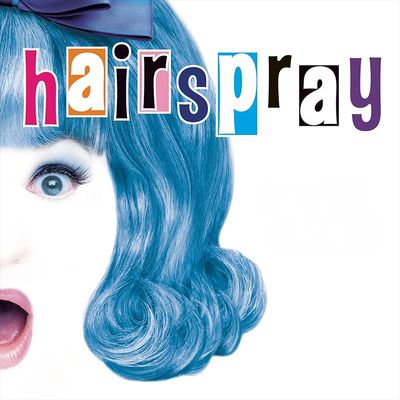
[0:18] Gordon Cox: On this episode of Stagecraft, I'm talking to Adam Shankman, the film director, producer, and choreographer, who is one of Hollywood's go-to guys for musicals and dance movies. He's directed and choreographed the film adaptations of Hairspray and Rock of Ages, produced the Step Up movies, served as a judge on eight seasons of So You Think You Can Dance, and is credited as the choreographer on everything from Boogie Nights to the animated Anastasia to the fan favorite musical episode of Buffy the Vampire Slayer. He's here in the studio with me to talk about getting started on stage and in Hollywood, his latest movie, Taraji P. Henson comedy, What Men Want, and what he's got on his plate in the future, including that long in development sequel to the hit movie musical Enchanted.
[1:00] Gordon Cox: Hey Adam, thanks for being here.
[1:01] Adam Shankman: Thank you for having me.
[1:02] Gordon Cox: Um, so your new movie, What Men Want, it's in theaters now, and it's a new version of the Nancy Meyers movie about, in this case, a female sports agent who suddenly discovers that she can read men's minds.
[1:13] Adam Shankman: Yes.
[1:13] Gordon Cox: Um, so it's not a musical, and there's no dance in it, but it made me wonder, given the arc of your career, how does your work and sort of dance and movement and musicals sort of inform how you work on something like What Men Want?
[1:27] Adam Shankman: Um, I well, to begin with, I see every script. Uh, well, when I read a script, it processes in my head like a score. And so every script, the way any writer writes, has its own rhythm. And if I can feel the tempo of what's going on, maybe I connect with like the rhythm of what's going on and kind of the language that's going on. I connect with it in the same way that I connect with music. And so when I, this movie had a very, when I read the script, had a very kind of a, um, I don't know how to say this, but like a big band feeling to it to me, like a big swing band feeling to it when I read it.
[2:13] Gordon Cox: And is it just an intuition? Like can you identify why you felt that way about it?
[2:16] Adam Shankman: There was something about the ready of like how she moved through life and how, um, and the challenges that she kept finding herself in and that it was, and her character, excuse me, and her character was very propulsive and um relentless as written. And um, and so when I took the job and I first was talking to Taraji, I said, listen, I'm gonna send you a piece of music. I don't know how you're gonna feel about this, but in my head this is you and I think she was like, oh okay that's weird but okay and um what was it? Sing, sing.
[2:52] Adam Shankman: I sent her the original recording of Sing, Sing, Sing.
[2:56] Gordon Cox: Okay.
[2:56] Adam Shankman: And I said this section is you in this part of the movie. Right now this is where things start to go wrong. This is when you're celebrating, this is when you're taking advantage of it. And she wrote, she got it and she wrote me back, she was like I get the movie, let's do this. You know what I mean? And because she thinks that same way too, she is a theater girl, she is an old movie buff, she is a major, major fan of the same kind of classic screwball comedian stars that I love and that sort of I learned from and so, you know, we related to each other in that way.
[3:40] Adam Shankman: Now, I mean, you could totally tell me like, oh, I didn't see it this way, but like I really use music a lot in this movie.
[3:49] Gordon Cox: Uh-huh.
[3:49] Adam Shankman: Yeah. Um, and um, and so there's part of it sort of ends up feeling a little bit musical anyway, mixed with how kind of choreographed all the scenes are. Like those people are moving around like crazy and the cameras moving around like crazy. And we had a very short shoot. Like this was the shortest shoot that I've ever done since like A Walk to Remember, which was the shortest I'd done.
[4:19] Gordon Cox: So how many days was that?
[4:21] Adam Shankman: That was 35 days.
[4:22] Gordon Cox: Okay.
[4:24] Adam Shankman: So I shot the whole movie in like six weeks.
[4:24] Gordon Cox: Okay.
[4:24] Adam Shankman: Or seven, sorry, sorry, six and a half weeks.
[4:30] Gordon Cox: Okay.
[4:30] Adam Shankman: And um, which is short.
[4:34] Gordon Cox: It's short.
[4:35] Adam Shankman: Like that's really short. Like, you know, Hairspray, for example, was a little over three months, and Rock of Ages was the same thing. It was like, they're like, movies take time.
[4:43] Gordon Cox: Yeah.
[4:43] Adam Shankman: This one I did very fast. And so I really had to kind of, uh, but I really, again, I really wanted that kind of swingy energy to it, and that's what the cutting is like in it, and the camera work and all that. So that's kind of what I did.
[5:00] Gordon Cox: Right, yeah. Does that explain?
[5:02] Adam Shankman: I think I answered your question.
[5:02] Gordon Cox: Yeah, absolutely.
[5:03] Adam Shankman: Oh, absolutely. Um, and I feel like any movie, especially any comedy that, or any piece of art at this point that sort of deals with gender and the politics of gender, like has to sort of wade into an area that has fairly recently been kind of transformed in the way we think about it after like Me Too and Time's Up. How do you think about sort of where this movie lands in that and how it plays today, as opposed to maybe how the Mel Gibson movie played in 2000?
[5:32] Adam Shankman: I think the easiest way to explain the difference between the two in terms of how I just perceived it is that in the Mel Gibson, Nancy Meyers, Helen Hunt version of the movie, Mel Gibson was really the villain of the piece and the hero of the piece. Like he was the enemy and the hero. And his chauvinism, misogyny, all of his, you know, flagrant disrespect for the value of women was an important part of the narrative, and how we use charm to kind of blow through that, and then through love, he figures out that he's a bad guy, and yada, yada, yada.
[6:17] Adam Shankman: So, um, in my version of the movie, because of the time we live in, what I discovered very quickly was no matter what I did to her to make her tough or difficult or whatever, she could never be as bad as the culture that she was in the middle of. So she, which is not to say that it's just every man was out there to keep her down, it's just like the culture, like she's a sports agent in the movie. It's a super male dominated world, and you know, she had to really fight for her place in there, and she was behaving how she thought she needed to behave in order to climb the ladder.
[7:04] Gordon Cox: Right.
[7:04] Adam Shankman: Um, so her behavior is sort of a means to an end, as opposed to just a life premise, which is like the Mel Gibson version. Do you know what I mean?
[7:15] Gordon Cox: Right, yeah, yeah.
[7:16] Adam Shankman: His is just like this is how life works. Um, for her, she's like, this is how I succeed. And she has a, you know, when she's talking to her dad, she's boxing with her dad in one of those early scenes. She says, how am I supposed to win in a system that's rigged against me?
[7:32] Gordon Cox: Right.
[7:32] Adam Shankman: And he just says you be you, which ends up pretty much kind of boiling down the whole movie into that moment. I mean, we do end up there.
[7:41] Gordon Cox: Right, right.
[7:42] Adam Shankman: Um, but that to me was the most striking thing, which was like because there was a lot of talk while we were developing it about like, oh, we gotta keep her likable, we gotta keep her. I said, guys, we do not, first of all, if you don't want likable, don't hire Taraji. Because Taraji's like likable, like that is a cornerstone. This is sort of her first big comedy, and she's also very funny, we should say.
[8:03] Gordon Cox: She's hilarious, delightful.
[8:05] Adam Shankman: Yeah, she's hilarious. And um, there was no like, ooh, how am I gonna make Taraji funny? Like Taraji's like really, really funny in life, and she loved making this movie because she loved working in funny scenes with funny actors, being supported by them.
[8:25] Adam Shankman: Um, Erica Badu is in this.
[8:28] Gordon Cox: Erika Badu is very much real funny as well, in a way that I didn't wasn't aware that she was.
[8:32] Adam Shankman: Go to her Instagram account. If you want to see hilarious, like it is mind-boggling. Like she lives to create and she is, I, you know, people don't know this about Erica, um, but she like she went to a performing arts high school and she's like an act, she's a trained actor, she like all of that. She's just an extraordinary kind of musician and cultural icon, and so you don't know that side of her.
[8:59] Gordon Cox: Right, right.
[8:59] Adam Shankman: Um, but now you will.
[9:02] Gordon Cox: Yeah.
[9:02] Adam Shankman: You know, I mean, because I think that she's gonna be the big surprise for everybody. I think people are gonna be like really into how funny Taraji is. I think Erica will be like the whoa, we never saw that coming.
[9:14] Adam Shankman: Yeah, for a while I was like, wait, is this actually her? Like it really, it took a couple minutes for it to sink in.
[9:19] Gordon Cox: Yeah, and it's not her in like a weird plastic nose or anything like that.
[9:24] Adam Shankman: There's nothing like that.
[9:24] Gordon Cox: 100%.
[9:25] Adam Shankman: It's 100% her, and yet people are like going, is that her?
[9:28] Gordon Cox: Yeah, yeah.
[9:29] Adam Shankman: And there's nothing different about her, like that's her. So it, but it's kind of amazing.
[9:34] Gordon Cox: Right.
[9:34] Adam Shankman: Yeah. That's been fun for me to watch. Um, and um, working with her is just really fun. I mean, I, you know, a lot of times, like I made sure we got everything that was scripted, but then it became just guidance and about saying, like, now I want you to just talk about this with this person, or just talk about this with this person, and this is your point of view, and this is your point of view, and this is where we'll go, or now just do like a tarot reading for this character over here, which was crazy because we had no time to do any of that. But I knew that that's where I was gonna find some very special moments.
[10:15] Gordon Cox: Do you do a lot of improv in general?
[10:17] Adam Shankman: It's not like you're crazy.
[10:19] Gordon Cox: Not in general and all that.
[10:20] Adam Shankman: Oh, yeah, not in general, but in this case, it was very important to me to when you're hiring like really funny people like Wendy McClendon Covey, like Pete Davidson, like, you know, any number of the actors that were in this movie, like Erica.
[10:38] Gordon Cox: Right, it is important.
[10:38] Adam Shankman: Or Tracy Morgan.
[10:43] Gordon Cox: Oh, yeah, also Tracy Morgan.
[10:43] Adam Shankman: Yeah, Tracy Morgan, like yeah, I want to get what's scripted, and then I also want, I cast them for a reason. I didn't cast them because they said the lines the best way.
[10:51] Gordon Cox: Right, right.
[10:52] Adam Shankman: There was something about those people that made me want to put them in the movie. Like that's really how this movie kind of came together.
[10:58] Gordon Cox: Right.
[10:59] Adam Shankman: Because it came together really fast. I mean, I literally didn't get on until mid-March of last year. I didn't start until mid-March of last year being on the movie, let alone like prepping it. So like, I mean, the whole thing was fast.
[11:11] Gordon Cox: Right, right.
[11:12] Adam Shankman: Yeah. So your path to where you are today didn't go through Broadway, at least not yet, but it certainly had like begin in performing arts, and you were in New York and you went to Juilliard and Broadway adjacent. You were broadly adjacent.
[11:25] Adam Shankman: That's totally right.
[11:25] Adam Shankman: Yeah, um, and so when you went to Juilliard, you auditioned for both acting and dance, is that right? And you'd never danced before? Well, I had danced in things, but I'd never taken dance classes. Okay, and so I danced around. Yeah, I didn't know. Like, I was in, you know, school plays in the chorus, and I was in school plays at camp, and I was in plays. Yes, I knew I didn't. So you knew you liked dance and performances? I did, and I was a gymnast when I was a kid. Okay, so I had, and I loved, I grew up on musicals, MGM musicals, movie musicals, um, theater.
[12:03] Adam Shankman: I mean, I remember this is gonna sound freaking scary because you're gonna be like you're lying. I'm not lying about this. Like I remember a lot of people who listen to this hopefully will know that once upon a time, first national tours would go out with a lot of the original casts.
[12:20] Gordon Cox: Oh, sure.
[12:21] Adam Shankman: Yeah. And so I saw most of the originals do the first national tour of Promises Promises when I was four years old.
[12:28] Gordon Cox: Wow in Los Angeles. Do you remember that?
[12:30] Adam Shankman: And I do. I remember she likes basketball. Like I remember that scene. I remember freaking Turkey Lurky. Like I like I remember that from my child seat. I remember going and seeing that company, that first company of Chorus Line in LA when I was twelve. Like I like now, I can remember it viscerally. Like it had a huge impact on me. Um the way I imagine, you know, people perceive Hamilton and all that now. I mean, that's what Chorus Line was to me.
[13:02] Gordon Cox: Right.
[13:02] Adam Shankman: Yeah. And so and then you studied at Juilliard, and then you uh were you performed on stage in a little while.
[13:08] Adam Shankman: I did well, what happened was I got into Juilliard. It was uh it's true, it was like this very flash dancey thing. I auditioned and had never really taken classes, and people were like, Oh, you're weird, but you're interested, like there's something we like you're a really good dancer, but like what's going on, and I got in.
[13:27] Adam Shankman: Um, but you know, I it it's sort of like you're you're not allowed to say like I had I've had no years of no training. You're just supposed to sit there and listen to them critique you and you audition. And I got in and it was really brutal, like because I didn't I didn't even know the language of a ballet bar.
[13:46] Adam Shankman: Um I didn't you know I I very quickly found out like who people like Jose Lamone and uh where I like you know and all and all of that. So but it was hard, and I was I'm not gonna say I was abused, but uh it didn't feel like a very nurturing place for me.
[14:04] Gordon Cox: Right.
[14:05] Adam Shankman: And I was kind of abused. And um, so I left, and I actually did one day at NYU and then was like, you know what, this is gonna be the same thing all over again. And I got a job in a restaurant here, uh, and then auditioned for my first professional show and got in.
[14:30] Adam Shankman: Um was really lucky in that um, and then that led to me doing a lot of regional theater, which I did do for a long time. And then you ended up in LA and you dancing some music videos and yeah, I did some music videos, I danced for Janet Jackson and Paula Abdul.
[14:45] Gordon Cox: Oh, wait, now which videos? This is actually important. Which videos for Janet Jackson and Paula Abdul?
[14:47] Adam Shankman: Well, the uh Scat Cat video for Paula, and then it was tracked that one, yeah.
[14:55] Adam Shankman: Yeah, and then there was the um Escapade for Janet.
[14:58] Adam Shankman: Oh, Escapade, and then I did the American Music Awards for Janet, and then um then Paula hired me to do the Academy Awards in 1990.
[15:07] Adam Shankman: Oh and so I so I was I was a dancer, I was my dream was like happening, but in the wrong city. Right because I really wanted to be a background dancer, I want to be a chorus boy in New York, and and I know it's gonna sound stupid and like oh eye rolling, but I still like when I I remember that first time I went and saw Newsies, and I was like, why isn't that me up there right now?
[15:32] Adam Shankman: And I and the answer was well, because you're 80.
[15:35] Adam Shankman: Yeah, A, and B, because you know, it even went you know, at dancing is a bit like gymnastics in that uh it evolves and people are suddenly able to do things they were never able to do before, and the kids who were dancing in that uh by the way, a bunch of them were from So You Think You Can Dance, so I knew I knew them and had like was very excited about seeing them go on and doing all these other things.
[15:59] Adam Shankman: But I was really jealous. Like I was like, that's what I remember loving so much.
[16:04] Gordon Cox: Yeah.
[16:04] Adam Shankman: Um and yes, things did not work out that way, but and yes, things worked out fine, but I I still I'm a big I'm a big Broadway guy. I love Broadway so much.
[16:13] Gordon Cox: And so have you wanted to work on Broadway? Has the opportunity come up? Like what what's the what's kept you from I mean, you've obviously been very busy in hard.
[16:22] Adam Shankman: It's rather well known that I'm, you know, two of my oldest friends are Mark Shaman and Scott Whitman. And um when Scott put on his first um the Patti LuPone show that was on Broadway with just her one woman show.
[16:38] Gordon Cox: Um something from the heart.
[16:40] Adam Shankman: Uh yes. Oh whatever it was.
[16:42] Gordon Cox: Yep, yes.
[16:44] Adam Shankman: He actually asked me, he's like, would you stage all the guys behind her and stuff like that? So I don't even think I was credited.
[16:49] Gordon Cox: Uh you were not, that's true.
[16:51] Adam Shankman: And uh but I staged the guys in her show.
[16:55] Gordon Cox: Right, right. Which must have been this crazy union violation at the time.
[17:00] Adam Shankman: But you know, guess what? Um, but I did it.
[17:05] Gordon Cox: Right.
[17:05] Adam Shankman: And I think that that I got paid a hug and a smile.
[17:08] Gordon Cox: Yeah.
[17:09] Adam Shankman: And um it's more than most, honestly. And so um, so I have choreographed a Broadway show, actually technically.
[17:18] Adam Shankman: Um but then um recently I we are developing I produced the movie 17 Again.
[17:25] Adam Shankman: And so Warner Brothers has been working on that for a while.
[17:27] Gordon Cox: Yeah, yeah, yeah.
[17:28] Adam Shankman: And so I'm supposed to direct it and I'm producing it and all that.
[17:30] Gordon Cox: So that's A King.
[17:31] Adam Shankman: Yeah.
[17:32] Gordon Cox: Um and how's that going, by the way? I saw a reading of it years ago, but it's been around for a while.
[17:37] Adam Shankman: They're working on it. I know.
[17:37] Gordon Cox: Yeah, they were just working on it.
[17:39] Adam Shankman: You know, I mean, getting you know this, uh getting people to put up a show is hard. And I think that I think the thought around that show is basically to um the the initial thought was to make it a licensing property um kind of in the vein of High School Musical.
[17:55] Adam Shankman: And then I got involved and the readings were going really well, and people were going like, oh no, this could have a life better than licensing.
[18:05] Adam Shankman: So I think that's where things started to like get topsy-turvy for everybody because like, oh, well, this isn't how we saw it, now it's this, and wait, is it good enough to be this thing?
[18:15] Gordon Cox: Yeah, so you know, I think that's what's happening with that right now.
[18:18] Gordon Cox: Remind me who wrote the music for that?
[18:19] Adam Shankman: That's for uh 17 Again.
[18:22] Adam Shankman: Alan Zachary and Michael Weiner.
[18:23] Gordon Cox: Right.
[18:24] Adam Shankman: Um wrote the music.
[18:25] Gordon Cox: Who wrote First Date?
[18:26] Adam Shankman: Yeah, who wrote First Date, and they did a great job.
[18:28] Adam Shankman: Um I think they're also working on Second Hand Lions, they're working they're working on a bunch of stuff.
[18:32] Adam Shankman: And um they wrote some really good music um for it.
[18:38] Adam Shankman: The the book ended up being really strong. Marco Pennett, who did, you know, all the work on uh that last on the 20th Century, right?
[18:45] Adam Shankman: Came in and did the book and it was good.
[18:48] Adam Shankman: Yeah, or it is good, and so we'll see what happens with it.
[18:51] Gordon Cox: Right.
[18:51] Adam Shankman: That said, there are other things that I am working on that I am very excited to be working on for the stage.
[18:57] Adam Shankman: For the stage, but it it is like, you know, it's funny because it's like at a a bit at a snail's pace. I'm not in New York all the time, so I can't be hammering at everybody to like make this thing happen.
[19:11] Gordon Cox: Right.
[19:11] Adam Shankman: And if and I think if I was here, things excuse me. And I think if I was here, things would happen much faster.
[19:20] Gordon Cox: Right.
[19:21] Adam Shankman: Yeah. Do you as you you've directed shows that started out on stage and uh uh and directed the film version of the stuff?
[19:28] Gordon Cox: Oh, yeah. What um what have you found are the particular challenges of capturing singing and dancing on stage?
[19:35] Adam Shankman: What's well what do you have to solve every time you make a well the well the big difference is for me well, first of all, you know, you have you know, people are really in love with the shows when it's like a Bronco show.
[19:49] Adam Shankman: People were really, really in love with the shows, and so but Broadway shows are generally much longer than an audience will tolerate a movie musical to be, and so things have to get cut, like distributors won't even like show them if they're too long, like you know, and so um but the thing that I find to be the most challenging is that oftentimes musical numbers create bridges on stage that might not work in a close up okay.
[20:28] Adam Shankman: I will tell you, for example, a decision that I made, the first decision I made when I was doing Hairspray, and I know for some people it was controversial.
[20:40] Adam Shankman: Um for Mark and Scott it was not. For me, it was not, which is that the first thing I said after I took the job was, I think I want to cut Mama and a Big Girl Now, which is a hugely beloved song on the show.
[20:57] Adam Shankman: And I thought Mark was gonna go crazy on me, and he didn't, and he said, uh why? And I said, Because I feel like in the movie it gives Amber, Tracy, and Penny a common enemy, and I do not want Amber and Tracy to have the same enemy at the top of the show.
[21:02] Adam Shankman: At the top of the movie.
[21:16] Gordon Cox: And he sort of went, okay, that makes sense to me.
[21:20] Adam Shankman: And so boop, it was out. Because it actually, if you think about it, that number does not move the story forward in any way.
[21:28] Adam Shankman: So it just popped out. It's just a fun number.
[21:31] Gordon Cox: Right.
[21:32] Adam Shankman: And when I'm making a movie musical, moving the story forward is super important because time is very precious in a way that it's different than time on stage.
[21:45] Adam Shankman: And I think that's partially because the interaction, the human the actual physical interaction being in the same space together.
[21:51] Adam Shankman: I think audiences on stage accept a lot more.
[21:54] Gordon Cox: What's the secret to filming dance well?
[22:01] Adam Shankman: I think that maybe it's about having a point of view about the camera, a the camera's participation in the number.
[22:10] Gordon Cox: Is that different for every number?
[22:11] Adam Shankman: It is, because sometimes you want to just be an observer and sometimes you want to be in the number.
[22:25] Adam Shankman: You know, they have those steady cams up on stage, whipping around those people.
[22:29] Adam Shankman: So like we've gotten very used to on television seeing dance photographed a certain way where the camera is actually creating 30 to 50% of the movement that's happening.
[22:44] Adam Shankman: Sometimes that's fun in a movie when you're trying to create a certain kind of narrative energy, and sometimes you want to just sit and lay back and watch the people dance and sing.
[22:55] Gordon Cox: Right.
[22:56] Adam Shankman: And you know, I have certain points of view about when I if I want people to feel a sense of stature, I'll drop the camera lower so they look taller.
[23:07] Adam Shankman: I also will drop the camera lower because when people jump, they look like they're jumping higher than I'm really jumping.
[23:13] Adam Shankman: Um you know, you raise the camera up when you want to see patterns and you want to see more geography.
[23:19] Adam Shankman: Um I think that um you know that those are just like little secrets and tricks, you know, that you do.
[23:29] Gordon Cox: Um so you don't have a it sounds like you don't have a sort of rule of thumb about like, oh, I'm a I'm I mean you're clearly not, but like I'm a person who likes to have the camera hang back and watch from the stage, or I'm a person who likes to be in close.
[23:40] Adam Shankman: It sounds like it's different.
[23:43] Adam Shankman: Every number asks for a different thing.
[23:45] Gordon Cox: Right.
[23:45] Adam Shankman: I don't I think it would be strange to have kind of a set philosophy on dance should be like this.
[23:51] Adam Shankman: I mean, I know that I prefer when I see dance photographed a certain way, and when I see it cut not that way, I think like, uh I'll bet there was a better shot of this moment, or I'll bet there was, or I wonder why they didn't do this, or something like that.
[24:05] Gordon Cox: Did you have you choreographed anything for a film that you didn't direct that you have seen shot in a way that you thought, oh bummer?
[24:13] Adam Shankman: Oh, that would be so mean to the director.
[24:14] Gordon Cox: No, don't worry.
[24:15] Adam Shankman: No, it's not specifically, but like, does that happen? Like how much do you interact with early on when I was choreographing movies early on and I really felt like I didn't have anything to say, I would just sort of like um lean back and let them do the thing.
[24:32] Adam Shankman: And but as time went on, and I was doing, I mean there was a moment which I was doing so much film choreography that it would have been um almost strange to not have me in there because mostly I was working with directors who either had no experience shooting it because also remember I was choreographing dance mostly when there were not musicals being made, so the numbers that I was doing were just there because they were in the script because somebody thought it would be fun for the trailer, because something like that. Like I mean, I did, you know, I did like 70, 80 movies in like nine years, and the directors by and large were not that interested in the numbers, they just were there, so they shot them.
[25:16] Adam Shankman: And there, but like some of my favorite, not like, okay, so there's gonna sound crazy because this was this is not a movie that I don't think a lot of people saw, but I did some of my favorite movie choreography, and it's all comedy, um, in the movie Dudley Do Right. Oh, and which is a strange thing to reference, but the director of that movie basically said, You take care of this, I'm not the guy for this, and he left me alone with the camera and the dancers and the actors, and I just sort of so I did that. That was the moment that was a bit of a turning point, although it was subconscious. I was like, Oh, Jesus Christ, all right, but I didn't care, and I had been doing it so long at that point, I was like, that's fine with me.
[26:02] Gordon Cox: How long when you shoot something like that, how long do you get with the actors and the camera and the you know what?
[26:07] Adam Shankman: It's different for each thing. Like um, like I mean I can tell you on Hairspray, the entire Ms. Teenage Hairspray contest from the second that that sequence starts from the song Hairspray to then Cooties to then um through You Can't Stop the Beat that took me nine days.
[26:37] Gordon Cox: Okay.
[26:38] Adam Shankman: So that was nine days of shooting to do that entire sequence. Now we shot in chunks because the lead principal actors, the John and Michelle and Chris and all of them were not there every day.
[26:50] Gordon Cox: Right.
[26:50] Adam Shankman: So when they were in town, I had to turn the camera around and shoot them. So I never shot anything in a complete thing. Um on Glee, they would basically schedule a musical number for or I, you know, I produced Step Up, which that TV show. I we we give any dance number like four hours. Yeah, so that's like four hours. On Glee, you have like we used to have like something like half a day or something like that. On Rock of Ages, I well, Rock of Ages, every number was divided into so many parts that you know I it'd be hard to judge. But I mean, it's I'm pretty fast. Like I I'll shoot dance fast because I believe in being super well rehearsed before you go in there and doing it.
[27:37] Gordon Cox: Is that hard to get sometimes?
[27:38] Adam Shankman: I feel like rehearsal can be a hard thing to ask. So I'm getting a lot of um calls now because people want to talk about She's All That, which was the last movie I choreographed before I started to direct. Uh-huh. And that prom scene is sort of like entrenched in pop culture in a strange way. And I had only two hours to make that up and teach it.
[28:00] Gordon Cox: Right.
[28:01] Adam Shankman: I didn't get auditions, I just had to call the dancers. That movie was so low budget. We rehearsed in a lobby of the Cerritos Auto Square Auto Center where we shot the scene. So we were not in a dance studio. We were literally in the lobby of a car sales place.
[28:21] Gordon Cox: A car mart.
[28:22] Adam Shankman: Yeah. And they then they went from me into Wardrobe the next day. We shot the scene and we shot that probably the whole dance part of that scene we did for half a day.
[28:35] Gordon Cox: Wow.
[28:35] Adam Shankman: So six hours.
[28:38] Gordon Cox: Let's talk about some of the other things you have coming up. I know you're working on the sequel to Enchanted. Tell us about that and where it stands.
[28:45] Adam Shankman: Um where it stands is we are working right now. We'll have a new draft of the script into studio, hopefully in like six or seven weeks, and we'll have her from there.
[28:54] Gordon Cox: Same uh who's writing the songs?
[28:56] Adam Shankman: Alan Mencken, Steven Schwartz?
[28:57] Gordon Cox: Alan Mencken and Steven Schwartz are still writing it.
[28:59] Adam Shankman: Great. And who of the cast comes back?
[29:01] Gordon Cox: Yeah, please.
[29:02] Adam Shankman: Amy Adams in James Marsden in Idina Menzel says yes, and will sing if I over if I have anything to say about it for sure.
[29:10] Gordon Cox: Right.
[29:11] Adam Shankman: We've all talked about that. Um and uh Patrick.
[29:14] Gordon Cox: Yeah, so the leading four people will be.
[29:17] Adam Shankman: Right, there's Patrick Dempsey, just for people who haven't seen it from the case. And so when will that happen? Do you know?
[29:22] Adam Shankman: I don't know. Uh it's all we talk about. Amy and I are just like stare at each other and go, like, when do we start? When do we start? When do we start? But uh making movie, okay. So the movie business since the first Enchanted was made, which was uh 12 years ago, right?
[29:34] Gordon Cox: Yeah, 10 or 11 years ago has compressed so dramatically. The number, like when Enchanted was made, I think Disney was making like twenty-five movies a year, something like that. Disney now makes like four movies a year.
[29:47] Gordon Cox: Right.
[29:48] Adam Shankman: So, you know this is Disney property. Disney Disney proper. Not the Marvel and Disney, right?
[29:53] Gordon Cox: Yeah, yeah, yeah.
[29:54] Adam Shankman: But actually under the Disney label.
[29:55] Gordon Cox: Right.
[29:56] Adam Shankman: You know, for five at the most movies get made. So um, so like, you know, getting in there, it's it's a big hand. Like, please, please look at me. And they're so busy with Aladdins and Little Mermaids and Snow Whites and all of that, you know. And there's little the little Giselle that could is sitting over in the corner going like Make me. You know, but we're all here. I mean, so we're ready to go. We love, we love what the story is about.
[30:26] Gordon Cox: So and what else are you working on that you can tell us about?
[30:30] Adam Shankman: I have that TV show that was announced. It was announced that there's a lot, yeah.
[30:35] Gordon Cox: About Step Up.
[30:35] Adam Shankman: Yeah, please. Step Up's on YouTube Premium. We're going into our second season. It was like a hugely, I just like got told, like, I think my pilot had like over 40 million views, which I'm told is really good.
[30:51] Gordon Cox: That sounds um it sounds like a lot.
[30:53] Adam Shankman: Yeah. Um like that watched the whole pilot. So that means somebody liked it.
[30:56] Gordon Cox: Yeah.
[30:57] Adam Shankman: Um one person liked it forty million times. Somebody liked it 40 million times.
[31:01] Gordon Cox: Right.
[31:02] Adam Shankman: Um, it's a really energetic, incredibly talented cast. Um, I'm very proud of the show. Um season two, I think kind of kicks ass. Um hopefully that will keep rolling along. I just finished working on um a show with a musical element for Netflix called AJ and the Queen that um Michael Patrick King created um with RuPaul.
[31:29] Gordon Cox: Yep.
[31:30] Adam Shankman: And so that's you've just named all the things I know about that show.
[31:33] Gordon Cox: Yeah.
[31:33] Adam Shankman: Yes, and that's all the things I'm allowed to say.
[31:35] Gordon Cox: Oh, okay, got it.
[31:36] Adam Shankman: Yes. So um, but I just did an episode of that, which was really, really fun because Michael's an old friend of mine through Sarah Jessica, blah blah blah.
[31:44] Gordon Cox: Right.
[31:44] Adam Shankman: Um this is Michael Patrick King, the creator of Sex and the City.
[31:44] Gordon Cox: Yes, it's it's I'm sorry.
[31:49] Adam Shankman: No, it's quite all right.
[31:49] Gordon Cox: Yeah.
[31:49] Adam Shankman: And I'm not it's uh I hope it doesn't sound uh for some reason I think because it's pop culture, I think everybody just knows who Michael Patrick King is.
[31:55] Gordon Cox: Right.
[31:55] Adam Shankman: Um probably they do. They just they just don't know they or they know his work, they just might not know his name, right?
[32:01] Gordon Cox: Right, exactly.
[32:02] Adam Shankman: Right.
[32:02] Gordon Cox: So um I am gosh, what am I doing? I'm doing so much stuff. Um here's a question. What contemporary Broadway musical do you think would make a good movie and why?
[32:15] Adam Shankman: Contemporary Broadway musical? Like it's happening right now. Oh, like I mean there it is no secret that I want to make Spring Awakening like I want oxygen. Like I like I'm drowning and I want oxygen.
[32:26] Gordon Cox: What is it about this thing?
[32:28] Adam Shankman: And the same can be said of 13.
[32:30] Gordon Cox: Oh, yeah.
[32:31] Adam Shankman: So interesting. Yeah. I wanna I want to do those two really hardcore. Um very different reasons, yeah.
[32:38] Gordon Cox: And what are what are the two reasons, actually? Like what is it about those in particular that you really want to get on screen?
[32:43] Adam Shankman: They are polar reasons. One is because the reason to do Spring Awakening is because the music is so magnificent and the and it is so delicate, and I think that there is a very timely um story in there about uh the way in which women are made to feel and you know, and judged with a historical sentence, but it's really about the you know, sort of the pain of first love and all that. And um and it is and it's the delicate nature of it that I love mixed with the bombast of some of the music.
[33:23] Adam Shankman: Um and I just in my head I see it really, really well. Which is the only reason to ever make anything. If you can't see it, you should not shoot it, I'll tell you that, right. Um, and then 13 um because I have spent so much time thinking about since I got five years ago, I got sober. And since then I have really realized that I've spent an enormous amount of my time avoiding the subject of defining myself and defining myself by all the wrong things, like my success or my uh uh my relationships or my w whatever the my my way of defining myself. And I saw a production, and the second I heard Evan's character say, I'm becoming a man, I don't know what a man really means, I literally started to cry.
And because I also have all these like weird, you know, kind of residual young thoughts about like I'm not sure I ever really dealt with the the stress uh that I felt about coming out sometimes. Like I don't know that I ever properly dealt with that because I I'm at an age I came out in a time and it was not great, you know, so whatever. That's past. I'm fine. It's all good. Like I'm gay, it's all happy.
[34:49] Gordon Cox: What was that production of 13 that you saw?
[34:51] Adam Shankman: I I almost I can't even I barely can say it was a high school production that I saw, a friend of mine at the Harvard Westlake School in Los Angeles.
[34:58] Gordon Cox: In LA, yeah.
[34:59] Adam Shankman: And so I went and it was really good, and I basically went crazy, and I just started calling everybody and saying I need to leave this and yada yada yada.
[35:10] Gordon Cox: Alright, well we hope to see one or both of those sometime soon.
[35:13] Adam Shankman: Yeah, uh thanks for being here, Adam. It was great to talk to you.
[35:16] Adam Shankman: Thank you.
[35:23] Gordon Cox: That was Adam Shankman, whose new movie, What Men Want, is now in theaters. If you like what you've heard on this and other episodes of Stagecraft, don't forget to rate and review us on iTunes and subscribe wherever finer podcasts are dispensed. Until next week, see you at the theater.
© Broadway Podcast Network, All Rights Reserved