

The writer-performer learned a lot in preparation for his new Broadway solo outing -- but his biggest takeaway is that he's "a true ghetto nerd.".. Read More
From the show: Stagecraft with Gordon Cox
Guests
About
The writer-performer learned a lot in preparation for his new Broadway solo outing -- but his biggest takeaway is that he's "a true ghetto nerd."
Transcript
This transcript was automatically generated and might contain errors.
[0:06] Gordon Cox: You're listening to Stagecraft, Variety's Theatre Podcast, bringing you the hottest stars on Broadway, off Broadway, in London, and around the country.
[0:15] Gordon Cox: I'm your host, Variety's Theater Editor, Gordon Cox.
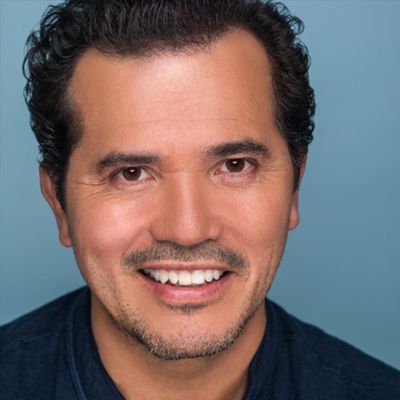
[0:18] Gordon Cox: On this episode of Stagecraft, I'm talking to John Leguizamo, the writer and actor whose latest one man stage show, Latin History for Morons, is now playing on Broadway at Studio 54.
[0:29] Gordon Cox: In it, Leguizamo recounts his discovery that his son's American history class has almost entirely overlooked the contributions of Latinos, and he speeds us through three millennia of history from the Mayans to the present day.
[0:42] Gordon Cox: John's in the studio to tell us all about it.
[0:44] Gordon Cox: Hi, John. Thanks for being here.
[0:46] John Leguizamo: Awesome. I'm glad to be here, man.
[0:48] Gordon Cox: Tell us a little bit about how the show came about. How much of the story you tell on stage is true?
[0:55] John Leguizamo: Well, half the show is a personal story, and the other half is Latin history in terms of our empires and founding forefathers, and proving that we too are the sons and daughters of the American Revolution. And the other half, the genesis of that was a real story of my son being bullied at school for two years. And you know, how it propelled me to really start doing research about my Latin history, so mostly to empower my son so he would have facts and figures and words to tell people to shut up and leave him alone. But it reminded me of my youth too, how I got bullied by that, you know, by being a Latin man, you know, like you're playing a game of, uh, this was in Queens, right?
[1:43] John Leguizamo: Yeah, yeah. You're playing a game of stoop ball or off the wall or Johnny Rider Pony and you beat somebody and all of a sudden you're a spic, you know, and oh get out of my country, and you're like, then you realize, oh my god, I'm other. I didn't realize. I thought we were all equal and the same. All of a sudden, you're other as a little kid, and I didn't have the words to answer back, you know. And then I know my son must have felt the same way, and that's why I started doing the research.
[2:08] Gordon Cox: And there are a lot of books on stage that you pick up. Are those the actual books you read?
[2:12] John Leguizamo: Yeah, yeah, they are, they are.
[2:13] Gordon Cox: Very good.
[2:14] John Leguizamo: I've read most of them. Some of them I didn't finish all the way through because, you know, some I just didn't find as exciting as others. Others were more important, like, uh, Eduardo Galliano's Open Veins of Latin America has the one I tell everybody to pick up because it's all our Latin history in 250 pages, but you can't read it once, you have to read it like five times.
[2:37] Gordon Cox: Seriously.
[2:39] John Leguizamo: Because it's so dense and so beautifully written.
[2:42] Gordon Cox: What's the best thing you learned from that one?
[2:44] John Leguizamo: Oh wow. Well, the numbers, the numbers of how much gold was stolen from us. 500,000 tons of gold taken from the Incas, uh, the Muiska, the Narinho, uh, all the sort of Inc and tributary top tribes. 500,000 and twice as much silver that funded the British, the French, the Spanish, the Ottoman empires, and Chinese empires. Because China liked silver more.
[3:12] Gordon Cox: Right.
[3:15] John Leguizamo: Yeah, yeah. And what's the best thing you learned from all your reading that you couldn't get in the show? Anything?
[3:23] John Leguizamo: That I am a true ghetto nerd is what I is the real discovery.
[3:28] Gordon Cox: Yeah, yeah, yeah. I am a ghetto nerd, man, and there's power to be had from that.
[3:32] Gordon Cox: So, this was the news to you.
[3:34] John Leguizamo: This is the sort of that you were saying. You were in your end of that kind of thing.
[3:37] Gordon Cox: Okay.
[3:37] John Leguizamo: That accepting that, because you know it's hard being a ghetto nerd. You're the loneliest kid on the block because you're not cool enough for the cool kids, and you're not nerdy enough for the white nerdy kids. So you're like stuck in this sort of, uh, middle of the road kind of thing. But now I'm badass.
[3:54] Gordon Cox: And why was the decision made to take this personal story and then the learning you did because of it and turn it into a show?
[4:06] John Leguizamo: This was four years ago.
[4:07] Gordon Cox: Right.
[4:09] John Leguizamo: Um, right after my son got bullied. So after the end of that whole sort of tragedy in our family, because it was really horrible. Because the kids, you know, they started, you know, we started complaining, and then when we started complaining, they punished the whole grade when they started because they started, they upped the bullying to cyber bullying. They made a like an internet game called For the Within the Class, and they put it public, find the Spot the Beaner, and they put my son's pictures in there, you know, with maracas and bandito hats, and so when we turned the whole grade in, then they punished the grade for like a month and took away their computers and stuff. So then my son became the pariah of the whole entire grade.
[4:56] Gordon Cox: Right. Did it surprise you that things like this still happened?
[4:59] John Leguizamo: Yeah, dude, I was shocked. I was like, I mean, I know racism exists. I mean, subliminally, you know, I mean, the negative messaging is pretty, pretty before this presidency was kind of everywhere, but now it's not even subliminal anymore. Now it's right in your face.
[5:14] Gordon Cox: Right.
[5:15] John Leguizamo: Yeah, dude. I mean, he goes to a very fancy private school. I'm like, how can that happen in modern day New York when half the population of this city is Latin? How can that be happening?
[5:28] Gordon Cox: Because it is. Does this show change night to night?
[5:31] John Leguizamo: A little bit.
[5:32] Gordon Cox: A little bit. Like, do you try out a new joke one night or try a...
[5:32] John Leguizamo: I try. I mean, you know, my show is pretty close to a scripted, right?
[5:40] Gordon Cox: Yeah.
[5:40] John Leguizamo: Yeah, and then it's also close to a place that I'm really very happy with. So the changes are smaller, but they're still happening every night, you know. Certain sections, certain jokes, I'm testing, or you know, and then I come up with new stuff. Stuff comes to me while I'm on stage, and it's better usually because it isn't.
[5:58] Gordon Cox: Has that happened recently?
[5:59] John Leguizamo: Yeah, yeah, yeah.
[6:00] Gordon Cox: Since you last saw it?
[6:01] John Leguizamo: Oh yeah, like what?
[6:02] John Leguizamo: Yeah, the ending now is much, much tighter because at the, uh, when I was doing it before, people never applauded at the end of my son's high school speech.
[6:13] Gordon Cox: Right.
[6:13] John Leguizamo: Now they applaud so it became the end. So I had no choice but to make it the end because I couldn't do an epilogue. I couldn't. There was no room they weren't having it, so I was like, fine.
[6:24] Gordon Cox: Right.
[6:24] John Leguizamo: Right. There's a collective intelligence that happens in those moments where you go, you know, the audience kind of has, uh, more knowledge at that point.
[6:32] Gordon Cox: Yeah.
[6:33] John Leguizamo: And do you portray a handful of real life people, uh, including your wife, member of, uh, member of Lee's?
[6:41] Gordon Cox: She'll say I'm a way off.
[6:43] John Leguizamo: Well, that's what I wanted to ask you about. So do a little of her voice and tell me about sort of who she is for you on stage.
[6:49] John Leguizamo: Well, I do my wife, I talk like this. He talks like a little, you know, I exaggerate a little bit of her New York Jewishness, Upper West Side, a little bit, you know. So it's a conflation of her and her mother.
[7:01] Gordon Cox: Oh, okay. And so then how much of the woman we meet on stage is related to that's her?
[7:10] John Leguizamo: I mean, my wife is very, very sort of, um, righteous, but in a beautiful way, you know, very so against inequality, against injustice, you know, and one of the things I really love about her.
[7:27] Gordon Cox: Does she get any say in your characterization of her in terms of the voice and the gestures?
[7:32] John Leguizamo: She tries to influence me. And I, it's when she shows up, I do it her way, and then when she leaves, I do it my way. And I think that's a fair trade.
[7:44] Gordon Cox: No, I think that's right. And what's it like for you to kind of, there's an emotional arc to your relationship with your son. What's it like for you to kind of relive that night to night?
[7:59] John Leguizamo: You know, it affects me different ways, different times. Obviously, if someone in my family is there, it really affects me, and it all comes back and the PTSD of it all comes back. Because it was a hard time, it was really a hard time for my wife and I, and my son obviously, you know, he spent almost two years alone. And but he was, but he was so, oh, he was my hero, man. I mean, he was my hero. He said, Dad, you know, I'm just gonna study, get good grades, I'm getting out of the school, I'm gonna go to a great school afterwards. And that was, I was so proud of him that he, you know, he wasn't gonna mess with the bully or get into a fight with them.
[8:33] Gordon Cox: Right. Yeah. And have you talked to him at all about what it's like for him to see you on stage and then see kind of your re his relationship with you portrayed on stage?
[8:44] John Leguizamo: You know, I talked to him before he saw the show. I prepped him a little bit going, you know, I'm taking a license here with, and sort of a parental privilege of caricaturizing you a little bit. And I hope you're okay with that. I know it's a very uncomfortable thing for me if somebody takes the way I think I am and then they caricaturize me like on, uh, The Simpsons or, uh, or Family Guy, whatever, it's odd, you know, and I'm, you know, I'm older. I'm used to it. But this is a young man for the first time having some...
[9:11] Gordon Cox: How old is he now?
[9:15] John Leguizamo: He's now he's 16.
[9:16] Gordon Cox: 16.
[9:16] John Leguizamo: Okay, so he would have been 12 then at the time when this was happening.
[9:20] Gordon Cox: Oh no, I got, I guess what I mean is when he events of the play he was 12 at the end exactly right, um, oh you did your math good you didn't, you know, I yeah um and you've been doing solo theater pieces for god like 25 years now right one of the forefathers with Momo Mouth right and Snake Rama and when did you start doing those?
[9:44] John Leguizamo: When did you discover that as a form for yourself?
[9:47] John Leguizamo: In the late 80s, you know, New York was so vital back then, you know, I mean it since the 70s New York's been vital in the art scene especially performance art, you know, and that's the because you know I didn't really like going to comedy clubs and improv clubs.
[10:01] Gordon Cox: Right.
[10:01] John Leguizamo: Because that's where you were performing before previous prior to that right you were doing stand up right yeah well no not really stand-up I was doing, uh, uh improv groups First Amendment oh well, uh Chicago City Limits, uh improv Olympics, uh and then I did do some comedy clubs I did I did do them I'm not I'm not gonna lie.
[10:01] Gordon Cox: Right yeah but it was not my thing man it was just like it was so joke set up set up joke set up joke and the audience was into that and they signed the contract together that that's all they're gonna do and it was just so limiting for me and it wasn't my thing I like long stories. I like I like to go for emotion. I like to I like to rock the audience a little bit and turn them against me a little bit and then win them back, you know.
[10:39] Gordon Cox: And then when did you what gave you the idea to do your first monologue? What was was there a show you saw or a performance or...
[10:43] John Leguizamo: You know, I came out of, I mean I created my own thing. I mean I am a pioneer of this sort of autobiographical play thing, but my inspirations were Spaulding Gray, Eric Bogosian who brought the rock and roll and sex to it, Whoopi Goldberg who brought the ghetto and the poetry, right? And Lily Tomlin, who brought sort of really uplifted the one man show to another area, and then I took a little bit of everybody's and created my own autobiographical play, playing all my characters in it. So, you know.
[11:21] Gordon Cox: And what you like about it is you get to go deeper and you get to tell longer stories. Is that why is that what you prefer to?
[11:27] John Leguizamo: Yeah, yeah.
[11:28] Gordon Cox: Um and then just in general, how do you decide when you have a thread or a theme or an idea for one of these shows? What is it what is it that sparks those ideas?
[11:39] John Leguizamo: Usually it's always some kind of tragedy for me, some kind of personal trauma that I can't really deal with in life, and that's kind of always the sort of the germination of the idea for me.
[11:52] Gordon Cox: Right. Have you ever been wrong? Have you ever thought this could be a show and then halfway down the road decided maybe it's not a show?
[12:00] John Leguizamo: No. I mean, it takes me years, you know, like Ghetto Clown took me ten years to put that together, and that was I had a, I had a, uh, like a nervous breakdown and it was hard for me. That show was really difficult to do for me emotionally, it was a hard one. Even though this is personal and it's about my son, somehow it's easier.
[12:23] Gordon Cox: It's more, it's, uh, I don't know, more uplifting.
[12:26] John Leguizamo: Yeah, I was gonna ask actually sort of what it's like doing these. They can, you know, tackle some tough topics. How hard is it for you to, you know, do on a regular basis? How, um, kind of affecting is it for you?
[12:35] John Leguizamo: Oh, it's rough. I mean, last night I after the show, I really felt like I'd been in a fight. Like I got beat up by Mike Tyson and I was trying to walk off the ring out of the ring. I felt really well, and then Ghetto Clown used to always leave me like emotionally like really bankrupt.
[12:53] Gordon Cox: Do you have thoughts about why Ghetto Clown in particular?
[12:54] John Leguizamo: We should we should say that Ghetto Clown was your last Broadway show. There was a lot of traumatic stuff that was personal that I was reliving every single night that was really, really difficult. And so I think there was so many of those moments in one night, so I had to like open up all these wounds and rip off the psychological scab and then dig into it, and then so I so it was it was it was rough.
[13:18] Gordon Cox: And given all that, what do you get out of doing these shows? What draws you to doing them again and again?
[13:25] John Leguizamo: I think it's healing for me in some ways, and especially for the audience, I get lots of fan mail and people stopping me, and after the show, like, uh, when I did Freak, so many kids came up and said, you know, my father was very abusive and I related to your show, and it's really helped me heal. That kind of stuff makes me feel great, man. You know, and with Ghetto Clown, lots of people said, you know, I was gonna quit doing my art, I was gonna quit dancing, I was gonna quit acting, but your show really inspired me to continue. And that was the point. And now with this one, you see all these people going, "What's the syllabus? Can you give me the names of the books? I want to read that. I felt so empowered when I left your show, you know."
[14:06] Gordon Cox: Do you have that? Where is the syllabus?
[14:08] John Leguizamo: Where it used to be at the public website. Uh-huh. And then it was on my website, but I gotta I gotta get it back up. But I mean the books I'll list it right now. Yeah, do Edgar got Eduardo Galliano's Open Veins of Latin America, Howard Zinn's A People's History of the United States, Charles Mann's 1491 and 1493. So it's before the conquest and after the conquest. Those are my favorite books. Right. Okay. Um character is obviously an important part of the stuff you do. You do a lot of characters. Characters, rather, like the characters you portray. You have a there's always uh, you know, a number of characters that you portrayed. Alexander De Tocqueville. Uh-huh. Yeah. Talking of Congress in the 1800s. I do Alexander uh I'm not Alexander Hamilton.
Uh uh I do uh uh Andrew Jackson putting out his Indian removal act. I do obviously my mom, my wife, my son, my daughter, my therapist, my therapist. He has he seen it? Yeah, and he's like, Are you gonna be doing me again? I don't know if that that that violates our doctor patient confidentiality. I know he's hilarious. He's paranoid now about everything he says in the in the Yeah, I bet. And so then how do you approach those characters? Do you go, do you work kind of from the voice and the gesture first externally or internally? What do you do? How do you find them? Well, I I think first is internally get get sort of their psychology, and then I start watching them even more once I pick them.
And then I and then I do sort of a little distillation, a little Andy Warhol. I kind of like uh want to make my sort of impression of them because it just being true to them is not always as funny. When do you tell them that they're gonna be in your next show? When they see it. Has anyone ever been surprised? I think my assistant was, and then she tried to sue me, so I cut her out. Oh. Wow. Yeah, alright.
[16:03] John Leguizamo: Um you mentioned that this show played at the public before it was on Broadway, and you mentioned Joe Papp actually in the show. Yeah. Tell tell me about the ways in which the public and Joe Papp have kind of been a part of your career. Wow. That's a good question, man. Because the public, when I was a kid, was the most important theater event in New York City as a young actor in America, I think. And Joseph Papp swore to do the all of 36 Shakespeare's plays, and I was in the first one. I was terrible. I was so god off. I didn't know you were in the first one. Yeah. Midsummer Night's Dream. I played Puck. I was good. Well, that was the first one. I did know you were Puck in Midsummer Night's Dream.
Okay, yeah. I was horrible. Tell me why. Because. Well, I think because I was so method and I really just. It wasn't been a nightmare to live with if you were method. I was a nightmare. I was a nightmare. Because I was playing practical jokes, and everybody put itching powder in their in their underwear. I, you know, F. Mary Abraham came back and say he says, please, John, I beg of you. He brought his Oscar too. Can you just show me the same respect that I show you, please? And he got on his knee and I go, please, get up, man. I'm sorry. I won't mess around anymore. I was a nightmare. But and so Joseph Papp took me to the side and tried to coach me. Right, right. And I was so method, you know, and there was there was an arrogance that came with that.
But you learn from it, clearly, right? Yeah, yeah. Right. Yeah. Shakespeare, I I don't know. I really feel Shakespeare is for those Shakespearean type actors. Right. Yeah. I really do. I mean, I love it and respect it, but you gotta really put man hours into that sucker to make it really sing and live. And I'm so, you know, I I've always been in love with contemporary theater and contemporary art, you know.
[17:56] John Leguizamo: Do you have a sense of how the the solo shows that you've done have kind of influenced the work or kind of guided the work that you do in the broader entertainment industry with film and TV? Like what how have they influenced the stuff you do and get asked to do? Well, I know it's influenced a lot of artists, you know, a lot of artists, you know, s you know uh uh have come up to me and said, you know, I write because I saw that you wrote and and it gave me really the impetus to write. Uh and and I know it opened up doors for a lot of land people and and writers and and you know uh yeah, you know, it opened up uh my first show be I did it because I was just not getting the respectful work that I felt I deserved.
You know, I just there was so there was only so many drug dealers, murderers and rapists. That was Mamba Mouth, that was the first show? Yeah, yeah, that I wanted to portray, and I was like, I'm feeding into a negative messaging, and it's like enough of that shit. I just had enough of it. It was just like, how many how why isn't Hollywood seeing us as we really are? Where are the Sonia Sotomajors and the and God forbid the Marco Rubios and the and the Ted Cruzes, but they are out there running for office. Where are they in the in in in the media? They're all we just constantly in a negative in the in the negative instead of in the positive limelight, you know. You know, portray us positively, then we won't be vulnerable to attacks from Poetus 45. Right.
[19:25] John Leguizamo: And the entertainment industry now is uh much more aware of you know, I issues like authenticity and diversity. Well, this is my question. Tell me what's your take on it. Aware is, you know, it's like uh Republicans you know, sending their prayers and thoughts for all these mass shootings and do nothing about it. Awareness is not enough, man. We're we're less than three percent of the images of the people on screen. I mean, that's puny. We're the least represented minority in films, and we're almost 20% of the population. I mean, we we we're dominate in in baseball. We have some basketball players. We have a ton of football players, we have a ton of politicians. We're doing great things. We we have Pulitzer Prize winning playwrights, novelists. Where are those people in the Hollywood mix? Why why aren't we at least ha 10%? Right. I mean, I I mean something's gotta be done.
[20:31] John Leguizamo: Yeah, it sounds like you think haven't things haven't changed much uh over the course of your own. Not enough, not enough, not enough. Yeah, they have, but not enough. Right. Yeah. In you wrote a book also, um, that uh in which you say something along the lines of I'm a terrible model for how to have a successful career. Right. What do you mean by that? Why is that? Because I'm too outspoken and and too political and too uh won't shut my mouth. And it's better if you if you it's better if you don't do those things. Right. Much easier. What kind of blowback have you gotten for that? Because you do have a reputation for being for being a truth teller, right? Yeah, yeah. You know, I mean, even even with this election, you know, I s I started posting very political things and I saw my numbers drop.
I lost a lot of uh people that I don't really want to follow me anyway. But but uh I I lost a lot of followers. You you you you when you cease to be an entertainer and you and you become an artist and you're political then you know it it has consequences. That's why I respect anybody who speaks out.
[21:29] John Leguizamo: And politics and art go and your creative side go hand in hand for you. If you're an artist, I mean I have a I have a separation. Entertainers entertain and artists change the world and they're political and they take risks and they're activists. Right. And in fact the show you're doing now is a is a form of activism in terms of giving it right absolutely right. I know Nydia Vasquez borrowed from my show when she did that beautiful speech 'cause she can't see my show at the public and she said, you know, four hundred thousand of us fought in World War Two, which is right from my show. And she said we have shed blood for America. We have you know it it was beautiful that she borrowed words from my show, which is what it's supposed to be. Right. It's supposed to help people get the words to express themselves.
[22:14] John Leguizamo: Right. And what other kind of well I guess two questions. The first is have you felt like you've been there have been rewards for being as out as outspoken as you are. Oh yeah, my fans are are really loyal and really beautiful and I think there there are a lot of rewards, man. I think there are a lot of rewards. I mean the way you see things changing, I mean all these play Latin playwrights trying to make it and writers and performers and comedian, Latin comedians trying to make it, you know, and they all like they they they you know they they thank me in some way and I feel you know like they're like they're a godfather, you know? Right right. And has there been an incident a particular incident of blowback that you've gotten for you know speaking out that made you think, oh maybe I don't maybe I shouldn't well I mean it depends.
Sometimes I was very racy or just edgy and back in the day I I did uh a VH one music awards and I was too edgy. Oh all right and and I and I was banned from you know presenting at the Oscars and at the Emmys. Yeah all right um no no it was an em was it Emmy? It was it was two sh it was two events that I was too too edgy.
[23:27] John Leguizamo: Have you come out and talk uh the whole entertainment industry is talking about sexual harassment right now. Have you talked about that at all? Well maybe I wasn't good looking enough. I don't know. Nobody's assaulted me. Right, right you know I think it's a correction. I think it's a moral correction against what's happening in our administration and what happened with this election and and what Trump got away with all the his assaults I think sort of there's a moral correction happening in our society and in America which is a beautiful thing because that stuff does need to stop all this predatory behavior and you know I just if it ain't consensual then don't then just step off.
[24:06] John Leguizamo: Of all the work you've done, what do you get asked about what one project do you get asked about the most I mean it it's different because different people respond to different things. Like I know Chi Chi Rodriguez from Tu Wang Fu became a an icon out of in the nineties for uh transgender teenagers. Right. Which was which was incredible to un to know that, you know. So that was really powerful for me. Um I mean, Freak, people l love freak, you know. So much that I turned into a comic book, you know, 'cause we're not going to be able to do that. Oh, yeah, actually, let's talk a little bit about that. That's fun. Um, tell tell us about how that happened. It's a graphic novel now, yeah? No, no, it's uh comic book. Comic book in three parts. And you can get on Amazon. Ghetto Clown became a graphic novel, and I got an Eisner nomination, which is like a Oscar novels. Yeah. Big big deal. Even though I didn't win, and that's what I probably would all focus on.
[25:06] John Leguizamo: Right, right. How how that how'd that happen? How did how did those how'd that genre mash up? Well, you know, it's just you know, land people have been a huge part of the the um comic book industry since the forties. I mean, you had Vargas doing all those pinups since the twenties. You had Alex Schomburg, who's Puerto Rican, uh drawing Captain America in the forties, but yet we don't have we have all these artists, massive amounts of artists creating the comic books, but no Latin superheroes. So I said, Let me do my own comic book, and I based it on Freak because I felt like this character, this guy was trying to be his own hero in his own life and to get out of his neighborhood and get out of the ghetto hood and and survive that. I thought that that makes a superhero. And what's next for you? You're on Broadway through uh it's February, yeah. Yeah, yeah. Um, and then what are you off to next?
[26:03] John Leguizamo: Well, I I did this Waco mini-series for Paramount TV that launches in January, which is brilliantly written. Right. What network is that? That's there's a new the old Spike TV. Okay, yeah, reboots as Paramount TV in uh January. Right. And this is their first thing, and it's amazing. Taylor Kitch uh as um as Davidian as a Dav David Koresh is incredible. Right playing FBI guy, one of the because there were three Latin FBI guys who infiltrated uh the Davidians and pretended to be Davidians. Right. Right. Yeah. So it sounds like a juicy part, actually. Oh, yeah.
[26:41] John Leguizamo: Yeah, yeah, it's a great part. Yeah. And it's clear from a show like Latin history for morons that you keep theater is a thing you keep circling back to. Why is that? I love theater man. Where else was I given the freedom to be myself and and and do Latin-based subject matter, but theater? Look, what where did Hamilton happen? Didn't happen in movies, didn't happen in TV. Can you imagine a pitch meeting of him trying to sell Hamilton? The executive be like, yes, but uh there were no black or Latin founding forefathers. And they didn't speak and rap, you know. But in but um in theater, Lynn Manuel was allowed to be himself and to do this colorblind casting and biggest hit that Broadway has ever had. You know, so that's why I go back to theater, because they'll you're allowed to be as authentic to your voice as as you as you can be, as you want to be.
[27:34] Gordon Cox: I think that's a great place for us to stop. Thanks.
[27:36] John Leguizamo: Thanks for being here. Nice to talk to you. Good to see you.
[27:45] Gordon Cox: That was John Leguizamo talking about his Broadway solo show, Latin History for Morons. On the next episode of Stagecraft, I talked for Rachel Bloom, the creator of the CW's musical series Crazy Ex Girlfriend. Until then, see you at the theater.
© Broadway Podcast Network, All Rights Reserved