

In this supersized episode of Stagecraft, we bring you three conversations from Variety's Business of Broadway breakfast, featuring the stars, creators and producers behind some of the biggest shows on Broadway this fall... Read More
From the show: Stagecraft with Gordon Cox
Guests

Featured Shows
About
In this supersized episode of Stagecraft, we bring you three conversations from Variety's Business of Broadway breakfast, featuring the stars, creators and producers behind some of the biggest shows on Broadway this fall.
In our first conversation, Erik Piecuch of City National Bank moderates a discussion with the producers Hunter Arnold ("Maybe Happy Ending," "Othello"), Caroline Kaplan ("Redwood"), Mara Isaacs ("Gypsy," "Hadestown"), and Sammy Lopez ("How to Dance in Ohio," "JOB").
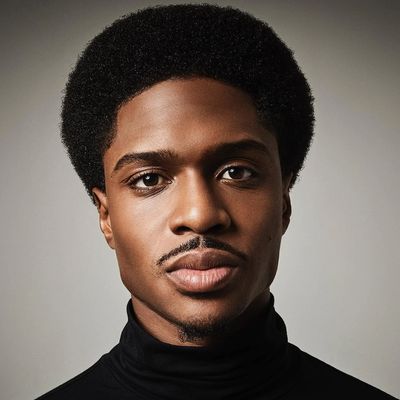
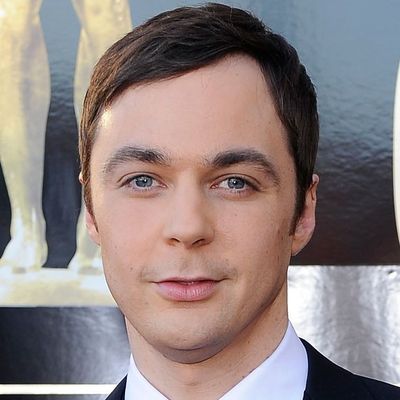
In our second talk, Variety's Rebecca Rubin talks with four of the stars of the new Broadway revival of "Our Town": Zoey Deutch, Jim Parsons, Ephraim Sykes and Michelle Wilson.
And in our final interview, Variety's Brent Lang talks to two of the creative forces behind the buzzy new revival of "Sunset Boulevard," star Nicole Scherzinger and director Jamie Lloyd.
Transcript
This transcript was automatically generated and might contain errors.
[0:36] Gordon Cox: Welcome to Stagecraft, Variety's theatre podcast, your backstage pass to revealing conversations with stars, creators, and industry leaders. On Broadway, off Broadway, and beyond. I'm Gordon Cox. We've got a supersized set of conversations for you on this episode of Stagecraft, recorded live at Variety's annual Business of Broadway breakfast event. First up, we've got a panel featuring the producers behind some of the fall season's biggest shows, with producers Hunter Arnold, Mara Isaacs, Sammy Lopez, and Caroline Kaplan, moderated by Eric Peikusch of City National Bank. After that, you'll hear from the actors Jim Parsons, Zoey Deutch, Ephraim Sykes, and Michelle Wilson in a talk about their work in the brand new Broadway revival of Our Town, in a conversation with Variety's Rebecca Rubin.
And we'll finish with a treat of a talk with the two creative forces behind the buzzy new revival of Sunset Boulevard, star Nicole Scherzinger and director Jamie Lloyd, moderated by my Variety colleague Brent Lang. Well, seems like I've got the episode off, so I'm gonna go get my nails done and hand the mic over to Eric Peikusch from City National Bank, moderating the producers panel. Here's Eric.
[1:47] Eric Peikusch: Good morning, all. Thanks for joining us today. This is our seventh year hosting this and presenting it, so I'm thrilled to be having you join this panel this morning. You're each producing a number of new and exciting shows and revivals this season, and for our panel, I thought we'd explore your personal journeys as producers, as well as some of the unique and interesting aspects of your shows. So let's dive in. Mara, I'm gonna start with you first. This season, you and your partners are producing a revival of Gypsy, which was last seen on Broadway 15 years ago. The role of Rose is associated with some of our greatest actresses, including Ethel Merman, Tyne Daly, Angela Lansbury, Bernadette Peters, and Patti LuPone. And I'm sure everyone in this room has an opinion on who their favorite actress is for this. And now you have Audra McDonald stepping into this iconic role. How did the show and cast come together? If you could talk a little bit about that.
[2:43] Mara Isaacs: So I believe that, I will say that some of this started happening before I was involved. So in, as many people who are producers know, sometimes you come to projects in myriad ways. But my partner, Tom Curtahy, is very close friends with Audra, and they had been in conversation quite some time. This has been a dream of hers. And I know that she has a long history working with George C. Wolfe. And when it was along, it took a period of time for the stars to align in order for George's schedule and Audra's schedule and a theater schedule to come together at just the right moment, which finally happened. I got involved as George was being confirmed. And I will confess that that was one of the main reasons why I got involved.
I started my career a number of years ago, working in new play development at the Mark Taper Forum in Los Angeles when they were premiering George's musical Jelly's Last Jam. So anyone who wants to do the math, they can figure out how old I am. But in the 30 plus years since that time, I have been striving to produce a show with George. So for me, it's a very personal journey to come back to a collaboration with a director who I have always admired, and the combination of George and Audra and the entire company, which has now been announced. And the majestic theater was, how could I say no? So Patience. Yes, I actually say that if I ever write a book on producing, it's going to be called Relentless Patience. There you go. Because that is how I operate.
[4:14] Eric Peikusch: Perfect. Great. Thank you for that. Sammy, great to see you. Last season, you and your partners at P3 Productions brought How to Dance in Ohio to Broadway. This season, you're producers on Job, which opened at the Hayes Theater in July, just got extended through the end of October. So congrats on that. Before moving to Broadway, Job was at sold out runs at the Soho Playhouse and the Connolly Theater. Were you originally involved with these productions? How did you become a producer on this show?
[4:40] Sammy Lopez: Yes. So, I mean, first of all, I'm so grateful to be on this panel and specifically thinking about how do we continue to follow that mission of uplifting new writers and voices and bring them to the largest stages such as Broadway. And so that was the impetus of why P3 joined Hannah Goetz, Alex Levy, and Craig Balsam on Job, who shepherded the show from its Soho Playhouse step to the Connolly. And I think that if you asked the brilliant Broadway debut playwright, Maxwell Friedlich, would his show be on Broadway a year ago, he would have left. And I think that is the exciting part about the unexpected nature of the business. And P3 joined because one of our partners saw the show and immediately left saying, you have to see this.
And I think that's always the question we ask ourselves as producers is how do we not let people leave the theater just saying you need to see this, but saying you have to see this. And, you know, thinking about the invitation of new audiences to the theater was another strong reason why Job felt like a perfect fit for our mission as thinking about the intentional invitation for new communities to step into a theater. And the beautiful Hayes Theater, which is a jewel box on Broadway, it's allowed for that tension that we felt down at the Connolly to maintain and stay. So P3 joined in that transition from the off-Broadway to Broadway step, and it's been such an incredible opportunity to think about new ways to invite audiences to experience the show.
[6:29] Eric Peikusch: Great, absolutely. I'm going to come back to that a little bit more to talk about new audiences, but I also want to introduce Caroline Kaplan. Speaking of new, welcome to Broadway.
[6:34] Caroline Kaplan: Thank you.
[6:41] Eric Peikusch: Caroline has had a successful career producing many memorable award-winning and independent films, including Boys Don't Cry, Pieces of April, Boyhood, and Marcel the Shell with Shoes On. This season you're making your Broadway debut as a lead producer on Redwood, a new musical starring Idina Menzel. This is her first time back on Broadway since If/Then in 2015. So tell us how you got involved in this project and what made you make the leap from Hollywood to Broadway.
[7:03] Caroline Kaplan: Well, I had been working with Idina on a slate of movies and television and the whole time we were developing these and Through This Reich, etc., she was working on Redwood with Tina and Kate, and the more I heard about it, and maybe sometimes she'd hum something and I'd hear that incredible music, the more I heard about the story, just the more I genuinely wanted to know more. I just fell in love with it, and I think I became annoying, really, because I wanted to understand it, and my mother was a theater professor, and theater was always a thing I loved the most growing up, and I never thought, I don't know why, actually, about producing theater specifically, but I just had this sort of lucky, I was lucky, and then the more, again, I got to know about it, it was like you have a crush on someone, they don't know it, and they like you, but you're kind of secretly in love.
It was like that about Redwood, and then she introduced me to Eva Price, and it was such a beautiful connection, and I just was so interested in hearing everything she had been doing as the producer of Redwood, and then she asked me would I join her, and it was just an incredible moment for me. I'm still sort of pinching myself, and I got to come in also sort of when it was, had been, they'd been working on it for a long time, but I think, as Sammy just said too, it's like it's always a leap of faith, and with anything, particularly a new work that you're believing, and I just, I loved it so much, and the story, and I related to it, and the universality of it, and just the excitement of knowing, I was saying to Kate earlier, like when you're working on a movie too, like particularly one like a Marcel that can take a really long time, you're so excited, it sustains you, and your dark times, and through all the stuff happening in the world, or your personal life, and all you can think of is, I can't wait literally to share this with audiences, and have them feel it, and so also to be, also so lucky to be up close and personal, and see Idina's process too as a, as the artist, and yeah, so great.
[9:18] Eric Peikusch: Thank you for that. Hunter, thanks again for joining us. Now you're a very experienced producer with many Broadway shows over the years. This season you're producing Maybe Happy Ending and also Othello, which are two very different shows. Maybe Happy Ending has had a very unique journey to get to Broadway. Can you talk a little bit more about the process and the development for that show?
[9:38] Hunter Arnold: Sure. I mean, it's funny because Carolyn said, you know, she's still pinching herself, and I don't mean this as a joke. I think producing is an endless cycle of pinching yourself, and kicking yourself, and so what I've learned over the years is that there's nothing more important for me than the people that I work with. I mean, I think effectively a Broadway producer's job is a routine entrepreneurial startup job, right? You find a concept you believe in, you surround yourself with people that are infinitely better at what they do than you could ever be, and then you spend your time getting problems out of their way. I mean, that's effectively the whole job, and so I have been lucky enough to spend a lot of time with Michael Arden and Dane Laffrey in my career, and they're about as close to, you know, muse level as I think.
And by the way, what I actually mean by that, because it sounds very glamorous, is that they bring me ideas that sound absolutely batshit crazy, and I trust that they know what they're saying. You know, I mean, we did this one-man Christmas Carol, and Dane said, I want to make the most expensive set no one will ever see, and I didn't know what the heck he meant at the time, but it turned out right. And so they brought this show to me. Jeffrey Richards was already attached to it from the Korean production, and said, we think we've found this beautiful jewel box of new work that only has a cast of four, and it's sort of emotionally a straight line. It just builds and builds and builds to the point where it just takes your breath away, but you don't see it coming.
And they said, but we want to play with how environment in a new technologically enabled era of Broadway can help that. And so they're really, the set is all irises that move, and new lighting technology, and scrims we've never seen before that actually have 100% blackout capacity, and it's really cinematography on stage. And so learning how we keep this art form we've all loved since we were this big, and how to keep it relevant, and keep using the tools, and the people that are at the visionary edge of that, that's how I pick every project, is what are these people going to teach me, and how can I empower them to also bring something new and interesting to the world of people that support this.
[12:03] Eric Peikusch: Sure. And let's talk about that a little bit more in terms of new audiences, new voices, but there's also new folks on the creative side, new directors, all those folks, and there's many new people. I know Caroline on your show, there's a top 10 to watch in terms of Redwood. If you want to talk about that a little bit more about bringing in just not new audiences, but working with new folks in the creative industry as well.
[12:24] Caroline Kaplan: Well, I was going to say earlier that what's interesting about Redwood for me is it's very similar in a way to working on an independent film, that in my experience in the sense of I tend to work with auteur directors, working with an auteur visionary like Tina and getting to watch her work, but also oftentimes bringing in elements that are coming in and are going to become that in the future, and certainly that is Kate Diaz, and when I heard about from Idina, and then of course Eva, and Tina, you know about this extraordinary younger composer who, and knowing it's not just the songs, it's the entire sound and the score.
[15:09] Sammy Lopez: It's almost like the question for the producers at large of what are the ways that we're intentionally setting the table for new voices to be there, and how do we then support them once they're there? It's a question that we really investigated during our process in How to Dance in Ohio of if you aren't asking what people need in order to do their best work, then how do we then further support that message from the ticket buyers to the people working in their front of house? I think it's a larger conversation. When we were welcoming the creative team of Job to Broadway, I think there was both an exciting moment, but the stakes get raised. How do you as the producer step up to support artists in that moment of the stakes suddenly got much higher, and we need to be there both from, as Hunter was saying, it's half the support and emotional support from all angles, and being willing to ask, what do you need? Great.
[16:15] Mara Isaacs: If I could just add to that, I'm actually going to use Hadestown as an example of this because I think it's very important. We're talking about the commercial theater, and we have to find the balance between how we attract and cultivate new audiences and also how we keep a show financially sustainable. We really try to both using the technology that is available to us in terms of digital marketing has really transformed the way we can reach new audiences and new sectors of people, and that's great. We can have some subsidized initiatives that are about developing the next generation of audiences and that you can really move in both spaces simultaneously, so without compromising the commercial viability of something, you can also be investing in the next generation who will then be that commercially viable audience so that we're really investing in the future.
[17:05] Hunter Arnold: I think there's two things that we have to be really honest about as an industry when it comes to all this new audience stuff. The metaphor I use all the time is if you've lived across the street from your neighbors for a decade and you've never spoken to them, and then they come over and they're like, we want you to come to dinner tonight. You do not celebrate. You're like, what the hell is happening? There's a problem here. We are in the seed planting portion of this process. We are not in the harvesting portion of this process. We have to commit to making space for these voices. First of all, if you want an audience to come in and you aren't literally letting them speak openly in your space, why would they want to come in?
We have to continue doing that. The second thing that we have to do that we're not super great at as a culture, not just a business but a culture, is realize that leadership needs to go through cycles as well. You start out being an innovator, then you are an empowerer. At a certain point, you can be a broader-based leader. Then you move to mentorship, and then you move to support and wisdom. We all love what we do so much that sometimes we hold on too long. I look in the mirror every day and I go, the world needs more old white dudes like me. I should hang on real long. I think I have to look at people like Sammy, or I have to look at people doing new work, really pushing new work boundaries like Mara and I will have conversations about.
We all have to move through that cycle and make space. Literally if we don't get out of the way, there isn't space. We have to find the way to make room while still being supporters. I think that's a really hard thing to do when you love it that much.
[18:54] Erik Piecuch: I think that speaks to collaboration. Many of you have worked together on projects, big and small, and you've worked together in Hadestown. Talk a little bit more about that, about how this generation maybe is working more collaboratively than generations in the past where there were fewer people in control. Now there's a lot larger production teams, a lot more collaboration for folks, and a lot more heavy lifting to bring new shows with new voices to the stage, especially when this season you're working on a couple of large shows with some large actors in them which wouldn't sell themselves, and then you're also working on some new shows that might be a little more challenging. Mara, can you talk a little bit about that in terms of that piece?
[19:33] Mara Isaacs: Do we have time? There was a lot in that question. It is true that in addition to the revival of Gypsy, I'm also part of a team of producers, some of whom are in this room, who are behind the development of a new musical called Goddess, which has just recently been announced that's going to be at the Public Theater in the spring. I think that is an example of a very collaborative producing team now collaborating with an institution, really trying to lift up a very adventurous, I think totally commercially viable, but a musical that doesn't have a particular roadmap to follow with a lot of artists who are either making their Broadway musical debut or maybe it'll be their second show by the time we get to Broadway.
This question of collaboration is key, and I think that it is both the great benefit of a way of working now and also one of the greatest challenges because you also have a lot of cooks in the kitchen, and so the thing I think we really try to work on is being really clear about what is your area of responsibility? How are we communicating? Do we actually agree on a set of values and priorities with the artists for what the project holds? It's like any relationship and any marriage. It takes a lot of work. There are ups and downs, and you just have to continue to be direct and honest and adjust. I don't know if that's exactly the question you were asking, but I don't know that the evolution of collaboration is a generational thing. I would say the collaboration on Goddess, I'm thinking about because it's a very large team, is a multi-generational team, and that's actually really exciting too.
[21:20] Sammy Lopez: I was just going to say in terms of collaboration, it's getting on the same page of how you ultimately want that collaboration to manifest, and a question that we often ask within our producing team is of identifying, relating to new audiences, identifying who are the skimmers of our team, who are the swimmers of our team, and who are the divers? When we think about skimmers, swimmers, and divers, how are we categorizing that within the artists we're collaborating with, within our co-producers or investors, within our audiences that we're welcoming to the space? Who are the people that really just want to buy a ticket and see the show and get out? Who are the people that really want to just be a swimmer and understand the text, the context of it, and then that's enough for them?
Who are the divers that really want to go get a drink after the show, continue to debate what they just saw on stage? I think of it from that audience perspective, similarly to how we look at the investors that we collaborate with, who are those first-time investors that we know they aren't just going to be a check writer and be that skimmer. They're going to want to be a diver. And so when we're able to categorize as a producing team in that collaboration moment, we're essentially able to effectively execute, and knowing that there are so many cooks in the kitchen, it gives us a sense of purpose. And I think it's really to, you know, you have this shared, same-value system, how you show up, what concerns you, how you support your artistic leaders to kind of execute, how you include your investors and really attract people who also want to show up that way and who also care as deeply about the story you're trying to tell as you do.
And I think producing is such a lonely thing. Certainly in movies, it is, you know, there's just so much happening all at once, and it's such a gift to be able to have, I mean, obviously, you know, Eva's been my mentor, which even though she's probably like 20 years younger than me, that's an odd thing to say, but it's true. But beyond that, just a community of producers, beyond people you're directly working with that you can call and you can say, hey, like, can you help me or can you give me some guidance? Or you've worked with that person and I haven't. I think just like a community at large, it's just really important to be all in it together because everybody wants the same thing, to make incredible work, to make bold, risky new work, to tell stories that in a different way, even if you've already seen them, to bring people to the theater, to bring people to the movie theater, maybe not anymore so much, and to, you know, to show up and get engaged. So I think it's all about, and it's like such a collaborative art form. So it's been interesting.
[24:15] Hunter Arnold: And I think, Hunter, you talked about that in our prequel about this not being a zero-sum game. It's really, you know, trying to lift everyone up for that and work together.
[24:23] Mara Isaacs: I think that's exactly right. Like certainly there are areas we overlap, but I'll use an example from Mara or from today's presenters. Are there similar crossover audiences this year to Gypsy and Sunset Boulevard? In some ways and totally not in other ways. And so there's just enough space. There's plenty of space for us to support one another. And frankly, some of the people that are looking forward to seeing, you know, a George C. Wolfe version of Gypsy should be challenged to see Jamie's Sunset and vice versa, right? People that think that they just want to see whatever this next iteration of Sunset is should be challenged to say, what about the legacy of this art form that you've enjoyed as an audience member? And so if we work presuming that we can actually grow the pie instead of bickering about who gets the biggest slice of the pie, all boats get lifted.
[25:24] Erik Piecuch: Great. Thank you for that. I think we're going to have to come to the end of our time and close it on that note. Those were some really great conversations and I'd continue to sit here and talk to you all day, but we're going to have to wrap this up. I want to thank all my panelists for being here, sharing their unique and personal insights and experiences. Please give a round of applause to Mara, Hunter, Caroline, and Sammy. Thank you.
[25:47] Erik Piecuch: We'll have more from Variety's Business of Broadway event right after this break.
[25:53] Erik Piecuch: This episode is brought to you by City National Bank, the official bank of the Tony Awards. For decades, City National has been proud to stand behind Broadway's creators and innovators, providing financial solutions tailored to the unique needs of the entertainment industry. City National, here for every stage of the journey. Learn more at cnb.com slash broadway. City National is a subsidiary of Royal Bank of Canada.
[26:18] Rebecca Rubin: Next up is my colleague, Rebecca Rubin, talking with four actors in the cast of the new Broadway revival of *Our Town*. You'll hear, in the order in which they speak, Jim Parsons, who plays the narrator character known as the stage manager. Zoey Deutch, starring as Emily, the young woman we watch over the course of the play, grow up and fall in love. Ephraim Sykes, as Emily's neighbor and eventual love interest, George. And Michelle Wilson, who plays George's mother, Mrs. Gibbs. Here's Rebecca.
[26:52] Rebecca Rubin: Well, thank you all for being here.
[26:54] Jim Parsons: Thank you.
[26:55] Rebecca Rubin: So, of course, *Our Town* is a classic of American theater. But I was wondering, for each of you, what's your relationship to the piece? And then how did you get involved with this production? Jim, if you want to start.
[27:04] Jim Parsons: Yeah, I'd had no relationship with it. I had never read it or seen it. And they asked if I would like to do it. And I said, sure. And so that's how my journey began with *Our Town*. I knew what it was. It wasn't, you know, I knew that she died, but, you know, I didn't know how.
[27:18] Zoey Deutch: Spoiler. Way to ruin it for us.
[27:20] Jim Parsons: Oh, I'm sorry.
[27:21] Zoey Deutch: I'm the opposite of Jim.
[27:23] Jim Parsons: Yeah, you are.
[27:24] Zoey Deutch: This is my favorite play of all time. I've read it more than any other thing ever. I'd sat on my night table since I was 13. And it has been the dream of my life to play Emily Webb. Never in my wildest dreams in this capacity. And with these amazing human beings, it's a huge cast. It's 28 people. And they're all really extraordinary, honestly. So, yeah, I've been dreaming of doing this forever. So when I actually talked about it way before it was happening and when it started all, it was just amazing how it all came to be and felt very meant to be. I don't know.
[27:59] Ephraim Sykes: Yeah.
[28:00] Zoey Deutch: I didn't have that experience. Unfortunately, I'm like Jim. I didn't, I just didn't know of the play until receiving a call last year and saying, hey, how would you like to be a part of *Our Town*, George? I was like, who's that? But yeah, once I read it, I was like, this is stunning. This is so beautiful and powerful. I'm so honored to be a part of this. So this is my first experience with it. It's already changing me and I'm just grateful.
[28:25] Michelle Wilson: Yeah. I saw a production in high school. It was awful. But really my memory is, is kind of like this corny nostalgia. Do you know what I mean? Like all shucks-ism. And it's so not bad. Like when you climb inside of it and what Kenny is doing with it, it's not mannered, it's human condition. And he just keeps refining it and refining it. And Thornton is a genius, right? So it's beautiful. But my introduction to it is nothing like my experience of it.
[28:59] Rebecca Rubin: And this is a show that has been revived many times. Did anyone feel hesitant about taking it back to Broadway?
[29:05] Jim Parsons: I didn't because I don't consider that my decision. Like if somebody else says that I think we should do it, I'm like, yeah, that's up to you. That's great. The only thing that made me nervous a little bit and only a little bit is that it is so well-known and the role of the stage manager has been played by some people that we've heard of and things like that. So yeah, but other than that, no, no, I didn't. I was excited. I'm more excited now that we're doing it though. Like it does feel a little pinch me to be on a Broadway stage doing *Our Town*. It feels like quintessential realization of the dream when you were a child. It's like, oh my God, we're doing *Our Town* on Broadway. No pressure.
[30:04] Zoey Deutch: And he's so remarkable as the stage manager.
[30:06] Jim Parsons: Thank you for saying that.
[30:07] Zoey Deutch: You really are extraordinary.
[30:09] Jim Parsons: Thank you.
[30:10] Michelle Wilson: And such a leader on and off.
[30:12] Jim Parsons: You don't need to come see it now. Just go with that.
[30:15] Michelle Wilson: This feels very prescient of Kenny. It's almost like, how did he know that we would need community, space for nuanced grief and joy? And so my feelings about it when they first offered it to me was like, oh, great. Yeah. And like I said, the experience of it is night and day. It's been so profound. And I think everyone who's working on this production has been changed.
[31:02] Rebecca Rubin: So Kenny Leon is directing this revival, of course. So how did he approach the material and what is he like as a director?
[31:09] Michelle Wilson: He's like a coach.
[31:11] Jim Parsons: Can we curse in here?
[31:12] Michelle Wilson: Please.
[31:13] Jim Parsons: I mean, the most commonly used word is motherfucker.
[31:16] Michelle Wilson: In the most artistic way.
[31:18] Jim Parsons: And respectful way, too.
[31:20] Michelle Wilson: He always does with the best respect, with most respect, he'll say.
[31:24] Jim Parsons: You help me, but it's like he's very, it's kind of what Michelle was getting at. It's like, just it, he would play it for what it is, and we say it for what it is. And every time he knocks off cobwebs of some aspect of it, you realize the script is completely available for that. I kept saying there's nothing he's done, we've done with the show that may look out of the quote unquote norm that the play doesn't have room for. I think that's partly because he's making extremely well-informed and heartfelt decisions. There's nothing whimsical about it in that way. But it's amazing how this piece of theater, I've never been in a play like it, that has so much room for humanity of all aspects, whatever you expect it would look like or sound like. If you try something new, and you do it with your heart, and you just mean it, the play's like, yep, that works too.
[32:40] Michelle Wilson: I was saying that this play is about the human condition. And in the past, some of us have had more conditions on our humanity. And by opening it up, it just vibrates, right? So you have a black family, and you have a deaf, you know, milkman and you have, it's just so layered, and it makes the tribe bigger, right? And the conditions of our humanity clearer, because of the diversity.
[33:05] Jim Parsons: I'll just put the one that Kenny, I happen to come from the same hometown as him, like he grew up, I could probably walk to where he lived from my house, and my family, our families, like have known each other and stuff like that. So him as a director, yes, he does use motherfucker a lot, but he uses it in a way that I know what it means. So when he calls me motherfucker, sometimes like, yeah, I'm the motherfucker. It's like, it's such a term of endearment. There is such a real family. And not, you know, we throw family around in the theater community a lot. And I think sometimes this may be a little too much. But in this setting, it actually has created this family. We walked into rehearsal every day and said, hey, how was your day?
What did you see today? We ended every rehearsal like, what's one thing you remember today? What's one line from the show that made you, whatever, it could be anybody. So we established this thing that like, oh, I know who I'm with. I trust who I'm with. Everybody's open and come leading with heart. And it's really started with Kenny, his heart, his intention, his intention for this piece is so gorgeous. And then took the cap off this beautiful script to say, all right, now let's think of it like this. And okay, because of who you are, let's think of it like this. And it's continued to build *Our Town*, as corny as that sounds, but that's really what it's felt like.
[34:32] Zoey Deutch: It's not corny. And he kept saying, if you're getting too far away from yourself, it's wrong. Stay close to your heart. Stay close to yourself. And this play is so delicate, but it's so sturdy. And when you're in the middle of it, I don't know if I can explain it. It's like, you act on the words, don't hold anything because of Clarice Kenny's and his speed, no intermission. And it's just like, it builds.
[35:02] Rebecca Rubin: Jim, as you alluded, you're following in the footsteps of a lot of greats who have played the stage manager. And you also mentioned you hadn't seen it before, but how do you put your own stamp on this role? How do you make it your own?
[35:15] Jim Parsons: Well, working with Kenny, especially, and Michelle was just saying this too, two things occurred to me very early on. I was like, I know there's a lot of talk as a stage manager. God is he, whatever. I think he is Thornton Wilder for the most part. I don't know if anybody here has read, there's a wonderful biography by Penelope Niven about him and it's unbelievably good. But I read that and I thought, this is his voice, I think. And I think that in order to play the stage manager, I think it's equally important to understanding as much as you can Thornton Wilder is to, and this is what Michelle was saying, be yourself. Because you are the honest broker between the scenes that these actors are doing and the audience.
And any false note in there is completely alienating and to take, he's watching the play along with you, in addition to setting up scenes. And so, that's been the thing for me. And to my delight and sort of surprise, I don't know if this is the right word for it, but I feel like there's so much, as opposed to sentimentality, there's empathy in the play and in the part of the stage manager, but there's also a sort of irony and a sort of, he has this line about when we go to the cemetery and says, some of the things they're going to say might hurt your feelings. And Kenny and I were talking and he was like, I really think that's kind of one of the phrases or mantras to think about for the stage manager through the whole thing.
He's not unkind, but we're taking, in a very kind way, we're taking a real naked look at what it is to live our day-to-day on this earth. So, it's not nearly as sweet or as twee as I think many people think it might be. I don't think. There's a devilish something about looking at us living our lives.
[36:45] Ephraim Sykes: Jim, you have an extensive career in musicals. So, how does your prep differ when it's preparing for a play?
[36:51] Ephraim Sykes: I'm discovering it day by day. I really am. And again, I have to say thank you to my castmates who are so, I walked into this thing, it's like, what do you guys want to teach me? I'm watching and trying to pull from everybody. How are you preparing? Okay, let's try that. You know what I mean? Of course, reading it over and over and just trying to continue to get my own sort of sense of what this is and know what I'm saying and all those things that, of course, you do. But I kind of really walked into this very just an open book and looking to be led in a way, all the while still just trying to trust myself and trust that like, oh, no, but you are meant to be here. You do have something to say.
And again, thankful for Kenny because Kenny has been willing to guide me completely throughout this. He has no problem being a motherfucker. That was terrible. And I'm like, okay, bet. Let me do it again. All right. That was better. But all right. But not as good as the first. I like, you know, it's been cool to be open, to be guided because it's a completely new space for me. And I'm learning as we go along and I'm been enjoying being pushed. Therefore, I can, I get to feel my growth as we go along. So I don't know if that answers the question completely, but that's where we're at.
[39:01] Jim Parsons: I will add to it to maybe answer even more. Everybody should be required as an actor to be in a rehearsal room with Ephraim and watch how he takes notes and directions in the least defensive, open-hearted, quick learner way you've ever seen in your life. I mean, every time I watched him and Kenny work together, I'm like, oh, calm down, Jim. You get so defensive and stuck in your ways. Look at Ephraim.
[39:19] Ephraim Sykes: It's true. I agree completely.
[39:20] Jim Parsons: But can I just say about Jim, he is such a verbal painter.
[39:57] Michelle Wilson: In your first performances under your belt, what has surprised you the most about performing eight shows a week? How much joy? And how much fun I'm having. I'm such a neurotic, anxious person. I was expecting to be just living in fear all the time, and it is the total opposite. I'm having so much fun, and I'm just, yeah, the joy. They're just like, wow, how awesome. I get another chance to try something different, and to deepen it, and to stay curious. And, yeah, that's been the most surprising thing, actually.
[40:37] Jim Parsons: Michelle, how do you feel like you've changed as a performer since you made your Broadway debut?
[40:43] Michelle Wilson: Oh, how have I changed? This is, I never really expected Broadway. Do you know what I mean? Chicago's, I'm from Detroit, but Chicago is where I'm, is my creative home. And so I was doing theater in little bitty storefronts. And I came, and as a kid, and National Black Theater opened their doors to us. And so this is always a lovely surprise. I was asking during the whole sweat thing, I was asking my manager, I was like, how am I being perceived? And she said, like, you didn't expect to get invited to the party, but you're having a good time now that you're here. So that's my experience.
[41:28] Jim Parsons: This production is a very minimal set. What is it like performing in that kind of environment?
[41:38] Michelle Wilson: I mean, it's amazing. It certainly keeps you excessively attuned to all the words, not just that you speak, but that everybody else does. It also keeps us all very connected because there's nothing else to hold on to out there except everybody else who's on stage with you. It's really, it's really interesting. And I think sort of to Zoe's point about, it's really a special play to perform eight times a week. It's really never, knock on wood, so far, there's never a drag because it's like, it's not every script. Most scripts aren't like this, where it's almost like evergreen with every time you do it, something else pops up out of the soil that you're like, oh, wow, that's in there. Or an audience reacts to me like, oh my God, I never thought of it like that.
But that's rare. I don't feel like I've experienced that a lot. What the hell was I answering when you asked that? What'd you ask me? It was a great minimal set. Oh, the minimal set. Thank you. I really could. There's something about the minimalism, though. It forces the actors, as well as the audience, to engage on a different level because everybody's you usually have that kind of relationship with the book. Right. Where you fill in what's not there. And so it's forcing everybody to kind of lean in, like, right. It makes the audience participate and play in a different way.
[43:08] Ephraim Sykes: Am I crazy or is there bacon that pumps through the theater? You can smell it. Can you smell it from the stage?
[43:15] Michelle Wilson: Oh, God, they're pumping it right by my face. I can hear the fan that's sending it out. I wish you could see our prop woman because she has a bacon costume when she's making it. You ever got hungry when you're on stage?
[43:29] Jim Parsons: Absolutely. So this was a show that was written in 1938. And of course, it continues to be performed. But what is it about the message that continues to resonate?
[43:43] Michelle Wilson: I'll say I think I was listening to Jim talk about it once and I started thinking about it later. And the play is written about now. Like, it literally feels like Thornton was talking about, of course, not now in 2024, but his now. And it's about living now. It's about loving now. It's about literally loving what you have right now. So with that being sort of the baseline of everything that we're kind of speaking about, that he's speaking about, it can never get old because it's always in the moment.
[44:19] Jim Parsons: One of the things that I learned in the biography about him, which many people in here may know I didn't, was that he was so well-traveled, Thornton was, and so well-learned and read. But he worked with an archaeology group or a class in Rome at some point. And at one point they were on a dig and they uncovered like an old road or with all these things. And he was just like, we are here. How many thousands of years later walking on top and doing our thing essentially in the same way that they did? It's buried way down there. And so he became fascinated with this idea of like, we just keep doing it over and over. And I always think of that line in the start of Act Three where I tell them what's changed in the last 14 years in Grover's Corners or whatever it is.
And then I say, you'd be surprised, though, things don't change that much around here. And I'm like, that could be the sub line of the text, in my opinion, or the title, like things don't change much around here.
[45:24] Michelle Wilson: I think one of the most beautiful things about the play is that it's not punishing the experience of living and that it's impossible to appreciate every, every minute. It's just taking a moment to recognize, oh, maybe I'll maybe I'll call my mom. Maybe I'll tell that person I love them. Maybe I'll drink my nice bottle of wine. It's just a beautiful reminder of how extraordinary this one life is. And I can't it's a it's a perfect piece of text. And the more we do it, the more kind of shocked we all are at how profound it is.
[46:13] Zoey Deutch: Yeah, that you bring up a great point, because the show is about people maybe not appreciating the smaller moments of life while you're living it. And so for everyone else, do you feel like working on this show has helped you treasure smaller moments as corny as that might sound? But how is that manifested for you all?
[46:32] Michelle Wilson: I'm crying all the time. Twenty four seven. I'm crying. I'm crying. Everything is beautiful. That's how I feel. I say I lost my grandmother about three weeks ago, like the week before we started previews. And I she was kind of in decline over the summer. And of course, I had known and started reading this play before I got to go down there and be with her one last time. And the intention that I had when I walked into her hospital room and I turned my phone off and I literally stood there with her and I watched her and I spoke with her. And I sucked in every nanosecond of time I could because I remembered that this play was like, don't lose this. You won't have it again. And I got to be maybe the most intentional I've ever been with every second of my life and my experience with her.
And yet for that whole entire day. And I have that memory vividly in my mind now. And I get to take it on the stage with me and I get to grieve it every night, too, in this beautiful way and celebrate it every night. The way that, you know, I've been led to by this play. The play keeps saying it goes so fast. It goes so fast. And there's no way that you can be present every minute. But you just start remembering that this goes so fast. We just got out of COVID. We were separated for how many years? Do you know what I mean? How much grief and loss? And I think this play is really timely because it's we're not very good at nuanced conversations. And this really forces a very simple, nuanced conversation about love and loss and life. And it goes so fast.
[48:19] Jim Parsons: Do you have anything you want to add?
[48:25] Zoey Deutch: Sure. I mean, I do feel I do feel that it's put a beautiful, unique umbrella over this period of time so far that we've been working on it. Like every day does feel a little different. And I don't say that just to give you a good answer. I really do feel that way. And I've thought about it like there's something I'm sort of I'm just in a better mood. And part of it is getting to play this role, I think, and having that relationship to those 27 other people and then to the 1100 in the audience. It's sort of it's sort of forces in a good way of patience upon you. And I feel like that's trickling over. I feel both more patient. And because of that, I feel more energetic in a weird way. I can't believe how energized I feel for every one of our shows, even right before it. I'm tired. By the end, I'm just like buzzing like I sucked on caffeine through the whole thing. And I didn't. It's really great.
[49:32] Jim Parsons: So I understand the cast took a little field trip to New Hampshire where the play.
[49:37] Ephraim Sykes: What a nightmare. Five hours in a bus. Ten hours. Ten hours total. Oh, my God. For those of you who got carsick. What did you all gain from from that experience?
[49:51] Michelle Wilson: Nausea. No, I do think it humbled us. That was the first day we had never met. It was the first rehearsal. We meet in front of the theater and they throw us on a bus and we go to New Hampshire, Petersburg, which Grover's Corner is modeled after. And by the end of the night, everybody was just like, I'm sure I'm going to love you people, but I got to get out of here. But it does something. It strips you. You're very right. We talked a lot about like a week or two in. We were all going that first trip kind of broke us in a good way. We were like, well, hell, let's just rehearse. But the town's adorable. They're very sweet people. We're so glad we went.
[50:40] Jim Parsons: Aside from actually performing, what is everyone's favorite part of being on Broadway?
[50:46] Michelle Wilson: Doing press. No kidding. What is it?
[50:52] Zoey Deutch: What's your favorite part? Oh, man, I don't know.
[50:57] Michelle Wilson: I say there's a there definitely is a community on Broadway. There's like minded people and beautiful artists and some of the most extraordinarily beautiful humans, not just performing, but who they are in this community. So getting to share a space and time at the same time as these people meet them and not the people that I'm working with, of course. But, you know, they probably community. We hold each other down. We hold each other up and it's real like we show up for each other. We advocate for one another. And it's just something that's very powerful to be a part of. There aren't many, if any, other ways of participating in this kind of art or creativity where you generally understand and know every schedule that everybody else is on at the same time.
You shoot things on camera. Somebody could be done in two hours. Somebody could take three months to get their stuff done. We all know we all slug through eight shows a week and go out there and have live audiences that change things every night. It's just beautifully unique.
[52:02] Ephraim Sykes: And I've never been in such a large cast. I'm not a musical theater person. But the idea of you just have all of these people breathing. I know this sounds ridiculous, but it's just like and all of their energy is going towards you to tell the story. Do you know what I mean? And they just keep passing the energy around the stage. It is really profound. You're like, I might have to learn how to sing. I might have to do something so I can be around all these folks. But everything's getting smaller and smaller and smaller because of economics.
[52:36] Nicole Scherzinger: And Nicole Scherzinger.
[53:06] Brent Lang: And Zoey. I've never seen... Mid show. Yeah. Yeah. Mid show. I mean, was that the kind of reception you got in London? Was this a like a First Night thing? What's behind that?
[53:17] Nicole Scherzinger: Yes, it is. Yeah, I mean, it's been kind of crazy. In London, we had a beautiful reception. We were just so taken back every time they stand in the middle of the show. But I will tell you, this is my Broadway debut. Hi, Cole. And yo, the Broadway audience just hits different, y'all. Like that audience. Hi, Mir. Oh my gosh, seeing everybody. I know these people. Ava. It's the Broadway audience was like, God, I feel like they're with you on that stage. Like they're holding on to every breath and you just really feel their energy. It was... They blew me away. I mean, I feel like they're the ones who really brought it Saturday. But I mean, as a performer, does that do you sort of feed off of them when they're reacting like that? How does it impact you?
[54:17] Nicole Scherzinger: Absolutely. I'll keep it real. Like I love it when they're more vocal. I could always tell when the New Yorkers came across the pond in the UK because they were so loud. And you're like, yeah, I'm going to give you what you came for. You know what I mean? But yo, that was my first time on Broadway. And I'm not going to lie. I was nervous on Saturday. So when they were like, you could hear the roar, you were like, you're just like, focus, make sure you do not let them down, Nicole. So it was pretty nerve-wracking. I'm not gonna lie.
[54:55] Jamie Lloyd: I mean, to back up a little bit, Jamie, how did you come up with this idea to revive Sunset Boulevard? Were you approached or did you kind of initiate this?
[55:04] Jamie Lloyd: No, we had done a production of Evita at Regent's Park Open Air Theatre in London. And it was like an incredible experience, amazing experience. And a challenging one, you know, because that iconic Hal Prince production of Evita is just, you know, it's just incredible, masterful piece of work of direction. And you can't compete with those original productions. What's so weird about Andrew's work is that actually the shows themselves are so intrinsically linked with those original productions, you know, by those incredible directors. So you really can't compete, you have to kind of come up with a completely different approach. So that kind of ends up being kind of like the sport of it, like the fun of it is how you see these things from a different point of view, and kind of press reset on those pieces.
And you kind of have to, you have to kind of redefine each image, because there's this so much of that original imagery, which is so iconic, and has become a part of our kind of culture. Of course, we know Norma Desmond and the turban and the staircase and Evita and the white dress and the, you know, gesture and the Casa Rosada, etc., etc., not to mention cats, and the lycra, and the makeup. So it's, so yeah, literally trying to kind of like clear away the kind of legacy of the performance history is part of the joy of it. So I really, you know, it was during the pandemic, I was thinking, you know, I really want to do this again, and do another one of Andrew's pieces, I was listening to some of his shows.
And this sounds incredibly pretentious, and really, like annoying. But it's the truth is that I actually had a dream about Sunset Boulevard, and I could kind of see some kind of some of the production in it. And the next thought that I had when I woke up is that Nicole Scherzinger from the Pussycat Dolls should play Norma Desmond, which you can imagine was quite a surprising thought to have. And it was the best. It was the best idea I've ever had. Because I really think that Nicole is giving us a performance for the ages. I think it's an exceptional performance. But also, she's a remarkable artist. But also what's so crucial is that we've become such close friends, we're like family. And I've met a collaborator for life. So it's like just a real joy to be sharing this Broadway experience with this, you know, amazing new friend of mine.
[57:33] Nicole Scherzinger: And Jamie, when you were approached about this, what was your reaction?
[57:39] Nicole Scherzinger: As you could imagine, when I was approached by Jamie by this very glamorous, past her prime, old faded movie star role, I was a little bit at first in disbelief. I think my words were, honey, I still look good under bright lights. I'm a Pussycat Doll. I think that's exactly what I said. But he said, Just read the script. Can you just read the script? I said, I saw the movie with Gloria Swanson, The Claw. I saw The Claw. He said, No, don't look at the movie. Just read the script. And he sent the script that day. And I read the script. And I just fell madly in love with her. I just got her. She just resonated with me in so many ways throughout my life. And, and I listened to the score. I didn't know the musical. And I got to hear songs like, well, give the world new ways to dream. And I was like, who wouldn't be in love with Norma Desmond? And I just wanted to really tell her story, the way that I resonated with it. So I couldn't, I couldn't wait.
[59:02] Brent Lang: So what, what did you resonate with? What about her? Did you kind of respond to?
[59:09] Nicole Scherzinger: Norma is, just like all of our characters, you know, it's the human story, that things that we struggle with, we battle with our own demons, she goes through a lot of loneliness, and abandonment, has her fair share of insecurities, feeling like she's been discarded and dismissed in this industry, like most women, by the time you get to 30, 40, you experience that, you know. But then I also resonated with her that she was a warrior, and she's a fighter. And she will never surrender and that she's a dreamer. And that's my heart. She has a lion heart.
[59:51] Jamie Lloyd: Jamie, what about the kind of the look of this show? It's very minimalistic. Was that always something that you, and you're sort of known for that approach, but in this particular case, did you always think in those terms? How did you kind of approach the staging?
[1:00:10] Jamie Lloyd: I mean, we say minimalism, it's sort of like a minimalist maximalist approach in that it's not that there's nothing on stage, it's kind of everything on stage, because it's so full. And we're really asking the actors to really commit so fully, and connect so deeply. And also, there's a huge screen, it's even bigger for Broadway, on stage, and a massive technical department, it's a hugely technically ambitious production embraces, you know, a cinematic language within a theatrical context. So, and every single shot in that production is entirely live. So, you know, some people here know that the top of act two, there is a 10 minute one shot that is entirely live, that literally starts off in Tom Francis's dressing room, Tom plays Joe Gillis, and it takes a tracks us all the way backstage around the St. James.
And then just as you think that Tom is about to go on stage to sing Sunset Boulevard, he goes out onto the street, and sings it on the streets of New York entirely live. So you can imagine that this is like a huge technical accomplishment from the sound team for the video team. And what I love about it is that it really is an example of what can be achieved, you know, when we come together as this kind of really interdependent community. And people have been talking a lot about community. And it really does feel that way when you've got this interconnected web of people, every single person in that building is involved in that moment to pull that off. Every single person security, front of house, everybody backstage, the entire cast, the orchestra.
I mean, it's like, it's, it's an amazing moment because of that. And as we achieve it, and on first preview went without, you know, any technical glitch at all. And he really does, you know, walk far away from the theater and back again, and, you know, lands back on stage for the button of the number. It was cause for a lot of celebration. And what I'm saying is that yes, it's minimalist. Yes, it's stripped back. But actually, there's a lot that goes into kind of creating that kind of style. And it really puts the actors and Nicole front and center. And it puts Andrew's music, led by Alan Williams, who's our music supervisor, who's exceptional, and crucially, Adam Fisher, who is an amazing sound designer.
And this sound design is just so immersive and lush and cinematic. I know that you've been very moved by the sound design, haven't you in terms of what your experience is like on stage as well as those of us in the audience? But yeah, it's really the production, as I was saying, so the original production, of course, very known for its, you know, very elaborate set, big kind of moving, you know, hydraulic design. But actually, for a lot of the a lot of the show, a lot of the piece, it's a chamber piece, you know, there are like three people on stage, or two people on stage, in this production, sometimes just one person on stage. And so it's a chamber piece, and it's a psychological drama. And putting the emphasis on that rather than kind of, you know, kind of big, ornate, circumstantial detail felt very interesting and crucial to the way that we were telling the story.
[1:03:40] Brent Lang: I want to ask you a little bit about that sequence, because I mean, he's, he's crossing the street and going into Schubert Alley. And spoiler alert. Yeah, sorry, I hope that's not it. But I mean, did anybody sort of ask you to pare that back? And how complex is it? And do you have like a plan B, if the weather is really terrible, or?
[1:04:03] Jamie Lloyd: Well, I'm not going to give anything away today. But let's just say that there are, there's a huge security team out there. So everyone is incredibly well protected. It's incredibly well choreographed, isn't it? We spent a lot of time rehearsing it over the last two weeks, and there are various contingencies in place. But yeah, it's, it's, it's no mean feat. But that's what and neither is doing essentially shooting a live movie every single night. As I say, every shot in that show is completely live. And as we know, as many people here know, you know, there are shots there that would take hours to set up on a film set that we're somehow achieving with this, the this incredible team, you know, literally setting up live in the moment, and perfectly lit, perfectly timed.
And with no delay as well. And we're looking, we're really at that in terms of like kind of cutting edge technology, and seriously specific video design and cinematography by Joe Ransom and Nathan Amzai, you know, really kind of pulling off this, I mean, you've got a slight delay here between us here. But I mean, no, no shade to variety, but the, the, but like, you know, he's out on the street, and there's not a single there's not a single bit of delay. So even tiny things like that tiny considerations, that seems like such a kind of tiny thing. It's so impactful. And did it in the rain on Saturday, too. Yeah, first preview in the rain. All weathers, this will be interesting in a blizzard. But let's see what happens.
[1:05:34] Nicole Scherzinger: Nicole, what about as a performer to have these cameras and you're you're projected on this massive screen? How does what's the challenge of that? And, and, you know, did it take a little...
[1:05:45] Nicole Scherzinger: I was doing all my musical stuff, but I haven't done a lot of film work and stuff, and so I was like, Jamie, I'm gonna need you to—if you want greatness, you're gonna have to focus on this side. If you want mediocre, you can go to this side, but greatness, you're gonna have to focus on this side. And of course, Jamie, the first thing he did is he put the camera over here because he loves to take me out of my comfort zone, and now I'm just used to it. But as if there's a mediocre side of Nicole Scherzinger, I mean, this is like baffling that you even say that. I thought that you feel more comfortable with—no, but it's—it was crazy at first. But to be honest with you, I've never seen anything to do with the show.
I don't know what I look like on the screen. I have to ask them, I'm like, am I too close when I lean in? Is it blurry? Is my face in the shot? You know, the other day, because he's never—Jamie’s never let me see anything to do with the show, no rehearsals, nothing back, because he says that it's got to resonate from within, and I can't see it from the outside perspective, you know? And he wants to keep it the most honest and truthful that it can be. But the other day, I was like, Jamie, when the camera's here, it feels so close at my cross side, and he's like, no. And I was like, I need you to look at me and look at my eye line and tell me the difference. So I was like, I'm looking here, I'm looking here, and now I'm focused here. Everybody was like, but to me, it's different. So anyways, it's all still—
[1:07:53] Nicole Scherzinger: What one thing that surprised me was how funny it was. I've seen the musical before, and I don't remember it being so funny. And I wondered, did you kind of lean into that a little bit because I'm funny?
[1:08:07] Jamie Lloyd: Because she's the funniest person I've ever met.
[1:08:09] Nicole Scherzinger: No, you're amazing! Jamie and I are actually the funniest humans, you guys. You just have no idea, and we have the silliest sense of humor. And from day one, especially with Salome, y'all, Salome, I was like, what am I gonna do with Salome? Seriously, because I was like, at first, you know, because I didn't know the music at first, and I was like, what are you supposed to do with this song? I was like, you gotta let me bring me to it, and he did. He's let me do, like, bring myself to it. And then, you know, David has such a good sense of humor, and Jamie just really wanted us to bring ourselves to the roles and make it as authentic as possible. So he's allowed us to do that, and we've had a lot of fun with it.
[1:08:59] Jamie Lloyd: This production makes some other changes to their songs that are excised. Some lyrics are changed as well. Like, how open were Andrew Lloyd Webber and Christopher Hampton to doing those kinds of changes? What kind of conversation—and Don Black, the—
[1:09:19] Nicole Scherzinger: Yeah, I mean, what was amazing is that they were so collaborative. I mean, I think coming to Broadway and this kind of—there was not a part of the plan at all. I mean, I really thought that we were going to do 16 weeks at the Savoy, try out some new ideas, and then pack our bags and leave. Like, I had no idea that it would connect with audiences in the way that it did, and I guess that neither did Andrew either. So he was just like, I'll just let him do whatever he wants. And I think someone said to him, "Oh, be a bit Jamie, he'll just do something weird. It'll be on two plastic chairs in a box or something." So I think he was just like, just whatever. But he was so open to it, and yeah, let us cut two songs.
And yeah, Don and Christopher have written—I'm gonna say, like, it's probably a near third of the lyrics have been rewritten, and some structural changes within the book. And also, Andrew's written some new music, as a lot of the underscore is new, and he was so open to making that kind of weirder and kind of—it's kind of pretty experimental. Some of that underscore, I know that when we were looking at the dots of the music and the sheet music came, we were like, what is this? Like, where is—? And actually, when you play, it's like so much atmosphere and so much tension and really serves the moment in a really thrilling way. And you know, I really feel like Andrew should be scoring movies. I think it's incredible.
[1:10:46] Jamie Lloyd: So yeah, the fact that he was open to all of that and Don and Christopher was, is really, really amazing to have that kind of trust. But everyone in this whole process has come with this with an open mind and an open heart. And sometimes, you know, like we can come up with some ideas that may be a little unusual, but we never know if those ideas are really going to work unless we fully commit to them. And everyone involved—I mean, literally everyone involved has been led by Nicole, so open and so committed to trying out those ideas. And that's when we know whether they work or whether they don't. And that's the only way you can kind of move things in new directions if you have that kind of open mind and that kind of commitment.
[1:11:29] Nicole Scherzinger: Were the cuts made just to make it faster, or to—and the changes in the lyrics, what was the major motivations for the ladies paying? Is caught—and that same story, which is the kind of like just basically just teaching us the Nicole—Nicole Norma. Where does Norma Desmond start and Nicole?
[1:11:51] Jamie Lloyd: And when Norma is kind of, you know, dressing Joe up in a suit, and you know, you get this idea that he's, you know, kind of being paid off with kind of, you know, luxury items and clothes, and etc., etc. We address that in the story. It can be done in a few lines, so certainly keeping it motoring, but also it's a very different style of song that wouldn't really match with the kind of temperature of the production. Although I would love to hear you say, "I love flannel on a man," which is one of the great lyrics of musical theater.
[1:12:28] Nicole Scherzinger: You were saying that sometimes you don't know where Norma ends and Nicole begins or vice versa. I mean, how quickly did you kind of feel that about the character? And Nicole, did you feel that too? Did you feel this kind of meta thing going on too?
[1:12:49] Nicole Scherzinger: Yeah, honestly, I didn't say earlier, but after I had read the script and I knew that Jamie is just a genius, and I had always wanted to work with him, and I knew he always thinks outside of the box, I was like, this is very intriguing. But after I read the script, I was like, oh my God, I think this was actually written for me. You know, you go through, as we all know, life experiences, right? Whether it's happiness or heartache, and you go through a lot of shit, and you think, man, am I going to survive this shit? And why is this happening to me? Why? And then an answer prayer comes along one day, and you're like, wow, I get to be a part of something, a story that really resonates with me.
I can tell it in the most honest, truthful way. Why? Because I've lived that and survived that. And yeah, so I feel like this has been—honestly, this show and Norma has been an answer prayer for me. And I've always wanted to be able to share with people my full potential, my true capacity for what my love and my passion for what I do with singing and with acting, and I've never had the material to do it. You know, people put you in a box, as we know in this industry, and that's why I'm so grateful that God blessed me with this man because he saw something else in me, and he believed in me. And so yeah, I feel very close with Norma.
[1:14:46] Jamie Lloyd: I mean, given the response, have you felt like the industry's perception of you has changed too? I mean, are you getting offers in a different way? Are you being thought of in a different way because of this?
[1:14:58] Nicole Scherzinger: I'm not gonna lie, I feel like when people say my name, they think it's a different way that they say it. It means something different to them. I think it's a very—you know, the way that we create art is extremely exposing and vulnerable, and I feel like people get to see really all of me more than probably what they thought they would. And so yeah.
[1:15:29] Jamie Lloyd: What was the question again?
[1:15:32] Nicole Scherzinger: You know, what's interesting is that I was so surprised there was a kind of skepticism and a kind of cynicism when we announced the production and Nicole, which I was very surprised about. And that actually speaks to, you know, Norma's experience is that—and one of the real reasons that I, you know, really wanted to work with Nicole on this, not least because she is one of the greatest vocalists in the world. I mean, you can sing anything, and the kind of—as you witnessed on Saturday, the kind of sheer energy and power of that voice is exceptional. But she is an amazing artist, incredible actor, she's incredibly funny, but she also plummets to the depths, as you saw on Saturday, you know, that of the human psyche in a very visceral and powerful way by the end in terms of, you know, Norma's descent.
So to be—there's not many people that can kind of do everything that she does and dance and sing with such power and be funny. But what I love, but crucially, and the real reason I think I probably why I had an instinct to, you know, to talk to you about this role in this production is because you know what it's like to be exceptionally famous. You know, you have a real, real fame, and then actually to be kind of discarded and dismissed by an industry who hasn't really seen what you're capable of. And it's just such an honor and a privilege, you know, to be here on Broadway sharing what Nicole shows you can really do and literally have—you know, you can now have the opportunity to show the world what an exceptional artist you are and what you can bring as an artist to the world.
[1:17:17] Nicole Scherzinger: And it's thanks to this man.
[1:17:19] Jamie Lloyd: I think that's a nice note to end on. Thank you. Join me in thanking Jamie and Nicole.
[1:17:49] Gordon Cox: Please rate and review us on your favorite podcast app. It really does help. Or tell a friend about Stagecraft.
[1:17:55] Gordon Cox: Find past episodes and subscribe at all the places you get your pods, including Apple Podcasts, Spotify, and on the Broadway Podcast Network, a great place to find more theater for your ears.
[1:18:06] Gordon Cox: Until next episode, find me on Instagram and X at Gordon B. Cox. You can also check out my newsletter about international theater. It's called JQEES, and it's at GordonCox.Substack.com.
[1:18:17] Gordon Cox: Thanks for listening and see you at the theater.
[1:18:43] Gordon Cox: Visit cnb.com slash Broadway to learn more. City National Bank, here for every stage of your journey. City National is a subsidiary of Royal Bank of Canada, member FDIC.
© Broadway Podcast Network, All Rights Reserved