

The Broadway fan favorite on "Phantom of the Opera," the freedom of starring in a play, and... mushroom coffee?.. Read More
From the show: Stagecraft with Gordon Cox
Guests
Featured Shows
About
The Broadway fan favorite on "Phantom of the Opera," the freedom of starring in a play, and... mushroom coffee?
Transcript
This transcript was automatically generated and might contain errors.
[0:06] Gordon Cox: Welcome to Stagecraft, Variety's theater podcast, bringing you backstage and behind the scenes, with the stars, creators, and industry leaders bringing Broadway and the theater back to life after the shutdown.
[0:19] Gordon Cox: I'm your host, Gordon Cox.
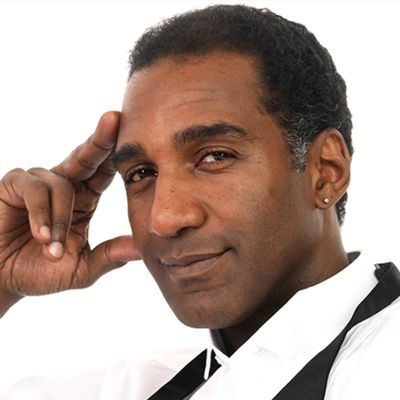
[0:22] Gordon Cox: On this episode of Stagecraft, I'm talking to the actor Norm Lewis.
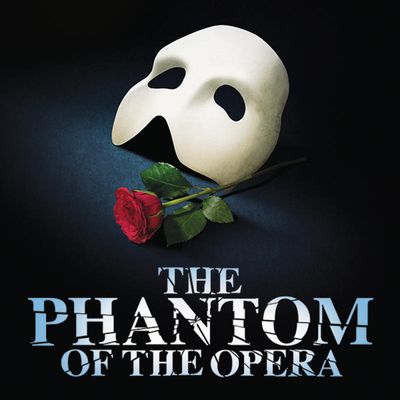
[0:26] Gordon Cox: He's a longtime musical theater favorite who's appeared on Broadway in shows including Porgy and Bess, The Little Mermaid, Once on This Island, and Phantom of the Opera.
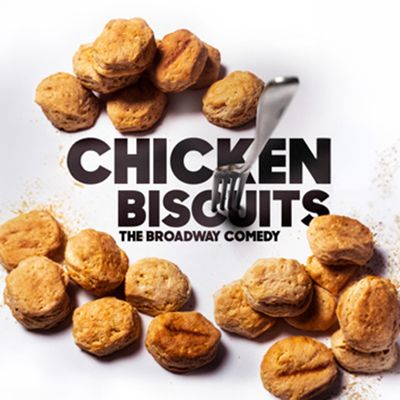
[0:36] Gordon Cox: And he's back this fall in Chicken and Biscuits.
[0:40] Gordon Cox: In a Broadway first for the actor, Chicken and Biscuits isn't a musical, it's a play.
[0:45] Gordon Cox: But don't worry, he still does a little singing along the way.
[0:48] Gordon Cox: Lewis is in the virtual studio with me to talk about his involvement in Black Theatre United, why it was so important to him to play the Phantom, and what it's been like making his Broadway return while Broadway itself is making a return of its own.
[1:03] Gordon Cox: Hi Norm, thanks for joining me.
[1:05] Norm Lewis: Thank you for having me.
[1:07] Norm Lewis: This is awesome.
[1:08] Gordon Cox: Yeah, so you are getting ready right now for re I'm talking to you mid mid i in media race, and you're like getting ready for uh for a day of rehearsal. Tell me a little bit about what that involves.
[1:18] Norm Lewis: Yeah, we're still in previews, and the thing about that is that, you know, it the show is uh a lot of times it's experimental, like some things they might change a line here, or change a uh direction or movement, or something like that. So you uh you know, you have all this time until opening night, and uh after opening it's quote unquote frozen. That's never really true, because there's things that change after opening night, uh uh a lot of times as well, but it's um yeah, y you still have this this uh allotted time to kind of see if certain other things might work or you know, blah blah blah.
[1:59] Gordon Cox: Yeah, yeah. And what's it like being back on stage and on Broadway after the shutdown?
[2:05] Norm Lewis: Well, gosh, that's a layered question because just to be back on stage is awesome, no matter where you are. I've been lucky enough to do concerts around the country, and some were outside, somewhere inside. Um, but it was great to just have that visceral immediate reaction right away, and uh it just felt so good after 18 months of you know, not just staring into a computer and maybe singing or doing you know, some um some readings that way. But to be back on Broadway, you know, this is like the zenith of what live entertainment is, and uh it just feels so good. And the audiences are are ready for it. The actors are ready, the audiences are ready, everybody's ready, so it feels really, really good.
[2:51] Gordon Cox: Yeah, and Chicken and Biscuits, the play, comes to Broadway after an earlier run at the Queens Theater. Had you had a chance to to see it then?
[3:00] Norm Lewis: No, I didn't even know. I mean, I knew about it, but I didn't know what it was about. And um, I had um spoken with Doug Lyons, either our writer or creator or brilliant creator, um, some months before that, uh because there was a possibility that I could have done the Queens uh theater. But um I uh Did you know him before then? Because you were both he was a is a performer, has been a performer on Broadway. So had you come across each other?
[3:32] Norm Lewis: Yes, we uh we met actually, funny enough, we met at a wedding of a mutual friend of ours, and um we started talking, and he was saying, you know, obviously someone who was younger than I am, African American, and he was like he admired my work and all this stuff, and so I was very honored by that. But then he said, Yeah, yeah, I have some uh some uh things that I'm writing, I'm creating, and I would love you to be a part of that. And uh I've done a reading for him, uh a musical reading, uh a show called Five Points, which you'll it's brilliant. But um, yeah, when he mentioned Chicken and Biscuits, I didn't know anything about it, but he said, Yeah, this show I think is gonna be great, and I think you'll be great in it. But our schedules didn't work out then, but it definitely worked out for Broadway.
[4:16] Gordon Cox: Yeah, how and when did that finally fall into place then?
[4:19] Norm Lewis: Um it was basically once we knew that we were coming back uh to Broadway. Um so it was in the summer, he had gotten notice. You know, obviously the people that were creating and the producers and everybody knew what was happening with Broadway. And so he reached out, he said, uh, we're hopefully coming back like in this in the uh fall, so I would love for you to be a part of it. And so that was where the seed was planted.
[4:44] Gordon Cox: Yeah, and what appealed to you about this project in particular?
[4:48] Norm Lewis: Well, after reading it, it was like, okay, I totally understand who these people are. I know this family, I know because they're my family. Um, and um, I can relate to it just because of the background, you know, being in the church. I grew up in the church. My grandfather was a preacher, uh, I invoke his spirit. Most of my family is church going, or like it. My dad was the chairman of the deacon board, so I know what this environment is all about. But what I also loved about it was the fact that it was about family, and it's told through the lenses of an African American uh culture, but everyone can relate to it, which is awesome. We've had a lot of people who were of Jewish faith and Catholic faith saying, Oh my god, that's my family, that's my aunt, that's my brother, you know.
[5:35] Gordon Cox: Right. And do you I was about my next question was going to be do you did you do any sort of special preparation for the role or in terms of how you created your character, or how it sounds like you drew a lot on your own experiences with some of the folks in your own family.
[5:50] Norm Lewis: I was lucky, yeah, to be able to draw on that ex those experiences, my past experiences. But you know, you can always uh look up. I I was looking up preachers as well that are modern day, and um you know, to see if there was anything new, but actually, no, there's nothing new. It's basically the same sort of you know thing. People are um they they present themselves in a way that I'm used to from my childhood uh when it comes to preaching and talking about the gospel.
[6:28] Gordon Cox: And how is that? Can you can you characterize that for us?
[6:31] Norm Lewis: Yeah, there's uh you know, there's there's a lot of preachers that are like I have a cousin, but uh his name is Bobby Lewis, and uh he's actually going to be coming to opening night, but he's a pastor up here uh in New York City at New Light Baptist Church, and what I love about his take is that he teaches about the Bible, he teaches about God. He was explaining, and I can't give you specifics right at this moment, but I do remember going to uh a sermon where he talked about what is part of the Middle East and the names they were called back in the day, you know, that are from the Bible. He said, Now this is called this, and I was like, Oh, that's really cool. I never knew that. Where a lot of preachers that I grew up with, and also my grandfather would talk about certain things and give great messages, but then all of a sudden there would be this performance aspect that would come into it. And um just to get the crowd riled up, and uh and obviously it works and it it hits hits you from an emotional standpoint and a spiritual standpoint.
[7:38] Gordon Cox: Right. And so many of the folks involved in this production are people making their Broadway debut that must contribute to like the atmosphere of just sort of the whole experience. What's that been like?
[7:49] Norm Lewis: Oh, it's been so wonderful. Uh the gratitude of the people that are in this show. It's every day they come and they're so excited and they're so grateful to be there. And I am, you know, I am too. I'm just so because this is not my Broadway debut, but it is my Broadway play debut.
[8:10] Gordon Cox: Yeah. And um just to be in that atmosphere and that loving atmosphere, knowing that you know how how wonderful people feel about that. So and is there a sense that they that you're sort of doing things a little differently? Because here are all these folks who aren't sort of beholden to all the traditions that you know, Broadway people who are more regularly on Broadway, like yourself, might just sort of do out of habit. Like, is there a sense that you're sort of operating a little differently?
[8:41] Norm Lewis: Um, I don't necessarily have to worry about, you know, because usually when I'm doing a musical, I have to make sure my voice is right right on point. Uh, I'm not as precious about it this time. Um, I do have some things that I uh that I have to do, some vocalese uh in the show. So I do warm up in that regard. I do warm up physically, uh, you know, stretching and things like that. And I try to do my you know, top of the tee, tip of the tongue kind of thing, you know, the the Peter Piper Pick the Peck of Pick of Peppers, all that stuff. But um, yeah, uh it's it's I would say it's not as strenuous as if it were in a musical because you know, in a musical, there's there's a lot going on. Um this is a physical show though. There's a lot of physicality that's in it. So we do have to make sure, but it's not as precious as if uh we're in a musical.
[9:33] Gordon Cox: Right, right. And as we talked, as we mentioned earlier, the writer of the show, Douglas Ryan Lyons has is and has been an actor on Broadway. And I I I wonder, has that do you see that manifesting in the way he writes in the way he writes for actors and sort of the kind of and how he works with you?
[9:53] Norm Lewis: Oh, absolutely. And I think that that actually uh helps with our performances as actors. Um I I think some of the best directors, some of the best uh uh writers are people who have performed in the past, and because they understand what the experience is. You know, there's some great directors out there. I mean, there's a lot of great directors out there who are great uh coaches and they guide you to where you need to go. But if you understand the experience and and what you have to, you know, the whole being of being an actor, um it it just kind of just gives you a better uh sense of what is necessary to make this product come out right. And Jalen Levingston and uh Douglas together are a an um like amazing combination.
It's like he's the director, Jalen. Yeah he's uh it's just this combustion of of of talent that that we actually trust I mean here this guy is 27 years old that uh Jalen our director but I feel like I'm in the room with someone who is my age or older because he's got such depth and such like I forget he's 27 like he could be my son he could be my son.
[10:43] Norm Lewis: And what was the appeal of the play element as you mentioned this is your uh a debut of sorts for you in terms of you're not singing I mean there's some vocal stuff in this show but you're not you're not it's not a big splashy Broadway musical what what was the appeal of trying that for you well first of all I just want to qualify if you hear water boiling that's my coffee being okay no you gotta you gotta prep for rehearsal exactly um uh I've been you know it's care you have to be careful what you ask for ask the universe for because I've been saying now for years I want to do a play like I love doing musical theater but it is extremely difficult um and challenging I love it I do love it um but you know when I was doing Phantom I had to live like a monk I didn't speak during the day and I would go to work and uh you know a lot of my social activities were put on hold or never existed so doing a play not saying that it's not as difficult but it's just like I said, it's not as precious uh when it comes to making sure that you sound the same way you did on Tuesday as you do on Sunday.
[12:25] Norm Lewis: Um and because those audiences, you know, they come for that. As a in a play, I could, you know, I could probably have a raspy voice, like if, you know, if I'm a little tired that day, but I can still have the same intention. Um so I wanted to dive deep into being uh into a character without having the limitation of following a cadence of music, you know what I mean? Like you have to stay restricted within those meters and within those measures and that rhythm. Where in a play, you can kind of make your own rhythm. Um, you know, one day I might get mad by yelling at someone, or I might get mad and stay very quiet but intense. So it's all those kinds of elements that I wanted to explore. Uh and I would love to do more plays.
Um just to kind of you know face that challenge. Musical theater definitely is something like when I do Sweeney Todd, it's definitely an intense thing, but you're stuck within the cadence of that music. Um you find your way within that. But um, I hope I explained that correctly.
[13:43] Gordon Cox: Yeah, no, that makes perfect sense. Although you did start this uh this telling us about this by saying that you have to be careful what you wish for. Are you why why do you have to be careful? It seems like you got it, and now maybe you do it again. What's well you have to be very you have to be very specific and what you say and um and you know, it's funny because I've manifested so many things in my life. I said uh, you know, it took it took time. I mean, they always say, you know, if you want to make God laugh, tell him your plans. And uh, and so I remember trying to manifest Phantom. I saw it 20 years earlier, and then almost to the day uh 20 years later, I got to star in the show. Um I've you know manifested a play. I've been like I've been wanting a play for a long time. Finally it's come to fruition. Um there's a lot of things in my life that has happened like that. Um, and so you have to be very specific on what you want. And so this is this is what it is.
[14:42] Gordon Cox: And you're back uh in Circle in the Square for the show, which you've performed in before for Once on This Island. What do you that is a uh sort of unique experience on Broadway, anyway, in terms of the size of the house and the fact that you can definitely see every other single person uh you know in the house with you. Do you enjoy that kind of proximity?
[15:03] Norm Lewis: Um I do. I do. You cannot hide. You cannot hide. Um you have to act. Um you have to be in the moment no matter what. Um usually on a proscenium stage, if you're in the back, you can kind of you know lay back a little bit, but you know, hopefully you're not because the people pay pay a lot of money for it. But when you're in the round like that, or or the you know, the major lead thrust stage, you have to stay active and you uh have to be in the moment. You have to be in the moment. And and luckily with this show, a lot of it has I wouldn't say audience participation, but there is an audience um you're allowed to respond and um to actually break the fourth wall. Um so it actually feels great to do that kind of stuff.
[15:53] Gordon Cox: So you also performed uh at the Tony Awards this year. What was that experience like? I'm sure it must have been very different from your prior Tony Awards experiences.
[16:02] Norm Lewis: Yeah. Um I was honored to be asked for in the first place and and to sing with my one of my favorite singers, Kelly O'Hara. Um it was, you know, very uh very moving. Uh knowing and seeing the names of those people who have we've lost in the past couple of years. Um it's uh it's in honor of them. And it I kept saying to myself, this is to honor them, this is to honor them. It's not about me, it's not about Kelly, it's to honor them. And um, and also uh, you know, honor Broadway. I'm just so happy that we got a chance to celebrate the past couple of years of you know, missing what we've missed. And to I'm glad Adrian Warren got her Tony. I'm glad Danny Berstein finally got his Tony. Yes. And David Alan Greer as well.
You know, I was so happy for all of the winners, and um, but it was the the award shows to me are a celebration of what we do, and you know, I love what we do so so much, and I love our community so much. So it felt great. It felt really great to be a part of that.
[17:16] Gordon Cox: I'll have more with Norm right after the break.
[17:27] Gordon Cox: And now here's more with actor Norm Lewis. Norm, Chicken and Biscuits is one of seven plays by Black Writers so far, uh, appearing on Broadway this season. Can you tell us a little bit about the significance of that from your perspective?
[17:42] Norm Lewis: It's uh essentially unprecedented. Yeah, no, this is it's great. It's one of those things where, okay, you know, we've had a major cultural shift the past couple of years, and especially starting last year, with all of the things that happened and the murders and the you know uprising and the riots and stuff. So I think people are finally having conversations uh about change. And um I love the fact that we're because we got a long way to go. I mean, we've come a long way, but we've got a long way to go. Now, what I don't want is this to be a one-off. It's like, okay, let's do this this year. And, you know, because there is so many um plays that are are like I think it's seven plays, and then if you add up the musicals, I think there's like 14 um uh that are led by African American uh creators.
I don't want this to be a one off, uh, and just you know, to satisfy uh a quota or whatever the word I'm looking for. But uh I want this to be the beginning. I want this to be the beginning of plays for Asians, plays for uh Hispanics, uh, or Latinx, I should say, or you know, just to tell stories from many different perspectives. Uh and uh I think that that window is still open for that. So um I'm glad to see what's going on. I'm celebrating to see what's going on this season, but I want it to continue.
[19:20] Gordon Cox: You're one of the founding members of Black Theater United with folks like Roger McDonald and LaShans and Vanessa Williams and Kenny Leon. Tell us a little bit about uh how when and how you got involved with that.
[19:33] Norm Lewis: Well, it was from the beginning. Uh uh, I remember Lachance and Audra having a conversation uh amongst themselves about what happened with George Floyd, and they said, where are the producers for um for Broadway? What you know, is there is anyone saying anything? And um there was a lot of passion that was going into that that question. And so um they decided to call their friends. Thank god I'm one of those friends, and um just have a Zoom and talk about it. Um, because you know, obviously Broadway was not happening at that time. So we wanted to see what is going on with our world, our culture, our industry, things like that. And so we just decided it was about I think about 20 or 21 of us were in that Zoom, and then from that we decided let's start something, let's do something.
There were other uh organizations out there, black uh Black Theater Coalition, uh there's uh B uh Broadway Advocacy Group um coalition. Um, and so we're uniting with all of them as well and trying to basically have the same message um of let's start a conversation and let's have people of different backgrounds in the room, not only creatively, but you know, we want to see it in administration, in casting, in producing. Um, and so we're putting forth efforts to make changes that way and letting people know that they can, you know, if you love theater but are not a performer, you still can be a part of theater in some capacity. And those are the conversations.
[21:24] Gordon Cox: Yeah, and one of the things that BTU recently uh released just last month was uh uh the called the New Deal that was sort of a list of commitments uh that uh sort of all aspects of the industry made to toward making change, and that grew out of this series of summit meetings, uh, over the course of many months and that were broken down into cohorts as I understand it. And I imagine you participated as in one of the acting cohorts. Is that do I have that right?
[21:52] Norm Lewis: Yeah, well, I was part of the union uh uh committees. Yeah, yeah. Uh and we basically there was you know, this huge um uh forum basically uh of people from different industries, you know, different parts of this industry, and we had a big meeting, and then we split off into different uh committees, um, unions and producers and creatives and things like that. And so we had conversations and we were lively and and we let people like tell us what you feel. If you feel this is wrong, tell us that. You know, let's let us have a conversation. And so we from those conversations, we put this new deal together with lawyers and you know, a facilitator uh who deals with diversity and things like that. And uh we put together a uh uh this documentation that we wanted people to at least commit to moving forward with it.
Uh is it is it solid? I wouldn't say that it's solid, I think it's it's malleable um like the Constitution we want people to be able to amend things because things change over time but we're just so happy that the conversation is started and we want the conversation to continue.
[22:56] Gordon Cox: Yeah, and has your involvement in BTU shifted your perspective in terms of your own work on Broadway and the kind of things you want to work on?
[22:56] Norm Lewis: Yeah, I mean you know, the thing is I've been very lucky I've been very blessed with you know, because I get quite uh asked this question a lot about has racism played a part in your uh career I don't know I I I've uh once I leave the room after the audition it's not my you know I don't know what goes on after that but I've been able to be lucky enough to be in the room in some aspects of shows that are not necessarily quote unquote African American or cultural you know cultural specific um now I do remember there are times of things that have happened to me small things that I go back and I go uh that wasn't right and I do see it from a perspective from the lens of a black man but uh I move forward and I know that there are people that I stand on the shoulders who've had to endure a lot more than I did.
Um there is a lot of people newer in the industry um that have experienced certain things that are look like blatant and I want to be that person to be an advocate and uh someone to support that to make sure that those things are not happening again. Um but on the other side of it, like it's more about just knowledge and opportunity.
[24:43] Norm Lewis: There are a lot of young African Americans or people of color that don't know that they could be in casting, that don't know that they could be in administration for company management, things like that. So we want to open that door. Obviously, and also there's a lot of people that don't even think that they could be directors or choreographers because they feel like it's so limited. So we want to just again make sure those opportunities are available. And if we can be that organization or be part of many organizations that can help facilitate that, love to be that.
[25:21] Gordon Cox: You have alluded to this already, but you have played many of musical theater's biggest roles, sometimes more than once. You talked about Phantom, you talked about Sweeney, you've done Javert in Les Mis, you've done Porgy, you've done Billy Flynn in Chicago. Do you have a favorite?
[25:39] Norm Lewis: No, they're all like my little kids. But was Phantom, it sounds like Phantom had a special place in your heart in terms of a role being a role that you saw many years ago and then wanted to play.
[25:53] Norm Lewis: Well, I love the show. I thought the show was fantastic. I saw Colin Wilkinson do it up in Toronto, and I was like, oh my god, I have to be in this show somehow because I love it. I love the music, yada yada. But I never thought that I could play the Phantom because I thought I had to be a star. I'd known that Robert Guillaume played the role. I saw that my first production of Phantom of the Opera I saw. Oh, you see. First national tour in Southern California. Absolutely. Yep. That's amazing. He was my first phantom. Yep. It was one of those things where, you know, I'm like, okay, well, you know, he's Benson, you know, he's been on television. And he's a star. So, you know, of course they're gonna give him that opportunity.
And but he also had the chops. It wasn't like stunt casting. That man could sing his face off. But I just thought maybe in order for me as a black man to be in that role, I would have to have some sort of star status. So I just kept, you know, going on with my career, and people kept asking me, what do you want to, you know, what's your dream role? And I said, Phantom, Phantom, Phantom, Phantom, Phantom. And after a while, it became more than just wanting to play the role. I wanted to also set a precedent. And, you know, hopefully show that African Americans are more than just doing The Wiz. And you know, and being able to. This was, you know, Phantom is quote unquote like the pinnacle of male musical theater roles.
It's one of those, you know, when people know that you played the Phantom, they go, oh, you were the Phantom, you know, that kind of thing. It's like winning Miss America. It doesn't matter who's under the mask. If you've worn the mask, you're somebody who's special, right? So that's kind of what I why I wanted it. Alright. So finally getting it, then it became bigger than that. It became like, you know, I got all these accolades being the first African American to play it on Broadway, standing on the shoulders of Robert Guillaume. But I remember I got the person of the week on ABC. Diane Sawyer said my name. I'm like, what the hell? Right now, but I would meet people after the show who were from India, from Brazil, from China, saying, now I feel like I could play the role. And so it became that for me. It was like being that representation for these people who were hopeful to be a part of the show. And so that's what I hold dear and near to my heart.
[28:21] Gordon Cox: Is there a composer whose work you particularly gravitate to? You've sung the scores of, I mean, possibly all of the musical theater greats. What is there someone in particular whose work you really that really attracts you?
[28:37] Norm Lewis: Well, you know, I always love Sondheim. I mean, that's he's the Shakespeare of musical theater. I've been able to, you know, obviously Andrew Lloyd Webber is amazing. My first show in New York, quote unquote New York. I rehearsed in New York, but we did a show at a Candlewood Playhouse in Danbury, Connecticut, was Joseph and the Amazing blah blah blah. Then I got a chance to do, you know, Jesus Christ Superstar with John Legend. So yeah, on TV. You can't beat Andrew Lloyd Webber's stuff, man, you know. But I would say I would love to do Pasek and Paul. I would love to kind of get in there somewhere, because those guys are fantastic. I would I've only had a snippet of performing Andrew Lippa's music, and I would love a chance to do that.
Gosh, a Jason Robert Brown, I adore. He's like one of my best friends. I love him so much, and I love his music. So I'm open to pretty much everybody, but I'm gonna tell you Douglas Lyons and his writing partner as well. Great. They have some really good music on the horizon, so I'm looking forward to that.
[29:50] Gordon Cox: It seems like in general, you are involved a lot in sort of revivals, particularly sort of big musical properties. Is that happenstance? Or is that a thing that you sort of gravitate toward? Because now, you know, Chicken and Biscuits is a new play, and you're talking about Douglas's, you know, new show coming up.
[30:09] Norm Lewis: It's pretty much happenstance. I mean, you know, I was I was not even Porgy and Bess was never a dream to do. Like I never thought of that show. I thought they would always hire somebody who was from the opera stage to play Porgy. I thought if anything, I would be sporting when they even offered when they said we want you to come and audition, I was like, oh, it's Sporting Life, you know. Because that's usually a musical theater person, even on the opera stage. But no, they said Porgy, and I'm like, what? Okay. Oh, oh, alright. Alright. So then it became like, oh, well, this is, you know, I get a chance to hang out with that Audra girl. That Audrey woman. What's her name? Yeah. What's your name?
Audra something. But yeah, I think it is by happenstance that I'm doing revivals. Yeah, you're right. Because if you think about my lineage, you're like Les Mis, Porgy and Bess. What else? Wait, what else was a I mean, you did Little Mermaid. I'm speaking particularly of your Broadway kind of portfolio and even the, you know, Sweeney Todd more recently off Broadway. It's a lot of, well, you know, Once on This Island, you know, but you did there was King Triton in Little Mermaid. That was, yeah, how about that? Yeah, that's well, you know, I was I was now that was another moment of like, okay, Disney, alright, you're gonna go with the black guy. Whoa, that's pretty progressive. You're trusting me with your multi-million dollar show.
And we had a great time and, you know, obviously built some amazing relationships. Sierra Boggess will always be The Little Mermaid, and we just it was funny because I just I remember with the lighting for that show because she was so pale, they wanted her not to go into the sun at all. And I had to wear makeup that made me shine. So I wore a lot of gold and glitter so that way we could balance each other out on stage. But yeah, you know, kudos to Disney for being so progressive. They've been doing that for many years now, and I love that.
[32:30] Gordon Cox: So how long are you in Chicken and Biscuits and then what's next on your plate after that?
[32:34] Norm Lewis: Chicken and Biscuits, I think runs until the first week of January, with I think a possibility of an extension somehow. Because I think American Buffalo is coming into the theater after that. And then I have concerts in Southern Florida coming up, and but the biggest thing I'm excited about, it's March 4th. I will make my Carnegie Hall solo debut. I've done Carnegie Hall before, but I've never done it by myself, and so I'm excited to be with the New York Pops.
[33:10] Gordon Cox: Do you how does how do you think of your concert performances as why how what makes them particularly attractive as something for you to do in addition to the work you do that we see on, you know, Broadway and off-Broadway stages?
[33:25] Norm Lewis: Well, what I love about the concert world is that it's a party. I never call them concerts or shows. It's a party. I'm having fun on stage with either the orchestra, either a piano, or a trio that I, you know, travel with. It's a party. And I just took that philosophy from the Rat Pack. They always said, we're gonna have fun on stage. If you want to come and join us, come on. And that's the way I like to do things. It's very casual. I'll speak to the audience. They'll I'll love when they speak back to me. You know, it's not I don't want you to just sit there and just relax. I want you to kind of engage in it. It's also music that I get to choose. Dialogue I get to say that I've written out or stories I want to tell. So that's the fun part about it. You're more in control.
[34:19] Gordon Cox: How's your coffee? How's breakfast?
[34:21] Norm Lewis: Oh, my coffee's been fantastic. I drink mushroom coffee.
[34:26] Gordon Cox: Oh right, okay.
[34:28] Norm Lewis: Yeah, it's wait, let me tell you the brand real quick. Hold on. It is it's called MUD. MUD MUD and I guess mud water.
[34:38] Gordon Cox: And is there actually coffee in it in addition to the mushroom?
[34:41] Norm Lewis: There's a caffeine that like there's somehow they put caffeine in it.
[34:44] Gordon Cox: Okay.
[34:45] Norm Lewis: But it's not as much as regular coffee, because I was drinking too much coffee. So this is a great alternative. Plus, it also I feel like a commercial right now. This is the kind of intimate details that I feel like people are really wanting to know. Drink your mushroom coffee. No, but it also helps you, like it gives you, it doesn't give you like that buzz and then drops you off. It actually kind of stays with you throughout the day. And I love it. I love it, I love it, I love it. And you're gonna need that because you've got a busy day. You've got what rehearsal and then a show tonight.
[35:19] Norm Lewis: I we've got rehearsal and I got a show tonight.
[35:22] Gordon Cox: Alright, well, break enjoy rehearsal, break a leg tonight. And we look forward to seeing you at Carnegie Hall in March. Thanks, Norm.
[35:30] Norm Lewis: Thanks for chatting with me. You are awesome. Thank you. You're a great interviewer, and you made me feel so at ease. I get nervous with these things. I always feel like I'm gonna say something stupid, but you made me feel very much at ease. I still may have said something stupid, but not at all. We'll cut it out. Great talking to you.
[35:52] Gordon Cox: You too. Take care.
[35:57] Gordon Cox: That was Norm Lewis, who's appearing in the new play Chicken and Biscuits, now running at Broadway's Circle in the Square Theater. In November, you can catch him appearing alongside Reba McIntyre and John Schneider in the lifetime holiday movie Christmas in Tune. If you like what you're hearing on this and other episodes of Stagecraft, I'd really appreciate it if you took the time to rate and review us wherever you listen to podcasts. It really helps us grow our audience of folks who love theater as much as you and I do. Or tell a friend about Stagecraft. Find past episodes or subscribe on all the pod places, including Spotify, Apple Podcasts, and on the Broadway Podcast Network, which is a great place to find more theater for your ears. I'll be back in two weeks with another new episode. Until then, find me on Twitter at G Cox Variety. Thanks for listening, and see you soon.
© Broadway Podcast Network, All Rights Reserved