

The Tony-nominated star of "Appropriate," Sarah Paulson, and its nominated playwright Branden Jacobs-Jenkins share some real talk about Tony season, reveal how the extended run of "Appropriate" has changed things both for the actors on onstage and for the audiences in the house, and banter about why Paulson should maybe play Prince in "Purple Rain.".. Read More
From the show: Stagecraft with Gordon Cox
Guests
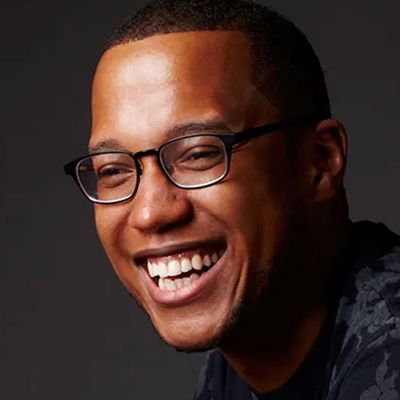

About
The Tony-nominated star of "Appropriate," Sarah Paulson, and its nominated playwright Branden Jacobs-Jenkins share some real talk about Tony season, reveal how the extended run of "Appropriate" has changed things both for the actors on onstage and for the audiences in the house, and banter about why Paulson should maybe play Prince in "Purple Rain."
Transcript
This transcript was automatically generated and might contain errors.
[0:00] Gordon Cox: Welcome to Stagecraft, Variety's theater podcast, your backstage pass to revealing conversations with stars, creators, industry leaders, and Tony nominees, on Broadway, off Broadway, and beyond. I'm Gordon Cox. On this episode of Stagecraft, I'm talking to Sarah Paulson, the Tony-nominated star of the play Appropriate, and to its Tony-nominated playwright, Branden Jacobs-Jenkins. Paulson, the Emmy-winning actress of TV series including American Crime Story and American Horror Story, is returning to the stage for the first time in a decade to lead the cast of Appropriate as Tony, one of three adult siblings who come together with their families at a crumbling family estate in the South to sort through the belongings of their recently deceased patriarch.
Jacobs-Jenkins, the MacArthur-winning writer of plays like An Octoroon and Gloria, and the book writer of the upcoming Purple Rain musical, makes his Broadway debut with the play, which lays bare the legacy of racism and enslavement that usually goes unspoken in textbook American family dramas. With Appropriate nominated for eight Tony Awards, including Best Play Revival and Best Actress in a Leading Role, Paulson and Jacobs-Jenkins are in the virtual studio with me to share some real talk about Tony season, reveal how the show's extended run has changed things both for the actors on stage and for the audiences in the house, and banter about why Paulson should maybe play Prince in Purple Rain. Hello, Sarah and Branden, thanks for joining me.
[1:35] Sarah Paulson: Hi.
[1:36] Branden Jacobs-Jenkins: Hi.
[1:41] Gordon Cox: Congratulations to you both on the Tony nominations. And we're talking just not too long after the Drama League Awards, so congratulations on those as well.
[1:45] Sarah Paulson: Thank you so much. Whoop whoop indeed.
[1:50] Gordon Cox: The awards season, it's a hectic time on Broadway. What's this experience been like for you?
[1:53] Sarah Paulson: Well, I'll take this one, Branden, because I'm actually doing the play. You know what I mean? Like, it's just slightly different than I, you know. I'm just so happy at home just doing laundry. I mean, I do kind of marvel at this idea, with just the insanity of it, actually. It's sort of this blessed, amazing thing to be with your peers and your compatriots and seeing everybody in the daytime, like out in the world, out in the wild. And yet, when they come over and offer me a glass of white wine at noon on a Tuesday, when I have a show, and I think, well, God, this would be so fun. But the idea that that would happen would be so sick. I would never do that ever. I did kind of like scan the room to see if anybody was doing it.
And I saw one or two, but I'm not going to name names. But I just really think, you know, usually when these kinds of things happen, where you get nominated or recognized or something for a film or television project, you are long done with it. And so, it's a kind of lovely opportunity to reconnect with the people that you made the thing with. And that is really special. I've never had the experience of living the thing that you're doing creatively, and being out in the world, reminding everybody about the thing you're doing creatively and celebrating everybody's work. And it has been to me, and I know that I can speak for other people in the community who are currently and actively doing plays, it is so hard.
Because I, for one, didn't realize how much, even vocally, I was able to do the play without too much vocal trouble. And I do spend a lot of the play speaking on the louder side, certainly in the first act, that I realized I was being really quiet, mostly during the day, pre this Tony season, and I wasn't having any trouble vocally, and wasn't having any sort of energy lags, and all these things. But now I am like, I feel like my head is going to pop right off my body. Because it's also this wild thing of like, the engagement that happens when you're doing these things and talking to people and you love to talk to some of these people you obviously never get to see, because you're all on the same schedule, and you can't see their shows.
And some of these people have been friends of mine for years, and it's so wonderful to throw your arms around them and celebrate them. But it does cost you something energetically that you didn't realize being at home by yourself, quietly doing whatever you do during the day before you do the play, has helped you actually do the play. And so it's been this really weird energy, confusing energy situation for me to figure out how to modulate that and how to not give too much of my energies out in the day doing all of this stuff. So I'm not complaining. I don't mean it like a complaint. It's extraordinarily exciting. It's just wild to me to be doing it. I mean, the Drama League thing happened that lunch was the longest lunch in the greatest day, one of the greatest days of my life, but the longest lunch also that I've ever been a part of, and then like left there and went and did the play. And it was crazy, you know?
[5:04] Branden Jacobs-Jenkins: Yeah, I think people always forget that when you work in the theater, you actually work nightlife. Like you are the thing that people do after work, you know? And so it takes a minute to like, readjust your, your like, internal daily clock to like acknowledge that, I would say. And just personally, for me, like, I mean, obviously, I haven't really had to do anything since. I pop in obviously to see the show, but my contract technically ended on opening night. But for me, it's been, I'm kind of an off-Broadway girl. And so I, this sort of award season, I'm like blown away by how much energy gets expended in the six weeks between like nominations, Tony nominations and an actual event. And like, I don't have enough clothes for this.
You know, I don't have, I don't, I have like things I normally do during the day that I have to now not do, because I have to drink wine on a Friday. Because there isn't, you know? It does sort of kind of jackknife your life. But at the same time, especially this year, it feels very special, because I just know so many of the first time nominees. And, you know, a lot of these actors I've made TV with, I've made other plays with, you know, it feels like a really watershed moment post COVID of like, either kind of resettling itself, or there's some sort of like unfolding happening of a new wave of artists. And that part's really fun. It's very fun to be in the rooms with them and to like, make faces at Sarah across the crowd at luncheon at the marquee. You know, but um, but yeah, then you're just then you're just so aware that like, you're going to wake up on June 17. And it'll be as if nothing ever happened. You know, Brandon.
[6:41] Branden Jacobs-Jenkins: It's just true. It is true.
[6:48] Gordon Cox: Branden, you described yourself as an off-Broadway girl does for this is a question for both of you. How much were the Tony Awards and aspiration or a thing that you thought you wanted to get to, you know, at any point in your career?
[7:00] Branden Jacobs-Jenkins: You know, it's a complicated question, because like one of my earliest memories as like a burgeoning theater artist was watching Elaine Stritch win a Tony Award. You know, I was at home. Obviously, I was at the Tony's as a child, you know, growing up in the suburbs of DC. And just being like, oh, I'm staring at the sun somehow, like that's the center of the galaxy. And then of course, you begin to have a career and you go, well, that's not true. Like, there's a million ways to have a career in the field. But you know, you can't help but deny that it is all like all of America tunes in to see this part of the theater calendar. And that's, that's really a big deal. But I guess I never, I mean, to be totally blunt, like, I never suspected I'd ever win it, because just the numbers don't pan out for people of color.
So I'm a little bit, you know, I just, you know, like the last, probably the best we played was like August Wilson. Right. And he's been he's been off this earth for a bit. So I just sort of acclimated myself to like industry in which I was going to happily make a living and comfortably make a living. You know, working off Broadway, writing things I cared about teaching, you know, the work gets done regionally, the work gets done pretty regularly. I mean, in terms of my colleagues, I'm doing pretty well, all things being equal. But this season, you know, we premiered last fall, we were supposed to close in January. So there's no reason to believe, you know, we weren't a part of this, like last wave of people trying to get in April, you know, so I think we just really relished in making something good and making something meaningful and something that was fulfilling.
And I think there's a lot of sentimentality still about like, coming out of COVID during this kind of three years of frozen nothing, and everyone just wants to be making work together again. And that was really what infused the spirit for me of building this last fall.
[8:45] Gordon Cox: Yeah. What about for you, Sarah?
[8:47] Sarah Paulson: Oh, God, I mean, I'd be lying if I didn't say that. I remember watching Michael Jeter perform at the Tony Awards. And I know that seems like a funny person to remember. But I remember I think it was Grand Hotel. Was that what it was? And I remember watching this, like, wood nymph, like, do this extraordinary. I mean, that is a compliment, of course. But like, of course, it was just, I just remember just watching the Tony Awards and thinking, those felt like my people. And the idea that, I mean, my mom moved to New York City when she was 27 years old. And, you know, as a single mom, and we would walk around Times Square, and I would look up at these marquees. And the idea that I am now part of the fabric of this season, and that my name is literally at the Blasco in these twinkling old timey vintage lights.
It is really amazing to see. And it is not, and nor will it ever be a non-event to me, to see that, nor to have been recognized. You know, I've done a lot of theater, and I've done a lot of theater with people who were recognized, and I wasn't. You know what I mean? Like, I remember doing the last Broadway play I did was a Donald Margulies play at the Freedmen with Manhattan Theatre Club with Linda Lavin, who was a two character play. She was nominated for Tony, she was nominated for I did a play with, I did Tally's Folly, which was off-Broadway with Danny Burstein. He was nominated for all of the, you know, the awards in that season that you could be eligible for off-Broadway, and I was not.
And I, of course, couldn't help but feel like there was something wrong with me, or something that wasn't landing for people. And it was scary, and it made me feel like less than. And all the things, I mean, to Brandon's point, like, there are a million ways to have a career, and needing that kind of, you know, sort of celebration, or knighting a person, whatever that's called. What is it called when you knight somebody? Like, you know what I'm talking about? It's called knighting. Yeah. Ordaining. Or whatever it is. Yeah. When a person sort of gets chosen, and sort of publicly celebrated. Anointed. That's the word. Sorry. Yeah, I was like, God damn it, what is the word? And, you know, you don't want to be left out.
You know, that's an uncomfortable thing. I mean, so this has been the opposite of that, and that has been a much more pleasant feeling. Though, it's also valuable to have the other two, because it does then put it in the appropriate place, which is, at the end of the day, the true prize for me, and I mean this without any hyperbole, one of the greatest creative experiences of my life, because I get to do this play. You know, and that is no small thing. You know, I'm a 49-year-old person who has had plenty of success in film and television. But this part, and getting to do this knightly, has been just the most enriching, fortifying, nourishing thing that I can, in memory. So that has to be enough.
It has to be. Because as Brandon said, the morning after the Tonys, whatever happens will happen. And, you know, I will still get to do the play on that Tuesday, which will be, you know, extraordinary. But it has been meaningful. I'm not gonna lie, it has really meant something to me. I want to say that I don't care, but I do deeply care. Somehow this one feels more, I don't know, more important to me somehow than the others that have, you know, I won an Emmy, and it was an extraordinary experience. I don't remember anything about the knight. I remember nothing about it. But somehow this nomination has felt to me like really being seen for the first time in a particular way. And I think that's just sort of the potency of the theatre and having been part of that community for a long time, but feeling sort of outside of it, too, you know?
[12:47] Branden Jacobs-Jenkins: Yeah, yeah. Let's talk about the origin of this production. Brandon, how did the idea, first of all, of doing Appropriate on Broadway come about? Was that something that Second Stage approached you about?
[12:58] Branden Jacobs-Jenkins: No, I mean, you know, the truth is, like, every play I've written, like, you know, random producers will come out of the woodwork and be like, let's talk about it on Broadway. So I'm just used to that kind of call happening all the time. But I do sort of have to give props to my agent, Derek, who's really as much of a guru and friend as anything, because I think since the play premiered in, like, 2013, he's like, that play needs to be on Broadway, that play needs to be on Broadway.
[13:20] Branden Jacobs-Jenkins: Broadway. But then something happened during COVID. All I recall is I got a phone call from B. Carozini, who's with the Ambassador Theatre Group, and Kristen Kaskin. They wanted to just have a chat. And I guess everyone was just chatting back then because it was just like, what were we doing all day? And they said, you know, we want to talk about bringing "Appropriate" to Broadway. And again, I was like, yeah, you know, call me when it's real. Like, enjoy, have fun. But to their credit, they sent that play out. And I think maybe the first person they sent it to was Sarah. And I wasn't so close to the process yet. But I got this email that was like, Sarah Paulson's very interested and wants to do it.
And again, you just kind of keep thinking it's not true. And then one of the first things I said is like, well, I want Lila Neugebauer to direct it, who I'd seen a production that she'd done actually at Juilliard on some students. And she and I kind of came up together. And I was like, she gets the play. She gets the play. And Lila sort of stepped in and did her Lila thing. And it was like this really great gift to me because I looked up and suddenly it was real. And, you know, Carol Rothman had a slot for her season in the fall. And it just all kind of came together very quickly. You know, the reality of it came together very quickly as we kind of all tried to figure out what shape is the production going to take, you know.
But I have to give Sarah her credit. It helps when an amazing actor and star wants to do something. It really does get people moving. And, I mean, it was such a whirlwind, Sarah. I mean, I don't think I even met you properly until we were close to rehearsal.
[15:02] Sarah Paulson: No, I did not meet you until the first day of rehearsal, Branden Jacobs-Jenkins. Is that true?
[15:06] Branden Jacobs-Jenkins: No, I know. It was wild. Yeah. That's how much denial I was in. I just was like, it's going to fall apart. No one cares. You know? It was sent to me in September of 2021.
[15:18] Sarah Paulson: Yeah. That had to have been around the time I was talking to them. So you must have been the first person they sent it to.
[15:24] Branden Jacobs-Jenkins: Yeah. Who was it? Who went to it? Who did it go to first? Damn it. It doesn't matter now. It's fine now.
[15:28] Sarah Paulson: No, no. The cast were siblings. I'm sure they sent it to a Sarah Paulson male equivalent.
[15:36] Branden Jacobs-Jenkins: I know who that is, actually.
[15:42] Sarah Paulson: Oh, there you go. Yeah. You don't know who it is, Gordon, but I do. You're like, I don't care. But there were many iterations, actually, of different brothers and things that were going to be. And then, because of, even in the post COVID, it just didn't really feel like getting a theater was going to be easy. It was, you know, it was looming. It was a whole thing. And I just remember my agent saying to me, look, I'm not sure I've read anything as good in any medium. And I think we should just not let this go. Because I'm telling you right now, if you see another actress doing it, you're going to be very upset. And I was like, that is true.
[16:23] Sarah Paulson: And can you expand a little bit more, Sarah, on what you really responded to in the part in the piece?
[16:28] Sarah Paulson: Well, I think, for me, personally, it just was a portrait of a family, but also of a woman who was flawed. And by flawed, I simply mean human. And sort of, you know, you don't traditionally write plays or screenplays or, you know, television pieces about the most boring day in anyone's life. I mean, that's traditionally not how it goes. So you're sort of finding this family in this sort of mountaintop or the bottom of a canyon of a sort of emotional moment, this sort of scattered family who comes back for this event of dealing with their father's estate. And it just wasn't one thing. It was so many things. There were so many layers to the piece. And it was really about something. It's not just about a family.
And I thought, how incredible. And also just the writing. And just selfishly, it was just the best thing I had read for a woman. I mean, there's just something to me that I have been drawn to in my professional life, playing women who are not sweet and sunshiny and only about supporting their man. And, you know, this is not sort of what has come to me in my creative life, which has been such a gift. And this was just an opportunity to play someone who I think, on the surface, can hit in a particular way. But the truth is so much more complicated than that, that it was an opportunity to kind of peel back what happens when the first hit you have on a person energetically is one thing. And then by the end of the play, you have this other experience of her humanness and of her pain that you don't really spend most of the play experiencing.
A lot of the other characters, you know, talk about their pain. And Tony is really not doing that until the very end of the play. And I thought, what an interesting tightrope to walk. And also, I quite frankly thought, there's no way I can do this. I'll never be able to do this. I don't know how to do this. I can't see a way to do it. I will probably fail here. And that has been in my life, my barometer for things I end up saying yes to, because I'm crazy. Because I thought, I certainly never thought about how to make her likable or digestible. That kind of thing doesn't ever, ever, ever, ever, ever occur to me, for better or for worse. But I just thought it was, and it would be the first time I do a play again in a decade.
It's the first time. And I thought, it has been a decade. There was a real time in my life where I was really doing a lot of theatre. And then I sort of segued into these other things that kind of kept me from coming back. But there was no way I was going to let anybody else's little grimy hands get on this play. It was mine. Get your little grimy actor hands off it. It's mine.
[19:34] Gordon Cox: I'll have more with Sarah and Branden right after the break.
[19:49] Gordon Cox: Welcome back to my conversation with the actor Sarah Paulson and the playwright Branden Jacobs-Jenkins. Branden, you mentioned that you wrote this in 2013. What was compelling to you about the idea of revisiting the play more than a decade later? Were you interested in rethinking what it is or what it was doing? What was its original inspiration? And did your idea of what the play is shift at all in the intervening years?
[20:21] Branden Jacobs-Jenkins: I mean, to just answer the questions chronologically, I've talked about this a ton actually, but I wrote the play because I was a young playwright sort of perceiving a double standard in the industry. And I wanted to not just kind of speak out about it, but really make this idea of giving the problem to the play, which is that you're supposed to write about material that presents itself to you in the world that you're in. And I wanted to, I felt in some ways I was being told by the critical and professional establishment that there were certain plays I wasn't allowed to write. And yet some of those plays were considered like the plays that American playwrights must write to prove their mettle.
And that, of course, that genre being like this idea of an American family drama, which is always kind of quietly coded as white. And it just sent me on this journey of like reading all these amazing classics, like "Long Day's Journey" and "A Streetcar" and, you know, "Buried Child." And of course, "August: Osage County" was, so we were all in the shadow of that at that moment. And I kind of wound up falling in love with these plays for a lot of different reasons. And one of them being, I thought they were a really amazing vehicle through which to really talk about the complexities of whiteness in the American context and the invention of it, and the way that people kind of attach to it and release it at moments of convenience or otherwise.
So that was the kind of intellectual, artistic stimulus back in like 2012 or 2013. And I thought it was actually kind of this cousin play or this like joint twin play called "An Octoroon," which does something similar. And if you read the book plays, you see the kind of overlap. And it was great. It was a great experiment. I had a great time, learned a ton, you know, really taught myself a lot about kind of realism as a form and storytelling. And that was great. And then, you know, 10 years later, I have to be honest, it wasn't like a need to revisit the play. I mean, I truly was shocked that anyone wanted to do something I'd written when I was 26 years old, full stop. But the draw for me was Sarah and Lila.
It was this, you know, you kind of have these plays when you start out where you don't feel like you ever quite got the production you wanted, you know, and you can't tell if it's because you are still kind of in your journey as a craftsperson, or maybe you just have the right exact combination of spirits and interest in the room. And I felt like this was the first time in my career where I was being allowed to kind of dictate some terms. And I said to them, I want Lila to direct it, we're going to have these people design it, you know, I'm going to get to say who I think the actor should be. And it really was about getting the definitive production, albeit, you know, on a bit of a delay. And with the resources that I was kind of always asking for, but never had to prove myself in order to have, you know, so for me, it was like very personal and kind of selfish, but I just wanted to see the play that I saw in my head.
And I've gotten that more, you know, that's what's been kind of the wild, unexpected gift of this whole experience is like, I'm getting like something on delay a little bit. It's really, really weird.
[23:21] Gordon Cox: And Sarah, how are you finding both for yourself and then in terms of the audience reaction that play is landing now for 2024 audiences? What really strikes them? And you?
[23:26] Sarah Paulson: Well, I think what's been really something is what happens when people come into my dressing room after the play. And they are all usually sort of walking in kind of with their heads low, and their hands usually on their chest, and they're sort of going, Oh, my God, oh, my God, this play. And the thing that has been said to me on multiple occasions, which I think is really interesting, and I'd be interested to know what you think about this, Branden, but I mean, I think I think I know what you think about this, but it's been said to me multiple times by people not in the same party together coming back afterwards, which is the play doesn't answer anything, which is so incredible, because it leaves you with this feeling that you don't know what to do with, and therefore sort of unraveling and spooling these other questions and these other sort of opportunities to sort of do a deeper dive into the way you hold these kinds of stories or your place in your own family, whether you know, be of origin or creation.
And I, I think that is really a powerful thing and a kind of bold thing to do with a piece, because I think a lot of times, you people want something just like a little bite that they can put in their mouth, like a little bite-sized thing that they walk away and go, well, that was a lovely night. And this play is, it just doesn't do that. And it's not that you don't have an incredibly great time, because you do. And everyone always says, while they're clutching their hearts, it is so freaking funny. But oh my, you know, and I think, I think that is just this other sort of miracle about the play is that you are both sort of leveled emotionally, and you are also laughing the bulk of the time you're sitting in that audience.
But I just love this, this thing that people don't walk out of the theater. And I don't think they're just going to sort of jump into whatever post show activity they're going to do. I think there's conversations that are happening. And, and I know this, because this is the other thing that happens when people come back is they say, we have a lot to talk about. Like if people come back with their family, or their children, or just their spouses, or, or brothers and sisters and family members, they just say we have a lot to talk about. And I think how incredible to be a part of something that does that. Artistically, to me, it feels like could anything be more vital or more important than to present an opportunity to sort of sit inside something that then makes you want to leave the theater and stay inside of it?
I think what a, what an extraordinary feat that Branden has done. And I think Lila has sort of drawn out of the piece too. And I love what you just said, Branden, about the right spirits in the room, because there have been no shortage of phenomenal actors who have done this play, no shortage of them, phenomenal actors. And I think the reason this lands is made in a different way, or a more maybe tangible or accessible way, or who knows what the word is, but undeniable way maybe, is that
[26:41] Sarah Paulson: It is about the particular spirits that kind of came together for this particular iteration. And that is something that the alchemy of that is impossible, I think, to predict. And it's why it does feel a little bit like lightning in a bottle and just a unique, special thing that was captured for this one moment in time, you know. And it feels really special to be a part of it, I have to say. Have you sensed that it has continued to evolve in the transition from the one theater to the next and as the run has gone on?
[27:14] Branden Jacobs-Jenkins: I mean, I surely do. I mean, the wildness of it, and it seems like a small thing, but it has… The Haze is such a wonderful space to do. It feels so intimate. It really feels like a playhouse. And that was so special about sort of the launch of this. But the ceilings are so low in that theater comparatively, that when we walked on the stage, which all they did was lift up our set and move it from 44th Street north on 44th Street, right? Or east or west, or whatever the hell it is. When is it? Is it north?
[27:46] Sarah Paulson: It's like east.
[27:47] Branden Jacobs-Jenkins: East, east, east, north and east, north and east, a block and a half. But when we all walked on that set for the first time, we were like, what have you done? What have you done to the set? What have you done? Something's happened. And it's simply because the Belasco, the ceiling is so high, that it makes the house itself and the distance you have from your other actors feel cavernous. It feels just like a football field comparatively. But what I think it has done, it has created this sense that the house has this kind of looming, grand, faded grandness.
[28:24] Sarah Paulson: Is that a word? Why am I questioning all the words I'm saying?
[28:26] Branden Jacobs-Jenkins: Grandeur.
[28:27] Sarah Paulson: You're saying grandeur. Thank you, Brandon. I'm so tired.
[28:30] Branden Jacobs-Jenkins: It's okay.
[28:32] Sarah Paulson: Thank you. You get to do that. I'm like, rewrite that. My grandness, grandiosity, grandness, the grandeur of the house, the feeling of, I mean, I feel this, the feeling of our father, the feeling of the history of this space feels more potent to me simply because of the size of the theater. And therefore, I feel a kind of deeper connectivity with the space. And I don't know if it changes my performance or is doing anything that enriches it or not, or who knows. I can't speak to what it's like for audiences, but I know inside the thing, it feels, and also simply by virtue of the fact that we've been doing this play, I'm all told it'll be like an eight month time doing this. There has been a deepening and simply by virtue of getting to do it, which is one of the most extraordinary things about doing a play is that sometimes I'm standing there backstage before I'm going to go on for my last bit of the play.
And I just think, God, I mean, some of the things that occurred to me five months ago are not even thoughts anymore. I'm now having these other deeper, bigger thoughts where I think, how could I have thought it was X back then when it's so clearly Y now? And there is nothing that presents an opportunity like doing a play for that kind of continued exploration. And the extraordinary, remarkable, unprecedented thing that happens too with a very rich, complicated play like this, the size of the thing means it's constantly revealing itself to you and you get to continue to excavate. Whereas you would think a play that is what it is for the entirety of the time that we've been doing it, it's not changing.
And yet we are changing inside of it. And that doesn't happen in any other medium. And that is so wildly special to me. And just, I will be a better actor by the time this is over. There is no question about it. And that has been an enormous gift too, an enormous gift for anyone I might work with in the future.
[30:44] Branden Jacobs-Jenkins: Yeah. I think too, just from a yes to all that, yes and. And I would say this is the longest running play I've ever, in my life. I've never had a show run this long. And there's something really tremendous about how audiences change over the course of a longer run. The first six to 12 weeks, it's like New York theater goers, mostly. So I felt like in some ways I'm speaking to people who maybe knew my work, had some context for my themes, who go to theater, who are comparing performances in their playful way. But then there was a moment I came, I think two months ago, and I was like, who the F are these people? I was talking to the GM and he was like, these are friends of the friends. This is word of mouth.
This is the people who are coming because their friends told them to come. And in some ways, this is their first experience in the theater. They're having a very pure, they're listening in a different way. Their conversations are different, their laughs are different, their impressions are different. And I just feel like what happens too is that the actors take that feedback in, right? And they understand what a different population of people are doing with the work. And like Sarah says, it creates a feedback loop that enrichens the thing. And the people that are coming now, I mean, it's people who I guess heard the word, it's like people who are done with spring and people bringing their kids to this, bringing their families to this because the kids are in school.
And just being able to touch all those people is like wild. There are so many people on the line at the end of the night when we go out and sign playbills and stuff. We're like, this is my first Broadway show. And the idea that this is the first thing they've seen on Broadway is got to be an extraordinary reality too for you, Brandon. That is really something to see these young faces who are just like, I've never seen a play on Broadway before. And Appropriate was the first one. It's really just unbelievable to me.
[32:41] Sarah Paulson: Yeah. And there's been a version, like a small thread of that too, of just like, since the beginning, again, calling myself an all-Broadway girl, which I should probably retract, but let's hope that's not the case forever. I'm just everybody's girl. Who wants me? But there was a feeling of moving literally three, I've been at the Signature Theatre, right, for about 10 years of my career, which is literally three blocks West and Southwest of us. And just those three blocks East, the audiences were very radically diverse because it wasn't just people who were coming to see a play. It was like people who come to town, who a concierge had said, you should go see this play if you want to experience Broadway.
It was like school groups. It was like all kinds of rando people just go to shows on Broadway. And you're meeting people who are much more earnest and open and kind of like the audience members that you fantasize about, the audiences who go to like movies, right? You know, it was just a very different way to hear the play work on people and to hear people connect in different ways has been just like unheard of for me. I don't know if it's made me a better writer, but it's definitely changed me, you know, this experience.
[34:27] Branden Jacobs-Jenkins: Yeah, I'm just saying, I don't, the truth is, there's a couple of things percolating for me that I, you know, can't talk about because they're not things that I definitely said yes to. But I will say it here. And I've said it, I want to do The Goat or Who is Sylvia on stage is what I would like to do.
[34:44] Sarah Paulson: Well, Brandon doesn't know this yet, but I am just desperate for him to just do and write another play that I can be in. I mean, I know you're doing purple. I know. Listen, I could be Prince. Listen, I don't have any singing abilities. And I am I, you know, a lot of other things are different about me and Prince, but I am just saying, listen, I don't know that maybe in some world, yes, you are Prince. I mean, you are my Prince in some way.
[34:44] Sarah Paulson: Brandon, that's like one of my favorite plays in the world.
[34:47] Branden Jacobs-Jenkins: Well, that's what I want to do. That's what I would like to do. But I don't know that anybody wants to do that or wants to see me do that. But it's what I would like to do. But so that's what I would like for to do next on stage. Unless Brandon Jacob Jenkins wants to ditch the Prince thing and any other thing he's working on and maybe come up with something else that I can do on stage.
[35:05] Branden Jacobs-Jenkins: What about Paulson! It's just like a review.
[35:09] Sarah Paulson: Yeah, it's just me. Jazz hands like right under my chin.
[35:15] Branden Jacobs-Jenkins: Exactly, that's what I want to do.
[35:17] Sarah Paulson: I mean, so yeah. And also, I've said this to Brandon, too. It's just like, I just don't want the play to be over. I'm like, can we do it in London? Can we do it in Florida somewhere? Can we do it in Canada?
[35:27] Branden Jacobs-Jenkins: I think that's why that question's hard, Gordon, because I think we all secretly don't want it to be over.
[35:31] Sarah Paulson: I don't want Appropriate to be over. I mean, sometimes I stand back backstage thinking there's one day that this I'm not going to be standing here doing this play. And that feels so hideously awful of a prospect to me. So I guess I'm just going to say out loud, I'm doing Appropriate for the foreseeable future.
[35:51] Branden Jacobs-Jenkins: Even when they move another show into the Blasco, I'll be like, nope, I am here doing Appropriate. Everybody else has moved on, but I am still here. They talk about the ghost of the Blasco ghost. Well, it's just me in the background continuing to show up to play Tony every night. And everyone's like, God, this girl's got to get a life. Get a life.
[36:09] Sarah Paulson: It's like 2pm and anyone can just show up and see you do it by yourself.
[36:12] Branden Jacobs-Jenkins: I'm playing all the parts. I'm playing, I'm like Andrew Scott.
[36:15] Sarah Paulson: It's the Blumenberg.
[36:16] Branden Jacobs-Jenkins: Just like Bob Metzler's birthday, just do something.
[36:20] Sarah Paulson: Bob Metzler, you want to see the play? I'll do it for you right now. I'll do all parts, all the parts.
[36:26] Branden Jacobs-Jenkins: One day, I want to talk to you about also the experience. I always wonder if doing a part like this actually physically changes your vocal register. Are you going to just be living with Tony in a big way? Anyway, but you asked what we were doing. I'm working on the musical of Purple Rain, which is playing in Minneapolis.
[36:42] Sarah Paulson: It stars me, which is weird, but I'm playing.
[36:44] Branden Jacobs-Jenkins: We're going to hear first.
[36:47] Sarah Paulson: I have to just blow the embargo and tell everyone, I hate to break it to you guys, but I am Prince.
[36:55] Branden Jacobs-Jenkins: And what's really frustrating is I think people want you to do that. That's just like your brand. Your brand is like, who's she going to be next? It's like, she's going to play Prince.
[37:02] Sarah Paulson: Can you imagine?
[37:04] Branden Jacobs-Jenkins: I just think of you having to explain to everybody why you made that choice and people are going to be like, uh, what?
[37:11] Sarah Paulson: Yeah, just wait, guys. Just wait to see the show. You'll understand when you see it. It's pretty amazing. Anyway, yeah, so doing that and just trying to recover. I had a crazy, crazy year. I premiered a show in Chicago this spring called Purpose, which we're hoping will bring into New York sooner than later.
[37:28] Branden Jacobs-Jenkins: Am I also in that? Am I in that, Brandon? I'm not in that. No, okay.
[37:33] Sarah Paulson: I was going to make a Juanita joke.
[37:34] Branden Jacobs-Jenkins: Oh, well, okay.
[37:35] Sarah Paulson: Yeah, yeah, yeah, yeah.
[37:36] Branden Jacobs-Jenkins: All right.
[37:37] Sarah Paulson: That's what I can do.
[37:37] Branden Jacobs-Jenkins: You'll see what you can do.
[37:38] Sarah Paulson: They can be like a narrator.
[37:39] Branden Jacobs-Jenkins: Yeah.
[37:40] Sarah Paulson: They can make a narrator part happen where you can frame the event and just do Appropriate. You know how, like, Lamford has, you know, different characters coming into, you know, different plays.
[37:50] Branden Jacobs-Jenkins: Yes.
[37:50] Sarah Paulson: Yeah, someone's got one line and it's the 4th of July, but then it's all about her and...
[37:56] Branden Jacobs-Jenkins: Yeah.
[37:56] Sarah Paulson: Yeah, so like, I'm just saying you can have just a little, you can add...
[38:00] Branden Jacobs-Jenkins: Tony comes into Purpose.
[38:01] Sarah Paulson: I'm all on this.
[38:02] Branden Jacobs-Jenkins: Tony comes into Purpose just a little bit. And then, you know, we can do...
[38:08] Sarah Paulson: She needs direction. She's like a little lost. She's like, I'm looking for a gas station.
[38:11] Branden Jacobs-Jenkins: Exactly. That's all I have to do.
[38:12] Sarah Paulson: I come in, hi, I'm looking for the gas station. I'm trying to go find my dad's nurse.
[38:20] Branden Jacobs-Jenkins: My friend's always starting, this is a part of the play. This makes sense. People have seen it where the dad's nurse is key and Sarah's character visits this person or has a conversation with them, but it's offstage. My friend's always starting to write that play.
[38:34] Branden Jacobs-Jenkins: I knock on her door and she lets me in.
[38:36] Sarah Paulson: Yeah, you knock on her door. Yeah, it's called Juanita's House.
[38:38] Branden Jacobs-Jenkins: It's called Juanita's House.
[38:39] Sarah Paulson: Whatever.
[38:40] Branden Jacobs-Jenkins: Starring Viola Davis and Sarah Paulson.
[38:45] Sarah Paulson: Okay, I'm done.
[38:47] Branden Jacobs-Jenkins: I said it out loud.
[38:52] Gordon Cox: Well, I will look forward to all of those things showing up on stage very soon.
[38:57] Sarah Paulson: I hope so.
[38:58] Gordon Cox: Thank you both. Thank you both for chatting with me and enjoy the lead up to the Tony.
[39:03] Sarah Paulson: Thank you, Gordon. Thank you for having us.
[39:05] Branden Jacobs-Jenkins: Thank you.
[39:06] Sarah Paulson: Seriously, thank you so much.
[39:08] Gordon Cox: That was Sarah Paulson and Branden Jacobs-Jenkins, the Tony-nominated star and playwright of Appropriate, now on Broadway.
[39:22] Gordon Cox: If you enjoyed this conversation here on StageCraft, I'd really appreciate it if you took the time to rate and review us wherever you listen to podcasts. It really helps. Or tell a friend about StageCraft. Find past episodes and subscribe at all the places you get your pods, including Apple Podcasts, Spotify, and on the Broadway Podcast Network, a great place to find more theater for your ears. Until next episode, find me on Instagram and Twitter at Gordon B. Cox. You can also check out my newsletter about international theater. It's called JQUIES, and it's at gordoncox.substack.com. Thanks for listening, and see you at the theater.
© Broadway Podcast Network, All Rights Reserved