

Super Swings Podcast was recorded as an immersive audio experience by Vrialto Productions. Please listen with headphones to get the full immersive audio experience. Joanna Carpenter is a dynamic actress, community organizer, and activist... Read More
From the show: Super Swings
Guests

Featured Shows
About
Super Swings Podcast was recorded as an immersive audio experience by Vrialto Productions.
Please listen with headphones to get the full immersive audio experience.
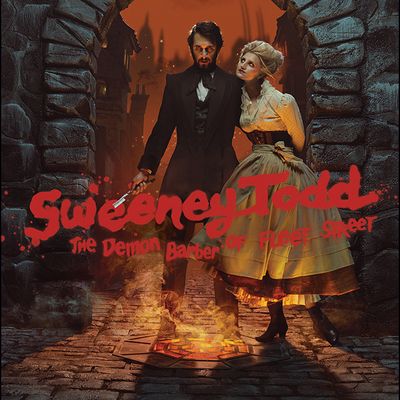
Joanna Carpenter is a dynamic actress, community organizer, and activist. She is proud of her heritage as a descendant of Chinese immigrants. Her impressive career has recently seen her grace the Broadway stage in the Tony Award-winning revival of Sweeney Todd: The Demon Barber of Fleet Street. Joanna's versatile talent has also been showcased on major platforms such as AppleTV+ and the Hallmark Channel.
Joanna is captivating audiences in the iconic Radio City Christmas Spectacular, which runs through January 5. Beyond her theatrical achievements, she has quietly launched a private communications and leadership coaching consultancy. This venture empowers elected officials, candidates, community leaders, and organizations to articulate compelling stories.
Beyond her professional accomplishments, Joanna is passionately dedicated to nurturing the next generation of performers. She founded the Swing Nation mentorship program, providing invaluable support and guidance to new professional swings as they navigate and flourish in their burgeoning careers.
Joanna Carpenter leads and inspires in every facet of her life, driven by her exceptional talent, unwavering dedication, and profound passion for storytelling and community engagement.
Follow us on Instagram @superswingsbroadway
Connect with us directly:
Guest: Joanna Carpenter
Instagram: @thejoannac
Host: Katy Pfaffl
Instagram: @mightykate, @katypstudio
Website: http://www.singwithkaty.com
Host: Joshua Kobak
Instagram: @joshuakobak, @vrialto_productions
Sound Design, Recording, Mixing: Joshua Kobak
If you like immersive audio and would like to make your podcast or project immersive, visit:
Website: http://www.vrialto.com
or Email: josh@vrialto.com
Transcript
This transcript was automatically generated and might contain errors.
[0:04] Joshua Kobak: Sent phone, stage manager. We need you on stage tonight. Go to dressing room one costumes or swing. If you can understand me speaking now, as well as anyone can if you'll watch that. Thank you for writing the free. Super swing and saying and listening.
[0:56] Katy Pfaffl: Hi, I'm your host, Katy Pfaffl.
[0:59] Joshua Kobak: And I'm your co-host, Joshua Kobak. We're grateful that you're here with us to learn more about what makes a swing super. So we are very happy to be here with a wonderful person that I have sort of met, but not in person until this very moment.
[1:14] Katy Pfaffl: Can you tell us your name?
[1:16] Joanna Carpenter: Yes, I'm Joanna Carpenter.
[1:18] Joshua Kobak: So you are a super swing.
[1:20] Joanna Carpenter: Yes. Well, I don't know if I'm cool enough to call myself a super swing.
[1:23] Joshua Kobak: I can call you a super swing.
[1:24] Joanna Carpenter: You can call me humble. This is how it works. We get to crazy. I know some super swings, and I am not nearly as good as they are. Um yeah, so I am an actor, obviously. I've lived in New York for 15 years now.
[1:37] Joshua Kobak: So you were recently in Sweeney Todd, correct?
[1:40] Joanna Carpenter: Yes. Sweeney Todd was I joined the company as a vacation swing in May of 2023.
[1:47] Joshua Kobak: That was 2023.
[1:49] Joanna Carpenter: Um, it was my debut.
[1:49] Joshua Kobak: Amazing.
[1:51] Joanna Carpenter: Yeah, I mean, what a show to debut in. Uh, that team, those humans, that music. Ah, um, but wait, had you ever done it before?
[1:58] Joanna Carpenter: No. And I had never even seen the show.
[1:58] Joshua Kobak: Wow.
[2:01] Joanna Carpenter: So the first time I ever saw Sweeney Todd was when the company was like, hey, like after I got the offer, they were like, hey, we want you to come see the show.
[2:08] Joanna Carpenter: And Front of House plopped me in the orchestra in like one of the little side chairs.
[2:08] Joshua Kobak: Yeah.
[2:12] Joanna Carpenter: And you both saw the show.
[2:14] Joshua Kobak: Oh, yeah.
[2:14] Joanna Carpenter: Okay. So Lift comes up, and I'm going, and then that first, like the like the intro, obviously, it's glorious and haunting, and then that first like swing your razor, that wall of sound, and I just cried.
[2:30] Joshua Kobak: Yeah, I was like, oh my god, I need to do this.
[2:32] Joanna Carpenter: Yeah, it was just so visceral and so powerful.
[2:35] Joshua Kobak: So you're watching it. Are you freaking out?
[2:39] Joanna Carpenter: Are you yeah?
[2:40] Joshua Kobak: No, I was just like, oh yeah, no, this is exactly where I want to be.
[2:44] Joanna Carpenter: Absolutely, yeah. It just felt like, and I really love, I mean, obviously, the music is stunning, and the creative team is a creative team I wanted to work for for years, especially Alex Lacamoire.
[2:54] Joanna Carpenter: I have so much respect for that man's skill set and artistry and just what he's worked on. Um, and the movement that Stephen Hoggett and the cast created is Stephen Hoggett's movement fits really well in my body.
[3:10] Joanna Carpenter: Um, because I'm not like a dancer, dancer, you know, like I can move really well, I can fake it. Um, but his movement just is so muscularly intuitive to me.
[3:21] Joanna Carpenter: So I saw it, and there were a couple moments like City on Fire when it's dark and the bridge is tilting and lower and strobing and all that stuff.
[3:27] Joanna Carpenter: I was like, that's gonna be hard. But no, I wasn't, I wasn't freaking out. I was just like, give me it.
[3:32] Joshua Kobak: Yeah, give me it.
[3:33] Joanna Carpenter: Like I could not wait to get into rehearsals. They very often the associates and the dance captains had to like kind of hold me back a little bit.
[3:41] Joshua Kobak: You got a little over excited about learning or I pick up fast.
[3:45] Joanna Carpenter: Uh very often you do not have to like repeat things multiple times to me. And when I feel something in my body, I just get r I want to go.
[3:54] Joanna Carpenter: I want to kind of like explode out of what feels like a cage. And I think that's true of a lot of performers.
[4:00] Joanna Carpenter: Um, but especially because it was like this perfect setting for my Broadway debut. Like I was just like, oh my god.
[4:08] Joanna Carpenter: Like how lucky am I? Um so yeah, joined the company in May, started as a vacation swing, but then ended up going full time at the end of August.
[4:19] Joshua Kobak: Oh wow through the end of December.
[4:21] Joanna Carpenter: Um, and then I left the show to go do The Connector at MCC.
[4:26] Joanna Carpenter: I was a swing and a dance captain over there. And then Sweeney was like apparently trying to get me back in multiple ways, but they couldn't because Connector kept extending.
[4:36] Joshua Kobak: So But when I was done with Connector, they asked me to come back and take over a soprano ensemble track for a few weeks.
[4:43] Joanna Carpenter: Oh wow.
[4:44] Joshua Kobak: Because one of our guys was out on med leave and I was like absolutely so it was just like going home.
[4:49] Joanna Carpenter: Um and then I left the show just a few weeks before it closed.
[4:54] Joshua Kobak: Um you have to be with both casts.
[4:56] Joanna Carpenter: Yeah, I got to be with everybody.
[4:58] Joshua Kobak: Yeah, it's very cool.
[4:59] Joanna Carpenter: Yeah, and it was really cool to see how the show was similar but different under Sutton and Aaron.
[5:06] Joanna Carpenter: Um, and just like all four of those folks, Annalie and Josh and Sutton and Aaron are just all individually extraordinary and like part of the collective shape of that show, really, really special and wonderful.
[5:21] Joshua Kobak: They are wonderful humans and so just getting to kind of like work with them and like play with them on stage, like it was it was really, really just a gift and so much fun.
[5:34] Katy Pfaffl: Well it's amazing to see how the dynamics of the people who are the leads and leaders of the show, how they really set the tone.
[5:41] Joanna Carpenter: The first time I walked in the building, Gayton was walking by and stopped and he goes, Hi, can I hug you? And I was like, Yeah.
[5:47] Joanna Carpenter: And you know Josh and Annalie like came right up and were like, Hey Wellground Sunday. You know and so that type of uh integrity and work ethic um the work ethic in the building second to none same with Sutton and Aaron um and Joe Locke who took over for uh Daniel Marconi who took over for Gayton um Joe the work ethic I mean like the work ethic from all of the leads um really does set a high standard right and it's and I think you said it right there.
[6:22] Joshua Kobak: How they treat the rest of the cast it's modeling.
[6:22] Joanna Carpenter: Yeah.
[6:25] Joshua Kobak: Right, right.
[6:26] Joanna Carpenter: So if they're seeing that then everybody else is like oh I gotta I gotta have my game.
[6:31] Joshua Kobak: This is the climate.
[6:32] Joanna Carpenter: Yeah this is what we're doing.
[6:33] Joshua Kobak: And that's so important.
[6:34] Joanna Carpenter: But especially being really wonderful to vacation swing especially that's amazing.
[6:34] Joshua Kobak: Yeah.
[6:40] Joanna Carpenter: And it you know it really set the standard for me and you know in in two different ways.
[6:45] Joanna Carpenter: It set the standard for how I intend to lead spaces when I am in that position.
[6:50] Joanna Carpenter: Um and it also set the standard for my standards for spaces I walk into.
[6:50] Joshua Kobak: Right.
[6:55] Katy Pfaffl: I wanted to ask you is the professionalism that they exuded was it what what other than than the kindness that they bestowed on the whole cast.
[7:04] Katy Pfaffl: What other types of things were you would you call or would you note that was professional about them?
[7:10] Joanna Carpenter: The consistency.
[7:11] Joanna Carpenter: Does I mean like in their performance?
[7:12] Joanna Carpenter: Um and also in their backstage.
[7:15] Joanna Carpenter: That like, I mean, you could never tell if somebody was having a down day.
[7:19] Joanna Carpenter: Um, the consistency of how they showed up for other people, uh, just like the work ethic is infallible.
[7:26] Joshua Kobak: That sounds so nice.
[7:28] Joanna Carpenter: Oh my god, well, and here's the thing is now that set the tone for the rest of my career.
[7:33] Joanna Carpenter: Sweeney Todd set the tone for the rest of my expectations for every other Broadway show that I do.
[7:38] Joanna Carpenter: And it's like if the work ethic is not matching that, then something's gotta give in order for me to navigate the space, whether that's how I kind of accept and release things, or if it's saying, Hey, this person is behaving badly, let's talk to stage management, you know, like whatever whatever it might be.
[7:39] Joshua Kobak: Right.
[7:56] Joanna Carpenter: Um, but oh my god, the work ethic, the when I made my debut, uh Annalie, and I don't even she probably wouldn't even remember doing this, but there's always a moment in the track that I debuted in, um, where at the pie counter at the top of act two, like that track and love it have a moment.
[8:16] Joanna Carpenter: And Annalie came up and she's singing and she just grabbed my hand and like stared into my face.
[8:20] Joanna Carpenter: And I was just like, Oh okay.
[8:23] Joanna Carpenter: And I just I felt so seen, you know, and Josh like went out of his way to like compliment my performance.
[8:30] Joanna Carpenter: Gaiton, same thing, and I was just like, y'all didn't have to do that.
[8:34] Joshua Kobak: You know?
[8:35] Joanna Carpenter: And um working with Sutton and Aaron, like, just I mean, absolute gems, like everybody we always talk about that, about how it doesn't take anything from you to be kind.
[8:35] Joshua Kobak: Correct.
[8:48] Joanna Carpenter: And so many people need to learn that.
[8:48] Joshua Kobak: Right.
[8:50] Joanna Carpenter: It really it doesn't g i it requires nothing of you to give that to other people, and actually it gives something to you because it always makes you feel better, you know.
[8:58] Joshua Kobak: So that's energy, right?
[8:58] Joanna Carpenter: Yeah.
[9:00] Joanna Carpenter: When you put out that energy to other people, you will always have a beautiful energy come back.
[9:05] Joshua Kobak: It's like how you build it, right?
[9:07] Joanna Carpenter: Yeah, and I I think it's so important what you're saying here, also about what you keep and what you release.
[9:14] Joanna Carpenter: I really love that.
[9:16] Joanna Carpenter: Because I feel like in the past in this industry, there's been so much desperation and this idea, this lack mentality of like I'm so lucky to have this job that I just have to take it.
[9:14] Joshua Kobak: Yep.
[9:15] Joanna Carpenter: Right.
[9:31] Joanna Carpenter: And I feel like we're finally in a world where we're shifting that dial where we can be like, no, actually, I don't need this.
[9:31] Joshua Kobak: Yeah.
[9:41] Joanna Carpenter: You know, and I can I believe that there is enough in the world that I will get another job and I will be able to be able to enough people like I'm thinking right now that are going to help change this dynamic.
[9:54] Joshua Kobak: Right, and actually by raising that bar for yourself, you weed out all the shit.
[9:54] Joanna Carpenter: Yeah.
[9:59] Joanna Carpenter: And you actually what starts to meet you is everything that's at your level.
[9:59] Joshua Kobak: Correct.
[10:03] Joanna Carpenter: But you have to be brave enough to say no sometimes and to say and to release.
[10:07] Joanna Carpenter: I was having this conversation actually just today with a castmate at Radio City who, you know, she's she's younger, she just got her equity card, you know, she's getting like put thrown in the trenches at Radio City and she's crushing it.
[10:20] Joanna Carpenter: But you know, she was like, What is the biggest change that you have seen uh in like the 15 years that you've lived in New York?
[10:27] Joshua Kobak: And you know, we talked about kind of like how the market shifts, and right now, if you're not a celebrity, it's really hard to get a job.
[10:34] Joanna Carpenter: You know, like the fact that we have Adam Driver, Brendan Fraser, Constance Wu, and everybody like off Broadway.
[10:40] Joanna Carpenter: I'm like, but it's a product of the strike, right?
[10:42] Joshua Kobak: Sure, sure.
[10:43] Joanna Carpenter: But the scarcity is always going to be there.
[10:46] Joanna Carpenter: And I think people choose one of two pathways of behavior when there's scarcity.
[10:52] Joanna Carpenter: There is a toxic response, an insecure response that's a product of scarcity, or they choose a more generative, generous path because there's something really powerful in recognizing that whatever is for you is already preordained.
[11:07] Joanna Carpenter: And I don't say preordained in like a religious way, but I say preordained as in like you are on the path that you are supposed to be on.
[11:15] Joanna Carpenter: And so, what shape does your own self-trust take so that you can show up for the work you are doing in the moment and not be a fucking douchebag, and also maintain your integrity so that when you are in spaces, whether you're doing a one-week reading or you're doing a regional production or a concert or whatever it is, that you're not letting the scarcity transform and mutate you into somebody that effectively toxifies an environment, yeah.
[11:45] Joshua Kobak: Because there's just the industry is always going to be brutal, and you know, they talk about having a thick skin and blah blah blah blah blah.
[11:53] Joanna Carpenter: I think it's less about having a thick skin and more about being of service.
[11:57] Joshua Kobak: I like that, you know, like because a thick skin implies that you are trapped within your singular self, and taking beatings, and taking beatings, right?
[11:57] Joanna Carpenter: Right, right, right, right, right.
[12:07] Joshua Kobak: Yeah, and that you just need to toughen up to take the beating, right?
[12:09] Joanna Carpenter: Because always we have to live with our heart and soul open and share that. What are you supposed to do? Like close up again, you know, like, and there's a turtle element to all of this, sure, but I just feel like to your point, the industry has shifted in the sense that I feel like more and more people are going, here are things that I will not accept. Here are people that I'm interested in working with because of their integrity and their body of work and their skill set, and here are people that I'm not interested in working with because I know that they toxify a room. And I don't care how many awards they have, I don't care what other people might say about them. This is my perception, this is my experience.
I'm willing to be proven wrong. But at the end of the day, there is art to be made by and for everyone, and we are allowed to be discerning as artists. It does not matter where you fall in the ecosystem, union, non-union, beginner, 99 years old, you know, like it doesn't matter.
[13:06] Katy Pfaffl: Well, and setting those standards for yourself is respecting yourself, right?
[13:09] Joanna Carpenter: Yes. And so the more I imagine that, right? Which is something we're also not taught to do. As we're taught to take the beating, to be the vessel, you know, these college programs that are like we'll tear you down and build you up. I'm like, shut up. Bullshit. Any type of energy that is coming like power-based, fear-based, yes, is only going to create negativity and toxic. It's never a something that's going to grow anything.
[13:36] Katy Pfaffl: I wanted to say that's not just theater.
[13:38] Joanna Carpenter: That's it. That's the whole world.
[13:41] Katy Pfaffl: It is.
[13:41] Joanna Carpenter: It's life. Yeah. Favorite line, sorry, my favorite line in red is the opposite of war isn't peace, it's creation.
[13:48] Katy Pfaffl: Right.
[13:49] Joanna Carpenter: Those lines, the few the handful of times I got to play Mark. When I said those, it was very often that it was like as my mouth was breaking up. Thank God it was near the end of the song. Um just so you know about Josh, so Josh was a super swing on Broadway for many, many years.
[14:04] Joshua Kobak: And a lot of different shows.
[14:05] Joanna Carpenter: Yeah, manufacturers.
[14:07] Joshua Kobak: Spidey ended that career.
[14:09] Joanna Carpenter: Yeah, yeah, yeah. Oh. Speaking of environments that were uh not um, that's a different episode in itself. But one of them, you know, I do want to tell a little story about Josh though. Um Josh was in rent for a very for a long time, many, many years.
[14:24] Joshua Kobak: Total of seven years.
[14:25] Joanna Carpenter: Yeah, playing many.
[14:26] Joshua Kobak: Five at first, and then they had two tours they brought me out on.
[14:28] Joanna Carpenter: Wow.
[14:29] Joshua Kobak: Yeah. And then he did many shows after Rent.
[14:31] Joanna Carpenter: Yeah.
[14:32] Joshua Kobak: And then a few years ago, he was in a motorcycle accident.
[14:36] Joanna Carpenter: And I was with him in the ambulance, and he had a really bad concussion.
[14:40] Joshua Kobak: She was not in the accident.
[14:41] Joanna Carpenter: No, I was not in the accident. I was lucky enough to be close by to come see him and to and I was with him to the hospital and we were in the ambulance. He didn't remember his name, he didn't remember anything. But the paramedic was like, you know, does what do you remember? And he was like, I was in rent. This is many, many years before. And she was like, I love rent. And so while he has a concussion with the paramedic in this ambulance, they start singing Seasons of Love.
[15:06] Joshua Kobak: And the two of them are singing and she knows every word.
[15:09] Joanna Carpenter: Oh my god.
[15:10] Joshua Kobak: And he remembers every word.
[15:11] Joanna Carpenter: Oh my god. But you know, I love that story just because it's like that's the stuff that art lives in us artists. Like that was still beating in his heart.
[15:20] Joshua Kobak: Yes and his veins.
[15:23] Joanna Carpenter: It gets in your DNA, especially when you're a swing and you have to like dive so deep on every aspect of whatever show you're in.
[15:31] Joshua Kobak: Uh huh.
[15:32] Joanna Carpenter: It really does. But do you learn it from so many different sides? Not just the one angle like as if he played the role.
[15:45] Joshua Kobak: I would love to ask you from your experiences, do you have any stories from being a swing and Sweeney Todd that will stay with you?
[15:54] Joanna Carpenter: Moments and time. I mean, honestly, from Sweeney, so many. This was like probably one of the biggest. So I had had to go to the theater for the first time for costume fitting. And so I'm with Jesse Galvin, who was our head of wardrobe, who's an angel love. Um, and it was my first time in the theater, and I'm just like breathing the air and looking around and you know, just doing the thing. And Jesse was like, You're on stage, right? And I was like, no, and he goes, Oh, honey. And he's like the swings and understudies are having rehearsal, and they're all gonna want to meet you, so let me let me take you out on stage. And they had happened to just break for 10, and Jesse took me out past the meat grinder to stage left.
The crane was out because they were working on sitting on fire. Crane was out, and he was like, What floor? He goes away, and so nobody was on stage, but Cody Renard Richard, our PSM, was walking up and was checking something, and I kind of crept on stage, and he looks at me and he goes, Hey everybody, should I call the jersey?
[16:54] Joanna Carpenter: The house erupted in screams.
[16:57] Joshua Kobak: Really?
[17:01] Joanna Carpenter: Oh and screams, and people grabbing me and jumping up and down. I knew two of these people, like two of them were my friends. The other eight, I had no idea. It was all swings, and they were just like we're so good. And I'm also like taken in the fact that I'm standing on a Broadway stage for the first time in my life. And so I'm hugging everybody and trying to catch names and all that stuff, and then I had this moment where I I'm standing center stage with everybody and then look out into the house.
[17:31] Joshua Kobak: And everybody caught it, and they go, and they all step back.
[17:36] Joanna Carpenter: Wow. As a group. And my friend Ray Lee, um, who's just also a love, um, snapped a sneaky photo of me just standing there and like staring out at the house for the first time. Uh-huh. And then I turn around and I look at all the swings in the covers and everybody was like, So the swings say, Oh, go, go, take your moment.
[17:55] Joshua Kobak: And then what is the moment in in your mind?
[17:58] Joanna Carpenter: Yeah, when you were standing there on the I you know, I might even I might cry just like talking about it. I have tissues, we're good. Um, I'm not a crier either, but every now and then. Um, but it took me 14 years to get to my debut. And I am I have an amazing team now, and I have a solid support structure around me, but I did not go to college. Like any collegiate experience I might have had was briefly sabotaged. I did not grow up with a support structure. I did not come to New York with a support structure. I had to fight and lead tooth and nail year after year after year, and figure out how to know myself, figure out how to trust myself. And so then to be standing on that stage, looking out and knowing that this was gonna be my home for a little bit was just the most wonderful gift, and also I felt like I deserved to be there in some way.
[19:00] Joshua Kobak: Yeah, because you did.
[19:01] Joanna Carpenter: And it took me a while to really feel like I deserved to be there. There was a lot of like, you know, like please know that I'm good, please you know what I mean? But and like, please like me, like that. There was a lot of that, but yeah, it was recognizing that like I did it.
[19:15] Joshua Kobak: And did you feel all that struggle that that 14 years like behind you?
[19:20] Joanna Carpenter: Were you standing on top of it?
[19:21] Joshua Kobak: I felt like I was standing on top of it.
[19:23] Joanna Carpenter: Yeah. I felt like I was standing on top of it. I understand, I'm the same. And I remember when I first moved to New York, I would go sit at the fountain at Lincoln Center and cry. And I'm not a crier either. But it was like there's lots of water, no one will know, you know. I would look at it and I would go, gosh, this is the epicenter of all the things that have driven me in my whole life. You know, and they're all right here, and I'm so close. There's the ballet, the symphony, yeah, like all of these things that I everybody told me I would never get to, even ever in my life. And I'm sitting here, yes, I don't even know how I'm here, but I'm here. And then the funniest thing is my first Broadway job was at Lincoln Center.
[20:02] Joshua Kobak: Oh at the Vivian Beaumont.
[20:04] Joanna Carpenter: Oh my god. And after that I got to do and play at Rose Hall, and after that I got to work at Lincoln Center Education. So all of these things came back in my life.
[20:15] Joshua Kobak: Yeah.
[20:15] Joanna Carpenter: And I remember when I walked on the stage for the first time at the Vivian Beaumont having that moment where I was like, I did it.
[20:23] Joshua Kobak: You did it.
[20:24] Joanna Carpenter: You know?
[20:25] Joshua Kobak: And in yeah, right.
[20:27] Joanna Carpenter: And like, fuck everybody who told me I wasn't going to.
[20:31] Joshua Kobak: But also, like, I'm sad for you because you don't live your life this way, right?
[20:37] Joanna Carpenter: Yeah. And here I am now to release all of that because I believed in myself and same for you. Like you knew, and you can't let anybody take that away. And that's what I tell a lot of my young students and people budding. It's like you have to have the knowing, and you, and that's just the voice that you listen to. And nothing else might make any sense at all, but it's the knowing that leads you, and you have to listen.
[21:00] Joshua Kobak: You have to work.
[21:01] Joanna Carpenter: Yeah.
[21:02] Joshua Kobak: You have to work really hard.
[21:03] Joanna Carpenter: Right. You heard I had a whole separate career where I was like globally known and like really doing amazing stuff.
[21:12] Joshua Kobak: With what?
[21:13] Joanna Carpenter: Uh hospitality in beer education.
[21:17] Joshua Kobak: What led you back?
[21:18] Joanna Carpenter: Booking Sweeney Todd.
[21:20] Joshua Kobak: Yeah. Well, were you auditioning the whole time?
[21:22] Joanna Carpenter: I was auditioning the whole time. I had really bad representation for the longest time, and I didn't know it. I was being made to feel like the issue was with me. Um, but I mean, like, you know, my work ethic is pretty infallible, and so I was like, okay, I guess I'm just like terrible, and nobody wants to get to know me, so I'll just keep going. You know, but in the meantime, I'm gonna build up this other career.
[21:39] Joshua Kobak: Right.
[21:43] Joanna Carpenter: Um, a good friend that I've known through another agency for years. Um, she's an incredible agent. I finally, you know, Ellery and I touched base at one point, and she was like, Listen, can I please be honest with you? And I was like, Yeah, and she really like shed some light. That led to her introducing me to Rochelle, my manager, who is a maverick of a human. Like Rochelle, she terrifies me and inspires me. Like, she's so she's just so amazing. Um, and then I ended up signing with Ellery.
[22:16] Joshua Kobak: Um, and it took kind of like that winding road and realizing that's like, oh, the issues weren't with me, and I don't need to constantly assume that I have to spend my life in bars to feel like I'm doing something substantial. I can actually be an artist.
[22:35] Joanna Carpenter: And then very quickly after I signed with both of them, which was uh summer of 22, I just started booking shows.
[22:42] Joshua Kobak: Yeah, yeah, first off Broadway show, uh Hallmark movie, uh Sweeney, uh another show, like I mean, all this stuff, and they were like, you just needed somebody to root for you.
[22:54] Joanna Carpenter: Right, and and I think that's really important for any any young people who are listening or any people in the business who feel this way. I think this is something that I talk about a lot with people is it's dating.
[23:07] Joshua Kobak: Yeah.
[23:08] Joanna Carpenter: So you can be in a toxic relationship with your agent and your manager. You can it is a real thing. You can have communication styles that don't matter dating. It's again another lack mentality where people are like, but what if no one else signs me?
[23:21] Joshua Kobak: Right.
[23:21] Joanna Carpenter: I'm gonna say no representation is better than bad representation.
[23:24] Joshua Kobak: Exactly.
[23:25] Joanna Carpenter: Because this is a business of relationships. I think it's so great to hear you talk about that.
[23:30] Joshua Kobak: And the funny thing is every student that I have that I have helped leave an agent you know and fit like they have gotten a better situation which is life.
[23:39] Joanna Carpenter: Right?
[23:40] Joshua Kobak: Anytime you make that choice to honor yourself you have to grow.
[23:43] Joanna Carpenter: Right? You do grow but also it's almost like the universe is like ding ding ding you did it. Here's the thing you wanted this is this is a little test to see if you would choose yourself you did so now here you go.
[23:53] Joanna Carpenter: Yes. You know but it's it's again it's not a fear-based decision. We can't make that decision out of fear.
[23:59] Joshua Kobak: Right.
[23:59] Joanna Carpenter: So you trusted your guns, you trust your instinct and therefore you have people who actually see you.
[24:05] Joshua Kobak: Oh my God.
[24:05] Joanna Carpenter: And because they see you they present you in the way that's clear so you can just come in and be you.
[24:10] Joshua Kobak: Because I like I I mean now I'm I'm told I'm an easy sell now which is great. But you know for the longest time I was told by people like oh we don't know what to do with you because it's like I'm a classically trained soprano who also does stunts and rides a motorcycle and also like ethnic enough not ethnic enough question mark depending on who's looking at it.
[24:31] Joanna Carpenter: And people are just like, mmm. And I'm like, that's a you problem. Right, right, right. You know, this is your first time swinging was sweet. Yeah, I'd never understudied even. I was either only ensemble or only a principal. So how do you just have one thing to do? Yeah, yeah. So when you got hired as a vacation swing, uh-huh. Was there anxiety for you about what that skill set would require? Like, how did you I sound like such a copy? No, no, don't, but I I love that. That's a part of being a swing sometimes. Is you have you have to be so confident that you do come off as cocky sometimes. And trust me, I have been told that. But also confidence. There's not a lot of people who can do what swings can do.
I mean, here's here's the thing. My life outside of the theater has been so consistently chaotic. And not in like an unhealthy chaotic way, but like I used to run bars, I would manage teams, I'm a political organizer, I'm an originator like that. In a space and you're a unicorn, right? Do you know what I mean? And I I always have a service mentality when I go into things, it doesn't matter what I'm putting a hand into. And I think I just I also am somebody who just does not I'm I'm really good at taking in information and then disseminating it. Like I don't know how you manage data, but like note cards, videos, traffic, right? Whatever, right? Like, know how you and because I lived in spreadsheets for so many years, I was like, great, I'm organized.
You know, but also like it's I think it's just a matter of knowing that perfection is not a real thing, and your job is not to be perfect, your job is to be of service to the show in the best way you can possibly know how.
[26:15] Joshua Kobak: Exactly. And because a swing's job is to come and make sure that the show keeps going.
[26:20] Joanna Carpenter: Correct. So ask for what you need. This is my biggest thing, and this is also why I created Swing Nation, because we have a whole multiple generations of artists who were never given permission to ask for what they need. Well, and I would love this is a great saying like I would love for you to tell us about all of us. Yeah, I'm so proud of that. Yeah, I know, but it's funny. That was one of the reasons we reached out to you because we were like, oh my god, you're doing it! Oh, we want to celebrate you! I mean, the fact that it hadn't been done already, I was like, come on, Broadway. Yeah, yeah. So this is Swing Nation was a light bulb moment. I've always been like this. I've always been a how can we make this better?
How can somebody feel better in this space? How can somebody feel taken care of? Because I know what it feels like to be left behind. Exactly. I know what it feels like to be told that I am not worth paying attention to, to be told that I am not worth giving resources to, whether that's time, energy, information, care, whatever. So Nicole Johnson, who is the founder of the Harriet Tubman Effect, um, just a glorious human being, a brilliant mind and soul. She and I orbited each other since COVID with our various activisms. And so we were doing a lot of um really good work at Sweeney with the swings and you know, building out ideas for systems that can be more generative. And she and I were like on a FaceTime call talking about swing stuff, and I was like, hang on, what if I make a mentorship program that's just like point A to point B, experienced to new, and she was like, That doesn't exist, mama.
I was like, what? So I was like, I want to do this, and she was like, Harriet Tubman Effect can house it. And I was like, okay. So it's it's very simple to do. You just have to like rally community and then manage the logistics.
[28:07] Joanna Carpenter: And so my co-facilitator is Kate Benioff, who is a just the loveliest. Um, she was a swing on the Chicago National Tour when it went non-union. And she would tell me nightmare stories. And so she's helping me uh lead this program, and I'm so grateful for her insight. Right now, in this iteration, it's for Broadway, Off-Broadway, and National Tours. We pair up experience swings with first-time swings, and it's like whatever you need. They meet twice a month, you know, and it's everything from like what the fuck is a tracking sheet to I'm being treated poorly by an ensemble member. How do I manage this emotionally? To you know, like and everything in between. And what's the protocol that I can take that will protect that?
Yeah, how can I add a lot of things? Everybody should feel that taken care of. And you cannot always count on those resources and support coming from within a single building. And so, how can Swing Nation be the supplement to what you're not gonna get in your show, what you're not gonna get in your cast? And let's face it, some buildings are just toxic. Some buildings are just we've talked about these, yeah. And you're not gonna get the support you need, and swings are the most relied on and the most under-resourced. Yeah, you know, and so appreciate it. We're you know, Swing Nation kicked off officially September 30th. I saw that eventually, and it's such a we just have such an amazing roster of mentors.
[29:33] Joshua Kobak: And how do you become a mentor?
[29:35] Joanna Carpenter: So we handpicked people for this first round. Um, we needed people that we knew and trusted um and already knew that had like the integrity and the drive and the care. Um, and I mean, we just we just have the best group of people, and then looking ahead, it was like, okay, great. How can we collaborate with these mentors to set the template for future mentors because we will inevitably get interest? Sure, and people can cycle through and hear the press. When the press release came out, we got an influx of people going, Oh my god, I wish this had existed when I started swinging. Can I be involved? Can I support you? And so I have like a spreadsheet list of names for people, you know. That's fantastic.
We also are possibly able, um, and we're gonna have to be very intentional about this, but I'm excited because there is a swing who is a deaf actor that I've sat on a panel with before who was like, I would love to provide support to a deaf or hard of hearing actor if I can. Yeah. So the fact that we might be able to be more accessibly inclusive is amazing for the next iteration is so thrilling to me. That's amazing. So yeah.
[30:46] Joshua Kobak: Well, and how do you get to be a swing that's a part of this program for the mentees?
[30:53] Joanna Carpenter: Uh, we started, you know, word of mouth, and some of the mentors were like, 'Hey, I have somebody. Um, Kate and I reached out to uh our agents, and I also reached out to um somebody at DGRW I know who was like, 'Oh my god, we just have somebody who's making his debut right now as a swing. He would love this, you know, so it was that, and then um we ended up putting it on social media and garnered the rest of our roster that way.' And there was also a little bit of overflow. We have a small handful of folks who didn't necessarily fit the parameters for this program at the moment because they're either just finished a contract or they're not going out on tour until January. So I offered them like a couple sessions with me. Um and is the parameter they're going into a show that's coming up right now. Is that sort of how it works? You've got to be working right now.
[31:41] Joanna Carpenter: Right. You gotta run on it right now, yeah. So we have people on the shocked tour, we have people in Harry Potter on Broadway, we have people uh in a couple off-Broadway shows. I'm meeting with them for like an hour once every month, and they can like fire away questions as they prep for their next show. But like, yeah, I mean, if they if you want to reach out and chat, I can highlight we can we can connect. Because one of the beautiful things about this industry is exactly this. And this is one of the reasons we wanted to start to make this podcast. I hear the same things all the time, which is how scary it is, how um unseen and under-resourced and unappreciated they are, and how until they have to save the day, but then you're forgotten about afterwards.
[32:22] Joshua Kobak: Right, yeah, just like the minute after.
[32:23] Joanna Carpenter: Yeah, yeah. What a challenge it is, and how they're learning on the fly, and it's it's scary. Yeah, and I think that that's just you know, so we wanted to and also I have swings who I've worked with, you know, like some of my students that are on our previous episodes of this, who um have been swinging for years, you know, who have also so much insight and so much to offer young swings and stuff. So we're hoping that this podcast will be listened to by upcoming swings, yeah, swings who are out there, you know, and people who are swing curious, swing curious like like the families of swings, so like a lot of like my family had no idea what a swing was, and it was it it was kind of sometimes a point of uh frustration for me.
[33:01] Joshua Kobak: Yeah, right, right, right, you know, and sort of debunking the myths of swings, you know, that like you're not gonna have to have a role, like that's a big one, you know, all that stuff, like yeah, or do second string.
[33:11] Joanna Carpenter: Right, right, right. We're trying to really, you know, and and we want to really advocate for swings to so you know, as we talk here, if you're things, you know, what can companies do to help make situations better? This starts with producers.
[33:22] Joshua Kobak: Uh-huh.
[33:24] Joanna Carpenter: This starts with producers not being. I don't know if it's a lack of awareness or a willful ignorance, but the fact that there is not an additional line item in these budgets, especially off Broadway, for additional coverage, you know that people are going to get sick. Or know that people are going to get injured. And furthermore, you cancel one performance off Broadway, you're not 45k.
[33:53] Joshua Kobak: Right.
[33:53] Joanna Carpenter: Right. When you could have just paid someone what, $1,400 a week, if that for most of that's like the top tier off Broadway contract. To be in rehearsal for a month, so you don't have to cancel that show.
[34:16] Joshua Kobak: Well, and also that's the start of creative toxic environment.
[34:19] Joanna Carpenter: Correct. Let's start to talk about that, right? So there's not coverage, right? And there's not money for coverage. So then it's there is money for coverage. You have to anticipate the need. Yeah. But I'm saying in shows when there's not, yeah.
[34:31] Joshua Kobak: Right.
[34:31] Joanna Carpenter: Then all of that squish, the squeeze comes on the performers who are in the show. Who do not feel like they can call out. No, and then yeah, they don't feel like they can call out. They and then they're taking on roles that they've never done before. Like it turns it into a s a squished, squeezed out, sort of lifeless situation where everybody's just hanging on for dear life. Which is bad for your body, which then right perpetuates the issue that you're experiencing.
[34:55] Joshua Kobak: Well, and what the environment becomes is people who are under duress, right?
[35:00] Joanna Carpenter: Yes.
[35:00] Joshua Kobak: So everybody's stressed, everybody's strained, everybody's exhausted. They start to talk about it, and then everybody's complaining, and then everybody's bitching, and then it turns into a cult. And it gets so I mean, that's how I've seen things really, really, really implode.
[35:14] Joanna Carpenter: Yeah.
[35:15] Joshua Kobak: So I think you're right.
[35:16] Joanna Carpenter: Yeah. It does a hundred percent right. With one of these meetings that I had about a different idea uh with with a a producer that I had not worked for before, but but was introduced to. And I remember talking to him and and uh near the end of the conversation, I was I said something about like, you know, you really just need to make sure that you take care of your swings. They're gonna be the ones that are always that want to have your back. Saving your ass. Super swings. But the look saving the show, that's why we're called this. The look on this man's face though, you guys, when I was when I brought up the swings was just like, wait, what? Aside from the producers being fully responsible for this.
It is the anticipation of needs. How can management anticipate the needs of a swing if they have never been a swing before? There needs to be open communication channels. There needs to be a foundation of information that can be objectively shared either through experience or through organizational you know, data management, whatever that is from show to show. But there needs to be a foundational understanding of what swings need in order to feel resourced, and that requires a lot of pieces moving into place that give that information to management.
[36:29] Joanna Carpenter: It has to be at the core. If it's not at the core, it's band-aid, band-aid, band-aid. And that is information providing. Right. If people have the information, then they can anticipate needs, right? And you see people putting this into play now, which is great. Also, you know, going back to your question of like were you like rattled or anything going into swing? No, because my life is so crazy. Like, I was looking around at one point and I was like, y'all don't scare me. Right. Like the things I have seen and done, this is a fucking cakewalk. Right, right, right. Okay. Like just give, you know, like, but that life experience is so valuable. And I always encourage people to remember that you're a person outside of this industry.
And like it's not this industry that makes you special. You are the unicorn whether you're in it or not. Correct. It's how you choose to honor and live your life wherever you are. So if you remember that you can bring that into any environment, you could thrive in any environment. You know, the fact that you had all this life experience helped you walk into an environment where you had perspective. Because my identity is not tied up in what a single show. My identity, my sense of value is not tied up in the audition, the callback, the booking, whatever. The performance, not at all. If a job is supposed to be mine, a job is supposed to be mine. But my sense of worth is not tied up in whether or not I walk into the lunch every day or whatever theater is.
And one of the greatest, there are two huge disservices that the average program gives to college students. The other, especially the economics of this business, and the other thing is not teaching them how to build a sense of self and identity outside of what they do inside of singing and dancing.
[38:09] Joanna Carpenter: Right, right. This is something that I talked about, I went back when I, in 2009 to CCM because we were doing Rent in the Broadway tour and that was Adam Haskell's other study. Yeah, and a swing, but I basically just went twice. Yeah, any year, but one of the things that I was telling them, because I had done so many very physical shows at that point, I was telling the students, like, look, no matter what, you're being taught acting, singing, and dancing. But right now, every show that I've been in, aside from Rent, has flying. And you can't just go and take a flying class in across America. Very few places can you. Flying is the best. And, um, but flying motorcycles are good correctness. That's what made me good at flying was having 360 awareness.
Yes. Um, and having practiced it in a life or death situation. Yeah. Which is not what I would recommend for everyone. No, but you have, having that awareness, you know, you can get that from meditation, you can get that from yoga, you can get that from, um, uh, uh, different modalities of dance and things like that. And those are very valuable things to have. Yeah. Not only as someone who might want to fly or do stunts or stuff like that, but as a swing, because we are, when you're on stage or when you're learning a part, you're not just, you're laser focused in a 360. You're in fight or flight. Yeah. You're kind of present. And I think that's another thing that really ties you into being a good swing is yes, you have to stay present, right?
When you're, that's you're a hundred percent. You're locked into that, yeah. You have to be present in the moment. And there's a difference between being present in the moment on the stage as an actor and being present in the moment as a character in the play. Yes. The aim is to get to this, the last. You have to be patient with your own performer self. I learned that. I learned that at Sweeney. And because I mean, like my perfectionist tendencies at the time were just really easy to meet a chokehold. And one of my swing sisters, Mia Panero, she, it was right before my put-in, and I'm stage right, and I'm just like, you know, just like feeling the feels. And she comes up and she just puts her hands on my shoulders and she said, I just have a question for you.
And I was like, what? And she goes, what risks could you take if you didn't have to be perfect? And I was like, ma'am. And she just walked away. She's like, you know, and it's like great question. Oh my god. And so I was able to recognize that when I was going on a new track, the first time was just survive. Right. The second time I was like, okay, vibes are good. The third time I was having fun. You know, because I mean, I'm sure this happened to you a ton where you go on for tracks that you had no rehearsal for. Right. You know, and you're just like, well, I'm gonna sing the notes, I think, and stand in the place. I'll be really close to what this is. And at the end of the day, yeah. Whatever.
Yeah. Like, nobody in the audience is gonna be like, she didn't sing the alto too correctly. And I will also, I'll say this. The I'm, I will never swing another show again. Interesting. I'm good. I never had the experience. I never wanted to be a swing. But when Sweeney Todd on Broadway calls, of course, and what they have open is a vacation swing, you obviously, yeah, say yes. And I think I personally think that every performer should swing at least one show. We've talked about this, I think so too. It's like normies, daywalkers. I need y'all to spend one year working in retail or hospitality because what it does when you spend your time in the trenches doing work like this, right? That is very often thankless and unseen and underappreciated and under-resourced, the empathy that you can generate that you take into the next space that you're in, I am most excited because I'm so proud of my work as a swing.
And I'm so proud of the empathy that and the understanding and the care that I get to take into the next show that I lead to set the tone. You know, and you saw that with Annaline too. Like Annalie was an understudy and she was so like, you know, every now and then I would be like, hey, is this okay? And she's like, girl, please do your thing. Like, because she'll just go with you. Right. You know what I mean? And you can tell there's that empathy there. And it's, I think it's so, so important. I think every performer, even if you don't want to make a career out of swinging, you need to do it because it will make you a better ensemblist and it will make you a stronger principal because you will have that 360 awareness of what's happening around you.
You will not just be zeroed in on what am I doing? How is it about me? Right, right, right. Like, I'm sorry, I'm pretty sure we're all on this stage in service of this giant machine that we're trying to put in front of an audience, right? And not only just you, the crew and the dressers, right? And the costumes and the everything. Yeah. You have that empathy. You'll have more generosity and understanding for a swing dresser, right? That's coming in and getting thrown into the fire, right? Like, because it's not just on stage that we have swings. You know what's crazy? I have a student today, new student who was just telling me that she's a swing wig person. Blessed. And she was telling me how it's, it gave her such anxiety that she actually had to step out of doing it for a little while because there was no advocacy for a swing wig person.
No, she's that you show up and they give you a list of names, and you don't know anyone from their names, and they just tell you what their wig is supposed to look like and what it's like, and you have no guidance and you have no anything, and it's just again trial by fire. You're just getting heads and wigs. She's having the same experience. I didn't know there were swing wig people. I didn't even think about that. And I was just like blown away. Okay, so we're all having these same issues where this is the lowest part of the totem pole that nobody's thinking about. And yet they are keeping the thing running. Right. Right. This is what I always say. Trickle down economics is not real. Correct.
Trickle-down leadership is the realest thing on the planet. Right, right, right. How many perceptions are you? We can literally see it. We've seen it over time. Just the few years we've had on this planet. Yes, it's but I think it's good to be having these conversations. What do you do as a person to stay healthy and to actually still be able to get the job done? I think you have to understand your own capacity for confrontation. You have to understand your own trepidation about advocacy. Some people, I'm just somebody who's never been afraid of confrontation. Like I'm very much a like see something, say something person because if there is harm or there is something that is wrong, I'm gonna speak up about that, usually because I don't see anybody around me speaking up about it.
Um, I've been like that since I was little, so like I think I'm stuck this way. Um, sorry, lucky for everybody else. Yeah, lucky for you and lucky for everyone. But also, I think if you are somebody who is in a position where you feel safe to speak up, or even if you feel safe but like kind of terrified, nervous to speak up, I think the best way to go about it is again to approach it through the lens of being of service. Here is something that is impeding my ability to be of the most service to the show. Here's what I could see as a possible solution or solutions. Um, would also love your thoughts on how we might remedy this so that I can do my job. Yeah. And just like really framing it through a service mindset.
Then it mitigates the us versus you. It mitigates the I, I have coaching clients that I have to remind them like sometimes you gotta take out the I feel. Sometimes you have to take out the heightened emotions of it, not because your emotions are not valid, but because when you are in a heightened emotional state, you are in fight or flight, which means neurologically you cannot process complex information. Which means that is an obstacle to you getting what you need. I did Wars, and in our show, there was a lot of injuries and there was a lot going on within our cast trying to add because we didn't have swings the first year that we had, we had to sort of fight for them. Yeah, because they don't do that in the UK.
So you, yeah. So we were all understudying two different roles, and we had four sets of puppeteers, so we would, we were always in rehearsal. So on top of doing eight shows a week, we were rehearsing non-stop. And so everybody's bodies were just falling apart. Probably, and again it was creating a very sort of negative environment. And I think that happens in a lot of shows. There's, you know, situations where you're not heard in those communications, yeah. And I ended up getting hurt by that show, and a lot of people did. Um, one of the takeaways, there was an older gentleman in my cast who is so wonderful, he had been in everything, and when I was in the process of getting hurt and not being heard and talking to everybody, and there was no sort of advocacy, I had a moment where I was like, maybe I should leave this because, you know, this is not good for my life.
And it's not good to do it. And it's very scary to leave a contract, the idea. Oh, yeah. Just even the converg again. Right, right, right. All the stuff blacklisted, yeah. Yeah, and I have been telling them I'm injured, I'm injured. And he said to me, he was like, you need to set a boundary for yourself and you need to know that you're gonna keep it. Yes. He's like, they will listen to you if you say I'm gonna leave. Yes. And you mean it. Yes. And he's like, and that means that they might leave. Right. He's like, and that means if they say, okay, go, then you go. And I was too scared. I was too scared at that point in my life. And so I stayed, and then I got more hurt, and that was the end of my career in that sense.
And I had a big lesson to learn from that. And so what I really try to teach younger people is like, is that lesson? You have to know where your limit is, and you have to be willing to stick to it no more. Hold it. Hold it. Hold on. Knowing that you might know what's on the other side. And like to just really, and like it was such wonderful advice. And I have no regrets because from that situation I built the studio, I built my nonprofit, my life has gone wonderfully. And you're of service to so many people. Well, because I learned, right, just like you've learned that my worth was not tied up into myself as a performer. It was a really hard way to learn that lesson, but a really important way to learn that lesson because my life is so much richer now.
[48:36] Joanna Carpenter: But I do go back to that moment in time where I think, huh, you know, that poor girl who is in that moment who just didn't feel like she could do it. And I feel like if we can support more people in those moments, yeah. To go and it goes for swings and it goes for everything where we can just be like, yeah, you know what? It's okay. Yeah. You know, it's okay. I mean, this is interesting because I I am I wouldn't call myself naive, but I call I would consider myself um stubbornly uh optimistic in some situations because I believe that everything can be changed.
[49:09] Katy Pfaffl: Me too.
[49:10] Joanna Carpenter: And I've maybe met with situations that were not changeable. And I think there's value to people seeing how they can be like water and flow around certain things. I'm a boat rocker, like I'm a boat rocker, and I keep working. Yeah, so I'll just say because I mean here's the thing is like you can be a boat rocker, it doesn't entitle you to being a jerk.
[49:31] Katy Pfaffl: No, there's you're you know what I mean?
[49:33] Joanna Carpenter: Like you can't you can't just go in guns blazing and be like, yeah. Like you again, this is about collaboration and ego is not allowed to get in the way of you being of service to the greater good. It can't. Because yeah, the act of being in service to another is practicing empathy.
[49:50] Katy Pfaffl: Yeah.
[49:50] Joanna Carpenter: And thereby it puts ego backstage. You know, everything is here, it's about you, and how can I help you do what you need. And also, like when when you're in a cast, if if you're in a cast and you're you're having issues, and then you are you sit down yourself and you're honest for a second, and you're like, oh my gosh, I'm being a bit, this is my ego talking. That gives you the opportunity to practice empathy in order to get out of it.
[50:18] Katy Pfaffl: Yeah, yeah.
[50:18] Joanna Carpenter: Always practicing anyways, so you you whatever you practice at, you're gonna get better at. So if you keep feeding your ego, you'll get better at that. The way as we're talking about how to advocate for yourself as a swing or other things in the world, you know, I think it requires meeting each other, right?
[50:34] Katy Pfaffl: Yes.
[50:34] Joanna Carpenter: We can't just go in and steamroll over and also because you know, what is it, hurt people, hurt people.
[50:40] Katy Pfaffl: Yeah.
[50:40] Joanna Carpenter: It's the same thing. If your wounds are leading you in a situation, like you're just leading you. Right, those two things. So if you are feeling really hurt in a situation, you can't then take your pain, lead with it, and then stomple all over everything else. It's that moment where you meet and you listen and you hold space for each other. And that's like everything in life. You can do that.
[51:01] Katy Pfaffl: Yeah, it's really important to remember that.
[51:04] Joanna Carpenter: That's also our our chance to be able to be better than the thing that's hurting us. And it's a really easy way to help the swings that are in your cast. If you happen to be not a swing listening to this and have friends that are swings, sometimes that's what they need.
[51:19] Katy Pfaffl: Yeah.
[51:19] Joanna Carpenter: Right. Just to be heard. Back to the very early when we were saying, you know, it it doesn't take much to be kind, right? Like it's just a simple, simple thing. And we can give it.
[51:27] Katy Pfaffl: Yeah.
[51:29] Joanna Carpenter: We need it. Especially the world is awful and ugly and terrifying right now, both here in New York City and everywhere across the globe. And yet, these spaces where we tell stories, make music, make art, render the human experience, so that other people can come in and receive that and see a little bit of themselves reflected up there. It's A, we're not curing cancer, but B, it is our responsibility to make sure that we are one level better than the world outside so that we can make the world that we bring people into just a little bit more loving.
[52:12] Katy Pfaffl: So that they can turn around and go face the outside.
[52:14] Joanna Carpenter: Even if it's a show about like murder and human pies. You know what I mean? Like the those audiences like still felt held and loved and excited, and they felt joy.
[52:24] Katy Pfaffl: Right.
[52:24] Joanna Carpenter: Yeah. They get to be somewhere else. All they have to do is be human.
[52:28] Katy Pfaffl: Yeah.
[52:28] Joanna Carpenter: Like that's the cool part. That is the cool part because it's not it's not a movie. No. Because there's literal frequency. Right. There's happening that's coming from organic places that are filling organic devils.
[52:40] Katy Pfaffl: Yes.
[52:40] Joanna Carpenter: And you're feeding shares, yeah, it's an experience, it's an exchange of humanity that reminds us that we're human.
[52:47] Katy Pfaffl: Yes.
[52:48] Joanna Carpenter: And it reminds us it when we feel fill that cup, then when we do go out into the world to find our battles, we have this renewed relationship with our own humanity that is just reflected to us.
[52:58] Katy Pfaffl: Yes.
[52:58] Joanna Carpenter: And look, even if it only lasts for five minutes.
[53:01] Katy Pfaffl: Yeah, it's more of this.
[53:03] Joanna Carpenter: And it's still it still refires a neuron in a different way. Right. And for that five minutes, you might have an interact interaction with someone else that might come from a different space.
[53:12] Katy Pfaffl: Yeah.
[53:13] Joanna Carpenter: You know, and that could be a ripple to a ripple to a ripple ripple.
[53:17] Katy Pfaffl: Yeah, oh my god.
[53:17] Joanna Carpenter: Yeah.
[53:18] Katy Pfaffl: Oh my god.
[53:18] Joanna Carpenter: I think we're just best friends now. I think literally this has bonded us for like which we're gonna make like ten other podcasts because of this. But my my whole thing that I just want to kind of bring this back to you before we stop is just you know, what is your dream for a swing nation? Like what would you like to grow it into? What it's your baby.
[53:38] Joanna Carpenter: Yeah, you know, have you thought about that at all? I know it's new.
[53:41] Katy Pfaffl: Yeah, I mean the I think overall we want to change the landscape of how Broadway and its consumers, well, commercial theater and its consumers think about swings, and we want to change how people resource swings primarily with money.
[54:07] Joanna Carpenter: Um we want to change how contracts look because negotiations with equity start next August. And a lot of that is gonna require empathy, and a lot of that is gonna require sitting down um with the people who make the money decisions and teaching them what it might be like to be empathetic to the people who keep their shows going. Um that's what I'm hoping.
[54:27] Katy Pfaffl: You know, and that's like big broad brush strokes.
[54:29] Joanna Carpenter: Well, I wanted big broadcasts.
[54:30] Katy Pfaffl: Yeah, yeah, yeah.
[54:31] Joanna Carpenter: I think it's important, and you know, I can speak for Josh and I let us help you as we build this. You have a lot of things. As you're doing these round tables, as you have things that need to be brought to light.
[54:43] Katy Pfaffl: Okay, come back and hang out with us.
[54:44] Joanna Carpenter: Okay, and let's revisit this, right? Because like yeah, or or God forbid, anything major happen, like a Spider-Man happening thing. How cool would it have been at that point in time if if you existed and we existed and we could have had like four swings in here going like I also definitely want to have this podcast be open to telling the stories that you might be afraid to tell because you might feel like some of the things that we were talking about, some of the blacklist or the difficult or anything like that.
[55:16] Katy Pfaffl: But so I'm gonna hold hold you to this. Is there any story from any of the productions that you've done that is either like just the most intense? Put it that way. It can be positive or your most intense experience on stage as a swing.
[55:30] Joanna Carpenter: I mean, I have two that are opposite ends of the spectrum.
[55:35] Katy Pfaffl: Okay.
[55:35] Joanna Carpenter: The f I think the first the the most beautiful in its intensity was the night of my debut. Like I just I will never get over that. I also had 30 people in that house. It was that's amazing. Fucking insane. Like I just and also they they all gathered on 46th Street out in front of the stage store, and I came out and they had all the places for chanted money. It was insane.
[55:48] Katy Pfaffl: That's amazing.
[56:06] Joanna Carpenter: Um that was, yeah, I mean, that was it was intense and beautiful. And uh the our conductor for that night, um, Adam Rothenberg, who is just a gem and a musical genius. I will follow him anywhere. He was conducting that night, and you know the the final power cord of the fame, that last big high. It was my I was trapped to basically stand almost like right to his right. And he this was so intense too. He pulled me aside as I was heading off the station. He's like, I wish you could have seen what I saw when you stepped down to that line and hit that note. He's like, I watched you realize that you did it and you just were in it. And I was like, ow! Like I will never, I will never not be grateful to him for saying that. Because he was right. Because he was right. He was right, and I felt so seen, and the fact that he was like conducting it, he's like, Yeah, I was like, oh my god, and he just, yeah, he's so wonderful.
[57:05] Joanna Carpenter: Um, and I think an intense situation that was not my favorite that I would like to not repeat was being treated really poorly by a cast that I was just trying to collaborate with and not you know, being not well treated physically on stage. Um like too much force. A little bit. There's a little like intimidation tactics. Um and just like scary, and like sloppiness that was coupling with the intimidation, so I'm like, now I need to give you a note while you're fucking with me. Um, you know, so that was that was not my favorite, and at the time I remember having that flare of rage, like I am busting my ass right now. Right. And I'm trying to take care of all of you. How dare you!
[57:58] Katy Pfaffl: Right.
[57:58] Joanna Carpenter: And then remembering that these things never leave the universe. These choices that people make never leave the universe. This bad behavior, people recognize and they see, and it is not my responsibility to teach this person that they are being awful to me because that's not my ministry, right?
[58:21] Katy Pfaffl: Yeah.
[58:21] Joanna Carpenter: So yeah, I have there's freedom in that. There's absolutely freedom in that.
[58:21] Katy Pfaffl: Yes.
[58:21] Joanna Carpenter: There's freedom in that. Yes. That is your garden.
[58:30] Katy Pfaffl: I've got some fruit.
[58:31] Joanna Carpenter: Yeah, yeah, exactly. Exactly. So yeah, those are those are two very intense experiences.
[58:36] Katy Pfaffl: Yeah, we will, and there's so many, you know.
[58:39] Joanna Carpenter: I am so happy to know you.
[58:41] Katy Pfaffl: You too!
[58:42] Joanna Carpenter: Oh my gosh, both of you. Really, really. You're both incredible.
[58:45] Katy Pfaffl: So are you, and it's just, you know, it's a joy to meet such an incredible being, and now I know that you are you, and now I'm just gonna be with the vegan you in life. You know, but but please let us you know support you in any way that we can. Like I say, like think of us as an ally in this, you know, this dream that you have, because that's also our dream, and we want to put voice to these things.
[59:09] Joanna Carpenter: Thank you.
[59:09] Katy Pfaffl: And I just love it because it's just like what we we're we are there is a level of like-mindedness between swings.
[59:17] Joanna Carpenter: Yes.
[59:17] Katy Pfaffl: And it and it may be because of the things we've had to go through, or the or the re recalibration of our own view of the world and how how we can survive and thrive in it.
[59:27] Joanna Carpenter: Yeah.
[59:28] Katy Pfaffl: But um, yeah, it's just fantastic.
[59:30] Joanna Carpenter: Yeah, thank you so much.
[59:31] Katy Pfaffl: Thank you.
[59:31] Joanna Carpenter: Thank you for being so supportive.
[59:33] Katy Pfaffl: Of course, of course.
[59:34] Joanna Carpenter: And so, how can just let's just kind of do this part. You said you're on Instagram.
[59:37] Katy Pfaffl: I am.
[59:38] Joanna Carpenter: How do people find you?
[59:40] Katy Pfaffl: Uh, my handle is V T H E Joanna, J O A N N A C.
[59:45] Joanna Carpenter: Okay, great.
[59:45] Katy Pfaffl: Or you can just look Joanna Carpenter, and I'm there with an obnoxious photo.
[59:49] Joanna Carpenter: I love that.
[59:51] Katy Pfaffl: And how can people find out about Swing Nation?
[59:53] Joanna Carpenter: So I think if anybody has any questions, um, they can f reach out to me on Instagram. I check my messages pretty regularly. Um so get in touch there. Um that's probably that's probably the best because I get a ton of reach outs about it via via social.
[1:00:06] Katy Pfaffl: Great.
[1:00:08] Joanna Carpenter: Yeah, yeah, yeah. Well, thank you so much.
[1:00:09] Katy Pfaffl: Thank you.
[1:00:10] Joanna Carpenter: Thank you, thank you for such a joy.
[1:00:12] Katy Pfaffl: So delightful.
[1:00:12] Joanna Carpenter: Yes.
[1:00:13] Katy Pfaffl: I have a feeling this is a to be continued.
[1:00:15] Joanna Carpenter: I literally any time.
[1:00:16] Joshua Kobak: Thanks so much for staying with us all the way to the end of the episode. Make sure to tune in to our next episode coming out in a few weeks. Check us out on Instagram at Super Swings Broadway. And if there's any super swings out there that you think we should interview, please drop into our DMs and let us know. And we will reach out to them because we want to have as many super swings out there in the spotlight as we possibly can. Thanks so much.
[1:00:39] Joanna Carpenter: Super Swing Same in the South.
© Broadway Podcast Network, All Rights Reserved