

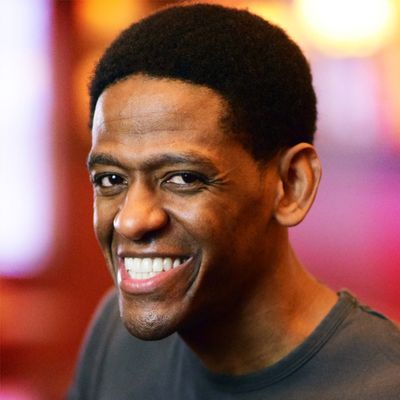
Jared Grimes, Curtain Up! Jared and Eli talk about: Funny Girl. Tony Nominee. Tap Dancing. Approaching a project as performer. Approaching a project as choreographer. The Tap Dance Kid. Choreographer. A Soldier's Play. After Midnight. Netflix's Manifest... Read More
From the show: Take A Bow
Guests
Featured Shows
About
Jared Grimes, Curtain Up!
Jared and Eli talk about:
- Funny Girl
- Tony Nominee
- Tap Dancing
- Approaching a project as performer
- Approaching a project as choreographer
- The Tap Dance Kid
- Choreographer
- A Soldier's Play
- After Midnight
- Netflix's Manifest
- + a ton more
Connect with Jared Grimes on Instagram: @grimeystepz
Connect with Take A Bow on Instagram: @takeabowpodcast
Connect with host, Eli Tokash on Instagram: @tokash_eli
Produced by the Broadway Podcast Network
Edited by Tessie Tokash (@tessietokash)
Transcript
This transcript was automatically generated and might contain errors.
[0:00] Eli Tokash: Hello everyone and welcome to episode 103 of Take A Bow. I'm your host, Eli Tokash, and this week we have an exciting episode that is all focused on the Tony Awards.
[0:11] Eli Tokash: So we won't be doing any like Broadway news. I mean, obviously, we'll be talking about the Tony Awards and everything, and that's kind of Broadway news, but there's been a lot of other news going on. Some controversial news and uh other fun things, I guess, going around. Uh, we won't be talking about that. We will literally be focusing just on the Tony Awards because there's a lot to talk about.
[0:31] Eli Tokash: Um, so we're just gonna talk about the Tony Awards, and then of course, our guest is going to be featured around this topic as well. Um, as our guest was just nominated for his first Tony Award.
[0:43] Eli Tokash: Uh for those of you who didn't haven't already figured it out. Uh, our guest is Jared Grimes, who currently plays Eddie Ryan in Funny Girl. Fantastic chat, fascinating stuff.
[0:54] Eli Tokash: Uh, he's a performer, a choreographer, a director, all the things. Um, and so the mindset uh of how all of that has kind of helped him and the way that he he kind of approaches his work and everything as a dancer.
[1:07] Eli Tokash: It's just it's fascinating. So definitely a great chat, definitely a great one for all you dancers out there. Um and uh yeah, we have some fun today, and huge congrats to him and all of the nominees who who were nominated this week uh for a Tony Award. Very exciting.
[1:23] Eli Tokash: The time has come, the season is finally approaching. It is officially Tony Awards season. Um just some great stuff, and uh I figured I'd talk about it, so why not?
[1:35] Eli Tokash: So we found out that Darren Criss and Julianne Hough will be hosting the pre-show from 7 to 8 and will be making appearances throughout the Tony Awards show itself.
[1:47] Eli Tokash: So not only will they be hosting uh the pre-show, but they'll also have an appearance as Ariana DeBose will be uh hosting the whole awards show.
[1:57] Eli Tokash: Um, and then of course, there's gonna be a bunch of other speakers. As we know, Joshua Henry and Adrienne Warren announced the nominees that happened on Monday.
[2:07] Eli Tokash: Um and uh some some shockers. I'm gonna admit, at least for me personally, there were some shockers.
[2:14] Eli Tokash: Um and I know like theater Twitter and all of the fun things had had a nice little time talking about all of it, and it was definitely trending for a bit.
[2:22] Eli Tokash: Uh so I figured I'd break it down, kind of give my thoughts. I'm only gonna give the thoughts on uh shows that I've seen and not really make too many comments on shows that I haven't seen, even though like people talk to me about it, because I trying I'm trying not to form an opinion and really go and uh see it for myself and kind of uh form an opinion around that.
[2:43] Eli Tokash: Um I it's not that I disagreed with any Tony nominations or no to Tony nominees for that matter. Um I just thought that uh there were other opportunities out there that I would have been interested in uh uh seeing and in and having those in having new people get an opportunity, you know.
[3:05] Eli Tokash: Uh so we're gonna talk about it. Uh as you know, I I mean, if I go through every category of the the Tony Awards, it's just gonna be madness and it's gonna we're gonna be here all day.
[3:18] Eli Tokash: So I'm not gonna talk about everything. What I do want to talk about is uh some of the standouts from a creative team point of view that I was kind of surprised about a bit.
[3:30] Eli Tokash: Um I wanted to say that Jerry Zaks has two shows on Broadway right now. Uh uh he is the infamous director.
[3:39] Eli Tokash: Uh he's very well known in the industry. He's done a bunch of amazing, uh amazing projects, and uh everything he touches seems to be like gold.
[3:48] Eli Tokash: Um he currently has Mrs. Doubtfire and Music Man uh on Broadway right now.
[3:53] Eli Tokash: And interestingly enough, he wasn't nominated for either of his works in those shows.
[3:59] Eli Tokash: So he has two shows on Broadway. He had two uh opportunities to be nominated for best director of a musical.
[4:07] Eli Tokash: And uh unfortunately he he was not nominated for either one. A little shocked by that.
[4:12] Eli Tokash: I mean, usually the directors that do have two, I mean, they have a they have a great shot. I mean, they have double the chances of getting nominated over everyone else.
[4:21] Eli Tokash: Uh as usually a director only has one show on Broadway. Uh so very surprised.
[4:26] Eli Tokash: And of course, just who Jerry Zaks is. I mean, we've seen in the past, we've seen it this year, that you know, sometimes who you are does have a factor in you getting nominated or not.
[4:35] Eli Tokash: So just very surprised there.
[4:37] Eli Tokash: Uh, I have to be honest. Definitely a standout. I haven't seen Mrs. Doubtfire or Music Man, uh, but I've I've heard that uh that that's definitely been uh both of those shows are are great.
[4:48] Eli Tokash: And I mean, Music Man was was nominated for Best Revival.
[4:52] Eli Tokash: Uh Mrs. Doubtfire obviously was not uh nominated for Best Show, so maybe I expected more from Music Man, uh, especially because it was nominated for Best Revival.
[5:02] Eli Tokash: So I was a little shocked there, but uh nonetheless, uh congratulations to everyone involved in the directing category.
[5:08] Eli Tokash: I did think that everyone in the directing category uh was absolutely supposed to be nominated for that.
[5:15] Eli Tokash: Uh Stephen Brackett for Strange Loop, Marion Elliott for Company, of course, Connor McPherson for Girl from the North Country, Lucy Moss and Jamie Armitage for Six, and uh Christopher Wheeldon for MJ.
[5:26] Eli Tokash: This is Best Direction of a Musical, as both Doubtfire and Music Man are musicals.
[5:31] Eli Tokash: Um, I am surprised of how much Girl from the North Country was nominated this season because I that's one of the shows that like I haven't really heard much about.
[5:42] Eli Tokash: And uh because of that, I I haven't had that high on my list to go see.
[5:46] Eli Tokash: So uh with how well they did with the nominations, I'm definitely going to have that higher of a priority on my list of shows to see, as I definitely want to see all of them.
[5:57] Eli Tokash: By the way, right now, this is kind of just like a breakdown of the Tony Awards and my thoughts on all the nominations and everything.
[6:03] Eli Tokash: Uh, I will be picking my nominations of who I think will win uh at a later date, definitely closer to the Tony Awards, so maybe probably the week before.
[6:13] Eli Tokash: Uh just a fair warning, just a heads up, I guess.
[6:16] Eli Tokash: Um, okay, moving on. I loved the fact that uh, okay, so there's a best choreography category.
[6:22] Eli Tokash: Obviously, when you think of choreography, you think of musicals, right? Because like choreography usually goes with songs and all those things.
[6:30] Eli Tokash: Um, so it's very rare for for um a play to get nominated for best choreography.
[6:36] Eli Tokash: However, this season, Camille A. Brown was nominated for For Colored Girls Who Have Considered Suicide / When the Rainbow Is Enough.
[6:44] Eli Tokash: So fascinating to uh to have that and to see that.
[6:48] Eli Tokash: I'm so excited about that. I know that there were only five nominees, um, and there's a ton of nominees that definitely uh deserve that.
[6:56] Eli Tokash: Um, but I was just thrilled to see that because it's definitely not something that we see, and it's definitely something to look for um because it's just such a unique thing that's happening uh as they're getting nominated, and I hope that they do have a fair chance because like I know the choreography in Six and especially MJ, you all know how I feel about those two.
[7:15] Eli Tokash: Uh their choreography is amazing.
[7:17] Eli Tokash: So to be in that category, I really hope that there is a fair shot.
[7:20] Eli Tokash: I don't know how fair of a shot they have, considering that Six and MJ obviously are so heavily in with music and they're they have to be heavy with choreography.
[7:20] Eli Tokash: Um, once again, I haven't seen For Colored Girls, so I can't really talk about on how if their show is heavy in choreography, but uh nonetheless, very exciting stuff and uh thrilled for Camille as well as all of the nominees in that category once again.
[7:45] Eli Tokash: Um I was shocked to see, speaking of plays and and getting nominated, I was shocked to see that Passover wasn't uh recognized as much as I thought.
[7:55] Eli Tokash: They actually got no Tony uh nominations, and I was shocked.
[7:59] Eli Tokash: And I think it's interestingly enough, um, you've seen all of the like this month, all of these shows have been opening up, and there's been about I want to say over like 20 shows that have opened up just this month, uh just in the month of April.
[8:12] Eli Tokash: Sorry, we're in May now.
[8:14] Eli Tokash: But in the month of April, there were like 20 shows that opened up.
[8:17] Eli Tokash: And so um a lot of that had to do with being fresh in Tony voters' minds and kind of just plugging everybody in to to make them watch their show while considering these nominations.
[8:29] Eli Tokash: Um and interestingly enough, Passover was uh we I kind of figured out why they did that because you see a show like Passover, it kind of reopened Broadway, right?
[8:41] Eli Tokash: It it reopened uh it was the first show that opened Broadway back up after the pandemic.
[8:46] Eli Tokash: Um I loved the play, came on here, raved about it, talked about how I'd seen it before on Amazon Prime and all of the things.
[8:55] Eli Tokash: Uh the acting, the performances, everything was thrilling about it.
[8:59] Eli Tokash: It was truly amazing. And not one thing was nominated and it just shocked me.
[9:01] Eli Tokash: It just shocked me. And I thought that it was overlooked or either it was overlooked or people just forgot about it and they were like, oh well, I remember liking it, but I I don't really remember enough to like vote about it.
[9:17] Eli Tokash: So like I don't know. I don't know what it is.
[9:19] Eli Tokash: Um, but it's interesting, like moving forward to like look at that and to see if shows consider opening right after a Tony Award season, um, or if they do it closer to the Tony season, uh, to have it fresh in voters' brains because I really think that it was it's something that should have been nominated for at least something, uh, whether it was best play or whether it was for a performance, um, it well, best direction, best scenic design, because I thought this the scenic design was insane.
[9:49] Eli Tokash: They had a whole like river on the stage.
[9:52] Eli Tokash: Um, it was fascinating and I just can't believe it it didn't get recognized for anything.
[9:57] Eli Tokash: But um I'm recognizing it now, so whatever that's worth, that that's my two cents.
[10:03] Eli Tokash: Um I was also shocked, and I had a huge I actually do have a problem about this, that not one Six queen got nominated for a Tony.
[10:13] Eli Tokash: And I listen, I went to Twitter and I kind of was like, what is happening?
[10:18] Eli Tokash: Like, why was at least n not one of them nominated?
[10:21] Eli Tokash: Like I absolutely thought Britt Mack and Abby Mueller were gonna be nominated.
[10:25] Eli Tokash: And um and and Sam Pauly, like all of them for for the reason for the matter.
[10:30] Eli Tokash: Um or or they should have done like a collaborative, like the Six queens, you know, like they had to do something to have those girls be recognized because they're putting in immense work, eight shows a week.
[10:44] Eli Tokash: Um so I was I was blown away and I took to Twitter, and you know, some of the things that I kind of bought.
[10:54] Eli Tokash: I'm not buying any of it, to be honest, because I'm just devastated that they didn't.
[10:57] Eli Tokash: Um Britt Mack, shout out to you because you're uh part of the pod fam.
[11:02] Eli Tokash: Um not one queen was nominated, and and they were telling me that, you know, because there's six of them, they could have been taking votes away from each other.
[11:13] Eli Tokash: And that was an interesting take because uh it was definitely not something that I would have like thought about because it's an interesting show that all of them are like a main character or a featured character or supporting role.
[11:25] Eli Tokash: They're all kind of this the same, you know? One's not featured more, one's not featured less.
[11:30] Eli Tokash: And uh so they were definitely eligible all for the same category, so they would have all been in the same category.
[11:35] Eli Tokash: Obviously, they weren't all they weren't gonna be the whole category, because that's just not fair, and I fully support that.
[11:41] Eli Tokash: So then it's like, well, who do I pick? Who do I single out?
[11:43] Eli Tokash: And so that's completely fair.
[11:46] Eli Tokash: So I guess in that sense, I buy it.
[11:48] Eli Tokash: However, I just think it's ridiculous that then that they then didn't come out and say, okay, well, we're gonna give it to a collective thing, kind of like what they did for Matilda's, kind of like what they did for the Billy Elliot's.
[12:00] Eli Tokash: And uh just say, hey, we're gonna do one collective one for the Six queens.
[12:05] Eli Tokash: And I think you leave it at that.
[12:07] Eli Tokash: Like, honest to God, like you can't put one more nomination in there.
[12:10] Eli Tokash: Like, I don't, I don't get it.
[12:11] Eli Tokash: Uh so I I was really upset about it.
[12:14] Eli Tokash: Um you all know how I feel about Six, so maybe it's just me and being biased and uh me knowing some of the girls in there.
[12:20] Eli Tokash: So, but I I just thought that it was I I thought it deserved to to be in some capacity nominated for for performances because it was nominated for everything else.
[12:31] Eli Tokash: I mean, it got nominated for for best new musical. It got nominated for direction, it got nominated for the for the uh songs, it got nominated for everything.
[12:39] Eli Tokash: Every other category there was a nomination except for performances.
[12:42] Eli Tokash: And I think the performances were amazing.
[12:44] Eli Tokash: And I think that they deserve to be nominated.
[12:46] Eli Tokash: So, anyways, I I'm not gonna keep talking about this because I I may be boring you, but I just thought that that was not nuts, honest to God.
[12:54] Eli Tokash: Um, shocked to also see Sarah Jessica Parker and Matthew Broderick not nominated for their performances in Plaza Suite.
[13:02] Eli Tokash: Um also in the same category as Sarah Jessica Parker, where it's best actress, uh leading actress in in a play, uh, Deborah Messing in Birthday Candles.
[13:12] Eli Tokash: Now, I haven't seen either of the plays, but uh everyone's raved about them.
[13:12] Eli Tokash: Uh everyone's raved about both of their performances, um, or all three of their performances for the matter.
[13:21] Eli Tokash: Um so shocked to see that one as well.
[13:29] Eli Tokash: I mean, we saw Hugh Jackman and Sutton Foster get nominated, like people with big names are really getting nominated this year. And totally understanding, I mean, they totally deserve it, but I definitely thought, like, you know, I mean, Billy Crystal was nominated for Mr. Saturday Night. Like all of these big names are being nominated, so it's just like you see who didn't get nominated, and it's like Matthew Broderick and Sarah Jessica Parker, like you would think they're a shoe-in, you know. So, uh, and of course Deborah Messing, even for that matter. Um, so shocked to see that stuff. I was again a lot of snubs, and a lot of it is because of this new wave of Broadway that we've been able to get that the pandemic has granted us.
Um, I guess that there's one positive about the pandemic is that it's just like Broadway is completely different right now. It's a ton of new work, it's a ton of new performances, it's a ton of new everything. So, uh, it's at a great place. Uh, anyways, I'll move on. And now lastly, I want to talk about shocked, shocked, shocked that Funny Girl did not get nominated for best costumes. I thought for sure that I loved their costumes. I thought all of their costumes were brilliant. Uh, that you know, they're very time sensitive, like in a certain time period. And then of course you have the glamour and you have that shine and you have all of the things. Definitely thought it would have been nominated.
If it would have been nominated for anything, I thought it would get nominated for that. And, uh, I came on here and talked about Funny Girl. Um, talked about Beanie's performance and everything like that. I didn't hate it. I didn't hate Funny Girl. I'm in the majority, I am in the minority that didn't hate Funny Girl. Um, yeah, I don't know. I don't know why it's getting so much hate. It was only nominated for one thing, and that one thing was Jared Grimes for his performance in it, and that's who we have on the podcast today. Um, so, uh, just crazy because especially too because like, uh, only three musicals got nominated for best revival of a musical this season. And usually all the other categories have about five.
I have about, I would say like an average of five nominees in the category, and, uh, that one has three, and Funny Girl is the only musical eligible that did not get nominated in that category. Uh, it's kind of just like a slap in the face almost. So shocked to see there, and, uh, I definitely, I definitely don't understand all of it, but, uh, I just wanted to add my two cents and talk to you a little bit about it. Um, I do want to say, um, I'm so happy for Jennifer Samard, who, uh, was nominated for her role in Company. Um, hearing she kind of was the one that kind of beat out some of the Six queens, which like if that's the case, I'm okay with it. Um, anyways, I, all of these ones were so well deserved, so well deserved.
Billy Crystal, Miles Frost, Hugh Jackman, Rob McClurge, Coel Spivey, um, and then you have Sharon D. Clark, Carmen Kusack, Sutton Foster, um, all of these names. I mean, like, you hear these names and you're like, wow, like it's stacked. Uh, and you're not hearing like some of these newer names. I mean, Jaquel Spivey is a new name, but he's already a star with for his performance in Strange Loop. So, uh, it's incredible to see all of this incredible stuff. Um, there were some snubs too that I kind of saw in Best Play. Definitely thought Birthday Candles would have been nominated for something, Chicken and Biscuits, POTUS. Definitely thought something was gonna happen there. Um, yeah, there was just it was a lot.
I read a whole article about like the who the nominees, uh, who was eligible that didn't get nominated, and, uh, you see that list, and it's just another stacked list. Katrina Lang, Beanie Feldstein, Jen Gambatese, uh, all the Six queens, Jenna Gina Duwall for Diana, the musical. Like, it's insane. Just if that doesn't prove to you that this season is so, uh, unbelievable, so stacked, so brilliantly filled with talent. Um, I don't know what what's gonna show you that so definitely a great time for Broadway loved loved love to see that diversity in all the nominations. I mean in every category you see some sort of diversity in some sort of way absolutely love to see that proves that Broadway is moving in the correct direction love that we have a black queer woman hosting the Tony Awards.
Um, just great stuff from the Tony committee all around, uh, from nominations to hosts to and beyond. So, um, congratulations once again to everyone who was nominated and to everyone who wasn't nominated because there are so many people that weren't nominated that absolutely deserve to be nominated and deserve to be recognized for their work and you know what they are and they will be in some sort of way, um, whether it's from audiences on a nightly basis whether it's for in a different capacity for in interviews or something like that. Um, but everyone should be thrilled with, uh, the return of Broadway and how it's turned out and everyone involved is just doing such an amazing job to further, uh, Broadway and to continue its legacy and continue to bring it success.
So congratulations once again and, uh, thrilled thrilled thrilled for everyone involved and for everyone in this season. It's just been an incredible time to go see some theater and I hope that you go get some to get to see some theater. Um, but for right now we're gonna talk stop talking about, uh, seeing theater and we're gonna start listening to some theater talk with Jared Grimes.
[19:20] Eli Tokash: Tony nominee, Jared Grimes, that is. So without further ado, let's turn it over to Funny Girl's Tony nominee, Jared Grimes. Jared Grimes, curtain up.
[19:48] Eli Tokash: So this week's guest was just nominated for his first Tony Award for his role of Eddie Ryan in the current revival of Funny Girl on Broadway. His performance has it all from his dancing to his singing and to his acting. He proves that he is one of Broadway's truest triple threats. You may also know Jared from A Soldier's Play or After Midnight on Broadway, or from the screen in the comfort of your home in Netflix's Manifest. Everyone, welcome to Take a Bow, Jared Grimes.
[20:15] Jared Grimes: Hello!
[20:17] Eli Tokash: What's up? So this is such a great time to be chatting with you, Jared, as there's so many exciting things going on in your life. But before we get into all of it, I like to start out by asking the people that I have on here that like what inspired them to get involved in telling stories and performing for an audience.
[20:37] Jared Grimes: Oh man, uh well, performing. Uh, I saw my mom, you know, performing when I was literally a baby. Like she was performing and doing shows around New York City, um, around the Queens area. Um, and you know, that's where I first she's the first person I ever saw tap dancing. Wow. So, um, you know, that's when I knew I was like, all right, cool. Well, I'm definitely trying to be just like my mom when I grew up. So I just I did everything she did. Um, you know, whatever she was doing, tap, hip hop, theater, jazz. Um, she was just a performer. She was a connoisseur of the arts, so I knew that, you know, my angle into the arts would be through movement first because of my mom. And then, um, you know, she introduced me to, you know, all the classic movies like Stormy Weather and all the Dick Van Dyke movies, all the Fred Astaire movies, um, any movie, classic movie that had dance in it, um, you know, Gene Kelly, the Nicholas Brothers, uh, Shirley Temple and Bill Bojangles Robinson, um, John Bubbles, any of those movies at an early age, I was watching those movies and I was obsessed with the, um, with the stars of those movies, in particular the tap dancers.
Um, and what I noticed is that they did everything. They, they did everything. They were amazing singers, they were amazing dancers, and they were amazing actors. And then on top of that, they were just amazing, you know, spirits as well. And, um, you know, I was like, man, it'd be really cool if I could in my own way connect with people, um, like that. Um, because the connection with me with old movies like that, at, you know, like the age of three, you know, it was, it was so massive. And I'm like, well, they could connect with me, and I'm three years old, and I really don't know half of what's going on except for the fact that they're amazing every time they do something. And I was like, wow, like, you know, the power of that type of, you know, connection would be super cool if I could harness it and do it in my own way.
And so, you know, I just set out to be like those guys and like my mom and, you know, with the competitive, you know, athletic nature of my dad, and you know, I kind of let all of those powers combine and, um, you know, it's what's, um, put me in the position of, you know, being, you know, in Funny Girl on Broadway at the August Wilson Theater as, uh, Eddie Ryan.
[22:47] Eli Tokash: Yeah. So that's as you mentioned, currently what you're doing. And like you mentioned, I mean, this show, you're doing everything. I mean, you're doing all kinds of dancing, all different styles of dance, acting, singing, everything. I mean, talk to me about what it's like to like do that on a Broadway stage. Like you've been working your whole life for it.
[23:09] Jared Grimes: Oh man, it's a breath of fresh air. Um, the very first, um, Broadway show I did was called After Midnight. And, um, amazing show, uh, directed and choreographed by Warren Carlyle. Um, and in the show, I had one job, and that was to come out for the 11 o'clock number. So, um, I literally didn't do anything the entire show until the last number in the show. I mean, it was to the point where like, you know, my call time was the same as everybody else's, but then I would I could like literally go grab a bite to eat. Right. And then come back and then get ready to do my number. So like that's how like, you know, you know, singular my performance was in that show. Um, and but in that show, like I said, I didn't, you know, I didn't say anything.
I just danced. Um, and you know, I'm totally fine just putting on a pair of tap shoes and, you know, getting in the lab and, you know, getting my mad scientist on, um, in front of audiences every night. Um, but you know, also knew that I was working really hard and I had so much, uh, more to offer. And so I was just like, all right, cool. Well, you know, baby steps, first Broadway show, get up there, um, go crazy with the feet. Um, then I'll wait for another opportunity, you know, where I can, you know, actually have dialogue or or or sing a tune on the Broadway stage. Um, and then, um, A Soldier's Play came up about three years ago now. Um, and that was a straight play, so it wasn't a musical.
Um, the subject matter definitely didn't lend itself towards, you know, being a musical at all as well. Um, but the wonderful Kenny Leon, who was our director, um, and one of my mentors, um, you know, he was just like, all right, well, I can't have you in the show and not have you, you know, sing a little bit or dance a little bit, you know. I mean, so he's like, I'm gonna figure it out. Wow, and he sure did. He figured it out, even though I didn't, you know, have on tap shoes in the show. Um, you know, he arced my character of, uh, Private Smalls in a way that, you know, Private Smalls, you know, had a voice and Private Smalls, um, you know, was a dancer, had a step or two in his back pocket.
Um, not that he was just pronounced tap dancer, but you know, he found a moment to make it work in the show. And I was like, all right, cool. Well, you know, all right, so baby steps, you know, After Midnight, Broadway debut, you know, tap dancer. Yeah, you know, straight play Broadway debut, A Soldier's Play. Um, getting a little singing in there, getting a little dancing in there, but you know, really, um, the performance was geared towards, um, you know, the craft of acting. Um, being on stage with, you know, Blair Underwood and David Allen Greer and Jerry O'Connell, just, you know, once again, just kind of like being in a master class, baby steps. And then, um, you know, when the opportunity of Eddie Ryan came along, I felt, you know, because of those two shows and those experiences, I felt more than ready to be able to be like, I'm here.
Yeah. I do way more than just one thing. Um, you know, I hope, you know, that you trust me or believe in me to give me the opportunity to really let me, you know, maximize, you know, my potential and my love and dedication towards, you know, being the triple threat like the guys that I watched in those old films when I grew up. You know what I mean? I was just like, I'm here and I'm willing and I'm ready. And, um, when the role of Eddie Ryan was given to me, I was just like a, you know, like a bat out of hell. I was like, yes, yes, yes, yes. I get to, you know, I get to kind of flex all the many different genre muscles that, uh, um, that I love and I'm passionate about. And, um, yeah, that's, that's been my journey and I'm just, I go to, I go to work every night. I go to the office every night. I go to the home every night and I get to have my fix in more ways than one with Eddie Ryan and I'm just super grateful for that opportunity.
[26:47] Eli Tokash: Totally. And with those emotions of being like I'm able to do all of these incredible things that I love and what I've always wanted to do on a Broadway stage, what was it also like with the added emotion of, you know, A Soldier's Play you were doing it on Broadway and then it got shut down during a pandemic and now you're part of the reopening of Broadway.
[27:04] Jared Grimes: Oh man, you know, Soldier's Play, we had a good run. We only had like two shows left or three shows left, so we pretty much got through our entire run before, you know, the COVID lockdown hit. So I felt really content. I felt really good. I felt like we didn't get compromised because we made it through the run, and then when we shut down, you know, I went to North Carolina and, you know, I set up in the garage, I set my boards up in the garage, radio speakers, and I just, you know, I got back in the lab and I just started working again. Not that I, you know, I ever stopped working, but you know, it kind of was a throwback to the days of when I was in North Carolina dreaming about being on stage in New York and how to do that in my garage.
So I went back and did that very thing in the form of making TikTok videos, Instagram content, Zoom classes, all that crazy stuff. Lo and behold, I, you know, I get back to New York and, you know, we start filming season three of Manifest, and then, you know, I have a few choreography gigs, one which is after choreographing After Midnight at the Signature Theater in DC and then choreographing The Tap Dance Kid at the Encores, and immediately after that is when Funny Girl was starting. So as soon as the pandemic, you know, was over to a certain extent in terms of the way we were locked down, like boom, boom, boom, boom, I was back on the roller coaster, but I felt, you know, I felt like I hadn't missed a beat because I was, you know, I was in the mindset of, you know, evolving and growing, you know, over the two years that, you know, we were locked down. So, you know, it feels great. It feels great. I never really think about time in a way where like I feel like I'm losing it.
[28:48] Jared Grimes: Totally. Like any second of any and every day, like I'm always absorbing something that I can use to give to someone else through the arts. And so Funny Girl is just one of those outlets at this particular point in time in the form of musical comedy. And, you know, I'm super grateful. And, you know, it's kind of one of those things where I was just like, yeah, yeah, I could do that. Like, you know, you guys will have me, you know. I can, I'm very equipped for that particular job. And I feel like I'm equipped for a lot of jobs, but this was one of the ones where I was just like, oh man, I can have so much fun with this. Super, super, super, super grateful and I'm super blessed. And, you know, this is this role and the dream and the show of a lifetime.
It's just I would say I want to pinch myself. Like, you know, like I'm in a state like a dream state, but it's just like very much so, you know, has been a reality for me since I was a little kid watching guys like, you know, the guys that I watched who were in shows and movies just like Funny Girl.
[29:57] Eli Tokash: Yeah. And now you're doing all of it, even like the behind the scenes. You're not only a performer and all of that, but in doing it on Broadway and doing it on Netflix and TV and everything, but you're also doing the behind the scenes, like you mentioned, choreographing and everything. I was interested in asking you ever since I saw Funny Girl, you have this insane, you have a few actually moments where you like just stand at center stage and you just start going and you're tapping away and like you're just like dancing, like it's insane. But like with your choreography background, you know, do you improvise that stuff? Is that stuff improvised, or is that like is there something set and you kind of do your own little things with some flair or whatever? Like, how does that work?
[30:40] Jared Grimes: Um, there's moments of improvisation. Um, but the wonderful choreographer Ayadeli Cassell, who I've been working with since I was 14 years old, um actually she choreographed my solo moment, which is called Eddie's Tap. She rearranged it, she reorchestrated it. Um, they came up with a whole different concept from what it originally was, and she choreographed that thing down to a T based on all of the great performers that I spoke about before that I had watched. Um, her craft of choreography and her mindset when it comes to developing choreography is, you know, even ever since I was 14 years old, I was just like, I mean, it's the mastery of it is out of this world. Um, so you know, one of the first things, you know, I said to her when we got in the rehearsals, or one of the first things she said to me, she was like, well, how do you see, you know, Eddie, what do you see him doing?
Um, you know, how do you see his moments? And I was just like, yeah, I see it the way you see it. Um, I fully trusted her. Um, you know, I was, I've always been down for her vision when it comes to anything music and tap dance, and, um, you know, she started laying those steps out there and I was just like, let's get it out. Like, yo, I was like, she was playing no games. Um, and so, you know, within her choreography, um, you know, the journey is trying to figure out, you know, who Eddie is with those steps because obviously once you know a choreographer, you know, lays those steps down, then you have to navigate, you know, your life and the spirit of the character into those steps. And so, you know, we were just working on that and just evolving with the choreography that she was laying out and, um, yeah, it's a dream come true to be on stage and actually working with one of my first mentors who, you know, has a lot to do with the way I dance, you know, when I'm doing my own stuff these days.
I mean, I wouldn't even be kind of doing some of the craziness that I was doing if I wasn't in her classes from the age of 14 to like, you know, 14 to like 17, 18, um, because she was just one of the first beacons of, you know, of light when it comes to what it is to be a young professional. She was a superstar, she still is a superstar, but at that time she was a budding superstar in the tap world that I was taking her classes. Um, so I've just, that was she was like, man, like I was just like her, like, you know what I mean? I would drive to New York just to take her classes. Wow, just to take her classes, like 10 hour drive just to take her classes, so you can imagine how, you know, I trusted her, you know, with her vision and stuff like that for anything Eddie's Tap in the show.
[33:24] Jared Grimes: And then, you know, like tap dancers do, she was like, all right, well, okay, cool. These couple bars here, I'm gonna just let you do what you want. You know what I'm saying? So she's just like, she just finds a way to, you know, um, give you the organization that you need out there on stage to feel really comfortable in your character's skin, and then she always finds a way to allow your character to, um, to, you know, from that organization reach out and create and find some things that they might not have found on a Tuesday show on Wednesday, and then find some things that they might not have found on Wednesday and Thursday's show. So, um, you know, she's one of the greatest tap dancers of all time, and I'm super honored to be in a room with her and to be a part of her vision.
[34:09] Eli Tokash: Yeah, it's so interesting too, because like when I saw Funny Girl, it's like, you know, you have a giant crush on Fanny Brice, you know, like and there's just there's just no chance there. Uh, or it doesn't end up happening, at least. So then like, but it's cool because your character, Eddie, like he never, it's it continues, the drive continues and it's never like a give up moment. And it seems like every time you think he's gonna give up, he goes to this outlet of dancing. And I think that that is one of the like coolest kind of hidden, because it's not like it's just like blurted out that that's his outlet or something like that, but like it can be taken in that way. And I thought that was such a beautiful thing about your character and your character development in the show. And I just thought the way that you all did it was just brilliant.
[34:58] Jared Grimes: Thank you so much. Yeah, that was, you know, finding Eddie outside of the dance was one of those things that I knew was gonna be, um, not a like a not an easy challenge, um, just because, you know, Eddie in this particular version of the show is African American. Um, and so a black character, you know, in the early 1950s is going to feel differently, he's gonna say things differently. It's gonna be a different experience, um, based on the relationships to the other characters in the show and then the relationship to, you know, Eddie in the world of what Funny Girl is. Um, and so I just wanted to make sure that, you know, first and foremost that I was, you know, paying homage to, you know, a lot of those guys that I that I mentioned earlier because I like to think that Eddie at that time was the foundation to what a lot of those guys would be over the next, you know, generation and generation and generation of tap dancers that would lead up to who I am today, which has given me so many opportunities because of the sacrifices that they made in the early 1900s, um, in the entertainment industry.
Um, and so I knew that that was something I wanted to be, you know, a cornerstone for Eddie for sure. And then also, you know, I wanted Eddie not to be a, um, an imitation of what I thought he was gonna be like in the 1900s. I really wanted to, um, find his truth, um, and find, uh, you know, his pocket, you know, as this musician say, uh, as an actor, um, and then as a character and as a human being in the space of Funny Girl. And, um, you know, I did, there was some days where I was close, but I wasn't quite there, and I didn't really feel super great about it. And there were other days where I was like, you know, I was gaining ground, but then, you know, it seemed like every time I gained ground, then maybe I, you know, I got to another scene and I was like, all right, cool, I gotta rework that or figure that out, or how does he feel?
Um, you know, I feel like the day that I really found it, um, you know, I made some really strong choices, um, with the material and, uh, Harvey, uh, came up to me and pulled me to the side. Um, Harvey Fierstein, um, uh, the legendary Harvey Fierstein. Casually throwing that out there. Um, and he was like, he was like, that's it. He was like, you got it. He was like, we found out something today. And he was like, Eddie's a real person. And I was like, there it is. And once he said, once he said that, it just, the floodgates opened up for me. And I feel like I entered a place where, you know, I found his truth so much to the point where I like, you know, I could make no wrong decisions or no wrong choices.
Every choice, you know, that he would make from that point on of me hearing that was because of something, uh, affecting him in the world of Fanny Brice or Rosie Brice or Nick Arnstein or the Chorus Girls, um, or Keeney or, you know, Straykosh or Miss Meeker, um, or Ziegfeld. Um, you know, there he was always from that point on, he always had reason, um, bigger than just being, um, a choreographer in a show.
[38:04] Eli Tokash: Totally.
[38:04] Jared Grimes: Or bigger than just being even a best friend to Fanny Brice. Um, and once I figured that out, I was able to be that best friend to Fanny Brice. That best friend, um, and and and young grasshopper to Rosie Brice, you know, worthy adversary to Nick Arnstein. You know, I was able to kind of really, you know, truthfully step into the arc of what he meant to everybody in that world, and even what he didn't mean to everybody in that world. Um, and so all of those layers and all of those, um, those colors, um, of Eddie is why I really felt like, you know, oh man, okay, now I can really love Fanny Brice, you know, as a friend, and I can really feel like I can go to war for her. I'm a ride or die. I really feel like it's not just about having a crush on her, um, a comedic crush on her in a musical comedy, just to be the other guy.
You know, it's more about being there for somebody in a world where, you know, that's it's hard to find, you know, people who are genuinely there for you, uh, through thick or thin, whenever you're messing up, whenever you're failing, whenever you're succeeding. Um, it's very hard to find that. And once Eddie realizes that, you know, you know, it's not a situation where, you know, him or Fanny are gonna be anything more than, um, friends, then boom, instantly he was like, you know what? That's okay because you're a wonderful person, and you know, I'll do what it takes to, you know, be wonderful right back at you because you are that wonderful person to, uh, to Eddie. So, um, yeah, you know, it was, it, it, it's fun and I find something new every night, um, with the character, and, uh, you know, it's been a journey, and, uh, you know, I can, you know, humbly say that, um, you know, I'm so proud to be Eddie Ryan in this show.
[39:54] Eli Tokash: Yeah. That's amazing. It's so, it's so interesting to like talk to the performers and just pick their brain about how, you know, they made something on paper into a real life person and a real performance and everything like that. Like it's so fascinating, and all that incredible work that you did earned you your Tony nomination. And like I wanna, I want to ask you about what that was like yesterday. I mean, the nominations we're talking the day after the nominations came out.
[40:25] Jared Grimes: Um, so what was yesterday like for you? Just tell me about all the emotions and how great it feels to be recognized for all the incredible work that you've been putting in.
[40:35] Jared Grimes: Oh man, I was it was crazy. I'm I'm I mean I'm super humbled. Um and you know, it's just I'm I'm one of those people that I try not to get too high about anything, I try not to get too low about anything. Yes, because you know, in you know, life it throws you so many curve balls, and once you start to throw expectations on a pitch, you just know you just you know, whenever you strike out, it just hurts that much more. Um so I just always you know stay even keel with with a lot of things in life. And um, you know, yesterday I had like I I wasn't even up to speed that nominations were coming out yesterday. Like I was I I was sleep. Um I was I was sh I was watching like Ozark the night before and I was you know I was I was like I went to sleep.
I ac actually um wifey had a uh uh she did her first straight play, she made her debut, so we went out to see that. And then um, so we were out a little bit late, and like I said, I we came back and then we Ozarked, and then um I went to sleep, got up, and my phone was going crazy, and I was just like, I was like, all right, so you know, at first the first in like instinct is like, all right, cool. Well, if my phone is going crazy, that means I missed something. That means we have a matinated day that I didn't know about somewhere. Oh my god. I was like, something is going on, and I was like, okay, so let me just try to figure out what the apology is gonna be like real quick. And so I started my agent, you know, she called me like 18 times.
Um and um, you know, I I answered the the phone and she was just like, congrats. And I was like, for what? And she was like, You you got nominated. I was like, what? I was like, oh, I was like, that was damn crazy. Um and I was like, I was asleep, my bad. I didn't I didn't get the call, and she was just like, congrats. And I just I was I was processing it, and I was just like, I was like, I got a dentist appointment at 12. Like I don't know, I'm trying to figure out like how not to let the dentist ruin my day by telling me, you know, I got something going on about you know, luckily I was I was all good. Um the flaw thing is is on play. Um but uh but I was just like, oh man, I I got the dentist appointment at 12, and I I got a two-hour massage coming up after that.
I was just like, it was supposed to be like a regular Monday. Um last I heard, like, you know, they had pushed everything back, and I didn't know they shifted stuff back and shifted, so I didn't know exactly when stuff was happening. Um so then I was just cloud nine all day yesterday, and I'm still on cloud. I don't know if I'll ever come down from that, but um, I'm just I I mean I was gobsmacked. I was just like, I'm I appreciate it so much. Um, you know, you know, as we just talked about before, you know, you know, I'm I'm honored to be in a show like this with such you know great, you know, great performers and amazing performers, and you know, Beanie Felstein and Jane Lynch and Ramin Keram Lou and the entire cast and creative of uh funny girl.
It's just like they give me joy every single day. Like I show up to work and you know, I just I have so much fun with everybody. Um, and it just there's just so much love that goes around the cast. Everybody's super super duper talented. And um I I'm I show up to work and I'm excited about that synergy, and that's why I go out on stage and I you know I beam bright with joy because you know, backstage and off stage and in the dressing rooms is just so much positive energy. There's just so much love. And um, you know, that's one of the first things I thought about, you know, after I got the nomination, was just like, man, it's just you just don't you just don't things like that just don't happen if the joy circles around you aren't, you know, aren't on point.
Right. And um, you know, just even even on stage in scenes where none of us are talking and we're just making eye contact, there's just it's just so much love. And uh, you know, that the Tony nomination is something that, you know, like I said, I I wasn't, you know, prepared for um but, you know, you know, when I got word of it, I was just trying to process it and and make sense of it and and and figure out immediately how to to keep working and how to to stay ready and how to you know keep preaching and keep getting better in the crafts that uh you know I'm super passionate about it. You know, as soon as I got the nomination it made me want to m work harder. You know so much more to do in this world there's so many things there's so many more dreams to to kind of make a reality that it just it it it just added another battery pack in my back.
Uh-huh um and I you know I'm just I'm eager to to continue at a at even more of an alarming rate to make people proud um of the things that I'm trying to accomplish to to the way I push myself in in the arts and and just to the way that I that I love those um who are around me who support me and even to the people that don't support me. I have nothing but love for them as well. Even the people that don't even know who I am you know I have nothing but love for you know for them as well and you know I I just really seek connection and connection with people you know in a way that you know really you you can't give an award for. You really can't even, you know, you can't judge or you can't have an opinion about.
You know, I go out there every day on stage and I smile at people and I and I and I dance with my gifts and my blessings um because I I truthfully want them to to heal in some way, shape, or form. Um and you know that's been my number one thing, you know, ever since you know I I I realized that I was gonna be a performer. It's like I I gotta start to give, you know. Everything is about giving. Um and the moment I stop giving, then you know, I stop breathing. You can think about it like that in that way. So um, you know, um, yeah, that's that's kind of like the headspace that I'm in right now. That's the cloud nine that I'm living right now after the nomination, and um, you know, I'm just ready to get back in the lab and and do something I haven't done before. So uh, you know, can't stop, won't stop.
[46:13] Eli Tokash: Your thought process is just so inspiring, so like motivating. It's like it's incredible to just hear the way you're thinking about everything and just taking it all in.
[46:22] Jared Grimes: Yeah, so much prompt to you. For sure. Um one thing that I wanted to just comment on really quickly, I was thrilled to see like throughout the whole like Tony nominations was the diversity in this Tony season. And I feel like now more than ever, there's just been incredible diversity here on Broadway and proving that you know, we everyone, every performer, every artist has a story to tell, and it's one that's capable of impacting others. And so like I'm just now that we're talking about Tony's, I just wanted to say that real quick. And I I just think it's so cool that we can finally be at a place. I mean, there's still a lot of work to do, but at least it's it's somewhere that it's moving forward and progressing in some shape or form. And for you to be at the be a part of that is just really cool for sure.
[47:06] Jared Grimes: I appreciate that, man. Yeah, we we we got we got work to do, and uh, you know, it's it's it's one of those things where it's just like you know, just let the craft speak for itself. You know, let the craft speak for itself and and and when that happens, you you can you can do no wrong. When that happens, the the palate is diverse. Yeah. You know what I mean? You get good things when you when you when you when you walk and you and you believe in truth.
[47:29] Jared Grimes: Absolutely, I wholeheartedly believe that you know that's why you know the the picture has been painted the way it's been painted this year around because of everybody's efforts to to be better and open their minds a little bit more and to you know be a little bit uh more truthful about the way they perceive you know uh people's struggles, their efforts, their quest for perfection, um, and their dedication to you know to the arts. So, you know, we like I said we have a lot of work to do, but you know, baby steps, man.
[48:01] Eli Tokash: Absolutely, absolutely. Well, so I do want to talk about some other things about your career. Um, you know, you mentioned you were in a soldiers play and everything, which is like completely different to like funny girl and something like that, you know. Um I just wanted to ask, like, you know, I mean that proves kind of like what you can do and like how diverse and versatile of an actor and performer that you are.
[48:33] Jared Grimes: Oh man, you know, it's funny because like if there's something that is in my mind or what somebody else might perceive as being outside of my comfort zone, um, or the norm for me, like I like like I thrive in that stuff, like I thrive in in in like I I'll just say like cross training. Like how can you know my um my my blessings and my gift for what I do in musical theater, how can that help me in the straight play world? And then vice versa. How can you know my my strengths in in acting in a straight play environment, how can that help me in, you know, um in musical theater. Um, and uh, you know, I'm I'm big on defying, you know, what may be perceived as an obstacle or as a dead end or as as a challenge.
Like I love, I thrive in that kind of that kind of atmosphere. Like um, you know, if I I almost created in my mind in order to conquer it. So like the same way, you know, a sports figure might create certain you know scenarios or certain narratives in their mind to go out and score a billion points on somebody, it's the same way and the same approach that I take to, you know, you know, the arts is like, all right, cool. Well, okay, well, what are we doing today? Okay, it's not good enough just to be good enough. Like, how can I conquer it? How can I devour it? How can I, you know, make people forget that I that I'm a tap dancer, you know, when I'm doing a straight play, and then vice versa, how can I make people forget that, you know, I did a straight play when I'm in a musical, you know, when I'm in a musical comedy?
Or how can I make people forget that I'm Adrian Shannon on Netflix's manifest when I'm Eddie Ryan? Um, you know, I I really like to immerse myself into the craft of the job that I'm doing in the moment, um, like to the point where I want people to get lost with me. Um, and you know, a lot of that just like a lot of that just has to do with just my my maniacal obsession with how far and how deep and how much I can surrender to that particular character or that particular project um in that particular moment.
[50:42] Jared Grimes: And um, you know, I have no I have no problem exposing you know my heart and surrendering, you know, surrendering completely and wholeheartedly to you know having an opportunity to give something to somebody. Sure. You know what I mean? I'm like, if I need to be, you know, if I need to expose myself, if I need to, you know, take off my my coats of armor in order to do that, like I can do that in the blink of an eye in order to, you know, really connect. So um, you know, that's for me, that's we can call it a game, you know, we can call it, we can call it just you know, an obsession, we can call it, you know, a challenge, um, whatever it is, like I I thrive in it and um I actually need it because it's what makes me tick, it's what makes me you know, wake up in the morning and go, it's what makes me um and what it's what makes me me um at the end of the day. Um so if I was just doing one thing, you know, for my entire life, like I wouldn't be able to, you know, operate, like I like I operate.
[51:44] Eli Tokash: Sure.
[51:44] Jared Grimes: Like I'm one of those people that like when I was studying for a test or when I'm reading books, I have like six different things going on. That's the only way I can focus. You know, if it's completely quiet when I'm reading the book, like I can't concentrate, you know what I mean. So it's like I need Eddie happening, I need Adrian Shannon happening, I need, you know, private smalls happening from you know, a soldiers play. I need all of those things to be happening um in order to, you know, in order to, you know, full speed ahead um gain grounding um in all the things that I'm passionate about.
[52:17] Eli Tokash: Yeah, that's amazing. That's so fascinating to think about. Like it's so true though. Like, I feel like all performers are that way where they need like constant stimulation, you know, like there's uh they need to be it so much of what we do is multitasking, and so like we need that in our personal world because like our personal world basically is performing, you know, like so.
[52:38] Jared Grimes: It's just like it's craziness.
[52:40] Eli Tokash: But yeah, so it's so true. Um, I want to ask from a choreographer's perspective, um, how that kind of helps you as an actor and a singer, and like learning about the movement uh of just even like you know, your dancing and everything, but even just like a subtle movement of like picking your hand up or shrugging or something like that.
[53:02] Jared Grimes: Like, how does that help you like perform both i in a musical, and then of course on Netflix's manifest, you know, and you're just like trying to like body language is everything and all of that, it tells so many stories. Uh it's timing, rhythm. Really? Um all that stuff. Um I I when the first I mean the first and only thing I can think of when it comes to that stuff is timing and rhythm.
[53:27] Jared Grimes: Um and once you're in rhythm, once you're in flow, once your timing feels like it's, you know, you're locked into it, um, then you can just immerse yourself in a character or in a task or in a stage direction or in a note from a director.
[53:44] Jared Grimes: Um you know, music is, you know, I'm a musician first, right?
[53:51] Jared Grimes: Above all things, and what I figured out is how to learn a song immediately.
[54:00] Jared Grimes: So I slightly in song, so a note that a director gives me, okay. I know that tune. You know what I mean? Or this monologue that I had that I have. Okay, I have the tune down so well that I can it could be these, it could be a million different things, it could be an infinite amount of things based on how much I surrender to it in the moment. Um, or when it comes to just moving to my mark, you know, on camera, it's just like, all right, cool. Um, I don't have to literally know where the mark is to be able to hit it because I know what the music of that action is based off of what the tune of my lines are. Unreal in that particular moment. So um, you know, it's it's you know, it's very I took a very musical and a rhythmical approach to a lot of things that have nothing to do with music or rhythm.
Um, and that's how you know I kind of gain advantages from you know being a dancer and being a choreographer, um, you know, on stage. Um, and you know, when it comes to coming up with choreography, um, creating stories with movement and and and physically, yeah. Um, you know, I used to watch a lot of cartoons and I used to watch a lot of um, I mean uh like National Geographic and Discovery Channel and stuff. Like I was constantly enamored by the way cartoons move and by the way animals move and stuff like that. Um, and you know, what I picked up on is like they they never move or do anything without an intention. Um they always had intentions to what they were doing. It was always, you know, you're moving to, you know, be safe or to protect, you know, the pack, or to hunt or to rest or to sleep, or you know, the everything had a specific reason.
Nothing was because it just wanted to do it. You know, I mean, same thing with like a cartoon, like a cartoon, like it's constantly telling that story because they're not that long anyway, so that the story has to be everything is detailed, everything is very specific, everything has an intention. Um, and so like, you know, like I'm very detail-oriented, I'm very, you know, big on specifics and um why I'm doing things, and um, you know, that that kind of stuff helps me out as well as a choreographer who is also an actor who's also you know an singer and a dancer um performer and you know and a and a a budding director as well too um you know it's just this the specificity of your intentions um thought out through movement um and action and dance and reason and um love and in failure um all those things uh I can kind of stir up in the pot to make me achieve a certain goal.
[56:52] Eli Tokash: Yeah well it's fascinating like everything that you've been doing with choreography lately. I mean you've been doing you've been choreographing a lot of stuff um like recently the tap dance kid at City Center you mentioned um I just want to ask you actually about that show in particular because like in a way you are like a tap dance kid and like that's kind of you know like right so like what did that show mean to you and like how I mean I guess I I don't want to say like how easy did that kind of come to you but like in I I don't know like for lack of a better term like how easy did the movement in the uh the way that you were able to tell that story come to you.
[57:32] Jared Grimes: Oh man I'm tap dance kid is like one of those it's like shows that like as a kid you're just like if I ever got a chance to choreograph that I would do that my way. Yeah and Tap Dance Kid is one of those shows that I've been thinking about since you know, forever that I was like, man, if I get my hands on that one, have some cool ideas. Really? Um, and it's funny because I've you know, I was like, Yeah, I I guess I am a tap dance kid. Like I've always been a tap dance kid to a certain extent. Um so yeah, I mean that show was I didn't, you know, it's not like I had everything planned out years in advance because I wanted to do the show, but I just always knew what type of approach I would take to the movement with that show.
Um, and you know, I've seen clips of the the original and stuff like that, and love what they did with it back then. Um so my approach to that show, you know, had nothing to do with the original at all. I'm one of those people I'll do the exact opposite, just the point. I love it. Um and so that's what we did. You know, I just did my own my own take on it. Um storytelling through through through tap is something that you know people in the theater world aren't as familiar with because typically tap is just used to come on and just be like a showstopper. But um, you know, with a show that had the significantly based around tap, there were many opportunities to kind of create stories, create pictures on the stage, and actually dive into the staging of tap, which I'm really big on.
Um especially seeing the the big MGM movies and how they would stage tap numbers and stuff like that. I was always I was always studying those movies for more reasons than just the star tap dancer, but just how people move behind him or her, um, always fascinated me. So um, you know, the pictures, the lines, the the balance of the stage, how to shape things around the main character, um, how to get with the director and have him want you to tell this story um that he just pretty much gives you the reins to telling um and doing that through tap um and movement as well too. Like all those things were things that I I was fully ready and capable of.
[59:30] Jared Grimes: And um, you know, I've been my first choreography job was for Circus Olay in like 2012, something like that, 11, and I learned a lot from that job, and um immediately after that, um, in terms of choreography, I I started really learning the ropes. Um when I started choreographing musicals at the signature theater in DC with Matt Gardner and Joe Kalarco. Um, and that was the first time that I really was like, all right, cool. Like I know I I know I can come up with some pretty sick and insane like routines and stuff like that. I got with them and they really schooled me on, okay, I know you can do that. Um but how can we do that and tell the story and push the plot? Um and that's when I I mean that's when I really feel like as a choreographer, uh, you know, I took off and you know, it didn't become about just steps on the stage and cool ideas.
It just became like I was able to feel comfortable um sacrificing the step and the cool idea for the story, but still knocking it out the park. So you could think of it as like, all right, well, I can go up and do like a crazy windmill 360 dump, right? We'll give you two points. Yeah. Or I can get a layup. Which is still two points. It's not as flashy as you know, as the dump, but I can get a layup, and a layup conserves more energy than doing a 360 dunk too as well. So like just to understand that I could approach choreography from a perspective of where, you know, less is more in order to tell the story or push the plot in certain instances. Like I felt like I was super, super duper ready to um choreograph anything at that point.
Movies, TV, you know, musicals, um, whatever. Um so I have a lot of a lot of a lot of um uh love and and thankfulness and gratefulness to give towards the signature theater for kind of taking me on for all those projects that they allow me to choreograph because you know that's what really kind of pushed me to the next step.
[1:01:38] Jared Grimes: And like, you know, tap dance kid. I was like, you know, that stuff is easy. And we did that, we did that in like 10 days too. So I was just like, oh, what you want me to do this whole thing in an hour? I got you. Like already. I was just like, I knew the story so well. I I knew exactly you know what I wanted to say. Uh Kenny Leon, the director, me and him have worked together before. He's a mentor of mine, so as soon as he says something, I know how to bring it to life. Yeah. Um, and I just I'm just very in tune with movement and storytelling, um, and just movement in general from my perspective when it comes to you know, really bringing um to life the reason for the show, or the reason for the character, or the reason for the script, or the message for the show.
I'm really, really, really good now at, you know, bringing that off of the stage and into people's hearts and into their their consciousness when it comes to you know, seeing my work in a in a musical or just on any platform.
[1:02:35] Eli Tokash: Fascinating. Absolutely fascinating. I could literally pick your brain all day. Everything that you're saying, I'm just like I'm like, I don't know if you're gonna be. I'm crazy. That doesn't mean I'm crazy. I'm mesmerized right now. This is nuts.
[1:02:53] Jared Grimes: Shut up and go cut the grass.
[1:02:54] Eli Tokash: Oh my god, no way. This is it's just like you're like a book. I feel like I'm reading a book right now.
[1:03:02] Jared Grimes: Yeah, yeah, yeah.
[1:03:03] Eli Tokash: I mean, just everything that you have to say, and not even like your little insights and everything, but just the way that you think about it, the way that you approach these things, it's just absolutely unlike anything. I mean, I've done 103 of these, and I unlike anything I've heard on this yet.
[1:03:18] Jared Grimes: Like, thanks so much, man.
[1:03:20] Eli Tokash: Yeah, truly. It's awesome. Um, I don't want to take up any more of your time, and I I think that this has been absolutely incredible. So I just want to say thank you for for spending your Tuesday morning with me. I know you have a show tonight and everything. Like, I just want to say thanks for thanks for doing this. I had a great time, and I appreciate you coming on.
[1:03:38] Jared Grimes: Oh, thank you so much, man. Uh happy Tuesday, and I hope again for sure.
[1:03:42] Eli Tokash: Yeah, for sure. Thank you so much. Have a good one.
[1:03:46] Eli Tokash: Take about Jared Grimes. Just unreal stuff, unreal perspectives on on theater and how he approaches his work. Um, how he's able to take things and just bring it to life and it through rhythm and and music. It's just it's so cool, it's so fascinating to talk to this guy. Um, hopefully that you were able to learn it and be like, oh yeah, like I can see myself doing that, or maybe I should try that if you're trying to figure out things to see what works for you. Um it's just an unreal episode. So glad we got him at this time. It was a perfect time. I actually scheduled him before he was even nominated for for a Tony Award. So just unreal timing, and now life is crazy for him right now.
[1:04:30] Eli Tokash: So uh thank you again for Jared for coming on and spending your time with me. It was great to meet you and talk to you. Um just a blast. And I hope that I know that I learned a lot, so I have a good feeling that you all listening uh were able to take at least something away from that. I know there was we talked a lot about uh we talked about a lot of things. Um, and we talked about you know, Broadway and Funny Girl and Tony nominations and all the things. So uh hopefully you you were able to take things away from it. Hopefully you were able to enjoy it, all the things. Um, it was great chat, and uh yeah. That being said, I appreciate you all listening to this week's episode of Take About. I hope to see you all next week as we will have more of a normal episode uh as we'll talk about some Broadway news.
[1:05:17] Eli Tokash: Uh there's just so much going on this week, and all of you who are on theater Twitter know exactly what I mean, from Patty Lapone to Jesse Williams to to everything. Oh my goodness. And uh yeah, that's that's all I need to say there for this week. And uh it's been never a dull moment uh uh in the theater is when you have a live show, a live audience and put all of these characters on a stage together.
[1:05:45] Eli Tokash: So uh once again, thank you for tuning in to this week's episode. Thank you for making it all the way to the end. And uh, I really hope you enjoyed this week's episode. And please come back next week as we will be joined by another fabulous guest who's been on Broadway. Thank you all so much and have a great week.
[1:06:04] Eli Tokash: For this episode's current call, I would like to recognize a few people who also deserve to take a bow. This podcast would not be possible without the help from Jory Bernstein, Brittany Bigelow, Katie Rosen, Alan Seals, and the team at the Broadway Podcast Network.
[1:06:17] Eli Tokash: Next in line to take a bow is Tessie Tokash, who edits the audio and all the visuals for this podcast. A special thanks to patrons Brian Thompson, Pat McNamara, the listeners at PCC, as well as all the other patrons for their continued support. If you're interested in becoming a patron, go to patreon.com slash T A B.
[1:06:37] Eli Tokash: And if you enjoyed this week's episode, don't forget to subscribe on the platform that you're currently listening to this on. Also, feel free to give us a follow on Instagram at Take A Bow Podcast. Take a Bow's logo is designed by Giselle Bustos and the music is by Nikki Torsha and Cormac Collinon.
[1:06:54] Eli Tokash: Bye everyone hope to see you next week.
© Broadway Podcast Network, All Rights Reserved