

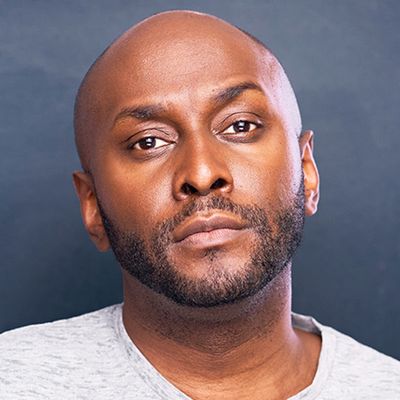
Douglas Lyons, Curtain Up! Connect with Douglas Lyons on Instagram: @chocalatehipster. Connect with Take A Bow on Instagram: @takeabowpodcast. Connect with host, Eli Tokash on Instagram: @tokash_eli. Produced by the Broadway Podcast Network... Read More
From the show: Take A Bow
Guests
Featured Shows

About
Douglas Lyons, Curtain Up!
Connect with Douglas Lyons on Instagram: @chocalatehipster
Connect with Take A Bow on Instagram: @takeabowpodcast
Connect with host, Eli Tokash on Instagram: @tokash_eli
Produced by the Broadway Podcast Network
Edited by Tessie Tokash (@tessietokash)
Transcript
This transcript was automatically generated and might contain errors.
[0:00] Eli Tokash: Hello everyone and welcome to episode 105 of Take A Bow.
[0:04] Eli Tokash: I'm your host, Eli Tokash, and this week we have an insane episode coming at you all today or this week or whenever you're listening to it.
[0:13] Eli Tokash: Um, we have the incredible Douglas Lyons on the podcast today.
[0:18] Eli Tokash: He is literally, I kind of say it in the episode, he's kind of like a dream guest, uh, not only for me, but for anyone listening, because this guy is he's he's quite the talent.
[0:31] Eli Tokash: Uh, he was he is an actor and a performer, and like he's also a writer and and he's done doing so many other things in the industry and and has been able to produce and do all the things.
[0:45] Eli Tokash: Um, so he he has a all the knowledge in all facets of the industry, and it's so fascinating to pick his brain um and talk about all the incredible things.
[0:54] Eli Tokash: I mean, he was literally writing uh a show, Chicken and Biscuits, um, which was in this Broadway season.
[1:01] Eli Tokash: Uh starred Norm Lewis, Michael Uri, an incredible cast.
[1:05] Eli Tokash: Um, and uh he was writing that backstage at Beautiful, in which that was a Broadway show that he was performing in.
[1:14] Eli Tokash: Um, so just so much talent, uh, so so fun to talk to.
[1:19] Eli Tokash: Um, I was able to see park maps that Andrew Barth Feldman's wonderful cabaret that he has created early on in the Take A Bow um ride with Sydney Lucas.
[1:30] Eli Tokash: Um, she and I both went on his podcast on the Broadway Podcast Network, The Little Me Podcast.
[1:35] Eli Tokash: And so, like there was like a whole podcast family there with Mark Tuminelli, who directed and wrote wrote it with Andrew as Andrew was on Take A Bow with us.
[1:43] Eli Tokash: Um, so it was just so cool to see him again.
[1:46] Eli Tokash: It was cool to meet him in person.
[1:47] Eli Tokash: Um, because obviously we did the interview really in the height of the pandemic, so it's definitely virtual.
[1:54] Eli Tokash: Um, and it was just such a great time.
[1:56] Eli Tokash: What they created there, they really created like a show and like a story within the show.
[2:02] Eli Tokash: I I that's rare to see at cabarets.
[2:04] Eli Tokash: Usually people kind of just sing, you know, and kind of entertain.
[2:08] Eli Tokash: But this was like a whole show.
[2:09] Eli Tokash: It was emotional, it was everything that you wanted.
[2:12] Eli Tokash: It was also just Andrew being Andrew at the same time.
[2:15] Eli Tokash: So yes, he was putting on a show, but he was really telling you the story of his life.
[2:19] Eli Tokash: And um it was so beautiful.
[2:22] Eli Tokash: And their last show was yesterday, Wednesday, May 25th.
[2:26] Eli Tokash: Um, so unfortunately, if you missed out on it, you'll have to wait for the next um what is it the next run of it?
[2:33] Eli Tokash: Because they did four shows this time and they did um I wanna say four shows last time they did the installment as well.
[2:42] Eli Tokash: Um, nonetheless, it was just amazing.
[2:45] Eli Tokash: So I'm sure that he will be doing it again.
[2:48] Eli Tokash: I'm sure that there will be uh future installments.
[2:51] Eli Tokash: They he brought out Joshua Bassett, he brought out some incredible guests.
[2:55] Eli Tokash: Um, it was just it was just a great time.
[2:58] Eli Tokash: And he sang some Disney songs and talked about the Disney parks.
[3:02] Eli Tokash: Um, it was a blast.
[3:03] Eli Tokash: And I'm so so glad that I was able to see it and go so glad that I was able to see Andrew.
[3:08] Eli Tokash: And I was so glad to see some of the Take A Bow community there as well, because I ran into a few listeners um who recognized me or I recognized them, and it was great.
[3:17] Eli Tokash: It was just a wonderful night and something that was really, really special in a small community.
[3:22] Eli Tokash: I love those cabarets.
[3:23] Eli Tokash: I don't know if you all go to cabarets, but they're much more affordable than like Broadway shows usually.
[3:29] Eli Tokash: Um, and uh there it's just a community of people, especially like if you know who's performing, um, and you're big fans, they usually have the same fans or they usually have the same friends and all the things.
[3:41] Eli Tokash: So um, it's they're so fun and they're so intimate, and I it's so wonderful.
[3:45] Eli Tokash: So, congratulations, Andrew on a run wonderful run of park maps.
[3:51] Eli Tokash: It was so much fun, and uh yeah, hopefully, if uh if there's another installment, I'll keep you all posted and you guys can go check that out.
[4:00] Eli Tokash: Something else I saw literally on Tuesday, um, May 24th.
[4:06] Eli Tokash: Uh I was able to see Mrs.
[4:08] Eli Tokash: Doubtfire that is currently that that announced that they will be having their final show.
[4:13] Eli Tokash: I said last week I will definitely be seeing it this week.
[4:16] Eli Tokash: So I kicked off the week and uh I went to see it on Tuesday.
[4:20] Eli Tokash: Y'all, I was blown away.
[4:22] Eli Tokash: Like, it was way better than I thought.
[4:26] Eli Tokash: I don't know why it's closing.
[4:28] Eli Tokash: I mean, I do know why it's closing.
[4:29] Eli Tokash: Okay, I don't actually know why it's closing, but like I have a strong guess, and my strong guess is that when I went last night, it was completely sold out.
[4:39] Eli Tokash: Apparently, ever since they announced that it was closing, they have been selling out.
[4:44] Eli Tokash: And so with that information, it makes me wonder that because of all of the incredible things, you know, some of the shows that really benefited from the pandemic, um, and and making new works and new stories and everything to come to Broadway.
[5:00] Eli Tokash: Well, those stories, right?
[5:03] Eli Tokash: They they are because they are new, people want to go see those stories first, and they're more curious about that than seeing something like Mrs.
[5:12] Eli Tokash: Doubtfire, which which is a show and a story that everybody kind of knows.
[5:16] Eli Tokash: Everybody knows about Mrs.
[5:18] Eli Tokash: Doubtfire, everybody knows what you're getting out of it.
[5:20] Eli Tokash: Um, and so people weren't necessarily in a rush to see it.
[5:24] Eli Tokash: Well, now that it's closing, everyone's in a rush to see it because they were like, oh my god, it's one of those shows that I wanted to see, and I wanted to see how they were gonna do it on a stage, and I want to see Rob Rob McClure and how he would pull it off.
[5:34] Eli Tokash: Um and yeah, so now everyone's rushing to it, and unfortunately, now it's a little too late.
[5:42] Eli Tokash: So I I mean the show is incredible.
[5:45] Eli Tokash: The story's fun.
[5:46] Eli Tokash: It's it's such a deeper meaning and deeper story to it.
[5:50] Eli Tokash: Cause really the deep down, it's just about being with your family and being uh together and spending time with loved ones and making everything happen that's possible with loved ones and getting every second that you can with them.
[6:03] Eli Tokash: So I it was so beautiful and everyone was loving it.
[6:07] Eli Tokash: I mean, everyone was the audience was insane, actually.
[6:11] Eli Tokash: Um, everyone was crying, everyone was laughing, everyone was smiling, having the best time.
[6:17] Eli Tokash: Um, so Mrs.
[6:19] Eli Tokash: Doubtfire, I I can't say enough about it.
[6:21] Eli Tokash: If you can catch it before it closes, please do.
[6:24] Eli Tokash: Um I honest to God, don't think you're I well, I know you're not gonna regret it because it's just so fantastic.
[6:30] Eli Tokash: And uh huge congrats to Jake Ryan Flynn, Erica Mansfield, Calvin Cooper, Annalise Garpacci, all friends of the podcast.
[6:39] Eli Tokash: Um Erica wasn't on, but she's a friend of mine, so um, but yeah, just huge congrats.
[6:46] Eli Tokash: And then of course Rob McClure and Jan G Jen Gambitese.
[6:49] Eli Tokash: Um, their performances are absolutely amazing, and Brad Oscar, um, just incredible stuff.
[6:57] Eli Tokash: And it's definitely one that I'm gonna miss on Broadway.
[6:59] Eli Tokash: And I'm definitely like, oh my god, now that I saw it, I would have brought so many friends and I would have said to go see it and push it a little more.
[7:07] Eli Tokash: Um, so I kinda I'm kind of regretting it a little bit, but I can push it for the last week, I guess.
[7:14] Eli Tokash: Uh, if you're in the city, please go check it out before it ends.
[7:17] Eli Tokash: You're seriously not gonna regret it.
[7:18] Eli Tokash: It's worth going for Rob McClure.
[7:20] Eli Tokash: Annalise Garpacci was snubbed of a Tony as well.
[7:23] Eli Tokash: Uh, of a Tony nomination, of course.
[7:25] Eli Tokash: Um, and yeah, that that's Mrs.
[7:28] Eli Tokash: Doubtfire was just so good.
[7:29] Eli Tokash: I'm so so bummed that it's closing because it's definitely one that uh we want on Broadway for sure.
[7:35] Eli Tokash: It's good for Broadway, it's good for for audiences to go see it and have that story be told.
[7:41] Eli Tokash: But anyways, I'm gonna move on because I'm I'm mumbling, I'm rambling.
[7:45] Eli Tokash: But uh actual Broadway news.
[7:48] Eli Tokash: Let's talk about it, shall we?
[7:49] Eli Tokash: There's only two major things that I want to talk about, and uh I know that this week's a longer interview, so I'm gonna just push it over to that.
[7:57] Eli Tokash: Um, so with that being said, here's some Broadway news.
[8:00] Eli Tokash: Gaiton Madurazzo will be starring in Dear Evan Hansen as Jared, starting on June 19th.
[8:07] Eli Tokash: Oh, sorry, July 19th.
[8:09] Eli Tokash: Uh, July 19th, it's coming around the corner, it's gonna be here sooner than we think.
[8:13] Eli Tokash: I'm so excited.
[8:14] Eli Tokash: He's coming back to Broadway.
[8:15] Eli Tokash: It's gonna be his fourth Broadway show.
[8:17] Eli Tokash: He has not been on Broadway since Les Mis, um, which was in the Pippin era, so around like 2015, I want to say.
[8:25] Eli Tokash: Um, just a freakishly talented guy.
[8:28] Eli Tokash: Um, he's so good.
[8:30] Eli Tokash: And uh Stranger Things season four is coming out, so like it's great timing for him.
[8:35] Eli Tokash: It's perfect.
[8:36] Eli Tokash: So I can't wait to see Gaiton.
[8:38] Eli Tokash: Friend of mine.
[8:39] Eli Tokash: Hopefully, we can get him on the podcast and talk about Dear Evan Hansen, Stranger Things and all the things.
[8:44] Eli Tokash: Um, but uh yeah, I'm just super excited.
[8:47] Eli Tokash: So check it out, mark the calendars.
[8:49] Eli Tokash: July 19th, Gaiton Madorazzo in Dear Evan Hansen.
[8:52] Eli Tokash: Um, one more thing, COVID is still looming through Broadway.
[8:57] Eli Tokash: Unfortunately, Alex Brightman will be missing some time in Beetlejuice.
[9:01] Eli Tokash: He's gonna be missing I think the next 10 shows, which was like seven days.
[9:05] Eli Tokash: Um, or maybe it was eight days.
[9:08] Eli Tokash: I don't know.
[9:09] Eli Tokash: But it was like it was around ten shows.
[9:11] Eli Tokash: He tested positive for COVID-19, and then um Aladdin canceled some performances due to COVID illnesses.
[9:19] Eli Tokash: So it's still very much a thing.
[9:21] Eli Tokash: So I went to Mrs.
[9:23] Eli Tokash: Doubtfire, and actually there was a group of kids sitting in the front row, and uh I mean not kids, they were probably my age, but they were unfortunately not wearing their mask, and uh Rob McClure had said something to them in the Mrs.
[9:37] Eli Tokash: Doubtfire character, um, and said, you know, pull up your mask because you're at a show and you need to it's respect the the uh uh the performers on the stage and perfect what uh and respect what uh is happening on Broadway right now and keeping it alive and open for to bring joy to people.
[9:55] Eli Tokash: Um so it's still very much a thing.
[9:58] Eli Tokash: So if you're going to a show, please make sure I know vaccines aren't required anymore, but just like be extra careful, especially like if you don't have your vaccine, like wear that mask.
[10:08] Eli Tokash: It it's just a simple ask and and honestly, like at first it was kind of something to get used to, but it's really you you kind of forget you have it on, especially after once they start singing and once they have like their opening number, you you're just like cheering and you're happy to be there and you're invested in the story.
[10:26] Eli Tokash: You're totally gonna forget that you have a mask on.
[10:28] Eli Tokash: So please, please, please do your part.
[10:31] Eli Tokash: Go to a show, but also be smart and be respectful to to the performers and everyone around you.
[10:37] Eli Tokash: Um yeah, I just wanted to to say that because it's still very much a thing, and a large part of it is because of these audiences just don't want to wear them.
[10:47] Eli Tokash: Like what's going on?
[10:48] Eli Tokash: It's not over.
[10:49] Eli Tokash: Um come on.
[10:50] Eli Tokash: But it's okay.
[10:51] Eli Tokash: We're gonna get through it, and uh it's so exciting to see what Broadway has been able to do and uh progress and learn as they go um and adjust as they go, which has been just so brilliant.
[11:04] Eli Tokash: So um yeah, that's my spiel.
[11:07] Eli Tokash: That's my little spiel on on the COVID thing.
[11:10] Eli Tokash: Um but yeah, that's all the Broadway news I have for you folks this week.
[11:13] Eli Tokash: And I'm gonna do a little short drama dictionary and then I'm gonna send you over to Douglas Lyons.
[11:17] Eli Tokash: So this week's drama dictionary word of the week is going to be brrrrrr cabaret.
[11:23] Eli Tokash: Yeah, that's right, cabaret, and it's not the Broadway musical cabaret.
[11:27] Eli Tokash: I'm not gonna teach you about the the history of cabaret or anything like that.
[11:30] Eli Tokash: Um, I'm actually gonna be talking because I went to Andrew Barth Feldman's uh cabaret park maps, and I just recently did a cabaret with Take A Bow and hopefully more down the line.
[11:42] Eli Tokash: And uh I just want to let you all know what a cabaret is if you don't already know.
[11:47] Eli Tokash: A cabaret is really a intimate performance.
[11:51] Eli Tokash: So with like some with like not a whole cast, and it kinda everyone has their own little feature.
[11:59] Eli Tokash: Um, it can be a one-man show.
[12:01] Eli Tokash: Um, but really it's just like a intimate space that holds performances and audiences usually are able to eat and drink and everything, and that's something that you can take your mask off for.
[12:12] Eli Tokash: Um, just because there's it's just a smaller space and it's kind of more open and all the things with the given the capacity, I mean.
[12:21] Eli Tokash: Um, so yeah, it's just like an it's a space that holds an intimate performance and uh has a bit of a more interaction and more intimacy, and it's usually more of like a let me entertain you kind of thing and just let me belt my face off and and do all the things, and then I can like talk to you here and there.
[12:43] Eli Tokash: Um, or it's really like a little show, you know, like Andrew Barth Feldman.
[12:48] Eli Tokash: So yeah, that's what a cabaret is.
[12:51] Eli Tokash: If you didn't know, now you know.
[12:53] Eli Tokash: And uh with that being said, that's all I have for you folks this week.
[12:56] Eli Tokash: So let's turn it over to Douglas Lyons.
[12:59] Eli Tokash: Douglas Lyons, curtain up.
[13:17] Eli Tokash: Joining us this week is a special multi-hyphenate.
[13:21] Eli Tokash: He is an actor, a singer, a writer.
[13:23] Eli Tokash: He can do it all.
[13:24] Eli Tokash: Not only has he performed in multiple Broadway shows, but he's also written a hit Broadway play called Chicken and Biscuits that took place during this Broadway season.
[13:33] Eli Tokash: So welcome to Take A Bow, Douglas Lyons.
[13:37] Douglas Lyons: Thank you for having me. I'm happy to be here.
[13:39] Eli Tokash: I'm so excited to talk to you about all the things, literally. Um, your resume is one of the coolest people, like coolest resumes of like people that I've had on the show. Uh, you've done it all, and it's I'm excited to kind of go through that journey with you and have you take us on that journey.
[13:55] Douglas Lyons: Let's take it, let's talk about it.
[13:58] Eli Tokash: So let's start at the beginning. And I want to ask you what inspired you to start telling stories, both as a performer, as a writer in any capacity. What was first? How what inspired you to get into this industry?
[14:13] Douglas Lyons: So I'm from New Haven, Connecticut, and the National Tours of Rent and Cats came through the Schubert Theater. Um, and I somehow was in the audience, and I had sort of sung in church all my life and been in a lot of dancing programs, dancing schools, but never knew of an art form that put them all together. Like I didn't know that it was called musical theater. I thought it was just Broadway. Um, but I was in a jazz band in high school, and there was a poster in the jazz room of the heart school, and it said music theater dance. And I was like, oh my goodness, like this is a thing I could potentially major in. Maybe I should go for it. And so very late into my senior year, because I played a lot of sports in middle and high school, I um I applied to four programs, two auditions were in person, Heart and North Carolina School of the Arts, and then Ithaca NYU were video.
But like imagine me on my high school stage. We had like an auditorium stage, but it wasn't a theater program really. Um, but like doing Shakespearean monologues on like uh a chair, just like me going for it, not having really any major training, just the mess. Um, but I got into heart uh and I got a little scholarship, and um yeah, yeah, that began the journey of sort of throwing all these things I had done recreationally into a profession, and I was surrounded by a bunch of theater people who were all in the show choirs and had all the theory. I had none of that stuff, partially because I was focused on school and sports. Um, and some of me sort of regrets not taking piano lessons seriously.
Uh, and there were some other artistic opportunities that I sort of like passed over at the time, but everything happens at its divine time, and uh I found myself as a freshman at heart. Uh I took a year off to tour at 19 with rent. I had been auditioning for rent since like it's like 18. And after six auditions and a bunch of callbacks, I swung the national tour uh 0607, and then I went back to school, graduated 09. Um, I'm walking through my resume. I don't know if this is what you asked.
[16:20] Eli Tokash: It's great, go for it.
[16:22] Douglas Lyons: Uh and then I uh I went on the national tour of Dream Girls. It started at the Apollo Theater. Tony award winner, Adrian Warren was in that company. Yes. Um really cool. Chester Gregory, a bunch of awesome folks. And then when I got back from tour, I moved to Astoria where I am right now. And a couple months later, I booked my Broadway debut, which was the Book of Mormon. Yeah. And um, yeah, I did that for a year, went on on the first national tour, and six days after I left the tour, I booked Beautiful, the Carol King musical, which would be in my life for the next six years, and backstage at Beautiful, I began my writing journey.
[17:01] Eli Tokash: So wow. Okay, wow. So this is crazy. So your second Broadway show is when you started writing, and then you kind of got into this industry, I guess professionally uh in during college and like trying to get into a musical theater program. That's fascinating.
[17:16] Douglas Lyons: Yeah, I also I wanna I wanna go back on something. So I started writing music. People don't know I did it's so interesting. I wrote music before I wrote plays, and so with my writing partner Ethan Pakchar, I started writing music on the Mormon Tour. We recorded a live album called Hashtag LoveLive. It's on the iTunes and on the Spotify. Um, but we started writing music. We recorded a live album in the fall of 2013, but I didn't start writing book or plays until 2017 when I was backstage here.
[17:46] Eli Tokash: Yeah. Wow. That's so cool. I love this journey, and I love the fact that you kind of just ran me through your resume. It was kind of iconic. Um but uh it's awesome. It you're doing all these things, and it's cool to see how, like, literally one thing, like one opportunity that you got kind of just led to the next thing, and you just rolled with it, and you were willing to be like, and this, yes, and you know, I love that. Um, good for you. And I think that's a big lesson that anyone listening should be taking in in kind of that journey and that kind of mindset throughout this industry for sure.
[18:21] Douglas Lyons: Yeah, it's it's it's uh sorry to interject, but like what I'm learning right now about life, and I've been talking to my parents about this, is it happens in chapters. Mm-hmm. Right. And so Rent was a chapter, Dream Girls was a chapter, Mormon was college, was a chapter, uh, Mormon was a chapter, beautiful was a chapter, chicken and biscuits, fragile rock has been a chapter. Like all these chapters in my life, and mind you, our careers should not dictate our joy, which is another thing that I've been really trying to refocus during this pandemic, how to have joy when I'm not working. But if you always think that like life will present you a new chapter, just keep doing the work. That's how, like, in the sort of solemn times and the hard times, I'm like, it's okay. You can't write it, you gotta wait for it, but just be ready for it. You know what I mean?
[19:08] Eli Tokash: And so um, that sort of excites me is that like I don't know, you know, when I was leaving Mormon that tour, I was so terrified uh because I didn't have a job. I did not have a job, and my first appointment for beautiful was during my final week of the Mormon tour. I like like it was a crazy week. I like flew from Toronto back to the city. I was up for Motown and Beautiful at the same time, did not get Motown, had another callback for beautiful while I was in the air to go back to Mormon. Found out that my grandmother passed.
[19:40] Douglas Lyons: Oh my god. Yeah, yeah, it was crazy. It was crazy. And uh had to leave the tour two days early so I could fly to North Carolina for her funeral. They had a callback on a Sunday, but I couldn't be there because I was at the funeral. Um the final callbacks were Tuesday, Wednesday. So I flew back that Monday, said goodbye to my family. But I was like, you know, I feel like my grandmother is my angel right now. Like, I feel like I feel good, you know. She's with the job on Wednesday, uh, got the call on Friday.
[20:06] Eli Tokash: Holy moly.
[20:07] Douglas Lyons: Yeah. Insane. Chapters, chapters, all about chapters.
[20:11] Eli Tokash: That's like, yeah, those are like legit pages. Like just next page, next like that. Every day, it seems like a page for you. That's awesome.
[20:20] Douglas Lyons: Yeah. That's craziness. So um, so talk to me. So you you made your Broadway debut in Book of Mormon, and I'm just curious, you know, you've done tours and you've done this, all these experiences, and it's been wonderful, and there's so much to learn throughout all of them, but there's something about being on Broadway, and it's just like a whole new like world, you know. And I wanted to ask you what your biggest, like your best lesson that you kind of learned that then you were able to um continue to expand on and kind of understand as you grew in this industry from your first Broadway show. Because I know you were swing swinging that, and that's like not an easy task at all, and that's one of the most important roles on Broadway. So, like, just talk to me about kind of the lessons that you were able to to soak in in your first Broadway show.
[21:14] Douglas Lyons: I think as a community, sometimes we get caught up in the sheen and the shine of the bright lights, right? The new non lights, and we must always remember it is about the work. At the end of the day, it comes with perks, but it's about the work. And so I think Broadway was a goal that felt very shiny and like, oh my, it's like the NFL or the NBA of our profession, right? But then you get there and you remember it's work, it's actual work, and so um it's and I always say this, we focus so much on the show and not on the business. You know, I had to learn, you know, I was staying in an apartment at the end of the Dipmar stop, um, and like splitting a one bedroom that was converted into two and saving a lot of money to pay off my loans at the time.
You know what I mean? Like I was on Broadway, but also back of my mind, I was like, but this this actually can afford me to take care of myself as a human being. Um artistically speaking, swinging I had done on rent, so I knew that it was going to take a lot of work at home that I had to be over prepared. We had a phenomenal stage management team, some of which is still there, and uh dance captain Graham, who really took the time to teach me the show. But when I joined Mormon, there was no cast recording. Um my first day of rehearsal was the Tony Nominations Day. I believe it was May 2nd, 2011. Wow, so I like watched the Tony nominations and got on the subway and like went to rehearsal. Um you're like honorary original cast.
[22:48] Douglas Lyons: I'm I I can say I can say that I originated a track in that building because I did not replace anyone. I was replaced. Um yeah, I can say that I was not there on opening night, but six weeks after opening, I started a new track that would be permanent in the building. So that was pretty cool. But yeah, just like the balance of rest and being prepared. Like I made my Broadway debut, I think on June 24th, 2011. And June 25th, the stage manager called me, and I just knew again, like imposter syndrome. I just knew I had done a horrible job. I knew they were firing me, they had notes for me. No, I'm like sitting on my bed. Well, come on. This is like 24-year-old Douglas. I'm sitting on my bed, and uh I uh she Karen calls me and I was like, oh my god, like what happened?
I was like, hello. She's like, Douglas, and I was like, Yes. She was like, so you're on again. And it's like, oh my god, like it was so exciting. Um, but yeah, I I learned so much backstage at that show, and like there was an instant where I went on mid-show, and again, you just you got to be ready. That's the one thing Broadway taught me, and specifically swinging is like you're not gonna be taught everything, you have to study, and there's three different shows happening. There's the shows, there's a show that you can see. There's the show that the stage management and dance captain show you or teach you. There's then there's the show of the Bible, the one that you sometimes they'll give you like a staging Bible, and then there's a show that the actors are doing.
Literally like study all of them. Um but I I made some really great friends. Um, I'm grateful for Mormon because leaving Mormon when I did and going on the tour introduced me to Ethan, which introduced writing to my life, which I did not know. Like writing was not a possibility. I've had a complete 180, you know, flip of my life with this writing thing. And I'm immensely grateful for it because I think it serves a larger purpose than acting could have ever for me. Um acting feels very singular and very like I'm concerned with what I'm booking next, and writing feels more communal. And then I'm creating roles as chicken and biscuits goes out in the regions now. There's gonna be between eight and ten productions. I'm getting text messages and emails from actors I've worked with being like, I got an appointment. Oh my god, I'm so excited. So excited. And so that feels like a larger purpose. Um yeah.
[25:22] Eli Tokash: Oh my god, I love it. We're gonna talk all about chicken and biscuits because that's literally the thing that I really want to talk about. Um I I do okay. You know what? I'm just moving there now because there's I mean, there's just so much to talk to you about, but like we'll go there now. Um I wanna know, like, what is as a writer, you mentioned this like uh this communal um kind of feeling and and employing actors and everything like that. Like, what is the most rewarding thing for a writer? Is it the fact that you were just got published? Is it like that you are they they are continuing the legacy, even though it's not on Broadway in these different regions? Like, what is it that you feel?
[26:03] Douglas Lyons: So when we talk about legacy, when we talk about theater as a space, which is predominantly not, you know, a space built for folks of color, it's something that we've gradually taken strides in. Anything that I typically write is pulled from something in my life that I've studied or that I've lived. And a lot of the comedy of Chicken and Biscuits specifically is pulled from the comedy of my mother and her sisters and my grandmother, um, and the kindness of my father. Like, so in a way, I'm honoring the legacy of my ancestors and my family with my own history, which is now become theater history, which will be which will be repeatedly performed over and over again around the world. Like when I am gone, that play, very much like you know, all of August Wilson's work, lives on. And what a special way to memorialize yourself and to memorialize your history and your culture.
[26:57] Douglas Lyons: And that's what I mean about like the comparison of writing to performing. Live performing, if it's not on, you know, screen is very singular, it's in the moment. Um, but a script, you know, is something that you know, in 2099, when I'm probably not here, somebody can read Chicken and Biscuits and be moved in the way that audiences were moved at Circle in the Square. That to me is magical. That's timeless. Um, and so that was sort of the turning point of my mentality. Like, hey, you can contribute to the canon of what theater and television and film can be, um, while employing, you know, people. Uh, and you're still being an artist. Yes. But you're employing artists and creating legacy. And so that that is my favorite part is also to see the different interpretations.
Like, I've only seen Chicken and Biscuits in readings and at the Queen's Theater and on Broadway. But, you know, these directors, there's right now announced there's Portland, Crossroads. There's like 10 of them, I think, eight to ten of them. Um, I know Missouri's one, right?
[28:09] Eli Tokash: Missouri?
[28:10] Douglas Lyons: Isn't it? Kalamazoo.
[28:13] Eli Tokash: Oh, yeah, yeah, yeah. Michigan.
[28:15] Douglas Lyons: Oh my god. M I. Oh my god. Duh, Michigan. I need to go back to geography. Oh my god. No, I'm not because I was like, what? Missouri's doing that someone's doing it at Atlanta. Like, I'm just excited to see the family, you know, something having done Rent, when you're in that show in the chords, you can feel the love that Jonathan Larson left. In the chords alone, you feel the love. And so my hope is that the text and the relationships built in the play, when Chicken and Biscuits is performed, you will feel the love. That no matter who's putting it on, that audience will have that exchange of laughter and love, and everyone will be healed and set free in that theater for one moment. And that's where theater is magical.
[29:00] Douglas Lyons: That's where theater is magical. You can recreate um an atmosphere, very much like church, you know, growing up in church, like, but with text, you can recreate that artistically and change people's hearts and minds. And so that really, that really is the goal. And I just cannot wait to see that goal come to fruition.
[29:24] Eli Tokash: Yeah. So my question is for you like, I don't know, just hearing you talk about like how it you're kind of honoring your ancestors and everything, and then of course, that like it's going to these other regions and everything. Like, how do you like hand off your work to like directors and like performers and and kind of trust them in honoring the the vision that you have? Like, what is that process like?
[29:46] Douglas Lyons: When you're building a world together, everyone has to listen. Right. And so Jalen Levingston, I actually met at a Britain in the Sting concert. I'm not sure if you're familiar with their work, but look up Britain and Sting, they're everything. You will see them performing on SL as a special guest. And they started in the theater. So get ready for that. Um, but I met I met Jalen at the first Britain in the Sting concert. This was summer of 2018, I believe.
[30:19] Douglas Lyons: Yeah, 2018, I believe. Um, and he was sitting, I was sitting on like the edge of a couch, and I was like, hey man, you know, who are you? What do you do? He's like, I'm a director, performer, multi-hyphen it. Um I was like, director, hey, I'm working on this new play. I would send him the first 30 pages like a week later. He was going to LA. Um, but he read it and called me and was like, we need to talk about this. And like from there on out, he was in the room. And we did four readings and the story continues. But um, there was also a respect and a brotherhood and a safety, and that I trusted his instincts, even when we would disagree on things, I knew it was coming from a place of love.
[31:00] Douglas Lyons: And so the room itself, he always says, Um, how we make is as important as what we make is something that Jalen says. And so I've learned from that partnership. It's very important that the dynamic um and the trust and the love is in the room, and we're not just focused on the baby. Because again, as I said with Jonathan Larson, you can feel when something was made with love.
[31:25] Eli Tokash: Yeah, totally.
[31:26] Douglas Lyons: You know, and so I look for that in my collaborators. I'm like, I don't care what your resume is, I don't care, you know, if one myth or that, it doesn't really matter because if you're not kind to work with and we're not respecting each other's brilliance, it's gonna come out in the work. So that's something I really, really look for.
[31:43] Douglas Lyons: Like um, working with Josh Rhodes is a gift, he just has a spirit about him. And together we've been working on this musical Bow. Um, and it you can feel it, you can feel it, right? And we like I'll call, I'll call him who's like, Hey, how you doing? I was just you know, listen to the album and crying again, what's going on today? You know, like it it matters that much to us, and so I like to surround myself with collaborators who I you know, I want to give them space to have their vision, but also know that they're always respecting my original vision as well.
[32:16] Eli Tokash: Absolutely.
[32:17] Douglas Lyons: And like, was there ever any thought of like you like directing it or like you even performing in it? Like, was that ever a thought that crossed your mind?
[32:26] Douglas Lyons: At one point, because I needed health insurance weeks, I was thinking about playing Kenny in Chicken and Biscuits, to be very honest with you. Um but then I didn't need it, which is kind and great. Um then I I want to direct, I directed our kids' piece Polka Dots. I directed a production um Playhouse on Park in Hartford. I would like to do a production of Chicken and Biscuits at some point.
[32:50] Douglas Lyons: Um for sure. Yeah, like absolutely. I don't think it's always healthy to start that way because you have unless you have a really great assistant or dramaturg, you don't have that extra set of eyes to make sure you're not only going to your interests. But yeah, no, I definitely will direct a production at some point.
[33:09] Eli Tokash: Oh, I love that.
[33:10] Douglas Lyons: So and I love the fact that like you were able to to do that and kind of hand it off and be able to collaborate because that's really what theater is. It's just collaborating with other artists and and coming together to to make something work and to tell a story.
[33:24] Eli Tokash: So um I thought it was I thought that was very admirable that you were able to, I don't know. I feel like if I wrote something, I would be like, it's gotta be this way, and like I'm too OCD. So I applaud you for doing all that.
[33:36] Douglas Lyons: You gotta let that go. I mean, and and if you're asking someone to contribute to the room, yeah, they're there for a reason. Like if they're not a puppet, right? So you can't be like, hey, I want you to direct this, but I want you to listen to everything that I want. It's like, well, then you're not asking them to direct, right? Um, and that's where the trust is really important.
[33:55] Douglas Lyons: Um, but you also want to study the style. Like, there are some folks whose work I see, and I'm just like, oh, I really love the lighting. Who is that lighting designer, right? Um, Josh Rhodes, when I saw Bright Star, there was a moment where he used this blanket as like a cape as wind, and then as like a um a picnic layout, and but it just kept flowing.
[34:19] Douglas Lyons: And I was like, the story that did you see what he did with the blanket? Like, and it was a subtle thing, but I knew watching that show, I was like, I need to work with that choreographer, and now he is the director of Bow, you know. Um so it's finding the glitter that an artist brings to their work, and then you take yours and you mash it up, and hopefully we have a new globe, you know.
[34:41] Eli Tokash: Yeah.
[34:43] Eli Tokash: So what is like for I mean, I don't know if you have an exact answer to this because I'm sure every process is different. But from your experience, like, what is the process of I mean, I I know you did it backstage at Beautiful and everything. Like, what was the process of writing it? Like, like how many drafts did you go to? How did you then how how does like you how do you fund it? Like, how do you get it to Broadway?
[35:09] Douglas Lyons: Fund it. Fund it. I went, we gotta put a pit in that. Fund it. That that's the real conversation. Um let's see fascinating. Uh well, yeah. No, it's so we if we tell the chicken story, the first Chicken and Biscuits reading was November of 2018. Lilius White, my good friend, starred in it.
[35:30] Douglas Lyons: Yes. Um, we then had a second reading with the Queen's Theater. My friend, executive producer Taryn Sacrament there. Um, the third reading was at the Billy Holiday Theater because um Debbie McIntyre, who's a great theater human being, had seen a reading and suggested that we go um to there for a reading series.
[35:57] Douglas Lyons: So for the Frank Silvera workshop, we did that for the third reading, and a friend had seen the second reading and came on board um Elliot Clayton Cornelius, Pamela Ross, and Leah Mikelis produced the fourth reading, um which was I feel like May or June of 20, that would be 2019, maybe. Jesus, I'm trying to like right.
[36:23] Douglas Lyons: Um, and conversations between Taryn and that team had begun for what would be our off-Broadway bow in 2020, March. So those producers who had produced their own reading got on with Taryn, had a conversation, and she gave us a slot in their wonderful black box, and that's how that started.
[36:44] Douglas Lyons: Now, the story goes further that in the fall of 2019, I got followed on Instagram by Hunter Arnold, who is a Tony Award producer for Once on This Island, etc. And me being the go-getter that I am, I'm the type of person that will email you or reach out and be like, hey. And I also respect that in return when people reach out to me. It's like brave to do that. Now you may not get the answer you want, but you know, taking that action and applying yourself is a beautiful thing to celebrate.
[37:13] Douglas Lyons: Um but I reached out to Hunter and I said, Hey man, do you know I see your Broadway producer? Do you read scripts? And he was like, Yeah, I do. It's like awesome. Um, would you read, you know, have a couple of shows, you know, Polka Dots, Bow, Chicken and Biscuits, would you take a look? And that was the fall of 2019.
[37:29] Douglas Lyons: And every five weeks thereafter, I would send him a message on Instagram. Hey, did you read? Hey, how you doing, man? Happy hot. Did you read? Um, did you did you read? Uh, and he hadn't. He was, you know, too tied up and busy. And during the pandemic, I got it was like April May, I got a sort of four paragraph message from him being like, I did not take, you know, the time to read your work. I was too busy. But now that the pandemic is here, I have no reason not to check it out. And I'm really impressed with what you've done. We need to talk.
[38:02] Douglas Lyons: Wow. Um, it's really important that people, and this is something I've learned also working in television. It really takes one. It only takes one. Always like I know actors that have complete resumes built on one director or choreographer. Um, it takes one. And so I was like, Oh, this is interesting. And then we found ourselves on Zoom. We're trying to figure out which projects we wanted to do.
[38:24] Douglas Lyons: Um, and Chicken and Biscuits had been in conversation. And then 21 spring, um, we were looking at maybe bowing at an off-Broadway theater, like moving maybe from Queen. No, no, I'm mixing up contract. Another show we were gonna maybe do off-Broadway. See, I'm mixed, mixing things up.
[38:44] Eli Tokash: I know how you keep it all straight.
[38:47] Douglas Lyons: Yeah, I I don't know either. Um, but there was a potential opportunity, you know, that Hunter brought up of a Broadway bow because there was a theater opening, American Buffalo had to push back because the celebrities were not available until the spring of 22. And he thought that maybe you know, Chicken and Biscuits could be a possibility.
[39:05] Douglas Lyons: And me, especially, you know, the COVID of it all, I was like, okay, all right, like my play going to Broadway. Are you kidding? Okay, whatever. Um, no, I'm having a conversation with the theater owner, and then you know, there became more and more emails and texts about it, and I was like, okay. And we were a part of this musical Breathe that went up in the pandemic with Jody Pico and Tim McDonald.
[39:30] Douglas Lyons: And uh that night of the um premiere, I got the text message that Ayati had approved that all the unions had approved, and we basically had the house. But still, it was COVID, and so I was like, I don't believe in I remember my friend Kimberly Marible was there, and I was like, Cam, I I think I think we go on a Broadway. But I was like, I couldn't tell people, and I kept telling people in private, but I it it didn't until it was announced, I didn't believe it.
[39:59] Douglas Lyons: And then oh my god, oh my god. I wonder if it was announced on the anniversary of my Broadway debut. Because I think it was announced either June 24th or June 25th. I have to look that up. I was just gonna say, I'm looking it up right now.
[40:14] Douglas Lyons: I I have to look up my Broadway debut. I think it was either the 24th or 25th. It's right around the same time, but anyway, they announced, and uh then I was like, now you're on the hook because it's on deadline, so it has to happen.
[40:25] Douglas Lyons: Yes, oh my gosh. Um yeah, so that was now mind you, if I had never slid into the DMs of a Broadway producer, I would not have a Broadway play. That's just factual. It's just facts. So that's the beauty of social media. Like it yes, it's a dangerous place, but at the same time, there are some good things about it.
[40:45] Douglas Lyons: Yeah. If you know how to use it as a tool, like I selfies, great, awesome. Like whatever gets you through the day, like honestly, do it. But for me, I use it as a business tool. I've gotten commissions. I recently got a commission from an Instagram post because a producer who had seen Chicken and Biscuits was reminded of me and like reached out and was like, Oh my god, this post got my attention, but I also saw Chicken and Biscuits. Can we talk? And now I'm doing a commission, right? So yeah, it's like, how are you using that free piece of advertisement and marketing?
[41:21] Douglas Lyons: Right. Absolutely. You can get your bag or you can get your like yeah. I'm trying to get this bag. I've tried to get this bag. You know what I mean? Right. And just succeed in general, you know. Like it's like, I don't know. There's so there's a lot of things that you could do with it. And it's I feel like that's everything. Like there's even relationships, like it's all like the whole, it's a game of life, and like you have to like use it, like, but not use it, because I don't want to say that.
[41:47] Douglas Lyons: Like, you don't want to take advantage of it, but at the same time, like there are just ways that you can you can benefit everybody involved. And it's a way to connect. It's uh I mean, you reached out to me via Instagram, and here we are. You know what I mean? Like, it's a way to connect, and in an industry that's so difficult sometimes to get in the room. These are tools. I tell young artists, like Darren Hayes, who was in our show Notes from Now at Prospect, tagged me and Ethan covering a song from Bo.
[42:16] Douglas Lyons: And he had this gorgeous voice. And I was like, I don't know who you are, I don't know where you are, but you need to sing our music. I put his name in the pile for Notes from Now. He booked the show and he made his off Broadway debut, and I found him on Instagram. I love that. That's amazing. So it's a tool if you want to use it that way. You don't have to, but you know, when especially during COVID where they're not open calls and you can't walk into a room, you can be discovered online.
[42:45] Douglas Lyons: It's just the culture shift that we're in right now. Yeah, and I in ways, I it's a good thing. I guess the pandemic happened because who knows if Hunter would have ended up reading the material if it didn't happen. So I would have shown up to his office. He was gonna read those scripts. Yes, come on. That's everything. Let me tell you something. Oh, I that's what I mean about passion. You're gonna read the scripts, okay? Yes, yes, I love that. Good for you. I love your drive. It's like everything.
[43:16] Douglas Lyons: Um, but it look it pays off, right? It does, it really does. It really does. It's insane. I the whole process is fascinating, and it's crazy. It's actually um kind of amazing that I know four years seems like a long time, but four years to go to Broadway is pretty quick compared to some of these shows. It was very unexpected, but I call it divine. Like what we did in last fall and like reopening Broadway and just the laughter and the tears and the joy.
[43:51] Douglas Lyons: I remember I would watch House left occasionally, and there was one performance where I saw this couple sort of sharing tissue. Oh. You know, and I was like, oh that, that, that, that's why we do that's that's what we want, right? Um everything else is added. The accolades and stuff is added, but it's really making sure that people are moved by the thing that you wrote. And if I can continuously do that in my career, I'm good. I'm genuinely happy.
[44:25] Douglas Lyons: I think the sad part of COVID is we've been able to do less of that work because our profession in particular has been affected, you know, the most I miss. And so to be able to do that again and to give people laughter um and family and and healing was just an honor. Yeah. And now you guys are published. Now the show is published and I can go to the I can mosey on down to the drama bookshop and uh chill out and have a coffee and uh read Chicken and Biscuits.
[44:57] Douglas Lyons: So everyone do that. Highly recommend that. Yes. How cool is that? It's great. They have right now they're e published because they're getting the hard copy made um but people are already buying it and reading it. And I forget like an artistic director sent me a message on Instagram and he had read the one in Kalamazoo they had read the play right um and just from reading it they hadn't seen it I don't think were moved to do the show.
[45:26] Douglas Lyons: And so there's something interesting about seeing how people interpret it from just reading it alone because everyone didn't see it. Everyone didn't make it to New York. Um, and I'm not used to strangers around the world reading the play. And so that is also exciting to see how it inspires, you know, young actors, um, young black queer actors too. You know, there's some monologues and moments in there that's new material and new text for people to explore.
[45:50] Douglas Lyons: Um, and I'm so excited. I'm just so excited to see all the different productions. I know, and I love it too, because like it's it's a way to get the bring the art to a uh whole new community because all you're doing is buying like a $20 play, like and and then with that, I mean you may not be getting the performance, you may have to be doing a little bit of extra work, but reading it, and but that all that's doing is is kind of flexing your creative muscles and and figuring out your way to tell the story and give your own interpretation on the thing.
[46:25] Douglas Lyons: So I think it's really cool. I'm a big uh supporter in reading plays and reading new works and all the things. So I'm so excited that this is published, and I'm so glad that it it's now available for for people to read all around the world. Yeah, yeah. And and for me too, it's like and I speak on this a lot when it comes to black representation in theater and content, it's often very oppressed and very painful, it's rarely joyful.
[46:54] Douglas Lyons: And so I say that something like a Chicken and Biscuits is a revolutionary act. Yes, um, it's not something that's always understood, and it was not necessarily intended to go to Broadway, you know, it was an exercise, really. Could I capture the joy of my family? And at the time or relationship I was in in a play, like could I celebrate my lessons in a play?
[47:16] Douglas Lyons: And so now that that play will be, you know, sprouting joy around the country, it's just that that's the coolest thing. It's the it's the coolest thing, and I'm just gonna cry my way through this fall. I'm telling you, when I see the play. Um like a woman I worked with in 20 in 2008 sent me a message. She was like, I just submitted a tape, you know, and she's a middle-aged black woman, but she has a new role to audition for.
[47:41] Douglas Lyons: Come through. Let's go. And you did that. You didn't. Yeah, we did it. You know, come on. That's amazing. Yeah. That's so cool. I love that so much. And I'm so glad that those new opportunities have come of it. I'm so glad that it's being published. I'm so glad. All the things I love the show. I think it's great. Um, and so I'm just so excited for it. And the cast that you had on Broadway was just stupid.
[48:03] Douglas Lyons: Like, it was so freaking good. But that's like amazing. It's uh it's amazing with what the show was able to do, and loved it. Um, anyways, um, I I want to ask, like, do you know like when you're writing something like, oh, oh, this is like this is it? Like, because I know you're working on like so many pieces that it's like, how do you keep on track?
[48:27] Douglas Lyons: Like, which one do you work on? Like, you're working on five at a time, like it's craziness. So, like, what is your writing process like in general and balancing everything and how you're feeling towards each piece?
[48:39] Douglas Lyons: So, when we say it, that's a very interesting word. Like it in what capacity? It as in the one that will be celebrated, it as in the one that moves me the most, it as in what? So, I'm gonna ask you that question. What does it mean?
[48:54] Douglas Lyons: Oh my god, but I kind of like want to hear all the things. Um maybe the one that you like you are you feel most moved by and kind of yeah, go for the I'm a I'm a lovey dovey writer. Like, I'm not an intellectual writer, I'm not trying to like change humanity. I'm usually trying to bring joy. Like that's really I'm trying to take a snapshot of life. I'm trying to encourage young kids, queer folks, black folks to keep their head up.
[49:25] Douglas Lyons: It's kind of a simple task. Um but I I always say I can only do two things at a time. I right now I've been doing three things at a time, which is stressing me out because I broke my own rule. Um I go into sort of a time capsule and I spend time with whatever world it is. Uh I also do a lot of development with actors.
[49:50] Douglas Lyons: So there were over 20 actors, 25 actors throughout the period of development with Chicken and Biscuits. That first reading was probably folks 10 through 18, because I had a bunch of private table reads before that. Um and Rebecca Covington, I say this to her all the time. I thank her because she was at one of the early table reads. We were doing Beautiful at the time.
[50:11] Douglas Lyons: And I was nervous because I had never written a play successfully. And it was like page 10, and she was like, Douglas, you need to keep going. You have to keep going. And I was like, I but this, she said, keep writing it. Yeah. And I'm so glad that I did.
[50:26] Douglas Lyons: Um so I I in the early stages, a lot of development with actors, because I act, but I don't like sitting in my room acting against myself. Sometimes if you think a script is going one way and you give it to actors and they read it a completely different way, you're like, oh, if it could be interpreted that way, maybe I need to clarify what I actually once said.
[50:46] Douglas Lyons: So that's how I work in process. And then, you know, now working in television, it's assignment-based sometimes that you have to get things done. So there's like deadlines, and you go through. So I'm working on two TV projects, and one of them I've gotten like four rounds of notes from an executive, you know, to get it to a certain place.
[51:09] Douglas Lyons: And which can be very frustrating but fruitful. Because I had a pitch a couple of days ago with a celebrity, and now the celebrity wants to meet me and actually talk further about the project, but it takes a lot of work. And ultimately, all that work could happen and the celebrity go, actually, I don't think this is the right person, right?
[51:23] Douglas Lyons: So it becomes a little bit more business oriented in the TV world for me, where it's like, yes, this is artistic and awesome and it feels great and like characters, but also there's a certain structure that you have to meet, right? Which is why I try not to do more than one thing at a time or two things at a time.
[51:41] Douglas Lyons: Um, but when it comes to theater, I always think of it as like playtime. It's you know, exploration, it's an experiment. So this new play I'm working on is about two exes that see each other for the first time after being like out of communication for over a year and a half, and they see each other for the first time in front of us, right?
[52:02] Douglas Lyons: And so I've been like slowly working on um the opening monologue, but I like pulled a friend into a zoom room and I was like, read this for me. How did that feel? You know, like that's kind of my my process.
[52:16] Douglas Lyons: Um, that's fascinating. I don't know, like that that I love that concept. Like, I don't know how that's like something that people think about. Like, I don't know. It's fascinating to just see your thought process and be like, oh yeah, I'm gonna write about this. Like, I don't know, like it's brilliant.
[52:30] Douglas Lyons: I wish, like, I don't know, I didn't I didn't think that's it. Well, I'm I come from you know, being an actor first, so I lean on actors because to me, they teach you so much about what the world could be. And if something doesn't feel right in their mouth, I think part of the reason Chicken got in so quickly is it had been through so many actors' mouths, right?
[52:49] Douglas Lyons: Right. So I'm not only I I think it's always a bad idea to write a full draft of anything without hearing anyone on it. Because what if in that first reading you realize that the audience is over your protagonist by the I want song by like the third scene?
[53:04] Douglas Lyons: Yeah. And you've written an entire musical based on something you thought would work, and they're tuned out because they didn't like the turn or the choice that that lead character made. You could prevent that mistake if much earlier on you have heard it and you know allowed a couple of people to sort of see what it is.
[53:21] Douglas Lyons: So you learn about it as you go, but that's just my process. Um, I think it saves me a lot of time in that first draft because I've written and based on what I heard, it inferred what I should write next.
[53:36] Eli Tokash: Okay, interesting.
[53:37] Eli Tokash: Now, do you feel like your experience in performing has helped you as a writer and vice versa?
[53:45] Eli Tokash: Like if being a writer has helped you in performances and telling your stories and all that kind of stuff?
[53:51] Douglas Lyons: Yeah, I think in the TV space, the act of pitching, which is I've had to do now via Zoom, where you get on and there's executives and you have your little cheat sheet and your document, and you pitch an entire, like I just pitched an entire pilot episode and full season of a TV show that does not exist currently, and it's the personality of the actor in me that allows me to sort of bounce and get through when no one's responding or whatever, right? So you become a salesman in a way, and I think the actor in me has helped me as a writer, also just in a room looking at actors' work and being like, Oh, I feel like they want to say something different here. How can I support that?
[54:32] Douglas Lyons: I always tell the story that we were in the Queen's rehearsal period of Chicken and Biscuits and Ebony Marshall Oliver. The moment in the play where the new sister pops in, and Beverly stands up and goes, "the fuck?" and she like everyone flips out. From that moment on in choreographing Queens, I could see there was a moment where she had this face that was like, "Oh, you want me to come out of this pew?" And so I gave her a line that was like, "Oh, you do, huh?" And like I added a line based on the subtext of her face. And that line based on her acting ended up actually getting a laugh, you know what I mean? So it's studying what the actor's impulses are and not being offended by it, but also collaborating on it and being like, okay, sometimes you gotta be like, no, I want to do what's on the page, but sometimes you go, actually, that might heighten the moment, try it and let's see what we learn about it.
[55:32] Eli Tokash: Oh, I love that. That's fascinating. I never even thought about that. Like, because it is a whole not only are you collaborating with the director and in trying to tell the stories, but the performers are the ones telling the story. I mean, you kind of have to write towards them too, you know. It's crazy.
[55:48] Douglas Lyons: Yeah, you want to write an outline and a roadmap of a character that's built so that when people read the play and they're in Kalamazoo and the actor playing Logan uses the words, it's not just built for Michael Uri, right? That it's built for Logan and that person can make their own version, but sometimes you also can be inspired by what's in front of you and infuse that into the role because it's only going to enhance what will become the published version of the play.
[56:17] Eli Tokash: Right. And since that's such a huge factor, like, do writers have like were you involved in the casting of Chicken and Biscuits?
[56:26] Douglas Lyons: Oh, yeah.
[56:27] Douglas Lyons: Okay. Yeah. In TV, unless you're executive producing, I don't know that you do, but in theater, it's very much the writer's sort of vision with how the play is made. And the director has to have the final say. But the crazy thing is when we got the news of Chicken and Biscuits, we had walked the theater already. We were in pre-production, set models and things were coming in. And I already had a flight plan to Los Angeles when they had to do the auditions because Jalen was going to Korea to put up Hades Town. And so we had to have the initial auditions when he was in town. The callbacks were when I was in town. So I was in Los Angeles in my hotel room watching self tapes. But like it hadn't been announced. It's so crazy. And like three of the actors who self-taped became original cast members as the understudies.
[57:26] Eli Tokash: Oh my god. That's amazing.
[57:27] Douglas Lyons: Yes.
[57:28] Douglas Lyons: That's awesome. Self tapes are not easy, so go off.
[57:33] Douglas Lyons: They are not easy and not preferred, but they can pay off.
[57:37] Eli Tokash: Right. And it's just easy. You can do it in your sweatpants. There's no complaints there.
[57:43] Eli Tokash: Um anyways, Douglas, I think like this has been amazing. And I and I don't want to take up more of your time, but I appreciate you just kind of coming on here and kind of educating me. And I know all of the listeners will definitely be learning something out of this. And I'm really thankful for that. And I love your story. I love everything that you've done with Chicken and Biscuits. I think it's fantastic, and I'm so excited to continue to watch it, you know, have a life and continue to be reborn in every region. It's so cool.
[58:17] Douglas Lyons: Yeah, thank you for having me. I really love making theater, making stories, and I think there's a bigger picture of legacy, you know, for all of us to think about, especially at a time where so much was lost, so many people have been lost. Yes, art is the thing when done well that can last forever. And so I think that's why writing sort of holds a place in my heart because once that script is written, it is stamped in time. And then it can become timeless as it's performed or read for years to come.
[58:50] Eli Tokash: Well, thank you for creating those stories and thank you for creating jobs for performers and artists and everything that you're doing is just fantastic. And once again, we didn't even talk about like your career as a performer that much, but I wanted to talk about your writing.
[59:07] Douglas Lyons: We can talk about it a little bit if you want.
[59:09] Douglas Lyons: I mean, I'm down if you are.
[59:12] Douglas Lyons: I got more time than I thought because I was pushed back to a little later. So yeah, we can talk about it.
[59:16] Eli Tokash: Okay, cool. Because I know you're doing a bunch of stuff right now, so I am I don't want to like overload you, but I am so down to talk. Your whole thing with Beautiful, okay. I want to talk about that. And I also want to like tie it into your whole writing process. So that was like the first time you were like an original Broadway cast, technically, I guess.
[59:39] Douglas Lyons: So with Beautiful, did you with the process of going through tech and going through the previews performances and seeing changes every day and all of the fun things that happen when a show is being on Broadway, what was that learning experience like for you? Because as a performer, you know, you're kind of like put into shows often, and it's a very rare experience to have that kind of original Broadway cast experience.
[1:00:06] Eli Tokash: So I'm curious to know what that did for you as a performer and knowing your character to be able to tell that story every night, and then also like how it helped when you were creating Chicken & Biscuits and going through that process.
[1:00:20] Douglas Lyons: I think what I learned with Beautiful is that you have an opportunity to speak up and collaborate. You know, I think earlier on in my career, I was just happy to be in the room and I was like militant. And with Beautiful, Jason Howland, who was our music director, you know, gave us room, especially because everyone had a feature. I tell this story often, but the first day of rehearsal when he was assigning solos, because we had auditioned, but the only song that we had sung for our audition was "On Broadway." And so I didn't know what my responsibility would be beyond that. But he was like, "So you're singing There Goes My Baby, and then you're singing Up on the Roof." And I was texting my best friend and manager was like, "I think I have a solo. I have a solo. I think I have a solo. I'm not sure. I'm not, but I think I have a solo."
[1:01:05] Douglas Lyons: And when we were learning the song Up on the Roof, I'm a relative sight reader. I'm not the best sight reader, but they were like, "You're singing Up on the Roof." And I was like, "I am?" I had never heard the song. And so I listened to it, but then we got to the end of the song, and I didn't, the sheet music sort of like faded out because the original track faded out, and I was like, okay. And so I started sort of like doing this makeshift riffy thing that ended up going into the score that ended up being how that number ended, and right, so that became enlightening to me. Like, oh, like I can contribute, I just don't have to show up and be a drifter. Like, I can pull more of myself. There were some licks I threw into There Goes My Baby that I was like, I'm gonna try this. And if they say it's too much, they'll tell me, but let me put my stank on it, you know.
[1:01:50] Douglas Lyons: That was something that I learned, and then just the process of going out of town and building a family with this new show that no one else really knew about, and getting the news. Like, I remember we were on a bus on a day off when they had just announced Broadway, and there was like a time spread. And that was really huge. And the way that I had actually played the current theater in San Francisco three times with Dream Girls, with Mormon, and with Beautiful, so that was really special. And then coming back to New York and having two weeks off and hopping into rehearsals again, and you know, previews and reviews and Tonys and Good Morning America and that cast album. That was a moment, you know, exhausting, right?
Exactly exhausting, but like it was the gift, it's the dream, you know. I'm like my voice is on this album forever. How cool is that? You know, we talk about the blueprint. My little solo, my little riffy thing is up here forever. Noah Ricketts calls it the Arabian riff, which makes sense.
[1:03:01] Douglas Lyons: But yeah, Beautiful was a moment where I was like, wow, and like seeing all the different celebrities and folks come, you know, opening night, you know, the moment when we got back from the Tony performance, and we performed like in the second half of the program. And as we literally got off the bus in costume, we ran downstairs, and the producers had put the Tonys on the TV in the lobby. And it was Jesse's category. And so the entire company was like looking at the screaming when they said Jesse, we just screamed and cried. Like those moments are things I will never forget.
[1:03:40] Eli Tokash: Oh, I love that.
[1:03:42] Eli Tokash: Yeah.
[1:03:42] Eli Tokash: You're talking about like celebrities like coming to see your shows. I mean, like, your show is about a celebrity, and she was there all the time.
[1:03:50] Douglas Lyons: Carol King.
[1:03:51] Eli Tokash: I feel like I don't know, I maybe you have a different perspective, but it seems like all the time she would like come and visit and everything. Like, how special was that? And like, how are you able to like, you know, kind of talk to her about like the show that is literally about her and kind of gauge a little bit more insight on the story and kind of doing her justice, you know?
[1:04:13] Douglas Lyons: She was not really a part of the process until she came. First time we met her, she didn't come to San Francisco at all. Jerry Goffin did with his daughter. So we met him, but she came. I think the first time we met her was in a rehearsal room when we were starting for Broadway in New York. And then she didn't come to the show until she surprised us like two weeks before the Tonys or something like that, or like April. Yeah, but when I met her backstage, I remember saying, "Hi, I'm Douglas. I sang Up on the Roof," and she said, "Yes, you did."
[1:04:51] Douglas Lyons: And that was Jerry Goffin's favorite song. So that was also really special. But she just carries this kindness and this heart about her. That again, you know, how the show is made, that love, I think was written into the script. You know, when Douglas McGrath was interviewing them, he soaked up that love from those interviews and infused that into that script. And that's what people feel. That's why it's still touring five or six years later. It's like the fifth leg of that tour.
[1:05:20] Douglas Lyons: Right. Like, wow, that's crazy. In six years on Broadway, you know.
[1:05:23] Eli Tokash: Um, so I don't know. I think I soaked in the love that Carol gave in person, and that's how we honored her with the show.
[1:05:32] Eli Tokash: Yeah, for sure. I'm like, I love it. I loved Beautiful. I saw it like three times. Bruni, I love Mark Bruni. Shout out to Mark Bruni, the director.
[1:05:44] Douglas Lyons: Yep.
[1:05:44] Eli Tokash: Awesome. Um, what else? Well, the Book of Mormon. I want to talk to you about Book of Mormon because you did both Broadway and Tour. I know Tour is a whole other ball game. Talk to me about like kind of doing both and in and kind of what the differences were, because maybe the show has to change because the stage has to be different because it's going to different theaters and you're traveling with it and all that fun stuff that goes along with it.
[1:06:10] Douglas Lyons: Yeah, Broadway, I was a swing, so I got to cover technically nine tracks the women, the Ugandan Women and Men, and it was like an emergency cover for the general. And then on the first national, I played Madala, and I was the assistant dance captain. So I was on stage after every night, and that was cool.
[1:06:33] Douglas Lyons: I love, I mean, the cool thing about touring is you see so many friends around the country, and some folks that I had met on previous tours, you know, on the route of previous tours were still there, so I could see them again. Even some of the local house staff and stuff, you recognize like there was a doorman at the current who always did these very strange weather reports. He was there every time.
[1:06:55] Douglas Lyons: But yeah, no, I mean, I remember my father flew out for the Mormon opening in Los Angeles, and like he was the red carpet taking pictures of the celebrities.
[1:07:16] Douglas Lyons: Like an aunt of mine who I had not seen in like I think since we had buried my grandmother, her mother saw Chicken and Biscuits, and when they saw the show, I had to go to the six opening.
[1:07:26] Douglas Lyons: But um, so I like hugged them and took pictures, but I was like walking away and I looked back, and my my aunt had like walked like away from the marquee of Chicken and Biscuits and just watched me walk down the street and was like waving.
[1:07:38] Douglas Lyons: And like the moments, the moments that have been given are the really touching things, I think, for me with theater.
[1:07:46] Douglas Lyons: And I think Mormon gave me a lot of those moments.
[1:07:48] Douglas Lyons: Um, because that was my last tour.
[1:07:50] Douglas Lyons: I haven't toured since then.
[1:07:52] Douglas Lyons: So right.
[1:07:53] Eli Tokash: And what is tour life like for you?
[1:07:56] Eli Tokash: Um, I know you're traveling to like a new city nonstop on the days off.
[1:08:02] Eli Tokash: So is is it really a day off?
[1:08:03] Douglas Lyons: Not really.
[1:08:04] Douglas Lyons: Um, what what is that?
[1:08:06] Douglas Lyons: Talk to me about how you're that luckily I've been on tours.
[1:08:11] Douglas Lyons: I mean, Rent was a little bit more one nighter-ish.
[1:08:14] Douglas Lyons: Um, because that was technically my night tour.
[1:08:16] Eli Tokash: Oh, they were one nighter.
[1:08:18] Douglas Lyons: Oh, yeah.
[1:08:18] Douglas Lyons: Uh uh.
[1:08:20] Douglas Lyons: Oh, yeah.
[1:08:20] Douglas Lyons: But like honestly, it was some of those people I met on that tour.
[1:08:26] Douglas Lyons: So my friend Aaron Lavernay is currently playing Jesus on the JCS tour.
[1:08:31] Douglas Lyons: He was like my bus buddy.
[1:08:32] Douglas Lyons: He sat in front of me and like he became a brother, you know.
[1:08:35] Douglas Lyons: Um and so the non-union tour of that was difficult at times for schedule, but I also was 19.
[1:08:41] Douglas Lyons: I was like, I'm on tour.
[1:08:42] Douglas Lyons: I'm buying sneakers I don't need.
[1:08:43] Douglas Lyons: I'm living my life.
[1:08:44] Douglas Lyons: I don't care.
[1:08:45] Douglas Lyons: Um and Mormon because it was like the first national we were in Los Angeles for three months and San Francisco for six weeks, I think.
[1:08:53] Douglas Lyons: So it was it was nice.
[1:08:55] Douglas Lyons: It was a nice you had time to like I took an acting class while I was in LA doing Mormon.
[1:09:00] Eli Tokash: Oh I love that you know so according to the leg of the tour and the root of it you do have time um but you're living out of a suitcase in a trunk.
[1:09:09] Douglas Lyons: Um and you're doing the same thing every day and really the folks on the tour are your family that sometimes can be a beautiful thing that sometimes can be a horrible thing according to the company.
[1:09:25] Douglas Lyons: And uh yeah I mean every contract I've ever had regional Broadway tour has afforded me a new friend and a lot of them still are very dear to me.
[1:09:35] Douglas Lyons: And the beauty of the Mormon tour specifically was meeting Ethan Pakjar.
[1:09:39] Douglas Lyons: I don't know what my life would be without him.
[1:09:41] Douglas Lyons: So yeah.
[1:09:41] Eli Tokash: And it opened up a whole new new career path for you.
[1:09:45] Eli Tokash: Chapter I told you it comes chapter and added all the pages to to your book.
[1:09:52] Douglas Lyons: Yes oh my God I love that so now with him you write play you wrote you write musicals sorry right yes.
[1:10:01] Eli Tokash: And so with like when you like go off and branch off and are go write Chicken and Biscuits like like how does a a writing partnership work?
[1:10:11] Douglas Lyons: Well, I mean, I always try to include or infuse him into something I'm doing if it has music as a part of it.
[1:10:19] Douglas Lyons: So I worked on season one of Fraggle Rock.
[1:10:21] Douglas Lyons: And after the room had wrapped, I was very again this hustle and being adamant and you know a hustler.
[1:10:29] Douglas Lyons: I reached out to the folks at Jim Henson through John Tartaglia, who's a great friend of mine.
[1:10:35] Douglas Lyons: And I was like, hey, I would really love if we could write a song, like please, please, please, please send I sent them drop boxes of our music, and they finally said yes, and that you know came to fruition.
[1:10:44] Douglas Lyons: And so we have a song in season one.
[1:10:46] Douglas Lyons: Um I love Fraggle Rock as a result of that.
[1:10:49] Douglas Lyons: So uh I always try to pull him into whatever collaboration if there's you know music to be had.
[1:10:54] Douglas Lyons: And you know, our style is very groove-based.
[1:10:59] Douglas Lyons: Um, you know, we started with an album, and it is a fusion of pop, R&B, gospel, and Broadway.
[1:11:07] Douglas Lyons: Like our sound is very thumpish, it's very now like it might not sound like theater music at first to you.
[1:11:16] Douglas Lyons: Um, and I've had to learn lyrically how to make sure that I'm really honoring whatever the moment is in the show, but also maintaining the vibe that we like to upkeep our sound.
[1:11:27] Douglas Lyons: Um, and so yeah, like there'll be times where we jam it out, and he's like, I don't think that's really us, like sonically speaking.
[1:11:34] Douglas Lyons: Like we really try to create our own iconic sound, and uh we've been successful, I think.
[1:11:41] Douglas Lyons: Um Bo is a more like country funk score.
[1:11:45] Douglas Lyons: So like if James Taylor and James Brown were in a band together, that's sort of Bo.
[1:11:51] Douglas Lyons: Um, Five Points has you know, sort of blues gospel roots meets Celtic um Celtic pop I don't know uh so always playing with sounds and sort of trying to create a new genre of music by infusing different ones together right and kind of making it your own it's cool I love that you're not like really like I mean because all music seems to be recycled in in some sort of in some sort of way so I love that you're kind of yes and that you know um yeah that's we want it to evolve like I sometimes fear that we don't have a lot of contemporary musical theater writers because we do so many revivals um that it's like theater is not relating that's why Hamilton became what it was is because that music exploded outside of the theater realm into the world it belongs to the world that music belongs to the world and so how do we create music that you know what Rent did in its day like Seasons of Love became a universal song you know yeah so that's always the goal so now is it like in the future so like five years are are you continuing writing or are you continuing performing you want to continue doing both like what what's next for Douglas?
[1:11:51] Douglas Lyons: I don't know that the chapter will reveal itself that's my new thing so this chalk wall I have over here I usually write all my goals on but this year I did not I was like you're not writing down anything you're not predicting or expecting anything it will unfold and it has.
[1:13:45] Douglas Lyons: And I don't know.
[1:13:46] Douglas Lyons: I know I will always be making art.
[1:13:48] Douglas Lyons: I don't know where I'll be making it, but I know I'll be making it for a bigger purpose.
[1:13:52] Douglas Lyons: And that's just exciting to me.
[1:13:54] Douglas Lyons: I'm like, I don't know what's gonna happen, but something's gonna happen, and I'm gonna be right here, ready for it, you know.
[1:14:00] Eli Tokash: So you know that Douglas is gonna be a name that everybody's gonna know one day because and people are already knowing, you know, it's gonna be with your drive and your motivation, your talent.
[1:14:11] Eli Tokash: It it's it's bound to happen at some point, you know.
[1:14:15] Douglas Lyons: Thank you, thank you.
[1:14:16] Douglas Lyons: I'm I'm really about the the work and being a light, you know.
[1:14:20] Douglas Lyons: I feel like being an artist can become such a selfish and indulgent thing.
[1:14:24] Douglas Lyons: And sometimes I think in the theater we take ourselves too seriously, we forget that the ability to tell a story is a gift.
[1:14:32] Douglas Lyons: We are privileged to professionally make musicals and plays for a living, and so let that not go to our head, right?
[1:14:41] Douglas Lyons: But let it like excite us and amp us up to use it to inspire more people to use this way of storytelling, right?
[1:14:50] Douglas Lyons: Um, I'm so glad I found the theater.
[1:14:52] Douglas Lyons: So, so so glad I found the theater, and I'm trying to use what it did for me to inspire other people that look like me.
[1:14:58] Eli Tokash: So yeah, I think we can talk.
[1:15:00] Eli Tokash: I I think I can speak on behalf of everyone that we are happy that you found the theater as well.
[1:15:07] Eli Tokash: Um seriously, because you've given us gifts and we we so appreciate it.
[1:15:12] Eli Tokash: Um, and I think that's a perfect place to end today.
[1:15:15] Eli Tokash: Um uh it was it was a blast to talk to you and just to talk to you about all all the things in your life and your career.
[1:15:22] Eli Tokash: So I appreciate you coming on and spending your time with us.
[1:15:26] Douglas Lyons: Thank you for having me and check out the music, it's all over Spotify, um Bo, the musical, Polka Dots the Musical, Breathe the Musical, those are the ones to check out.
[1:15:37] Eli Tokash: And can we get uh like uh Instagram handle, whatever handle that you have so that we can follow along?
[1:15:45] Douglas Lyons: I am Douglas Sings on the Twitter.
[1:15:47] Douglas Lyons: I am chocolate hipster on the Instagram.
[1:15:49] Eli Tokash: Oh my god, chocolate hipster cracks me up.
[1:15:52] Eli Tokash: I have to say, I love it.
[1:15:54] Douglas Lyons: That was not that was given to me.
[1:15:56] Douglas Lyons: So um, as Marette, Gabra McKell in Book of Mormon.
[1:15:59] Douglas Lyons: I'll never forget this day.
[1:16:01] Douglas Lyons: We were sitting on a bench about to go out, and she was like, You always dressing like a hipster.
[1:16:06] Douglas Lyons: You're like a chocolate hipster.
[1:16:07] Douglas Lyons: And I was like, Oh yeah.
[1:16:09] Eli Tokash: Amazing.
[1:16:10] Eli Tokash: That's like your gonna that's gonna be your stage name, stage name one day, or like a character in your play.
[1:16:15] Douglas Lyons: I love it.
[1:16:15] Douglas Lyons: Yeah, it's chocolate hipster.
[1:16:17] Douglas Lyons: Yep, that's right.
[1:16:19] Eli Tokash: I love it.
[1:16:19] Eli Tokash: Well, Douglas, seriously, thank you so much.
[1:16:21] Eli Tokash: And uh I appreciate you.
[1:16:23] Douglas Lyons: Thank you for having me.
[1:16:24] Eli Tokash: Take a Bow Douglas Lyons.
[1:16:26] Eli Tokash: That was so much fun.
[1:16:28] Eli Tokash: I literally cannot thank him enough for coming on the show.
[1:16:31] Eli Tokash: I've he's someone I've wanted to have on for quite a while.
[1:16:34] Eli Tokash: So I'm glad that I was able to reach out.
[1:16:36] Eli Tokash: I'm glad he was able to see it and and be willing to come on.
[1:16:40] Eli Tokash: I loved everything that he had to say with Chicken and Biscuits and just how what that process was like and how to start it and what's going on as a writer and as a performer, and all the projects that he's doing and how he's working on multiple at a time, kind of always.
[1:16:53] Eli Tokash: Um, and and now he's working in the TV film and how that's different and all the things.
[1:16:59] Eli Tokash: And uh I really really, really want to focus on more of that side of the conversation, which is why we didn't talk about uh his kind of performing career more often or like m more in the interview, and um, I didn't have uh as many performing questions prepared because I really wanted to talk to him about the writing process and about the creating and musical process, because that's something that we haven't really talked about on here.
[1:17:23] Eli Tokash: So um huge shout out to Douglas for coming on and providing a new perspective on the industry and a new field of the industry for those of you who are interested in kind of those fields.
[1:17:34] Eli Tokash: Um it was a great episode, and I really enjoyed having him on.
[1:17:39] Eli Tokash: He uh he loved having him, uh he loved talking to us about uh everything.
[1:17:45] Eli Tokash: So I'm wouldn't be surprised if we see him in the future, whether it's at a cabaret, if it's at another podcast episode, or whatever it may be.
[1:17:53] Eli Tokash: Um his next Broadway show I will absolutely be having him back on and talking all about it.
[1:17:58] Eli Tokash: Uh, but he's just doing so many cool things, and I'm excited to see Chicken and Biscuits uh be able to perform more regionally.
[1:18:06] Eli Tokash: So if you're in those regions where Chicken and Biscuits is coming on, give a listen to this episode.
[1:18:11] Eli Tokash: I mean, obviously you just did, but tell your friends about it and tell you like your friends in school about it and be like, oh, we're gonna go see the show.
[1:18:19] Eli Tokash: You you should listen to what the writer had to say about the show.
[1:18:21] Eli Tokash: So, yeah, that's that's a fun little thing that you can do and something to look forward to if uh you do not live in New York and you're able to see the show elsewhere.
[1:18:32] Eli Tokash: Unfortunately, I didn't get to see Chicken and Biscuits on Broadway, uh, but I have read the play, and I'm a huge fan of Douglas's work and I've seen him perform in Beautiful and all the things.
[1:18:41] Eli Tokash: So I can't I'm very excited, and I hope that you all enjoyed this week's episode.
[1:18:46] Eli Tokash: And uh that's all I have for you folks.
[1:18:48] Eli Tokash: So, with that being said, continue to be you, be a star, um impact people in a positive way.
[1:18:57] Eli Tokash: That's really all I can ask, and choose kindness because we really need it right now.
[1:19:01] Eli Tokash: And after seeing Mrs. Doubtfire last night, it was like this is what we need right now.
[1:19:05] Eli Tokash: We just need to be a community, and we need to do what it takes to bring joy and have fun in this world and and choose the right thing and kindness and everything.
[1:19:15] Eli Tokash: So just continue to do it, continue to have the conversations, and uh, with that being said, I'll see you all next week.
[1:19:23] Eli Tokash: So bye everybody.
[1:19:24] Eli Tokash: Have a great week.
[1:19:26] Eli Tokash: For this episode's curtain call, I would like to recognize a few people who also deserve to take a bow.
[1:19:31] Eli Tokash: This podcast would not be possible without the help from Dory Berenstein, Brittany Bigelow, Katie Rosen, Alan Seales, and the team at the Broadway Podcast Network.
[1:19:39] Eli Tokash: Next in line to take the bow is Tessie Tokash, who edits the audio and all the visuals for this podcast.
[1:19:45] Eli Tokash: A special thanks to patrons Brian Thompson, Pat McNamara, the listeners at PCC, as well as all the other patrons for their continued support.
[1:19:53] Eli Tokash: If you're interested in becoming a patron, go to patreon.com slash T A B.
[1:19:59] Eli Tokash: And if you enjoyed this week's episode, don't forget to subscribe on the platform that you're currently listening to this on.
[1:20:05] Eli Tokash: Also, feel free to give us a follow on Instagram at takeaboutcast.
[1:20:09] Eli Tokash: Take a Bow's logo is designed by Giselle Bustos, and the music is by Nikki Torsha and Cormac Collinon.
[1:20:16] Eli Tokash: Bye everyone.
[1:20:17] Eli Tokash: Hope to see you next week.
© Broadway Podcast Network, All Rights Reserved