

Curtain up, Mary McGowan! Connect with Mary McGowan on Instagram: @marycynthiamcg. Connect with Take A Bow on Instagram: @takeabowpodcast. Connect with host, Eli Tokash on Instagram: @tokash_eli. Produced by the Broadway Podcast Network... Read More
From the show: Take A Bow
Guests
Featured Shows
About
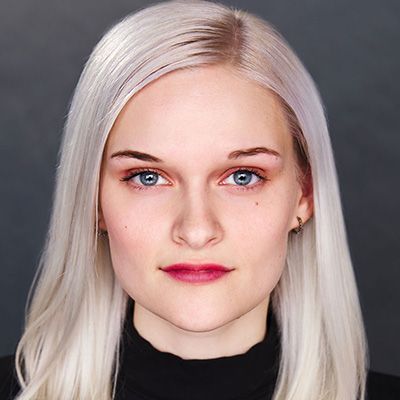
Curtain up, Mary McGowan!
Connect with Mary McGowan on Instagram: @marycynthiamcg
Connect with Take A Bow on Instagram: @takeabowpodcast
Connect with host, Eli Tokash on Instagram: @tokash_eli
Produced by the Broadway Podcast Network
Edited by Jessica Lauren (@jessicalaurenradio)
Transcript
This transcript was automatically generated and might contain errors.
[0:00] Eli Tokash: Hello everyone and welcome to episode 131 of Take A Bow.
[0:05] Eli Tokash: I'm your host, Eli Tokash, and this week we have another exciting episode, and we are back to our regular episodes where we have one guest talking about the industry and talking about their journey in the industry.
[0:17] Eli Tokash: And this guest is super, super special. She's literally done everything in the industry. She's been an actress, she's directed, she's assisted directed, she's done it all, she's been a casting director, all the things.
[0:32] Eli Tokash: So very exciting stuff coming, and we have it covered for everyone. So if you're like a multi-hyphenate or you're someone who just loves theater, like me and Mary, our guest today, Mary McGowan, this is the perfect episode for you because we are two theater-loving people who have no idea what we want to do with our lives, and that's okay.
[0:54] Eli Tokash: You know, we're just taking it one day at a time and letting the industry work its magic and letting life work its magic and pointing us in the direction that we're supposed to be in. So very, very cool stuff.
[1:07] Eli Tokash: Mary was such a fabulous guest, and we play a super fun game, so stay tuned, and let's talk about some Broadway news before we turn it over to that, shall we?
[1:18] Eli Tokash: All right. So, this week's Broadway news, I want to start off by saying I had a very exciting moment this past week where I had my first ever trip to the Metropolitan Opera.
[1:32] Eli Tokash: I know, I know I have a podcast, I love theater, I talk about theater, and I just 19 years later went to the Metropolitan Opera. I know, I'm sorry, but it was kind of amazing. I absolutely loved it.
[1:46] Eli Tokash: So I was able to go see The Hours, and that featured Kelly O'Hara. So, of course, I saw Kelly O'Hara was doing a show here in New York, and I was like, oh my god, I have to go see her.
[1:57] Eli Tokash: And I was able to go with some friends, which was great, and then the Metropolitan Opera does something that I think every theater should be doing. We talk about accessibility in theater.
[2:11] Eli Tokash: The Metropolitan Opera, I mean they have subtitles at their seats, but like in the seat in front of you, so that you can follow along and understand what they're saying. It's literally closed captions for theater.
[2:26] Eli Tokash: Now I know that it may be expensive to do for like a Broadway show and it takes time and all the things. However, it is absolutely necessary, and with the ticket prices that we've been paying lately, I know that we're coming out of COVID and all the things, but the ticket prices lately have been absurd, and they've just been very expensive to say the least.
[2:35] Eli Tokash: And we have to pay for all these things and everything, but the main goal that we have been all been talking about lately is making theater accessible, and we've had this thing here with Hadestown thinking that the device that they use in Broadway houses look like phones and there was some confusion there with Lilius White and the cast of Hadestown.
[3:13] Eli Tokash: Well, this is a perfect way to do that, and now I'm not even someone who's hard of hearing that I know of, but I have a hearing impaired sister, and she wears hearing aids. We have a guest coming on who is literally an actor and who everybody knows and loves and is in Hadestown. He wears hearing aids.
[3:34] Eli Tokash: I'm not gonna drop the name yet because it's a very exciting one and I don't want to drop it. I want to build the suspense. But we talk about these things and they're for everyone. They can be used by everyone.
[3:51] Eli Tokash: This is a tool that is helpful for everyone. You go to the movies, when you watch Netflix or HBO Max or whatever you watch, do you watch that with subtitles? Yeah, sometimes, right? I mean, there are people that don't like it, and guess what? You don't have to use them.
[4:06] Eli Tokash: Like, even at the show, I was able to watch the show when I understood what was going on. But when there was like a full-on opera moment where I couldn't really understand the pronunciation of every word, well, then I was able to look down at the seat in front of me and look at the words that were being said to follow the story.
[4:25] Eli Tokash: I thought it was absolutely brilliant. I think that the Metropolitan Opera deserves a round of applause for having that built in in all the opera houses, because I guess that that's a new thing in the opera world.
[4:37] Eli Tokash: And I think that that's something that needs to translate over and move over to the Broadway world. 100%. So look out for that, and hopefully we can make Broadway and theater in general more accessible.
[4:51] Eli Tokash: So stay tuned for that. Moving on. This is real Broadway news, not so much me talking about my experiences throughout the week.
[5:01] Eli Tokash: Phantom of the Opera had a very was in the news a lot this week because they had a very important announcement where they pushed back their closing date until, oh my god, opera. Opera's on my mind, people.
[5:15] Eli Tokash: They were able to push back their closing date until April 16th, 2023, obviously, because there was such a high demand for tickets ever since Phantom announced that they were closing. Everyone wanted to go see it again, all the things.
[5:28] Eli Tokash: So, that being said, it was previously set to close on February 18th, and now it's going to be closing April 16th, soon after celebrating its 35th anniversary, which is very exciting here on Broadway.
[5:42] Eli Tokash: But I'm hearing rumblings that it could extend again. So, everyone make sure you get the chance to go see Phantom again. They are doing a wonderful job here and making sure that everyone can go see the show before they take it off Broadway because it's been on here for so long that I can't imagine it comes back in the next five years.
[6:02] Eli Tokash: So maybe we'll see a revival down the line. But Phantom of the Opera is a classic, and everyone should go see this production while it's here on Broadway. I definitely need to see it before April 16th now.
[6:13] Eli Tokash: So very exciting stuff there. The chess concert. I wanted to talk about this because a couple episodes ago I mentioned that I was able to attend the Sardi's unveiling of Tim Rice, who obviously wrote chess, the music and stuff for it.
[6:28] Eli Tokash: So very exciting stuff here. I've announced here before and talked a little bit about what was happening with it, but there is going to be a benefit concert of chess.
[6:38] Eli Tokash: And previously announced in it was Darren Criss and former Take A Bow guest Lena Hall, Ramin Karimloo, Solea Pfeiffer, all of these incredible talents.
[6:49] Eli Tokash: Well, they announced their full cast with some other Take A Bow guests, so I just want to shout them out really quick. It's Bryce Pinkham, who was in the episode of the Ohio State Murders episode, Tony nominee. Very exciting stuff there.
[7:03] Eli Tokash: And then, of course, my dear friend Julius Rubio will be in the ensemble of that wonderful production. And then someone who I did The Secret Garden with, Bradley Dean, will also be joining the cast.
[7:13] Eli Tokash: So very exciting stuff for Take A Bow here. And hopefully everyone is able to go see chess. Obviously, not everyone can because it is a benefit concert.
[7:23] Eli Tokash: So that's a one-night show on Monday, December 12th at 7:30 at the Broadhurst Theater. So everyone, if you are a chess fan, I know that it's starting to make some buzz and talking about a possible revival here on Broadway.
[7:38] Eli Tokash: If you're a fan, make sure to go check it out and honor it, be the little chess head that you are. I don't know, what's their fan base called? I don't know. It's fun.
[7:47] Eli Tokash: I definitely want to go see that. So hopefully I will see you there. Very exciting stuff here and kind of heartwarming, you know. It's the season of giving and it's the holiday season.
[8:01] Eli Tokash: And it was so wonderful to see that in full effect this week in many ways, but probably the biggest way here on Broadway and our community.
[8:12] Eli Tokash: We saw a wonderful, generous donation of a hundred thousand dollars from none other than Nicole Kidman for Hugh Jackman's signed hat that he wears in Music Man.
[8:26] Eli Tokash: So he, you know, obviously Music Man, he wears this iconic, I guess like Fedora hat, I guess. And it's signed by him and Sutton.
[8:37] Eli Tokash: And they are auctioning off to raise money for the charity Broadway Cares Equity Fights AIDS for the organization. I've talked about Broadway Cares a ton, so I'm sure all of you know what I'm talking about.
[8:49] Eli Tokash: So very exciting stuff. It's a wonderful cause, and she was able to give such a generous donation for that and got a hat in return.
[8:59] Eli Tokash: Yeah, and the best part about it was the next night the auction, because they've been auctioning it, went for over fifty thousand dollars. And that wasn't even by a name like Nicole Kidman.
[9:13] Eli Tokash: It was just a theatergoer. So very exciting stuff. Happy that everyone is in the giving mood already and willing to donate to a wonderful cause.
[9:22] Eli Tokash: Hopefully, you don't have to be in attendance to a show if you want to make a donation to Broadway Cares and you are in a giving mood. You can do that at their website and all the things.
[9:32] Eli Tokash: So go check out Broadway Cares. They do amazing work, and if you're in the giving mood this holiday season, go for it. You just have a little fun.
[9:42] Eli Tokash: It's tax deductible. It's a tax deductible write-off, whatever. And it's a great you'll be helping so many people. And Broadway Cares came out with how it helped feed people and what exactly that money was going to and how much that money was helping and what their mission is.
[10:02] Eli Tokash: So it's very, very cool and a very cool story that came out of it. With that being said, Music Man did announce that they are extending and that Ryan Reynolds and Nicole Kidman will be leading the show.
[10:15] Eli Tokash: No, I'm just kidding. I'm just kidding. But do not be surprised if we see Nicole Kidman here on Broadway after that, because not only did she donate that wonderful, generous amount, she also afterwards was interviewed and said so many wonderful things about Broadway Cares and about Broadway in general.
[10:35] Eli Tokash: So it was very cool. And then we saw her the next day at Funny Girl. It was just I wouldn't be surprised if Nicole Kidman has something brewing here on Broadway.
[10:44] Eli Tokash: So PSA. My comment earlier, Music Man is not extending as I know of right now. And Nicole Kidman nor Ryan Reynolds will be in Music Man. I was just making a little joke.
[10:56] Eli Tokash: So had to say that to prevent any confusion.
[11:02] Eli Tokash: Anyways, I've gone on way too long, and we have a wonderful episode that we need to turn it over to. So without further ado, let's turn it over to none other than Mary McGowan.
[11:13] Eli Tokash: Mary McGowan, curtain up.
[11:20] Eli Tokash: Okay, this week's guest is a producer, director, actor, and arts administrator. I mean, you name it, she quite literally is the definition of a theater maker who can do it all.
[11:32] Eli Tokash: She's worked with the Tony Awards, she's worked at ART, New York City Center, and so much more. I mean, you name it, it seems like you've been a part of it. It's just so incredible, and I can't wait to talk to you all about it.
[11:43] Eli Tokash: So please welcome to Take A Bow, Mary McGowan.
[11:48] Mary McGowan: Hi.
[11:49] Mary McGowan: Hi, Eli.
[11:51] Mary McGowan: Oh my gosh, so excited that you're here.
[11:54] Mary McGowan: I've been doing so many like fun different perspectives on the industry, and I feel like this is the perfect way to round out like that little series that I've been doing because you've done it all.
[12:06] Mary McGowan: You've literally done every facet that we've talked about, and it's just exciting because I get to hear a new perspective on all of those positions, but also like from the different perspectives of all of those different positions.
[12:21] Mary McGowan: So it's quite kind of cool to hear your story and journey.
[12:24] Eli Tokash: So I'm excited.
[12:25] Mary McGowan: Totally. I'm excited to be here. I'm not usually one to be on podcasts and things.
[12:30] Mary McGowan: So talk about all the different parts of the industry that you can touch and work on sort of outside of the spotlight.
[12:39] Eli Tokash: Yeah.
[12:40] Eli Tokash: Well, is this a podcast debut for you?
[12:42] Mary McGowan: Is this it's my second one.
[12:45] Mary McGowan: I did I'm really good friends with Samantha Tizzlow and Jacob Coombs, who have Survival Jobs podcast.
[12:51] Mary McGowan: I actually used to work as a server with both of them, so I went on to talk about my own survival job, which was being a server with both of them on their podcast.
[12:59] Eli Tokash: Oh, that's brilliant. I've never heard of that. That's so smart.
[13:02] Mary McGowan: It's a fun one, yeah.
[13:06] Mary McGowan: Yeah, it's so real, you know, like it's so relatable.
[13:10] Eli Tokash: Um, but I love that. Very cool.
[13:12] Eli Tokash: So the way I usually like to start my episodes is I like to ask you where all of this where this love for theater came and how this all started.
[13:22] Eli Tokash: I mean, what was the moment that got you into theater and what made you say, hey, I want to do something in that world?
[13:29] Mary McGowan: Totally. Um, yeah, a good question, and one I always start with too.
[13:33] Mary McGowan: I feel like when I'm asking people about their careers and stuff.
[13:36] Mary McGowan: I have sort of, I think, like both the simultaneously unique and ununique story, which is that my dad is an actor, so I like grew up kind of just around theater.
[13:47] Mary McGowan: He did a lot of theater, um, like from when I was born and still is a working actor. So I think it was kind of one of those weird things that was like when people have parents that are like doctors or teachers, you're kind of like that's what adults do when they grow up. And I was like, my dad does Broadway, so I was like, I'll do Broadway. Like that makes sense. Um, and then obviously you grew up and you're like, that's actually like totally not how Broadway or any industry works. But um, I think that was sort of my first like bite of it, and then um, like a lot of people do. I just like acted in school plays and stuff, and like the high school musicals and like that kind of um interest was growing.
So I I think I I guess I'm like diving right into sort of the like phase two of this question, probably. But like I think so many people's windows into this industry is performing just because like no one says to like an elementary schooler, like produce a play, like that's all the adults and stuff. So I feel like all of us start out on stage and then the like filtering process happens a little later. So like my first love was definitely um performing, and then sort of like as I you know got older and sort of got my hands into other like pots as it were, um, realized that maybe there were there were other things I was interested in too.
[15:04] Eli Tokash: Oh my god, that's so cool. But I feel like because now I mean we'll we'll get to your resume in in a second, but now you've just done so much with the creative side of the industry that I wonder like being an actor and having that. I mean, you went to Syracuse and you have a drama, you majored in drama and theater and all the things. So, like, does that background and having acting and knowing that side of the industry kind of make you a unique creative team member because you have that perspective as an actor?
[15:37] Mary McGowan: Totally. I mean, I don't want to claim it as unique, I guess, because I think there are a lot of people that are performers still in our behind the table, or like w started there in our behind the table too. But I think um, I definitely consider it like a strength and something I'm grateful to have. Um, I think also it works both ways. Like when I'm behind the table, I'm happy that I've been on the other end to just kind of like handle things with a certain amount of care or like anticipate the kinds of questions that I think might be in their minds but not mine. Um, and at the same time, the few times that I've like gone back into audition rooms or like like as an actor since I've done other work, I find myself so much calmer having been on the other side of the table.
I think because I know like not in a diminishing way, but like how much of a small puzzle piece each actor is to like an overall thing. Whereas I think when you're that puzzle piece, it can feel like everything I do is so important. But just getting like kind of the base amount of like the job done is like enough. So I think I think it like it informs sort of both sides of both sides of it.
[16:48] Eli Tokash: Oh, fascinating. So let me start at like the beginning, I guess, with the creative side of what you're kind of doing now. Um, you started as a um, well, I guess you had this internship with Telsey and company, where we actually had uh Patrick Goodwin from Telsey on.
[17:06] Mary McGowan: Oh my gosh.
[17:07] Eli Tokash: Yeah, just a couple weeks ago. And he was he actually mentioned that he started as a casting intern there. So I was curious to we didn't really get to touch much to talk about it much. Um, we kind of just like grazed over it, but I want to hear like a perspective of what it's like to be a casting intern and what it's like to dive into the world of casting because I feel like it's just such a well a different and wild world.
[17:32] Mary McGowan: Yeah, totally. I mean, I loved my time there. I was super young to be an intern in that office. I feel like I ended up doing it um between my freshman and sophomore year of college. Um, so a while ago now. Um, but I actually worked like directly with Pat on a few things. So that's fun that you had him on. I really, really like him. Um, it was it was great. It was like total chaos in the best way. I think casting moves like like a lot of other uh parts of our industry, like a thousand miles a minute. Um and but that I I don't know exactly how it's like structured now, but when I was there, I sound like such an old person, like back in my day. Um, when I was there, there were like eight of us, I think that were there for the summer.
Um, and we sort of had like departments. So there were like plays interns and musicals interns and like floaters. I ended up doing a lot of um, it was like at the time of the like live NBC musicals. I at the time that summer when they were doing they're working on Peter Pan Live. Um, so that's what I helped Pat out with. Um, it was a lot of like general sort of office like printing headshots, resumes, like prepping audition rooms, like those types of jobs, obviously, like as most internships are. But as the summer went on, I got to start, you know, helping like organize ideas lists that like came from other people, like seeing what kinds of names I was seeing over and over again in different rooms.
And it's actually been fun, I feel like years later. Like I feel like some of the people that I was seeing get called in for like so many things, like I start seeing them like leading Broadway shows and stuff, and I'm like, oh, that's like awesome, you know. Like maybe finally for them because like intern me was like, this person's really good, and for one reason or another, you know. And now I'm like, oh look, yeah. So cool. I liked it a lot. I am a person that gets very interested and obsessed on like whatever my current project is, um, or current job. And so because of that, like if it asked me what I wanted to be like right at the end of my casting internship, I would have been like a casting director for sure.
Um, like I haven't done casting again since. And that was now like probably like 10, maybe like nine years ago. Um, but yeah, I loved it, and I loved I loved working in that office and with Pat and just like I found it fascinating.
[20:00] Eli Tokash: Yeah, I mean, what an internship, especially like one of the first internships to have, because I mean Telsey and Co. I mean, that's like one of the biggest casting offices in the industry, you know. Um, to work for them and to work under them is so cool. And now, like, I mean, you you've also like directed your pieces and stuff like that. Like, as a casting intern, has that kind of helped you, you know, be in the room uh for those casting calls when figuring out the actors for your play, like how has that helped moving forward in your career, I guess.
[20:32] Mary McGowan: Totally. I think like the systems that I learned of like organization and like the process of like get an ideas list together and then like schedule auditions and then like how to take notes during auditions, like there's a good way to organize it, like have the person's name their picture and like a section for notes that you can write in. A lot of offices do that. Um, like those kinds of things, I think definitely um I still like think about and use. Um, as far as like specifically calling in people or like having like the actor um like transfer over, I I guess I haven't seen that as much yet. I think because I'm like a I'm an earlier career director than like most of the people that were like in the rooms at Telsey when I was working there, like the projects they were being seen for are like projects I'm I'm starting to like be lucky to touch as like an associate, um but not like in the way that I would be like generating those those people yet.
[21:33] Eli Tokash: Yeah, for sure. Well, that's still fascinating in just the whole the way the process works and to kind of like understand what the what kind of what it all what it takes to go through each stage of the of the show being put on, like it's crazy. No one realizes the amount of people it takes to to put on a show and to especially like a brand new show, it's just like craziness.
[21:57] Mary McGowan: Yeah. Um so yeah, that but it's so cool. And in with your journey, like it seems like you I I don't I don't know, like take me through it a little bit. Is it always like you just love theater so much that you want to be involved in it in any way that you can, or is it that you're just like you are so curious about all the different facets of the industry that you've just wanted to, you know, see what all of them are like. Like, what have that bit process been for you?
[22:22] Mary McGowan: Yeah, I think it's kind of a combination of the two things, honestly, that you've said, like, I think the big one for me was like realizing I think in my my first year out of college, I was like auditioning a bit and applying for like assistant type jobs and working at this restaurant that I had great co-workers with and I was like enjoying my time there, but at the same time, I was like j I uh the the like hustle within the survival jobs like structure for me, um when I got the opportunity to interview for the position I ended up taking uh at ART, which was a full-time job working at a regional theater. Um and and I had a little moment where I was like, Oh, am I gonna stop auditioning and move out of New York City?
Like all of that was kind of like a you know a crossroads moment. But I think I realized like I more wanted to like be consistently working in theater and in like live performance and like on those kinds of projects than like which position I wanted to be at those projects, and then I was like, Oh, then that's an obvious like yes, because this is like something you can do full-time and you're like involved in some way and like learn and kind of think about it like grad school-y, sort of. Um then sort of since then I think the one of the reasons I've sort of bopped around so much is because I I had this professor, I think, in college. I like quote them all the time and I feel bad because I don't even remember who it was, but they said um, they basically said, like your job in college in like theater school is to get good at everything that you can get good at, and then it's the industry's job to decide where you're useful because like you have no control over like where you're gonna get work because there's so many people that want to do everything, and like you're not gonna be like, Oh, that let me like hand select my jobs, like people are gonna approach you about stuff, especially like once you start working, and then like based on that, you kind of like see where your plane is, and I think like that's I've sort of like taken that and run with it, and that's why I've had so many like different jobs rather than trying to like grow in one specific place, um or like a full-time place for that long.
[24:32] Eli Tokash: Right. Yeah, no, for sure. And I think the other thing about like theater too is just like there's no rules. Like, like you know, with the positions. Like, like you know, like when you get out of school, you if you want to be a doctor, you're gonna start out as like a nurse and then like a this. And then when you're like 40, you'll be like an actual like doctor. And then at 60 you'll be a CFO of a company or whatever. Like, but with theater, like you could be any age and do anything in theater. Like, you know, like there's always a role out there for for your age or whatever it may be. Um or you know, behind the scenes, you can always do that until you want to say hey I'm done. You know, like it's weird because you really see people like retire in our industry.
[25:14] Mary McGowan: You know, yeah totally and I also think like yeah I think producing is interesting because people are always like what is a producer do and it's like obviously a lot of different things. There's like fiscal producers and creative producers and like that's a whole different thing. But like the creative producers say like the way that I can best describe the job of a producer is like their job is everything until they like find other people to do the jobs and then they just kind of like help out and oversee. And like because of that I think sometimes I find the most joy in like my producing jobs and I think that's because I've done so many other jobs that I feel like it's helpful as a producer almost more than your earlier question about like director actor like how that informs each other like producer to like director casting director executive assistant like all of that stuff like is super like I draw on that in like producing land all the time.
[26:13] Eli Tokash: Wow okay so like with the producer with being a producer, I mean there's there's so many things because I also saw like you you mentioned the creative producer the the physical producer and then you were actually a line producer with one of the Broadway podcast networks.
[26:13] Mary McGowan: Uh oh yeah.
[26:13] Eli Tokash: One of the Broadway podcast networks perfect segue. Um perfect segue. I I don't I didn't even know what a line producer was until uh I had to look it up. So like for those listening, what what are all of these different positions that a producer has? And um I don't know, can you touch on like some of the the qualities that it takes to kind of get to be one of those roles?
[26:54] Mary McGowan: Totally. I mean, I'll use I guess I'll use like rolling calls as an example because everybody should listen to it because it's great. It's on the Broadway Podcast Network. Um but like to use that as an example, like we would, you know, in the credits of Broadway Podcast Network Rolling Calls, it's like Rolling Calls is produced by Dory Berenstein and Alan Seals from the Broadway Podcast Network. Like they those two geniuses, like they're the executive producers, and they're like r they run the network and also oversee like this entire operation, including rolling calls, and like ultimately all of the like decisions like go up to them as the producers because they're like the lead producers.
[27:34] Mary McGowan: Um then it also says it's produced by I'm gonna get the credit wrong so everybody just has to listen to an episode, but like it says like the Gotham fiscal sponsorship, um, and Elizabeth Armstrong provided a lot of support. So those credits are like people that believed in the work and the story to help like actually make it happen. Like funds-wise, like make sure everybody can like do it. Um and then Dorian Allen hired me as the line producer to really kind of like get in the weeds on the day-to-day organizing of it all. Because if they're executive producing all of the podcasts on the Broadway Podcast Network, and also Dory directs her own podcast and produces on Broadway and like a lot of times like executive and like higher up producers have like so many projects going on.
[28:24] Right.
[28:24] Mary McGowan: And so then a line producer is really hired to be like sort of one track minded and focus on like a specific show or podcast or project while the executive producer is working on so many other things because those executive producers, they're not gonna have time to like go to all of the agents and get all the agreements buttoned up with the actors and their schedule and then like propose a recording schedule and book rehearsal space if they need it and like help take line notes and make sure like the takes are in order, like we're getting the files to the editor, like all of that kind of really like more time consuming, like in the weedsy organizational stuff will like fall usually to the line producer.
Um and then like as a line producer, be like, hey, I did all of this today, like this is how much this thing cost, like I think we should do this tomorrow. Do you agree that we should do this tomorrow? So you're always sort of reporting back up to the producer who makes like the ultimate decisions, but it's really kind of like taking charge and and like knowing that like the day to day of making sure like progress is happening and like things are moving along, like sort of sits with the line producer because they're not juggling like as many things.
[29:33] Right.
[29:34] Eli Tokash: Wow, fascinating. That that's not what Google had.
[29:38] Mary McGowan: So I'm glad that we were able to hear from you. Like, I feel like that's a pretty like theater.
[29:45] Eli Tokash: Sure.
[29:46] Mary McGowan: Like, 'cause I I have some friends that work as like line producers in television, and we like I don't have similar jobs to them at all. So I think it's like it's probably different.
[29:55] Yeah, I'm I mean, I'm sure it's it's everything's always a little bit different, you know, basic based on the project and everything. But I'm curious because like as you were talking about line producer, I mean, I know you currently work as a company manager, but like some of the things that you were mentioning kind of reminded me of some of the tasks that a company manager does. Is that are those roles kind of similar?
[30:15] Mary McGowan: Yeah, I mean, the the places that I've worked, usually like line producers and company managers work together pretty closely. Really um they're definitely like different roles, but like I just worked on a workshop actually that I was the line producer of and I would be in touch with a company manager all the time. Um usually like they'll take at least in this situation, which I think is kind of common, but again, like everything's different all the time. But like they would take on like sort of payroll, um, like travel and accommodations, like making sure sort of those things were happening. But I would I would take on like their initial contract, make sure the dates were confirmed, and then I'd be like connecting you with this person who's gonna do like those things as I like continue to staff up the team.
And then once those people are confirmed, like hand them over to company management so they can get stuff going. But probably it sounded more combined because at least on the Broadway podcast network, um, like for rolling calls, we didn't have a company manager. So I guess it it is a role that I think like could be sort of absorbed, but it's not in the Broadway world, they're a little more separated.
[31:21] Interesting.
[31:22] Mary McGowan: From my understanding, I haven't been a company manager or a line producer on any Broadway shows, so I'm actually not sure. But like some one of my best friends is a company manager and like an associate company manager on Broadway, and his office, it's like operated out of the general management office, and it's like general managers and company managers, and then like the producing teams, uh like a separate entity.
[31:42] Right, right, right, right.
[31:43] Eli Tokash: It's interesting because like when you were talking about that, Ken Davenport came on the podcast a little bit ago. He started as a company manager and then worked his way up to general manager and producer, and he was like, those roles are like necessary to become a producer because you really learn the ins and out of what it's like of just how the show works, and then you can actually and wh while you're doing that, you can make the connections and all the things that you're gonna need because when you become a producer, you need to put those pieces into place.
[32:12] Mary McGowan: So it's interesting that you kind of said that and um uh you know tied that back together. It's so interesting how all of these, all of these roles are connected. It's all like one at the end of the day.
[32:21] Eli Tokash: It's wild.
[32:22] Mary McGowan: Um what a what an industry. It's so bizarre.
[32:25] Eli Tokash: But it's fascinating.
[32:27] Mary McGowan: At the same time, fascinating. Um I I mentioned that you were uh currently a company manager. Uh you're the you're a company manager for the American Modern Opera Company.
[32:37] Eli Tokash: Um very exciting. What uh talk to me about that and and talk about like what kind of what what it kind of took to to become a company manager and how like for someone out there who wants to become a company manager or like a producer or like someone higher up in the in the theater uh uh uh uh in a I guess specific theater, um what does that take to get there?
[33:01] Mary McGowan: Totally. Um, well, I love the American Modern Opera Company. I'm happy to shout them out here. Um they go by amok for short, AMLC, so we're running amok. Um it's a cute uh yeah, it's a group of really talented young like opera professionals. Um we have vocalists, instrumentalists, and then a handful of modern dancers too. Um, and they're like young, talented folks that have like banded together to sort of like create their own like newer work I kind of like in conversation I don't think this is not official but I'm always like describing it as like the off Broadway of opera to my friends like in the best way um but I got involved with them because the artistic director Zach Winnaker who's like a brilliant opera and theater director um I met while I was working at ART because he was directing a show up there and then um so we just like met each other and you know got along working together a little bit doing that and then when I was wrapping up my time at ART he hired me on to this project called New York Pops Up that was this festival of pop-up performances that was like crazy um like coming out of the pandemic.
[34:11] Eli Tokash: Well lol we're like not out of the pandemic but like in 2021 when we were like starting to do live performances again we were doing outdoor shows through New York pops up.
[34:21] Mary McGowan: And he knew that I was like looking for a new job and brought me on um as like an artistic coordinator which was kind of like a line producery sort of job. And that was like a festival. So that was only six months like it was it was always going to be six months. So when that ended in August of 2021 um he like asked if I would want to keep working with him and I think where it like made sense was to to give some more support to Amuck because it's a small team um and their work has been growing. So um yeah he asked if I wanted to like join the amok team and we started talking about the kinds of things they needed help with which was like travel accommodations like uh like keeping the company calendar and came up with the company management like title which sort of made sense but I'd say that's definitely like less of the like traditional path towards like company management.
[35:11] Eli Tokash: I think also like I would be like entirely underqualified to do like a associate company management job for like a Broadway show is like a totally different thing.
[35:20] Mary McGowan: I think like in opera like that's sort of what made sense. But like I think those um my friend who's a company manager like I think was always sort of on the like stage management company management track like since college and um those jobs like I think it's like it's sort of similar to to getting into any other part of the industry like starting you know with production assistanty like those kinds of um roles and learning and and sort of working your way up that way is maybe the more like traditional sort of like window in versus like I worked with this guy and made a job.
[35:53] Eli Tokash: No, but you know like that's another way that happens.
[35:56] Mary McGowan: It totally does so much of this industry is you know who you know because like otherwise like who else are they gonna call when they're in a bind and they need something and so much so many so often I guess uh in this industry it's always like last minute stuff where it's like hey can you uh come help me out so it's important that you know it's not oh sorry sorry no I was gonna say even when it's not last minute like if you're gonna get to hire like this thing that I just did this workshop like when I got to hire things the first asks for every single thing was like someone that I'd worked with before and was like nice because like then you know they're gonna show up on time they're gonna be pleasant to be around like everyone's gonna like them they're gonna do their job.
[36:35] Eli Tokash: It's like why wouldn't you do that if you have like people that you know that are like good at stuff at things.
[36:39] Mary McGowan: Like just don't find a new person.
[36:40] Eli Tokash: Just like Absolutely and then when you do find the new people it's awesome because then they become your go-to people like the that list can always grow but it it I I think that's why it is sort of like all about knowing people not in a like exclusive way but just in a like be nice when you're around people because they'll ask you to do stuff again way that is definitely the most important thing in this industry is to be nice because you also just like don't know who like everyone is like just based off of like oh hi like nice to see you like that could be like the biggest human being possible in the your line of work you know like you never know or they could be in like five years.
[37:19] Mary McGowan: Exactly like remember that you know so important it's so important and so much of this industry is just like who you know and and that's why I've kind of like when I saw your resume and everything and you know Alison reached out and was like oh here's like my list and you know there were all these crazy names from the Rolling Calls cast but yours was just like yeah it's it's an incredible group but yours stuck out to me because you literally like I mean I I'm kind of admired all the different things that you've done just to all the different facets that you've learned and trying to like I guess meet people in those different worlds.
[37:55] Eli Tokash: Like it's it's interesting to see your journey and everything.
[37:58] Mary McGowan: It's really cool.
[37:59] Eli Tokash: Cool.
[38:00] Mary McGowan: Thanks Yeah for sure. I mean you mentioned since you mentioned ART I guess let's talk about ART because uh you were uh the assistant to the artistic director which is Diane Paulis.
[38:12] Eli Tokash: Um and you were on the executive team at the ART so American Repertoire Theater. What what was that whole thing like and and to learn under I guess Diane and to you know kind of watch her in action is has got to be something uh pretty wild for sure.
[38:29] Mary McGowan: She's one of the top directors in our industry.
[38:32] Eli Tokash: Yeah, it was great.
[38:33] Mary McGowan: It was a great experience. Um, I was, yeah, so I was the I was the executive assistant to the artistic director and the executive team. So um it started out, I was like mostly her assistant, and then I like uh transferred over and helped, you know, some other people in addition to her during my time there. I was there for three years.
[38:49] Eli Tokash: Um I was there for three years total, two years like before the pandemic, and then one year like of the pandemic.
[38:56] Mary McGowan: So there were like two years and then a zoom year because I was like the first, you know, March to March chunk.
[39:02] Eli Tokash: Yeah.
[39:02] Mary McGowan: Um, but it was great. I think um I I like I said earlier, I I was in a spot when um I actually got again like who you know kind of conversation. So I had been talking a little with Sammy Cannold, um, who I reached out to just like kind of cold, like, hey, I just graduated, I'm like wanting to be a director, you're really cool.
[39:26] Eli Tokash: And I like sent her an email.
[39:27] Mary McGowan: Oh, yeah.
[39:27] Eli Tokash: And then she got coffee with me because she's the best.
[39:31] Mary McGowan: And she um got coffee with me, and you know, she didn't have anything like she was like a s being an associate uh at the time for a lot of cool things, and I was just like, keep me in mind, you know, whatever.
[39:42] Eli Tokash: And it was like a great conversation.
[39:44] Mary McGowan: We like got along, but like there wasn't anything like directly after that that like made sense to like work together on.
[39:51] Eli Tokash: Um but the people at the ART emailed her that they were looking for a new assistant for Diane, and she like forwarded it to me and was like, Oh, I think you might be good at this if you're interested in applying.
[40:03] Mary McGowan: So that's like how I ended up hearing about the position. Um for it and like going through that process. Um, and anyway, what I was gonna say though, I I think like I said earlier, there was some hesitation because I was like auditioning and enjoying my life here and all of that. Um, but Diane actually said to me, I like wonder if she remembers this. I'll have to like ask her next time I talk to her. But like she said in our interview, she was like, I think it's like I'm I I don't want someone to stay forever. Like I like a a person in this position that's gonna do well is someone that like wants to learn from it and then like use it and do other things after like be that after two years, three years, like that's a good amount of time and then it's like time for the next thing.
[40:46] Mary McGowan: And she also said you know in the same vein like I'd encourage you to think about this like grad school especially because I was like moving to a new city where I like didn't have any friends or like any of that.
[40:55] Eli Tokash: And I really was like oh yeah that's what I'm gonna do. I'm gonna think about it like grad school and the best kind of grad school like I was like I'm moving to a new city I'm like observing all of these great people and I'm working so I'm not like incurring student loans.
[41:08] Mary McGowan: I'm like having a job and also like kind of building up my connections and stuff like that. Um and I credit like everything I've done since then like to those three years because I think like being an assistant, it is similar actually to being a producer where like everything is your job, like that you deal with everything. Um and so I think because of that, like all of the different jobs I've had since then I've like mined into stuff that I learned um how to do or like saw other people do like while I was there.
[41:42] Eli Tokash: Yeah, this is crazy to me because especially in this industry, like when you say the grad school, like this stuff you can't like I go to school right now at Pace, I arts and entertainment management and it's like learning about the business side of the industry, but honest to God, like even as an actor, like I know that like classes, you know, like you could do so much, you have to have that like hands-on experience. You can't like have a lecture and learn about this industry. It's just not gonna happen. And I mean, you can learn about like the fundamentals of just like business, but then like after that, like arts and entertainment management, I just don't see how like I can apply some of these lessons to like Broadway and stuff like that.
So there's no better experience than the hands-on experience that you would get at like an ART type thing. So that's so cool that you were able to have that experience. Um I don't know, are your thoughts kind of like that? Or because I know you went for drama and you've had this, you know, experience in the industry, but is there always something that you're always learning with the hands-on experience? Would no matter what the project is?
[42:44] Mary McGowan: Totally. Yes. Yeah. That I mean, like that's like a quick answer, but yeah, like I feel like even the project I just wrapped literally yesterday, like there are so many things from that that I'm like, I need to like write things down because like next time I do it, I can't do those three things that like took extra time. I should just start with the fourth thing that ended up making more sense. Like, I feel like that always happens, and like, yeah, each thing um I feel like is a way to be better at the other thing. So yes, definitely. That was so inarticulate. Each thing is the thing, but yeah, it makes sense. It makes sense for sure.
[43:20] Eli Tokash: And like jump into Sammy Cannelled, and then I want to jump back to Diane. Uh you uh were able to co-direct, I guess, uh a piece with her, her sound at the Public Theater.
[43:32] Mary McGowan: Yeah. Um what was that like?
[43:34] Eli Tokash: Yeah, is that your directing debut? Was that um what was that like being?
[43:40] Mary McGowan: Sam called it on Instagram, my New York directing debut, so I guess it's um I did direct some stuff in college. Um, so I've like directed things um in the past on smaller scales for sure. Um Sammy has been working for years with this incredible composer, Ethan Carlson, who wrote her sound. And they developed some like early readings and concerts of it. And um this night at Joe's Pub that just happened recently, um ended up falling on a date that like Sammy was directing. Um she just directed Carmen with Master Voices at the Rose Theater in Lincoln Center. Um and the dates were like super close to each other. Um and Sandy and I just worked together on this new musical, How to Dance in Ohio. I was her associate on that.
And she uh so she and I were working together on that really closely, and then she just because of the proximity to the two shows, like needed a co-director, not just an associate to really like be present and be around um for that show and uh for Ethan and the cast. So she asked me to be the co-director on it, which was awesome.
[44:45] Mary McGowan: And I got to really sort of like lead the charge on that. It was a quick process. Those like Joe's Pub concerts are off, like we had a couple rehearsals um that Ethan really organized, like music rehearsals and then like day of is basically like tech sound check show. Um but it was great, yeah. And I think it actually was a perfect way for me to sort of get back in the directing chair because it resembled producing. Um in a way that I think a lot of other like directing jobs that you have more time to really like dive into things artistically. Um like don't, but when you have like, okay, we need like simple looks, we need to get everyone on stage, we need to make sure you can like hear and see everyone and like people know when um to exit and where to get like all of that stuff um is a good like seat for me to be in. So it was a cool, cool experience. I was really glad to do it.
[45:33] Eli Tokash: Yeah, that's awesome. And like going back to now Diane, like what were some of the things that you were able to, you know, that you picked up, I guess, from working with her at ART that you were kind of able to be like take that with you and use on your future productions or even in this productions of her sound?
[45:51] Mary McGowan: Yeah, totally. I mean, I yeah, I think kind of it's like hard to pinpoint specific things because I'm sure it kind of like permeates everything. Um but while I was working with her uh as in my assistant position, she knew that I had like other interests too of you know, like directing and doing things like that. So I was her assistant director on the show Extraordinary she did, um, which was like a 10-year review of musical theater at ART, and then I also was um one of the assistant directors for like the readings and workshops of 1776. So I didn't do like the current production um once it got started like post-pandemic, just because I wasn't at ART and I was like doing other stuff, but I did like the first few workshops of that production too.
So I did get to sort of function with her as like an assistant director. Um yeah, I think just like watching how she gets things out of actors and conversations with designers that I got to be a part of and and even but I think because of my capacity as the executive assistant, getting to sort of be close to conversations with producers too. Um, like the director-producer like relationship I got to observe, and yeah, I think everything I probably I'm like not thinking of anything super specific, but I think that that's because of so much probably.
[47:08] Eli Tokash: No, I can literally I have like a million questions for you. I feel like we can be best friends. Um, we'll have to like get coffee or something and no for sure, because like I'm blown away. Everything that you've done, like I didn't even plan for this episode to go this way, but everything we've talked about, it's like this thing led to the next thing that I wanted to talk to you about.
[47:27] Mary McGowan: That's exactly like how it is.
[47:28] Eli Tokash: Yeah, it's so cool though. Like that that's just how like this journey, this industry literally is putting you where you're supposed to be, like your professor said. It's so cool to hear.
[47:39] Mary McGowan: Um, anyways, I one last question for you, and then we'll play our game.
[47:44] Eli Tokash: Yeah, we'll if you have time.
[47:46] Mary McGowan: I'd love to play a game.
[47:47] Eli Tokash: Well now I have to play the game.
[47:49] Mary McGowan: Yeah, we have to.
[47:50] Eli Tokash: It's been hard.
[47:52] Mary McGowan: Yeah, yeah.
[47:53] Eli Tokash: Okay, well, the last question before I let you go.
[47:57] Mary McGowan: Um, or we play our game. Uh I have to ask you, yeah, I saw that you've been working for the Tony Awards um for a couple things. You started as the assistant ticketing manager, and now you are a ticketing manager uh for them.
[48:10] Eli Tokash: So first of all, what tell me what about uh what a ticket manager is and what that is like for you to kind of go through it.
[48:20] Mary McGowan: Yeah. Um I was just the ticket manager for this most recent um Tony. So the 75th Tony Awards that were June of this past year. Um and before that, the it was the like kind of weird pandemic Tony's, so it was October and I was at the Winter Garden. Um, and for those I was a ticketing assistant. So I've done two of them. Um and again, like via a connection of like someone that Sammy knew, like me the ticketing assistant. So just like staying on that line of stuff, you know. That's all that's all it is. Um at least for me.
[48:51] Mary McGowan: Um, but yeah, the ticketing office um is a great one. It's a bunch of like really driven, awesome, mostly freelancers, obviously, because the Tonies happen once a year, and right you can't do much until you know like who your nominees are and like what the timeline of events is and stuff. So um we generally work like as an office from like April to like right after, like late June. Um and I sort of describe it as like the anything that you see broadcast. So like the show element of it is all handled by another like entity, and then the ticketing office, um, ticketing and operations do of course ticketing um and like seating. Those are kind of like the obvious things that sit within that title. Each actor like at their seat, you know, like that you have designated seats.
[49:46] Eli Tokash: Exactly.
[49:47] Mary McGowan: And you know, like if you see people like smiling with their like little people you put in the seats. The production people put those up, but like our office says, like, oh, this person's in this seat, this person's in this seat, you know. Obviously, in partnership with leadership at like the Broadway League and the American Theater Wing and the production needs for cameras and stuff like that. Um, and then also uh the office helps manage and organize like the ancillary events around the Tonies. So like the Meet the Nominees Press Junket and the Luncheon and the Cocktail Reception and like those kinds of events um are also like within um that office.
[50:23] Mary McGowan: And then I guess the other thing is like co-producers um and like ticket orders for like chunks of shows basically, um, like liaising with shows like general management or press team to make sure that they're like nominees and their co-producers and like staff have like the tickets and the information that they need to like disseminate outward. So I'm not talking to like every single nominee all the time. It's like I'll talk to this was 20 seasons ago, but like I'll talk to the Chicago general manager who will like talk to the nominees from Chicago and talk to the co-producers from Chicago so that I can say like this is you know, and the way Broadway works with all the GM offices being kind of combined. That's helpful because I could say like hi, I know you have these three shows, so like you're gonna be my person for all three shows, which is like two less phone calls every day, you know. Um so it's like that kind of that kind of job.
[51:20] Mary McGowan: Um but it's obsessed with it. It's been great. I really liked it.
[51:24] Eli Tokash: You are the puzzle master for the biggest puzzle on Broadway.
[51:28] Mary McGowan: That is it's quite a puzzle, yeah.
[51:30] Eli Tokash: It's very it's like with a great team of people above me and um assistants and lots of great people. So it's it's a good operation in there.
[51:38] Mary McGowan: Do you also do like the whole like seat filler thing? Like when the nominees like go and perform for their shows and everything, they have to have someone like in the seat for the camera and stuff. Do you do that too?
[51:49] Mary McGowan: Usually our office works with someone that does the like in the moment seat filling. So yes, but not like during the ceremony, our office mostly focuses on making sure um nominees are in their seats before the camera shows them. Like when it's like Eli Tokash, and then like, what if you weren't on your seat and it was a seat filler? Like we would know that in advance to be able to be like, hey, like Eli's like the people are checking the bathroom in the bar, and like that's sort of where our brains are during the ceremony.
[52:23] Eli Tokash: Yeah.
[52:23] Mary McGowan: Hey, one day, one day we're investing that that's gonna be the case.
[52:28] Eli Tokash: There we go, yeah.
[52:29] Mary McGowan: But be in your seat in time for people like me.
[52:34] Eli Tokash: Yeah, I got you, I got you.
[52:36] Mary McGowan: Um, oh my god. Well, that is that's awesome. And I mean, you're just doing so many incredible things and and to talk to you about literally I mean, so I did literally didn't know that some of these roles even exist.
[52:47] Eli Tokash: Like I didn't know there was a ticketing manager for the Tony Awards.
[52:50] Mary McGowan: Like, that's but it's probably one of the most important roles as you just kind of described what you do for them.
[52:55] Eli Tokash: Um it's so cool to to hear about your journey through the industry.
[52:59] Mary McGowan: All right. Now we're gonna we're gonna play a little game.
[53:02] Eli Tokash: Oh my god.
[53:04] Mary McGowan: Um I just posted like the options.
[53:07] Eli Tokash: I see.
[53:08] Mary McGowan: I mean, those aren't options, they're kind of inspirations and kind of like the boxes that I thought of.
[53:14] Eli Tokash: Um good to go first.
[53:18] Mary McGowan: I'll okay.
[53:19] Eli Tokash: I'll introduce it and I'll and I'll let you I'll explain it in a second.
[53:23] Mary McGowan: So this I'm we're introducing, we're debuting a brand new game here on Take A Bow.
[53:29] Eli Tokash: Um we are going to be doing a little draft game where uh Mary and I will have a team of five musicals that we will be drafting.
[53:39] Mary McGowan: So we can't have the same musicals.
[53:41] Eli Tokash: Um and uh it's not it's kind of like a ranking, but it's not really a ranking.
[53:46] Mary McGowan: It's kind of just like who like our little team of jukebox musicals.
[53:50] Eli Tokash: That's the theme.
[53:51] Mary McGowan: Um and it's the theme because I've talked a lot about Anne Juliet this week and the previous weeks.
[53:57] Eli Tokash: So um I obviously saw it, and I've now um learned that I loved jukebox musicals.
[54:04] Mary McGowan: So that's gonna be our first theme.
[54:07] Eli Tokash: And uh yeah, so I'll let you go first, Mary, since you're our lovely guest, and you have the first overall pick.
[54:15] Mary McGowan: Okay, well, obviously, my first overall pick has to be Jagged Little Pill.
[54:20] Mary McGowan: Oh I have I have my Jagged Little Pill water bottle here from the premiere in Cambridge when I was working at ART. So I choose Jagged Little Pill.
[54:30] Eli Tokash: That's brutal. I I really didn't think it would go first overall, but uh I I like the pick. I I have to show I ha I have uh allegiance, having previously been in that room, so I'm choosing them.
[54:45] Mary McGowan: But the thing about Jagged Little Pill, really quick, is that like it's so much more than a jukebox musical because that story probably is the best story of any jukebox musical.
[54:56] Eli Tokash: Right, so I'm picking it both because I have personal uh but also I just I think I'm not a huge jukebox musical person, and because of that, I really like Jagged Little Pill because it has great music that happens to be from something, but it is its own thing.
[55:14] Mary McGowan: Okay, I I'm obsessed. I like the pick.
[55:15] Eli Tokash: That's my first pick.
[55:18] Mary McGowan: Great, great pick.
[55:19] Eli Tokash: So I can't pick Jagged Little Pill.
[55:21] Mary McGowan: Um I I guess I have to go with a classic here.
[55:24] Eli Tokash: I'll I'll just go with Mama Mia.
[55:27] Mary McGowan: Um I don't think much of an explanation is needed. Mama Mia is pretty classic, so that's a classic.
[55:34] Eli Tokash: It's a safe pick.
[55:35] Mary McGowan: It's a safe pick. It's a good pick.
[55:36] Eli Tokash: Um it was really gonna it was probably gonna end up in my five, so I'm thinking about that.
[55:42] Mary McGowan: Um next I'm going with Beautiful.
[55:46] Eli Tokash: Oh, I like it.
[55:49] Mary McGowan: I love Carol King. So that's my second choice.
[55:55] Eli Tokash: Okay. I like it.
[55:56] Mary McGowan: Alright, I'm gonna go with one that I've been absolutely raving about since it's come out. I have to go with MJ.
[56:01] Eli Tokash: I'm glad that it's um I'm going with MJ the musical. I think it's awesome.
[56:10] Mary McGowan: Yeah. I think Miles Frost is uh incredible, and I I want to meet him so bad, so I'm going with it.
[56:17] Eli Tokash: You should have him on the podcast.
[56:18] Mary McGowan: Oh my god, I would die.
[56:21] Eli Tokash: Um, what am I gonna pick next? Now I'm getting a little nervous.
[56:24] Mary McGowan: I would like to say I'm probably gonna end up not picking things that are good because I haven't seen them, so that's my disclaimer.
[56:32] Eli Tokash: Yeah.
[56:32] Mary McGowan: Um I'm gonna pick American Idiot.
[56:40] Eli Tokash: Great.
[56:41] Mary McGowan: I'm gonna pick it because it relates to the conversation we had during this, which was that when I was a Telsi intern, we went to go see it as like our first like little group field trip. So I feel like I'll throw it in there. And I and I remember liking it, but I that's sort of why I'm picking it for my I love it.
[56:56] Eli Tokash: I I haven't seen American Idiot, but I'm obsessed with like Green Day and all the songs in it. So I was actually gonna be my next pick.
[57:03] Mary McGowan: Yeah, it's a good pick.
[57:05] Eli Tokash: Um I hate to like keep going with the the shows that are on Broadway right now, but since I just saw it and I've been talking about it so much, I I'll take Anne Juliet.
[57:15] Mary McGowan: Great. I haven't seen it yet, but I'm excited too.
[57:18] Eli Tokash: I also was sort of saving it for you because I feel like you were talking about it, and I was like, it would be mean of me to take it when I haven't seen it and you've been talking about it.
[57:27] Mary McGowan: That is kind of you.
[57:29] Eli Tokash: I really appreciate that.
[57:31] Mary McGowan: I and it's one of those stories it's one of those that it's like so much more than a jukebox, too. Like it's actually brilliant with like their their rewriting Shakespeare, and I think that that's absolutely hilarious.
[57:42] Eli Tokash: And they talk about Shakespeare being gay and writing these for about male lovers. Like, I think it's hilarious.
[57:47] Mary McGowan: There's it's so I'm excited to see it.
[57:50] Eli Tokash: You have to see it. It's so good.
[57:54] Mary McGowan: Okay, let's see. What's next. I think I'm gonna go with the underappreciated Head Over Heels.
[58:07] Eli Tokash: Oh my god! Great pick.
[58:09] Mary McGowan: Love Head Over Heels. I loved it when I saw it, and I was sorry that more people couldn't get to see it. So I'm gonna choose that one.
[58:17] Eli Tokash: That one was so fun.
[58:19] Mary McGowan: Also good. It's so good.
[58:22] Eli Tokash: And that's why I wanted to talk about like that cast today is like doing amazing still. Bonnie Milligan, killing it in Kimberly Kimbo.
[58:31] Mary McGowan: Um what's his name? The lead guy is now gonna be in Shocked.
[58:35] Eli Tokash: Um that new musical.
[58:36] Mary McGowan: Oh, yeah. I can't remember his name off the top of my head, but like so good. That that whole cast is ridiculous.
[58:42] Eli Tokash: Yeah.
[58:43] Mary McGowan: I remember being like, wow, everyone was so good.
[58:45] Eli Tokash: Yeah, so good. There's so many that I can go here.
[58:50] Mary McGowan: Um, I mean, Saturday Night Fever's a classic. Uh Motown, Ain't You Proud. Moon Rouge, oh my god.
[58:58] Eli Tokash: I don't know. I do love On Your Feet too.
[59:01] Mary McGowan: I think I'm gonna go with a classic because I haven't uh I haven't I don't really have any of those except Mama Mia. I have like more modern. So I'll go with Motown.
[59:10] Eli Tokash: Okay, that's good.
[59:12] Mary McGowan: Yeah. And then I actually was gonna say, I think I'm gonna do the same thing because I feel like I haven't gone too classic yet either. So I'm gonna round out my team with Jersey Boys.
[59:25] Eli Tokash: Jersey Boys, okay. I didn't think you were.
[59:27] Mary McGowan: Because I feel like such a class like when I think like jukebox musical, I feel like I think Jersey Boys, like, as like one of the kind of like OG standards.
[59:39] Eli Tokash: Is it not the longest running jukebox?
[59:41] Mary McGowan: I think it might be. So I feel like it could if if we're going head to head with these teams, I feel like it could provide some sort of support.
[59:49] Eli Tokash: I think that's an absolute steal in the last round. I I do. I think that's wonderful.
[59:54] Mary McGowan: Um and and for my last pick, um I I also haven't seen A Beautiful Noise, and I feel like that should probably be in this conversation. But uh oh man, this is tough.
[1:00:09] Eli Tokash: So Jagged was taken. That was obviously on my list. What are what other ones are Mulan Rouge not going drafted would be crazy, but I didn't love Mulan Rouge.
[1:00:18] Mary McGowan: Um I oh man. You've got me in a pickleberry. You picked all the good ones.
[1:00:25] Eli Tokash: No, it's good. Um there's some good ones left on this list.
[1:00:29] Mary McGowan: There are. There's there's actually like too many good ones. That's the issue.
[1:00:34] Eli Tokash: Um Do I go Ain't You Proud or do I go Mulan Rouge? I remember loving Ain't You Proud when I saw it.
[1:00:41] Mary McGowan: Um I think I have to go Mulan Rouge. I have to go with the fan vote.
[1:00:45] Eli Tokash: I'll go Mulan.
[1:00:48] Mary McGowan: Okay, you're going you're going with the fans. You're going with the American Theater Wing.
[1:00:53] Eli Tokash: I'm going to please the people in the comments so I don't have to hear about Mulan Rouge going undrafted.
[1:00:58] Mary McGowan: Um that there it is. That's our teams.
[1:01:02] Eli Tokash: Um I don't know. I think that was pretty fun. Um you've got a group.
[1:01:08] Mary McGowan: I have a really solid group. I'm feeling good.
[1:01:10] Eli Tokash: I'm feeling good about my group.
[1:01:12] Mary McGowan: You have all of the emotions, you know. You have Jagged with like it it's gonna make you cry, you know, going to see it. You have Beautiful, which is just so beautiful, kind of heartfelt and all the things. American Idiot, you scream your face off, Head Over Heels is fun. Jersey Boys, all the things, classic.
[1:01:27] Eli Tokash: It's classic, yeah. I feel that's ra that's rounded out.
[1:01:30] Mary McGowan: It's a yeah. And your list has me I have to finally get well, your list is telling me I need to finally get myself to Moulin Rouge and MJ, which I am so embarrassed to say I haven't seen either.
[1:01:39] Eli Tokash: And Oh my god. Juliet, I have to go see.
[1:01:42] Mary McGowan: So I oh my god given me some homework.
[1:01:45] Eli Tokash: Oh my god. There's three on my list that you haven't got seen. Maybe that's a yeah, maybe that's a sign that that's just a bad list.
[1:01:52] Mary McGowan: No, that's not a sign that's a bad list. That's a sign that I'm a bad theater patron.
[1:01:56] Eli Tokash: And when I'm not working on shows, I never go to them. So that's that's the problem for me.
[1:02:00] Mary McGowan: Brutal.
[1:02:01] Eli Tokash: Brutal. Well, listen, I think going to theater is like homework. Like I actually love going to the theater.
[1:02:08] Mary McGowan: I love it.
[1:02:08] Eli Tokash: I yeah, I probably shouldn't compare it to homework because I don't like homework as much as I like going to the theater.
[1:02:13] Mary McGowan: Um, but come on. It going to the theater is amazing and uh and I love all the things. And I like to play like the little Tony Award guesser who's gonna win. So I have to go see all those shows.
[1:02:23] Eli Tokash: Um and I like to talk about it on here. So um, yeah, it's fun.
[1:02:26] Mary McGowan: Yeah. Well, thanks for playing with me. Um that's pretty much all I have for us this week. Do you have anything that you kind of want to talk about? Anything that you have to promote?
[1:02:35] Eli Tokash: Um, I don't know, anything else that you're like passionate about in the industry that you feel like you weren't able to get uh you didn't have the chance to talk about today.
[1:02:45] Mary McGowan: Um, I don't think so. I had a great time talking to you. I think it's great that you're talking to um, you know, people on all sides of of this crazy industry because I think it's good for people to hear about the different, you know, ways you can find work and be involved in in all the stuff we do. So I'm glad to talk about it.
[1:03:02] Eli Tokash: Totally. I mean, this this whole show started with a a bunch of performers, because obviously, like that's where my connections are were. Um, so to hear people be like, you know, I really love theater, but I I'm I don't know how to put myself out there and put myself on stage and everything. What it's like to be a stage manager and to produce and all of that. Like those people coming to me were like and like asking for guidance. I was I felt lost, and I was like, I need to find a way that I can help them. So I appreciate you for taking your time to come out here today to talk to me and everyone listening um of what it's like to do all of these different roles that you've done in the theater, because they've literally been a everything. Um so yeah, thank you for what you're doing.
[1:03:48] Mary McGowan: And I can't wait to we're gonna keep out uh keep our eyes out for Mary McGowan because she's gonna be doing so many great things in the industry for years to come. So very exciting stuff.
[1:03:58] Mary McGowan: Thank you so much.
[1:04:01] Eli Tokash: Thanks, Eli.
[1:04:02] Mary McGowan: Thank you.
[1:04:02] Eli Tokash: Of course, thank you. You definitely deserve to take a bow.
[1:04:06] Mary McGowan: Take a bow, Mary McGowan.
[1:04:08] Eli Tokash: Oh my god, that was an absolute blast being able to talk to her. Uh and especially about all the different facets of the industry. You know, I literally just did a whole month talking to Trip Phillips and Patrick Goodwin, who are both iconic in in their fields of uh what they do here on Broadway with production stage management and casting directing. And then of course, having the legendary uh producer Ken Davenport, uh, for the a million shows that he's had on Broadway and the million shows that he's currently working on, uh both on Broadway and close to be coming to Broadway. Um, very exciting stuff. And uh this this episode was literally an all-in-one crash course on all of those conversations, and uh it was just an absolute blast and to hear it from her perspective, uh, a woman's perspective uh as well. It was just uh very, very cool and very interesting. Um and yeah, and then we had a fun little game. I think that game was really fun.
[1:05:09] Mary McGowan: You all have to let me know and and message me after you get are done listening to this if uh if you enjoyed that or if you think it worked, because I think that actually was uh kind of fun and kind of gave you all a little insight on uh the musicals and art that we are interested in.
[1:05:25] Eli Tokash: Um another reason that this uh interview is really fun for me was because we talked about Diane Paulus, and anytime that I'm able to talk about Diane Paulus is a very special uh conversation to me. And um very excited to announce that Diane Paulus is coming on to the podcast. I know I've mentioned it before, um, but it's happening and it's happening soon. When I release it, maybe the last one of the season. I don't know. I don't know. It may be the last one of the year, but with that being said, I may get too excited and may release it earlier. Just saying, just saying, so heads up, heads up. Um I don't know. We'll we'll see. But know that Diane Paulus is about to come on the podcast, and we are about to get to the bottom of all things, Finding Neverland, Pippin, and beyond.
So very, very exciting episode for so many reasons, both this week and with Diane. So uh I had to to have her on to do a little tease because I know she was her assistant, and uh it was great to chat with Mary and get to know Mary a little bit. So hope you all uh enjoyed this episode, and I cannot wait to see you all next week for another episode because y'all, the rest of the year for Take A Bow is about to be absolutely insane. We have top-notch guests for the rest of the year, and I'm so excited to share them all with you. We have some incredible, incredible performers and behind the scenes folks coming on the podcast. So stay tuned, and you will absolutely want to come back for next week. So, until then, bye everyone, and have a great week.
[1:07:08] Eli Tokash: For this episode's curtain call, I would like to recognize a few people who also deserve to take a bow. This podcast would not be possible without the help from Dory Barenstein, Alan Seals, Kimberly Garrett, and the team at the Broadway Podcast Network. Next in line to take a bow are our fabulous editors, Jessica Gorin, who edits the audio of the podcast that you just listened to, and Tessie Tokash, who edits the videos and visuals for this podcast. And how about a bow for our executive producer, Chris Greiner? And our final bow are extra special to the patrons Brian Thompson, Pat McMara, the listeners of PCC, as well as all of the other patrons for their continued support. If you're interested in becoming a patron, go to Patreon.com slash TAB.
If you enjoyed this week's episode, make sure to subscribe on the platform that you are currently listening to this on, or go check out our YouTube where you can watch the episode. You can also subscribe, like, and comment on there as well. If you're more into the regular social media and want to follow us, you can do that at Take A Bow Podcast across all social media platforms. The music of this podcast was made by Nikki Torsha and Cormac Collinon, and the logo was created by Giselle Bustos. And that wraps up this episode's curtain call. Thank you all again for listening to this week's episode, and I can't wait to see you next week. Bye everyone. Have a great week.
© Broadway Podcast Network, All Rights Reserved