

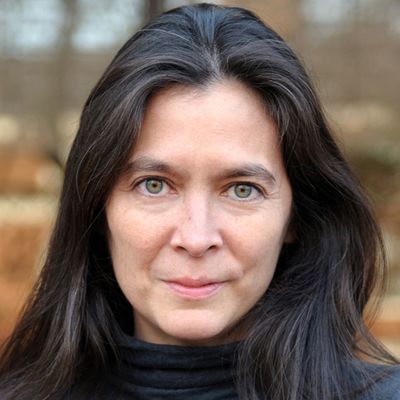
Tony Winning Director, Diane Paulus reconnects with 2 time former Cast Member Eli Tokash (Host) to chat about the industry, how to become a director, being a woman in the creative industry, 1776, Waitress, Pippin, Finding Neverland, and more... Read More
From the show: Take A Bow
Guests
Featured Shows
About
Tony Winning Director, Diane Paulus reconnects with 2 time former Cast Member Eli Tokash (Host) to chat about the industry, how to become a director, being a woman in the creative industry, 1776, Waitress, Pippin, Finding Neverland, and more.
The highly anticipated reunion is finally here to Take A Bow for the last time in 2022.
Curtain up, Diane Paulus!
Connect with Take A Bow on Instagram: @takeabowpodcast
Connect with host, Eli Tokash on Instagram: @tokash_eli
Produced by the Broadway Podcast Network
Edited by Jessica Lauren (@jessicalaurenradio)
Transcript
This transcript was automatically generated and might contain errors.
[0:00] Eli Tokash: Hello everyone and welcome to episode 135 of Take A Bow. I'm your host, Eli Tokash, and this week we have a very, very exciting episode. Perhaps maybe the most anticipated episode slash guests that we've had on the podcast. If not the first, definitely like top two, top three for sure. I'm very excited about this week's episode, and I know that you all are going to love this week's episode. It's with Diane Paulus. I mean, what more needs to be said? For those of you who don't know, Diane Paulus was my director in both Pippin and Finding Neverland, but she's also directed so many other incredible things. She's currently the director of 1776, which is currently on Broadway and closing the first pretty much week of January on January 8th.
So go check that out. And she's also directed, you know, Waitress, Hair, all of these wonderful shows that are probably one of your favorite shows if you're listening to this podcast. I'm a big Waitress guy, obviously Finding Neverland and Pippin. I was in, so that has a very special place in my heart. Just an incredible episode. It was so great to talk to Diane again. And it was such a wonderful treat around this holiday time. It felt like the perfect holiday present for me and hopefully for all of you as well. And hopefully you all will enjoy this week's episode as much as I did. We only got a limited amount of time. She's a busy lady, got a lot on her schedule and on her plate, but I was thrilled to have just any time with her to talk about all the things, and she's got a very interesting story, and she said that around two may be in the future.
So hoping for that. Stay tuned for that, because I think that after you listen to this week's episode, y'all are gonna want more just as much as I do from Diane. So hopefully 2023 has something fun in store for sure. Well, I know it has a lot of fun in store, actually, because starting to plan it, and it's been going pretty well, so I'm excited.
[2:04] Eli Tokash: Anyways, before we turn it over to this week's episode, I know that you all are dying to hear from me and Diane, but I gotta talk to you about some Broadway news. There's lots going on actually in the Broadway world, just crazy stories, honestly, around the industry. Believe it or not, 16 Broadway shows are going to be closing within the next two months. Which is literally, if you think about it, there's currently 35 shows performing on Broadway right now. It's about half the shows. It's actually about 45% of the shows, but it's pretty close to 50%. So, like, I don't know. It's just a crazy stat that it seems like so many shows just opened. I mean, you all listened to some of those red carpet opening nights and what that was like and who was there and from creative team and all the things.
So it seems like it was a busy couple weeks and months for Broadway, but it's not slowing down anytime soon. That's the beautiful thing about this industry. There's always something rotating. So, crazy stat there that 16 Broadway shows are closing within the next two months. January's got a crazy schedule, especially the first two weeks. There were seven Broadway shows closing in two weeks, which is wild. So stay tuned for all that and go check out those shows that you know that you haven't seen yet that you've been wanting to see. Because when a show closes, I experienced it with Ain't No Mo and a few other shows already this season that I've it's shows that I really wanted to see, but I didn't get to, and now I really, really regret it. So go check those out. Beetlejuice, 1776, Music Man. There's so many shows closing, Almost Famous in the first couple weeks that you don't want to miss.
[4:01] Eli Tokash: So hopefully I'll get to Almost Famous and to the other shows that I haven't seen, and we'll be able to talk about it here on the podcast to make you all feel like you were at the show. Another crazy stat here, and I just wanted to recognize and applaud everyone involved within Aladdin on Broadway. So I had for those of you who are loyal listeners, I know there's a lot of new folks, so hi everyone. Thanks for joining in on the fun. But for all of my OGs, I guess, you know, you know that we had the original Aladdin, Adam Jacobs, and the original genie. I think we've had a couple genies, actually. If not, we've definitely tried to, but we definitely had Adam Jacobs and James Monroe Iglehart, incredible performers, and what they did to open this show, I feel like has been a big reason for their success of Aladdin here on Broadway.
But they just celebrated 3,000 shows, and that's an incredible milestone. Pretty unheard of, to be honest. It's very rare here on Broadway to last over two years. But if you boil it down, there's 416 performances happening a year if you're in a Broadway show. You do 416 performances in 365 days. That being said, that's over seven years running on Broadway. So that's pretty incredible. I mean, that puts you in the rankings of, you know, Wicked and Chicago and Phantom of these shows that can have a long impact and a long run here on Broadway. It's just incredible. So, shout out to everyone involved in Aladdin and congratulations to everyone, seriously. So very exciting stuff there. I just wanted to shout that out and recognize them because they blew me away.
I was like seven years. It's crazy. I did it doesn't feel like that long. I remember when Aladdin came on Broadway, but 3,000 shows later, and in the New Amsterdam theater, that's a hard theater to sell. It's a big theater. So to be doing it in that and to continue to succeed and have the success that they're having is quite incredible.
[5:53] Eli Tokash: So congrats again. Moving on, another crazy story here, which is a bit of a sadder one, honestly. Alex Brightman is currently out of Beetlejuice indefinitely due to suffering a concussion during a performance. This is heartbreaking. I mean, the show closes January 8th. And it was announced a couple days ago that this occurred during a show, and we it didn't specify like what exactly happened, but he broke the news on his Instagram. He shared it with everyone and just was like, hey, good to be out. It's heartbreaking that this show is closing and he is missing out on some of these final performances. But we here at Take A Bow, and I'm sure everyone, all of you listening in this theater industry is sending their best wishes and our best wishes to him and hoping for a speedy recovery so that he can finish up this run in Beetlejuice, something that he's really been incredible for and the leader for so of their success.
So shout out to Alex Brightman. Hopefully, you get back up there soon and everything is okay and you get cleared. I know Alex, he's not gonna miss a performance if he can do it. So hopefully he gets that clearance from his doctors and they allow him to at least do the final show. Seriously, but I'm glad he's listening to the doctors and taking care of himself so he can fully recover. So sending our best again and we'll keep you all updated because it's not fun to not close out a show that you've put your blood, sweat, and tears in for over five years, like through the pandemic, of course, but he's really been the forefront of that musical, and I know he definitely wants to close out the show if he can. So shout out to Alex Brightman and feel better soon.
[7:41] Eli Tokash: So another thing, just to move it back to a happier place before we turn it over to the interview. I saw the Matilda movie this weekend. Are we calling it Matilda the Musical the movie, or are we calling it Matilda movie? I don't know. I know there's like a couple of Matilda movies. Anyways, I saw the Matilda musical movie this weekend, just this week, I guess. A couple days ago, honestly, it was like yesterday. And it's fantastic. I mean, the colors, it's so visually pleasing. And then of course to hear these songs again that had just such success here on Broadway and was always in my head, and now here they are again, like back in my head. Watching the show is nostalgic for so many ways. Actually, a quick story real quick.
I was offered a role in Matilda the musical when it was on Broadway while I was in Finding Neverland, but it was at the time where Aiden Gem was leaving the show and I was stepping in as Peter. So I was offered, I believe, Tall Boy Swing, and then I was like, No, I think I'm gonna stay in Neverland so I can because I'll perform a little bit more. And then they were like, okay, what about Bruce? And then I was like considering it, and then Neverland came to me with Peter. And so I stayed in Neverland with, you know, my family. I wasn't gonna leave my family. So it was nostalgic, but in a way that like, you know, I wasn't in the show, but the show I saw a million times because all my friends were in the show.
It holds a special place in my heart just because, you know, it's a classic, it's a classic book, it's a classic musical here on Broadway, and it's so good. So to watch the movie here again was so fun, and the way that they were able to do it, the cinematography is incredible. The girl who plays Matilda is fantastic, she's so cute, she's so good, wonderful acting, even her singing is brilliant. This is the rise of her for sure, and the whole show, the ensemble of the kids were great. It was cool to see kids, you know, being kids, like it wasn't on Broadway. I mean, you literally had these 35-year-old adults playing kids in this show. So to see, you know, kids their age and in middle school, it was great to see.
So shout out to Alicia Weir, who plays Matilda in this movie. She's incredible, and shout out to Emma Thompson. I mean, this performance from her as Miss Trunchbull is just ridiculous. She's so fantastic, and no surprise there, but she does it again, and huge shout out to everyone involved in that and making it a huge success because it's cool to see Matilda in a musical form. And you know me, I'm a big movie musical guy because when we break that stereotype of like, oh, it's a musical and it's something that's really good, it gets more people interested in musicals and in Broadway and all the things. So I'm thrilled to be seeing a musical being represented in such a wonderful way up in Hollywood.
So it's great to see from our perspective and awesome movie. So go check it out. It's on Netflix. It dropped during Christmas, so go check that out if you haven't already. It's definitely worth a watch.
[11:11] Eli Tokash: One quick little note about Take A Bow before we send it over to the interview. I do want to mention that we did upload some of our red carpet specials that we have that we've been able to attend and collect content from. We have Ohio State Murders, we have Anne Juliette, and we have Some Like It Hot. Very, very exciting stuff for all of them. Ohio State Murders is really a really cool one because it's got this wonderful speech that I mentioned in last week's episode from the director Kenny Leon from his curtain call. After the performance, he came out and spoke of the importance of theater right now and supporting the art. So everyone should definitely go check that out. These videos, by the way, these episodes and stuff, they're probably about 20 minutes.
So it's something that you could do while you're cleaning your room. You could listen to it while you're in the car. It is video, so it may be more fun to watch, but it's something you could watch in the shower, like do it's just fun stuff to put on in the background with stuff that you're doing or just you're trying to go to sleep.
[12:09] Eli Tokash: I'll put you to sleep. Don't worry. Um, no, it's great stuff. So go check that out. It's on the YouTube page. And uh we're gonna be doing a very, very cool little video here of a 2022 recap. So we're gonna be recapping some of our favorite moments throughout the year, highlighting all of our guests from this year, and we're gonna be just saying thanks to all of you for listening and to tuning in and making this thing happen. You know, top 10 podcast is pretty cool for me. So hopefully next year we'll be in the top 5%, maybe in the top one percent, even. Um, I don't know. We're gonna see. Uh just keep listening and keep telling your friends, and maybe we'll end up getting there. So, uh, um, all right.
Enough of me talking. Um, let's turn it over to Diane Paulus. Diane Paulus gives us an incredible interview talking all things about 1776. Um we talk a little bit about Pippin and Finding Neverland. Um, and but we really really dive into her story as a director and what inspires her and what kind of work inspires her and how she got to where she is, and how you start to become a director and all of these things. It's really, really incredible. And to hear what really means a lot to her and what she finds so impactful as an artist and storyteller and all the things of how she gets on board with all of these incredible shows that have beautiful messages, such as 1776 and Jagged Little Pill, and all of these wonderful waitresses and the way that she's leading the way as a female in the industry, having female creative teams and a very diverse group of performers, always in creative teams and all the things. So really cool to see you. We talk all about that. So without further ado, here she is. Diane Paulus, curtain up. That was so fun to say.
[14:03] Eli Tokash: I don't even know how to begin this. This is there's too many words that I can say here. Just by the title of this episode, everyone listening to this knows that this is a dream guest of mine, and it'll be a great episode for sure. You're probably the most talked about person on this podcast, actually, with the cast members that I brought on, and they're all from your shows because you know, those are the shows that I've done. And uh she's directed, if you listen to this, definitely one of your favorite musicals. She's done Waitress, Jagged Little Pill, The Gershwin, Porgy and Bess, Hair, currently 1776, and of course, Pippin and Finding Neverland. She's pretty much the reason we're all here today, and everyone's listening to this podcast. So, everyone, it is my honor to welcome to Take A Bow the one and only Diane Paulus. Hi, Diane.
[14:50] Diane Paulus: Hi, I am so excited to be here. And especially because of our personal history.
[14:58] Eli Tokash: Oh, yeah.
[14:59] Diane Paulus: That goes back to Pippin and Finding Neverland.
[15:03] Eli Tokash: And I what was that the first time we met on uh for the opening night of um met again, I should say, uh, the opening night of 1776?
[15:13] Diane Paulus: Yeah, oh yeah, for sure.
[15:14] Eli Tokash: Yeah.
[15:15] Diane Paulus: After the Finding Neverland closing, that was definitely the first time.
[15:18] Eli Tokash: That was the next time, yes.
[15:20] Diane Paulus: And I was like, oh my god, you're all grown up and look so impressive.
[15:25] Eli Tokash: Oh, you're so sweet. Just reflecting back on um how amazing you were. So, you know, I'm so excited to be here just to speak with you in particular. So all all all happiness today.
[15:40] Eli Tokash: You don't know how much that means to me, truly, because you are by far like anyone I talk to. I always bring you up. You know, you're you are someone who like I wouldn't even be new in New York if it wasn't for you, you know. Like you are someone I didn't live here, I was lived in West Virginia, and you took a shot on a kid from West Virginia to uh be in Pippin, and then you brought me over to Neverland. And it was just uh forever grateful for you and everything that you've done for for my life and um the impact that you've had on it. So I this is an absolute treat for me, and I appreciate you giving me your time today to talk to me.
[16:14] Diane Paulus: Of course.
[16:15] Eli Tokash: Yeah. Well, the way I usually like to start these things is like, you know, going back to the beginning and just talking about what it was that like inspired you to want to become a theater maker and what got you interested in this world that we live in in directing and all the things.
[16:34] Diane Paulus: I was always exposed to the arts um through my family, like since I was a little girl. Um my dad had been an actor, and actually he was then later directing plays for the Army Entertainment Corps during the American occupation of Japan, which is where he met my mother, who is Japanese, and my mother's family history connected back to the invention of the revolving stage in Japan. I think it was her great-grandfather or someone in the family. So there's been theater in my family for years, it feels like. And so she plays the harp. So I grew up with a harp, you know, in our living room when I was three years old. And um, and and so I think my parents just really appreciated um what culture was, and it was always part of our lives, going to the theater, going to the opera, listening to music.
Uh so, in a way, that was what I knew. That was very much um my world. So when I was a kid growing up in New York City, I danced with the New York City ballet, and I did all the ballets that had kids in them. Uh so that was Nutcracker, Coppellia, Harlequinade, uh Midsummer Night's Dream. And uh that was when Balanchine was still alive. So I just remember being, you know, 10 years old and standing on, you know, what was then called the New York State Theater and experiencing story ballets, right? Because that's what Balanchine was such a genius at, and all those, all the ballets that had kids in them were story ballets. So I just had exposure to all of the arts. Um and because I was a dancer and I studied piano as a kid, I was also very musical.
So the idea of being able to harness dance and music and my ability to read music and feel music, um, I think all synthesized for me in my love of musical theater. Yeah. So I do credit so much of where I am today as an artist with my family and what they exposed me to and what I had an opportunity to experience as a kid.
[19:00] Diane Paulus: Um, I should say in high school, I really was dedicated to politics. Oh, and I was super active. I was lobbying in Albany for Planned Parenthood as a high schooler and marching for nuclear disarmament, um, and marching for the ERA movement. This is in the early 80s. And I went to college, you know, thinking, okay, I'm gonna go into government and politics. And I spent the first summer after my freshman year at college interning for um Ruth Messinger, who was then the New York um city council member from the Upper West Side. And then I had, to make a long story short, an epiphany that as much as I appreciated politics, what I really loved, what I loved to do morning, noon, and night, was the theater.
Yeah. And then if I had to ask myself, you know, what it was a very simple question. Like, what would you not care if you had to stay up all night doing? Because you know, I was pretty good at school. I knew how to, you know, work very hard, pull all-nighters, you know, in college. It was always a, you know, it was always like a drag. But then like, give me a rehearsal process that would go all night long. I would never question it. It would be just, you know, complete presence and excitement about being in the theater for endless amount of hours. So I did look inside my soul and I thought, you know, the theater is something that not only I find uh, you know, physically and um and emotionally and psychologically challenging and stimulating, but also intellectually rigorous.
And so I was and and and what I was excited about in terms of politics, I think, in terms of bringing people together and um doing things as a group that only a group can accomplish, right? Right. That that whole art of what can you do as a group? What is possible, you know, what what is something that no one person could do on their own, but but as a group you can do. I think for all those reasons, um I landed in the theater and have continued to stay here.
[21:20] Eli Tokash: Well, thank goodness, because I think it's worked out. Um when did you decide the whole directing path was was more your route as a as someone who has a history of like, you know, being a young performer in ballet.
[21:34] Diane Paulus: I think, like so many people, I started out wanting to be an actor, and I went to an acting program called the New Actors Workshop, which was just starting after when I graduated college. And I went, which was a two-year training program, and I loved it because the school was just being founded. So it was like you were on the ground floor of the whole experiment of the school. And my teachers were, um, they've all passed away now. Uh Mike Nichols, the amazing film and theater director, Paul Sills, the founder of Improvisation for the Theater and uh Second City in Chicago, and George Morrison, who was an amazing um method teacher. Um so it was just an acting school. So we were learning acting, and I was like a sponge, soaking up all these different techniques.
But what I realized is I was learning um about directing. And I was learning about how to break down a scene, how to tell a story. And Mike Nichols, who was a huge influence on me in that school, in a way dealt with us as actors, but he was really demonstrating how he would direct, how he would work with actors, how he would analyze the event of a scene, what are the choices you make to help tell the story of the scene. So all of these tools I was getting as an actor, um, I think I was logging in my brain um as tools for the toolkit of being a director. And when I first got, you know, got out of uh this acting program, I started directing because I was very uh entrepreneurial and I wanted to make work.
I didn't want to wait around for an audition. So I just started directing. I started directing with my acting classmates in found locations, like an abandoned lot on 89th Street, which had been converted into a community garden. It still exists between Amsterdam and Columbus. And I walked through it one day and I thought, okay, this could be a beautiful little amphitheater. So I inquired about doing a show there. And I directed Twelfth Night there with the one caveat that you know couldn't couldn't um prevent anybody from gardening while we were doing the show, which I thought was a great challenge. If I could make the play interesting enough, everybody would put down their shovels and watch the play. So, but it was really grassroots, is what I'm saying. It was, it was, I was doing shows for free. I started working um on the Lower East Side, yeah, on Ludlow Street.
[24:06] Diane Paulus: Um my now husband and partner Randy Weiner and I uh created the first version of the Donkey Show downtown, you know, sure working at that point with uh friends of mine that had graduated from Columbia School of the Arts, where I eventually went to get my master's in directing. Um but everything was very grassroots, very um, let's make a show, very much, you know, how do we figure out to get an audience to see things? So I think my whole orientation as a director has been, why would anyone want to come and see your show? It wasn't just like, oh, I want to direct. It was like, no, I want to make something that people want to see. So I've always been interested in the role the audience plays. And that's been such an animating piece for me.
And everything I've done is, you know, what is this next creation of theater? Who is it for? And why would anyone care? Why does it matter? You know, and I think I grew up at a time in the institutional theater at least where so much audience had stopped going to the theater, right? There was this um kind of trend of like the audience has left the building. People don't want culture anymore. You know, we're we're a depraved society. People would rather watch things, you know, on the internet or on their telephones or it was even before all of that actually. It was this feeling of there's no more attention span, right? And and subscriptions in a traditional sense had gone really down at regional theaters across the country.
And I think I just always felt like why are we blaming the audience? Like why aren't we as the creators and producers of theater thinking about what is it we need to produce that will get that next generation audience that will make theater feel relevant and powerful and like the must see experience.
[25:58] Eli Tokash: Absolutely.
[25:59] Diane Paulus: So you know I think I gravitated to directing because I I could I could have more of a say in all that you know I mean I I I worship at the shrine of of of actors because it's they are the vessels actors are like shamans in my opinion but I got more interested in crafting the whole experience. And and and curating, you know, not only the play on the stage, but you know, ultimately what happens before and after. And that's been a lot of my focus, even in the work I've done in the theater, but especially up at ART, where I'm the artistic theater now.
[26:32] Eli Tokash: Oh my God. ART. What a place.
[26:34] Diane Paulus: Everyone knows ART. I have to ask you though, because it came to like mine. I mean, this industry is especially like in the directing world, like we are starting to see more female directors. But when you were a young girl and you had to, you know, direct a show of 12th night as like a female doing that, you know, like what was it like just like to go through this industry as a female director trying to like, you know, make it.
[27:05] Diane Paulus: I think I uh, you know, in answer to that, I had really amazing role models who were women. Um, and so when I thought about um, you know, I I had amazing role models who are women. And so when I looked out of the field, I was looking at Anne Bogard and Joanna Colitis and Julie Tamore. Um, and in the producing world, Lynn Austin, uh, the late great Lynn Austin who ran music theater group with Diane Wundersford. I mean, they were all women. Um, so I think I was I was lucky that I came from a generation, there was, you know, one generation ahead of me who were literally told you can't be a director as a woman. You know, like my my dear colleague Emily Mann, who I worked on um Gloria, A Life With, you know, she would tell me stories of being told, no, you can't be a director, you know, you're a woman, maybe children's theater.
But I think when I came of age in the theater, there were people who were women who were directors. Right. So I had that visualization. Um, and I think uh, you know, I I was lucky enough, I went to an all-girls school here in New York for 13 years. And we were trained that to think and live and realize that women can do anything, you know, from age six on, you know, it was all women. So it was very empowering. So I really credit that education with feeling like there was nothing about directing. Right. That would, you know, was not possible for me. And as I got more involved in, you know, uh, I mean, directing 12th night for free on a community garden is one thing. When I started directing uh shows that were transferring to Broadway, I also felt empowered because I knew the demographics of ticket buyers were largely women.
Yeah. So I really thought as I as I hit my stride in in my late 30s and 40s as a woman director in the commercial theater, I felt, well, I represent the chief ticking ticket buying demographic. So I think I I have a point of view that is valuable and that um, and I cared actually as a director uh about the producing, about things like the budget, about the marketing. And I think that's because I I came of age as a director when you really had to be an entrepreneur to to find your way. You had to um be a producer, a director, you know. There was no one who was gonna come to you and say, Oh, you're a young director, here. I give you, I give you your first chance. I mean, you had to be scrappy, you had to make it work, you had to find audience.
[29:46] Diane Paulus: Wow. So I think uh the as you say, Eli, the field is getting better. There are um more women who are visibly um being given shots and directing. And there are certainly more women in the last five years who've gotten leadership roles in the institutional not-for-profit theater, but we still have a long way to go. So I think the needle is moving, but slowly. But but it's progress is being made.
[30:18] Eli Tokash: Absolutely. I mean, staying kind of along this conversation and topic that we're having. What it was like, I know with your history and politics and everything, you must have jumped at the opportunity to do a show in the way that you are currently doing it, like 1776, and even a show like Jagged Little Pill that deals with those conversations and opens up those conversations for audience members. Did those kind of pieces just excite you in a way that like, you know, it's hard to like turn down or to even to like kind of wrap your head around the fact that you are able to work with it?
[30:55] Diane Paulus: Yeah, you know, every project you take on, um I I really have this gut check response to because I I know now how hard it is and how much work it takes. So I really will only take on a project if I if I sense the potential. Um and I think that's really what directors do. They sense the potential of something, uh, which is it's important to remember, you know, the directors aren't the ones with the answers. We're the ones that are sensing the potential. Right. And then gathering people and teams, which, you know, are writers, composers, music directors, choreographers, and then designers and actors. I mean, the the whole village that you build as a director to help you unlock that potential. And um, of course, Jagged in 7076 are so so vastly different, but um they both had that sense of potential for me.
Jagged Little Pill, I knew the album, I knew the music. Of course. And I had a very strong gut of the kind of powerful visceral theatrical event I could create using that music. Yeah. And and and what was so exciting in that journey was getting to know Alanis and learning from her and learning about all the things that matter to her as an artist over many, many years. Not not just when she wrote the album when she was a you know late teenager, but what she's done in her life since then and um you know the the the the topics of vulnerability and trauma and healing for trauma and then uh you know ultimately our story that at its core is about sexual assault right and there are many other issues that surround that but at the core of Jagged Little Pill is sexual assault which is personal to Alanis.
And so working with Alanis and Diablo Cody the book writer to create a new story right that was Alanis's one um requirement this was not going to be a biopic about her she wanted an original contemporary story and and Diablo was such a genius at uh working on creating a story that sewed together all of Alanis's stories which us all all of Alanis's songs which were were like the Urtex for us you know they were the the the the album was the holy grail, you know. We were trying to figure out how to tell a story that would allow these songs to live on the stage and and her her just her the cat you know the cathedral of ideas that are in Alanis's songs.
[33:30] Eli Tokash: Right.
[33:30] Diane Paulus: Um so that that was thrilling in in in that way because it was um such a contemporary new musical, but accessing this music that people and audiences have a relationship to, which was so powerful to touch, right? Um and then of course, I just have to say, working with City Larve Chikawi, the choreographer for that was just a groundbreaking experience for me. I mean, the way we worked together uh was one of the most fulfilling artistic collaborations I've had in my whole career was with him. So um, you know, uh and and then you turn to something like 1776, which I didn't really know, except that it had beat hair for the Tony in 1969. Because I knew Hair very well. And I thought, you know, and I and I heard about 1776, like it was sort of, you know, the Hamilton before there was Hamilton in terms of a musical telling, you know, a story about American history.
Right. But when I read it, I was so blown away by the book of the show, and again, the potential of that musical to speak to our current times. And that's what got me so excited about doing this revival that is is on Broadway now, um, in a production I co directed with Jeffrey Page, uh, who also choreographed it. Um so so 7076, um more like uh, you know, uh Pippin and the Gershwin's Porgy and Bess, you know, uh flexing the muscles of doing a revival. Right. Um, which is is is asking, you know, what was the show when it was created? What is the meaning of this show now? Um, and this particular revival came into my hands um with knowledge from the estates of Peter Stone and Sherman Edwards that non-traditional casting would be embraced.
Wow. So when I first read um the script of 7076, I had that in my mind. And frankly, it was the only way I thought it could be done. Um to capture um not only the history from the past, but to embrace at the same moment um the America we're living in today.
[35:48] Eli Tokash: Absolutely. I it's so funny because I actually I talked to Jeffrey on this, and you know, I just told him, you know, when you're up there, when you're as an audience member watching the show, you kind of forget that it's like crazy for women to be in power at that time. You fully get lost in the story that the actors and performers are putting out there and the work that they're doing.
[36:11] Diane Paulus: And that's definitely a testament to the direction of the musical, of course. Um, right at the beginning where they step into the shoes of the founding fathers or whatever, whatever you would like to call them. And it was just so brilliant. The whole, the whole piece and the way that you all reimagined it is so it's beautiful, really. And like you said, modern day America. It's so it's really, really well done. I loved the show. I'm a big fan of the show. So congrats on that for sure.
[36:38] Eli Tokash: Well, thank you. And I love that you speak about the stepping in the shoes because that was so critical to the conception of the musical, was not that we had just cast this extraordinary group of people, you know, alive in 2020. At the time it was 2020, and then finally 2022 when we actually got to do the show because of the pandemic delay. But it wasn't just about the casting, it was about actually a conceptual frame that we were including in the production, which was yes, look at this cast, this company that is alive today in all of their representation across race, ethnicity, gender, identification as female, trans, non-binary, right? And now they, like an acting troupe would do, are going to step into the ritual enactment of the story.
They are going to put on the shoes, they are going to put on the costumes. And as a result, Jeffrey and I were so dedicated to saying to the audience, what you're watching is theater. Yes, you might get lost in the story. Yes, you're going to start to see all these people as Ben Franklin and John Adams and these historical figures you know, but you will not lose the present-day actor in it. So that what we're really asking the audience to reckon with is the historical figures of the past at the same time you are embracing and acknowledging a diversity in America that defines our country today. So how can you hold those two together? How does it make you look at the history? How does it make you look forward from that moment with all its compromise and frankly its aspiration and dreams and radicalness, which it was radical to break away from Mother England, and yet what were the compromises made?
Who was not allowed in that room? Which, in a way, we can feel by the presence of America today butting up against that history so that we understand it's not that that history was then and we are now; they are connected and we are connected, right? Uh even though the very people who are telling the story of history now were not part of that history then right and and you add on to on top of that, you don't have them in these gray wigs, or you don't have them looking like Ben Franklin or anything like that. They are their raw natural selves. I mean, right of all races, you pregnant, any anything like it's fantastic. You I loved seeing it as an audience member, truly. It was just it brought out a new element to it that it was just like, you know, these people were human, you know, like they're not like some praised people that are in our history books that we like, you know, think they're the greatest people ever. They're they're human and they're not very best people.
[39:47] Diane Paulus: Exactly. Oh I mean, I mean, I think that was in the original, you know, Peter Stone and Sherman Edwards' original, you know, '69 production was to kind of knock down the Founding Fathers from this mythic status, right? And make them make them human men, right? Um that that's in the impulse of the piece already, because um it it, you know, they're they're squabbling about the flies and the heat, and it's you know, it it it they're they're they're they're arguing with each other, and it's it's it they're not perfect, right?
[40:19] Eli Tokash: Yeah.
[40:19] Diane Paulus: Um, and of course, you know, the Peter Stone puts in this incredible um debate over this slavery clause that Jefferson wrote in the original draft right um and and the act which is dramatized in the musical is is is cutting it out for the sake of unanimity um you know this this great great great compromise which which is is such a strong um indicator of of why we are where we are that this issue was shoved under the rug um at frankly would say independence first right that was his argument um but we know and in fact I was just saying to someone John Adams has a quote that is something along the lines if we do this and make this compromise a hundred years from now we will pay for it um and Peter Stone wrote that he literally couldn't quote Adams because it would seem too ridiculous that he you know he no one would believe that Adams actually said that and it would feel like you know too too too maybe too nicely neatly put together by Peter Stone so he's like even though that's the most incredible quote Adams was completely prescient when he said that I couldn't I could not include that line in the in the in the show um fascinating but uh yeah yeah it's it's it you know I think to go back to your question about you know what it is to do these shows I think I'm always interested in what a show will unlock yeah you know and Jagged Little Pill is out touring now in the country and the conversations that I hope it's uh stimulating people for people to see themselves to recognize themselves or a loved one or a friend or a family member and to see um tough subjects, but done, you know, not in another kind of like newspaper article or you know, grueling media story, but rather through musical theater.
[42:21] Diane Paulus: Right in in in a longer form where we can identify with characters and and through song and and go through this this cathartic experience that is a musical, which you know so well. I mean, musicals do special things.
[42:36] Eli Tokash: Absolutely, they hit your heart as well as your mind, you know. They also just like they they're a safe space, you know. I think that's what I've loved most about theater is that they open up the conversations that you don't want to have with your family or with a loved one or whatever, but you're able to go to the theater and you're able to listen to those conversations and kind of spark those conversations of like, oh my god, we're dealing with that right now. Can we talk about it? You know, like so many times my family, I've gone to the theater, and it's just like we've been avoiding this conversation, and it's like, I guess now's the time to have it, right? But and I think exactly it's that's the best part about it for sure.
[43:14] Diane Paulus: I would be remiss if I don't talk to you about Finding Neverland or Pippin. And I know we don't have much time left. So I want to change the topic over to that. Finding Neverland, it's literally my favorite show that I've ever been a part of. Um, I was did both the Broadway and then I went on tour for it with it in the beginning for a little bit. Um, just it's so so beautiful and everything about the way that it was crafted and the way that uh it you find the sense of family on the stage and um you know Peter Pan's just iconic as is. So it was a big part of my childhood and um all of that. So uh what was it like when you were able to get your hands on Finding Neverland and uh starting at ART and then bringing it to Broadway and just the whole journey of uh, you know, finding neverland.
[44:01] Diane Paulus: Yeah, it was it was it was such a joy to work um with Gary Barlow and Elliot Kennedy and James Graham. They were all such amazing um collaborators. It was such a joyful collaboration through and through, and Ann Marilla Malazzo who did the vocal arrangements, Mia Michaels on the choreography. And and of course, um I just I have had such a longtime partnership with Scott Pask, who did Pippin as well. Yeah, you know, and and I'll just never forget um thinking about uh the the moment um in Finding Neverland when the mother Sylvia, you know, is is is passing, you know, to the other world, right?
[44:46] Eli Tokash: Oh yeah.
[44:47] Diane Paulus: And and and to me that that was the moment um of actual magical flight. As much as Peter Pan was, you know, a character that we all know know and love, of course, Finding Neverland is about the creation of Peter Pan. So we would have to deal with you know the flying of the of how they did it in the production, sort of as a behind-the-scenes theater moment, right? And you know, in many ways, Finding Neverland was just a love letter to the theater and to the making, but it was it was it was that moment of um, you know, Sylvia Llewellyn Davis uh and and the love of theater that you know her young son brings to her when that acting company act out the whole story of the you know in a bedroom because she's not well enough to go to the theater, and um, you know, saying to Scott, you know, we can't that moment has to be that has to be otherworldly, and then I'll never forget discovering Daniel Wertzall's um work on a YouTube link.
[45:50] Eli Tokash: Yeah.
[45:50] Diane Paulus: He's an air sculpture artist. And and I remember we were sharing it back and forth amongst the team. And we thought, well, maybe this is it. Somehow somewhere this has to be in the show because this is like magical flying, you know, this is this is otherworldly. Absolutely. And um, we went out and went out to his studio. Um, I want to say it was in Brooklyn, and he had like a garage space where he had all these fans, and he was showing me all the different things that could be lifted into the air with fans, like a piece of fabric, um, little styrofoam um pieces, you know, that come in your package that well, probably we don't do that anymore, but you know, the little styrofoam peanuts.
[46:38] Eli Tokash: Of course.
[46:39] Diane Paulus: You know, keep things shoved tightly in a package. He would throw those down and they would all start swirling. He even put gasoline down and lit a match and showed me how fire could go. And then he threw glitter in, and wow um it went wild in the air. And I thought, okay, that's it. You know, so that that just became, you know, um such a seminal moment for me of theater magic, you know, how to how to bring that onto the stage and have that be um a theatrical moment for the audience. Who knew that YouTube created one of the most magical pieces on Broadway?
[47:21] Eli Tokash: I never knew that, you know, that you discovered him off YouTube. And it was so interesting too, like with Finding Neverland, like there was not like real flying. I mean, Josh flew for like a second, but he was stuck in the air.
[47:32] Diane Paulus: Yes.
[47:32] Eli Tokash: But all the rest, you know, you think of Finding Neverland, you think of Peter Pan, you're like, oh, they're gonna fly. But like the only type of flying was like all lifting, and then we have that moment as like the send-off. It was so freaking beautiful. Every night there was just tears on everyone's eyes. Um it was so it was perfect. It it was the absolute best way to to deal with that scene and kind of send her off. Um yeah, it's just I loved that part so much. I could go on about it for days. Um, but that's I I never knew that's how it that happened. I want to share one last story with you before I go.
[48:07] Eli Tokash: Um, we did this both in Finding Neverland and in Pippin. Um, but it's something that's stuck with me forever. Um, and that is your whole method of character development and having the actors come in to present a background story for your character. And you know, I was told about this maybe my first like week of performances in Pippin after rehearsals, that you know you were coming in and you were gonna come work with us. And I was just like, okay, great, yeah. And they were like, and prepare something background for your character. And I was like, my character's a clown. I was like, I'm so confused. Like, what am I supposed to do? Um, and then of course, Theo, you have Theo too. And it was just like, you know, why was this person here with the circus?
And what is he going through currently? And I'll never forget like that day of presentations where we literally went all around the theater, all the performers would had their own space where they made their little presentation. And I was I did mine right on center stage. And I sat down on stage and I had everyone sit in the audience, and I just started bawling my eyes out. Um, and it was one of the most um fulfilling but also terrifying moments in my life because I don't really cry around people often um but it opened me up to a whole new world and I just talked about how much I miss my family and having just one parent with me which was Catherine you know that that Theo was having you know yeah and and that was what I was living through and it was just so real for me and I'll never forget that moment and then doing it again for Finding Neverland and doing it for all the different characters Peter, Michael, Jack, George and now just like it's part of my life as an actor, you know, doing it for every character, whether it's an audition or whatever.
Um, and I just want to say thank you for teaching me that and making your actors do that because I think it's such a special moment that you really just have to like it it's just another layer of preparation that I've never even considered until you brought that in and how much it like impacted my character and my performance in both shows.
[50:14] Diane Paulus: I will never forget your character presentation for Pippin. I do you know um yeah I do those on all my shows and it's so funny because you know it there's um as you say there they're questions I ask and sort of certain ingredients. So it's not a free for all right it has a real structure. Right. But what I love about it is um I just think it gives everybody it terrifies everyone just as so you're not alone. Everyone's always like, ah, it feels like I'm back in grad school. I hate this. Why are you making us do it? And I always say, just trust me, there's no right or wrong answer. It's for you. It's really for you to you know jump off the cliff and sort of start to get into this into who you are, you know, into this transformational moment of who this character is.
It's it's an imaginative exercise. But I love um I love the fact that it's not just intellectual, right? You have to physicalize it, you have to make choices, yeah, and then you bring it in and you share it. So I think what's what I always love about it, it not only um deepens an experience for an actor, like the way you said it did for you, but everybody watches everyone else's character presentations. Right. So everybody, you learn about each other as a company, and then all those histories that are presented become collective histories, right? For the for the material of the production, right? So that everybody's seen everybody else's character presentation, and now um you can build off those with each other.
[51:49] Eli Tokash: It truly strengthens the cast as a cast, and also the cast as team partners, you know, and their characters, um, and just understanding where everyone's coming from with each choice that's being made on stage. It's brilliant. And I love that you do that. And it was, I'll never forget it. I like literally one of the most out of body experiences ever. But um, it was great. It was so good after I was just like, now I understand why this is a thing.
[52:19] Diane Paulus: Well, Eli, I mean, I can't, I can't thank you enough. I know you gotta go, and I want to get you out of here. So I just want to say thank you for doing this and literally thank you for changing my life, literally, and all the aspects of it. And you mean the world to me, seriously. And um, for you to give me your time out of your day, I really, really appreciate it. And uh, I know a lot of people this has been like the most requested guest on the podcast. So I know a lot of people are gonna love this. Thank you.
[52:50] Diane Paulus: Oh my goodness. Well, a total pleasure to speak with you. And let's do it again. We can do a part two. You know, more questions and more time and more to explore. But um I'm grateful for the conversation. So I would love to.
[53:07] Eli Tokash: Oh, you're the best. Seriously. Thank you so much. You definitely deserve to take a bow, Diane Paulus.
[53:14] Diane Paulus: Um, I always forget to say that, but yes, it's always Eli. Thank you.
[53:19] Eli Tokash: Oh my gosh. And now for me to say something that I've wanted to say in a very long time. Take a bow, Diane Paulus.
[53:27] Eli Tokash: Oh my god. Seriously, it was just so incredible to be able to talk to her and kind of reflect on our time together because as we mentioned in the interview, our first time seeing each other after Finding Neverland, which was I don't even know anymore, probably six years ago, five or six years ago. No, it may even be more than that. Um, we probably closed in 2016, so yeah, six, seven years ago, going on seven, which is crazy. Um, so I hadn't seen her in six years in person, and then to be able to do this and uh reconnect with her, really, and get to know a little bit about her and reflect on our time together, it was truly special for me. And um, hopefully you all enjoyed that and and got to learn a little bit about Diane and her ways of directing and her way of viewing things as an artist and a director.
Her methods of uh getting to a performer and getting them to be vulnerable and to fully tell their story in such a brilliant way is second to none. Uh truly. It's I've had I've worked with a lot of directors in my career, and her directing style and everything in between is just something that I look up to so much. So uh to be able to talk to her about that and about uh her career in 1776 and growing up and all the things. It was so wonderful. So um, shout out to Diane. Uh, thank you again for doing this. And hopefully this isn't the last one because I I could have talked to her, and I know we can talk for hours.
[55:03] Eli Tokash: So Diane, I again, thank you so much. And hopefully you all enjoyed that uh little banter there between me and Diane. It was a quick one, but uh it was probably the most exciting one for me of this year because she's the person that I've worked with the most, probably of anybody on this podcast so far. So uh, and then to I'm a just a big fan of her work and Waitress and Jagged Little Pill. I mean, those are some of my favorite musicals. So it was it was a real treat for me. And hopefully you all were able to get that too. Anyways, I I'm I know I'm saying the same thing, and and I was just really excited, and it was the perfect way, in my opinion, to wrap up our incredibly wonderful uh and historic.
Uh this year was one for the history books for sure. This 2022 for Take A Bow. I'm so thrilled that I have all of you listening at home and all of you coming back every week is so so cool and something that I never thought would uh ever happen. So the fact that y'all are listening to this, I appreciate you all so much. I hope that all of you had a wonderful, wonderful holiday. Uh, you know, Christmas, Hanukkah, whatever you may celebrate. And I hope that you all have an amazing new year. Uh, 2023 is gonna be a great year. We're manifesting it. We're gonna uh manifest the best one yet. And uh yeah, and happy holidays for uh anyone who's still has holidays to celebrate, uh, all the things. So thank you all again so much for listening.
This year would not have been possible without all of you, literally, all of you guys listening. We have so much content coming in 2023. I'm so excited to share it all with you. We have YouTube videos out, uh, we have an Ohio State Murders Red Carpet. Uh, we have uh some like it hot red carpet coming out today or tomorrow when you're listening to this on YouTube, only on YouTube you can find that. Um, so go check those out. Those are so much fun. Uh a lot of work goes into those. So please go support those as well. And uh it's just more content and more honestly, you may uh like those guests better. I mean, they're they're huge stars coming to talk. So you may find it fun to see those kind of celebrities.
And we play games on the red carpet in relation to what show we are at, which is very exciting and it's always so fun to brainstorm those. So great stuff. Go check that out. Go check out the YouTube page, Take A Bow. Follow us on social media to stay up to date on all things Take A Bow. Um, and those are both at Take A Bow Podcast. You can find both the YouTube and Instagram by searching at Take A Bow Podcast on all platforms. And uh yeah, continue to come back. We're gonna start 2023 off with a bang. Uh, we have a great guest lined up. So very exciting stuff. And uh I again appreciate you all listening. Thanks for a wonderful 2022. And as I mentioned before, we are gonna be posting a uh 2022 uh wrap up like uh recap of the year, like best moments or best uh all of like kind of acknowledging all of our guests, and we're gonna be doing something fun there and putting together really cool videos so that we can all reflect and remember some of our favorite moments from 2022.
That's gonna be coming out on the YouTube probably on New Year's or New Year's Eve. So stay tuned. And uh I appreciate you all again for listening, and that's all I have. So I'm gonna stop talking and thank you all so much. The next time I see you guys is gonna be next year. That's craziness. So, without further ado, I'm just gonna wish you all a happy new year's, have a great week, and uh happy 2023. Cheers to 2023, everyone. Bye everyone. Have a great week.
[58:50] Eli Tokash: For this episode's current call, I would like to recognize a few people who also deserve to take a bow. This podcast would not be possible without the help of Dory Bernstein, Alan Seales, Kimberly Garrett, and the team at the Broadway Podcast Network. Next in line to take a bow are our fabulous editors, Jessica Gorin, who edits the audio of the podcast that you just listened to, and Tessie Tokash, who edits the videos and visuals for this podcast. And how about a bow for our executive producer, Chris Grimer? And our final bow are extra special to the patrons Brian Thompson, Pat McMahon, the listeners of PCC, as well as all of the other patrons for their continued support. If you're interested in becoming a patron, go to Patreon.com slash T A B. If you enjoyed this week's episode, make sure to subscribe on the platform that you are currently listening to this on, or go check out our YouTube where you can watch the episode.
You can also subscribe, like, and comment on there as well. If you're more into the regular social media and want to follow us, you can do that at Take A Bow Podcast across all social media platforms. The music of this podcast was made by Nikki Torsha and Cormac Collinon, and the logo was created by Giselle Bustos. And that wraps up this episode's curtain call. Thank you all again for listening to this week's episode, and I can't wait to see you next week. Bye everyone. Have a great week.
© Broadway Podcast Network, All Rights Reserved