

2023 Tony Award Nominee, Jordan Donica comes to Take A Bow sharing his thoughts on Award Season, his love for history and mixing it with theatre, and his journey of how he got to where he is today... Read More
From the show: Take A Bow
Featured Shows

About
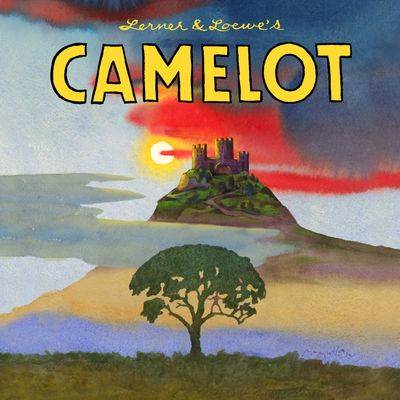
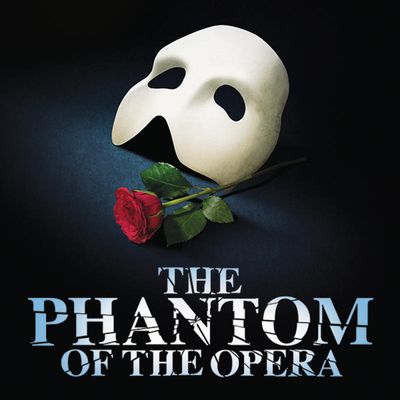
2023 Tony Award Nominee, Jordan Donica comes to Take A Bow sharing his thoughts on Award Season, his love for history and mixing it with theatre, and his journey of how he got to where he is today. Donica has starred in at least one of your favorite musicals as you may have seen him in My Fair Lady, Phantom of the Opera, Hamilton, and currently in the revival of Camelot at Lincoln Center.
Curtain up, Jordan Donica
Connect with Take A Bow on social: @takeabowpodcast
Connect with host, Eli Tokash on social: @tokash_eli
Edited by Jessica Lauren (@jessicalaurenradio)
Transcript
This transcript was automatically generated and might contain errors.
[0:00] Eli Tokash: Hello everyone and welcome to episode 158 of Take A Bow. Yes, we are here on Tuesday. The first time we are doing multi-episodes a week. We're doing two episodes for the month of June. And from now on, you can come see new episodes on Tuesday and Friday. We are so excited for this, and we are kicking it off with an incredible guest. Um, you all, if you listen to this uh, you know, regularly and you come back, um, you all um know that I love Camelot and I am obsessed with this revival um and the work that Philippa Soo and Jordan Donica and Andrew Burnap were doing in the show and even like Taylor Trent, the whole cast is just ridiculous. Um and we're gonna get some uh some more on. But I was so excited to get the word that I was gonna be able to chat with this wonderful guest this week.
Yes, he is a 2023 this year Tony nominee um for his role in Camelot for best lead actor in a musical. Um he is just incredible as Lancelot Dulak and um the performance speaks for itself. We get to speak to Jordan Donica today, and his story is just absolutely incredible. Um, we talk about his career and his story and everything that led up to Camelot, and I actually have a fun story time uh that I will talk about after this interview about what was going on that day for um you know in the recording process. It was kind of hilarious. So uh stay tuned for that. And um, you know, it was a great time. So um you all are gonna fall in love with Jordan, but first we gotta talk about some Broadway news.
Uh I went to see Sweeney Todd. I'm so excited. Oh my god, you guys, it was so good. Sweeney Todd, I'm I'm obsessed. It's like one of my new favorite musicals, I think. And let me tell you, this cast is like now I I say this a lot, I feel like, um, because I like supporting casts and performers and everyone who puts in the work that they're doing. Um, but like this cast, when I say this, like it's it's insane. This cast is just unbelievable. I mean, Josh Groban, I had my little skepticisms, I guess, on it. I was a bit skeptical about him. Uh, because I wasn't in love with Great Comet um when I saw it on Broadway, and I was just like, you know, how is this gonna work? Sweeney Todd. I mean, it's literally one of the most historic roles on Broadway, and how is he gonna fare in this show?
Um, but yeah, it was incredible. I mean, literally, just absolutely incredible. And probably like the best performance I've seen in quite some time came from Annalie Ashford. I mean, her uh portrayal of Mrs. Lovett is literally, I could have like I wanted so much more. I could have watched it for five hours, and I wouldn't have even checked my phone or my watch or anything to see what time it was. You know, I would have just been like, oh my god, let me hear you sing the whole day and let me see you act this whole time. Uh she's just absolutely incredible. I mean, you you watch her and it it's just like from an actor's perspective, you see the work that was put into this character, the way that she walks, the way that she talks, the way that she has her little um, you know, like I don't know, the way she stands, like she has her little like ticks, I guess, as a performer and as if for her character that she's created, and it is just she is phenomenal, and and definitely unfortunately for Michaela Diamond, who is my dear friend and have had on the podcast.
Um, I will be rooting for both of them, but I feel like Annalie Ashford has her just a little bit. Um, so we shall see how that plays out. It'll be very, very interesting, especially, you know, with the parade and Sweeney Todd being in the same category for revival. I definitely think it's between those two as much as I love Camelot. Um, but yeah, it's just so incredible. And everybody needs to go see this cast right now. This production is just to die for. Uh Jordan Fisher, Gaiton Maderazo, Ruth In Miles stole the show as supporting cast members. I mean, everyone was just holding their own, you know, and no one outshined anybody. Um, but it just they everyone complimented everyone so well, but the performances were all just so top-notch and just so incredible.
The ensemble, too, you know, it was just absolutely I could go see it a million more times. But uh, it's an expensive one, and I know, but I promise you it's worth every single penny. It's so good. Um, okay. Speaking of a great show, uh, more great shows, Fat Ham announced that they will be uh adding one more week of performances here on Broadway, which is super exciting. Uh the production's now gonna run through Sunday, July 2nd, which is super exciting. And tickets are on sale now for that additional week. So uh go get your tickets and go see Fat Ham before it closes on Broadway. I definitely want to go see it. I've heard such great things about it. Uh, and I'm so thrilled that they will be adding another week of performances.
That's huge. Um, and that's actually performing right now at the American Airlines Theater on Broadway, which we saw in the news this week. Uh, the American Airlines Theater is going to be renamed to the Todd Haynes Theater. Uh, and for those of you who don't uh remember or don't listen to the show every week, uh, Todd was the artistic director of Roundabout Theater for many, many decades, probably like 40 or 50. Um, he is an iconic producer. What he's done for the theater and Broadway as a whole, uh, is unlike anyone else. I mean, he's been a true um leader for the past decades. Um, and we were so sad to see him go. And I talked a little bit about it when his passing happened, but now we got the news that we're gonna be honoring him in possibly the biggest way possible.
And it's funny because you know, Todd would have just kind of scoffed at this honoring. Um, and he would have been like, no, I don't deserve this and everything. But I honestly can't think of anybody else who deserves this more. So I'm so thrilled uh that we're gonna get this. It's gonna be the Haynes Theater. Um, I love it. I'm so excited for it. And uh that'll probably be happening here in the next couple weeks. So I'm very excited and congratulations because nobody deserves it more of the recent history here on Broadway. So uh shout out Todd, your legacy lives on.
[6:38] Eli Tokash: Um moving on, Waitress the musical. Okay, so we talked about this last week in the episode with uh Christine Dwyer and Matt DeAngelish, who is going to be in this pro shot. For those of you who don't know, Waitress is having a pro shot live here on Broadway. It's gonna be uh like they filmed it like Hamilton or Come From Away type of thing where they filmed it on stage. Uh, and we kind of got how they filmed it last week's episode. It was really cool uh the way he described it all. Um but yeah, so that's happening, and it's gonna be premiering at Tribeca Film Festival on Monday, June 21st so literally next Monday um and fortunately enough for those of you who can't make it to Tribeca or didn't get a ticket or whatever it may have been uh they are gonna be live stream broadcasting it uh in Times Square uh which is so exciting they're literally gonna be doing it on the corner of 7th Avenue and 47th Street Monday June 12th at 7:30 the same time as like the real premiere of it at the festival and everything um but they're gonna be doing it on like this giant screen and they're gonna have 300 seats but it's gonna be first come first serve so if you are planning on going to see it uh get there early because you just don't know uh if there's gonna be a seat available so uh get your seats make sure you see it it is two and a half hours you know it's a Broadway show so uh it's gonna be a long one so uh enjoy that I take advantage of it because I don't know if you're gonna get a chance to see it for free again.
Uh which it's just so exciting. I'm so excited for this you all know that Waitress is literally if not my favorite musical one of my favorite musicals. Uh so yeah I'm I'm so excited next Monday be there.
[8:24] Eli Tokash: Um all right that's all I have for you folks this week um I don't know if uh you all follow the Take A Bow Instagram I announced the schedule for this week and what was happening I also announced the guests for the whole month and the schedule along with that uh and I didn't announce the last two weeks. I'm saving those announcements. They are ginormous, and I'm so excited to uh be announcing them as soon as possible. Um, I have to finalize the second to last episode before I make the full announcement. So I'm very excited for that. Um, but this week, you know, Jordan Donica, and then Thursday, we're gonna have the Tony talk with a special guest, as always. Uh, and then next week we're gonna have Jesse Mueller, Javier Munoz, and then the following week we have Alex Brightman and Matthew Broderick.
So uh we have an incredible lineup coming at you all, and I'm just so excited about it, and you'll all are gonna want to stay tuned. So, with that being said, we're gonna kick it off the two-time a week episode with the incredible and uh just so humble Jordan Donica. Jordan Donica, curtain up.
[9:44] Eli Tokash: All right, everyone, today's guest is a 2023 Tony nominee for best performance by an actor in a featured role in a musical for an unforgettable portrayal as Lancelot Dulok in the quote unquote revival of Camelot. You may also know about this week's guest from shows such as Phantom of the Opera, Hamilton, My Fair Lady, and Into the Woods, amongst many other projects, both on stage and the screen. Today it is my honor to welcome to Take A Bow Jordan Donica. How are we doing, Jordan?
[10:15] Jordan Donica: Hey, I'm doing well. How are you, Eli?
[10:17] Eli Tokash: Oh my god, I'm great, happy to be here. Uh, this is super exciting for me. You're a Tony nominee now. How exciting is that?
[10:24] Jordan Donica: Wild.
[10:25] Eli Tokash: Yeah.
[10:26] Jordan Donica: It's not something I uh really ever imagined, but I'm you know, I'm glad. Uh I'm thankful for the um recognition.
[10:34] Eli Tokash: Yeah, yeah. It's incredible. Um, so the way I usually like to to start these things out is just starting at the beginning and just talking about, you know, how how are we here? I mean, what inspired you to want to start entertaining others and telling stories and all the things.
[10:51] Jordan Donica: Well, uh it was a hot summer day on July 4th back in 1993 in Minneapolis, Minnesota.
[11:00] Eli Tokash: Oh my god.
[11:04] Jordan Donica: Hilarious. Uh yeah, you know, I um I grew up around music. Um I was born in Minnesota, I had a kind of transient, a bit of a transient lifestyle, uh, just in terms of moving more than most people that I know. Um I had a very solid like home foundation in my relationship with my family. Uh, but I was raised with uh by a single mom and I have a sister that's um nine and a half years older than me.
[11:36] Jordan Donica: And so we my first memories are of Tennessee. Uh before that, though, I was born in Minnesota and then uh lived in Chicago. But um my first memories are in Tennessee in a town called Franklin. Um in Spring Hill, and um yeah, I was there from basically 1995-ish to 2003, like the beginning of 2003. 2002, 2000.
[12:08] Jordan Donica: And um, yeah, it was a huge music town, obviously. So you you know, you're surrounded by music, country music artists and things like that. I went to the school with Miley Cyrus and her family and all of them.
[12:20] Jordan Donica: I didn't realize it until I was watching Hannah Montana one day, and I was like, I loved Hannah Montana by the way. Oh my god. And uh I was like, I feel like I know that girl. And I opened up my yearbook from back then. Sure enough, there it was. Or like one page, there's me and then you turn the page and it's her and I'm like, oh that's kind of wild.
[12:39] Eli Tokash: Really?
[12:40] Jordan Donica: That's crazy.
[12:40] Eli Tokash: Cause her name wasn't Miley Cyrus, was it?
[12:43] Jordan Donica: No, no, and my name wasn't Jordan Donica.
[12:45] Jordan Donica: Well actually I it had just changed because I was born Jordan Matthew Ball.
[12:50] Jordan Donica: But that was my married name. My mom's maiden name is Donica.
[12:54] Jordan Donica: So uh it was changed when I was about three. So um uh yeah her name is uh Destiny Destiny Hope.
[13:02] Eli Tokash: Oh my God.
[13:03] Jordan Donica: But I was like, oh that's really cool. What a what a cool thing to just track. I'm sure she has no idea who I even would be but uh but uh it's just uh you know that I I say that to just say like that's the kind of energy that you were surrounded by yeah at such a young age and my mom uh was an appreciator of the arts so you know I would go to the Grand Ole Opry we would go to concerts on the river we would uh go see theater and so I was very aware that it was something that one could do for a living and um uh yeah and then I you know she took me to see Fiddler on the Roof down in Tennessee and I was just like whoa like these adults are watching these other adults play dress up real that's hilarious this but also cool because like I do this on the weekend so you're telling me I could do this and and avoid school never avoiding school.
[14:01] Jordan Donica: But uh yeah, so it just became like anything, it just became something to do. We moved to Indiana when I was about eight and a half, nine. And uh it was in the middle of a sports season. And so there was no joining a team right away for me. And uh but theater, I was just like, well I could do that because I knew we would see Joseph and the Amazing Technicolor Dreamcoat every year at a community theater in Indianapolis and I was like, well there's kids in that like I could do that. And my family laughed and said okay you could try. And so my aunt took me to that audition and I was like one of the only people there with just me. You know I just walked and I didn't have a book or that silliness and um it's kind of kind of go from there.
It was uh I had a lot of fun doing it. I I was cast and I didn't expect to be cast but it was fun and um I just kind of every year was a part of the theater whether it was on stage or um on the crew. Wow and something I was interested in learning every little bit of storytelling. It's interesting theater kind of chose you you know kind of just like yeah that's pretty awesome. It's just like it was so obviously like a path like it's so I love to tell stories in general I I love the theater of life itself I always say my favorite thing is to like go out for a meal because I love the theater of dining whether it's by myself or with others just a fun people watching experience. But uh it's so true.
Like everything that we do is very theatrical you know like any conversation that we have it's all improvisation. You know it's and everything people watching, we become other people from what we've experienced, you know.
[15:50] Eli Tokash: Exactly.
[15:51] Jordan Donica: It's crazy how real life it is um it's right yeah it's seriously. Um that's awesome. And then so how did we get how did we get to New York? How did we get to Broadway? I mean, what was that whole journey like for you? I first came to New York, Broadway became a thing, quote unquote, I guess, in my head, just uh as far as like a measuring stick of theater itself. Uh, because I also love history, so just to know that musical theater as an art form is distinctly American. Yeah. Like, like it uh it's the evolution of many worldly art forms, but the act of musical theater is something it's to me like baseball. Like you can't you can't really separate it from uh its evolution here in America and it's it's genesis, and so I think that's really cool.
Um, you know, it has European roots, obviously, and worldly roots, but I think that alone was something that was also very attractive and coming to New York as a kid. My mom uh sent me with my aunt and told her to get it out of my system because she didn't know it's New York City, right? Like and we grew up in Tennessee and Indiana, so it's like very different places, and right, but I came here and I felt very much at home as a little boy, like never felt like I was lost anywhere I went in the city, could navigate it pretty well on my own. And um, so yeah, so then it was literally just I would come here and like measure myself against what I was watching and just see because I was also training from a very young age, um in dance classes and in voice lessons.
Um, because again I was also an athlete so it's like okay well if any of these things are an avenue I want to pursue into adulthood you have to train at all of those things. So that's really all I did as a little as a child um just to stay busy and uh yeah theater kind of rattled out in the end and and uh yeah I I very much enjoy it and uh coming to New York was yeah like I said just the measuring stick I came when I was I chose the college I went to because they had an internship program senior year that gets you here a semester earlier and going to college was a big deal for my mom especially um uh not she didn't like pressure me to go but like getting an education before diving into the entertainment world was something that she was very um conscious about and I was I'm glad because I if I had it my way like I would have just attacked it when I was you know in my teens right but she uh she really did a good uh did me a service I believe um because by the time I got here like I was ready for all of it business wise and since then you know I've been a business owner for seven years now and and um I don't just act you know I do I I produce and I direct as well and uh and not just theater.
[19:16] Jordan Donica: So it's so it's been uh because of that way of growing up of I need different things to do right um in life in order to kind of serve whatever the thing is that I'm doing just to have as many perspectives on something as possible. So yeah, coming to New York has been amazing. I I've been here for seven years since school. I I booked Phantom of the Opera um just before graduation and just started working and uh haven't really stopped. I and it I would say it worked out, um you had an incredible career, and and I mean still very early on, uh it's very exciting. Uh Phantom, as you said, you know, Broadway debut. Talk to me about what it was like, you know, you used it as a measuring stick. So to finally like be able to reach that point of the you know, the highest kind of point, I guess.
Um what was that like for you and coming to New York to perform with these legends? Uh it was something that I uh not to be, you know, one way or the other about it, but I knew I was ready for it by the time it came. That's amazing. Um but again, I think that's that consciousness of which I was raised and supported in my dreams and what I wanted, so that I was as ready as I could be um stepping on the stage, you know. I felt no nerves, no, I was just excited and happy to be there. And um, and to and I was soaking it all in, you know, like very affirmed. Like I I had got to learn the show from Hal Prince and Jillian Lynn, um, and with Allie Ewald, you know, like so, yeah. So it's like I love that woman.
I love her so much. What an amazing human being. Um it was and it was great because she had also never done the show, and it was the first time in a long time that Phantom brought in two new leads at the same time, both of whom who hadn't done the show. Usually, if they brought two new leads at the same time, one of them had a relationship to the show. Um, but not always.
[21:24] Eli Tokash: So that was cool.
[21:26] Jordan Donica: Or they'll do like one at a time, you know, like even realize that. Yeah. Yeah. So we got to kind of build our version of Christine and Raoul's relationship together, which that has to help, right?
[21:29] Eli Tokash: Yeah, yeah.
[21:39] Jordan Donica: It was affirming for me for my first time. Yeah. Uh working on Broadway, you know, um, because she's she's a veteran at this. And so I could watch how she operated, but also bring myself to it and operate in the way that I like to work. And it was very um symbiotic and quick. They allotted us three weeks to rehearse, and we oh wow, it all in a week and a half. And they're like, hey, well, uh well, how uh yeah, so so it just became it, and it was it was just a joyous experience and a joyous um a joyous thing. I think it was a gift. Part of the reason I think why I attacked my career so hard out of the gate, too, is because I my aunt Kathy helped to raise me. Um and she uh like her and my mom, I always consider like my parents, you know, everyone had parent figures, and it takes more than just two people to raise any one child or any one person.
So um I I often spent I spent a lot of time with her, and she was the reason I had access to a lot of these opportunities just in terms of time that people have to commit in order to um get to an audition, get to practice, fly to a college audition, visit New York and even see what it's about.
[23:06] Jordan Donica: Um and so like I'm I'm thankful that I did because she passed away um four years ago. Wow. And uh so she's got to see like all of these things, you know, before before that time. And I'm just thankful for that, honestly. Because yeah, she was there when I first met David Lye, who's now my manager, who is a conductor at Phantom of the Opera. So it was all it's all very like um, I don't know, energetically. I've always felt like I've been affirmed and on this path. Some people call it vocation, whatever you want to call it, but like um I've always felt comfortable in trusting that I'm where I'm supposed to be.
[23:52] Eli Tokash: Wow, yeah, absolutely.
[23:54] Jordan Donica: And now you can kind of share this experience with her and like through her, for her, you know, type of thing. That's that's what this whole experience has been about for me personally. I love that. Um would you say it's fair to say that when you you know you make it to Broadway, right? And it's almost like instinctively you just become a sponge, you know, especially working with Hal Prince and Ali and all of these wonderful people that you have around you. I mean, you're really working with the best of the best.
[24:23] Eli Tokash: Um, so I I I think for my experience, I guess, like it's just you without even meaning to, you're trying to soak everything in. It's overwhelming, it's heck, but uh at the same time you're trying to stay grateful and humble and all the things.
[24:36] Jordan Donica: Um I'm curious, you know, because you've been doing theater for so long that like once you did make it to Broadway, was there anything that really kind of like stuck out with you uh that you kind of were able to soak in and continue to carry with you throughout the rest of your career, or was it kind of just like another thing just at a higher level?
[24:57] Jordan Donica: I would say there's a lot that I learned. First, yeah, I just had like memory hit. Did you do Finding Neverland? Forgive me for I did the party. I saw that show around the same time that all this was happening. So how fun. And I loved it. I I saw it with Alfie Bo. Yes, oh my god. I loved it. I cried, I I was so moved. I was I laughed, I was entertained. It was it was great. The thing that I learned is that theater is theater no matter where you go. Performance, performance, no matter where you go, and storytelling is storytelling. The paycheck might be a little bit higher, but really it it's all it's all relative to where you're living in the first place.
[25:41] Eli Tokash: Yeah.
[25:41] Jordan Donica: Um, especially doing a show like Phantom. For me, I don't want to like you know, everyone talks about that it's taboo to talk money, but it's like the only way to rise out of per some people's stations in life is to talk money because they're not given access to the kinds of um classes and education that other people are, or or they don't come from families that generationally have that knowledge. So I've been thankful and lucky enough to have been raised by some great business women. Um who un who you know, have an understanding of their business enough to try to to impart on me uh fundamental understanding of business in general, but I've I've been blessed to have met some decent enough people in this business to help me as well, and part of that to me is open and honest dialogue about money.
And um so you know relatively speaking that first contract for me when you look at it, it's like for me it was great at the time. Like because I'm like always up, always up. And as long as the trajectory is up, then it's all good.
[26:48] Eli Tokash: Absolutely.
[26:49] Jordan Donica: It's the same. But like when you really look at it on paper, it's like kind of highway robbery.
[26:56] Eli Tokash: Yeah.
[26:58] Jordan Donica: And uh you know shit like that. But I wasn't there for that, you know. Sure. That's that's not why I had that experience. I and um the things you learn are invaluable. You know I Phantom I learned what it takes to be a part of a long running the longest running Broadway show.
[27:16] Eli Tokash: Yeah.
[27:16] Jordan Donica: What like the thing that everybody's trying to become uh and then I immediately got to do Hamilton which was that that thing that new wave. Exactly exactly and I got to work with that whole creative team too. So I got to bring this I was very conscious of the knowledge that's what I've been thankful for like from college to Phantom I was very conscious of what knowledge I had was using from college in my work at Phantom then when I everything I learned of Phantom I was conscious of of bringing that into my work at um Hamilton.
[27:52] Jordan Donica: And it was just it was so helpful to remain even keeled throughout the process when things could get emotional and understand that like part of that is just growing pains of a company trying to figure out what has already been figured out by these people over here.
[28:08] Eli Tokash: Right.
[28:08] Jordan Donica: And every experience is going to be different. Um and that was that was cool to be a part of, you know, to both be given the freedom in a show like Hamilton to make it our own while being just on the edge of the people who come in and I don't I I people always make it their own, but being the machine aspect of it, sure just before it was turned into the machine that it is. Um so that was cool. Uh and then I workshopped Frozen and learned what it takes help build a show, you know, and help stitch it together and just try. So yeah, I've had a lot of these, like you said, all of these experiences that you just try to soak up information from and then going into My Fair Lady. And the reason I did My Fair Lady was because I wanted to watch people like Diana Rig and Norbit Leo Butts and Harry and Lauren, you know, like all of these juggernauts in my mind of that.
Um I wanted to just be in the room understanding like what my role in all of that was, but how can I learn from these people? And um, you know, a lot of times when you say yes to things, it also means saying no to other opportunities that on paper are way more lucrative. And you know, it might bring more eyes or my whatever. But I think if you stay true to whatever your your it is for you, uh and for me, I'm I I like to be my biggest critic. And so if I don't think I'm ready for something, then I'm not gonna put myself out there for it because I've learned from you know putting myself out for stuff that I'm not actually ready for.
[29:58] Eli Tokash: Yeah.
[29:58] Jordan Donica: That that doesn't ever feel great. So which is probably the hardest thing to do.
[30:02] Eli Tokash: It is the hardest thing to do.
[30:04] Jordan Donica: It is.
[30:04] Eli Tokash: But I I feel affirmed again in that because I met a woman who was was an amazing acting coach and friend for me. And I got watched these amazing actors and then I made the transition into TV and film that I wanted to make but didn't feel confident enough to make.
[30:20] Jordan Donica: Right.
[30:20] Eli Tokash: But then I watched and worked with all these amazing actors and learned from them and you know went into that experience of charms with that. And I had done some guest spots other places too but you know every experience like you said you're you're like a sponge. And so now this experience has felt a lot like college to be honest with you.
[30:41] Jordan Donica: Yeah.
[30:41] Eli Tokash: Which is both a great wood grey thing and a triggering thing and a yikes thing. But it but it's a great it's been a really um wonderful culmination of four years of work.
[30:54] Jordan Donica: Come on TV star.
[30:56] Eli Tokash: Come on series regular no you're so cool.
[31:00] Jordan Donica: No it's so true. Like as actors it's like every experience is like a humbling experience because it's like there's so much to learn on every different project that you work on there every story that you work on every person that you are in a room with like there are some incredible people in our community um to just you know continue to soak and kind of honestly on their their legacy you know because we just continue to work with uh you know cool people you know and we can get to meet these people um I'm curious, you know, because you mentioned uh we're we were talking about phantom and then you mentioned Hamilton. So talking about Raul, like fellow Frenchman, you know, you were able to play Marquis de Lafayette, um, who like honestly a dream role of mine that I could never play, like has always been up there, you know.
Like that is I love it. David Diggs and like everything, Hamilton in general, like it's just a brilliant show. And and Marquis de Lafayette is such a fun role and Thomas Jefferson. I've always wanted to ask, like, I don't mean to like put you on the spot here. You don't have to answer it. But do you like is is one of are one of those roles like more fun to play, or like are you able to like explore a little bit more with one or whatever it may be?
[32:17] Jordan Donica: Yeah, I mean, it the uh they're both fun tracks to play because like I'm uh I love history and and a big part of my process as an actor is research. Yeah, um, some people, you know, take or leave that shit. But for me, especially because if we're talking about building a character, I I like to bring something tangible. I've done a lot of period pieces, so I like to bring something tangible that I can connect to as my human self today from back then. So that also validates my existence today, back then. Right. And so uh because I know it's an inevitability that I'm gonna come across some ignorant asshole. Um, but we're we which of which we all are. It just depends on the day.
[33:05] Eli Tokash: So real.
[33:07] Jordan Donica: So yeah. So um I uh, you know, that was what was cool about playing those roles. I I found a lot of fun in their connection as actual friends in real life. You don't get to see them interact with the fact that the same actor gets to play two people who were friends in real life. Yeah. Like makes playing them make more sense. You know, one is French and then the other one is a guy who wishes that he was French a little bit. Right. But but um I would say uh from a paper standpoint, playing Thomas Jefferson was more fun because it's a more fleshed out character on the page.
[33:45] Jordan Donica: Um, Marquis de Lafayette, I don't want to say he's underwritten because he is by no means underwritten, but what he serves in terms of the story of the first act is just not as, you know, it's more a young man at war than it is the mind of Thomas Jefferson, you know.
[34:09] Eli Tokash: Right.
[34:10] Jordan Donica: I've always wondered because there's always there's so much to play with because you know Thomas Jefferson is like the cocky arrogant guy, you know, and and that's the way of looking at it, yeah.
[34:10] Eli Tokash: Yeah, yeah, yeah.
[34:19] Jordan Donica: I mean, yeah, in a way, like I guess not always, you know. But I don't know.
[34:24] Eli Tokash: No, that's how he's perceived though.
[34:25] Jordan Donica: Yeah, exactly. And then you have Marquis de Lafayette with the accent and the fun raps and all of that. Like there uh there's just very different uh, you know, characters that you have to play in a matter of two and a half hours. It's it's pretty cool. Yeah, for me, there was letters that they wrote back and forth to each other, and that that was something that locked me into that transition. Because like it'll I would say it takes me about three months with something before I really start settling into it and feel like I've had my like I'm starting to build a character really.
[34:59] Eli Tokash: Yeah.
[34:59] Jordan Donica: Um, and that was something that I found. Um, because I'll keep researching as I'm doing a show, not just after we opened. And as we were in San Francisco, I found these letters between the two of them debating, or not even it wasn't even a debate. It was just talking about the horrendous nature of America and its founding and its inception. Uh and um it was like the one aspect that Marquis de la Fayette didn't like he said that he it was the stain of America because he only visited one time after the war, and he came through and and visited with Thomas Jefferson and everything, and then in their correspondence with each other, he shamed Thomas Jefferson for the enslavement of the African people.
And um Thomas Jefferson, funny enough, agreed with him. And uh, and then you know, his his I don't like to talk about this aspect of Thomas Jefferson because people don't often talk about this, especially when we talk about the founding fathers and the country that they ideally wanted to build, which Thomas Jefferson based a lot of his ideas off of the story of Camelot, and uh which was a French tale.
[36:19] Eli Tokash: Never heard of Camelot. What is that?
[36:22] Jordan Donica: Right. But it was it was a relatively it was a newer French tale back then, right? And he and he was the ambassador to France. So and he spent uh half of his life over there. So writing the declaration of independence with the a lot of these ideals that are found in the story of Camelot that are found in yeah in French society and the evolution of democracy. Thomas Jefferson agreed that um that he he didn't see that he didn't see a way that America could really thrive as the country that they wanted it to be when one group of people was had enslaved another, even if those people became free.
[37:01] Eli Tokash: Um, that interesting.
[37:03] Jordan Donica: Yeah, he just thought it was too big of an original sin to really overcome. And I look at where we're at today, and it's like, it certainly feels that way, doesn't it? Um, but and there was other things that he wrote in in in those essays that I just found fascinating. But you know, um the the biggest thing that I locked into for him as a character was the fact that this dude uh had migraines. And what is he really when we think about it? What is he really famous for? Writing a couple really great essays that were like two and a half pages long.
[37:31] Eli Tokash: Right.
[37:32] Jordan Donica: Like we we did that how many times in high school? Right. Oh my god, doing it now in college. How many of us like bullshit our way through that? Right. And people were like, oh, this is great, A plus.
[37:43] Eli Tokash: Right.
[37:44] Jordan Donica: So, oh my God. Let's just take a timeout. You're coming for me, Jordan.
[37:49] Eli Tokash: What do you say?
[37:50] Jordan Donica: You're coming for me.
[37:51] Eli Tokash: I'm coming for myself.
[37:52] Jordan Donica: I'm exposed to myself. I'm I would even bring other people into this.
[37:56] Eli Tokash: Okay.
[37:57] Jordan Donica: Hilarious. You know, and so when you look at it from that real perspective, and then you find the tragedy that he went through in his life and losing his the love of his life so young, uh having clearly having alcoholic tendencies. Uh, and then just kind of not wanting to do anything, and he suffered from migraines. So then it's like, all right, well, that's easy, that's all I got all that. Like, this is a dude who the fun for my Thomas Jefferson comes from the need to run away from pain. And so when someone like Hamilton makes him actually have to think and actually have to work and actually literally is his headache, then conflict is easy because it's like oh I just dropped you. Because it's like, you know, conflict is just apparent because you have this dude who's always working to try to make things better versus a guy who I did my thing. We're good. Like I know it's shit, but like there's not really much more we can do, which are sentiments that you can find in his own writings.
[39:05] Eli Tokash: Yeah.
[39:06] Jordan Donica: Which is a gift as an actor, you know, if you get to play a real person. The more I learn about Hamilton, and the more I hear about Hamilton and everything of the stories of the our history of the country and the United States in general. I feel like there's like 17 branches of Hamilton musicals that could be created and beyond like Hamilton, just like now called Thomas Jefferson and all these things.
[39:30] Eli Tokash: Like it's crazy.
[39:31] Jordan Donica: Well, it's funny you said that because at a ham for ham, I was asked the question, and my first response was, Well, in my musical Thomas Jefferson.
[39:41] Eli Tokash: Oh, that's that's you know, as characters, we're all the lead in our own place.
[39:45] Jordan Donica: So absolutely.
[39:46] Eli Tokash: I can't think I'm a friend.
[39:48] Jordan Donica: Yeah.
[39:49] Eli Tokash: That's hilarious.
[39:50] Jordan Donica: That's kind of awesome, though. Um we got to talk Camelot. Huge fan of Camelot, first of all. I saw you guys at opening night. I was there at the red carpet talking to you, and you are just uh uh a treat, you know. I could talk to you forever. Uh and your performance, I was able to see after opening, is just even more spectacular and more of a treat. Um, I'm obsessed with it. So now, and you are rightfully so got recognized for your performance in the show. Um, talk to me about this show and how this kind of came about, because you've been with the show now since 2019 at the gala production. Starting opposite of Limon Well, which is pretty cool, which you did Hamilton and everything. So um talk to me about this whole process and kind of like where we are today with it.
[40:34] Jordan Donica: Um man, it's been a journey. Uh I got it. I left My Fair Lady. I did I opted not to renew my contract because I wanted to spend more time with my family. Um and I wanted to get involved in TV and film. And what I've learned about that world is that you kind of you have to commit to being available for them.
[40:55] Jordan Donica: Yeah, whereas like in theater, like it's you know, it's a huge time commitment. And TV and film people aren't as interested in you if they know that they can't have you whenever they want you, which is you know, now there's no rider strike, so no one no one wants anyone. But uh and SAG's about to go on strike too. So really it's like, oh geez. Um thank God we're in the theater. But uh but uh it was uh I got a call. I was sitting at Telsey for uh audition, and I got a call from Bart, and he asked me what I was doing, and I told him, and I was meant to go out to I was going out to LA for a couple weeks to do some writing.
[41:33] Jordan Donica: And uh he was like, Do you want to do Camelot with Lynn and Saleya? And I was like, sure, I'm not gonna say no to that. Don't pull my arm. Yeah, exactly. Yeah, like no questions asked. Wow. Bart and Lynn and Saleya, Pfeiffer. Yeah, of course. Um and so I just saw it as an opportunity, a great opportunity to work with Bart in a deeper capacity on a uh capacity on a character that was uh different and more involved than one such as Freddie. Yeah. And um, that was a great two weeks. And I thought that that's what it was really all it was gonna be. Bart did ask if I thought the show had potential for revival, and I said, Yeah, just have to like, you know, of course. Right. It's great material. Um and uh yeah, just kind of I got called in to do the workshops from the time we started doing readings of them back in August of 21.
And um yeah. So that was really when you started with the show at the Gala performance. There was nothing before that. It would kind of just started there and then worked its way to the revival. It was the gala performance, and then I got a call from Bart saying that they wanted to do uh they're rewriting the script with Aaron Sorkin and they wanted to read it. Unreal. And this was August of 2021. And oh like during the pandemic, yeah. Well the pandemic hit in 2020, right? Yeah, yeah. March it was August of 2021. Um yeah, so I was flying back and forth between like as soon as the border opened up, basically they asked, and wow, um, yeah, I was flying from Canada to here because I was filming in Vancouver at the time, and uh yeah, so we just we did readings after reading after reading after reading, and the first couple music, and yeah, here we are.
Uh um it's been a wild experience, it's been uh again a great learning experience. Like I said, I I write myself, and so to learn from Aaron Sorkin, I haven't seen a lot of his movies. I've seen the social network and um what's that Oakland days one? I forget the name of it, but um, yeah, I forget the name. But uh Moneyball, Money Ball, that's the one. Oh, uh oh my god, I didn't even realize. But uh so to get to work with him and see how he operates draft to draft to draft, um, was that what for me of this uh the huge blessing and doing learning the style of the piece, which is very French and Parisian. Um it's uh it's been a great thrill and a great joy and uh again a way to connect to my Aunt Kathy and connect, you know, a lot has I've changed so much since the time we started on this show four years ago to now.
Um and to bring that to the character and to be working on a character for this long is not something I've ever done. So it's um it's just a it's a blessing. And then when I got nominated, all I wanted to do really was keep working and yeah, keep growing and keep uh finding more with my amazing castmates in Andrew and Philippa because they are phenomenal. Oh my god. You know, they crazily didn't get nominated, which makes no sense to me. I haven't seen the other shows, but it's twice Pippo that to me though is the perfect example of what I always say, which is why I don't like awards. Yeah. Because like that's shit's stupid and dumb. Not like this is not sport. You can't doesn't define you. Everyone can't like sit down and watch every performance and feel the exact same way.
Right in sports, you're either gonna win or you're gonna lose. Yeah. Very obvious who on that day is the better is the better opponent. Yeah. This uh this uh I I I I understand awards for artistic achievement when it comes to like a lifetime and shit like that, but you know, I I would rather celebrate the people that made their debuts and our cast the other day. I was like, how there's 12 people who have never done this before and you're part of uh uh Tony nominated show. Like that's rare. Like that's really cool. Like we should all we should all celebrate that and and bring that energy every day. But it's exactly why awards like are they're stupid. It's we all understand why they exist for commercial gain and artificial inflation of of ego and money, but uh and money, it all comes down to money, the business.
Yeah, exactly. Um, but you know, look at shows like Wicked, look at shows like Phantom. Shows were not highly lauded and yet right here. They stand well stood. Um but uh yeah, you know, it's it's been a it's been a blessing and uh in terms of learning. I I got to learn in this experience from a man named BH Barry, who is uh a master at what he does and the inventor really of of fight direction in the theater and in film. So to kind of not not all film, but like in theaters specifically. Uh you know, he's uh he's a brilliant man and he called this his swan song. So to be able to to um do his work on stage along with our co-fight director Brad, you know, to represent them uh through my character feels really good.
Feels real good. Yeah. Oh, that's incredible. Thank you for sharing that. Uh wow. It's incredible. Everyone, goes see Camelot. I know awards are, you know, you know, they're they're there. Um but I do mean this in the best way. Like, I congratulations for the recognition because you really do deserve some recognition for this performance and in this show. Um, I loved Camelot. I recommended everyone to go see it when I saw it. Uh, and I'm gonna do it again. Everyone, go see Camelot, go see Jordan. Uh thank you so much for doing this. Thank you. I appreciate it. Talk to you and meet you again in person and do this all again. Yeah, absolutely. You're incredible, man. You're an inspiration for sure.
As are you. You're uh just an incredible performer, and everything you stand for and coming on here today, go knowing a little bit more about you now as a human uh and not as a bunch of different characters, uh has been really cool. So uh it was a pleasure to get to know more about you. Uh I appreciate your time and you have so much to take about for. Take about Jordan Donica. Oh my god. Okay, story time. So uh Jordan and I literally we allotted 30 minutes because of this craziness schedule that he's going on um with the Tony Awards and obviously performances as well, um, and everything that's going on with that. So uh with that being said, we allotted 30 minutes uh of out of our schedule to to chat and to talk about all the things.
So um we logged on and we found out that like he didn't have his computer, so he wasn't able to use what we were originally doing. So then we took up 15 minutes right there. Um, and we had to set reset it all up and we had to go to Zoom and all of this nonsense. And then uh we we got on and he was just like we we kind of got distracted and lost in conversation because he was like, Oh, I saw you in Finding Neverland, like, and I was like what what like that's crazy and we kind of talk about it on the podcast and everything and so uh you know we were just kind of it was our first time like I guess like actually talking to each other because it wasn't our first time meeting because we met at the opening night of Camelot uh which I covered um and that's up on YouTube but it was like oh like what's going on like tell what's going on how what is this like tell me about it all and he was just so sweet and everything and then I was like wait we need to like actually record and get like content and then uh we started and it was just like it was craziness and it the connection was weird and he was on his phone and it was just like oh boy so uh it's not the the all-time take about episode that you know you may all expect it's what I expect every week you know uh good quality content uh to share with you all some to entertain you all um and I apologize for that some of that was oh a lot of that actually was all out of my hands um so uh I'm sorry in advance uh but uh you know what he we did talk afterwards and um he he did a allot me a little bit more time we went over our time that we had uh agreed upon due to you know the the delay and everything like that which I was grateful for and we got 30 minutes but we didn't get enough uh Camelot talk we didn't get enough Pipa Sue talk we we I had all of these uh you know I was very excited to ask a lot of these questions and and more of that I don't want to like talk about it right now because he agreed to come back on and we're gonna talk a little bit more about his career and um his journey through Camelot and everything like that.
Um but uh as you could probably tell, we kind of left abruptly and everything like that. So uh just a little story time to explain to you all what happened, what's going on, and and Zoom only like you have a timer on Zoom, and then that like literally Zoom like quit on us and because of the timer, but he wasn't able to log back on because he had to run. And so it was just it was one thing after the other. But uh, you know what, we're gonna do it again, and we're gonna do uh more talk and it's gonna be awesome. And what we did get, I was very uh very excited about and interested in. And so hopefully you all found the same. But if you are a fan of him through Camelot, um, I'm sorry we didn't get enough of that chat in, but we are gonna be doing more of it.
So stay tuned for that. Uh so thrilled to have him on. And uh thank you, Jordan, for fitting me into your schedule and willing to come on. So uh congrats to you on the Tony nomination and what he had to say about the awards and everything. It was fascinating and so true. Um, you know what I wanted to tell him that like it's really cool to see both him and like Josh Grobin, even uh, you know, some of those deeper voices being recognized for their work because um, you know, oftentimes like nowadays, we're not seeing a lot of baritone on Broadway, and we're seeing a lot of tenors on Broadway. And if you're not like a if you can't play like a 16 year old who's hitting like high C's, thanks, Ben Platt.
Uh, but no shade, like it's great because you're phenomenal, and the people that can do it are are just so gifted and phenomenal. Um, but you know, not everyone has that ability, and that's a very certain person and performer and uh artist. So um I was excited to see more of that kind of being recognized this season. Uh, we have a little bit of everything being recognized this season. So I thought that was very, very cool um and very, very uh exciting to see for the future. So again, thank you so much, Jordan, for coming on. Thank you to all of you who came and enjoyed this episode and uh listened to this episode this week. And uh we have another one coming out Friday. I'm seeing Shocked the Musical today, a Tuesday, June 6th.
Uh, very excited for it. I will have my review maybe posted, maybe just here on the podcast on Friday. But uh I'll keep you all updated and I'm just super excited to see it. It's gonna be the last one uh of the season that I needed to see for like best revival uh for the musicals, that is, uh, for best revival and best new musical. So I'm very excited that uh I'll be able to watch them all and do my proper Tony preview. Um, and then with plays and everything, I didn't get to see them all, but hopefully, I don't know. I'll make my best guest. Uh, anyways, that's all I have for you folks this week. Thanks again for tuning in. Uh I can't wait to see you all Friday. Uh, I don't have to say see you next week.
I will see you all Friday, and uh, you know, go go watch some theater. Enjoy the the Tonies if you aren't able to listen to Friday's episode before the Tonies. Enjoy it all, and I will see you all very soon. Bye, everyone. Have a great week.
[54:05] Eli Tokash: For this episode's current call, I would like to recognize a few people who also deserve to take a bow. This podcast would not be possible without the help of Dori Bernstein, Alan Seals, Kimberly Garrett, and the team at the Broadway Podcast Network. Next in line to take a bow are our fabulous editors, Jessica Gorin, who edits the audio of the podcast that you just listened to, and Tessie Tokash, who edits the videos and visuals for this podcast. And how about a bow for our executive producer, Chris Greiner? And our final bow are extra special to the patrons Brian Thompson, Pat McMara, the listeners of PCC, as well as all of the other patrons for their continued support. If you're interested in becoming a patron, go to patreon.com slash TAB.
If you enjoyed this week's episode, make sure to subscribe on the platform that you are currently listening to this on, or go check out our YouTube where you can watch the episode. You can also subscribe, like, and comment on there as well. If you're more into the regular social media and want to follow us, you can do that at Take About Podcast across all social media platforms. The music of this podcast was made by Nikki Torsha and Cormac Collinon, and the logo was created by Giselle Bustos. And that wraps up this episode's curtain call. Thank you all again for listening to this week's episode, and I can't wait to see you next week. Bye everyone. Have a great week.
© Broadway Podcast Network, All Rights Reserved