

You know Matthew Broderick as the most iconic characters of all time such as Ferris Bueller, Simba, Inspector Gadget, Leo Bloom, and many more. Broderick's newest film "No Hard Feelings" starring Jennifer Lawrence, Andrew Barth Feldman, Laura Benanti, and more premieres today June 23rd in all theaters... Read More
From the show: Take A Bow
Guests

Featured Shows
About
You know Matthew Broderick as the most iconic characters of all time such as Ferris Bueller, Simba, Inspector Gadget, Leo Bloom, and many more. Broderick's newest film "No Hard Feelings" starring Jennifer Lawrence, Andrew Barth Feldman, Laura Benanti, and more premieres today June 23rd in all theaters.
Hear all about his journey through the industry, his favorite stories about his favorite projects, his new movie "No Hard Feelings," how the industry has changed, and how the industry works for someonw of his caliber (audtions, jobs, etc.)
Curtain up, Matthew Broderick
Connect with Take A Bow on social: @takeabowpodcast
Connect with host, Eli Tokash on social: @tokash_eli
Transcript
This transcript was automatically generated and might contain errors.
[0:01] Eli Tokash: Hello everyone and welcome to episode 163 of Take A Bow.
[0:07] Eli Tokash: I'm your host, Eli Tokash, and this week, y'all, we have one of the greats on the podcast this week. I am so excited to share this episode with you, share this conversation that we have with you. We have Matthew Broderick on the podcast this week.
[0:22] Eli Tokash: And honestly, I mean, we talked, we had two little separate meetings, uh meetups to kind of record and chat um because we had some technical difficulties. Um, but all in all, we had about an hour of recording time together, and like that wasn't even enough. Like, there's so much that we could have talked about that we didn't even get to his whole career, and frankly, it just wasn't gonna happen because if you look at his career, there's just so much to talk about.
[0:53] Eli Tokash: And I it was tricky kind of deciding which ones to talk about and which ones not to. Um, I was kind of advised beforehand of like what to talk about certain projects. Um, so that was very fun, and he was very willing to talk about the ones that we did talk about, which were super exciting, and we'll share that with you all in a second. Um, but it was just such a dream.
[1:17] Eli Tokash: And for me, the coolest thing was to really hear him talk about um how the industry's changed. I mean, we're talking about someone who's been in this industry for the last three, four, maybe even more decades. Um, and to kind of know how it's changed and how much it really hasn't. Um has been it was really cool conversation, and hopefully you all will enjoy that just as much as I did and uh kind of see how it has changed.
[1:47] Eli Tokash: Um, uh through, you know, his own experience. So um I I'll stop talking about this because I don't want to give any too much away. Um, and I'll talk to you guys more after the interview. Um, but I just want to say that like this month I just want to shout out a few people this month has really taken a village to to be um to get the guests that we've had uh we've had Jesse Mueller, Alex Brightman, Javier Munoz, Jordan uh Donica and then next week we have Ben Platt, Noah Galvin, and today we've Matthew Broderick.
[1:59] Eli Tokash: It's like it's just I could have never dreamed of this especially all to happen in the same month and all of these interviews happening the day after each other or one after another sometimes on the same day like it's just it's been a dream and I want to shout out Liz Schaller.
[1:59] Eli Tokash: I want to shout out Vanessa Brown who's been on the podcast who was a child wrangler for many projects that I've done uh with her help in getting Matthew for me. Um and uh I also want to shout out the folks at Slate PR for inviting me to the Tony's which is the next week's episode and of course our fabulous editors and our team here helping us and and helping these we you know we ramped up to two episodes a week this month and uh you know, it hasn't been an easy task for any of us but uh I'm glad that you all have been able to enjoy these episodes and I'm so glad that we've been able to to do this um and continue to grow and and share these stories with everyone um but none of this would be possible without our team here with our editors Tessie and Jessica um and and uh just you know figuring this thing out uh as we go so uh shout out to all of you and also shout out to Lincoln Center with the help of Jordan um where Camelot's being played right now.
[3:37] Eli Tokash: Uh they helped me get him on the podcast. So um it's just been and of course thank you to all of our guests who like agreed to do this, because like that that's a whole thing and of itself. Uh so very, very thankful to everyone, and uh just wanted to to make sure that was said um before I forgot.
[3:56] Eli Tokash: Uh and um, you know, because it really does mean a lot, and I just wanted to make sure that it was said. Anyways, so with that being said, I I am going a little long-winded here because um, you know, I I'm just very excited for this week's episode.
[4:09] Eli Tokash: But before uh we get into it, we gotta talk about some Broadway news. Uh we just have to. We have to every week. So you may be listening to this on Friday when this comes out.
[4:20] Eli Tokash: And if you are listening to this on Friday, June 23rd, come join us in Times Square. We're here in Playbill Pride. We are literally probably here as you're listening to this. Um it's an all-day event, and uh we'd love to see you there.
[4:34] Eli Tokash: We're gonna be hanging out with all kinds of Broadway stars um and watching them perform. Um it's gonna be it's gonna be a great time. And Playbill Pride, we're gonna be celebrating Broadway. We're gonna be celebrating Pride Month.
[4:46] Eli Tokash: Um and be able to be entertained by some of the most talented people in the entire world, literally. So uh come on by. We're in Times Square, 47th Street near the TKTS booth, and uh hope to see you there.
[5:01] Eli Tokash: Okay, and now for like the real news. We begin to see the effects of the Tony Awards this week. Obviously, the Tony Awards were last Sunday, and uh we get to see these grosses and uh how the shows have done since the Tony Awards is the first week that really kind of counts towards it.
[5:19] Eli Tokash: Um and unfortunately, a show that won three Tony Awards, Life of Pi announced an early closing date, and their final performance on Broadway will now be Sunday, July 23rd. Which is so upsetting because you know, Life of Pi.
[5:34] Eli Tokash: I raved about it when I saw the show. It won three Tony Awards. Usually, if you win a couple, you know, it usually helps. But even with the awards they won, uh, they're still losing money every week and kind of decreasing in ticket sales.
[5:50] Eli Tokash: Um, it's just really upsetting. But of course, we see rises in Kimberly Akimbo, who won Best Musical. We saw rises in huge rises in Leopoldstadt, uh, who which won best play.
[6:02] Eli Tokash: Um, and we see rises in and Juliet and and all these other ones that um, you know, had success at the Tony Awards or had a good performance, didn't win many awards, um, whatever it may have been.
[6:15] Eli Tokash: And uh, you know, we're starting to see those influences. So if you enjoy looking at those numbers um and kind of understanding the business side of the industry a little bit, be sure to go check those out because it's actually kind of interesting to see, especially this week and how it all affects uh one another.
[6:30] Eli Tokash: Because we, as performers and all the things, and we come on here and say awards aren't everything, um, but unfortunately they do mean something to audiences and they do influence which shows they do see because you know it's a lot of tourists, and they rely on uh, you know, they come for a weekend at a time and they're like, which shows are the best that we want to see?
[6:51] Eli Tokash: And um, you know, it it's kind of upsetting, but uh that's just the business of Broadway. Um, anyways, uh can I want to congratulate everyone over at the uh City Center who uh begins performances for Lights in the Piazza, um, which is super exciting.
[7:08] Eli Tokash: Ruthie and Miles and a star-studded cast. Um, we're so excited for all of them. This City Center season has been phenomenal, and I can't wait for next season.
[7:17] Eli Tokash: Uh and hopefully we'll be able to go check out Light in the Piazza. I'm very excited for it, and um congratulations, everyone over there.
[7:24] Eli Tokash: Um we had some very exciting casting announcement come out. Literally, the day the Alex Brightman episode dropped.
[7:30] Eli Tokash: He had kind of teased some new work and talking about that he's playing a real human in his next project and his next show on Broadway and all these things. Um, and the he and announced it the day that we dropped our episode.
[7:43] Eli Tokash: So uh that was very, very cool. Alex Brightman is gonna return to Broadway in a new play called Shark is Broken, and it's a three-man play, and it's featuring Alex Brightman, Colin Donald, and Ian Shaw, who will be playing his own father.
[8:01] Eli Tokash: Um, and he is also co-writing the show, which is super exciting. And the previews to Shark is Broken will begin in July, actually on July 25th, um, with an opening night coming at a later date.
[8:16] Eli Tokash: We're very excited to have Alex Brightman back on Broadway in a play, which will be very interesting, and I can't wait to to see how that one goes.
[8:24] Eli Tokash: Uh, we also had another really exciting casting announcement where Josh Gad and Andrew Randles will be coming back to Broadway in Gutenberg.
[8:34] Eli Tokash: Uh the uh I guess creators of the printing press. Um, and this is a show that they've been working on for quite some time. I think Josh Gad came out and was like 12 years.
[8:45] Eli Tokash: This has kind of been a process that's taken 12 years to get he and Andrew back on Broadway, obviously, since Book of Mormon and starring in that and winning all the things.
[8:55] Eli Tokash: Um so very exciting stuff for the two of them. I can't wait to see them back live on stage together.
[9:02] Eli Tokash: So those performances begin September 15th, and it's only running for 20 weeks, so it's gonna be a limited run. Uh, but these two are are gonna kill it, and I can't wait to see just these two on stage together because I think it's gonna be an absolute riot and so thrilled to have these two back on Broadway.
[9:18] Eli Tokash: Uh and it's literally just them. It's gonna be a two-man show and uh very exciting stuff.
[9:23] Eli Tokash: And one last piece of news before I turn it over to our fabulous conversation with Matthew Broderick.
[9:29] Eli Tokash: Uh the Children of Eden is going to be coming to Lincoln Center, uh, one of the Lincoln Center theaters, which is super exciting in 2024, and it's gonna be directed, uh, which is so exciting by Tony Yazbeck, and he's gonna be directing Norm Lewis, Jordan Fisher, Alii Crabajo, and uh Take About family members, uh Nikki Renee Daniels, an upcoming Take About family member, Paula Alexander Nolan, which is just I love this cast so much.
[9:58] Eli Tokash: I'm so excited. We're getting this in January of 2024, I believe. It's gonna be the beginning of 2024. I can't remember the exact month off the top of my head.
[10:07] Eli Tokash: Um, but very exciting stuff. Tony Yazbek directing these fabulous performers is something so exciting. If you go back and listen to our episode with Tony Yazbek, you can just I love talking to Tony about this industry and about his passion for the arts and everything like that.
[10:21] Eli Tokash: So uh it's so fitting that this, you know, he's gonna be directing these fabulous performers. Uh I can't wait for this, and uh you can get your tickets very soon. Super exciting. Hope to see you there.
[10:32] Eli Tokash: All right. With all of that being said, we're gonna turn it over to our fabulous conversation with none other than Matthew Broderick.
[10:41] Eli Tokash: Just to let everyone know, we weren't able to record this episode on our regular platform that we use Zencaster.
[10:47] Eli Tokash: Um, and it usually is super good, super reliable. And if there are connection issues, they don't usually record it, and usually it's just locally recorded on our computers, so um, you know, the connection issues won't be an issue.
[11:02] Eli Tokash: Um, but this one we were had to record on Zoom, and uh there were some technical difficulties and connection errors with delays or um little words that get caught off or whatever it may be.
[11:15] Eli Tokash: You should be able to make it out. Um, well, you will be able to, I promise. Um, but just wanted to let you know that that to be aware of that, and it's not uh your phone like skipping over things or whatever.
[11:27] Eli Tokash: It's just our zoom and some weird connection. But uh you all will be fine and you all will enjoy the interview.
[11:32] Eli Tokash: So here you go. Matthew Broderick, curtain up.
[11:48] Eli Tokash: Okay. In this episode, we are joined by one of the greats. Uh you've seen him take a bow on Broadway many a times.
[11:56] Eli Tokash: You've enjoyed his voice or his face in movie theaters or from the comfort of your homes. Uh he's the face and voice of the most iconic characters, such as Simba, Leo Bloom, Inspector Gadget, Ferris Bueller, and many, many more.
[12:11] Eli Tokash: Uh, it is an honor to welcome to Take About today, Matthew Broderick.
[12:15] Eli Tokash: Hi, Matthew.
[12:16] Matthew Broderick: Hi, I'm good. How are you doing?
[12:18] Eli Tokash: Oh my gosh. I'm so excited. I am humbled that you are willing to take the time out of your day. Uh here we are. Um, you're coming right off the Tony Awards last night.
[12:32] Matthew Broderick: I was there, so I kind of I didn't I didn't like see you personally, but uh I was in the press room and we were watching on TV and I was like, look at you. Um what were your thoughts last night?
[12:41] Matthew Broderick: Last night was craziness. Uh yeah. I um I was there in the green room basically from uh 7:30 on.
[12:53] Eli Tokash: Oh, very cool.
[12:54] Matthew Broderick: So uh it was a long time though, you know.
[12:57] Eli Tokash: Yeah, Nathan just uh standing around chatting and you know it's like that.
[13:04] Matthew Broderick: So I know. I mean I didn't to be honest with you, probably didn't even watch all of the show, you know, because I was just talking a lot, and um but it's but then when I looked on it looked like looked like a good show. Like um hey, with that.
[13:21] Eli Tokash: Totally. They did a really great job with what they were able to do, and I was appreciated that it was so performance focused, you know.
[13:27] Matthew Broderick: A lot of the shows had an opportunity to to do that and shine.
[13:31] Eli Tokash: Yeah, yeah. Well, um I gotta ask you, uh like your career is so interesting, and you've explored all the different mediums, you know, with stage movies, TV, whatever it may be. Um I'm a Broadway podcast and I'm a Broadway performer, and that's where my career has been. So I've gotta ask you, you know, like what what is it about Broadway that that keeps you personally coming back and your love of the stage? Can you talk to me about it?
[14:00] Matthew Broderick: Yeah. Um well, uh, you know, I started out with a play. My first job was um, you know, my first real paying job was Torch Song Trilogy. Uh, you know, a long time ago. And um then I got a couple of movie roles, and at the same time I got a Broadway role, uh Brighton Beach Memoirs. So my career that both stage and film started like exactly the same time. And um I never really had a preference or anything like that. But now, in a way, if I look at it all honestly, I do sort of love the stage, I guess. I mean, I like the idea of just being if I could have just been somebody who sort of played the same part in movies forever and then you know, and lived in Hollywood and retired, I'd be fine with that too, by the way.
Right. But since that didn't happen, uh I have at least have the stage. But uh you know, but as there's nothing like an a real audience, and yeah, when I do film for a while, I much as I like it, and it I love how intimate film is and you know you can be quiet and but but um I always start to miss the audience in a way. I like I like to be able to feel from them that I'm on the right track. Right, you know, with comedy obviously, but um I just I've gotten sort of used to feeling that um somebody's out there and uh it's a little weird in in film, I suppose. Right. In film, really what happens is the uh the director is is or whoever you like producer. I mean, you know, there's a group who become the audience in a on a film set, you know, watching and and they become your your uh weather and uh but I guess you asked what do I love about Broadway?
I don't know. I love the atmosphere, I like backstage, I like getting to know crew members, um, you know, assistant directors, uh dressers, actors. Uh I just love who I've gotten to hang around and get to know. And even when I was little, my father was an actor. I liked being backstage at his work, and I just I've always liked that atmosphere and the uh kind of team feeling of it. I just I just like it.
[14:09] Eli Tokash: Yeah, I agree. I think it's interesting because like a film set is a lot more intimate um as opposed to like you're not playing to a large crowd or anything like that. But I feel like the relationships that you make are less intimate than Broadway. Because and maybe that's part of you know, it's a time thing, you know. You may do work on a stage um production longer, maybe it's it's live, so you gotta make things up and you enjoy those memories, you know, type of things. Um it allows you to play a little bit more. Um but I always thought that was interesting. Um you brought up your dad. Uh your first I was it I believe it was your first ever stage um production uh at 17 years old, is that uh on Valentine's Day is uh your first production. Uh your dad was in this show. Um what what was that like? I feel like I'd be terrified to perform in my dad.
[14:09] Matthew Broderick: Yeah, yeah, I was um you know, I'd been doing plays in high school like everybody does, and uh hadn't really thought about what I wanted to do for a living, certainly, you know. It wasn't like I had some goal in mind, but uh my dad was doing a play that Horton Foote wrote. Yeah, he was an old family friend too. I'd known Horton since I was pretty little and um Horton or my dad, I don't remember who thought maybe I could play the uh son, you know, not a huge part. So I went to Horton's apartment and read through the scenes with him, you know. And he was like me, and uh so there I was. We went it was HP Studio, which is a teeny theater, it's part of a school on Bank Street, and um you know, it was the first time I learned my lines, I got a real costume.
Crazy. Uh yeah, and we had scenes where my dad was very angry at me in the play. Yeah. And it was southern, you know, so he'd be uh, you know, yelling at me with a southern accent. Right. And uh, you know 1918 clothing on uh which was hard for me to even take seriously. Not not that I ever thought it was amusing, but it just was like, what is my dad doing yeah with a funny voice pretending to be mad? Um so in some ways it was harder to like you know, think of it as a play almost, or or to it's just hard to not be self-conscious when your own dad is talking to you on stage, you know. But it we managed, and uh, you know, I regret he he didn't live that much longer, so we never got to do it again.
I bet we might have gotten used to that. Oh the fact that we were related and uh you know I sometimes wish we could have had another chance at that. He when we were doing the play, he told me uh, because he used to help me when I would when I was working on a part in high school or something, he would get you know, he'd read the script and talk about it with me. Yeah. And we did that one, he's like, I'm not gonna help you at all because uh, you know, we're you you're another actor in the play. I don't want to know what you're you know, and you don't want to know what I know. So I'm I'm not helping you at all.
[20:12] Eli Tokash: Wow.
[20:13] Matthew Broderick: Yeah.
[20:14] Eli Tokash: That's pretty impressive.
[20:16] Matthew Broderick: That's fascinating. I am cute was it helpful like when you did decide, like, you know, you you did your first show and you when you began to start falling in love with telling stories and entertaining people. Was it kind of helpful to have someone uh in your life uh such as a parental figure uh to kind of ask turn to for advice or or anything like that?
[20:38] Matthew Broderick: Yes, yes, yes, yes, absolutely. Uh both my parents. My mom was a painter, but she was also she had been a playwright uh when she was younger, and and that's how she knew my dad from acting school where they went together. Wow. And she always helped my dad, you know, with figuring a part out. And then later me, and um and my dad too. Uh when I to get into acting school after that for Uda Hoggins class at this at HB Studio. My dad directed my little uh I had to present a little scene, me and a friend, and my dad uh you know put it together for us and uh so he was extremely helpful.
[21:35] Eli Tokash: Wow.
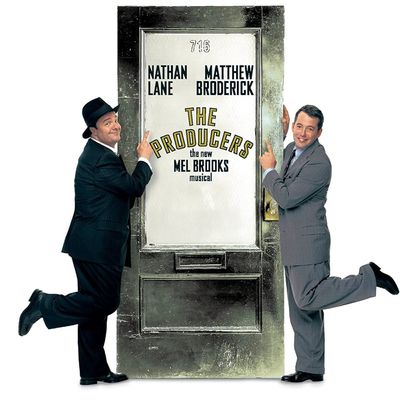
[21:36] Matthew Broderick: Extremely well you've had some really cool scene partners, you know, when you come down when you think about it, you know, your dad, kind of your best friend and Nathan Lane, even your wife, Sarah Jessica Parker. Um you know, talk to me about first of all, we'll talk about Nathan Lane, I guess, because I I'd love to talk to you about producers because I think producers is one of my favorite shows ever. Um I one day hope to be a producer myself. So I just think it the show is just brilliant. So um I I'm curious to ask you and and talk to you about this kind of journey you went on with producers, you know. You you did it on the stage with Nathan Lane, um, and then you were able to do it on screen as well with Nathan.
[22:24] Matthew Broderick: Yeah. Um now just going through that, did your performance change at all? Did you have to change any of this like the script change for the screen as opposed to the stage? Um did you kind of explore maybe a little bit more with the characters since there's you had more time with the character? Um what what just what was that process like in figuring all that out?
[22:49] Matthew Broderick: Yeah. Well, well um, the process on stage definitely had growth to it because we did it in Chicago first for a couple of months, I think, and then uh New York for a year. And then um we came back in like a year or two later for six months. Yeah. Nathan and me. So um I ran out there. So um of course, hopefully that you know the character grew over that time. Um there's always danger of growing a little too much too, you know. Um that's a show that was very um audience uh, you know, was very much part of it. Yeah, I think so um so it was challenging to um try to make a film out of it. Really? You know, we had um basically the same cast, uh and um so that you know I I did a movie called Bloxy Blues that was a play and then a and then a movie, and um that one I really threw it was a whole different cast, different director, and uh we really kind of tried to I tried to forget the play, you know, to just do a new thing when we did a movie.
But with um producers in some ways I think we were trying to hold on to what we had in the film, you know, and yeah, successfully or not, I think that was a little bit at least in my I wanted to put down on you know what we had done on stage, you know, and some sometimes I wonder, I wish that maybe I had uh opened myself up a little more to uh rethinking but I I loved it.
[24:50] Eli Tokash: I uh I I only saw the movie. I didn't get to see it on stage. Oh I don't even know if I was alive when you guys did it on stage, unfortunately.
[25:00] Matthew Broderick: Yeah.
[25:00] Eli Tokash: How old when were you born?
[25:02] Matthew Broderick: 2003. Um and I believe it debuted in 2001, right?
[25:07] Eli Tokash: It did, right uh yeah, right after 911, actually.
[25:10] Matthew Broderick: Yeah, yeah.
[25:12] Eli Tokash: So um, yeah, not my time, but um I loved what you were able to capture on the film. And I think that like in in ways, you know, kind of reflecting on and watching the film kinda set uh pavement for for movie musicals. Um and kinda I don't know, it it it kind of revolutionized that in a sense because you could kind of see how well you guys did it and um including even your movie uh with the music man, your version of it. Um like I feel like both of those kind of really, you know, nowadays that I see like the greatest showman and I see all these movie musicals that they're making. And I can kind of see the pr the producers in in all of that and how they film the musical sequence in that.
[26:04] Matthew Broderick: Right.
[26:05] Eli Tokash: Um it's it's really really cool. Um and shout out to you guys.
[26:09] Matthew Broderick: Um Thank you.
[26:11] Eli Tokash: Yeah, of course.
[26:13] Matthew Broderick: Yeah, totally. Um, but it's so cool because uh you've worked with Nathan uh so much. I saw you I I did get to see you guys in It's Only a Play.
[26:23] Eli Tokash: Um so I loved that show and uh it made up for not seeing you guys in producers, but it was kind of similar because you guys were kind of like playing producers, you know.
[26:35] Matthew Broderick: Um yeah, I yeah, I don't know. That cast was so uh brilliant and and kind of um I don't know, you had Rupert Grant, which for my generation was like the Harry Potter was like the big thing, and and and these young actors, including yourself, like that kind of grew into adult actors and continue to have this successful career on the stage together. What was it like working with all of those uh incredible collaborators and kind of figuring that and exploring that in a rehearsal room?
[27:10] Matthew Broderick: Oh, it was um it was great fun. It was um you know uh amazingly uh I mean it was quite a bunch of personalities in that room.
[27:23] Eli Tokash: Um Jack
[27:23] Matthew Broderick: Yeah. Jack O'Brien who um directed it, you know. He was like he's so great and smart and funny, and uh I'm not sure who else would have been able to wrangle all those cats uh as well as he did.
[27:44] Eli Tokash: Um but we all managed to play nicely, and um you know the play was sort of it was in some ways it was pla it there was nobody felt fully responsible for it in a way, which is kind of nice.
[28:01] Matthew Broderick: Like everybody has their the way the play is. Everybody has their scenes or their moments, but then you then you get to sit down on a couch and watch, you know, F. Marie Abraham for a while, or uh Soccer chanting, and um so I you know, I was like watch I could watch the play and do the play, right? I wasn't like the producer's like, you know, me and Nathan, you know, we gotta really you know run this thing, or yeah, but uh or maybe more for Nathan, but but it it's only a play was really is an ensemble.
[28:38] Eli Tokash: Uh oh absolutely.
[28:39] Matthew Broderick: So uh which was which was great, and and uh you know, was an I got to work with Terrence McNally and get to know him, which I'm very very grateful for. I loved him, and uh and Jack O'Brien.
[28:54] Eli Tokash: Yeah, and uh a lot of good actors in that and Rupert Rupert was uh his dressing room was next to mine and got to know him a little bit.
[29:06] Matthew Broderick: And uh we would sit sit out on the fire escape. Uh we both had windows onto the fire escape of the theater or could hang out out there.
[29:17] Eli Tokash: Um I love it.
[29:18] Matthew Broderick: So he he was delight, and uh God, everybody. Megan um I hadn't worked with soccer chanting either.
[29:28] Eli Tokash: Wow.
[29:29] Matthew Broderick: And uh Micah Stock, who was a new newcomer at the time, and he was so good.
[29:34] Eli Tokash: Fantastic.
[29:35] Matthew Broderick: Yeah, no, though the cash was just everyone held their own, you know. You guys were all superstars in in your own way, um, whether you were the headliner or not, like everyone shined, and it was really, really cool to see.
[29:48] Eli Tokash: And I think that's a testament to what you were kind of saying is the ensemble piece, you know, that that it was. Um, I I vividly remember uh like never forget because I believe it was the first time I ever saw like someone actually like laugh on the stage, and like maybe when they were not supposed to, or maybe they were supposed to, and it was with you and Nathan Lane.
[30:13] Matthew Broderick: And I I've got to assume between your guys' friendships and and how long you guys have kind of worked together, it's gotta be hard to keep a straight face with each other, or or is it not?
[30:25] Matthew Broderick: Does it kind of no it depends on the yeah?
[30:28] Eli Tokash: We've had our moments very on the producers.
[30:32] Matthew Broderick: We had that quite a bit.
[30:34] Eli Tokash: Yeah, I can't imagine.
[30:35] Matthew Broderick: Did it happen on its only applause?
[30:37] Eli Tokash: You saw that happen, you mean?
[30:38] Matthew Broderick: I yeah, I vividly remember that like you guys were I don't know if you were who laughed, him or me.
[30:45] Eli Tokash: It was you were kind of like giggling.
[30:48] Matthew Broderick: Yeah, and and it and then he saw you, and then he started laughing.
[30:53] Eli Tokash: Oh, it was kind of one of the things I apologize.
[30:56] Matthew Broderick: No, it was it was honestly as as a performer, it like it kind of awoke it something in me of like saying, like, oh yeah, like it reminded me that you guys are people, you know, like as audience members, we kind of forget the people that were watching are are people and not just like performers and characters.
[31:16] Eli Tokash: Um and it was really cool to kind of see that for the first time and be like, oh no, you're allowed to have fun, you know.
[31:22] Matthew Broderick: Yeah, sometimes, yeah.
[31:27] Eli Tokash: Well, as long as you're not getting troubled by stage management, I guess it's fine.
[31:33] Matthew Broderick: Yeah, yeah, exactly.
[31:35] Eli Tokash: Um, then I gotta talk to you about you know, performing with with your wife in Plaza Suite, which you most recently did here on Broadway, had to be so fun and and fulfilling. Um and and you now you guys are going to the West end uh with the show.
[31:52] Matthew Broderick: Yeah huge congratulations on that by the way um yeah well I mean i is that kind of uh is it kind of like you're performing with your dad in a sense of like oh this was kind of weird or was it like was it not natural I it was kind of natural.
[32:10] Matthew Broderick: I thought maybe it would be weird to tell you the truth. Um but um as soon as we started rehearsing um it didn't it just felt like doing a play.
[32:21] Eli Tokash: Um yeah and our our friend John Hickey directed it and um it was just very it was pleasant and also uh the thing about you know my wife is so uh she's really good too so it's yeah you know she's like very funny and uh interesting uh you know as an actor and uh always brought so much to the uh to the play that it that well you know I felt like I was just working on a play I never felt like oh you're my I never I think because I'm older I no longer thought oh god my dad's yelling at me in a southern accent oh sure I was able to treat it as a a regular um you know putting together a play process and uh you know, she delivers a lot of surprises and a lot of stimulus on stage.
[33:21] Eli Tokash: So it was easy.
[33:23] Matthew Broderick: I found her very easy to work with. And uh the fact that I were married and and didn't seem to be much really an issue exactly.
[33:34] Eli Tokash: Yeah.
[33:35] Matthew Broderick: That's it's gotta be so cool. I I s like as soon as the announcement came out, I was like, that is the coolest thing in the world, you know, like to be performing with probably someone who's been acting with you.
[33:47] Eli Tokash: Um if maybe if you like during COVID and everything, self-taping and all of that, like maybe it's like a that sort of thing.
[33:54] Matthew Broderick: Um, but it was awesome to see you guys on the stage together and kind of go through a uh a story together and tell a story together.
[34:03] Eli Tokash: Um was great for us, really fun.
[34:05] Matthew Broderick: Yeah, and and I can't wait for you guys to continue that over in the West End.
[34:10] Eli Tokash: Uh, you know, that's gotta be really cool in 2024 in January.
[34:13] Matthew Broderick: Uh very exciting.
[34:15] Eli Tokash: Um yeah.
[34:16] Matthew Broderick: Uh and now um actually when this episode release, you're gonna have a new movie coming out uh called No Hard Feelings.
[34:25] Eli Tokash: Right I know you it's probably hard to keep track of all this, Matthew.
[34:31] Matthew Broderick: Um but you have a new movie coming out, and and you're playing uh the this uh dad of Andrew Barth Feldman, who is a good friend of mine, and oh uh Lori Bonante is your wife, I believe.
[34:44] Eli Tokash: Um and so that that had to be probably fun.
[34:47] Matthew Broderick: So you probably filmed this and then went back to the stage, and it's it's this thing that you do is quite uh impressive. Um but did that film set with those names of Andrew Bartheland and Laura Benanti, I mean, those are stage names.
[35:02] Eli Tokash: Like, like did it kind of feel like you were kind of on stage performing with those two scene partners?
[35:09] Matthew Broderick: Um well, maybe a little. Uh we kept you know, all of us talked about shows and musicals.
[35:18] Eli Tokash: Yeah.
[35:18] Matthew Broderick: You know, which is very perplexing to the um movie people.
[35:22] Eli Tokash: Um it felt like a film, you know what?
[35:28] Matthew Broderick: What is at one time? I think the only thing is a little bit I think people were if like what Laura and I were they they'd be like, wow, you know, all your life you guys have come so ready, yeah.
[35:29] Eli Tokash: So ready.
[35:42] Matthew Broderick: Uh we were kind of like, yeah, well, you know, they've got that's the job, you know.
[35:49] Eli Tokash: Um because we were I guess sometimes if you do a lot of movies, you can kind of gradually learn learn as you're doing it. You don't really need to come so prepared.
[35:59] Matthew Broderick: I think sometimes stage people come, maybe sometimes even over prepared because film is a very fluid thing.
[36:09] Eli Tokash: But uh yeah, but they Laura Benanti kept saying they keep saying how sharp and prepared we are.
[36:16] Matthew Broderick: We're really just you know, we're not we're just doing what we were hired for.
[36:23] Eli Tokash: Um and Andrew was such a uh pleasure to have around.
[36:27] Matthew Broderick: Yeah, you know, he's not he's just he seems so happy to be there.
[36:32] Eli Tokash: It's nice to be with somebody who likes being there, you know.
[36:35] Matthew Broderick: Totally. He wasn't just complaining about the hours and how tired he was.
[36:40] Eli Tokash: Totally.
[36:41] Eli Tokash: And you know, it's interesting is that like he is now like your age when you really started to like break into to this world, you know. Um your career has lasted many, many years. Um and you started at such a young age. Did you kind of have any, I don't know, I guess advice for him and like young people around the world, like even listening to this, you know, with you being in the industry for so long at such a young age.
[37:16] Matthew Broderick: Um yeah, my advice that I would have, you know, to sort of like I think of course if stick to it, you know, it's um takes a while, and I think to try to not take things too personally all the time, you know, to um I mean that helped me like because there's some rejection always and a lot, and my you know, my father once told me I was like I didn't get the part, what did I do wrong? And he was like it doesn't mean you did anything wrong. They might have done something wrong too, you know. People cast the wrong person all the time, right? So you're saying that they're right always, and that's just not true.
[38:19] Matthew Broderick: Yeah, and even if they are right, but you don't fit the part right, that's not your fault. So there's a lot of things that um other than did I do well enough? If I did well enough, I'd get this part, it's not you're missing a whole host of other things that can happen that make you not get a part, and um that helped me to think the you know the audition is just as much for the people making the decisions, responsibility is on them too. So, you know, try to keep your center and and uh sense of self going and um and hopefully you know you get a few breaks and then uh you know then the next thing goes wrong, you know. It's a long totally it's a hopefully long career, and don't get don't get too pleased or too or too uh miserable, you know. Try to have some perspective, I would suggest.
[39:21] Eli Tokash: Yeah, and you kind of talk about you know what it's like to be in the room and the rejection and everything, and you also there's times as performers and actors where where you get some harsh feedback, you know, a negative feedback, whether it be from casting directors, reviews, directors, whatever it may be. Like how do you personally, I guess, um more so for you, kind of navigate through that and and kind of remind yourself like, hey, like what I'm doing is I what I believe in, and like that this is why I'm telling the story this way, or something like that. How do you just navigate it all?
[39:57] Matthew Broderick: Well, it's that's you know, it's still hard for me. I mean, um, you know, my the last many years, I don't really read reviews, um, but I do know when they're not good, like there's no uh avoiding the vibe when you get to the theater. Um so I kind of know what's going on, but I don't I I don't really want to hear too much details about what's wrong with me or even really what's what's right with me you know I don't like to look at myself from the outside too much when I'm sure acting and uh um on the other hand you'd be crazy not to take note of criticism or of uh you know it it you're trying to learn to be better and you're trying to uh learn what kind of parts you're good at and uh so you don't want to be totally blind I guess um yeah but I think you mostly want to be blind I think you mostly want to trust your gut and uh tell the story the way you you think you should and the way that makes you laugh or makes you moved or you know the the thing about it that you like is that's what you have to offer and uh hopefully other people get it and if they don't you try again um right you know and and so I think you're trying to learn and you want to don't you don't want everybody to always just say how great and you know I I want much as I might not like it I like a director to say that's not working or something.
[41:48] Matthew Broderick: I know I need that.
[41:49] Eli Tokash: Yeah.
[41:49] Matthew Broderick: And I might be very pissed off at the time or or uh hurt or all these things but on the other hand I do you need it. As long as it's coming from the right person and in a you know a constructive way, not just put down or just make you feel bad. That that happens too.
[42:12] Eli Tokash: Totally.
[42:15] Eli Tokash: Um it it's kind of hard to like you said, not let that influence you and your performance with the negative stuff that you may hear. Um, but it it's you know, you are there for a reason, you know, whether they made uh the right hire or they didn't make the right hire, it's kinda it it's kind of hard to remind yourself, oh, you were chosen for a reason. They liked you for some reason, you know.
[42:44] Matthew Broderick: That's a good point.
[42:46] Eli Tokash: Very good point.
[42:46] Matthew Broderick: Yeah. It you were chosen for reason and you belong there as much as anybody else, and it might as well be you, you know.
[42:52] Eli Tokash: And right.
[42:54] Eli Tokash: Yeah. Um, I I'm curious because you know, just I we're still I guess still talking about no hard feelings and stuff, uh with Andrew and Laura and them. You know, I I'm curious with your your opinion on on chemistry between film acting and and stage acting. Um I don't know. It I feel like we may have touched on this yesterday, but I just want to talk to you a little bit more about it.
[43:22] Eli Tokash: Um do you feel like the chemistry is is easier to kind of form a family relationship on on one or the other? Do you feel like the chemistry can help you as an actor?
[43:38] Matthew Broderick: Um it I think sometimes a play is more is easier because it I mean for a whole cast, because even the people who are only working in a couple of scenes are there all the time. They were there all through rehearsal. If you do a play on the road, you're all in, you know, a hotel or near a hotel together. And so you become a group and you all eat together and get drinks or whatever, and uh, you know, go to the gym or whatever it is, but you you you get to know, you know, you're a group.
[44:16] Matthew Broderick: Um in a film, a sm uh person who doesn't have that many scenes will probably just show up for three or four days and then be gone.
[44:25] Eli Tokash: Sure.
[44:25] Matthew Broderick: So you don't really have time to become that kind of integrated uh group.
[44:31] Eli Tokash: Yeah.
[44:32] Matthew Broderick: If that's what you mean. But but the chemistry, on the other hand, if you if you have good chemistry with somebody in in a film, that's golden, you know.
[44:41] Matthew Broderick: And uh I don't know, once you get that, you're in you're in good shape.
[44:45] Eli Tokash: Yeah, and I think that that's pretty evident between you and Matt uh and Nathan in the producers, you know. When it's just so easy, probably for you guys because you've known each other for so long and you've done it before, uh type of thing.
[44:58] Eli Tokash: But it's always been interesting to me where you kind of show up first day on a film set and just meeting people and it's like, all right, and you know, action. I'm like, okay.
[45:09] Matthew Broderick: Um very well.
[45:10] Eli Tokash: Yeah, I'm sure.
[45:12] Eli Tokash: And of course, like even something as The Lion King, you know, you you voiced Simba, which has to be so cool to kind of, you know, be a part of something that has had so many different lives. You know, they made a re live version of the movie, it's been on stage for years. Um but even that, like recording that it has to be challenging, you know, you're just put in a recording booth.
[45:43] Matthew Broderick: Yeah, uh, that's very isolated. I mean, you might once in a while though get two people together just so they can you know feed off each other or uh I think I recorded a couple of times with a a woman who was playing Nala, you know.
[46:01] Matthew Broderick: And then when I got to the premiere of the movie of Lion King, they were like, here's Nala, and it was uh a different different actor.
[46:13] Eli Tokash: Oh my gosh.
[46:14] Matthew Broderick: Yeah, so they had replaced and switched uh my wife or whatever my lioness, and um never even told me so that's how much chemistry there is in uh animated photos.
[46:28] Eli Tokash: Yeah.
[46:29] Matthew Broderick: Yeah, I mean, do you even get the line before, or are you just going down all your lines and just recording them as is?
[46:38] Matthew Broderick: Uh normally you're recording your lines and the director or somebody is reading the other side. I do that maybe two or three times.
[46:47] Eli Tokash: Oh my god.
[46:48] Matthew Broderick: And then they say, now let's do line 105. Let's do five versions of line 105. And then you get that, and then you do line 107 five versions.
[47:00] Eli Tokash: Right.
[47:01] Matthew Broderick: Uh you know, so it's very it gets very technical.
[47:05] Eli Tokash: Right.
[47:06] Matthew Broderick: But so interesting. You know, they all they're all drawing it and they have a whole complicated thing that they're creating. So you know, you're just trying to uh give give them what they at least I'm just trying to give them what they want.
[47:21] Eli Tokash: Totally.
[47:25] Eli Tokash: And and do you feel like have you done animation?
[47:28] Matthew Broderick: Well, I'm sure you have.
[47:29] Matthew Broderick: Like since Lion King, like have you done a lot of the recording and stuff?
[47:33] Matthew Broderick: Like, has it changed a lot since when you did it the original time?
[47:39] Matthew Broderick: Um the process that I've done it is pretty much the same. Uh it's a little more back then I would go to California and go to Disney and record, which is actually a lot of fun because there was rooms of drawings around and I've met animators and all that.
[47:58] Matthew Broderick: And uh now it seems it's usually done by Zoom.
[48:03] Matthew Broderick: I mean, if you're in a recording studio and the director is on a monitor and people don't seem to put as much effort into getting into the same room.
[48:13] Eli Tokash: Yeah.
[48:14] Matthew Broderick: Which is a sh which is a shame. But um other than that, I it's pretty much the same, except I've done a couple of like television animated things, and I guess those are less obviously less elaborate, so sure.
[48:28] Matthew Broderick: You know, they don't spend as much time on them as Lion King or something like that.
[48:34] Eli Tokash: Yeah, you know, I was always curious just because of how much the animation itself has kind of progressed, if that kind of changed the process at all. Um but it's nice to see I don't know if it changed the voice acting that much, but yeah uh a little bit in Lion King when they were still and I guess they still do this somewhat, but they were you know, hand drawing most of it.
[48:58] Matthew Broderick: I don't even really know the process that well, but the guy who animated Simba, whose name I'm not remembering, actually sat in the room a couple times when I recorded.
[49:11] Eli Tokash: Oh, that's so cool.
[49:12] Matthew Broderick: You know, they film you anyway to try to get your facial experience, which they can then change as much as they want, but I think it helps the animator to have a what does a person look like saying that, you know?
[49:26] Eli Tokash: Yeah, I mean, you know, when you think about it, to just draw from hearing sounds, I don't know how they do it, but that's a little bit how they do it. They look at you or they record you.
[49:38] Matthew Broderick: Yeah.
[49:39] Eli Tokash: Or somebody, you gotta record somebody saying it, you know.
[49:42] Matthew Broderick: Yeah, for sure.
[49:44] Eli Tokash: Um, very interesting art.
[49:48] Matthew Broderick: Oh my god. Yeah, no, it's so cool to hear to see kind of while literally everyone involved in a large film or whatever is a true artist, you know. Everyone's doing their own type of art.
[50:03] Eli Tokash: Excuse me.
[50:04] Matthew Broderick: God bless you.
[50:06] Eli Tokash: Thank you.
[50:06] Matthew Broderick: You're welcome. Um, yeah, it's very cool. Um, I've gotta ask you, you know, like nowadays, you know, you are so well known and you've had this wonderful career. Um, does it now and like now you're gonna be on the new season of Only Murders in the Building and stuff like that, and obviously Nathan's in that and you're working on these projects. Do you, are you still like, what is the process now for someone like you? Are you still being sent these auditions? Are you kind of, you know, just saying, is it Nathan calling you saying, "Hey, let's do another project," you know? Like how does that, how does life work now as an actor that you've established yourself?
[50:51] Matthew Broderick: Um, well, I mostly get sent something that somebody might want me to do or want me to read. Uh, and sometimes I'll get sent something where they don't positively want me, but I would very rarely audition at this point.
[51:08] Eli Tokash: Yeah.
[51:09] Matthew Broderick: Um, but I would if something was very special and somebody had a reason that they weren't, you know, to see what whether they thought I could do it. I mean, but I, people mostly know me, so I don't, I don't really often need to put myself on tape or something like that. I'm not sure I've ever put myself on tape to tell you the truth. But I will audition. I'll definitely come in and read.
[51:41] Eli Tokash: Yeah.
[51:42] Matthew Broderick: And maybe I have, but I don't remember, but I've been around and I'm old and I mostly just get called from people who actually want me to be in the thing. So I don't thank God usually have to go through that anymore.
[51:56] Eli Tokash: Yeah, you know, you've done your work, you know.
[51:59] Matthew Broderick: We’ve seen you.
[51:59] Eli Tokash: Yeah, exactly. You know, we've seen you be all types of different people where it's now like, oh, we know what he can do and the range that he can do it in. It's so impressive. Uh, and that must probably be nice now to, you know, kind of be honored in that way, I guess. Uh, respected in the community.
[52:21] Matthew Broderick: Um, yeah, so cool. Um, I've gotta ask like one last thing and then I'll let you go. Um, you know, as I don't know how I can, I'm trying to word this here, but um, as someone of your, I guess, caliber, you know, what is it that keeps you motivated? Like, and like I don't mean to be like, oh, what's next to you, but I'm just like more curious about, you know, what stories now excite you, I guess?
[52:29] Matthew Broderick: Yeah, um, that's a very good question. Uh, I wish I could be better at, you know, what kind of stories. Like I've never been sure what story I, you know, I read something and like it, that's basically it. I don't really, uh, say I want to find a story about this or, uh, except if I've done all sort of similar thing, I start to want to do something different. Um, my motivation for some reason, I still have, I still wanna do something good. I still wanna, I like the experience, you know, I like acting, I like being with people and, uh, and long as I've done it, I still, I'm not all bitterness, you know, I still wanna, uh, do something better. I want to get better and, uh, you know, I want to find a great script and live up to it and, uh, you know, make a writer happy and a director happy and an audience, you know, I still really love it.
[54:12] Eli Tokash: Yeah.
[54:12] Matthew Broderick: And, um, luckily I haven't yet turned completely into how much is it? How long do I work? What's for lunch? I'm almost that, but not quite.
[54:25] Eli Tokash: Not quite.
[54:26] Matthew Broderick: Yeah, because you know, when it gets to that, it's probably like, oh, probably should be a good one.
[54:31] Eli Tokash: Yeah.
[54:32] Matthew Broderick: Actors home.
[54:33] Eli Tokash: Yeah. You want to keep doing what you love, you know. And if you fall out, it's like, why? Why do it? Uh, you know, you've got so much already you've done that you've done, you know, you've got so much shown already.
[54:47] Matthew Broderick: So, um, you know, I, Matthew, this has been incredible. I mean, you are literally some of my favorite people. Ferris Bueller was one of the characters that like I was like, oh my god, like that's, that was me, you know, type of thing. You know, like that, I could see and it was like one of those. Um, there and there's been so many characters. Like I grew up watching Inspector Gadget on Disney and like all these things. So this, and of course, Simba in The Lion King, you know, it's just been a real honor, and you are someone that I've looked up to for quite some time, so I appreciate you taking your time. Um, and even doing two of these.
[55:24] Matthew Broderick: Yeah, yeah.
[55:27] Eli Tokash: Well, that was my own fault.
[55:28] Matthew Broderick: No, it wasn't.
[55:29] Eli Tokash: Yeah, no, not at all. You know, nowadays as actors, we're supposed to be these cameramen and all these things. It's like no, we just let us do our thing. But no, I do really appreciate it. So thank you.
[55:45] Matthew Broderick: Yeah, yeah, yeah. I appreciate it too. It was a pleasure talking to you, meeting you.
[55:51] Eli Tokash: Yeah, you have so much to take about for, which is our title of show.
[55:57] Matthew Broderick: So I know it is, yeah.
[55:59] Eli Tokash: Thank you.
[56:00] Matthew Broderick: All right. Good luck with yourself.
[56:02] Eli Tokash: Thank you. Take a bow, Matthew Broderick.
[56:05] Eli Tokash: Oh my gosh. What an exciting episode. I loved talking to him about this industry. Um, it's very cool to see him kind of light up talking about the different projects. You can kind of tell the projects he enjoyed and the projects that, you know, he may not have had the best experiences with or whatever it may have been. You know, I was advised to really focus on the whole Broadway side of things. Um, I was able to talk to him about a couple movies, but um, it seems like, you know, there's stuff there that, you know, uh, he's obviously has stories for days. So to plunk those stories out of him, uh, was kind of interesting and, uh, was kind of interesting to navigate, I guess you could say.
[56:50] Um, because you know, I don't know those stories. So to kind of break through there and, and kind of so to kind of break through there and kind of guess where the stories are. Um, it was, uh, it was fun to do and fun to little have that little banter with him going back and forth together and in conversation. Um, you know, I was trying to get him to share some stories with these scene partners, like working with all of them. Uh, but you know, he's like a little like, it was like talking to my grandpa. It was so cute. Um, and he really started to open up at the end there, uh, talking about, you know, the industry and kind of what it is for what it means to be a performer for him now, you know, like what life is like for an actor such as Matthew Broderick or of Matthew Broderick's stature, you know. Like he's done so much work. Uh, it's all out there. We all know Matthew Broderick, and, uh, you know, it's interesting to see how that all works for a performer of his stature now.
[57:50] Um, and I was thrilled that he was willing to share that with us and kind of talk to us about that, as well as like, you know, The Lion King, it really seems like he enjoyed that process, even though that was so many years ago, you know, how long ago that was, and you know, all of those memories kind of, it was fun to watch them flood back into his head. You can totally see it, especially if you watch this on YouTube, you'll know exactly what I mean. And, uh, it's very exciting for him to be in a new movie with all of these fabulous Broadway folks. Uh, you know, No Hard Feelings is officially out today. Uh, and that's starring Matthew Broderick, or that's starring Andrew Barth Feldman, that's starring Laura Benanti, and of course, Jennifer Lawrence.
We are just so excited to see the movie. I will have a report for you guys next episode, which is on Tuesday. I can't wait to watch it and see all of these wonderful people shine. Uh, all of these Take A Bow family members. Are you kidding me? Uh, we're literally growing an empire. No, I'm just kidding, not actually.
[58:49] Um, but we're just having so much fun, and it's so fortunate to be able to have Matthew Broderick on the show today. And, uh, hopefully you all will enjoy No Hard Feelings in theaters everywhere now. Um, all right, everyone. That's kind of all I have for you folks this week. Hopefully you all enjoyed this episode. Um, you were entertained, you learned something, you know, do whatever you do. Hopefully, you all will come back next week for our wonderful episodes with Ben Platt and Noah Galvin and all of the Tony winners of this season. Um, just so excited for all of it and can't wait to see you all next week.
[59:24] Eli Tokash: Also, come join us at the Pride Playbill Pride, not kidding. Today, Friday, June 23rd. Come on down, we'll be there. Come say hi. Um, all right, thanks everyone, and uh, I hope that you all have a wonderful weekend, and I will see you all next week. Bye everyone. Have a great weekend.
[59:47] Eli Tokash: For this episode's current call, I would like to recognize a few people who also deserve to take a bow. This podcast would not be possible without the help from Dory Bernstein, Alan Seales, Kimberly Garris, and the team at the Broadway Podcast Network.
[1:00:00] Eli Tokash: Next in line to take a bow are our fabulous editors, Jessica Gorren, who edits the audio of the podcast that you just listened to, and Tessie Tokash, who edits the videos and visuals for this podcast. And our final bow are extra special to the patrons Brian Thompson, Pat McMahra, the listeners of PCC, as well as all of the other patrons for their continued support. If you're interested in becoming a patron, go to Patreon.com slash TAB. If you enjoyed this week's episode, make sure to subscribe on the platform that you are currently listening to this on, or go check out our YouTube where you can watch the episode. You can also subscribe, like, and comment on there as well. If you're more into the regular social media and want to follow us, you can do that at Take A Bow Podcast across all social media platforms. The music of this podcast was made by Nikki Torsha and Cormac Collinon, and the logo was created by Giselle Bustos.
[1:00:49] Eli Tokash: And that wraps up this episode's curtain call. Thank you all again for listening to this week's episode, and I can't wait to see you next week. Bye everyone. Have a great week.
© Broadway Podcast Network, All Rights Reserved