

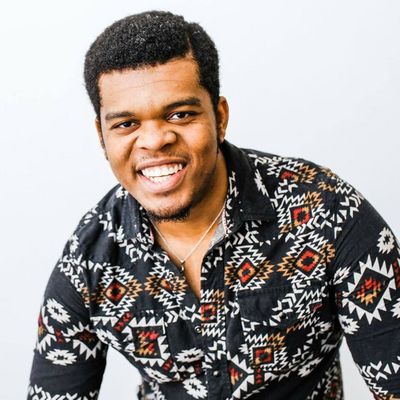
It's Hercules Mulligan, it's Big Bird, it's Kermit the Frog? It's Fergie Phillipe. The muppet, disney, broadway loving star of Hamilton and Camelot comes to Take A Bow!.. Read More
From the show: Take A Bow
Guests
Featured Shows
About
It's Hercules Mulligan, it's Big Bird, it's Kermit the Frog? It's Fergie Phillipe. The muppet, disney, broadway loving star of Hamilton and Camelot comes to Take A Bow! After recently closing his second Broadway Show, us Broadway fans don't have to wait too long to see Fergie back on stage as he will be making his solo show debut at 54 Below on October 15th!
In this episode, hear all about:
- Love for Disney & Muppets
- Hamilton
- Rehearsal for a show you already memorize the whole show by listening to the cast album
- Tour vs. Broadway
- Camelot
- Understudying King Arthur / Hamilton trio
- Spamalot
- Rise in tenors and what that means for baritones
- Upcoming 54 Below Show
+ So much more...
Curtain up, Fergie Philippe
Connect with Fergie Philippe on Instagram: @fergsters95
Tickets to Fergie's 54 Below show: Click here
Connect with Take A Bow on social: @takeabowpodcast
Connect with host, Eli Tokash on social: @tokash_eli
Edited by Jessica Lauren (@jessicalaurenradio)
Transcript
This transcript was automatically generated and might contain errors.
[0:00] Eli Tokash: Hello, everyone, and welcome to episode 178 of Take A Bow. I'm your host, Eli Tokash, and this week we have such a fun episode for you all. We have an incredible guest who just finished a run on Broadway in the Broadway production and the Broadway revival, I guess you could say, of Camelot. And oh my God, he is one of the funniest human beings alive. He is one of the quirkiest human beings alive. This guy's just a legend, and he has stories for days from Hamilton and Camelot, and just working with the absolute legends of our industry. So we have a wonderful episode with Fergie Phillipe on the podcast today. You all know him. You'll love him if you watch the Camelot opening night video on YouTube.
He showed us his little Mickey Mouse tattoo on his arm. And this guy, I mean, once you listen to the episode, you'll understand what I'm talking about here. He is the best, and what a wonderful career, and just the beginning, really. So excited to see what happens. And before we get into that, as always, we'll get into some Broadway news, because there's been a good bit going on this week. Three major things that I want to talk about. Now, listen, I don't want to be that guy and be like, oh, I told you so, or oh, I called it, or whatever you want to say. But when I said that Alex Brightman was going to be in this Broadway production of Camelot, nobody believed me. And literally, I said that on the podcast, and I even posted on my story, and people were DMing me, and like, there's no way that this can happen.
It's impossible. Shark Has Broken overlapped, blah, blah, blah. And I was like, yeah, yeah, yeah. But then you can have an understudy finish the run of Shark Has Broken, or you could allow an understudy open the show for Spamalot. There's ways around this that we've seen before. Obviously, the way that they've done it, Spamalot was very, very, very smart. Obviously, Alex Brightman wanted a little bit of a break in between shows. The Shark Has Broken is very, very different from Spamalot. Obviously, it's a little bit more serious, and a little bit more real than Spamalot. So, he deserves a break, and the time to get in the right mind space to do a different show, a new show, a new story, blah, blah.
And so, they kind of stunt casted it, and bringing in Taran Kilman to play Sir Lancelot, opening the show in Spamalot. And then Alex Brightman will be joining the company on January 9th of 2024. This is brilliant. It's a win-win situation for everyone. They get an SNL star to open a, I don't know, an absolute... It's a parody musical. It's a funny musical. But there is simply no way that Alex Brightman was not going to be in this show. Like, I talked to him on the podcast, right? He loved everything about Spamalot. We talked for over an hour because I was like, I'm so sorry that we've talked so long, but I've got it. We didn't even talk about Spamalot. And he's like, oh, I'd love to talk about Spamalot.
You know, he genuinely loved that show. That was like going to an after-school program for him. He's working with his best friends in James Monroe Iglehart, Nick Walker, Leslie Kritzer. I mean, the list goes on and on. That's literally like going for a play date. That's not work for him. It is work for him. But at the same time, it's the work that he enjoys. It's the work that he craves, you know? There's simply, after talking to him, he was going to be in this production. It was in the cards. He was going to make it happen. The show obviously wanted him to be in the show. So this came as a surprise to people. But I feel like this was in the cards all along. And it worked out perfectly in allowing a guy to come in, make his Broadway debut, get a new face in the show.
And then we could switch it up and bring Brightman back in. It's just brilliantly done and great casting all around. And I'm very thrilled for all parties involved. It seems like a win-win situation for the cast, for Alex Brightman himself, for audiences, being able to come back and maybe see two versions of the show or whatever it may be. But very excited nonetheless. And congratulations. That cast is, I guess, officially set. The rest of the cast was already cast, Ethan Slater, Nick Walker, James Monroe Iglehart. It's just star-studded. So I can't wait to see it. And it's going to be something special. Another show that I can't wait to see that was in the news this week is The Wiz. The Wiz is officially coming to Broadway in the spring of 2024.
I'm very excited for this show. I've never seen a production of The Wiz live in person. So I can't wait. And this is a show that actually Fergie talks about being one of the inspirations as to what got him into musical theater. So this show is just going to be super special when it comes to Broadway. Performances will begin on March 29th, and it will open on April 17th. And this is interesting because it's opening at the Marriott Marquee Theater. And that's a theater where I've been like, oh, it's very hard to find success in that theater just because of how big it is and everything like that. I think that The Wiz opening in the Marquee Theater is a very smart tactic, I guess, for multiple reasons.
They're doing a limited run, basically. They've said that this will be a limited engagement. I can foresee multiple extensions happening in this show, but they're announcing it as a limited run. And so that'll obviously force audience members to not slack off in buying tickets. So that'll help fill it. And then it's just like The Wiz. It has the name, it has the buzz, and I think it could do well in this theater. And so I'm very excited to see how it goes. And hopefully we can see a show have success in this theater. And The Wiz is coming back to Broadway, y'all. This is so exciting. This season's going to be so crazy. I can't wait to see it all play out. It's going to be something special for sure.
All right. The last piece of news I want to talk about is the Mean Girl musical movie. I'm so excited for this. First of all, I don't know how many times I can say it. The cast is absolutely stacked. I have a friend from school, from high school, that's going to be starring in it. I'm so excited. He announced it and everything. So it's Mahi Alam. He's going to be in the movie, and I'm so excited. So we'll get him on and talk about it. Hopefully the strikes end it and they can all promote it. And that'll be an absolute treat. And talking like, I don't know, just seeing Renee rap as Regina George again, come on. What more could you ask for? Anyway, I'm so excited for it. But it was announced that it's going to be in theaters, thank God.
And that release date is January 12th of 2024. Now, you've all heard from me before that when you go see a movie musical, like I said with Ray Triss and all the things, it's not the same watching it at home. It was going to release on a streaming platform. I don't know how you're going to get the same buzz as you would in an actual theater. I mean, by seeing Mean Girls on Broadway. But the movie theaters, what they're able to do now, you kind of feel like you're in a theater. You can start to feel the floor shake when you do at a Broadway theater, or you can have that loud surround sound that you get at a Broadway theater. So you can kind of get lost in a musical or a movie, I guess, a little bit.
And so, obviously, all the Broadway theaters were made to be movie theaters to begin with. So there's sort of a, I don't know, a connection there that kind of makes sense. So I am absolutely going to be seeing this movie in theaters. I will probably watch it at my house too, because I probably won't be able to get enough of it. But I highly recommend everyone going to see it in the theaters, January 12th. It's going to be in theaters for a limited time. So be sure you don't miss it. I'll obviously remind everyone as we get closer, but just another win for us theater kids and having a Mean Girls musical, movie musical in movie theaters. Oof, try saying that 10 times fast. That was rough. Okay, so that is all the news I have for you folks this week.
However, I do want to mention one final thing, and then I'll turn it over to Fergie, Fergster, Felipe. We have the Broadway Flea Market happening this Sunday, October 1st, I believe it is. I could be completely wrong. But yeah, October 1st. Great. So we're doing the thing. I'll be there, and I'll be walking around with some free merch. So if you stop by, say hi to me or whatever, you may be able to get some free merch you're looking for at the Flea Market. You know, you spend a lot of money, obviously tax deductible, and we're supporting a great cause, which is wonderful, and please spend the money. But if you're looking for some free stuff, maybe come find me or someone walking around with a Take A Bow tote bag, or even wearing a Take A Bow logo.
But yeah, it'll be very exciting, and I can't wait for the Broadway Flea Market. This is one of the best times of the year, getting some legit deals. So my thing for the Flea Market is I like to go there pretty early, like right when it opens, because nothing's completely sold out yet. You kind of get the best of the best. However, there's like a double edged sword with that, because that's usually when things are most expensive, because throughout the day, you tend to see a slash in prices. You see the prices get knocked down. Literally by the end of the day, they'll be giving stuff away for 5, 10, maybe free. So I usually am there first thing. I get to pick a tick or whatever it is, and then I'm walking around the booths and whatever, and then it's a good time to grab food.
Maybe stay a little bit before the show starts at like 2 or 3, and then at 3, when the shows are happening, there's not much going on. It's a good time to grab some food. Maybe in the second act, it's still a little slow, so it's a nice non-busy time to walk around, maybe find some things where they'll start slashing the prices, and then, weather permitting, by like 5, 6 o'clock, it should be sales galore. So that's my tip to the Broadway Flea Market, and usually what I'll be doing. So I'm looking forward to the Broadway Flea Market, and I can't wait to see what good stuff we got last year. I mean, last year, we got tons of stuff. Too much that I didn't even know I got. It was raining last year, so they were literally giving us bags, and they were like, whatever you can grab off our table, you get.
So it was like madness. So they were all just trying to get out of there in clothes, and you were like, pay 25 bucks for a bag, and I was like, heck yeah. So you never know what could happen. You never know what good deals could present itself. So those are kind of my tips, and we'll go through it together, and come say hi. I can't wait. This is like a theater kid's, I don't know, first day of school. I don't know. It's exciting. So all right, that's all I have for you folks this week. I've talked enough. Let's send it over to Fergie Felipe. Fergie Felipe, curtain up.
[12:57] Eli Tokash: This week's guest is an absolute legend. He is the biggest Disney adult I know, and you know him from Hamilton and Camelot, or even from his podcast, It's Time to Meet the Muppets. So everyone give it up for America's favorite Muppet Disney Broadway fan, Fergie Felipe. Oh, that's good. I love that.
[13:23] Fergie Phillipe: Welcome to Take a Bow. Thanks for being here.
[13:25] Eli Tokash: Yeah, dude, of course. So happy to be here, man.
[13:28] Fergie Phillipe: Oh, my God. This is going to be a treat. I already know it. Listen, we met at, for everyone that doesn't know, we met at the opening night of Camelot, and BPN sent me Broadway Podcast Network, and was like, oh, you have to talk, whatever you do, not screw Pippa Sioux or anything, but all that really matters here is that you talk to Fergie. And I was like, great, yeah, I will. And so then I met him, and I was like, oh, okay, I know why now. You're the best, man. I love you, man.
[14:01] Fergie Phillipe: Yeah, no, and I'm thrilled that we get to actually sit and chat, and I get to kind of know a little bit about your career and how this craziness just unfolded here. So let's start at the beginning. How did we get here? What inspired you to want to tell stories and want to be a performer?
[14:22] Fergie Phillipe: Yeah, when I was a kid, I was the son of two Haitian immigrants who were often, my dad was home a lot, but my mom was working a lot, and we had just moved to Miami when I was a kid. And so we were kind of just like getting used to our bearings, and we weren't familiar with the neighborhood. So I wasn't leaving the house as often. I was really kind of just sticking home. So I watched a lot of
[14:43] Fergie Phillipe: And what was big for me was like, everything related to Jim Henson. So like Sesame Street, Muppets, and Fraggle Rock, like those, those were kind of, and I grew up in the explosion of like VHS. And like, I owned so many VHS tapes, it was crazy. And it honestly was perfect for my parents, because I was such a quiet kid, it was just like, put a tape in the TV, and I'll shut up for the next like, five minutes until you got to put the next one in. And so it was, you know, it was really that kind of stuff that really got me interested. And what happened for me was that like, I really started getting into the world of puppetry and started kind of getting into like, how all of that worked. And so I was kind of like gutting stuffed animals and like trying to make my own puppets.
And it was like, I was kind of like, oh, this, this, this doesn't look like what it looks like on TV. This should have been the first time that I had ADHD. But I was like, exactly the way I want it to look. Now I can't do it anymore. So I like kind of gave up on it. And I was like, I'll do something easier. I'll go into acting. And right. And when I, I started taking classes when I was like 10, I would say and you know, you know, from that point, it kind of just like, took off. And it's really interesting, because it wasn't like a I think it was a matter of like, I'm gonna be an actor, like, that's gonna be like my thing. But I think I thought of acting as like the umbrella, because I knew that I wanted to do a million different things.
I wanted to work for Disney World, I wanted to do puppetry, I wanted to musical theater, I wanted to do film television, like I wanted to do all kinds of stuff. And so for me, like, I knew that acting was like something that encompassed all of the things that I wanted to do. So I think that I kind of just stuck to the acting path, because I knew that it was going to lead me somewhere. And so yeah, and then and then the kind of the rest is kind of history, I ended up going to a performing arts high school in Miami, Florida called New World School of the Arts. And then I went to Elon University for my musical theater degree. And then shortly after I graduated, I joined the Hamilton tour. And I was with the tour for like a year and a half, I want to say and then I joined Broadway. January 2020, like right before the pandemic hit. And then I left January 2023. Yeah, insane.
[17:03] Eli Tokash: So, okay, so much impact right, right in there. So the whole I mean, thank God we you did choose the acting route and everything because I would say it worked out. But I'm curious, like, when did you know that you could like sing? Or is that something that you would do with your puppets anyway?
[17:24] Fergie Phillipe: Oh, that's not a thing I knew I could do. I did not know how to sing. I had to I had to go learn. I, I wanted to sing because I was with some friends the other day. And they were all like, what was the musical that got you into theater? And it's funny for me, because I didn't see my first Broadway musical until I was like 17 or 18. Like I wasn't once I go see Broadway shows all the time. So for me, it was all movie musicals. And for me, like Greece was like, biggest, like it was so vital, like, specifically, Jeff Conway's Canicky. I was like, yeah, if I can be that, like, then I don't need anything else. Like, I just want to do that. And so between like, Greece and the Wiz and the Dreamgirls movie, like those three movies really, like raised me in terms of like, musical theater, and I really wanted to get into it because of that.
But you know, I kind of struggled a bit like it was hard, because I think that, and I'm hoping it's changing now, but kind of when I was coming up, like, the typecasting and boxes were like, so big, and that they're definitely still not playing around. But like, but I, I was really struggling with that, because it was a lot of people that like heard me sing, and I honestly was not good at all. And they'd be like, Oh, you're not good, you should stop singing. And for me, and like, you know, common sense. I'm like, that makes sense. Because they were like, you're stronger in acting, why don't you just stick to acting? But I think in my mind, I was like, Oh, but if I'm bad at singing, like, I want to try to get better.
And I felt like there was almost this idea that that wasn't possible. Right? Like singing was this thing that either you started when you were like five years old, or, you know, it felt like, oh, okay, like, you know, if you don't have the natural ability, then it's just something you're not supposed to be doing. And I really kind of internalized that even though I kept pursuing it, and it wasn't really until I didn't start taking like, I took some lessons when I was a senior in high school, but I didn't really start like, taking singing, you know, lessons until I was in college. And I mean, my voice just like grew exponentially within those four years. Shout out to April Hill. She's the best.
But it was that. It was that thing where I'm like, it really wasn't until like my junior year that I was like, Oh, I, I actually can sing like I actually have the capacity to like, hold a solo and you know, be a leading man, I can be a principal in a show. But even at that point, like, you know, I was feeling like, I was feeling like, okay, well, I'm mostly gonna be like, looking to play like, Coalhouse, and like, maybe Harpo in Color Purple and Jim in Big River. And like, I didn't feel like, and of course, there were other roles, like I always wanted to do Baker, and I wanted to do Sweeney, but but it felt like there wasn't necessarily this like, blend of like, who I am as a black man and what I was seeing on theater versus like other roles that are typically played by white men that I could play.
And it's why Hamilton was such a big deal for me when it came out, because it was the first time that I saw these characters that I was like, Oh, this actually feels like who I am, like, I'm seeing these characters that are this like, weird amalgamation of like, historical figures that we read about in history books, but also people that like, you know, are characterized so specifically so that they can be told in the specific way Lynn wanted to tell it, you know, that when when they said that the whole point of Hercules Mulligan was that he was a mix of he was a mix of Busta Rhymes. And was it Marcellus? I think Marcellus from Music Man. And I was like, that is brilliant. I'm like, that's a and I and I was like, I under and I inherently understood that.
So yeah, like there was something about him making that and then I think the James Madison one is supposed to be RZA and Donald O'Connor. And again, like, I read that. And I was like, I know exactly what I know exactly what that means. Like, I know how to marry those two worlds. And so it was, it was like a combination of a lot of things that just like, you know, really, like kind of focusing down and doing the work and making sure that like, I, you know, worked hard in my singing lessons and all of that kind of stuff. But it was also just like allowing myself to kind of broaden the view of what it means to be a singer because like, even now, I don't necessarily consider myself the strongest singer, I think that I'm really good at certain things.
And then there are certain things that are just like, not my forte. And I think that if like, you know, that can get into a whole conversation about what it means to be a singer, because I think there are a lot of singers in the Broadway community that like are so versatile, they can do multiple styles and multiple genres, and they can really fit into any type of show. But I know myself well know that like, you know, there are certain things I know, I'm like, that's a show I know I can be in. And there are other shows like, I cannot, you will probably not ever catch me in Juliet, because like that style of music doesn't necessarily fit my voice. Right? So it was a combination of all those things.
[22:17] Eli Tokash: Well, I think it's interesting, like you bring up an interesting point in the sense of like, like, for me, I feel like a similar way. But in terms of like, I'm not the strongest singer, I wasn't as strong as I was when I was a kid, or whatever it is. But like, you also like it opens a door for you to like, perfect, like one thing, like you don't have to try to be so good at all the things where if you can find your niche, and then like, I mean, it goes back to type casting and everything, but at least you're doing something really good, as opposed to just figuring out all of these different things. And then you're delayed even more, because you can't learn it all at once, you know?
[22:56] Fergie Phillipe: Well, I felt like my college experience really like got better after I saw Hamilton, because it became that thing where I was like, Oh, I'm allowed to have specificity to like, I'm allowed to be able to be like, Oh, like, I don't have to just be like any black male role. That's a baritone is mine like, I'd be like, Oh, I can be pickier about these things. Or I can, I can figure out what are the things that like, I actually am able to reach into. And it allowed me to kind of, you know, broaden my horizons even more about like, well, actually, why don't I put Billy Bigelow in my rep? Why don't I know these kind of certain things. And so it really is that kind of thing of like, when you're able to get affirmed in that way, whether it's by being seen, or whether it's by like, communicating with someone or seeing a show that really like, it sparks that it just allows your brain to wire differently and think of a certain way, you know what I mean?
Because like, especially in theater, like, it's very likely, like, especially if you started doing theater at a younger age, like, theater is such a vulnerable thing to be doing at that age. And as the years go on, it's very likely you're going into survival mode for certain things so that you can protect yourself. And so you're not thinking necessarily about the, what's the term? You're not thinking about the, the nuances of the subtleties about all of this kind of stuff. You're really thinking about like, how do I get to the end of the day? How do I get to this audition? How do I get to be in the show? My friends are gonna be in the show, I want to be in the show. But once you start getting into college, and the concept of like, you're going to try to make a career out of this becomes like a much bigger reality.
Like, it really becomes something that you have to like consider and something you have to actually like sit with yourself and be like, okay, like, if I am what I'm selling, do I want to sell something that I'm proud of? Or do I want to write something that like, I could do that, like, you know what I mean? So you really start getting strict with yourself about like, what is it that I'm trying to do?
[24:44] Eli Tokash: Real, real. And that's that I totally see that because it's like now it's, it's a sense of like, okay, it's time to put your head down and get to work, you know, like, you got to stop looking at everyone else and what they're doing, or the person next to me, that they're doing this better than you, or they're singing higher than you. It's like, no, you got to like stick to you and like what you could do and understanding that so that you can, you know, perform that, like, sell yourself as that and, and deliver, you know, figure it out. So craziness and reality all at the same time, which is great. So I'm curious to talk about Hamilton, because this obviously, like, I mean, this is just craziness that you made your Broadway debut in Hamilton, like, never heard of it.
But like, you were, you had an interesting, you know, kind of relationship with Hamilton already coming to Broadway, because like you said, you did it on tour. And so I'm curious to you, like, you know, when you did make it to Broadway, and you did make that switch from the tour to Broadway, did it almost feel like just another show? Like, because you were doing, you already knew the show, you already knew the role? Or was it something like, holy cow, I am here, I'm on Broadway?
[26:01] Fergie Phillipe: It was kind of a little bit of both. Like, I remember, like, you know, I remember being like, super thankful that like, I was going to be doing this show as my Broadway debut, something that I was so intimately familiar with, and something that meant like, so much to me and something that like, really kind of changed the function, like changed the way that I tried to function within the industry, like all of these different things. But at the same time, like, I remember when that first show happened, it was my debut to Mark Green, who played, who's playing Washington, and Aubyn Wise, who played Peggy, and then also one of our ensemble members, Preston. It was all four of our debuts. Wow. And it was all four of our Broadway debuts.
And so it was really this like, crazy thing that the four of us were just like, we're, we're all and other than Preston, the three of us had already done the show. Like they both, Tamara and Aubyn had just closed Chicago, moved to New York and started the Broadway company. And all of us were kind of just sitting there like, this is so crazy. Like, this is such a wild thing that we're doing. And the audience was chock full of our family and friends. And so it was like a particularly crazy evening. And so I, I at first was like, Oh, yeah, this is gonna be like, fun, it's gonna be great. And then as soon as that music started, I was so scared. I was like, Oh, my God, like, I'm, I'm about to go make the debut and it's about to be crazy.
So and hilariously, like, when we were on the tour, like we had people come in and out. And I did it with all kinds of different people. But the thing that I wasn't expecting was like the backstage culture of the Broadway company is just so different than what I was experiencing on tour. And they were both fantastic in their own way. So my god, I loved joining that Broadway company at the time. And there were so many people in that building who I just was like, I admired so much and who I loved and who were so welcoming of me. And they were people that I looked up to like Mandy Gonzalez was still there. Daniel Brecker was still there. James Eichelhardt was there. And so like, it was, you know, it was this thing where I also like really kind of felt myself be like, Oh my god, like, these are my idols that I looked up to.
And now I'm performing with them. So a part of it was like, how exciting and also was like, you need to you need to bring your game. Like you need to be willing to like, step up to the plate. Like I remember that night, I like went on stage to do Washington on your side. And I'm looking at James Eichelhardt and Daniel Brecker. And I'm like, you don't have you don't have time to ogle. You don't have time to ogle. You got to story with them. And like breaker wasn't at my put in. So like, it was the first time I was doing with it, doing it on stage. And so I was like, you have to like, immediately find and connect with him and figure out how to get in there with them. And James and I had only done it at the put in.
And so, so it was this like, really interesting thing of like, I was so familiar with the show. But I was also like, both refining and changing my performance all at the same time, because I was responding to all these different people. And, you know, I don't believe that if I have a show, it's like, well, this is my show. And this is the show that I'm doing. No, it's like, if there are people around me that have these different experiences in these different responses, and I'm actually gonna actually say that I'm in the moment, then I have to actually be in the moment, I have to be ready for anything. And to be honest, I'm shy.
[29:25] Fergie Phillipe: That didn't mess up more because like, it was a very vulnerable thing to do of just like, appearing and just like showing up and just like connecting instead of going back into the routine I was used to on tour. Like I was very much like, okay, what are you guys going to give me? How am I going to naturally play off of this as opposed to what I had already preplanned? And so it was an amazing, it was a brilliant experience. Like that was like such a, and I don't think I'll ever get to experience something like that again, where it's like something that I had already done, like, over 500 performances. And then I got to Broadway and was like, oh, I was like, this is a whole other thing. Like this is a whole new ballgame.
And it's like a different set of circumstances. And also like the, you know, on tour, the houses are so big backstage, like you can do anything, but there's no space in the Broadway stage. And so like, when I'd run off stage, I had to like, be a little bit more careful. So I didn't run into anybody where I chose to set like we had these like fancy like chairs and stations on tour and stuff like on Broadway, you're sitting, you're sitting on stairs until your next cue. Like, you know what I mean? Like, the buildings are so old. And so like, it just like culturally changed so much. But I loved every second of that. Like, I love how much my definition of what Hamilton would come to be shifted because of that.
[30:44] Eli Tokash: Yeah, no, my favorite thing about like, people saying like Broadway and everything like these tours, you're performing easy, like 5000 seat theaters, you know, then you come to Broadway, and it's like, what is the bad?
[30:55] Fergie Phillipe: Oh, yeah, it's crazy. Like, that was the scariest thing, too, is that I walked out on stage. And I was like, the audience is so close.
[31:05] Eli Tokash: Yeah, like, why can't I see everyone?
[31:08] Fergie Phillipe: Literally everybody and it feels like they're on stage with me. And it was this crazy thing where like, you know, when you're playing these touring houses, it's like, okay, you're gonna be playing to these really, really big houses. So make sure your performances are expansive in that way. And when I got to Broadway, they were like, dude, everything's got to be much smaller. Yeah, right. The audience is more intimate and closer to you.
[31:29] Eli Tokash: It's so true. It's crazy. And you would never think of it because it's like we glamorize Broadway is like, you know, the end all be all and it's like, oh, this is like nothing after coming from a tour. It's like, Oh, I got this. You know, it's a trippy thing.
[31:41] Fergie Phillipe: Yeah. Yeah. It's wild. And just like you said, the backstage life, you forget like how much that affects your track, you know, like, doing all of it, but you find your new things and you find your new routes. And, you know, the show goes on as always.
[32:03] Eli Tokash: Yeah, exactly. So I'm curious, you know, a show like Hamilton, right? Like, I don't know, it's got to be it. There's just the hype around it. Like there hasn't been a show that's had this much hype in and I don't know, I can't remember. And like people come in, you know, they know basically the whole freaking show because it's on the soundtrack. Like, does any of that like play into a factor in the sense of like your preferred performance or even like you being nervous before because it's like, Oh, you know, everybody knows this show inside and out already. So I gotta come in and make sure I'm on.
[32:43] Fergie Phillipe: I actually think like we got spoiled in a way we being the Philip tour because I think that like, we joined the show. Like, we started rehearsals in 2017, which was only like two years after they opened and one year after they won the Tony and the reason that that makes a difference is that the hype was still so fresh. But the thing that was on our, the thing that was on our side was that Hamilton was expanding so quickly, like, before, like, right when we started rehearsals, they had just opened London, the first national was out, the Chicago company was out, the Broadway was company was out, they announced they were going to do Australia. And we were doing the second national tour. And so and they announced Puerto Rico not too long after that, too.
And so there were going to be so many different companies of Hamilton, it was that thing where it was like, well, it is physically impossible to even like, put aside the idea of like living up to the original, but more of like, we can't even try to copy the original because there's too many of us doing the show. And, and we kind of benefited in that way. And in addition to that, the creative scene was very specific about being like, do not like, please do not try to do anything they did. Like, we don't, we didn't hire you because you look like Oak or because you act like Leslie or because you sound like Renee, like we we hired you based on the interpretations you brought in. We're interested in exploring those versions.
So those early Yeah, yeah. I mean, those early days in those early years were so exciting because of that, like, it was, it was just like, this very, like, almost experimental thing we were doing of like, how many different versions of this show can we put up? And man, I saw that original company, and it was brilliant. And then I got to see these other companies that did completely different versions that were just as justified, just as nuanced, just as like, beautifully crafted. And it was a completely different show with the same choreography, same song, all of that stuff. And so we really benefited in the way that like, we didn't actually feel that pressure as much like, we felt very much like we're kind of in our bag of what we do, like Philip tour is its own thing.
Like we were our own company. And we had our own vibe. And we did the show a very specific way. And I think that I think that the creative team set us up for success in that way, because we really were able to kind of just tap into what was it that made our version of the show? So unique and so special. Right. And so like, you know, we would get that question a lot when we did q&as and stuff. And I remember the thing that we said was like, a we don't think about it. And B, we can't think about it. Yeah, we you know, we really got lost in it, like we'd be here forever. But like, it was just one of those things that was just like, no, it wasn't even a consideration factor. Like we all kind of were just like, we're doing our own thing.
And like, it's okay, if people don't like it, we don't care. We know there's gonna be other people that like it simply from the fact that it's Hamilton, you know, right. But but also like the audience is like, testament to all of the fan base in the audiences is that like, they wanted that, like, they didn't want to just see, you know, rehash of what Leslie and Lynn were doing, you know what I mean? Even before Disney+, like they weren't interested in that they wanted their own personal Hamilton experience, which was cool about the tour, because we started in the Pacific Northwest that had never really been exposed to Hamilton, like, they got their own version of the show, they got to see, you know, my specific way that I do the Yorktown rap and the way that I decide to do some of the Madison stuff, like they didn't get Oak, which a lot of the New York audiences got, and that's their special version of it, or the Chicago people had Wallace, and that was their specific version.
But like, right, we were able to kind of have these like clumps. And so it, you know, the fan bases started splitting off, like there were people that were like, we're, we're Angelica fam, and we're Philip fam, Chicago fam. And so it became kind of this, like, really interesting thing of just like, we had our own groupies, you know what I mean? We had our own groups of people that really loved our version of the show. And so we were, we were very lucky in that way, because I think it's a little bit harder. Now there are less companies Disney pluses out. And I think that there's more competition these days. And Hamilton is not in the same place in the zeitgeist as it used to be like, it's very much just, you know, it's almost 10 years now.
And so there are other shows that have kind of taken the mantle in terms of like, what everybody's talking about, like, even when dear Evan Hansen came out, it was like, all right, there's a little less attention on Hamilton now. And you know, as the years have progressed, like, it keeps happening more and more and more. And so I think maybe now it's a little bit more difficult to kind of go into it and trying to like, put your own spin on it and not, you know, try to live up to that. Because the thing that was interesting when we came back from the pandemic was that like, every single audience member was like, I watched this on Disney plus. And that was something we were not used to. Yeah, that had been it was just like, um, yeah, it was just interesting, though, because like, I think that a lot of people were like, after I saw Disney plus, like, I was really nervous to see a live, but oh, my God, this was better.
And like, yeah, or people would be like, I love Disney plus, and I love the live or, you know, all right, different things. And so so it, the experiences, you know, were good for us in the way that like, we had really great audience members who did not try to pin anything on us, and the creative team just set us up for success really well.
[37:50] Eli Tokash: Right. I mean, I'll say there, there's nothing better than live theater. They did a wonderful job capturing it on Disney plus and everything. But you can't you can't be a live, you know, watch of it. But it's interesting, because you say, like, you know, Hamilton, I mean, it's kind of like in the category now of like a phantom or Chicago, where it's like one of those things that it's like, it or even like wicked, like, it's always gonna be like popular, but it's not gonna, it's just gonna be like, you know, one of those things. It's like, oh, yeah, like, I'll see that event.
[38:25] Fergie Phillipe: It's also that thing where I'm like, it's, it's become the big, you know, I it's what I say. I'm like, now it's the big three. It's the Hamilton right or Lion King, like, you know what I mean? Like, yeah, three, those are like the three, I would say, like tourist destination Broadway shows that like, all three of those shows are absolutely fantastic. They're still in excellent shape. And yeah, you know, they do the job and like, but they also kind of define like, what the best of New York Broadway can be in terms of and it's three different generations. And so it's this really, it's actually a really exciting place to be in for Hamilton, because after a while, like, it just became chill, like it there wasn't like I will, I will say, like on tour.
It was crazy. Like it felt like I think people think I'm making it up. But like, I really cannot express to you, like, there were times where I was like, this is psychotic, like, right, people are responding is insane. Like, we're a tour, nothing against tours. But I was like, we're not the original cast. And responding this way. That was the weight that like Hamilton carried. But, you know, I think that like, it's really awesome that Hamilton has kind of moved on from that. Like, I think, I think it should, you know what I mean? Like, it's never going to be like the closest that ever got to like 2015 2016 was when we did the reopening. And we had ham for ham, like, right, we almost shut down 46th again.
And I was like, wild. It was crazy. And I was like, this feels very similar to when I won, you know, when I came to see the last preview, like, it was just like a different, a different vibe and different energy surrounding it.
[40:03] Eli Tokash: Absolutely. It's good. It should ebb and flow. And it should change. And like, that's what the creative team says, like, Lynn says, it's like, yeah, we're not, we're not there anymore. You know, I mean, like, that's just not that's not what the show is anymore. Because it's not 2015 anymore. Way past that, you know what I mean? But, but now it becomes like, what's the value we hold now? What do we provide people now? And like, let's tap into that. Let's give that. And so it's a it's a living, breathing organism, as they have said for many, many years. And like, it's, it's really true. Like it, it just kind of shifts and ebbs and flows. And it's one of those shows that like, people are like, well, now that you've left, like, you'll never go back.
I'm like, hell no. I'm like, if they called and said, you know, do you want to come do something? Like, yeah, of course I would. Like, yeah, I just think it's one of those shows that's just like, that I do think it's gonna always be around. Like, it's always, I mean, like, I think it'll, it'll get close to like, what a Phantom Run is doing, or what Wicked is doing right now. Like, yeah, I just think it's just one of those. It's just one of those phenomenons that is now kind of seeped into public consciousness in a way that's like, you can't think of Broadway without Hamilton now.
[41:04] Fergie Phillipe: Truly, truly, you cannot. And I think it's gonna stay that way for quite some time, to be completely honest with you. I just feel like it literally, like, it's just like a new wave of Broadway. And I'm excited to see like, now that, you know, post pandemic and people had time to write and like, it's just like, we never saw anything like that. And I think that that had to do with so much of the buzz. So it's like, it'll be interesting to see what comes out now and how that all unfolds. But I think it'll always be around for sure.
[41:33] Eli Tokash: Well, let's shift gears a little bit. And let's talk about Camelot. Because I mean, there's still the connection, you know, Pippa Sioux and you and Camelot and all the things. So yeah, you know, you got to originate a role here in Camelot, Sir Sigamore. Because I mean, I know it was a revival and everything, but it was pretty close to like a new show.
[41:59] Fergie Phillipe: Oh, very much so.
[42:00] Eli Tokash: So like, what was that process like? And like, I don't know, it didn't feel like you probably never even saw like a Camelot before being in it, did you?
[42:13] Fergie Phillipe: No, I hadn't. It wasn't a show that was done a lot. It was funny, because I think either when they announced it or in the past few years, like it started to kind of come back a little bit. But um, it was a show that I've always loved. I've always been very fascinated by the show, because it has this really interesting reputation of being like, one of the classics of the golden age era of musical theatre. But it's also a problem play. Like, the book has always been something that people have debated about for years about whether or not it's really good, or it's really, really bad. And you know, the story is like kind of unclear. And you know, the structure of the show itself is kind of messy.
And so it was this very interesting thing to walk into it. Because when my agents told me about it, and they were like, Bart Sher, Lincoln Center, Aaron Sorkin, I was like, there's no, no thinking. There's no, uh, it's like, yeah, I'm gonna do that as long as they have me. But it was that interesting thing of like watching Aaron and Bart wrestle with this story and wrestle with what was gonna be the version that we tried to tell. And we did about three different workshops before we actually went into production. And in each of those workshops, the script shifted so many times like it just like it and it was Aaron really trying to like, find what the best version of this show should be. And I think that what was exciting to us when we got into rehearsals was that like nothing was nothing was married and nothing was precious.
Like we really like played with a lot of stuff and a lot of stuff got cut and a lot of stuff got added and we played with certain songs in and certain songs out and you know, we we tried so many different things that I think made it such an exciting show. And I think that what I loved about like originating Sagamore with the other three was that I remember when I first
[44:08] Fergie Phillipe: I was doing the readings and stuff like that. I was like, oh, okay, it's another trio. Like, it's not that far off from what the Sons of Liberty function as in Hamilton. I was like, I'm interested to see how I am able to creatively engage with this and if it's going to feel the same way. And it felt obviously so different. And I didn't have the wisdom to know that at the time, but it felt not only so different, but it was also so incredibly, um, it was so new is not the word. It was just very unique, unique is what I'm looking for. Like, it was a very different kind of way of engaging with the text. Because like the way that Bart helped build these three nights was just so interestingly organic of just like, you know, having scenes already set up and then out of nowhere, he'd be like, hey, let's just see what happens when you three like enter the scene and like, walk around and we'll see something.
And we'd be like, there's no reason for us to be in the scene. And then like, out of nowhere, the context of the scene would change completely. And they call Aaron and be like, can you give them some dialogue so that we can have them engaged? Like, there was just it was such a very fascinating way to like engage with something that was so established, you know what I mean? Because it is a revival. But we were starting from scratch, like we were doing something brand new with it. Yeah, it was this really amazing kind of like, back and forth in middle ground. And, and it's so funny, because like Pippa, Pippa and Jordan Danica are both Hamilton. Oh, yeah. So like, the three of us, it was so funny, whenever I went on for Arthur, the three of us would just be like, this is like the strangest Hamilton reunion that's ever existed.
But it was also this thing of like, what an incredible company that we got to work for Jordan and frickin Pippa. Oh my god, unbelievable performer, two performers that are just like, brilliant, like truly out of their minds. So talented and Andrew Burnap, who played Arthur, just like, we had such a great cast. And it was so fun to do with such like, hard material, like that material was so difficult, that script was so dense, and in the best way, like Aaron wrote a beautiful script, and the music was so luscious. And, and it was an interesting thing, because Aaron's felt not, I'm not gonna say felt contemporary, but it didn't feel in the same style as the original script for Camelot. And so finding out how we marry the dialogue into this music was such a journey.
Right. So all of that to say that, like, the process was really crazy. But it was really, you know, when we opened, we all were so proud, like, we finished, we opened that show. And we were just like, this is such a good show. Like, we're so proud of what we have created. We loved doing that. Yeah, I mean, I was like, I don't know, I didn't know what to expect, I guess going into it. And it was just like, I loved that, you know, like, there's not many shows that I'm able to do that anymore. Because there's always like, so much hype. But this one, I feel like, flew under the radar. You know, I guess it partially because it was like, all the way up at Lincoln Center. And it's like, not in like, Broadway, like, you know, but it was just like, I saw it.
And I just like fell in love with the show. And I was like, I've never like, I never thought I could sit through, you know, three hours plus of like a musical, but like, this shuttle kept me engaged the whole time. I was like, it's incredible. Yeah. But it's interesting. You say the whole thing about Jordan and everything because we asked, he came on the podcast. And I actually asked him, you know, he obviously played Lafayette. And, and oh my god, Lafayette. And who's his counterpart in Act Two? Jefferson. Yeah. Great. And so I told you, like, changing characters mid show, like, I'm curious to ask your opinion, since that striked, striked my memory. What was that like in doing the two characters in one show?
[48:19] Fergie Phillipe: I really loved that. That was like, super fun for me, because it felt like I was doing two different shows, like, right, especially because the two characters served such different purposes, like, in the first act, specifically, like, Mulligan is like the party dude, and everything about him is like, I'm supporting Hamilton, I'm lifting Hamilton up. And then the second act, it's literally I'm trying to bring Hamilton down. Yeah, exactly. And so I loved it, man. I had so much fun doing that kind of thing. And it's like, I always say, like, I got the best hand of the deal of anybody who did the double cast because Mulligan and Madison are so different, that I had no issue having to like, differentiate them.
Yeah, I was like, yeah, of course, I can differentiate this, like, they're two completely different people. I think Lawrence Phillip is like such a hard track, because I think John Lawrence and Philip Hamilton really serve kind of similar purposes to Hamilton in terms of like mentorship and a relationship. And, you know, that's really like strong male bond. And like, every Lawrence Phillip I saw always did such a beautiful and brilliant job of, you know, separating those two characters in a way that made them completely differently, completely different dynamic characters. And I was always more like, that's the acting chops right there for those characters. But for something like Mulligan Madison, like, Lynn did such a beautiful job of differentiating those characters that like, I kind of just like took the words and just spat it out. Like, it felt like a silver platter for me.
[49:48] Fergie Phillipe: Right. And I feel like, like, watching that was like, unreal, because it's the same thing with Lafayette, too, you know, like, he was like his best buddy. And then, you know, yeah, he was with you trying to bring him down. It's just like, it was so brilliant to see that dynamic and that dynamic shift as the same actors yet different characters. I just love that they're, they're played by the same people and how the story kind of relates with you can tell the first half of the story with those characters and without the other two and then bring the yeah, it's pretty neat. But Hamilton so brilliantly written, but anyways, we're on Hamilton, we're on Hamilton. I'm sorry, I could talk about all day.
So so yeah, so you talked about, you know, kind of this Hamilton trio. Okay, I guess we still are on Hamilton. And you when you were on for Arthur, and you got to play King Arthur a few times. I mean, that was that had to be the coolest thing. I mean, you literally led, led like you were the main guy of a Broadway show. Like what in the world? What was that like for you? Do you remember any of it? Or is it all a blur?
[50:56] Fergie Phillipe: I was very fortunate. I got to go on like, a lot of times as Arthur, I was very grateful. And so I remember it very well. And I remember that it was the hardest thing I'd ever done. Like, it was just like such a Herculean effort. Andrew Burnap deserves so much credit because that role is like, is like a Shakespeare like it's just such it's so much like he does not leave the stage like, right? He is there top to bottom just talking. Oh my god. That was my joke. I was like, this dude does not shut up. But it was it was an amazing practice to like, understand like, what is my stamina? And what is my consistency like that? Those are my two biggest focuses when I was doing that show where it was just like, how do I keep the energy of the show continually, you know, rising or at stasis so that it doesn't dip?
And how am I able to actually tell the story so that when I go from this scene to this scene, I'm bringing what I established in the last scene into this scene so I can establish even more so that I can set up the next scene. And that's like, you know, that's not not for the weak of heart. No, that is man. And I will tell you, man, like, you know, it was fun. Like, I'm not gonna say it wasn't fun. But it was it was a lot of agony for me just like, trying to like, really make that work because it was just it's just such a difficult role. And I and I wasn't playing it eight times a week. So for me, like, you know, and I'm very much somebody that's like, I'm gonna try to leave it on the floor every time I do it.
And so like, when I would do it, like, I really was trying to go all the way to the world to establish it. But you know, there were many times where I walked off that stage. And I was like, that was just the most unclear show. And the audience probably didn't know, like, the audience probably got like a good show out of it. But for me, in terms of like, what I want to be able to feel like I did in terms of storytelling, what I wanted to be able to give to Pippa, because Pippa was playing a new Arthur, what I wanted to give to Jordan, you know, what I wanted to give to the company, how I wanted to actually establish the story, because Arthur is the driving for the idea and the driving force personified.
And so you know, it, and it wasn't like pressure, I wasn't like, oh, the weight of the world. I mean, it was more of just like, I want to do justice to what this beautiful story is, because I think yeah, stunning story. And I think Sorkin, who's my favorite, you know, screen or play my screenwriter or playwright ever, like he, real, he wrote such a gorgeous book, and he wrote Arthur. So like, I mean, just the layers and the nuance and the show that I was able Yeah, like, oh my god, I've never played a character that had that much to work with, you know what I mean? And so it was exciting and overwhelming all at once. But, but yeah, it was hard. It was super hard. I remember a friend of mine, like came after me, like I had like a week where I did Arthur for every single show that week.
And like, in the middle of the week, my friend came into my dressing room was like, great show, man, are you having fun? And I like looked at him and went, No. He was like, No. And I was like, I don't mean that negatively. It's just like, I'm working. You know what I mean? Like, I love I love this work. I love this work so much. And like, yeah, to a degree, it is fun. But like, I was I was in the mode of like, still trying to figure out who the character is. And like, you know, every time I finished the show, I would come backstage and me and the stage manager, we would do a note session. And we would talk about character. And we would talk about like, okay, this scene felt a little bit more together.
But the next scene, you were a little bit slow on the dialogue. So let's try to pick that up. And so it was constantly like fine tuning. Yeah. And it was and when I say it wasn't fun, I'm not being negative. I just mean more the like the what was required of me to do Arthur wasn't like a Mulligan. Like with Mulligan, I could just sit pretty and chill. I was absolutely doing work. And I was still like, you know, like in the scene and like trying to craft a character. But I had a certain comfortable, a comfortability with Mulligan because a I played him for so long. And also, like, it was a character that it was the only thing I was working on that I had the time to be able to do that, that like, Mulligan was fun, because I had like a different relationship to how I was playing that character.
But with Arthur, I think of the 170 something shows we did, I played Arthur maybe 20 times, maybe Wow, it's probably closer to like 16 or 15. And like, that's a first of all, that's a lot of performances for just like that short of time. But in the grand scheme, I played Sir Sagarmore 160 something, you know what I mean? And so I have more of my brain in Sagarmore and more my body in Sagarmore than I do in Arthur. And so when I'm doing Arthur, it's not like, Oh my god, like, I'm playing Arthur, it's, I need to make sure that the story is clear, I need to make sure that the show is happening the way that it needs to happen. Because, you know, this isn't my usual track. Right. And I love that.
I absolutely love that. There's a vigor that comes with that. It's, yeah, it's very affirming. But right. Fun isn't it's just fun isn't the word that I would use. And I found that so funny when he was like, Are you having fun? And I was just like, No, right. This isn't fun for me. This is like work. I love this work. I'm very happy to be doing this work. But it's it's nonetheless, it's work. And it was work I was very, very, very, very proud of and work that I was happy to do. And, you know, hopefully there's a future with it somewhere because I love that show so much. I think it deserves. I think it deserves a longer life than it got on Broadway. I thought it was an excellent show.
[56:49] Eli Tokash: Well, I'm, let me ask you this, because after so after all of the the work was done, you know, and you were able to, you know, kind of sit back and reflect on it. Do you kind of have a new sense of like confidence, I guess, in your voice and in your everything? Because you were on stage so much singing and talking and kind of testing that stamina?
[57:14] Fergie Phillipe: No.
[57:17] Eli Tokash: Really?
[57:17] Fergie Phillipe: But, but I think I think that just kind of comes I mean, I'm not gonna speak for everybody. But for me, like, you know, I'm an anxious dude, everybody knows, I talk about my mental health all the time, like my, you know, I'd recently diagnosed ADHD. If you're on my Instagram, you're like, yeah, you talk about every day, shut up. But it is a thing that is very important to me, because it helps me understand the way that my brain works in a very specific way in terms of like, how I process information or how I'm able to like deal with certain things emotionally. And I know for me, like, one of my forever battles is that when I am in the moment, doing a show, yeah, I am not thinking about anything else but that, which is like a superpower for me, like, it feels like I don't have to worry, I'm not worried about whether or not I sound good.
When I'm in the middle of like a theater product, like in the middle of Camelot, like when I was doing Arthur, I was like, I, you know, my voice would crack all the time. And you know, all this different shit. And I didn't, I was I didn't care in the moment, right afterwards, or before was an anxious spiral, you know, all the way. But like, but like, but in the middle of the show, like, I am able to be present and do what needs to be done and give what needs to be given, which is something that I really love about myself. But I think that the journey or the the kind of back and forth of it then becomes Oh, well, how is it that I'm going to be able to set myself up for success so that when I leave the stage, I can feel the same way that I do on stage, you know, right. And that's, that's like a whole thing in itself. And so in terms of my confidence, like I don't feel as reluctant, but
[58:52] Fergie Philippe: It's still gonna be hard for me. And that maybe is probably just a trigger for me because I have a lot of emotional stuff with singing. It's a very sensitive subject for me. And so probably it's gonna always be hard for me to say I'm a singer. That's gonna be something that's a really hard thing for me to go back and forth about. But what I will say is that what Arthur taught me is that I'm capable of doing so much. I was really, I think I thought I had an idea of what Arthur would require of me. And I was wrong, like severely wrong of like how much it required of me. It required so much more. And I think that like how I was able to step up to the challenge, and even in some cases, I believe succeed, really like surprised me.
And I was really kind of proud of that. And yeah, I was really I was really I felt myself becoming a different person doing Arthur. Like it really was teaching me a lot about who I was and who and what I'm able to do. And so those are the parts of it that really like, sit with me.
[59:57] Fergie Philippe: Okay, good. So there was something there. That's good. It wasn't a total failure. Yeah. No, no, no, no, no, no, no, not at all. But I think I think that's the reality for a lot of performers. I just think a lot of performers are, they have this complicated relationship with themselves or like, I can't remember who I was with. But I was with like two or three other people. And all of us. I think it was my boys, like Kyle Scott, and Nick Walker. And I think, you know, the three of them, I mean, I can't even necessarily put myself in that category. But like, James is a Tony winner. And both Nick and Kyle have like four Broadway shows in their name. But all Yeah, literal legends, but the four of us were talking and we were all talking about like, what makes us the most anxious when we're on stage or what happens to us like on stage that throws us off and stuff.
And I remember sitting there just being like, this is if people could hear this conversation, I think people would be so blown away by like, how vulnerable people are like even James, like the beautiful conversations I've had with James Eichelhardt, who is actually a Broadway legend, right, about what he is still nervous about to this day, like the things that like, make him go, I don't know if I can do this blow my mind. I think that man can do anything. But right, it just proves that like, we're all still super vulnerable. But like, the fact that we're super vulnerable is probably why we're doing this in the first place. Amen. That's definitely that we put ourselves into this crazy mess. You know, like, what are we doing here? Oh my God.
[1:01:19] Fergie Philippe: But hey, it's cool, too, though, like, because now James and Nick, for that matter, are keeping Camelot alive in it for Spamalot coming to Broadway. So that'll be fun. Well, I'm curious, because now that you're we're talking about your singing, and this will be it, and then I'll let you go. But we're talking about singing, we're talking about, you know, singing your face off the entire show, you have your own solo show coming to 54 Below. Oh, dear God, after going on and on about being like, I'm gonna promote this. Way to sell it. So October 15, this is coming up. Like, what are we doing? Are we doing like, Hamilton, like songs that you've performed already? Are you doing like your own stuff? Like, what's the show?
[1:02:07] Fergie Philippe: So for me, like, I'm such a big music head. Like, I love so many different types of music. But something that like, I'm so I love Nat King Cole is just like, so important to me. And I love his music so much. And he, you know, I'm a baritone. And I feel like, you know, there's a there's a bit of a baritone recession in the musical theater world right now. Like, I think tenors, tenors are getting a lot of love, which they deserve. But you know, I think it's hard for a lot of baritones to or at least for me as a baritone, it's hard for me to be like, yeah, I'm a I'm a true singer because I'm a baritone. But Nat King Cole and Sinatra and Bennett, like all of these crooners, you know, Sammy Davis, like these are the guys that when I listen to them, I'm like, Oh my god, like, this is what true singing can be when you're a baritone.
And all of the Nat King Cole stuff just like really, like hits my soul in a very different way. And I was kind of like, I kind of want to just do like a nice, like, very simple, but like smooth, kind of like, you know, jazz standard show. And so I kind of ran it past my producing partner, Ben, who I do a lot of stuff with. And he was like, I don't think anyone's doing that for like, you should just try to see like what that's like. And I kind of went home one day and sang through some of the songs that like I like singing, I was like, I don't sound horrible, right? So like, you know, it's been a very interesting thing. And it's not just gonna be Nat King Cole like we're doing, you know, there's, there's, there's gonna be some other stuff that I'm sure people can guess is gonna happen.
And it's not gonna be, you know, totally just Nat King Cole. But I think that what I really wanted to focus on was like, this is the music that makes me feel like a musician, you know what I mean? And I think that like, jazz music is such a very specific thing in itself, specifically jazz standards. Like, I feel like that's such an underrated genre. And like, it is, you know, the concept and the structure is simple. But, you know, the way that people have been able to access some of these songs are just so stunning. And I think it's so fascinating. And I'm not gonna say I'm, I'm a strong jazz singer in the slightest, but this is the kind of music that when I sing it, I feel a very specific way.
And I kind of wanted to do a show where I chase that, like, this is kind of a practice in me, like forcing myself to get on stage and sing more, because I'm, I don't like doing that. I'm kind of, I'm pushing myself to do something like this, because I do believe that it's important for me. But also, I believe that, you know, I believe we all contribute in ways, even if we don't think we do. And I do believe that like, there's something within this crooner genre that I have something that I could give. And so I was like, let's just let's jump in. Let's test the waters. Let's see what happens. And if you know, if we fly, we fly. And if we don't take off, we'll try it another time. Like, you know, it's just one of those things that I was just like, I, I know I want to do this for something.
But I didn't want to just do an evening, a musical theater, not that there's anything wrong with that. But I was just like, I know I don't want to do that. I want to yeah, that's gonna make me feel connected to who I am. And this music, this playlist that we have assembled together is really excited. We're having a big band. And it's gonna be really nice. And you know, I have some guests coming on to sing with me. And so it's gonna be really fun.
[1:05:23] Eli Tokash: Ah, dude, I'm so excited. It's gonna be awesome. Like you said, we really don't see enough of that. It's just like another night of musical theater. I mean, everyone's doing that. You know, it seems like every show at 54 Below is that but hey, and I love him to death, but I blame Ben Platt for this rise in tenors. We need some more baritones coming out here, man.
[1:05:41] Fergie Philippe: I will tell you what me and every other baritone heard waving through a window. We're like, fuck, man.
[1:05:50] Eli Tokash: See you guys in 20 years.
[1:05:52] Fergie Philippe: Yeah, exactly. Hilarious. Oh, man, that's crazy. But it's so true. Well, Fergie, this has been awesome. And I can't wait for this 54 Below show. Can't wait to see you up on stage again. I'm gonna come out October 15 930. Y'all should be there. And thank you. Yeah, no, I'm so excited. Are you kidding me? Thank you for doing this. And you have so much to take about for so I'm glad that we got to do this.
[1:06:21] Eli Tokash: Hey, one last question. Any puppeteering at 54 Below happening?
[1:06:27] Fergie Philippe: Maybe not for the solo show, but we are going to be doing 54 Sings the Muppet Christmas Carol again. It'll be our third year. Oh my god, I can't believe it's our third year doing the Christmas Carol concert. But we're gonna be doing it again. We're exploring each year we try to like get a little bit bigger and bigger and I know one year eventually I want to get like full out puppets in it. But I don't know if we're there yet. Maybe this year. We'll see. We'll see. I think I'd pee my pants if I saw Kermit the Frog doing like Nat King Cole or something. That would be great. That would be fantastic.
[1:07:05] Eli Tokash: Well, that's awesome. Where can we follow you or everyone listening follow you to keep up with all your great stuff you have got going on?
[1:07:10] Fergie Philippe: All of the socials are Fergsters95. That's F-E-R-G-S-T-E-R-S-9-5. That's Instagram, Twitter. I don't know how long that'll be. And then FergiePhilippe.com and then head to 54 Below to get tickets for my show. It's Honey Melodies and Old Fashions. I can't even remember. Honey Melodies and Old Fashions. It's 930. We're both in person and we're doing a live stream. So if you can't make it out to New York, make sure you get those live stream tickets. You head to my page. I have a $5 off discount code that everybody can use. So make sure you follow me and hit it up there. Slay. Well, thank you so much and break legs at 54 Below. See you there.
[1:07:49] Eli Tokash: Take a bow Fergie Philippe. Oh my gosh. What a career. Talking about Hamilton, I literally could have talked to him about Hamilton forever. And he had a really unique situation. I didn't even ask him all my questions because there was so much to talk about and there was so much to get into. His answers, he was one of the easiest persons to talk to. I could have just branched off of him. I came in with questions. I didn't need any. I was just branching off his answers. I kind of forgot that I had questions. But talking to him about Hamilton was one of the coolest things ever. I don't think we've gotten that in depth to Hamilton on this podcast before. So that was exciting. And I kind of got to relive my Hamilton phase a little bit.
And I kind of kept going back and forth. But it's neat to see. It's so true for any actor or performer or whatever. Once you do kind of solidify yourself in a role with people surrounding you. In this case, it was Fergie with Hamilton. And he was able to go from the tour to Broadway and kind of gain the trust of Lynn, James Monroe, Michael Hart, all of these legends of our industry and still going. It's pretty interesting. And to see how then he went into Camelot and that had all of the Hamilton connections of Phillipa Soo and Jordan Donica and all these people. And it's just interesting to see how that all works out and how those circles kind of never change. And they will continue to when you really enjoy working with people.
Similar to me. I don't know if I would have been in Finding Neverland had I not been in Pippin. I developed a relationship with Diane. And she wanted me to be in Finding Neverland the first time around. But it was also like she wanted me to close Pippin. So it was just like a weird situation. But then she was like, I know there's going to be an opening soon. So let's let you close Pippin and then we'll bring you into Neverland. So it was a win-win situation for everyone. And it's interesting how it all works. But that's so real in the industry. And so much of meeting people and working with people is you're going to do it again. And that's like when we say you have to be nice and you have to work hard and do all the things.
It's not just to like, I don't know. We're not just saying that obviously you should be genuinely kind. But we're not just saying that to be genuinely kind or put on a facade. But it's really like if you become friends with these people, you're going to work with them forever. You just develop this. It's such a small industry that you just develop these circles. And it's going to be the same ones over and over again. And if you could get in, you're in almost. So very interesting stuff when you really think about it. And just got to continue to network and meet people and try to prove yourself every day you walk into that door. So that's my kind of takeaway from this week's episode on top of so many other things that Fergie was kind of saying.
And everyone go to 54 Below on October 15th. I'm so excited. 9.30 Fergie Felipe and it's going to be something special. So I can't wait. And he's bringing out special guests. So I can only imagine who that's going to be. And I just know it's going to be something not to miss. So come to 54 Below with me and hope to see you there. I also hope to see you this weekend, this Sunday at the Broadway Flea Market. So let me know if you're there, send me a message or come find me or whatever you want to do. And until then, if I don't see you there, I will see you next week. Bye, everyone. Have a great week.
[1:12:35] Eli Tokash: And Tessie Tokash who edits the videos and visuals for this podcast. And how about a bow for our executive producer, Chris Griner. And our final bow, our extra special to the patrons, Brian Thompson, Pat McNamara, the listeners of PCC, as well as all of the other patrons for their continued support. If you're interested in becoming a patron, go to patreon.com slash TAB. If you enjoyed this week's episode, make sure to subscribe on the platform that you are currently listening to this on. Or go check out our YouTube where you can watch the episode. You can also subscribe, like and comment on there as well. If you're more into the regular social media and want to follow us, you can do that at Takeabout podcast across all social media platforms.
The music of this podcast was made by Nikki Torsha and Cormac Collin on and the logo was created by Giselle Bustos. And that wraps up this episode's curtain call. Thank you all again for listening to this week's episode and I can't wait to see you next week. Bye everyone. Have a great week.
© Broadway Podcast Network, All Rights Reserved