

The future of Broadway in one episode? Yes, please! In this episode, hear all about. Journey to directing. Youth in the industry. Rent. Sunset Boulevard. How directors get attached to a show. An iconic meeting with Stephanie J. Block. What exactly a director does?.. Read More
From the show: Take A Bow
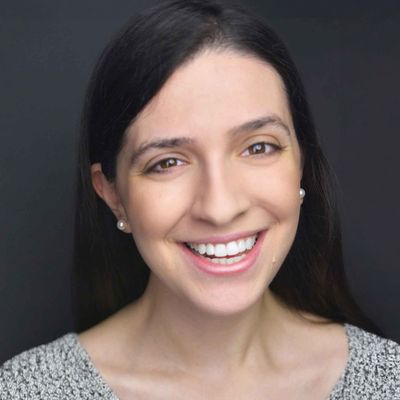
Guests
Featured Shows
About
The future of Broadway in one episode? Yes, please! In this episode, hear all about
- Journey to directing
- Youth in the industry
- Rent
- Sunset Boulevard
- How directors get attached to a show
- An iconic meeting with Stephanie J. Block
- What exactly a director does? (Spoiler alert: EVERYTHING!)
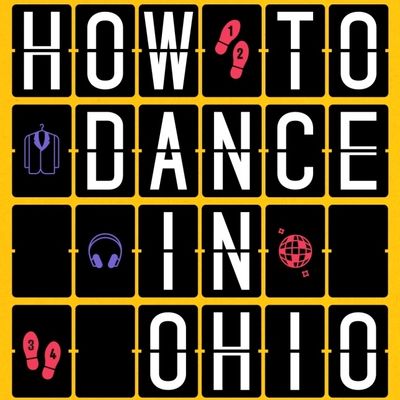
- How to Dance in Ohio
- Making Broadway more accessible for all
+ So much more!
Curtain up, Sammi Cannold
Connect with Sammi Cannold on Instagram: @sammi.cannold
Connect with Take A Bow on social: @takeabowpodcast
Connect with host, Eli Tokash on social: @tokash_eli
Transcript
This transcript was automatically generated and might contain errors.
[0:01] Eli Tokash: Hello everyone and welcome to episode 187 of Take A Bow.
[0:07] Eli Tokash: I'm your host Eli Tokash, and I am so excited to be back this week.
[0:12] Eli Tokash: I am so sorry for last week with no episode.
[0:17] Eli Tokash: Finals kind of got the best of me.
[0:20] Eli Tokash: Feeling under the weather. It felt like all freaking semester I have been battling some sort of I don't even know, sickness or whatever was going around.
[0:31] Eli Tokash: Um but feeling better.
[0:34] Eli Tokash: Finished today, actually, with my last final.
[0:38] Eli Tokash: The semester's over.
[0:40] Eli Tokash: Um, so happy to be here today, feeling a little lighter, talking to all of you, and uh, you know, back with another incredible episode with our amazing guest this week, who is someone that I've actually really wanted to have on for quite some time.
[0:58] Eli Tokash: Um, but I knew that the timing of having it, you know, now and this week, uh, you know, couldn't be more perfect, and I knew it was coming, so I had to be a little patient.
[1:11] Eli Tokash: Um, and we finally were able to make it happen with that timing.
[1:17] Eli Tokash: So it was perfect.
[1:18] Eli Tokash: We have none other than Sammi Cannold on the podcast this week.
[1:23] Eli Tokash: And for those of you who don't know who Sammi Cannold is, first of all, you must have her on your radar.
[1:30] Eli Tokash: Um Sammy Cannold is the director of How to Dance in Ohio, which is currently on Broadway and just opened recently this past week.
[1:40] Eli Tokash: Uh, not this past week, but two weeks ago, uh, very recently.
[1:45] Eli Tokash: Um, and uh she is she's directed a bunch of things, even though this is her directorial debut on Broadway.
[1:52] Eli Tokash: She's associate directed uh Great Comet uh and shows, of course, at the Kennedy Center, multiple shows at the Kennedy Center actually.
[2:01] Eli Tokash: Um and Lincoln Center and ART where she was uh she's assisted Diane Paulus and Rachel Chavkin, who Diane Paulus, all of you know who if you listen to this, uh directed me in Neverland and Pippin, uh also has directed Hair and Jagged Little Pill and all these fabulous shows.
[2:18] Eli Tokash: Um and then of course Rachel Chavkin, uh who Great Comet, Hades Town, um, all of that beautiful things, all those beautiful things.
[2:25] Eli Tokash: So um thrilled to have Sammy on the podcast and she was named uh Forbes uh under 30 in in the entertainment industry of names to look out for uh in our industry.
[2:39] Eli Tokash: Um and that was a couple years ago.
[2:42] Eli Tokash: So uh she is going to be she is a rising star.
[2:47] Eli Tokash: I mean she truly is.
[2:48] Eli Tokash: Um she is a rising star on a the side of the industry that's not uh talked about enough, um, or maybe doesn't get the proper amount of attention.
[2:59] Eli Tokash: So uh I'm thrilled to to have Sammy on the podcast today, hear about her journey.
[3:04] Eli Tokash: Uh this is a great episode for upcoming directors, um, or anyone who's interested in directing, and of course for all of those performers out there who you you already know that with a young director like Sammy, there are many, many shows in the pipeline for her, and she's going to be asked to do every like any and every show that that comes across the table, Sammy's gonna be a thought for.
[3:31] Eli Tokash: Um, so I 100% think that you will be auditioning for her in the future.
[3:37] Eli Tokash: So it's great to to hear from her directly.
[3:40] Eli Tokash: Um, you know, her her process and what she looks for and how she likes to deal with all of that.
[3:47] Eli Tokash: And then of course her inspirations.
[3:57] Eli Tokash: And the influences that Diane Paulus and Rachel Chavkin, you can even watch their shows and kind of draw inspiration from their performers that they've directed.
[4:08] Eli Tokash: And you can see that in Sammy.
[4:13] Eli Tokash: Y'all are gonna love it.
[4:15] Eli Tokash: And we talk a lot about uh mentorship and the journey of directing, and then of course How to Dance in Ohio, as they're really revolutionizing the process here on Broadway.
[4:25] Eli Tokash: Um so it's a fabulous episode.
[4:28] Eli Tokash: I can't wait to share it all.
[4:29] Eli Tokash: Can't talk about it enough.
[4:30] Eli Tokash: But before I get into that, um let's talk about some Broadway news.
[4:35] Eli Tokash: We have basically two weeks of Broadway news to catch up on as I was MIA last week.
[4:41] Eli Tokash: Uh first of all, I want to say happy opening to How to Dance in Ohio and uh the cast and everyone involved in Appropriate, which is over at Second Stage.
[4:52] Eli Tokash: Um I auditioned for the show, love the script and everything, so can't wait to go see it.
[4:57] Eli Tokash: It's star-studded cast.
[4:59] Eli Tokash: Um so uh shout out to both of those um fabulous shows and all involved in it.
[5:06] Eli Tokash: And uh this of course also came into play Sammi Cannold uh of why I wanted to get her on with How to Dance in Ohio just recently opening.
[5:16] Eli Tokash: So couldn't think of a better time.
[5:17] Eli Tokash: Um, I also wanted to shout out uh some exciting news for a former take of well, I guess a Take A Bow family member.
[5:26] Eli Tokash: Um we have a fabulous member, a very meaningful member in my life.
[5:31] Eli Tokash: Uh Nico or Nicholas Gelmoni is going to be returning to Broadway.
[5:37] Eli Tokash: Uh and the full cast of Water for Elephants was released, and I'm so thrilled that he's going to be back on Broadway where he belongs here in New York City.
[5:48] Eli Tokash: Um Nick Nico um was actually uh one of my first guests on the podcast when I was doing it by myself um and hosting it by myself.
[6:00] Eli Tokash: He was a dear friend of mine in Pippin uh and really taught me so much about being a performer through teaching me circus and extending uh you know my skills and what I he, you know, just how to be uh professional, how to you know, always want to have that creative juice and wanting to learn new things and all of that.
[6:25] Eli Tokash: So uh very big influence in my life, and I'm so thrilled for him to be returning to Broadway and sharing his talents with New York City and all who go see this so like uber exciting show.
[6:39] Eli Tokash: I this may be the show I'm most excited for next season.
[6:42] Eli Tokash: Um, so shout out to Water for Elephants and that beautiful cast uh that is uh that was just announced this past week.
[6:52] Eli Tokash: Um another announcement, exciting announcement.
[6:55] Eli Tokash: Uh Parade will be going on tour in 2025.
[7:00] Eli Tokash: Uh, so not this upcoming year, but the following year, and I'm so excited because Parade is a story that needs to be told.
[7:09] Eli Tokash: I'm so thrilled that it it's one of those shows that like just makes sense to be on the road, to be out there and all the different states, making sure that all the states, you know, hear this story and hear um, you know, the anti-Semitism that is that was going on and it continues to to go on.
[7:28] Eli Tokash: Um and that constant reminder through this piece of art uh is so important.
[7:35] Eli Tokash: Um and I I'm just thrilled for it.
[7:38] Eli Tokash: This cast that's gonna go out on tour, um, it's gonna be an exciting one, and I can't wait for that announcement.
[7:44] Eli Tokash: So uh stay tuned for that.
[7:46] Eli Tokash: I am sure I I would imagine we wouldn't hear about it for quite some time, um, as we still have a whole year without it being um on the road.
[7:57] Eli Tokash: So but I would imagine it comes at some point in 2024, perhaps the later end of it, probably in September-ish.
[8:05] Eli Tokash: Um, but that'll be something that I will be looking out for and uh will be uh keeping y'all updated on.
[8:12] Eli Tokash: Um speaking of casting news, oh my god, I already did one casting news, but I'll say another.
[8:18] Eli Tokash: Um Tick Tick Boom, I am so excited.
[8:21] Eli Tokash: Uh it's coming to the Kennedy Center, and I've been fortunate enough to actually see the past couple um, you know, productions that the Kennedy Center has put on in Spamalot and the Rent uh concert that Sammi Cannold actually directed.
[8:39] Eli Tokash: Um and uh I'm trying to think if there was something else.
[8:42] Eli Tokash: Uh, but those are the two off the top of my head.
[8:44] Eli Tokash: I don't think there was anything else.
[8:45] Eli Tokash: I think it was those two trips.
[8:47] Eli Tokash: Um, and uh the Kennedy Center productions always blow me away.
[8:51] Eli Tokash: So I'm so thrilled to see that Tick Tick Boom is going to be back on stage because I haven't seen it on stage, just the Netflix show with Andrew Garfield.
[8:59] Eli Tokash: Um I'm thrilled with this cast.
[9:02] Eli Tokash: Brandon Uranowitz, Danae Benton, Gray Henson.
[9:06] Eli Tokash: I mean, this cast that they've only uh announced the three leads so far.
[9:11] Eli Tokash: Um, but they also announced that it's gonna be directed by Neil Patrick Harris.
[9:17] Eli Tokash: Uh so that right there, you have those three stars leading the way, and then you have it directed by Neil Patrick Harris.
[9:25] Eli Tokash: I don't think it gets much more exciting than that.
[9:27] Eli Tokash: Uh of course I'm sure it's gonna get more exciting as they continue to roll out the cast lists and everything.
[9:33] Eli Tokash: So uh so excited for that.
[9:35] Eli Tokash: Hopefully, I get down to the Kennedy Center to go see it.
[9:38] Eli Tokash: Um and yeah, uh congrats to to those fabulous people.
[9:42] Eli Tokash: I'd love to get Gray Henson on the podcast.
[9:45] Eli Tokash: Um, I'm a huge fan of his uh of his work, I guess.
[9:49] Eli Tokash: I I guess I was gonna say the performance in Shock, but also his work in Mean Girls.
[9:53] Eli Tokash: Um love Gray Henson.
[9:55] Eli Tokash: So shout out to to all of those folks, Danae Benton.
[9:58] Eli Tokash: I mean, gotta love her, right?
[10:00] Eli Tokash: Um, so Brandon Uranowitz, you know, finally getting that Tony Award.
[10:03] Eli Tokash: We love.
[10:04] Eli Tokash: Um just spreading the love here at Take A Bow, you know, that's what we do.
[10:08] Eli Tokash: Um, so yeah, can't wait for this.
[10:10] Eli Tokash: And uh, you know, as again again, hope I hope I get the chance to see it.
[10:14] Eli Tokash: So uh yeah, that I mean that's all the news I have for you folks this week.
[10:18] Eli Tokash: I mean, there's a lot going on.
[10:19] Eli Tokash: Um the holidays are around the corner.
[10:22] Eli Tokash: Uh so I do want to say happy holidays to all who celebrate.
[10:26] Eli Tokash: Um, and you know, for our Hanukkah folks and listeners, the folks that celebrate Hanukkah, um, happy Hanukkah to you.
[10:35] Eli Tokash: I know that it's over now, but um, you know, hope you had a lovely holiday and um merry Christmas to all who celebrate.
[10:45] Eli Tokash: As I this will be like the last episode before Christmas, and uh hope everyone's having a great holiday season and traveling is going safely as possible if you are traveling and visiting family.
[10:58] Eli Tokash: Uh stay healthy.
[10:59] Eli Tokash: Happy holidays to all.
[11:01] Eli Tokash: And here is our fabulous episode with Sammi Cannold.
[11:06] Eli Tokash: Sammi Cannold, Kurt now.
[11:22] Eli Tokash: This week's guest is literally the future of Broadway.
[11:26] Eli Tokash: From uh Broadway to multiple stints at the Kennedy Center, working on legendary shows such as Sunset Boulevard, Rent, and even Evita at ART, uh, to even directing her own documentary.
[11:40] Eli Tokash: I mean, she's done it all.
[11:42] Eli Tokash: She made her Broadway debut as the associate director on Great Comet, working with legendary director Rachel Chavkin.
[11:50] Eli Tokash: Um, and this fabulous young director has been taking the industry by storm since and just made her directorial debut uh on Broadway in How to Dance in Ohio, which is a show that I'm currently obsessed with, as you all know.
[12:04] Eli Tokash: Um, so everyone, it is a true honor to welcome to Take A Bow, Sammi Cannold.
[12:10] Sammi Cannold: Hi, Sammy.
[12:12] Sammi Cannold: Hi, thank you so much for having me.
[12:14] Sammi Cannold: I'm so jazzed and excited to be here.
[12:16] Eli Tokash: Oh my god, no, I'm so excited.
[12:19] Eli Tokash: Uh I've come on here maybe the past two weeks and talked about how obsessed I am with How to Dance in Ohio, and uh I of course saw your production of Rent at the Kennedy Center, and um I I'm just so and of course your documentary, The Show Must Go On.
[12:36] Eli Tokash: Um I'm just so um intrigued and inspired and blown away by your your talents and your the projects that you've worked on.
[12:45] Eli Tokash: Um so it it's truly the honor is all mine today, and I'm just so excited because we actually met, you know, very many moons ago when we were both very, very young.
[12:57] Eli Tokash: Um still are, let's be real.
[13:00] Eli Tokash: Um and and so like what a full circle moment, and and to really catch up with you, um, you know, I I can't couldn't think of a a better episode, and I've been wanting to do this for so long.
[13:11] Eli Tokash: So glad that we able we were able to, you know, finally do it.
[13:15] Sammi Cannold: I'm I'm thrilled, and honestly, you know, it it makes me feel a little old because I remember you when you were very small.
[13:23] Sammi Cannold: I know you know, knocking the socks off everybody with um you were at such a young age.
[13:29] Sammi Cannold: I mean, uh it just you know, so it does feel very, very full circle, and I love that you know it's it's come back around and that you're doing what you're doing.
[13:36] Eli Tokash: Oh my god, yes.
[13:38] Eli Tokash: And uh yeah, it's it's wonderful.
[13:40] Eli Tokash: And now I'm glad the tables have turned and you're blowing everybody's socks off, you know, still at a very young age.
[13:47] Eli Tokash: Um so let's get into it, you know.
[13:50] Eli Tokash: Like the way I usually like to start these things is just starting from the beginning, really, and just asking how did we get into this?
[14:11] Sammi Cannold: So I was very lucky.
[14:13] Sammi Cannold: I was um born into a theater film family.
[14:16] Sammi Cannold: My mom produces theater, my dad uh produces film.
[14:20] Sammi Cannold: And um, so it was sort of always assumed that I would go into the arts in some capacity.
[14:24] Sammi Cannold: Um it was like, you know, the family business, and um I think I uh you know, drank the Kool-Aid pretty young, and I I you know, from when I was really young, uh, you know, my parents were saying, Oh, she's gonna be a director, which uh it's like a crazy thing to say about a child, but um uh but uh I was, you know, I would um I always love to put on um shows with like little shampoo bottles on the bathroom calendar, you know, like it was like you know, things there were early, early signs.
[14:55] Sammi Cannold: Um and then I went through a sort of brief period of revolt where I was like, I don't want to do what my parents do. Um and uh then I I came back to it in college and um I ended up majoring in theater and um directed quite a bit in college, and then uh that led me to the American Repertory Theater after I graduated and um I did a lot of work there um as an intern and then as an assistant director, then as an associate director, and um eventually started getting directing jobs and um you know it's it's a journey I'm really really grateful for.
[15:29] Eli Tokash: I'm obsessed. You casually throw out, you know, college and as if you don't you didn't go to like two of the most prestigious colleges in Stanford and Harvard. Um insane, and I can't imagine what those those programs are like. Um so uh this journey to becoming a director is it how influential were were was that time in your life, I guess, for you? Um, and did it kind of solidify, you know, yeah, you know, this is totally what I want to do, and is that what really broke the revolts or was it a an awakening before then?
[16:05] Sammi Cannold: Yeah, you know, it was interesting because I I went to Stanford um to study education policy, um, but you know, very different from theater. Um, but uh I I wanted to um work for the Department of Education. I like, you know, was was sort of and really interested in international relations and was sort of like looking at comparative education. And so I was do I was taking classes related to that during the day, and then at night I was um like extracurricularly doing theater for fun. Um and I think what I realized was I was like, oh, the the time that I'm spending doing theater is leaving me like really, you know, fulfilled and excited and engaged, and the time that I'm spending in these classes is really interesting, but I don't I don't it's not giving me the same sort of energy.
Um, and so uh I pivoted and I changed my major to theater and um started directing student productions and just like didn't look back after that. But I think that it was, you know, it it it took sort of that comparison um to really figure out that I was really engaged by one thing and not the other. Um but interestingly, when I went to grad school, um I did end up getting a master's in education, um, in arts education, and um so the two things kind of merged in a way. Um there is a way sort of to combine both worlds, and um I'm really lucky to sort of, you know, do a number of things that sit at the intersection of that.
[17:32] Eli Tokash: Yeah, that makes total sense. Uh that you would go for arts education because like there's something about you in particular that it's like you're not just a director, and I think that that's felt, and that's also what makes your pieces so uh incredibly unique and and special, um, because it's not your typical, you know, uh uh Broadway. I I I guess in a sense, you know, like there are some influences there that are incredible and and a lot of them are, you know, your projects in particular are pieces that you know are fighting for the right things or fighting for um to educate others and and um finding that um do you kind of pride yourself uh in having theater be that sort of factor in and influence in people's lives through your project?
[18:26] Sammi Cannold: Thank you. Yeah, I mean, I think for me it's really um about the privilege of having a platform where you get to say something. Um, and I think about it, you know, uh in a given, you know, this year, for example, you know, I'll get to, you know, make something that 70,000 people see, you know, and that's a lot of people, right? You know, between many different productions, right? And um, I take that responsibility really seriously, and that's a you know, an opportunity to really impact hearts and minds. And I think that like, why wouldn't you want to use it to um make the world a better place if you can? And I mean, I think that's obviously like a lofty goal. Um, but I think about, you know, when I g you know, am asked to work on a certain project or I pursue a a project myself, I I try to think, okay, you know, is there a way that this is gonna amplify a certain message or um, you know, try to make the world a better place in in some way?
And the answer doesn't always have to be yes. Um, but I think that I I try, you know, ninety-five percent of the time for the answer to be yes. Um and I think that's like how to dance in Ohio is a very clear example of that where it's like we're we're amplifying um, you know, uh a very specific mission and um, you know, representation of a very specific community. Um and then there are things that are sort of more, you know, broad than that. Um, so yeah.
[19:55] Eli Tokash: So I I'm curious to to ask you about your artistic influences. Um and I know that, you know, there's a lot of things that obviously influence you, but I want to talk about, you know, I love learning about mentors and people who, you know, you either admire or watch their shows or whatever and kind of draw inspiration from them. As you said, you know, working at ARTU with Diane and Lincoln Center, Kennedy Center, like all of these fabulous places that you've been able to to work at, um who's kind of been uh an integral role in your life in through your journey?
[20:31] Sammi Cannold: I think that um most naturally it's it's the directors I've um assisted or been an associate for. Um so Diane Paulis, um certainly, and then Rachel Chaffkin, I spent many years um working for her. Um and I think that particularly if you're a director who doesn't go to grad school, you learn so much about the like form of directing from whoever you're working for. Um, and that was certainly the case with with both of those um directors. And then of course you go see the work of other directors and have conversations with other directors. Um, you know, Jerry Mitchell's been an incredible mentor, um, and you know, many others as well. Um, and I think um, you know, but I've never, I never AD'd for him or, you know, um, um, and I think that sometimes just by, you know, coming into contact with other directors, you know, on on how to dance in Ohio, um, I was so lucky to just, you know, sit down with other directors and say, hey, you know, when you're at a, you know, when you're when you're directing something on Broadway, what, you know, tell me about what that's like.
Because I think that so often we think of mentorship as something that happens when you're in the earliest part of your career when you're trying to get started. Um and I was so lucky to have a lot of that. But I think that uh what I discovered in in in the moment of directing a Broadway show was, oh, there are things, even though I've AD'd on Broadway, even though I've been, you know, I've occupied a lot of different positions on Broadway shows, I didn't there were things I didn't know about directing a Broadway show that I was so lucky to have directing colleagues who had directed 5678 Broadway shows, and I could call and say, hey, you know, um, can you please tell me, you know, about this very specific thing?
And and they were just incredible. So, you know, I I directing is a very lonely um job because you um, while you do have a lot of collaborators, you know, the there's one of you, and um it's it's a you know, you're never in the room with with other directors, unlike actors are like in the room with each other all the time, um never in the room with other directors except for you know, my ADs. But I think that um by calling other people and then also, you know, just looking to um different forms of inspiration, like, you know, Hal Prince is a huge inspiration for me. I um, you know, met him once, um, and you know, I didn't know him personally, but his work has really um had a huge impact on, you know, my career in the way that I I like to think about theater.
[23:01] Eli Tokash: Oh my God. I love that. And I, you know, working with, you know, Diane and Rachel in particular, um is there uh the the influences I guess and you say like learning how to become a director. Um what exactly I guess does that mean for you? Is it the the relationship or how to speak to an actor or how to like the language of how to get your message that you're trying to convey to an actor or is it kind of the overall you know vision and how you see art?
[23:35] Sammi Cannold: I think it's everything. You know, being directing is such a grab bag because you know in a given day your job can consist of um staging a scene you know designing a set um you know uh like re you know uh intermediating uh interpersonal issue between two artists that's a huge job now like when when two people aren't getting along you know um mending that um uh you know, pitching a show like it's just directing includes like everything under the sun basically and I think that other jobs in theater are sort of more um and and ours is very broad um and so I think it's uh there's it's it's very all encompassing and so sometimes when you think you've mastered one part of the job maybe you have, but there's an there's like another part that just pops up, you know.
[24:34] Sammi Cannold: And so um and you know, an example that I think about all the time with this is um people don't know how much time directors spend talking about HVAC, which is like a very specific example, but I think it illustrates something because the temperature and the airflow in a theater on a given day can have a huge impact on um how different elements of scenery operate. You know, so um I've encountered this on almost every show I've worked on where, you know, for example, you have like a fog effect in the show or you have haze in the show and you set it one way, and then the next day the temperature's 10 degrees higher, and everything is totally different. And it's I think about that example a lot because it's something super super specific, but it illustrates how like I then get on a call and for an hour I talk to people who know what they're talking about about HVAC and like airflow and temperature control, and I'm like, what? I'm you know what I mean. Um you end up talking about things like this that are just so specific and idiosyncratic.
[25:41] Sammi Cannold: And I love that part of the job because it's just sort of like I never know what my day is gonna bring. Maybe I'm gonna be talking about airflow, maybe I'm gonna be talking about feelings. You really just don't know, you know, so to grab that.
[25:53] Eli Tokash: Unbelievable. That's I actually didn't even know that that that was a thing, and that was even the director's decision. I didn't know if it was the theaters were in charge of that or or what. Wow, that is it really is everything, isn't it?
[26:09] Sammi Cannold: Directors actually aren't in charge of the decision, like you you can't actually make a decision because the theater does regulate. They say, like, okay, if you hit this temperature, then this is what's gonna happen to airflow. So as a director, all you can do is figure out how to respond. So you can say, okay, you know, we know the curtains are gonna billow this much on days that the H, you know, the temperature is here, so we have to give them enough room to be able to do the billowing. It's ridiculous. You know, this is this is crazy.
[26:39] Eli Tokash: I love that though. The those fun little tidbit tidbits, you know, you gotta love Broadway.
[26:46] Sammi Cannold: Um, you talked about, you know, as we're in this sort of like mentorship discussion, I guess. Um, you talked about, you know, reaching out to like Jerry Mitchell and all these uh, you know, fabulous directors um who have been on Broadway. Um, I mean, you directed at the Kennedy Center at Lincoln Center, like you you've kind of been everywhere, ART, like um what was kind of the biggest change in in going from those theaters to to then a Broadway theater? Because it it's interesting because like most of them are actually bigger than our Broadway theater, so it's kind of crazy, right? To think about that.
[27:32] Sammi Cannold: Yeah, it's a great question. Um, I think um, you know, really the diff I feel like the difference is like the commercial model versus other models. So um, not to say that I haven't worked on commercial projects, um, but when you, you know, for example, like a Vita at ART, you know, or Sunset Boulevard at the Kennedy Center, those institutions are nonprofit institutions, so they operate in a sort of different way than a Broadway show does. And I think that when you're working on a Broadway show, you have the consideration of we're gonna have to try to sell this for a very long time. And while that's not my job, um, it definitely is uh related to to sort of you know what we're doing on on my end, you know, something that um comes up a lot is that you really need assets to be able to sell a show.
So, you know, um one thing that is really interesting that I don't think a lot of people know is that the production photos that are taken of a show are often taken on the night of final dress, um, which is exciting and wonderful, but it means that like your very first draft of the show that you're showing to an audience is what gets immortalized in photos for the rest of time, even though you work for three and a half weeks after that. So that's something where it's like, you know, sort of uh the needs of commerce uh take over, like understandably so, and you have to say, you know, this is gonna look better three and a half weeks from now, but I understand we need to get photos out there to be able to get people in the door, you know, it's it's like that that are just sort of like idiosyncratic or not idiosyncratic, but like specific to um, you know, the commercial world.
[29:19] Sammi Cannold: And I think it in addition to that, you know, there's the sustainability of the run that you really have to think about. Um, you know, for example, you know, we when we did Rent, it ran for three nights. And so, you know, something that we ask someone to do for three nights is one thing, something that we ask someone to do for eight times a week, you know, for an unlimited amount of time, you really have to think about what is sustainable and what you know, um, what makes sense, and that impacts actor availability and you know, all sorts of different things um that are just sort of different in the commercial sphere.
[29:57] Eli Tokash: Yeah, well, we, uh, as actors I guess we'll thank you for, for uh, wondering, uh, and being mindful of the sustainability because sometimes it's always not considered, um, so thank you. Um, but yeah, I mean, and we're talking about the Kennedy Center and, and, and Rent and, and that three-night concert was just incredible and you know, specifically with those productions, um, you don't have a lot of time to not only perform the show but also prepare the show. Um, so what, what I mean, what was that like for you? Because seeing the way that you were able to put this concert, this quote-unquote concert of, of folks with, um, you know, their scripts and their tables and everything and chairs and, and, uh, the way that it was just brought to life still through your direction, I mean, that's not an easy thing. Um, so I I'm dying to know what that process was like for you and, and even how long you had to put that thing together.
[31:10] Sammi Cannold: Yeah, I mean, that was a really fast one. Um, I've actually ended up in a position I, you know, where I've, I've ended up doing a lot of really fast projects and I think that the reason is that if you do one, people are like, oh, you, that, you know, that's something you could do and then they ask you to do other ones. And for me, it really started with Evita at City Center because you know, the City Center processes are very fast. And then, um, you know, Sunset was very fast. Um, and Rent was very fast and, um, uh, Carmen at Lincoln Center was very fast. So, and, and all of those are sort of like in this category now that we have of like, um, sort of stripped down, uh, concert staging of something.
Rent was more concert-y than the other ones. But, um, what's interesting about sort of figuring out the balance there is that when the audience comes in, they don't know how much time you've had. They don't know that, you know, you made, you only had one day of tech. You know, they don't, they don't, and they even if they didn't have one day of tech, they don't really know what that means, right? They'd be like, okay, sure, you know, like, and, and you and I know one day of tech is like the scariest thing ever. But we, you know, but I think that how you set an audience's expectations is something that I'm slowly learning because, you know, um, Encores, uh, at City Center, it used to be that you would, um, you know, it was all at music stands, like it was just a concert at music stands and then slowly over time people started sort of adding more bells and whistles to their productions until they became these like fully staged, fully choreographed, fully off-book productions, um, which is really awesome and the timeline has stayed the same.
So how you set people's expectations for what they're about to see is something that I'm really like interested in and, you know, and excited about because I think that like it's amazing that we can make work in that like, um, kind of schedule. I think it makes because it means that like, you know, Sutton Foster's gonna be available to do Once on This Island when if it were, you know, a six-week commitment and then, you know, a four-month run or whatever, she probably wouldn't be, um, you know, for so many other the, the economics, everything, it like is a really exciting model. Um, and, and I think it's pro, it's been proven both that, you know, Encores and the Kennedy Center and other places, and I think that like directors have to figure out how do we teach an audience that this isn't gonna be, you know, Hamilton to the Richard Rodgers. It's gonna be like something we made in two weeks, right? Like, which is, you know, but, but you just have to sort of massage that. That makes sense.
[33:55] Eli Tokash: Yeah, absolutely. It, it was literally, I mean, it, it was so cool to see because you would, uh, you were able to, you know, get them out of their chairs and, and have them to be center stage, you know, like they would in a show. So like there was that, that balance as you kind of talked about, and it was done so well. Um, and it's gotta help, you know, considering the caliber of the, of the talent, you know, how much directing does Stephanie J. Block need, you know, like of course, of course the guidance and everything is there, but like someone like her for, for instance, I mean, she's a pro, you know, and, and the instincts of her, like and all of those performers. Um, so, uh, Sutton Foster, you mentioned, you know, they're all, all fantastic, and I'm sure that's why, uh, that's also helpful throughout the, the quick process.
Um, and I'll say like on, we tried something that I'd never tried before, which ended up being really interesting, which was, um, I knew we had so little time on Rent, like even less than, um, you know, on other projects. And, um, I really wanted to like figure out how to make it work in a way that was gonna be easy for the actors that wasn't gonna like be really stressful for everybody. And so what we did was in the script, we, um, uh, my team and I wrote the staging into the script. So it would say, you know, here's a line, and then next to it it would say, you know, Andrew Barth Feldman, go to stand number two. Um, and then, you know, Andrew sit down, and then Andrew go to stand number four.
And so instead of the usual way of conveying staging, um, of like me standing in front of the room and being like, okay, on this line go here and this line go here, it was, it was already in everybody's books. Um, sort of followed the textbook and it actually worked really well. And you know, part of me was sad about it because there's sort of a lack of like humanity to being like your staging is in the book, follow it. Um, but it was really efficient. So, you know, different projects, different methods might be the right.
[36:08] Eli Tokash: Right. And, and navigating that is, uh, you know, gotta be something interesting because like, you know, uh, you have such an incredible career already, but it is still young. And so to, to be finding that still, um, and to, you know, have that open-minded to, to adapt. Uh, it's probably important for, for you. And I, I mean, everyone who's worked with you has nothing but nice things to say. So, um, it's gotta be, uh, you know, it's gotta be you kind of have to have that adaptability, right? To, to be able to, to do it and work with all the different personalities and the different talents, you know, it, that's a whole other beast. But, uh, you know, you, you do it so well, seriously.
[36:55] Sammi Cannold: Uh, yeah, of course.
[36:57] Eli Tokash: What you're putting out on stage is ridiculous.
[36:59] Sammi Cannold: Um, so I mean, I mentioned Stephanie J. Block, and I'm a fan of the Stages podcast.
[37:06] Eli Tokash: So I, yes, and, and I listened to your episode, of course, uh, before, you know, coming here today.
[37:15] Sammi Cannold: Um, and I was blown away, like jaw on the floor when, uh, this Stephanie was telling the story of, you know, meeting you about directing Sunset.
[37:26] Eli Tokash: And, uh, this is a conversation that I have always, uh, that I feel like I've encountered many times and have never had the guts or the kahunas or whatever you want to say to, you know, say what you say.
[37:42] Sammi Cannold: But, uh, in, in talking about Sunset, she, you know, brought up your, her hesitation in regards to your youth in directing and your response was so brilliant, and, uh, you said, well, the show is about ageism, isn't that what you're doing to me right now?
[37:56] Eli Tokash: And I, I I've just gotta ask you, like as you are still young, like how often does that happen to you?
[38:06] Sammi Cannold: Um, because as a young, uh, person in the industry, I can say it's happened a million times. And, uh, you know, how do you kind of navigate that and, and is that something that you think about, or do you kind of let that motivate you?
[38:21] Eli Tokash: You know, like how does that affect you as an artist, I guess?
[38:25] Sammi Cannold: Yeah. Yeah, I mean, I think I, I, I was laughing so much when, when Stephanie brought that up on, on that podcast because there was, there was some added context when, when I said it initially because I'm not that bold. Like I, you know, I'm, um, where basically I, I was saying, you know, I, I don't think that, um, holding back opportunities from young people is necessarily a bad thing, myself like included.
[38:58] Eli Tokash: Like I think that, um, I when I first got out of college, I was like, I'm ready to take over the world. Someone give me a Broadway show right now, like I can do it yesterday.
[39:09] Sammi Cannold: I mean, and, and that sort of like arrogance and like, you know, confidence that, that so many young people that we have when we, when we like enter the world is, is awesome and like leads to a lot of exciting things, and also, you know, experience is real and learning is real.
[39:23] Eli Tokash: And I, there was so much I had to learn before I was ready to take on, um, what I took on.
[39:30] Sammi Cannold: And so I think that for me that those were the, you know, four or five years that I spent working for Rachel Chavkin Diamond, watching how an ecosystem works, understanding, you know, how to keep people safe. That's a huge part of it. Like the job of director, I, I don't think we talk about this enough. Like you are, you know, Hadinance Oh, for example, has 18 axes of automation, they're moving things all over the place. You know, um, Evita at ART and SCC has a giant elevator on the floor. Those are things that can really hurt people if they're not like, um, you know, if you're not conscientious about how you're directing people to interact with big pieces of scenery, how you're, you know, um, uh, staging big dance numbers with 27 people on stage, you know, I, that is not something that if you don't know how to do it, you should just be thrown into doing it.
[40:26] Eli Tokash: And I think that I do believe people should be given opportunities and, and we should take risks on young people.
[40:32] Sammi Cannold: We should particularly take risks on people who are underrepresented in the industry. Um, and I also think that we need to figure out how to help, uh, people learn, um, you know, and myself I, I was included in that, um, be able to handle those opportunities.
[40:51] Sammi Cannold: Um and I think that that's like so it's a you know it's a twofold thing. It's giving people opportunities but also making sure that you've um you know created the learning opportunity so that they're they're ready for them.
[41:03] Eli Tokash: Um, and, um, that's really, you know, I, I and I fully recognize it in my case because I grew up in a theater family and because I was really lucky to get assisting jobs, you know, right out of college and, and frankly during college, um, that learning started really early for me.
[41:22] Sammi Cannold: So I was ready for it earlier.
[41:25] Eli Tokash: Um, and I think that that's a, that's, that's privilege, you know, and that, and um, and I, you know, think about that a lot and I reckon with it.
[41:33] Sammi Cannold: But I, I do think that like that learning is essential.
[41:38] Eli Tokash: Absolutely.
[41:39] Sammi Cannold: Um, I, I mean, I, in a way, I mean there is no traditional route I guess to directing, but I feel like, you know, the kind of the journey that you went on, um, you know, you still put in the work.
[41:53] Eli Tokash: You, you say that you had the privilege to do that and it is, you know, growing up in New York is even a privilege to, to work in this industry.
[42:02] Sammi Cannold: You know, like it, there are so many, um, I guess examples of that for this industry and to just surround yourself in it and, and with meeting people just on the off chance, you know.
[42:14] Eli Tokash: Um, but you know, you, you put in the time and you put in the effort in, you know, going to through the associate route and then taking that as a learning opportunity to then go off on your own and kind of prepare yourself.
[42:30] Sammi Cannold: I, I admire the journey that you took and, and the way, you know, you worked your ass off, you know, and you, you deserved everything that you're getting now truly. Um, so I'm, I'm curious, you know, uh, also listening to the Stages podcast, uh, I obviously learned that you're, you're very like hands-on research-based director, um, and, and I kind of love that and I'm curious, you know, where did that come from? Can you talk about that a little bit? I mean, I, I'm curious to know like the research, you know, obviously that's most important anything you do artistically as an actor, director, whatever, but I'm curious with your hands-onness of it all, um, you know, what can you recall like the most, your favorite part of like doing research and your biggest awakening I guess, uh, to, to kind of give an example I guess for the listeners.
[42:30] Sammi Cannold: Yeah, absolutely. I think that, um, you know, a lot of that comes from, um, you know, academically I was so excited by research, you know, and, and that was a lot of my interest in education and, and so I think that like, you know, I, I and I love that theater can both reflect and impact the real world, but that feels only possible if you're really like rounding it in real things.
[43:52] Sammi Cannold: Um and um I think that, you know, pretty early in my in my quote unquote career as a director, um, I was presented with opportunities to direct stories that were not my own. And I think almost I mean any story isn't isn't your own unless it's literally your own story. But I think that it was um specifically, you know, starting off, you know, with with a play like um Celine Songs Endlings, um, which was certainly not my story to tell, but I was, you know, in a position where I was, you know, fortunate enough to be asked to to tell it, um, I saw that as um, you know, I saw it as my responsibility to go um, you know, do do my homework to make sure that I was like as fully prepared to tell it to the best of my ability as I could be, it felt like it would be really responsible to be like, I know all about this culture that's not mine.
Like, you know, um and so I think that it was really to me about um being responsible and making sure that, you know, I've been so fortunate to direct so many things that, you know, are very important to um different cultures and communities. So for example, like, you know, Endlings was was very important to um Koreans and Korean Americans who came to see it. Uh A Vita is very meaningful um in different ways, good and bad, uh to to Argentinians who come to see it, you know, Hadinance in Ohio um, you know, is very meaningful to you know autistic individuals who come to see it. And in each of those cases, because I am none of those three things, I I want to make sure that those people who are coming to the show are feeling like the show is representing them as authentically as possible.
And you know, in each case, that's about yes, it's about my reading books and watching documentaries and going places to do research. You know, in each of those three cases, I went places to, you know, really immerse myself. But it's also about surrounding yourself, you know, with collaborators who know the subject matter better than you do, um, who are gonna be uh formative artists in the creation of the piece, and who are um gonna be honest with you about when a piece is not representing them authentically. Um so in each of those three cases, I was very lucky that um, you know, the I had incredible collaborators.
[43:52] Eli Tokash: Yeah, I mean, I I think that that's a perfect segue to actually start talking about how to dance in Ohio because I people listening, most people know at least if they come back every week, um, that uh I went to this panel at Pace, and you know, Liam and Hunter, one of the swings, um, were the performers represented at on the panel, and they talked about the process of this show. And what I loved hearing about them talk the most is that you set up an environment and the proper representation not only on stage, but also off stage and having these cooldown stations in the rehearsal room, you know, you had a whole extra rehearsal space for them uh for the performers to like go into. And it's wonderful.
Like, can you talk to me about, you know, that approach uh and how you know the process as a whole, you've been able to make super accessible, not just for autistic individuals who attend the show and make sure that they feel represented, but also allowing the performers to feel, you know, safe and heard and seen.
[43:52] Sammi Cannold: Absolutely. I think that um, you know, we were so fortunate from the very beginning to be working with um so many experts in in the field um who were able to say, you know, um every group of individuals that you bring into a space, autistic or neurotypical, um are gonna have a different set of needs. And the number one thing that you should do at the beginning of the process is find out about those needs um and because and not make assumptions about them. And so um, you know, we started, we have started every phase of our process on Ohio with sending out a survey um to the company, um, uh all company members, um, that basically says, you know, what do you need to do your best work? Um, what um, you know, sensitivities should we be aware of, you know, um, and that has been really revelatory and is something that I I think, you know, um I will bring into you know future processes as well, you know, regardless of you know who's in the company or or what the subject matter is, because I think that we found out very simple things that we were able to do to make a process easier for someone that actually didn't take much skin off of anybody's okay.
I mean, there are certain things that, you know, for example, like having a cooldown space, um, you know, is a commitment on the part of our amazing producers to say, you know, we're gonna um, you know, we're gonna we're gonna create this resource. Um and and that's that's huge on their part. Um but you know, for example, someone saying, you know, I um, you know, I like to um be able to um, you know, leave the room if I'm feeling overwhelmed every now and then and I'll come back quickly, but I I just sometimes will need to step out. It's like, oh yeah, that's not that hard. Like, you know, they can out and like say to their understudy, you know, tap in for a second and you know, and then um, or for example, you know, we got some information from some actors that they uh have a sensitive uh sensitivity to scented soap, you know, and our company management team was like, okay, we can have unscented soap in the bathrooms, right?
That's like pretty easy. Um, you know, so it's like, what are all these like little things that can be adjusted to make sure that everybody is like as comfortable as possible and able to do their best work?
[43:52] Eli Tokash: I love that. I because that is not something that happens at all. Um so I was I was talking well, Liam was talking, I guess, uh and Hunter, uh, and they were just I was like, this is like you say almost like why is it taking so long to do something so simple? Um but it it's and it's crazy to say like that's brilliant, you know, because like I don't know. Uh, but it is and it's great to see that that's happening and that there are steps forward, you know, being made um that hopefully, you know, continues to make Broadway more accessible. Um I let's just talk about how to dance in Ohio in general really quick. Um I I don't know, like with it's based off of this HBO documentary, um, and it's it what a great documentary.
I watched it after I saw the show because I wanted to go into the show blind, um, which highly recommend for anyone uh who wants to see the show and like having that debate because that debate happened in my head for a couple days. Um so uh I'm curious, you know, how does that kind of uh affect your uh process in the show? How much did you use the the documentary for research and also when using something like that and having that sort of source material? I guess this is uh general question for like Sunset Boulevard and stuff like that too, in the sense of having a revival and having some sort of material to watch and and kind of um pool from, extract from. How do you find the balance of also making it your own while honoring, I guess, the the original um source material, I guess.
[43:52] Sammi Cannold: Yeah, I mean, I think that um our writers um were really engrossed and immersed in the world of the documentary when they were writing um the script initially. Um and they were also so generously given by the filmmaker Alexandra Shiva um all the cut footage, um, so they were able to watch like so much of what was filmed um, you know, that didn't make it into the documentary. Um, and I think that that you know, there's scenes in the in the show that are like all almost sort of verbatim, you know, from from the documentary. You know, they were so theatrical um and um so i think that was definitely like the foundation of it for me i watched the doc when i got the job um or before i got the job sort of when i was interviewing for it um and then again after i got the job and then i purposely didn't watch it for a while um because i really wanted to sort of um uh like let the actors who were taking on the roles create their own version of these roles um which is not to say like you know the show is so born of that documentary obviously um and it's a masterpiece and I just didn't want to ever be in a position where I was correcting an actor and saying no you know the real Tommy wouldn't do that because I wanted them to be able to really own these roles.
Um and I think that what's happened as a result of that is that the characters that you see on stage at the Belasco are like sort of half um the characters from the documentary and half um themselves. Um and I really that's one of the things that I really love about um about our show. And I think that, you know, I did this summer I went back and I watched it again. Um and uh that was it was I I really loved being able to come back to it and say, oh I miss this, I miss this, I miss this. We can sort of incorporate this into our process now. Um and so yeah I I love the film and I'm really grateful that it was such a uh like incredible source.
[43:52] Eli Tokash: I love that. I I'm curious, you know, it's so wonderful to see neurodivergent performers playing neurodivergent characters. Um, you know, it is that a factor in really letting them, you know, bring themselves to the role. Uh is that does that kind of play a part?
[43:52] Sammi Cannold: Yeah, I mean, absolutely. I think that, you know, for me when I got the job, it was such a given to me that that of course autistic actors would would play these autistic roles. And I think that part of that was my brother's autistic. And um I, you know, for so many years had seen his ability be underestimated in different um, you know, uh capacities. And I think that I had met several autistic actors who I was really excited about the work that they were doing. And I was like, I think, you know, I I also don't think at this, you know, in this moment in time it's you know appropriate to put on autism. Um, you know, and so um I, you know, I was very uh I was very excited by it. And at the same time, a lot of people said to us, I don't think you're gonna find um, you know, the actors you're looking for.
Um and we said, okay, well, you know, then we won't do the show. But um, you know, we we held a you know global casting search um that was, you know, um uh led by uh Whitley Theatrical and um Benton and Micah uh there. And um it was you know, we were so thrilled to see um you know the response that came back from that. Um we could have cast the show, you know, four times over. And I think that, you know, um it makes me really excited for one day, you know, hopefully there will be community theater productions of you know how to dance in Ohio and people will will sort of you know embrace it, you know, in their communities. But um, you know, it's essential to me and the writers that any iteration of of the show, you know, um have autistic actors playing autistic characters.
[56:08] Eli Tokash: Yes. Oh my god, it's so important. I like thank God, you know, we're finally like moving forward and and these characters and we're seeing the trend more on Broadway that you know they are getting proper representation uh, you know, on the stage, and and I'm so thrilled because you know, the artistic performers, like I don't know if we've ever really seen that. Definitely not seven on a stage, you know, and and to be doing telling their story um is so important and something that's just not out there. So um thank you for bringing it to light. The show is so freaking beautiful. Uh it literally touches on all the heartstrings, laughs, cries, everything. Um so heartfelt and so beautifully done. So uh kudos to you and huge congratulations. Um I have two final questions for you. Do you have time?
[57:04] Sammi Cannold: Yeah, yeah.
[57:05] Eli Tokash: Okay, cool. Um, so I I guess the the first one I'll say is um we talked about how to dance in Ohio and and kind of you know, cre creating that and and being a part of it. Um when you as a director, when they get attached to roles, this is kind of a question for me. Um, do you feel like it it's all uh you kind of audition the show and that they the show I guess kind of auditions you um even like your talk with Stephanie Day Bloc in a sense of like do you f view those as like I guess auditions or is it more so um, you know, I love this story and I want to tell it and here I am.
[57:51] Sammi Cannold: Yeah, I mean, I think the the process of how people come to be attached to projects is like so messy and confusing.
[57:58] Sammi Cannold: Um like I I've I can't tell you how many conversations I've had where I'm like, is this an interview? Am I being offered a job? Like, you know, it's very unclear in this world. And sometimes I find it when I'm interviewing people, I'm like, do they think I've already offered them the job? Or do they think I'm like it's it's it's a very, you know, and I I as someone who hires a lot of people, I try to be very clear when I'm hiring, um, of like this, this this is this is an offer, or like this is an interview, or there are three other candidates, or you know, just so that like, you know, um, I think in the case of Sunset, you know, I got a call from Jeffrey Finn who um runs theatrical programming for the Kennedy Center, and um he said, you know, we're looking for a director for Sunset.
Are you interested? I don't think at the time there were other candidates in the mix, and I think he made that clear to me. And he said, Look, you know, I want you to do this, but because it's a vehicle that was, you know, created around and by and for Stephanie, um, she needs to get to know you just to make sure that she's comfortable with you and that you're comfortable with her. Um in that case, that was a sort of like, you know, sh she wasn't totally interviewing me, but it it if if she had left that phone call and been like I'm not comfortable with her, um, then I wouldn't have gotten the job. Um that's like a one very specific example, but like, you know, there are other jobs, and and everything is so hierarchical.
So, you know, for example, uh like you have you know, as I'm sure you know, obviously a lot of people have have agents and agents will say, um, you know, this person is offer only for this sort of thing. You know, so for example, like, you know, if I wanted we were talking about Sutton Foster, if I wanted Sutton Foster to come do a show at the American Repertory Theater, hypothetically, pretty unlikely you would, you know, head out there. But hypothetically, if I did, there's no world in which I could say, hey Sutton, do you want to come audition? Right. Be like an offer only scenario. And I think learning the ropes of like who is offer only and what kind of scenario? And you know, like it's all just very elusive, like industry thing. Um it just takes a while to learn.
[1:00:31] Sammi Cannold: And, you know, I think if if it's something that you, you know, find yourself in the middle of and have questions about, you know, it's always good to just call someone else and be like, what's happening? Um that they can help. And and in that case, you know, branching off that offer only, like, is that a I have to trust my gut and trust that I know this show enough that I am dead set that this person is capable of telling and sharing my vision. Um are there conversations with like producers and casting directors and stuff like that that you also have to go through?
[1:01:12] Sammi Cannold: Yeah, I mean, you on different shows there are different levels of approvals. So, you know, um I very, very rarely make a unilateral decision. Yeah. But I lead a decision. So I'll say, like, I'm most excited about this person, does everybody else approve? Oh my gosh. And in a case like that, somebody could say, I don't approve. And then we would have to like, you know, go back and you know figure out the person who's saying no, or are we gonna pick somebody else? But it is really scary. I have definitely um I mean, rent's a great example of this, right? Everybody else is so unbelievably talented, but we didn't hold a single audition for the principal tracks. Um, and all those, you know, the majority of those people were pretty namey.
And so what we had to do was say, like, I'm I'm 90% sure, you know, this person is gonna be great at this role, and I'm gonna take that leap of that 10% and just hope for the best. Um, because you can't say, hey, we're doing a one night concert, you with the Tony Award, will you audition for a role? You know, um three night concert. But yeah, you you get the point.
[1:02:24] Sammi Cannold: Yeah, it's just totally. Oh my God. Wow, this is this is so fascinating to me. Um so I guess my last question is I I don't know, I like to lead with advice. So uh for anyone listening, anyone out there um who wants to be a director, you know, what advice would you give them? And you know, how would they start? Where where do they begin?
[1:02:50] Sammi Cannold: Um talk to me. It's you know, it's it should be an easy question, and it's yeah, so because of what we sort of talked about at the beginning of like directing including everything under the sun, I mean, I would say start by soaking in as much as you can. Um, you know, whether that's listening to podcasts with directors or um, you know, just understanding what the job actually is, because I think a lot of people have a vision of what being a director is that doesn't necessarily align with what the day-to-day is. You know, 50% of my job is answering emails, um, you know, um, and and that's crazy. Um, so I I think, and then I would say just like get as much experience as you can, whether that's like, you know, taking your siblings into the garage and staging a scene from you know, Hamlet, or um uh at your university, like getting an opportunity to direct something in a black box or you know, whatever it may be.
The thing about, you know, I had a professor in college who said to me, the first three things you direct are gonna be terrible. And I was like, no, definitely not. That's not true. And when I look back, the first three things I directed were just awful because it takes so much time to learn the skill set. Um it also takes time to learn if you love it. And if you don't love it, it's not worth it because it is so hard and the hours are so consuming that you really have to make sure it's something that you really want to do before you like dive into it.
[1:04:19] Sammi Cannold: So maybe cynical advice, but that would be my my like sort of square one starting point.
[1:04:27] Eli Tokash: That that's insane. I could literally talk to you about directing for for hours, you know, that could be a whole podcast. I mean, I guess it was already. Um, but I I I love that side of it all, and uh so intrigued. I had Diane on the show and was trying to pick her brain. Like, yeah, like I I adore uh Diane, I adore you. Um, inspired by the both of you.
[1:04:52] Eli Tokash: Uh, and I cannot wait to, you know, continue to see these incredible messages that you share with the world. Um, and the way that you use your platform is is it's truly incredible. So uh I can't yeah, just shout out to you and thank you for coming on here. You have so much to take about. Um so yeah. Shout out Sammi Cannold. You're you're a legend.
[1:05:18] Eli Tokash: And uh just thanks for doing what you're doing. It's it's amazing, and um I'm really excited that our paths have crossed again.
[1:05:25] Sammi Cannold: I know. Oh my god, so exciting. Thank you so much.
[1:05:30] Sammi Cannold: And uh, you know, go see how to dance in Ohio, y'all.
[1:05:37] Eli Tokash: Take a bow Sammi Cannold.
[1:05:40] Eli Tokash: Oh my goodness. Absolutely loved having her on the podcast. Uh Sammy and I met at like a finding like when I was in Finding Neverland, we met, and so that was like eight years ago.
[1:05:55] Eli Tokash: I hate to say that. I want to say it's like seven or eight years ago. Um, that's disgusting. And uh, you know, was baby, and then we've reconnected recently. Um, and I'm so thrilled to to have that opportunity and to see her thrive now and see her uh continue to be a force in this industry.
[1:06:20] Eli Tokash: Um and being that young presence because I know it's not easy. I can't imagine uh on the that side of the table, too, because that's something even rarer that we see because thankfully, like in my shoes, we kind of talked about this in the episode, you know, like being a young person in the industry, like how do you deal with that?
[1:06:38] Eli Tokash: Like, I've definitely dealt with my fair share of you know, either I wouldn't say being mistreated per se but like um kind of like oh okay you know you're just a kid type of thing or brush to the side of like you know not fully an adult or you know you're not always on that level I guess of uh adults don't you have to earn that respect a little harder and it comes with you know showing up to work every day improving yourself every day um to really be to make it seem like you're an equal uh and you are a performer just as well as anyone else.
[1:07:21] Eli Tokash: Um and in her case she's directing and has a vision just like anyone else in her field does and uh the way that she's leading the way and and doing so and holding herself so um beautifully so far in her young career is is truly inspiring and uh, you know it's not an easy thing so I applaud her and everything that she does and that story of Stephanie J. Block highly recommend uh checking out that stages podcast stages is a podcast that Stephanie J. Block hosts uh oh I guess co-hosts and um they they have a wild conversation like literally I mentioned it on the podcast my jaw was on the floor.
[1:08:04] Eli Tokash: I was like go off Sammy I I could never I wish but uh you slayed and uh you know just shout out to you because what you're doing is incredible the art that you're telling the stories that you're conveying the way that you're doing them, uh, with proper representation, uh, proper research and everything in between is just so um so inspiring and honorable.
[1:08:27] Eli Tokash: And I I can't wait to see what the future holds for Sammi Cannold. Um, and yeah, huge fan. So uh if you haven't yet, highly, highly, highly recommend going to see How to Dance in Ohio, her first show on Broadway.
[1:08:41] Eli Tokash: Um, you're gonna fall in love at the show with the performers, uh, the story, everything in between, how they're running the show, uh, with the accessibility that it has, even for audience members. Um, it's just a wonderful experience, uh uh a theatrical experience for a night, and it's something completely different.
[1:09:03] Eli Tokash: So uh I can't say enough how much I highly recommend it. And the talent is just incredible. So, um, everyone go see how to dance in Ohio. Shout out Sammi Cannold for coming on the podcast. Shout out Sammi Cannold for making your Broadway directorial debut.
[1:09:20] Eli Tokash: And uh, you know, until then, I mean that that's all I have for you folks this week. So uh I will see you all next week with another exciting episode.
[1:09:30] Eli Tokash: Uh perhaps with a writer. I've been trying to get this writer on forever. Um, and we're gonna make it happen. We're gonna make it happen soon.
[1:09:36] Eli Tokash: Um, it's gonna be tricky with the holiday schedule now. Um, but you know, we're we're grinding over here, and now that finals are done, we can grind a little harder.
[1:09:48] Eli Tokash: So um just so excited, and we have a we're gonna have a fabulous episode either way. And uh we're gonna kick off New Year's with a bang.
[1:09:59] Eli Tokash: So I'm excited for it. And that is all I'm gonna say for now. Stay tuned, follow us on the social medias and the um, yeah, the Instagrams and the TikToks, uh, because those will get you the live updates of like, oh, uh last minute schedule change, we can't have an episode this week.
[1:10:17] Eli Tokash: That was literally on me. I could not record last week at all. Uh schedule was insane. Saw Hades Town, um, had a pretty big audition, um, and that's all I'm gonna say.
[1:10:30] Eli Tokash: Um, and with finals and everything, there was literally just no time. Uh I barely slept, so um it w it was pretty tricky, but uh happy to uh be back and have a little bit more time to to keep doing this thing that I love and keep bringing entertainment to all of you who can come back and listen every week.
[1:10:50] Eli Tokash: So thank you to you. Uh come back next week, and uh until then, bye everyone. Have a great week.
[1:11:00] Eli Tokash: For this episode's current call, I would like to recognize a few people who also deserve to take a bow. This podcast would not be possible without the help of Dory Barrenstein, Alan Seals, Kimberly Garrett, and the team at the Broadway Podcast Network.
[1:11:13] Eli Tokash: Next in line to take a bow are our fabulous editors, Jessica Gorin, who edits the audio of the podcast that you just listened to, and Tessie Tokash, who edits the videos and visuals for this podcast.
[1:11:24] Eli Tokash: And how about a bow for our executive producer, Chris Griner? And our final bow are extra special to the patrons Brian Thompson, Pat McNamara, the listeners of PCC, as well as all of the other patrons for their continued support.
[1:11:37] Eli Tokash: If you're interested in becoming a patron, go to Patreon.com slash TAB. If you enjoyed this week's episode, make sure to subscribe on the platform that you are currently listening to this on, or go check out our YouTube where you can watch the episode.
[1:11:49] Eli Tokash: You can also subscribe, like, and comment on there as well. If you're more into the regular social media and want to follow us, you can do that at take About Podcast across all social media platforms.
[1:12:00] Eli Tokash: The music of this podcast was made by Nikki Torsha and Cormac Collinon, and the logo was created by Giselle Bustos. And that wraps up this episode's curtain call. Thank you all again for listening to this week's episode, and I can't wait to see you next week.
[1:12:13] Eli Tokash: Bye everyone. Have a great week.
© Broadway Podcast Network, All Rights Reserved