

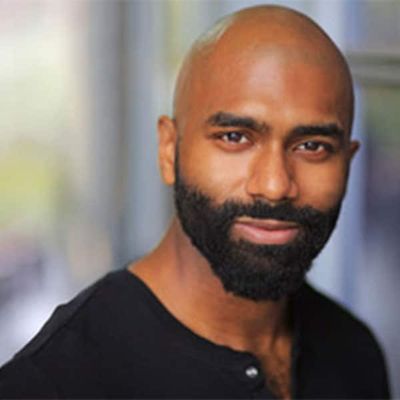
Broadway and Tv actor and writer, Nik Walker joins us to Take A Bow for his work in the entertainment industry. Nik is a true student of the art and takes you through his philosophies and ideologies of how to approach text as an actor... Read More
From the show: Take A Bow
Guests
Featured Shows
About
Broadway and Tv actor and writer, Nik Walker joins us to Take A Bow for his work in the entertainment industry. Nik is a true student of the art and takes you through his philosophies and ideologies of how to approach text as an actor. Hear all about:
- Journey to becoming a performer/storyteller
- What excites him most as an actor
- Why are stakes important
- How can being an actor, a writer, and a director all at the same time impact your work
- How taxing a role can be and how to take care of yourself
- Hamilton
- Hardest part of performing HAMILTON
- Spamalot
- Sharing a stage with your best friends (Alex Brightman, Christopher Fitzgerald, Ethan Slater, Leslie Kritzer, James Monroe Iglehart, etc.)
- How Motown influenced Broadway
- + So much more!
Curtain up, Nik Walker
Connect with Nik Walker on Instagram: @nikkywalks
Bio: Nik Walker is a Boston native, theme park nerd and proud NYU Tisch alum (Adler, Classical and Stonestreet)- who’s been earning a living in the industry for a decade and counting. He’s been seen on Broadway as Aaron Burr in Hamilton, Otis Williams in Ain’t Too Proud, and as Sir Galahad in the revival of Spamalot; on screen in Blue Bloods, Law and Order SVU, and in the upcoming AppleTV+ film The Instigators, alongside his hometown hero Matt Damon. Cleaners, the animated series that he created and writes with partner Alex Brightman, is in development at Warner Bros. Animation, and his musical, Whiskeyland, is being developed with veteran producers Hunter Arnold and Tina Cocumelli at TBD Theatricals. He is the co-host of the arts/activism show The Chaos Twins, and his movie podcast, Little Justice, is streaming where ever podcasts are imbibed. In the free time between all of this, Nik can either be found writing plays at a coffee shop, teaching incredible NYU students, or annoying his talented wife, Sarah Joyce.
Connect with Take A Bow on social: @takeabowpodcast
Connect with host, Eli Tokash on social: @tokash_eli
Transcript
This transcript was automatically generated and might contain errors.
[0:00] Eli Tokash: Hello everyone and welcome to episode 193 of Take A Bow. I'm your host Eli Tokach and this week we have one heck of an episode for y'all this week. Arguably an all-time episode on Take A Bow. Arguably an episode that I've learned the most on. I could not stop talking to this guy. I mean we didn't even start talking about his career until like I don't know 25-30 minutes into the episode. But it's a brilliant breakdown of the art of acting and writing and everything in between and how to approach both and if you like to do both how to honor that for both sides. How do you turn on an actor brain and turn off your writing brain and how do you be like as a writer and at the table say I guess converse with an actor and how to you know I don't like how to do both really.
It's just it's incredible stuff and I couldn't leave the conversation. I just wanted to keep picking his brain about it and he gives some really great insight into it all. A real student of the art of theater and of everything acting really more than theater. Just acting in general. So we have an incredible guest Nik Walker is on the podcast who you may have seen as Aaron Burr in Hamilton. You may have seen him currently over at the St. James Theater in Monty Python's Spamalot and Motown Ain't Too Proud. I mean you name it. He's been he's a vet. He's a star and I'm so thrilled to have him on the podcast this week. It's a great episode but before we turn it over to that we got to talk about some Broadway news because there's a good bit going on this week.
I know there was a lot going on last week so I wasn't anticipating too much but there's some exciting things happening. So first of all I want to start out by saying Appropriate which is like the raving play that's on Broadway right now getting rave reviews, critically acclaimed, I mean best reviews, sold out its run, you know all the things. So they are transferring after their run at Second Stage. They're transferring to the Belasco Theater which I believe is where How to Dance in Ohio just ended their run. So they're transferring over to them to do another limited engagement beginning Monday March 25th and that's going to run through June 23rd. So it's a little weird how it's happening but what is happening is on March 3rd they are ending their I guess initial run over at the Second Stage Hayes Theater.
That's March 3rd and then they're moving into the Belasco Theater and so they have two weeks, I guess three weeks, three weeks because performances begin back up on March 25th and they'll go for another three months-ish. So exciting stuff because I know this is, it just sold out right away. I mean it's getting all the reviews, everyone's saying it's casted so beautifully and all these things. So it's great to see that more people are going to get a chance to see the show. It's great to see it have the success that it's having. I don't believe Elle Fanning is transferring with the run but otherwise I believe the cast is the same. So it's exciting stuff and it's a story that everyone needs to see.
I mean this is a show that before it even came to Broadway while it was in audition processes I was kind of raving about and was super excited about because I was obsessed with the script and got the chance to audition for it. So a big fan of the show, can't wait to see it. Hopefully I get a chance to see it now that tickets are opening back up. So yeah, great to see. I will say staying with Appropriate, they actually had to cancel a few shows this week due to a COVID outbreak or COVID-like symptoms I guess in their cast going around. So hopefully everyone's, you know, recovering as well and quickly as they can. Obviously it sucks to be sick and obviously it sucks to cancel shows and performances.
So hopefully, wishing everyone a speedy recovery over there. Yeah. Moving on, we will talk about Jynx Monsoon. Jynx Monsoon is returning to Broadway. She made her Broadway debut in Chicago in January of 2023, so early last year. Kind of a year ago, exactly, but not really. Now that we're in February, mid-February really. But yeah, she's coming back to Broadway and she's coming back to Chicago. So she will be reviving her role, I guess, of Mama Morton and she's only doing 20 performances. So you have like two and a half weeks to see Jynx Monsoon and that is from June 27th through July 12th. So very exciting stuff. Chicago just continues to be a well-oiled machine, bringing in so many fabulous performers and being able to keep them coming back at the same time.
So it's been really cool to kind of follow that whole journey over at Chicago going on. I feel like they have a new casting announcement every week, but it's great. So moving on, we'll go over to The Connector. Jason Robert Brown's The Connector, which is currently playing off-Broadway at MCC Theatre, they are going to be releasing a cast album and this is so exciting. This is like the new trend in helping a show get to Broadway. I can only assume that The Connector has aims for Broadway. Their off-Broadway run is until March 17th. So I highly doubt that it will, it's not going to be this season, but I am assured that they're aiming for a Broadway run at some point, whether it's next season or beyond.
Nonetheless, very exciting because we get more Jason Robert Brown music. Who doesn't love Jason Robert Brown? And this cast is ridiculous. Some take about family members, which is super exciting. You know, they got Hannah Cruz, Fergie Felipe. And I think that's it, but also some very lovely performers, voices, all the things, Ben Levi-Ross, Ann Saunders. I mean, the cast is stacked. It really is. So shout out to everyone over there and I'm looking forward to the cast album. I haven't seen the show yet, so I'm excited to hear the music. Obviously Jason Robert Brown, always excited to hear his music. And so, yeah, that'll be great. I've heard it's great. The music's great. I've heard the show's great.
So glad to see that they're doing a cast album and hopefully, you know, it continues to create buzz for them and they get to stab at a Broadway run here. So last couple of things I want to mention here, Take a Bow is having some exciting things going on. So this past week, we went to the Black Theatre Coalition Gala and that was an absolute blast. We talked to so many incredible Black performers, but also Black theatre makers. And that's really what they're doing over there at the Black Theatre Coalition in helping, you know, they acknowledge and celebrate the, I guess, positive trajectory and progress that we've got from seeing Black performers on a stage. But we've also, in seeing that great growth, obviously still more to be done, we've kind of had a standstill, right, with Black theatre makers, you know, Black stories behind the scenes, whether it be directing, whether it be writing, whether it be whatever it may be.
So it's really helping the behind the scenes, I guess, career paths for these Black theatre makers. And it's so exciting to see and support and celebrate and also follow along. It's been really incredible, the work they're doing over there. So shout out to them. And I'm going to be posting all of that stuff on, exclusively on YouTube and TikTok. So go follow and subscribe to those. You can find us on YouTube at Take a Bow Podcast, same as TikTok, if you want to get those really, really fun interviews, really talking about the Black Theatre Coalition and kind of what that means to everyone. We also got musical theatre halftime dreams. And we got like Wicked trailer reactions, because all of that was happening at the same time.
And we got to talk to Shoshana Bean and like all those. So that was fun to like, you know, talk about that. And we also have a lot of conversations in regards to the upcoming Broadway season. So if you want to get a preview on that, definitely go check that content out. And I will be, like I said, posting on TikTok and YouTube, TikTok first, and then I'll be posting it YouTube on a later date. And I'll let you all know when that happens. The other thing I want to mention is we are very excited because we are, we have the opportunity to attend a Hadestown Press Day that they are opening up as Hadestown has gotten new stars of the show. And those stars include Jordan Fisher, Lola Tung, and Annie DeFranco.
So I'm very excited because we have the opportunity to speak to all three of those performers this coming Tuesday. And like I said, if we get enough content, I may consider doing a podcast episode of it. But the visual aspect of it is just so different. It brings a whole other element. And the fact that we're doing it in person, I really prefer to get the visual content out there. So I believe it's going to be exclusively on TikTok and YouTube. So like I said, you're going to want to subscribe because if you don't subscribe and follow, you won't know that we're posting. So yeah, like I said, at Takeabout Podcast, that content is going to be so exciting. We have a really fun thing planned for that.
And, you know, I'm just so excited. So that is it for the Broadway News and Takeabout News. I'm very excited to speak to Jordan Fisher, Lola Tung, all of those folks over at Hadestown. Very excited for that. But we'll also have a normal episode next week if it's not that. Perhaps we'll do a Black Theatre Coalition Gala and Hadestown collab and we'll do a full episode of that. I don't know. We're playing around with it. Let us know what you'd like to, how you'd kind of like to consume that kind of content. But we're definitely leaning towards the visual aspect of it all. And we're very excited to share that with you all because we've, I mean, both of those videos are just star studded. So we're very excited.
Cool. That's all the news. Like I said, this episode's unreal. You're going to learn so much. I know I did. Hopefully you all get the same out of it. And yeah, I'm so excited to share it with you. So without further ado, Nick Walker, curtain up.
[12:32] Eli Tokash: This week's guest is a Broadway star and comedic genius. I mean, you may have seen him in your favorite Broadway show, Hamilton, because I mean, who doesn't love Hamilton? And for those music lovers out there, you could have seen him in Motown or Ain't Too Proud on Broadway. And now you can currently catch him over at the St. James Theater in Monty Python's Spamalot. This guy does it all. He's someone that I've been wanting to have on the podcast for quite some time. So everyone, welcome to Take a Bow, Nik Walker. Hi, Nik. How are you doing?
[13:14] Nik Walker: I'm great. Now I'm blushing, man. That's very kind of you. Very kind.
[13:20] Eli Tokash: Great. Oh my God. Well, it's very kind of you to be here and be taking a Friday afternoon with me before a four or five show weekend, maybe?
[13:27] Nik Walker: Oh God, yeah. Whatever's going on at the show. I do.
[13:34] Eli Tokash: Oh yeah, I literally wasn't. I was like, oh man, it's going to be such a nice weekend. And then you're like, five show weekend. I was like, oh no, God dang it. Gotta do this thing. It's going to be great. It's going to be fun.
[13:44] Nik Walker: Yeah, yeah, yeah.
[13:48] Eli Tokash: Hey, it looks like y'all are having a blast over there.
[13:54] Nik Walker: We are. And we'll get into that in a second. But the way I usually like to start these things is asking, how are we here? Why are we here? What inspired you to want to tell stories, want to perform? What was that moment that you were like, this is what I want to do? Starting in the deep end. We just jump in. It's beautiful. No, I think it's so funny because I can give you the real.
[14:23] Nik Walker: I grew up in a loving home, but not knowing my dad. Also living with ADHD and anxiety. And I think that theater and storytelling specifically, you know, when I was really, really young served two purposes. I think that on the one hand, I would be lying if I said that this wasn't a billboard to my father, wherever he was, to say, "Look at me, I made it. I survived in spite of you." Right? On the other hand, which is like being real, right? Like, I think that that's absolutely like, especially now, you know, mid-thirties, I'm able to look back and be like, yeah, there was a lot of that in there. I also think though, that storytelling focused me. I think that this was always a place where I could come and like, the world was crazy.
And when you have ADHD, right, it's input, everything is so much, there's so much input and so many impulses happening at the same time, that it's hard to kind of find like a Zen place. But this storytelling, whether it was reading, writing, making little films on my camcorder or doing a play, that was always the place where I could come to kind of chill out and feel like I had even a semblance of control over my world. So, you know, I think that it started there. And thusly, the stories that I really connected to were all stories that I think had to do with, you know, kids or people really trying to find some control over the world. Like the first story that I ever really connected with as a kid was The Jungle Book.
Obviously, the Disney movie and the Rudyard Kipling short stories. And inherent in those is the story of a young kid who is out on his own and trying to cobble together a family. Right? And I think that that was so much of what I was doing at that time that it really spoke to me. And then from there, I became obsessed with Mark Twain. I was a huge Tom Sawyer and Huckleberry Finn guy, I love those books, still do. Yeah. And that also, I would say Mark Twain really kicked off my love of writing. That was huge because I just didn't, you know, when I finally started reading him, I was like, you know, I was so young, like I didn't, I so many things went over my head. But what did stick was that idea of like, oh, wow, with words, you can really craft stories in stories, right?
He, especially with Huckleberry Finn, he has layers upon layers working at the same time. It's a satire, it's a social commentary, it's all these things. And I just loved the genius of that. And I loved the idea that I could hide messages in stories. I thought that was so cool. And then when it came to theater, I would say, you know, theater specifically, you know, because I was always as a kid, I always loved watching movies. I loved watching like, old Mel Brooks movies. Robin Hood: Men in Tights was like on loop in my house. You know, but theater specifically, I'll truly never forget, I, there were, we were driving somewhere, I think I was visiting some relative. And there was an advertisement on the radio for Jerry Lewis in Damn Yankees.
And I went to see that my, I was like, I didn't even know what it was about. I just liked the song "Heart" that was playing on the commercial. And I was like, "Oh, it sounds like a fun song." And then you go see it, and it's like this crazy show about like this Faustian bargain to play baseball. And you're like, "What the hell is this?" And it was so crazy. But I automatically was just like, "This is so freaking cool. Like, this is like, you can just do this." And I think that my love of theater started to develop from those kind, I wouldn't even say like, it was, you know, that was like a gateway drug. But that taught me the type of story that I like, I like stories with surprise. I don't ever like to, you know, just be able to kind of sit back, I want to be like, "Oh, what's going to happen next?"
Whether that's a comedy or a tragedy. You know, and so Damn Yankees was kind of my entree into another Faustian show, which became my favorite for a while, which was Little Shop of Horrors. And then I started to, oh, I love Buddy. I can, oh, I was just, I was just thinking, it's so good. Like, yeah, every level that show is fantastic. And then, you know, and then from there, we got into the sweet and tart of it all, the assassins of it all. And then it was also plays. It was, you know, the script that I've had this, the non-watchers won't be able to see this, but I will say this copy of Topdog/Underdog, which I'm holding in my hand. Yes. I've had this since I was in eighth grade. This has been, I would carry this around, you can see on the binding, I would carry this around in my pocket.
Because it truly, that was the, I mean, that was the moment that I was like, "Oh, I want to do this professionally." I saw that, I saw the original at the public with Don Cheadle and Jeffrey Wright. And I was like, "Oh, that's it. I want to do that." Yeah. So it was all these little moments that kind of, you know, coalesced. And I think if anything, you know, as I got into, you know, when it came time to pick colleges, you know, I knew that NYU was in New York. I knew that they did theater. I knew nothing else about them. And I should have looked other places. But I didn't, I did early decision NYU. And I was a Shakespeare major and I studied at the classical studio. And that was after two years at Adler.
Yeah. So it was, it was, it was always fun, dude. It was fun. And I'm rambling now, so I will wrap that up. I will say that, yeah, from NYU really also helped me hone my skills as a writer and an actor and just learn really the type of stories I wanted to tell. And then when I graduated, I was never trying to do musicals, like I loved musicals. I was like, "I really want to, we want to do plays," and but I could sing, you know, and so my reps sent me out for a lot of musicals. And I ended up booking some, and Motown was crazy. That was my Broadway debut because they needed somebody who could sing high. They also needed somebody who could dance. I cannot dance, and I still cannot dance to save my life.
But they taught me, they were like, "Well, we're gonna try to teach you," and like, I kind of, Brian Harlan Brooks was our associate choreographer on that, put me in a boot camp. And I then could only do the moves that he taught me. And no other moves. And that was true. That's the same. That's even true for like Ain't Too Proud. Like I can, I can do the Ain't Too Proud moves to the letter, I can do those Sergio moves to the letter, but like, I can't do any other, don't like, don't bring me to dance, because like, I'll just do those moves. But after, you know, I think it was kind of, you know, and this ties back to The Jungle Book, I think that what ended up happening, and to answer your question, how I ended up here is that over the years, this thing started to cobble itself together and become kind of a community for me, right?
This became a place, you know, where I felt very safe and very comfortable. And I'm very, very fortunate to have it as that because I know that for so many people, it is this kind of like, it is the dream, right? To be on Broadway and do the thing. And for me, it was so much, you know, I had a producer friend once, he was like, "You know, you'd be happy doing this in a garage with your friends." Right? Yeah, yeah, like, it really, like the Broadway of it is like, it's, I mean, I'm so thankful because it helps me pay my bills, right? And it's a lot of great exposure. But like, I really, this is, I do this because I love it. And because, you know, because these people, so many people, many of whom have been on your podcast, have really opened themselves up to me in this community and made me feel a part of it. So, so that's how, that's the very long-winded answer of how I got to this point.
[22:27] Eli Tokash: I mean, there's so many things that I want to talk about after hearing all of that. But the community is Broadway. I mean, truly, the performers, the audiences, like, even like the audiences that come to the shows 50 times, and then you become friends with like audience members, you know, like, there's just something about the community that, and that's the reason that I started this was like, I was, there was a point in time, especially during a pandemic where I was like, feeling totally, you know, out of the community. And I was like, "How do I get that feeling back in me?" Because it is collaborating with friends. And granted, we're not in the same room right now, but we're having a conversation, we're feeding off each other right now.
Like, I still feel that like, sort of community of it all, while also like feeling a little bit collaborative and performing and all of that through this. So I couldn't agree with you more. There's truly nothing like the community. And that's really what makes it Broadway. But I'm curious, going back to, you know, your whole inspirations and everything. It was so interesting to hear how you were kind of so into the dark, like Little Shop and Sweeney and Assassins. Like, is that something that kind of comes through your writing? Or is that, yeah, you like writing that sort of stuff?
[23:50] Nik Walker: So right now, I have a musical that's in development over at, if you know who Hunter Arnold is. He's an amazing producer. And he's been very generous to make a space for my work. And it's this musical called Whiskey Land. And I've been working on it for literally 10 years. And this thing has changed hands and changed stories so many times. But we finally have, I finally know what the story is. But the, I would say the real line between all 10 years of this development is the story has always been dark. And not like dark in the sense like, I don't think the characters in it would think of it as dark, right? Like, I don't think they would be like, you know, it's, I just, here's what I like. You know, I'm a huge fan of Tarantino as a writer.
I'm a huge fan of, you know, who isn't? Actually, several people aren't, but that's fine. Right. But like, I love, I like to take people, put people in a room who shouldn't be in a room together and shake the room up. I just, I find nothing more exciting than that, right? Like, it's just because it's conflict and it's tension. And like, again, whether your story is a comedy or a tragedy, right? It's not even about trying to be dark, but it is about, I don't, I don't, I guess what I find in my work is I, and this is very ADHD of me. I don't necessarily have time for stories that aren't life or death stakes. Like, I don't, I zone out. You mean like, if the stakes truly are not like, this decision is going to impact the rest of your life and you, and it could be a decision is like, you know, you're where do you sit in, in, in the high school cafeteria.
Right. But like, it feels high stakes to you. Right. Like I just, I need those. I, I, I just don't want to watch a story about like somebody who's not really at a precipice for themselves because they're with all the time it takes, you know, you think about, I think, you know, you think about all the shows that are on Broadway right now, you look at the Oscar nominees for best picture, you look at any of these things and these stories take so long to craft. Do you mean like, they take so long to make cuts, to get to a place where they are ready for mass consumption, but it's like, you might as well make them about some really epic stuff. You know what I mean? Because otherwise like you've, you know, it's, it's, it's five, 10 years on something that's like, you know, I could tell you in a sentence as opposed to why, why am I giving you time is pressure.
Why am I giving you two of my hours, three of my hours, you know, sit and take this thing in. So I wouldn't even say it's the darkness that I love, but it is, I love high stakes. I love people making mistakes with high stakes. Yeah. I love, I love watching the high wire act. That's what I love about Topdog/Underdog, right? Is for those of you guys who will play, right? It's just these two brothers trying to find each other. Right. That's all it is. But like their names are Lincoln and Booth. So from the very jump you set up that they have inherited the fact that one of them will kill the other, that is, that is literally their inheritance. So every, so with, now that we've set the tension, every decision they make is taking them further away or closer to that inevitability.
That is so exciting to me. Like what do you mean setting, setting the promise of, of an inevitable end and watching people race back and forward from it? Like what could be more fun? And even like, I, and again, I just want to say, like, it doesn't always have to be dark because I was Spamalot, you know, like, right. Those stakes could not be higher for those characters. That's why it's funny. Right? Like, because they are taking so seriously what is so clearly so absurd, right? You know what I mean? And, and, and I think that, you know, it's, it's, there was, oh, what's that quote about the difference between comedy and tragedy that, you know, tragedy is it's watching a character learn how to change.
Comedy is watching a character refuse to change in spite of themselves. Right? So it's, it's really like a razor-thin difference between the two. But, you know, you really are, I just, yeah, I just love high stakes. I love high stakes and everything that I write tends to have very, very high stakes.
[28:11] Eli Tokash: It's so interesting hearing you like boil all this down because like, my first reaction was like, I can't believe he's in all this dark stuff, but, and I know you're like a Disney adult and like, I love that because same, but like, when you really think about it, I mean, those Disney movies are way deeper than anyone thinks they are so high stakes, like so high stakes. I mean, that's, that's the beauty, you know, I think so. So Lynn was talking when, it was so funny because we, me and my friend, Sasha Hutchings, who was another Hamilton cast member, amazing, amazing actor and dancer. And over the, over the shutdown, we,
[28:46] Nik Walker: Me and her and Lynn had this West Wing book club where we'd watch episodes of The West Wing and we'd all talk about something. And there was one day that I'll never forget where, you know, we were having this at this like our little book club meeting at Lynn's apartment and he was working on this movie called Encanto and he was talking about it. And it was like, and he truly, he was so like, he, and it was, it was nuts. And he was showing, and he was, his big thing with it was like, he's like, you know, oftentimes Disney wants to watch it, you know, Disney movies are watching a character go on a journey. And our pitch to Disney was you can get those same high stakes with a character just in her house, just with her family, right?
Because the need to find who you are is so important, right? And so like you watch these Disney movies and like they're all about self-discovery and like what higher stakes could there be? And like where do I belong in the world? You mean like amen, that is the biggest question that I think any of us ask. And so many, so much of the reason that, you know, in this age where so many people are finally, you know, saying, you know, these are my pronouns or this is who I am, right? The power to ask for what you need, right, comes from knowing who you are. You know, which is again why Disney movies strike such a deep chord, the classic ones. So like again, it's not about darkness, but it is about just like, like I want, again, I think about, you talk about Disney, I think about my favorite Disney movies, which like even Robin Hood, do you mean?
Like even Robin Hood with the fox, like he's, it's, there is a lifestyle that he is fighting for, you know, that the sheriff and King John like just don't see and don't understand. But that is so important to him and his people. You know, so I, yeah, I just, I love all kinds of stories. I just love good storytelling and high-stakes storytelling.
[30:41] Eli Tokash: Well, it's so interesting to like to hear you, I mean, talk about this and how like, I don't know, because as an actor you do have to like go through that whole, it's almost like for mathematicians, it's like the whole equation, you know, like boiling it down and what is this really trying to say? Like what is this line doing? Why is this important? Like every word is written for a reason. So like hearing you say this from like an actor's perspective is so interesting knowing that you're also like a writer and you're doing all the other things and creating pieces. Do those, do you feel like having kind of all of those qualities of talent, you know, being a writer, being an actor, kind of like compliments each other and like helps you in a way for both sides of the table?
[31:32] Nik Walker: Yeah, so long as I can remember the humility of curiosity, right? I think that when it doesn't serve me is when I'm looking at a piece as a writer. You know, if I'm acting in your piece and I'm looking at it and I'm coming into it and in the back of my brain I have my writer brain that says, oh, you know, if you just cut this line and move this line here, it's like, well, that's how I would write it, but that's not your piece. As an actor, I'm here to serve your piece, right? It's not my time to write. Like if you want to hire me as a writer, you'd hire me as a writer. You hired me as an actor, which means I take your words and I do what I do, right? So I think that the curiosity is what helps me in those transitions to be like, great, now I have my actor brain on, now I'm just here to serve the text.
I will say where it really helps though, I think that in that same sense of curiosity, there's an amazing video that I've been watching every day about Mark Rylance, if you know his work, the actor Mark Rylance, incredible stage actor, incredible film actor. And this video essay boils down his technique into two things: stillness and innocence, right? The economy of movement. He does not move unless these characters never move unless they really need to. Also the innocence that he brings to his characters, his characters are always genuine. They just like, there's no, it's not that there's no sarcasm, but like they are genuinely asking questions and wanting to know the answers. And so even his villains, like even when he played Richard III, you never quite knew what to believe because he was so genuine about everything.
And I think that that helps me as both a writer and an actor because it's, you know, for the acting part, it's exactly what I just described, right? The economy of movement and the curiosity of your character, the innocence and the wonder of your character on every line. You know, if you play every line with wonder, you already have a character, right? Like that's actually all you have to do. But in the writing of it, it's the curiosity to not get settled into what you thought the story was, right? I have a structure, I have a lot of theory and structure in my head that helps me determine. So like me and Alex Brightman, we have our cartoon over at Warner Brothers, yeah. And right, like there's something that's really cool because Alex is so freaking funny.
And he makes, I mean, he truly, like we don't ever worry about jokes with our show. Yeah, but I bring structure. I bring like story structure to it, not that he doesn't, but like that's kind of what I can bring is that sense of like, great, well, if this character did this at this time, that means they should probably want to do this at this time. But even in that, even in my rules, like the curiosity and the humility and the innocence to be like, okay, but what if they did this? Like what, how does this domino fall? And to be able to, you know, I think that so much of good writing is the ability to like write yourself into corners and dead ends and trust that like you will find a way out of them, right?
But you have to put a bad page down first. Like it's inevitably going to happen. You're, because the piece that gets published or the piece that gets played on the stage or on set is never your first idea. It's, it usually is your seventh, your eighth, your ninth idea. So you have to go through eight ideas to get there. So remembering, I think that's where the crossover happens because it's a similar process for acting. You know, the performance that you see, even like the Spamalot that you saw at the Kennedy Center, right? Like we've grown it since then. We're now making, you know, because we've discovered what is funnier and what's more economical. Like how can we get there? There are so many places where I have found that like literally, and you know who taught me this more than anybody on the stage, as much as I will never give this man a compliment, is Christopher Fitzgerald.
Chris, Chris, Chris Fitz. I mean, and Rob McClure too, back from Kennedy Center, but Chris Fitz is the master of economical acting. It's insane. It really is like it's alien. Like he shouldn't be able to do what he does. It's so quick because he does, the man just stands there and just, and is just present. And it's inherently funny because he just knows himself that well. And so I think that's, that has really helped the Spamalot has been that idea of like, oh yeah, I'm just going to like, how many times can I just be present? Just be present. Not try to make it funny. Like, like just, just truly be present and say words.
[36:21] Eli Tokash: Yeah, I mean, in a lot of ways that that's like the hardest thing, especially doing eight shows a week. Like acting is simply being present and reacting, you know, like listening and, you know, reacting to what's being said. But so many times, especially every night, you know, you got a five show weekend, you got five shows in three days. Like how the heck am I supposed to stay present every second of that? It's crazy. But, but that's what makes him so good. Like his OG in Waitress, one of the best performances, like, yeah, ever. You bet. Yeah, like on Broadway, it's, oh yeah, freaking good. I'm a big fan of Chris Fitz, so, yeah, yeah, no surprise. But I mean, like I will talk about it. I mean, Spamalot, it's all of you guys.
Like you are all listening. You in just this 20 minutes, like I feel like I've learned a lot and just listening to you being a student of the craft of the art, you know, of theater and writing and everything. It's so interesting. And I know that all of you are like this because I've had James on, I've had Alex on, you know, and just listening to how you guys approach work and text and anything. Like y'all are all going through it and you are doing, putting the work in and you like, this is what that's kind of like what you all love and that's why y'all are so brilliant at what you do and being on stage. And I know y'all are really good friends and everything. So like I'm curious, I mean, obviously you and Alex are writing partners. I'm curious, you know, does it feel like Broadway? Like you, it feels like a ball? Yeah, like it's got to feel like a backyard musical, you know, like that y'all are putting on. It feels like recess.
[38:05] Nik Walker: And I, and you know, it was so, it really does. Like, like, and I, and I asked, you know, so prepping for the Broadway transfer, like I literally reached out to every funny person that I could think of and including, but not limited to actors who had originated in the show. So like obviously, like I, I was the first person I was like, I was like, I gotta take Chris Seabright to coffee. I got to sit that man down. And because if you watch, you know, the, what do they call them? The slime tutorials? I mean, you know, or if you saw him, I mean, what he did was genius. Like he is a freaking genius. And I just, not that I wanted to steal from him, but I was like, how did you, what was your, what was your philosophy going into the same with Steve Rosen, who's been a dear friend, Steve Rosen, who's originally Betta Beer, who's now an amazing writer.
And, and I just wanted to ask these guys, you know, pick their brains about what this thing was. And the thing that they said over and over was like, you know, they gave me a bunch of amazing advice, but they were like, you're gonna have the most fun you've ever had in your life. And, and it's been true because it's, I think the beauty of Spamalot, and this is, I think it's also the thing that like either you love about it or you hate about it. If you're coming in wanting a plot and characters and like, mean it, like you've come to the wrong place. You mean like there's absolutely nothing about our show that has any sort of like, like, and I will say, I will say what's what I think is brilliant is that Mike Nichols actually like there is just enough semblance of plot structure that you feel like you're going somewhere, right?
But like it really is just a series of sketches strung together, absolutely. And, and even, and especially though, you know, I think that we, you know, when Mike Nichols was directing this, he very much, he was coming at it from, I think a similar place that the Pythons came out, which was this thing of like, you're not funny. The thing is funny, right? So like don't, there's no, there's no room for, you know, in his production, it was very much about play the truth and see and, and, and be there and keep thing moving, right? There's no, no indulgence here. Yeah, Josh, I think very smartly, our director Josh Rhodes in updating it for 2020, 2022, 2024 was like a little, like obviously adhere to those rules, but like with like 20 more Carol Burnett, right?
Like where it's like we, there, there are a couple moments where it's like, it's very clear that we're aware of what we're doing and how ridiculous it is. And there's also so many ridiculous things that happen in a given night in Spamalot that like we will crack each other up. Like, yeah, like last night there's, you know, this doesn't ruin anything because it's a movie, like you can see this. Yeah, but like, you know, the, the one of the sequences is Tim the Enchanter when we, when we battle the killer bunny. And right, the, you know, there's this killer bunny that attacks this knight named Boars and his head pops off. And last night his head popped off and rolled into the pit and hit our conductor.
No! And so we all like, it was like immediate, like, because it's everyone on stage at that point except for Leslie. And we all just, we could not keep it together. Like the scene barely happened, do you mean? Because, and there's more scene that needs to happen, right? It's Paul Umber, the main army to get the holy hand grenade and all these things, but we were all dying laughing. And like, I think that's kind of the fun of it is like, it's, I think that's honestly what makes it accessible, right? It's, it's not a piece where you go in and you have to be like, um, you know, I'm going to the theater today. There's no elitism about it. It is, it from the very beginning, you are made to understand like this is just for you to laugh.
We just want to make you laugh and, and act stupid. Like it's a Looney Tune. You're watching truly a two-hour Looney Tune. So that's, I, I enjoy that so much. And there's, I think what's great about it too is it takes, like you said, we're all friends and there's a, there's a pressure that gets relieved. I think that the, the moments that the only moments that I haven't liked in this process have been the moments when, you know, anyone just for whatever reason, because we are on Broadway, like anyone has felt a pressure to make it something that it's not, right? And those moments happen, especially, you know, because you are like, you understand that people are paying upwards of $300 to see you.
Like, right, you want the show to be the best it can be, you know? And then you get out there and remember that like you, you're playing a black knight who's about to lose like his arms and his legs. And then you realize like, oh, it's, it's idiocy. Like what am I talking about? Do you mean like, in fact, it's funnier when it doesn't go right. You mean like, so, you know, I think that it really is kind of the biggest, the biggest gift of a show, you know, compared to something like Hamilton, you know, which I eat Hamilton for six years. Like me and my friends, you know, I, some of my best friends obviously came from that show, but we talk about it to this day.
[43:09] Nik Walker: It's like, man, you forget kind of what it means to be living in a show that dark for six years. Yeah, I mean, like, it's, it's not and again, like, that's why I say it's, you know, not dark, heightened stakes, because like, dark is dark and dark, and dark weighs on you like, as much that that show was some of the most rewarding moments I've ever had on stage, but like, drumming up the energy it takes to kill a guy every night for each chance like, yeah, it's a lot, right? It takes it out of you and, and you come away a little drained. And I think that that's my favorite part about this is like, it's still hard. Like it's not not work, but like, it's so stupid. Like, there's, there's actually no way for me to take this home at the end of the day, because like, what am I gonna do be like, Oh, man, I, I totally missed that.
That that frickin, you know, that I didn't catch the bunny when it jumped at me out of the hill. Like, what am I talking? Like, do you mean like, it's stupid? It's all? Yeah. So yeah, we're having a blast. Yeah. Yeah. I mean, that's the thing. Like, we're joking over here about like, the five show weekend and everything. And yeah, it is taxing. But at the same time, it's, it's, we're happy about it, too. Because if we weren't doing the five show weekend, we're upset, you know, like we want to be performing, you know. And that's the thing you you saying, you know, it's kind of funnier when things don't go the way they're supposed to. And, I mean, in in a way of saying this without getting you in trouble, is, is that kind of?
I don't know. Are you guys kind of trying to make things? No, I will see. I will say this to be to be to be fair, to be clear, and to be fair. So I think that because this is this is where Josh Rhodes is a brilliant director. And he you know, there's several places where he's brilliant. But right, the the, the, you there has to be we have to eat our vegetables, right? Like at the end of the day, like the lines of the lines, the show is the show and it's in the it's act because this is it's it's not funny when you try when you try to make something go wrong. It's not funny. But when something goes wrong, and it's because what's funny is watching people try to get back on the horse. Yeah, right when it's not the fall is not funny.
But the the attempt to keep the horse moving when you got one leg hanging off and you're upside down. That's what's funny. So it really is a show that I think is prone to things going wrong. Like I we're not trying to make them go wrong. But like, you know, a third of it is improv. We're working with like, all like, you know, most of our costumes are either fat suits or magic tricks. Like, there's so much that can, there's so many elements that can just happen. Right? You know, so I think that just remembering that, you know, and and kind of, you know, buckling up for wherever the ride takes you that night. But what I love, I think, to your point, what I do love is that our cast has such a tremendous trust in each other.
You know, everyone kind of tosses the ball and nobody tries to hog it. And like, everyone realizes when it's like, it's when it's Leslie's turn, it's Leslie's turn, when it's Brightman's turn, Brightman's turn, when it's Jonathan's turn, it's Jonathan's turn. Right? And so there's, there's such a trust and a respect in the cast, that inevitably, what ends up happening is that in those moments, when something goes wrong, we all kind of look at each other, and we know the rules automatically, somebody gets somebody gets is going to make a quip about it. Somebody's gonna probably say something. And then we try to move on, right? And who's gonna who's gonna be is gonna be is gonna be, you know, it's probably not gonna be Chris Fitz, because he's, you know, he's like, Patsy doesn't really get that, that moment.
It's usually like, James can say something, Brightman can say something. Leslie, right, the characters who really do like, I think there are those three really have a great relationship with the audience and are kind of built to break the fourth wall. The rest of us, we got it, we got to keep it driving. Like me, Chris, Jonathan, Jimmy, like our characters are very much like, keep it moving. You know? Yeah. So, so yeah, we kind of, you know, you kind of learn those rules and enjoy it and see where the ride takes you, man. Yeah, I know. And, and, I mean, I can say it because I've definitely fallen guilty, you know, you're performing with your friends. And it's easy to like, try to make each other laugh on a stage or try to like, do something to keep things keep them on their toes.
So I don't mean to like, try to get you in trouble here, but I figured, no, no, I love it. It's good stuff. It's just, it's a blast, you know, like you, you truly never know what can happen. It's live theater. I mean, that's the, that's part we crave. Well, I mean, I want to talk about, you know, the rest of your career because there's so much going on. I mean, you mentioned Hamilton. I mean, you got to play, you got the full Hamilton experience. You've played Washington, Burr, Mulligan, Madison. I mean, I don't mean to like, make you pick or anything like that, but do you have like, a favorite character? I know you mentioned Burr was like, it was hard to go home and like, dealing with how heavy that is, you know, even not even just to perform, but like, even perhaps one you relate to more, or you just, you feel fulfilled, you know, like almost playing one of those founding fathers.
Burr. So the most fun is Mulligan Madison because he's just a freaking, you know, I think that Oak really set up a beautiful track for himself. You know, and, and, and he just, he gets, he gets such fun little moments and like, he gets just be, you know, these two very, very vastly different characters, you know, and that was back in my understudy days too, right when I was learning how to, how to really like, you know, it was such a good track to learn the show on because the show is such a beast. So like, having Mulligan Madison who kind of pops into everything is so fun. Burr, I would say Burr is, Burr is probably closest to my heart because Burr is, Burr is probably what most people know me for at this point.
And Burr is also what taught me to lead a show. I had never really, you know, I'd understudied a lot before then, but in terms of brought my Broadway career, that was my first time leading a show. And, you know, I took the tour out and then I came back and did the Broadway company for a year and, and what it, you know, there is a certain, you know, I'm a firm believer in being of service. You know, my mother, my mother is a pastor and, and that, that blood is very much in my veins of like, you know, if there's a community of people, how can I be of service to that community? And in that position, when you're playing Hamilton or Burr, there is kind of, you know, an understood, and the precedent was very much set by Lynn and Leslie.
You know, how can you very much be the QBs of that building? How can you, you know, advocate for your company? How can you make sure that people have what they need? How can you, you know, bring good energy into the space? You know, and it's interesting because like in my position in Spamalot, like, you know, it's, it's kind of this, this clown car, but like, you know, I would say that that more falls on like a James or a Leslie, right? Like for the rest of us, like we, it's, it's kind of interesting for the first time in a minute, not having that responsibility on my shoulders where I can just, I, you know, I'm, I'm coming in as a, as a very future supporting player, but like, it's not, it's, it's truly, I'm not in a leadership position in terms of that, right?
Like Burr is very much a leadership position within the company, the same way I would imagine that Glinda and Elphaba are, you know, like just what does it mean to kind of set the tone? So it taught me, you know, I think that the thing that I really appreciate about not only Burr, but the but Tommy, our director and Lac and Andy was the, was, was them allowing me to grow into that because I, when I started playing Burr on the road, I was still very much in an understudy mindset. And which, which was that idea of like, you know, yeah, like what I do doesn't affect anybody else. Like I can, I can still have my fun and goof around and be silly and whatever. And it's like, no, but when you're no, cause now you're playing Burr, like you, you, you actually, it's yours now.
It's not right. Like it really, you have the comms. So what does that mean to really help steer the ship in a way? And how do you want to contribute to the people around you and how can you be more mindful of the people around you? Like, you know, when I was having a bad day as an understudy, you know, I, I kind of, and this granted, I was, it was in my twenties and I was, you know, it was whatever, like, it's not bad, but like, you go around, you complain, you know, to your fellow cast members, like, oh, it's just not, not feeling today or whatever it is, you know? But like, as, as a lead, like gripes go up, not down. Like you can't, like, it doesn't, if I, if in projecting your emotions onto other people is never great anyway, but like, it just, you, you are, you are now helping to set the tone of the building.
So if you're having a bad day, the response, the responsibility becomes, can I process those emotions? So I really don't bring that into work to you because people are looking to me to set the tone. Right. You know, there's a lot of people that, go ahead. Or, or even like, you know, don't let it affect me personally, but perhaps let it, let me engage in it on stage and let me, you know, use that tonight, you know? Absolutely. Absolutely. Like, can you, there's just, there's, it's not, I wouldn't even call it pressure, but you just understand that like, you're playing a role that, that is so, Lin, you know, he, I mean, he, the man's a genius and we all know this. Yeah. But he wrote one of the, I mean, it truly, I, there's the amount that you are able to do in one performance of that role, the, the range and the, and the, the depths and the humor, right?
Like there's, there's act, there's so much in there if you're willing to search for it. And so when you have a role, it's a gift like that. The only option you have is to give back, right? Like it really isn't a question of like, oh, I need to, you know like, I think the mistake is to make it all about you. I think the mistake is to, is to, is to, you know, think that it's the, it's the time for you to, to be an actor and really get into your thing. It's like, no, that's actually the time to re like, look around you and take in all the people who are like with you, you know, who's like, who are, who are moving when you ask them to move, like what a, what a, what a gift, what a gift that is. So I, yeah.
I mean, Hamilton is such an ensemble piece. I mean, truly it's, it takes, there's a million different moving parts. Spamalot is very big too, but like the cast and Hamilton, I mean, you have people playing bullets, you know, like that's how ensemble of a piece it is, you know? And it seems like, you know, it is the best of the best in order to do that show because there is so much pressure of literally everyone knows every word to the show because it's all music and it's all in the cast album, you know, like, you know, and, and so much more because it's so, it's got all the hype and it's one of the most expensive tickets, you know, like all of those things, you know, come into play. And also everyone is on stage almost the whole time.
Like, it's just, it's crazy. But I'm curious, is, is there, is that pressure kind of felt in the sense of, you know, I mentioned everybody knowing the songs, you know, and, and really staying present and being like, you know, everyone knows if I'm going to mess up tonight, if I switch a word around or something like that, or is there a hardest song to maybe sing or perform with the movement and everything? Because there is a lot of movement with Andy's choreography and everything. Yeah. No, these are great questions. The, the, I would say there isn't, it's not a pressure. I think what was, especially when I came into the show, what was beautiful was they were at a moment when, you know, this was, this was early on, right?
I joined them. Tony's right there. Tony's I joined them right at their Tony's 2016. And what was beautiful then was they knew they had something that worked and they knew that the writing was so good that like they could experiment, right? Like you didn't have the high, you know, you have the V playing loft Jeff, you know, iconic performance, but the next loft Jeff doesn't have to be defeat, right? Like you can play with those energies. It doesn't need to be, you know, I think that there's a lot of shows where they try to like really say, okay, this is what the thing looks like. This is how tall they are. This is what, and Hamilton was never that Hamilton was always like, there's an essence, but like outside of the essence, we're willing to play.
So I think that was, what was wonderful was like, you know, they were very much committed in those early days to like this idea of everyone who comes in is going to bring something different. And we want to embrace that, you know, as much as we can, we want to, we want to see what happens. We know that the bones are extremely strong. So like within those bones, what happens if, you know, we have somebody who's like a little, like, who's not Lynn, right? Like, like Michael Lavoie, who's, you know, probably my, you know, one of my favorite Hamilton's all time is nothing like Lynn. That's a very different Hamilton. But it's spectacular, right? Like there's so much room to play. So I think that didn't feel beholden to that.
In answer to your other question, though, about the hardest song or the hardest scene. I would say the most rewarding was probably nonstop. I, I love nonstop so much. I just because it's, there's so much ground to cover. There's so much that's happening. But you really, and for Burr, it's the, it's the, it's the song more than any other song where he goes and flip flops from being in the scene to narrating the scene, being in the scene.
[57:33] Nik Walker: And it's just so fun to kind of get specific about that. Like, and I'd always thought of Burr's for and this was, you know, this is such nerdy bull crap. So please forgive me. But I had from for me and my take on the character, I'd always wondered if those questions, you know, his whole all of his narration is questions. And for me, my take was that those questions weren't rhetorical, that he didn't he truly didn't know the answer. So when he's asking, you know, why do you assume you're the smartest in the room, like, truly looking for an answer, right? It's not it's not just narration for the audience's sake. It's a it's a it's a puzzle that he's trying to fix. So nonstop then became this, you know, he's kind of if you know, the movie Minority Report, where he's like, the they have that technology in this movie where, you know, these cops are looking at crimes, but they're able to like, swipe through the scene of the crime.
So they can take like different, like images from this crime scene and swipe through with their fingers. And that's how I always envisioned nonstop with Burr was like, he's just like, moving the puzzle pieces around to be like, was this it? Was this it? Was this it? Was this it? Was this it? Like, how did you? How did you speed ahead of me so fast? How did this happen? You know, and, and, you know, by the end of it, he's not able to figure it out. So it is, it's really rewarding for an actor.
[58:54] Eli Tokash: I see. I love that. And I'm thrilled. Like, that's why I asked the question, because everyone probably assumed you were gonna say the room where it happens, you know, but that breakdown makes so much sense. And honestly, something that like, I didn't even realize, like, you're so right in the sense of like, Burr goes from performing to narrating. But like, it there's so many moving parts where you're kind of just like, Oh, yeah, Burr's doing his thing again, you know, like, still, like, you don't see that as a audience member as you do as someone who's trying to get this story across. But I guess that's the goal. So I guess you were doing the job, right? So good, man. Yeah, I love it. Well, I got one final question for you.
And then I'll let you go. And I want to take it back to your Broadway debut. I mean, first of all, I want to say, I know this isn't your Broadway debut, Ain't Too Proud is one of my all time favorite musicals. Yeah, and I love everyone involved, Jawan, Jelani. So yeah, I mean, they're the best of the best. And you guys, I mean, that I could not, I went to see that show six, seven times. I just kept bringing my grandparents, my mom, I was like, I love this movie. And they're like, Oh, my God, like watching them cry and revisit their childhood and everything. That was it was awesome. But I want to throw it back to Motown. Obviously, your Broadway debut. And so I'm sure it's a show that, you know, means a lot to you.
But I also want to say that, you know, it seems like it means a lot to Broadway. And I don't know if it's talked about as much, because, in a sense, it seems like that was really the show that slowly started the progress of, you know, seeing more of these black artists on Broadway and giving space for a lot of black artists to be employed on Broadway. You know, we've seen Tina Turner since we've had seen MJ, Ain't Too Proud, and all of these have been successes, you know. So I'm curious to know, like, you know, what does it mean to you? And at the same time, what do you what do you think it means to Broadway? And like, in the sense of like, almost changing it just to be?
[1:01:18] Nik Walker: Oh, man. I love that question. No, you know, I think the thing that I look back about Motown, I just, the proof is in the pudding, right? Because Motown ran for, I think it was, I think we were two years by the end of it, right? And somebody, somebody way smarter than me can fact check me on that. But in that two years, the people who came out of it, and the people who are all still working today, right, we had we had an Oscar winner come out of that show. We've had so many people who who came through there. And, and, you know, and that was, you know, all in thanks to, you know, the creative team, Charles Randolph Wright, Shelley Williams, Warren Adams, Patty Wilcox, Barry Gordy, obviously, David Goldsmith, you know, all these amazing people who were, who at the end of the day, just wanted to build, I think, a showcase for black talent.
And, and which was very much what Motown was, you know, I mean, I think that they were very being very true to this, to the energy of that original, that original, you know, place in that original time. And I think that what I love about my time with Motown, and being a part of that is like, the show as a as a show, as a play, like, it was messy. It's messy. Yeah, right? Like it was, it was messy. And like, and I and I say that lovingly, right? There's like, I say that as somebody who's inside of it, and can like, kind of, you know, pick pick fun at it from the inside. Like there's, there's some stuff with that book that was like, what's happening here? But you had everyone on the on the creative team had such great intentions and such great heart.
And everyone in the cast was you want to talk about people at top of their game. You know, BVD, obviously, I mean, that's, and that's, that's one of my big brothers in this industry. And he, you know, I've understudied him so many times, you know, at this point. But he's just, he's a force, right? And but then on top of him, like, you then you have, like, people, you know, Erika von Summers is no longer with us. But like, if you ever want to see the definition of a Broadway performer, if you look up his was, what did he sing? Do you love me? Do you love me? If you look up Erica von Summers, do you love me, which is one of one of the big numbers from Motown. That man was electric, right? Like you had all these people who were just giving who didn't know any other way to do this, but then to give 100% of what they had every night.
And it was a show that that required that. So I think that what I loved about that, that moment in my life was for my Broadway debut, for a kid who had spent his college years studying Shakespeare, and was suddenly thrust into, you know, Detroit 1960s. It was such a culture shock. But like, it was such a good, I what I learned from that show, on the on the micro, I learned, I learned the best way to make it to your theater, if you're running late, you cut through you do the you do the, you know, all most of my theaters have been on 46. So you get off at 42. And then you cut up the Shubert Alley under the under the Minskoff under the Marriott Marquis, and then you're 46. And one taught me that.
But on the on the macro, I learned, you know, you don't don't, if you don't, if you don't have it, don't show up to work, just don't come right, take a rest day. Because that was the thing with Motown was everybody was required to give 100%. Like that was the show. And they did every time nobody, nobody ever really, even their marking, what they would consider marking was like, already at 90%. Right? Like, so, you know, I think that just that that work ethic of like, we're going to show out this, if you if you give, if you're telling me I got, you know, a stage, and some words to say, and some songs to sing, like, we're going to do it. And that's what Motown was. So, you know, I've tried to kind of honor that work ethic.
And like, and again, like, half of that cast and company are people Shelly Williams is, you know, I mean, I've worked for her. I mean, she's and she's about to own Broadway, right? Like, yeah. I mean, it Donald Weber, you know, just was incredible. And pearly. You know, like Nick, Nick Christopher is another one. I mean, like, like all these people who are who are just so amazing, came out of that soup. So I'm, I'm so honored to be counted among them. And I love them all.
[1:05:50] Eli Tokash: Yeah, that was a beautiful time. Dude, that's awesome. I'm so thrilled. I mean, that's it's like we say, I mean, it's the community, you know, you mentioning all these people in every show, you know, the people that have impacted you as a person and as a performer, you know, that's what it's all about. So I'm Chris, or my god, Chris. I was thinking I know, I know. Nick, thank you so much for coming on here. And honestly, like providing such thoughtful and educational like answers. Yeah, I feel like I learned a lot this episode. You Yeah, thank you for for giving us your time and your wisdom here. And you certainly have so much to take a bow for. So it's been an honor. Such a pleasure. Such a pleasure. Thank you for what you do.
[1:06:36] Nik Walker: Hey, of course. Absolutely. Come back anytime because I feel like I could talk to you forever.
[1:06:41] Eli Tokash: Oh, you got him a friend. Absolutely. Yeah, man. Thanks.
[1:06:47] Eli Tokash: Take a bow, Nick Walker. I'm so excited to have him on. Literally, like someone that I've wanted to have on for so long. He actually had a podcast on Broadway Podcast Network when I like first started. And it was like a movie review podcast. Obviously, if you, I guess, listen to our conversation, you kind of could sense that he was a bit of a movie connoisseur, just a connoisseur of this art, though, his the way that he can boil down a scene or just the thought process of a just working on a project, you know, and attacking the text and all of that. It's mind blowing. And the research that he does, you know, it's a real student of the art. I can't stress that enough. And I mean, obviously, it's paid off and you see why he's so successful.
And now he even teaches at NYU. I mean, like, we didn't even get into half of the stuff that I plan on getting into. I kind of got lost in the whole student of the art stuff and picking his brain on on that side of it all. But I adore Nick Walker, and I appreciate him coming on here and giving us real thoughtful answers like he really went into why he started to become a performer, you know, why he like wanted to why he wanted to be a performer and got like deep with us right away. And that kind of set the tone of the whole episode that we could kind of like, hey, we're trusting each other here and we'll just let this thing flow. And I thought that's exactly what happened. I would have loved to talk.
I had a bunch of Hamilton questions, had a bunch of questions, had a lot more spam a lot of questions. We did talk about spam a lot, a good bit. And it was more so like the questions about the being with friends and stuff. But all of that stuff was kind of thrown around already that I was kind of like, you know, let's move on because I want to talk about Hamilton a little bit and I want to talk about Motown and all these things. So just an absolute joy to chat with him for for about 50 minutes, 55 minutes and about an hour. And huge thanks to him for his willingness to come on right before a five show weekend. And of course, just like I said, bring his wisdom, his thoughtfulness and the truth, you know, to this episode.
It just it was a great episode, great conversation, and I hope that you all enjoyed it as much as I did. So, yeah, I mean, that's 193, y'all. Like I said, another episode coming out next week. We're aiming for next Thursday release. We may have to do another Friday episode. Thank you all for bearing with us. But like I said, follow us on social media so that you all get the real time updates on what the schedule is going to look like for the week of Take a Bow. Just with the craziness of these events and new shows opening, it's been tricky to like schedule something, you know, and on time every week on top of school and all this. But nonetheless, we are getting the content. You know, we have a ton of content that we have to share with you all.
And we could definitely make episodes out of it. But I do love these one on ones and providing those all for you on a weekly basis. So stay tuned. Thursday, Friday releases. And yeah, that's 193. Thank you all so much for listening. And until next week, bye, everyone. Have a great week.
[1:10:35] Eli Tokash: For this episode's curtain call, I would like to recognize a few people who also deserve to take a bow. This podcast would not be possible without the help of Lori Berenstain, Alan Seals, Kimberly Garris, and the team at the Broadway Podcast Network. Next in line to take a bow are our fabulous editors, Jessica Warren, who edits the audio of the podcast that you just listened to, and Tessie Tokash, who edits the videos and visuals for this podcast. And how about a bow for our executive producer, Chris Griner. And our final bow, our extra special to the patrons, Brian Thompson, Pat McNamara, the listeners of PCC, as well as all of the other patrons for their continued support. If you're interested in becoming a patron, go to patreon.com slash TAB.
If you enjoyed this week's episode, make sure to subscribe on the platform that you are currently listening to this on, or go check out our YouTube where you can watch the episode. You can also subscribe, like, and comment on there as well. If you're more into the regular social media and want to follow us, you can do that at Takeabout Podcast across all social media platforms. The music of this podcast was made by Nikki Torsha and Cormac Collinan, and the logo was created by Giselle Bustos. And that wraps up this episode's curtain call. Thank you all again for listening to this week's episode, and I can't wait to see you next week. Bye, everyone. Have a great week.
© Broadway Podcast Network, All Rights Reserved