

Andrew Keenan-Bolger takes a bow during our 30th episode! We have the lovable actor on as he talks about his journey from being a kid, a teen, to an adult in the business and how he's continued to stay successful and working through it all... Read More
From the show: Take A Bow
Guests


Featured Shows

About
Andrew Keenan-Bolger takes a bow during our 30th episode! We have the lovable actor on as he talks about his journey from being a kid, a teen, to an adult in the business and how he's continued to stay successful and working through it all. Andrew is not only an actor and performer, but also an award winning director, an author of children's books, and producer of the hit web-series "Submissions Only." There are so many wonderful topics discussed and many lessons to be learned in this episode.
Transcript
This transcript was automatically generated and might contain errors.
[0:00] Eli Tokash: Hey everyone and welcome to episode 30, I believe.
[0:04] Sydney Lucas: Oh my gosh.
[0:05] Eli Tokash: Of Take A Bow Podcast.
[0:06] Sydney Lucas: I'm Eli Tokash.
[0:08] Sydney Lucas: And I'm Sydney Lucas, 30.
[0:11] Eli Tokash: I didn't even know it was 30.
[0:12] Sydney Lucas: Yeah, I mean, I mean, last episode was 29, so I guess it's 30 today.
[0:18] Eli Tokash: Wow, math.
[0:19] Sydney Lucas: Yeah, funny how that works.
[0:20] Eli Tokash: Um, no, but yay, we're so excited, and for our 30th episode, we have a pretty amazing guest.
[0:27] Sydney Lucas: He is someone who can relate to us extremely well.
[0:32] Sydney Lucas: Um we have someone who was a child actor, a teen actor, and an adult actor all in one.
[0:39] Sydney Lucas: So he's covered everything and everything that we wanted to know and everything for hopefully listeners to hear about and just kind of get a new um perspective and some tips and all of that fun stuff.
[0:55] Sydney Lucas: So today we have Andrew Keenan Bolger on.
[0:58] Eli Tokash: Yay!
[0:59] Sydney Lucas: And you probably know him from Newsie, and he's been in countless other things like Beauty and the Beast, he was in Tuck Everlasting, he's just done so many things, and he's created his own work as well as being an actor. He's an author for a children's book, and he's a producer and did uh Submissions Only, which is a popular web series that uh was doing very well, and actually like I was watching it before I even made my Broadway debut.
[1:28] Eli Tokash: Um so it's funny how that works.
[1:29] Sydney Lucas: Um yeah, so he had some, we just had so many things to talk about.
[1:34] Eli Tokash: Yeah, he's like a filmmaker too.
[1:36] Sydney Lucas: He's done so much.
[1:38] Sydney Lucas: He's a creator, he's an actor, he's a singer, he's a triple threat, um, truly.
[1:44] Sydney Lucas: Uh, and he is so talented and so positive and wonderful, and I just love his energy.
[1:56] Sydney Lucas: Like his energy and his optimism is um, is spectacular.
[2:04] Sydney Lucas: And he's such an amazing person to be around.
[2:07] Sydney Lucas: Every time you're around him, he just brings up the mood of the entire room.
[2:15] Sydney Lucas: Um and we're so glad he could come on the podcast.
[2:20] Sydney Lucas: So without further ado, Andrew Keenan Bolger, curtain up.
[2:46] Sydney Lucas: Our guest today made his Broadway debut when he was just 10 years old.
[2:52] Sydney Lucas: Since then, he's been in four other Broadway shows and has been nominated for a Drama League Award and an Outer Critics Circle Award.
[2:59] Sydney Lucas: He is a filmmaker who has directed the award-winning short films Sign and The Ceiling Fan.
[3:05] Sydney Lucas: When you're in the same room as him, you can't help but smile.
[3:07] Sydney Lucas: But how could you when he has a smile that spreads like butter?
[3:10] Sydney Lucas: And if you know Newsie, you should have gotten that reference.
[3:13] Sydney Lucas: Uh he is a ray of beautiful sunshine.
[3:16] Sydney Lucas: Everyone, please welcome Andrew Keenan Bolger to the podcast.
[3:20] Eli Tokash: Hey, Andrew.
[3:21] Andrew Keenan Bolger: Hey y'all.
[3:22] Andrew Keenan Bolger: Oh, thanks for that sweet intro, Sydney.
[3:26] Andrew Keenan Bolger: I loved the reference.
[3:27] Andrew Keenan Bolger: The reference is key.
[3:30] Eli Tokash: Thank you for coming on.
[3:31] Eli Tokash: We're so excited to have you because uh, you know, Sydney and I are obviously kid actors, and we're now transitioning into the adult theater business and all of that fun stuff.
[3:44] Sydney Lucas: So uh we were very excited to ask your advice and like kinda understand where what your journey took you.
[3:52] Eli Tokash: Um so you like Sydney said, you made your Broadway debut when you were ten in Beauty and the Beast uh as Chip, right?
[3:59] Andrew Keenan Bolger: Yes, correct.
[4:00] Eli Tokash: So at that time when you like made your Broadway debut, did you know that it was something that you would want to do as a career, or were you kind of doing it like for fun?
[4:11] Andrew Keenan Bolger: I mean, I think a little column A, column B.
[4:14] Andrew Keenan Bolger: I was a kid doing shows in my community theater in Detroit, Michigan, and um had the opportunity to audition for a couple Broadway shows.
[4:26] Andrew Keenan Bolger: And I truly believe my parents at the time, um, they were just thinking this might be a nice excuse to take a road trip to New York with the kids and never actually assumed I would actually book anything.
[4:41] Andrew Keenan Bolger: Uh but Beauty and the Beast, it was like the second show I auditioned for and happened to get it.
[4:46] Andrew Keenan Bolger: It is also one that while I was in the room, they were like, "Hey, are your parents in the lobby? Can you bring them in?"
[4:53] Andrew Keenan Bolger: And they told me in the room.
[4:55] Andrew Keenan Bolger: They were like, "Okay, uh, can you, we wanna offer this? He starts next week. Would you be able to move to New York?"
[5:03] Andrew Keenan Bolger: Um Wow.
[5:04] Andrew Keenan Bolger: Yeah, so it is a little bit wild how that came about and I now looking back, I'm like, I cannot believe my parents made such insane sacrifices.
[5:13] Andrew Keenan Bolger: Um but it definitely was one of those things where I'm like, "Oh, I think this is getting real now. This is no longer just like a fun little hobby."
[5:21] Andrew Keenan Bolger: You know how it is.
[5:22] Andrew Keenan Bolger: As soon as you get to Broadway, you're like, "I want to do this all the time. I would do this for free. I would pay to do this."
[5:29] Eli Tokash: Right.
[5:29] Andrew Keenan Bolger: Literally.
[5:30] Eli Tokash: So then you were in a musical.
[5:33] Eli Tokash: You were in Seussical the Musical.
[5:35] Eli Tokash: And you did it in Boston before it came to Broadway.
[5:39] Eli Tokash: And that was when your voice was changing.
[5:41] Eli Tokash: So I wanna know, and I'm saying everyone wants to know.
[5:44] Eli Tokash: Um, what was it like for you navigating your voice change in the middle of doing a show?
[5:50] Andrew Keenan Bolger: Sure.
[5:51] Andrew Keenan Bolger: It was terrifying slash horrifying slash wildly embarrassing.
[5:56] Andrew Keenan Bolger: I mean, already going through puberty as any person is just it's not great.
[6:02] Andrew Keenan Bolger: Like your body is like growing in weird ways, and it's just super awkward.
[6:07] Andrew Keenan Bolger: But then to get to do it in front of not only an audience of like thousands of people every night, but in front of a group of actors who you like really look up to.
[6:17] Andrew Keenan Bolger: Um, yeah, it was not my best moment.
[6:21] Andrew Keenan Bolger: Um it was interesting though.
[6:23] Andrew Keenan Bolger: I mean, uh yeah, like you said, we were doing it out of town in Boston, and already Seussical the Musical for any of the music theater nerds out there was kind of right off the bat.
[6:34] Andrew Keenan Bolger: Uh it was choppy waters for us.
[6:38] Andrew Keenan Bolger: There were a lot of shuffling with like uh the costuming, the set, the um some of the actors, like our director.
[6:49] Andrew Keenan Bolger: So right off the bat, it was just like difficult in many ways.
[6:53] Andrew Keenan Bolger: Um, but it was also a really, everyone knew that there was a show inside of this.
[6:58] Andrew Keenan Bolger: Uh and I was, of course, one of the casualties.
[7:01] Andrew Keenan Bolger: And rightfully so, y'all.
[7:03] Andrew Keenan Bolger: I like could not sing that show without cracking every night.
[7:07] Andrew Keenan Bolger: Um, but it was one of those moments where up until that point, I think performing had been only something that brought me joy and happiness and something that I love doing.
[7:21] Andrew Keenan Bolger: And it wasn't until my experience with Seussical that I really understood the business of show business, because at the end of the day, like if you have one of your leads who is now getting to be too tall and can't really sing the show anymore, that is a business decision.
[7:38] Andrew Keenan Bolger: It would behoove the creative team to pick someone who is more suitable for it.
[7:44] Andrew Keenan Bolger: So it was a hard lesson to learn.
[7:47] Andrew Keenan Bolger: Um, but one that I grew to sort of understand later, and um, and I think probably gave me a lot of uh a lot of like grit uh when I decided to return to the business because I already knew that while this business we call show is something that can make you really happy, it's also something that is going to constantly break your heart, uh, because it's something you care about, and it's not always going to go the way that you would like it to go.
[8:20] Andrew Keenan Bolger: It's funny, Broadway kids are very different from uh kids who don't do theater, uh in that the uh literal worst thing you could ever say to them ever is "Oh my god, you've gotten so big you're growing up."
[8:34] Andrew Keenan Bolger: Um I used to eat candy in the middle of the night to stunt my growth.
[8:39] Andrew Keenan Bolger: Um I think it worked for a little bit.
[8:43] Eli Tokash: Um did you have your voice change at 15?
[8:49] Andrew Keenan Bolger: Yeah, I was really holding out y'all amazing.
[8:52] Andrew Keenan Bolger: Holding out there.
[8:53] Andrew Keenan Bolger: I was late just period, just like with growing.
[8:56] Andrew Keenan Bolger: I mean, I haven't really had that growth spurt I was promised.
[9:00] Andrew Keenan Bolger: Um still not that much taller than I was in Seussical, but yeah, I already had a very late voice change that I think I probably prolonged by trying to scream out whatever I could like for as long as I could.
[9:17] Eli Tokash: I was just gonna ask that.
[9:18] Eli Tokash: Like, do you feel like um doing a show and like working those muscles constantly like during that shift kind of helped prolong it and also like helped your range when you did hit it because I did Trevor the Musical in Chicago and I swear that's why my voice didn't change until I was like a couple months before I turned 15.
[9:41] Eli Tokash: Um and it literally changed the next day when I was done like doing all of those high notes.
[9:47] Eli Tokash: So I was curious, like if that was kind of something that you experienced too.
[9:52] Andrew Keenan Bolger: Yeah, I think, well it's interesting.
[9:54] Andrew Keenan Bolger: It's interesting.
[9:55] Andrew Keenan Bolger: I think it was kind of a short runway because I figured out how I could push out those notes.
[10:02] Andrew Keenan Bolger: Um, but I think long term my technique really suffered.
[10:06] Andrew Keenan Bolger: I feel like I developed a lot of really, really bad habits that took a long time to kind of undo because I was so used to just pushing your voice like as hard as it can go without really just letting it happen naturally.
[10:21] Andrew Keenan Bolger: Um but yeah, it was one of those things that by the time I had closed, I think my voice had fully changed and I was just now an adult tenor just singing that terrible technique.
[10:34] Andrew Keenan Bolger: Uh but yeah, but for sure, you fear is like a great motivator, and it will you will be amazed what your body can do if someone dangles taking away your passion from you.
[10:49] Eli Tokash: Yeah, so true.
[10:50] Andrew Keenan Bolger: Um I yeah, it probably was a combination of you probably with your sheer willpower, you probably overrode biology.
[11:01] Eli Tokash: That is a good way to put it.
[11:04] Eli Tokash: You were among the rare group of child actors who were actually able to book a Broadway show during their teen years, which is so cool.
[11:12] Eli Tokash: Uh, because you were doing Seussical when you were uh 15, 16 around that time.
[11:17] Andrew Keenan Bolger: Um, so you fit in Broadway shows as a kid, as a teen and as an adult.
[11:22] Eli Tokash: What was the transition like into adulthood and what were those individual stages like?
[11:28] Eli Tokash: Like, do you think you faced some challenges as an adult that you didn't face as a child or a teen or vice versa?
[11:34] Andrew Keenan Bolger: Yeah, absolutely.
[11:35] Andrew Keenan Bolger: Um I think when you are a kid, a lot of your career is about like being cute and adorable, and all things that really just kind of can't you kind of got it or you don't.
[11:50] Andrew Keenan Bolger: And uh, and I think probably when I arrived, it was just all about like it's naturally cute, and then kind of had to build chops on like actual acting and technique.
[12:01] Andrew Keenan Bolger: Uh, and then uh what I think sometimes is uh hard about that is that you kind of imbue a lot of your self-worth for being that kind of like cutesy kid, uh, that when you were then an adult is less, they're diminishing returns.
[12:20] Andrew Keenan Bolger: It gets less and less adorable to be an adult, like still trying to do the cute thing.
[12:25] Andrew Keenan Bolger: Um, and I think right when I graduated uh from school when I kind of re-entered the workforce, I do feel like I was lucky in that I did not have trouble booking shows right out of school, partially because I was still able to kind of capitalize on being an adult who can play younger people, like uh early on.
[12:46] Andrew Keenan Bolger: My like first shows were like Spelling Bee, where I was basically playing an 11-year-old still.
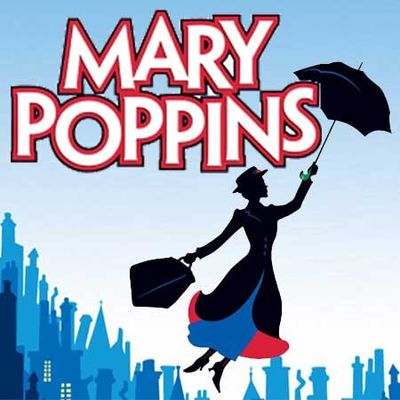
[12:51] Andrew Keenan Bolger: Um, and like Mary Poppins, where I played a young character, and of course, Newsie where I was um still having to play a teenager.
[12:59] Andrew Keenan Bolger: Uh, and then I feel like there is while I was doing Newsie, I sort of saw the end of the runway coming, where you're like, I can really probably only uh play young people for a little bit longer. Um, and I either need to figure out like my next move or move away from acting altogether. Uh, and and one way that it and that was just truly like I know what roles are out there, and I know that there are fewer roles for people in their like mid to late 20s when they're kind of like a young character person. Um, and I feel like that is when I started trying to write and trying to possibly create my own kind of roles that I could play, or my own work that also brought me that same kind of joy that I got from performing.
Um I feel like it's only recently that I've started actually going out for roles that are almost my age, where I'm now auditioning for like young dad, which still makes me laugh a lot, but occasionally they'll come through. And I'll be like, I'm a grown-up now. Oh my god. It's also like the beauty of being a creator is if you know you're ever in a time where you need a job, you get to create a world that didn't exist before you thought of it.
[14:27] Andrew Keenan Bolger: Yeah, absolutely. I it has been the greatest gift that um when I was in college, I decided my friend, um perhaps you know him, Benj Pasek. Um he was in uh in my class at University of Michigan, and he knew that I really liked writing, and he, while he was like in school for musical theater, had begun doing a lot more songwriting with um with his writing partner Justin Paul, who was also in our class, and kind of convinced me to take a creative writing class um at Michigan, uh, which I did and immediately like really loved, and then spent all the rest of my time at Michigan, any elective that I had, I would take a writing class. Um, and uh ultimately I don't think I was ever like, and then maybe I could write books when I grew up.
It was it was more so this is interesting, and this feels like something that's a little uncomfortable, but um something that I think is worth exploring. Um and I'm so thankful now for Benj uh convincing me to do that because I feel like I was able to get just a lot of experience writing uh when I was younger, or when I was in college.
[15:40] Eli Tokash: Speaking of Benj Pasek and Justin Paul, yeah. You two were in the greatest showman labs together. Is that right?
[15:46] Andrew Keenan Bolger: Yeah. Yeah.
[15:46] Eli Tokash: Please tell me more about this. Because it is it what you were part of the developmental process of this uh incredible movie, uh one that is just well, I honestly, it's one of my favorites. Is it w developing it? Was it just like what did it feel like a musical lab? What was it like?
[16:04] Andrew Keenan Bolger: Yeah, it was interesting. I mean, it's always so funny anytime I get to work with Benj and Justin, because they're always framing it as like, hey buddy, can you like do us this favor? Like, you're we're friends, like, do you just like want to come in and do this? And meanwhile, like Eli, we are in that room. That is like some of the most fiercely talented people in our business. I was just like completely fangirling the whole time and getting to do uh hear all these songs for the first time. It was so beyond any of us doing them a favor. It was like really cool to get to see that process kind of unfold.
[16:44] Andrew Keenan Bolger: Absolutely. And just like being in that room that day, like just it it reminds you of why you love art. Literally, because that room that day was just so electric between Kiala and then Hugh Jackman telling Jeremy Jordan, hey, I got this, I'll sing the last song. When he has like cancer in his nose. It's like it it's incredible. Like I it was just that I will never forget that day in in that last reading in that room. It was just magical.
[17:15] Eli Tokash: It is so true. I'm so glad that someone had the foresight to film that because it was some of the most like electric. Like I'm not a very religious person or even very spiritual, but I felt like the Holy Ghost in there when Kiala was singing, and then like Cynthia Erivo, like got up and was standing on the table, just like freestyle rapping at her. It was unreal.
[17:40] Andrew Keenan Bolger: Yeah, and you were literally like right in the middle of that. It was awesome. Singing like a tiny tenor line with my like little mouse voice, like the biggest voices ever coming at you.
[17:54] Eli Tokash: I didn't know you guys were in the room during that video.
[17:59] Andrew Keenan Bolger: Yeah, it was like it was the final presentation for Sony to like sign off on it and be like, okay, we're gonna do this. And I think Benj and Justin, they've always had such a producer mentality where they were like, We have some of like the best live performers. Let's like give them a performance, and just stacked all the ensemble with like crazy singers, and just basically blew down the walls of Pearl Studios for about an hour and a half.
[18:31] Eli Tokash: Seriously, and it was so funny because the Pearl Studios, it was like you have to like book the room, and so they were they named the room after Hugh Jackman's little uh gym group, and like so like I don't think I realized it.
[18:48] Andrew Keenan Bolger: Yeah, it was like uh dog man or dog uh dog something, and that's literally his gym group name, I guess. That's what he told me at least. Um, because I was like, where did this name come from? And it's so funny because like when you like when we were done with the presentation and like we're leaving and we're going to the bathroom and stuff, like people literally came up to me and was like, those songs are so good, I've never heard them before. And I was like, just wait, it gets better.
[19:16] Eli Tokash: Yeah, and and it like sure enough, like that, then the album came out, and like that just another star-studded cast. Like it was like, wow, this is like they're just keep on outdoing themselves. It's amazing.
[19:28] Andrew Keenan Bolger: Truly, yeah, they're so talented. Oh my god. They're the best. We are just gonna take a quick break to hear from our sponsors. We'll be right back.
[19:36] Eli Tokash: Andrew, um, I wanted to ask, like being part of those developmental pieces. Um, I guess this is a good segue for this question. Um, you've also created a lot of work of your own, and you've developed uh a critically acclaimed web series called Submissions Only. Did that like being a part of those developmental things and your creative writing classes, did that have a big uh factor in why you wanted to create that?
[20:03] Andrew Keenan Bolger: Yeah, I think so. You know, honestly, if I'm really thinking of like the genesis of Submissions Only, which was uh a web series that I did with my friend Kate Weatherhead, I wouldn't even say that like we uh we had such a great idea and we like really understood producing and developing from all these years of experience. I think we we just thought we were newbies who wanted an excuse to hang out with our friends and like write something funny. And at the time also, um, Broadway people like were never on TV. We could not get auditions because people were like, oh, theater people, they're so huge and campy. And now, of course, like theater people all over television and film, they're like some of the best. Um, but at the time it that was not the case. We could do like Law and Order, and that was like it.
[20:53] Andrew Keenan Bolger: Um exactly. I think we had no idea what we were doing. Um I mean, we were talking about this right before you started recording. I feel like we are so lucky to live in a kind of DIY nation where these tools are more at our fingertips than they've ever been. Um, and if you don't know how to do something, you try doing it and you'll probably just learn along the way, which was truly what happened with uh Kate and I. And I don't even think it was until like halfway through shooting where someone called us the producers of it, and we're like, oh no, we're not the producers. We're we like wrote it and we're like in it. And then you realize, oh no, I guess I am a producer because I'm doing all the jobs of one.
[21:40] Andrew Keenan Bolger: Um I I always to this day, I will tell anyone if the best way to learn a skill is to just try doing it. Um, it will be you will get way more knowledge than taking any class or um shadowing anyone. Just like try to make it yourself, and you'll immediately see what is working and what is not.
[22:02] Eli Tokash: Totally. It's honestly it's like they say if you if you want to know how to swim, you do a lot of research on it. But if you want to swim, you gotta get in the water.
[22:13] Andrew Keenan Bolger: Ding ding ding. Yes, that's exactly perfect. It's true, it's actually that's such helpful advice, truly.
[22:20] Andrew Keenan Bolger: Yeah, and also one of the reasons that I was so excited to get your message, Sydney, when I heard that you and Eli were doing something, not only because I feel like we have a great shared history of being child actors, but any time that I see someone in our business like just making stuff happen for themselves, like being uh self-starter, being like a yes man, um, I totally I wanna like give the high five to those people. Um and especially with y'all, where nobody's even asking you to do this. You're not a dark yet, you don't have to worry about hustling and like making your next paycheck. Um, the fact that you're already motivated to do that gives me such hope for the next generation of theater folk.
[23:06] Sydney Lucas: You know, it's thank you. That's so nice.
[23:08] Andrew Keenan Bolger: Yeah, thank you so much. It's so it's so interesting when you know, being I I'm curious to know if you feel the same way. Being being a a child actor from a s from such a young age, I almost I I feel like that kick started m at least my drive to start doing stuff, and whereas, you know, normally society says go to college and then get a job. I've I've been working since I was six years old. And and so I almost feel like that has just you know been played the that that timeline has moved down a bit. Um, but being that you were uh uh in the business at such a young age, um did you did you f did you feel that same drive where you're like, oh, I just want to continue working. And also something that Eli and I often say is uh being in the business at a young age uh was helped us to become more mature and more responsible because we're always surrounded by adults expected to be professionals. Um do you think being in the business at a young age affected you like that as a person?
[24:12] Andrew Keenan Bolger: Uh I agree with both of those statements, like wholeheartedly. Uh I think also when you're when you're young and working on a show, especially if you're working on a new show, you are developing a lot of business acumen without realizing it. You're learning like what marketing is, like how to do interviews, how to speak about a project, um, you're learning about creation because you get to see a work develop. You're seeing how people do rewrites, you're constantly um evolving a project. Um, and so you're learning about producing and about being a creator from a young age, even if you think you're just there to do the acting.
[24:51] Andrew Keenan Bolger: Um, and then I think a at least personally, I can't speak for y'all, but one of the reasons that I have gotten scrappier and uh become a creator in addition to being an interpreter is I just want to keep doing this. Like I love theater people. It's I would say probably 70% of the reason that I went into performing arts as an adult is the community, and probably only 30% is like ever wanting to stand in a spotlight. Um that I do have passion for performing, but mostly I feel like early on as a kid, I met the group of people that I wanted to be like. Um, and then also getting to uh spend time with adults like who were so self-actualized, and especially for me personally, I was knew that I was like a little gay kid when I was growing up, and getting to see all of these adults who were living like beautiful lives, especially like in the 90s when I just didn't see that anywhere else.
[25:56] Andrew Keenan Bolger: It let me know that there would be a place for me in the entertainment world if I worked really hard.
[26:05] Eli Tokash: Yeah, 100%. The probably the theater community in general is unlike anyone else community in the world, and also like when I think of a theater person or you know, I guess the Broadway community, I think of people who are resilient and uplifting and supportive and positive and just beautiful souls.
[26:30] Andrew Keenan Bolger: And honestly, you're the epitome of that. You are so positive and bright, and you are just a light. And I love and I know you were talking about, you know, you wanted to be like that. You saw that and you connected with them. You're like that to people like us. You are that bright, shining, beautiful theater light.
[26:57] Sydney Lucas: Oh gosh. That makes that's really generous, Sydney. I also do think though, part of it is me paying it forward to the next generation, and that I realized I was so lucky when I was ten years old to get to meet these incredible adults who talked to me like an adult, who took me seriously, did not just treat me like the random kid who's backstage with you. A lot of them, like I remember in Beauty and the Beast, one of the keyboardists saw that I was really into Sondheim, and I would remember he would give me books and cast recordings. And I now make such an effort anytime that there is a kid in the room with me that I really give them my focus, that I'm treating them just like any other member of the cast, because I know how meaningful having an adult figure in your life who you look up to can be and how much that can change a life.
So yeah, I'm glad that you think that. I have always put my money on young theater folk. They're the people who have bought my books and watched my silly videos, and I think that they're some of it how incredible and how lucky it must be to be a young person and to already have a passion when so many young folks are just searching for what is actually inspiring to them.
[28:31] Eli Tokash: I love that. Well, there's no doubt that our generation and us young people, we all look up to you and we see the stuff that you're doing for us and creating the work for us, like all of that just means a lot. And so the fact that you were willing to come on and chat with us today, like that means a lot. And I just wanted to say thank you from all of us.
[28:53] Andrew Keenan Bolger: Y'all, that was really nice. And of course, both of you, like there are grown-ups who are huge fans of both of you. It's not like we are lucky to get to work in the same realm as you. I feel like Eli, the first time I heard your voice, I was like, oh, Sydney, I don't even need to. I've already fangirled out on you so hard after I saw you in Fun Home where I was like, Are you serious? What's happening? My mind.
[29:21] Sydney Lucas: See, it's so funny because you worked with my brother Jake in Newsie.
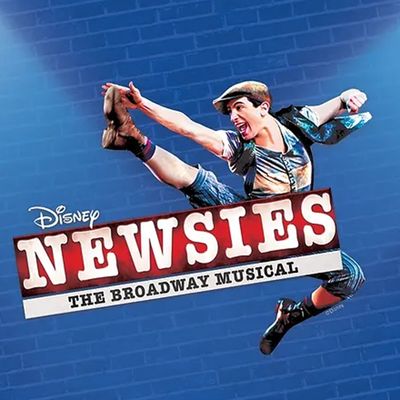
[29:27] Andrew Keenan Bolger: And Newsie, I think it's safe to say that Newsie is my favorite Broadway show. And I think I saw it 23 times. I thought you guys were so cool. I just looked up to you guys so much. I thought you guys were the coolest. You play Crutchy in Newsie, who walks with a crutch, obviously named. But I want to talk about that, but before that, there in Newsie, there's a point in the show where you leave the stage, you don't come back for a while, but that means you have some free time backstage. What did you do during that free time? Were you working on like Submissions Only? What were you doing?
[29:44] Andrew Keenan Bolger: I totally was. Yeah, I had an hour break, which was kind of awesome. So we were filming season, I guess it was season two of Submissions Only. I was rehearsing for Newsie during the day, we would occasionally film for like an hour or two at night, and then once we got into the run, it was all kind of happening in real time. We were opening Newsie and season two was launching, and we were shooting it at the same time. So I would go on set at like 7 a.m., and we would shoot all day, and then at night do the first act of Newsie and then like export stuff off of the drives and like be editing. And then also one thing that I got to do was make all of these backstage video blogs, which now are so ubiquitous.
[30:59] Sydney Lucas: Loved those! Oh my god, religiously I loved those so much. I mean, I'm so glad that I have those because I feel like I have a rare documentation of that whole process. But Disney and Tom Schumacher, who is the head of Disney Theatricals in particular, I think very early on, it was when I was in Mary Poppins, saw the value in that. A lot of the other producers when I was in a show and making little backstage video blogs, they're like, oh, that's cute, that's nice. And Tom Schumacher was like, yo, this is great marketing and a great way to broaden just our audience because right now there are only 1,100 people who get to see Newsie, and it's usually people who have enough money to get to New York, people who are going to be able to shell out for a ticket.
And that's just leaving a huge group of people without the ability to kind of experience the show. And he really saw value in it and gave me a lot of the tools and a lot of the permissions that had never really been given to create fun, like supplemental content, which I think in part made the fansies like the most rabid, amazing fan base.
[32:23] Eli Tokash: Yeah, they felt like they knew us.
[32:26] Andrew Keenan Bolger: True. That's so cool. You can basically say that I started that Broadway backstage exclusive videos, like I have to do.
[32:34] Sydney Lucas: I won't go so far, but I definitely feel like I definitely saw value in it.
[32:40] Andrew Keenan Bolger: I think before a lot of folks were realizing that that is a great way to get to know your cast and feel personal.
[32:49] Eli Tokash: Yes, ahead of the game. Now, meanwhile, I'm just trying to catch up with y'all. I'm like, what the fuck? What's TikTok?
[32:57] Andrew Keenan Bolger: Oh my god. We're actually the only two teens in like the world who don't have TikTok.
[33:03] Sydney Lucas: Oh my god, we are not very, but the stuff that folks are creating, I'm like, that looks hard.
[33:11] Andrew Keenan Bolger: Yeah, and all the transitions, like I don't know.
[33:14] Sydney Lucas: Oh my god. Yeah, I feel like I have been an early adopter of like every social network because I've just put a lot of stock in that. And this is like the one time where I'm like, Grandpa needs help plugging in the VCR. Like I feel like I maybe do my for it.
[33:31] Andrew Keenan Bolger: And now for a brief intermission to get a beverage, go to the bathroom, whatever you need. After all, we are at the theater.
[33:39] Eli Tokash: Well, our home theaters. But you get to just...
[33:43] Sydney Lucas: So going back to Cine's question before that she kind of hinted at, you played Crutchy in Newsie and you walked around with a crutch. So did you have to, like, how was that learning how to walk with a limp and what was that like choreography-wise?
[34:01] Andrew Keenan Bolger: I feel like it's almost like a dialect where I feel like it could slip and you could kind of forget and go back to the way you usually walk and talk or whatever. So did you have any, like, did you have any, um, anything that happened like that?
[34:18] Well, right away when I read the script, there's like no mention of why is Crutchy disabled? Like what's going on there? And so that's kind of up to me. I ended up reading a lot about the time period and watching some documentaries and saw that right around that time was when polio started really hitting young folks in New York, especially people in poverty, and I'm like, oh, that makes sense. So I watched a lot of videos on what happens to people's musculature when they're infected with polio and kind of went with that and tried out a bunch of stuff in the rehearsal room. And then for the choreography, a lot of times Chris Catelli would be like, okay, we'll just learn it like this and see how you have to modify like what you're going to need to switch your right arm to your left arm because your right arm's holding the crutch.
There's just a lot of playing around. I would always feel so bad though after I would come out of the stage door when celebrities came and saw the show and they'd all be like, Are you okay? Like that looks like it must have been so painful. But meanwhile, there are kids doing backflips off of tables in tap shoes, like they're working so much harder than me, like their bodies are hurting. I get off like pretty easy. I'm like on the side of the stage, like, all right, guys.
[35:39] Sydney Lucas: Yeah, like Ryan Steele with his fouetté turns and Jess Leprato, Tommy Braco with their back...
[35:46] Andrew Keenan Bolger: Yeah, I will not pretend like my job was very hard in comparison.
[35:51] Sydney Lucas: Well, it's so interesting that you say that because it's funny that all of the roles you've played, they just like are the roles that people instantly fall in love with. And like, do you ever feel like you want to be the good guy, or do you like ever feel like you want to be like an antagonist in a way?
[36:11] Andrew Keenan Bolger: Oh, sure. I mean, yeah, I love a challenge, but no, I feel like one of the reasons I get cast as the roles I get cast at is I just try to bring as much of me to whatever project I'm working on, and I feel like those roles just end up being like that. Not saying that, well, it's just because I'm super charming, but you are generally high serotonin levels. I'm like pretty much happy. I don't take myself too seriously, so I think it's more so that the roles that I'm cast as are ones that are not that different from who I am.
[36:50] Sydney Lucas: That makes sense.
[36:50] Andrew Keenan Bolger: Yeah, because then you can bring genuineness to the role.
[36:54] Sydney Lucas: Oh, well, thank you. I try.
[37:00] Andrew Keenan Bolger: I also like love your just face too much. Like you look at your face and you're like, you just, I don't know, you just have such a light, a bright face. So if you were playing an antagonist, I would probably be like, aww, I love you though.
[37:17] Sydney Lucas: Do you know who Joe Serafini is?
[37:20] Andrew Keenan Bolger: Yes.
[37:21] Sydney Lucas: Wait, yes. He's in High School Musical: The Musical: The Series.
[37:22] Andrew Keenan Bolger: Oh yes, yes, yes, totally.
[37:27] Sydney Lucas: He was actually like one of our first guests, and this entire time I've literally been like they need to play each other's older brother and younger brother.
[37:37] Andrew Keenan Bolger: Oh my god, do you kind of see that?
[37:39] Sydney Lucas: Oh for you, I don't know, I think he maybe went to Michigan. So many connections. I don't know him, but I'm like, you're doing really well.
[37:39] Andrew Keenan Bolger: Yes, he's the best. He's just one of the kindest people, but no surprise there in the theater world. So yes, so Sydney introduced you and she mentioned that you were a director and have two award-winning short films called Sign and Sealing Fan. So while you were directing, has that helped you as an actor, and would you consider doing more directorial projects in the future? Is that kind of a route you want to explore?
[38:24] Andrew Keenan Bolger: For sure. I definitely think being a director has made me a much better actor, especially with film where I just really didn't have very much experience because I didn't do a lot of film until I was older. And just getting to look through a lens and see what people were doing and then see how it was captured, and sometimes there was a disconnect, and sometimes you would see other actors like it wouldn't really read as big in the room, and then when you would see it on the camera, it would be completely different.
[39:00] Andrew Keenan Bolger: Um, and so yes, I definitely think it helped. Also, that with like a sign and ceiling fan, um, it was a smaller cast, but like when I was directing Submissions Only, there were at least 30 people in every episode, and because it was one of the earlier web series, like we just didn't have trouble getting like awesome guest stars who we totally did not deserve, like people like Audra McDonald and like Chita Rivera and Judith Light, all of whom were like, I don't know what a web series is, but this seems nice. So, just getting to be in a room for three seasons and seeing all these luminaries in our business and seeing how they approach like a random project, uh, was so fascinating. And just getting to see their craft.
It was also I remember watching Judith Light. She's like in our final episode, and we gave her this role that had like eight pages of dialogue, and it was basically all monologues, and we're like, there's no way this woman, she's in a show right now, she's so busy. It was like the year she won a Tony, she was like doing campaigning, and she came in like off book, making choices and just like stealing the show in a way that I'm like, I want to be that person, I want to give my attention. If I agree to do something, I want to be that generous um with my talent and with my time, and never discount anything. Um so it was a just a good lesson to learn. Period.
[40:35] Eli Tokash: Yeah. That's amazing. I love hearing stories like that of legends in like the behind the scenes how hard working they are.
[40:43] Andrew Keenan Bolger: But like that's how they get to where they are.
[40:45] Eli Tokash: Yeah, it's so true.
[40:47] Andrew Keenan Bolger: And I even remember like Audra McDonald, we would like do a few takes and then she would ask us for direction. So like what am I gonna say like no do it better? Like the fact that she is still at a place where she's like I just want it to be good and I want it to be good for everyone you're like yep never stop learning that that is why you are who you are. Meanwhile I'm sure we gave her terrible direction I'm sure very tongue tied. Like maybe try it like this it's so true though like just doing like just creating your own work and like having people like just come in like kind of like this podcast and you just like learn so much from each individual and each individual has something unique that they bring and it's even like something as little as like this where people can only listen to your voice. Like it's just it's really incredible and like just listening to other people's stories and like how they approach their acting and their craft and all of that is just so fascinating.
[41:51] Sydney Lucas: Totally agree. Now before we go Andrew, uh I wanted to ask you about something, um you also have two siblings Celia Keenan-Bolger and Maggie Keenan-Bolger who are also in the business. Very multi-talented family. Um what's that like for you? Do you do you did you ever like bond with them over this? Or is it nice to have someone to talk to who understands the situations that you've been in? Auditions, shows, jobs.
[42:15] Andrew Keenan Bolger: Yeah, I think I feel so, so lucky. Um all three of us have been performing kind of like as a little troupe since we were very young. Uh Celia's a little bit older than Maggie and I, and we just grew up seeing her perform and immediately knew that that's what we wanted to do. Also, I feel like maybe our parents were like, this carpooling will be easier if all three of you are cast in the same thing. Um so who knows? If she was like a tennis pro, maybe I'd be good at tennis, probably not. But um, and I do feel incredibly lucky uh to have two people uh in the business who understand the nuances and the kind of neuroses that go into trying to do this professionally. Um then one thing that oh my husband just came home.
My dog is going wild in the background. Uh and one thing that I also do feel like a lot of people ask us, they're like, are you ever jealous of each other? And I feel lucky in that uh it could not be farther from my mind to ever be jealous of my siblings. I think I'm so in awe of their talent. Um and I think that we're lucky in that the three of us are in the business but do very different things. We've really carved out different paths for ourselves. Uh my sister Maggie runs like a nonprofit theater for women and trans people and does a lot of directing and devising, and then Celia gets to do a lot of plays, and I do more like musicals and then writing and uh creating. So that it takes zero effort for us to be really insane cheerleaders for each other. Uh I feel so lucky.
[44:02] Sydney Lucas: I, Sydney, what about you? I mean, I knew your brother before I knew you, and was then so amazed to learn that he had a sister who was also a performer.
[44:13] Sydney Lucas: Yeah, I mean, I same same thing as you is. I think it also helps because we never we Jake and I did do similar projects, but we never went out for the same thing because uh he he was a boy, I was a girl, we would just get just different uh different roles. Funny enough, I almost did Tuck Everlasting. I almost I was I was almost the underbuddy for Sarah.
[44:37] Andrew Keenan Bolger: Yeah, I forgot about that.
[44:39] Sydney Lucas: I know, and I had to choose between you know going to where was it, where was it um playing at that time? It was going to go to Atlanta or Boston.
[44:51] Andrew Keenan Bolger: Yeah, something like that.
[44:52] Sydney Lucas: I was I was gonna be the understudy, but then I also, you know, I had Fun Home, the a very, very early stage of Fun Home. And uh I ended up uh going with Fun Home.
[45:02] Andrew Keenan Bolger: Um, and uh around the time that I was doing the lab of Fun Home, I was doing Matilda auditions, and I got to the like 11th callback where there were just eight girls left.
[45:14] Sydney Lucas: I was one of the eight, I was uh I think eight girls, yeah, I was one of the eight girls.
[45:18] Andrew Keenan Bolger: Um, and I ended up not getting Matilda.
[45:23] Sydney Lucas: Uh oh, I ended up not getting Matilda, but what I wanted so badly from Matilda, I kept asking my mom, I was like, mom, I want to go sing Newsie. If I get Matilda, I want that. I want that as like a present. I want to go see Newsie. I wanted to see it so bad. But then I didn't get Matilda, and I was like, great, I'll never go see Newsie ever. And then my brother got Newsie, and I got to see it 23 times.
[45:46] Andrew Keenan Bolger: And so it was just perfect.
[45:49] Sydney Lucas: And I I loved it. And I love seeing him in shows. He's he's not doing acting anymore. He's gonna be a neuroscientist.
[45:56] Andrew Keenan Bolger: Um, yeah.
[45:58] Sydney Lucas: His brother, her brother is genius. Just smart pants.
[46:01] Andrew Keenan Bolger: Yeah, I mean, you could tell even back then.
[46:05] Sydney Lucas: Um, but uh, but yeah, same thing as you. I I absolutely adored watching my brother and stuff.
[46:12] Andrew Keenan Bolger: Yeah, I feel like uh we are so lucky. Eli do you have siblings?
[46:16] Eli Tokash: Yeah, I do. Um it's funny because we all um are in like the entertainment field, but all in different, like completely different fields because like my sister's an editor and like a photographer and videographer.
[46:30] Andrew Keenan Bolger: Um and she actually edits this podcast for us.
[46:33] Eli Tokash: Oh yeah. Um yeah, she's the best. Um, and then my brother is uh like a marketer and stuff like that, so he does all of like press and all that kind of stuff that he works for. He works for like Barstool.
[46:44] Andrew Keenan Bolger: Uh it's yeah, it's and then yeah, Tessie's like still in college in Marymount, um doing uh digital media production, and um she helps us with this, so yeah.
[46:57] Sydney Lucas: That's so we like to cheer each other on.
[47:00] Eli Tokash: And and it's also really like great because it really just like I I can kind of like well Tessie produces the content and like films it, but like I'm the content person, I guess.
[47:13] Andrew Keenan Bolger: Like the person who's yeah, and then like Zach can like deal with all like the social media stuff, so like it's just like a perfect combination of everything.
[47:22] Sydney Lucas: 100%. We are very lucky. You know what's you know what's also really cool about having a sibling in the business is Jake and I kind of like lucked out in that we were we were uh we got to like do the Tony Awards together. And I'm I'm someone who when I'm not a big deal. I'm probably when I like to do things, I like to do it with a partner. I I don't I don't always like working alone. And so I I got to, you know, I wasn't like alone.
[47:53] Andrew Keenan Bolger: I first of all he we would help each other with auditions, we'd help each other memorize and go through auditions.
[47:59] Sydney Lucas: Um, but literally for the Tony Awards, he was in King and I, I was in Fun Home, we we were in the in memoriam together.
[48:07] Andrew Keenan Bolger: We were singing, we're part of the like chorus in the background, and we got to, you know, we just got to meet up at the end of the day and just hug each other and be like, whoa, what a day.
[48:17] Sydney Lucas: This is wild.
[48:19] Andrew Keenan Bolger: This is wild.
[48:20] Eli Tokash: Yeah, that's amazing.
[48:23] Sydney Lucas: Yeah, I I always think back to like um just my parents when I remember there was like a honestly on the Tony's too for there was year that Newsie and Peter and the Starcatcher, we both opened within like a few days from each other.
[48:41] Andrew Keenan Bolger: Um and just being like, our parents, they would have never believed this if we had to tell them, you know, all that hard work that you were putting in and all those long drives, like this may end up paying out like a little bit in just like street cred back in Michigan.
[48:59] Sydney Lucas: Um Yeah. Our parents deserve so much thanks, man.
[49:05] Andrew Keenan Bolger: Yeah, truly.
[49:07] Sydney Lucas: Thank you, mom and dad.
[49:09] Andrew Keenan Bolger: And grandma and grandpa.
[49:10] Sydney Lucas: Oh my gosh. Yes.
[49:13] Eli Tokash: Well, thank you, Andrew, for coming on and just chatting with us. We had a blast. Um just yeah, just thank you for doing this.
[49:20] Andrew Keenan Bolger: Of course. It is so nice to connect with you, especially right now when it sometimes feels like our business is just nothing going on. Um it is good to know that there are folks like you who are uh doing the good work and uh bringing our little slice of magic to a bigger audience.
[49:42] Eli Tokash: Um and I wish you so much luck on this project. I'm so excited to be like listening along now.
[49:48] Andrew Keenan Bolger: Hey thank you. That means so much.
[49:51] Eli Tokash: Of course, of course. And now you're a part of it.
[49:53] Andrew Keenan Bolger: I love it. Friend of the pod.
[49:57] Eli Tokash: Take a bow Andrew Keenan Bolger.
[50:01] Andrew Keenan Bolger: That was just such a fun episode.
[50:03] Eli Tokash: He literally uh like you said, he lit up the room or like the the podcast episode, I guess we could say.
[50:12] Andrew Keenan Bolger: Uh um, so yeah, and you know, it's so true because like just talking to him for that 45 minutes to an hour, you know, it makes total sense why he plays the roles that he plays and just like how he is the way he is.
[50:28] Eli Tokash: Like it was just like it was amazing and it was a lot of fun and he had amazing insight and just reliving The Greatest Showman with him again.
[50:35] Andrew Keenan Bolger: It was just another it was just such a fun time and just like a great episode and I hope that you all enjoyed it.
[50:41] Sydney Lucas: Yeah, he is the kindest and most fun person.
[50:45] Andrew Keenan Bolger: I my I remember when we recorded this, my it just made my day.
[50:51] Sydney Lucas: Just literally just talking to him.
[50:53] Andrew Keenan Bolger: Um, and he's he's such he's inspirational and he's motivational and he is uh just he's he's a light truly very positive.
[51:04] Sydney Lucas: Yeah, yeah, extremely. Um and he had a lot of incredible stories and things to say. Um I think it's so cool that he he um basically um did the business with his two siblings and I love that and I I love um I love how he uh basically um was able to shine a light on on that perspective and and what it was what it was like to to be in the business with two siblings and and how um it it for him at least and I I actually think this is the same case for a lot of people it definitely is for me um there isn't there isn't um that jealousy among siblings like it's it's it's incredible not only doing something alongside someone else and and and be able to empathize with the other person whether it be auditions or jobs but it's also incredible watching them shine and and watching them just experience the most amazing things um and you both kinda are not only you guys not only can see your s for example like m with me and Jake um I'm not I'm I not only had the privilege to watch his um career unfold but it was almost we were both we were on our own rides but we were also part of each other's rides.
[52:31] Andrew Keenan Bolger: And being I got to like experience the Tony Awards with Jake um and that whole day and and and uh just uh but especially in the 2015 year I got to experience a bunch of stuff with Jake and and it was it was the most incredible thing and I'm so glad I got to do it with him because it gives you almost a sense of comfort, you know.
[52:52] Eli Tokash: Absolutely.
[52:53] Andrew Keenan Bolger: Yeah.
[52:54] Eli Tokash: It's always good to go through things with another person and just having someone there by your side, especially when it's like your first time doing it because it's easy to get distracted and lost in things, and that person remembers reminds you to like take it all in and be present and have fun, you know.
[53:11] Andrew Keenan Bolger: So it's really cool that he shared those experiences with us and as well as you said. Um so today we or I guess this week, we've had a lot of things to look forward to in the Broadway community.
[53:26] Eli Tokash: Um it was announced that uh Ratatouille the musical is going to have uh a reading, I guess, uh so to say, after the new year's.
[53:35] Andrew Keenan Bolger: It was inspired off of a TikTok that was not meant to go viral the way it did, but it did, and we're all here for it, and we love the fact that there's gonna be a Ratatouille the musical. Uh and and it's gonna raise money and all the proceeds are gonna go to the actor's fund.
[53:53] Eli Tokash: So uh yeah, that's something that we can look forward to after the new year's, after the holidays and all of that fun stuff. Uh also this past week the prom on Netflix came out.
[54:06] Andrew Keenan Bolger: Did you get a chance to watch it?
[54:07] Eli Tokash: I haven't watched it yet, have you?
[54:09] Andrew Keenan Bolger: Oh my god. I watched it the night it came out.
[54:11] Eli Tokash: Yeah.
[54:12] Andrew Keenan Bolger: It was yeah, it it was it was fantastic. And just everything. Everything about it. James Corden, you know, he was getting a lot of backlash, and I understand because like at times there were there were spots and everything like that, but I feel like in as the movie progressed and everything, I thought he did a great job, and everyone as well.
[54:33] Eli Tokash: Meryl Streep's in it, so of course she was like a goddess. Um she does well in every single role she's in. I don't understand.
[54:41] Andrew Keenan Bolger: Um, and and the the two kids, Ariana DeBose uh and Jo L Pell, uh, she made her like film debut in like her debut, I guess, in the business, uh, is as Caitlin Kinnanin's role.
[54:57] Eli Tokash: Wow.
[54:57] Andrew Keenan Bolger: And she was just, she was fantastic. I mean, she was literally so good. And uh yeah, I I just loved it. And it just like it got you in the spirit of Broadway. It just reminded you to like take care of your loved ones and just love each other, like, and it it just brought you back to like all of those feels that Broadway usually allows you to feel. So it was it was great to see.
[55:21] Eli Tokash: Yeah. Another thing that happened too was um that one night on Broadway event happened. And so everyone on the streets were on the streets of Hamilton on 46th Street, and it was uh it was incredible. I mean, everyone woke up at 4 a.m. to film that. It was like a Macy's Day Parade thing.
[55:43] Andrew Keenan Bolger: Oh wow they blocked out the streets, they all got together, they had this beautiful Broadway and lights set, and it was just it was everything.
[55:51] Eli Tokash: It was just so good. Mean Girls did two um did two performances, Ain't Too Proud did two performances, Jagged Little Pill did two performances. A lot of a lot of the shows that performed were amazing. They did a lot of performances, multiple performances, and we had it was just so awesome to see everyone on stage uh on stage, but like, yeah, like performing again and just being with other people and just like you it you know, just having the time of their lives, and it was awesome to see that.
[56:22] Andrew Keenan Bolger: And actually, while we were watching it, we were doing a live tweet. Um, and Jagged Little Pill retweeted us, Mean Girls retweeted us on Take A Bow, so like that was awesome. So we it was just a fun night, and it just like got the whole community together, and you know, what more could you ask for?
[56:40] Eli Tokash: Yeah, reignited that like Broadway flame.
[56:44] Andrew Keenan Bolger: Absolutely. Um this week though, we did lose an incredible, incredible icon to the Broadway community. Uh Anne Reinking passed away, and she I mean, her dancing, her choreography, everything about her is just absolutely just breathtaking. And her the way that she was able to tell stories through her dance, it it really it's really tough, but we'll we'll remember to keep her legacy going.
[57:16] Eli Tokash: Yeah, she was an icon. Um, and she definitely she for like you said, she she will definitely be remembered. Do we have a word of the day today?
[57:30] Andrew Keenan Bolger: Do we oh yeah? Um, let's lighten it up a little bit. So the word of the day is marking, and marking is not like marking things on the wall or like signing our desks when we leave a show or a theater or something like that. No, marking is when you're in rehearsal and or even like tech or something fun like that or i or like a sound check for an event or something like that. Uh actors try or performers in general just try to preserve their gift and whatever they're doing to um save it and have enough juice and energy and the resources they need uh when the true performance comes.
[58:14] Eli Tokash: So they'll often mark, it's called, and they won't go full out and they won't blow their vocal cords out like they may in a performance or something like that. Um just to just to rest themselves and take care of themselves so that they can give everybody who's watching the best show that they can give.
[58:33] Andrew Keenan Bolger: Yeah. Marking was not something I knew how to do when I was when was specifically when I was in Fun Home when we we had we made a lot of changes to Ring of Keys um especially to the blocking um in Fun Home. I think we ch we changed it every other day the blocking um especially during the previews specifically um we went through so many different blockings of Ring of Keys and every time we would we would run through it with the new blocking I would always just sing full out and Sam Gold and everyone was like okay Cindy like I I understand this but you just you gotta mark and I was like no I'm good I can do it. And they were like no no no no just just mark. Just speak it. You don't you don't have to sing.
And so um and I and so I I I learned how to mark. I I it actually is a very important thing. It also can go the other way when when you're doing a performance and actors or performers decide to mark, and afterwards the director or the choreographer is like Stop marking. This is a performance, stop marking. Um, but yeah, marking marking is just not going full out. It's for example, if for singing, it can be it can be singing in a quieter voice, or it can be speaking the speaking the lyrics. For for dancing, it can, you know, yeah I'm sure you can imagine it. It's it's not doing like a an a jump split. It's it's you know, you don't actually you don't have to practice the jump split every time. You can just do a small jump or whatever, just do a motion that signals the jump split. It's purely like Eli said to preserve the gift for for performance.
[1:00:14] Eli Tokash: For sure. It's actually funny that you say that because the same thing happened to me and Trevor. Like in Finding Neverland, I never felt like I really needed to mark because like I was just having the time of my life and I didn't like understand why people were doing it.
[1:00:26] Andrew Keenan Bolger: Yeah.
[1:00:27] Eli Tokash: Um, and then it wasn't until like Trevor where you know I was just singing every song and on stage for the entire show, like, and I was like, wait, I'm actually getting like super tired, and my voice is like getting super tired, like what do I do? And it wasn't until like tech where I finally like understood what to do and kind of got the hang of it. Um because I was like, because it's hard because you know, especially like when you're doing a new show like Fun Home and Trevor and stuff like that, and you're trying to like figure it out because your performance affects everyone else's performance. So there's bits and pieces when you're trying to mark that you really can't mark because it affects someone else's performance and stuff like that.
So if they're feeling 100%, well, the blocking that I do and like the dancing that I'm doing may affect them and their track. So it's like you have to like go in and out of like marking and full out sometimes when you're in rehearsals so that everyone can just get a sense of what's gonna happen during the actual performance.
[1:01:27] Andrew Keenan Bolger: Yeah. Because when you think about if you don't mark, you're just doing a literal you're doing 10 full out performances.
[1:01:35] Eli Tokash: Right.
[1:01:36] Andrew Keenan Bolger: You gotta preserve that.
[1:01:38] Eli Tokash: Totally. Yay! So this was an incredibly fun episode, and we hope you guys enjoyed it. Um yeah, and it's it's happy holidays to everyone. It's the last night of Hanukkah if you are listening to it on Thursday.
[1:01:53] Andrew Keenan Bolger: So happy Hanukkah, everyone, and we hope you have a great we hope you had a great uh holiday.
[1:01:59] Eli Tokash: And we're Christmas is around the corner, so all fun things are happening in the month of December, and we hope we hope uh all these fun things continue in the new year.
[1:02:10] Andrew Keenan Bolger: Yeah, and and our next episode is going to be, I'm pretty sure it's gonna be on Christmas Eve.
[1:02:17] Eli Tokash: And we have a we have a gift of an episode.
[1:02:21] Andrew Keenan Bolger: We we have the most incredible person for our next episode.
[1:02:24] Eli Tokash: Um and just just stay tuned for next week. Um very excited about it. Thank you so much, Andrew Keenan Bolger for coming on.
[1:02:33] Andrew Keenan Bolger: We adore you.
[1:02:35] Eli Tokash: And thank you all for listening. We hope you liked it and see you next week.
[1:02:39] Andrew Keenan Bolger: Wait, before we go, I just wanted to uh just say one more thing. If you have not checked it out yet, Sydney and I were featured in a People magazine exclusive article, um uh which is on People magazine, uh, people.com and go check it out if you have not, if you've not seen it.
[1:02:58] Eli Tokash: We posted a little like uh like the title on our like Instagram to just like tell everyone to like go check it out.
[1:03:05] Andrew Keenan Bolger: But we'll tell you here again and just remind you, just go search like people.com, search in Sydney and I's name or Take A Bow People.com, anything. Uh check it out it's a great it's a fun article we had a blast doing yeah thank you so much People that's it's the coolest thing um yeah we had a blast doing it and it truly is such an honor um okay yeah go check it out and we'll see you next week sick beat him all right for our curtain call we wanted to give a few special thank yous to Nikki Torsha and Cormic Collin on for our amazing music Giselle Bustos for designing our logo and Tessie Tokash and Sydney Lucas for editing our episodes feel free to subscribe and leave a review on whatever platform you are currently listening to us from this podcast wouldn't be possible without the help of Dory Berenstein, Alan Seales, Brittany Bigelow and Katie Rosen at the Broadway Podcast Network as well as our top patrons Henry Friedman, Brian Thompson, PCC and Patrick McNamara.
[1:04:08] Eli Tokash: Speaking of if you enjoyed this week's episode of Take A Bow go check us out on Patreon at patreon.com slash T A B and become a patron today.
[1:04:18] Andrew Keenan Bolger: Through our Patreon you will form a relationship with us and get an inside look on what goes into this podcast.
[1:04:24] Eli Tokash: To learn more about this podcast visit bpn.fm forward slash takeabow and follow us on Instagram at takeabowcast where you can contact us with any feedback suggestions or questions and keep up with all things Take A Bow.
[1:04:38] Andrew Keenan Bolger: See you next week bye everyone.
© Broadway Podcast Network, All Rights Reserved