

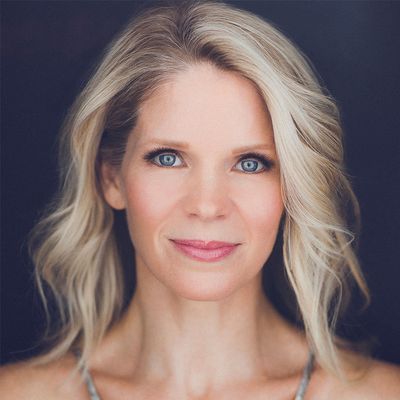
Early Christmas present? We think so! Today, Kelli O'Hara takes a bow and gives listeners in inside scoop on her 7 tony award nominations, what the recording process is like to record two solo albums and many cast albums, on set filming for TV/Film, vocal tips, and more... Read More
From the show: Take A Bow
Guests
Featured Shows


About
Early Christmas present? We think so! Today, Kelli O'Hara takes a bow and gives listeners in inside scoop on her 7 tony award nominations, what the recording process is like to record two solo albums and many cast albums, on set filming for TV/Film, vocal tips, and more.
Merry Christmas to our favorite audience members!!! See you New Years Eve!!!
Transcript
This transcript was automatically generated and might contain errors.
[0:01] Eli Tokash: Hey, everyone. So before we begin today's episode, we just wanted to take a moment to dedicate this episode to Rebecca Luker, who passed away Wednesday, December 23rd from ALS or Lou Gehrig's disease. We just wanted to take a second and dedicate this episode to her and send our hearts and love and thoughts and prayers to her and her family.
[0:24] Sydney Lucas: I had the pleasure of working with Rebecca in The Secret Garden. She played my mother. I had a beautiful duet with her and I'll never forget the rehearsal process with her. And when she would hug me during the show, like, it was just the warmest hug. And it was, she was such a bright light in everyone's life. And literally, one of the, if not the nicest people that I'd ever worked with.
[0:50] Eli Tokash: Everyone that you talk to has nothing but amazing things to say. She, her voice is so amazing, just like her personality, so elegant and just perfect and beautiful. And so I feel very honored to have gotten the opportunity to work with her after she passed away from ALS or Lou Gehrig syndrome.
[1:12] Sydney Lucas: Yeah, like you said, she really, really was a light in, you know, to everyone who knew her. I didn't personally ever get the chance to work with her, but she did Fun Home. And she was just adored. And I heard the most wonderful things. And she was just the most loving person.
[1:39] Eli Tokash: And our hearts go out to her husband, Danny Burstein, and her family and her friends and anyone who knew her. And yeah, she was a wonderful, loving, beautiful person and beautiful soul.
[2:00] Sydney Lucas: And she's definitely made an impact. And she's definitely made a difference, not only to, you know, to the industry, to the theater world, but, you know, to everyone who ever knew her.
[2:13] Eli Tokash: Yeah. So, Rebecca Luker, thank you for everything. Thank you for all of the amazing things that you've taught me. This one is for you.
[2:23] Sydney Lucas: Hey, everyone, and welcome or welcome back to Take A Bow Podcast. I'm Sydney Lucas.
[2:28] Eli Tokash: And I'm Eli Tokash.
[2:30] Sydney Lucas: And if you celebrate Christmas, then Merry Christmas Eve. We have a gift of a guest this episode.
[2:40] Eli Tokash: She's not only a Broadway legend, but I'm convinced she's like a genius because we spoke about so many things in this episode that really got me thinking for days after the interview.
[2:56] Sydney Lucas: She has such a wonderful way of viewing things and putting things and wording things. And she made a lot of points that I had never thought about before. And she's just a wonderful role model and a wonderful person.
[3:11] Eli Tokash: Yeah, I mean, I couldn't have said it better. There were so many things that you could relate to. And she just put so many, like, thoughts, like you said, into your heads and just, like, made you rethink things.
[3:25] Sydney Lucas: Because she was saying, like, you know, like, I can do it. Like, if I mind over matter, it was a lot of that. So, yeah, it's just, it's cool to, like, hear her perspective, especially, like, from her Kelly O'Hara hello.
[3:37] Eli Tokash: You know, so I think it's gonna be a great episode for you guys to listen to. So without further ado, Kelly O'Hara, curtain up.
[4:08] Sydney Lucas: Today, we have a guest who is a Broadway legend. She is a Tony Award winner who has been nominated for countless Tonys and Grammys and an Emmy and an Olivier Award. I mean, she's been in, like, 11 Broadway shows.
[4:25] Eli Tokash: She has the voice of an angel and the stage presence of a goddess. And when you're watching her perform, you can't help but marvel at her excellence. And as if that weren't enough, she's the most empathetic and caring and majestic human being. I mean, we are beyond honored to have her on. Everyone, please welcome Kelly O'Hara to the podcast. Hey, Kelly.
[4:46] Kelli O'Hara: Oh my gosh, Sydney, that was beautiful. I'm blushing.
[4:51] Eli Tokash: Thank you so much for coming on. We're so excited to have you on.
[4:55] Kelli O'Hara: We're so excited to be here, guys. Thank you.
[4:57] Eli Tokash: Yeah. Let's just start out. Let's start from the beginning. You originally are from Oklahoma. And we want to know, what was your journey to Broadway like? When did you know you wanted to do theater? What took place from that realization to you making your Broadway debut?
[5:17] Sydney Lucas: Did you start out, like, doing theater in Oklahoma or pageants? I don't know. Talent shows? Which I'm sure if you did do talent shows, you probably won every single one of them.
[5:30] Kelli O'Hara: All right. Well, Eli and Sydney, my trip to Broadway was so vastly different from the two of you that it's unbelievable. It's like night and day. I didn't see a Broadway show until I was 21 years old. I didn't come to New York until I was 21 years old for the first time.
[5:46] So, no, I didn't have a lot of this going on. There were talent shows. Yes. Good guess. And I do remember those being actually pretty impactful. The first one I did was maybe in the fifth grade. And, no, the first one I ever did and actually the first time I ever sang out loud in my life was fourth grade.
[6:06] My mom tells this story where she said, huh, I think she sings. Nobody even knew. And I just decided, I couldn't decide whether or not, and I wasn't a dancer, by the way, at all. And I was a very chubby little kid and I couldn't decide between doing a major jazz number that I was going to choreograph for myself, having done no dance, or sing That's What Friends Are For by Dionne Warwick.
[6:31] And I decided on the latter. And standing there, I remember I was wearing like a black and white jumper romper thing. And then after that, it was like, huh, maybe we should put you in some sweet little voice lessons. And I was in the band. And then after that came some school productions.
[6:53] Kelli O'Hara: And then in high school, I really started getting involved in, we did two musicals a year. But I will say just really quickly, I knew of this voice teacher since I was five years old named Florence Birdwell. And so in the back of my mind, I always knew I was going to go to study with her in college, which I did. And that whole trajectory, I would say, started when I was five. But it really didn't have to do with Broadway until I was in college.
[7:18] Sydney Lucas: Isn't that the same voice teacher as Kristen Chenoweth?
[7:20] Kelli O'Hara: That's correct.
[7:22] Sydney Lucas: Oh my gosh. Is she based in Oklahoma? Is the voice teacher based in Oklahoma? No?
[7:26] Kelli O'Hara: Always. No, yes. Yeah, always.
[7:27] Sydney Lucas: Oh, yeah?
[7:28] Kelli O'Hara: Oklahoma. And she's had many, many students, a lot of opera students. Other people you might, Megan Mullally was a student of hers.
[7:35] Sydney Lucas: Oh, wow.
[7:36] Kelli O'Hara: I found out about her through a Miss America named Susan Powell, who was from my tiny town. And so that's how I first learned of her name. And yeah, she affected and impacted so many people's lives. And she's been my mentor my whole life, I can say since five.
[7:53] Sydney Lucas: Oh, wow.
[7:54] Eli Tokash: Cool.
[7:55] Sydney Lucas: Wait, how did you meet her? Through the girl?
[7:57] Kelli O'Hara: I didn't, you know, what I did was I just put it in the back of my mind. I literally was five years old when I heard about Susan Powell and I heard about Florence Birdwell. And I said, I'm going to do that.
[8:05] Eli Tokash: You decided, yeah.
[8:07] Kelli O'Hara: Yeah, sure enough, I ended up auditioning for OCU. I walked in and said, I'm going to be Florence Birdwell's student. You know, nobody, you had to be approved. And they were like, really? But it worked out. She said, OK, I'll take you. And that was it.
[8:22] Kelli O'Hara: She's been my teacher long distance for the whole time I've been in New York until more recently when I have a new, different teacher finally, but she's retired. But, you know, it's a pretty beautiful sort of story that I had nothing to do with. I think it's more about fate.
[8:37] Sydney Lucas: Yeah.
[8:38] Eli Tokash: Yeah. And so you said you moved to New York when you were 21, right? How did you get your start in the professional business?
[8:47] Kelli O'Hara: So you mentioned Kristin Chenoweth. So I was taking, I was in college at OCU. I did some summer stock, musical theater, Wichita and all those things. And then we didn't at the time have a showcase or anything. So Kristin Chenoweth, sweetheart she is, hired, rented and paid for a studio at NOLA Studios, a tiny little like 10 by 10 and invited her two agents at the time to come sit behind a table.
[9:14] Kelli O'Hara: And 10 students from the Birdwell Studio and Mrs. Birdwell flew up on our spring break, my senior year of college. And we auditioned for those agents and somehow they took me on.
[9:27] Eli Tokash: Wow.
[9:28] Kelli O'Hara: And that was my first, that was the only thing I knew. That was, she was the only person I knew that was sort of working in the business. And then I moved to New York in this fall and they started sending me out.
[9:39] Sydney Lucas: Wow.
[9:40] Eli Tokash: I love how you say.
[9:41] Kelli O'Hara: The stars just aligned.
[9:42] Eli Tokash: I love how you say somehow took you on as if you aren't just this like crazy talented being.
[9:51] Kelli O'Hara: At that age, I see it took me a little bit more time to marinate than it did you guys. I was pretty green, even at 21, really green, but they saw something hopefully and I guess and they started sending me out and the work actually became more my education, you know, I've, I've been growing up a lot over the last 27 years.
[10:11] Sydney Lucas: So you mentioned you had this like crazy start and like little did you know that after college, and today, you would be nominated for seven Tony Awards, and you've been a part of so many more seasons.
[10:25] Eli Tokash: So what was it like hearing your name for the first time like you ever got nominated? And like, you've been in so many seasons, like, is there something that you've learned each time that's kind of like, just prepared you for the next season or something that you want to take with you or something like that? Like, what's your biggest takeaway?
[10:44] Kelli O'Hara: You know, I think that there's never going to be, there's never anything like the first time with most things, but especially the Tony Awards. It's, I couldn't believe it. You said little did I know, I mean, I don't even think I thought that way. The first Tony Awards ceremony I ever watched in my life was the ceremony when Kristen won.
[11:04] Kelli O'Hara: So when you think about the history of time, it wasn't that long ago. I just didn't grow up. Nobody told me to watch them. I didn't really know much about Broadway. I only knew about sort of movie musicals and things. We just didn't have access to it. So I didn't really know about it or put that as a dream in the back of my head.
[11:20] Kelli O'Hara: So I got up here and I did a few Broadway shows before Light in the Piazza, which that, that was. And I started seeing it sort of being like, oh, wow, that's, that's sort of the reach, right? That's sort of, oh, that's really cool. And so when it happened, it sort of hit me so quickly.
[11:36] Kelli O'Hara: But I was, and I was overwhelmed. I, I remember I attended them one year when I did a show called Sweet Smell Success. I went that year and was sort of looking around myself down there, looking at all of the people and going, this is, this is it. This is awesome, you know, and just being overwhelmed.
[11:54] Kelli O'Hara: And then what, so when Piazza happened, I remember walking through the entire night, just kind of floating on a cloud, you know, dressing up in my dress, you know, performing on the stage that night and coming back, the red carpet, which I hadn't done much of any of that. It seemed so like a fantasy.
[12:11] Kelli O'Hara: And then just over the years, you never want anything to become old or take it for granted. So I would, I would try not to think about, oh, I'm tired. Or, you know, I just did eight shows and I'm, you try never to think about that. You try to go, this is a once in a lifetime. And even though it's happened a few times, it is still, it is still the biggest gift ever, you know.
[12:34] Eli Tokash: Speaking of having to do eight shows while doing Tony season, for The King and I, you had to do like the Tony day for when you, when you won your Tony, you had to do like this three hour matinee before you had to, you had to go to the, you had to go to Radio City, do a, you had to do a dress rehearsal, right?
[13:08] Eli Tokash: You were nominated, so you had to walk the red carpet and you had to perform on the Tonys. How did you manage all of that seemingly effortlessly? We've talked about it on the podcast before. I still marvel at just your grace and elegance on that day, every day, but especially on that day. I'm gonna call you out, Sydney girl, because how did you do it?
[13:35] Kelli O'Hara: You know exactly how I did it. Did you not have a show that day?
[13:39] Eli Tokash: No, oh my God. Fun Home was a dream and they didn't have us do a show, luckily.
[13:44] Kelli O'Hara: Lucky you, because I'll say out of the seven times, I think maybe only one of them, I didn't have a show. Maybe only one of them. Maybe two, maybe two at the most.
[13:54] Eli Tokash: But also your show is three hours.
[13:57] Kelli O'Hara: Exactly. So I had little time to get ready for red carpet. I was rushing through trying to make it into my regular day makeup. I will say those are the longest and hardest and sort of adrenaline rush days of my life. But again, I sort of started to get used, prepared myself for what I knew was coming. It is a crazy thing. You wake up at like six in the morning, you go, you get all ready in your wig, you get made up in your show look, you take a bus to Radio City, you do a full dress rehearsal, you come back, maybe you rest a minute, you do a full matinee, then you get into red carpet look, then you go to the red carpet, then you sit in your seat, and then they come get you. You go back into your wig and makeup and your costume.
Then you go back to the dressing room, get back into red carpet, go sit in your seat before your thing. And then the night goes on and on, and there's midnight parties. The year I won and the year I shared with you, and I do remember that about every season, you share it with people. And I remember seeing you at every event in your beautiful dresses, and I'd say, look how beautiful you look, and I'd talk to your mom. Because I was sharing that season with your brother too. It was a huge part of my performance in The King and I. So your whole family was so a part of that season for me.
[15:15] Kelli O'Hara: But you do it, and that year in particular, and maybe especially because of the win, because I lost my mind and sort of my body went into anaphylactic shock. I got the flu that year. The next day I started, by Thursday of that week, I was down in a way that I've never been in my life. And I missed, for the first time in my life, I missed about four or five shows. I tried to come back that next Tuesday. I was shaking. I got through the show. I was out again. There were shows where I literally, I never could get better because I had to do the show. I had to go back to work. There were times in that show that I actually spoke my songs for a paying audience. I was like, getting to know you. Getting to know all about you.
There was one show for the first time and only time in my life when I thought I could do it. And I had to leave it in remission. I could not phone it. I could not make anything come out. And I had a fever. And Broadshear was like, you're going home. One of those moments when my body just kind of said, enough is enough.
[16:30] Eli Tokash: Yeah. It's definitely a tricky balance, trying to make sure you're staying healthy, not only physically and mentally, and also doing a good job for the show. For those of you who don't know, Kelli has been in, I think, is it three productions with my brother?
[16:48] Kelli O'Hara: Yes, I played his mother three times.
[16:51] Eli Tokash: Three times. Lucky for me, yeah.
[16:53] Kelli O'Hara: Yeah, once in Far From Heaven, once in Peter Pan Live, and then once in King and I. And yeah, she pretty much raised him.
[17:03] Eli Tokash: Well, I want to embarrass you a little bit because you probably wouldn't remember this, but I can remember seldomly when I first meet people. Sometimes it's very memorable. I was sitting upstairs at the top of Playwrights Horizons, and I don't know if it was one of the rehearsal days, but you were sitting on a little bench, waving, like flapping your legs back and forth, like in a little dress. And you had just been to some television audition, and you were probably like six or seven, or whatever it was. And I said, oh my gosh, Jake, is this your little sister? That was the first time I played his mom. And you're like, hi.
[17:35] Kelli O'Hara: Yeah, I'm in the car.
[17:37] Eli Tokash: Yeah. So I remember that. But yes, yes, I started with Far From Heaven with him, Delightful, and he was turning 11 that year. And then he became like, I have little pictures with my son when he was little with him. And then Peter Pan. And then of course, into his adolescence, into his teenage years, and I lost him. I had to go away and become a doctor.
[18:04] Kelli O'Hara: Yeah, he's a genius. So actually, it's interesting you bring that up, because something that I remember so vividly about the Tony Awards season specifically is Jake telling me that you can do this thing where you crack one's thumb. And I'm not even talking about the joint, I'm talking about where the thumb meets the wrist. It's the weirdest feeling. I used to do it every day. He'd put out his hand to me, and I would do it right before we entered for the last scene in The King and I.
[18:34] Eli Tokash: Yeah, he told me about that. And he told me for the Tony season to go up to you and ask you to crack my thumb. So at every single Tony event, I would. I would come up to you and be like, can you crack my thumb?
[18:43] Kelli O'Hara: See what a good influence and a good mentor I am for you guys.
[18:49] Eli Tokash: Exactly. And you taught him how to do that, and now he does it for me all the time.
[18:57] Kelli O'Hara: Sorry, I feel like you do that to me, too, Sid. Do you know how to do that? I'm trying to figure, I don't know how you do it.
[19:02] Eli Tokash: It's this weird, special touch thing that I...
[19:06] Kelli O'Hara: Think about your three knuckles. There's this one, this one, and this one.
[19:09] Eli Tokash: Oh my God, my hand.
[19:10] Kelli O'Hara: But it's that one on your thumb. It's the same one, one, two, three, right? So you pull here back, and you push down here. And I've already done it, of course, so I can't do it for everybody, because I do it about every five minutes. It wasn't even something that I knew could crack, and so you were the first person to ever do it to me. And it's just, it's weird, but it's so cool.
[19:34] Kelli O'Hara: You're welcome, Sydney, you're welcome. We're just gonna take a quick break to hear from our sponsors. We'll be right back with that, too.
[19:42] Eli Tokash: So something we actually haven't talked about on the podcast is recording music. And you have recorded nine cast albums, two solo albums, and you've been featured on four other albums, and that's a total of 15. So we figured that who better to talk about this than with you? And it's definitely worth something taking a bow for. So can you talk about that process and what it's like? Is it different to record a cast album compared to a solo album? And I don't know, what was your most memorable recording process like?
[20:17] Kelli O'Hara: Gosh, I've had so many wonderful, neat experiences with that. I love the cast albums. Usually, unfortunately with cast albums, you're kind of racing in on a Monday within the first weeks of opening. So there've been many cast albums, not only for me, but other people that I've worked with where you just can't sing it. And so there are all these, like I remember specifically for the South Pacific cast album, you won't believe it, there's some video of me in the cast album recording it. I was faking it. It was like a fake promo. Like I was like this, because I couldn't sing, I had lost. And I had to go in on the Thursday and record my actual vocals. It's always a real strain to do the actual cast album because it's involved with so many other things, but you get to, you know so much about what you're doing and how you're singing it because it's the character, right?
And you've been doing it on Broadway. The difference between a solo album is that you put so much pressure on it being an expression of you. And I think anybody who's done a lot of them would tell you, you got to sort of let go of it and let it be a moment in time rather than a forever. Like you want your, especially my first one, I wanted it to be the ultimate expression of me, like this great thing that would last forever. And ultimately there are so many things, it's just that one day and it can only represent sort of the time you're in in your life. I have a hard time listening to that first one I made with Harry. With the one I made with Harry Connick Jr., Wonder in the World is, was, it was Sony, it was like 85 pieces of orchestra.
It was this overwhelming thing that was sort of, I was, it was being done to me, like it was all happening around me. For my second one always, I did my, we did my, I did it myself with Ghost Light and it was just a small group of musicians. And the funny thing is, because I was sort of co-producing it and paying for a lot of it, I got, this is, seems to be a, I'm repeating myself here, but I was sick. And I couldn't cancel the session because it was so expensive. So I have a solo album where I was compromised in my food. And if I then add that to all the cast albums where I was compromised and tired, you think that you're going to get in the best shape of your life to do that one recording.
Most of the time, it's some sort of compromise where you'd say, well, this is the best I could do today. And now it's forever. You start to let go of those sort of, those controlled neuroses. And you say, this is just a moment in time. And that was my memory of it. And it actually ended up okay. And because of that, I can deal with things. I can deal with most things.
[23:03] Eli Tokash: Yeah. Musically, I mean. I loved both albums. I listened to them last night and I was like, this is amazing. You could not tell that you were sick. You sound great. I love them all.
[23:14] Kelli O'Hara: Thanks.
[23:15] Eli Tokash: You're welcome. I mean, you can never sound bad. You have the most gloriously beautiful voice. It's just, I mean, every time I listen to it, I'm just in a trance.
[23:31] Kelli O'Hara: But I want to know, I know it's, especially since you're so busy and you're constantly doing things, it's obviously hard to stay healthy and keep that balance. But do you do anything specific for your voice to keep it healthy? Like, do you warm up before shows? Do you have any special tricks for it? Do you drink honey water? I don't know. Breath work? I don't know.
[23:56] Kelli O'Hara: Well, a little bit of all of the above. I drink warm water, for sure. Warm honey water. I definitely, especially for shows, I definitely sort of have to warm up my body. But I will say something. I got a long time ago, I sort of was in the opera program and I was watching a lot of sort of neurotic behavior of if I don't do this and if I don't take this humibid and if I don't blow up steam, then I won't be able to sing. And what I said to myself was, I never want to be out of control of that ability by depending on other things. Like I have to do this, this, this, and this, or I can't sing. Because God forbid, your train is late, and this has happened to me 50 times, and you run onto stage, and you haven't been able to do that series of things.
You've sabotaged yourself mentally by doing that. And your mental status affects your voice. So much. It's such a mental game, singing. And so what you have to do is you have to say, I can do it no matter what. I am in charge. So if I can't warm up like that today, then I still can sing. Because imagine if you're just at your house and you start to sing, and you're still fine. But what we do is we say for a big event, oh, I've got to do this, this, and this, right? Or I won't be able to succeed. Now, yes, warm up a little bit. But sometimes I warm up less before a show, especially one that I know what I'm doing. I've sung it a million times. But I warm my body up and I warm my mind up. I do a little yoga or meditation or just sitting still and quiet.
I do a few sirens. I do a few things. And that's it. I'm not going to waste my whole voice before a three-hour show. And I do take care of myself. I'm not a smoker. I've lived pretty boringly, I would say, because I want to have longevity. And I think my cords are healthy because of that. But the paranoias and the sort of, those neuroses I'm talking about, that's what takes our voices down. It's not a physical thing. It's a mental thing. I've known a lot of people who've lost their voices for years because of this. Not because of an injury here. So you guys, everybody who's saying.
[26:16] Kelli O'Hara: You guys are in charge. Not those chords.
[26:20] Eli Tokash: I've never heard anyone put it like that. That's gonna be something that's gonna stick with me certainly and probably a lot of our listeners. Yeah, and it makes total sense because I mean, mentally, it's just so easily easy to lose track of that and just get discouraged. So, and those are often the times where it's harder to sing. And like I picked up on that, and I've just been like, listen, you got to get out of your head. And that's been like, one of the most difficult things for me, like, since I've hit puberty, of just trying to get out of my head. And so just hearing you say that as well, and just like, I don't know, like reinstate that into my brain, like, makes all the difference.
[27:01] Kelli O'Hara: Exactly. If you think about singing as a form of communication, you can talk, Eli. You guys, like if you had to say something important to somebody, you would say it, you would get it done. Now, if you're crying, or if you're angry, it might sound compromised, or it might crack, or it might, but you'll still get the communication done, right? So we must never allow ourselves to assume we can't do it. In other words, every single time you want to sing, even if you're sick, you'll get something done, because we have that human power, we have that ability to communicate, thank God, right? Because we use our voices to do it. And that's why I work with these kids from SAY, the Stuttering Association for the Youth, because they always, that kills me, because they have it all here, but something mechanical gets in their way.
But in their minds, they have it all, all these beautiful things to say and to sing. So if you can, you must never let the mind get in the way of the communication. It's like, if you wanted to sing something that someone told you, you could never sing, like, I always use like Elphaba, right? I'm never going to sing Elphaba, that's not, but if I wanted to sing it, I could sing it without falling on my face. It might have a lot of vibrato and might not be what people want to hear. But I could sing it, I could sing it as a song, you understand? Right, not be the role, or even if I, but what if I put the, you know, my point is, is that there's no can't, or I won't be able to, there's just do it, but in a different way.
[28:31] Eli Tokash: I feel so motivated right now.
[28:41] Kelli O'Hara: Yeah. Yeah. And I think that's like with everything with performing and not just like singing, but also like with dancing and just any muscle in general, like that's just so important to think of it that way. Just because your head is a powerful thing. Yeah. And I think there's too many rules about what the expectation of how it should be, as opposed, I've just never, it never ceases to amaze me when someone does something really different where I'm like, that's it, that, that's where it, where it is right there. Like I, that kills me, like just a whole different take on it because that's what, how they are going to do it.
[29:06] Kelli O'Hara: Yeah. You know, the opera world gets really stuck in it. Well, the musical theater world everywhere gets really stuck in, it has to be done this way. And it's that person, you know, it is, it's that person who comes out and just completely turns it on its head where people go, Oh, wait a second. Now that was really special and bold and brave. And believe me, I'm saying all this because I've been in that other place so many times it's through experience where I've tried to do something or sound like somebody, or do think I have an expectation of what something should be and failed at it. But then you start to take, you start to take control and you start to say, it's not a failure. It's just different.
[29:52] Eli Tokash: Yeah. Right.
[29:58] Kelli O'Hara: Yeah. Wow. That actually reminds me like right before this, I watched your, your video of you performing that like country opera thing. And that's just the coolest thing to me. And I, I mean, everything you've said is, is just perfect. And I never ever heard it that way. And I feel so impacted and motivated right now.
[30:22] Kelli O'Hara: Yeah. Go sing something that someone told you you could never sing, but just do it the way that feels really comfortable to you and say, and decide for yourself, is that worthy of presenting? And you'll probably say, hell yeah, it's cool. Nobody's ever done that. It's such a different take on it. And I promise you the composer is going to be like, wow, thank you. You know, I never heard it that way. And now it's because when you think about like somebody like Rodgers and Hart or Rodgers and Hammerstein, those old fashioned, like American songbook things, can you imagine how many different ways? Uh, something like my funny Valentine has been sung, or I was thinking of the, you know, everybody's tired of my favorite things or something old fashioned.
Cause like, it's like my favorite things and my favorite things and you know, all this, but that's a compliment to the writers because people have re-envisioned it. So my point is do take anything, a rap, anything, that's like the craziest thing that you would never approach and try to do something different with it.
[31:27] Eli Tokash: Not only do you have like an impressive stage resume, but you're like a true triple threat in every meaning of the word. Uh, so you've been in some of the most well-known, yes, dancing. I'm a major dancer. I love it. Um, and you're a whistler that, that counts as like a triple threat, you know? Um, so you've been in some of the most well-known TV shows such as 13 Reasons Why, The Good Fight, uh, Sex and the City 2, like all of these amazing things. And you recently were, uh, received an Emmy for your role, uh, an Emmy nominee. It was an Emmy or a nomination?
[31:58] Kelli O'Hara: Nomination.
[31:59] Eli Tokash: Okay. So you received the Emmy nomination for your role in The Accidental Wolf. So like, what do you believe is the difference for you between acting on stage and acting in front of a camera? And just like, is there something like, would you prefer to not like prefer to do one of the other, but like, do you have like a preference on like, I don't know, like working on stage or screen and like, cause obviously it's just a big difference.
[32:28] Kelli O'Hara: Well, listen, I'm a theater animal. I'm, I moved to New York on purpose for a reason. I, it was something about the history of theater, the feeling of theater, the energy of theater. It's my person. It's my personality to go like a hundred and like a hundred miles an hour until I thought, and then kind of fall in, in gratitude after that. So television can tend to be a little slow for me, the waiting and then the repeat repetition and repetition. But I've actually, I've been working on the Gilded Age, this new show for HBO and I'm enjoying myself so much because it's a, I'm learning from so many amazing people, but I'm also there is a theatricality about it, which takes me back to the fact that to answer your question, theater, theater, theater, theater, theater for me.
But, but I will, I love doing it. And I, people say like, it's such a, it's sort of act like you're leaving theater because you're going to do some TV. I've always been confused by that. It's almost like how we also get insured. It's like we're actors, but we had to choose either actors equity or SAG-AFTRA or AGAMA, if you sing. And what I want to say is a performer, an actor is an actor. So we want to do different things. We want to try different genres. We want to do every single thing we can, I think, because it makes us better. I think TV is only different in that it's still human. It's still searching for the truth, whatever that truth is. I like to think of it as one sort of given to the world and more and louder.
And once it, when the truth can be given in a whisper, they're really, they're really so similar in a way. There's a, there's a technicality to television, there's closeups, there's angles, there's eye lines, there's, you know, hit your marks. It's a lot less intuitive. It's more, like I said, mechanical. But so there is a job to that. There's a real talent to that. I think to still be emotive and finding the truth while you're trying to hit a mark, you know, that's, but theater to me, as you get on a train of sort of adrenaline rush joy and you write it out and when it's over, you, you walk away and you said, I did that. And it's chaotic and it's an explosion for me. Whereas TV is a long, steady, you know, and little, and little tiny moments of joy and little tiny adrenaline rushes.
[35:01] Eli Tokash: Yeah.
[35:05] Kelli O'Hara: I kind of, I kind of liked that he brought up whistling. You have the coolest way of whistling. You can, you can like whistle without taking a breath. Same as my brother, you and Jake whistled the same exact way. Can you explain how you whistle? I just think it's so cool.
[35:12] Kelli O'Hara: Well, I love it that you brought that up. Jake and I, we used to try to, they wouldn't let us, but we wanted to harmonize the whistles. They were like, no, no, no, that's too complicated. But we actually could harmonize like, and then he would. So anyway, you don't have to take a breath because whistling, the air going through the larynx, either in or out is the same. So you can go in or out.
[35:45] Eli Tokash: You know, that's so cool.
[35:51] Kelli O'Hara: And so we would love, we would just whistle all the time, even if, and you know, the last thing you're supposed to do backstage is whistle. So we would, we'd whistle a little bit and then we'd turn, turn circles, turn circles and spit or whatever. But yeah, I love my, both of my grandmothers from an early age, I would hear them in the kitchen being like,
[36:09] Kelli O'Hara: like birds, you know, who can whistle really well, like beautifully, like an old fashioned movie is Matthew Broderick, like a bird. He can do like a little, you know, like a riff.
[36:20] Eli Tokash: Yeah.
[36:29] Kelli O'Hara: Anyway, whistling is happy.
[36:34] Eli Tokash: That would have been so cool if you and Jake could, could harmonize whistling. That's just epic.
[36:38] Kelli O'Hara: Well, maybe that's coming. Maybe that's coming, Sydney. You'll do a whole whistling concert. I don't know. While he's doing like brain surgery, I'll stand behind him. I'm sure that would be very helpful.
[36:44] Eli Tokash: Oh my God.
[36:55] Kelli O'Hara: So I want to talk about another show that you did with my brother, Peter Pan live. And I, I think that the whole experience of, of putting on a live televised one-time musical is the coolest and also the most terrifying thing a little bit.
[37:08] Eli Tokash: Yeah.
[37:16] Kelli O'Hara: I have a couple of questions, but I want to know what, what was the process like for you of, of developing that, of being a part of that?
[37:21] Kelli O'Hara: Well, we sort of rehearsed it like you would, you know, theater or, you know, you're blocking or even maybe television or a film, you're sort of blocking it out. But we rehearsed in a, in a studio to get all the numbers and the dancing and taped out. So more like theater. And then we moved over into this airplane hangar because it was this full set where we literally, the crew ran to different big, huge sets. That was so strange. That was like, we were in an alien world. It was, I thought it was so cool because it was this, what I'm going to talk about, this new way of doing something. And, but then when it was live and you knew, and now we're all used to this, we're used to singing into a camera with no response, but you have this feeling that you're being watched, you know, where you recall, right.
If you, especially for all of us who have performed, you sort of have a recall of what it feels like to be performing for someone. So you put that into your blank performance, you're on a computer screen. That's what it was like. It was like crickets, you know, but at the same time it was live and you felt this nervous energy. I mean, major things went down for me. I went for weeks with that dog and everything was perfect. And I have to hand it to him. I've never, I've been changed by that dog forever, Bodie. But I mean, we all had to have like real sessions with this dog so that he would trust us. And then the night of the actual live thing, during my solo with, I'm just singing by myself with the dog, the Steadicam broke right in front of me.
And they had to, while I'm singing and the dog never takes his eyes off of me. Never look at all the, in front of me, you're looking at me singing, like all calmly, trying to calmly, I'm like probably like this. They're running across yelling. Yeah, right. Cameraman, this cameraman runs out, another one comes in. And in between time they had these side cameras. So they went to camera two, you know, and they got me from this angle. Then this other guy comes, this is all happening while I'm doing this thing.
[39:54] Eli Tokash: He was just amazed at your singing.
[39:56] Kelli O'Hara: Bowie was the one, he won.
[39:58] Eli Tokash: He was the one. That was going to be one of the questions that I was going to ask. I think it's such an incredible story because it not only shows how much of a trooper you are to just act natural while, as you said, the world was falling apart around you and everyone was freaking out. But it also shows how incredible the crew of Peter Pan Live was. How just fast and just... They were amazing. These guys that do these live shows like the Kennedy Center Honors, the Grammys, the Oscars, the Emmys, whatever, it is a true lifetime skill. It's just amazing to me. They know what they're doing. There has to be a stillness in their heart. Sort of like a non-stress out kind of policy. It's fine, it's fine, it's nothing fine.
Go to two. It's almost probably like a pilot or that personality or that skill to say, take a breath. I'm going to push two. I'm going to change it to this and we're going to be okay. I love that. I was watching the making of Peter Pan Live a couple days ago to kind of refresh myself. It's cool because I also get to see my brother in it. I specifically noted just how, like you said, just calm and collected and steady these people were. I was just like, that must be such a comforting energy to have these people who no matter what happens, they're like, it's fine. We'll just go onto that camera. Go onto this angle. Now let's move. Let's walk like 150 yards to the next set and be set up and ready and go.
You know what I mean? It was pretty magical that way. I know from the other end of it, it can seem, especially since it's live, it can seem still or stayed because you don't have that live audience in it. But there's so many beautiful things happen to make that happen. I loved it. It was an extraordinary experience.
[42:00] Kelli O'Hara: Is the rehearsal process similar to any musical rehearsal process?
[42:05] Eli Tokash: Yes.
[42:06] Kelli O'Hara: I think it's really about, the only thing I think different in general with filming anything, and now we're sort of filming everything, so you get it. Those marks, being in the right light, being in the right position. We do that with theater. When we do tech rehearsals, they're like, please, you're one inch off. Aren't you supposed to be on six? It's a similar idea to that in that you get everything. All the dances, all the entrances and exits and everything is right. But those marks are so important because then that camera zooms in. If you're standing over here, then you've just messed up the shot. So that's the bigger difference. But yeah, we were in those Baryshnikov studios there on 37th Street. Those huge rooms and just doing it like it was a musical. With tape and yeah.
[42:50] Eli Tokash: Wow. Dog rehearsals.
[42:55] Kelli O'Hara: Yeah.
[42:56] Eli Tokash: That's awesome. Was Bill Berloni the dog trainer?
[43:00] Kelli O'Hara: Yeah, he's the best. He's incredible. He literally does everything. I don't understand. He does everything. We got a new puppy a couple of years ago. Then I had to go to Tokyo to do The King and I. He took the puppy. He and his family took the puppy, Dorothy and Bill, and raised him for a month while we were gone. My dog, Bradley, got to live with Bodhi.
[43:19] Eli Tokash: Aww.
[43:20] Kelli O'Hara: We did it all together. Did Bradley get, like, did he learn any new tricks while he was there?
[43:26] Kelli O'Hara: Actually, it's so funny and it's very true. Bill's like the best trainer in the world. We got this letter and Bill was like, basically, your dog is untrainable. Stop it. He'll be a better senior dog. In the meantime, if you want to give these to him for anxiety.
[43:44] Eli Tokash: Oh my gosh.
[43:46] Kelli O'Hara: Actually, it's very true. This dog, we love him so much, but he's like, girl. He's just, he's out.
[43:54] Eli Tokash: That's so adorable. I love their dog. What kind of dog is it?
[43:58] Kelli O'Hara: He's a little cockapoo, mostly poodle. And he's so sweet, but he's like, he just, if I walk into the room, he goes, and then he's just, he's, I would say he's high, high anxiety.
[44:12] Eli Tokash: He will, Berloni, you can train him.
[44:15] Kelli O'Hara: I know.
[44:16] Eli Tokash: He's untrainable.
[44:17] Kelli O'Hara: Yes.
[44:18] Kelli O'Hara: And now for a brief intermission to get a beverage, go to the bathroom, whatever you need. After all, we are at the theater. Well, our home theaters. But you get the gist. We mentioned before you've actually co-starred with like a dear friend of mine, Matthew Morrison, in several different like projects that you've worked on. So can you talk about like what it's like to work with people like that in a project and like how you can feed off of other people when doing a project? And also like, is that something you consider when taking on a project?
[44:55] Kelli O'Hara: Absolutely. I think you learn quickly enough that making art with people that you love to make art with and that you feel safe with is one of the most important parts of your process. It's really sort of, for me, there's a collaboration to theater that I love so much and I'm in theater for that collaboration. And so without it, for me, it's like I'm not interested, you know. And there's also, I will use the word again, safety. You know, it's like in school or if you did an acting training program, whatever, it was that safe place to fall and be caught or to pass the ball and it be passed back or to open and break down all the walls and you can trust others to receive openly. I think that's why theater animals are so inclusive, you know, in general.
We all have more work to do, but we try to be. We come here to be included and to be safe. And so when you have a partner on stage, you depend on them for so much more than you think. And when you don't, you're only sabotaging your own show.
[46:06] Eli Tokash: Right.
[46:07] Kelli O'Hara: When you decide it's a solo position, it's a solo ride, and I'm not going to really listen or need or accept from others, then your performance will really, really suffer for that. It's when you go deeply into each other that you make something really great. And one of my first, my first real leading man on Broadway was Matthew. And to learn that sort of trust and he continues to be now one of my dearest, dearest, closest friends. Sort of like a brother because we did that together. We sort of built that together, which was, I was playing a role that was confusing to me and he basically was catching me every day as I fell. And I'll never forget that. Something is ingrained in me about him, maybe because of that.
And the most interesting thing to me, because these moments you don't forget, when I did win the Tony in 2015, I was sort of like, as you saw, I was sort of like, my mind was blown and I was, and I walked off the stage and he was just happened to be standing there because he was presenting in the next, oh my gosh, event or something. And there's a picture online that I'm going to frame it. It's like one of my favorite pictures in the world. He has lifted me up and I'm, I'm bawling and my head is in his shoulder and he's got me, he had the big beard.
[47:27] Eli Tokash: Yeah.
[47:28] Kelli O'Hara: And he's holding me up in the air and I'm holding, he's holding me. And I remember thinking this, this isn't an accident. Like he, for him to be the first person that I, that I saw right after that, which was pretty cool.
[47:43] Eli Tokash: Wow.
[47:44] Kelli O'Hara: Wow. That's so beautiful. I knew he was legitimately, you know, this is a competitive world and you can start to move out of people's way when you realize that it's all apples and oranges and we have our own path. And just because someone succeeds doesn't mean that you'll fail. It's actually quite the opposite. There's like room for all of us, but you don't know that when you're young as much, because you feel like you're trying to earn your spot. And you think you're looking for one spot, whereas you get a little bit older and if you do start to have a modicum of success, you sort of find that spot and then you can have more generosity in your heart. It's human nature to want and to compare. But I think that I knew that I could fall into his arms as a friend because I knew that he was legitimately happy for me.
[48:28] Eli Tokash: Yeah.
[48:29] Kelli O'Hara: And that was so important for me at that moment, in that moment.
[48:32] Eli Tokash: Yeah. Speaking of, speaking of, you know, being young and, and not, you know, doubting yourself and, and not fully learning yet, you know, you're still on the process of, of, of learning that there is space for all of us in this world.
[48:53] Kelli O'Hara: Well, you're a legend through and through. And, and I, I want to know, is there any advice that you have for people like me and Eli and maybe, maybe there's, maybe there's a child in Oklahoma who is, who is, who watches you on the Tony Awards every year, who dreams of being up on that stage one day? Is there anything that you would tell them? Is there any advice you would give them?
[49:19] Kelli O'Hara: My advice has changed over the years, but I'm going to give advice that has to do with this moment that we're in, because it's sort of a play on the fact that we never really have control, do we? We never really know what's going to happen because here we are, guys. I want to, I want to really applaud you guys for sort of taking the bull by the horn and making art and creativity during this moment because a lot of people have just given up and, and I have no judgment on that because it's a very, very hard time and you've only known one thing and it's disappeared. But the thing, the advice I'm going to give, and I hope there's someone in Oklahoma watching, I certainly was inspired by so many people growing up and it really does give us sort of a path to try to, you know, to try to follow, but also while building our own, our own path.
But the advice is that while you're doing this, while you're climbing this ladder or making this art or whatever you consider life, you know, towards success, some modicum of success, hopefully it's not like that and then that, more like this, right? While you're doing that, make your other life too. My biggest advice, and that doesn't have to mean marriage and children, that's not for everybody, but it does mean relationships. It means friendships that are stayed and true and rock solid. Those friends that you know are legitimately happy for you. The ones that make space for you. The ones that stay in their lane and celebrate your lane. Build your world around you because when this art, when this creativity gets stilted, and it does once in a while, even if you've succeeded a lot, you're still going to have to do this for a minute because then you won't know what this feels like again.
That's the way life works. There is no this. There is no this. It's sort of like this, right? It's like a wave. If you're lucky. If you're lucky, it's a wave, right? Or it's like a little like this. It's like that, you know? So what's happened is in moments like the pandemic, when it's all taken from you, what else is there for you? What else is there? There's love. There's relationships. And in those relationships that you trust, then you get together and do a podcast and you make it. So that's my advice. My advice is to have other, right? Because the other then so feeds your art. It so feeds your creativity. And so the work can not be the only thing. The celebrity and the work can not be the only, the only thing you have.
So that's my advice for today because I feel like I've been more grateful about the fact that in this moment, I have my family. I have my family. Like I'm almost celebrating some days that we're just here together because I spent so many years wishing I had more time for them. So, so yeah, that's my advice because you'll be a better artist and probably more successful artists when that happens.
[52:22] Eli Tokash: Wow.
[52:23] Kelli O'Hara: Love that.
[52:25] Eli Tokash: Yeah, definitely. One of the, one of the things that I've loved most about quarantine.
[52:31] Eli Tokash: Especially since Jake and I have been like for since before I can remember I've been like working at the same time and we've missed quite a few years together doing this. One of my favorite things is definitely spending this time and bonding with him also my parents and my brother Brock and my cats. But you've given the most wonderful advice, thank you so much Kelli. We're just beyond honored to have you on.
[53:01] Kelli O'Hara: Yeah, seriously, I mean just the fact that like, you know, as you're like a performer you often it's like easy to lose track of, you know, your loved ones and like the people that actually care about you and your family and you getting out of touch with them. But it literally wasn't until like corona and like the whole quarantine where like taking a step back and like allowing myself to be vulnerable with these people and like get back in touch with like my friends and all of that. Like it wasn't until then that like I had new inspiration as an actor and as an artist. And like when you allow yourself to like let loose because you are staying in this one space, like you tend to get at like a standstill and then like when you allow yourself to open back up, you have like all of these new ideas and these new perspectives and all of these things as an artist. So like you wouldn't, you said that it was just like, yeah, that is true. Like I should I'll make sure to allow myself to do that when we're not in quarantine.
[54:06] Eli Tokash: Yeah, it's great. And you guys are the kind of people to do that. I mean, you're rich artists who have already experienced a lot so you can compare and contrast, you know, and so, you know the difference between sort of losing ourselves in the headiness of it all and I've been there a million times. But think about what you're doing when you're acting, you're going deep inside a person and so you can only do that if you know people. And so you're not going to be able to play the elusive like Instagram character that you know, although that's so fun, but you will play your grandmother or your grandfather over and over again in your life or your mom or your dad or you'll play that relationship or your brother.
You're gonna play the relationships, you know. You're going to play those loves, those losses, those characteristics of the person that you know deeply more so than strangers. So it only behooves you and makes you a better artist to go deep inside people and relationships. That's my opinion as of what we're creating, you know, writers need to know characters, they need to know people to write them. Actors need to know people to play them. So it's just an important thing to do as we go into this world of sort of disjointedness with human beings. Like we don't really know each other as well as we should. So I'm saying the ones you can trust, the ones you know deeply, know them more, know them more and more and more. And I'm talking false, great good things, bad things, know them because you'll use it. You'll use it all the time.
[55:40] Kelli O'Hara: Wow, I've had so many revelations during this. You're just incredible and you give the best advice. I, my brother's been really lucky to work with, yeah, I keep thinking that I was like, I just keep thinking about like all the times like Jake, you got to just listen to you and listen to your advice and listen. I do way more about his dreams of YouTube channel than he ever heard. He was gonna be like a gaming channel. This time for the longest time he had an intro and yeah, an entire thing. He was like, I'm gonna do this and this didn't end up making the YouTube channel, but he's gonna be a doctor now. So.
[56:33] Eli Tokash: Yeah.
[56:35] Kelli O'Hara: But you know what? You guys taught me a lot and I know that I don't know, gosh, we've been talking. I don't know if I'm taking you over, but I'm enjoying our talk. Thank you. But you guys taught me a lot and now you Eli in that I used to sort of think that, and maybe because I started later and I did so much, you know, other kind of stuff and I thought, well, that's good. But because by the time I got to be an adult, I wasn't quite burned out of it or whatever. And then I sort of made this decision when I met you guys and your sort of lovely family and your supportive parents and stuff that sometimes it's just people's time. It's really sometimes just a certain person's time and that can be two years old, ten years old, 75 years old.
And this is an interesting story and I've never talked about it out loud. I don't think they would mind, but my brother and sister's best friends are a family named the Farmers, Misty and Clark Farmer, and they had a little baby. I remember when she was born and she always was just this little bright spirit and she used to call me. She wanted to be in musical theater. She wanted to do musical theater. She wanted to do musical theater. And then she taught herself ventriloquism. And several years back they called me and they said, "Darcy's just gotten the golden buzzer on America's Got Talent." Oh my God, what do we do? And my every instinct was to say, "Hold up guys. This is gonna change everything, you know, she needs to live.
You know, she wants, she needs to live her life a little bit." And I thought of the Lucas kids. I was sitting in my car and I said, "Go for it. Go now, sign the papers, sign Simon Cowell papers, sign, get an attorney, go for it. It's her time. She's too good. She was too good at that and she still is. But I said, there's nothing like her. She waits, if she misses that opportunity, it changed my thought. It changed my thought on all of it. But I was using you two kids in my head saying that's, you can't stop someone from where they are just because you think better.
[58:37] Eli Tokash: So anyway, that's Darcy Farmer.
[58:43] Kelli O'Hara: I know exactly who you're talking about.
[58:43] Eli Tokash: Yeah, so do I.
[58:43] Kelli O'Hara: Yeah, so don't, you know the ventriloquist?
[58:45] Eli Tokash: Yeah.
[58:45] Kelli O'Hara: Yeah, but anyway, I so you've taught me too. So take all that you've learned that you've already experienced, both of you Eli and Sydney, more than so many people ever would at the age that you've been and compare and contrast that to what's really valuable in life so that you can have those moments again, but also have this richness of life that you're taking on in between. It's such an opportunity. It's very, very full of just a wealth of knowledge.
[59:14] Eli Tokash: So yeah, and definitely everyone has their own journeys, their own timelines. I couldn't even imagine. I think my career and, you know, when I got on Broadway and got to experience, you know, the whole Tony Awards, I think that happened at the exact right time for me. And I think everything has just, everything that's happened in my life thus far has been truly perfect. And I think hindsight is 2020, ironically enough.
[59:42] Kelli O'Hara: But yeah, I especially now I'm looking back and I'm just viewing how things played out ever since I was six and I got a manager, but like I was begging for a manager for, listen, I was four.
[1:00:00] Eli Tokash: And yeah, like you said, everyone has their timeline, has their time.
[1:00:08] Kelli O'Hara: Absolutely. Absolutely. Yeah, and be realistic about that. And then as we say, life will then give us this if we're lucky.
[1:00:15] Eli Tokash: Yeah, just don't want to do that anyway.
[1:00:20] Kelli O'Hara: No, you're right. I want a downward slope. You want to go up and down? I've been down. It's like a river. It's like a little bit of a, because you have to know the highs to know the lows and vice versa.
[1:00:27] Eli Tokash: Yeah, right, right. So it's, it's so take tomorrow if it's a bad day, take it and say, "Oh, it's only because there's gonna be a great one and I can compare and contrast." Yes, right. Oh, this is just the bottom of the wave. Let me just, let's go back up.
[1:00:43] Kelli O'Hara: Well, thank you so much. We can't thank you enough for your time and your willingness to chat with us. We've had a blast and I've learned so much and Sydney said it as well. So, thank you.
[1:00:52] Eli Tokash: I've learned so much. Like I'm like I'm gonna be thinking about this for a while.
[1:01:00] Kelli O'Hara: You get older and use like a wise old say, "Take."
[1:01:08] Eli Tokash: About Kelly O'Hara.
[1:01:11] Kelli O'Hara: Wow, what an episode. Is your mind in just utter shambles? I mean.
[1:01:17] Eli Tokash: Rambling right now. It's so many thoughts, so many great things that we touched on and so many great topics. I loved the fact that like she really like didn't even know that like she wanted to be an actor from like a little, like such a young age like us and she kind of just like picked it up as she like went and did like a school show and like was all popular and then saw the Miss America. I thought that was awesome. I loved what she said about like voice, about like because we've asked people before, do you have any tips or tricks on how to keep your voice healthy or whatever? Because normally people have answers like, "Oh, I do warm up" or "I drink this thing" or "I take this lozenge." I never actually heard someone be like, "The main thing that can get in the way of your voice is your mind." Like that, deep stuff right there.
[1:02:20] Kelli O'Hara: Well, I thought it was interesting too that she was saying like, you know, she doesn't do like this crazy long warm-up like.
[1:02:25] Eli Tokash: Which you would think like someone like Kelly O'Hara who sings all these like high notes would have to do.
[1:02:30] Kelli O'Hara: But she was like because at the end of the day, if you do this super long and advanced warm-up, you know, you're gonna hurt your vocal cords and it's gonna be tired by the end of the show.
[1:02:44] Eli Tokash: Yeah, especially like she was saying like in a three-hour show like King and I. I mean like your voice is probably tired as is and you don't, you need to preserve it as much as you can.
[1:02:53] Kelli O'Hara: Yeah, so it made a lot of sense and I never really thought of it that way.
[1:02:57] Eli Tokash: I can't believe my brother got to work with her on three different things. He's a lucky guy and Kelly is, she honestly like is a genius in my opinion and I think she should write a book or something or maybe start her own podcast because she has these golden nuggets of information and advice in her mind. I think she's just brilliant and such a wonderful person and her energy is just so, so elegant and grounded and down-to-earth and she's just such an incredible person.
[1:03:35] Kelli O'Hara: Yeah.
[1:03:38] Eli Tokash: Well, we are so excited to like hear that we were gonna be able to have the opportunity to have her on and chat with her. So we hope you guys enjoyed it and I mean we're still just on an emotional high after like talking to her and we were just so excited to get her on and it was a blast. So we can't thank her enough for coming on and talking to us. Sydney, are you doing anything fun in the holiday break? I mean, I don't really know if you have a break or not, but.
[1:04:06] Sydney: So I, I don't technically have a break since I'm, I technically am in a gap year now since I graduated early. This is just like a free kind of free year for me to do, you know, to do other things that I normally wouldn't have the time to do. But podcast included. I love Christmas so much. It's definitely my favorite holiday. I have the most incredible memories, especially in New York and when they decorate the windows of Macy's and you get to.
[1:04:39] Eli Tokash: Them this year? No, did they do it this year?
[1:04:44] Sydney: Oh my God, they're beautiful. Yeah, I actually, I had my first time in the city just this weekend on Saturday and I went in and literally the first thing I did or, well, like I've made sure that I like didn't leave the city without like not seeing the windows. And what they did this year was so cool because they made the windows very interactive but like in a touch-free, so like it was like motion censored windows and it had like pedals that you could play like almost like a flappy bird type of game on like foot pedals so like you didn't have to touch it or anything like that. And then they had so many windows dedicated to like all of the health care workers that worked during this year and just like all like the black.
[1:06:09] Kelli O'Hara: I realized this recently. I've always been like Peter Pan in that ever since I was four, I was just constantly saying, I don't want to grow up. I really don't want to grow up. I want to stay a kid forever. And I just realized, this is the last Christmas I'm going to have as a technical child. And you too, Eli. Oh, yeah. That's crazy. Stop. Don't tell me that. I know. I know. My mind just thinks of stuff like that. It really does. It really does. It's crazy. It's annoying. But I will not stop being a kid until I have kids. I will be expecting presents from my parents and presents from my siblings and all of that fun stuff and just like in that holiday kid spirit mood until I'm an adult, I promise.
It's just so much fun. Just everything about it and the excitement and the adrenaline. It's oh, it's the best. My goodness. And in shows, we would do Secret Santa. Yeah. And we would like the entire cast and crew would put themselves, put their names in, put some things that they like. I remember the King and I actually did this whole Secret Santa thing. I remember Jake had someone. And what we like to do for Secret Santa as a family, we like to make it like an adventure. We don't like to just give gifts. We like to kind of almost sometimes put them on like a scavenger hunt. And it's the best. And we write poems and everything. Oh, maybe I'm giving away our secrets. Maybe I shouldn't. But yeah, no, we like to make it an adventure.
And it's just the most fun thing. I remember the King and I Secret Santa was so much fun because like our entire family kind of got involved to make it this great thing for Jake's Secret Santa. Yeah, it's so much fun Christmas during when you're in a show. But yeah, so I think I'm gonna make a lot of Christmas goodies and whatever for Christmas Eve and Christmas. And yeah, just be thankful for the time I get to spend with my family.
[1:08:25] Eli Tokash: I want to piggyback off of that just because I had fun things to say. Wait, so you talking about Secret Santa got me really excited because today the MT class at PPAS had their Secret Santa virtually over Zoom. So we had that fun moment today. And it's so funny, because like you said, like, I don't know, like, I don't know what it is. Like, it's not like it's not Christmas. But like, at the same time, it's like hard to feel that because like, you know, you can't go outside and like, you've been stuck. And it's kind of been Groundhog Day every day since March. But, but it's been it like that, just that little thing, you know, like puts you in the holiday spirit. And like, especially doing it like a couple days before Christmas, like we are now like it really gets you in the mood.
And then of course, like seeing your sweater right now. It's like it's totally putting me in the Christmas spirit. If you guys can see our sweater, it's amazing. It lights up, but it's not lighting up right now, because I don't know why. But I'm wearing this on. It's like, it's like a it's a holiday sweater. And it's supposed to just light up. But I think I think the batteries need to be changed. Yeah. But another thing to like, you were totally right, like shows are so much fun to have Christmas in. And I think like, as a kid in a show, like the adults in the show really take care of you at Christmas time, just because they know like the fact that like, oh, it's Christmas Day, and you have a show and you're really not with your family and stuff like that.
But like, they just make it the most fun. And you're with your second family, and you have Secret Santa, and it's all of these amazing, fun things. And also like, the fact that you get to be performing and putting smiles on like random people's faces, and then have them say like, you were my Christmas present, and you like made my day so special, and you gave me so many holiday smiles and all of that. And I'm like, that's the best Christmas present that we can ask for. Because that's all we want to do. So yeah, how was Christmas at A Christmas Story?
[1:10:19] Kelli O'Hara: Oh my god, honestly, it wasn't very different from any of the other shows. I mean, obviously, you're more in the holiday mood, because the show itself is about Christmas, and all you talk about is Christmas. But as far as like a backstage environment, it's all like, it's of course, it's just like Broadway people just like, super excited about another holiday, whether it be Hanukkah, Christmas, New Year, whatever, Kwanzaa, whatever you all celebrate. And it was always just a blast, and we would all like, just get together and have, you know, gift exchanges and just lighten each other's mood. Everyone is always in a good mood. No one came to work like, super sad or anything, because like, the holidays were right around the corner.
What's to be sad for? But you were totally right. So this break, it's going to be great just to have school off for a little bit, and kind of get a reset. And you know, just reflect on the year itself, and just how a lot could have changed this year. And thankfully, nothing too crazy or serious. I take that back, nothing too serious. A lot of crazy things happened in my family this year. But definitely nothing too serious. So I just can't be more thankful, and just reflect on how thankful I am, and to have another year, and be with my family, and spend time with all my friends virtually. And yeah, and have a podcast on Christmas Eve, and then we're gonna have one on New Year's Eve. What is this?
We're gonna have another one on New Year's Eve. Yeah, so our next episode drops on New Year's Eve. How crazy is that? Oh my goodness. Yeah, but there's so many great things. And if you guys are looking for something to do this break, don't forget there's a bunch of things on Netflix. The prom is still out there, if you haven't seen it. I know some of you have like, DM'd us and like tweeted at us, so you still haven't seen it. Go check it out. It's awesome. And then like, Soul is coming out on Christmas Day on, I think Disney+, but I'm so excited for that one. And then there's two like ballet things, movies and TV series that came out, Point and Tiny Little Things. And Point actually, Sid, the Point was filmed at SAB.
And so there's a bunch of PPAS like kids in it. No way. Yeah, it's really cool. You should definitely check it out. That's one that I'm gonna finish watching during the break. And then on New Year's Day, we'll talk about it more next episode. But on New Year's Day, Ratatouille, the reading musical is gonna like come out and actually going to be featuring music from Danny Burstein and Kevin Chamberlain and just amazing Broadway people like that. So yeah, it should be exciting, and it should be a fun break where we can just all hopefully just relax and reflect. Wow.
[1:13:24] Eli Tokash: So we have a term of the day. Eli, do you want to tell them what that is?
[1:13:29] Kelli O'Hara: Yeah, the word of the day is call sheet. A call sheet is kind of like different on in different fields of the business. So in like TV and film, you'll get like a call sheet of the night before. And like you usually have like a number of like what role you are, I guess, in the project that you're doing. And so it'll be like, oh, number two, number nine, number 11, number 14 is called at this time. And then yeah, so like you'll look for your number and you'll look at the time that you're called. And that's what time you have to show up and get ready into hair and makeup and do whatever you need to do and get ready to perform your little day on whatever you are, whatever project you're working on.
And for Broadway, you the call sheet is kind of like, it's like there is a call sheet, but like, it's not relevant, I guess, in like showtimes, because everyone's technically called at half hour. But a lot of people like to come early just to like get in the mood and kind of like eat at the theater even. Like I know some people during Finding Neverland, came like, literally three hours before the show. And then some of the acrobats and Pippin came five hours before the show, because they would literally have PT in their dressing rooms. And like they would get someone to come over and stretch them out and do all the crazy things that just so that they're warm up and ready for when they need to perform and do give the best show that they can. So yeah, that's kind of what a call sheet is.
[1:15:11] Eli Tokash: What's cool about the call sheet on Broadway is you, you like have to have to sign into the call sheet once you get in the building. So what what will happen is if, for example, the stage manager, if they go to the call sheet, it's it's stationed somewhere near, like the green room or something near the entrance. And they're able to go look at the call sheet and see if you signed in and see if you're in the building or not. And if, if for whatever reason, they don't see your name on the call sheet, when you know, for example, at half hour, they'll come and look for you. And if you're not there, then then, you know, it's just to know if you're in the building or not. But what's cool about the call sheet is everyone, everyone kind of develops their own signature, you don't technically have to, at least in Fun Home, we didn't, we didn't technically have to put our names on it, we could do like a symbol.
I know Beth a lot, she would just draw crazy things as her sign in as her in her spot in the call sheet. And it was just fun going in to see like little cartoons or little drawings that she drew as as the symbol that she was there. But yeah, it's it's mainly it's it's just mainly to so they know you're in the building and they know you're like getting ready and stuff.
[1:16:31] Kelli O'Hara: Yeah, and a fun thing too, it is like the call sheet is the same for all eight shows in a week. So it's like a bunch. It's like eight tiny boxes. So like, yeah, it's almost impossible to fit your whole name, unless you have a really short name. So like everyone, like you said, either like comes up with a symbol or like does their initials or something like silly, whatever. But it is you're, you're totally right, especially like during the holiday times that people would draw like Christmas trees and snowflakes and stuff like that, like just a bunch of random things just to have fun and shake things up a bit. So yeah, and that's literally like the first thing you have to do when you walk into a theater. So like when you go to a stage door, that's literally like one of the first things you'll see walking into the to the stage door, just basically reminding you, hey, you need to sign in, let us know that you're here and ready to perform. So yeah.
[1:17:25] Eli Tokash: So thank you, everyone for listening. Happy holidays. Thank you, Kelli O'Hara for coming on the podcast and sharing your wisdom. You are so magnificent. And we're we hope to see you next week on New Year's Eve. Sick beat, am I right? For our curtain call, we wanted to give a few special thank yous to Nikki Torsha and Cormac Cullinan for our amazing music, Giselle Bustos for designing our logo, and Tessie Tokash and Sidney Lucas for editing our episodes. Feel free to subscribe and leave a review on whatever platform you're currently listening to us from. This podcast wouldn't be possible without the help of Dory Berenstein, Alan Seals, Brittany Bigelow, and Katie Rosen at the Broadway Podcast Network, as well as our top patrons, Henry Friedman, Brian Thompson, PCC, and Patrick McNamara.
Speaking of, if you enjoyed this week's episode of Take a Bow, go check us out on Patreon at patreon.com slash TAB and become a patron today. Through our Patreon, you will form a relationship with us and get an inside look on what goes into this podcast. To learn more about this podcast, visit bpn.fm forward slash Take a Bow and follow us on Instagram at Take a Bow podcast where you can contact us with any feedback, suggestions, or questions, and keep up with all things Take a Bow. See you next week! Bye everyone!
© Broadway Podcast Network, All Rights Reserved