

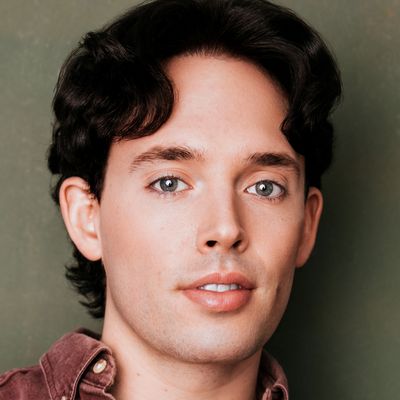
Take A Bow with JJ Nieman. You may have seen JJ in Book of Mormon and most recently in Ratatouille: The TikTok Musical. This week we dive into the life of being a swing on Broadway and what life is like without live theatre... Read More
From the show: Take A Bow
Guests
Featured Shows

About
Take A Bow with JJ Nieman. You may have seen JJ in Book of Mormon and most recently in Ratatouille: The TikTok Musical. This week we dive into the life of being a swing on Broadway and what life is like without live theatre. We also talk about outlets/resources actors have now turned to due to the Broadway shutdown such as creating TikToks, social media, virtual events (cabarets, musicals, plays, benefits, etc.), teaching classes and more.
For more information go to @jj_nieman on all social media platforms.
@takeabowpodcast
Transcript
This transcript was automatically generated and might contain errors.
[0:00] Eli Tokash: Hey everyone and welcome back to episode 34 of Take A Bow podcast or welcome to Take A Bow podcast.
[0:06] Sydney Lucas: I'm Eli Tokash and I'm Sydney Lucas and today we have a little bit of a different guest. We talk about the realm of TikTok as well as Broadway and the rehearsal process and tech processes of making a new show and lots more with JJ Niemann.
[0:12] Eli Tokash: Yeah and if you go check out his TikTok it's just his name JJ Niemann and he is extremely creative and talented and he finds a way to educate people but in an entertaining way on TikTok about the Broadway world and the theater world and he pretty much fuses Broadway and TikTok perfectly and he's so funny and this was such a blast.
[0:27] Sydney Lucas: Yeah so without further ado JJ Niemann, curtain up.
[1:03] Eli Tokash: So today you may have seen our guest in Book of Mormon on Broadway or most recently in the ensemble of Ratatouille the TikTok musical which speaking of he now has over 550,000 followers on TikTok accumulating over 30 million likes. He's been a main influencer on the theater TikTok and it's been so cool to watch the combination of Broadway and TikTok and just keeping the Broadway magic alive and seeing this representation on social media and clearly people are loving it so welcome to the Take A Bow podcast JJ Niemann.
[1:48] JJ Niemann: Hi thank you for having me.
[1:50] Eli Tokash: Welcome we're so excited.
[1:52] JJ Niemann: Thank you I am too. So let's talk about TikTok first and then we'll talk about Broadway and all that fun stuff.
[1:55] Eli Tokash: What inspired you to like start creating TikToks?
[2:00] JJ Niemann: Well I used to have a YouTube channel when I was younger so I when I was like 12, 13, 14 and I was home-schooled for a few of those years and so I was doing shows all the time and also just like delving into the internet world I guess and I definitely like I stopped doing it for a few reasons because of like cyberbullying the internet can be kind of brutal when you're like a kid and I just couldn't handle it but also I you know was going to college and everything for theater and was really busy and I was like I don't know this might be kind of cringy if I keep you know keep doing this which it wouldn't have been I should have just kept doing it but whatever but yeah so I stopped for a while but when I came home during the pandemic which I'm home here in North Carolina with my family and I was like cleaning out you know I reorganized and redecorated everything and I was cleaning out my closet and found all these wigs and stuff that my sisters had gotten me when I was younger for my videos and I had just started using TikTok like watching videos because I at first thought it was just like dancing teens and I was like maybe I'm a little too old for this I don't know if this is my thing but then like you said like I discovered this whole theater community on there and I was like you know what I should just start making things for fun didn't take it very seriously at first I started in like beginning of April of 2019 and then it kind of just slowly built from there and then really took off when I started making my like Broadway actor mic on off videos um and so yeah I feel like that I found kind of a niche with um a lot of theater kids because Broadway feels so like elite and like you know this grandiose thing to some people but it's like no we're all like goofballs we're all theater kids like it's our job yes it's a job but like we have a lot of fun and are very silly and so I think pulling back the curtain and letting people kind of see that has been really interesting for a lot of people and funny for them too.
[3:59] Eli Tokash: You know what I won't have a TikTok account but I have TikTok and so I can I can scroll and I can watch videos and stuff you have been on my for you page so many times and I didn't even realize I didn't even put two and two together that it was you until last night when I was stopping your account for research purposes of course of course of course and and like you said you you're you're not obviously you're not known for the TikTok dances or or the you know the lip-syncing videos but you're unique to TikTok because you have specific I mean you do a lot of things but you normally do skits and one skit that you're well super well known for is like you said what happens when a Broadway actor's mic is on versus off can you explain what like what that specifically recurring skit is and what inspired it?
[4:44] JJ Niemann: Yes so I didn't like plan for it to become like a thing or a series I I was one day just like thinking about Waitress the musical that was the first one I ever did and I always thought it was so funny there's shows like Waitress where when you go to see them you sometimes just look in the back and like in the middle of all these scenes like the ensemble is chilling and they're just sitting in these booths like eating fake pie for like 5-10 minutes at a time and I've always been like what do they talk about like in those kind of scenarios and I'm like probably kind of what we did at Book of Mormon but in Book of Mormon we never had a moment on stage to really talk have full conversations like that and I was like that would be so funny to kind of show that like them pretending to fake talk in a booth and then actually what they really say when their mics are off so that's kind of what inspired it and then I did like one for Annie and Les Mis and then it really blew up when I started doing them with quick changes and like creating I can't believe I'm literally in my chatted bed like in my closet like quick changing wigs having a fake dresser with me but I think people don't realize that a lot of times when you're doing quick changes how fast they are you're singing during it and like people don't understand the mic on off thing like I still get so many comments of people like how do you know when it's off it's like you know like because you do it every day but I yeah it's it's been so interesting to see that kind of take off and like um also get shared around a lot on Instagram and things like that so that's been cool.
[6:13] Eli Tokash: Did you have did you have a role in Book of Mormon where you had to go off stage and do a quick change while still singing?
[6:17] JJ Niemann: Yeah well I was a swing so I had to do all of all of it um so every day was a different quick change for me but there were certain ones like after Spooky Mormon Hell Dream we were singing as we're getting stuff pulled off multiple tracks there's like three or four that are like that where you're literally getting things yanked off of you and you're still singing which I can't imagine so I'm like how are you not hitting the mic when you take the weight off and stuff but you know I guess sound mixing they're geniuses I'm trying to think if there's any other any other times in that show where I did that but I definitely know that moment and there were a lot of moments where we'd be singing off stage obviously and kind of slowly putting on pieces and stuff as we went.
[7:01] Eli Tokash: So like do you ever like have difficulties like trying to figure it out because like you said you kind of just like in your like home and just like have that same background yet you still make each and every one different like what's the process of like the creation and like the ideas and then finding out how to execute it and everything like that?
[7:17] JJ Niemann: I honestly do my best ones when I'm kind of improv-ing I'm not gonna lie like I'll literally open the app and start filming and then I'll be like oh I should do like you know drama between this person or oh what if you left a prop what if I left my prop in my upstairs dressing room and I have to go run upstairs and get it you know like those kinds of things people don't understand that broadway theaters also like are so small well not all of them but a lot of them are so small that you have to go underneath and run up and down all these stairs and so people love hearing about that kind of stuff too but yeah I just improv a lot of them I have a list of like different shows a lot of people put suggestions also in my comments being like oh can you do when someone forgets a line or can you do when da da da da and so I'll usually just write those down and be like at some point you know I'll figure out a way to put it together but I do kind of improv a lot of it in the moment to just let it happen honestly.
[8:13] Eli Tokash: That's some of my favorite stuff to hear about like you said hearing about how you go off stage one end and then like 10 seconds later you have to be on the other end I love hearing about how people just have to run and I love how an entire show is going on and you don't realize that pretty much behind the scenes everyone I someone is running someone is rushing someone is freaking out while doing these quick changes and singing and all of that as they run like it's awesome and the fact that you're like shining a light on that is just so cool.
[8:42] JJ Niemann: Yeah thank you I appreciate seeing all the responses and and you know shares and everything is really really special it's cool.
[8:54] Eli Tokash: Also you're like Denny's waitress and waiter like those videos are awesome I love those too because it's so like theater kid you know like awesome well I think what TikTok has shown me and even if people did one show at their school or did community theater once or children's theater once like we all have such shared experiences that are universal to theater everywhere and I think people seeing people on Broadway now on TikTok because we a lot of us are just chilling you know and so I think them getting to see some of the inner workings and see that like a lot of it is the same like when you go to Broadway like it's a job but a lot of it is the same and and a lot of the joy and stuff is still there right because it's not like it may not be Denny's but it's like Glasshouse Tavern right right so so like there it definitely like I don't know like just the environment and like the I guess routine kind of like carries on to Broadway.
[9:45] JJ Niemann: Yeah it all stays the same yeah it's funny I feel like a lot of people think Broadway like all Broadway actors are super like professional and and like and like this so I have to do this and this but honestly we're all just a bunch of crazy wacko goofballs and your TikTok show perfectly I saw one video that you made where you were like what I thought Broadway was going to be yeah and then another one like what Broadway actually was for you and it was just you having fun with your friends.
[10:16] JJ Niemann: Yeah yeah for sure and I think when when we're in educational theater and stuff too I remember telling my parents because I was you know as a swing I was a replacement and I was had to trail people backstage and watch their changes and like watch their tracking and everything because it's very specific so if like one dresser might like you to take your wig off and then your shoes and then another one is like no you have to take your shoes off then your wig so it's very those kind of things you have to like pay attention to but I remember telling my parents I was like I have been living my whole life in educational theater and stuff with people being like don't talk in the wings like don't don't talk backstage like did it up and then on Broadway like people literally are like singing offstage and they're like I believe and then you want to go get chipotle and like I I thought that was crazy I was like like so I get why people are so confused on tiktok they're like is this really what it's like because I was shocked when I got there I was like is this like people are just talking in full voice backstage because the sound mixing and everything like they know when they can that it's not going to be heard yeah distracting so it's a lot of trust in everyone.
[11:25] JJ Niemann: Uh-huh honestly especially the sound engineers.
[11:31] Eli Tokash: So like recently tiktok had kind of put together this ratatouille the musical and I I have so many questions about this I I'm curious as to what the process was like creating this virtual performance uh can you talk a little bit about this?
[11:42] JJ Niemann: Totally yeah well a like I saw it happening and I was like this is so cute but like not gonna happen and then all of a sudden it was announced that it was and I was a part of like I created some videos of like imagining ratatouille in the rehearsal room and all those kinds of things so I felt somewhat proud because I was like a part of the trend as it was happening but I didn't write any songs for it I just used other people's and so I became friends on social media with Dan Mertzluft who ended up arranging all of it he's so talented and wrote remember my name and I think one of the other ones.
[12:15] JJ Niemann: But we became friends on social media and I literally saw it was happening and I just messaged him and I was like, hey, like, I'd love to be a part of this. And he was like, great, we need singers. And I'm proud of myself for doing that because a few years ago, I might have been like, no, that's too tacky. But honestly, for anyone listening, it never hurts to ask, like, as long as you're not cringy about it, just like, let it be known if you're wanting to be a part of something, a concert, a cabaret or whatever. So he was like, yes, we would love to have you. And at the same time, the choreographer Elmer Scott literally slid into my DMs and was like, hey, do you want to dance for a project I'm doing?
And I was like, is it Ratatouille? I would love to dance for you. And so I don't think like she had known that I had reached out to the music team. So I'm really glad I got to do both. And it's actually really cool because I have auditioned for Eleanor a ton of times. She was the associate for Head Over Heels, King Kong, Cats, Reefer Madness, The Labs that just happened, and just choreographed Little Shop of Horrors, The Revival off Broadway. And so she's now starting to do her own stuff. But I've been in the audition room for her so many times when she's been an associate. And I've always been like, this woman is so fabulous. Like, I just always admired what she did. So the fact that she saw me on TikTok, saw that I was a dancer, a part of the community and reached out was like, so cool.
[13:32] Eli Tokash: I was curious because obviously, like your dancing was on full display. Did you by chance like, help choreograph it?
[13:39] JJ Niemann: There were some improv moments for sure. And so kind of what the process was like, we, it was quick, quick, quick, like they reached out to us like the week before everything happened. And it was the week of Christmas. That was when we were doing everything. They literally, we had our rehearsals on the Monday before Christmas. So like the 21st, I think.
[14:01] Eli Tokash: Was it like Zoom rehearsals?
[14:03] JJ Niemann: So I went into a friend's studio, and it was just on Zoom, the choreographer, the associate, and then myself and Joy, who was the other dancer. And they just taught us everything super, super quick. I didn't really contribute choreography as much as I helped clean and finesse a few things. You know, it's that way with every dancer. They'll be like, oh, I like what you did there. Let's actually do like a slow roll and then fast or whatever. So we learned everything very quickly. And then I had a music rehearsal that night. And so they just sent us the sheet music. We sing in four songs, the ensemble vocalists. So we did like the opening, the rat's way of life, and then the finale and the mega mix at the end.
And so they just sent us the sheet music. And so we did a two hour Zoom rehearsal, which obviously we didn't sing on. So they were just like, okay, so you do tenor one here, you sing tenor two here. Can you actually record both vocal parts here? You do the solo. Can you cut off on three, cut off on four here? And we just had to like plunk. I like, I was like, thank God that I can like kind of sight read because we had to kind of plunk out our own notes and record it with our mics into GarageBand and send them the raw vocals, which was honestly very like vulnerable for me. I was like, my raw voice is just out there. Someone's mixing it with everything. And I don't know if I even am singing the right notes at times. So we just kind of had to trust, like you said, the sound mixers and the editors, their magic, and they did their magic. And we had two days to submit everything. So it was due by Christmas Eve.
[15:30] Eli Tokash: Oh my gosh.
[15:30] JJ Niemann: Oh my God. Well, it turned out fantastic because it ended up raising over $1.9 million, almost $2 million. And there was actually an encore last night, which to hopefully reach that $2 million mark. I don't know if it's come out that you have or not, but-
[15:47] Eli Tokash: Wait, what did you say? Did we reach $2 million?
[15:52] JJ Niemann: I don't know. That's what I'm saying. I don't know if it ended up reaching it or not.
[15:56] Eli Tokash: I don't know yet either. I hope so. I think they will.
[15:59] JJ Niemann: I do too. Yes.
[16:01] Eli Tokash: And they're selling a lot of custom playbills and merch and stuff too, I think. So yeah.
[16:06] JJ Niemann: Oh, that's awesome. Well, it's been, it turned out fantastic and it was for a fantastic organization that raised so much money for us. So what you guys did in the time that you volunteered, it was a crazy two days, but it was definitely worth it.
[16:20] JJ Niemann: Yes, it was crazy. I was like, I don't know what this is going to look like or sound like. And then when it came out, I was like, I mean, you can tell it was a little bit quickly put together and everyone filmed videos very last minute, but it was still like magical. And I think it was just like nice and raw and rough around the edges, like a TikTok musical would be.
[16:38] Eli Tokash: Totally. And I-
[16:39] JJ Niemann: Yeah, true.
[16:40] JJ Niemann: I loved the fact that there were times where you guys, the dancers and Kevin Chamberlain, that you guys kind of use some TikTok effects to like incorporate TikTok in it. I loved that.
[16:51] JJ Niemann: The clone filters.
[16:52] Eli Tokash: I was like, that's genius. Yes.
[16:54] JJ Niemann: Yeah.
[16:54] JJ Niemann: I loved it. And just like the way, like, there's not a lot of virtual, like actual shows going on. There's like cabarets and stuff like that. So just to have something like this, like during these times is, it was just awesome to see.
[17:09] Eli Tokash: I agree.
[17:09] JJ Niemann: So like bravo to you guys.
[17:11] JJ Niemann: To get to be a part of something again, like something bigger than my own videos, like I got to be a part of a project, even though we were all separate from each other. So it was really special.
[17:20] Eli Tokash: Yeah.
[17:20] Eli Tokash: Totally.
[17:21] JJ Niemann: So let's rewind a bit and let's go to the beginning. When did you first want to be a performer? What first inspired you to be a performer? And how old were you?
[17:32] JJ Niemann: Yeah, I think I wanted to be a performer much longer than I knew. Like I didn't intend to go into it like a career because you both were child actors, right?
[17:45] Eli Tokash: Yeah.
[17:46] JJ Niemann: Like you're like professional, like y'all have our fucker Tina, like y'all are both. So yeah, I literally just grew up doing theater because I loved the community and like social aspect of it. I grew up surrounded by music and dance and my older sisters were doing shows and I had to be eight years old. That was how old you had to be to do your first show at the children's theater.
[18:05] Eli Tokash: Oh yeah.
[18:06] JJ Niemann: Back in and out.
[18:07] Eli Tokash: That is the most arbitrary rule.
[18:10] JJ Niemann: Right? I don't really-
[18:12] JJ Niemann: For five-year-olds, for seven-year-olds, like they know if they want to do it, if they love to do it, they got to lower that age, honestly.
[18:20] JJ Niemann: I know. I know. And that was back in Annapolis, Maryland, where there was only a few community theaters. Now where I live in Wilmington, like I moved like a year after I did my first show. I did Charlotte's Web. I was Avery, the little bratty brother.
[18:32] Eli Tokash: Yes, period.
[18:34] JJ Niemann: Yes. So, which is a musical, like, I don't know. I've never seen anybody else do like a musical Charlotte's Web, but I guess it exists. So anyway, I moved to North Carolina where there's were a ton. There just, there isn't a professional theater here in Wilmington where I live, but a ton of community theaters, like 15 or something. And so I did shows like year round and I really just did it because I loved the community. And then basically when I was like a senior in high school, then I was started auditioning for colleges. Like one of my directors was like, there are conservatories and places to train. And I didn't even know that you could train in musical theater in college. I didn't like really put that together that I could actually do that as a career. So I kind of just went all in for the colleges, not knowing what I was doing, but I still did it.
[19:19] Eli Tokash: Was it always like musical theater? Did you kind of like see dance or like, did you have a thing that you did before college and then it kind of like grew into the musical theater?
[19:30] JJ Niemann: No, I basically just did. I don't think I, I might've done like one play, but it was always musicals. I never did competition dance or any of that. Basically I would do like a once a week, like musical theater workshop thing. That was like an hour of jazz, an hour of tap. And it was very fun, but it wasn't technique based. So I didn't really learn techniques until I went to college, especially vocal technique was a not a thing that I knew I would not have been able to sing show weeks. I don't know how y'all did that at a young age. I could not have done that.
[20:02] Eli Tokash: Just a natural triple threat, like not a big deal.
[20:06] JJ Niemann: And now for a brief intermission to prepare for the rest of the episode.
[20:10] Eli Tokash: So wait, so you went to Elon University, right? And you, you obviously did their theater program. And after you graduated, you pretty, pretty immediately went into Book of Mormon. Can you explain what that audition process was like and just how quick it was?
[20:29] JJ Niemann: Yeah. Yeah. I love telling the story now because it's kind of like, sounds like a Cinderella audition story. But at the time it was so stressful and chaotic, but in a good way. Unlike a lot of schools that do showcases in New York, we bring casting directors and agents to campus at Elon. And like, by the way, we raise all that money. Um, the faculty and stuff helps like a little bit, but we raised like $20,000 to be able to do that. But putting on shows, cabarets, fundraisers selling merch, you know, all those things being business, businessmen and women. And so basically we brought down a bunch of, you know, agents. That's how I ended up signing with my agent, CGF Talent. And we also do like workshops with the casting people.
So we brought down someone from like every major casting office. So Stephen Copel was one of the ones that we brought down and he was an associate with Kerry Gardner who casts Book of Mormon. And so I guess he probably sent, I don't really know what happened. I guess he sent recommendations to them and five or six of us in my class got emails from Book of Mormon Casting to submit self-tapes. So we submitted, uh, yeah. So we submitted stuff from the show, like scene sides, um, a song of our own, a tap of our own. And then we actually all got callbacks to come to New York City and the callback happened to be the Monday after we graduated. So we graduated on a Saturday and, uh, I packed up my apartment the next day and flew to New York with a carry-on suitcase to go up for like a few days.
Cause I was scheduled to do shows at like the Muny that started like in a week, Main State Music Theater. Like I had like four months of work lined up. So anyway, I went up for this callback and we basically did all the material that we did for the self-tapes, but also did like two different dance combos that they taught us, that the dance captain taught us. And then I got a callback for the next day and I didn't realize that they were looking, you know, when you're auditioning for a long-running show, you never know. They didn't say they were looking for anything immediate or if it was tour or Broadway, like we didn't know. So I went to the callback the next day and it went really well. And then we also, the dance captain pulled me and two other people into a room and taught us an extra combo, which I later learned was kind of the swing test to see how detail oriented we were, how quickly we could pick up choreography.
Cause when you're swing, obviously you have to learn everything very detailed and differently. So I really just honestly nailed it. I just felt like it was a great audition. Didn't know what was going to come from it. And then after I left that audition, that callback, I got a call from the head of my program at Elon. And she was like, Hey, did you just go in for this casting director? And I was like, yes, I literally just auditioned for Book of Mormon. And she was like, okay, well they were asking about you and for reference. And basically they were asking her because they were like, this kid is 21 years old. Like can he handle being a swing? Can he, is he organized? And I was actually the head of my program's assistant at Elon.
So I was the one responding to her emails, running audition days for her and all those things. So she was like, yes, he is one of the most organized people I know. He'll be there with color coded notes. So I was like, okay, well now I have to live up to that. But anyway, so I knew that you were like really interested. And my agents called me that night and said, basically you got it, but they are waiting for some people to sign off that they videoed it and they wanted like Casey Nicholaw and other people to sign off. So I went, still went to another audition the next day because I didn't know if I, you know, I didn't know if I had gotten it or not. And I had an immediate replacement appointment for Charlie and the Chocolate Factory at the time.
And I absolutely, I didn't blow it, but I just did not do well. I got cut immediately. I wasn't what they were looking for, you know? And I was like, okay, this is a little bit more what I've heard is New York and like the kind of you go to an audition, you get cut like the normal. I was like, okay, cool, cool, cool. This is more normal. And I left after getting cut and I had a voicemail from my agents that I had booked Book of Mormon and they were like, you'll start today at 3 PM. So go to the theater, sign your contracts and you'll start music rehearsals.
[24:31] JJ Niemann: Yes, I was like, wait, what? Why is it this last minute? I also didn't live there. I didn't have a place to live. I didn't have anything with me. No, you just had a carry-on. Yeah, so it was crazy. And I jumped right in and I literally found a sublet and I, yeah, it just like I started immediately and it was really crazy. And I had to send my, I had to ship my key to my parents so that they could drive two hours to pick up my car that was at the airport in Raleigh and get my like car that had my entire apartment in it. And then at one point on a day off, I had like a Monday off and I flew down and like got the rest of my stuff. Like, yeah, it was crazy. Oh my gosh, that's just one after the other.
Yeah, it was wild. It was wild. How quickly after rehearsals and everything did you make your Broadway debut? I had about, because I was a swing, you have a little extra time to learn stuff versus when they're putting in someone who's just doing one role, they normally have like two weeks. So I had four weeks, which was really nice. And yeah, it was kind of, it was crazy because whenever, you know, for anyone who's done a replacement job, like I was in the music room learning all of my harmonies, just basically sight reading. And he was like, okay, today we're going to do this track that sings the bottom line here. You sing the middle line here. And then the second from the top in four parts or like, you know, it's, it was very much like wild to learn.
So I would just record everything and then go home and drill it all. And then with, you know, when I was learning all the choreography and the staging, I was, it was just me in a dance studio with a number line and the dance captain and him saying, okay, you do this move at 12, cross to center, partner with this person and then cross behind this person, but in front of this person, as you go to A. And like, I had to learn all that without anyone there with me. So it was like really wild, like making my debut was like a fever dream. It was like when I actually had to do it in front of an audience with all the elements and the whole cast on stage, I, I was like, let's just freaking wing it, shove with love.
We're going to make it there. And, you know, you learn to take yourself a little less seriously too, because you're like, I cannot be perfect at this because I haven't gotten a test run. Like we're just doing it. Right. So was it scheduled or did you find out last minute? Or did you know that it was good? You were making that Broadway debut on that day? Kind of half and half. I ended up making my debut a week earlier than I'm supposed to. So all of my friends and family booked flights and stuff and got tickets. I had like 10, 15 people coming to my debut. And then I ended up debuting a week earlier. But you know what, I'm so glad because I didn't, I wouldn't have wanted everyone to see like my first ever, like, but I did have five or six friends that all came in basically did standing room because I found out like the day before I think that I was going to be on.
So ended up doing a completely different role to debut. So yeah. Wait, so just, just in case there's somebody out there who's listening to this who doesn't know what a swing is and all that is required of a swing, which is so much, can you explain to them what a swing is and basically what the responsibilities of a swing are? Of course. Yeah. It kind of varies show to show. I had to cover seven roles in Book of Mormon. So basically all of the Mormon ensemble. And so what you do is as a swing, you're kind of like an understudy for the ensemble. So we're there at work every day, but it was a really fierce job. I mean, I was there for two and a half years. So I, some days would come in and 15 minutes before the top of the show, someone is stuck on a train underground and they're like, boom, you gotta go on.
And you know, some days I hadn't shaved that day. And I was like, okay, God, like the Mormon look is very particular. So I would like to have to do my hair and all that stuff. But yeah, so you're there all the time in case somebody gets sick. Yeah. And then, and then we have a lot of planned days that are vacation days, personal days, you know, paid leave days, anything like that. A lot of dates are planned in advance, but a lot of times you're just like thrown on and you have to just be ready for it. Sometimes people go on mid show or sometimes a lead gets sick and then an ensemble member has to go on for the lead. So then the swing goes on for the ensemble member. So it's a domino effect as well.
So yeah, it's, it's crazy, but having to know all of the choreo, staging, like props, set changes, quick changes, vocal lines, solos, all that for each person. It's kind of like almost like a math equation, but it also is hard when like you might do a matinee singing tenor one and then have to like recalibrate your brain to sing baritone for the next show. And you're standing next to the person that you were that afternoon. You're like, I need to not, I'm not that person. I need to like get to this point. You know, it's crazy. Did you do anything to stay organized and to make sure that you, I guess, remembered each individual's part? Well, like the head of my program said, I would be there with color coded notes.
So I was like, I want to call this like the blue track. This is the orange track. This is the yellow track. And I wrote it all into, you know, notebooks and in my sheet music, I would highlight and I would like break down all of the roles. And funny thing is that three months into it, they did this switcheroo where like one person was in an ensemble track and got moved to another and they brought someone else in for theirs. I guess like maybe they thought it was like an upgrade of an ensemble track. It wasn't really. It was a little bit easier. So I guess that's the upgrade. But they had to change the vocal part. So I had learned that like the yellow track was, you know, baritone and the purple track was baritone or whatever.
And then I had to switch it and be like, now the yellow track is a tenor one track. And like that was hard because I had just started like two months before. Yeah, I did color coded. And I basically once I learned everything, I put it onto cheat sheet note cards and I also drew out the formations. And so I could literally flip through. And this I did this all the time because I didn't trust my brain enough to just go out there because you don't want to be thinking in the moment, like second guessing yourself. So it helps to just visually see it. And so I would flip through before the show, like each dance number and just flip through and follow. OK, right. They go to do to do to do to do to do and like so that I knew all the numbers.
And so I would you know, that helped to have those little cheat sheet note cards and I could even bring them with me around backstage if I got swung on at the last minute and needed to like have a refresher before I went on stage. How many tracks did you cover? I did seven. Oh, wow. That's insane. Some shows have like like cats. I think there were like the swings cover like 12 to 15 rolls and like cats. Like how do you even know what you're doing? I'm sorry. There are shows out there that I think are even crazier that I can't imagine swinging. I don't know if either of you have ever experienced this, but sometimes when at least me specifically, when I've been in a show for so long, it gets to a point where I forget what the actual script looks like.
And so I can't visualize it. And when I get to that point, it can get easier for me to just forget the lines that I've been saying for years. And I can't and that's just my part. Like that's just that's just one single part. I can't even imagine that for swings. Yeah, yeah. I mean, it keeps you on your toes. And it really kept it fresh for me because there was, you know, certain people that don't ever get sick and are just really healthy. And I will be going on for this track and realize I haven't done this in five months. And like, that would happen. And I was like, how? How have I not done this in five months? Like it feels like a new show a new debut all over again. So it really does keep it fresh because the people you interact with backstage and on stage and everything are different.
And that makes it really fun. What was your favorite thing to do backstage? Well, we would watch I mean, I've watched a lot of Netflix played games. We would have cute little kikis like after the show, like have our little bar moment. Yeah, during I mean, I also became obsessed. I hadn't. Gosh, I can't imagine my life before drag race, but I didn't start watching drag race until the summer I joined Book of Mormon. And as soon as I realized how obsessed I was with it, I backstage watched every season of the show, which now at this point, there's like 15. And so I watched every season and like would also have viewing parties backstage because like someone had a projector in their dressing room.
So I'd go to the standbys room and we would hang out up there. So yeah, it was really fun. But a lot of times specifically the first six months to kind of a year, I was either like kind of trailing backstage. I would watch the show a lot as I got really comfortable. I would watch it maybe once a week if I wasn't on barely ever a week went by where I wasn't on for at least one show. It was like probably two weeks out of the total two and a half years that I wasn't on like in a whole eight show week. People at Book of Mormon, they've been chilling. A lot of them have been there for a long time. They have a lot of days accumulated and things like that. And the company management is just so chill that they took a lot of time off. And I was very active as a swing. And to be honest, I usually did between one to five shows a week. Like that was normal, like every week.
[34:00] JJ Niemann: Whoa.
[34:01] Host: That's awesome.
[34:02] JJ Niemann: Which was so awesome.
[34:03] Host: And different tracks or like of the same?
[34:04] JJ Niemann: No, always different. Yeah.
[34:05] Host: Whoa.
[34:06] JJ Niemann: Wow.
[34:06] Host: So it was just always a different show for you every single night.
[34:08] JJ Niemann: Yeah. Well, that's the tricky part though is that sometimes you like just got your food, like you went to the gym, you like get to the theater and you're like, you know, eating dinner and you get swung on and you don't even have time to like eat food. Like you didn't operate your day. And that's the tricky part is you have to almost always plan your day around like, I might be on tonight. Like that inconsistency is kind of difficult sometimes, you know?
[34:30] Host: Yeah, you can't actually plan for it.
[34:32] JJ Niemann: No.
[34:33] Host: You just always, always kept on your toes.
[34:35] JJ Niemann: Always be warmed up, but you might just be sitting on your butt for three hours. Like it's so weird.
[34:40] Host: And then the off day where you're like, I don't think I'm going to go on today. I'm, I'm confident. So I'm just gonna, I hope I don't go on today. I'm gonna, like you said, I'm going to not shave and just.
[34:48] JJ Niemann: Yeah. Or you're like getting ready for like something that night and I might be putting on some makeup. I don't know. Like, you know, sometimes you're like backstage and you're just like chilling, but like, you have to be ready at all times for anything.
[34:56] Host: Yeah.
[34:57] JJ Niemann: I do it again for sure in a heartbeat.
[34:58] Host: Oh, of course.
[34:59] Host: And now for a brief intermission to get a beverage, go to the bathroom, whatever you need. After all, we are at the theater. Well, our home theaters, but you get the gist.
[35:07] JJ Niemann: Yes. So first of all, oh my gosh, I love that show so much. I needed to come to New York. I mean, I think that's the plan, but obviously it depends. I mean, when is anything coming back as live theater? So it's just, it's just a time thing, but I got to be a part of, like I auditioned for it back in like August of 2018. I got cast in like the lab workshop development moment for a month and that was really fun. Also very challenging to come in every day with new script pages and, oh, hey, we wrote a new song last night. It's like crazy. But I ultimately like really, really want to be a choreographer, director choreographer, but specifically a choreographer. And so getting to be a part of the creation and seeing it work like that.
And also a lot of times they just trusted us and were like, hey, can you go in the corner and like figure out an eight count here? And I was like, yes. So I got to contribute a lot of choreography to it. That's still in the show. So that's cool. And also because it was a workshop contract, not a lab, we actually have a stake in the rights and stuff still, which is really nice because that was before all of the lab agreements had come through. So yeah, and then I ended up doing a reading of it in the following May of 2019. And then that summer when we did the workshop, they obviously presented it to tons of producers and all of that shopped it around to theaters and Fifth Avenue Theater in Seattle ended up picking it up.
And so we found out that summer, they just offered me the job. And at that point, I had been in Book of Mormon for two and a half years. I actually got approved for a leave of absence. So I could have gone and then came back. But I was like, I think I've done my time. I lined up some gigs for the following summer. I was going to be doing Newsies this summer, this past summer. So I'm.
[36:47] JJ Niemann: I think I want to just spread my wings and audition for whatever I want to and just kind of be free to do that. And then, obviously, we got through our whole few weeks of shows in Seattle. And I will say, there were a lot of shows canceled at the beginning. We had to cancel like four or five performances because the tech was crazy. And the set, it's like a fairy tale fantasy musical. And so the set was very elaborate. And Mrs. Doubtfire was actually right before us doing their out of town there. And they extended their run a week, which meant they were a week later in building our set and putting it together. And so it just wasn't ready. And it would have been too dangerous to do with automation pieces, you know, not working properly.
At the time, we thought it was like the worst thing in the world, having shows canceled. And then lo and behold, every show got canceled after that. But we at least got through a whole run. They even added on some performances. But yeah, the tech process of that was grueling. Getting to see a show from like a studio version of it to its full fantasy spectacle. I got to play a freaking unicorn. I got to be a hip hop jester. The show was like so good. And there's so few shows out there now that's completely original story, book, music, everything. So getting to be a part of that where they can literally take the show in any direction. They can totally rewrite it if they want to. And they probably still will change some things.
But I'm excited for the world to like hopefully see it one day. Yeah. And also like you said that there's still choreography in it that you contributed to be able to look at and be like, I did that. That's my part.
[38:21] Eli Tokash: Does it help in the creation of a show to have like the expertise of people like Mary Mitchell Campbell and Josh Prince and all of that when starting a new musical?
[38:31] JJ Niemann: I've auditioned for Mary Mitchell Campbell so many times for like Mean Girls and Promenade. And so it was awesome that I got to finally work with her. And she and the whole music team took the music and like blew it up with the orchestrations and everything. It turned it into something so incredible. So getting to watch that happen and getting to work with the team that we were with was absolutely amazing. Like they truly got the best of the best for everything.
[38:55] Eli Tokash: Yeah. It's so funny because I know exactly what you're talking about when like watching Mary Mitchell. I worked with her in Finding Neverland and I worked with Josh Prince in Trevor in Chicago.
[39:06] JJ Niemann: Yeah, so we I love watching them like literally, Josh Prince was who I based my character off of. Because he was just like, I love watching him. And like, I could literally just, he's like a whole show in itself. Like, yeah, seriously. So yeah, I mean, like, in doing like choreography and stuff from him, and it's just so fun. And I know what you mean by like, he's like, trust you. And like, he'll ask for your opinion. And it just makes the whole room so comfortable. And you can always come in every day, like trying new things and being confident in like the new choices that you make with people like that.
[39:45] JJ Niemann: Yes. Also, like he trusted us because there's so many amazing dancers in this show and people from Hamilton and all these shows. And he hasn't done a ton of like, more hip hop contemporary choreography. So he did trust us to add our own spice and flavor to it and make it something really fun and special. So I love that he like trusted us to do that.
[40:02] Eli Tokash: Totally. You know, like you mentioned earlier, you were going to do Newsies last summer, right? And were you gonna play Jack Kelly, the lead?
[40:12] JJ Niemann: I was also gonna be choreographing it. God, I don't know what I was thinking. I don't think I could do it. I don't think I could. Did you start the process?
[40:19] JJ Niemann: We cast the show. I also like, like I came for callbacks here. And it's like my hometown theater. So it was kind of like my return moment. And you know, Equity Contract, all that they did all the guest artist stuff. And I also went to colleges like Elon, like my alma mater, and cast a bunch of students from there as dancers. And so they were bringing in like a ton of people, which is a big deal here. And so it was going to be really, really cool. And yeah, and then it and then then it shut down. But we had cast everything already.
[40:55] Eli Tokash: Is it still gonna be happening or no?
[41:00] JJ Niemann: I mean, they still have the rights, and I'm free and available. So like if things, you know, theater restrictions, if they find ways to safely do it. We also have a big touring house here now too. So they could do like a distanced audience, because no tours are coming through right now. So if they're able to do a distanced audience, and the stage is really big, like I think that they could come up with something really cool. So that'd be fun.
[41:18] Eli Tokash: And now giving it more thought, would you still do Jack Kelly and be the choreographer?
[41:22] JJ Niemann: I think I would have to pick one or the other, just because the thought of running rehearsals and yelling and all that, and Jack Kelly and yelling, he like yells the whole show. So I want to do both. I think also, if I have a lot of time to prepare, I'm just going to come in day one, off book and have every choreo thing planned as much as I can, and then pass it on to an associate or an assistant and say, you run these rehearsals, because I can't, you know, I think that would be true.
[41:47] Eli Tokash: I wanted I wanted to know, what was something you wish you knew before you came to New York and pretty much threw yourself head first into the non stop, you know, work of a theater actor?
[42:05] JJ Niemann: Oh, that's a great question. I think in terms of Broadway, I think you need to remember that it's a job and it's a workplace. I came in very bright eyed and eager. You all might have felt the same way as like kids, you know, working with professionals. I don't know, maybe like, I don't know. But I was very wide eyed, eager, just like, hey, like, what are we doing? Like, you know, I was going into a workplace of a long running show that had been running for over six years. And so everyone was like, calm down, little boy, like, take a seat, like, you know, and so it was a little hard at times, but I also had to learn some lessons. I had to also learn that, like, you have to operate your life around what you do that night.
That might be someone's first time ever seeing a Broadway show. That might be someone's last time ever seeing a Broadway show. And so you have to recognize that, like, even though you do it every day, like you deserve, people paid a lot of money and you deserve to give people your best. And so don't be too ambitious with the social hours because I tried doing that and it was not, it didn't work out because sometimes I was like, I can't do that. So anyway, I learned that lesson very quickly on what I could and could not do and how to take care of myself better, prepare every day for what I had to do on stage. That's just a sacrifice that you make. But the beauty of being employed, like, you are employed, so be happy about it and, like, do the work.
[43:20] JJ Niemann: Something I wish I learned a little bit earlier, and I don't think this is something that you can just, like, kind of have to work on it over time, I guess, but I spent so much of my life, A, trying to replicate what other people did and, like, their careers and sing like them and look like them and da-da-da-da-da, that I kind of wasn't allowing myself to be my true, authentic self. And I also spent so much time caring about what other people think. I think that's the hugest thing that I've learned from, like, putting myself out there on this huge platform in social media is that, like, no matter what you do, someone somewhere is going to have something negative or positive to say about it. Even if you live in the middle of nowhere with no Wi-Fi and cell service and, like, are hiding away, like, someone is still going to say something.
So you can't let someone else's opinions of you and perceptions of you force what you do, basically, and letting their perception of you direct your path because it's just not healthy, you know, and you have to be who you are. And I think, like, that's a cliche statement, but, like, once you really understand it, I've been doing a lot of therapy this year and working on myself, and I'm like, discovering all this amazing stuff, and I'm like, why have I shut myself off from so much for so long?
[44:32] Eli Tokash: Oh, such good advice. Yeah, seriously. Okay, last question. When Broadway opens back up, if you had the choice of, like, any musical to start back in on, what would it be and why?
[44:39] JJ Niemann: That's a good question. I mean, honestly, I want to be in an original Broadway cast. That is obviously a dream. That's everybody has that dream until they fulfill it, because it is just really cool. And, like, I got a little taste of that with Ratatouille, and I was like, I get to be, like, a part of something, like, from its inception. And Bliss, too. I would really love it to be Bliss going to Broadway. Before Mean Girls closed, I probably would have said Mean Girls because that show is so fun, and I just, I love the choreography and love dancing in it. But it's not there. So out of the ones that are there on Broadway right now, probably Hamilton. Like, I watched the choreo, and I just have never, I've never seen movement in a show that I have been so obsessed with.
Like, when I'm watching it on Disney Plus, and, like, when I saw the tour, I'm not watching the leads. I'm watching the dancers. They are storytelling. And it's so, like, smooth and precise, and I'm obsessed. So I just want to be able to dance that show one day. I don't care what I play in it, just throw me in there. Every single move they have has a deeper meaning to it. It's kind of crazy. And you, and even, like, I've watched it so many times, even, even still, I'm still noticing things about it though. Like, oh my gosh, did you see what that, did you see what that dancer just did with that, like, bullet thing? That's so cool.
[46:00] Eli Tokash: Yeah, it's crazy. It's so cool. Well, JJ, I could literally talk to you all day. Thank you so much for doing this. We had a blast. Do you guys have anything that you want to add before we go?
[46:05] JJ Niemann: Well, you can find me on social medias, you know. I'll probably link everything. But honestly, if people have questions, I've been trying to make myself as accessible as possible for any theater kids or people out there that are just, like, curious about learning about certain things. So I'm doing lots of coachings online, and my DMs are always open. So if anybody has any questions, please feel free to reach out.
[46:30] Eli Tokash: What are, what are your ads? So people listening to this can can go to your TikTok or Instagram.
[46:37] JJ Niemann: Yeah, it's just my name at JJ N I E M A N N. That's the same on TikTok and Instagram. And then I'm available to book on Broadway Plus, Artists and Beyond, Broadway World Stage Door. Yeah, all those, all the good things. Everything.
[46:47] Eli Tokash: It is true. His DMs are open because I just shot him a DM and that's how he's on today. So yeah, yeah, he's definitely, thank you so much. Like, this is awesome. Go check him out on all his social media platforms.
[47:00] JJ Niemann: Thank you so much for having me.
[47:01] Eli Tokash: Take a bow, JJ Niemann. That was, that was a blast. He, he was so incredibly nice. And he was just so lovely to talk to. And he gave great insight as far as all things TikTok, even being a swing, which was something that we really haven't focused on, on this podcast, we may have, like, talked about it briefly. So it was cool to hear his perspective of being a swing and kind of get the day-to-day aspect of the life of the swing and just the rehearsal process and everything like that. It was just a blast. So we can't thank you enough, JJ, for coming on.
[47:36] Eli Tokash: Yeah. Everyone, please, please, if you have a TikTok, go check out his TikTok. Or if you don't have a TikTok, get TikTok, then go check out his TikTok. Or Instagram, I'm sure he posts his, some of his TikToks to his Instagram. He's such a lovely person and so funny, so talented, so creative. And it was so exciting to have him on. It was so cool that he got to be a part of Ratatouille. And I loved what he said about if you want something, you know, don't be cringy about it, but it's, it's important to reach out because what's the harm? Like, if, if you want to do something, just ask, just put it out, put it out into the universe. And honestly, with the way I can relate it to our podcast is a lot of times we want guests on that we don't think is even possible to get on. We have to remind ourselves, it's, it doesn't hurt to ask. And so we reach out and we end up getting incredible guests.
[48:20] Eli Tokash: I think another thing too, like JJ mentioned that when doing that, there's a, I guess, fear that you kind of second guess yourself as like a, oh, should I do this in a cringy way? Because he was saying that he would never reached out to the music director for Ratatouille, like a couple years ago, because he, he was just like, he didn't have, I don't know, like, he just didn't, he wasn't comfortable with doing it. And something that this has definitely taught me was just to shoot your shot. And like, the end of the day, like we have to remind ourselves that like, these people are people too. Like just because they've been on Broadway, like it's just another job. You have jobs too. When he said that it kind of just like made me have that.
[49:03] Eli Tokash: And even like reassure myself because even I to DM JJ was like, "Oh my god, should I do this? Like, what? I don't know like what to do." Like, I was like so nervous to do it and then just like hearing that from him, it kind of like took a weight off my shoulders. So like, don't be hesitant, don't be shy to reach out and you know, you may never know, like you can start a great friendship and some cool things may come out of it like this for instance. Yeah, this week there was a benefit event that was on last night, so that was on Sunday, January 10th, and it's called the 11 o'clock number. It was hosted by Laura Hayward, who's like Broadway Girl NYC. She's like a reporter and like just hosts a bunch of events and everything like that.
But this game night was absolutely hilarious. It included guests like Annalie Ashford, Sara Bareilles, Laura Benanti, Celia Keenan-Bolger, Alex Brightman, Telly Leung, Eva Noblezada, Reeve Carney, Andrew Rannells, and then it had Take A Bow guest Max Van Essen. It raised money for the Actors Fund, Black Theatre United, and Project ALS. And just last night, they raised $18,000 for those three charities. So it was just a fun thing. It was a great way to just escape and laugh after this wild two weeks of 2021 and just to have that and see like your favorite Broadway people on a stage again. And the whole game night was basically drunk Pictionary, so it was hilarious. And like the Pictionary was all Broadway shows, so like they were trying to draw Broadway shows. It was absolutely hilarious. Oh my gosh, and that's also just a group of legendary people right there, right?
[51:01] Sydney Lucas: Yeah, I just had to mention it. I know it like passed and like you can't go back and watch it unfortunately, but it was definitely something that was so incredible. And actually even on top of raising the money that they raised last night, they're now gonna post the people who drew their picture for Pictionary. They're going to label it as what musical it was, they are going to sign it, and then they are going to auction it off in hopes to raise more money for those charities. So keep an eye on that if you're in love with any of those Broadway people. Kelly O'Hara actually made a guest appearance, but it was like in a video. She wasn't there in the event, but it was cool to see her face again. And Rob McClure, so like all of these people were there. And if you love them, go check out their drawings that they made and you can get their signature and donate to a few great charities.
[51:55] Eli Tokash: Yeah, should we turn it over to the Drama Dictionary? Shout out to Diana Wright for that.
[52:01] Sydney Lucas: Yeah, yeah, yes. Thank you for that awesome name. Okay, so yeah, our term of the week is, and it's something we talked about, which is something we talked about on the podcast before, but it's something we talked about in this episode with JJ. It's tech.
[52:13] Eli Tokash: Oh, I was wondering what that was.
[52:23] Sydney Lucas: He did a drum roll. I thought someone was like banging on your door.
[52:30] Eli Tokash: No, no one's coming in, I promise.
[52:30] Sydney Lucas: Tech is the in-between phase of opening a show and the rehearsal process of a show. So when you are starting a show, you don't have a set show already, so you kind of need to figure out all the technical side of things because obviously when you start a show, you're just doing rehearsals and you're kind of just focusing on the story that needs perfected, the choreography that needs created, the spacing and the lines and everything like that in the music, your vocal, like JJ said, the harmonies and all of that. So you're all working on that, and then you add the technical layer. So then you go into a theater, the theater that you're eventually going to open the show in, and you are going to have this long process, and it takes about a week.
And you have to basically do everything that you learned in like half the speed, like one eighth of the speed of what you did because it's for the lighting designers, it's for the microphone and the sound mixing, and it's for the orchestra, and it's for all of these technical side of things figuring out how this all works. So we have to slow it down as actors and as the performers so that they can do what they need to do in that time. So a lot of time it's when you're, they go number by number or scene by scene and you'll be asked to stand in a spot and you'll hit your spot. As soon as you move, you'll stay in that spot and they'll yell stop and then they'll get the light on you so that they know what the lighting cue is so that the next time you do it, the next time you move, they can just hit a button and it'll be like an effortless transition.
So it's a lot of, like I said, little technical things, which is probably why it's called tech, and it's for all of the crew and all of the orchestra and all of them. So it's a really cool and interesting process that takes a bit, and you definitely have to like slow it all down as an actor. And then in previews or like the last day of tech is when you'll like finally have that full speed performance that you normally do with everything, with automation, with sound, with lights, with everything.
[54:43] Eli Tokash: Yes, perfect, exactly. Yeah, it's literally just moment by moment. And the amount of times that either it's the director or the stage manager, I don't even know, says, "Okay, stop in that position," and you just have to stand there and just stand there for so long. But you get to like kind of socialize with your other, with your, with the other people who are a part of it, but you just have to stand there. And then they're like, "Okay, go," and you're like, "Yes!" And then you take one more step and they're like, "Stop!" And I'm like, "Oh my god, this is so long." But you know, it's super important. And obviously we as actors, we have the easy part. We just have to stand there. Like there are people who are actually doing all this work with our mics and in the lighting, and it's so much harder for them, I'm sure.
[55:34] Sydney Lucas: I'm sure. But yeah, it's, I actually quite like tech rehearsal, honestly. Yeah, it's fun. And another thing too about tech is it's great because, you know, when you are trying to figure out the logistics of the performance, you kind of want to go full out as you're trying to learn it because you really want to get those muscle memories ingrained in your body and engraved. So when it comes to tech, you know, you've kind of like mastered the performance in the studio and you want to feel the space and everything like that. But also tech allows you to have that vocal rest. Like you don't have to go full out every time and get that muscle memory because that's what you've kind of been working on for the last three or four weeks.
So tech kind of is like, Sydney said, like slow and gradual work, but it also is kind of like a reset for not only your body but also for your voice just to prepare you for the rest of the run because you're going to open in about a week or two when you do tech.
[56:35] Eli Tokash: Yeah, so it's nice. And I'm pretty sure that during tech rehearsals, we do have to wear our costumes because I think they light based on the color of our costume and how it comes and how it looks against the stage, how it looks against our skin. So I'm pretty sure we have to get into, we can't just be in our normal clothes. I think maybe sometimes we're allowed to be in our normal clothes, but for the most part, I'm pretty sure at least Fun Home always, you totally do.
[56:58] Sydney Lucas: Yeah, you totally wear your costume. But you, like you said, like you can wear your normal clothes if it's just like something minor that like, oh, maybe they had to pick up and grab and they just wanted to make sure that it's right or something like that. Obviously, you can just stay in your normal clothes. But tech is really just adding every single layer into the show that couldn't have been added because you were in the studio and you were just trying to learn the choreography and everything like that. And I know we talked about put-ins on the show before, and I think that was actually one of our Drama Dictionary words. Of course, it wasn't called Drama Dictionary at the time, but tech is very much like a put-in for someone that is in opening the show. You know when they're like, because put-ins you join and yeah, so it's like your own, a put-in is kind of like your own tech rehearsal.
[57:43] Eli Tokash: Yeah, if that helps in making a relation to the two or understanding tech. Thank you for my spiel. I have like five minutes on that one, but I hope it helps. So yeah, so yeah, that's tech. It's just adding the text. So that about wraps up this week's episode. Again, we cannot thank JJ enough. That was a blast just to hear his perspective on things. And we obviously talked about some new things too, which was super fun. I hope you all enjoyed hearing a new aspect of theater and social media and growing a following and everything like that. So yes, thank you, JJ. And what you said was just so helpful and knowledgeable and definitely stuff that Sydney and I will take and hopefully the listeners as well. But also just your joy and your presence was just a blast, and I think that people are going to pick up from that by listening to this episode. And we've truly had a blast, so thank you.
[58:43] Sydney Lucas: Oh, for sure. Yeah, so thank you everyone. Thank you for listening and see you next week. We actually did find out some great news, and unfortunately it came up after we recorded. We are happy to tell you now that it is official that Ratatouille: The Musical has raised two million dollars for the Actors Fund. So thank you to everyone who was a part of the Ratatouille musical who brought some entertainment to everyone. And more importantly, thank you to everyone who donated because, I mean, that is such a huge thing, a huge number, and you're just gonna help so many people, and it definitely supports a wonderful cause. So we can't thank you enough.
[59:15] Eli Tokash: Also, one more thing, if you're listening to this podcast Thursday, January 14th, which is the day that it comes out on all podcast platforms, at seven o'clock tonight Eastern Standard Time, JJ Niemann is going to be singing in this virtual concert with George Salazar and Harada and so many more Broadway stars. And that is definitely something that you can look out for. Go to his Instagram, we gave it, JJ Niemann, look him up to follow along and get that link. And also, it's a free event, so anyone can watch, anyone is encouraged to watch and get some entertainment. They will be raising money for the Actors Fund, but a donation is not required to watch. So if you're interested, 7 p.m., go check it out.
[1:00:09] Sydney Lucas: Sick beat, am I right? For our curtain call, we wanted to give a few special thank yous to and for our amazing music, for designing our logo, and Tessie Tokash and Sydney Lucas for editing our episodes. Feel free to subscribe and leave a review on whatever platform you are currently listening to us from. This podcast wouldn't be possible without the help of Dory Berenstein, Alan Seales, Britney Bigelow, and Katie Rosen at the Broadway Podcast Network, as well as our top patrons, Henry Friedman, Brian Thompson, PCC, and Patrick McNamara. Speaking of, if you enjoyed this week's episode of Take A Bow, go check us out on Patreon at patreon.com/tab and become a patron today. Through our Patreon, you will form a relationship with us and get an inside look on what goes into this podcast.
To learn more about this podcast, visit bpn.fm/takeabow and follow us on Instagram at Take A Bow Podcast, where you can contact us with any feedback, suggestions, or questions and keep up with all things Take A Bow. See you next week! Bye everyone.
© Broadway Podcast Network, All Rights Reserved