

In her legendary career, 3x Tony Nominee, Carolee Carmello recalls being in shows from Parade, City of Angels, and OG Falsettos to most recently in Finding Neverland, Hello Dolly, Sweeney Todd and more... Read More
From the show: Take A Bow
Guests

Featured Shows

About
In her legendary career, 3x Tony Nominee, Carolee Carmello recalls being in shows from Parade, City of Angels, and OG Falsettos to most recently in Finding Neverland, Hello Dolly, Sweeney Todd and more. Remembering almost 4 decades of non-stop work, she gives listeners insight on obstacles that a performer has to overcome, working with Broadway's biggest stars, how she prepares for roles, and priceless other advice.
Carolee Carmello, Curtain Up!
Connect with Carolee Carmello on Instagram: @caroleecarmello
Connect with Take A Bow on Instagram: @takeabowpodcast
Connect with host, Eli Tokash on Instagram: @tokash_eli
Produced by the Broadway Podcast Network
Edited by Tessie Tokash (@tessietokash)
Transcript
This transcript was automatically generated and might contain errors.
[0:00] Eli Tokash: Hey hey hey, and welcome to episode 43 of Take A Bow Podcast.
[0:05] Eli Tokash: I'm your host, Eli Tokash, and today, boy, do we have an amazing show for you, an amazing guest.
[0:13] Eli Tokash: I can't, I can't even grasp the gift that you are about to receive.
[0:20] Eli Tokash: And that's 14-time Broadway star Carolee Carmello.
[0:23] Eli Tokash: She is a three-time Tony nominee.
[0:25] Eli Tokash: She is an award-nominated actress.
[0:28] Eli Tokash: Before we turn it over to the interview, let's talk some news, shall we?
[0:32] Eli Tokash: It was an incredible week, everyone.
[0:35] Eli Tokash: A real week of hope for the Broadway community.
[0:38] Eli Tokash: As you all know, Friday, March 12th was Broadway's one-year anniversary of Broadway being shut down.
[0:47] Eli Tokash: So, with that being said, there was an incredible pop-up performance.
[0:54] Eli Tokash: And like, this isn't no like ordinary pop-up performance.
[0:58] Eli Tokash: Like, you know, this is a lot of people, not just like two people.
[1:02] Eli Tokash: The Broadway community came together and they put on another show.
[1:06] Eli Tokash: I have to say, they put on a show in the heart of Times Square.
[1:10] Eli Tokash: It was magical.
[1:12] Eli Tokash: I mean, I wasn't able to attend in person, but even just the videos, you could feel how magical and how special it was.
[1:21] Eli Tokash: Like, it brought me to tears.
[1:22] Eli Tokash: Seriously.
[1:23] Eli Tokash: It brought such a glimpse of hope.
[1:25] Eli Tokash: It was incredible.
[1:27] Eli Tokash: In that pop-up performance, if you haven't heard about it yet, they're calling it a pop-up performance, a we will be back pop-up performance.
[1:35] Eli Tokash: But I'm gonna show you guys that it was not a pop-up performance because it was a full-blown show starring Chita Rivera, André De Shields, Matthew Broderick, Brian Stokes Mitchell, Peppermint, Nikki James, Sierra Boggess, Jerry Mitchell, Joel Grey, Lilius White, Catherine Gallagher, Ryan Redman, and my friends from Finding Neverland, Julius Rubio, Ryan Wersing, Mary Page Danz, and so many other Broadway stars.
[2:05] Eli Tokash: It was absolutely insane.
[2:08] Eli Tokash: I mean, there was literally countless other people.
[2:10] Eli Tokash: I could not name them all, otherwise I would be taking up as much time as the interview with Carolee Carmello.
[2:17] Eli Tokash: Um, so it was insane.
[2:21] Eli Tokash: The videos, the pictures, even just the hope that you get, the joy that overcomes your body is just another level.
[2:30] Eli Tokash: Wow, I mean, seriously, it was just magical, and it is what theater is all about.
[2:38] Eli Tokash: It just validates how magical theater is and how magical the essence of a live performance can bring to the entire world.
[2:48] Eli Tokash: So it was just absolutely incredible.
[2:51] Eli Tokash: If you haven't heard about it, go check it out because it's really something that you won't want to miss.
[2:56] Eli Tokash: You can look it up on YouTube, Broadwayworld.com, Broadway.com, anything, really.
[3:02] Eli Tokash: Just search up We Will Be Back or Broadway Community in Times Square, something like that.
[3:06] Eli Tokash: I can almost guarantee you that something will pop up and you can see it in the performers.
[3:11] Eli Tokash: The pictures, I mean, everyone there was like practically in tears because it brought them back to do what they love and to share the stage and meet new people and see some old friends and all of these amazing things, all of what theater does and what it's all about.
[3:28] Eli Tokash: So it was a true, true glimpse of hope for the Broadway community and Broadway in general.
[3:35] Eli Tokash: Speaking of glimpse of hope, we have another theater that opened up, and that's the Jerry Orbach Theater, and that's gonna be on April 9th.
[3:43] Eli Tokash: So that's only like three weeks away.
[3:46] Eli Tokash: So we are definitely getting close.
[3:48] Eli Tokash: I know it's a smaller house, but I do believe that if all goes well there, then Broadway, those bigger houses and everything will learn from those smaller houses, and they will take the same protocols that the smaller houses are doing.
[4:05] Eli Tokash: And um, we're gonna get some live theater soon.
[4:08] Eli Tokash: I think it's happening.
[4:09] Eli Tokash: By the way, if you don't know, the Jerry Orbach Theater is the home of the Office Musical Parody, which I didn't even know was still on off-Broadway.
[4:17] Eli Tokash: But hey, it's live theater and it's a live performance, so if you're interested, check it out.
[4:23] Eli Tokash: Some more fun things to happen this week were the Grammy Awards.
[4:27] Eli Tokash: Hello.
[4:27] Eli Tokash: They were so fun to watch.
[4:29] Eli Tokash: T Swift for the win, best album of the year.
[4:33] Eli Tokash: I was so happy.
[4:34] Eli Tokash: She just deserved it all.
[4:36] Eli Tokash: She's gone through a lot.
[4:37] Eli Tokash: If you have yet to watch that documentary, by the way, go check it out.
[4:40] Eli Tokash: It's on Netflix, it's incredible.
[4:42] Eli Tokash: It's unfortunate, but what she's had to deal with and what she's overcome is pretty incredible, and now to keep doing it and keep working and keep creating music at such a high level and win.
[4:55] Eli Tokash: Hey, kudos to Taylor Swift.
[4:57] Eli Tokash: It was awesome.
[4:58] Eli Tokash: But the reason I brought this up was because Broadway has a category on the Grammys, and for this year's winner of the 2021 Grammy Award for Best Broadway Cast Album.
[5:14] Eli Tokash: Can you take a guess?
[5:16] Eli Tokash: Because I'm sure you can.
[5:17] Eli Tokash: It's Jagged Little Pill.
[5:19] Eli Tokash: That's right.
[5:19] Eli Tokash: Jagged Little Pill is now a Grammy-winning musical.
[5:24] Eli Tokash: Oh my gosh.
[5:25] Eli Tokash: This show, I swear, when the Tonys come around, it's just gonna take all the awards.
[5:31] Eli Tokash: It's gonna be this year's Hamilton, I think.
[5:34] Eli Tokash: This show was one of my favorite shows that I've seen from this year, and I think it actually is my favorite show from this year because some of the other shows that I saw that are pretty close to it are not eligible because they didn't open in time, like Six, for instance.
[5:50] Eli Tokash: So that's so exciting.
[5:51] Eli Tokash: And I don't know if anyone knows who was also nominated in that category because it wasn't nationally televised.
[5:59] Eli Tokash: That's right, the Broadway community was not represented at the Grammys, unfortunately, nationally.
[6:06] Eli Tokash: Um, and they did it before the national broadcast went out, and they didn't do that category live on national TV, which I was kinda bummed about because I don't know.
[6:18] Eli Tokash: I just felt like Broadway was kind of getting some recognition lately, and we were being shut down, but we were still getting recognition, and people were trying to like shine an extra light on us, but it doesn't seem like that was the case at the Grammy Awards, but that's okay.
[6:35] Eli Tokash: So the shows that were in that category were actually quite surprising to me.
[6:35] Eli Tokash: Um, you had Amélie, but it was the original London cast, it had American Utopia on Broadway, it had Jagged Little Pill, Little Shop of Horrors, the new off-Broadway cast, The Prince of Egypt, and Soft Power.
[6:54] Eli Tokash: So I was pretty surprised at this category, but I guess these like the Tony Awards, there was like a small amount of shows that were actually eligible to be nominated.
[7:03] Eli Tokash: I think the show that deserved to win won, so I was happy about that.
[7:06] Eli Tokash: And during the Grammys, the In the Heights trailer was premiered for the very first time, and I don't know if anybody saw it, but I like tweeted about it and I posted it on the Instagram and everything like that.
[7:19] Eli Tokash: I am so excited for that movie.
[7:21] Eli Tokash: And to see Lin-Manuel make a cameo as like an ice cream man during the trailer just made the whole thing even better.
[7:29] Eli Tokash: But honestly, I love Anthony Ramos, and I can't wait for this movie, and I know it's gonna be amazing.
[7:34] Eli Tokash: And Lin-Manuel just announced that he's also coming out with a book about In the Heights called In the Heights: Finding Home.
[7:43] Eli Tokash: No, not Finding Neverland, Finding Home.
[7:46] Eli Tokash: Yes, that's right.
[7:47] Eli Tokash: So there's a bunch of fun things happening in the Broadway community, and a lot of fun things that happened throughout this week.
[7:55] Eli Tokash: And when I say fun, I really mean fun.
[7:57] Eli Tokash: So if you haven't seen anything from these two things that I've mentioned, be sure to check it out because I promise you'll be inspired.
[8:04] Eli Tokash: So go check that out.
[8:06] Eli Tokash: And without further ado, I'm not gonna keep talking.
[8:09] Eli Tokash: Let's turn it over to Carolee Carmello.
[8:12] Eli Tokash: Carolee Carmello, curtain up.
[8:57] Carolee Carmello: Woohoo! Hi, I'm so excited that we get to chat again.
[9:01] Carolee Carmello: Kara Lee played my grandmother in Finding Neverland, which was like her 13th Broadway show, not a big deal.
[9:08] Carolee Carmello: Um, that's where how we met.
[9:11] Carolee Carmello: And I've said it before on this podcast.
[9:14] Carolee Carmello: Like when you're in a show with someone, you don't always ask them like those crazy questions that you kind of want to ask, but you like never get around to doing it.
[9:24] Carolee Carmello: So I'm glad that today it kind of gives me an excuse to ask those questions.
[9:29] Eli Tokash: So before we get into your career, as long as I get to ask me.
[9:32] Carolee Carmello: Oh my god, of course. Anything for you.
[9:35] Carolee Carmello: Uh, so before we get into your career, what inspired your career?
[9:40] Carolee Carmello: Like, what made you want to be like on Broadway and what made you fall in love with theater?
[9:45] Carolee Carmello: Gosh, uh, you know, I've talked about this before, but it was a little bit ass backwards.
[9:50] Carolee Carmello: I mean, I was um, I don't think when I was growing up that I really understood that people made a living as an actor or in the theater.
[10:02] Carolee Carmello: I grew up in Albany, New York, and I had my eyes set on a career in corporate America.
[10:10] Carolee Carmello: Like, I went to college for business administration.
[10:14] Carolee Carmello: I got my degree in business, and during college, I did a few little shows.
[10:20] Carolee Carmello: I did a couple shows in my dormitory cafeteria, which is a good idea.
[10:23] Eli Tokash: Oh my god, that's amazing.
[10:27] Carolee Carmello: I played Hodel in Fiddler on the Roof in my cafeteria, and also Nancy in Oliver.
[10:33] Eli Tokash: Oh my god, we need to get videos of these. How can we see them?
[10:38] Carolee Carmello: I don't think video cameras existed back then.
[10:40] Eli Tokash: Oh my goodness, that's amazing.
[10:43] Carolee Carmello: Well, that was just sort of dabbling, and I really was only doing it as a hobby.
[10:47] Carolee Carmello: And then um, when I was a senior in college, I was doing a community theater production of The Music Man, and someone from a local dinner theater offered me a summer job, which would have been the summer after I graduated from college.
[11:06] Carolee Carmello: And it just seemed like a good idea to kind of clear my head and have a fun summer doing something that was unrelated to studying and exams and all that stuff before I kind of figured out my next step.
[11:19] Carolee Carmello: But at that time I really had no intention of pursuing a career in theater.
[11:24] Carolee Carmello: I was just kind of using it as a palette cleanser.
[11:27] Carolee Carmello: And then I assumed I'd either like get an MBA or go to law school or just kind of get a job in some corporation somewhere.
[11:37] Carolee Carmello: That's that was my plan.
[11:38] Eli Tokash: Oh how they've changed.
[11:41] Carolee Carmello: Right about now, I'm wishing I had gone to law school.
[11:46] Eli Tokash: I understand.
[11:47] Carolee Carmello: A little splitier gig.
[11:49] Carolee Carmello: I think a lot of people are questioning their choices.
[11:52] Carolee Carmello: So yeah, I worked with all these people from New York, and they were like, you should try it.
[11:56] Carolee Carmello: You should move to New York and see what happens.
[11:58] Carolee Carmello: And so at that point, I was, you know, whatever, 20 years old, 21 years old, and I thought this is probably the best time to make these kind of mistakes and get this out of my system.
[12:10] Carolee Carmello: So I moved to New York that fall.
[12:12] Carolee Carmello: It was, you know, a couple months after I graduated from college, and I just sort of took a chance and moved to the city with no training and no experience really.
[12:21] Carolee Carmello: I'm just a little community theater experience.
[12:24] Carolee Carmello: And I had that summer job, and I just started auditioning for things, and it was kind of, you know, I guess I didn't know what I didn't know.
[12:34] Carolee Carmello: So I was so naive that right.
[12:37] Carolee Carmello: I think I wasn't as scared as I should have been, really.
[12:41] Eli Tokash: Yeah, I get that.
[12:43] Carolee Carmello: So that's how it started.
[12:44] Carolee Carmello: And I just got a couple jobs, and every once in a while I would think, you know what, maybe now it's time to go get my MBA.
[12:51] Carolee Carmello: And then I would get another theater job that would kind of suck me back in.
[12:55] Carolee Carmello: And so now we're, you know, like 40 years later or something.
[12:58] Carolee Carmello: Oh my gosh, here we are.
[13:00] Eli Tokash: You made it.
[13:01] Carolee Carmello: You made it.
[13:02] Eli Tokash: You made your Broadway debut at the age of 27, right?
[13:07] Carolee Carmello: Is that right? Or around there?
[13:09] Eli Tokash: I don't even know.
[13:10] Carolee Carmello: That sounds about right.
[13:11] Carolee Carmello: I don't know what it is.
[13:12] Carolee Carmello: There's been too many.
[13:15] Eli Tokash: So talk me through that process of like coming to New York and you know, like there may have been like those times, like I guess touch upon those discouragements a little bit more and like what did you have to do to like just scrape and like make live paycheck to paycheck to pay rent and everything like that.
[13:32] Carolee Carmello: Yeah, yeah. I mean, those were definitely years when I was eating a lot of Campbell's Tomato soup.
[13:40] Carolee Carmello: I had survival jobs like everybody else.
[13:42] Carolee Carmello: I didn't, I wasn't ever waiting tables, but I was one of those perfume sales girls in the department stores.
[13:49] Carolee Carmello: I did a lot of that. That paid ten dollars an hour, and I was grateful for it, and it was very flexible. Like if you had an audition, you could say, you know, I can't be there until three o'clock, or they you know, they were pretty because they had a lot of actors working for them. And I remember a couple of temp jobs that were a little sketchy where they would send me down to they probably don't do anything like this anymore because it doesn't seem safe but they would send a couple of us out with a tray of cigarettes to hand out free samples and I remember I one time they sent me down to like Wall Street area and I didn't know I had no idea where I was I was in some you know like cute little outfit with you know kites and heels and handing out cigarettes to random people for ten dollars an hour so those kinds of jobs are definitely in my background that's how I I managed to you know make up the difference between various theater jobs and unemployment that's incredible I mean actors I'm sure make fantastic salespeople like you know you you're you're just like you gotta just sell it you know and that's kind of what we do on stage totally so then you ended up making your Broadway debut in City of Angels and um do you remember like just that feeling of your first Broadway show and stepping onto the stage for the first time?
[15:17] Carolee Carmello: I remember I was really impressed with the whole creative team that was an incredible group of people um Michael Blakemore was the director and David Zippel was the lyricist who's still a good friend of mine. Larry Gelbart who who wrote MASH and all these amazing movies he wrote the book and Cy Coleman wrote the music you know so it was it was an incredible group of people to just be around. But I I have to say I wasn't particularly happy because I just didn't have anything to do in the show. I was an understudy for the most part, but my on stage, you know, day-to-day show was basically one line that I had. And I was off stage for you know hours every night, just kind of going crazy. So I actually didn't stay in the show very long, even though I had finally gotten my Broadway show, and you would think that I would have been satisfied to stay there for a year or something, but I was really restless.
I really wanted to play a role and you know have a have a fun character to sink my teeth into. So I was cast as the lead in the tour of chess. Uh-huh. And I decided to go do that. So I left City of Angels, I think about a month after we opened.
[16:43] Eli Tokash: Oh wow.
[16:44] Carolee Carmello: It was quick. Oh my gosh. And they were kind of shocked. They were like, Yeah, excuse me. Oh my gosh, that's incredible. And now is on that chess tour, is that kind of that moment where you were like, oh yeah, this is something that I can see myself doing for the rest of my life?
[17:01] Carolee Carmello: I think that was more, yeah, that felt more like satisfying. Like I had a I had great songs to sing. I mean, I'm sure a lot of people who listen to this know the score of chess. The incredible songs. And it was a great cast, Stephen Bogardis and Barbara Walsh and John Herrera, and and we were, you know, traveling around the country doing this fun show. And it felt more like I've made it, you know, that that was more of that moment than actually my Broadway debut was. I didn't I didn't feel as as happy or celebratory in City of Angels. Until I went back at the um later on in the run of City of Angels, I was able to go back and play one of the leading characters. I played Oli for like the last nine months or so of the of the Oh my gosh. That's incredible. Yeah, and that felt great. That was really a nice full circle moment.
[17:55] Eli Tokash: That's awesome. What a crazy like ten year period that was for you because you went from like being in your first Broadway show and you weren't like the happiest you say and then almost exactly ten years later this little show called Parade comes around and it g it gets you your first Tony nomination. Is that is that how that was?
[18:15] Carolee Carmello: I mean that that show really was one of the most amazing experiences of my life. It just was such a brilliant piece of writing. Jason Robert Brown is incredible. Unbelievable and Alfred Ure who wrote the book. Yeah. And Hal Prince of course but I had I I auditioned for them I knew Jason a little bit because I had done an off Broadway show called John and Jen. Okay. And Jason had done the arrangements, the musical arrangements for that in the orchestra and so he knew me a little bit and I don't know whether he recommended me or what, but I got an audition somehow for the first reading that they were doing of parade down in Philadelphia.
[19:00] Eli Tokash: Oh wow.
[19:01] Carolee Carmello: So I auditioned for for Hal and he was very nice and I didn't really think I was gonna get it because I didn't feel like I was the physical type for that character so much but but then they cast me and I it was it was a really tricky time because I had just given birth to my daughter and they asked me to go to Philadelphia. It was just six months after my daughter was born.
[19:30] Eli Tokash: So I had to leave her as a six month old and you couldn't take her with you?
[19:36] Carolee Carmello: It not really because we were gonna be working long days and so it and it was only I think a week or a week and a half.
[19:45] Eli Tokash: Okay.
[19:46] Carolee Carmello: So she stayed home with her dad and I went to Philadelphia. I know that you have done so many readings and workshops and stuff, and a lot of times you feel like, oh, this is pretty good, and a lot of times you don't. A lot of times you're like, Wow, this is this is not great material. But that was one of those times when I just thought, oh my god, this is so good. Like I just kept looking around the room, wondering if everybody else was feeling the same thing. Like, this is really brilliant. And I remember riding the train home from Philadelphia with Herndon Lackey, who played um the prosecuting attorney, and I was like, Is this as good as I think it is? And he thought so too, but at the same time, you know, you just never know what's gonna be successful in this world and what's gonna, you know, make it to Broadway.
[20:40] Carolee Carmello: So years went on, you know, where we would do another workshop and then we went to Canada and did a little thing and then you know, every six months or so I would go, I wonder if parade is ever gonna happen, you know. And then it finally did at Lincoln Center, and it was it was an amazing experience, and I just wish it had gone on longer. It didn't it didn't last as long as any of us wanted it to, but at least we did we did a cast recording and that was great.
[21:09] Eli Tokash: Saved it for yeah for history.
[21:12] Carolee Carmello: So that uh reading in Philadelphia, was that like the first ever reading? Were you with it since like the first I think I think it was, unless there was something that they did, you know, in somebody's apartment that I don't know about.
[21:26] Eli Tokash: Wow.
[21:26] Carolee Carmello: There might have been, you know, they might have just sung through it with some people that I'm not aware of. But there was a time, I mean, this is a good a good story for for young actors and people who are, you know, sort of starting out because there was a time during this process where I forget how many readings and workshops we had already done, but we had done a few. And I got a phone call from Hal Prince, which, you know, is amazing in and of itself.
[21:49] Eli Tokash: Yeah.
[21:56] Carolee Carmello: Calls you up. But basically he was calling to tell me that he wasn't gonna use me anymore. And he said he said, Look, you know, you're fantastic, you know, great work, kid, but uh we're gonna go a different direction. You know, we wanna we wanna look for somebody who's a little more physically, you know, the type that Lucille Frank was, and and you know, but thank you for for everything you've done and and look, we're gonna do one more reading uh in a couple weeks, and I I would love you to do it, but I just wanted you to know that it's not you know, we're not gonna use you after that, basically was the conversation. And it was heartbreaking, and I remember feeling like you know, what should I do?
Like, should I should I just say no? If you're not gonna use me, then never mind, you know, I'll I'll find something else to do. But the material was so good, I just loved it so much, and I thought, well, I'll have one more chance to sing those songs and and uh and to work with Hal and and to be around all those people. So I did it, and as it turned out, it was a good decision because they changed their mind after that and decided to keep me.
[23:13] Eli Tokash: So I don't blew them away.
[23:15] Carolee Carmello: I don't know exactly what happened, but I'm glad that I that I decided to swallow my pride, you know.
[23:22] Eli Tokash: Yeah, that's awesome. What did it change drastically throughout the process?
[23:27] Carolee Carmello: I wouldn't say drastically. I mean there there definitely were changes. Things got got fleshed out that were a little, you know, kind of vague in the beginning, and songs got added and things got shifted around. But I I don't know if it was drastic changes during those pretty great, right from the beginning.
[23:48] Eli Tokash: Yeah.
[23:49] Carolee Carmello: Hey, I mean, look at the team that you just named. I mean, how can it not be, you know? Like it's it's insane.
[23:55] Eli Tokash: Well, you would think, but you know, I'm sure you've worked on projects where amazing people are are involved, and it just doesn't, you know, the alchemy of a show is so mysterious. Like you just don't know what's gonna work and what's not. It just it's hard to predict, and you can have an amazing group of talented people putting a show together and it just doesn't come together.
[24:20] Carolee Carmello: I don't know.
[24:20] Eli Tokash: Absolutely, yeah, mysterious. Can you recall where you were when you like found out that you were nominated for your first Tony?
[24:28] Carolee Carmello: Uh yes, I was in California. I was doing a production of Bells Are Ringing with Steven Bogardis. And I remember because I was in LA, you know, there was a time difference, and I remember waking up in the morning, you know, whatever time, nine o'clock or something, and I thought, well, it's noon in New York and nobody's called me, so I guess I didn't get nominated. And then I checked in with my husband at the time, and he was like, Oh my god, you got nominated. I was like, why didn't you call me?
[25:02] Eli Tokash: No way.
[25:03] Carolee Carmello: Oh my gosh. That's crazy. That's how you found out.
[25:06] Eli Tokash: That's awesome. What a story.
[25:11] Carolee Carmello: No, that was back in the time when they didn't like broadcast the nominations, you know, online. I don't know if I would have woken up at you know 6 a.m. or whatever to to listen if that had been a possibility. But I knew something was happening that morning, and I just, you know, I was disappointed when I woke up and didn't have any phone calls.
[25:34] Eli Tokash: Oh my gosh, that's incredible. And then of course he was able to break the news to you.
[25:40] Carolee Carmello: That's awesome. So the the third show that I'm gonna mention is Finding Neverland. And that was that one? I don't know. I've never heard of it, but I heard it was like okay. I don't know.
[25:51] Eli Tokash: Oh yeah, it was a cool show. You should check it out. Listen to the album.
[25:55] Carolee Carmello: Okay, okay. Yeah, I've heard the album is pretty great. So that was the show that we were able to do together. And one of my favorite memories with you from the show was playing like all kinds of silly games, and one of them like our favorite one was always bananagrams.
[26:13] Eli Tokash: Like how I wasn't there from like, oh my god, stop it. She has it in her room. This is incredible.
[26:24] Carolee Carmello: Oh my god. Yes, I love it. I still love it. Yes, of course. How can you not?
[26:31] Eli Tokash: So I wasn't there from like the beginning. I joined like just after it opened. So like it when I came, it was like already a thing. It was like, all right, we're gonna go play bananagrams with Carolee. So, like, what, like, how did that start? Like, is that something you just bring to shows when you're like when you're in it?
[26:48] Carolee Carmello: I think I learned about it actually when we were doing the show pre-Broadway up in uh at ART up in Cambridge. A bunch of people from the ensemble would sit in this little green room area, which was just off the stage, and there was a coffee table there, and they would play at various times during the show. And so when I was off stage, which as you know was a lot of the show on stage, I would, you know, check in and and maybe play around or two. And I just I think that's where I discovered the game, and and I'm not sure who introduced it. It might have been Josh Laman.
[27:27] Eli Tokash: Oh, of course. He was in that room a lot making people laugh. Cross knitting, I'm sure. But yeah, exactly. That was my favorite thing about Finding Neverland was playing with you guys during my offstage time. I mean, the show was nice and all, but I really loved hanging out with you guys and making goofy videos and oh my gosh, playing games and running around the theater playing tricks on people and whatever.
[27:54] Carolee Carmello: Absolutely. The dub smashes backstage when that was like hot. That was like that was our favorite thing. Making silly photos. We actually she sent me one before we got on today, and I'll definitely post it. But we were building like a pyramid. Poor Carolee, you had to put up with six crazy boys, like nonsense, seven at one time. That was my favorite part.
[28:16] Eli Tokash: Put up with I was the instigator. I was always coming down to your test room. Okay, you guys, here's my video for today. Here's my crazy idea. Who wants to be in this room?
[28:28] Carolee Carmello: Yes, we loved it. We were like, wow, we're honored that like one of the adults like wants to like have fun with us, you know, and not just our Wrangler.
[28:38] Eli Tokash: I was probably pulling you out of studying because you guys were always like oh yeah, backstage doing schoolwork, and I would come downstairs to the room and go, like, okay, I need four people to come upstairs with me. Should we do math homework or should we do this video?
[28:59] Carolee Carmello: It was a no-brainer for the kids, but it was tough for the child wrangler and the tutors. But that was another cool thing, too. You know, like you actually were able like those bananagrams, we were able to count that as school for like however long we played.
[29:13] Eli Tokash: So that was like some yes, so they were very nice to us. I mean, they weren't technically supposed to do that, but they were nice enough, and they were like, Well, it's an educational game, and so we can count it as like English and stuff like that.
[29:29] Carolee Carmello: Yeah, and I mean, you would always beat the pants off of us and like teach us new words and everything, so like it would totally work. We would definitely learn, so I understand why they counted it now.
[29:41] Eli Tokash: I mean, you were practically our grandmother, our teacher, an instigator. You were everything to us, you know. Um, and then and then all of a sudden, so like what like I don't know, it was just something about Neverland that was just so special and brought like the cast together to where we could have all of those fun, crazy moments and create memories like that.
[30:06] Carolee Carmello: Like, do you think that that is like a common thing throughout like all like just like the theater community and everything like that? Or was like what was it about Neverland?
[30:15] Eli Tokash: I think I think a lot of shows do have that sort of family fun spirit about them, but for me, I loved being around you guys. That's what made it special. Like, not all shows have so many kids, you know. Sometimes you have you know, one or two, and I've loved those shows too, but because there was like a gang of you guys, right? It just made it feel like summer camp, you know.
[30:42] Carolee Carmello: Yeah, yeah, totally. And I think too, like, I've always said that like there was something about like Neverland too, just like the story of it and how like it just reminded you to play and just to have fun and find that inner kid, and like I mean, not to pat ourselves on the back, but the kids were definitely like, you know, kinda made that come into play even more, like from a backstage point of view, and I think just with that and the story and just like being reminded that it was okay to like find the inner child, like I just thought it like brought everyone together so much more and kind of made everyone just like more free and not just like you know, you didn't really have to think about what you did, you could just go out and be yourself and have fun.
[31:28] Carolee Carmello: I think you're absolutely right. I think that part of the lesson of that show was try to enjoy life while you can, you know, because you never know what's gonna happen.
[31:38] Eli Tokash: Yeah, so we did. We had a good time while we were there.
[31:42] Carolee Carmello: Yeah, totally we definitely made the most of like the year and a half or two years that we had together but the reason that I brought these three shows up Finding Neverland Parade and City of Angels you went from like playing like the star or like the daughter like I guess like the teenager or whatever it may be and then to a mom and then to a grandma.
[32:05] Eli Tokash: So like what is that like from an actor's point of view? Like how does that affect your portrayal of a role and how does that affect your preparation and everything like that?
[32:14] Carolee Carmello: Yeah this is a very timely mature question you ask actually because it is it's it's a hard thing for an actor I think actually especially I don't want to be sexist about it but I think it is especially hard for women in this business to age and to find satisfying work as you're aging you know well I don't think you've aged a bit to be honest like you could totally be playing that teenager still right I'm gonna be in a production of Greece this summer.
[32:47] Eli Tokash: Come see oh my god please we all need a little grease and Carolee Carmello in Greece now you know um but yeah it's hard I I think it is it you know when you're when you're young you look forward to growing into roles and and being able to play something that you see somebody else doing on stage you know and and you look forward to things and at my age you know I've a year and a half away from 60 and oh my goodness I'm looking backwards more than forwards you know I'm thinking about the things that I've done and maybe hoping to do a couple of new things again but it's it's it's really um you have to come to terms with it I I guess and it's it's not been an easy process.
[33:37] Carolee Carmello: I mean I've been so grateful for the work that I've had and I I'm at an age now where there's still you know I mean I got to play Mama Rose and Gypsy a few years a couple years ago at a at a summer stock theater and there are great roles out there for people my age but they're they're fewer and farther between you know so I have to kind of resign myself to the fact that it's not gonna be the same as it was in my twenties or thirties or even forties.
[34:09] Eli Tokash: It's sure it's different.
[34:11] Carolee Carmello: So so grandmother roles are kind of what I'm stuck with now.
[34:15] Eli Tokash: Well listen I mean you just you most recently played Dolly Levi and Hello Dolly like that's pretty amazing right that's true yeah I mean there those those roles like I was just mentioning Mama Rose and Gypsy or Mame or Dolly I mean those are kind of from another era you know those musical yeah the the golden age of musicals that starred Ethel Merman and Angela Lansbury and all those great divas uh they don't really write those shows anymore you know so uh they they mostly right now anyway are writing shows for younger people and so you're you're in the prime you know uh target age of of what they're looking for and I'm looking at shows that were written in the 50s and sixties and hoping that they'll get revived so I can push again.
[35:08] Eli Tokash: Yeah, totally. We mentioned Hello Dolly, so like let's just talk about it because I I loved the fact that you were able to play Dolly, and I'm so mad that I wasn't able to see you on the tour. But what what is it like to play that role?
[35:22] Carolee Carmello: I mean, you mentioned you you did Finding Neverland and like you know, that wasn't a role that you were on stage the entire show, but with Dolly, you were literally on stage practically the entire show. So like, did you have to change any of your habits of like eating? Did you sleep and all of that? Like how would how did you manage it?
[35:40] Carolee Carmello: Oh yeah, it is it it was a little more um taxing than I was expecting it to be. You know, because when I think of Dolly, uh, you know, of course nowadays most people who have seen it have seen Bette Midler do it or or Bernadette Peters, but I had thought of the Carol Channing version, which was the original Broadway company, and she did so many revivals of it.
[36:05] Eli Tokash: She was playing that role, I think when she was in her late 70s or maybe even in her eighties.
[36:11] Carolee Carmello: So I thought you know, how hard can this be if a year old woman can do it? And I was really surprised when I got into the nuts and bolts of it, how much energy it took. You know, it was really it was really a workout.
[36:27] Eli Tokash: Yeah.
[36:27] Carolee Carmello: I don't know if it's because I'm older now, but it was it definitely was, you know, at the end of the night I was wiped out.
[36:34] Eli Tokash: Yeah.
[36:34] Carolee Carmello: It's so fun, you know, it's such a funny script, and it's got, you know, a very kind of sweet, poignant moments too with all those beautiful um monologues that she has. So it was it was a thrill. I I was really sad. That was the show I was doing when COVID shut everything down so yeah it was sad to see that end, but you know, maybe I'll get to do that part again someday it was really fun.
[37:02] Eli Tokash: Yeah I mean and then you were also like on tour with it too like do you think that was also like that kind of added to like the tiredness I guess I don't know. That's just 'cause you had to travel like on your day offs and everything like that like do you think that had anything to do with it?
[37:20] Carolee Carmello: It might have. I didn't think about that. Yeah you might be right because we did mostly one week stops.
[37:26] Eli Tokash: Yeah.
[37:27] Carolee Carmello: Well pretty much every day off we were moving to another city and you know you gotta pack every time and and find your way around the new city and where can I eat and what can I you know where can I work out and so yeah it was a little extra stress.
[37:43] Eli Tokash: But it also was really cool because that show is such a kind of happy energy.
[37:50] Carolee Carmello: Yeah.
[37:50] Eli Tokash: It was nice to travel around the country with that because you know the last few years in this country have been a little divided.
[38:00] Carolee Carmello: I mean the the population of this country is is kind of you know at each other's throats all the time.
[38:07] Eli Tokash: So it was really nice to travel around to all these different parts of the United States and bring them this kind of joyful experience.
[38:17] Carolee Carmello: I wish it had gone on for a little longer but I'm sure a lot of people feel that way about the shows they were doing at the time.
[38:23] Eli Tokash: Yeah totally.
[38:24] Carolee Carmello: Yeah and that's a great way to put it just to like connect everyone you know and just like go visit even if it is for a week, you know, just like bring everyone together and you know, let the magic of theater do its thing, you know.
[38:37] Eli Tokash: Like for two and a half hours everybody just yeah forgets their troubles.
[38:41] Carolee Carmello: And it didn't matter if you were Republican or Democrat or rich or poor or young or old. It was really uh just a happy show.
[38:49] Eli Tokash: So I think we we're gonna need some of that in the near future.
[38:54] Carolee Carmello: Yes, we need it right now.
[38:56] Eli Tokash: We need it right now, but we're gonna have to do it a little longer, I think.
[39:00] Carolee Carmello: So another a recent show that you did before you did Hello Dolly was Sweeney Todd.
[39:06] Eli Tokash: Now wait, before I even talk about these, we're like Mrs. Lovett and Hello like Dolly, were they like dream roles of yours?
[39:14] Carolee Carmello: You know?
[39:15] Eli Tokash: Like I feel like those roles are just like so iconic in theater, you know.
[39:19] Carolee Carmello: They absolutely are. I don't I don't know if I really thought about like, gosh, I want to play those parts someday. I think when the opportunity came up, I was very excited about it, but I don't know if it was ever something that I was like projecting, you know, into the universe to do.
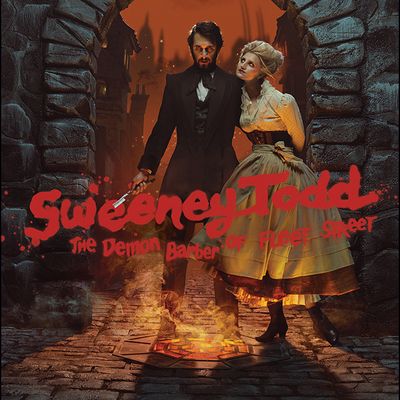
[39:38] Carolee Carmello: But that production of Sweeney was so interesting. Um I really was excited about the idea of it even before I knew, you know, all the details. I was I just heard about this production that they did in London where they converted this actual pie shop into a little theater space.
[40:00] Eli Tokash: Right.
[40:01] Carolee Carmello: It was brilliant. And then they moved it to the West End and sort of built this little pie shop within the theater so that people walked in the door and felt like they were in this tiny little pie shop.
[40:11] Eli Tokash: Right.
[40:12] Carolee Carmello: Such a cool idea.
[40:15] Eli Tokash: Yeah, and it was just the eight of us in the cast.
[40:17] Carolee Carmello: I mean, usually Sweeney has a big cast, you know, for all those huge vocal, you know, numbers. Uh and only three musicians and we had no microphones and it was amazing.
[40:29] Eli Tokash: And we were in everybody's face.
[40:32] Carolee Carmello: I mean it was it was like so in your living room, you know, and every sitting on the couch and you're walking around like singing into everyone's face. It took some getting used to, I have to say.
[40:43] Eli Tokash: Yeah, I couldn't imagine.
[40:45] Carolee Carmello: I mean, it's cool like to it's cool when shows get revived and just see how like people like reimagine it all.
[40:52] Eli Tokash: Was that your first time doing a Sondheim musical?
[40:55] Carolee Carmello: The only other Sondheim musical I had done was Company. When I was younger, I played uh Marta who sings Another Hundred People.
[41:04] Eli Tokash: Yes.
[41:05] Carolee Carmello: I did that in uh in a theater just outside of Detroit when I was in my twenties.
[41:12] Carolee Carmello: So my gosh. That was the only other time. Yeah, it was extremely do you find like that like just Sondheim in general, like his work. Do you find that like I don't know, like a layer of challenge? I don't know like how to word it exactly, but it's just so different from like your typical theater stuff. It's definitely challenging. I mean I we only had three weeks to learn Sweeney Todd, and that was really, really hard. I had never done it before. Norm Lewis, who was playing Sweeney at the beginning of our run, he had done the role like a few years, like I think maybe ten years earlier, so it was kind of in his head a little bit, but for me, I was learning it all from scratch and it was a lot.
Yeah, it's it's complicated, intricate stuff, but it's so well written that once you kind of find the groove of it, uh it's it's easy to play because there's so much there. The hardest part I have to say was that Mr. Sondheim himself came to our very first performance so Norm and I had had three weeks like I said to learn the show. Oh my gosh. And the first night they put us in because I I don't know if if your listeners know but when they opened the revival of this production in New York they had um the four leads were from London. They brought them over from London. They were only allowed to stay I think six weeks or something. So once they had to go back they were replaced by American actors and that's when we went in so Mr Sondheim came to the very first performance that Norm and I were doing and he and the space is so small that you know he's right there you can see you could see his face in every you know reaction or non-reaction that he was doing oh my God.
So it was so frightening and the worst part was that Norm had been I think doing a concert or something the day before and he lost his voice in the middle of the show and had to step out and the other buddy who had never been on uh and I had never rehearsed with was on for the second act. Oh my god. Well that's always fun. Oh yeah especially when Sondheim's in the audience I remember saying to him at intermission I was like okay you know it's not gonna be a problem I got you don't worry you know it's his first time it's gonna be fine and then I walked away and I was like wait a minute I don't know what I'm doing this is my first show too oh my gosh. That's amazing. That's so awesome. Do you still like get nervous?
Or was it like just the fact that Sondheim was there? Like, you know, like when opening any show, really. I I still get nervous um if I feel like I'm not totally ready. And that was definitely a time when I felt like I would have loved to have another week of rehearsal. You know what I mean? Yeah. Because like you said, those the the Sondheim score is it's so dense and it's so complicated. And I really didn't quite have it in my bones yet. Sure. So yeah, I was very nervous. I think I would have been nervous anyway had it not been, you know, Steven Sondheim in the audience. But then when they told us that, it you know, the nerves from here to here. Right. I totally understand that. That's insane that that had to happen on your first night.
Oh my god. But what a story. It's so like I love those. Like after the show, was there just like a sense of like relief, just like relate r uh weight off your back? I think um I think what we were waiting to hear what he thought, you know. I don't think he stayed around to talk to us that night. I think he left and we were expecting to get some notes from him, which we did get notes, but I think it took a couple of days, so I don't believe I had a real sigh of relief until I heard that he was fairly satisfied with you know what we had done. That's incredible. Okay, I guess I can do it then. Oh my gosh, that's I mean, he's such a legend. Having his having him in any audience of any show that you would do, of course, you'd be, you know, thinking about it.
But when it's his own writing, and I know from his reputation how particular he is about things. Yeah, it it was scary. Oh my gosh, I can't imagine. Oh my god. Just like the name like Steven Sondheim. Like it like just like thinking about that is making me like nervous, you know. Like I don't know. Sweat on my upper lip right now. Oh no. I'm so sorry. I didn't mean to like make you relive all of these moments. Yeah, right. Oh my gosh, that's incredible. You then went on like we talked about parade, and you had your first Tony nomination there. And then you did Scandalous, and then or was it the other way around? Was it Listet first? Listen, yeah. That's the next nominate, and then Scandalous, yeah.
Scandalous. Okay, so like, did that ever like just get old for you? Like that just hearing that you were nominated again and kind of just like going through that process and going through the Tony Awards and the press and all of that. Like, or was it kind of just like after your third one, you were kind of like uh No, it never it never got old. Well, I guess what what got old was the fact that each time I was nominated, the show that I was nominated for had already closed, and every time I was like so disappointed because I couldn't enjoy that feeling of like doing the part that I was nominated for. Right. So that was frustrating, but no, it never got old. I mean, I you know, it's such a it's such an honor to just be recognized by the people in your field and to feel like someone is is watching what you have poured your heart and soul into and saying, yes, we think that's a good thing you know yeah I mean it it it's never you know any time anybody tells you that they like what you're doing or that it's something was meaningful to them you know even when people talk to me at the stage door and say you know you really lifted my spirits tonight or whatever it is that that never gets old it's always it's always a lovely thing to hear.
Yeah I mean I know you you weren't able to like you know get a nomination when the show was still going on but at least you kind of knew that like hey I did my job I did pretty good right I guess you're right so I mean we've we've talked about this obviously like you've been in shows for several years so like you know you did like finding every land for a couple years and all these other shows and then you've also done shows where they've closed with like before they've even ran for a year. So like what have you found to be like I guess like a key to success for a show. Oh wow gosh if I knew the answer to that I think I would be would you write them all I would be a millionaire Broadway producer Yeah I mean like like we were saying before it's so hard to know what's gonna make a show come together and even a show like Parade that I felt like really did come together and was really a beautiful, brilliantly written show.
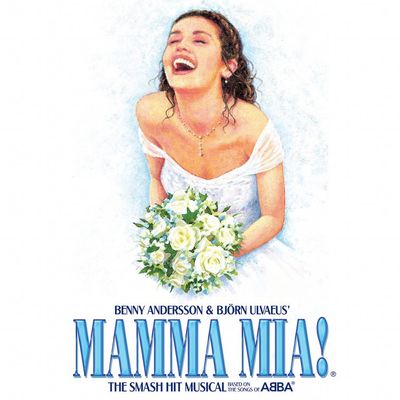
It still didn't have a long run because for whatever reason it didn't find its audience, you know. So it's just so hard to know. I don't think I have the answer to that. I think it's a combination of the writing and the time and and what an audience is looking for, you know. I mean, I did um the show that I did for the longest amount of time probably was Mamma Mia, which I did for about four years. Oh my gosh. And that opened right after September 11th. Oh wow. And it was a show that just, you know, it was what people wanted, you know. They wanted color and light and and happiness and silliness and songs that they already knew from ABBA. You know, it was just that perfect combination of what people needed at that moment in history.
It's just such a weird thing to try to figure out. And I know greater minds than mine have have tried to figure out what's gonna make a hit Broadway show. Um I I can't even begin to figure it out. For for me, just like wanting to be a part of something, it's always about the writing, and wanting to be involved with something that's that's well written. But there are shows that are not well written that become big hits too. And there are shows that are really great that just never make it. So and it's interesting too, like with parade, just how it it didn't find its audience, you know, right away, but it seems like in today's climate, it's really kind of has found an audience and kind of is being talked about more and more.
It's interesting too, like how musicals could be ahead of their time, you know. That's that's true. Yeah, and it it has had a life after the fact, so that's yeah, satisfying in its own way. Yeah, you're right. Yeah. So let's play a little game and let's do some rapid fire questions. All of these questions that you actually may know who came up with all of these questions. Do you remember Patrick McNamara? He saw Finding Neverland a hundred and sixteen times. Oh my god. He's a huge, he was a huge fan of Finding Neverland. I do remember him. I do. Yes, he would always say in like the front row. Okay, yeah. Yeah, yeah, he was the best. Um yeah, I I had mentioned to like I have like a Patreon thing, and so like I mentioned that you are coming on and like got a bunch of like questions submitted, and so like some of them were from other people, but the this one was from Pat.
All of these actually, so I figured let's just make a rapid fire questions out of them. So he wants to know what's your favorite role that you've done so far. Oh my gosh. Well, I think there are two that are kind of tied, and parade is one of them for sure, because it was the the first time I ever created a role for Broadway for an original show. The other one that's kind of the total opposite end of the spectrum, I think, was when I played Ella Peterson and Bells Are Ringing, which was the show that I did what I was just talking about when I got the nomination for Parade. Yeah. This was kind of the opposite end of the world, but it's just so funny and so silly, and she gets to play all these different characters, and so I loved doing that.
But you know, when I'm doing something, I do enjoy the roles that I'm playing. Like I loved doing Sweeney, and I loved doing chess, and I love, you know, those are the two that are top of the list, I think. Awesome. Okay, so what role have you not played yet that you aspire to play? Oh gosh. Well, you know, I'm I'm kind of hoping there'll still be maybe some original thing that I don't even know about yet. That's that's kind of the big dream. But of the shows that exist in the world that I haven't done yet, I guess the one is MAM. I don't know, you know, there aren't that many productions of MAME, but it's a fun role for somebody my age, and there aren't that many of those as we've said. Yes, of course.
Yes, and we have to cross that off the bucket list. So whoever's out there and wants to put on a production of MAME, you know who to find. Have you been to Greece in celebration of Mamma Mia? No, but I always thought the producer should send us there on a vacation. Yeah. Thank you. Totally. Do some like, you know, you gotta do some research. Totally. Oh my gosh. Incredible. Um, so and then, oh, what was it like to be in an episode of Smash? Oh, that was really fun. But you know, it was kind of sad because I was playing uh Andy's mom, and he was it was the end of the series and they were killing him off. Yeah. He got hit by a car, and I was playing his mom. And so it was very sad because we actually were only on like one little episode where it was happy.
We were celebrating his opening night and everything. And then we we were supposed to be in the episode where they were doing like the memorial service, but bes because the show was ending, they didn't have enough money to like hire more people, so they didn't even bring us on. I was like, why not killed and I'm not even at the memorial service? Oh no. Oh my gosh. That's so funny. That's crazy how like that is how television works. It's a budget thing. Yeah. Yeah. It's oh my god. Um and then last one, do you have a favorite director that you've worked with? Oh my gosh. I've I've worked with so many wonderful people. I think the one that comes to mind is Graziella Danielle. She she started out as a dancer and then became a choreographer and then became a director and I first got to know her uh doing a show called Hello Again at Lincoln Center which some people might know about because it's it's a show that gets done like in colleges and stuff.
[55:02] Carolee Carmello: She's just so passionate about storytelling and she's so supportive. You know, sometimes there are brilliant directors who don't really know how to talk to actors, but she's one of those people that can like get the best out of you while still making you feel good about yourself.
[55:22] Eli Tokash: Like she doesn't use criticism as much as encouragement, you know, and I like that's awesome. What's her name again? Can you say one more time?
[55:32] Carolee Carmello: Graziella Danielle. Oh my gosh, that's awesome. I'll have to like look her up. I also noticed too, um, like we you've done like all musicals. Like would you ever consider doing like a play or is it just, you know, something that you love about musicals?
[55:48] Carolee Carmello: Uh, I do love musicals, but I would definitely like to do a play. I mean, I think, you know, it's really hard to make transitions in this business. You know, hopefully you'll, you've had experience on screen and stage, so clearly you're better at that transition than I am. But yeah, when casting people and directors see that you've done a lot of musicals, they have a tendency to not cast you in straight plays. But we would love to do one. So hopefully there'll be an opportunity for that sometime in the future.
[56:23] Eli Tokash: Yeah. We gotta just like put it out there, you know. You gotta put it out in the universe, and maybe it'll happen, you know. Well, this has been incredible, and I've had a blast catching up with you. Um, I'm so like excited that I was able to talk to you about all of these amazing things and like these things that you've done since Finding Neverland. Um, it's been really cool. So I thank you for taking the time to chat with me, and I know that everyone listening is just gonna absolutely love this episode. So thank you.
[56:51] Carolee Carmello: You're so welcome. It was great to talk to you.
[56:54] Eli Tokash: Yay. Take about Carolee Carmello. Oh my gosh. That was literally a blast. I'm so excited that I was able to catch up with her. Just talking to her and listening to what she had to say and her infinite wisdom was just incredible. And just to ask those questions about, you know, what's your favorite character, what like you have so much experience, what did you have to overcome? And hearing that she didn't make her Broadway debut until she was twenty-seven, yet she still made this incredible career out of it is just so inspiring.
[57:29] Eli Tokash: So really it's all about timing. I can't stress this enough for anyone who's listening. Never get discouraged because it may not happen until you're 27, and it may not happen until you're fifty. I mean, it could happen at any time, so just keep at it and if this is something that you really love to do, it'll find a way to work it all out for you. But I think what she had to say as far as an actor's point of view of being a daughter, a grandma, a mom, all of that. She had just so many fun things to say, and it was interesting to hear her Tony experience and everything like that, to talk about Jason Robert Brown.
[58:08] Eli Tokash: I got to work with Jason Robert Brown briefly in the King Kong reading. Yeah, I know. There was a time where Jason Robert Brown was writing the music for King Kong and it was amazing. But obviously we all know that that was not the version that they put on Broadway. It was very different. And all of these things, um, Hello Dolly, Sweeney Todd, I've been dying to talk to her about that. So I was glad that we were able to and I was able to share it all with you.
[58:33] Eli Tokash: I didn't get to like talk about it during the episode, but she has some very interesting facts, I guess you could say, about her career and herself. And you know, she's been in fourteen Broadway shows. Like that's right there itself is just absolutely mind boggling. But with that being said, being in 14 Broadway shows, she's only performed in the same theater twice. So that's kinda crazy. And those two theaters are the Neil Simon Theater and the Lunt-Fontanne Theater, where she did Finding Neverland and the Addams Family was there as well. So I thought that was interesting, 14 times, and those are the only two theaters that she's performed in multiple times.
[59:16] Eli Tokash: She was never in a show for the same composers or writer on Broadway. She's worked with fourteen new teams, I guess. And I thought that was incredible because I've been in two Broadway shows and I've worked with the same director. That's very interesting and very rare, I think. And then one more thing, her Tony nominations for Lestat, Scandalous, and Parade all were at like an exponential rate of seven years apart. Isn't that kind of crazy? Just like each one was seven years apart from the other. And I thought that was really cool.
[59:49] Eli Tokash: And I want to know how many times that's happened because it just goes to show that over her career, literally, no matter how old she was, she was still performing at a top tier. So 21 years apart, and she's still being nominated for Tonys, and she's still working and just killing it in all aspects. And actually, I do have one more last thing. So she is an award-winning actress, and she won a Drama Desk Award. And that award, that specific Drama Desk Award, is pretty historic because there's only been five times where the Drama Desk Awards have had ties.
[1:00:29] Eli Tokash: I've never heard of an award ceremony having ties or anything like that. So she actually, her one win for a Drama Desk Award was when she was tied with Bernadette Peters. I mean, that's kind of incredible. Just an honor right there to not only be nominated in the same category as Bernadette Peters, but then to also win the award with her, like that's kind of crazy. And I mean, like, obviously, Carolee Carmello and Bernadette Peters, I mean, they're amazing. And I thought that was really cool.
[1:01:02] Eli Tokash: So I can't thank Carolee enough for coming on and sharing her stories. And I hope that you all learned some more about Neverland, more about just being in the business and never giving up, and some of the challenges that you may face, but you can't let it discourage you. And special shout out to Patreon Pat McNamara, who is the best for sending those rapid-fire questions. She loved them, and she was so excited when I said his name. So thank you, Pat, for submitting those, and thank you for all your support for Take A Bow.
[1:01:36] Eli Tokash: Let's turn it over to Triple E's, shall we? And this is like a Patrick McNamara, like Finding Neverland episode. This segment today is kind of dedicated to Pat as well because he is the one who kind of inspired it. So Pat has been dying to know when mics are turned off and you go offstage after a scene. Do we have to do that? Or like does the sound do it? Like the sound engineer, and are there ever like mishaps when the engineer forgets to turn off the mic?
[1:02:07] Eli Tokash: So thankfully, that is something that the actors do not have to do, and that is all taken care of by the sound engineer. And the sound engineers actually sit in the orchestra of the audience. So he has like a giant soundboard that can't really fit anywhere else. So they put him in the audience, and he's the one controlling all of that. And there have definitely been times where our mics have been on when we were off stage, and it's interesting because at the time we have no idea if they were on or off or not. Like when we're just talking, we're just having normal conversations, and we don't really think that our mics are on.
[1:02:44] Eli Tokash: So it's not until after the fact or even sometimes after the show where it's brought to our attention where we were like, "Oh, can you just wait a few more seconds before you start talking and pick it up?" It's always interesting backstage because there's always something going on, whether it is good or bad, there's always something going on, and you know, it's a live performance with a bunch of people backstage, a bunch of set pieces, all of these amazing things. So something is definitely gonna go wrong, but like it's how you handle it and how you manage it to see how the show goes and keep it running and keeping it live and keeping it fresh and keeping everyone on their toes, and I think that's one of the most fun things about live theater.
[1:03:27] Eli Tokash: And listen, sound engineering, like they have one of the hardest jobs, and they're controlling way too many things that they need to take care of. But as an actor, you're not really like thinking about it. Like when you're in a performance, like when you get off stage, you don't even think about, "Oh, is my mic off?" It's kind of something that you just like assume, you know. It's almost like as a kid, you know, you just assume your parents are gonna make you breakfast when you get up or something like that. I don't know. I just, that was a random analogy, anyways.
[1:03:57] Eli Tokash: Uh, but yeah, it's just something that you even forget you have mics on sometimes, so like you're like, "Oh yeah, I do have to be like careful for the sound engineer, of course." Yeah, yeah. And but we're all kind of doing our own thing, and we're all trying to tell a story, and then when we get off stage, you know, we're talking about the scene or we're talking about food or like whatever it may be. It's sometimes the most random thing. And it's definitely common that you can hear actors talk with their mics on and when they have no clue and they think it's off. So it's interesting, but uh yeah. So thanks, Pat, for that question, and that is this week's Eli's Entertainment Experience.
[1:04:35] Eli Tokash: So I mean, now we usually turn it over to drama dictionary, so let's do that. For this week's drama dictionary, we're actually gonna have a little phrase, and it is something that keeping it Finding Neverland related was a huge superstition in the show. Um, and even a very big tradition with Carolee. Before every show, the whole cast is kind of in the first scene. So the cast all comes to the stage, and we're all waiting on the stage behind the curtain when it comes up. Each individual had their own handshakes with literally everyone in the cast, and they had their own, like, you know, little traditions that they did before the show.
[1:05:14] Eli Tokash: And one of mine with Carolee's, we did a little handshake, we made a silly face, and then we go three, two, one, break a leg. And so break a leg is actually gonna be this week's drama dictionary phrase. So break a leg is actually a superstition in theater. A lot of superstitions here in this little explanation, but it is the alternative to good luck. Break a leg is kind of just the theater good luck because good luck is considered bad luck in theater. I don't know how that started.
[1:05:50] Eli Tokash: So when you see someone in theater and you're going to an audition or something like that, don't say good luck because believe it or not, like the actor could actually get kind of discouraged and get a little worried, and it could affect their performance. So make sure you always say break a leg, and they'll take that and they'll appreciate that. And so say to yourself, say to your parents, tell everyone it's break a leg, not good luck. Because it's actually a very important phrase to have in the theater. And there are a lot of theories of the origin of break a leg, but there's never been any clarification. So if there was, I would be able to share that with you.
[1:06:35] Eli Tokash: Um, but that's kind of how it is in today's climate, and we all say break a leg. So that about wraps it up for this week's episode. I'm so thankful that Carolee was able to come on and chat with us because she had so many great things to say, and she's been in so many different things that I'm sure one of them has been your favorite, and you wanted to hear from her. If you're interested in following Carolee Carmello on social media, it's just Carolee Carmello, her name, C A R O L E E, C A R M E L L O. No spaces, no dots, no underscores, nothing. Just Carolee Carmelo.
[1:07:10] Eli Tokash: And keep up on all the new things that she's doing, and uh, she's incredible, so I definitely recommend following her and becoming a fan of hers and even rewatching some of her old work. It's definitely worth it. And next week we have a two-person guest. So I'm very excited for that one, and uh, I know that you're gonna all love it, and they're doing really cool things, so I'm excited to share that all with you, as well as the new news that may happen this week in the Broadway community. So until then, this is the curtain call. Bye everyone.
[1:07:41] Eli Tokash: For this episode's curtain call, I would like to recognize a few people who also deserve to take a bow. This podcast would not be possible without the help from Dory Berenstein, Brittany Bigelow, Katie Rosen, Alan Seales, and the team at the Broadway Podcast Network. Next in line to take the bow is Tessie Tokash, who edits the audio and all the visuals for this podcast. A special thanks to patrons Brian Thompson, Pat McNamara, the listeners at PCC, as well as all the other patrons for their continued support.
[1:08:09] Eli Tokash: If you're interested in becoming a patron, go to Patreon.com slash T A B. And if you enjoyed this week's episode, don't forget to subscribe on the platform that you're currently listening to this on. Also, feel free to give us a follow on Instagram at take a bow podcast. Take A Bow's logo is designed by Giselle Bustos, and the music is by Nikki Torsha and Cormac Collinov. Bye everyone. Hope to see you next week.
© Broadway Podcast Network, All Rights Reserved